



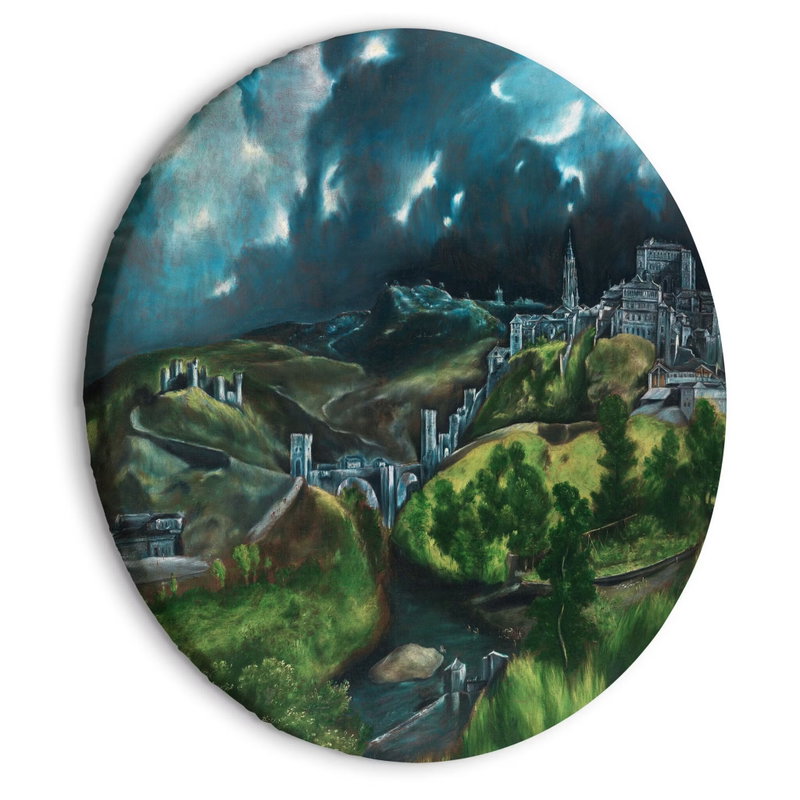
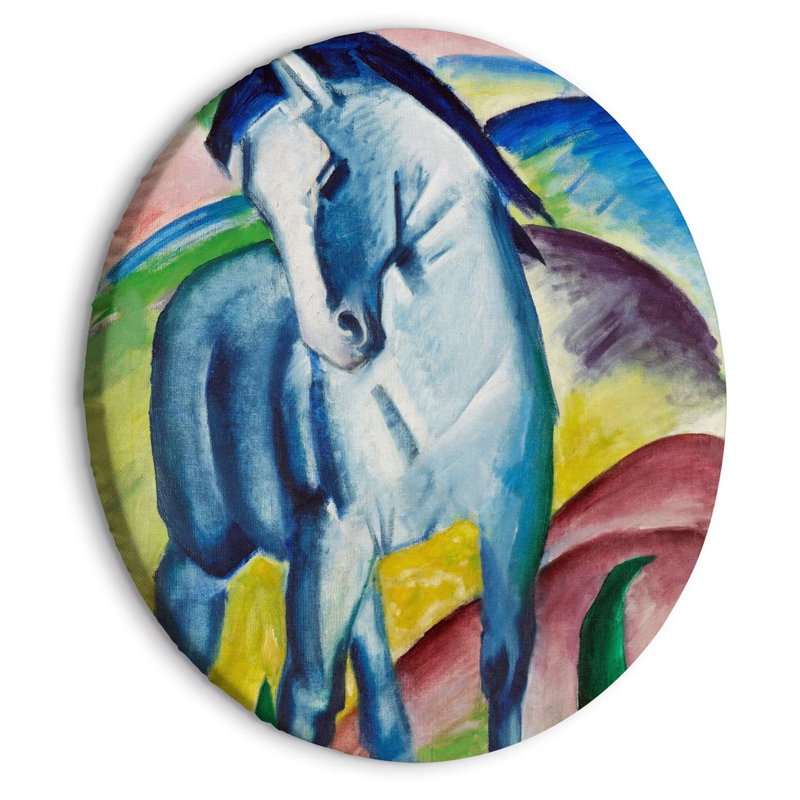
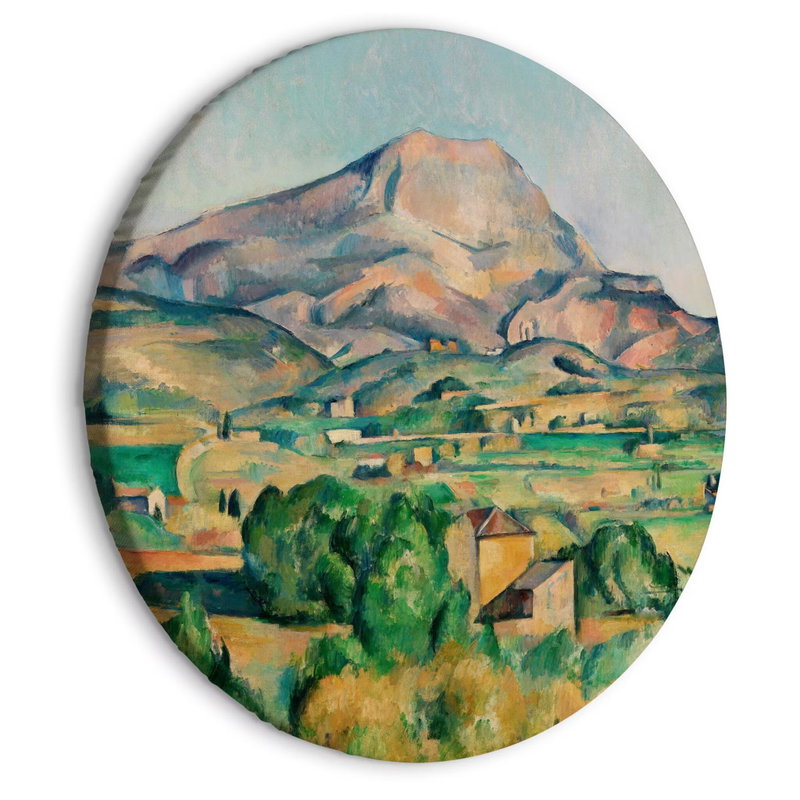
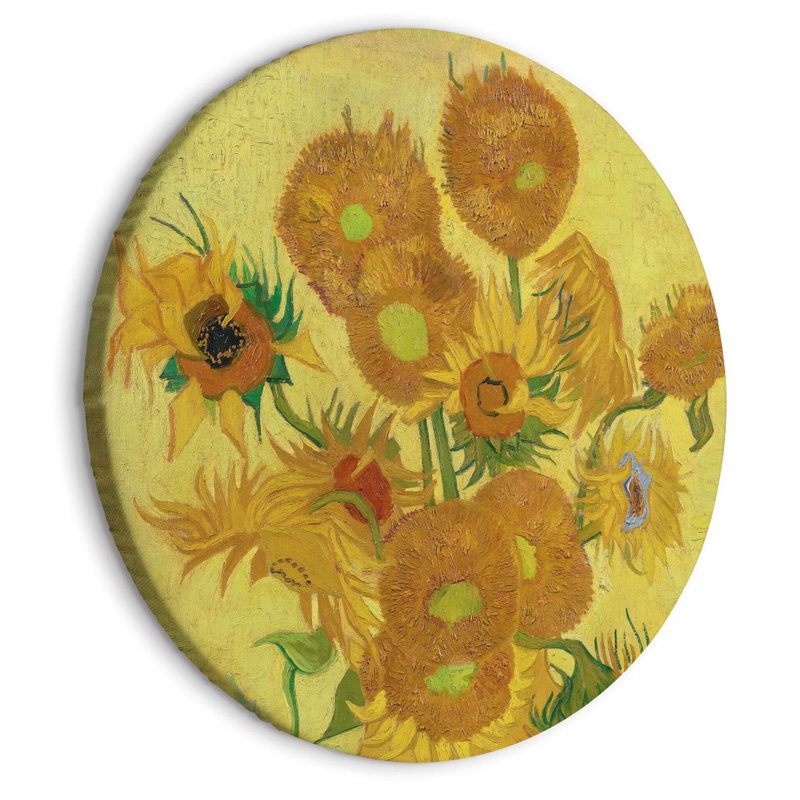
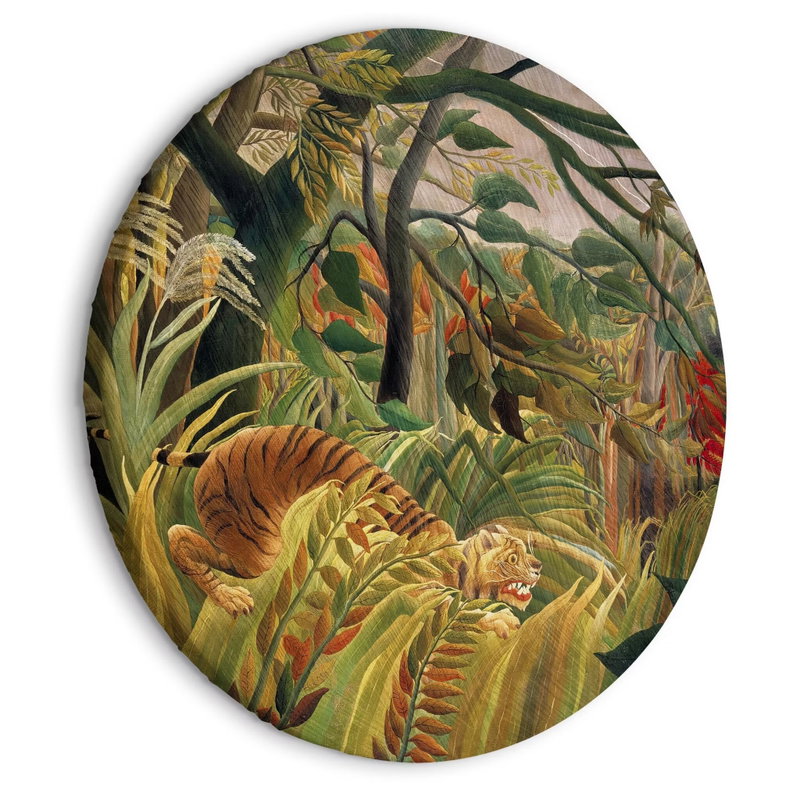
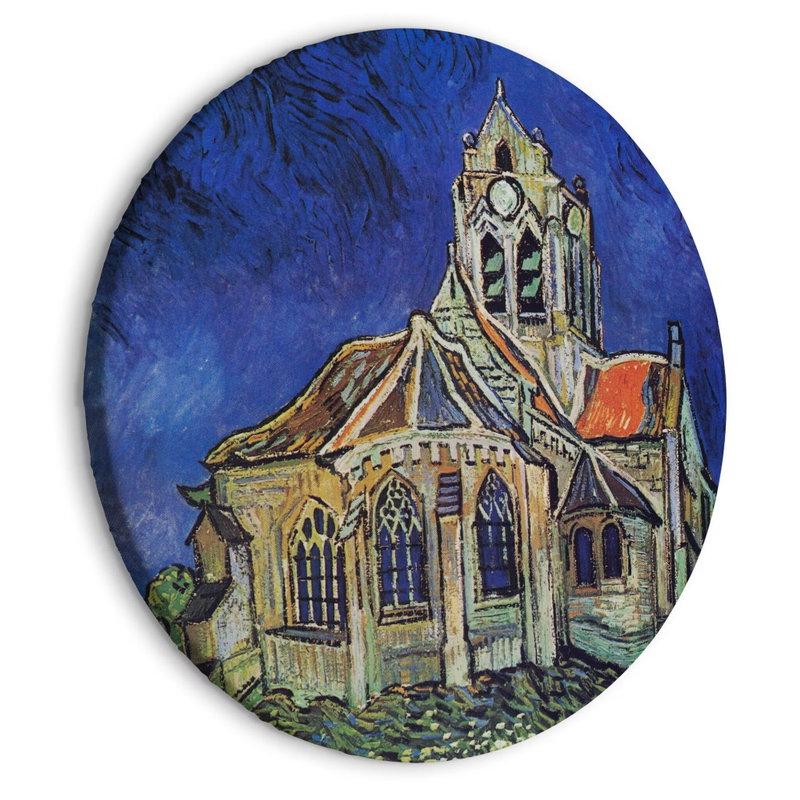
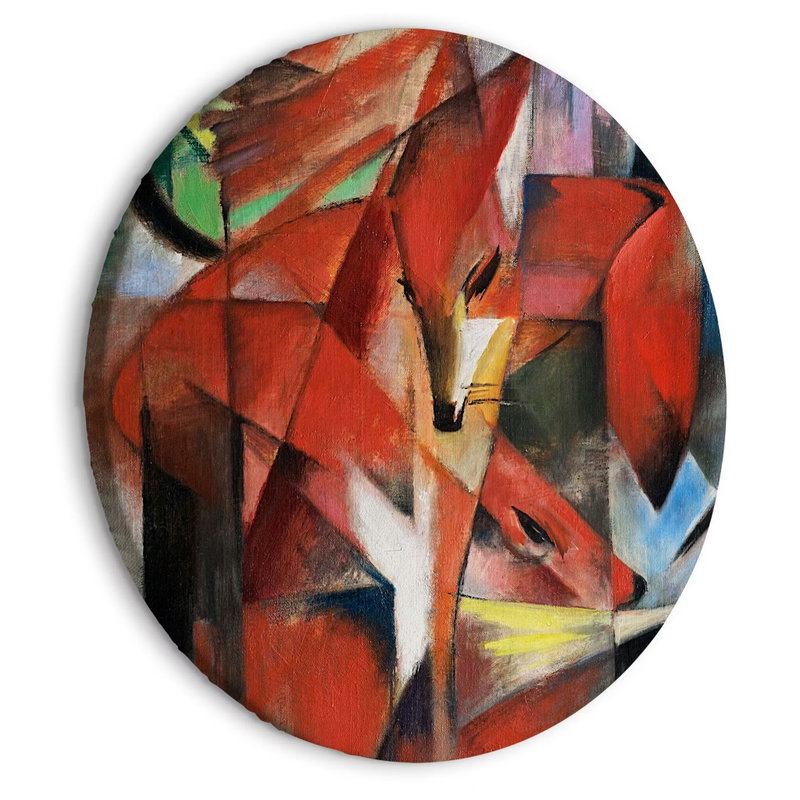
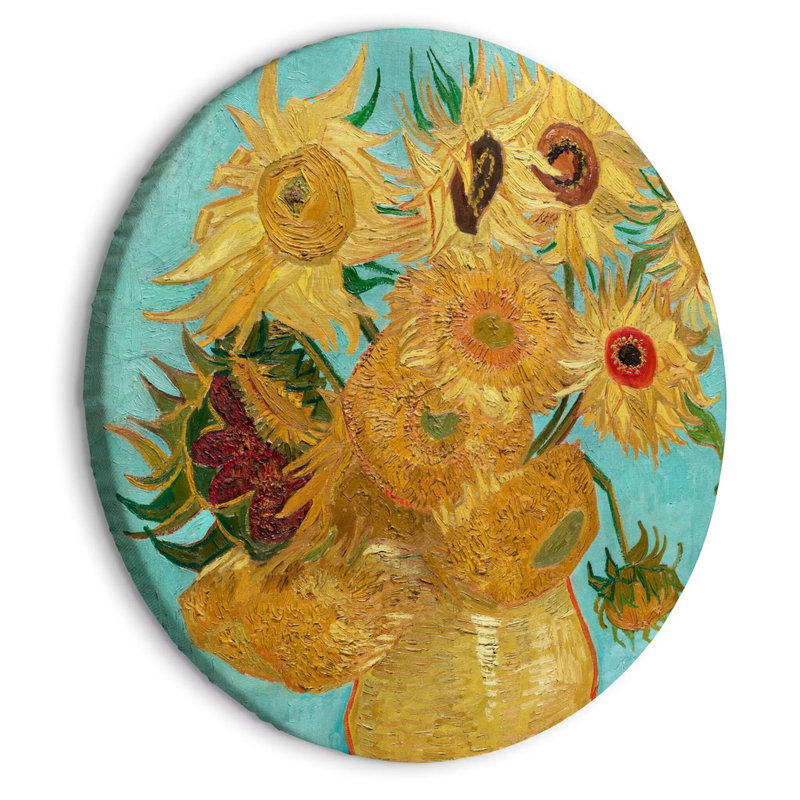
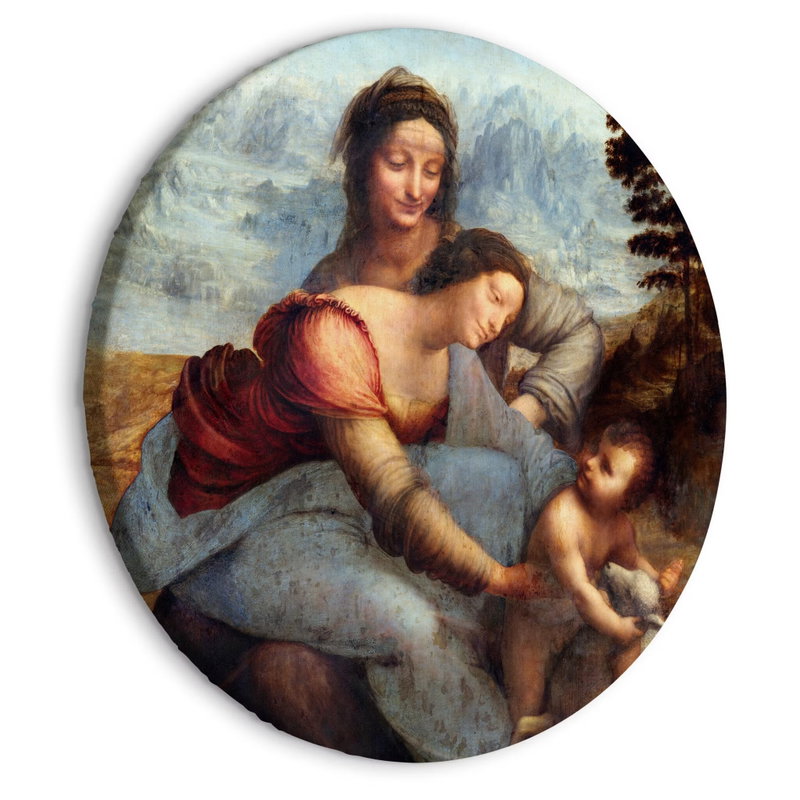
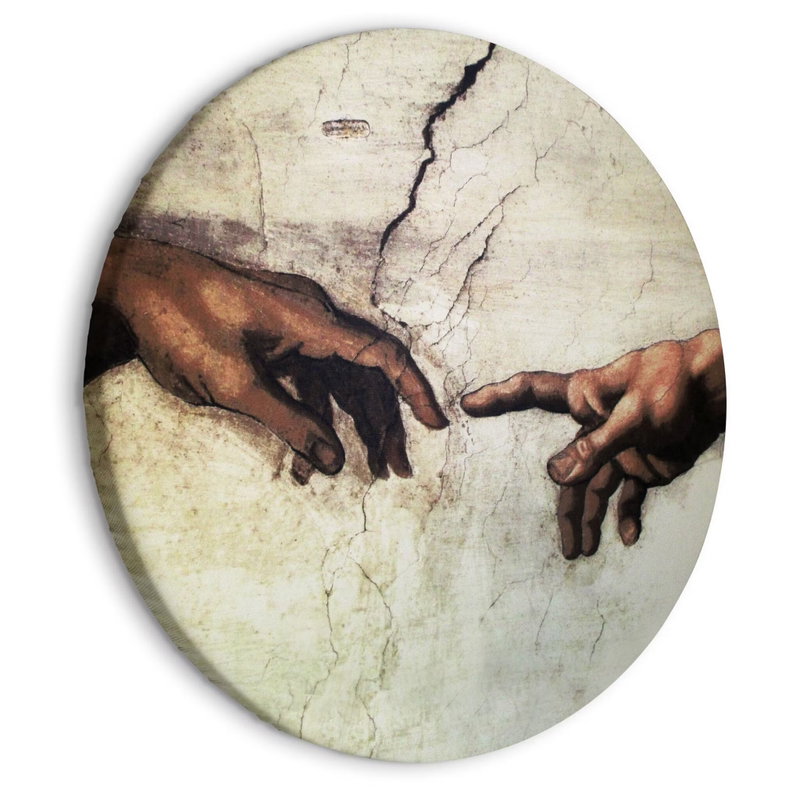
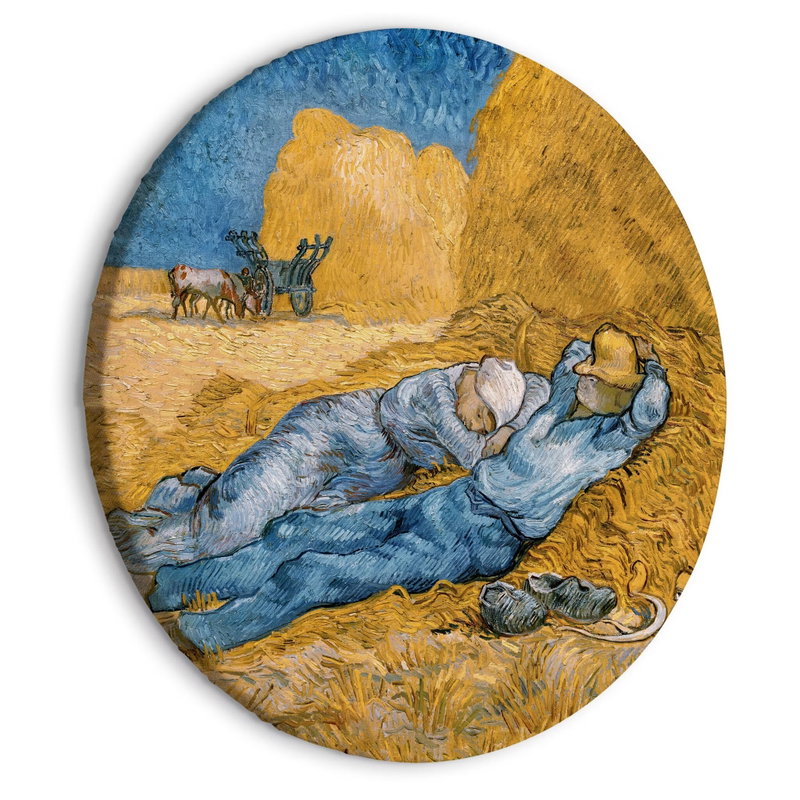

A classical image in a circular reproduction
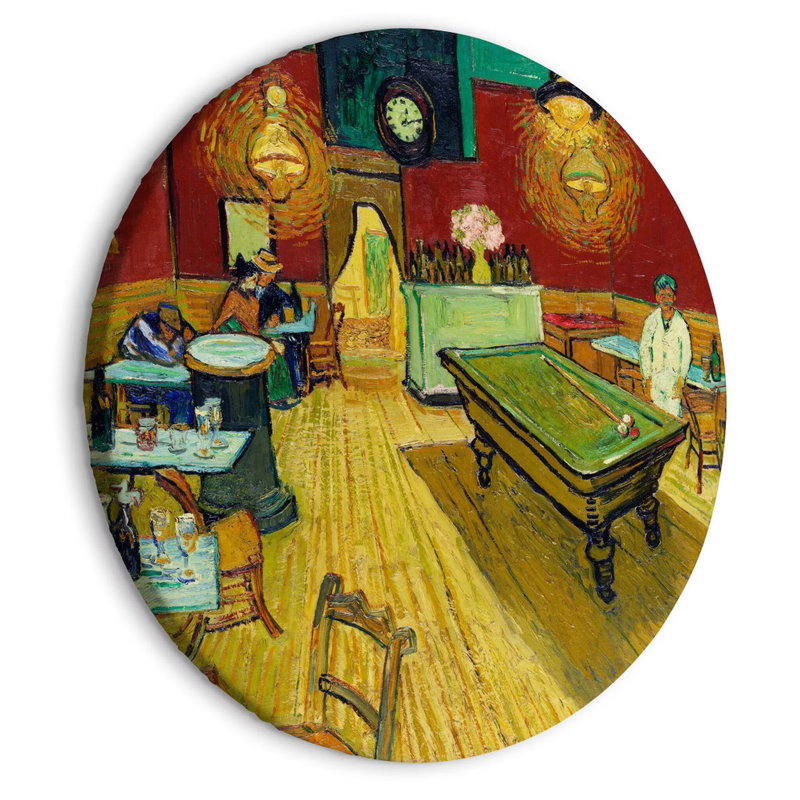
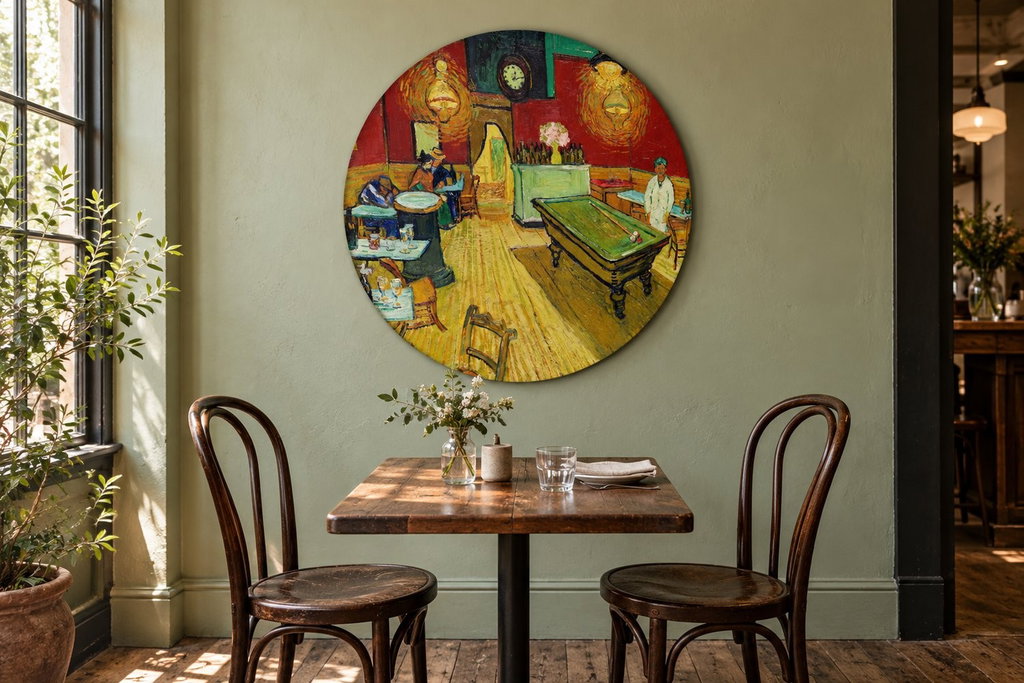
This category offers round pictures featuring classical paintings. The checked selection includes a reproduction of Vincent van Gogh’s café interior, with a green billiard table, red walls and yellow lamps. It creates both a defined pictorial space and strong colour relationships.
This is a printed image product. Check the verified subject information if artist and artwork are important to your choice. Also examine the actual circular reproduction: this is the version that needs to work on the wall.
The crop affects which details stand out
A round edge can frame a painting differently from a rectangular format. Some details sit centrally, while others meet the circle’s sides. Compare the main image for that specific round product with what you want to see.
In an interior scene, floor perspective, table and light sources may create several focal points. Choose diameter according to how much of that story you want to read from the seat. A small format can still make a clear colour impression even when fine details are less prominent.
Let the painting’s colours meet the room’s forms
A round picture adds variety beside furniture, windows and other straight lines. Its colours can also connect textiles and furnishings or create a deliberate contrast. Assess both the circle’s proportions and the painting’s colour distribution in the intended position.
Check available diameters on the product page. The checked models offer 40, 60 and 80 centimetres. Try a paper template before deciding on size. Shared colours can connect different classical images without every picture needing the same diameter.
Printed artwork and absorbing construction
Behind the reproduction sits sound-absorbing construction that can help reduce reverberation. The classical image is the decorative part of the choice. Plan absorbing area and placement around room size, materials and other furnishings.
Follow hanging and print-care instructions. Match fixings to the wall and choose a position that works for both the image and practical use. It does not replace sound insulation between rooms, but can form part of their absorbing interior.
Read the pictorial space beyond the main subject
In a classical interior scene, the relationship between floor, furniture and light sources often builds the story. Notice how lines lead into the image and which elements suggest distance. In a circular reproduction, a detail near the edge may take on more visual significance than in a wider format.
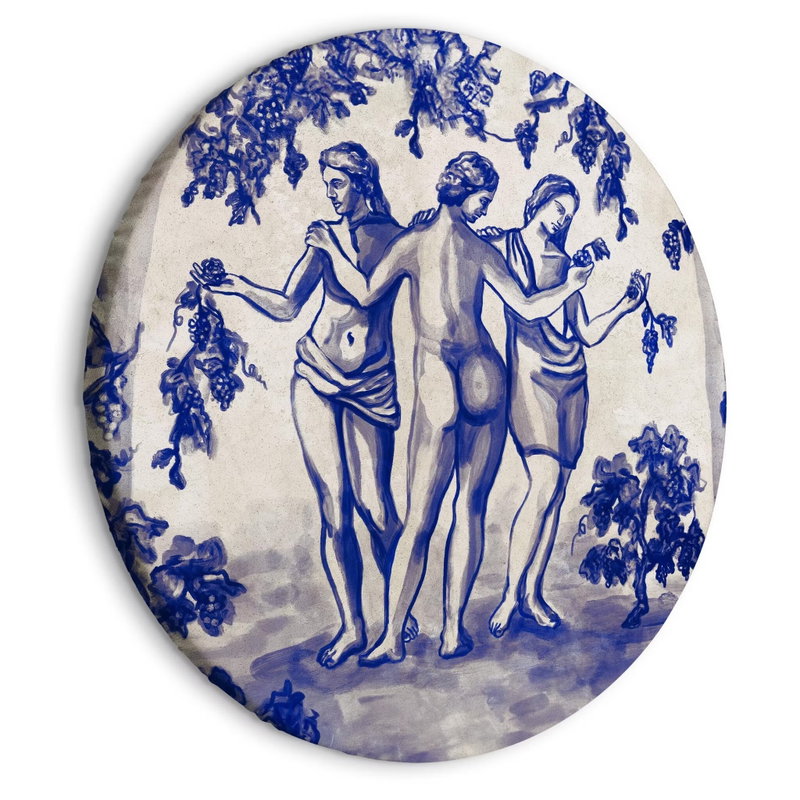
Examine the whole product image before choosing it for a familiar part of the painting. The relationship between colours or the room’s depth may be what makes this version interesting. Assess the round picture through its own crop, even when the original image is well known.
Compare warm colours with the room’s lighting
Red walls, green surfaces and yellow points of light in a subject can create distinct contrasts. Compare the dominant colours with the intended wall in daylight and in the lighting used in the evening. The colour impression on a screen is a starting point, but does not alone show how the entire position will feel.
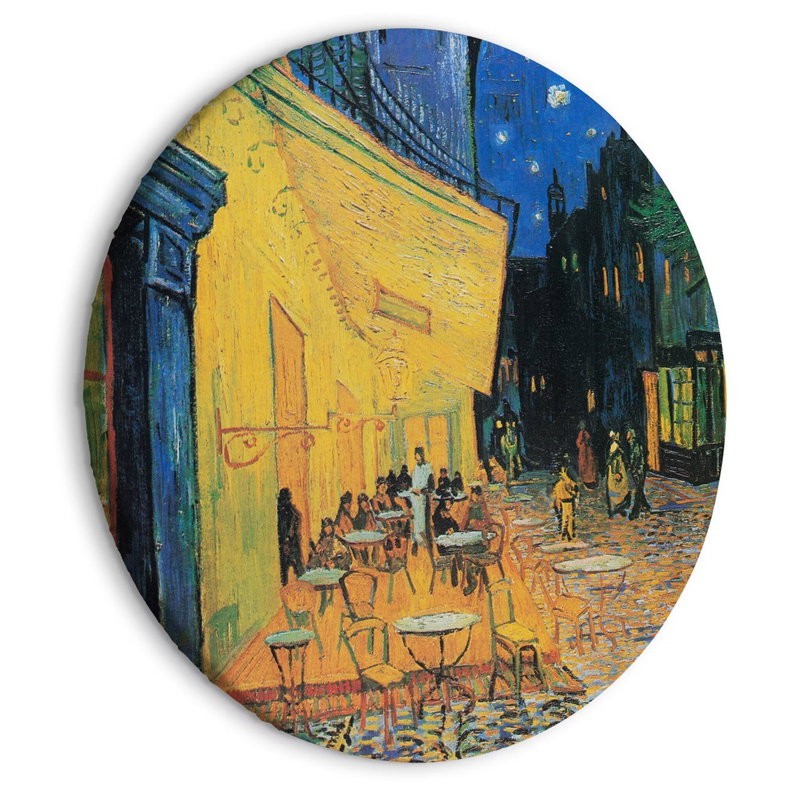
If the image has a strong palette, its surroundings can be simpler. A smaller recurring colour in a textile or piece of furniture can connect the whole without copying every colour in the painting. Try which part of the palette should connect the picture with the room.
Distinguish the painted image from the version you order
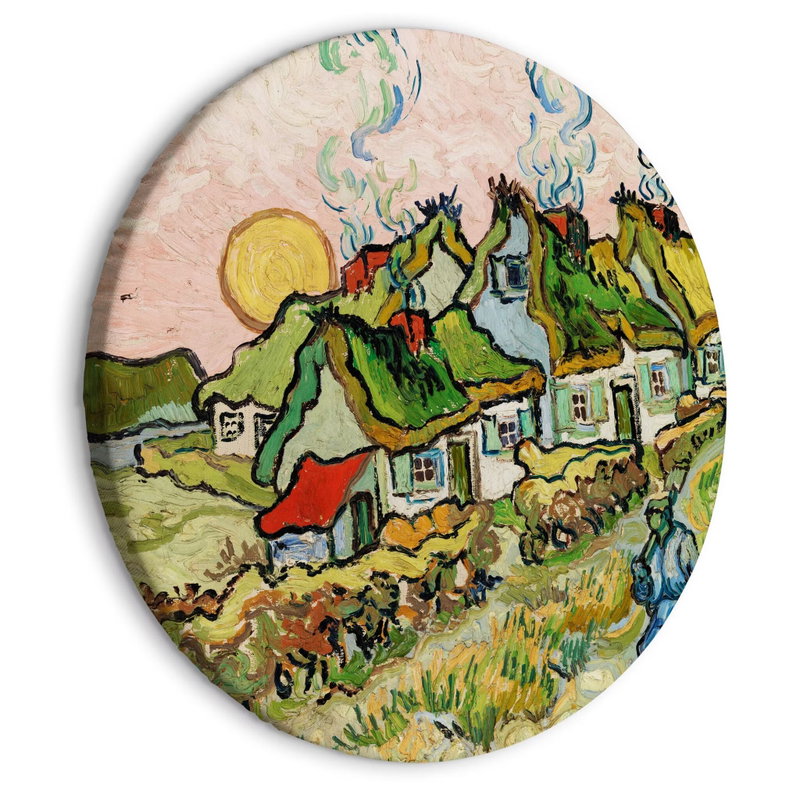
Visible brushstrokes and paint textures are part of the printed reproduction’s subject. They do not mean the picture has the same physical surface as a hand-painted original. Read the product’s material and construction information when assessing what will actually be supplied.
A classical composition can also suit a contemporary setting. It does not need historically styled furniture to have a clear place. Refer to the visible print, available size and the room’s use, letting the artistic connection inform your image choice without assuming other product properties.