




Portraits with different kinds of presence
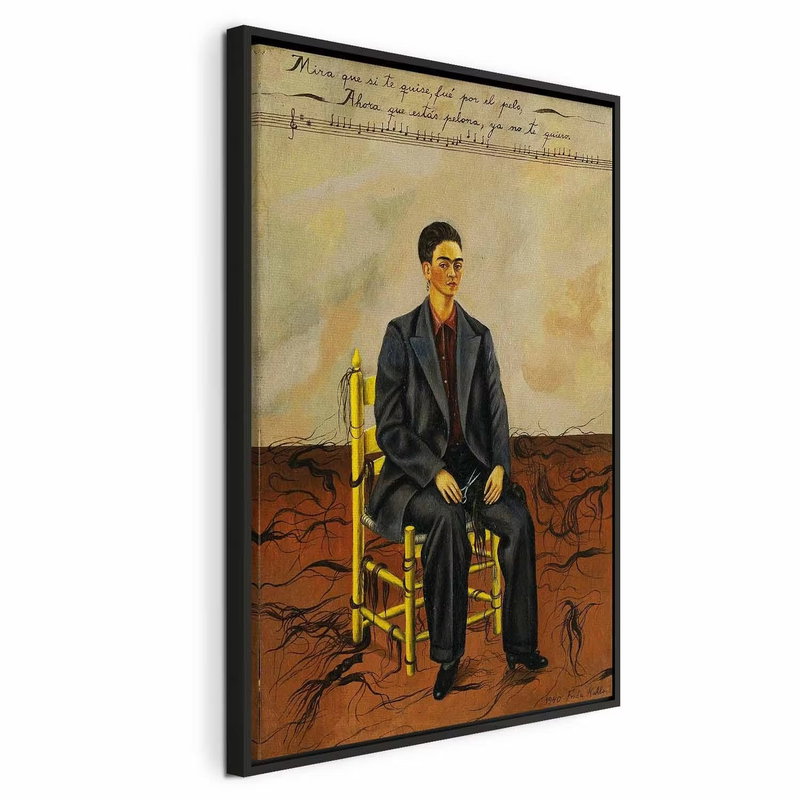
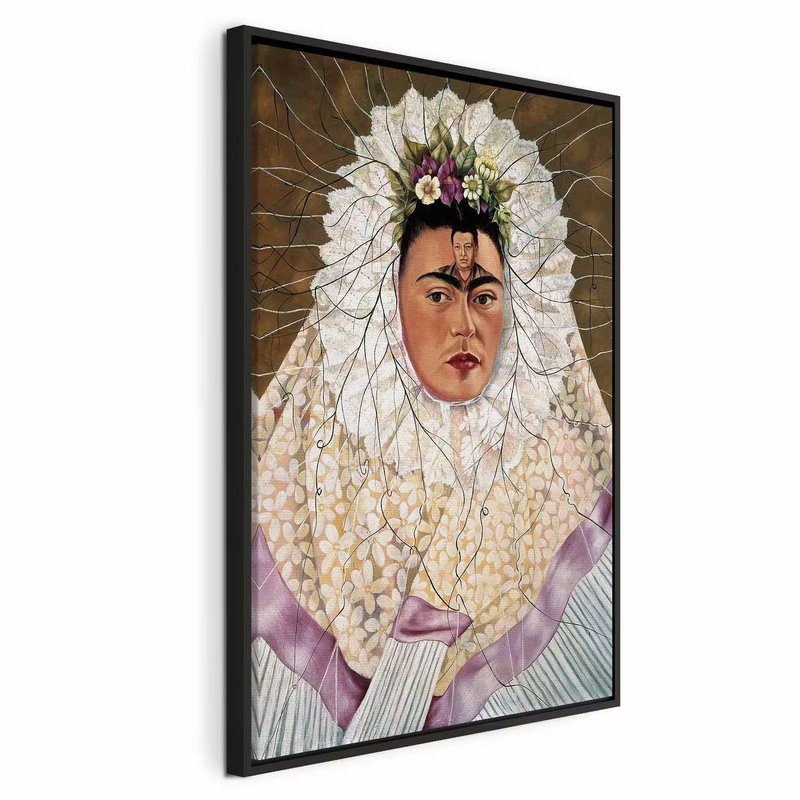
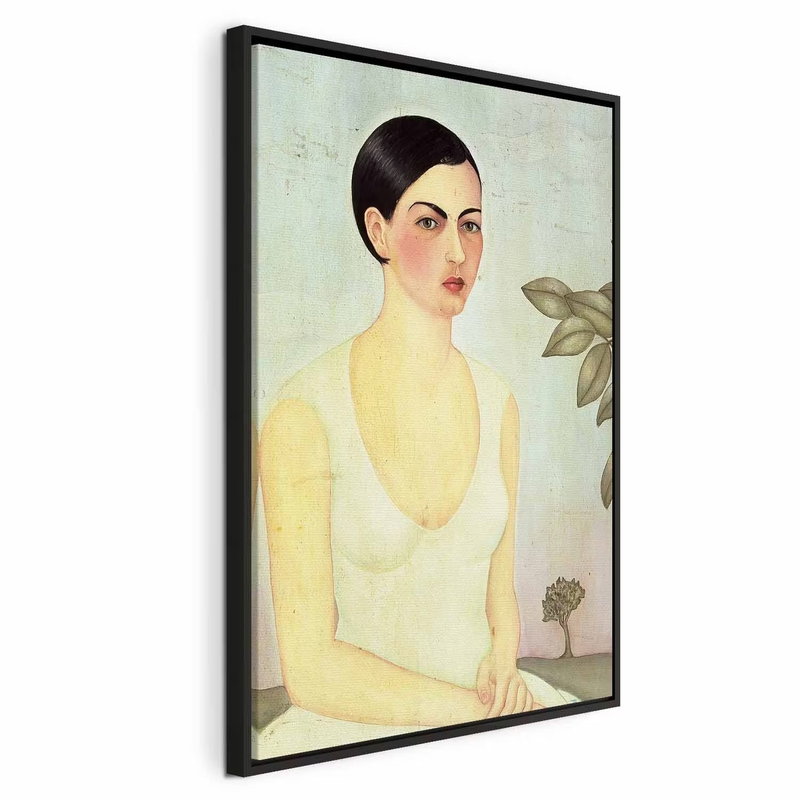
Cristina faces the viewer against a pale background with a leafy branch at one side. In the self-portrait with lace clothing, the headdress fills more of the image, while the person on the yellow chair occupies a more open space. These subjects balance face, clothing and background differently. Choose the presence you want on the wall and judge the actual reproduction, rather than relying on the work’s name alone.
Give narrative scenes room
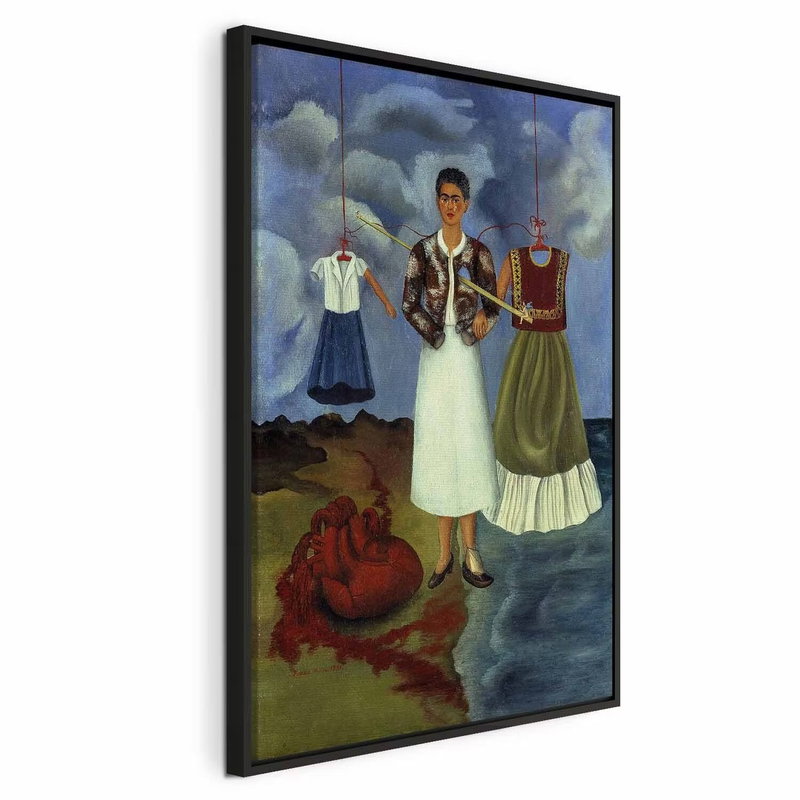
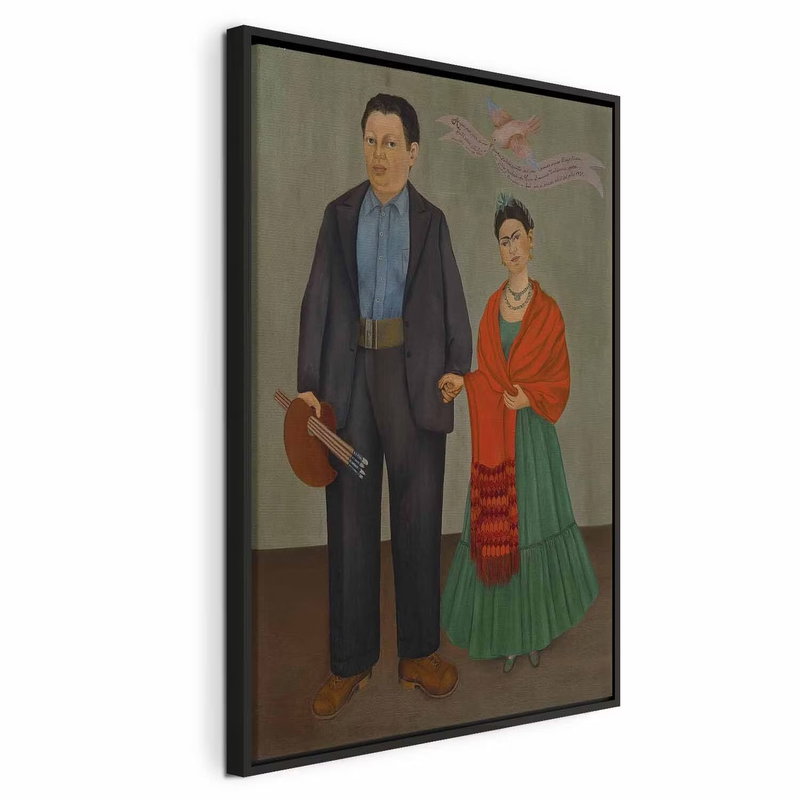
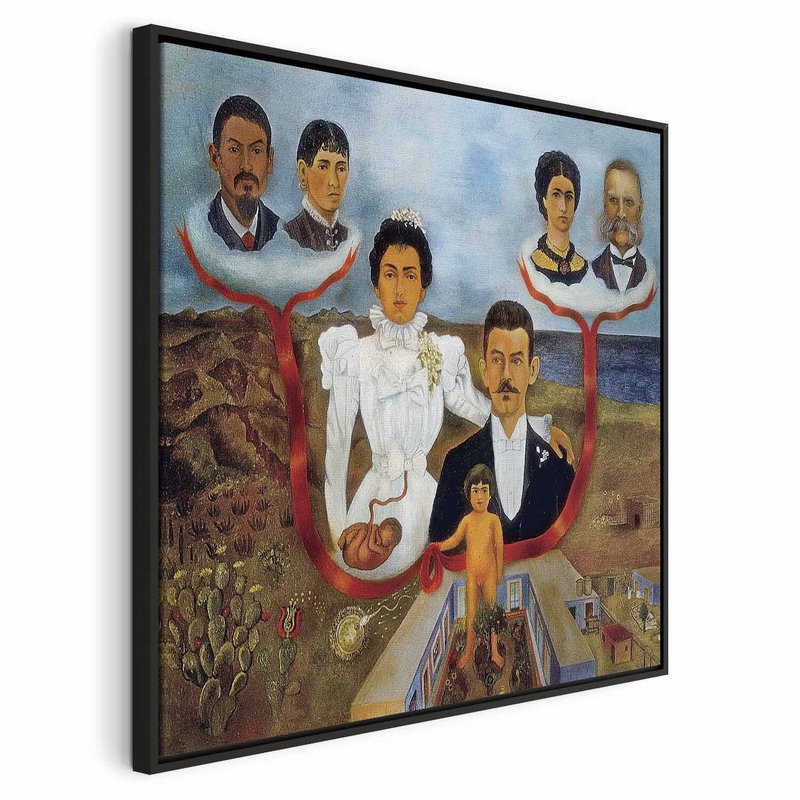
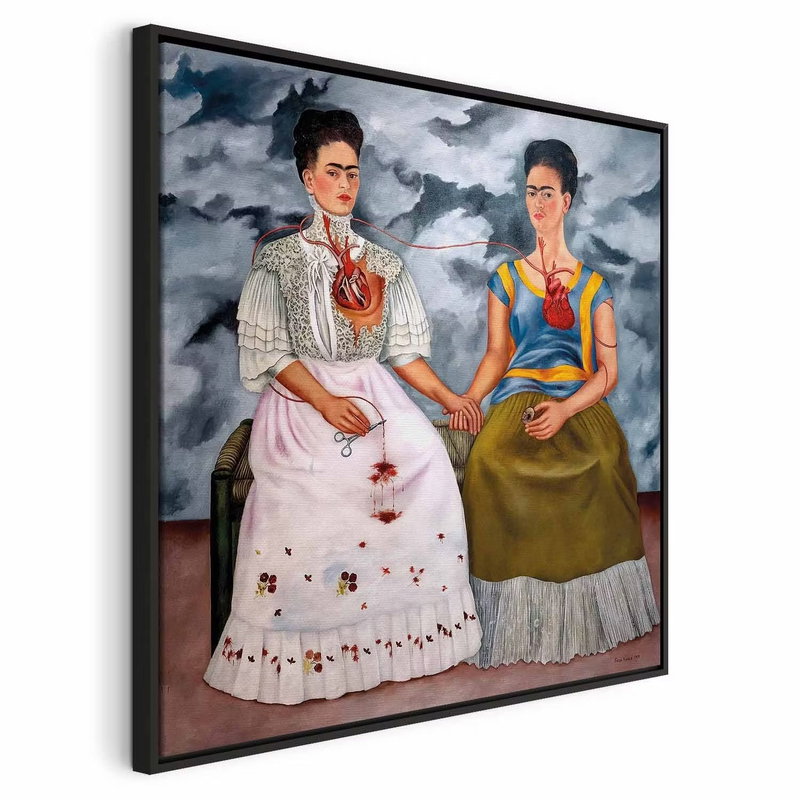
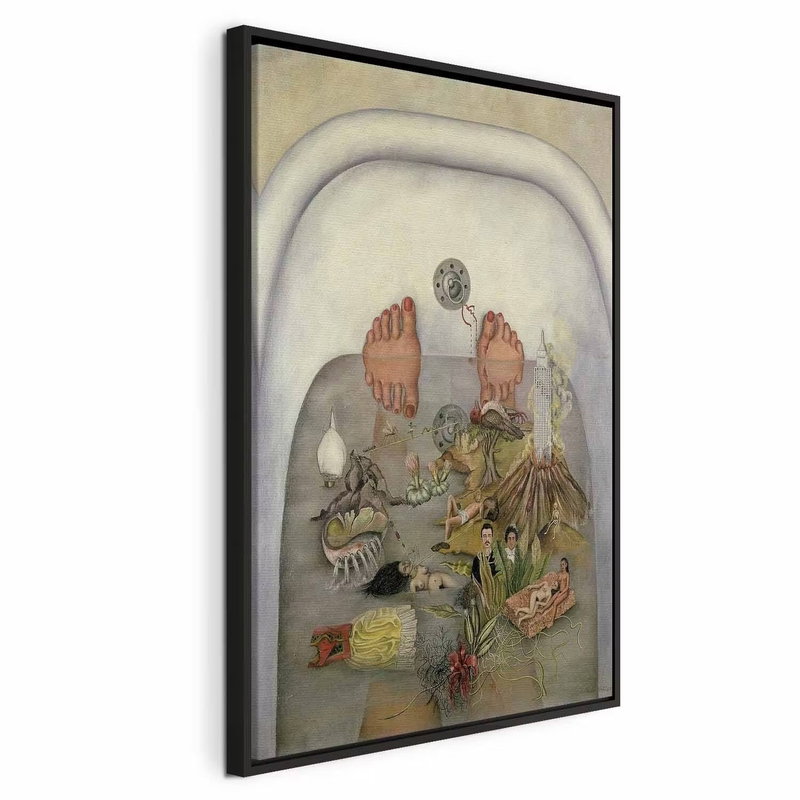
The family picture connects portraits of several generations with red ribbons. Other compositions bring together two seated figures, suspended dresses or small scenes within bathwater. The many parts need to be readable without competing with too much other wall decoration. Try viewing the subject from different positions. An open wall near a seating group can allow more opportunity to discover details than a narrow passage.
Fruit still lifes offer another choice
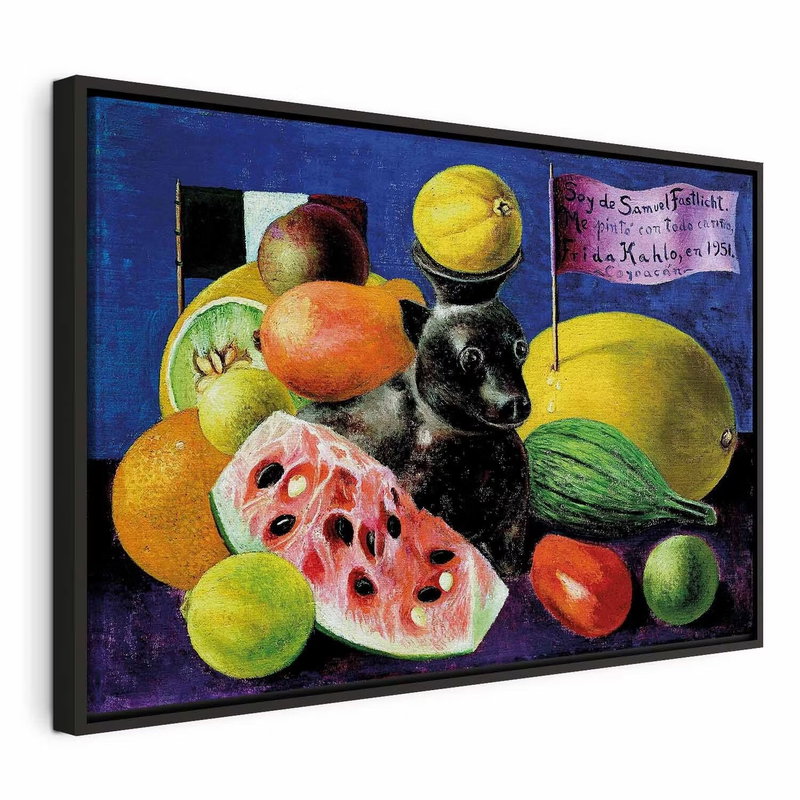
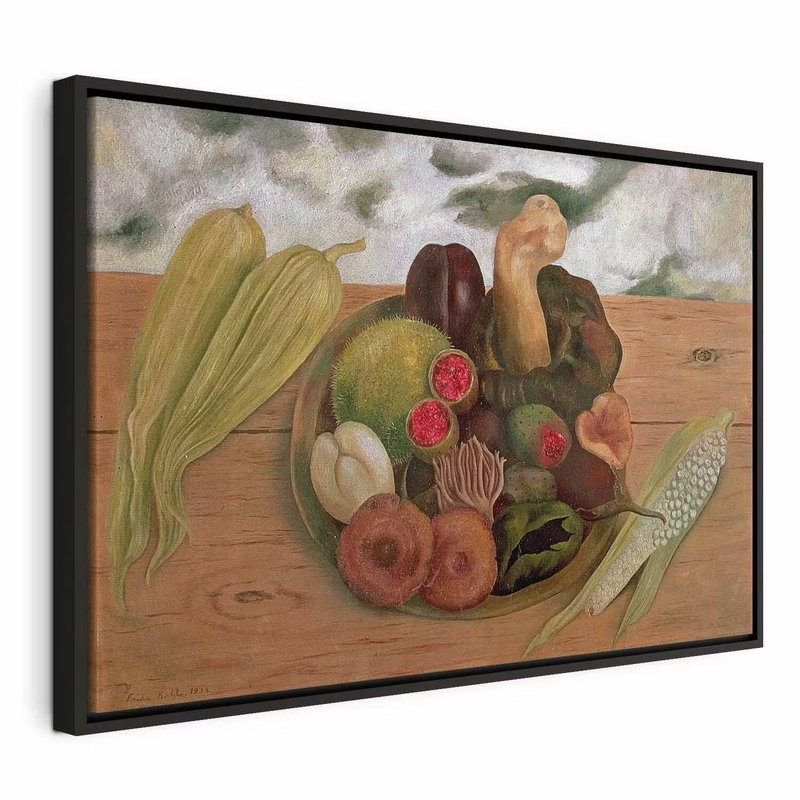
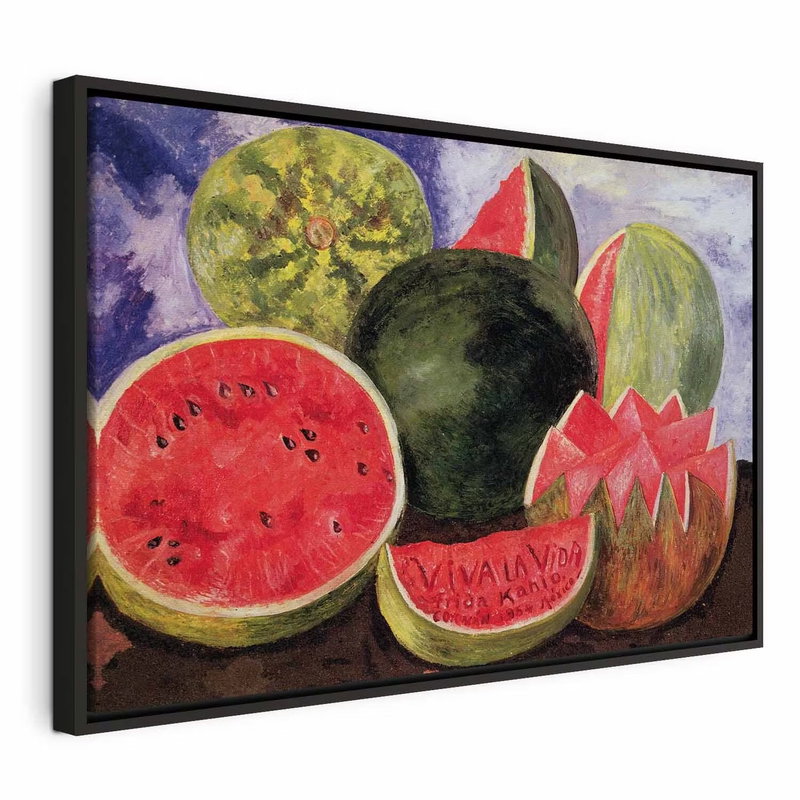
The whole and cut watermelons have distinct red and green areas. The fruit dish with maize and the blue still life with a small dog figurine offer other shapes and backgrounds. The figurine belongs to the arrangement of objects and does not make the entire image an animal portrait. If you prefer objects to a person, start here and connect the palette with textiles, ceramics or wood in the room.
Choose frame and format together
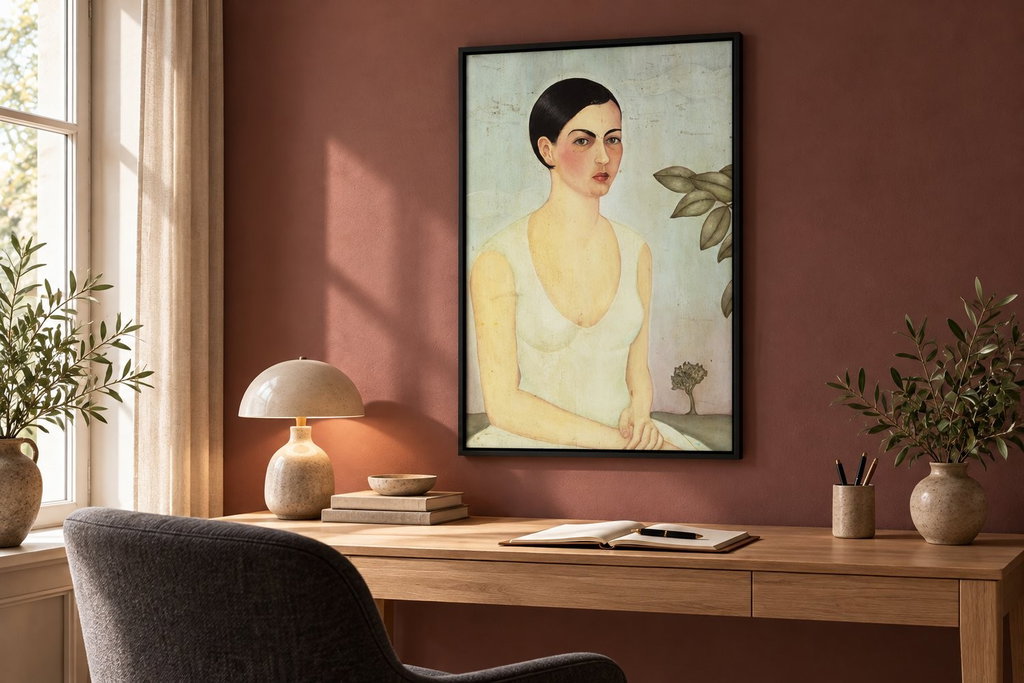
A dark outer frame can define a pale portrait, while a natural-coloured option creates a different relationship with the wall and furniture. Check the frame choices and sizes offered for each picture. A vertical portrait and a horizontal still life require different wall space. Also measure the gap above furniture and beside other pictures. A shared frame can connect a group without every subject needing the same colours.
Plan for image and sound absorption
Behind the reproduction print is the picture’s sound-absorbing construction, which can help reduce reverberation. Its effect depends on placement, hard surfaces and total absorbing area, among other factors. An artist category does not imply a separate performance class. Read the selected model’s construction, hanging and care information. Choose fixings for the wall material and picture weight, and follow the product’s mounting instructions.
Choose between the person’s gaze and the scene’s many parts
A portrait may establish a clear connection with the viewer, while a narrative scene leads the eye between objects and figures. Notice what actually stands out in the product image and the space each part receives. Choose between meeting the face directly and discovering elements gradually from a seat.
Do not choose a fixed meaning solely from the work’s name or artist biography. Assess the visible reproduction through form, colour and arrangement without assigning every symbol one explanation. If a detail is decisive, examine it in the main image rather than assuming equal clarity in every format.
Let colours work at a distance too
Large red and green areas in a still life may appear before the fruit’s small details become visible. A pale portrait may instead be assessed through facial outline and background. Compare the whole with room colours and furniture so that one favourite detail does not determine a large image’s entire expression.
Consider lighting at the intended wall too. The print’s depicted light and shadows belong to the reproduction, not physical lighting or real objects. The small dog figurine in a still life, for example, is image content. Actual materials and construction are described in documented product information.
Try the framed image in its everyday setting
A detailed scene may need a quieter wall to remain readable, while a defined portrait may find a clear place between objects. Test the whole format with a template including the visible frame. View it from entrances and usual seats and assess the height of its central elements.
A recurring background tone or frame can connect portraits and still lifes without matching every colour. Plan gaps in current outer dimensions and preserve access to doors and storage. Then assess total absorbing area separately for acoustics using the room’s real materials and use.