




Horse portraits, herds and painted interpretations
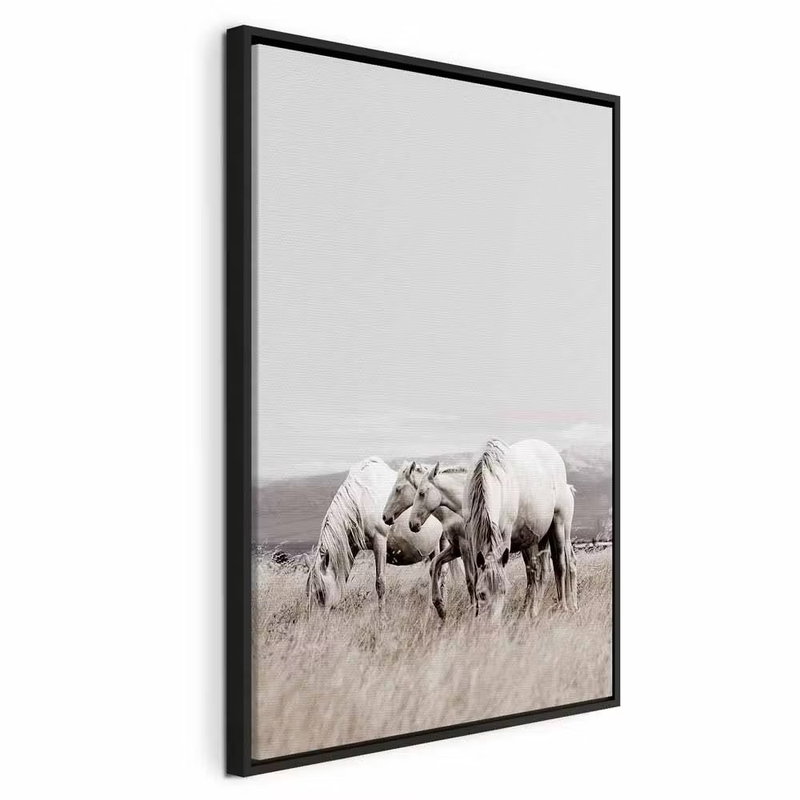
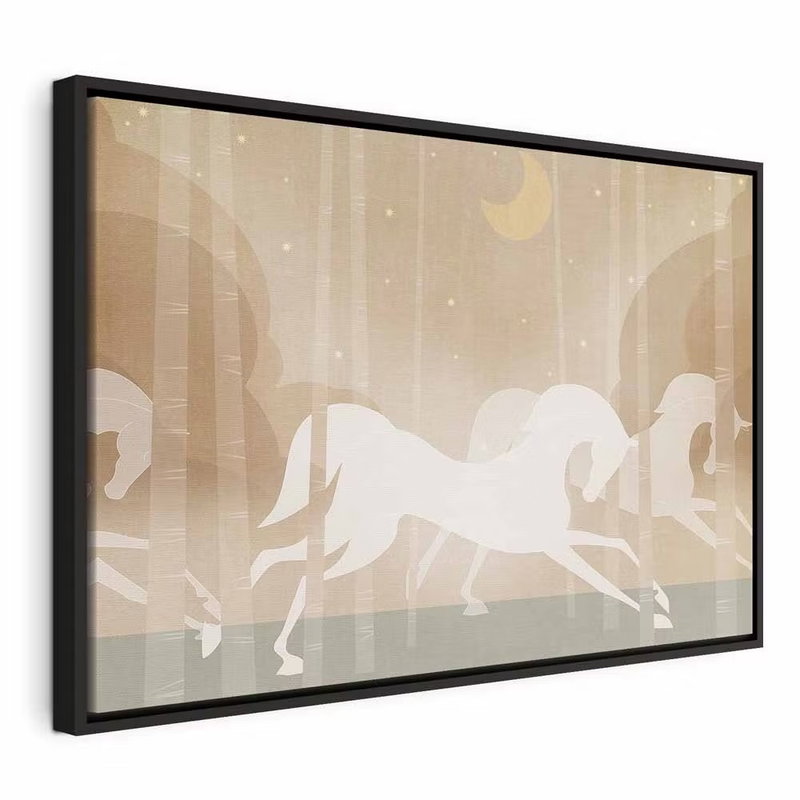
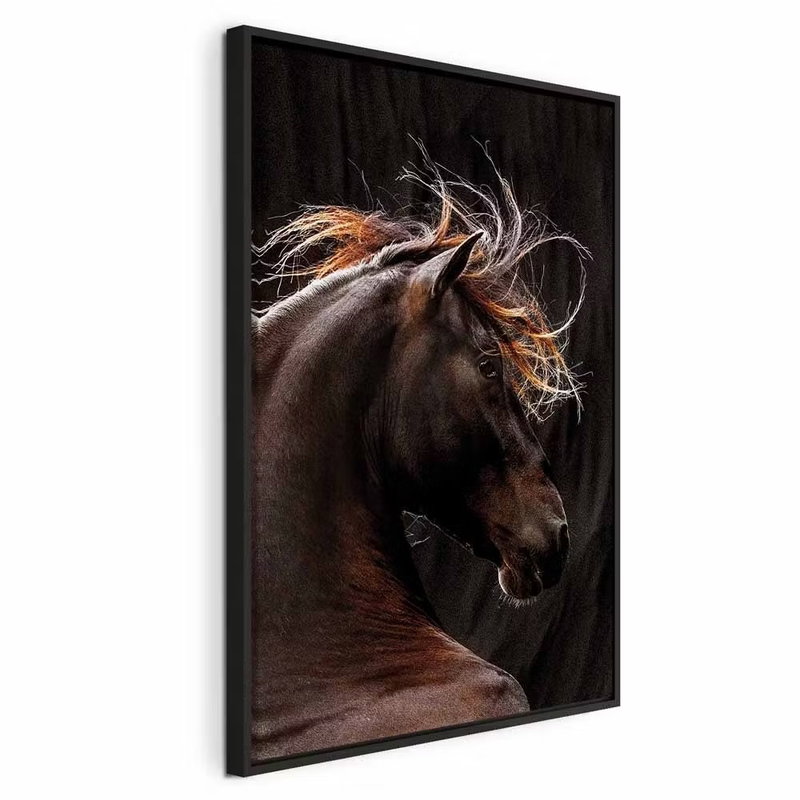
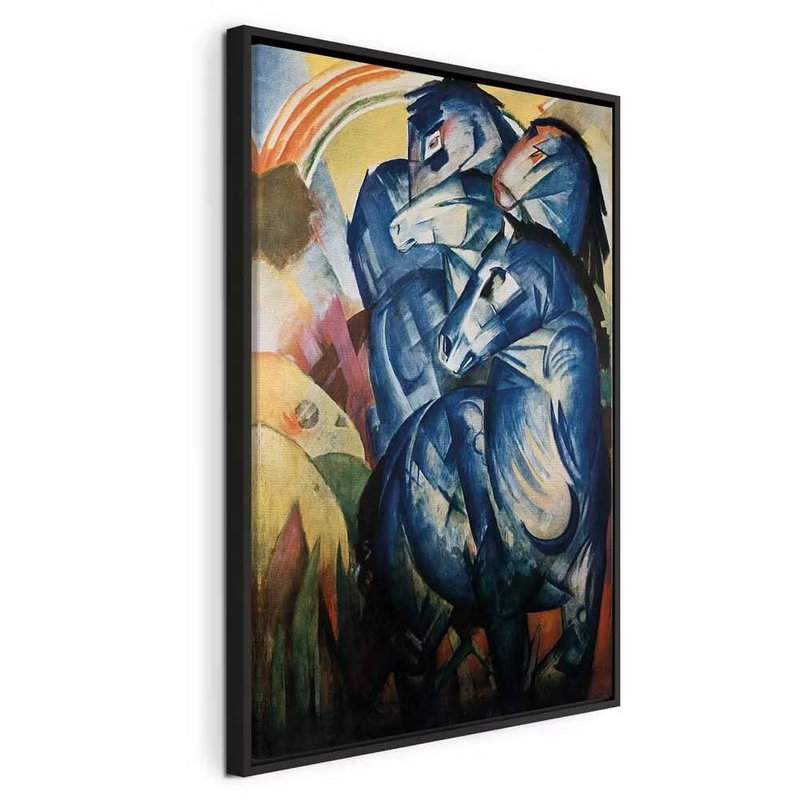
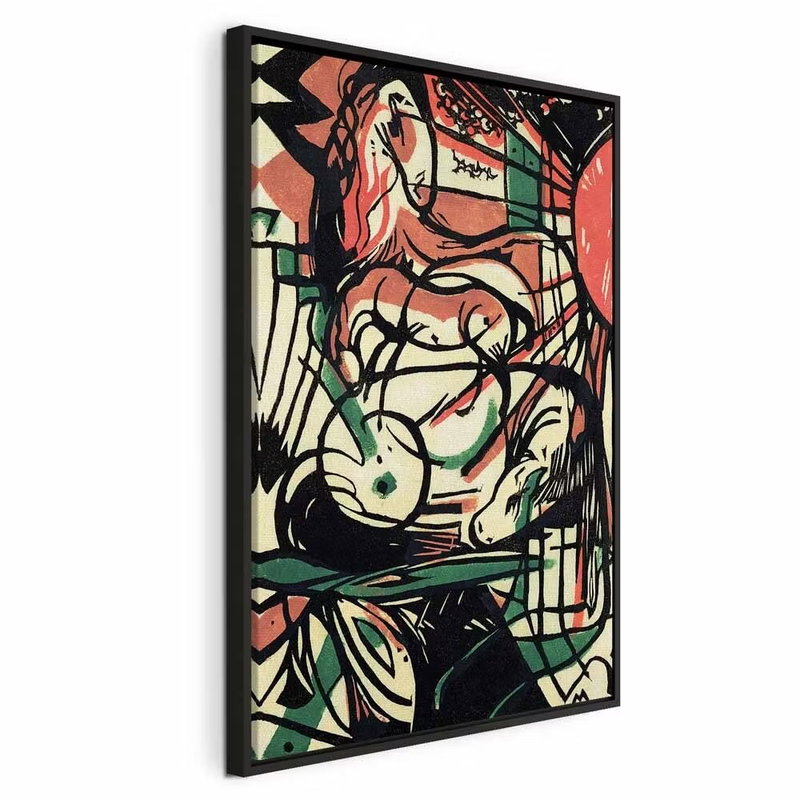
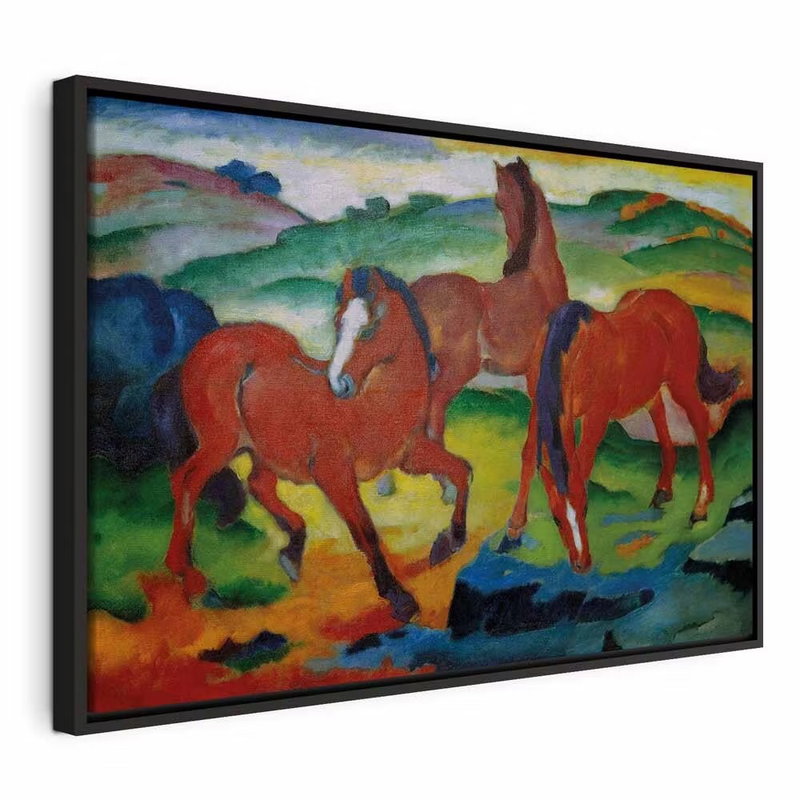
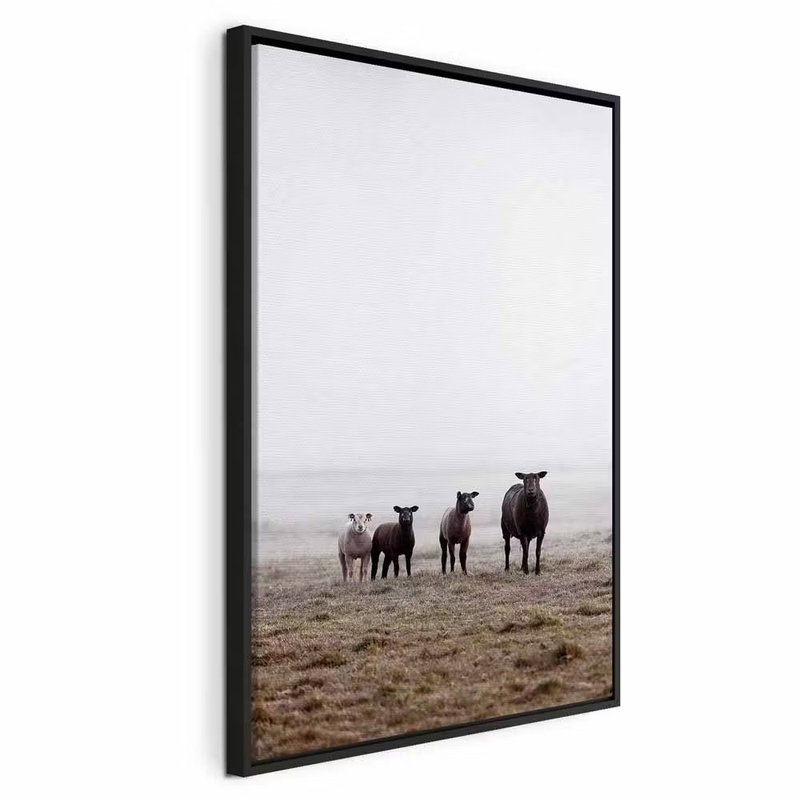
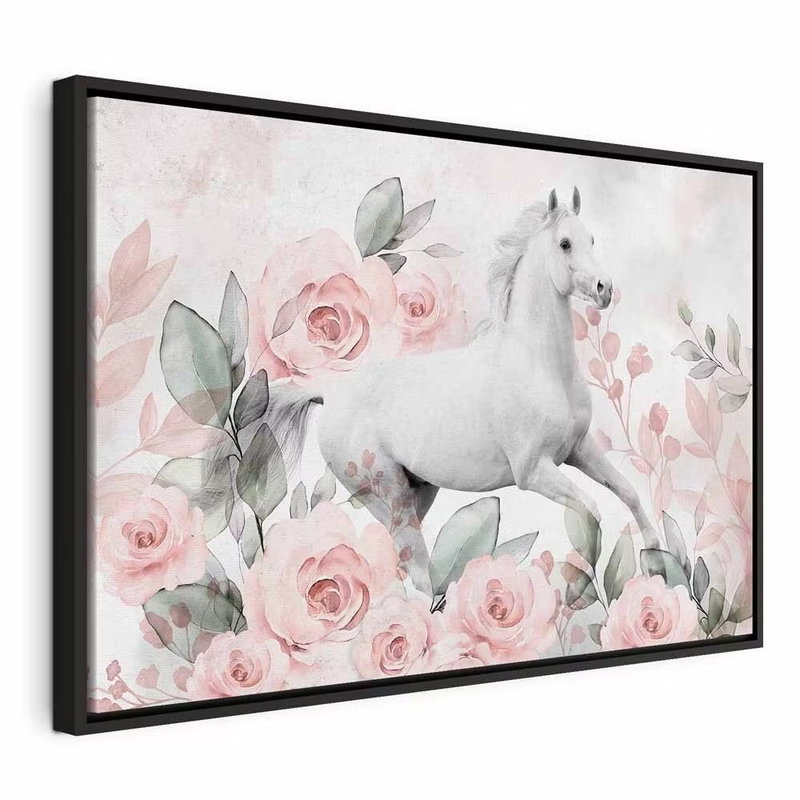
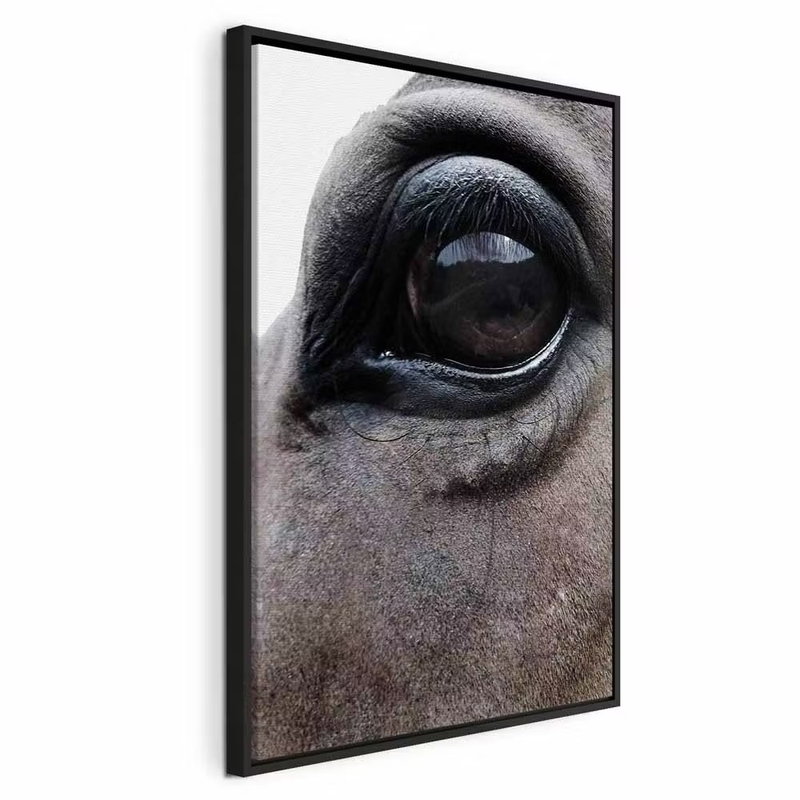
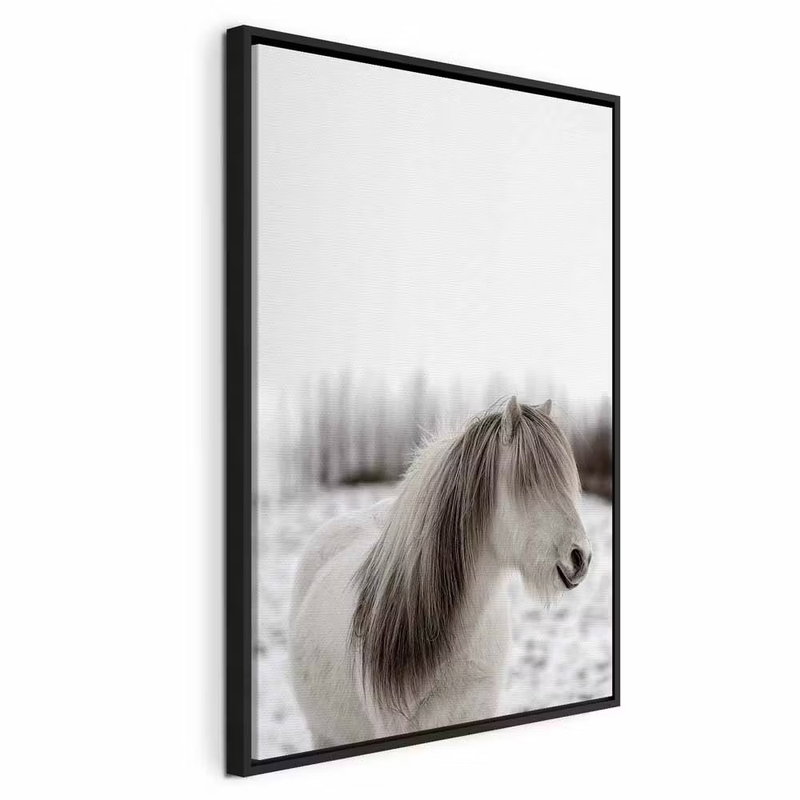
This selection offers several ways of making the horse the focus. A close view of an eye draws attention to a small detail, while a horse with a long mane creates a fuller portrait. Other pictures show several horses together, sometimes in open pasture and sometimes in a more colourful, simplified visual language.
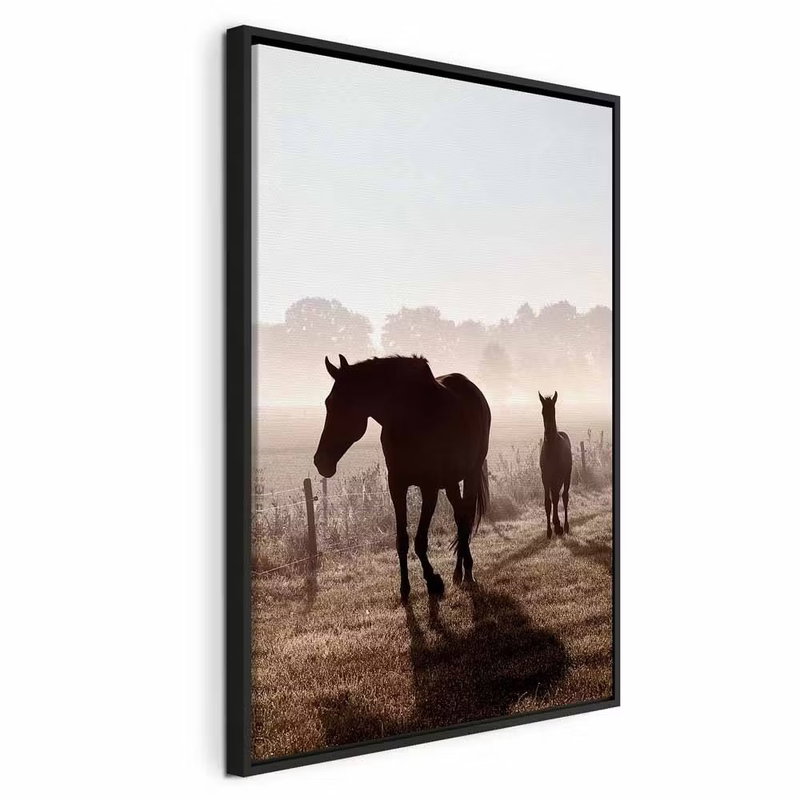
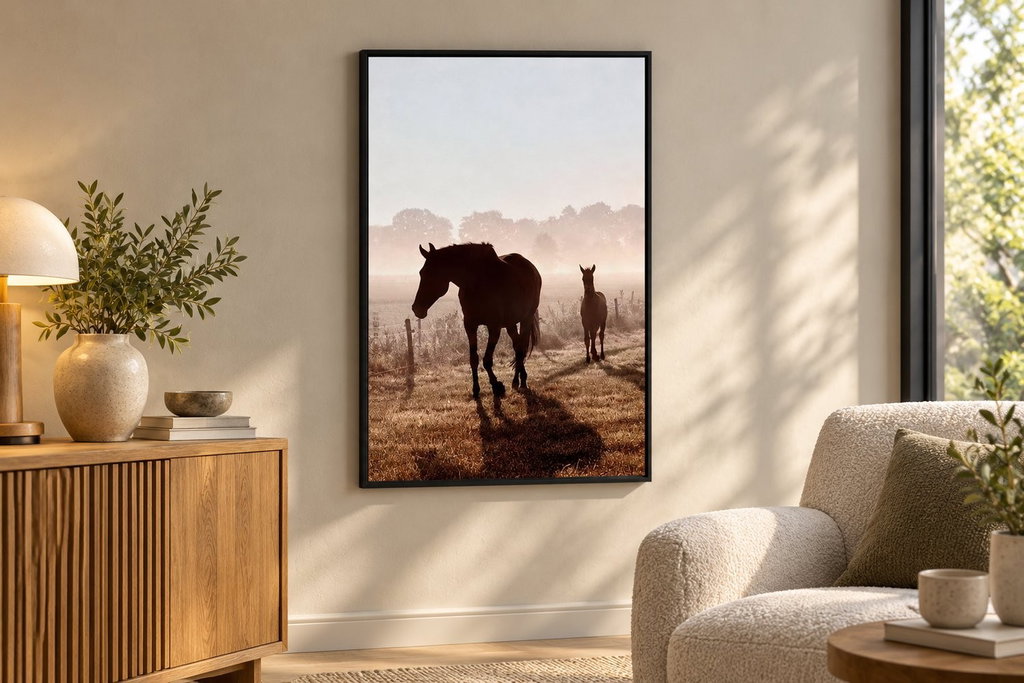
Choose according to what you want to see on the wall each day. A quiet scene with a mare and foal may suit someone seeking a calm natural impression. A painted composition with strong areas of colour can instead become a striking focal point. The subject is shared, but contrast, movement and detail distinguish the pictures.
Consider the horse's direction in the composition
Look at the direction of the horse's head and how much space surrounds the animal. A portrait-format picture has different proportions from a landscape view of a herd. Measure the available wall and consider how the subject will look from the sofa, desk or usual route through the room.
When several pictures hang together, recurring light or a shared background tone can create a connection. The horse pictures need not look alike, but allow each subject enough space. A tightly cropped detail and an expansive landscape may need different sizes for both to work well.
Horse subjects in the visibly framed range
These pictures belong to the framed range. The outer frame defines the image's boundary and can relate to timber finishes, dark furniture details or other frames in the room. Check each product page for the dimensions and frame options actually available for that subject.
Assess the entire product image when comparing. A pale horse against a light sky and a dark horse against black relate differently to the frame. Also check the hanging instructions and match the fixings to the wall material and the picture's weight.
Plan wall art and sound absorption together
The printed horse subject gives the picture its visual character. Its sound-absorbing construction can also help reduce reverberation within the room. The need depends on room size, hard surfaces, other furnishings and the total absorbing area used.
Let both the interior and the room's use influence placement. Read the product's current construction and care information before choosing. A horse picture can form part of the room's acoustic treatment, but it does not replace sound insulation that limits sound transmission between rooms.
A small crop can change the whole story
A close view of an eye shows a different relationship between animal and setting from a herd in a field. Consider how much context you want. A concentrated crop can let a form or gaze dominate, while a wider setting offers more elements to return to.
Choose the visible expression rather than assuming a breed or place from the horse’s colour. If that identity matters, it should be documented in the product information. A painted interpretation can be enjoyed for its rhythm without being an exact natural description.
Assess the horse’s outline against the frame boundary
Notice where the head, mane or back approaches the image edge. A tightly cropped portrait can give the frame a more active role than an open grazing scene. Assess the complete product image against the wall colour, particularly with very light or dark backgrounds.
Frame options can vary between products. Use the choice actually offered on the product page and compare it with the image. Do not assume a frame shown on another horse picture is available for all designs or formats.
Give the horse image a place in everyday room use
From the sofa, the main shape may matter most, while a passage allows closer viewing of details. Do not choose height from a screen image alone. Mark the actual outer dimensions on the wall and assess them from the room’s walking routes and seats.
A group can align its frames without every picture sharing the same size. Let each design remain readable and check the selected models’ hanging instructions. Plan the visual group and sound-absorption needs together, while recognising that different product and room characteristics determine them.