



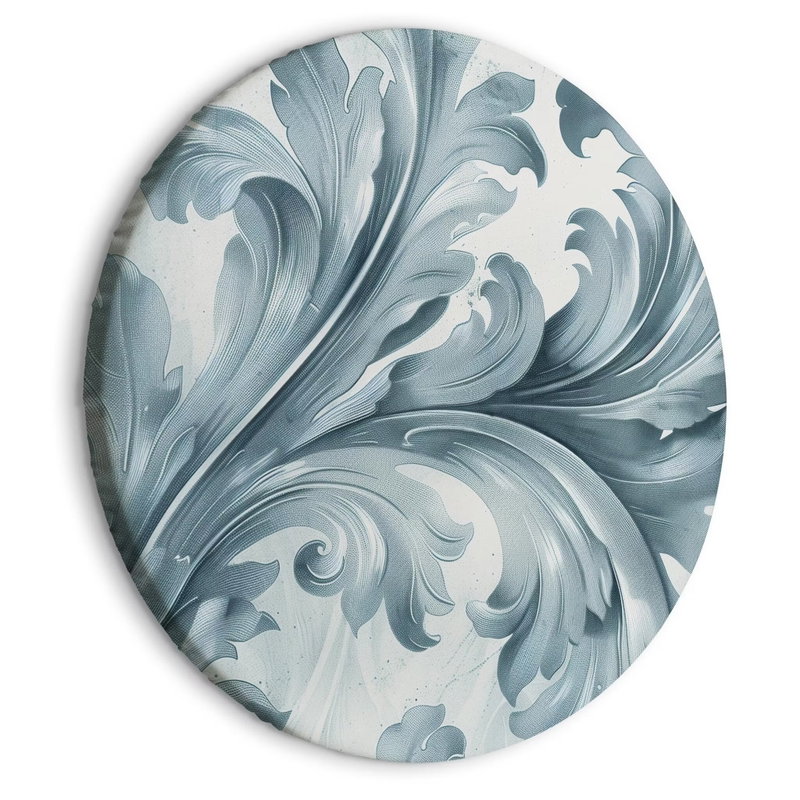
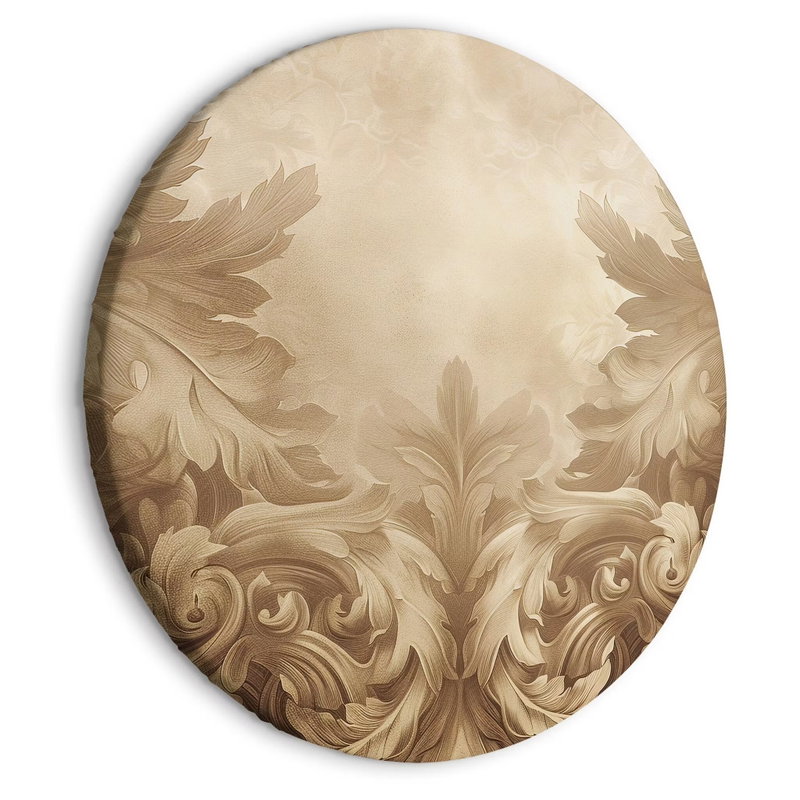
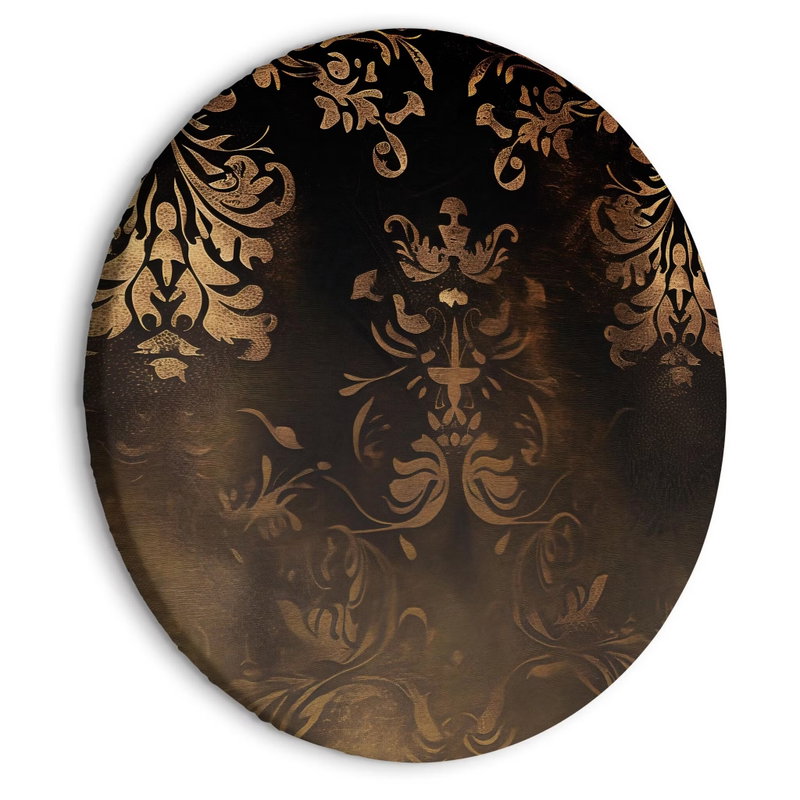
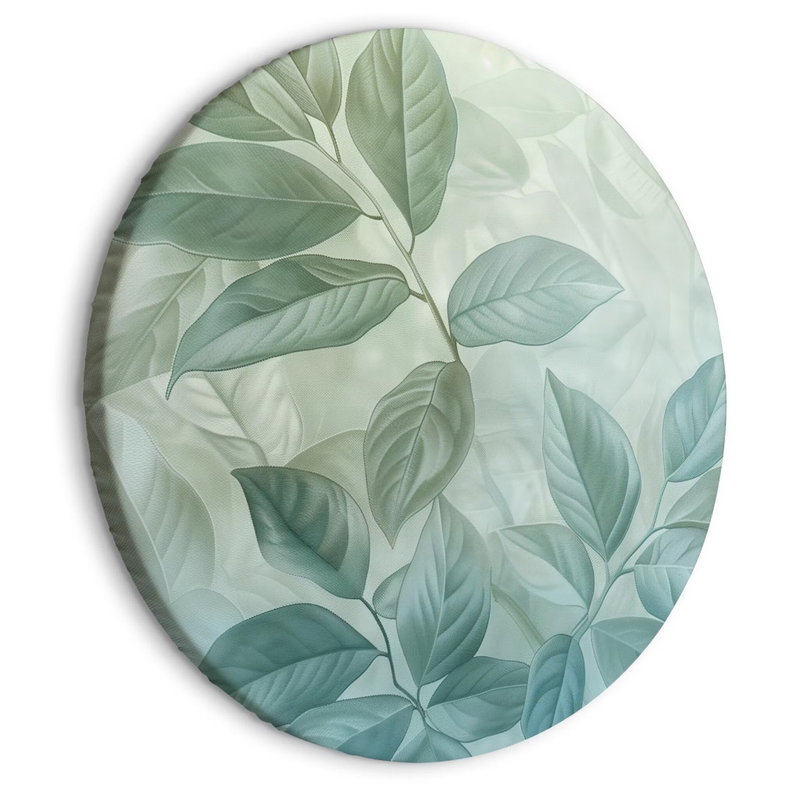
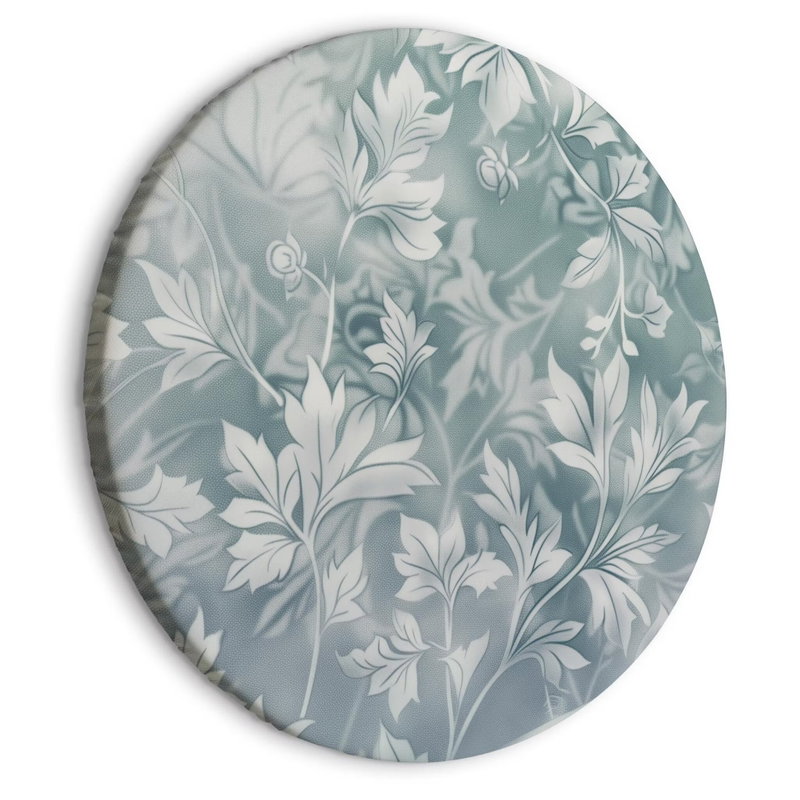
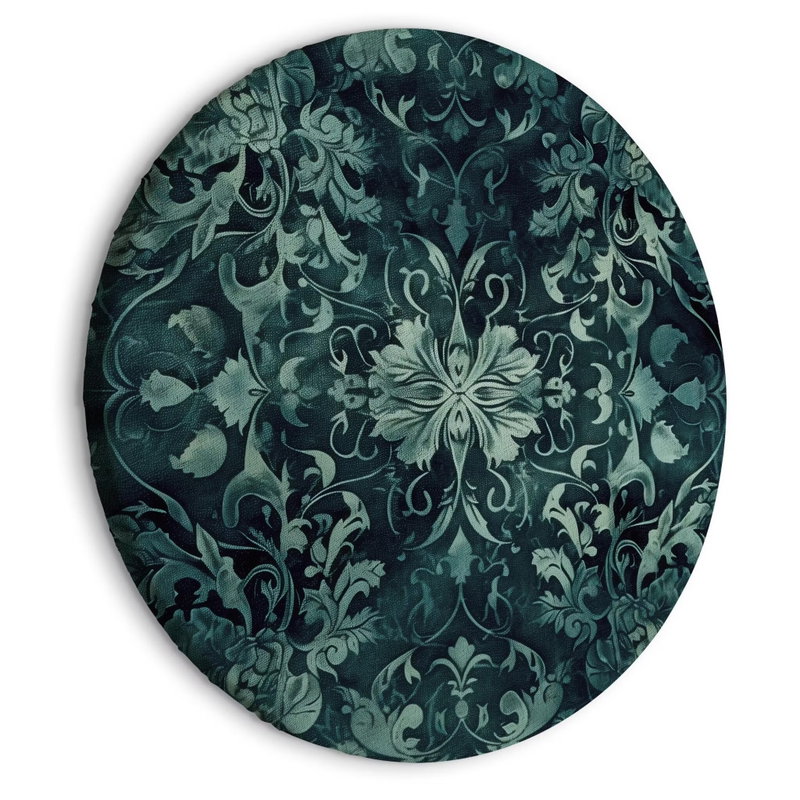
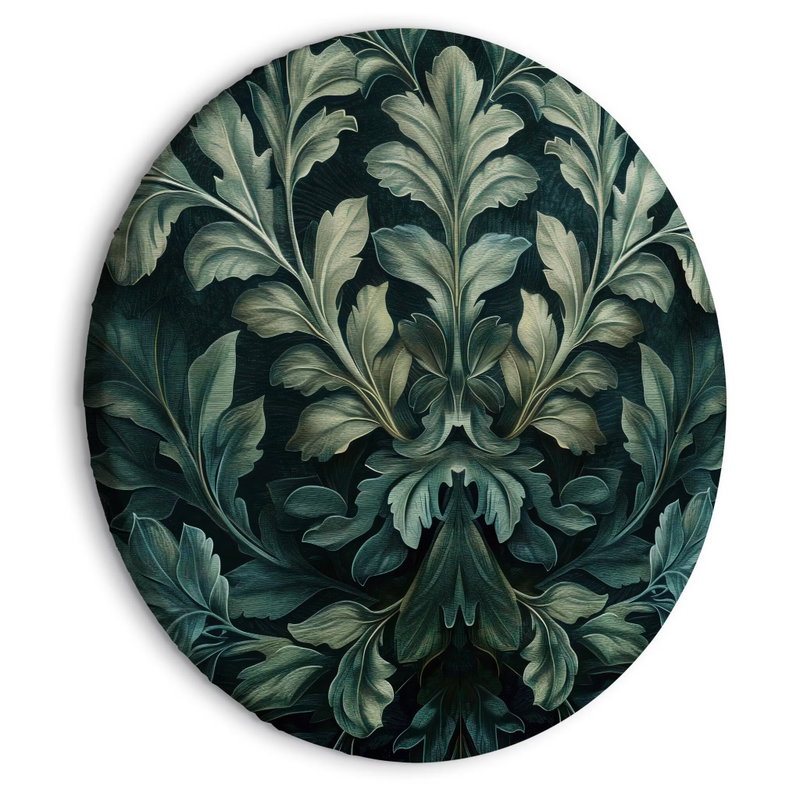
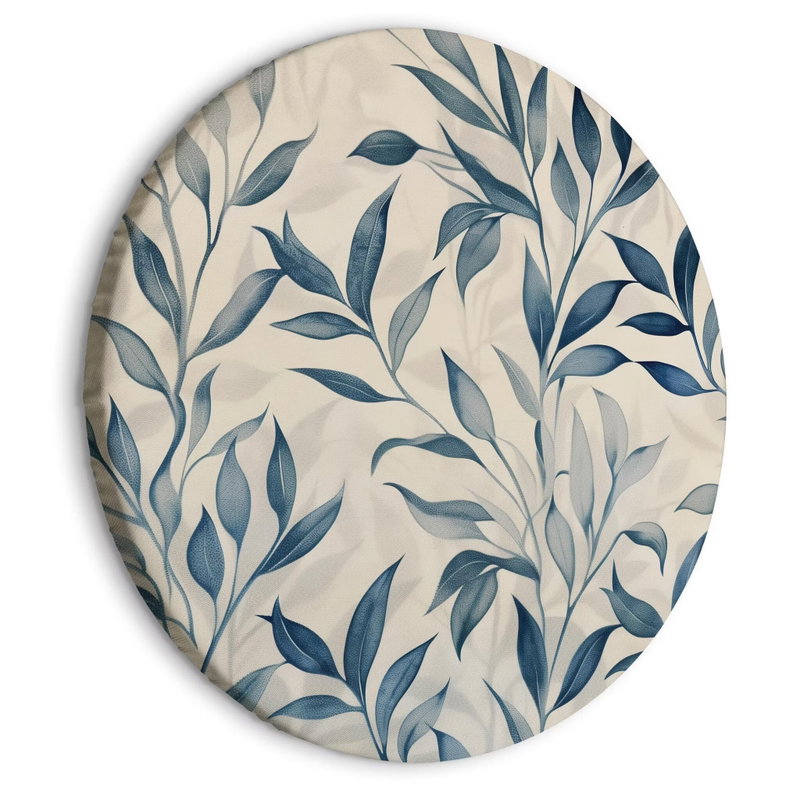
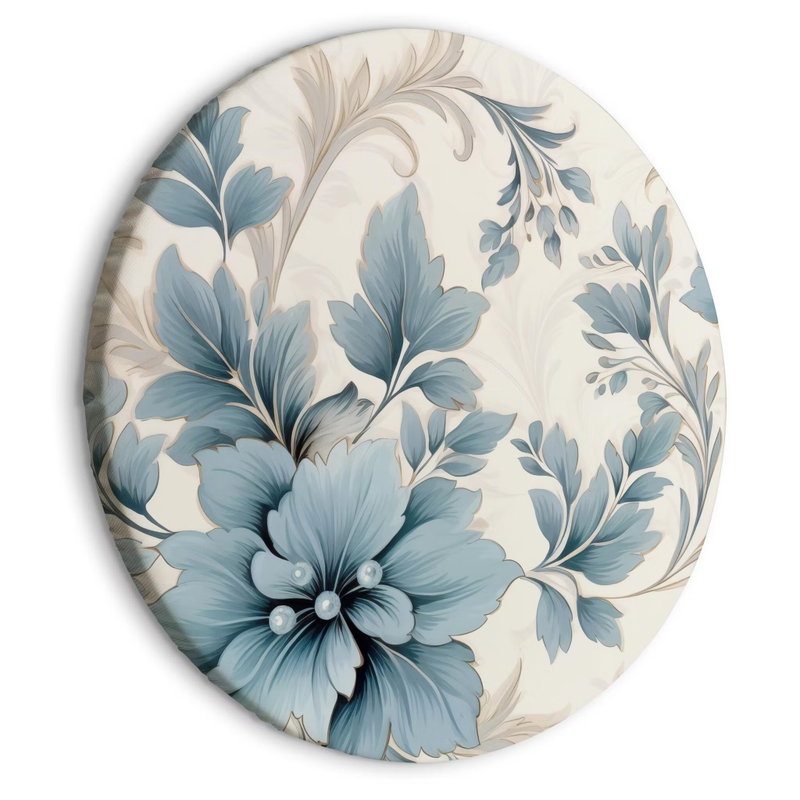
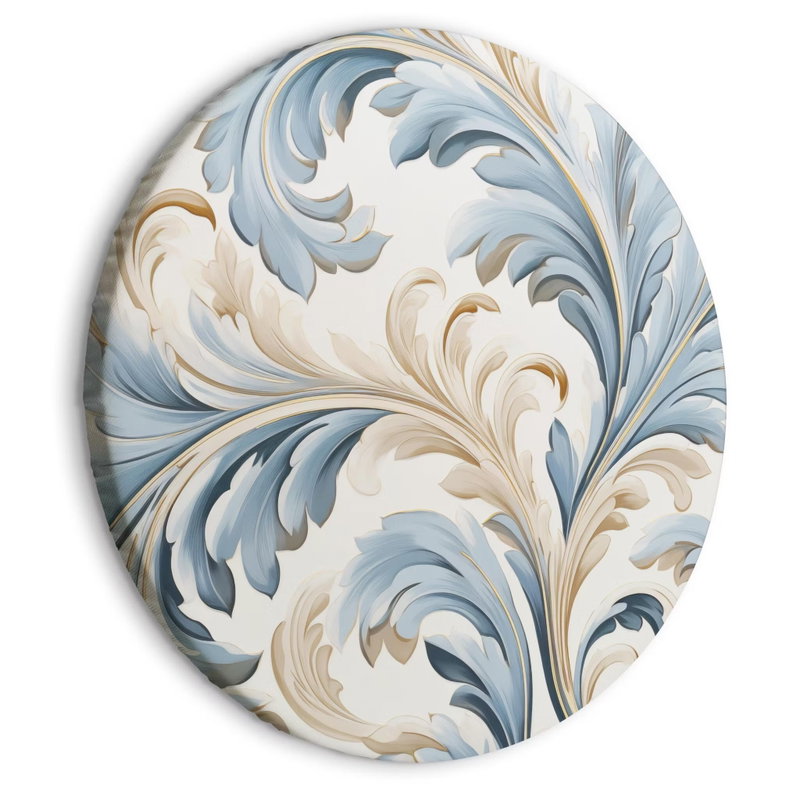
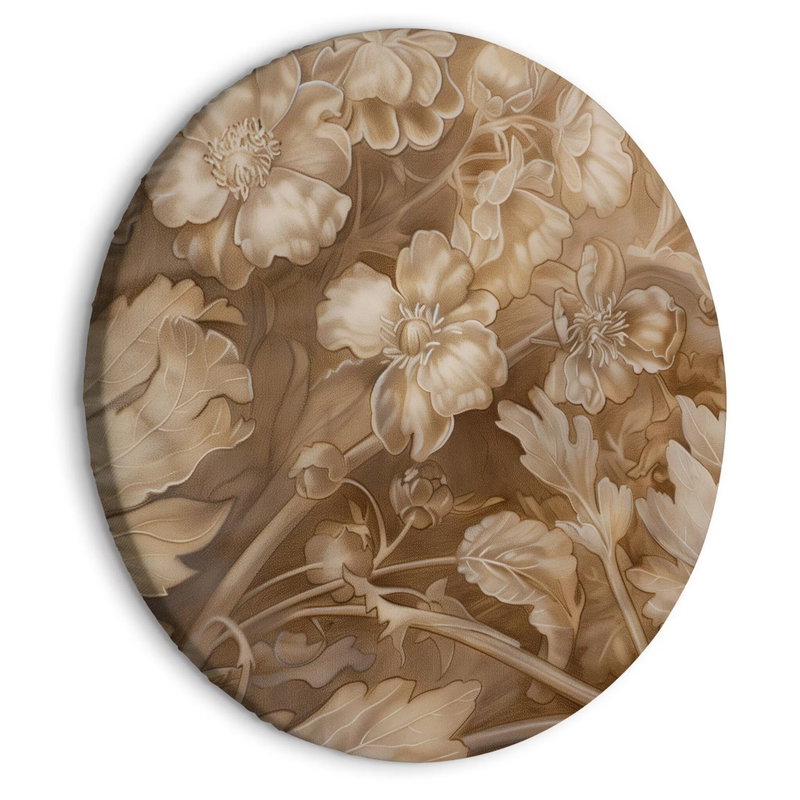
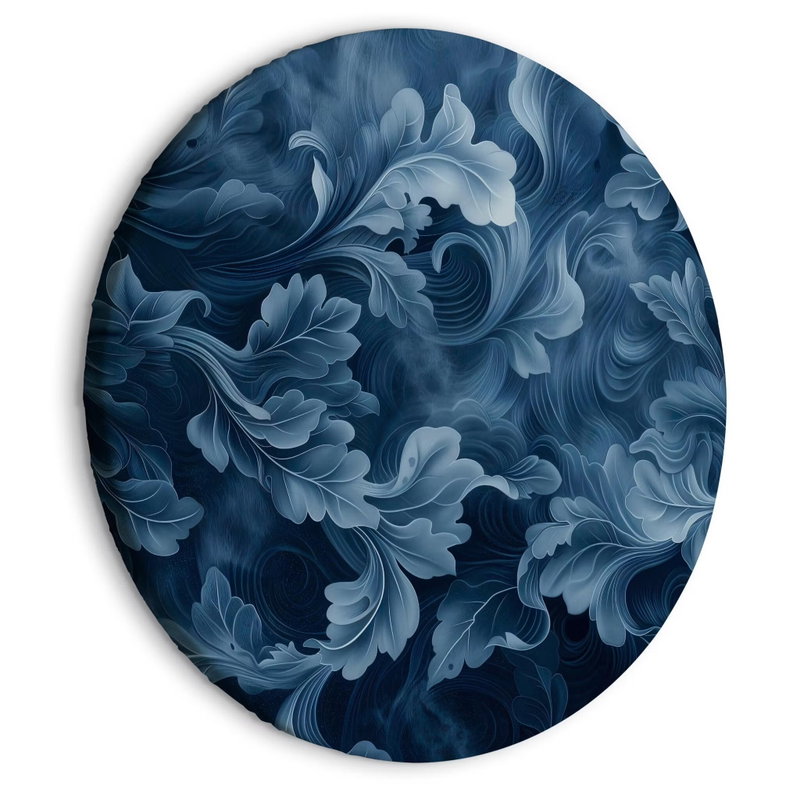
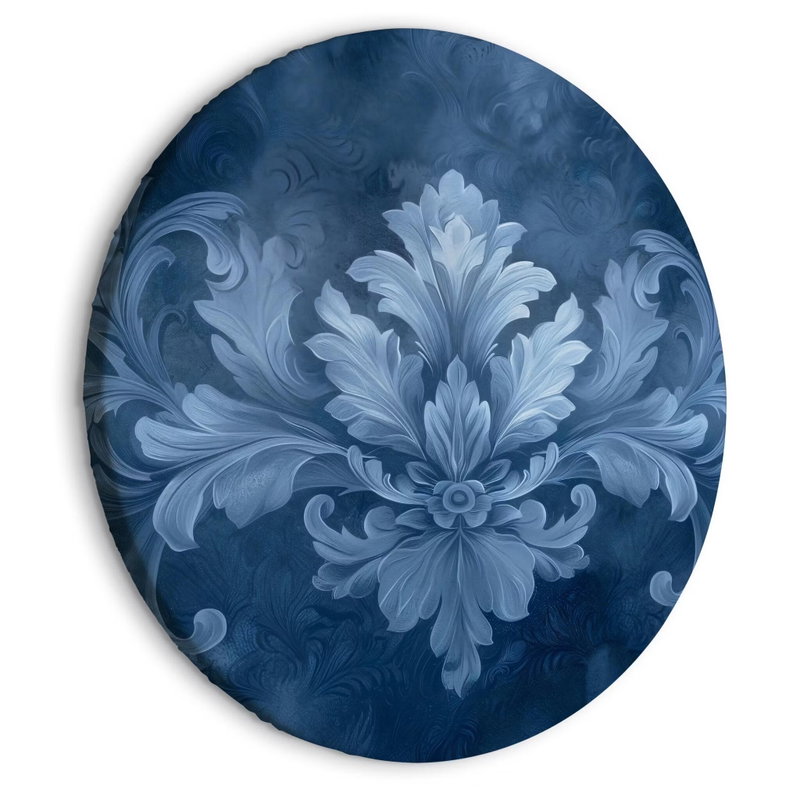
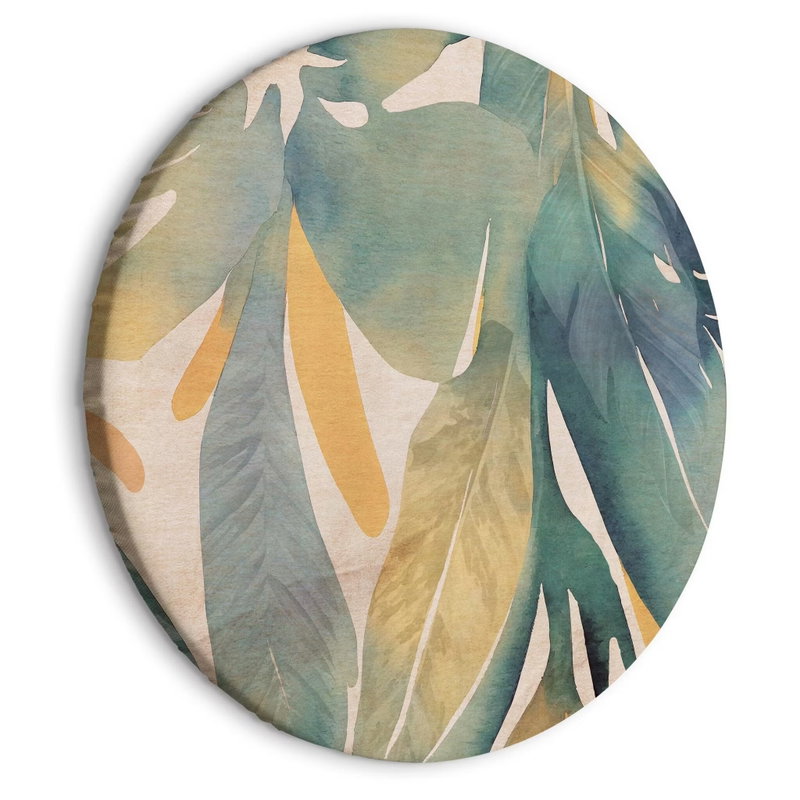
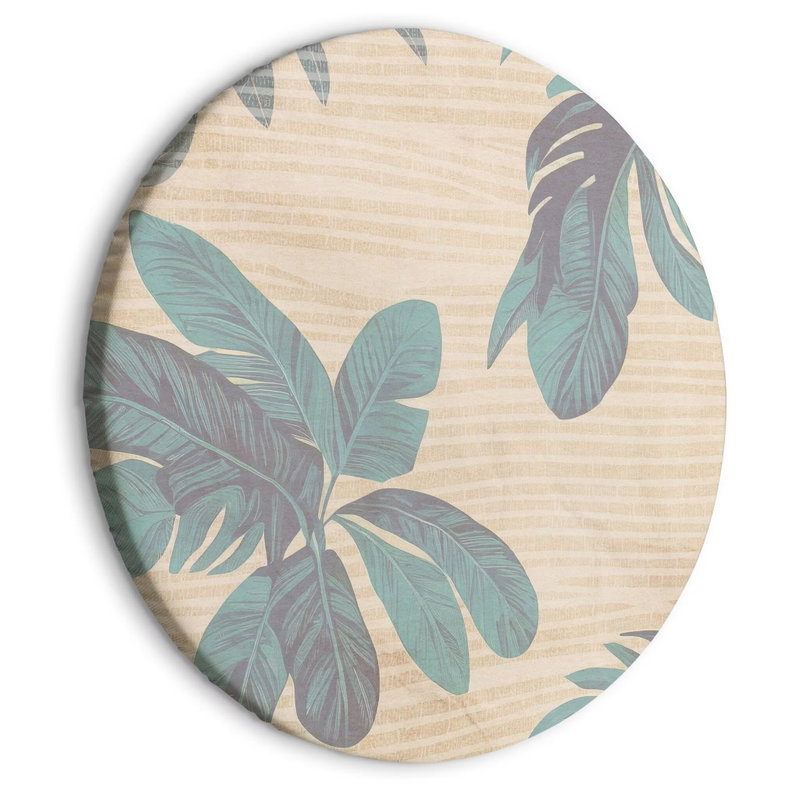
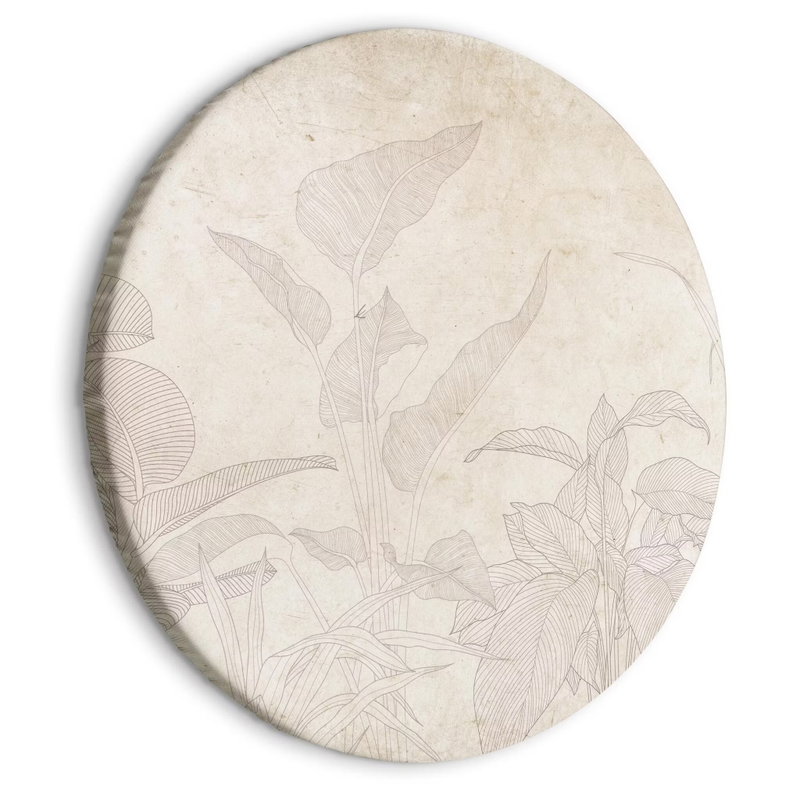
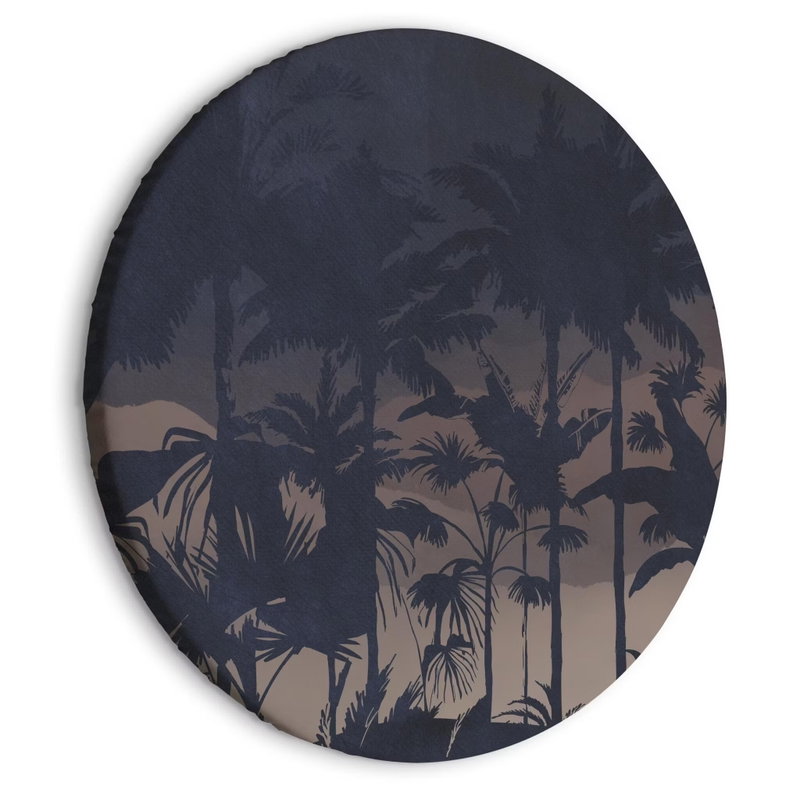
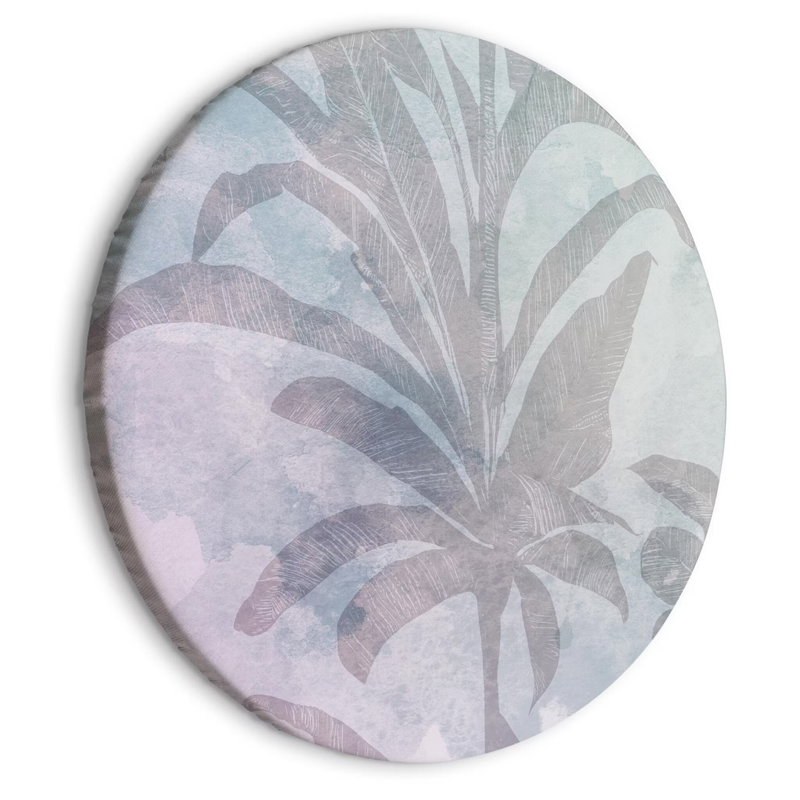
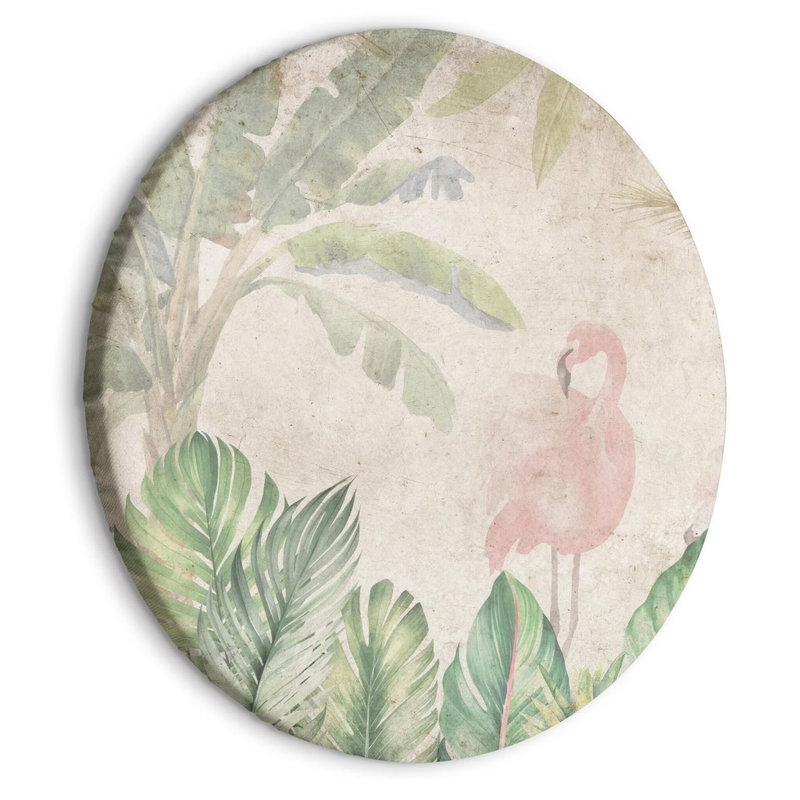
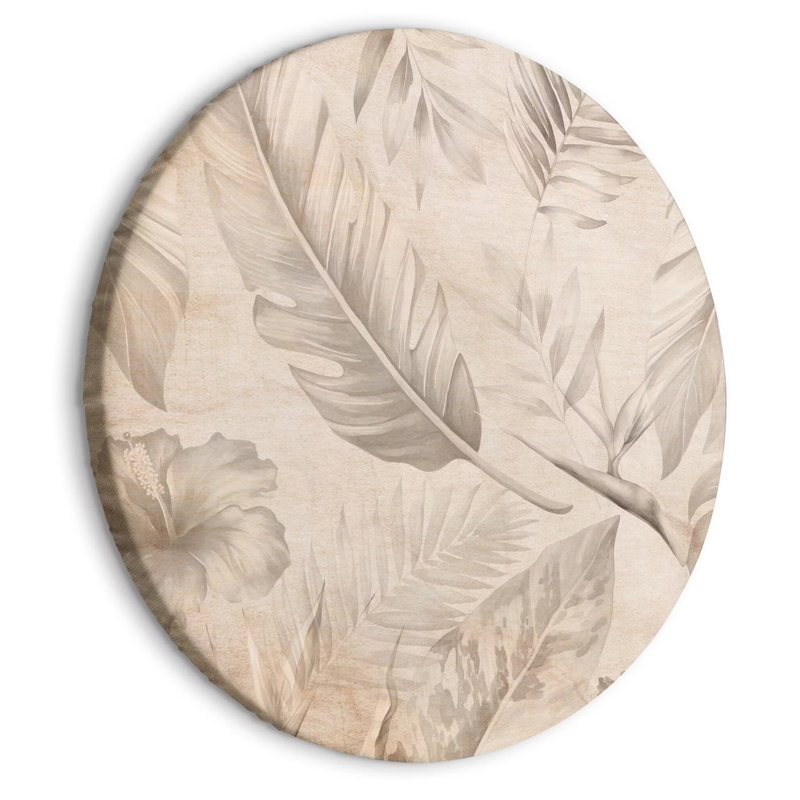
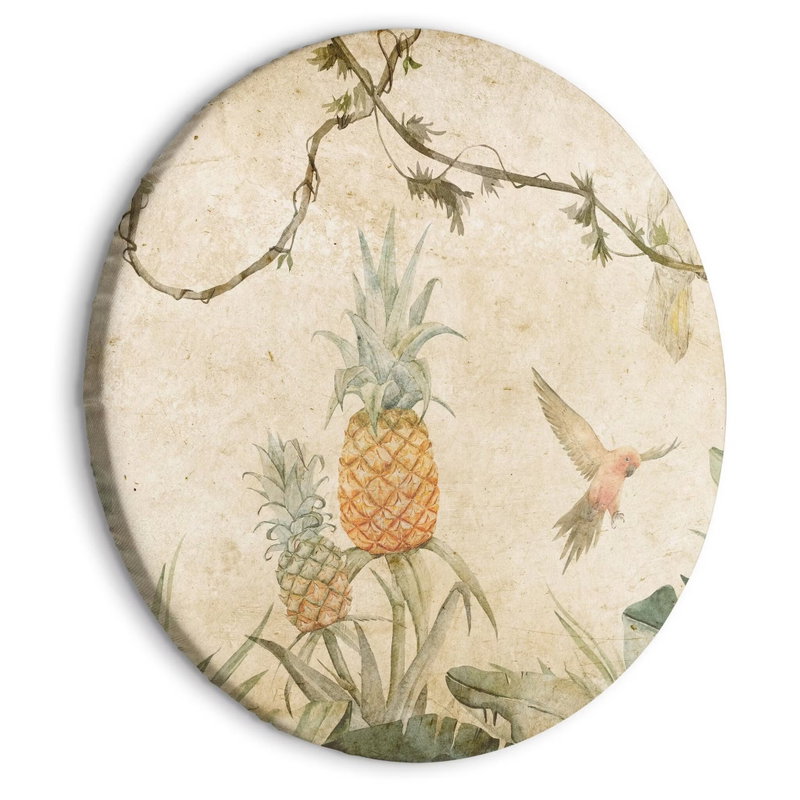
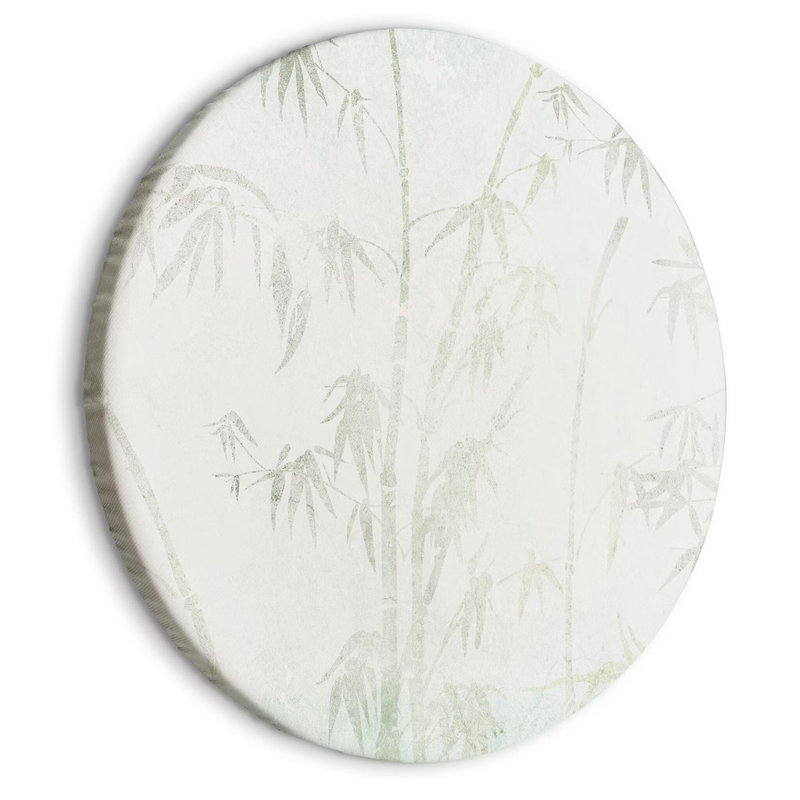
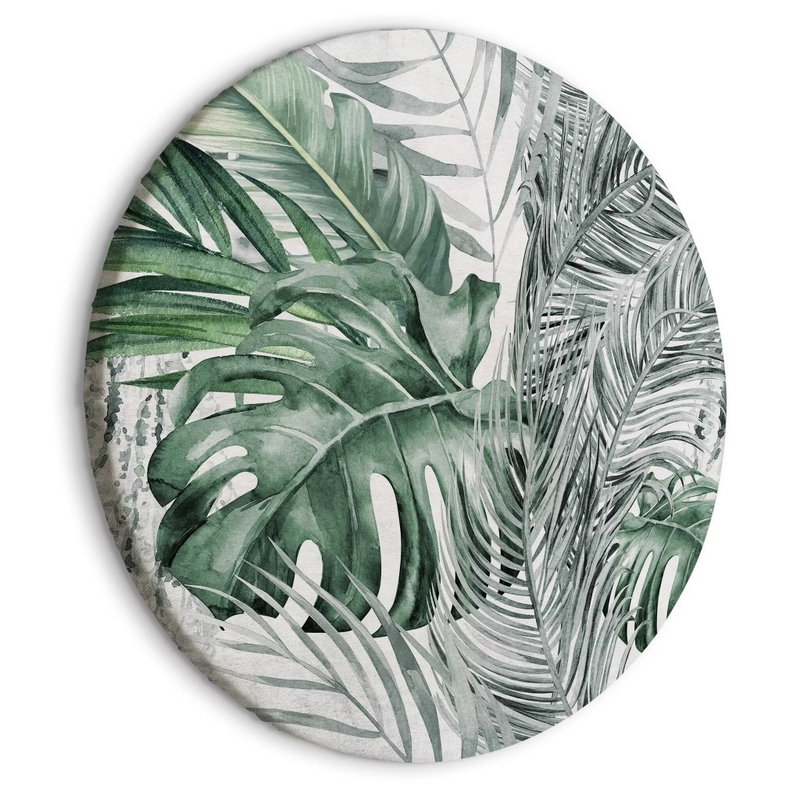
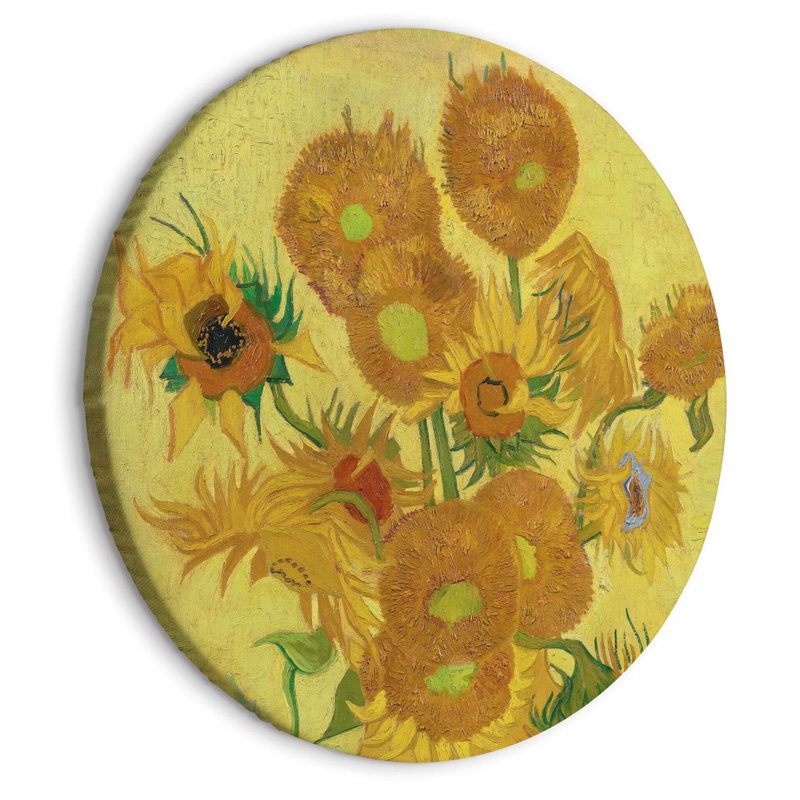

Botanical shapes within a circle
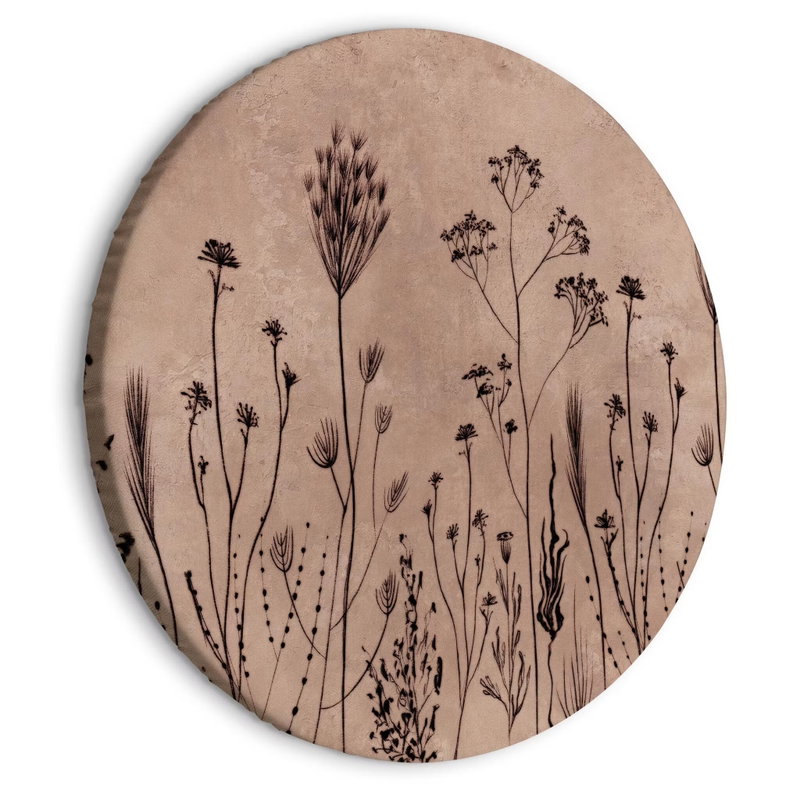
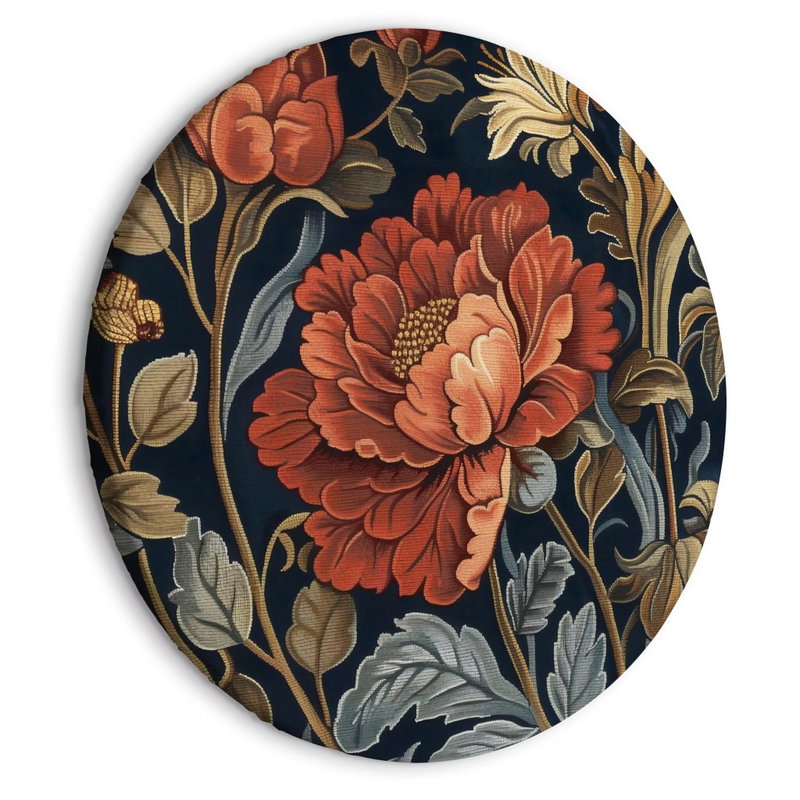
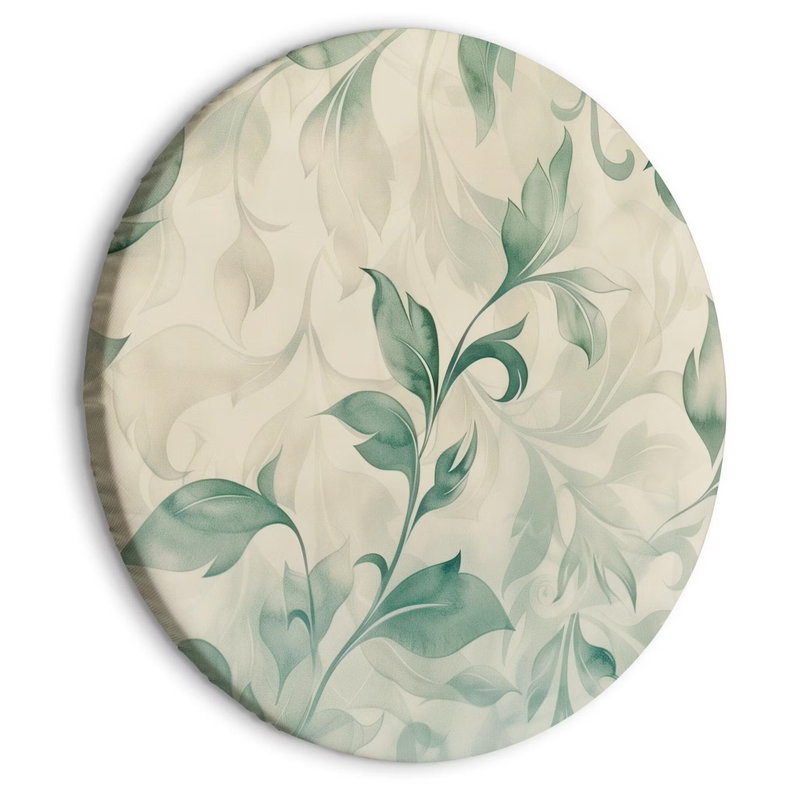
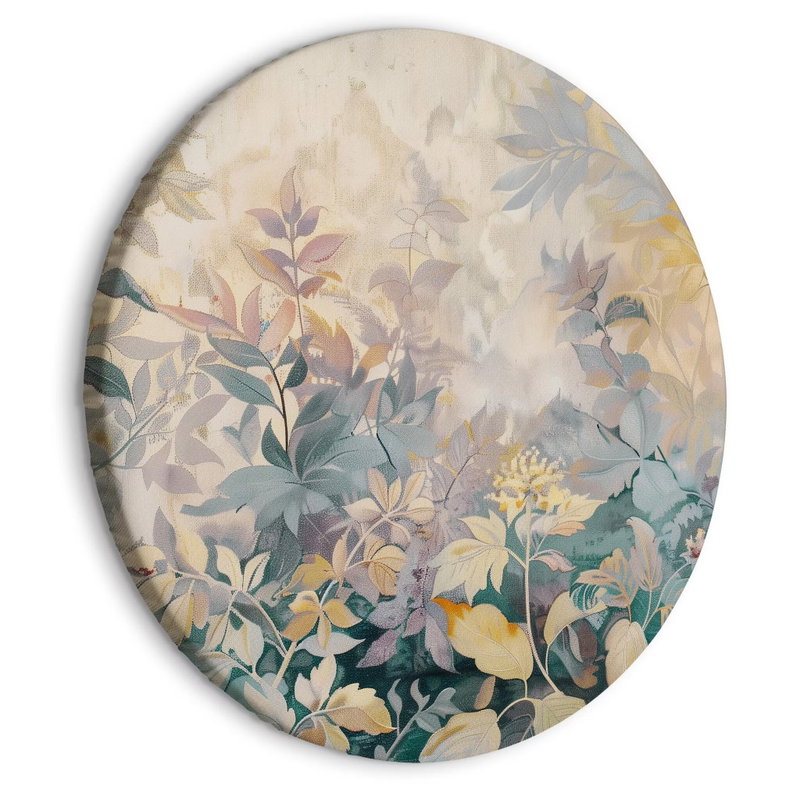
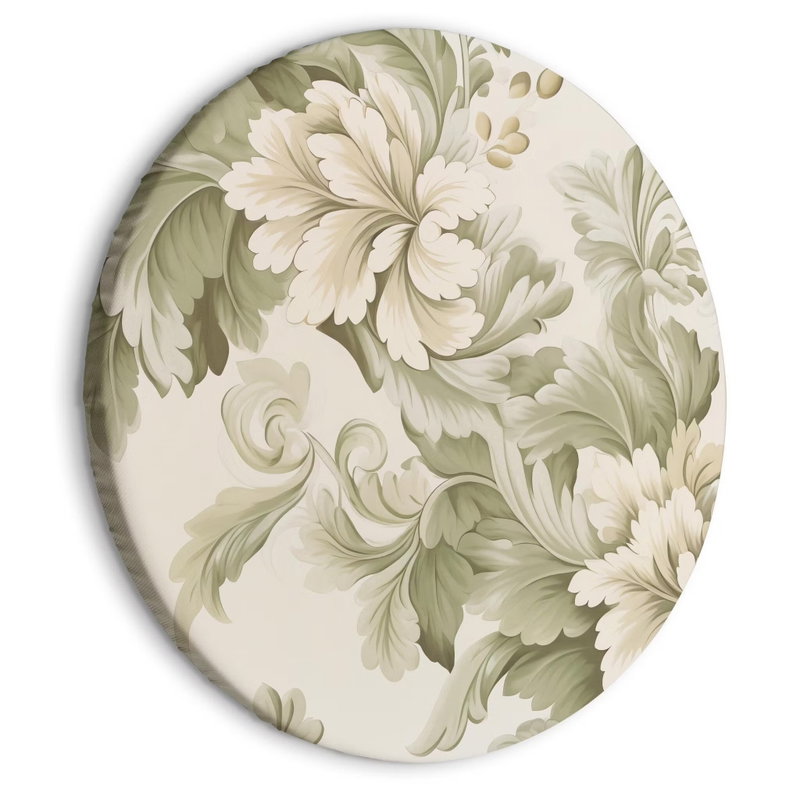
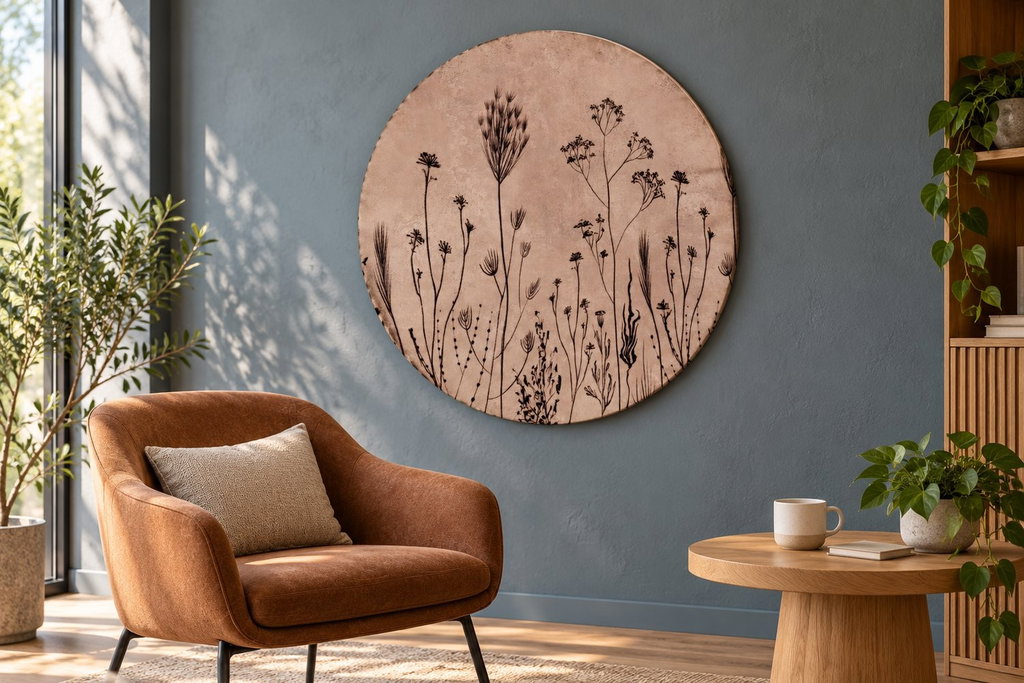
On a round picture, assess the plant subject with its circular edge. Leaves and stems may gather centrally or spread towards the sides. The checked range includes dark wildflowers on beige, where fine outlines meet a large visible background.
Notice how much of the plant appears and which parts reach the edge. A single flower head and several patterned stems have different weight within the same shape. Choose by the main image’s actual crop so that circle and subject work together.
Background, foliage and wall colour
The round outline is clear against the wall, but background colour also affects the boundary. Beige and dark plants can relate to wood and restrained textiles. Assess other combinations individually.
View botanical details from the main distance. Fine stems and small leaves can become a light pattern from farther away, while a close-up reveals more. Choose diameter around both that effect and the wall’s proportions.
One circle or several botanical images
A single round flower picture can define a point above a small table or between other wall areas. Several circles can form a group with similar colours or different plants. Allow space so that their shapes do not merge.
The checked models offer diameters of 40, 60 and 80 centimetres; check the actual product’s available choices. A paper template helps test position and gaps. Assess the arrangement standing and seated before deciding how to hang it.
Printed plant image with an absorbing core
Sound-absorbing construction sits behind the botanical image. It can help reduce reverberation, but the plant imagery gives no particular acoustic effect. Assess absorbing area with room size and other materials.
Follow the product’s hanging and surface-care guidance. Match fixings to the wall and choose a position where the picture can be handled and cleaned as intended. The round plant image can then combine with practical use of the actual product.
Choose between botanical detail and a graphic style
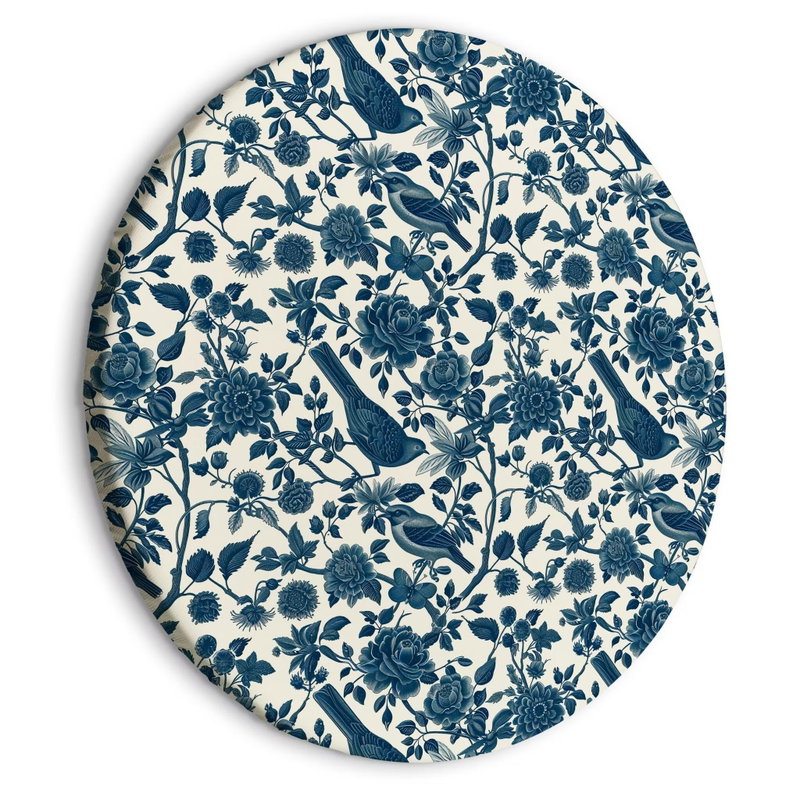
Plants can be described through small details or just a few clear lines. The difference is particularly interesting in a round image because the composition has no corners. Notice whether a leaf, a flower or the rhythm between several stems is the focal point. This helps you choose the presence you want the subject to have on the wall.
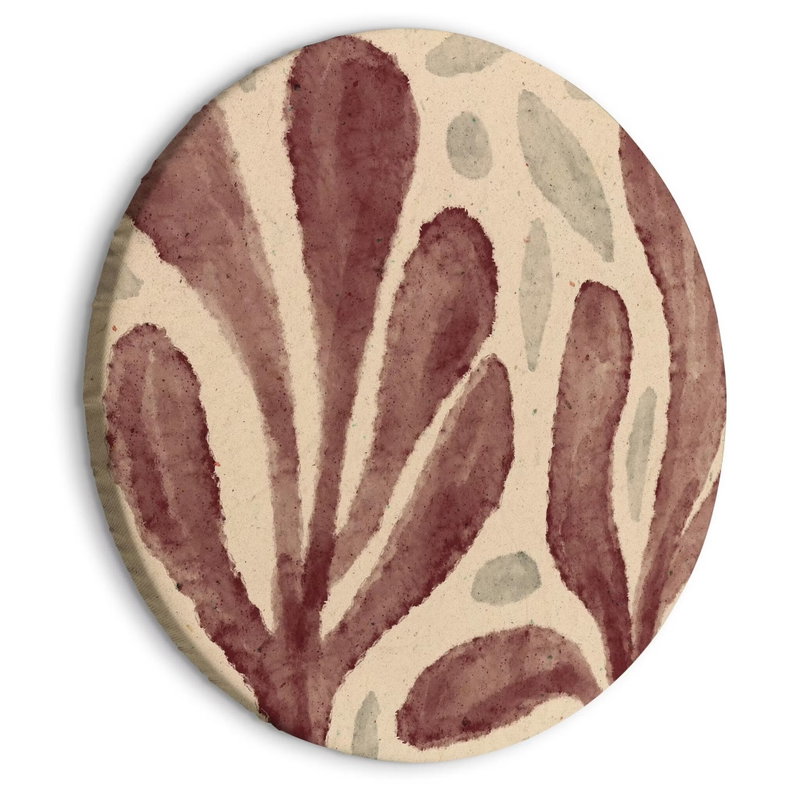
A more simplified plant shape can work with patterned textiles without reproducing every small detail. A detailed image may instead offer something to discover close up. Assess the actual main image: the category name does not tell you whether that particular picture is photographic, drawn or artistically interpreted.
Choose a plant subject that works over time
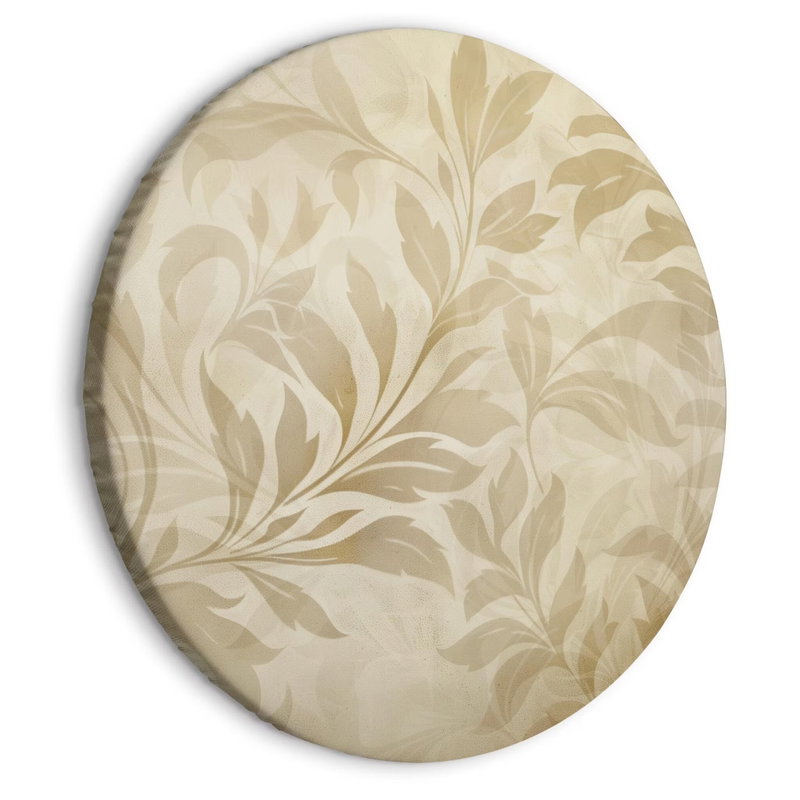
Consider whether colour, plant shape or a particular seasonal mood is what makes the image interesting. A restrained botanical style can be easy to combine with changing textiles, while a strong colour can remain a recurring accent. Choose an image that suits the room’s intended use even when smaller interior details change.
You do not need to identify an exact species to assess how the subject works in a room. If a particular flower or plant is decisive, however, check the product image and its stated subject description. Do not let a small detail in the category image replace examining the product you will order.
A botanical image in a room with several uses
The same wall may be seen from a workspace, a seating area and a passage. Consider whether the plant image should be a clear focal point or a quieter element connecting these areas. The round outline can provide a shared visual point, but its position still needs to work with doors, storage and other wall art.
Choose a practical position first, then compare how the plant shapes appear there. An image viewed both close up and at a distance may need a balance between large forms and finer lines. This concerns how clearly the image reads; acoustic planning is based on the picture’s actual surface area and construction.