



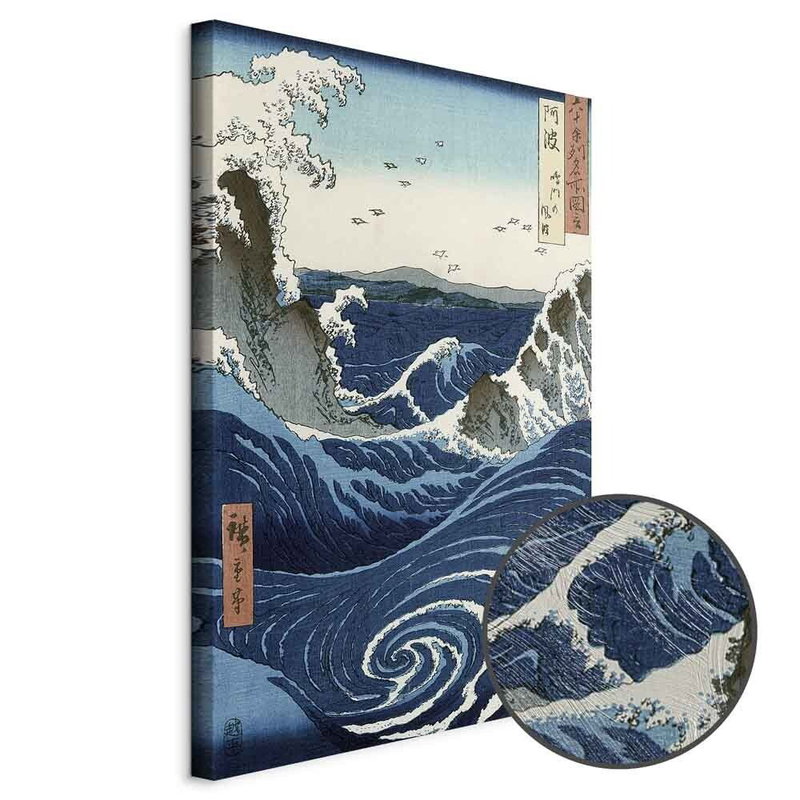
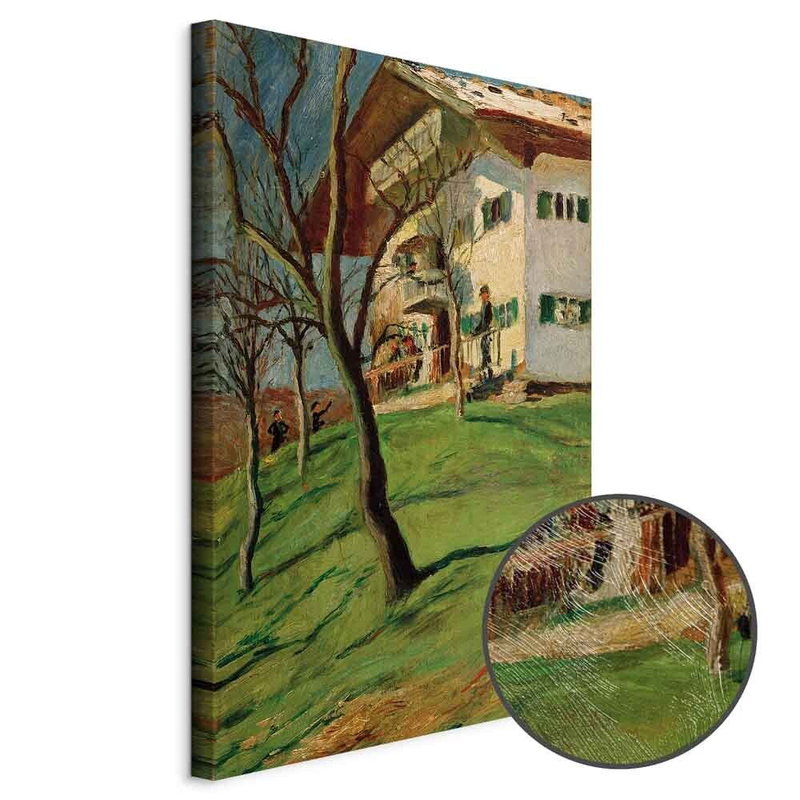
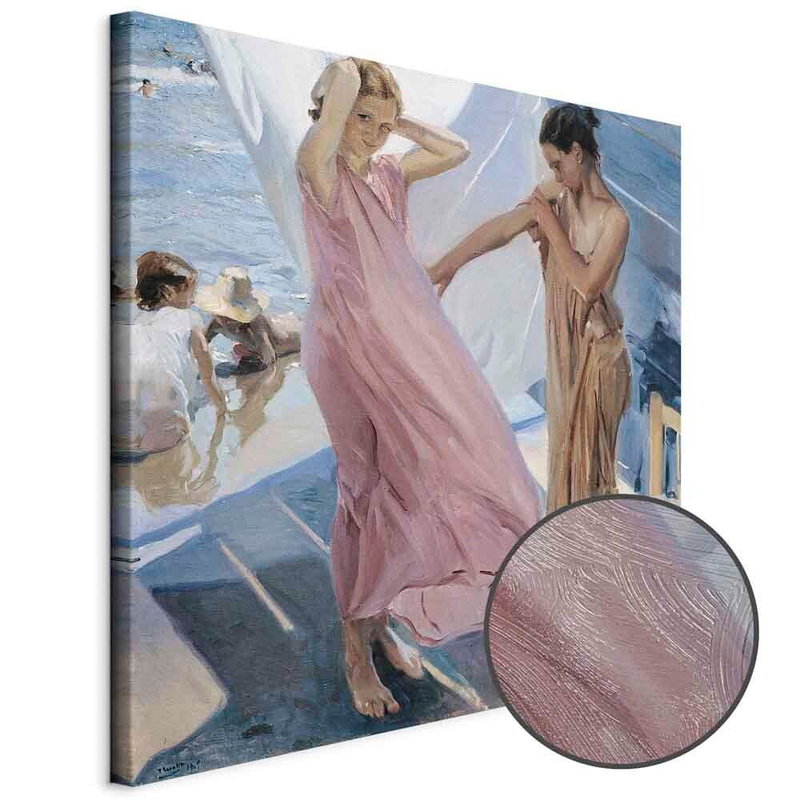
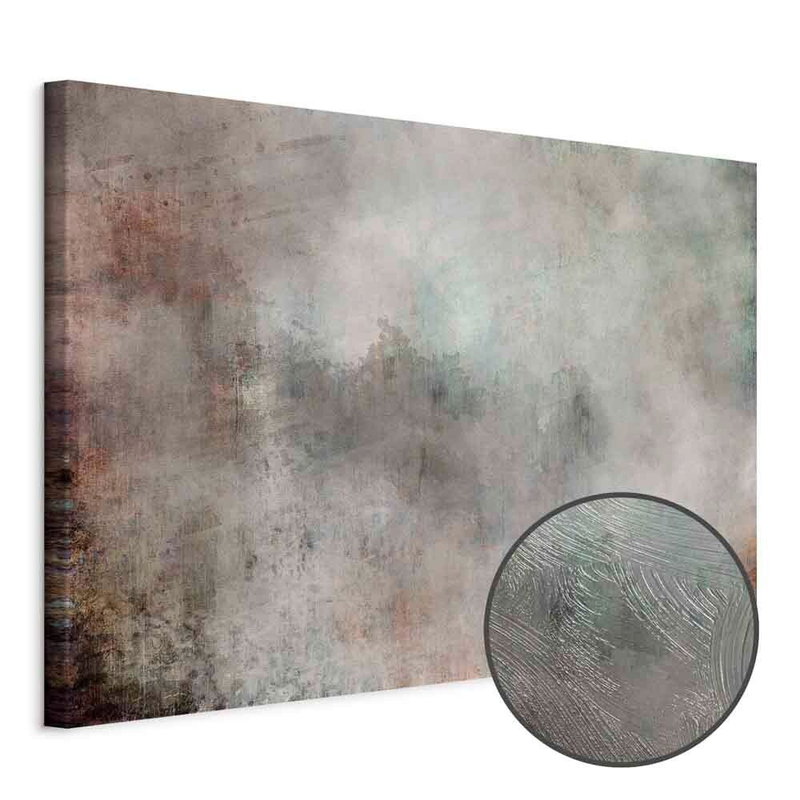
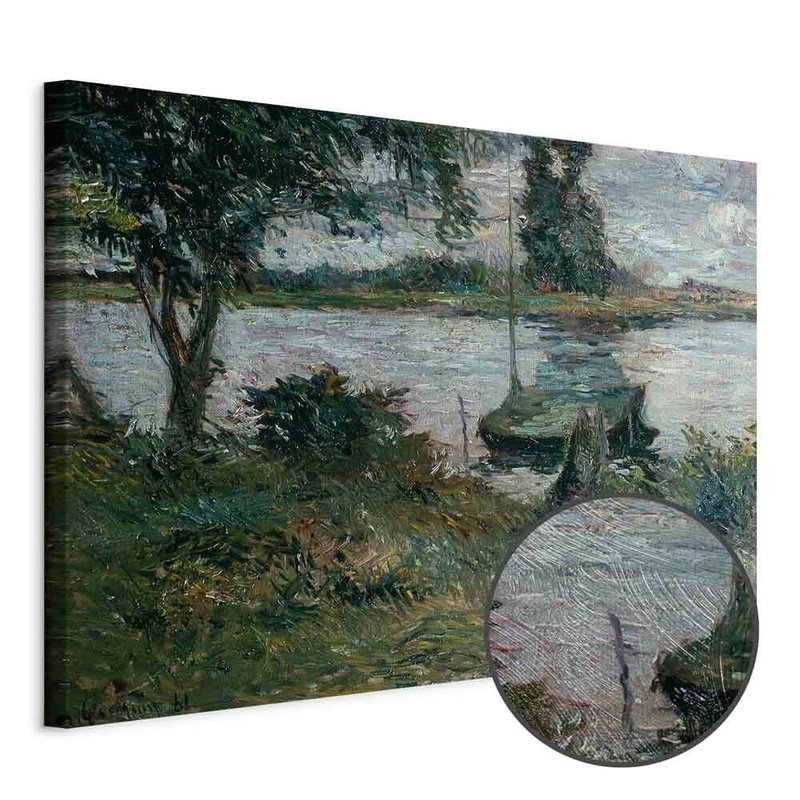
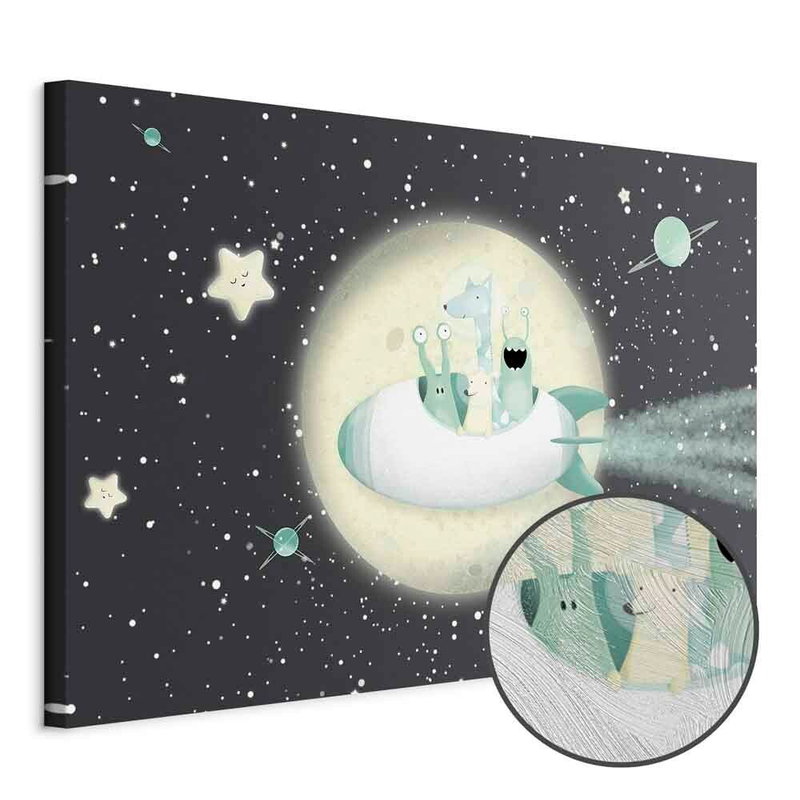
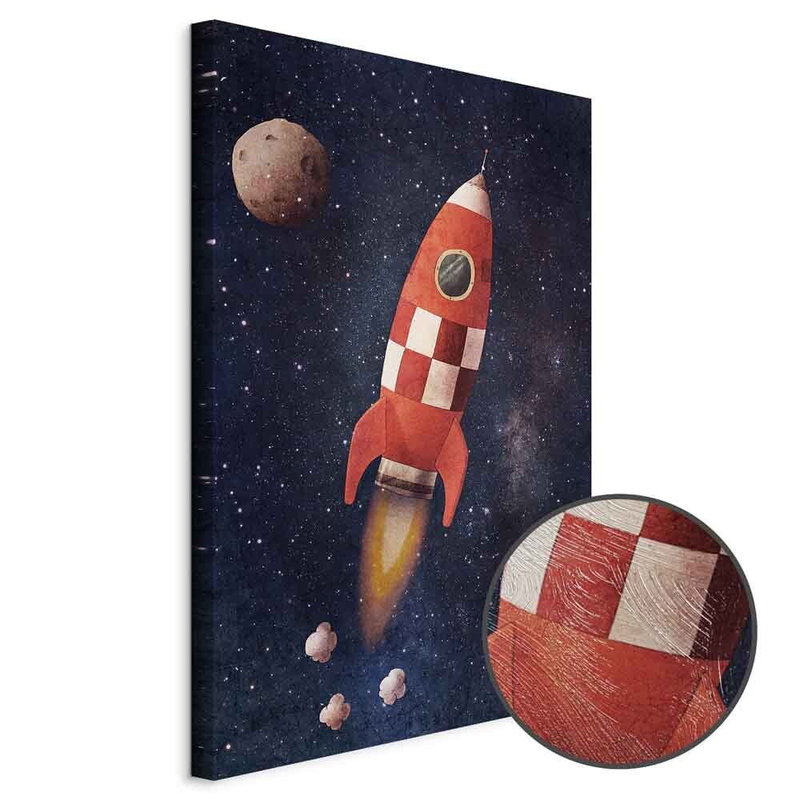
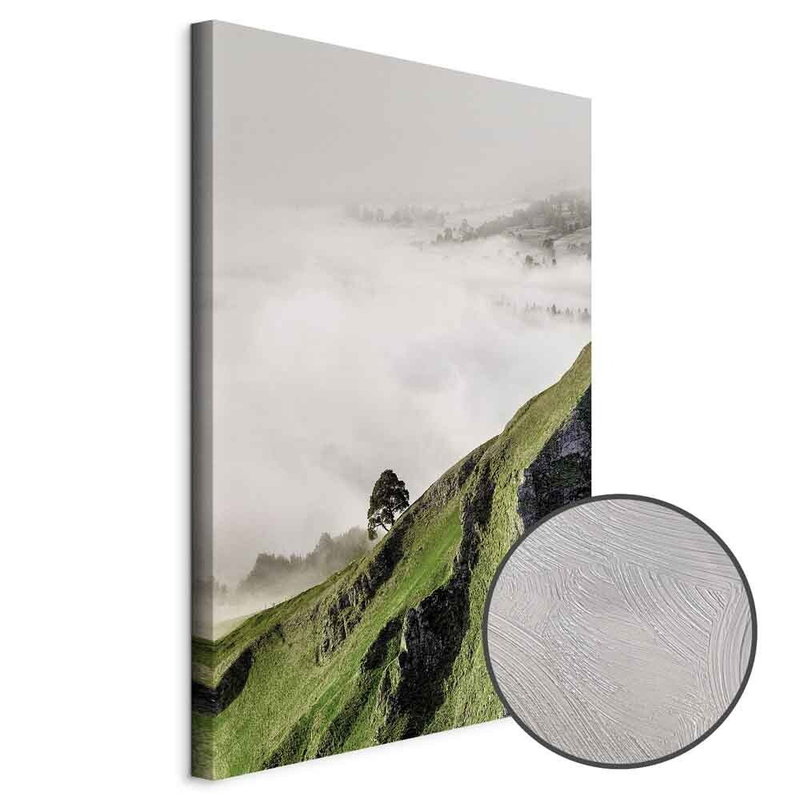
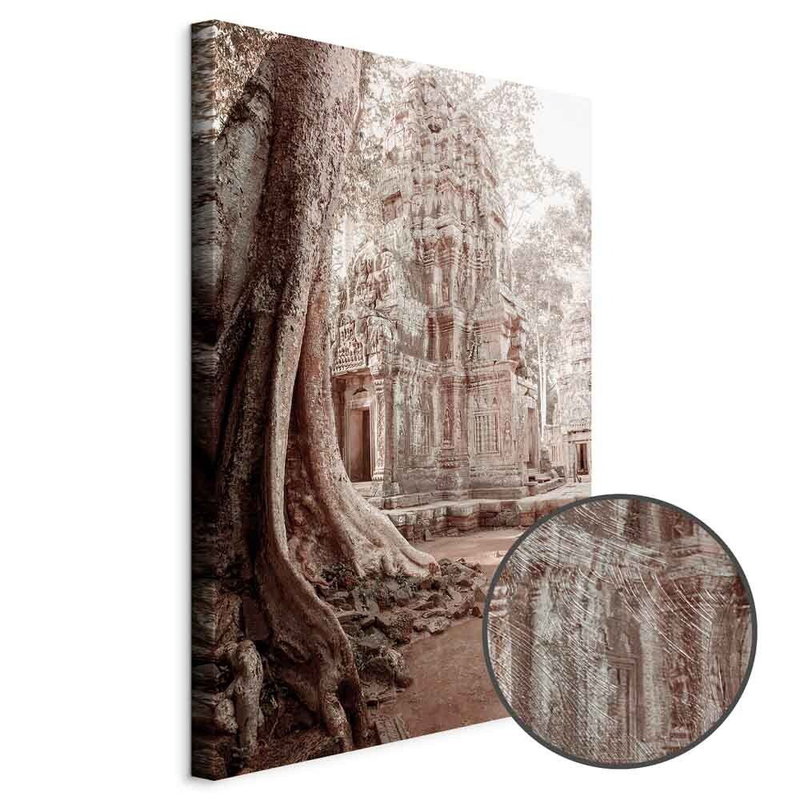
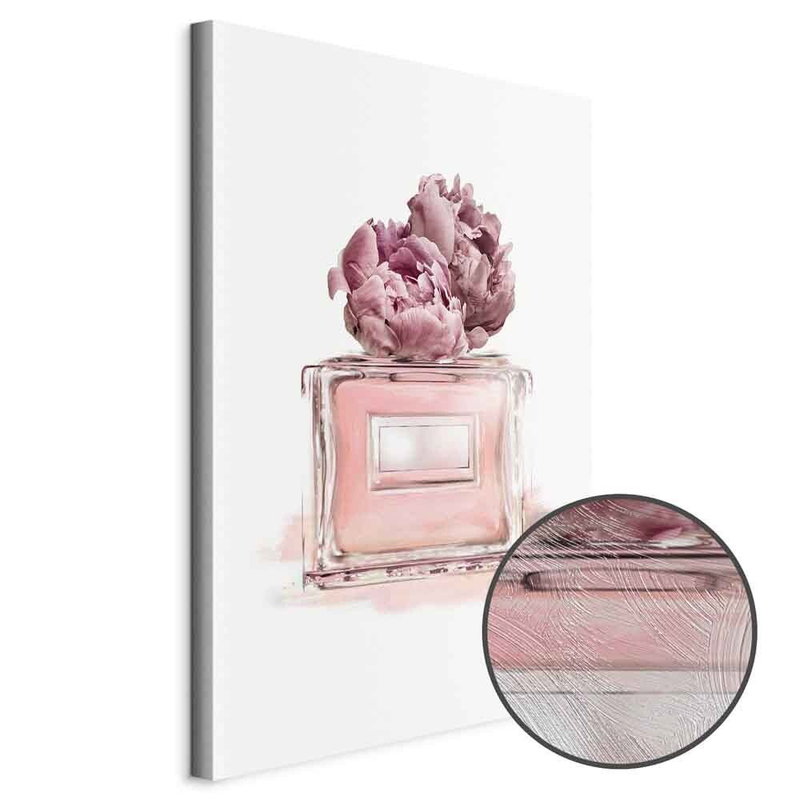
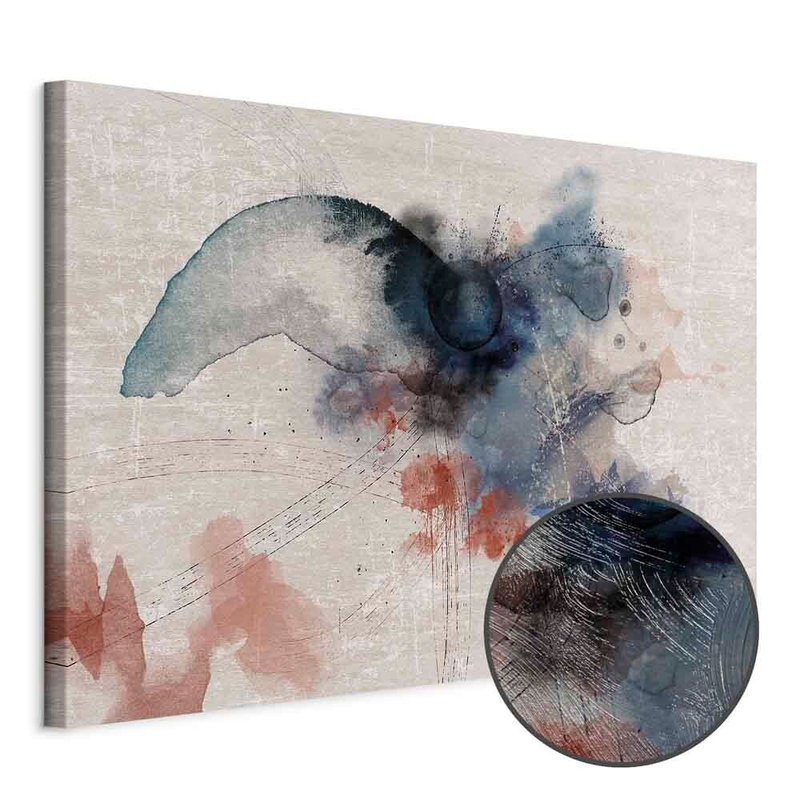
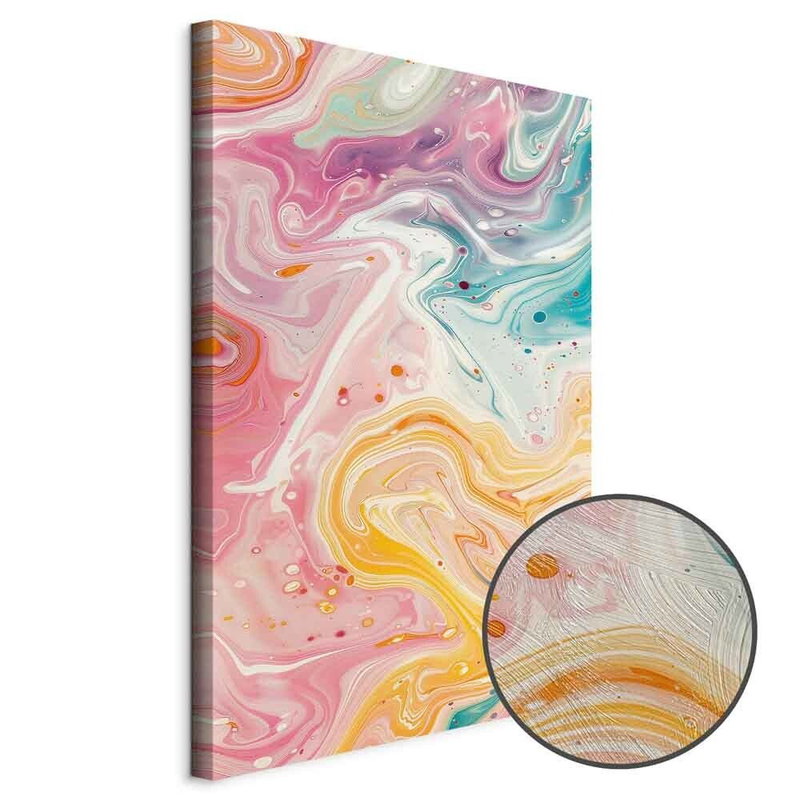
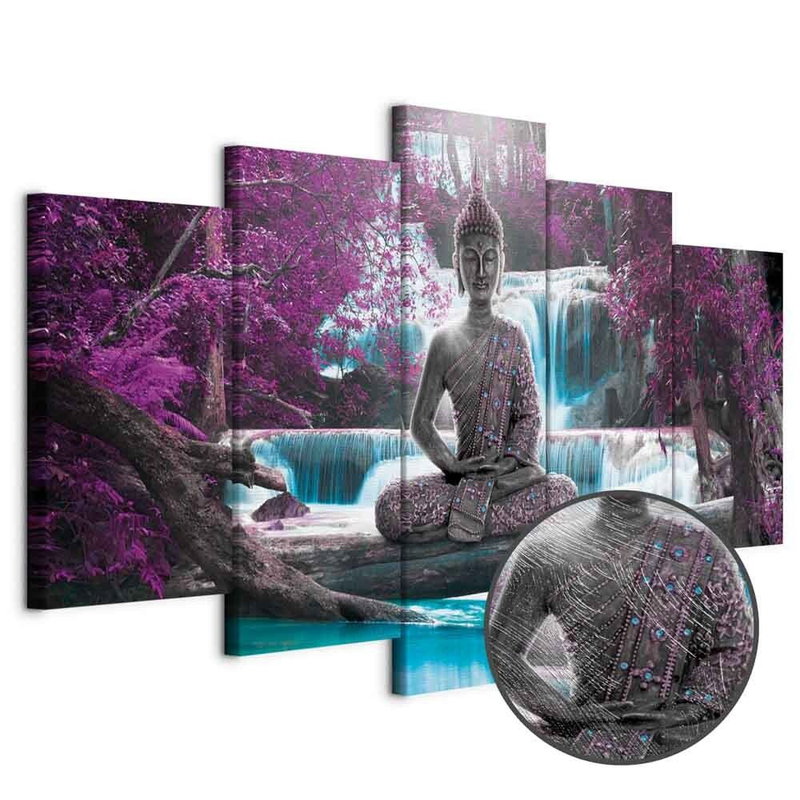
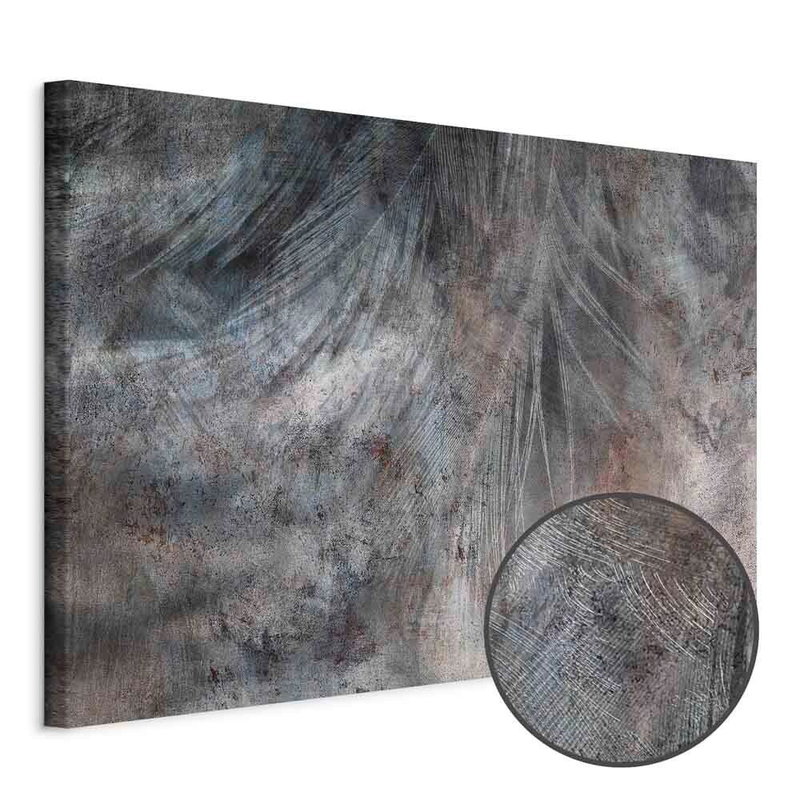
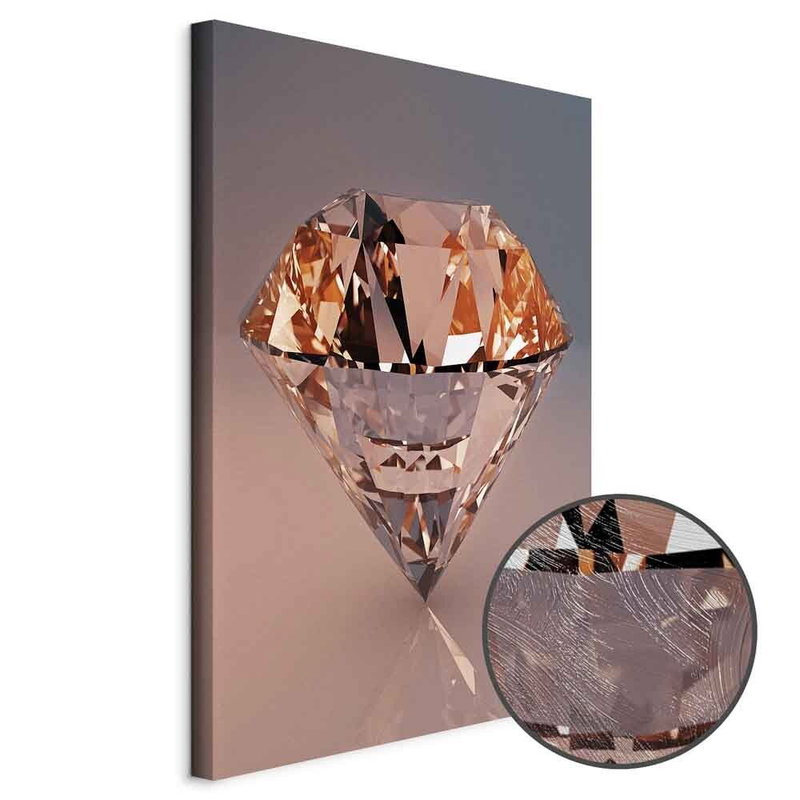
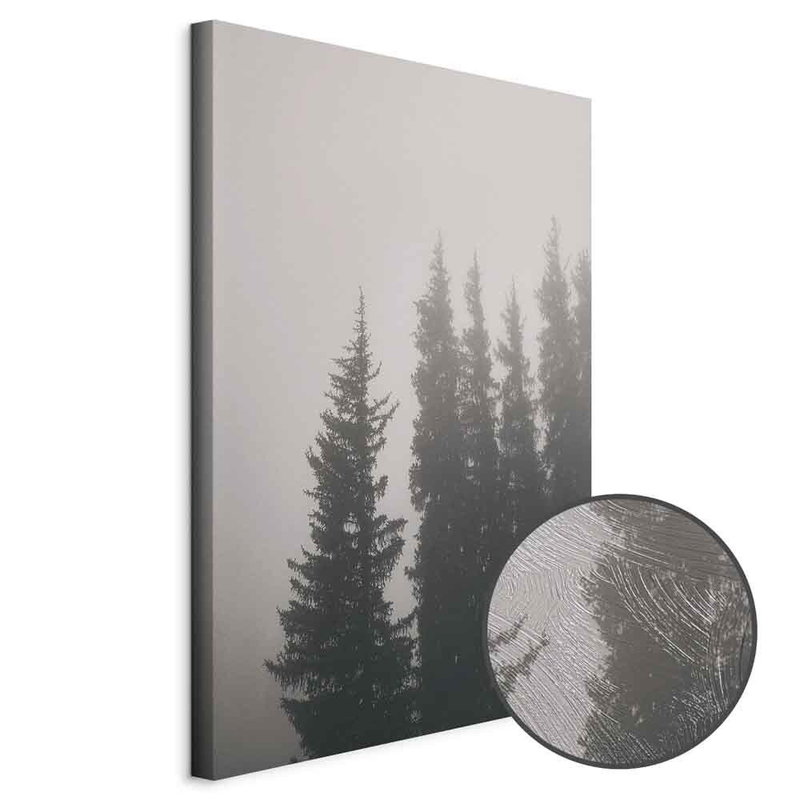
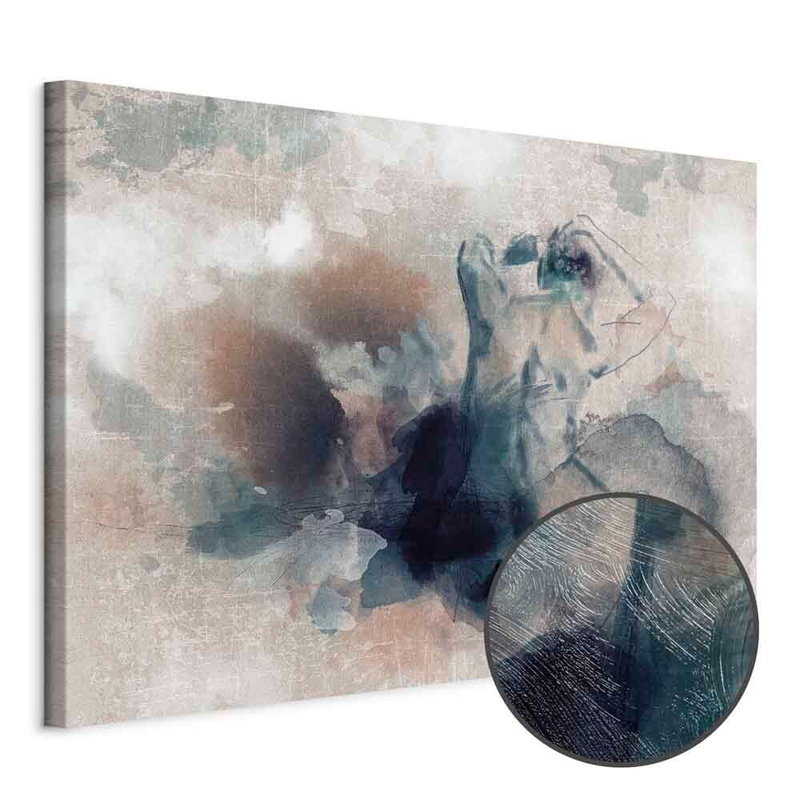

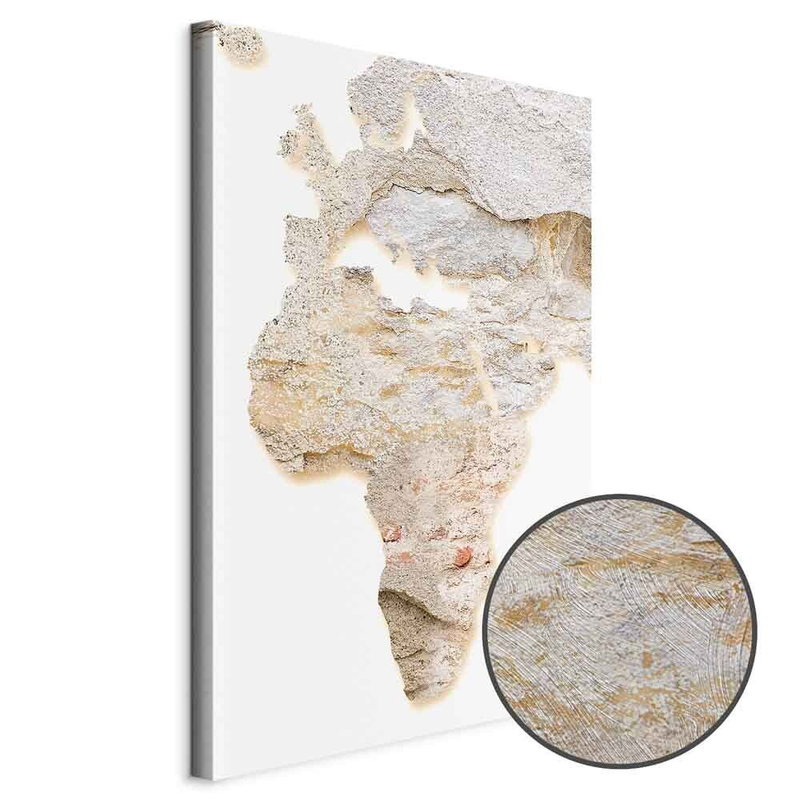
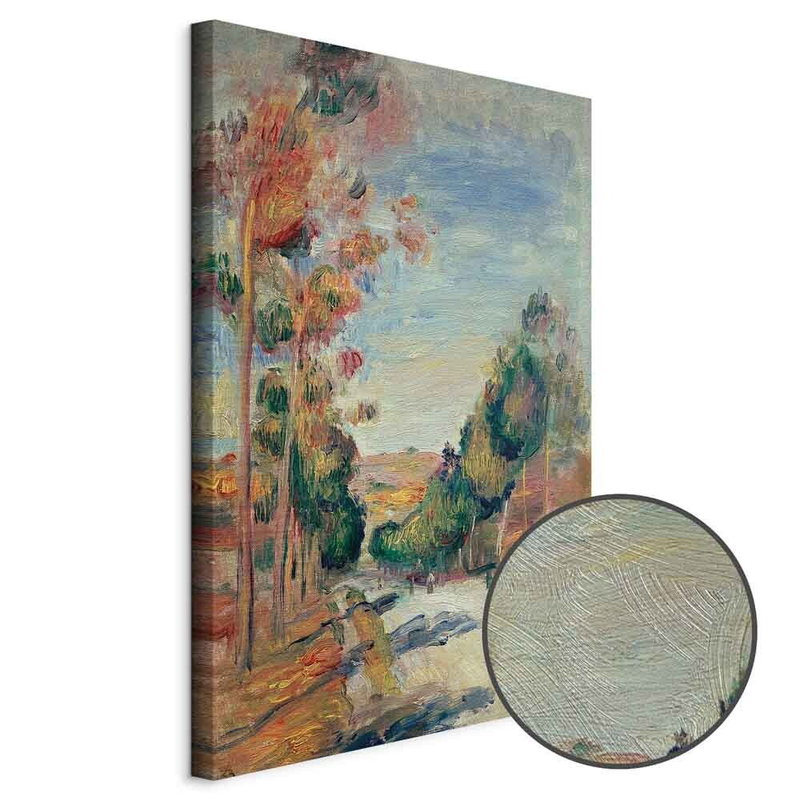

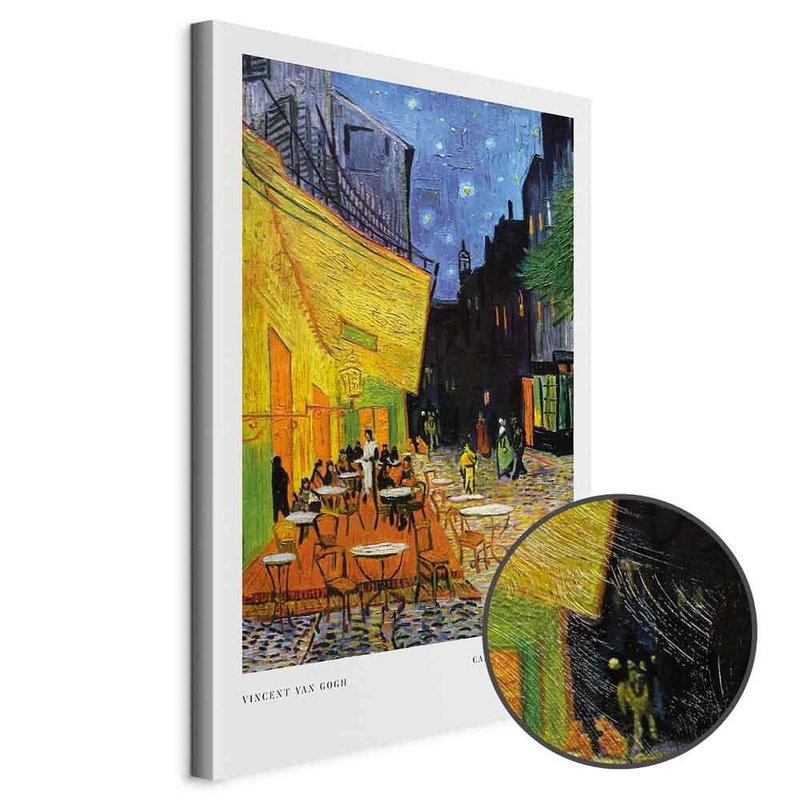
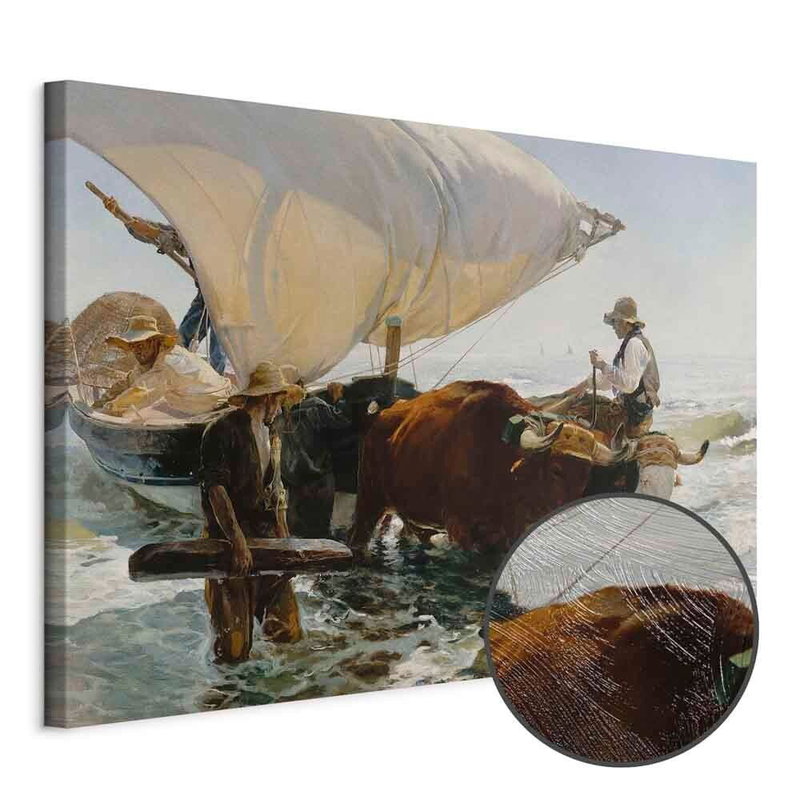
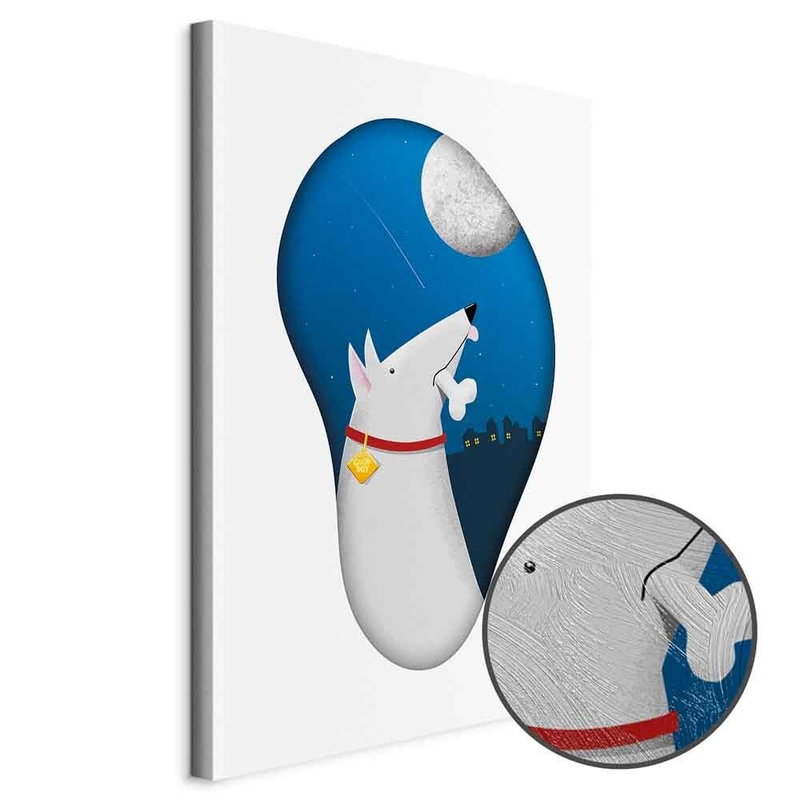
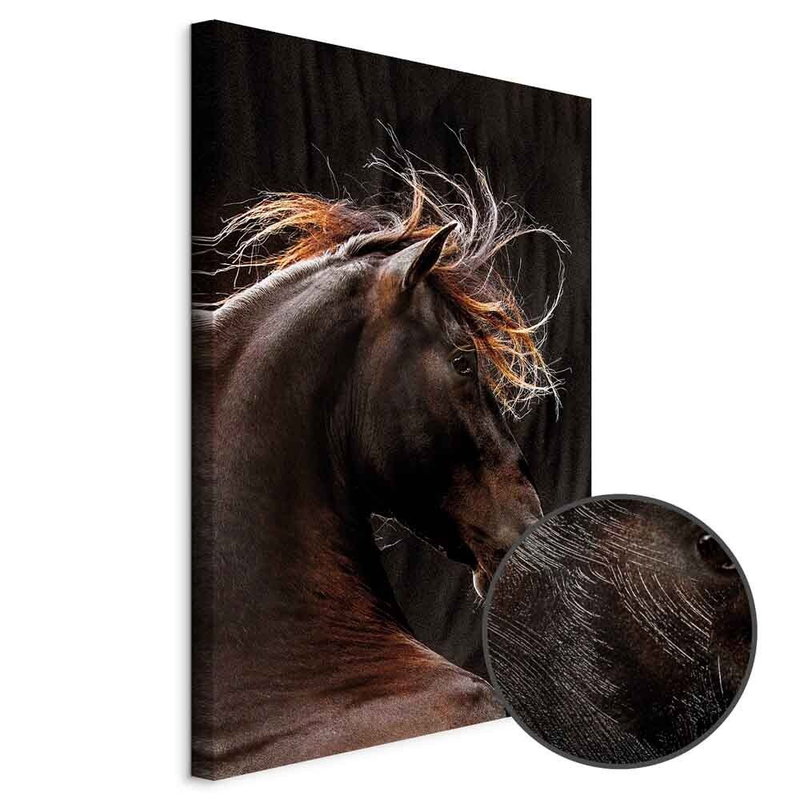
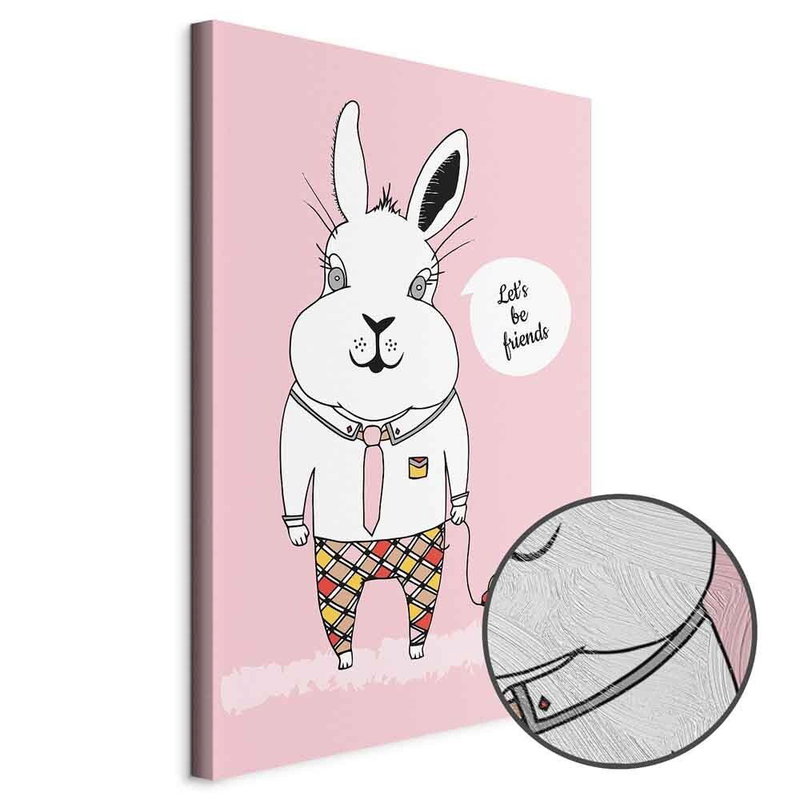
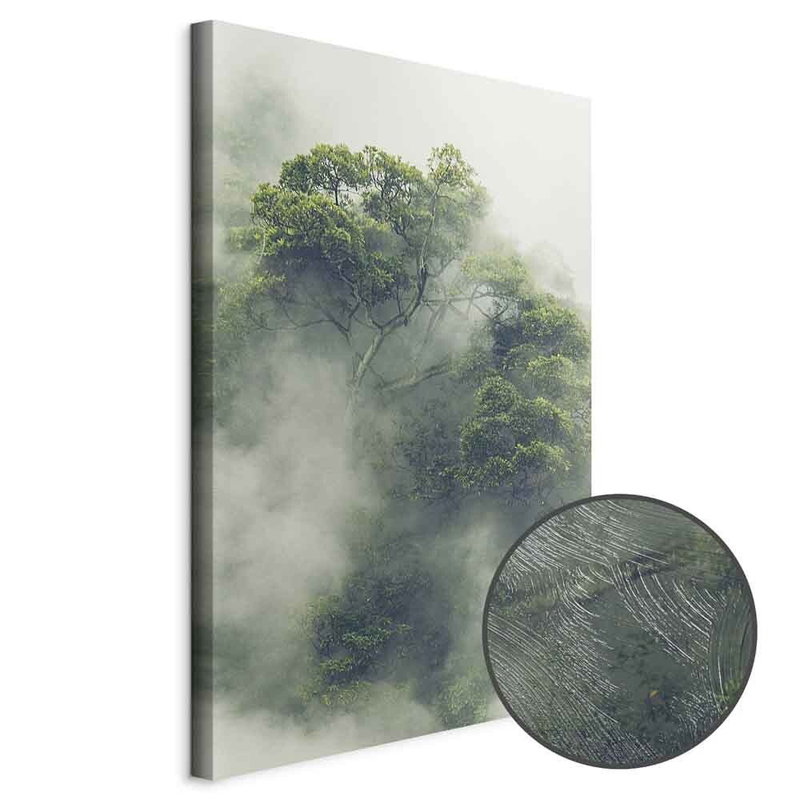
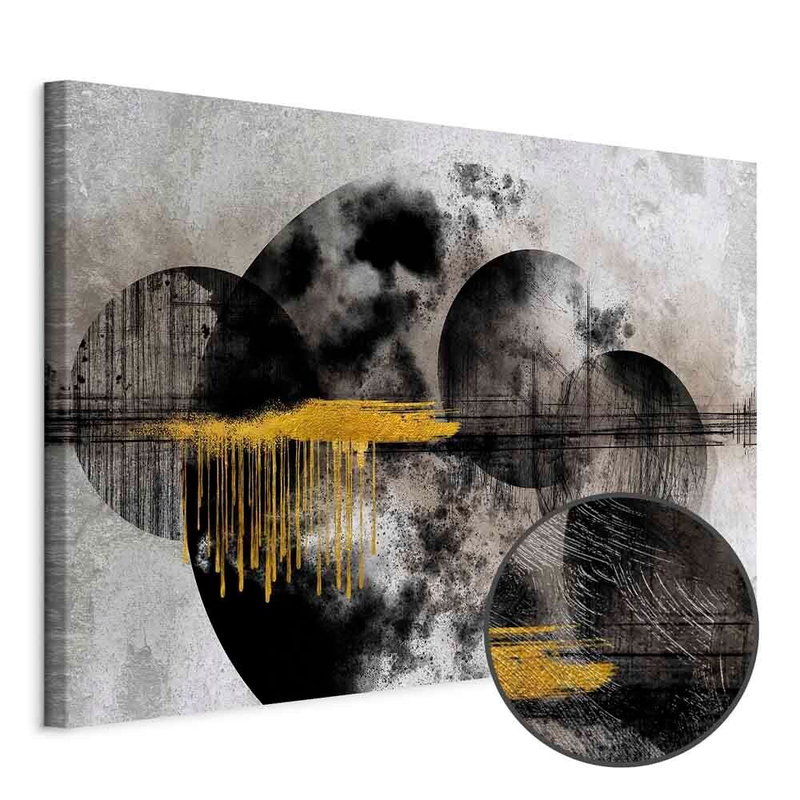

Premium pictures with a treated surface over the print
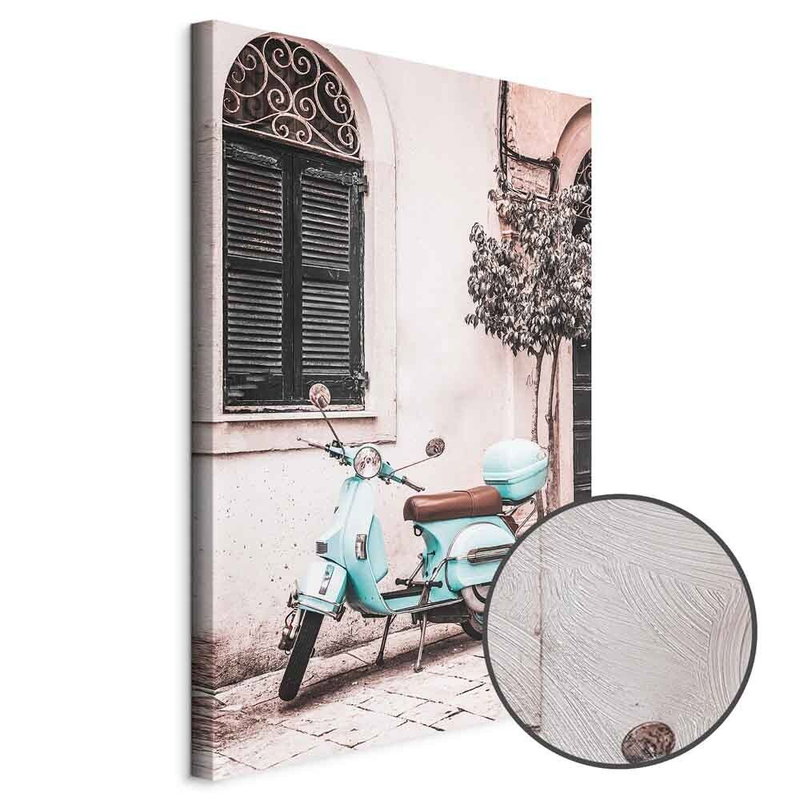
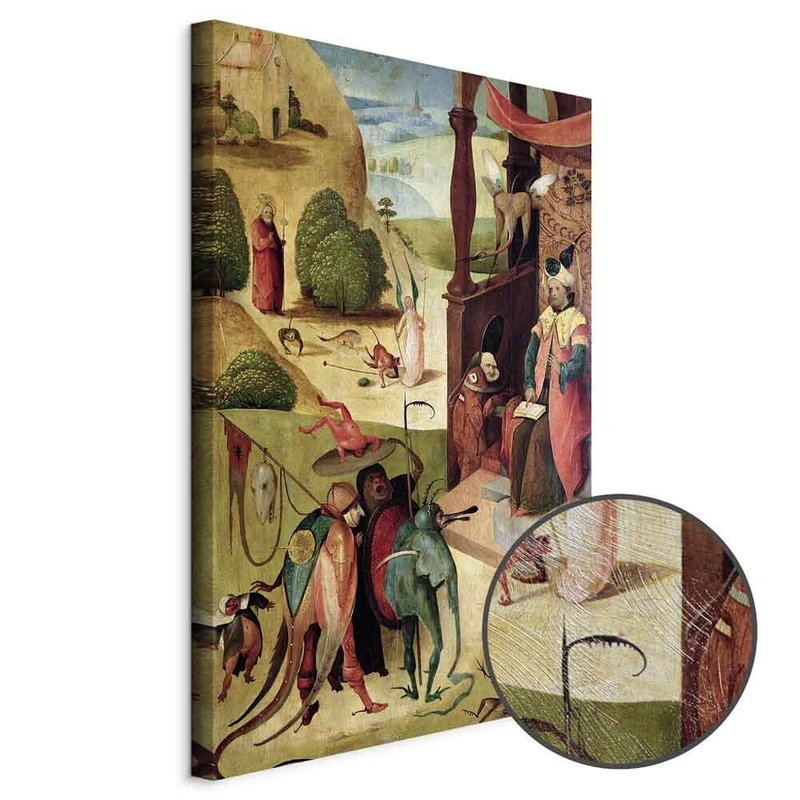
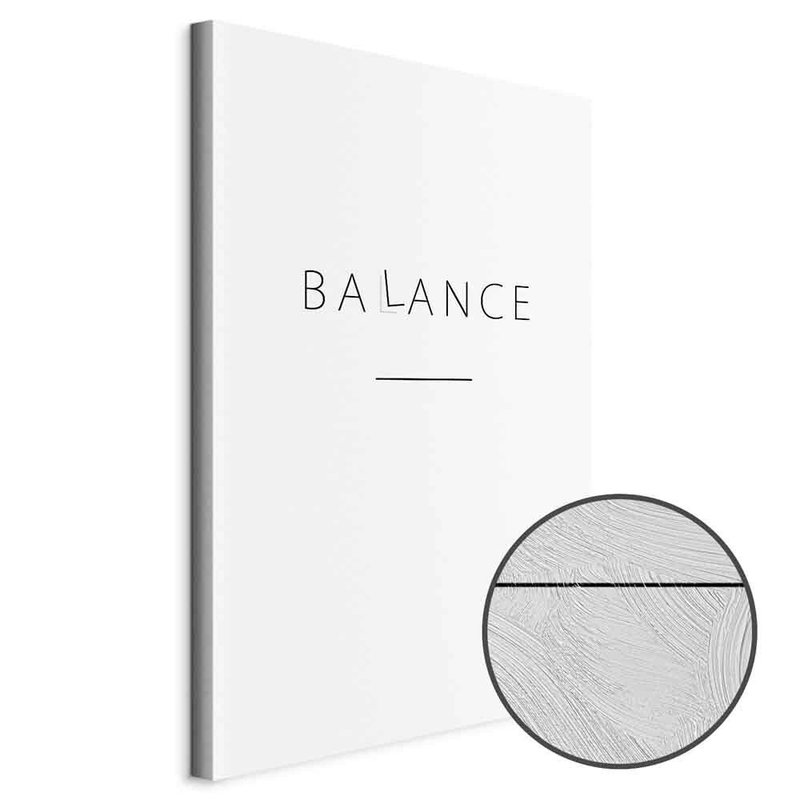
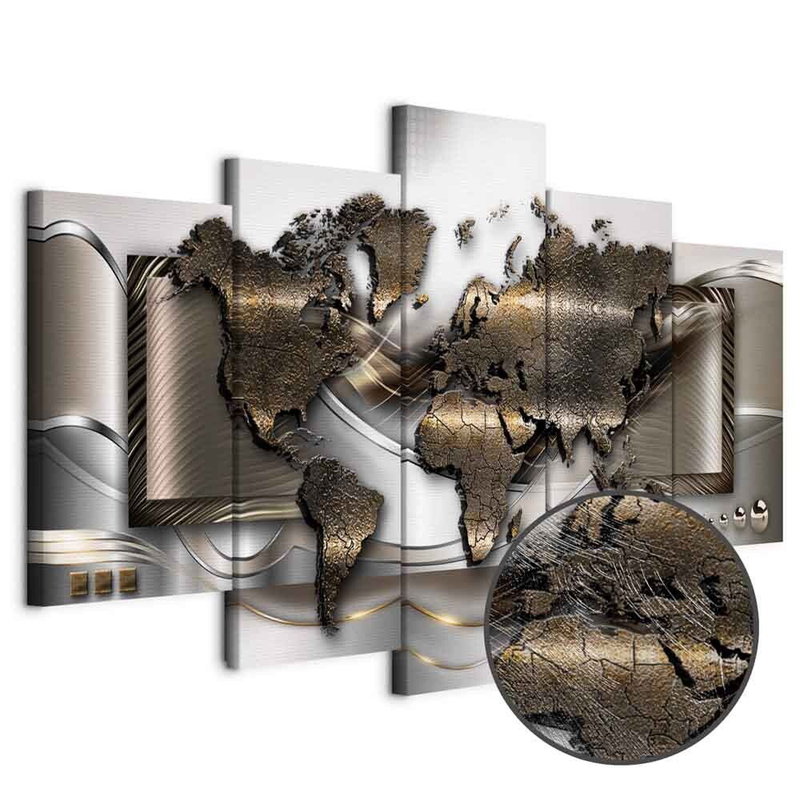
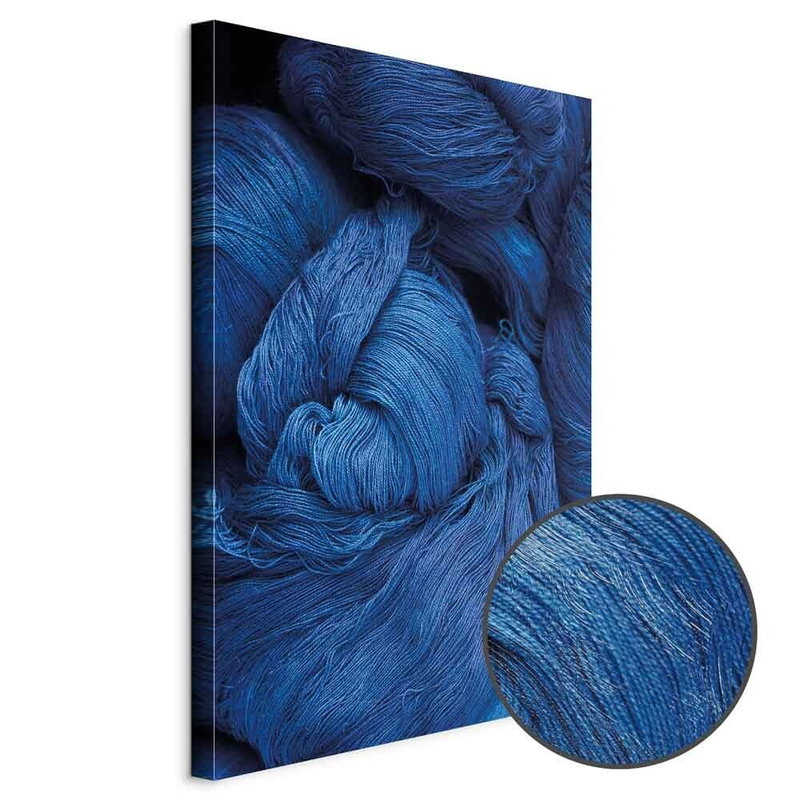
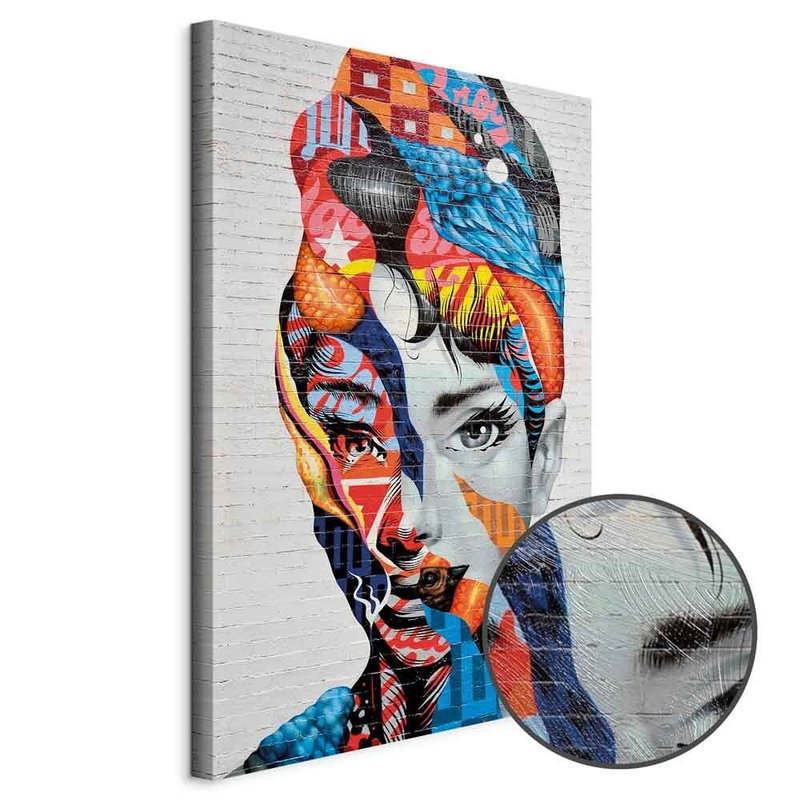
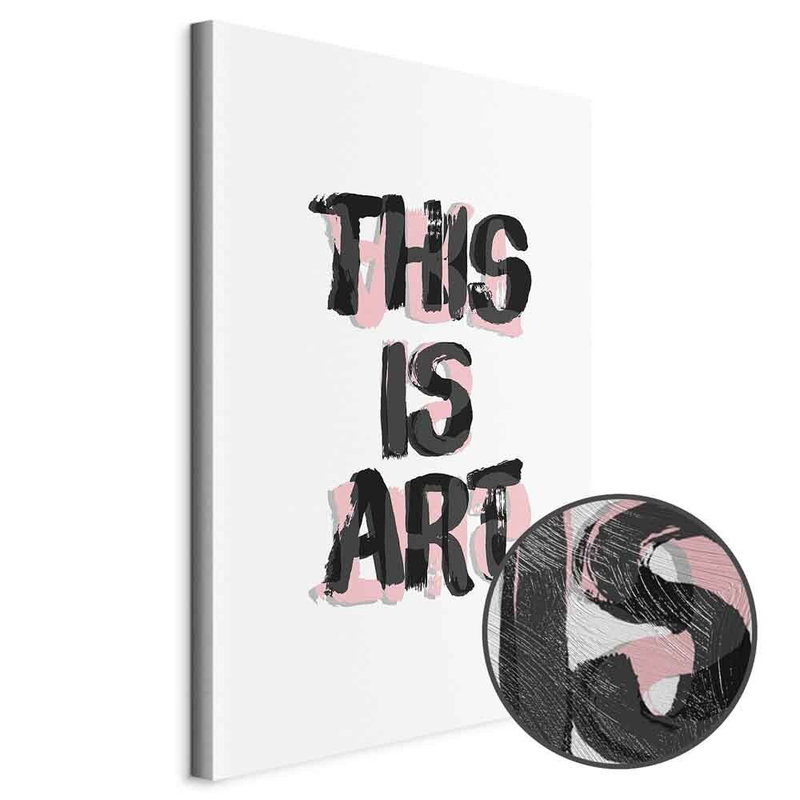
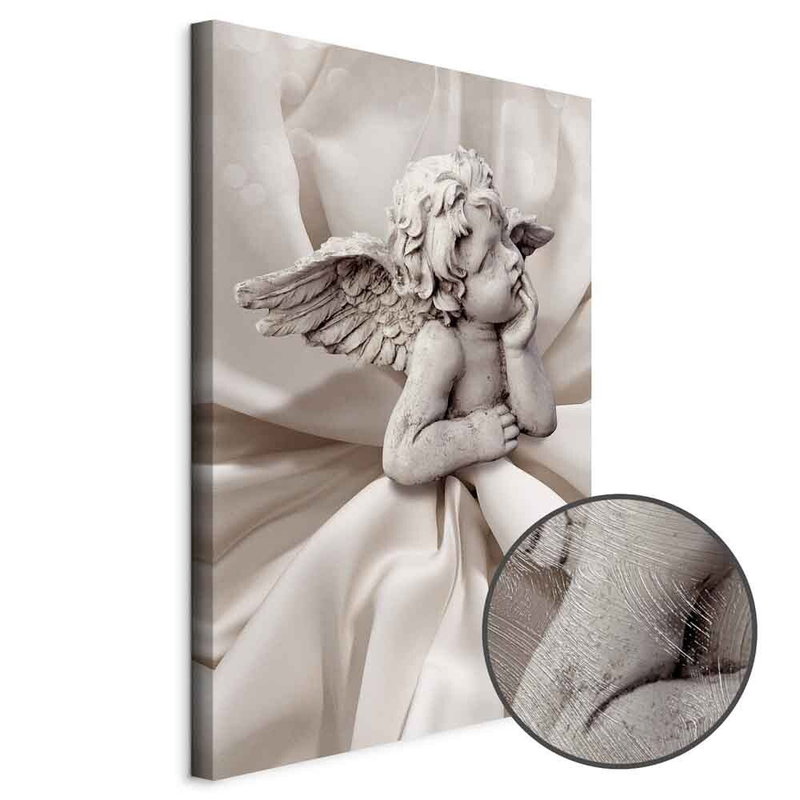
What distinguishes this range is the work above the printed motif. Clear gel is applied by hand, building physical texture on the canvas surface. The image remains a print, but the finish may create a different sense of depth and movement when viewed from the side or in changing room light. This should not be confused with an original painting.
Surface texture matters when comparing painterly compositions and more graphic images. In a restrained palette, the treatment may be discreet; with a detailed image, assess how print and texture interact. Look at the product’s detail photographs and give the actual motif greater weight than the product name.
From botanical designs to maps and city views
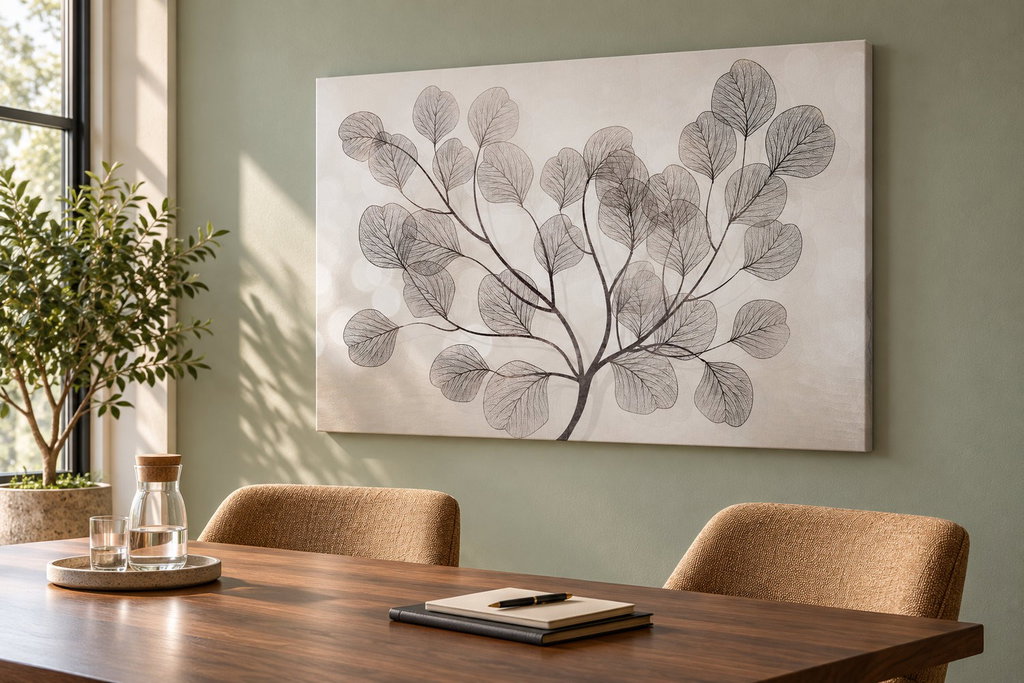
The premium selection contains several distinct motif families. Flowers and plants include dense floral compositions and lighter leaf designs. Animals, portraits, architecture and travel pictures offer other starting points. Abstract pictures can instead be chosen for colour, lines and rhythm without depicting a particular place or object.
Explore landscape and nature through subcategories for mountains, sea, lakes, woodland and waterfalls too. Distinguish a depicted landscape from a stylised decorative nature motif. A category may contain different visual languages within its subject, so assess each picture’s composition, contrast and detail in relation to the room.
One continuous image or several panels
Some premium pictures consist of a single canvas, while other designs span several panels. This affects the wall composition and makes gaps part of the image. For a multi-panel motif, check both the stated dimensions and the wall space needed with the intended spacing.
A wide design can connect a sofa group or meeting area, while a portrait format offers other possibilities on narrower walls. Check which orientation and size are actually available for your chosen picture. A lifestyle image supports a sense of proportion and atmosphere but does not replace the product measurements.
Texture, light and viewing distance
A treated surface needs appropriate space in the furnishings. Assess the picture from the position where it will usually be seen, but also consider a side view when passing. Light can make texture more or less prominent without changing the motif’s basic palette. Avoid choosing solely from an enlarged detail: the whole image must work at a normal viewing distance.
When combining premium pictures, a shared colour or similar visual weight can hold the group together. They need not all show the same subject. A restrained landscape and botanical composition may work together through their palettes, provided placement, size and gaps are considered.
Sound absorption sits behind the decorative surface
The checked premium products have printing on polyester fabric with sound-absorbing material behind it. The picture can therefore help shorten reverberation inside the room. However, the hand-treated finish is not proof that premium automatically offers a greater acoustic effect than another format.
Assess room volume, hard surfaces, furnishings and the amount of absorbent material together. Large or sparsely furnished settings may require several measures. Pictures do not replace sound insulation intended to limit transmission through walls, ceilings or floors. Compare the product’s own construction and use information when planning a solution.
Mount and care for your chosen premium picture correctly
Follow the model’s hanging instructions for every part of a multi-panel design. Match fixings to wall material and weight and check positions before drilling. For a group, work from the complete composition so individual panels are not displaced relative to one another.
The surface treatment also has its own care requirements. The checked premium products specify gentle dust removal with a clean, soft, dry brush, without water, cleaning products or rubbing the texture. Always read the selected product page’s advice. Once motif, format and position are decided, choose a premium picture for its image and physical surface while its absorbent construction becomes part of the room’s acoustic solution.