



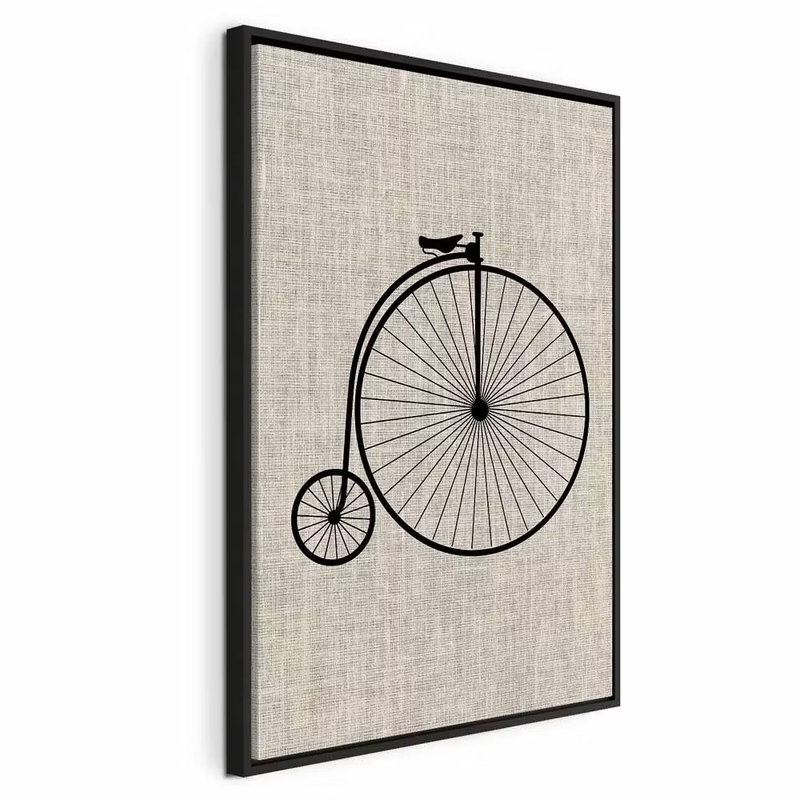
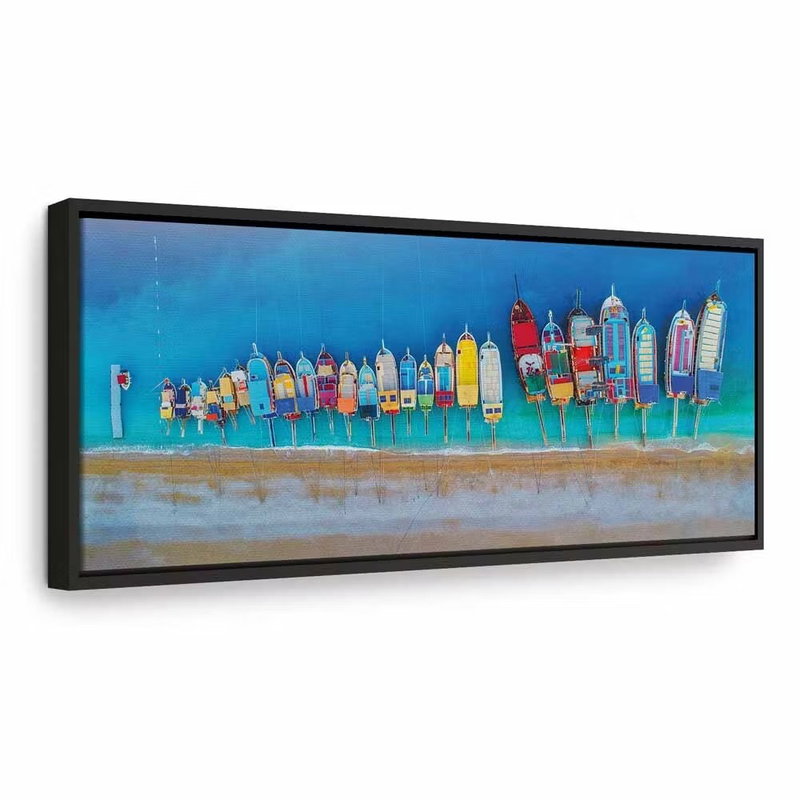
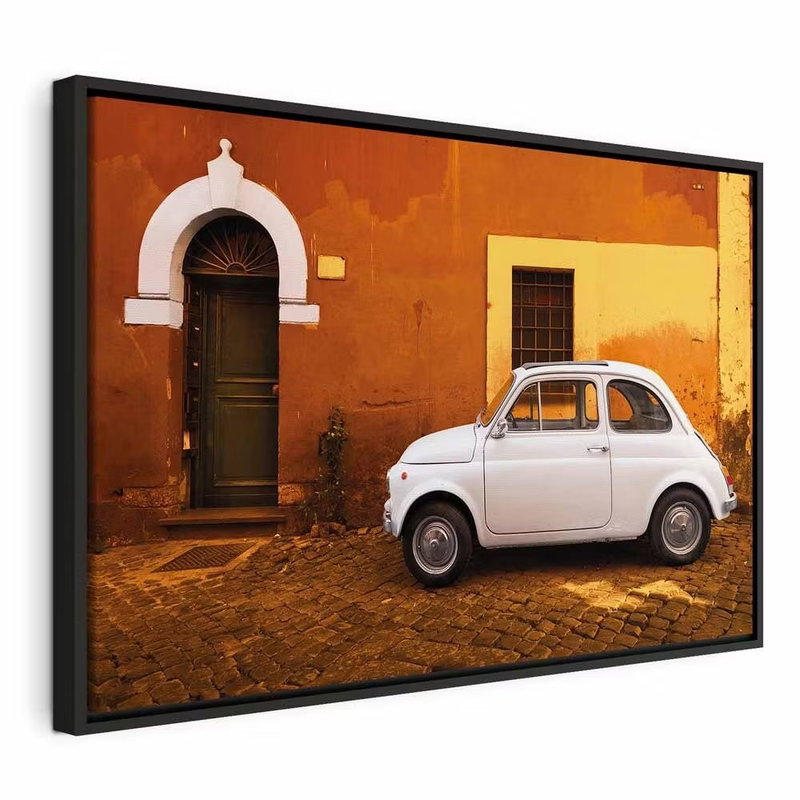
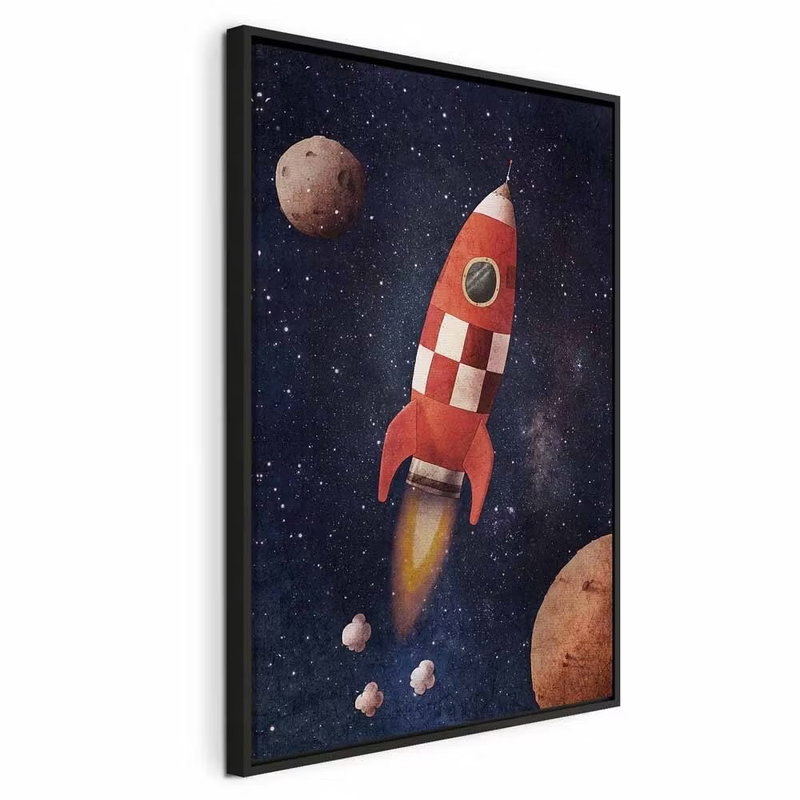

Vehicles in art, illustration and their surroundings
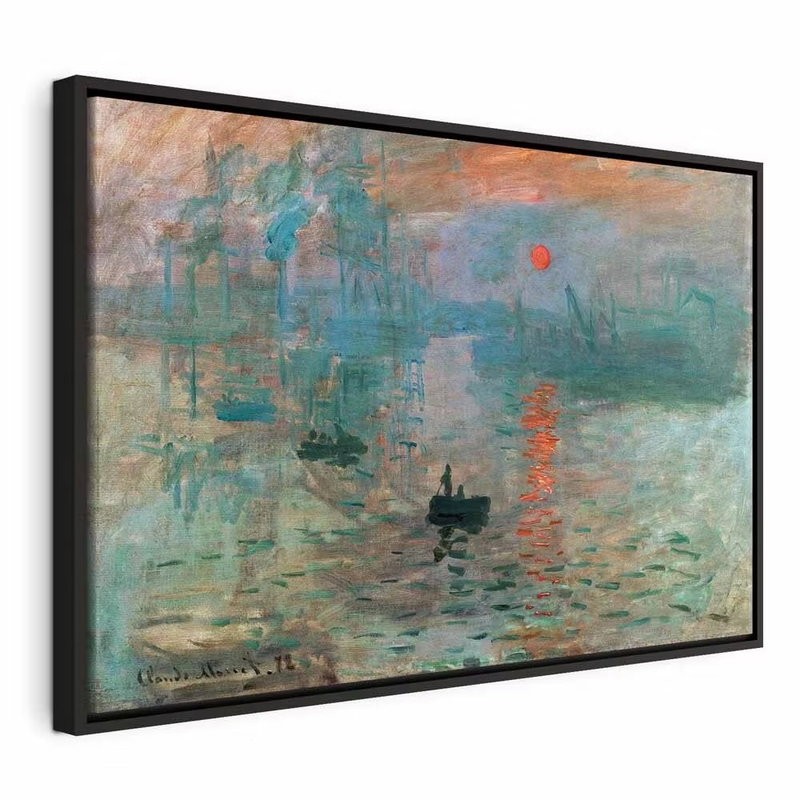
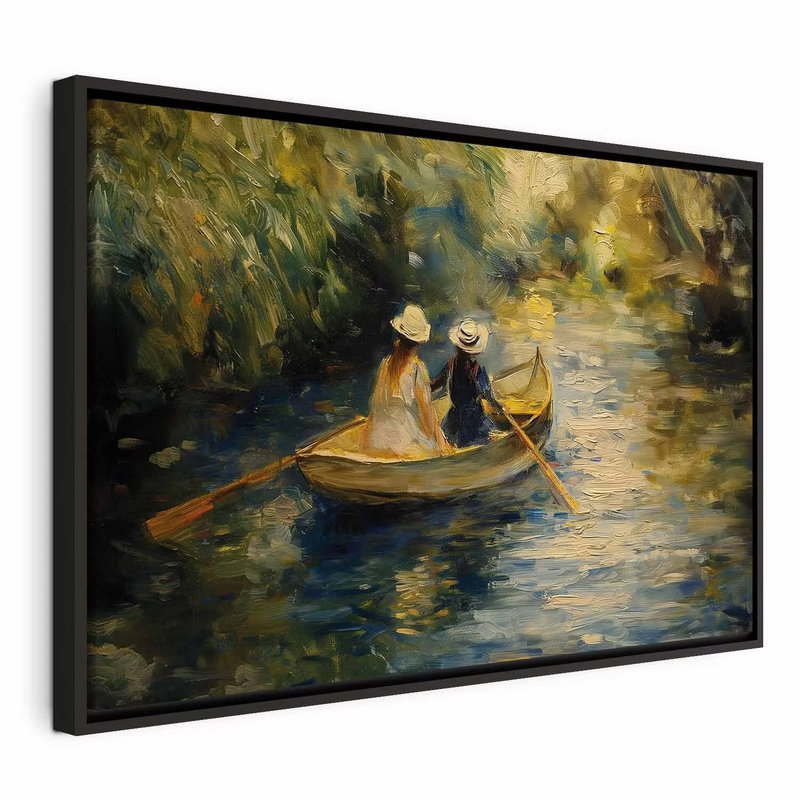
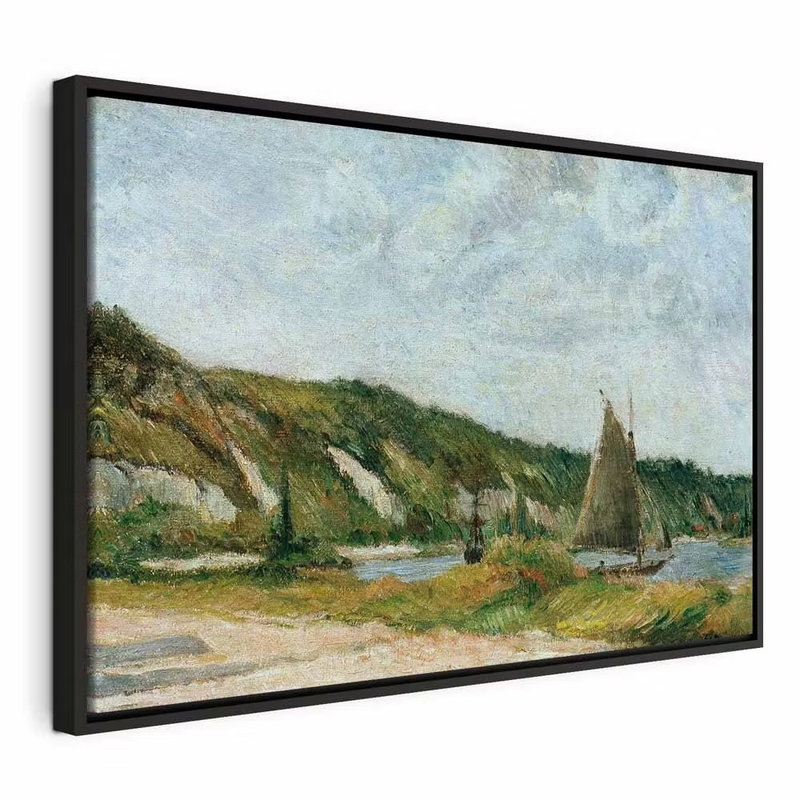
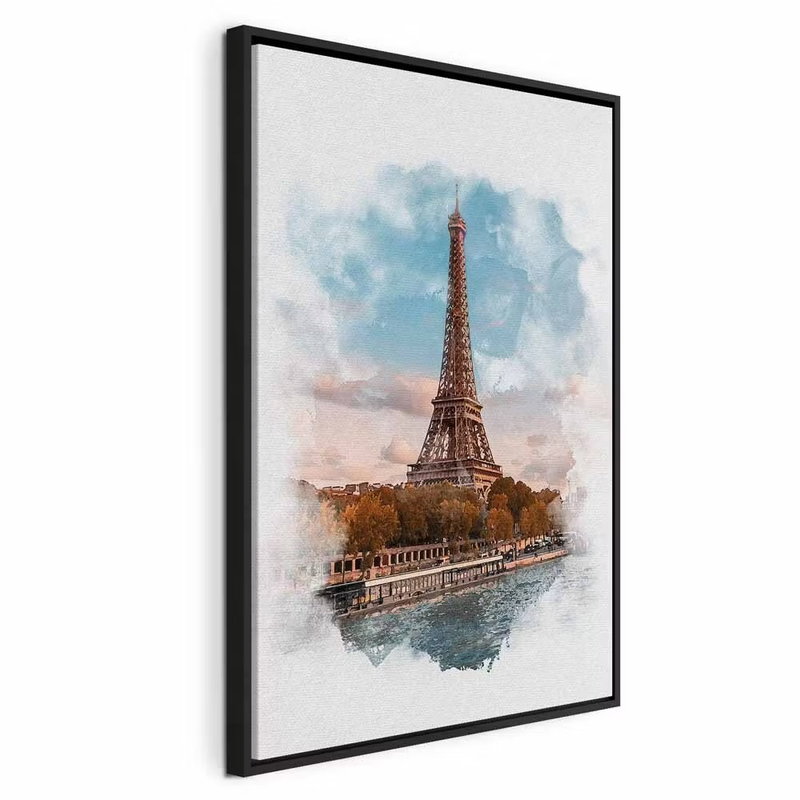
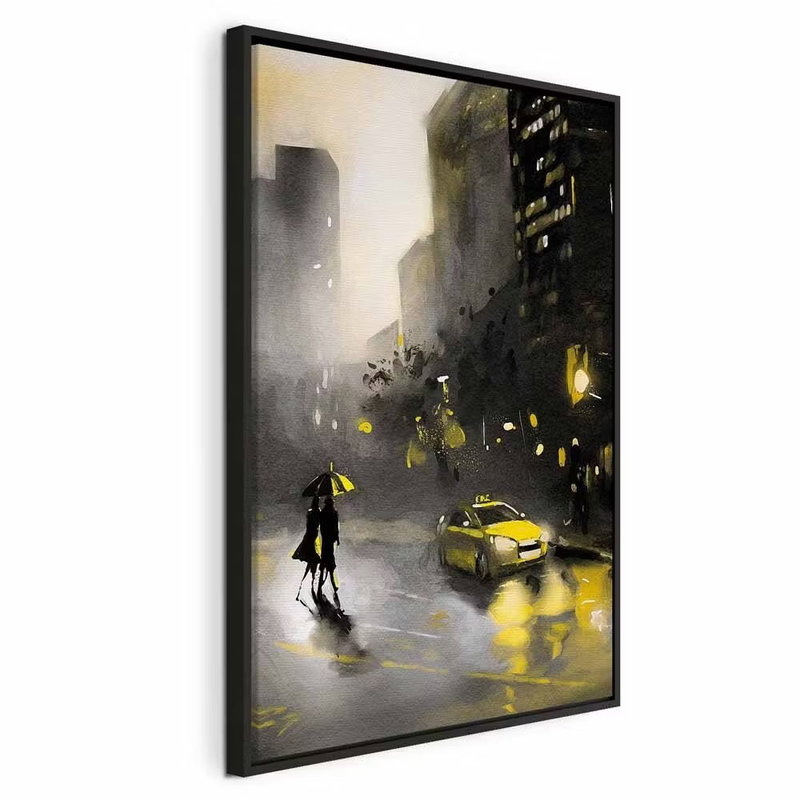
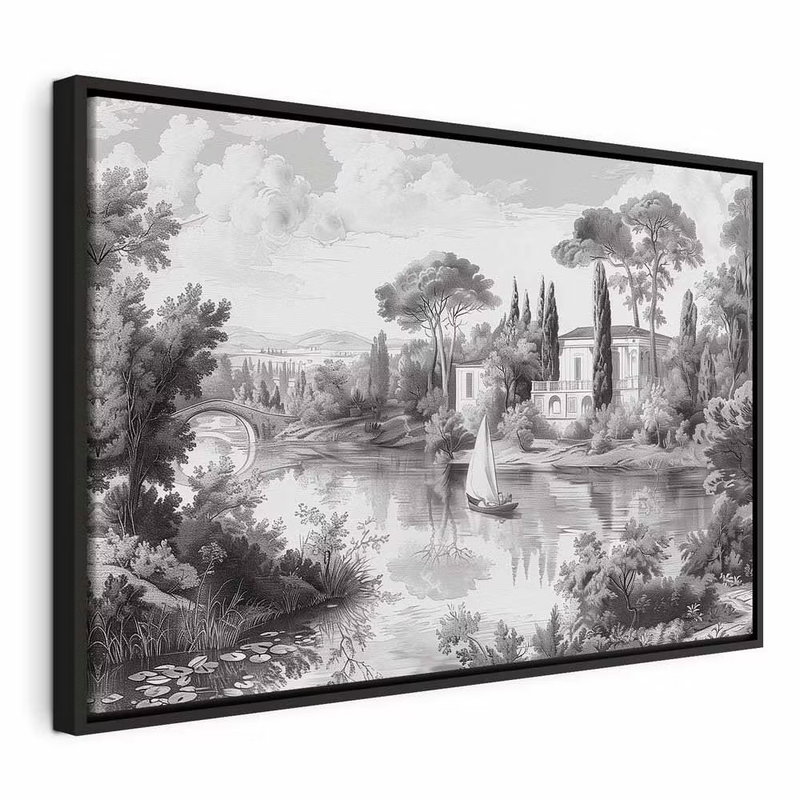
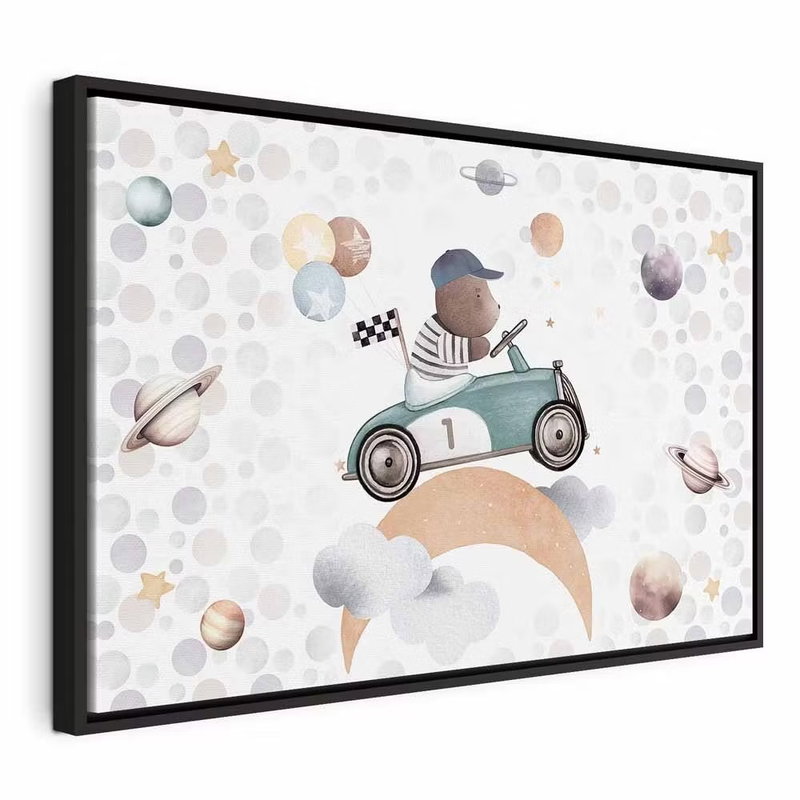
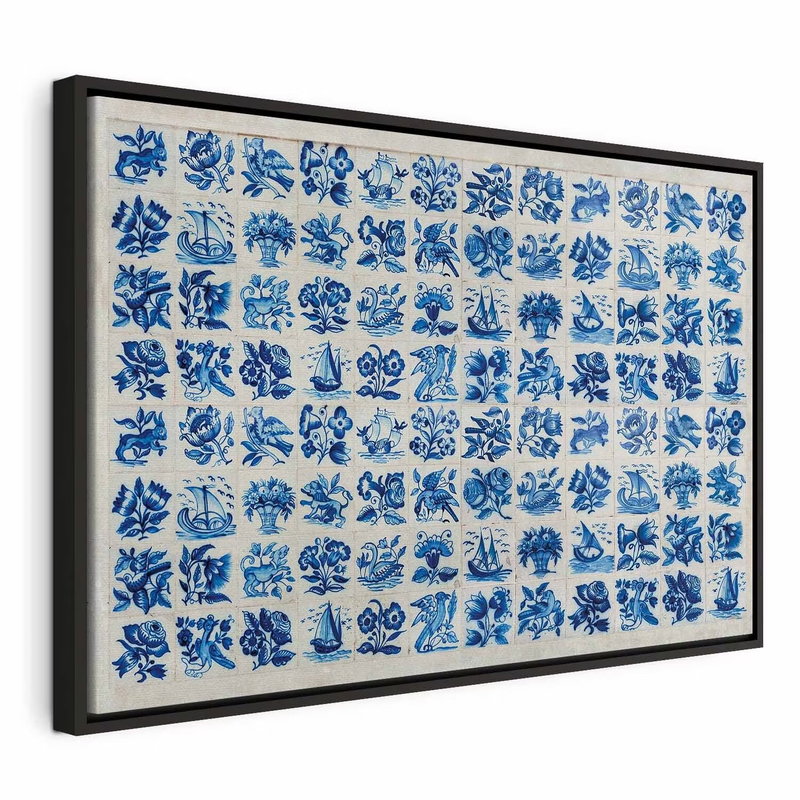
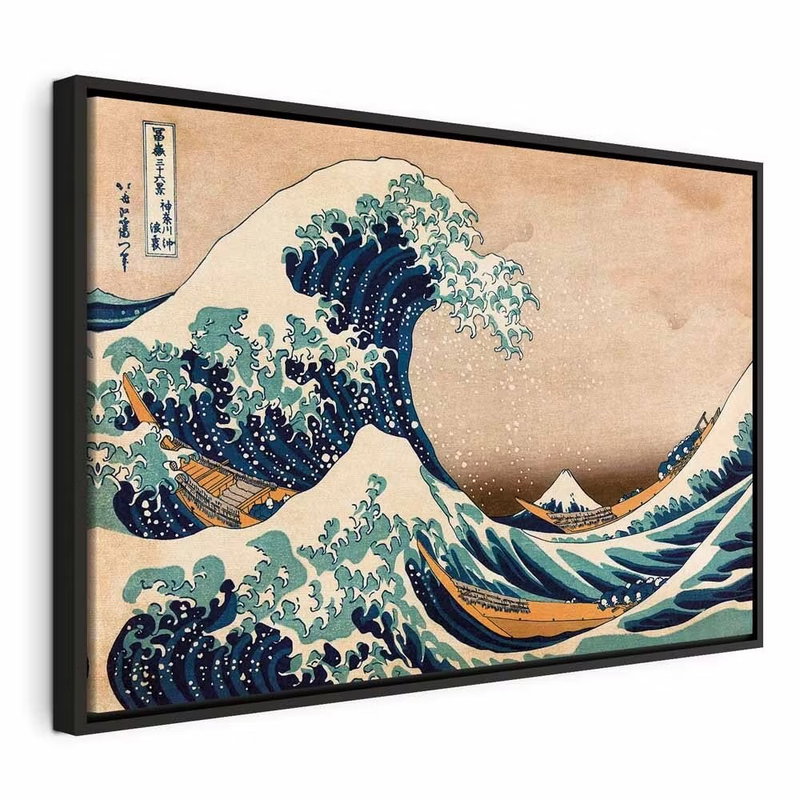
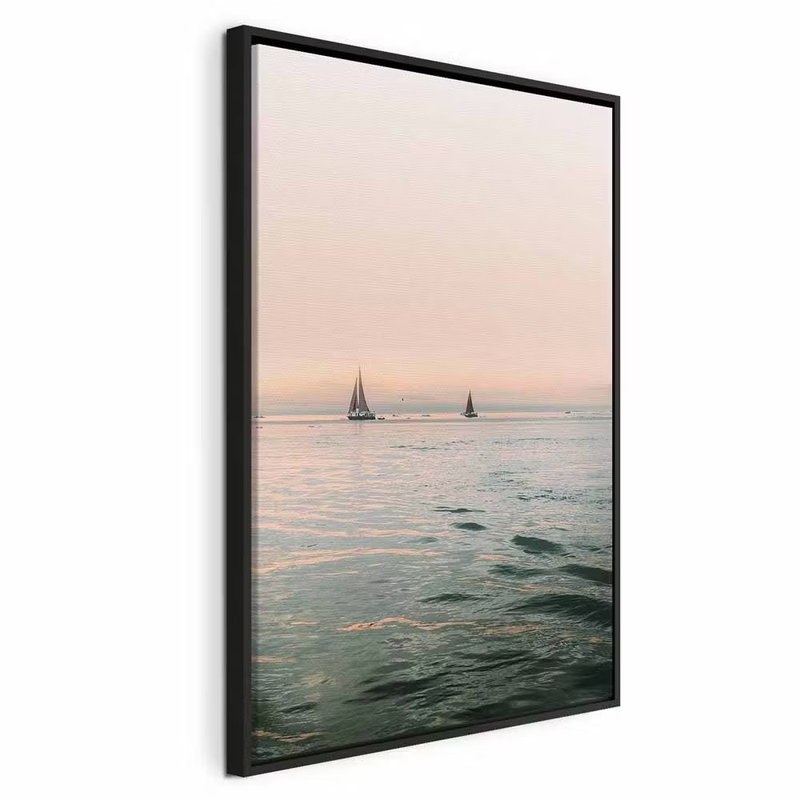
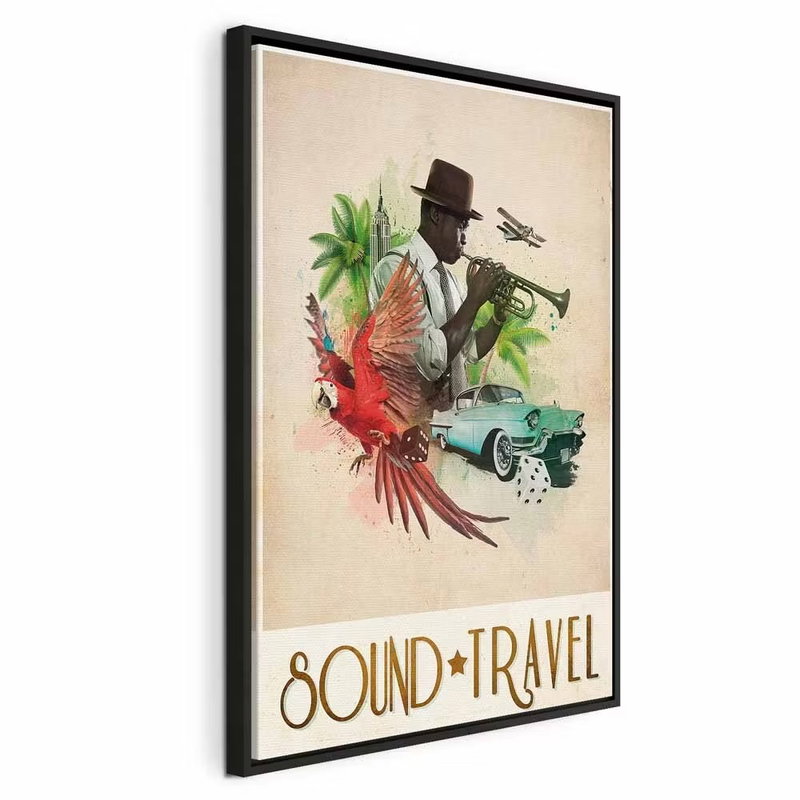
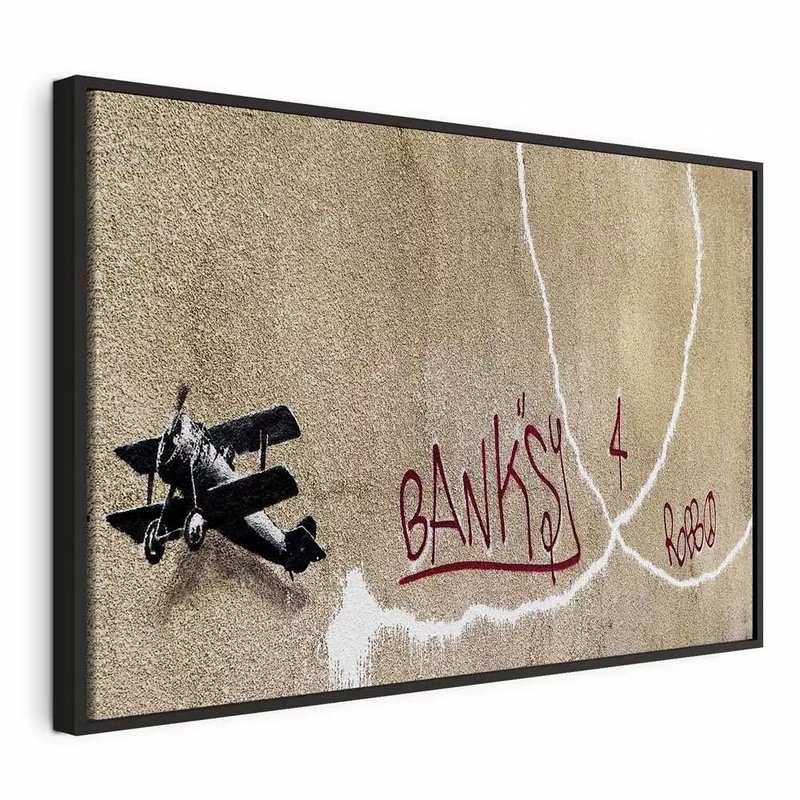
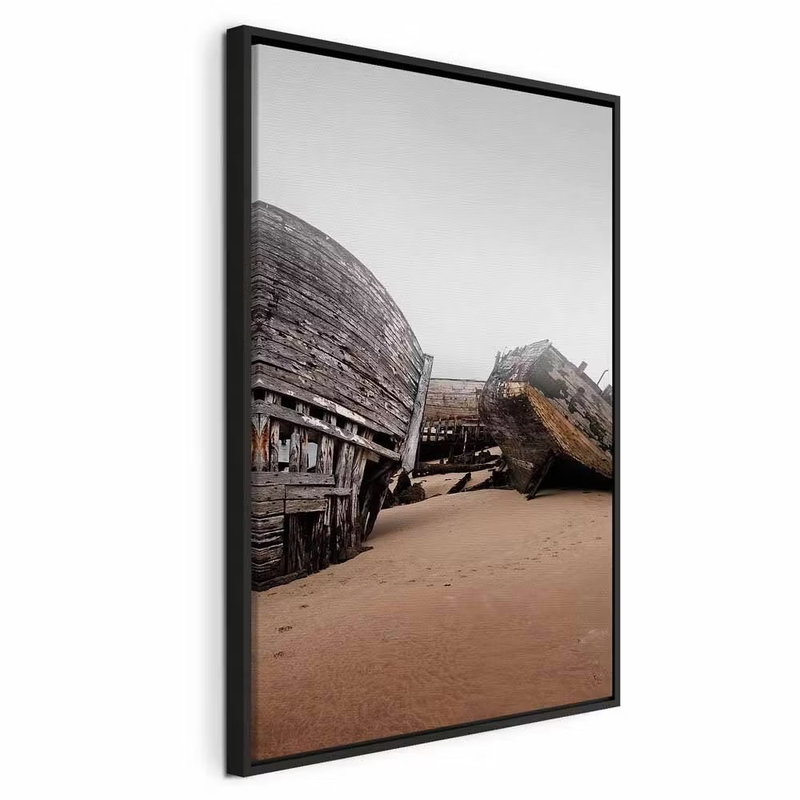
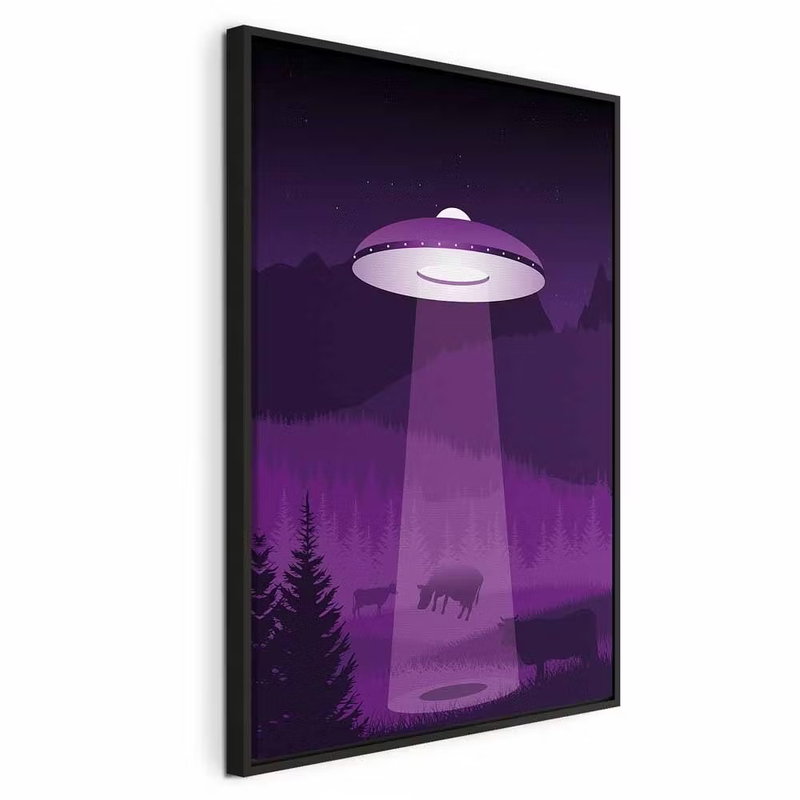
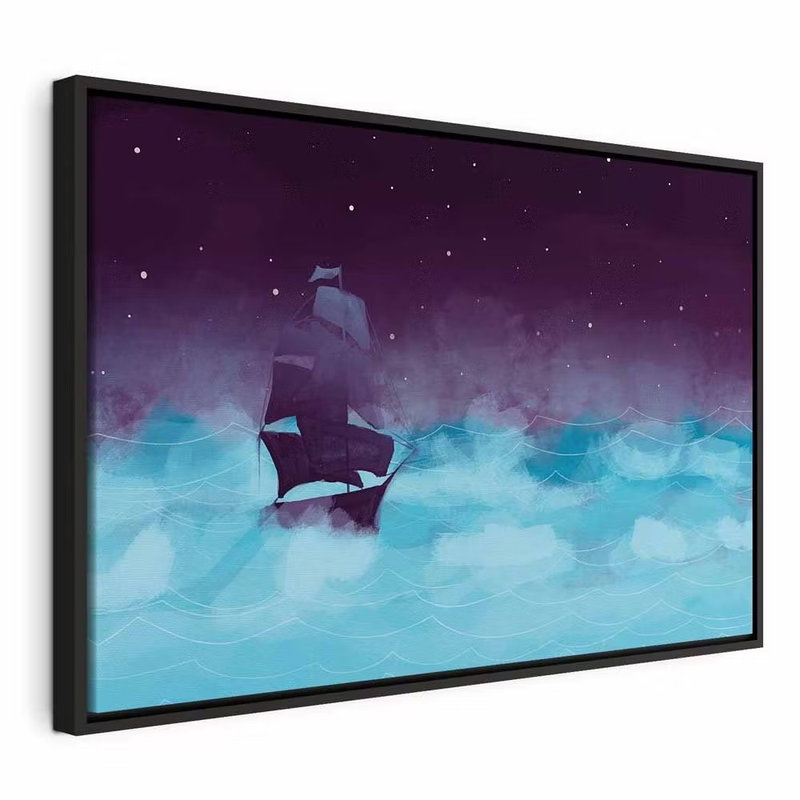
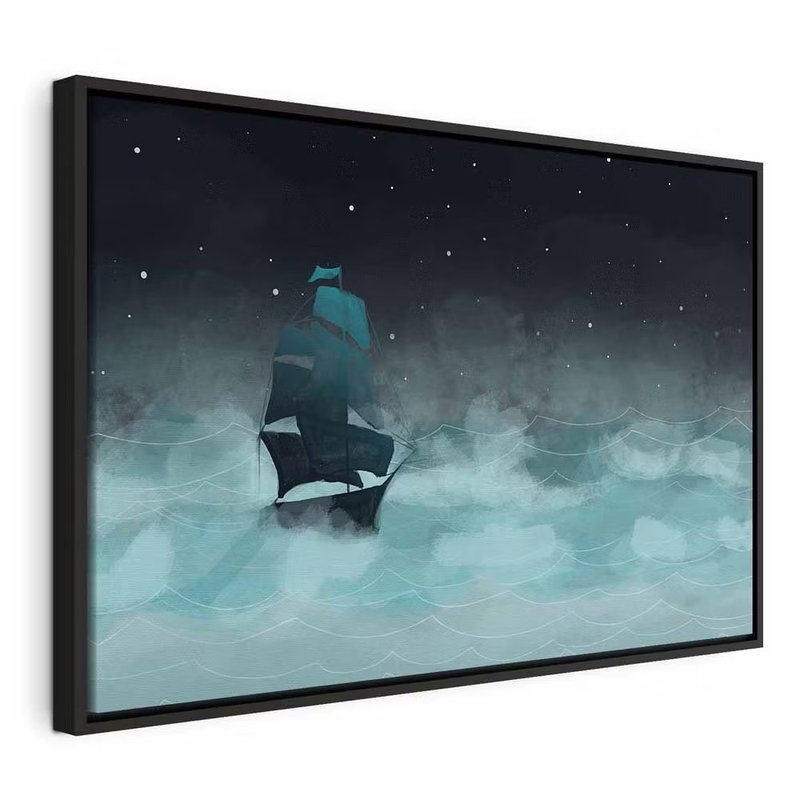
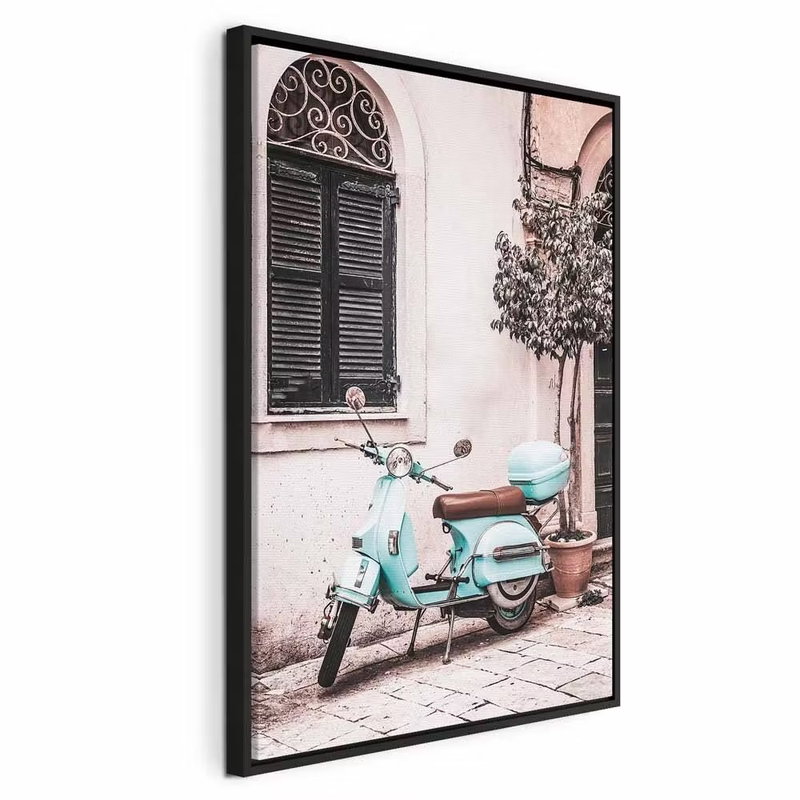
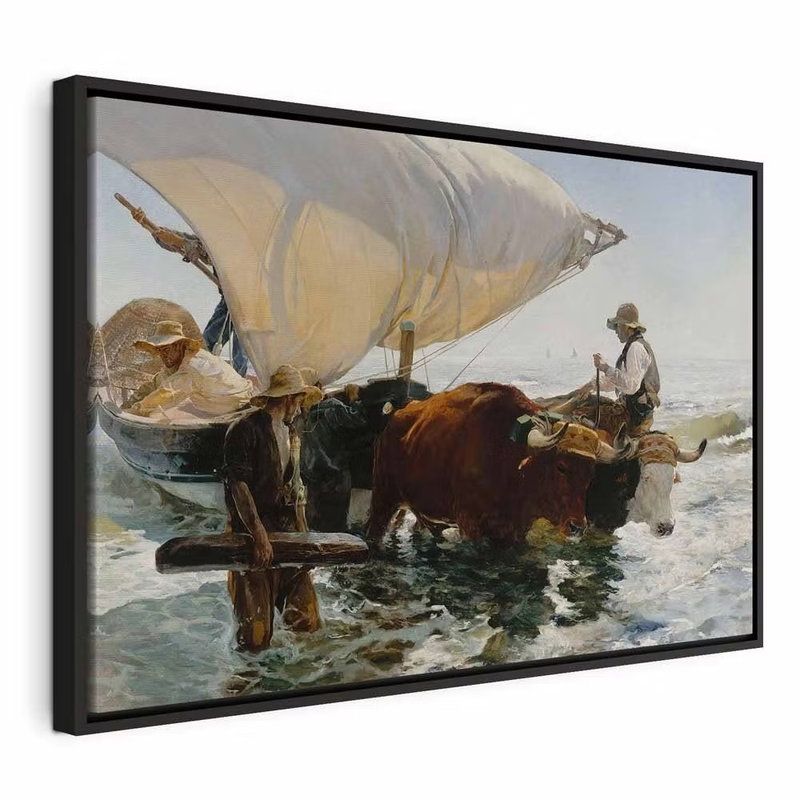
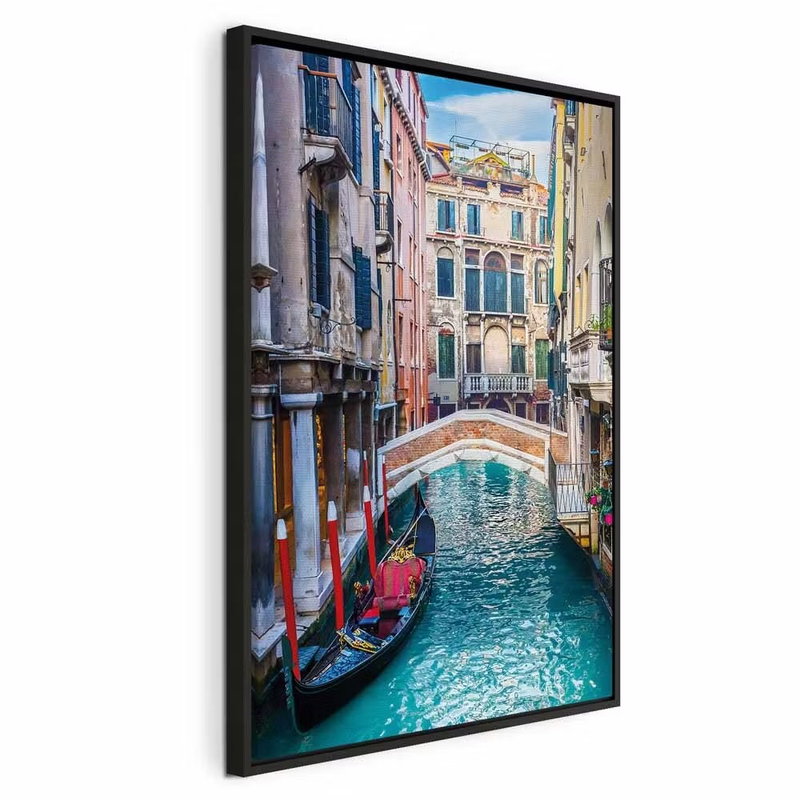
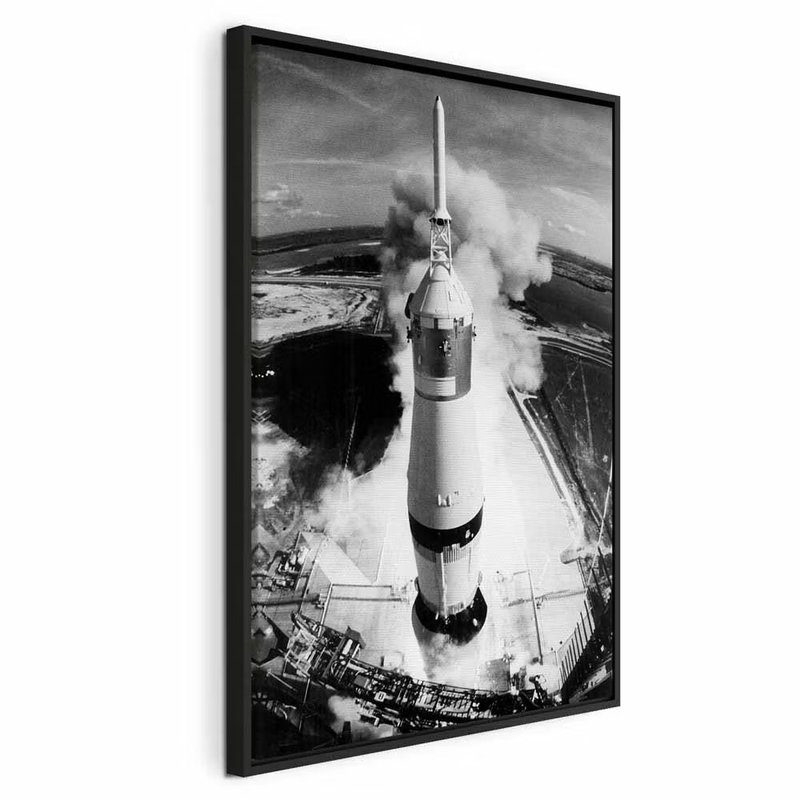
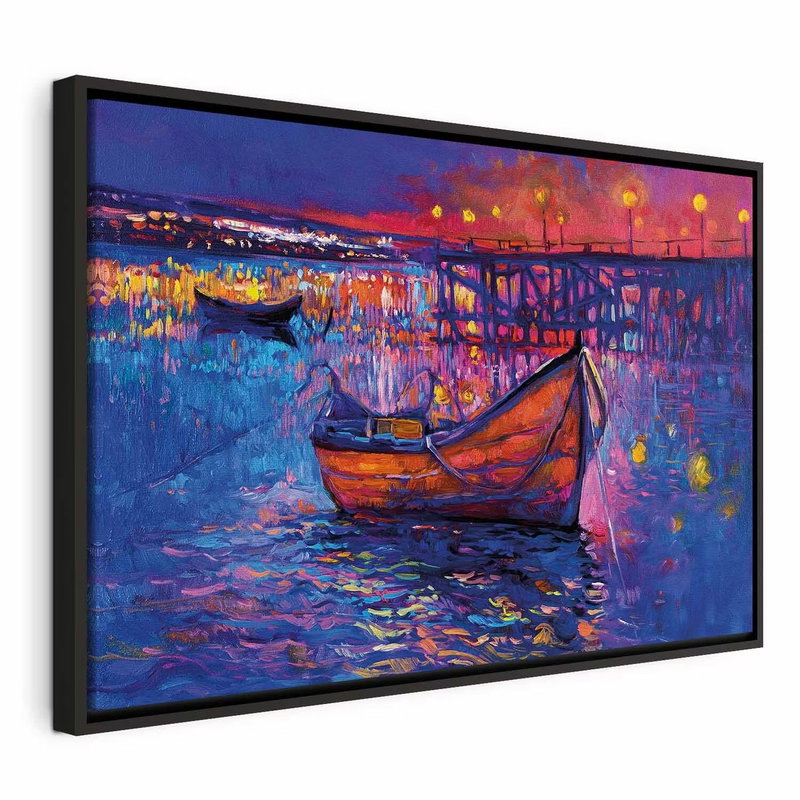
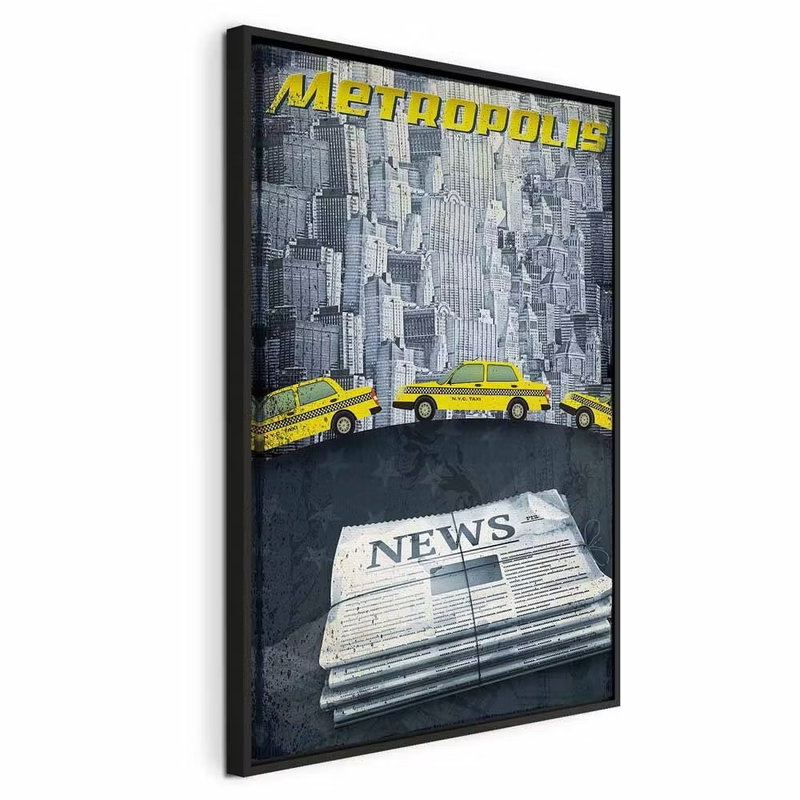
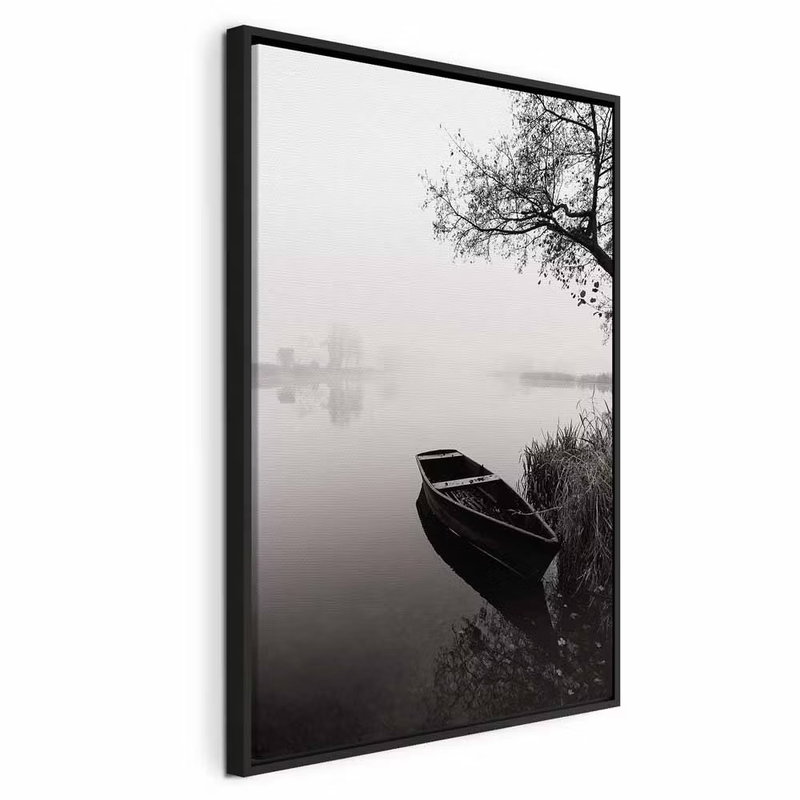
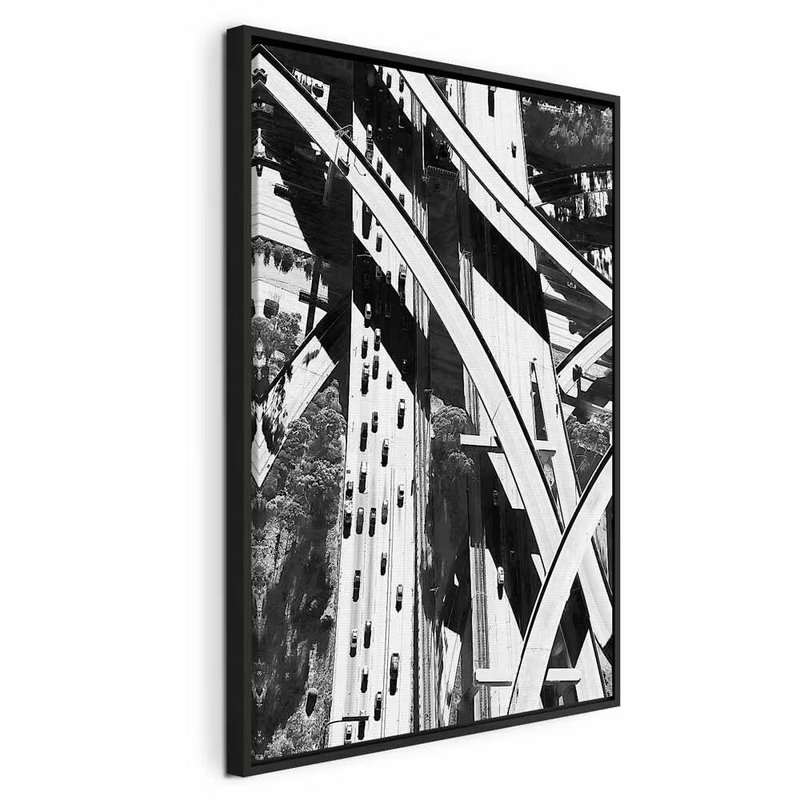
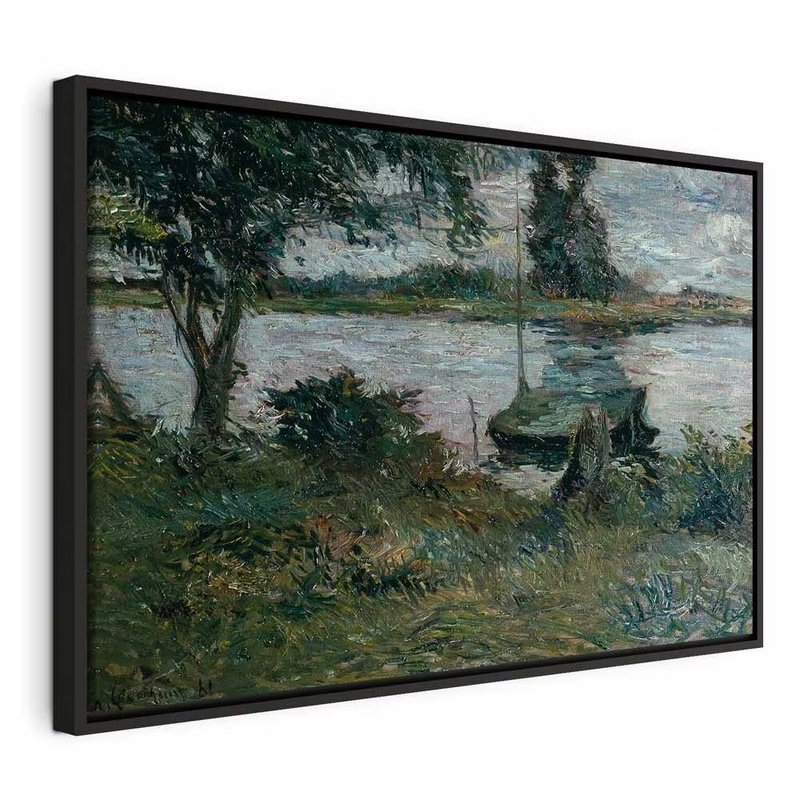
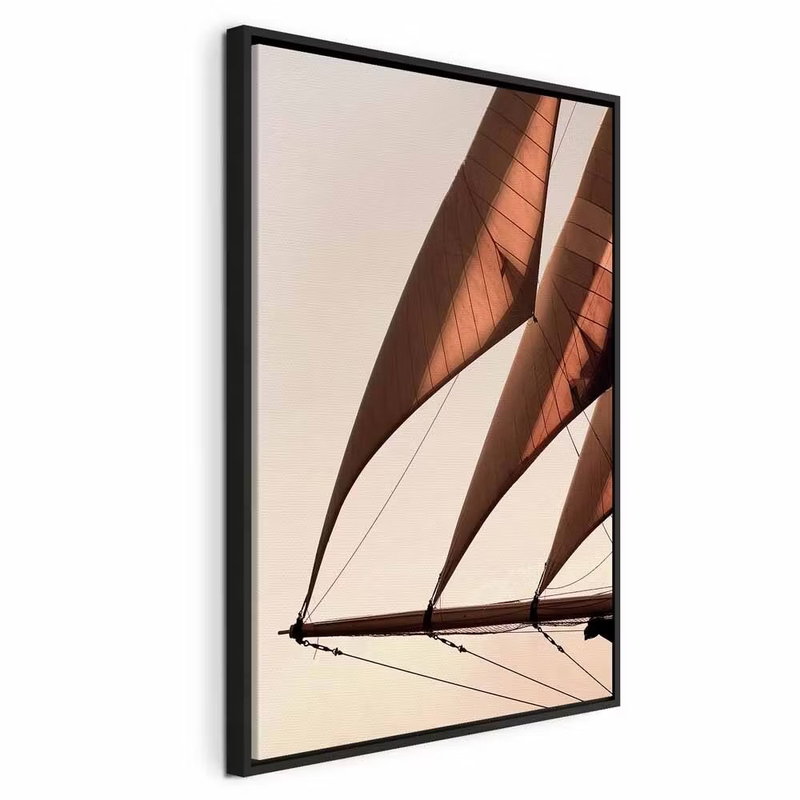
This group goes beyond close-ups of a means of transport. The checked images include small boats beneath a large wave, a boat by a lit jetty and an illustrated flying saucer above a forest. The image’s story may therefore matter as much as the shape of the craft.
Consider what interests you: movement, technology, adventure or the setting around the vehicle. A fantasy subject and a painterly harbour view can have very different tones. Comparing main images makes it easier to choose a picture that suits the position even when several products share a category.
Consider how movement and direction affect the wall
Long lines across water, trails in the sky or a vessel’s direction can lead the eye through the image. Think about how this movement meets the rest of the room. A composition that opens towards one side may need more clear wall there than a strongly centred subject.
The frame’s outer edge gives the image a firm boundary. Compare available frames with outlines, shadows and other dark or warm details in the print. This can connect with the interior without needing the depicted vehicle to match the furniture’s colour.
Choose a contained subject or a wider scene
If the craft is a small part of the landscape, pay particular attention to detail visibility at a distance. A larger picture can make the scene easier to read, but its size must still suit the wall. Check the actual variant dimensions for that subject.
A narrative image may suit a workspace, a hobby setting or a personal detail in a seating area. Let the intended use and mood guide you. A transport theme does not mean the picture is intended for garages, outdoor use or other special environments; follow its stated use.
Sound absorption without overstating the subject’s role
The absorbing construction behind the print can help reduce reverberation. Its contribution to the sound environment should be assessed through construction, surface area and position, rather than whether the image shows a fast vehicle or a quiet boat.
The product does not replace sound insulation against traffic or between rooms. Check the model’s hanging and care guidance after choosing the image. A considered position allows both the framed image and the absorbing surface to have a practical role in the same indoor setting.
Light water, dark silhouettes and the image’s palette
In a scene featuring a boat and water, light areas may occupy much of the image, while a dark quay or silhouette creates a clear contrast. Compare the distribution of colour across the whole image, rather than just the craft itself. If the wall already features strong colours, a recurring tone in the print can connect the interior. In a more neutral room, the picture can instead provide the clearest colour accent.
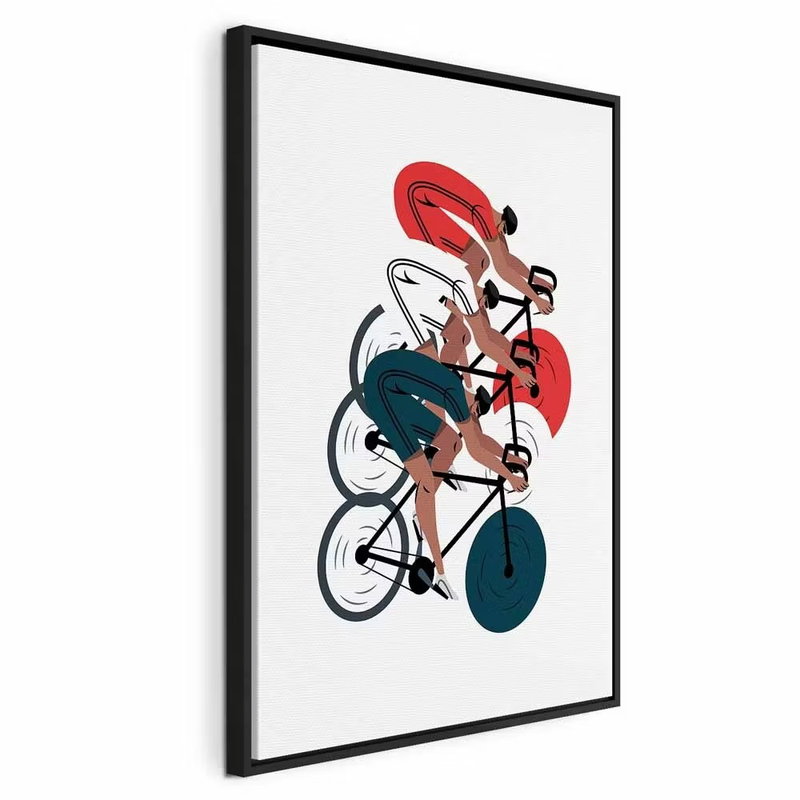
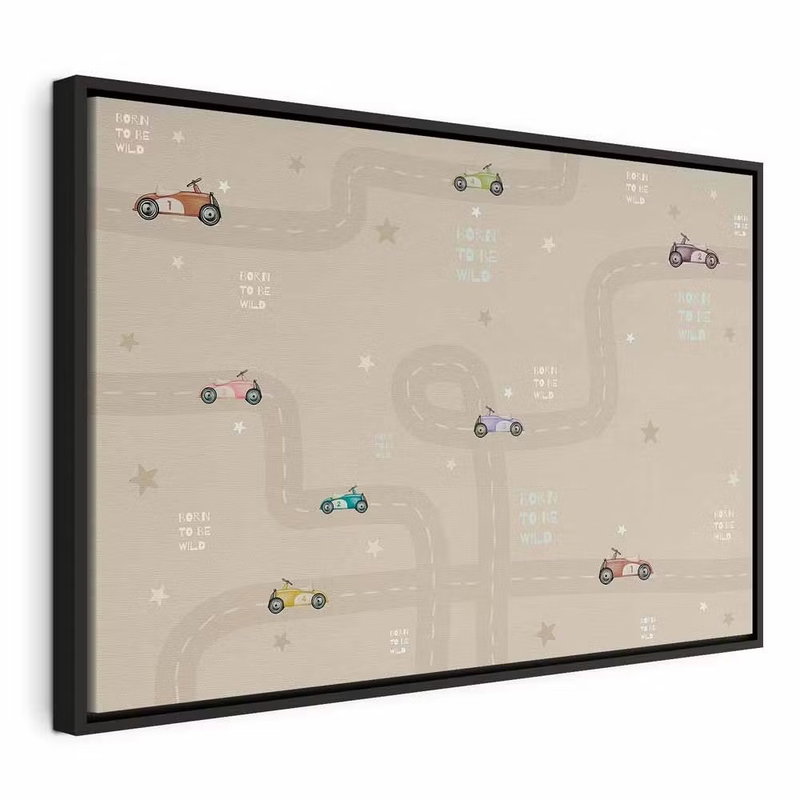
Also consider the difference between a painterly surface and an illustration with sharp outlines. They create different impressions even when both feature a transport theme. Choose according to how the style works with the room’s other pictures and materials.
Match the pace of the story to its position
An image with pronounced movement can provide a talking point in a seating area, while a quieter harbour scene may work as a backdrop near a workspace. This is a visual judgement, not a promise about people’s reactions. Look at what attracts attention: a large wave, the light beside a jetty or an unusual craft.
When several people use the room, comparing a few distinctly different styles can help. The choice then depends less on an interest in a particular vehicle and more on the setting everyone will share.
Plan the picture’s outer outline before ordering
Mark the intended picture’s outer outline on the wall using a simple paper template. Use the product’s stated dimensions and check whether they refer to the image or the complete framed version. Then view the position from the doorway and from the places where people usually sit. This can reveal whether a detail sits too close to a cupboard or the image competes with a screen.
Check the available variants and installation instructions for the chosen product before deciding. An illustrated flying saucer and a traditional boat image may share a category without offering the same sizes or versions.