



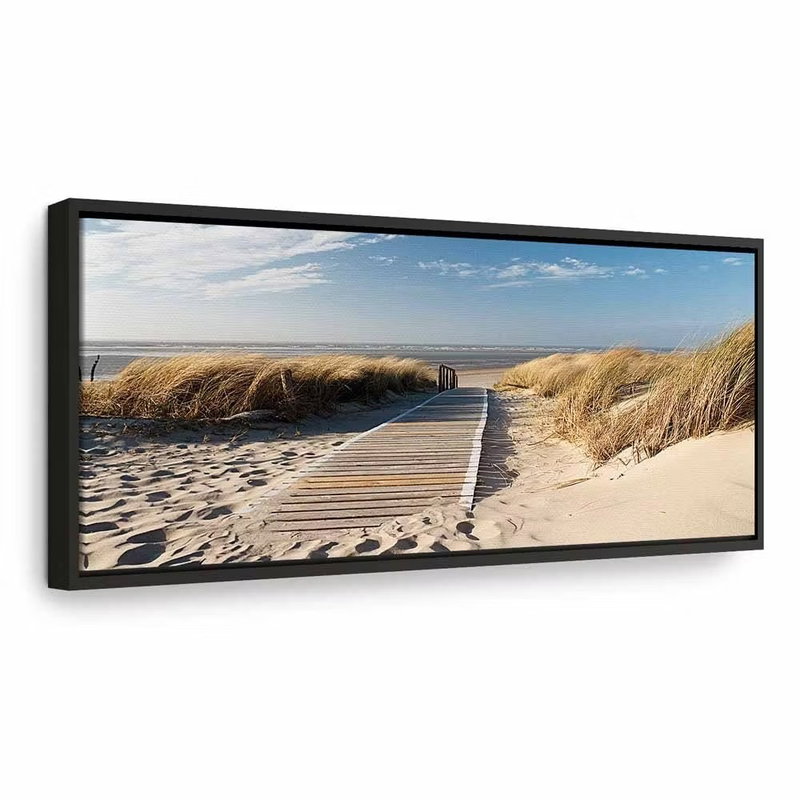
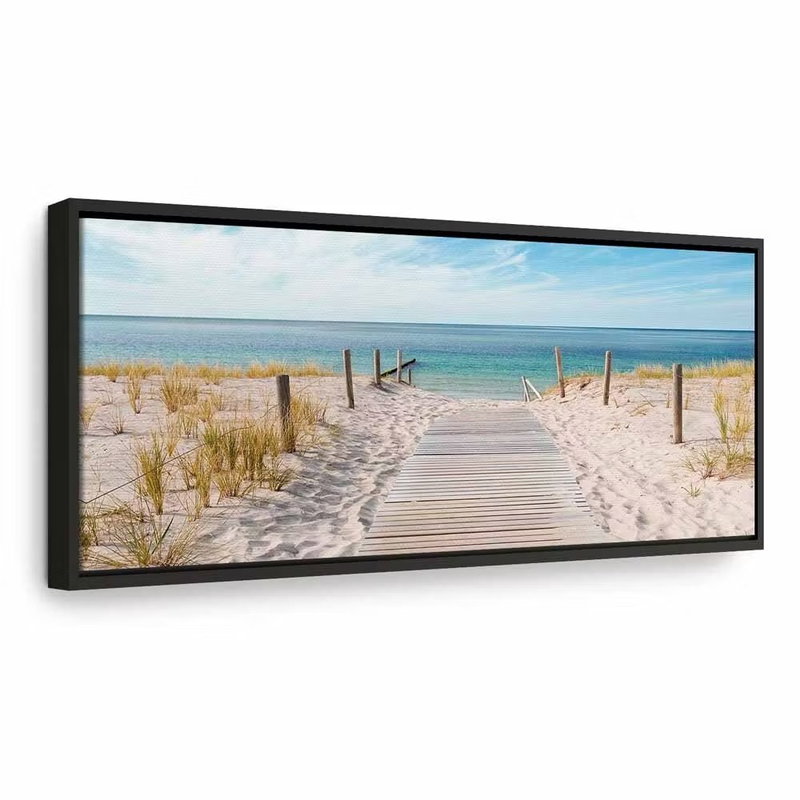
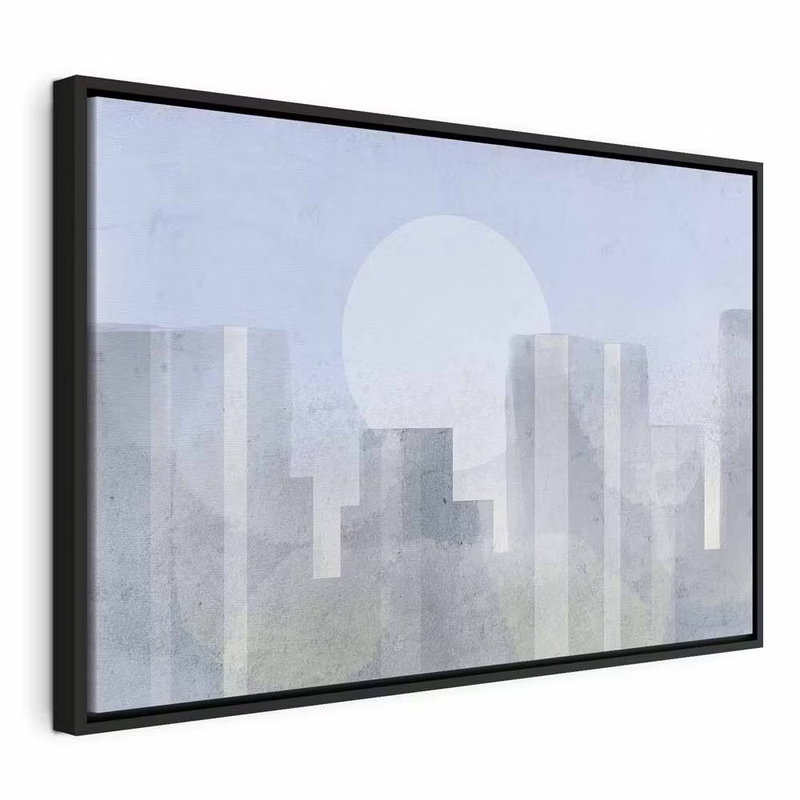
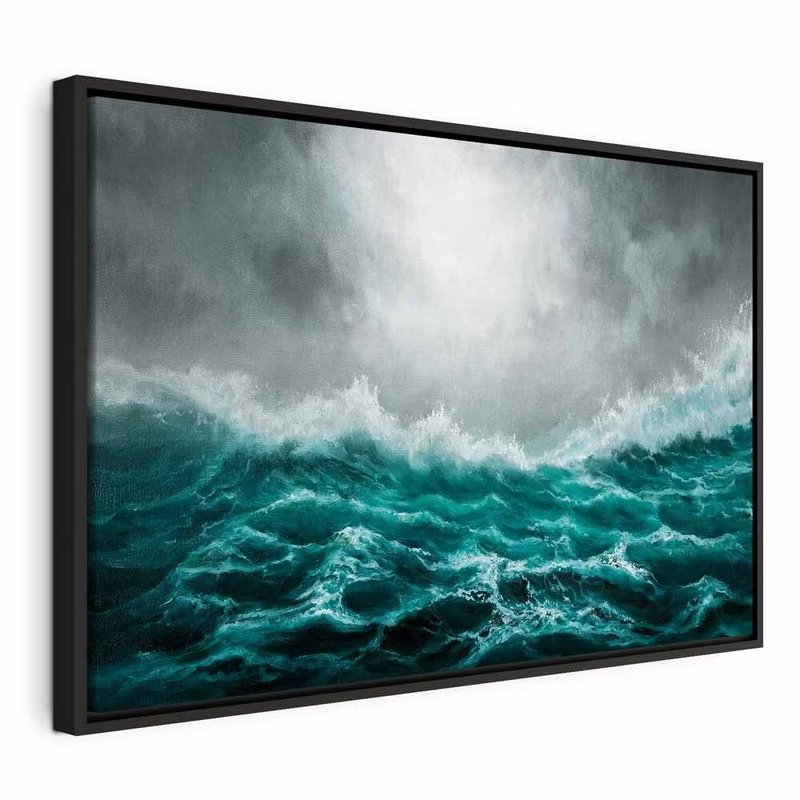
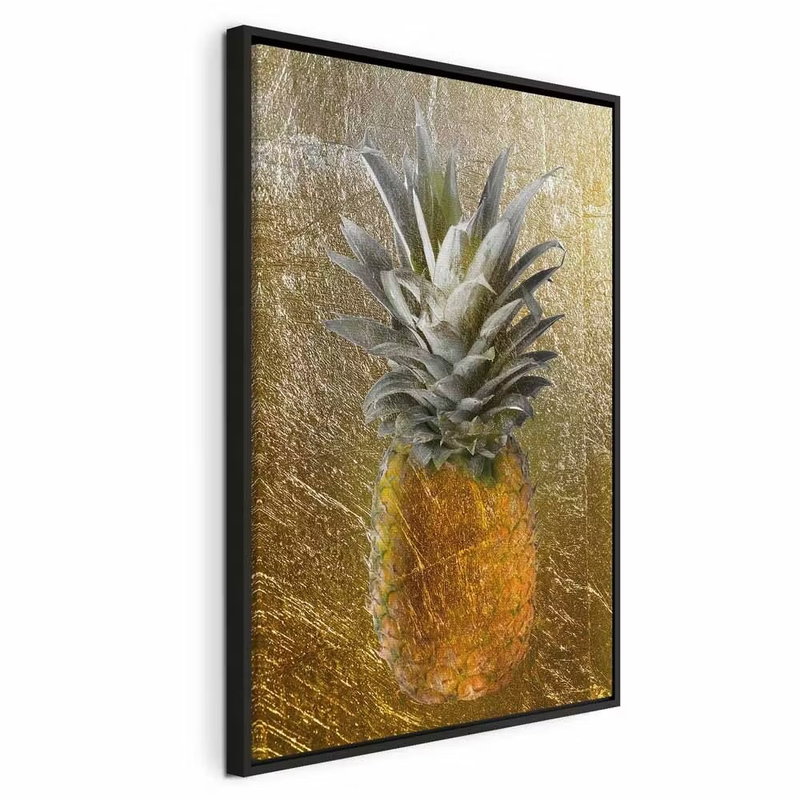
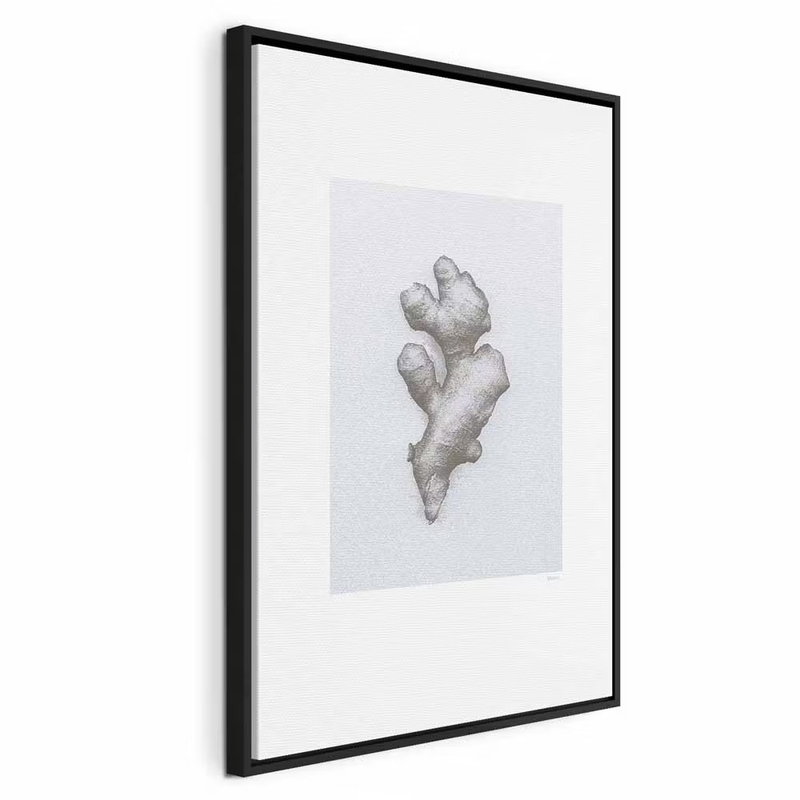
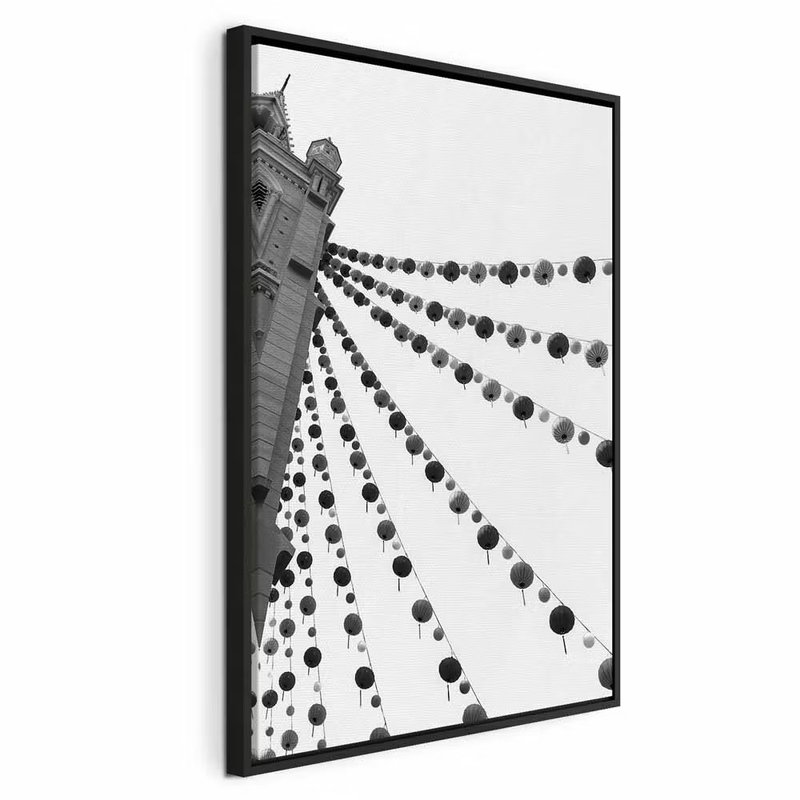
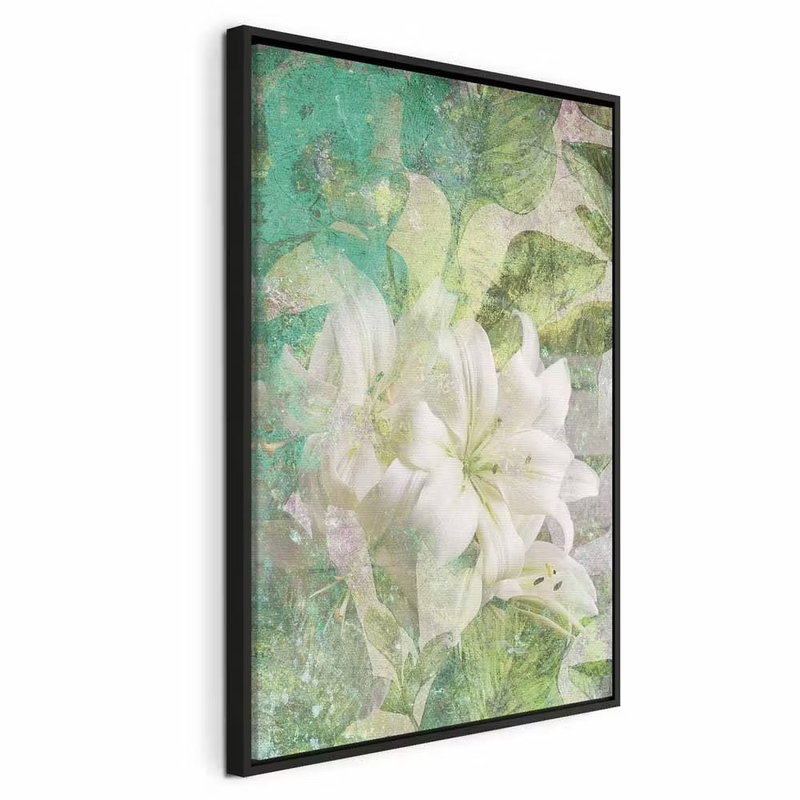
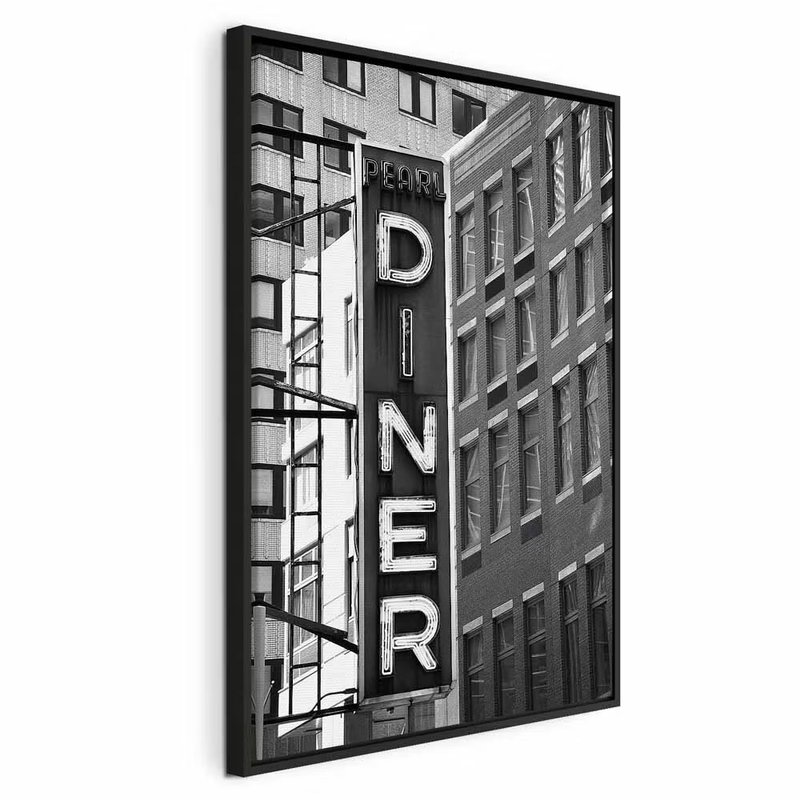
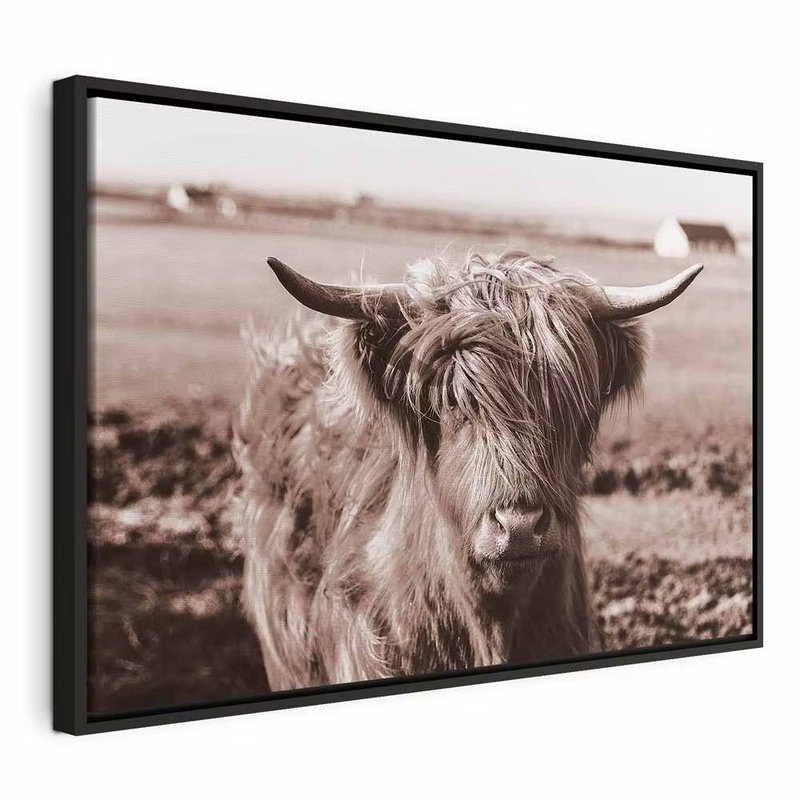
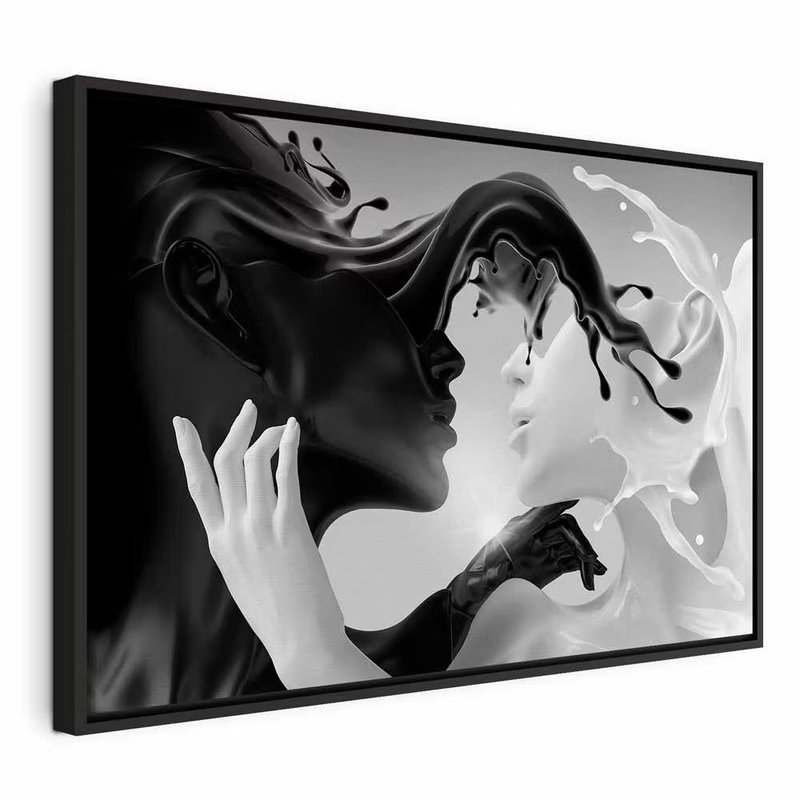
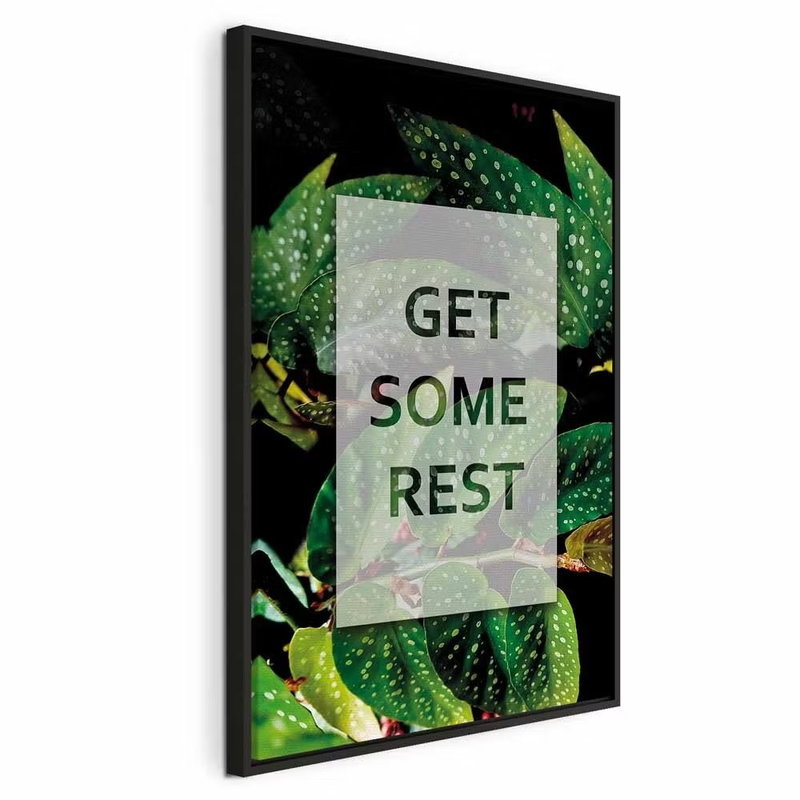
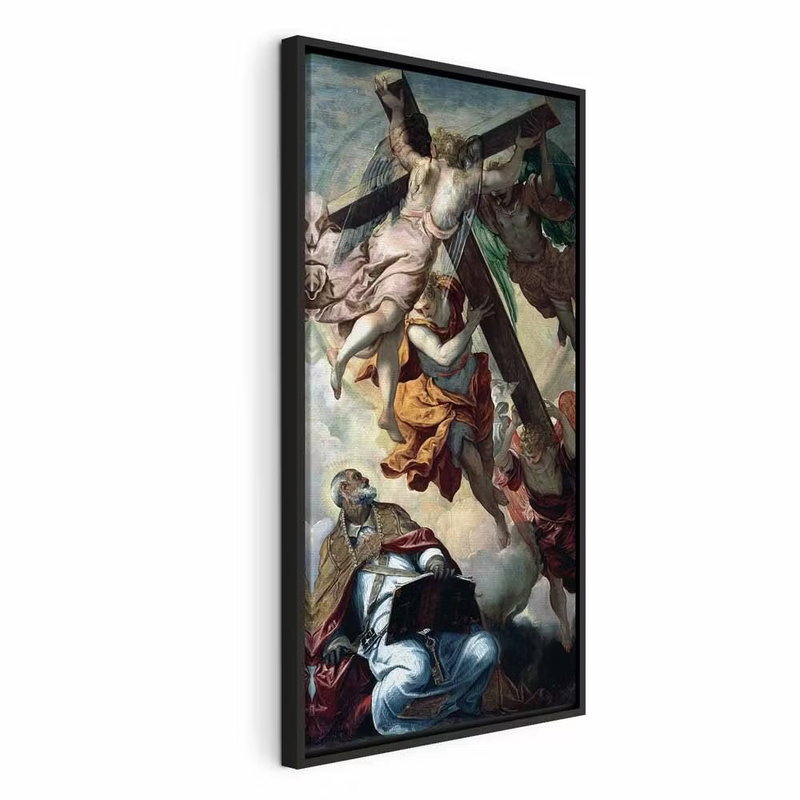
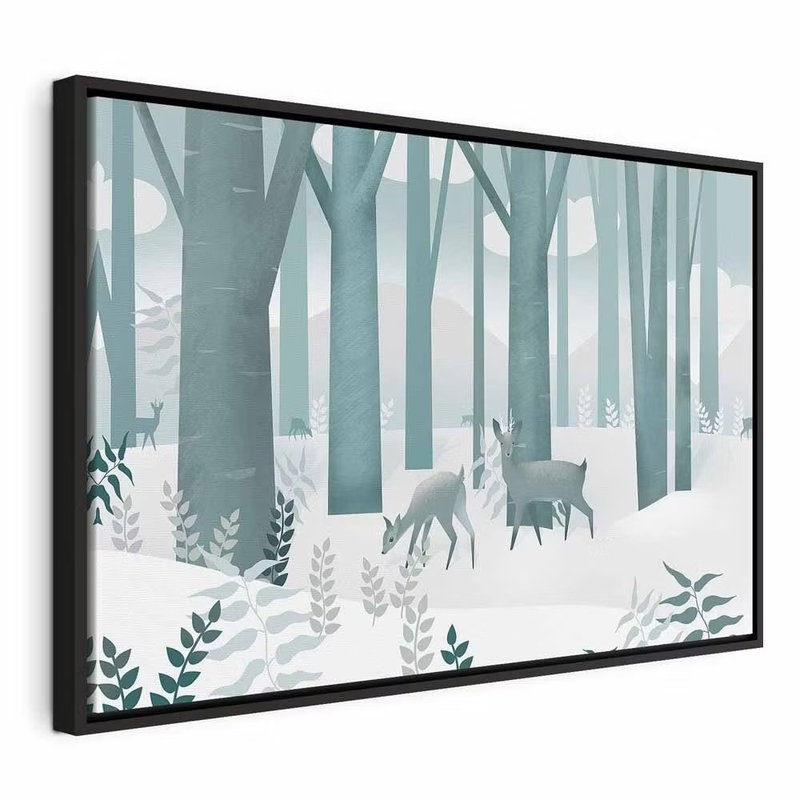
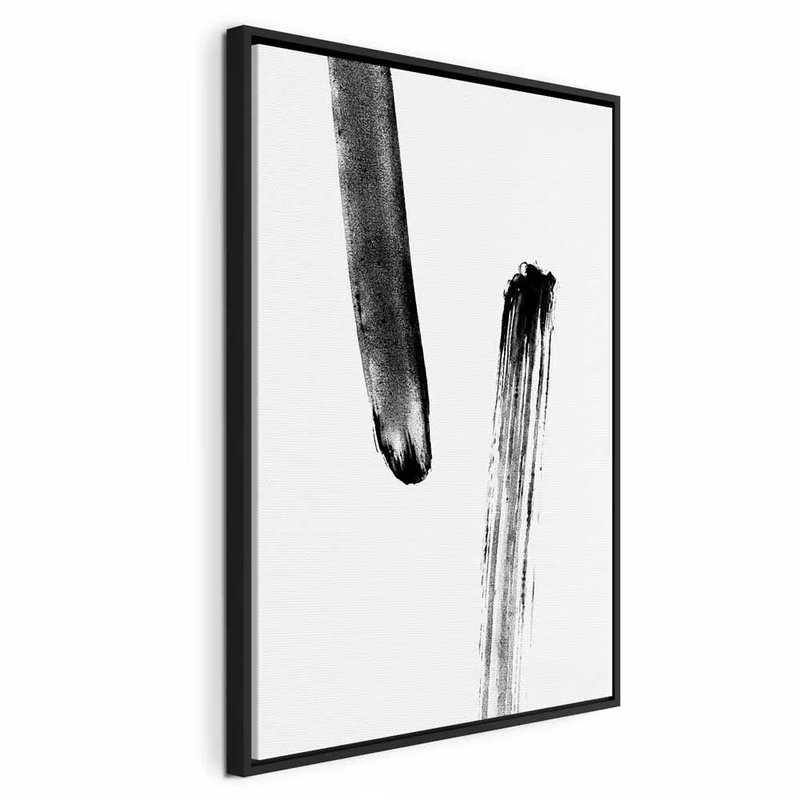
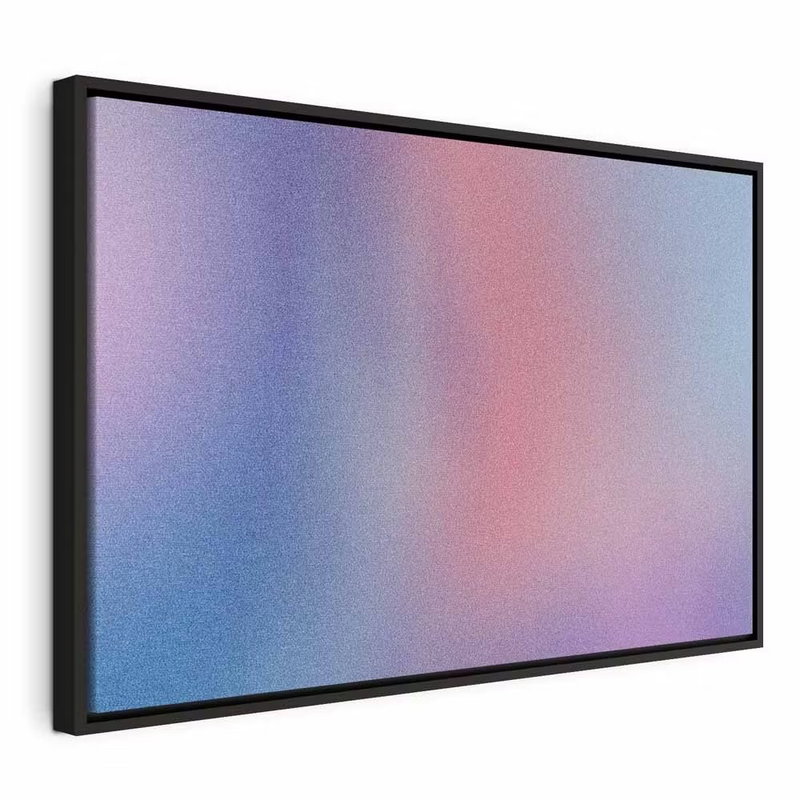
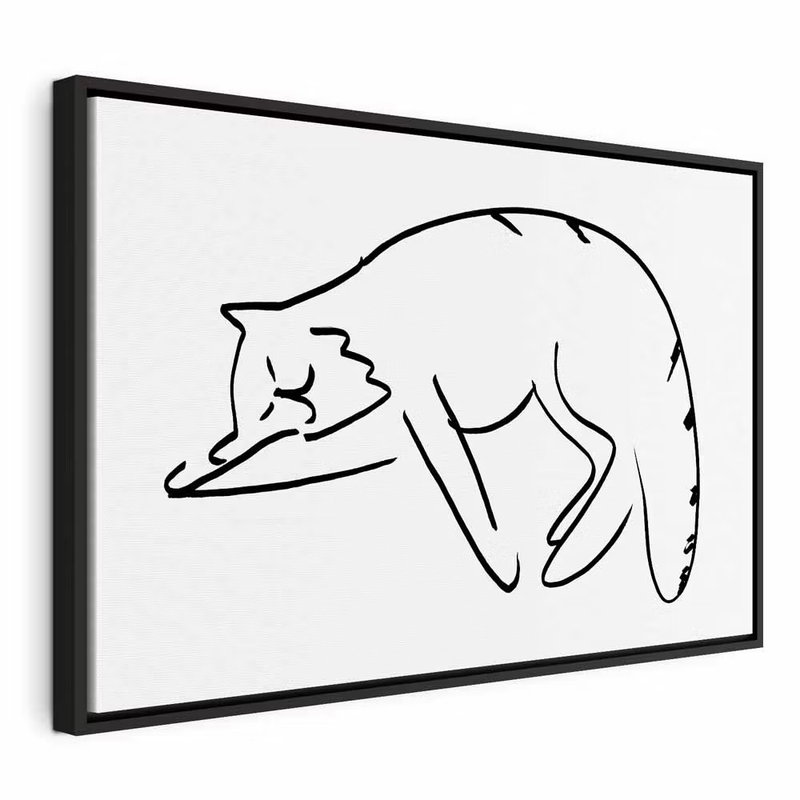
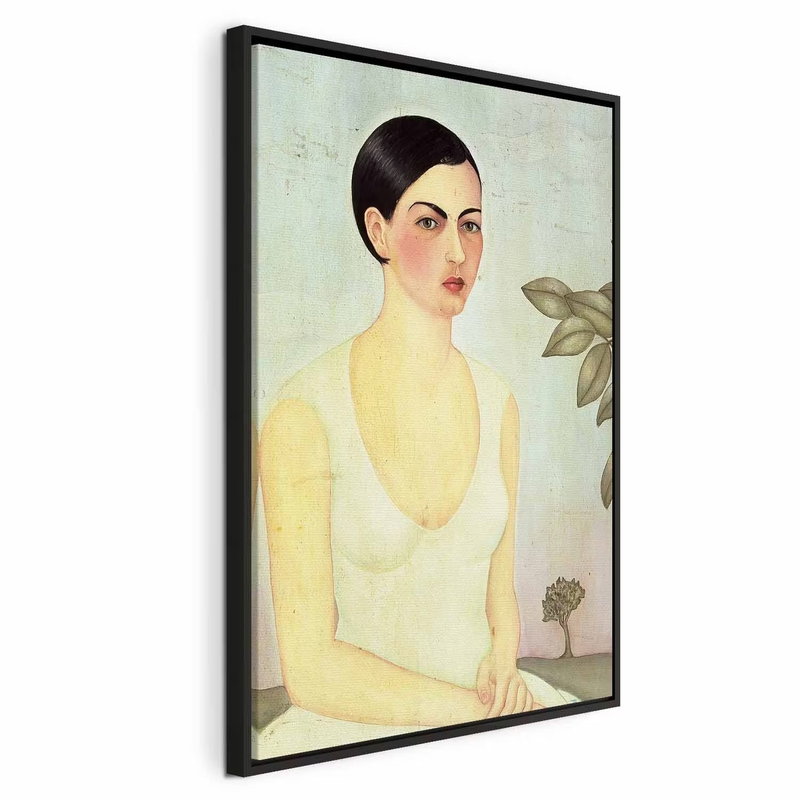
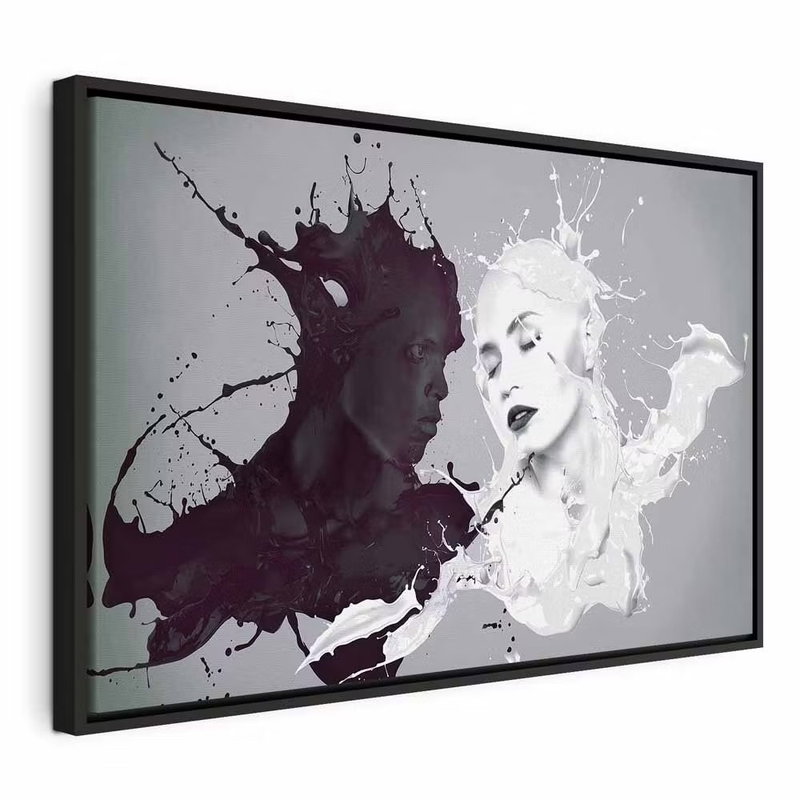
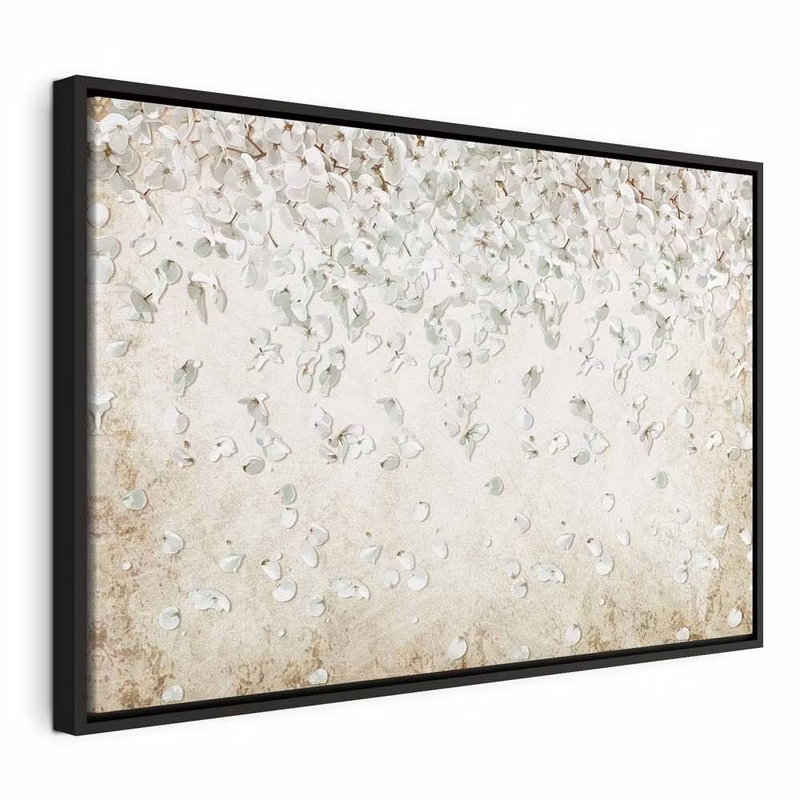
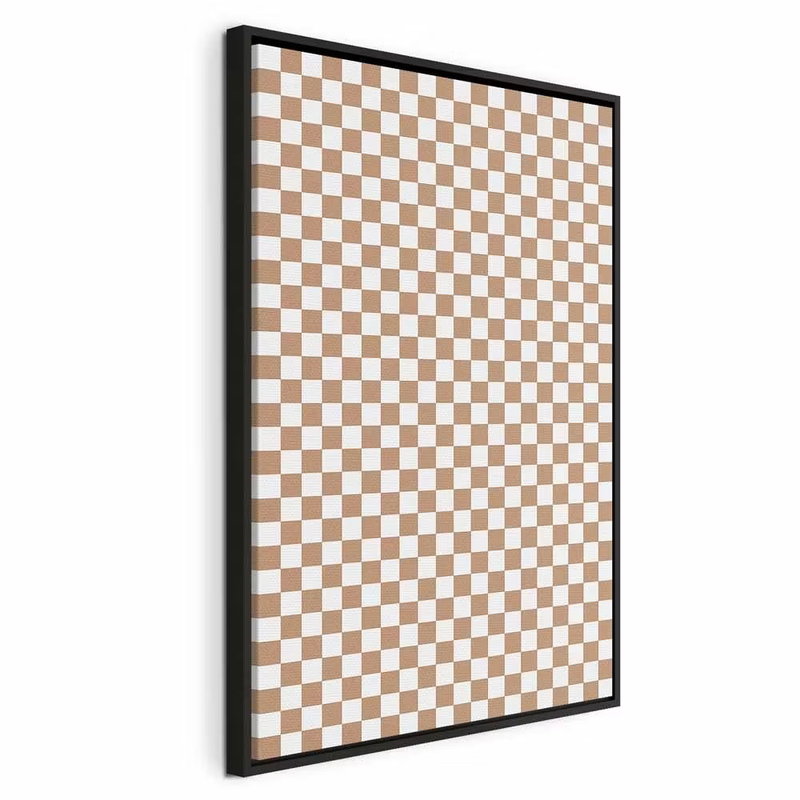
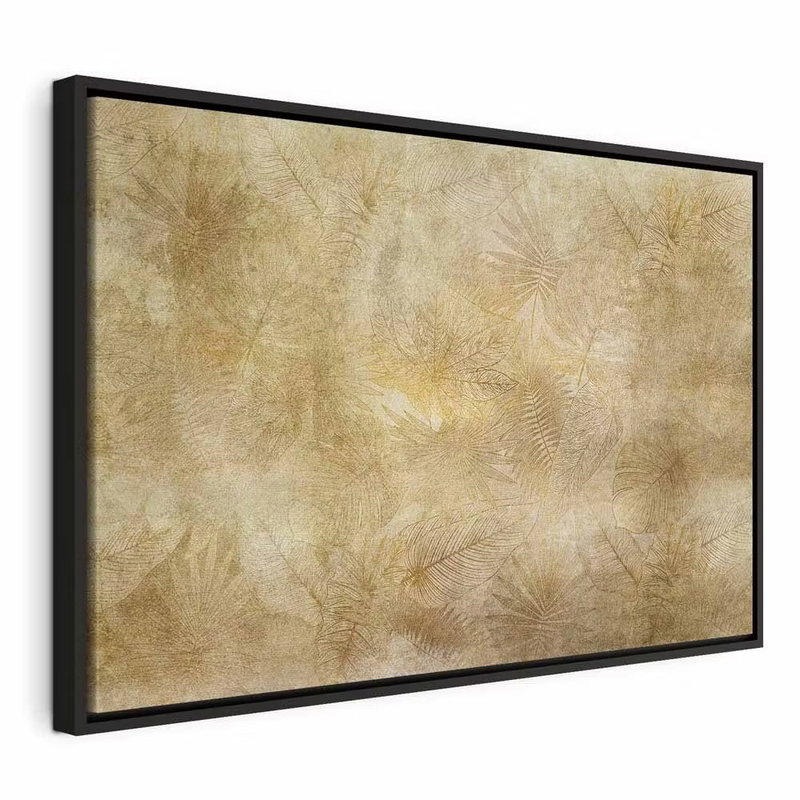

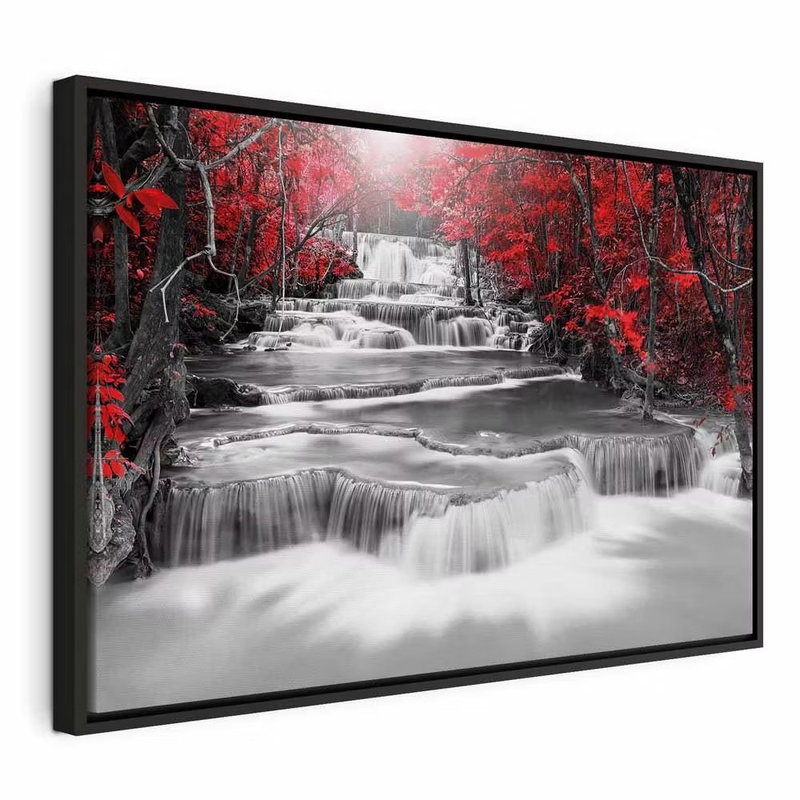
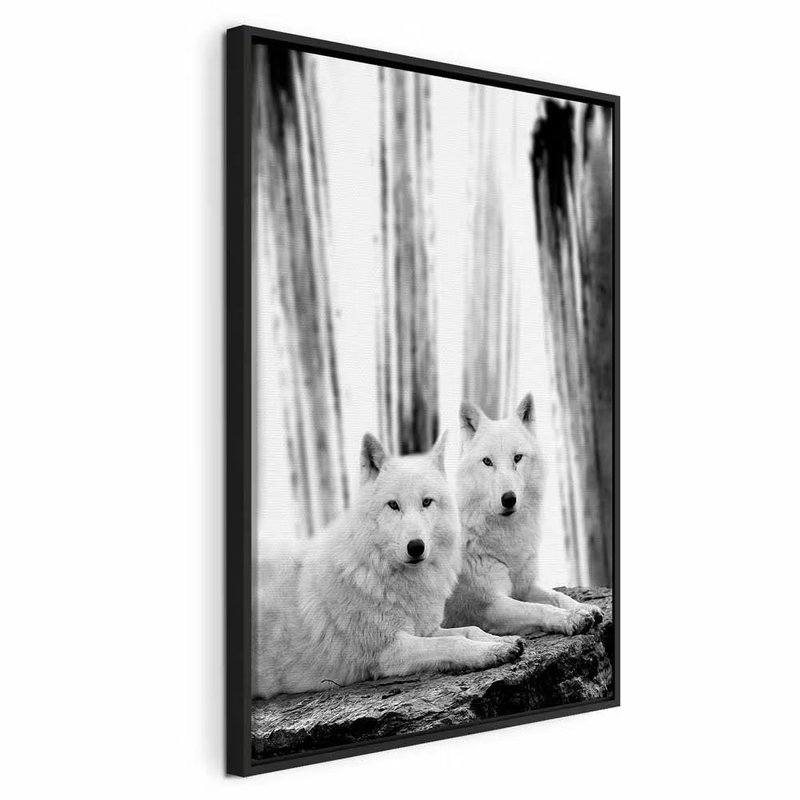


Framed acoustic pictures as part of the interior
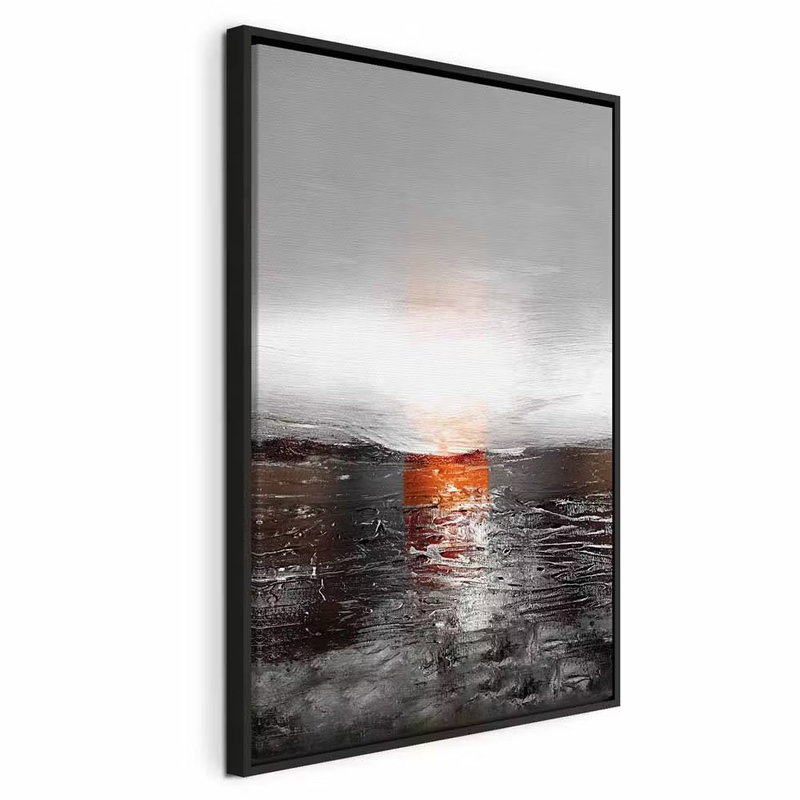
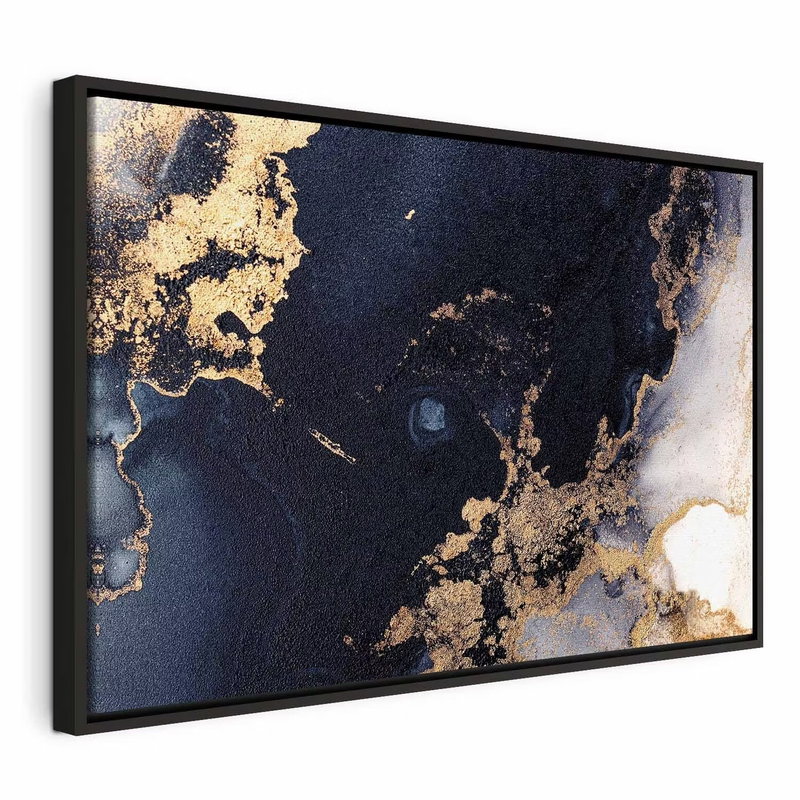
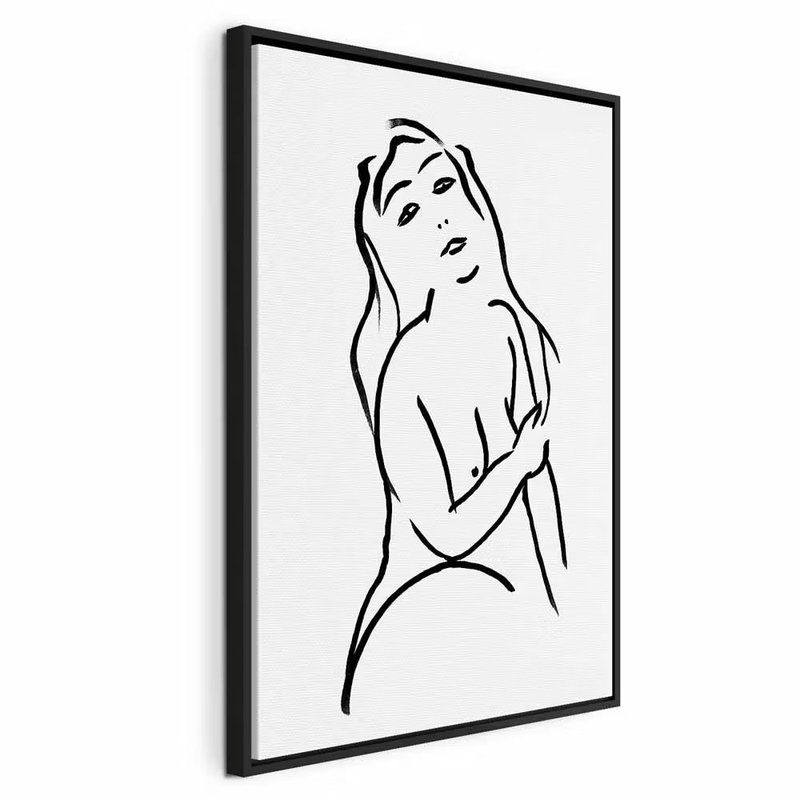
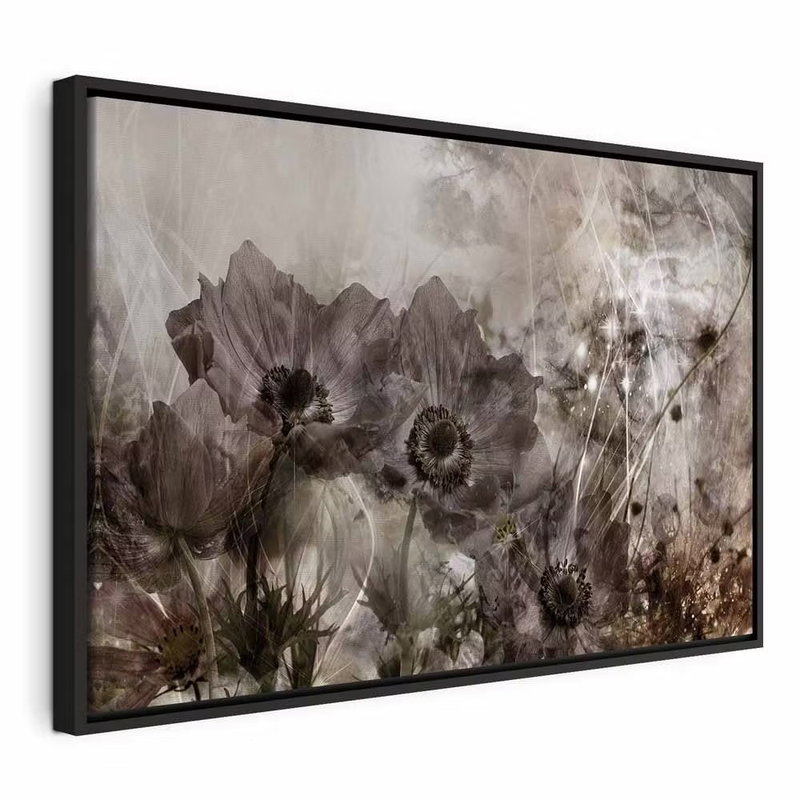
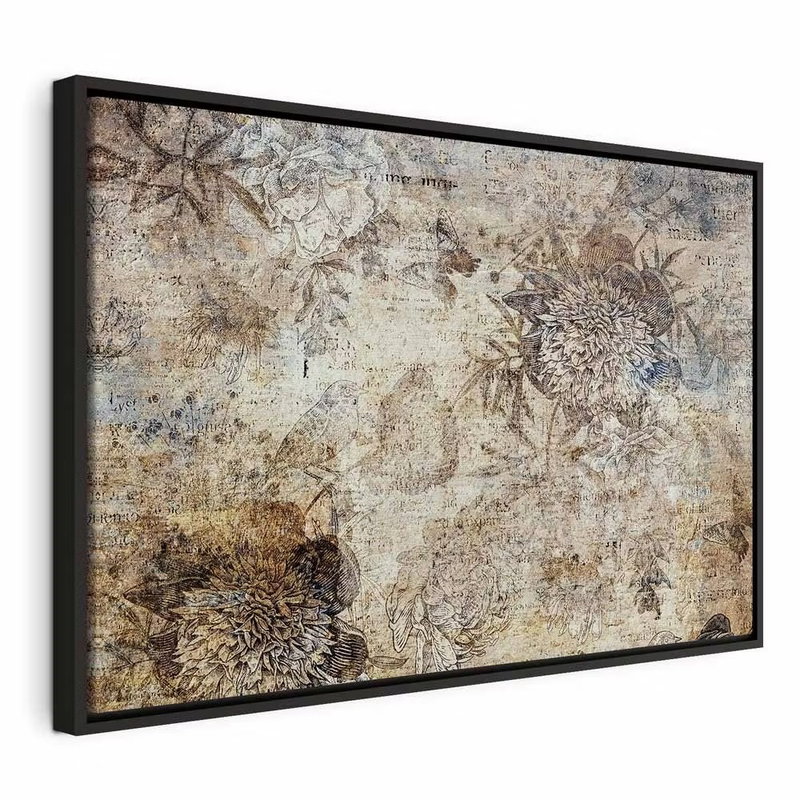
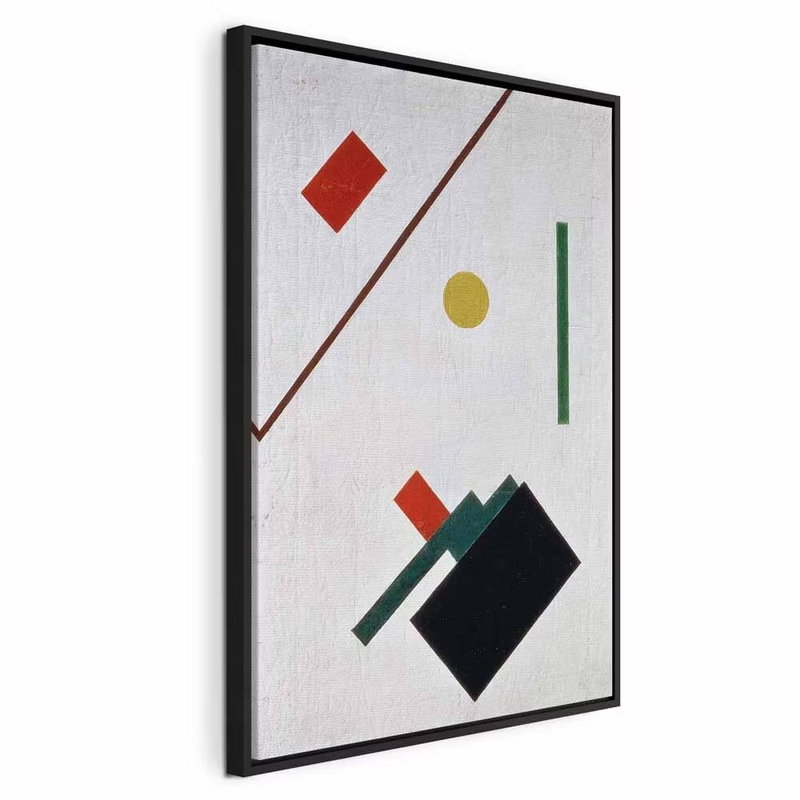
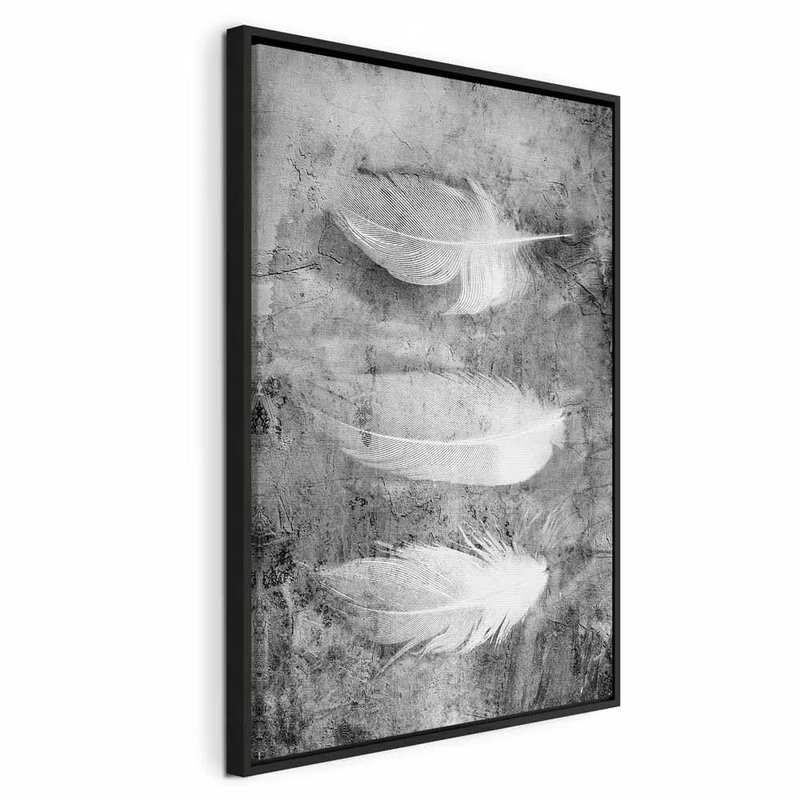
A framed picture gives the image a defined boundary against the wall. Its colours and the frame’s character therefore need to be assessed together. This range includes quiet nature images and botanical subjects as well as abstract art, city views, portraits and graphic styles. First choose what the image should add: a calm backdrop, a personal story or a distinct accent near a dining or conversation table.
The visible outer frame distinguishes this format from a canvas whose image edge meets the wall without equivalent framing. Black can create a defined outline on a light wall, while a natural-coloured frame can connect with tables, chairs or shelves. Check the options for the actual image; a frame shown on another picture should not determine your order.
Find the right subject group before choosing the size
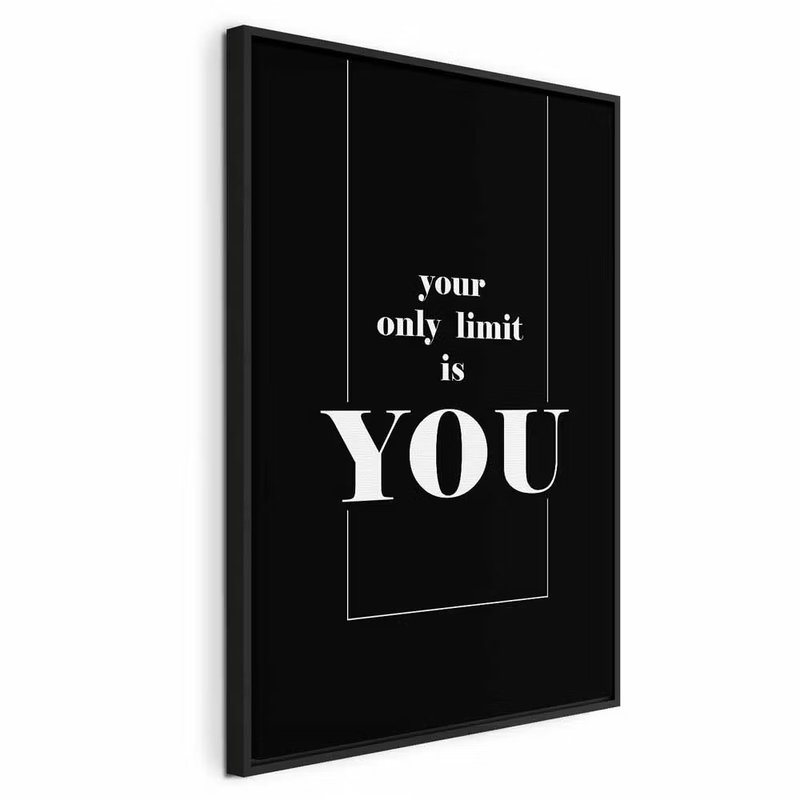
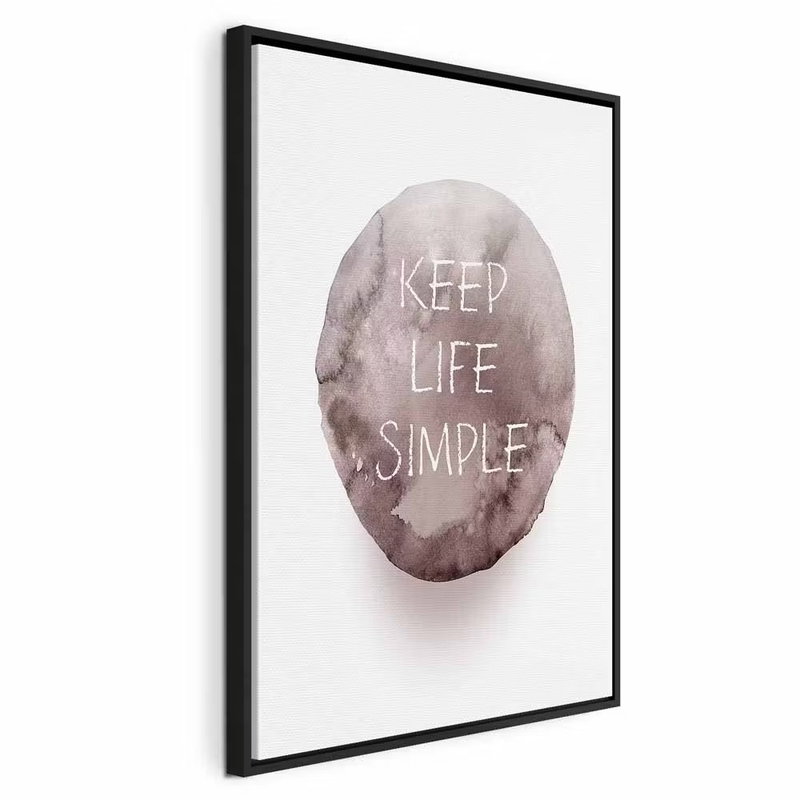
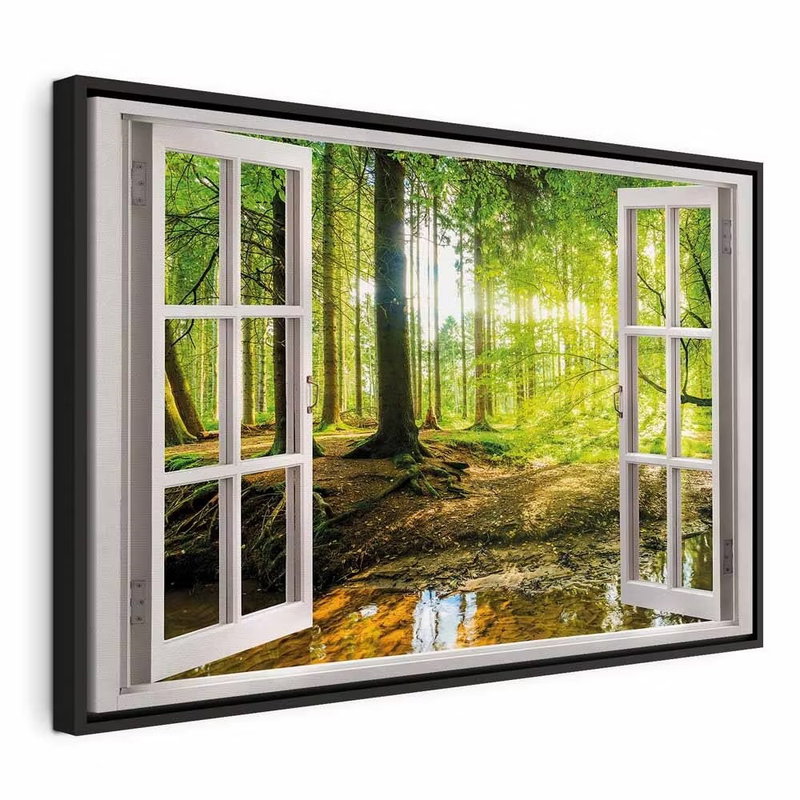
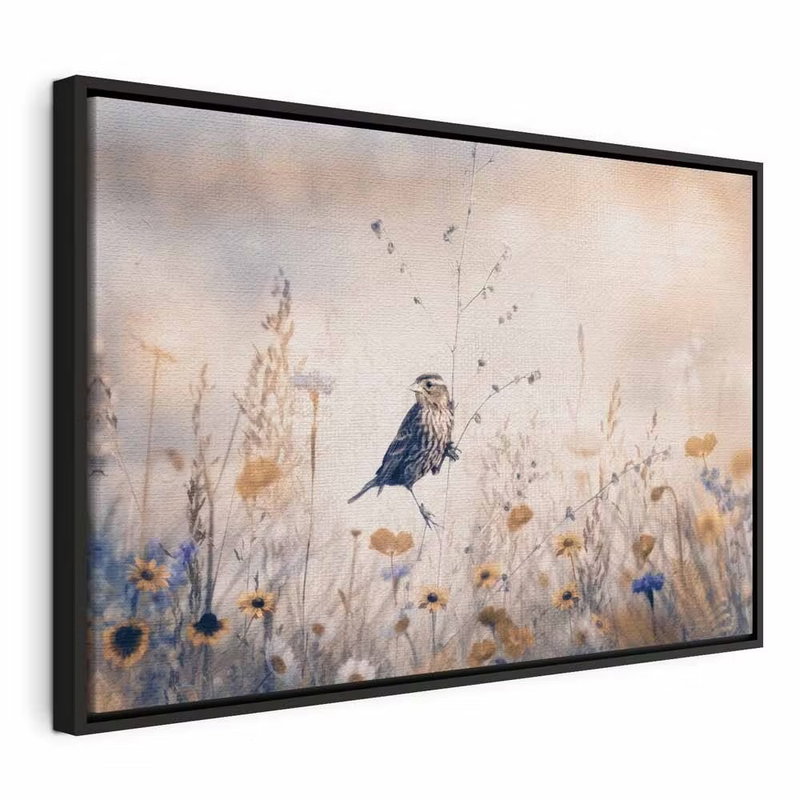
The subject subcategories help narrow a large range. Flowers and plants suit a choice led by foliage, petals and botanical shapes. Landscapes and nature also offer specific mountain, sea, lake, forest and waterfall subjects. Maps, travel and architecture provide other starting points, while typography and quotations focus on printed wording.
Examine the main image even if you recognise its name. Colour tone, crop and orientation may matter more for your wall than the subject heading. Several pictures can connect through a recurring colour or similar spacing between image and frame. They need not have identical subjects to form a coherent group.
Proportions above furniture and on narrow wall areas
Start with clear wall space between furniture, doors and windows. A long, narrow image can follow a sideboard or seating group, while a vertical format can suit a narrower section. The range offers several formats and sizes, so always compare the chosen product’s dimensions rather than its apparent size in a room-setting image.
Mark the outer outline with paper sheets before deciding on position. Assess it from your usual seat and as you enter the room. This makes it easier to see whether the frame has enough surrounding space and whether details remain readable at the main viewing distance.
What the sound-absorbing construction contributes
Sound-absorbing material sits behind the printed image. The picture can take up some sound reaching its surface and help reduce reverberation within the room. The visible frame is part of the format, but neither the frame nor the image colour alone indicates the size of the acoustic change.
In a room with large glazed areas, bare walls and few textiles, assess the choice alongside other furnishings and total absorbing area. Several well-positioned pictures can distribute both art and absorption. An acoustic picture does not replace the building construction needed to limit sound transmission between rooms.
Compare construction, hanging and care
The checked products feature images printed on polyester fabric and a sound-absorbing polyester core. Product information also describes the supporting construction, available sizes and current frame options. Read the details for the picture and variant you intend to buy; proportions and depth may differ between formats.
Hanging needs to suit the picture’s weight and wall material. Follow the relevant mounting instructions and choose suitable screws and plugs for the surface. Plan height and spacing before drilling. For cleaning, follow the product’s own care guidance so that fabric, print and frame are treated correctly.
From choosing a subject to a considered picture group
Begin with one or two subject groups that suit the room’s use. Then compare colours, format and frame with the furniture. Check variant options and try the intended group to scale before ordering. This gives a better basis for deciding than choosing from a small product image alone.
A restrained palette can connect different subjects in a meeting room; at home, a map, portrait or quotation can have a more personal role. SilentDirect can help you consider quantities and placement. Start with the room’s dimensions, hard surfaces and use, together with the wall art you want around you.