



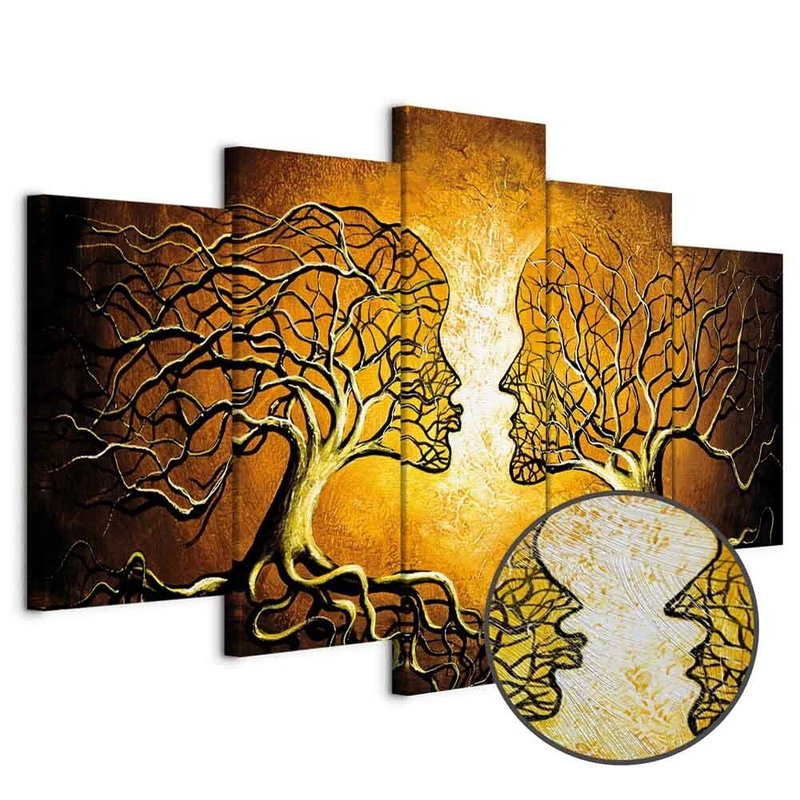
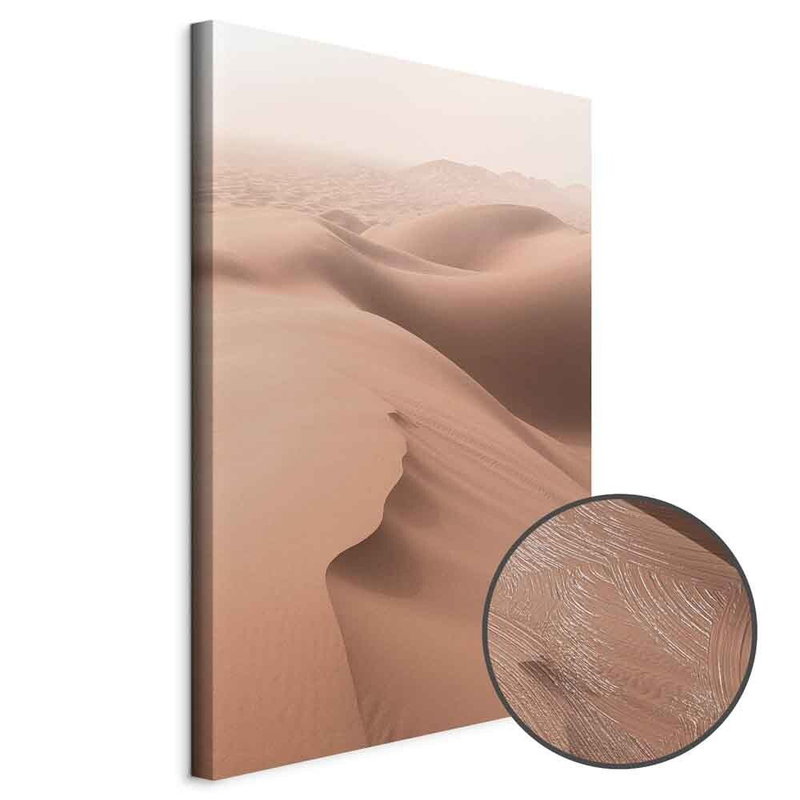
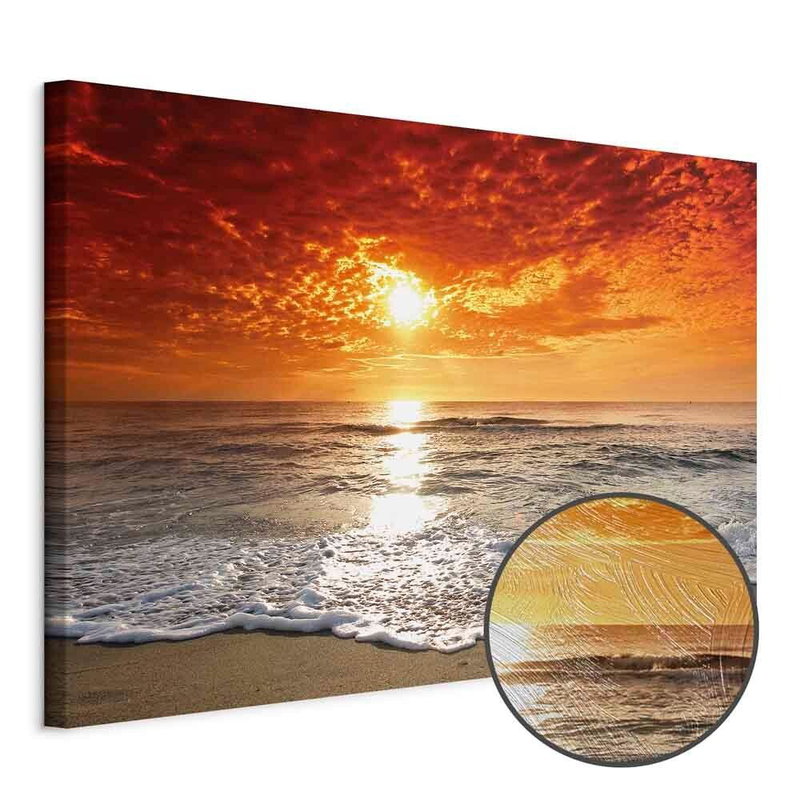
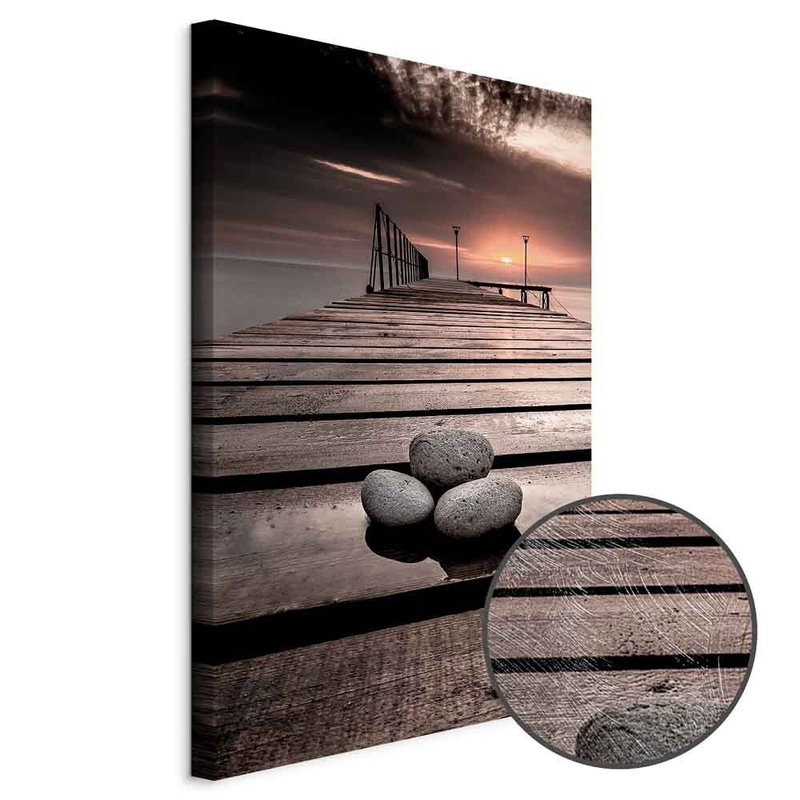

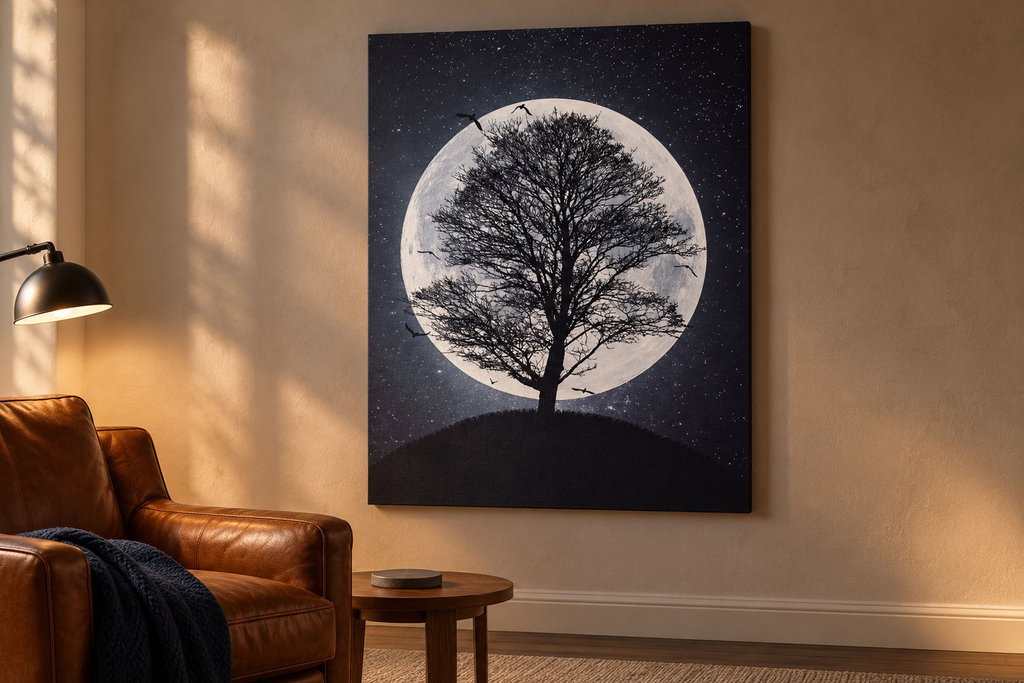
Choose the natural setting for what you want to see
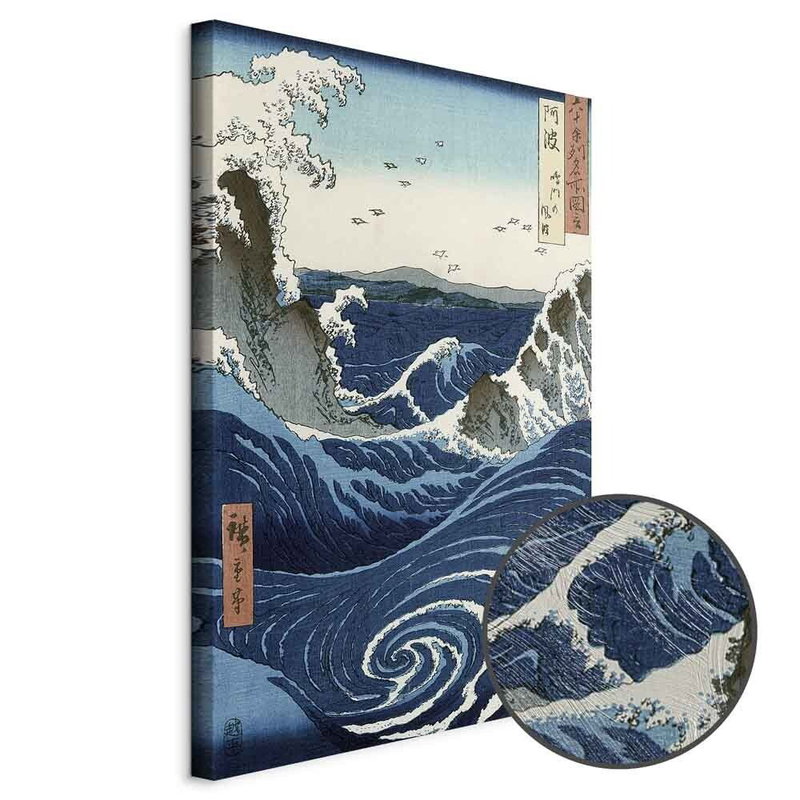
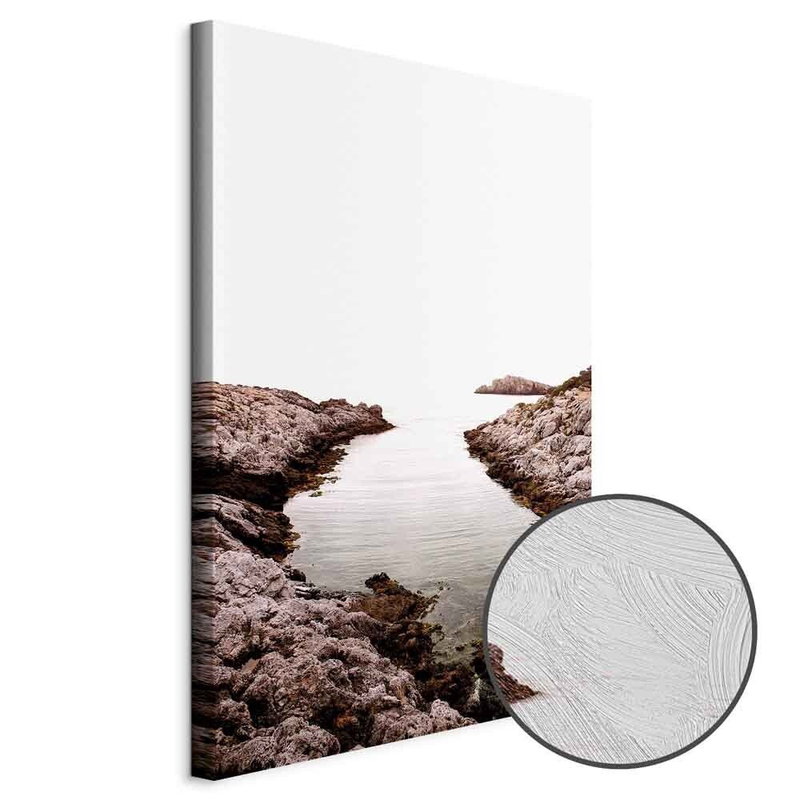
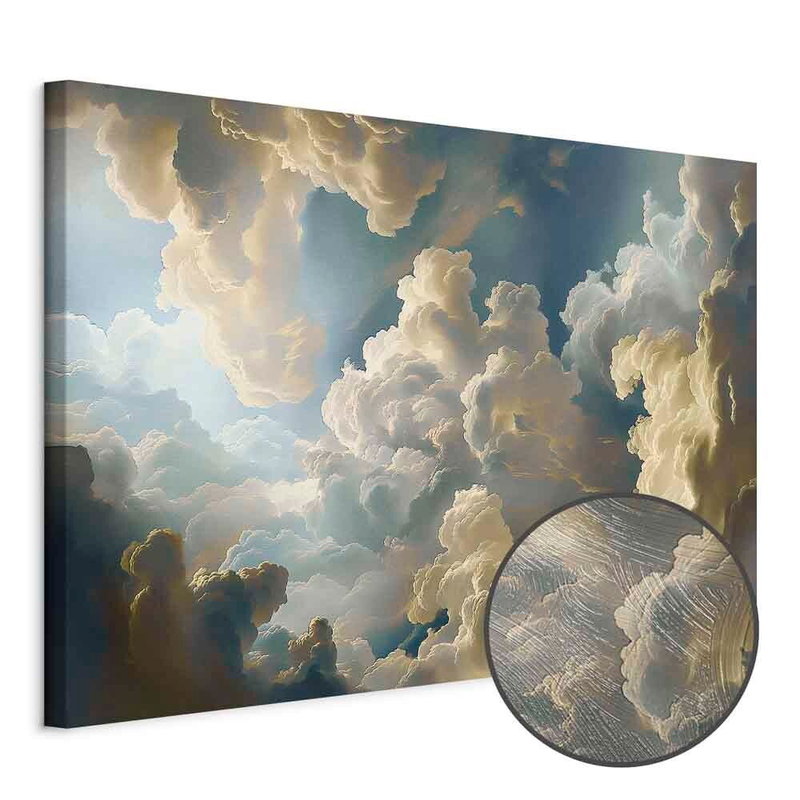
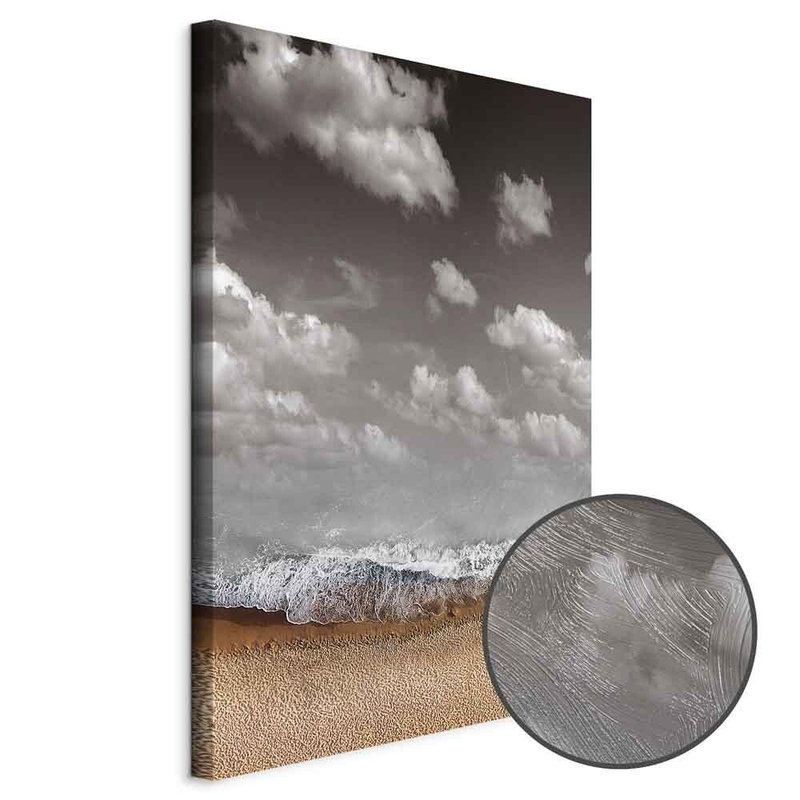
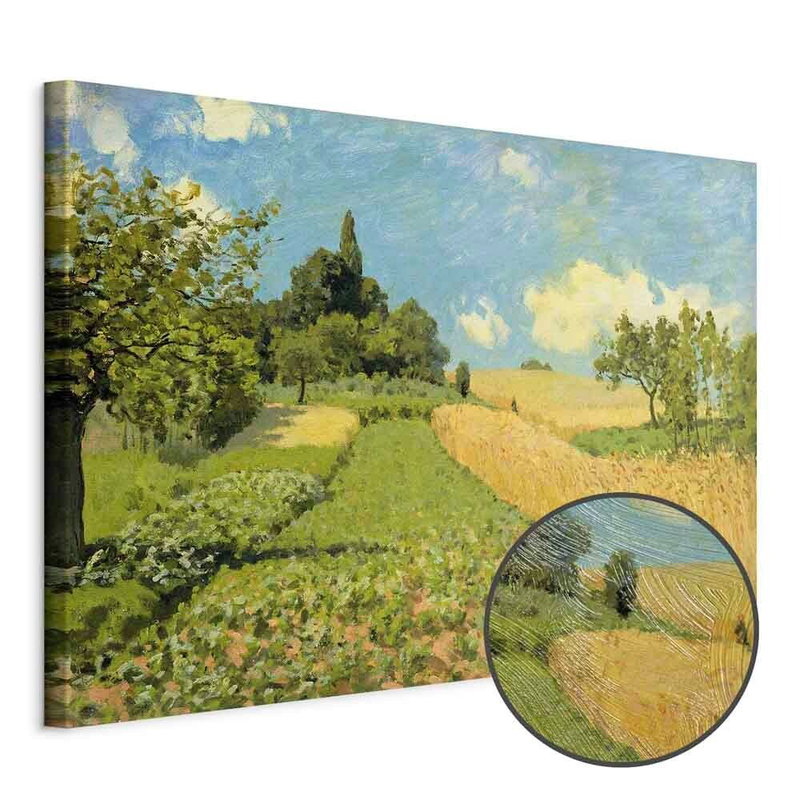
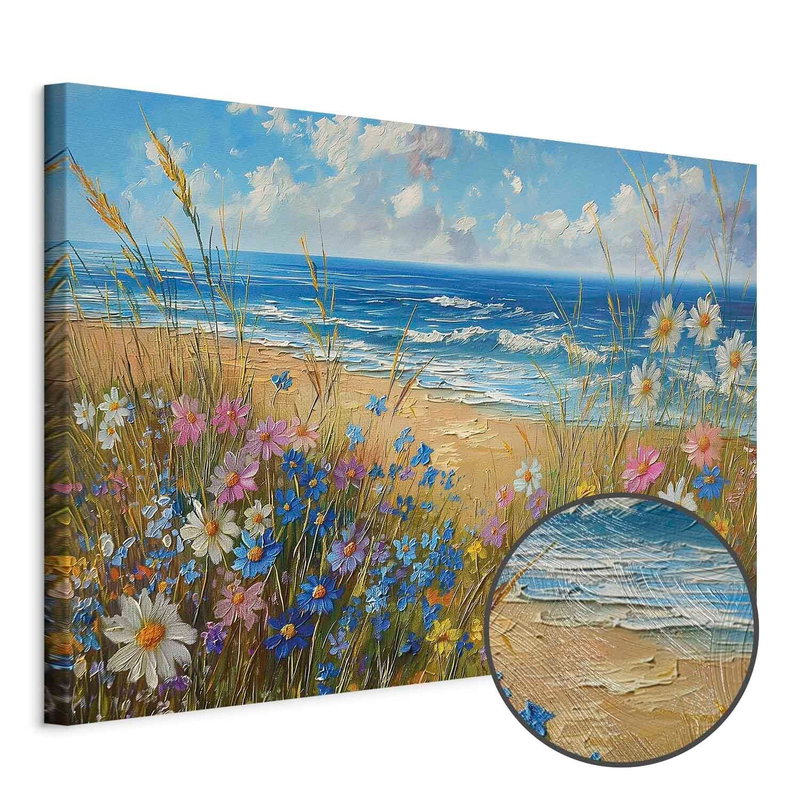
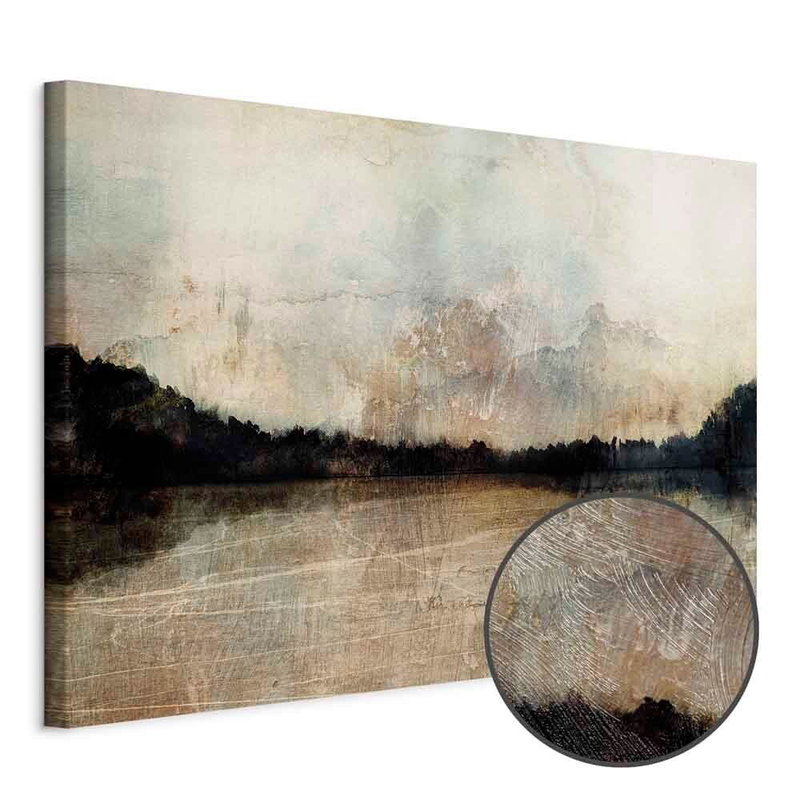
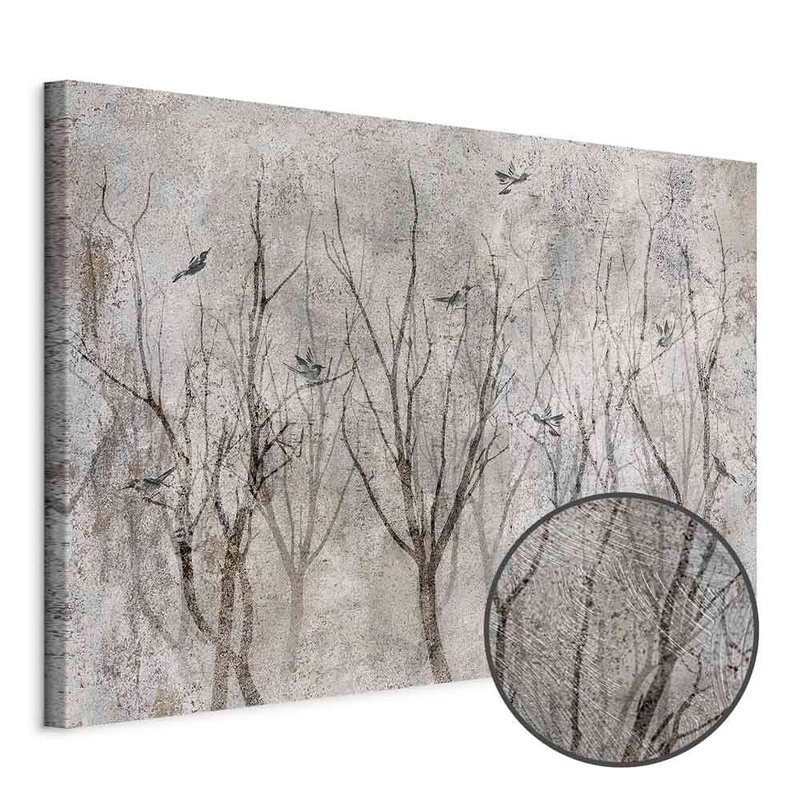
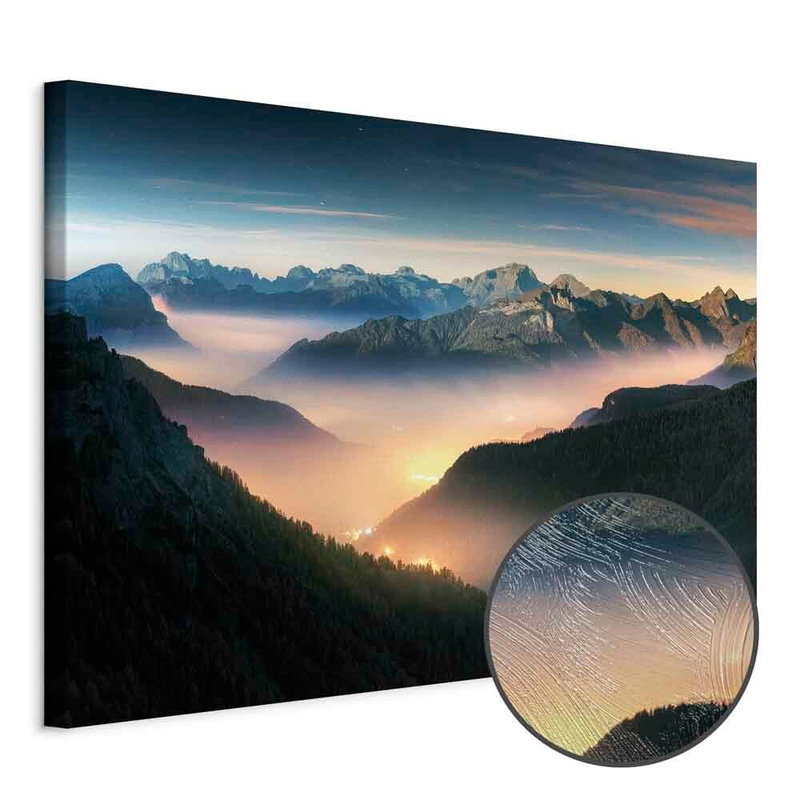
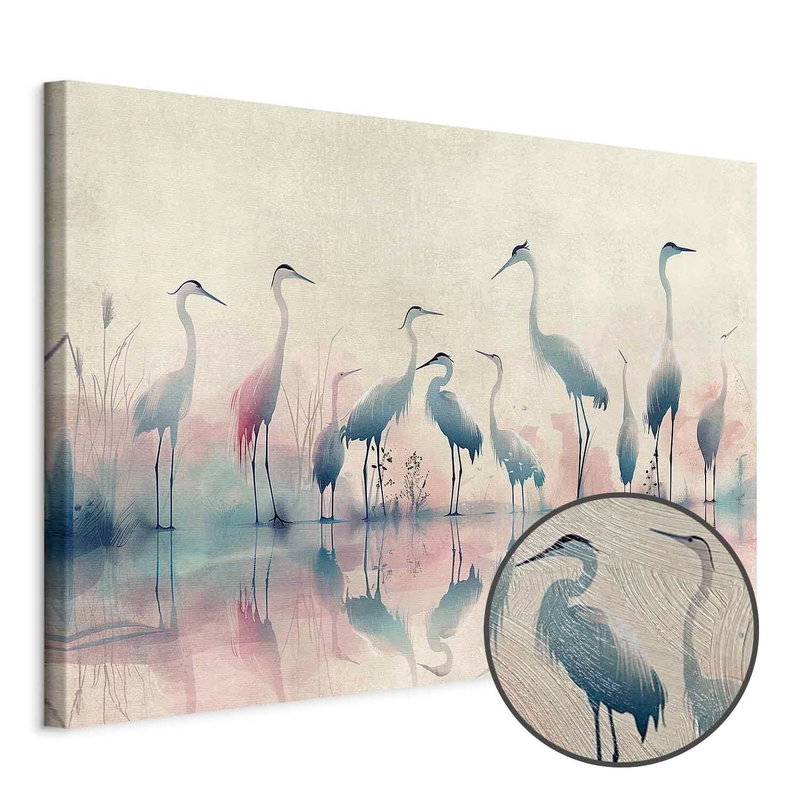
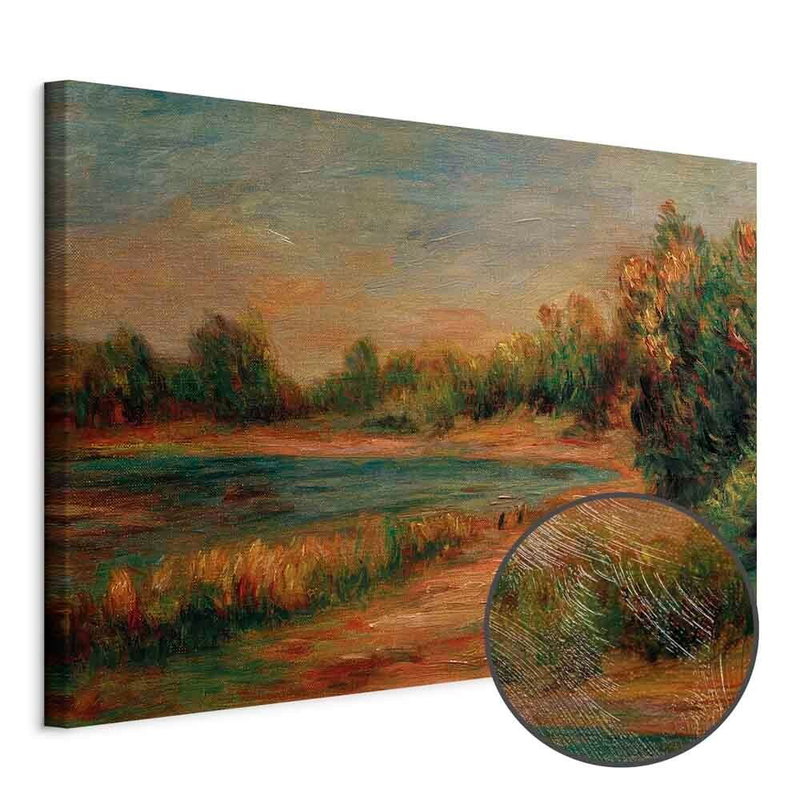
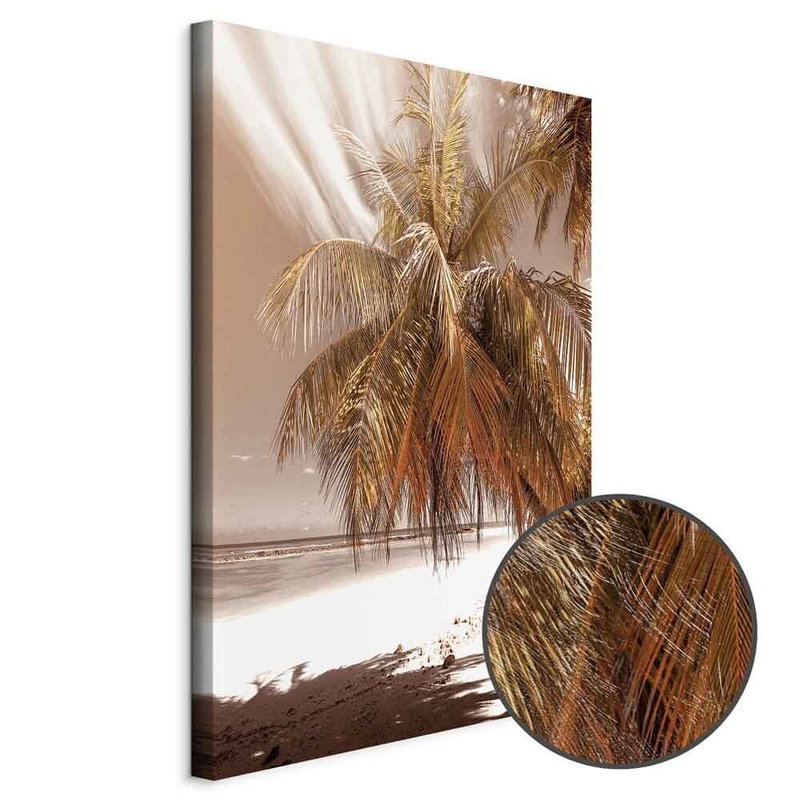
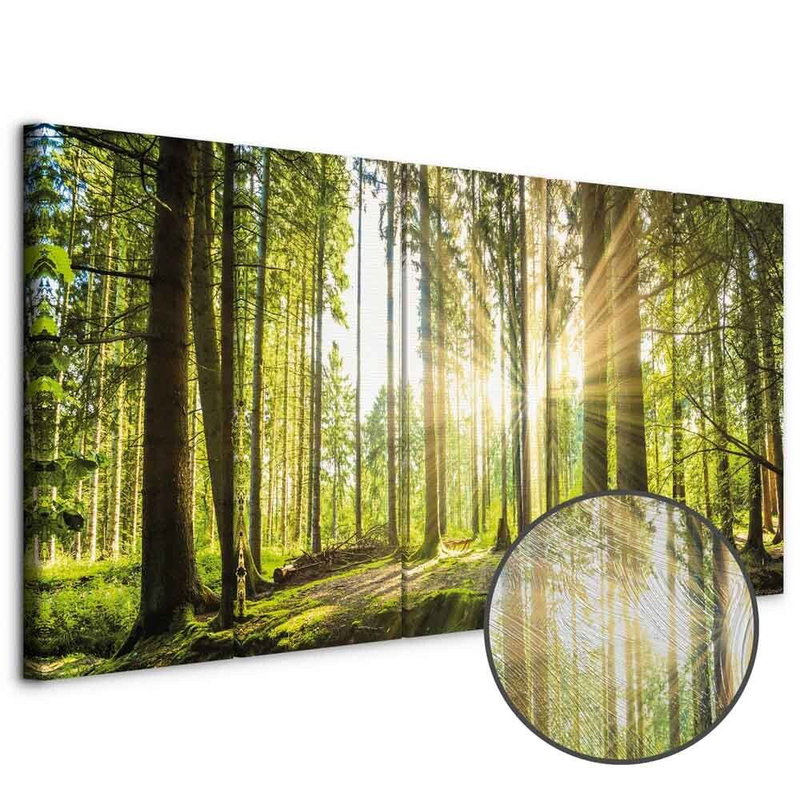
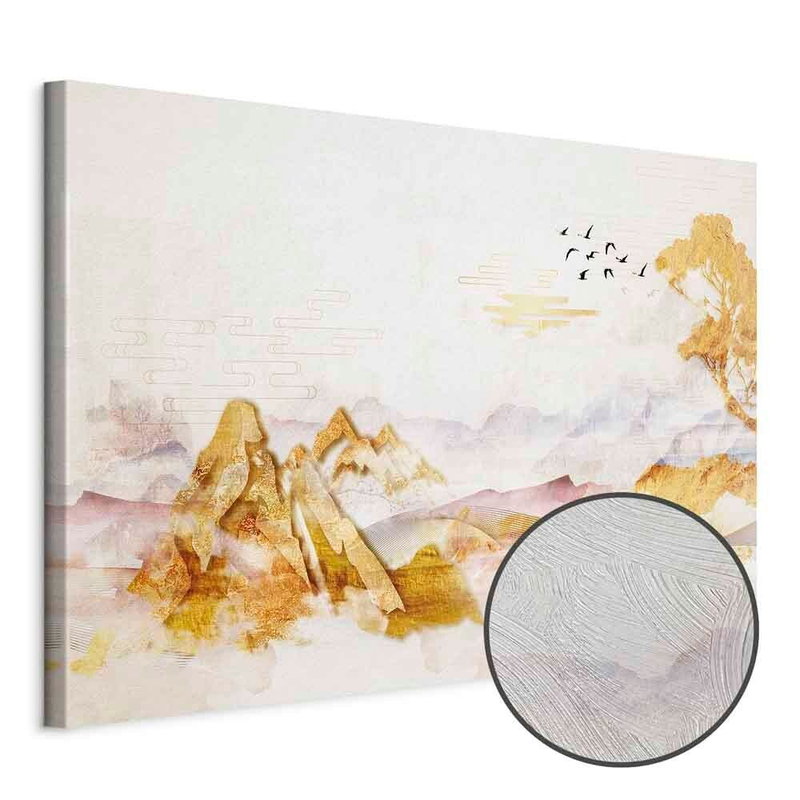
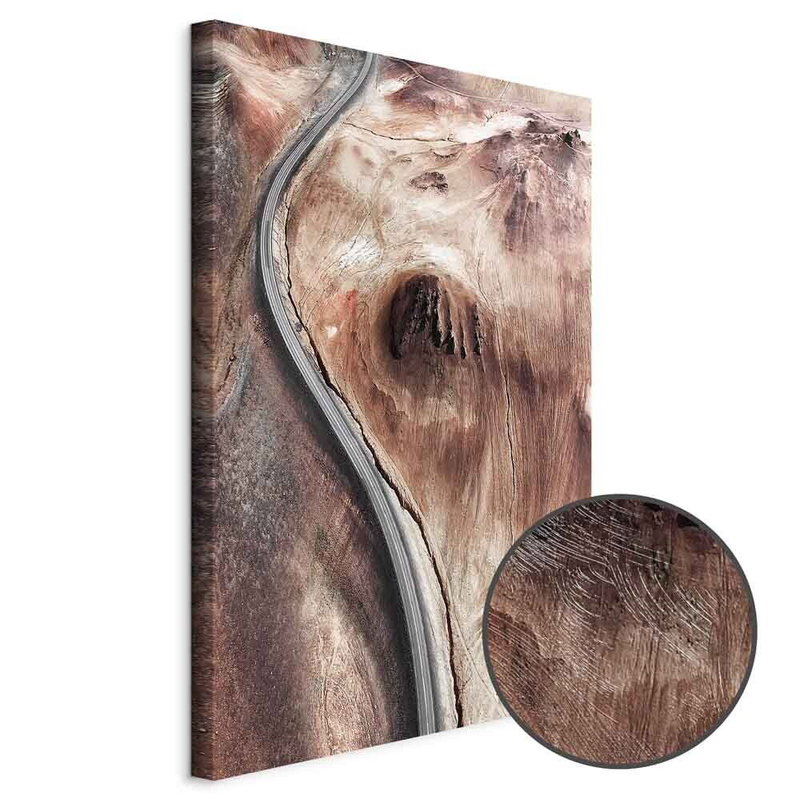
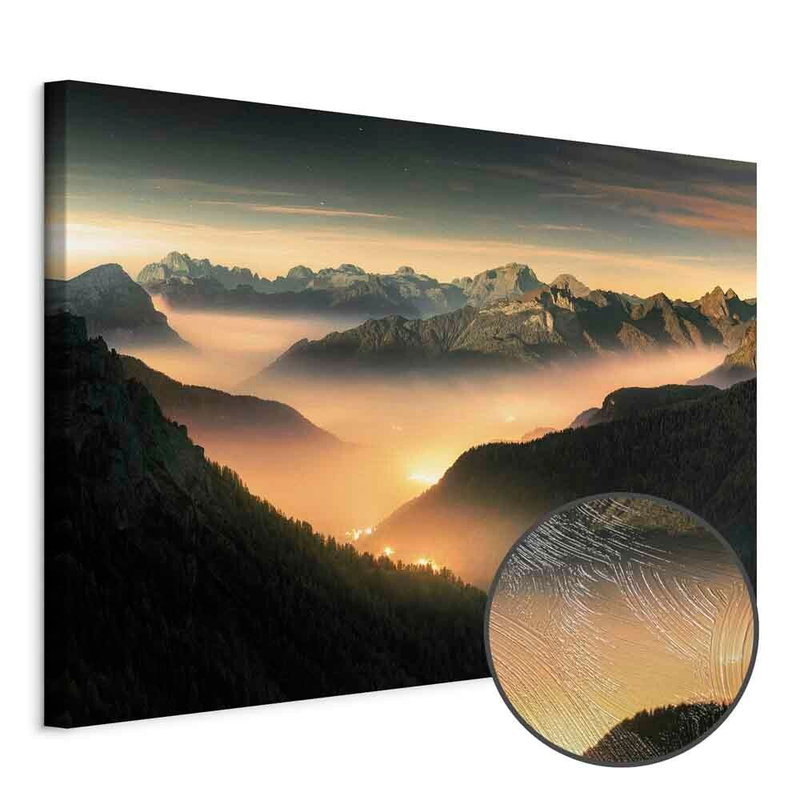
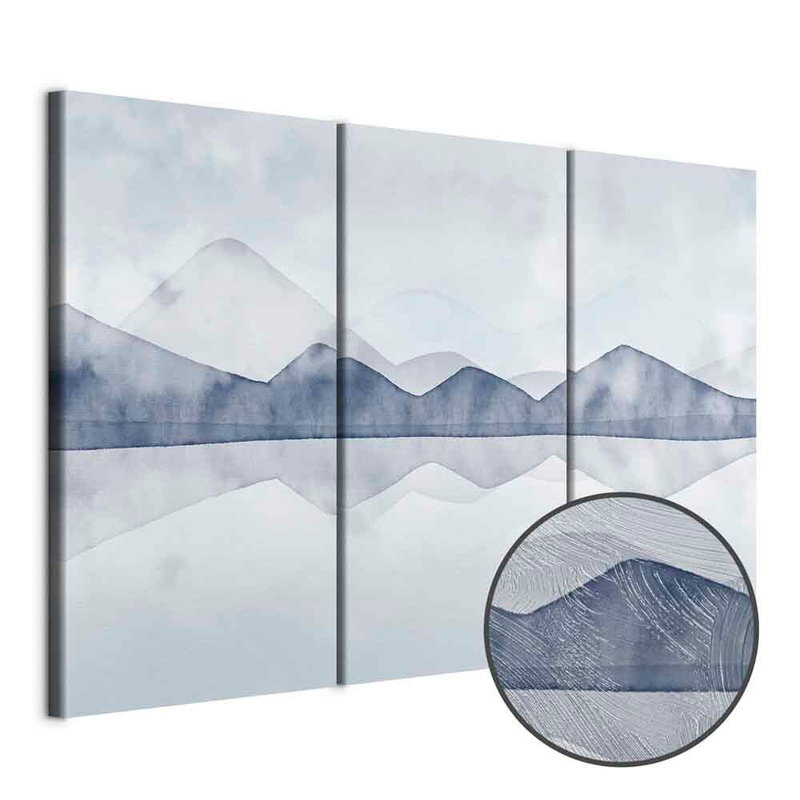
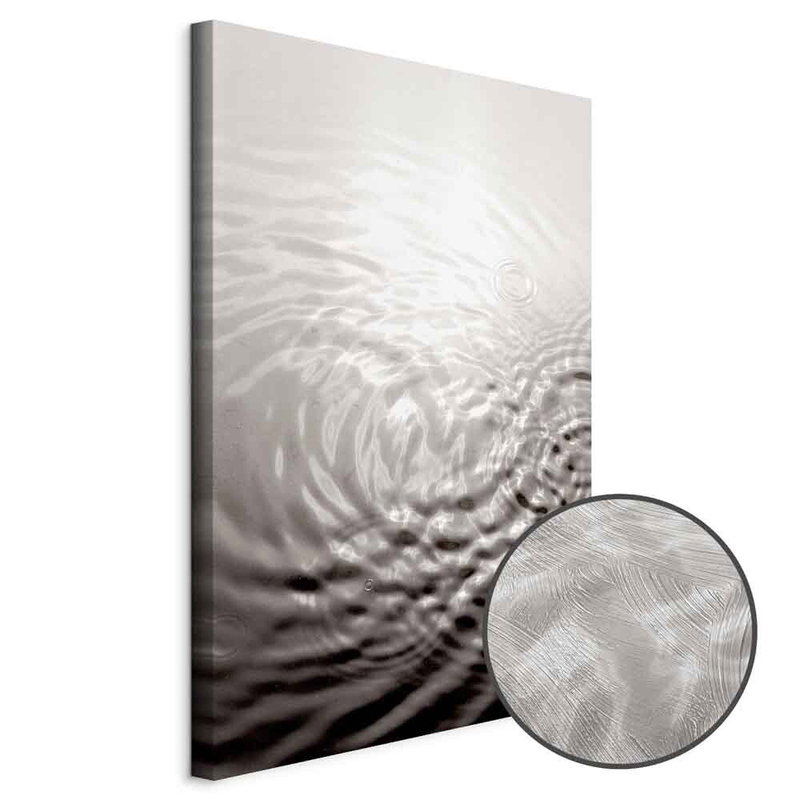
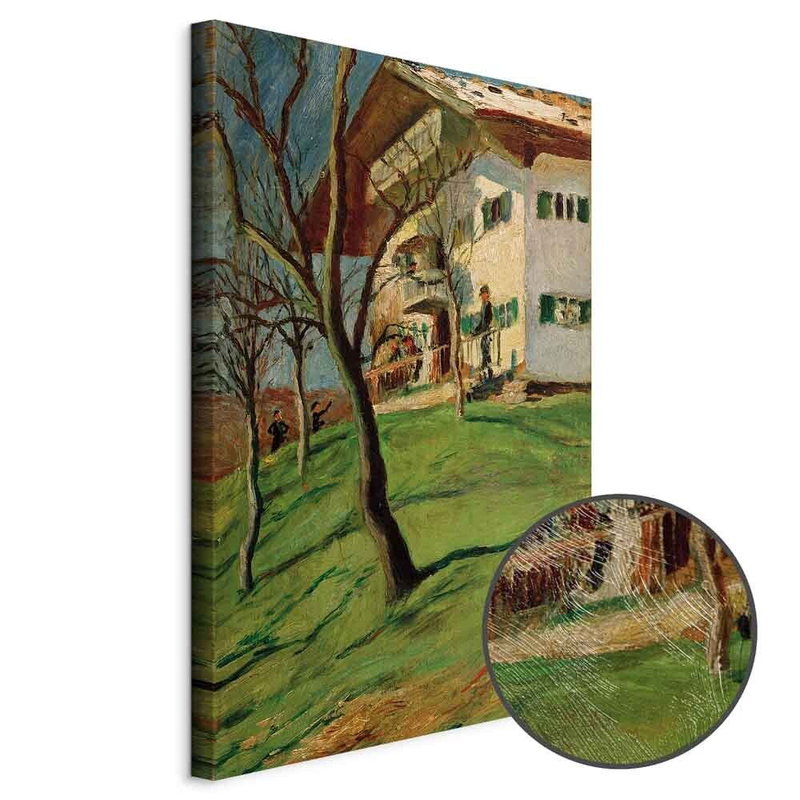
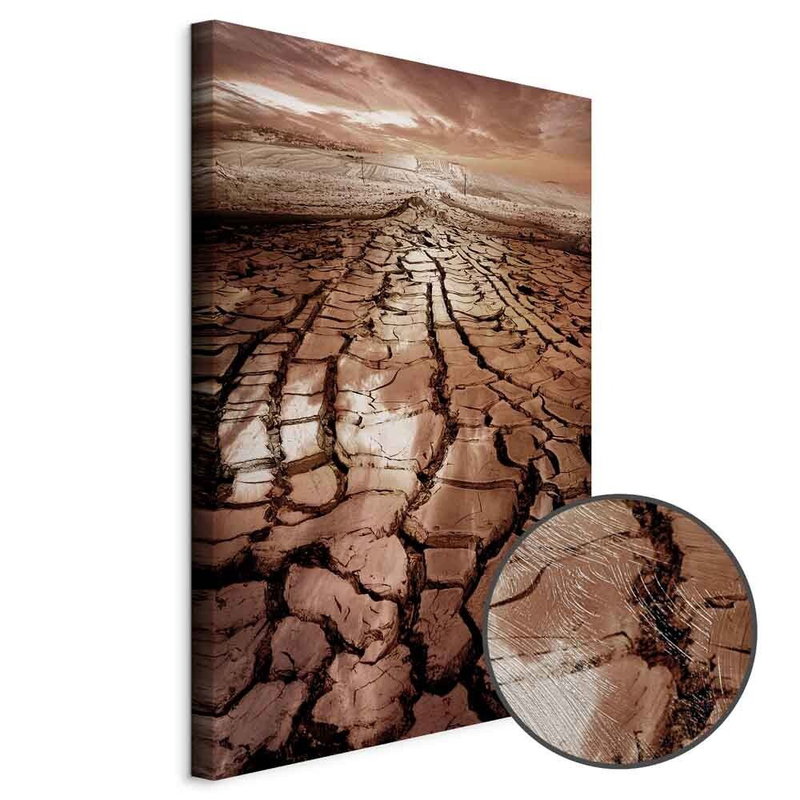
This part of the premium range leads to mountains, sea, lakes, woodland and waterfalls. Images can offer an open horizon or a more enclosing setting filled with trees, rocks and vegetation. The reviewed selection includes woodland cascades, mountains in warm light and trees with pronounced sunlight.
Start with the setting, then choose the individual composition. Two woodland pictures may differ more in colour and light than a woodland and a lake view. The main image’s actual expression needs to work with your wall, furniture and viewing distance from a seat.
Horizon, depth and nature’s directions
A mountain range can lead the eye across an image, while a waterfall moves more clearly through changes in height. Tree trunks and lake reflections provide other rhythms. Consider whether the picture should open a view or give the wall a more concentrated focal point.
Use the motif’s light and dark areas when comparing alternatives. A large sky may feel lighter than dense woodland, but colour treatment and cropping can change that impression. Look at the whole image rather than choosing solely by the setting’s name.
The premium surface and the finished wall composition
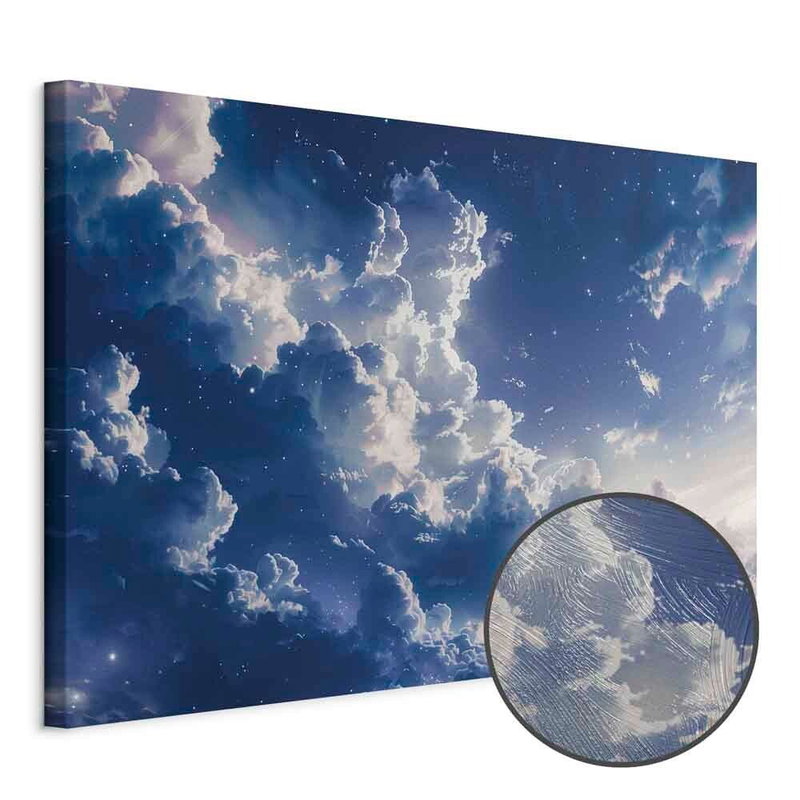
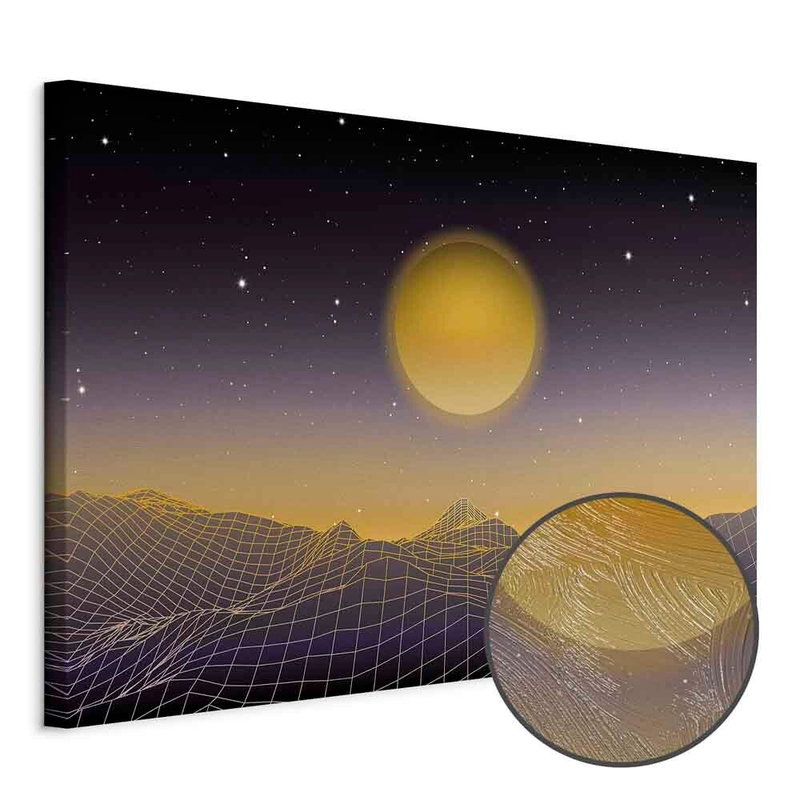
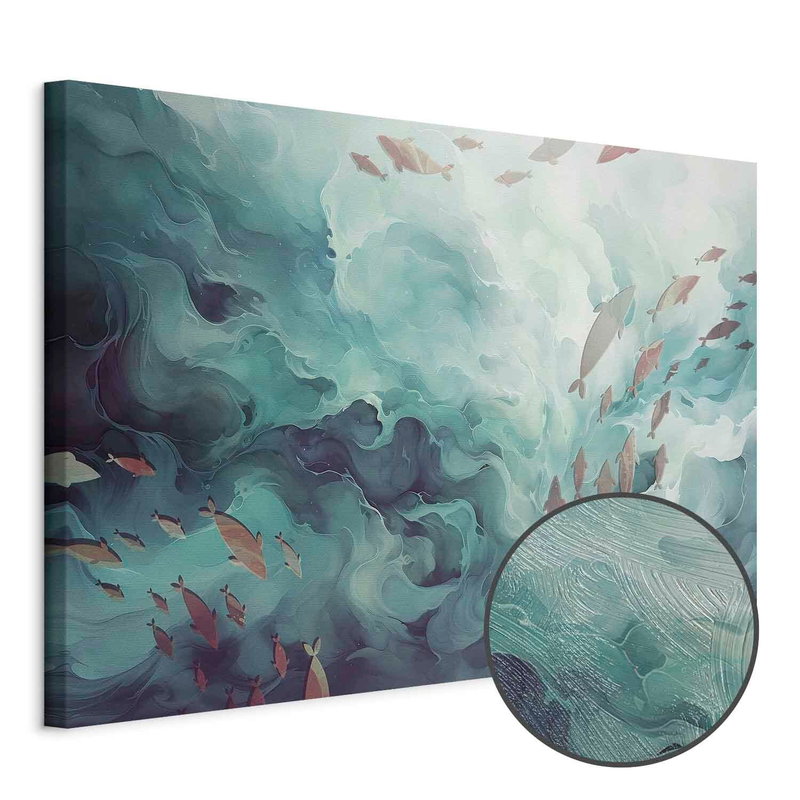
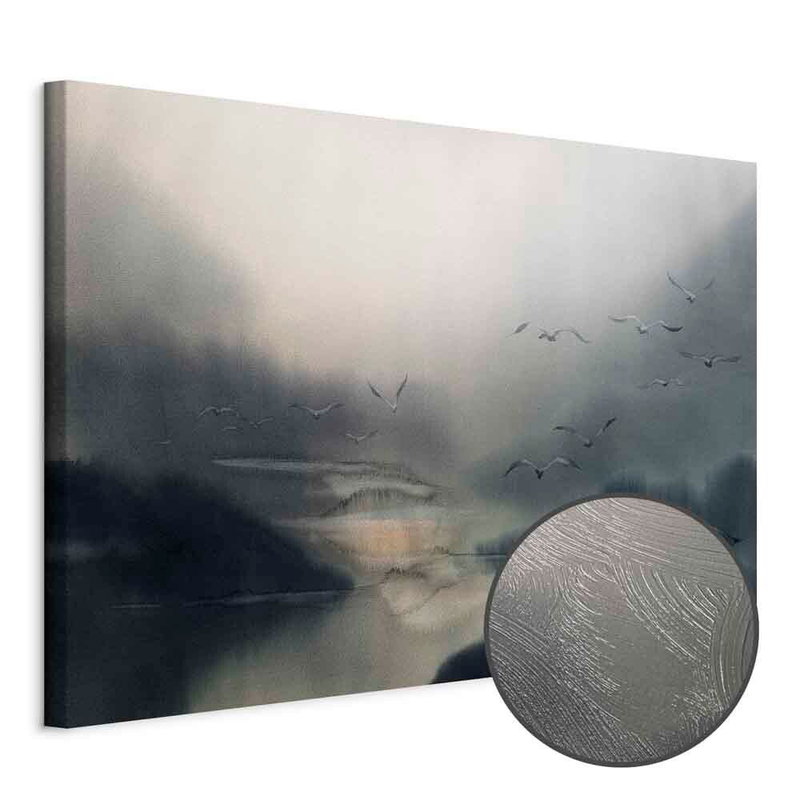
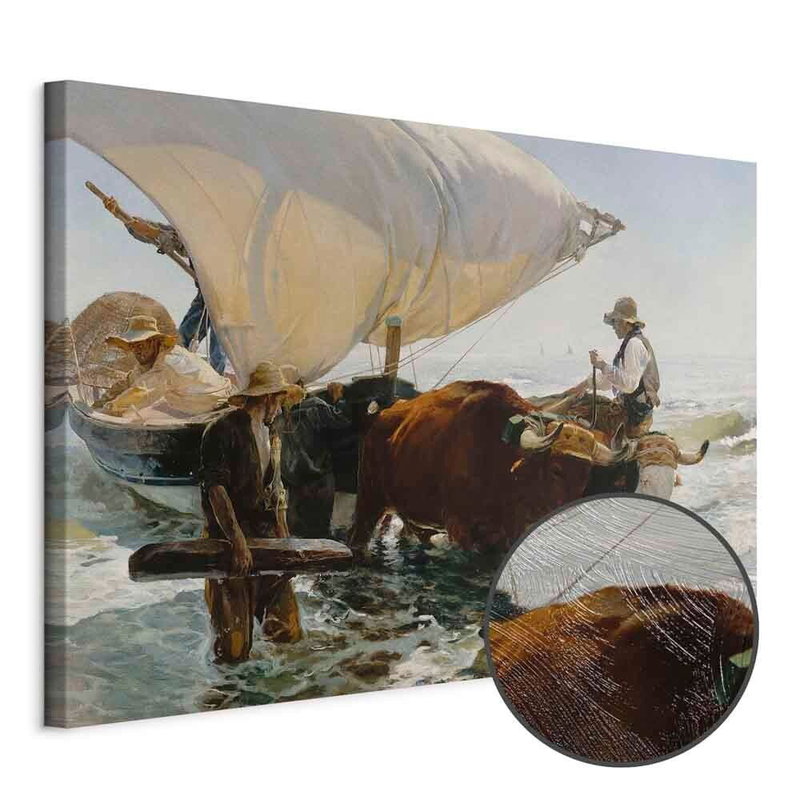
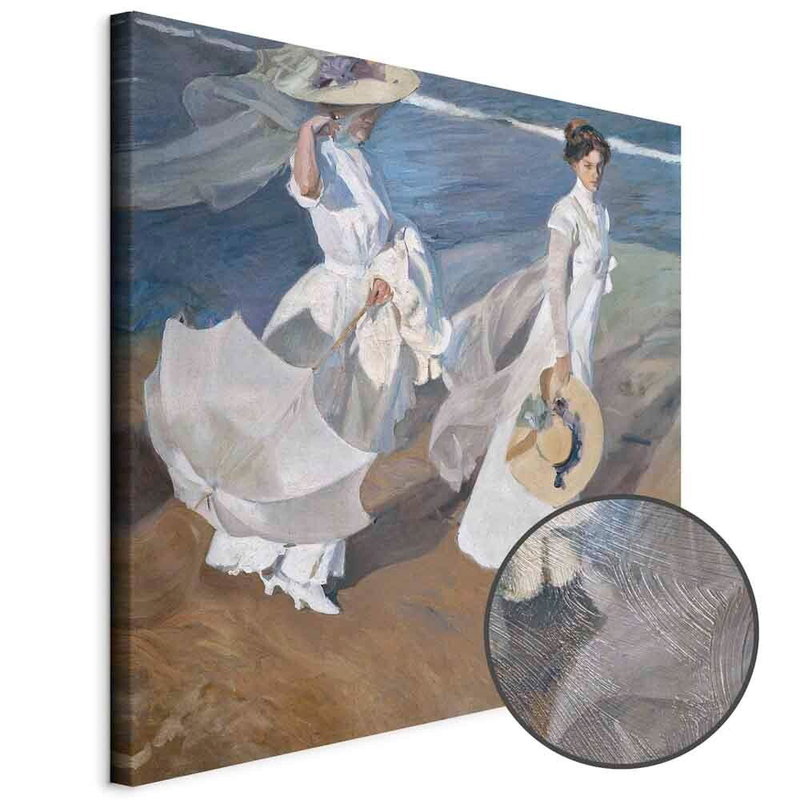
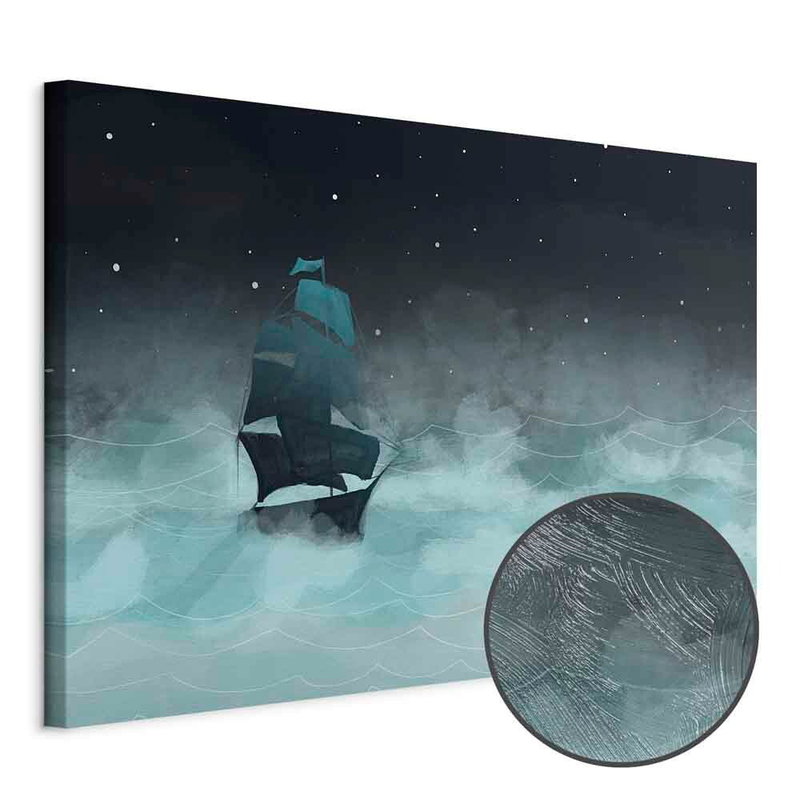
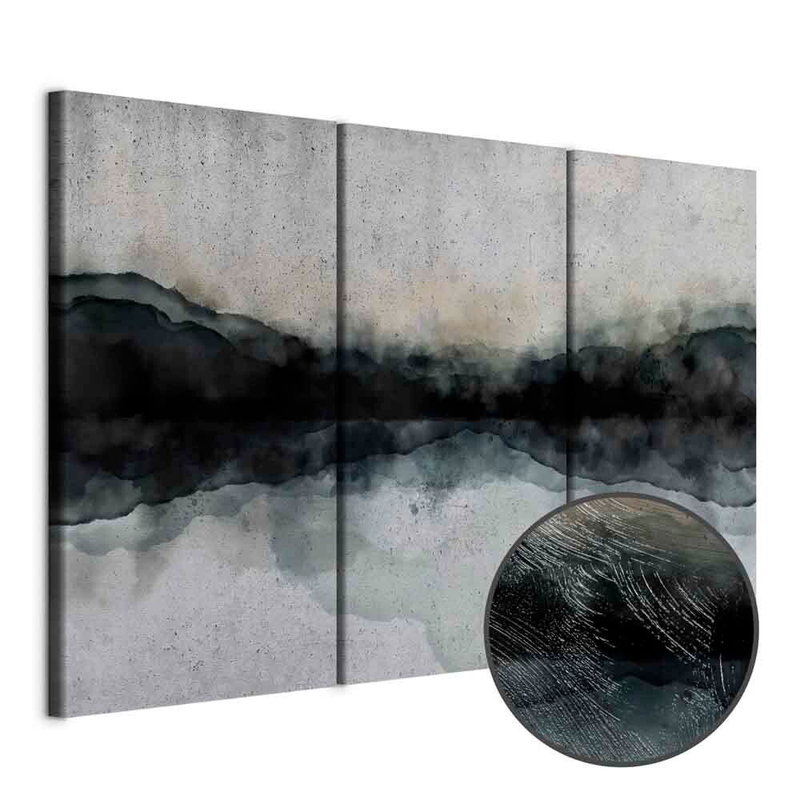
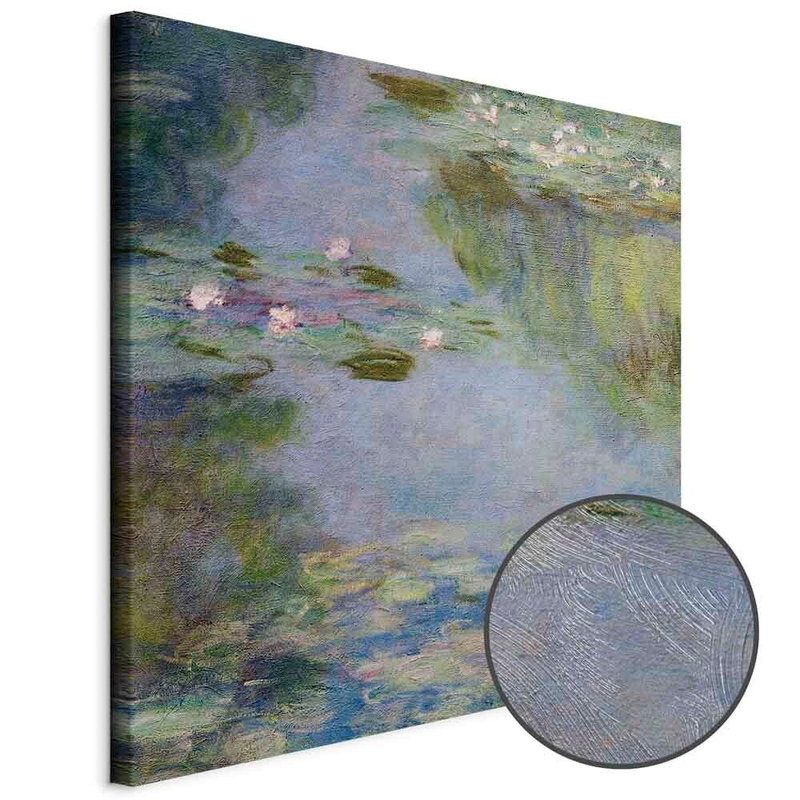
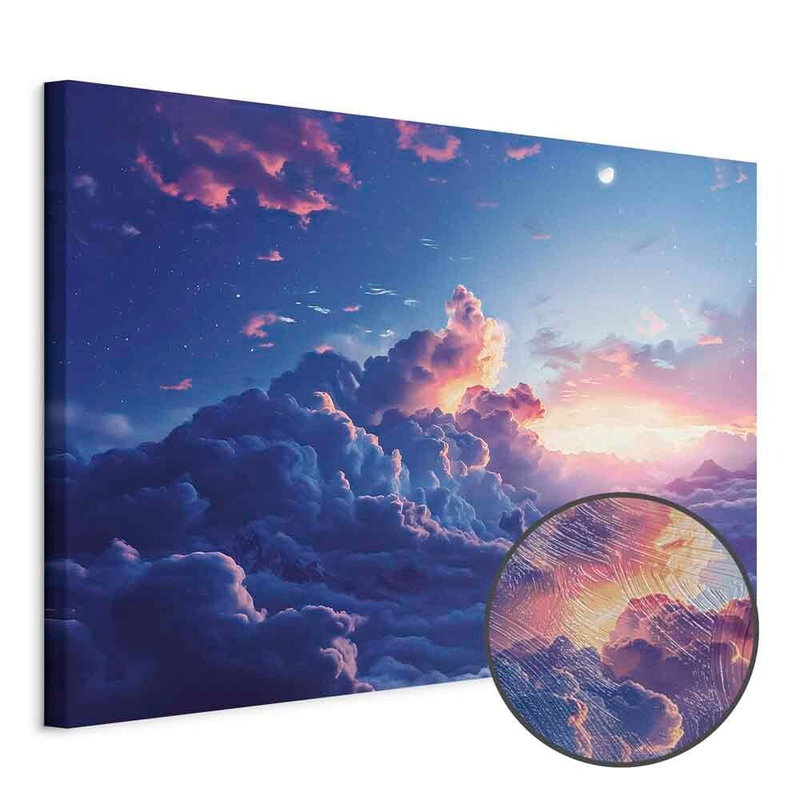
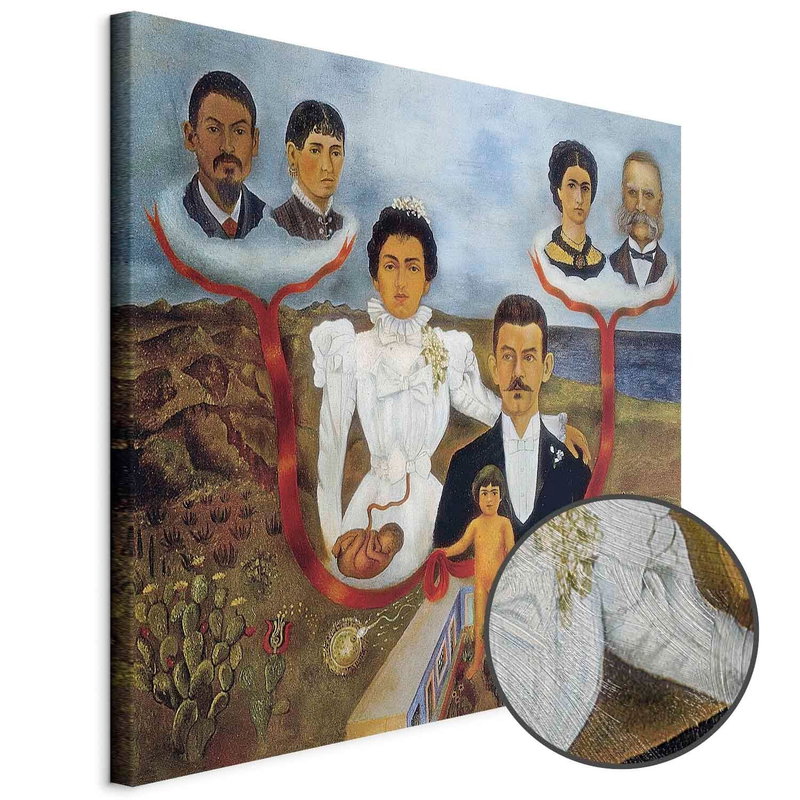
Hand-applied clear gel creates physical texture over the printed motif. Depicted rock, water and vegetation remain parts of the print, distinct from the actual surface. Consult product photographs for both composition and treatment.
A nature design may be continuous or spread across several panels. Check the selected model’s arrangement, dimensions and mounting instructions. Allow for any gaps when assessing wall space, and consider testing the outline of the complete arrangement before deciding on placement.
Nature imagery and sound absorption have different roles
The motif shapes the room’s visual expression, while the absorbent construction behind it can help shorten reverberation. Required absorbent area depends on factors including room size and other materials. The premium surface texture does not itself imply a particular acoustic improvement.
Choose with both your eye and the product information. Follow the model’s fixing and gentle cleaning advice. With several pictures, related natural colours can bring the furnishings together while positioning is planned for the actual acoustic environment.
Foreground and distance create different presence
In some nature images, a nearby rock, shore or tree trunk meets the viewer first. In others, the weight sits farther away, perhaps in a mountain line or an area of light. Compare how much of the surface is devoted to proximity and distance. This can help you choose between a more enclosing expression and an open outlook.
Notice whether the foreground leads into the image or mainly provides a clear boundary. This relationship may matter even when the depicted place is unidentified. You need not know a specific geographical location to assess how the composition works on the wall.
Choose natural colours in relation to room materials
Greens, blues and warm earth tones may occupy fields of different sizes. A recurring minor tone can connect with a curtain or furniture without the whole room needing to match the picture. Compare the strength of the colour and the area it occupies, particularly when the wall or furnishings already have a strong expression.
See the same natural view in different everyday uses
A workspace may also be a place for conversation, and a seating area may be seen both close up and from a passage. Try the composition from these positions before choosing a format. Decide which shapes and light areas should be clear at a distance and which details can be discovered closer to the picture.
Connect a group without turning it into a panorama
Several nature images can be connected by similar colours or a shared balance between sky and land. They need not show the same setting to work together. Compare whole images and give each composition space so its most important directions remain readable.
Separate pictures are not automatically intended as continuations of one another. Do not expect a shoreline, mountain line or tree to continue exactly across the next image edge. For a coordinated multi-panel product, follow its actual division and mounting instructions instead.