




Magnolia – premium acoustic wall art
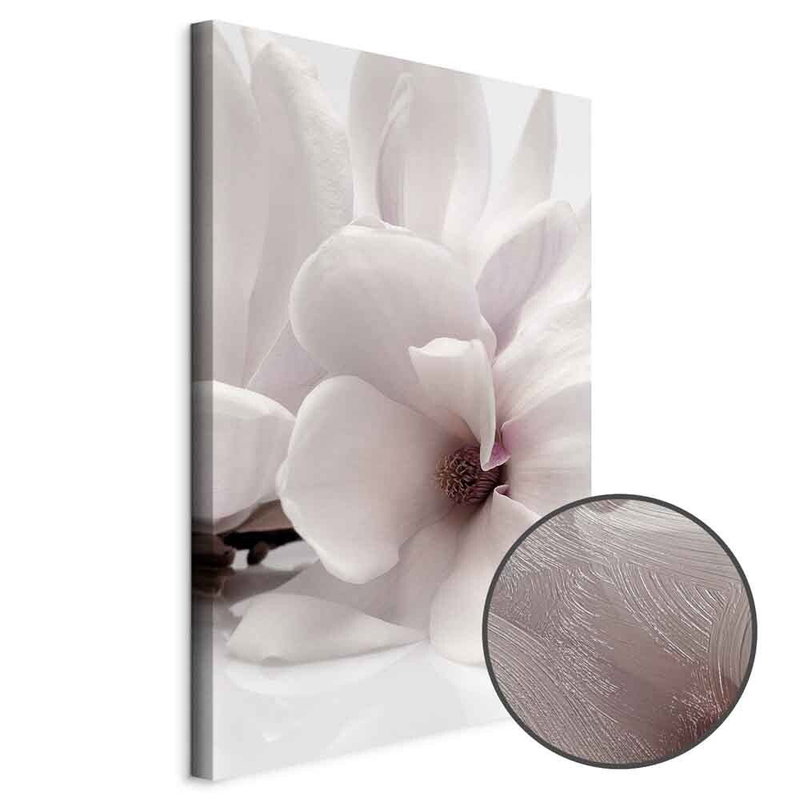
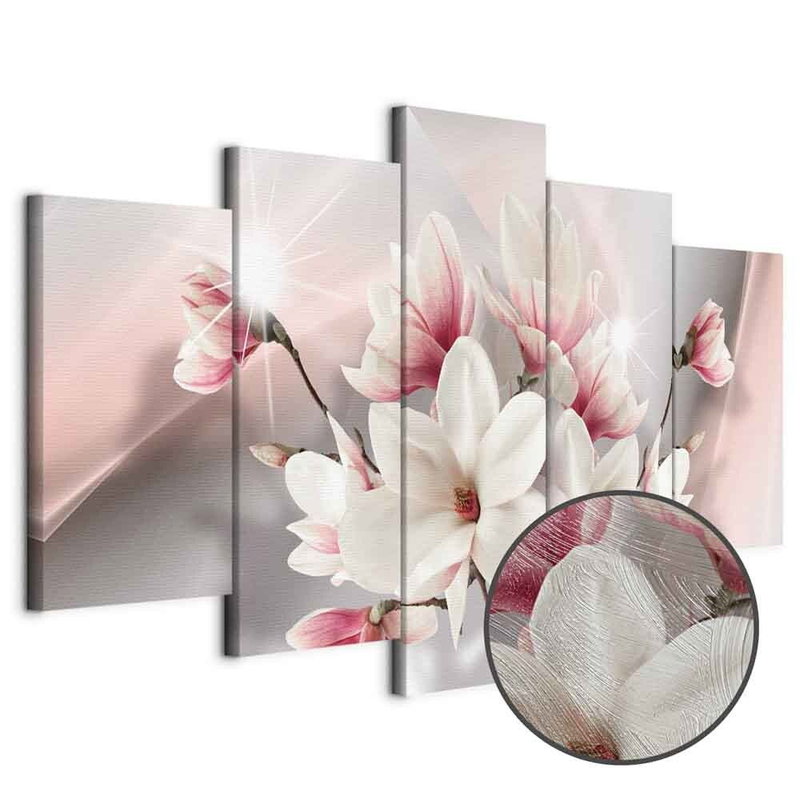
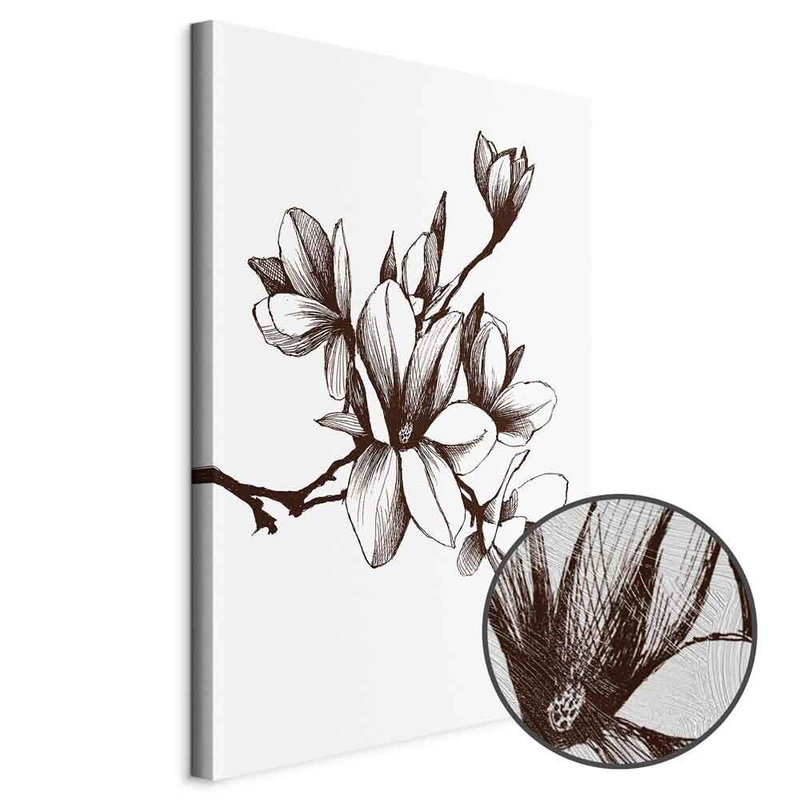
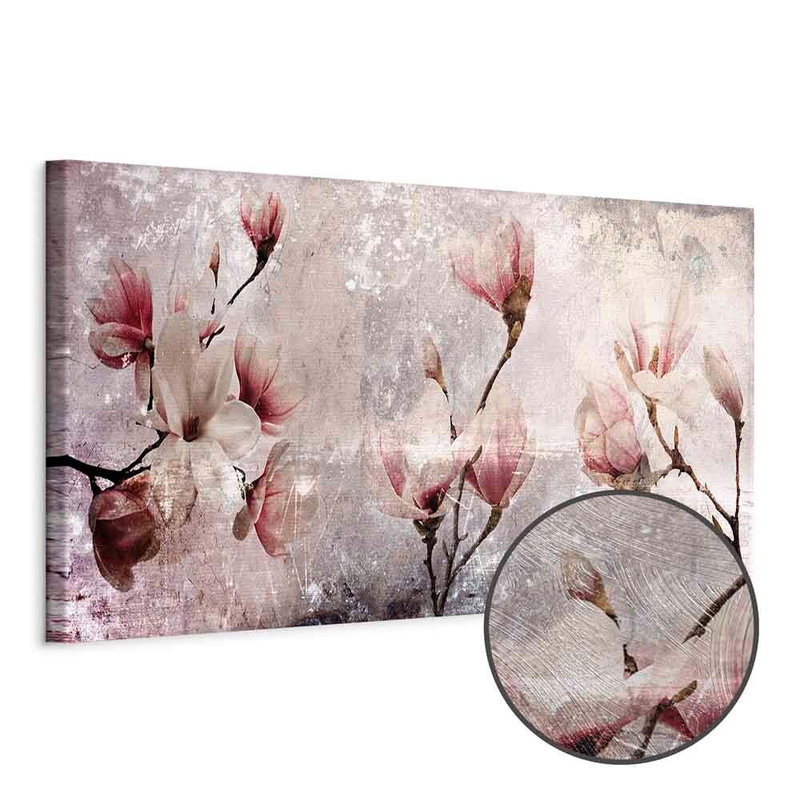
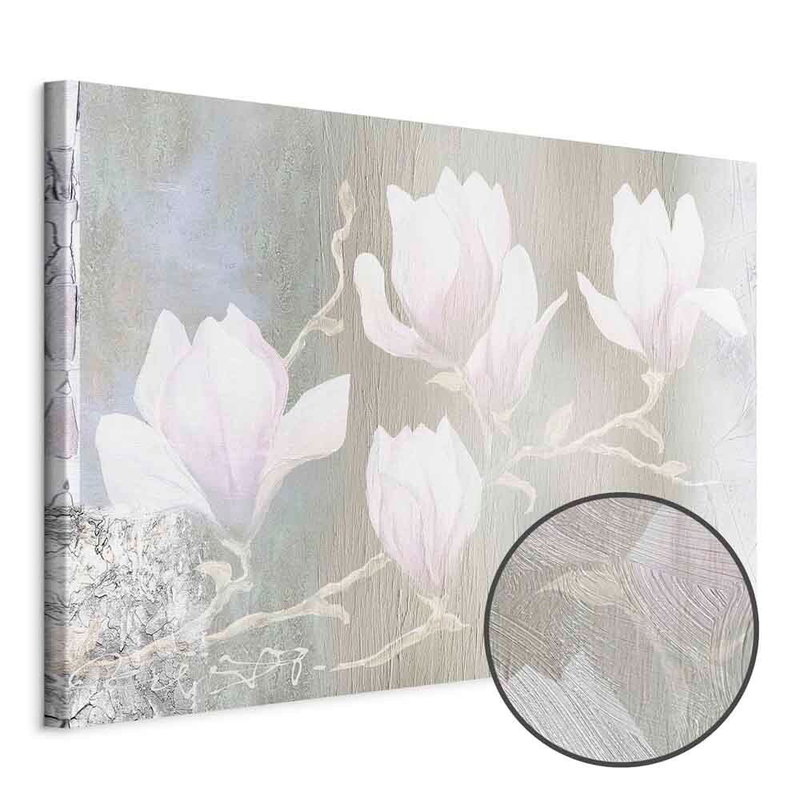
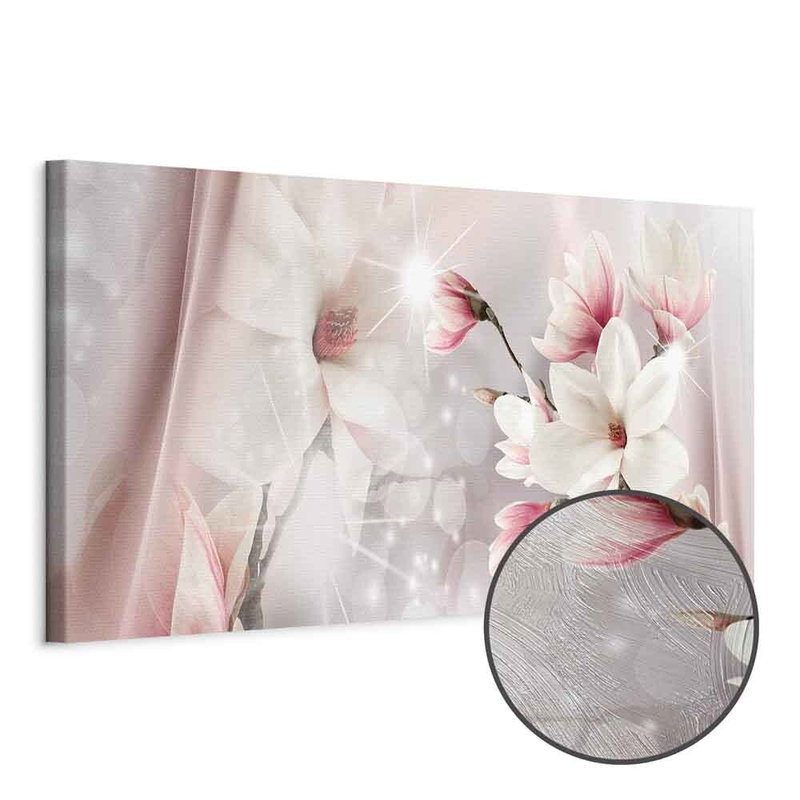
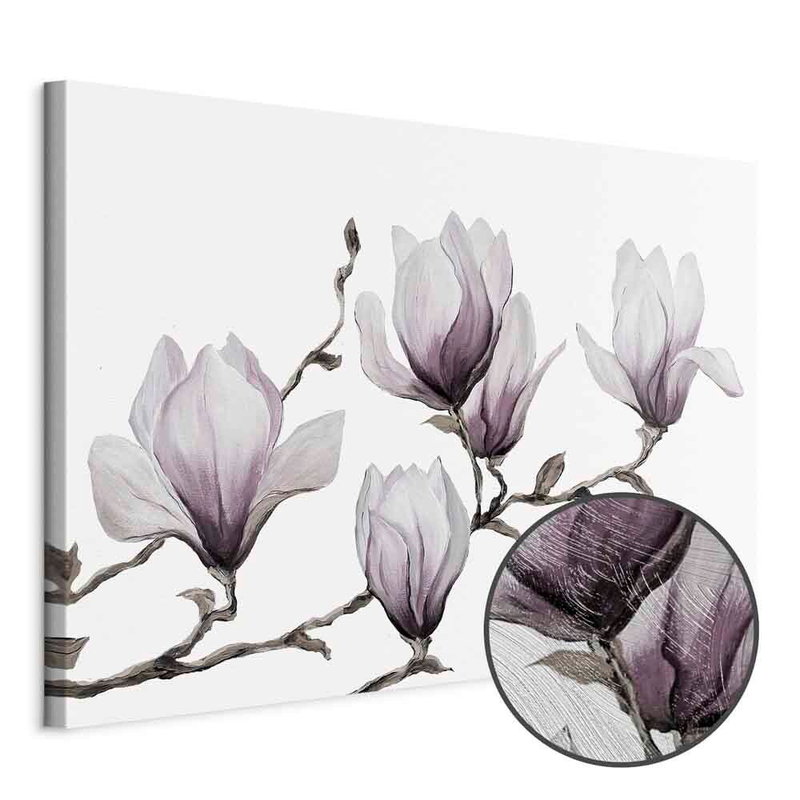
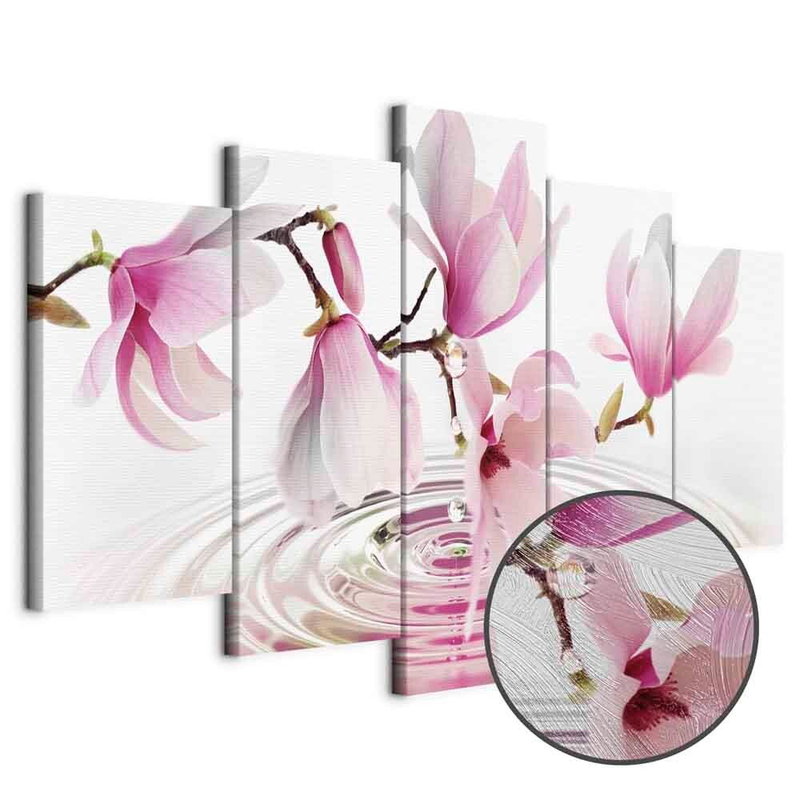
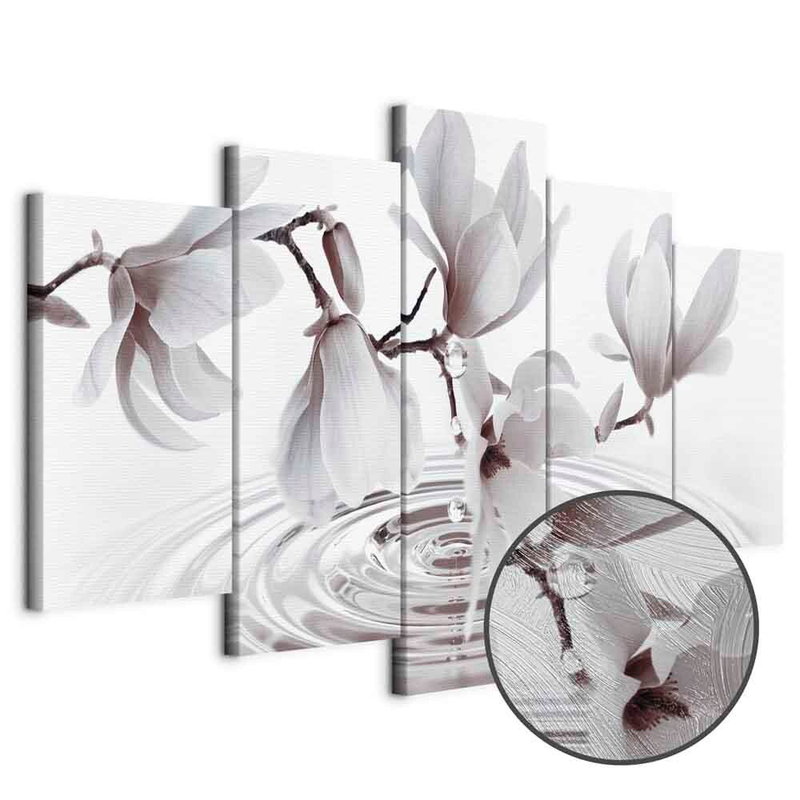
Some show a single pale flower, while others follow several blooms along a branch. Let the direction of the branches work with the furniture and compare the full colour palette, rather than just the flowers’ pink or white tones.
Choose the design and its position
Compare the dimensions and number of panels on the product page before planning installation. Separate panels need suitable spacing, and the whole design should work from the usual viewing position. Follow the installation and care instructions for your selected model.
The premium surface and room acoustics
The printed design is combined with hand-applied clear gel that gives the surface physical texture. The sound-absorbing construction can help reduce room reverberation; the plant subject itself does not provide a particular acoustic rating. The effect depends on the absorbing area and the other materials in the room.
Free shipping refers to delivery to a collection point where offered. Existing terms apply to other delivery methods.
Choose the flower as a focal point or the branch as a whole
A large magnolia bloom can concentrate attention in one part of the image. Where several flowers follow a branch, direction, spacing and background matter too. Notice the main subject’s position: near the centre, by an edge or moving across the whole image. Choose from the picture actually shown.
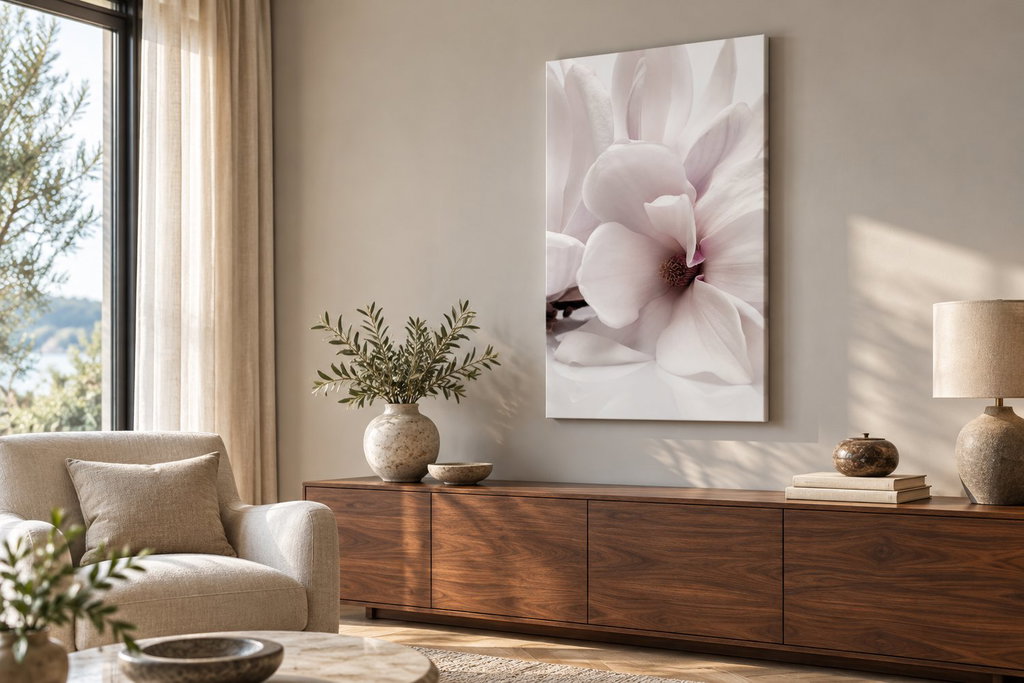
Compare how much of the flower is visible and how the petals meet. A close crop gives a different scale from a longer branch with more clear background. This helps you choose between flower detail and greater room for branch lines and background. Let the actual image guide you even where two products have similar names.
Include the background in the colour choice
White and pink petals may occupy less area than the surrounding background. Compare the picture’s complete light and dark areas with the wall and furniture. A flower standing strongly against a dark ground gives a different impression from pale petals and a background close in tone.
A recurring background colour or soft colour transition can connect the interior without matching every floral shade. Notice branch lines against furniture shapes too. A diagonal twig can introduce movement into a straight-lined setting, while a quieter composition leaves more attention for other objects.
Try branch direction in the planned arrangement
Check whether the selected product consists of one image surface or several panels. In a multi-panel format, assess branch continuity and flower positions together with the gaps. Read dimensions and instructions; a similar image in another format is not reliable guidance for installing the ordered model.
Paper templates for the complete format and panel spacing can help. Try the group above a sofa, side table or the chosen wall area. View it from the usual seats and when entering. This helps determine whether the flower’s focal point lands where you want it.
Separate the petals’ depicted texture from the premium finish
Shadows and colour transitions describe petal form within the image. The hand-applied clear gel is a physical part of the premium surface. These features meet in the picture’s expression but should not be confused with real flowers or a special material quality not stated in product information.
Consider the lighting and usual viewing directions at the intended position. Details may be interesting close up, while branch direction and larger colour areas carry the image at a distance. Follow care advice for the print and textured surface so that both are handled according to the model’s requirements.
Plan magnolia wall art for the room’s use
A magnolia image may provide a botanical focal point on one wall or join a wider interior scheme. Decide its role before choosing size. Leave adequate clear space around the format and preserve access to doors, storage and other wall equipment. Fixings need to suit both product and wall.
Assess the absorbing construction separately alongside room size, materials and other absorbers. A pale flower or denser branch does not indicate a particular level of sound reduction. Choose magnolia for the actual visual expression and plan acoustic usefulness from the documented construction and surface area placed in the room.