



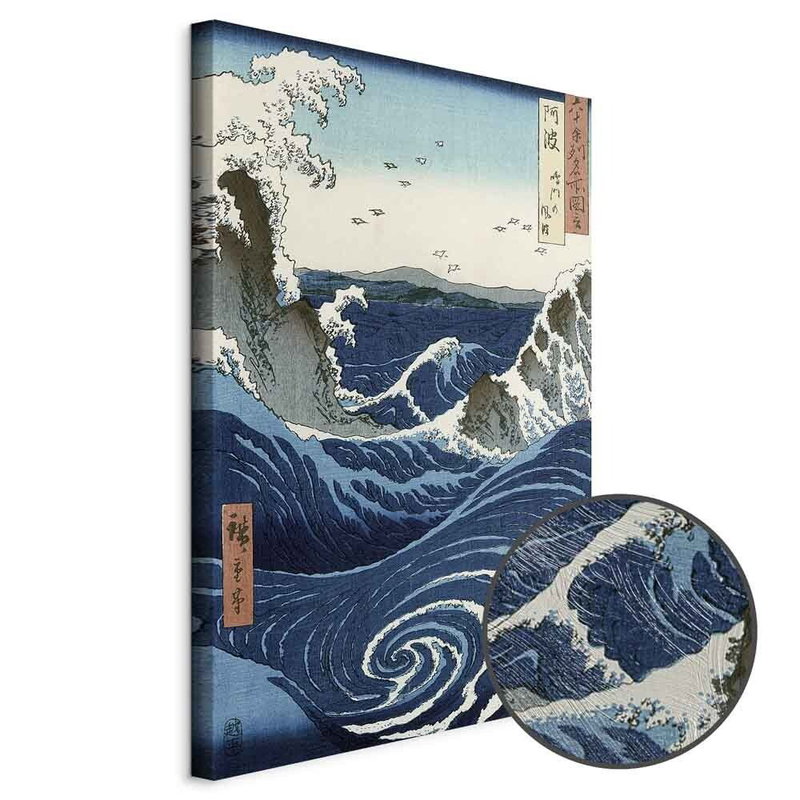
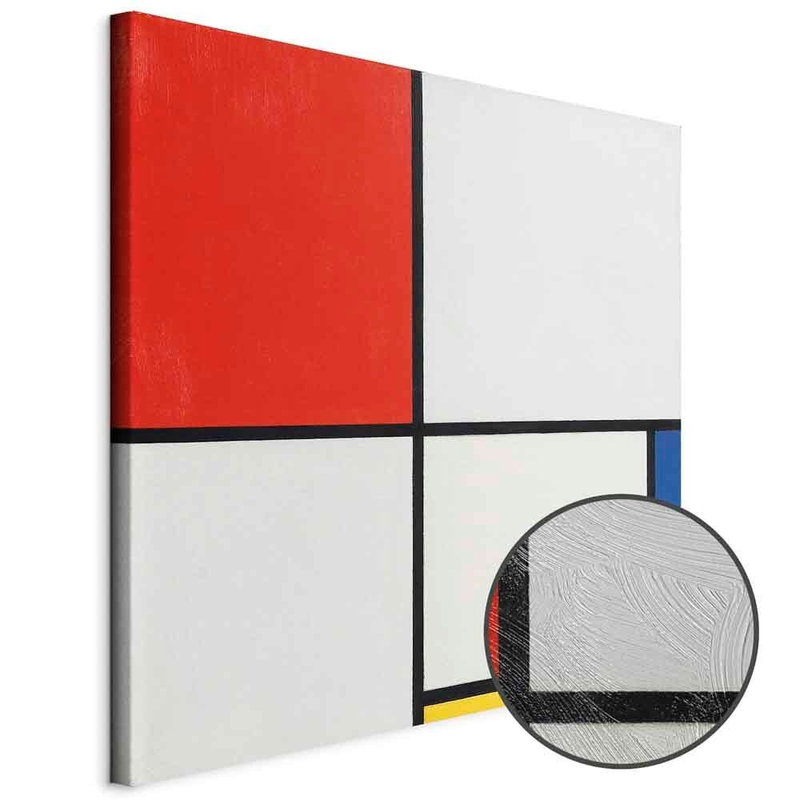
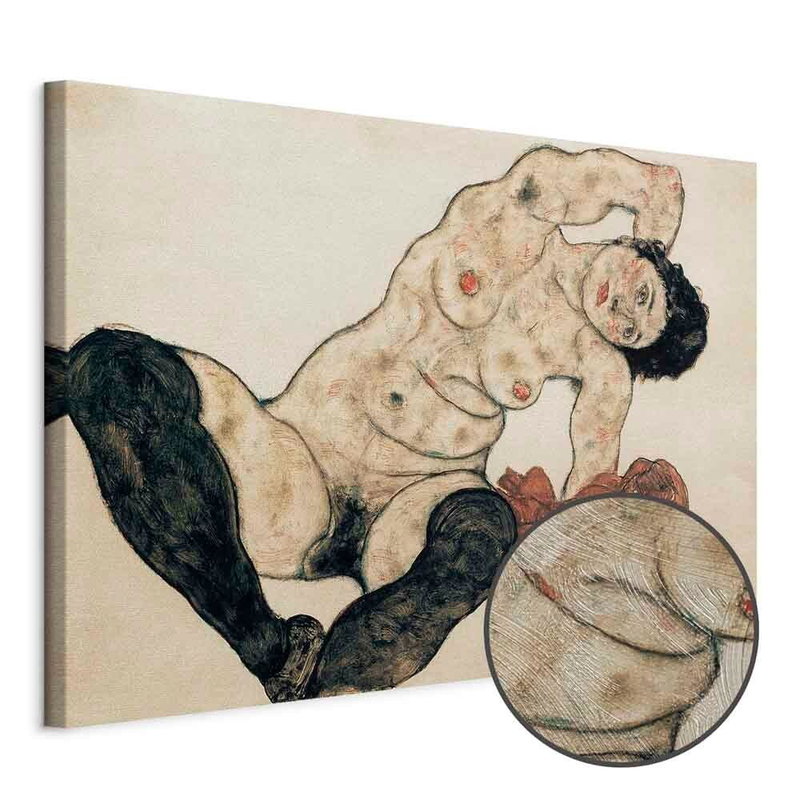
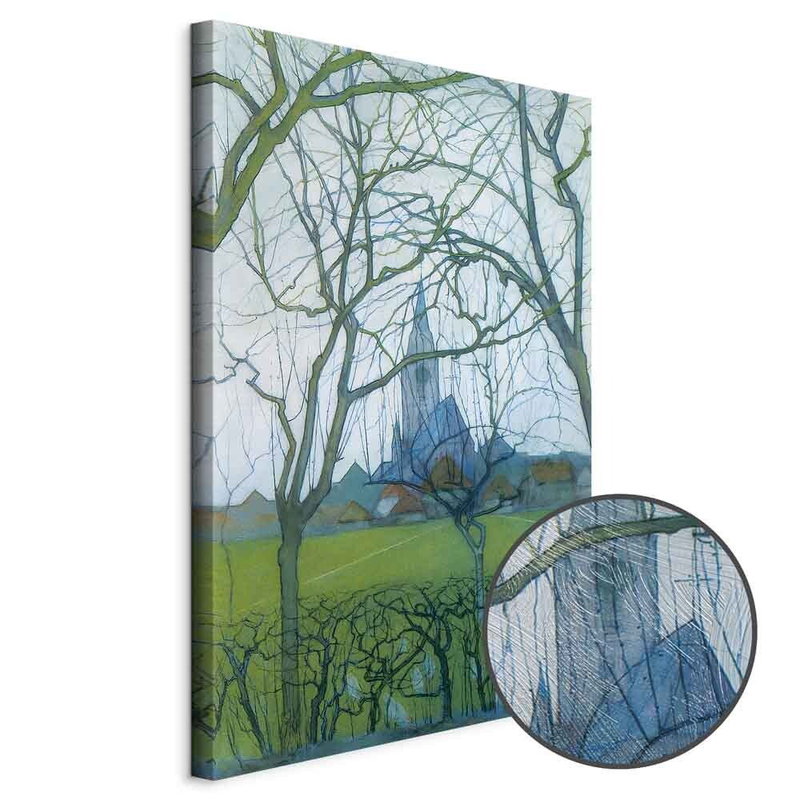
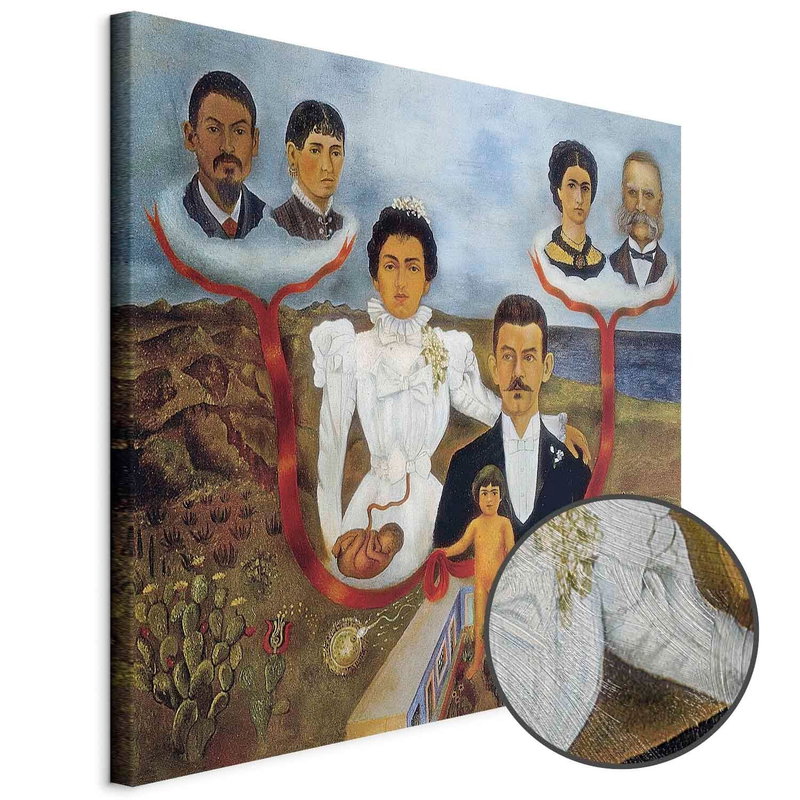
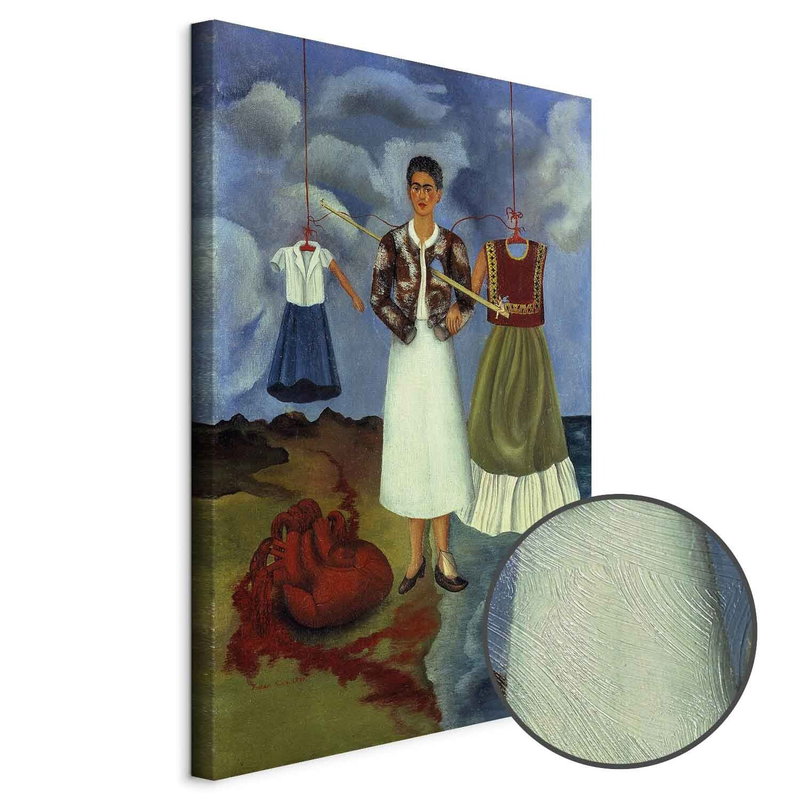
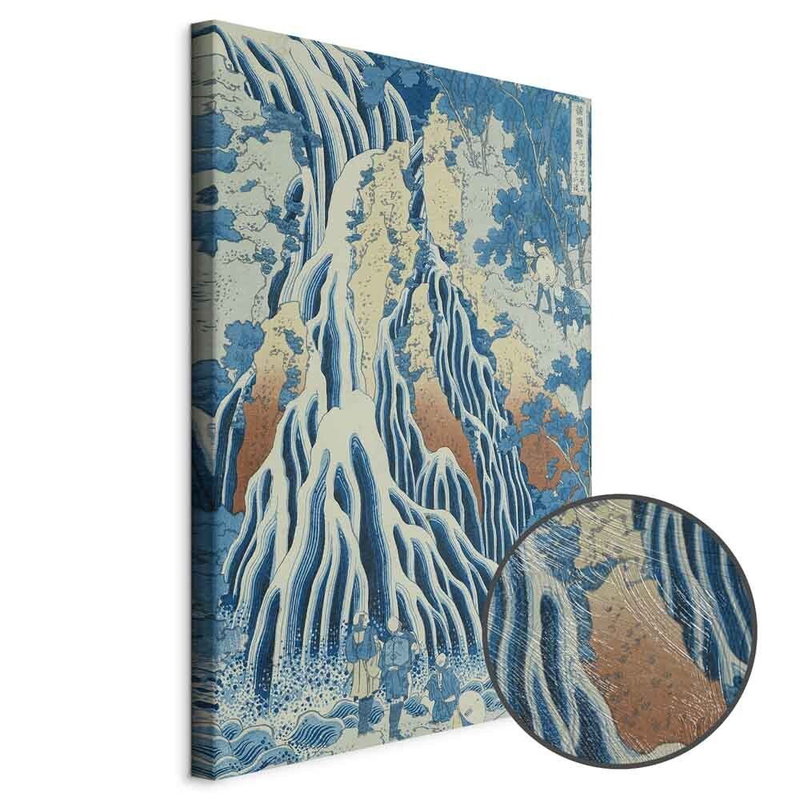
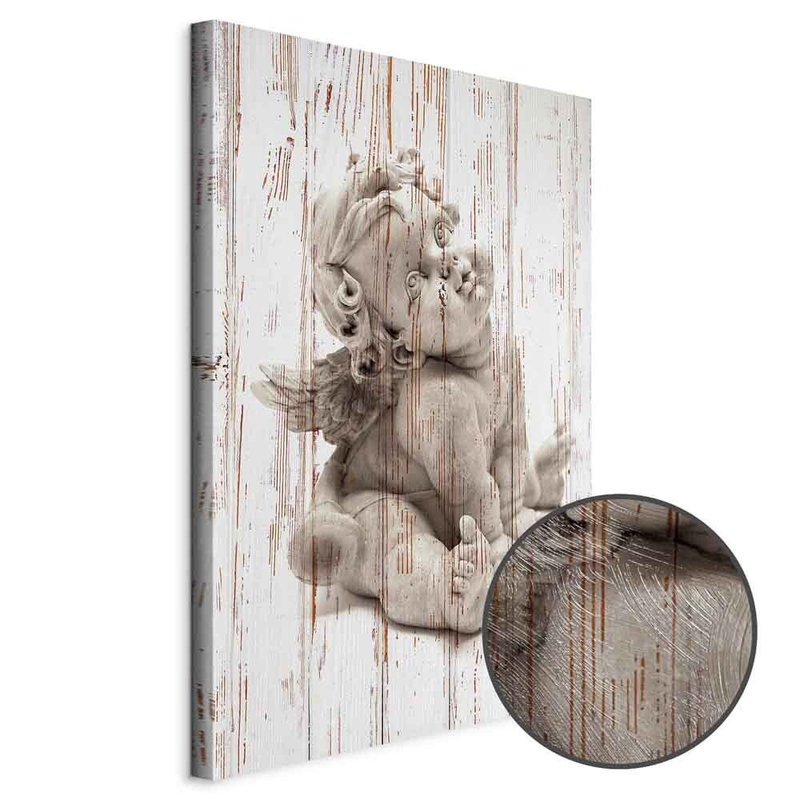
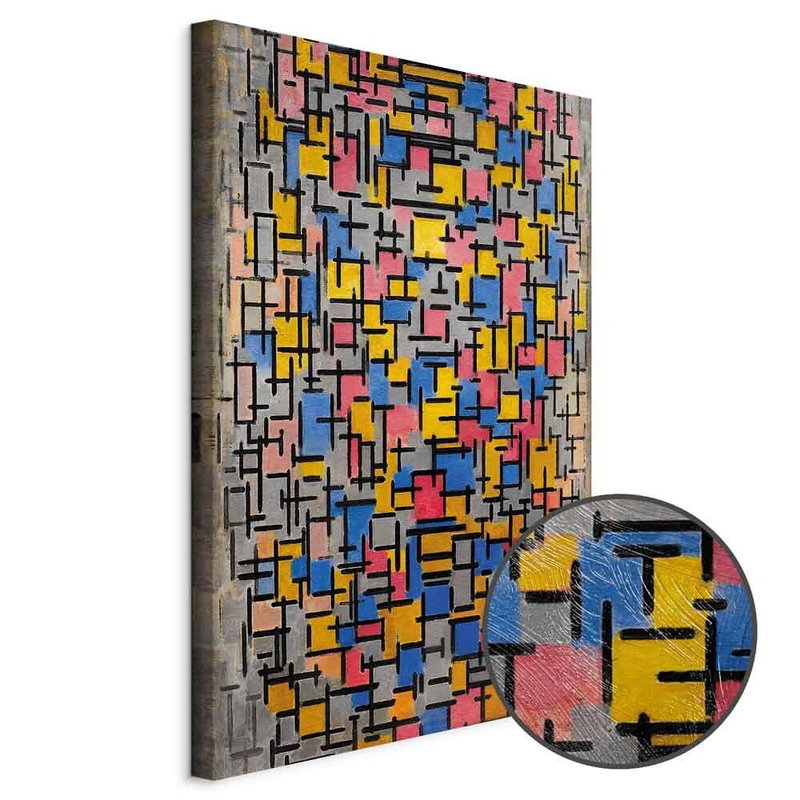
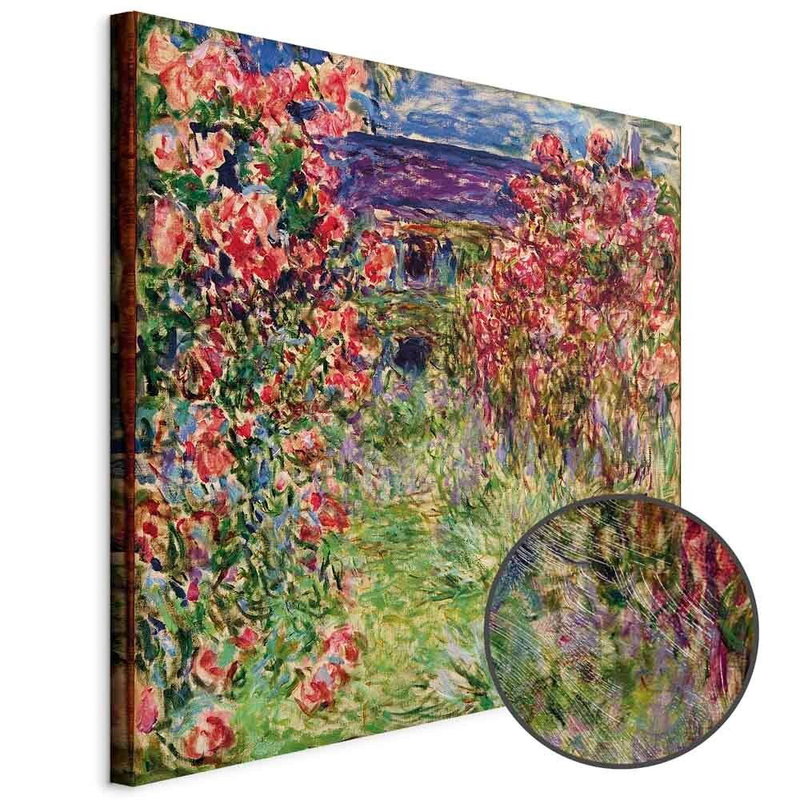
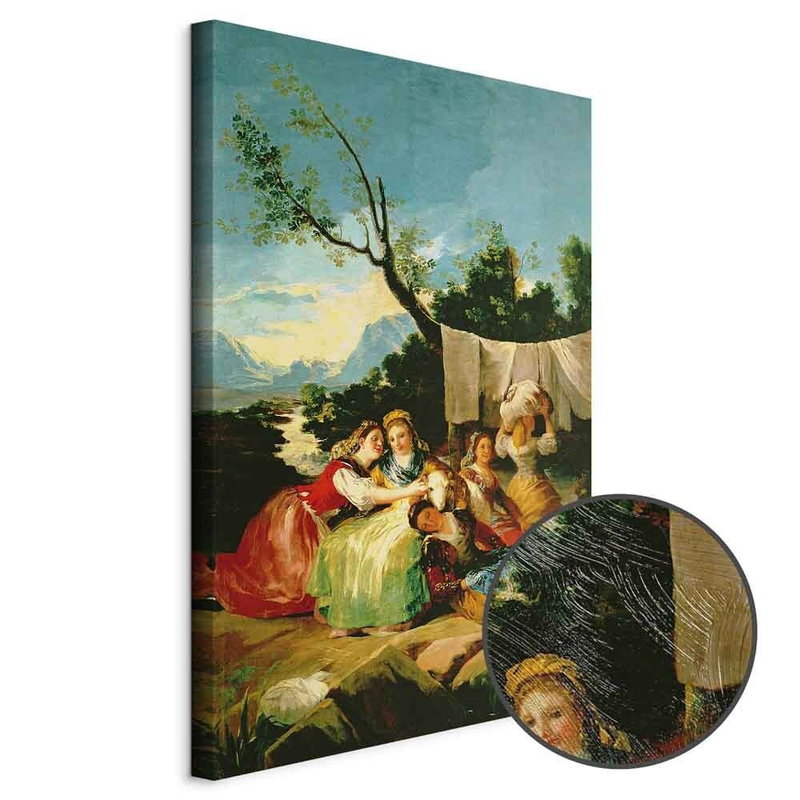
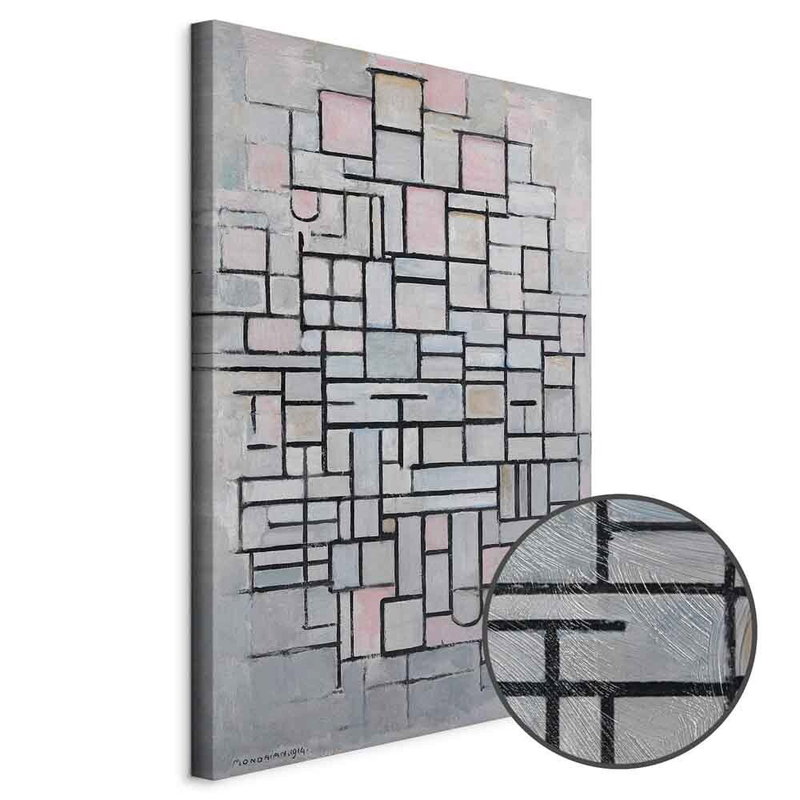
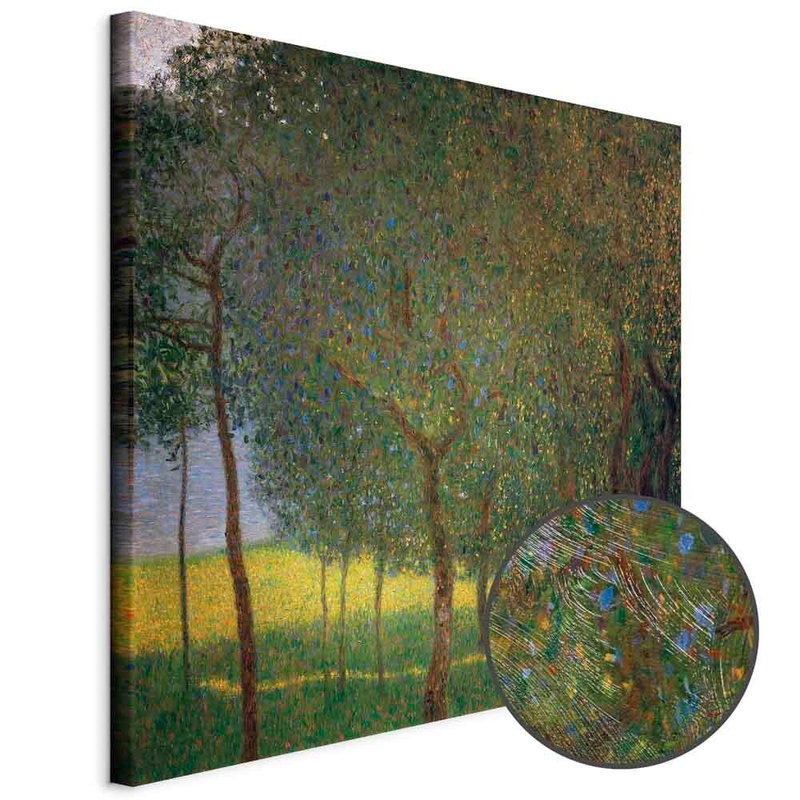
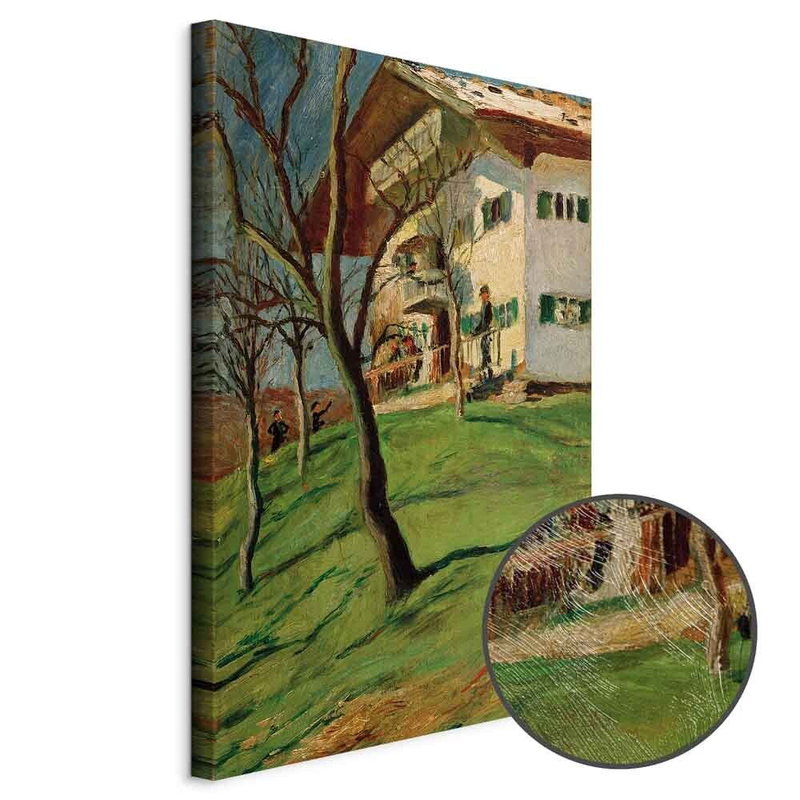
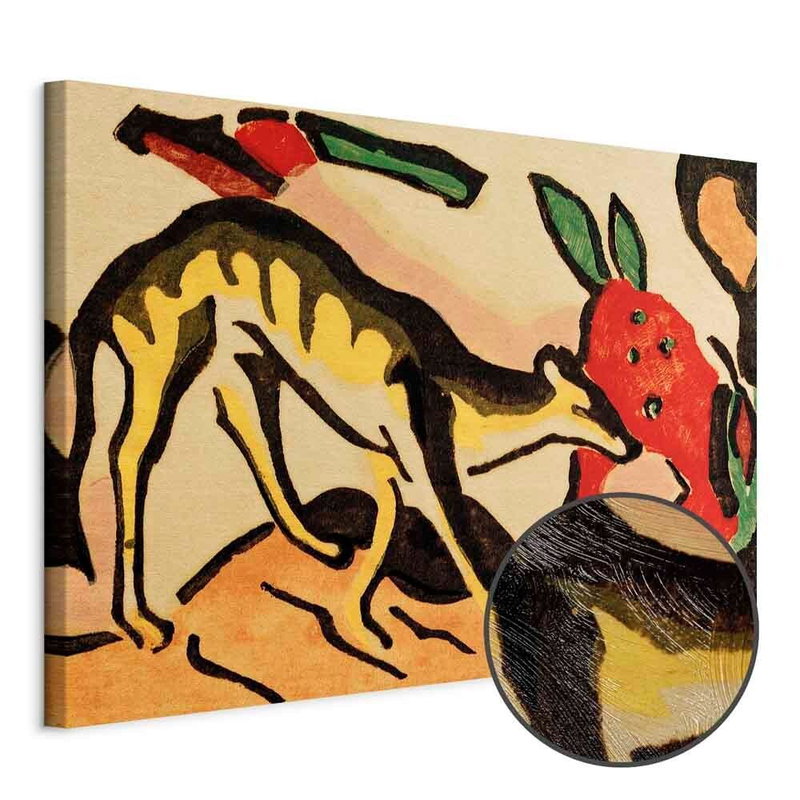
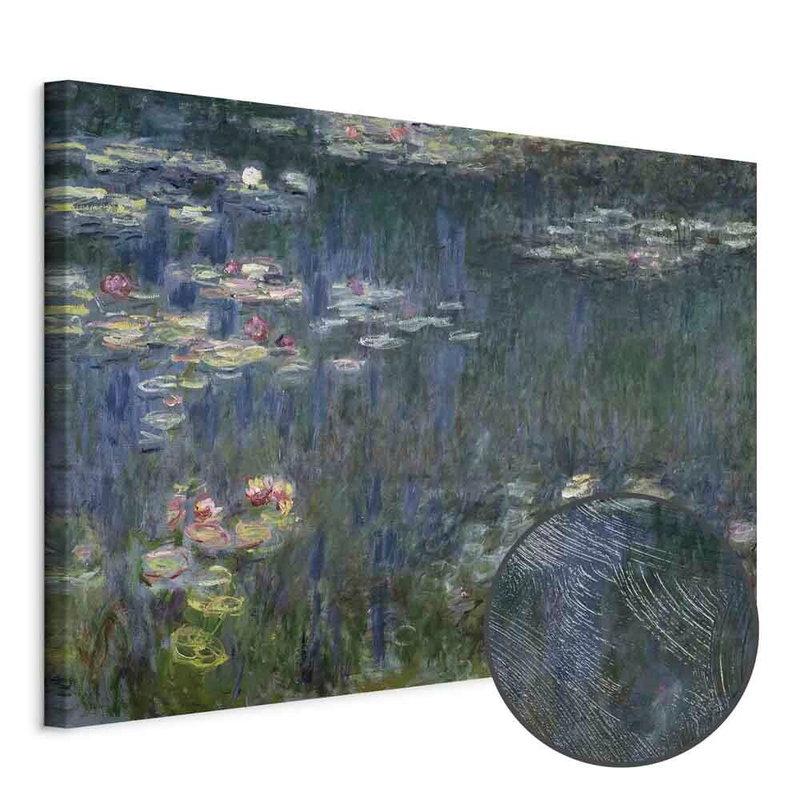
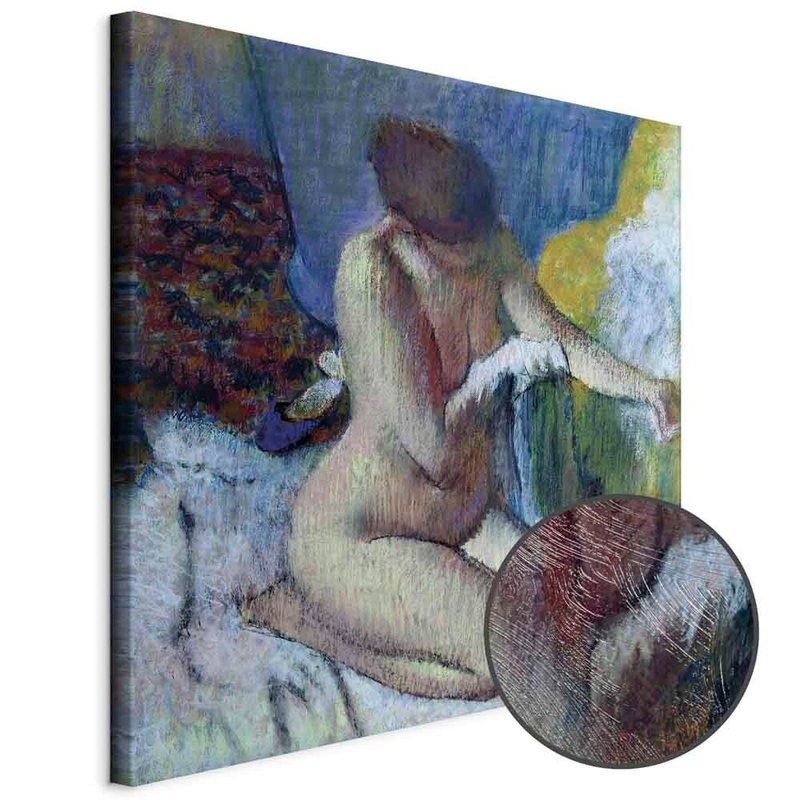
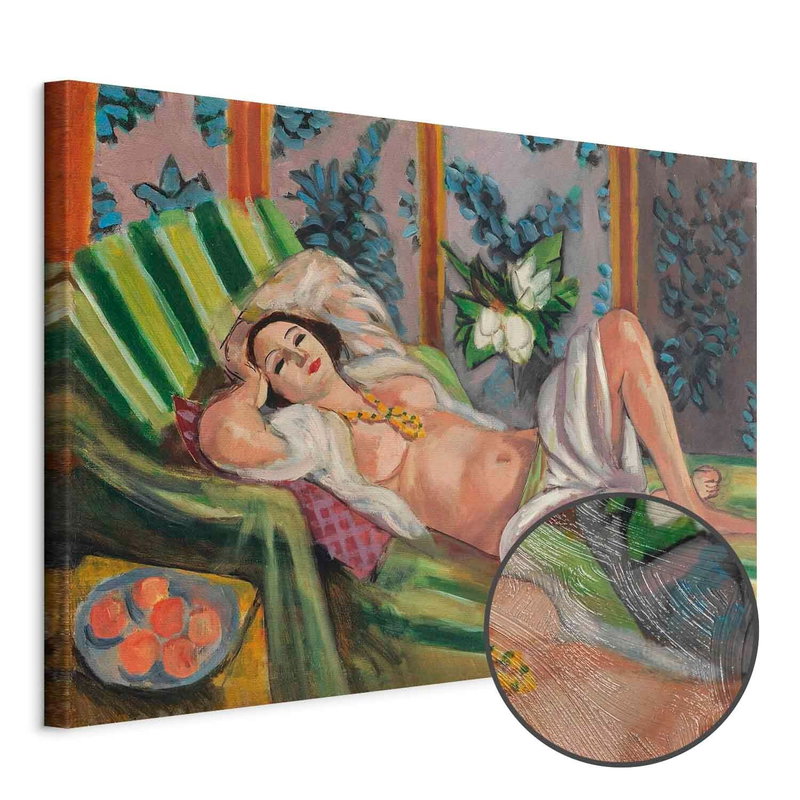
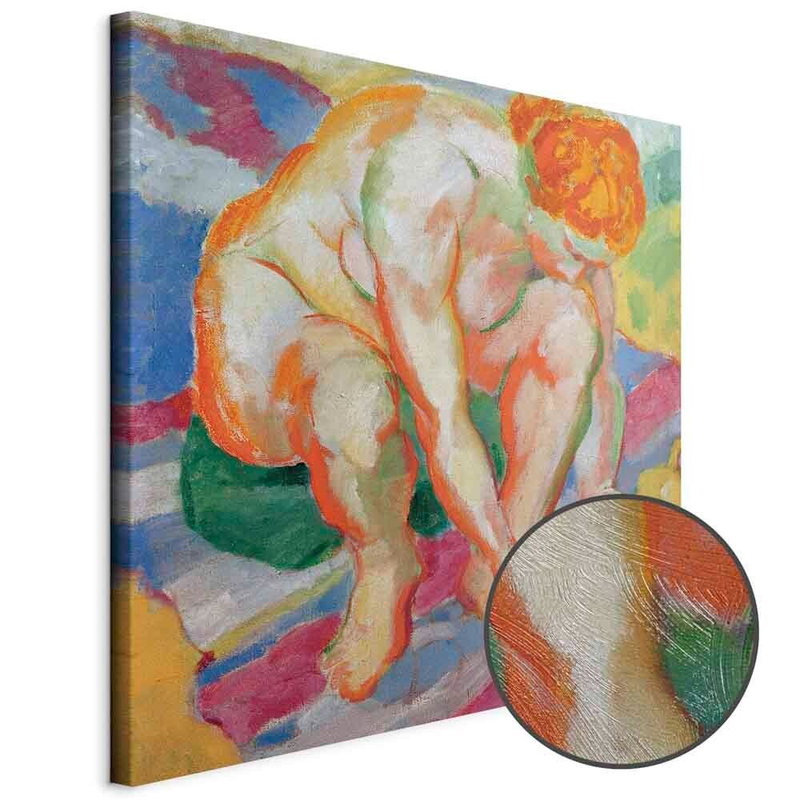
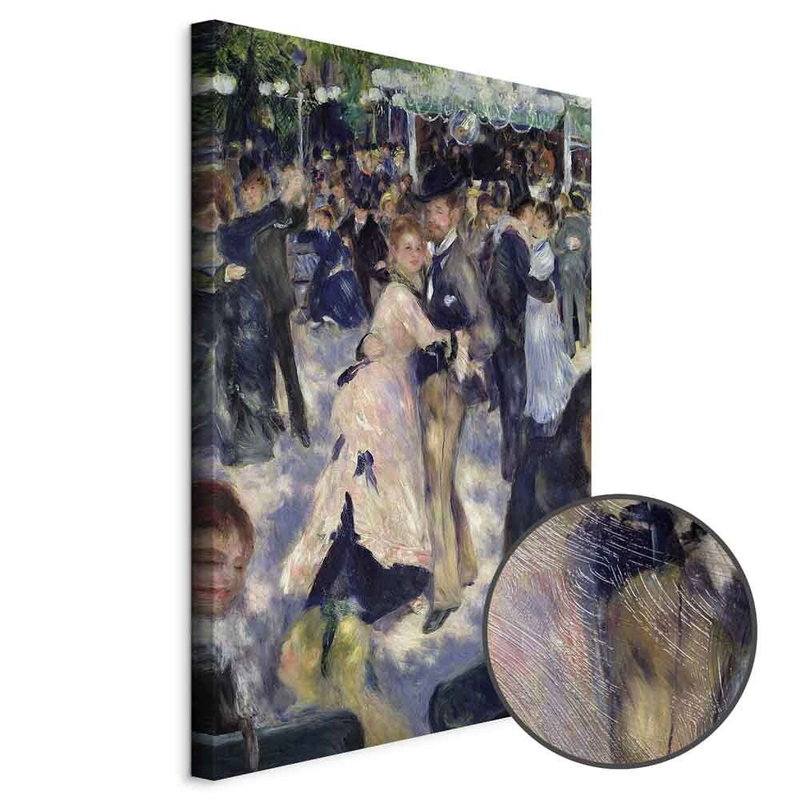

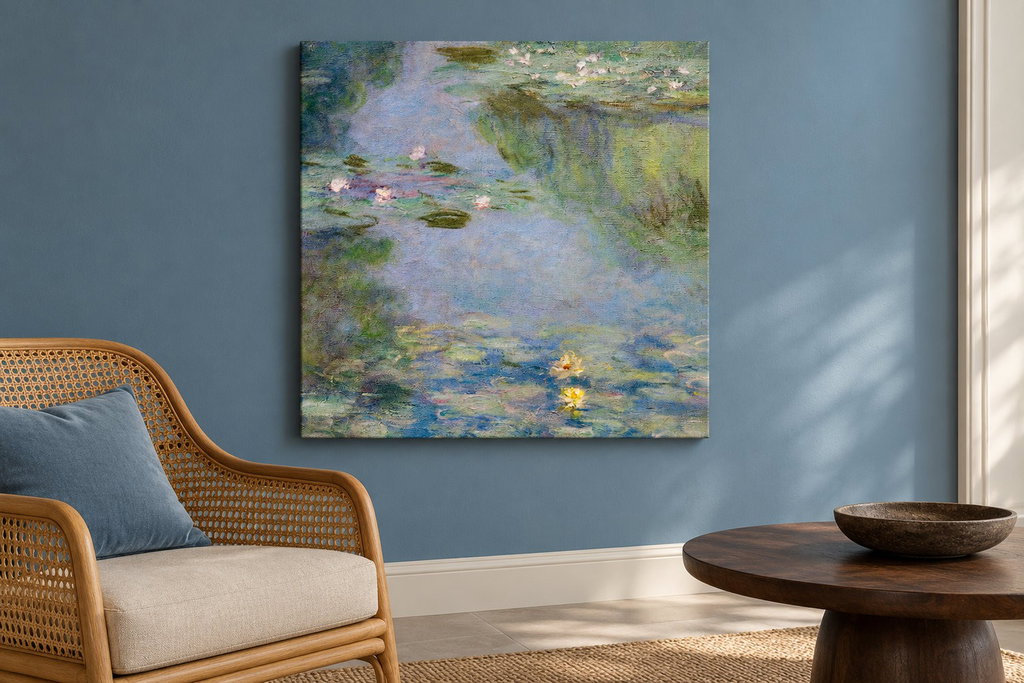
Classical compositions in a contemporary product format
This category brings together premium pictures where classical or painterly imagery is an important starting point. Motifs need to be assessed individually. The checked selection includes a landscape with a pagoda building, with the image continuing across several panels.
Look at the main image and read the verified information for your chosen motif. A classical style does not itself establish a particular artist or original work. If authorship or a work’s title is decisive for you, that information must be supported for the specific product.
A printed image and physical surface texture
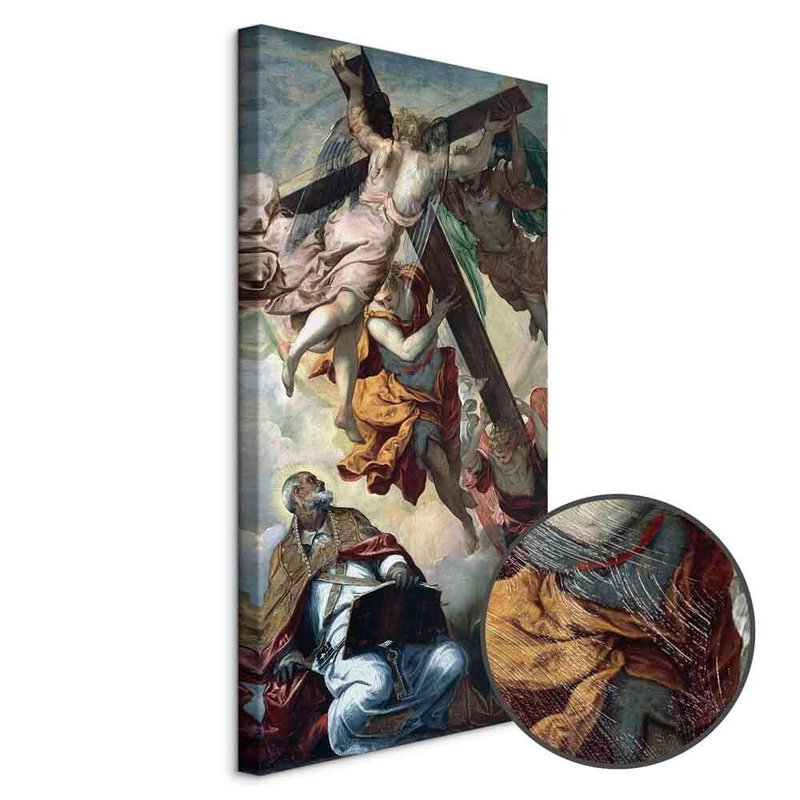
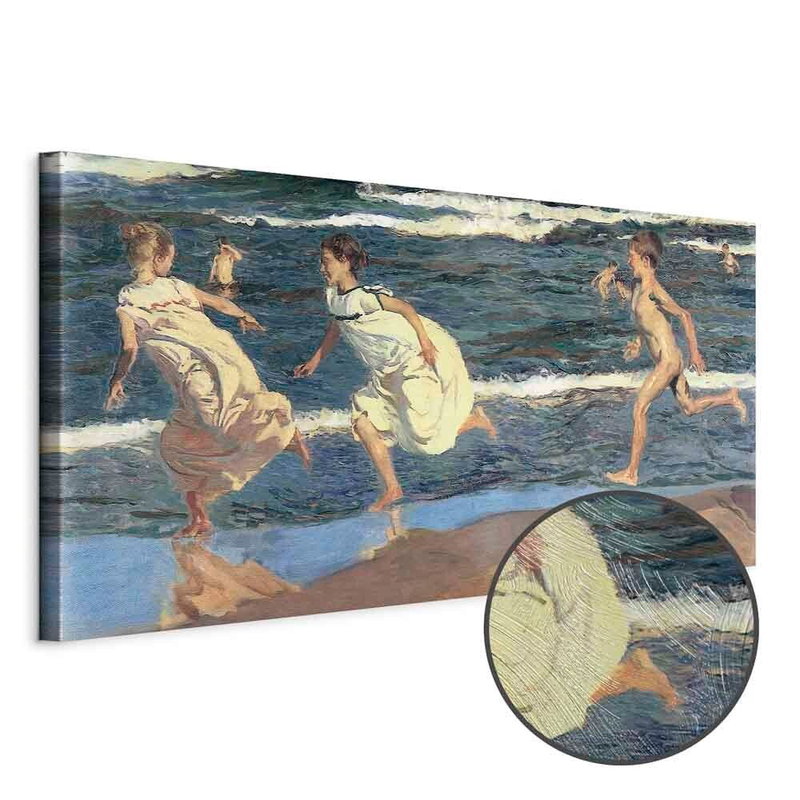
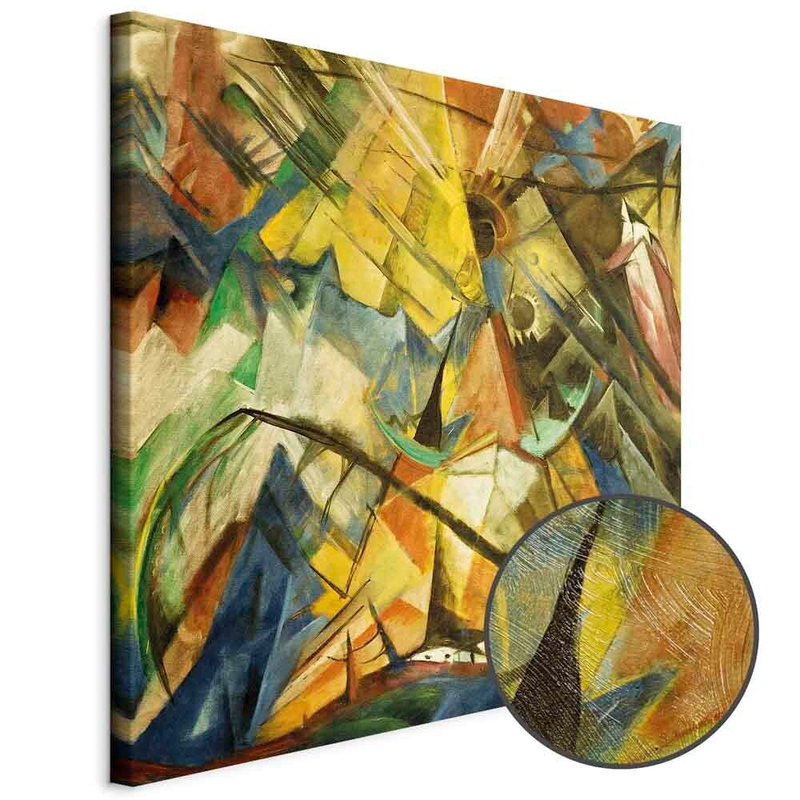
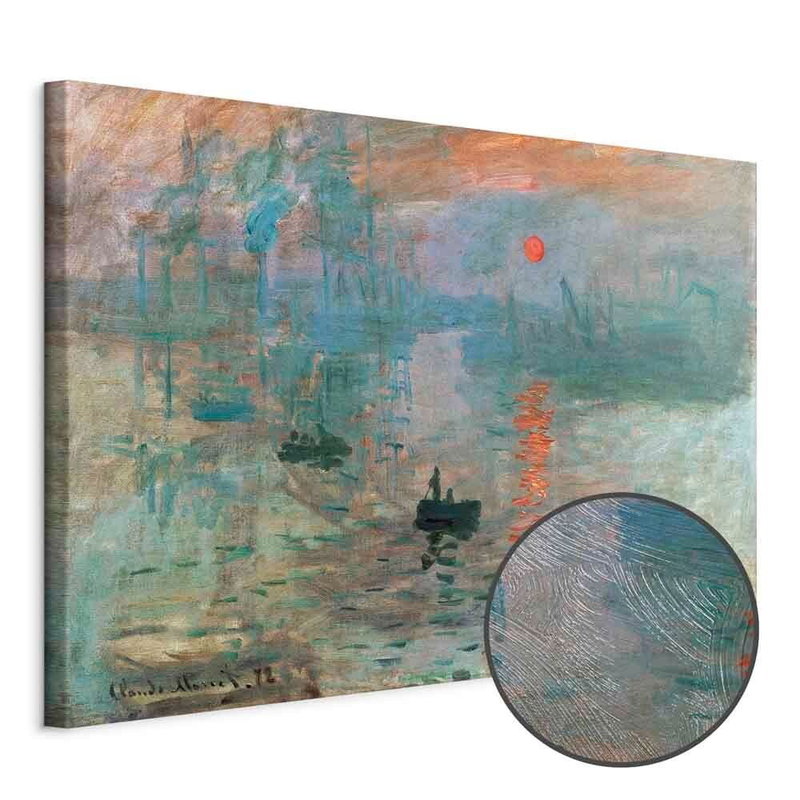
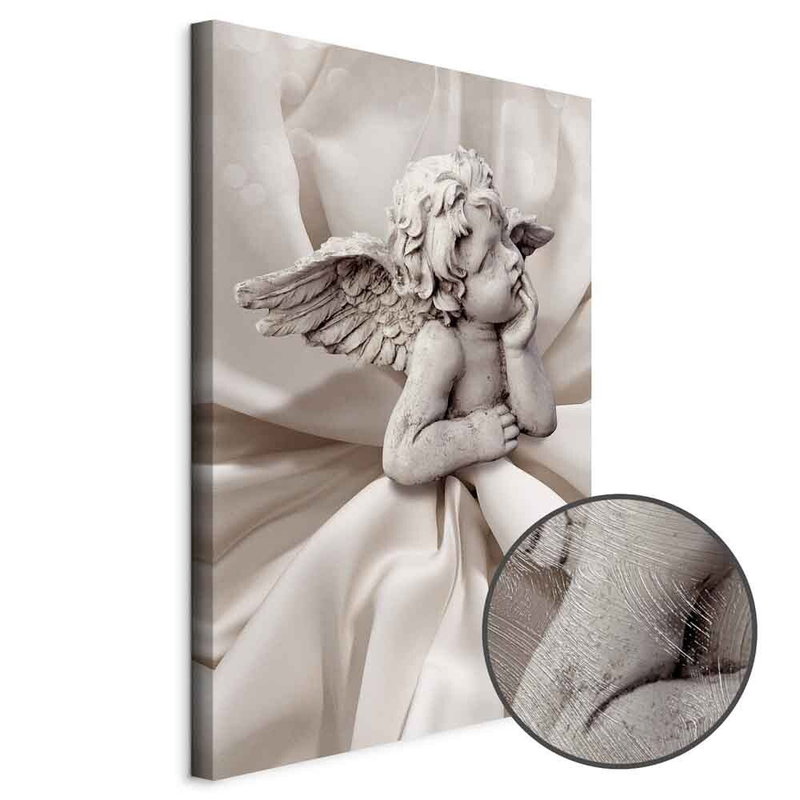
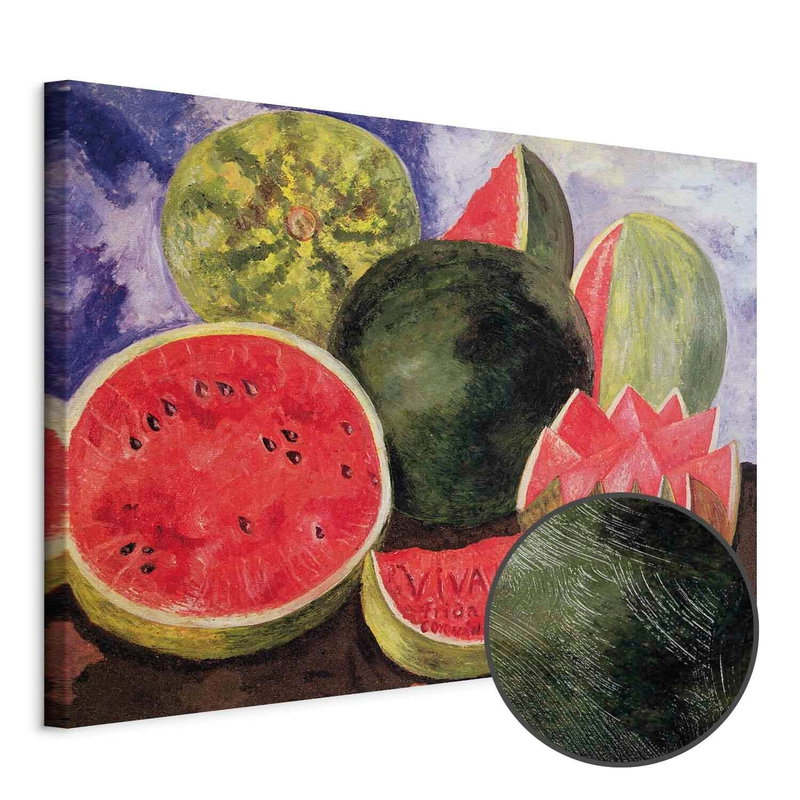
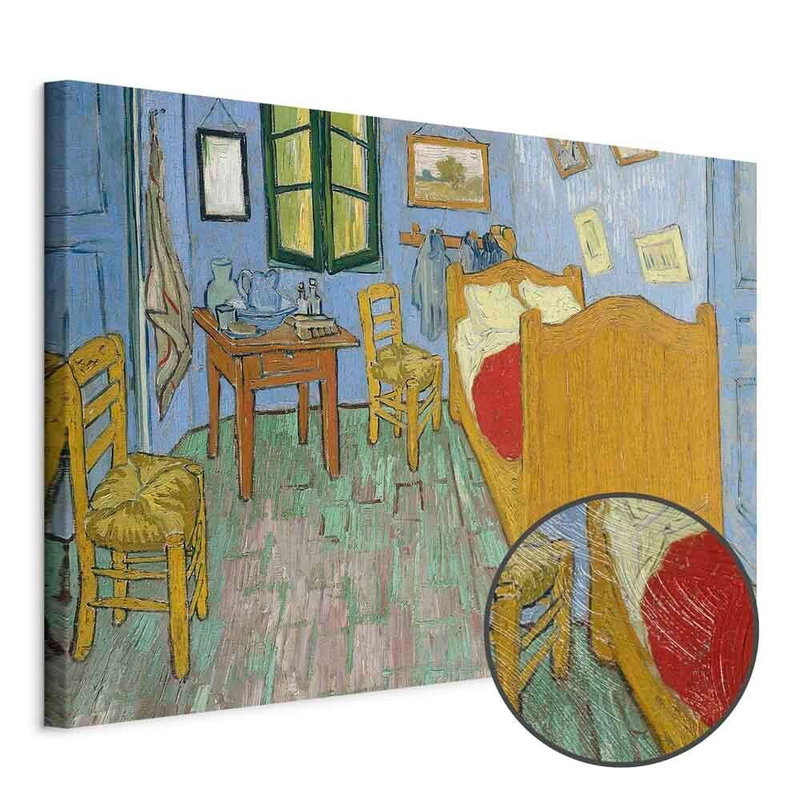
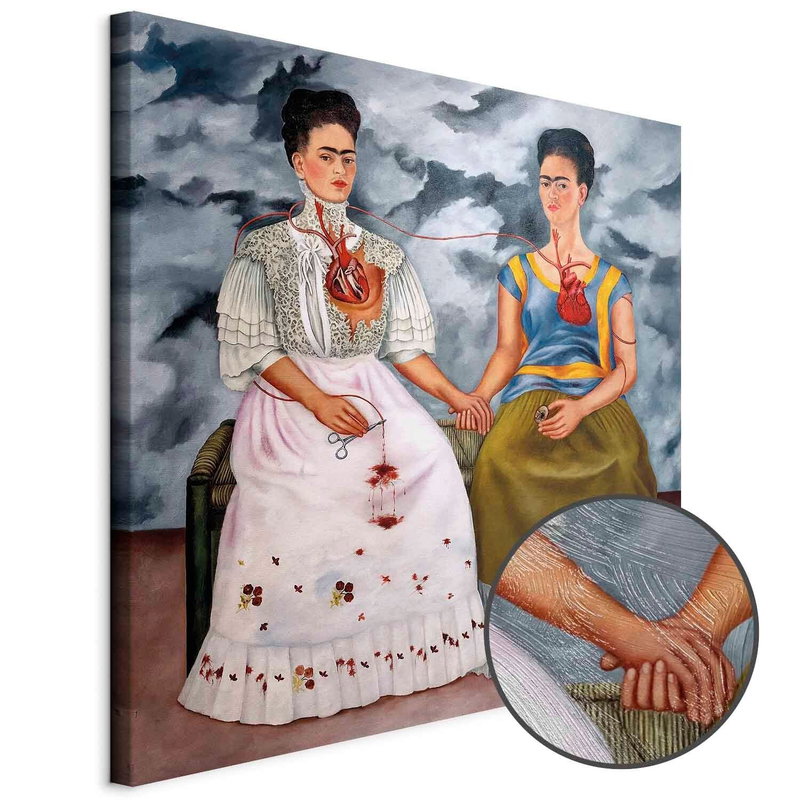
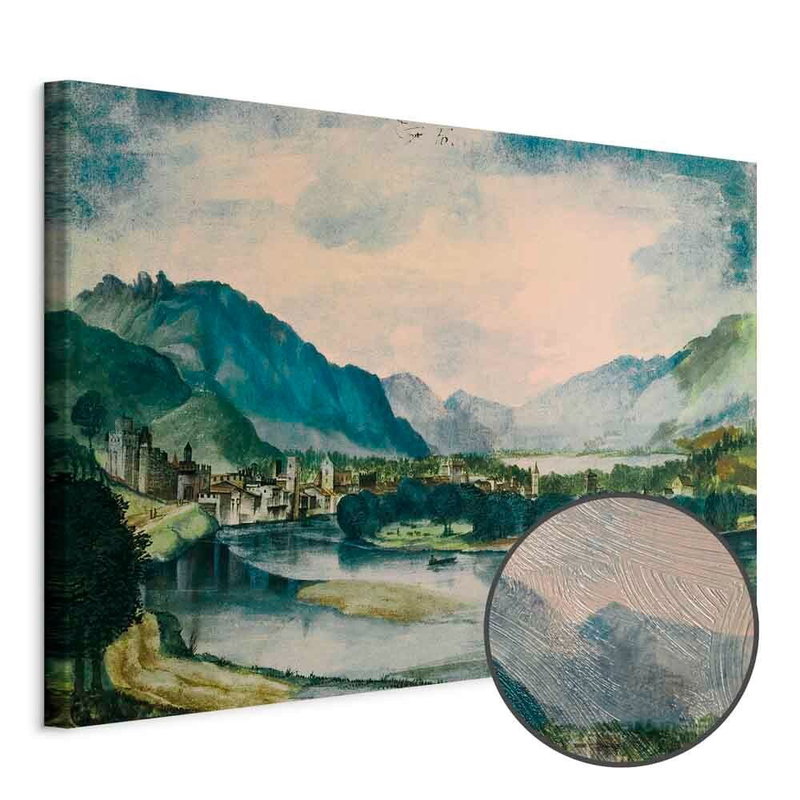
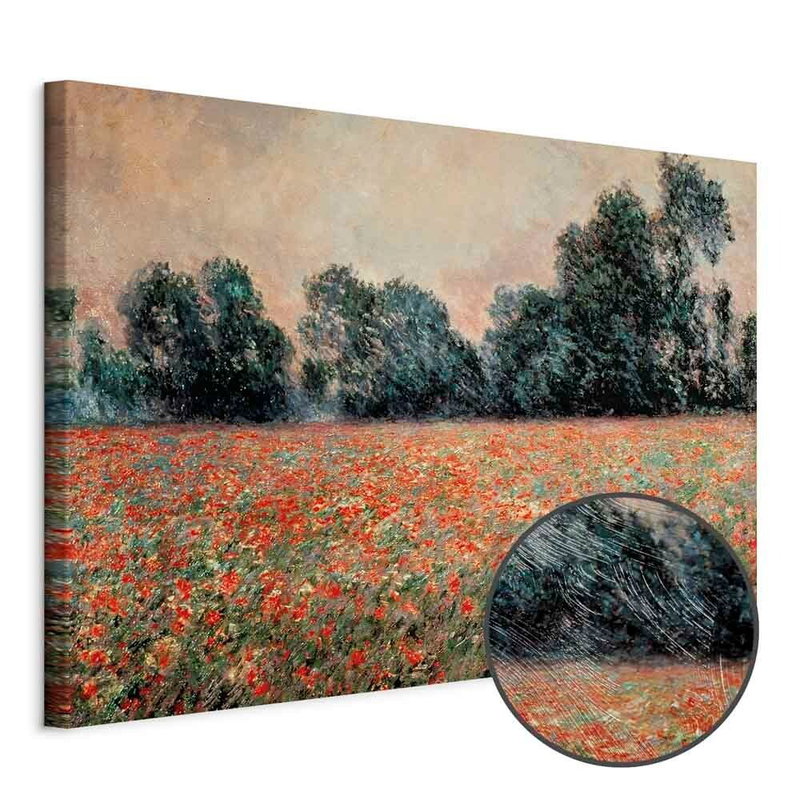
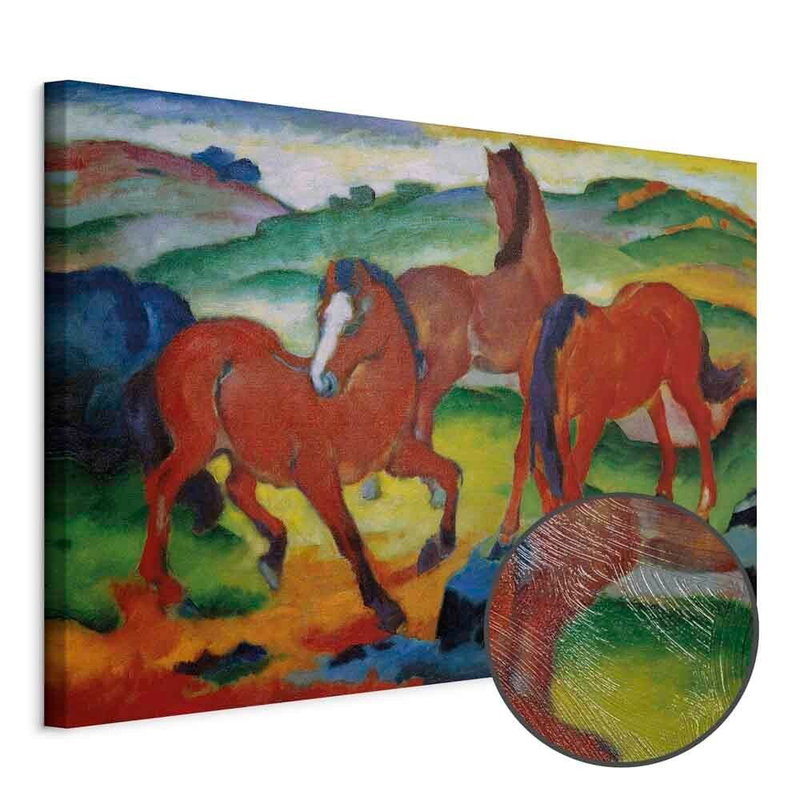
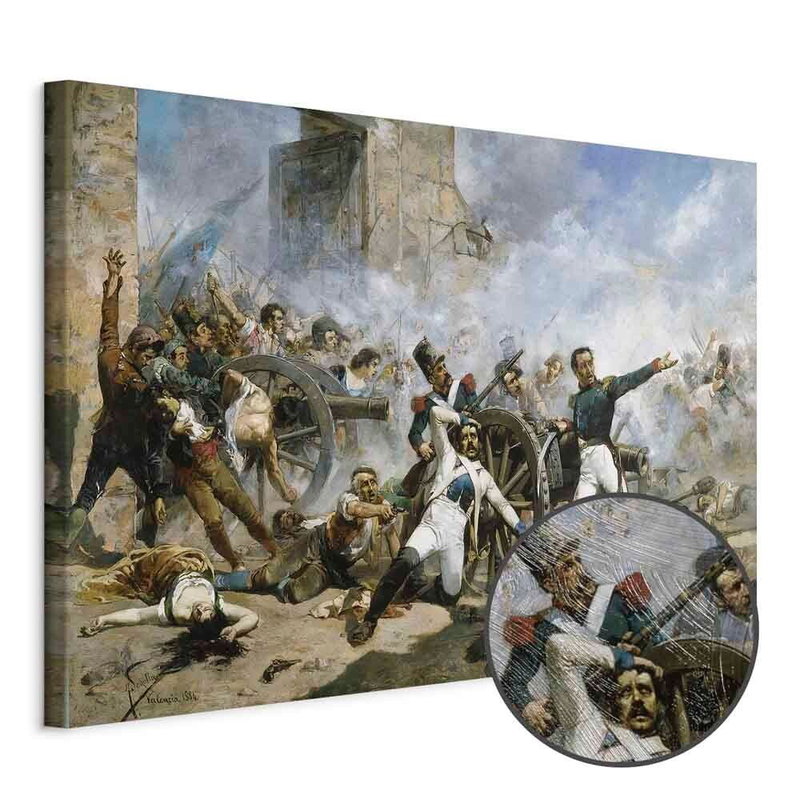
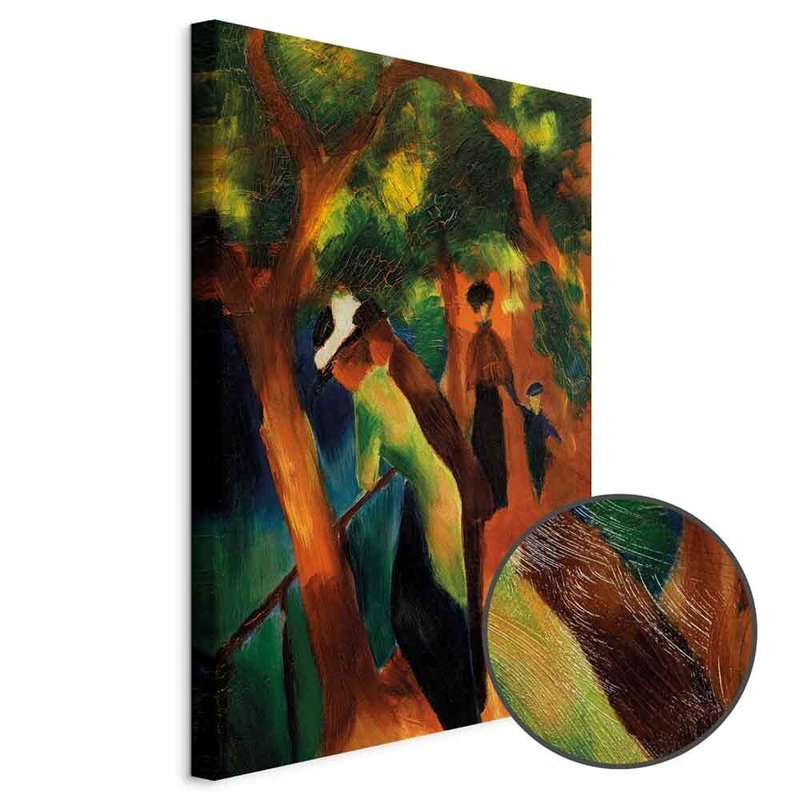
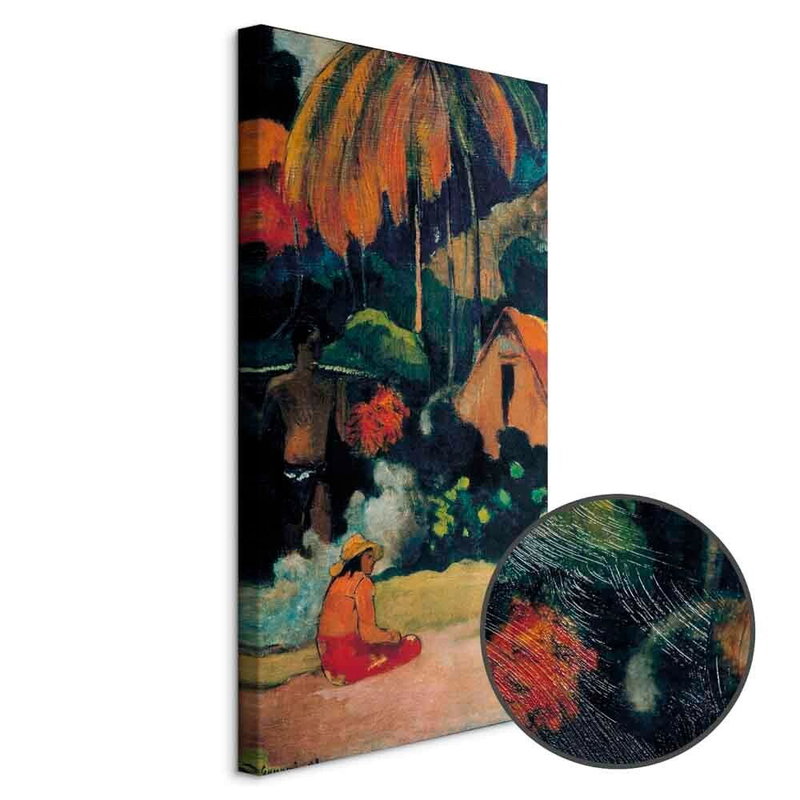
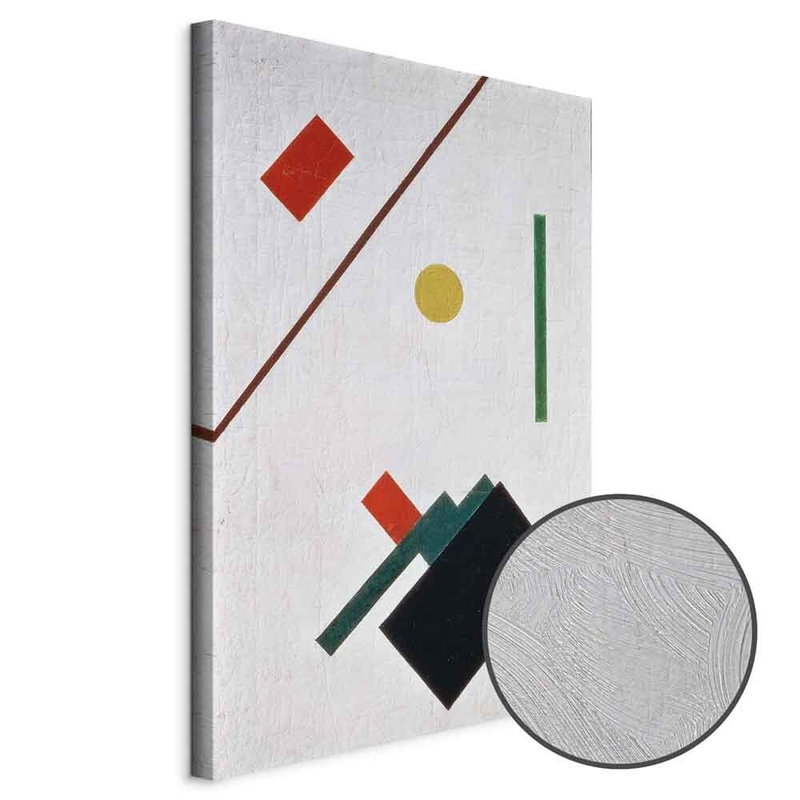
The premium picture has a printed motif treated with hand-applied clear gel. This creates physical surface texture and should be distinguished from an original painting or brushstrokes depicted within the image. The product finish is therefore a separate part of the choice alongside the motif’s artistic connection.
Compare the overall image with the product’s surface details. Composition, colours and the motif’s direction are often most prominent from a distance. Closer to the picture, the treated surface can become more significant. Consider how the image will usually be viewed in your planned setting.
Give the narrative room across one or several panels
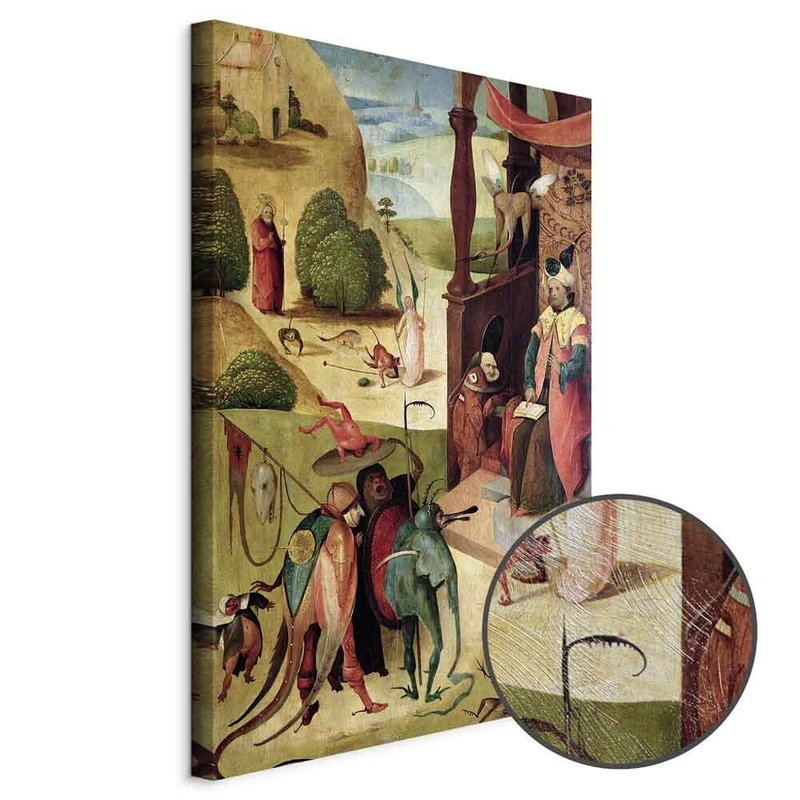
A classical scene can contain several focal points, with figures, buildings and landscape interacting. Choose a size that keeps the elements you appreciate visible from your seat. A detailed motif needs different consideration from a simple silhouette.
Check whether the composition consists of a single picture or several panels. For multi-panel products, combine panel dimensions with the recommended gaps. Measure the clear wall around the furniture and plan hanging before installation so the different parts have a considered position.
A decorative choice with sound-absorbing construction
Behind the printed motif is an absorbent construction that can help reduce reverberation. The classical style and surface treatment do not themselves imply a particular acoustic performance. Assess the documented construction and total area alongside the room’s other materials.
Read the model’s mounting and care guidance and handle the treated surface gently. A classically inspired image can draw together a seating area or workspace, but practical positioning must always be based on the particular product’s dimensions, construction and instructions.
Read the foreground and background
A narrative composition may contain several layers discovered in different orders. What stands out first from a distance need not be the detail appreciated closer to the picture. Compare buildings, figures and natural forms as parts of a whole, and choose which should be clearest from the room’s usual positions.
If a landscape occupies most of the surface, its open areas may carry as much weight as the depicted building. Notice how depth is created and where the eye rests. A well-chosen size preserves important relationships between elements without every small detail needing to dominate.
Classical imagery in a contemporary interior
You need not give the entire room a historical style to use a classical image. A tone can relate to a modern fabric or simple furniture while the narrative remains the clearest contrast. Choose a few connections rather than having every furnishing imitate the depicted setting.
Look at the wall around the picture too. A detailed scene may read more easily when nearby ornaments and images have a quieter expression. When combining artworks, try different gaps and compare the whole before choosing the final order.
Compare the crop of the version offered
The main product image shows how the composition is presented in that finish. Check important elements near edges or gaps, particularly in a divided scene. Do not assume another size automatically provides a wider crop or the same distribution across panels.
Read variant information alongside the images and use the stated dimensions in planning. Your choice then rests on the actual picture offered, while its artistic connection may be why the subject interests you. The construction and instructions remain the basis for hanging and use.