



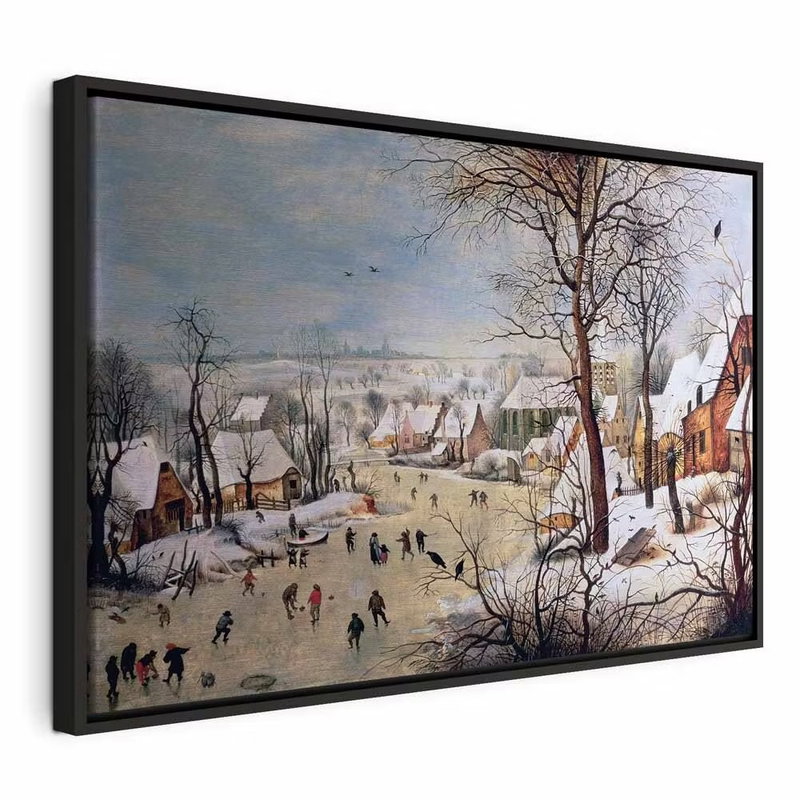
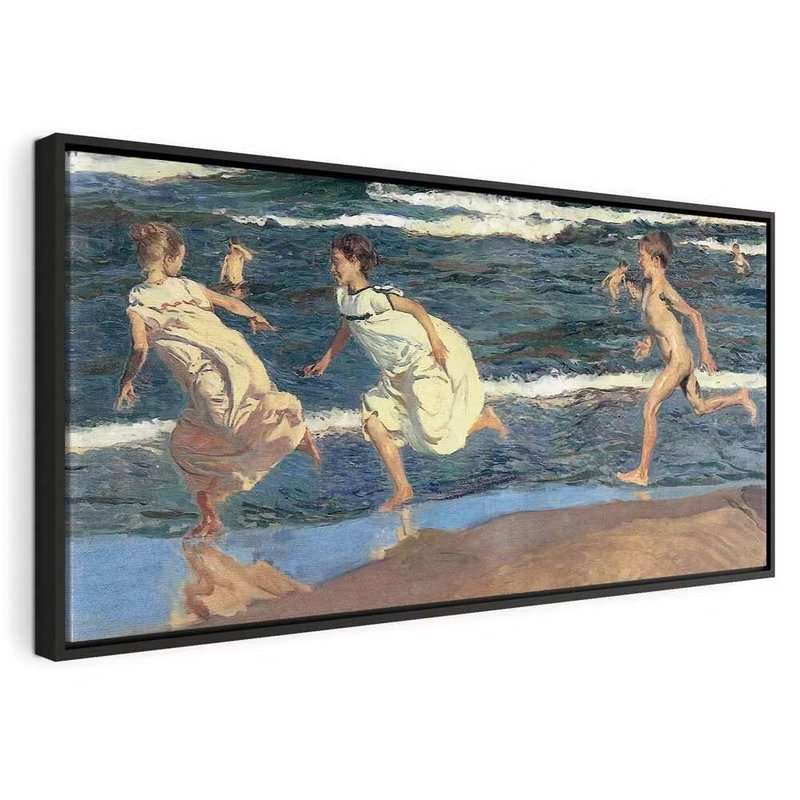
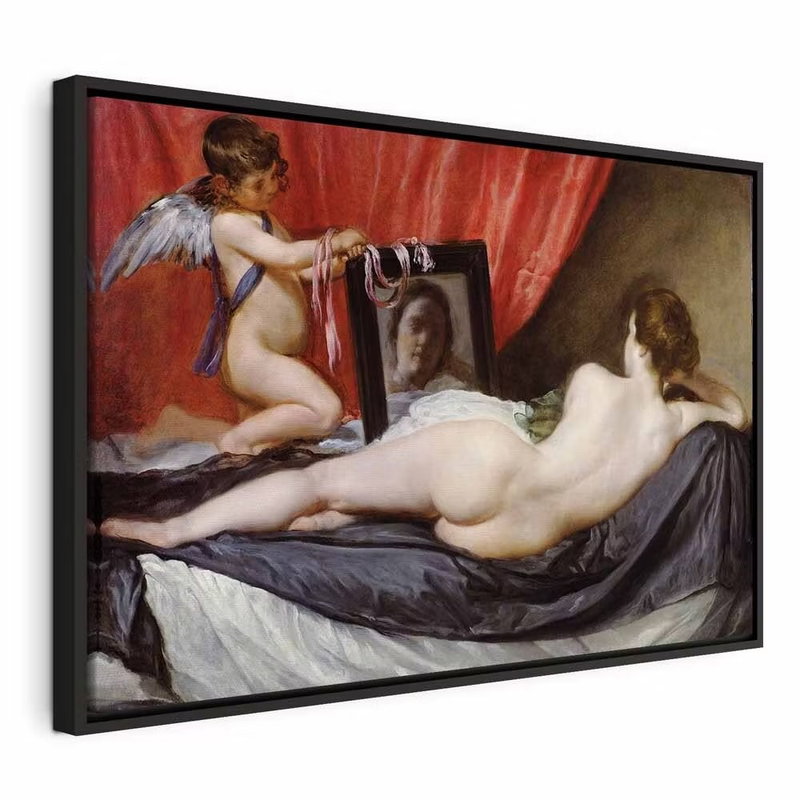
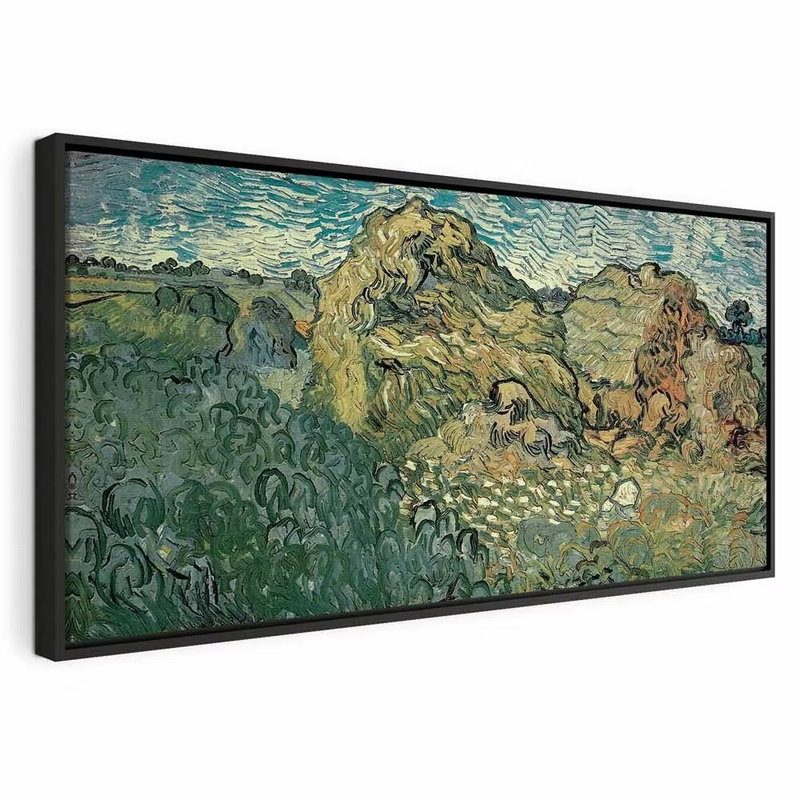
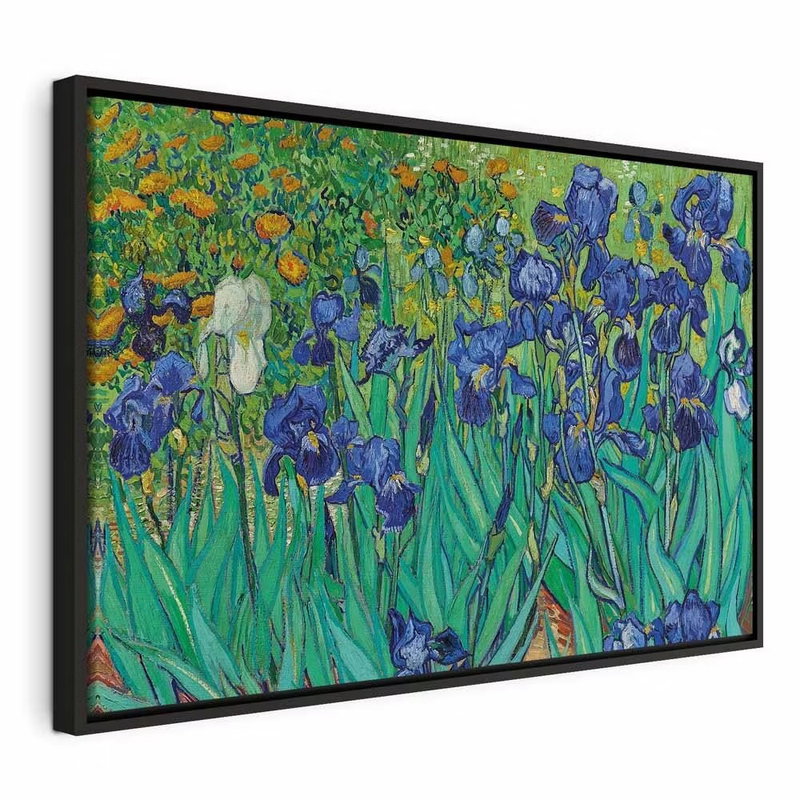
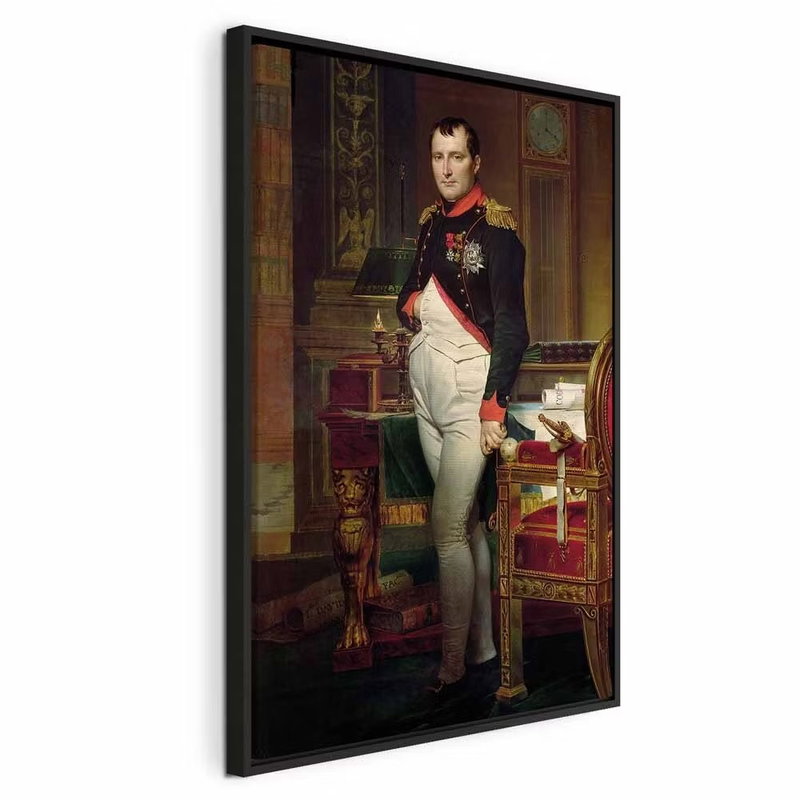
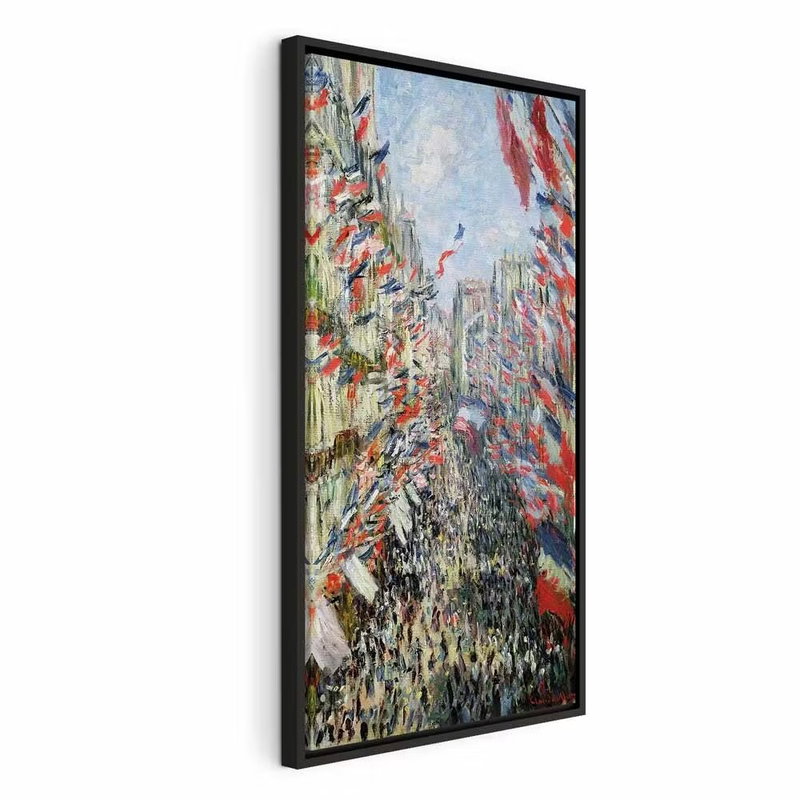
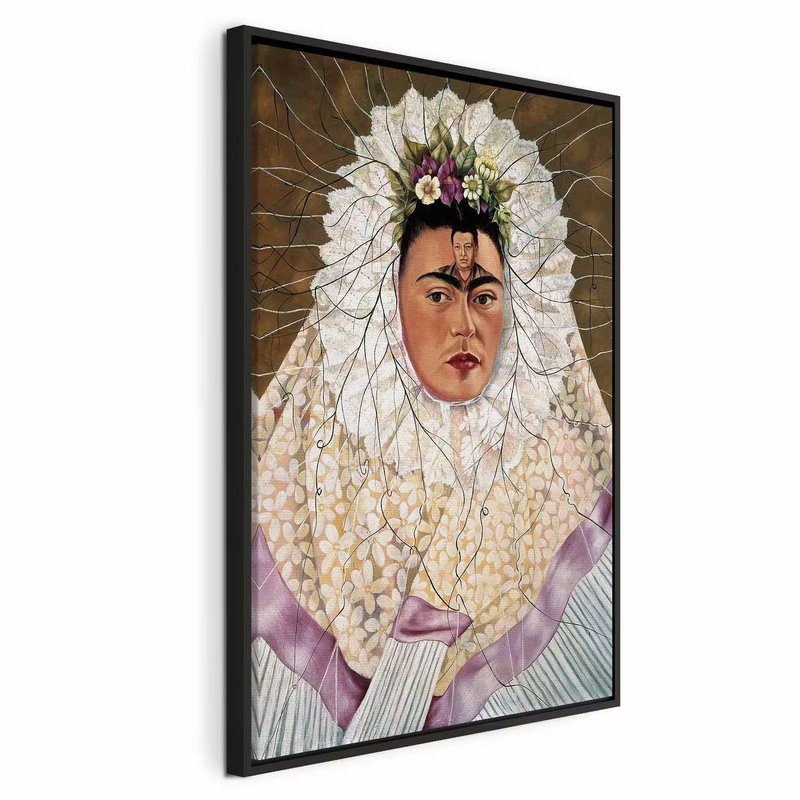
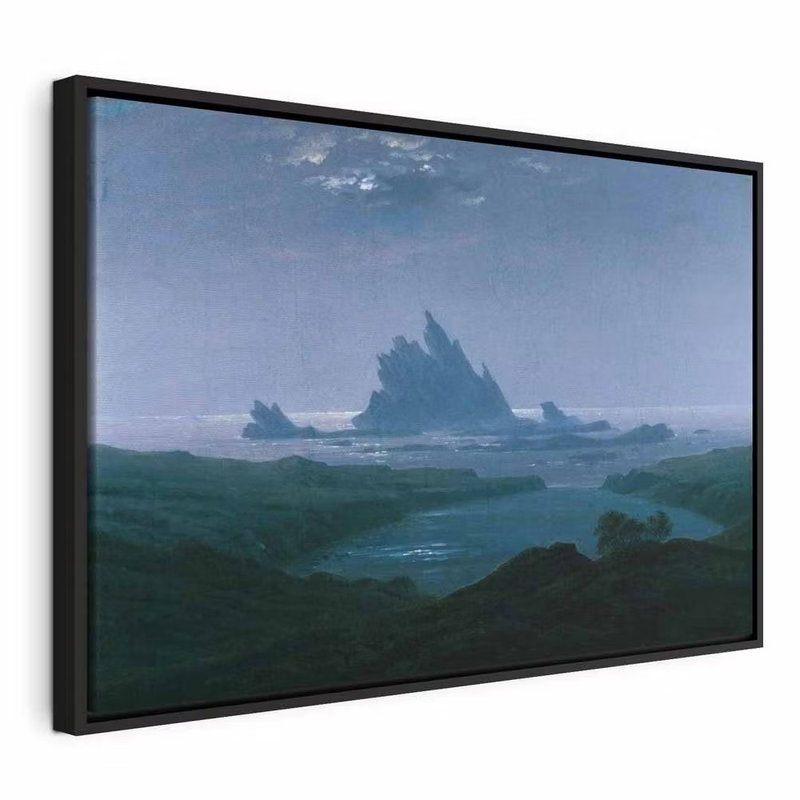
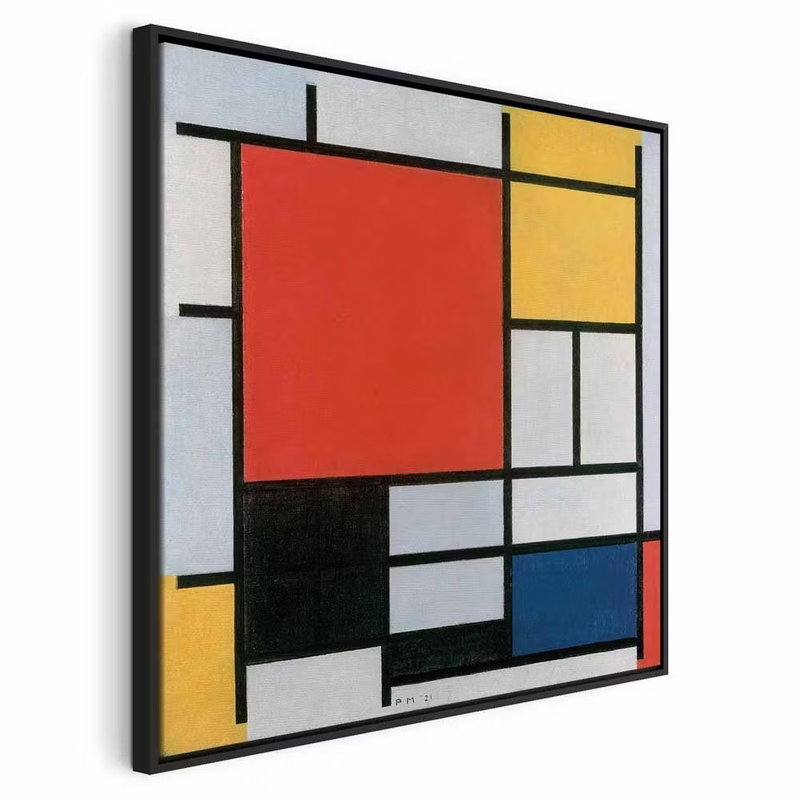
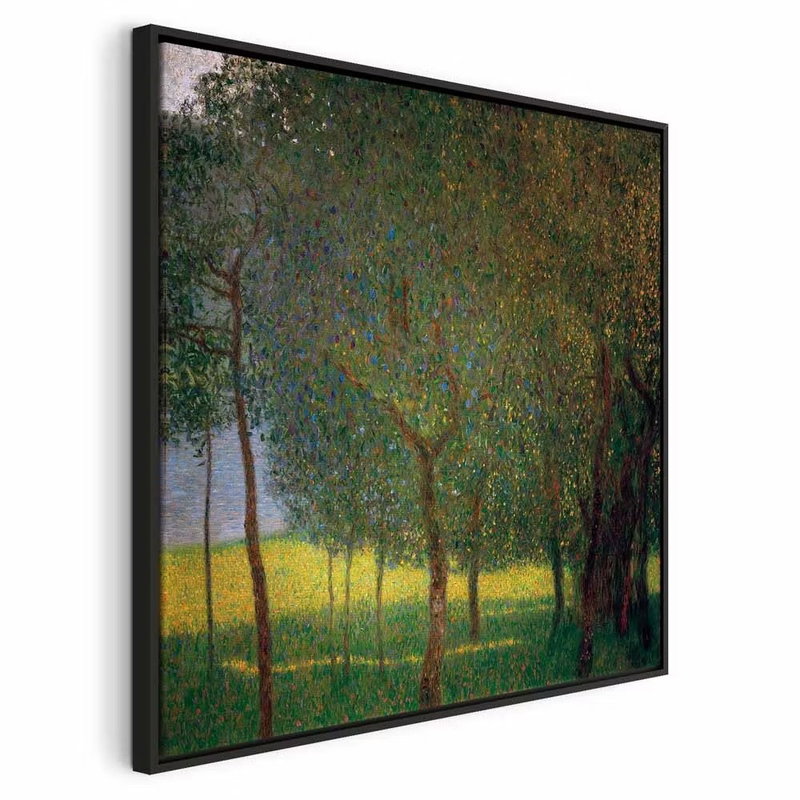
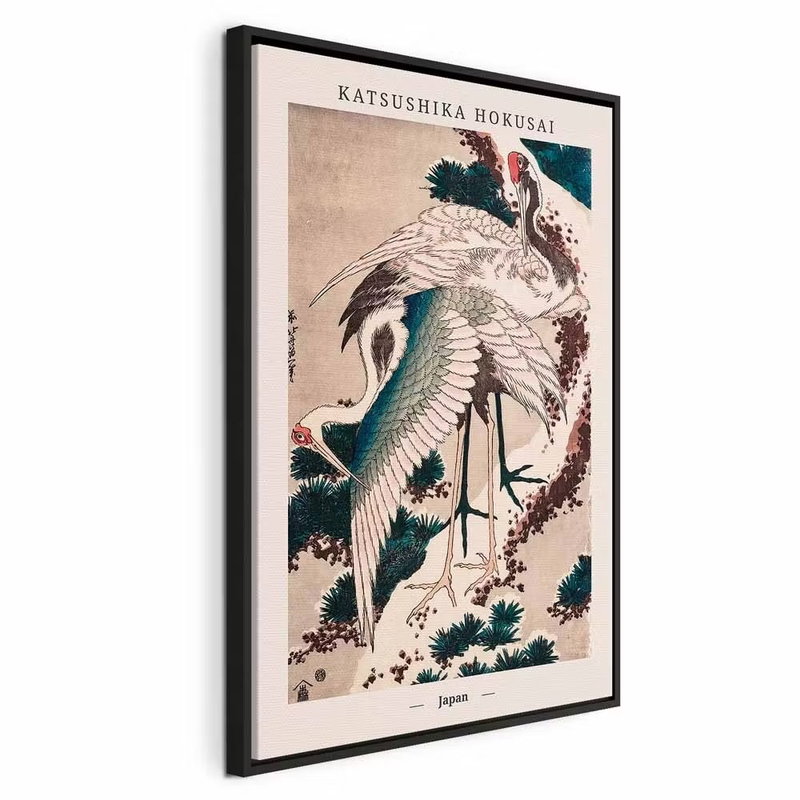


Classical compositions reproduced on an acoustic picture
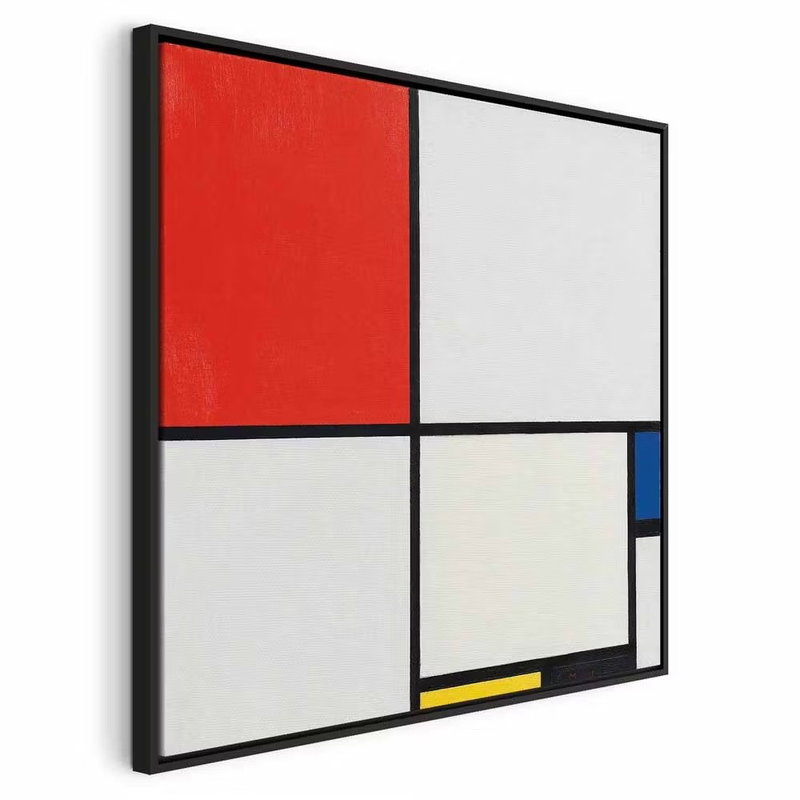
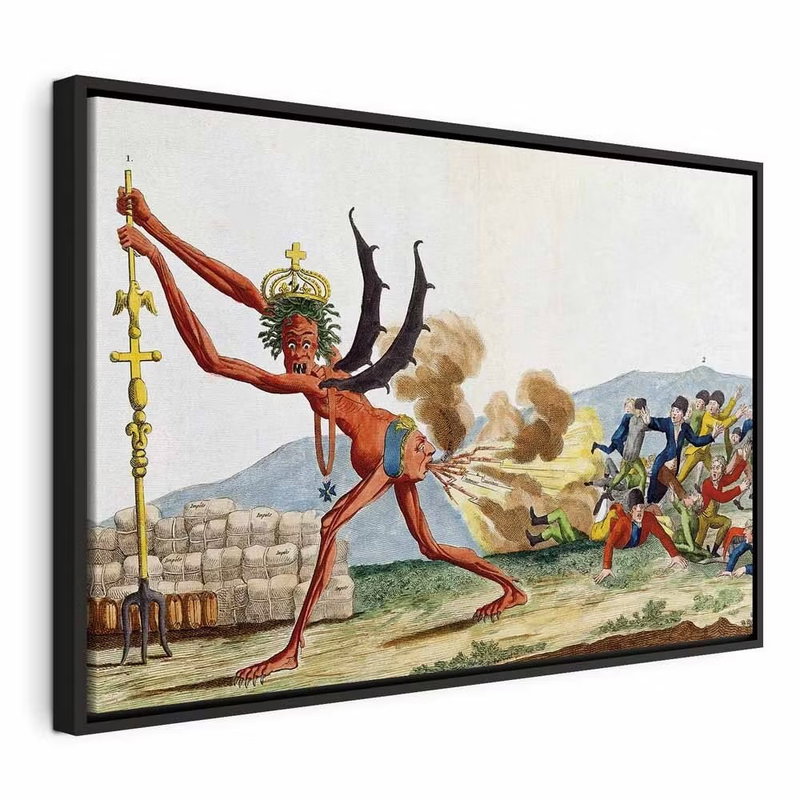
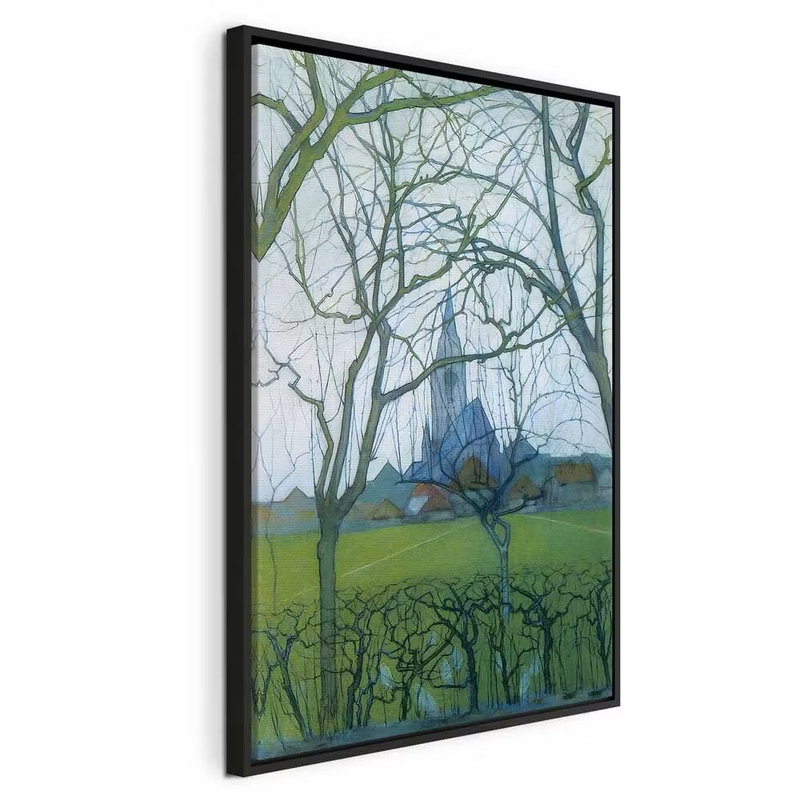
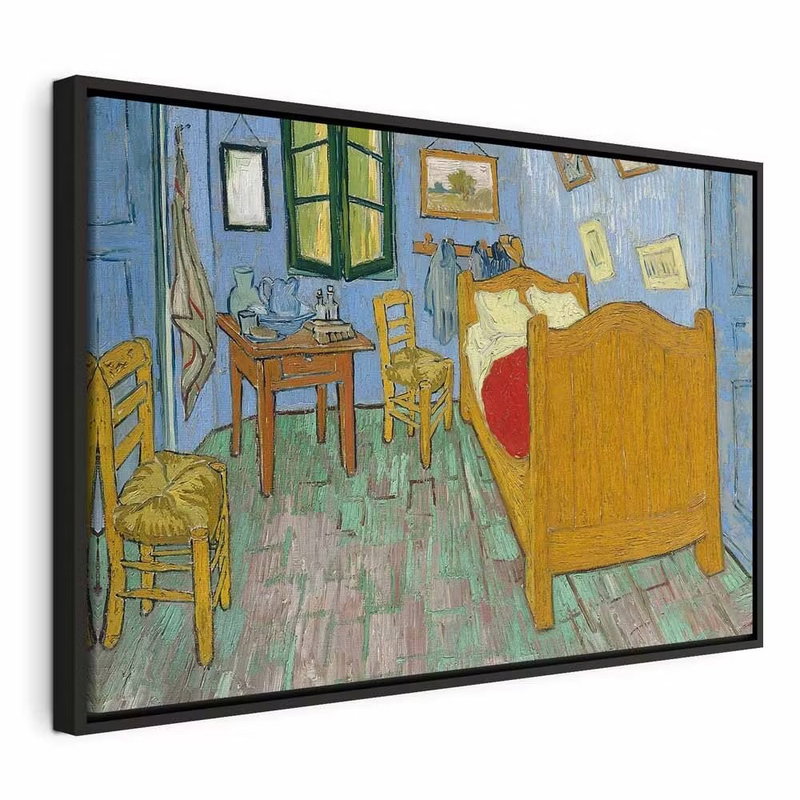
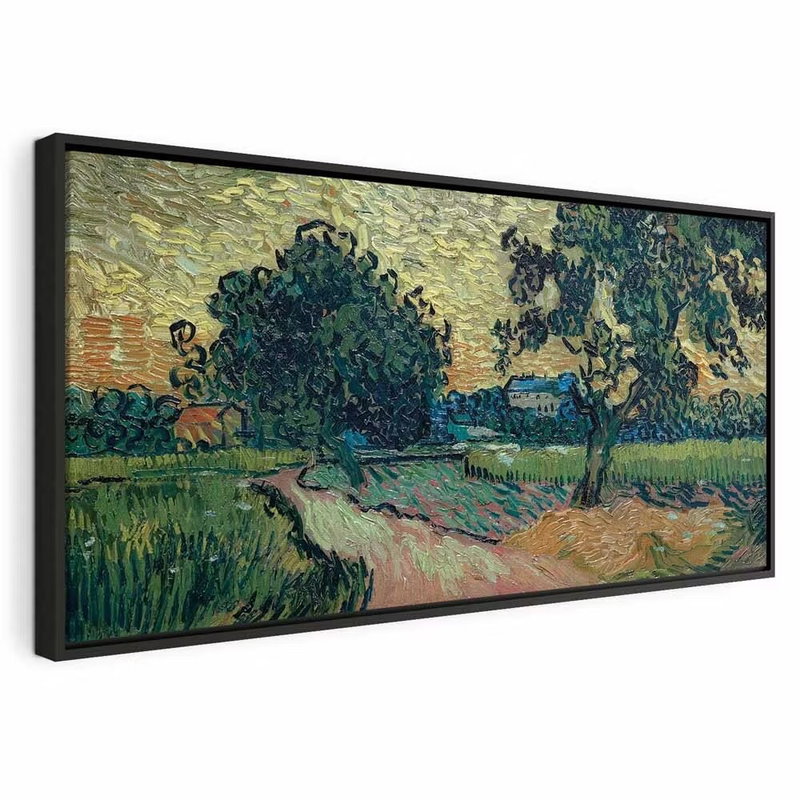
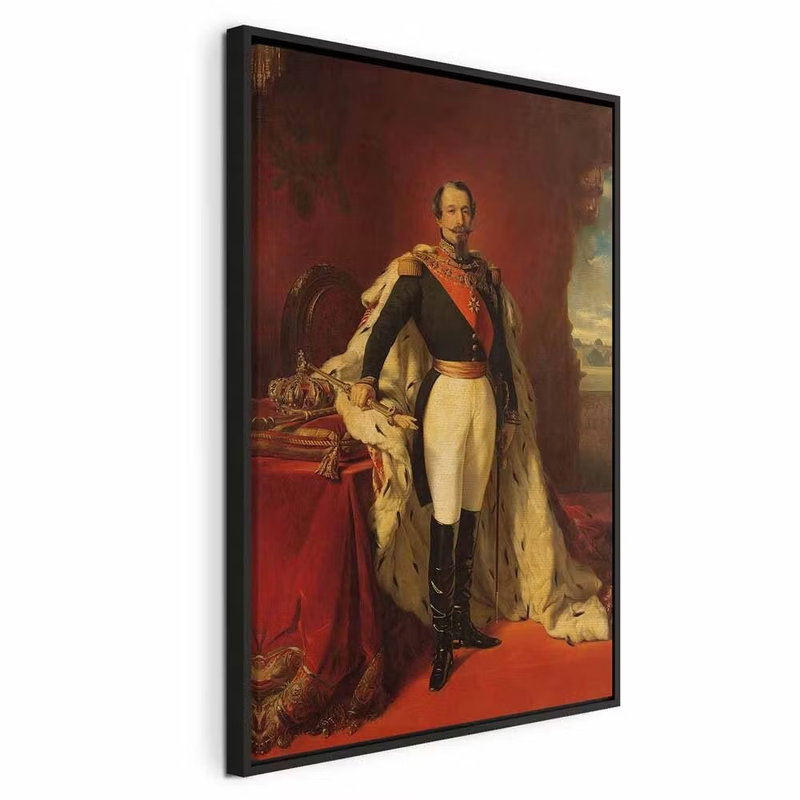
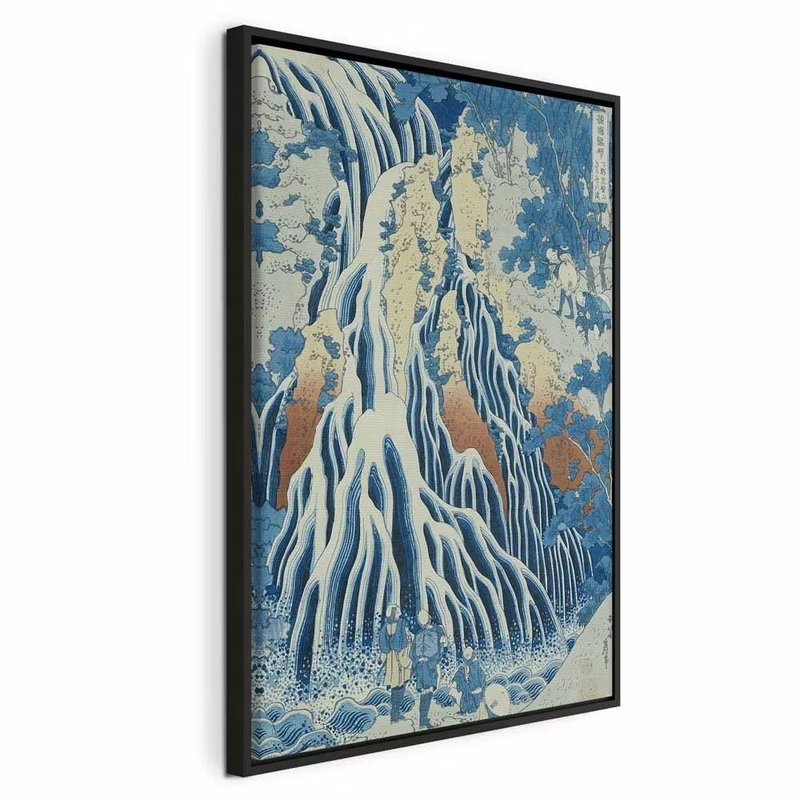
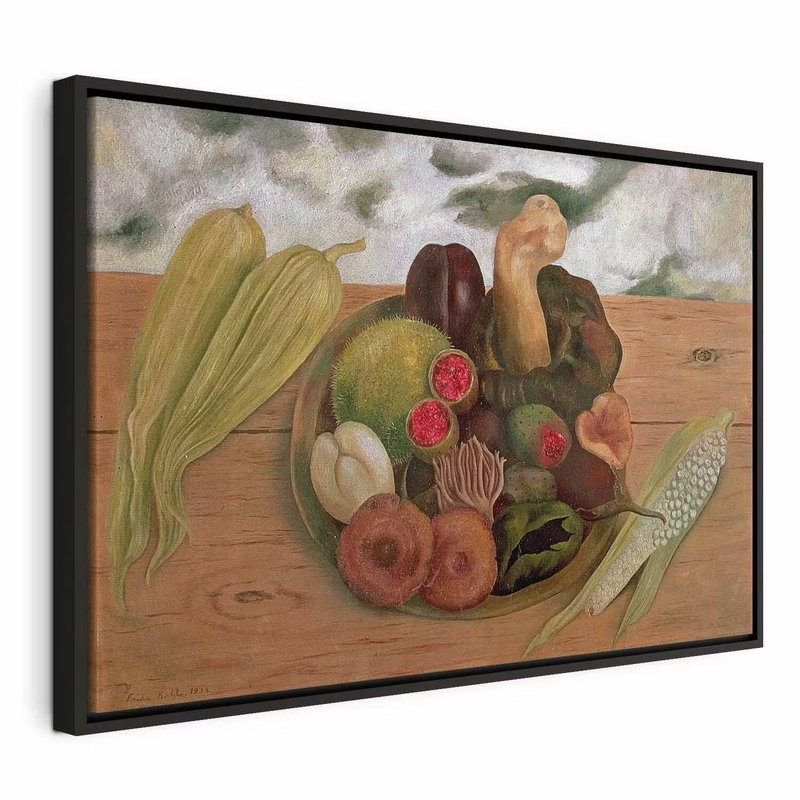
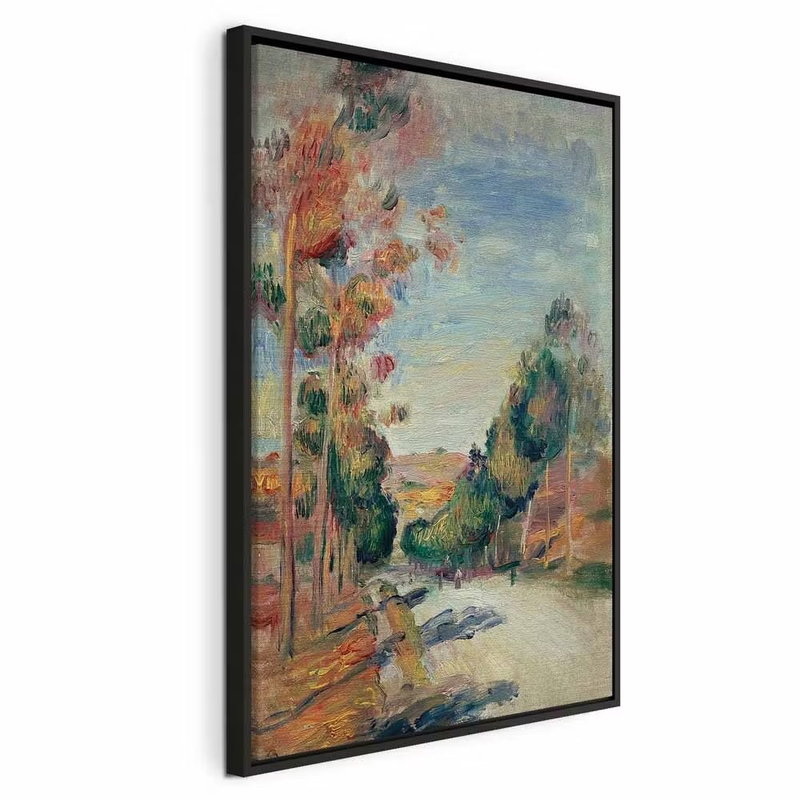
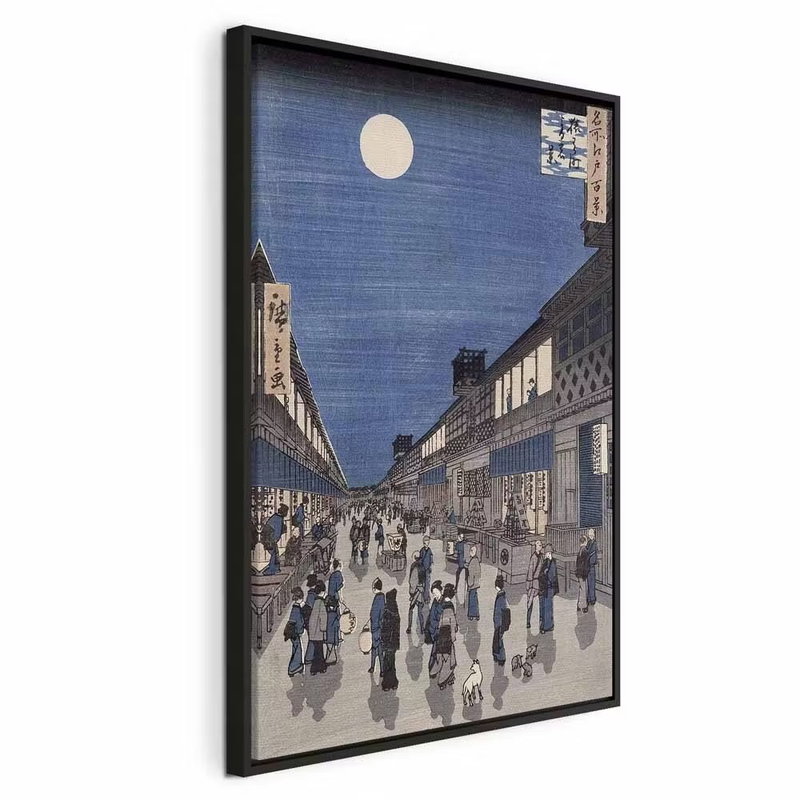
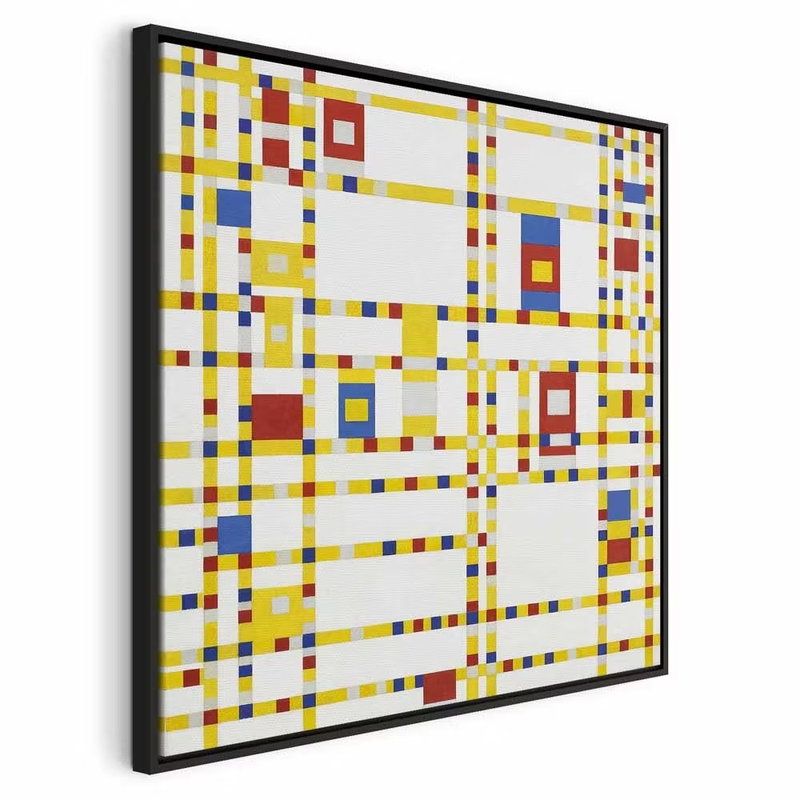
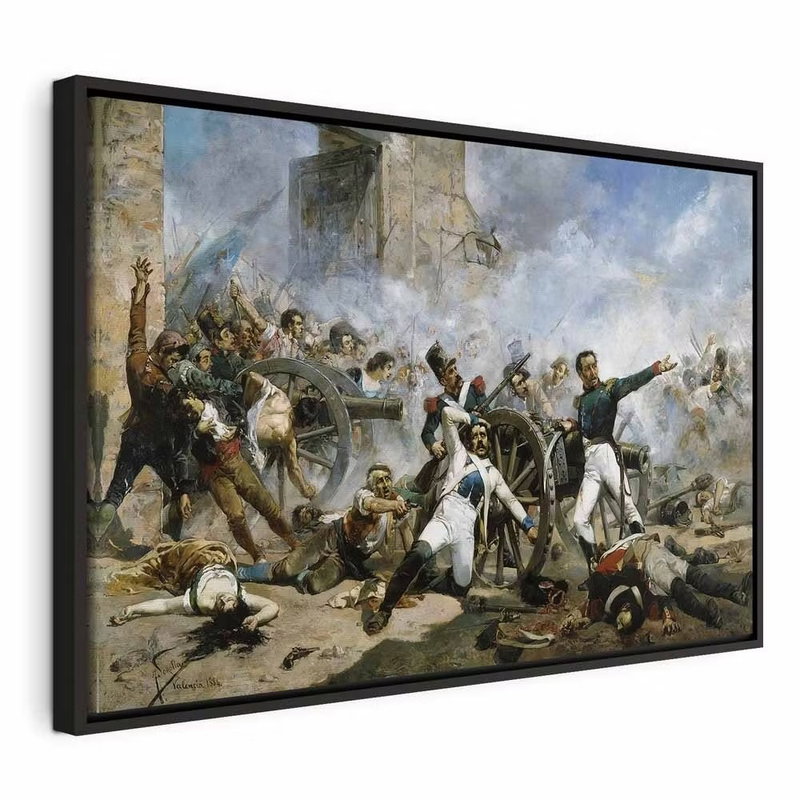
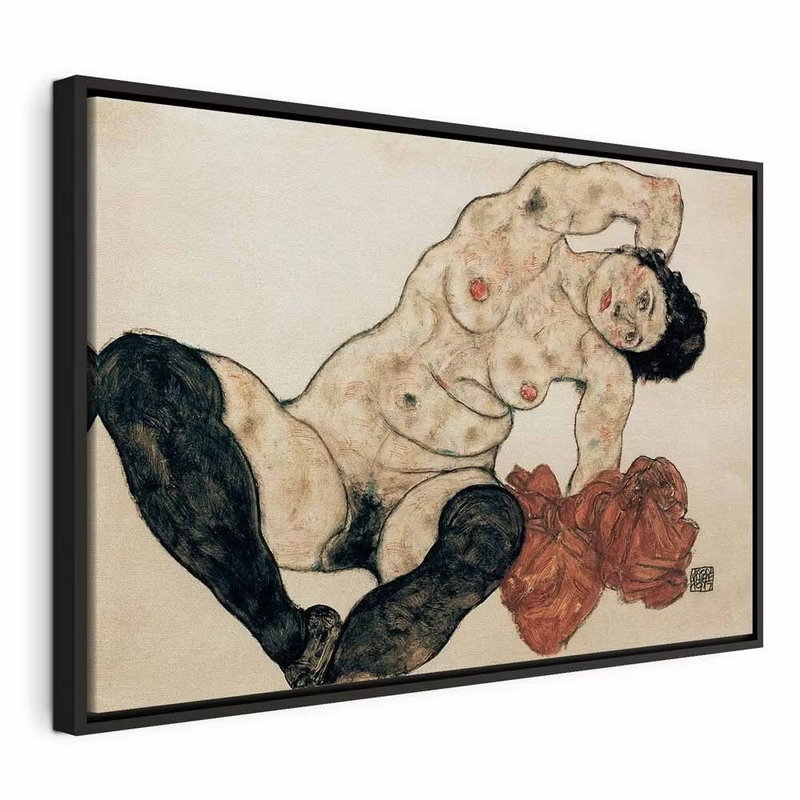
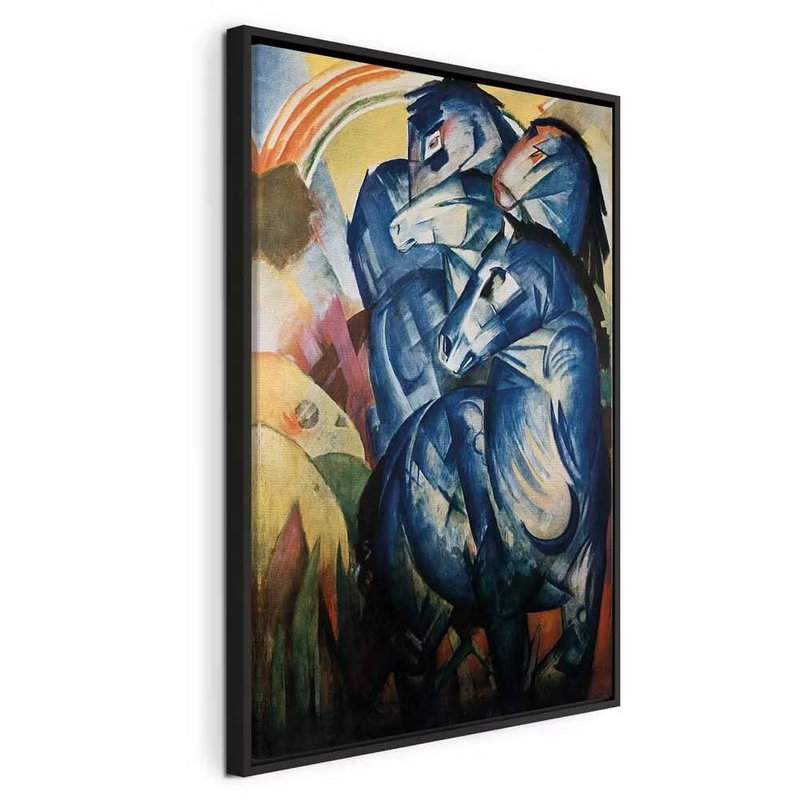
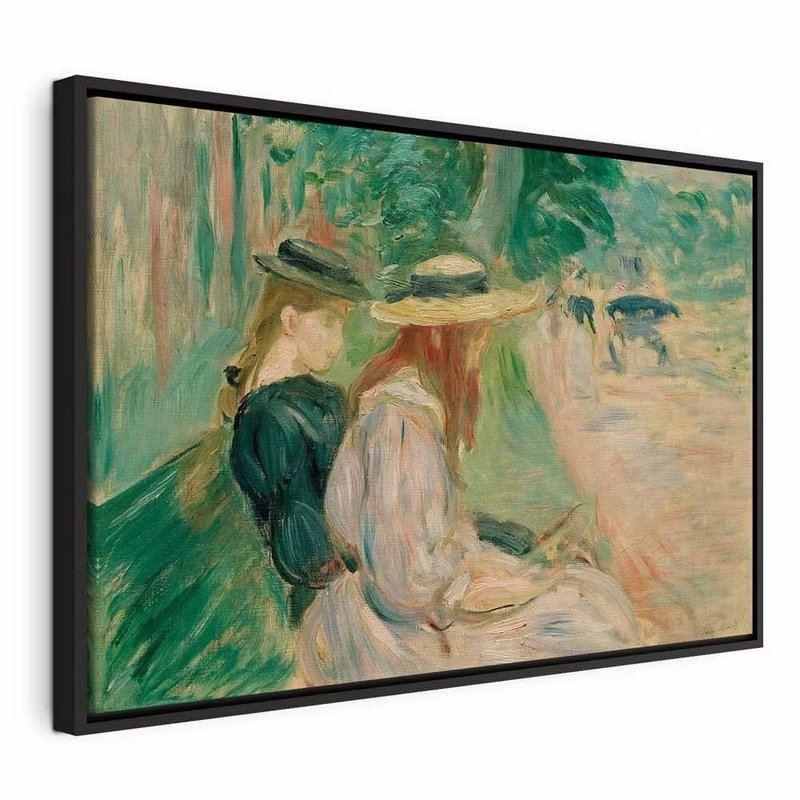
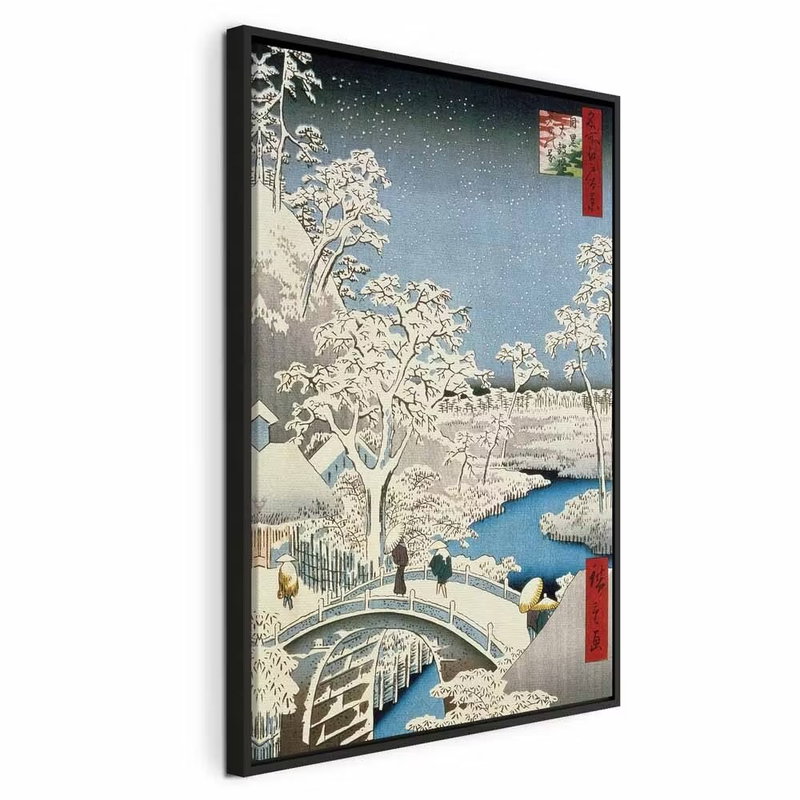
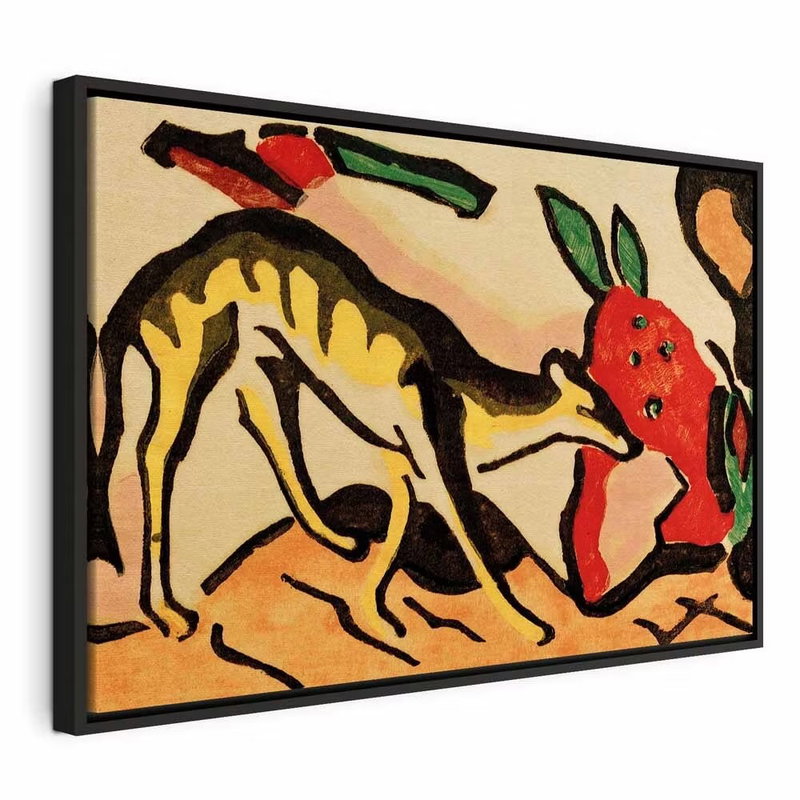
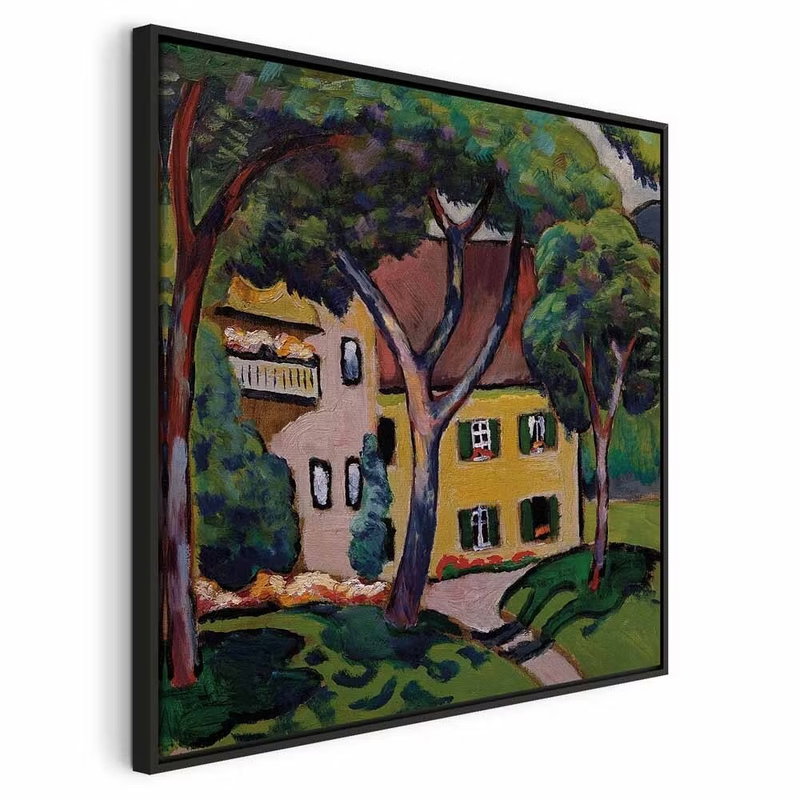
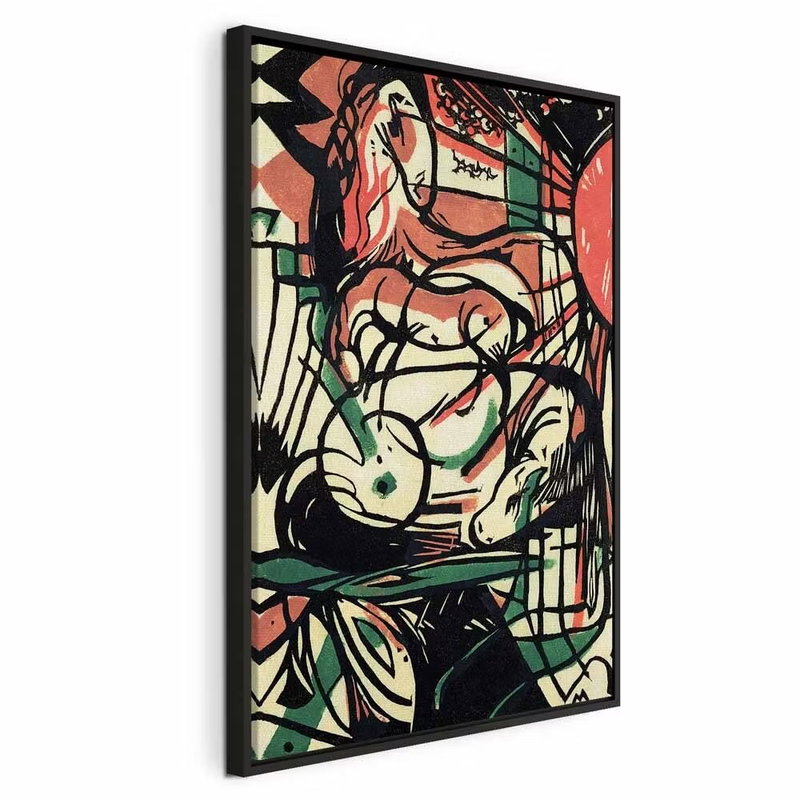
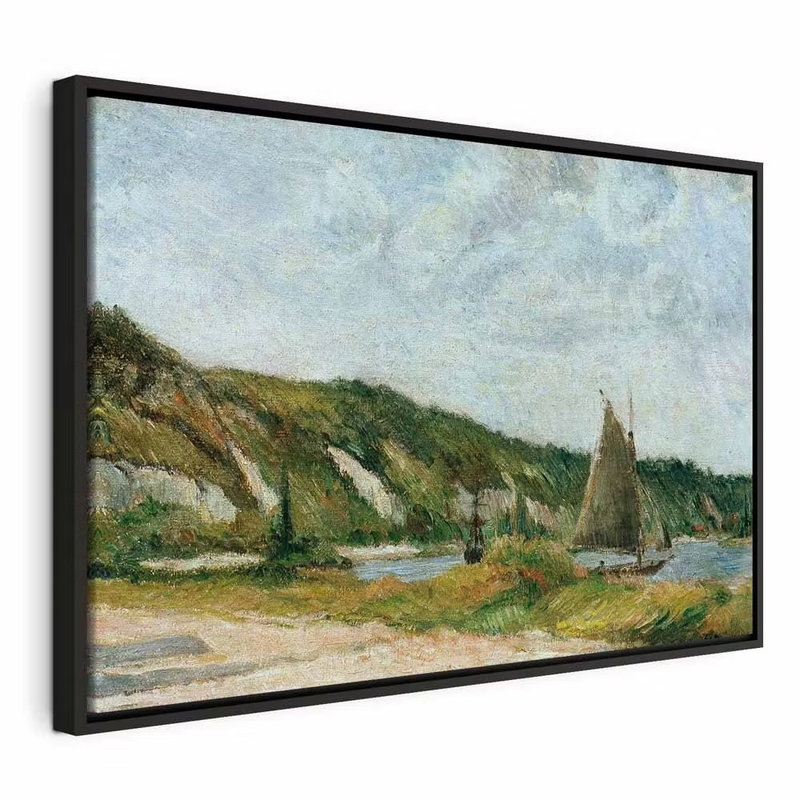
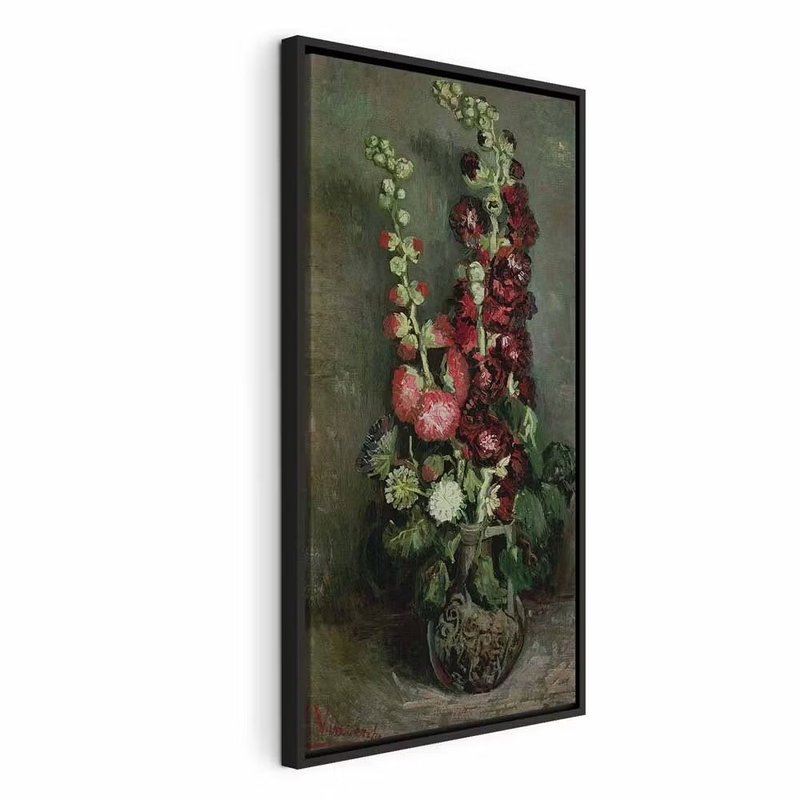
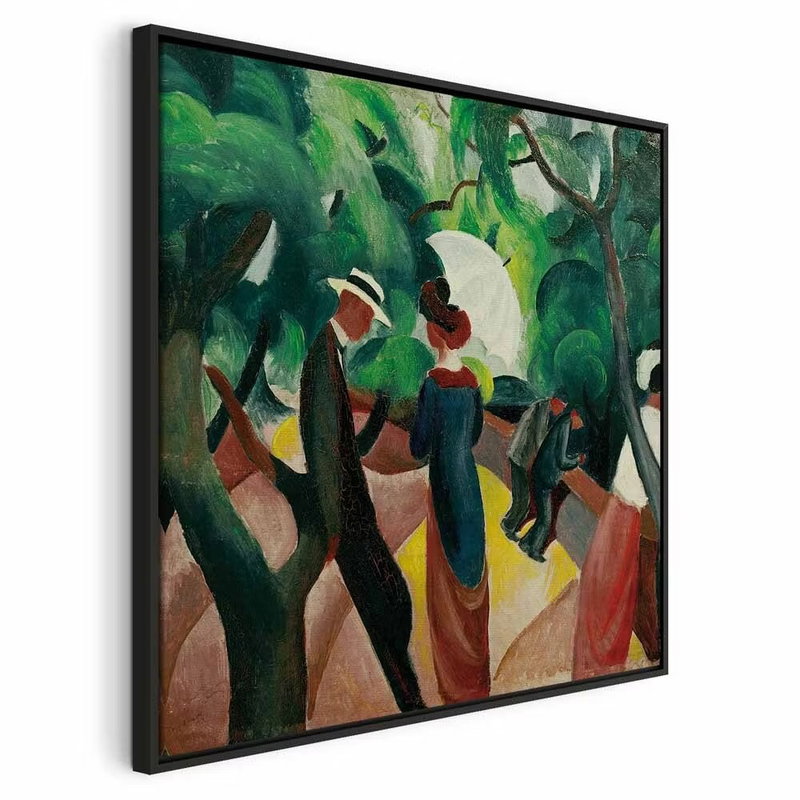
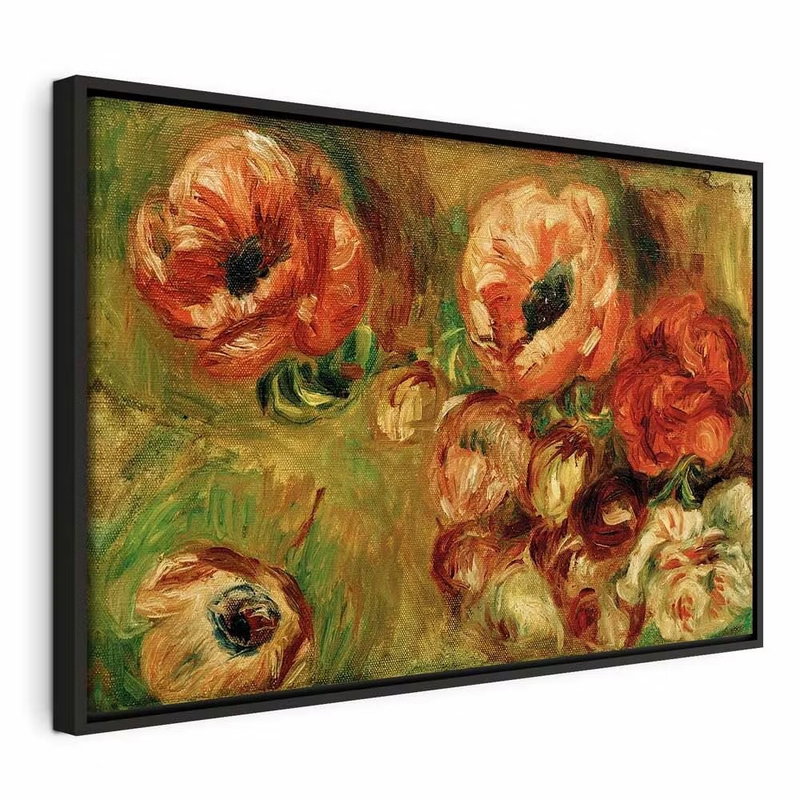
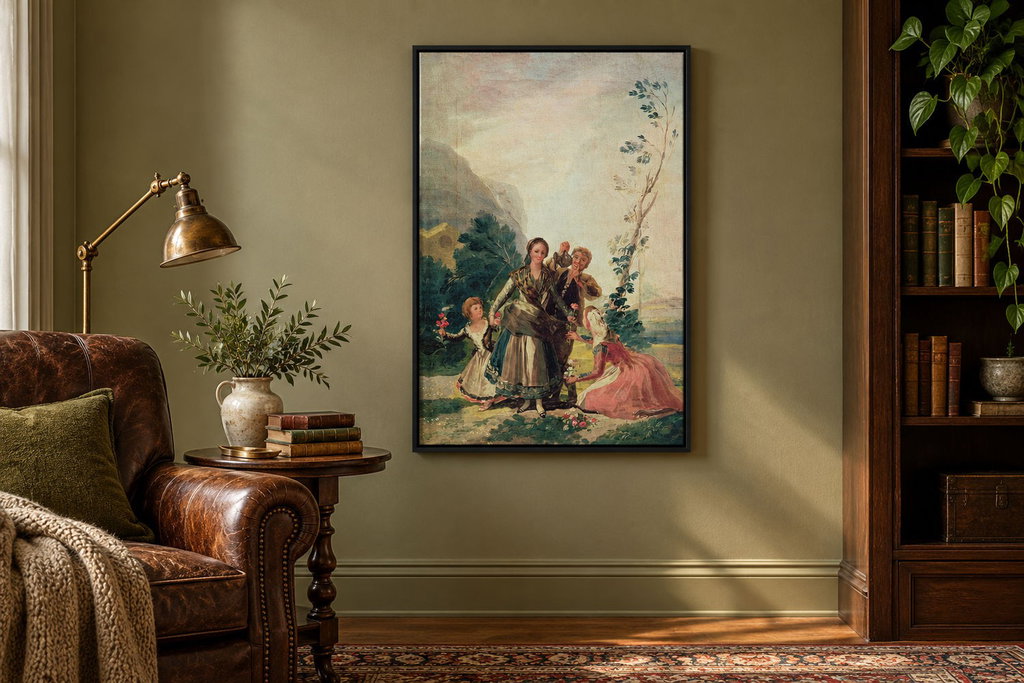
This category brings images with an art-historical character together with a sound-absorbing picture format. The checked subjects include the great wave above small boats and classical figure compositions with strong areas of colour. You are choosing the subject and its visual language, reproduced as a print on the product.
A familiar image can take a different role in a new room. Look at what actually dominates the composition: movement, a group of people, a landscape or the contrast of light and dark. This provides a better starting point for the interior than the work’s name alone.
Let colour and narrative determine the setting
A dramatic image can become the room’s main focal point, while a quieter composition can join a group. Assess the colours alongside textiles, wood tones and wall colour. A classical image does not require an entirely historical interior to work visually.
For a group, choose a shared frame or let a recurring colour connect different artworks. Compare their level of detail, too. Several narrative scenes close together may need more space than a large figure composition combined with a simpler image.
Check the actual print’s format
Use the product’s main image to assess its crop and proportions. Important figures, edges and directions need room in the version you are considering. Available sizes and frames are shown for each product and should not be assumed identical across the category.
Try a paper template on the wall before ordering. View the subject from the usual seat and across the room. A detailed scene may need a different viewing distance from a large, distinct shape, even when their outer dimensions are the same.
Printed image, hanging and sound-absorbing construction
The framed picture combines a decorative print with absorbing material behind the fabric. It can help reduce reverberation, but the age or style of the depicted art does not determine acoustic performance. Assess the construction, area and position instead.
Read the selected model’s hanging and care instructions and match fixings to the wall. The picture contributes to acoustics within the room rather than replacing sound insulation towards adjoining spaces. Choose the composition carefully and plan the extent of treatment around the actual setting.
Details that work in the room’s light
Many classical compositions rely on subtle differences between light and dark areas. Look at both the main figure and the background when comparing images. A scene that appears clear on an illuminated screen may look different on a wall with lower lighting. Do not choose solely for a detail that only becomes visible when the product image is enlarged.
Note where the room’s windows and lamps are, and try the intended position at different times. The aim is to see the image’s important elements from the places where the room is used. Adapt the position to the actual light conditions without assuming all prints will look the same in every setting.
Make room for historical imagery in a contemporary interior
A classical composition can work with modern furniture through a shared colour or a clear contrast. Try picking out a minor tone from the image in a cushion or another existing detail, rather than matching every large area of colour. This preserves the subject’s narrative while giving the picture a natural relationship with the room.
If the image contains many figures or several events, the surrounding wall can remain simpler. A small ornament or another picture does not need to fill every gap. Compare the overall effect from a distance before deciding whether the subject should stand alone or have company.
Distinguish the depicted painting from the product’s surface
A brushstroke, crack or pronounced texture in the subject is part of the reproduced image. It does not mean the print’s surface has the same physical relief as an original painting. Assess both the visual style and the description of the actual picture’s materials and construction.
The category name describes the subjects’ artistic context. It does not certify an original work’s technique, age or provenance. Use the information for the product you are ordering and its actual available options.