



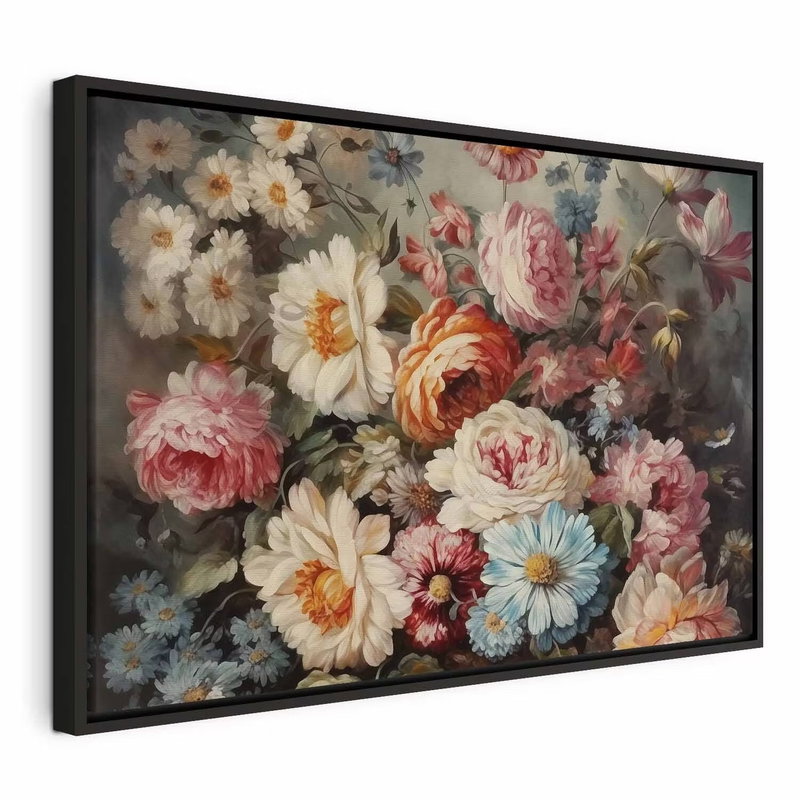
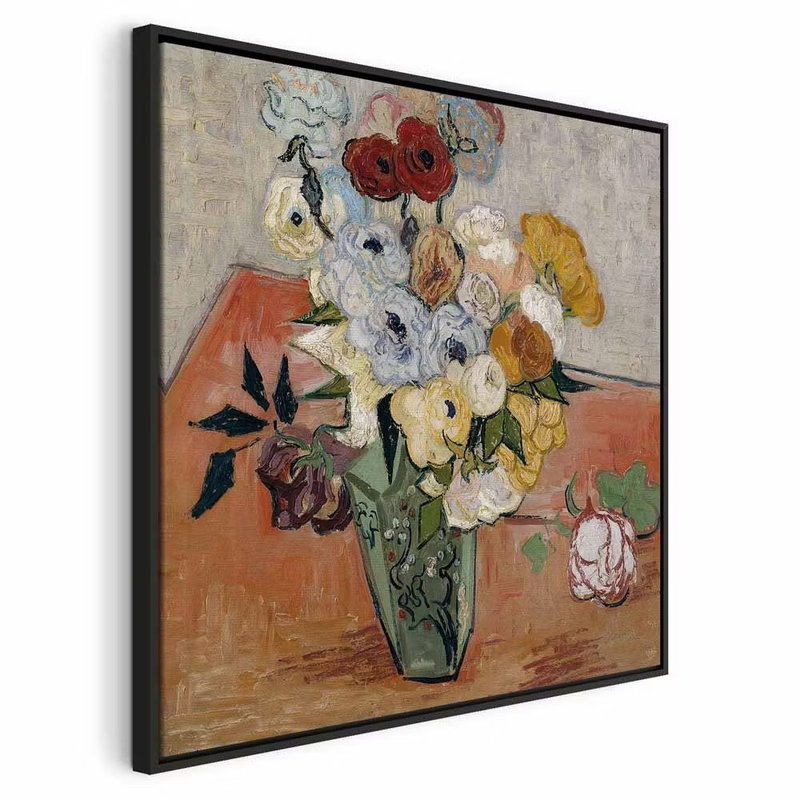
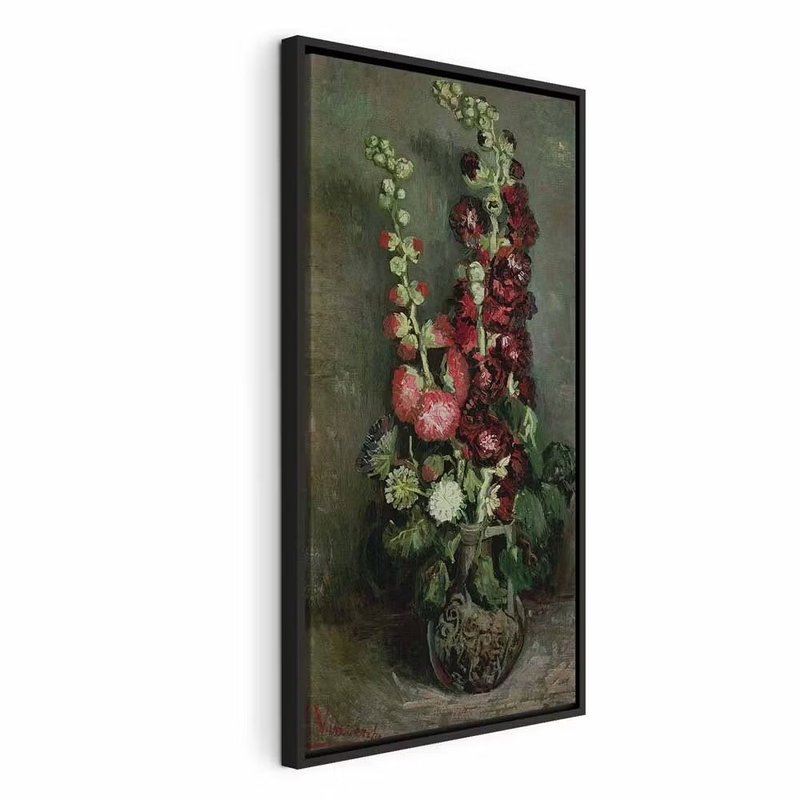
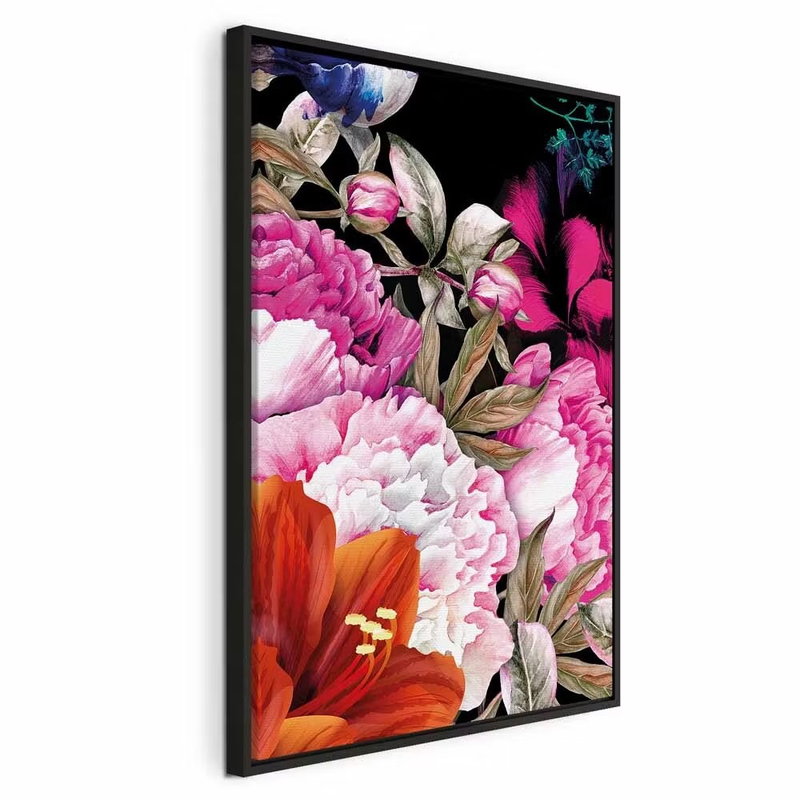
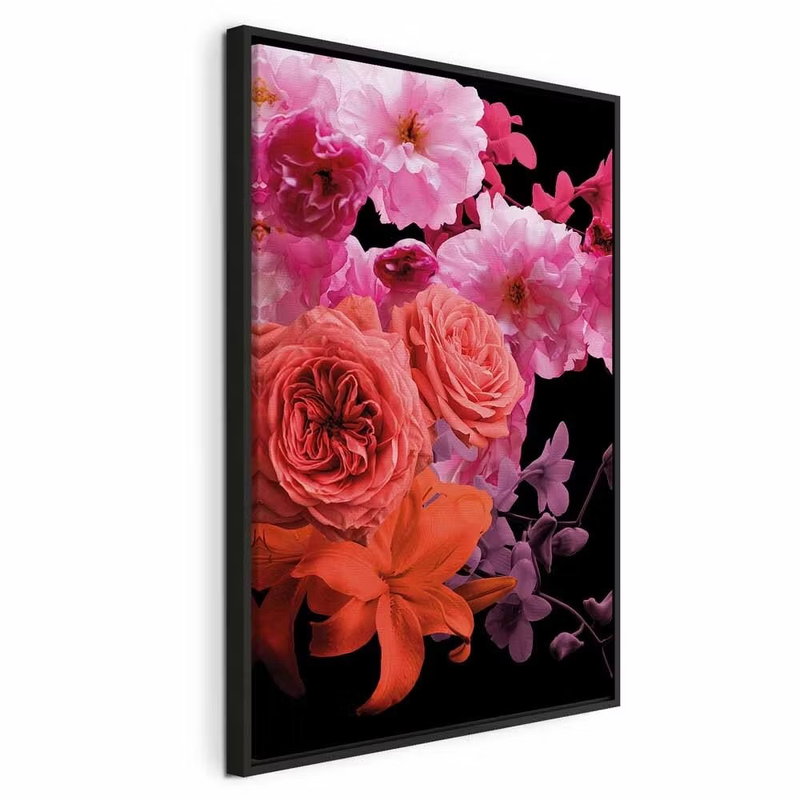
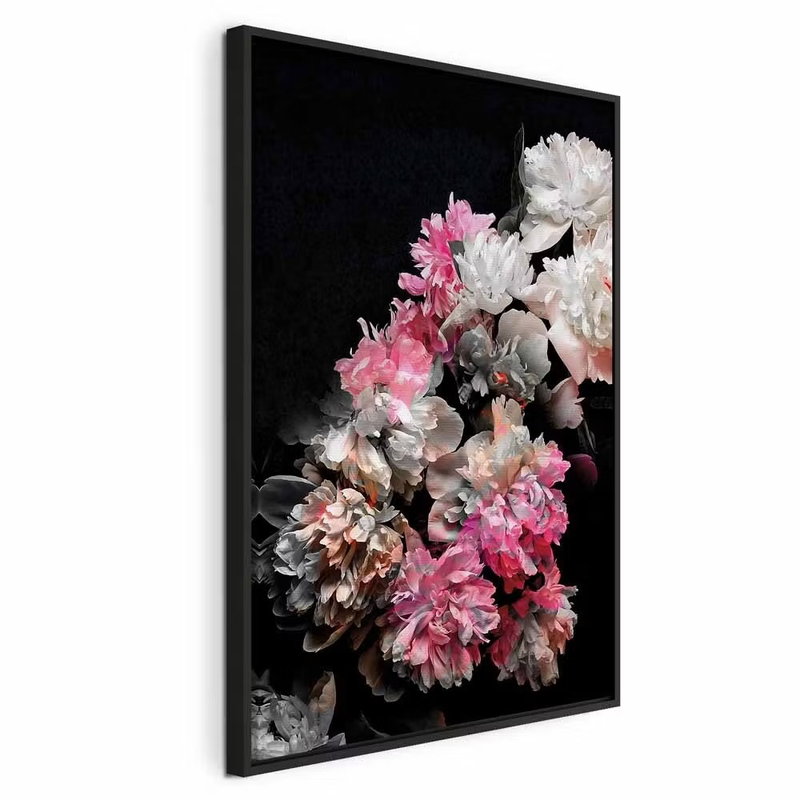
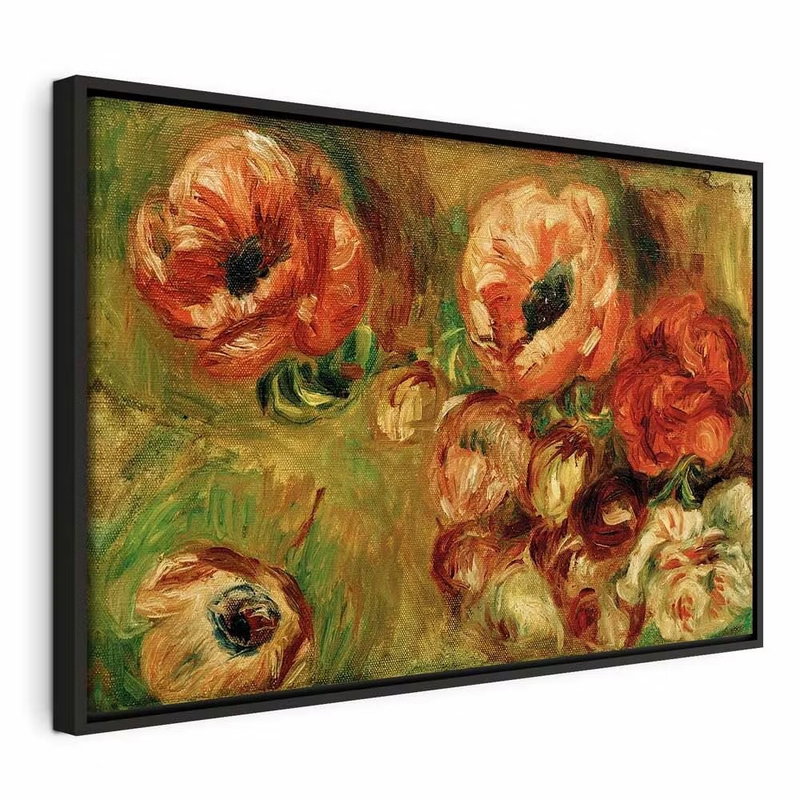
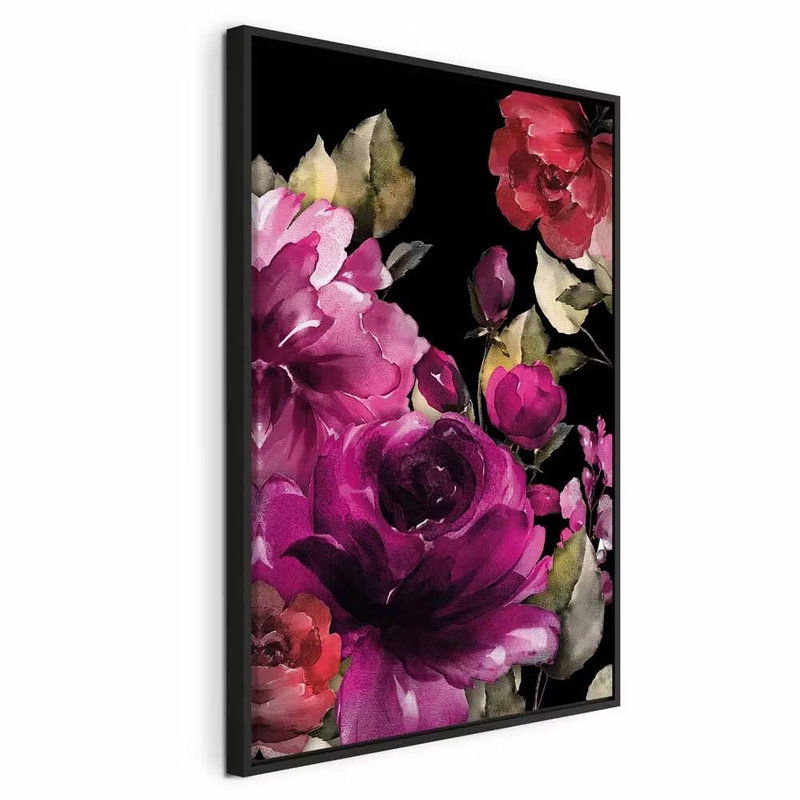
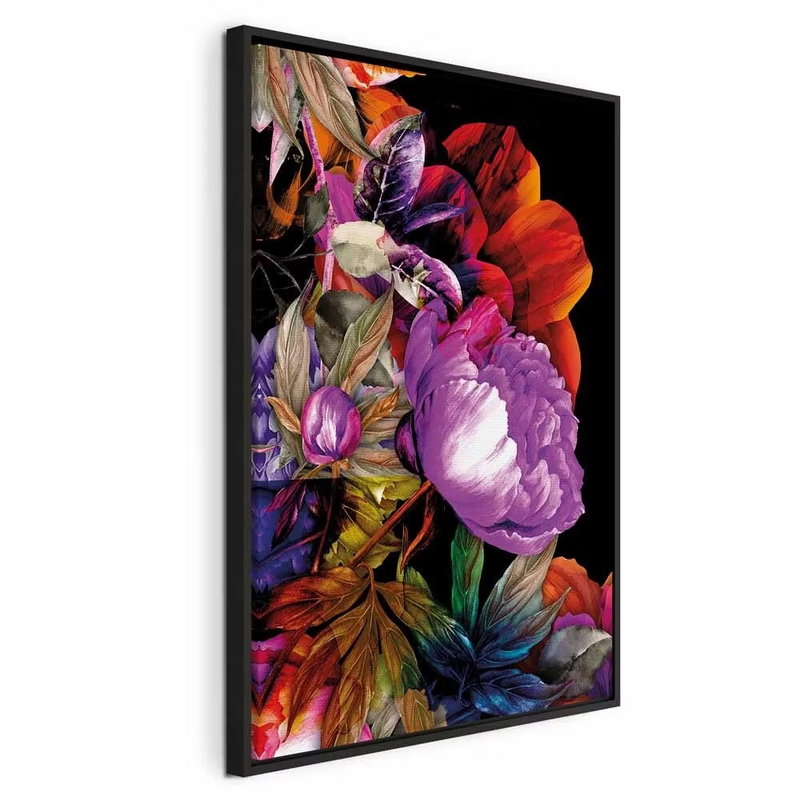
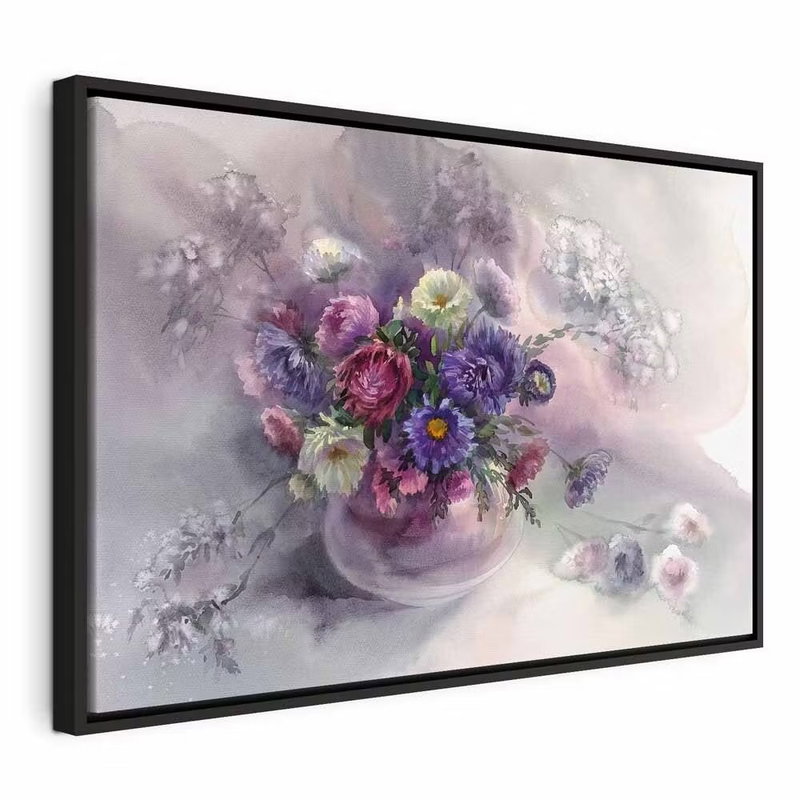
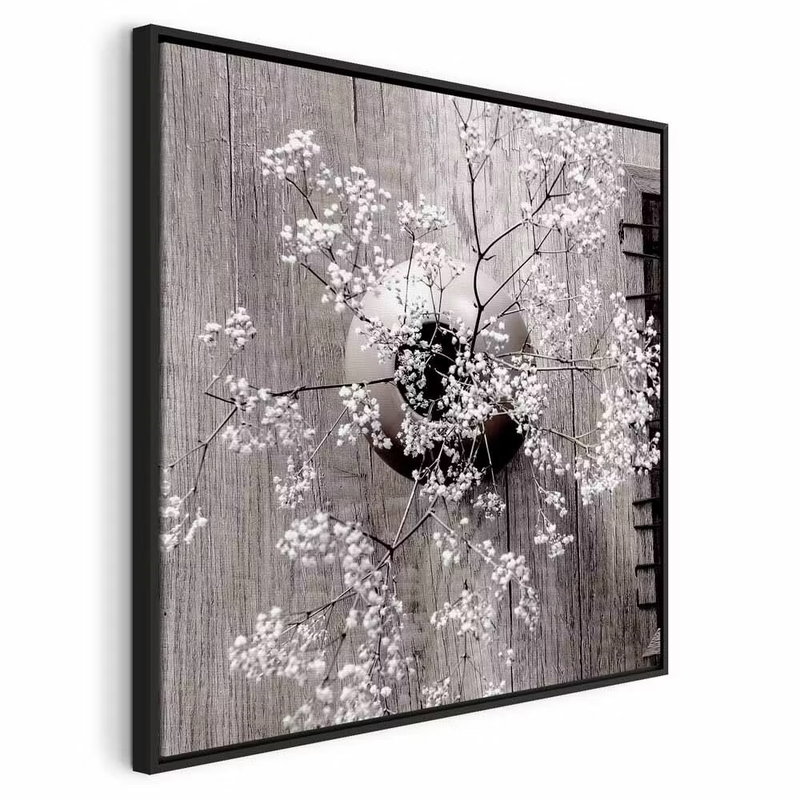
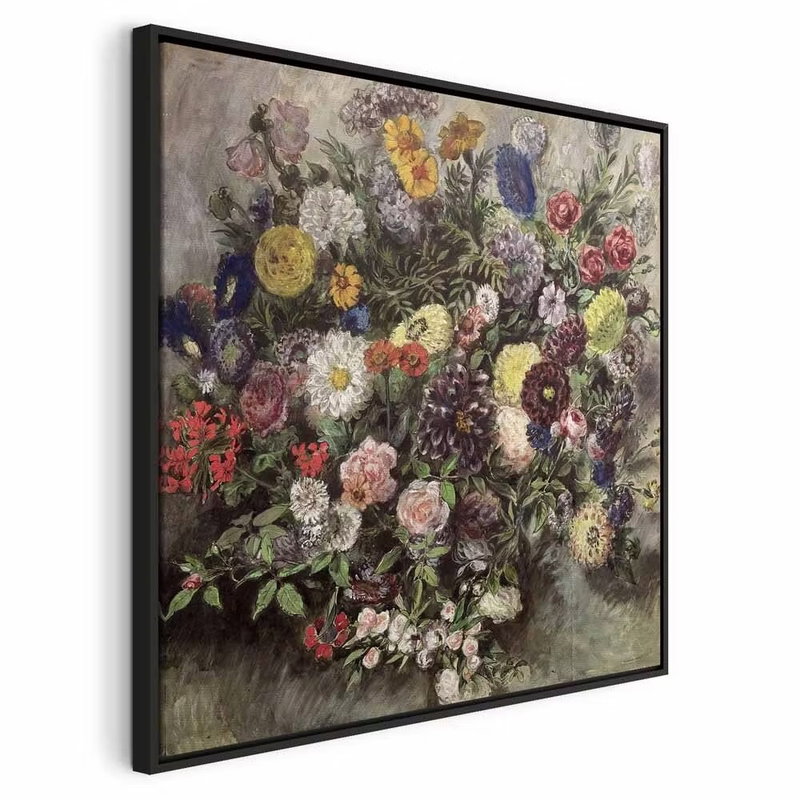
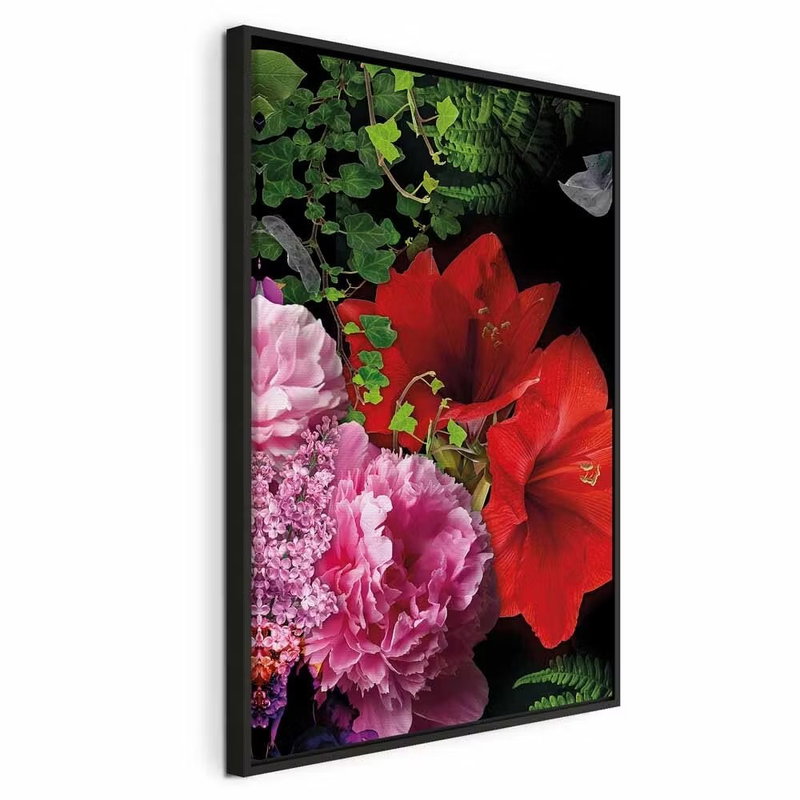
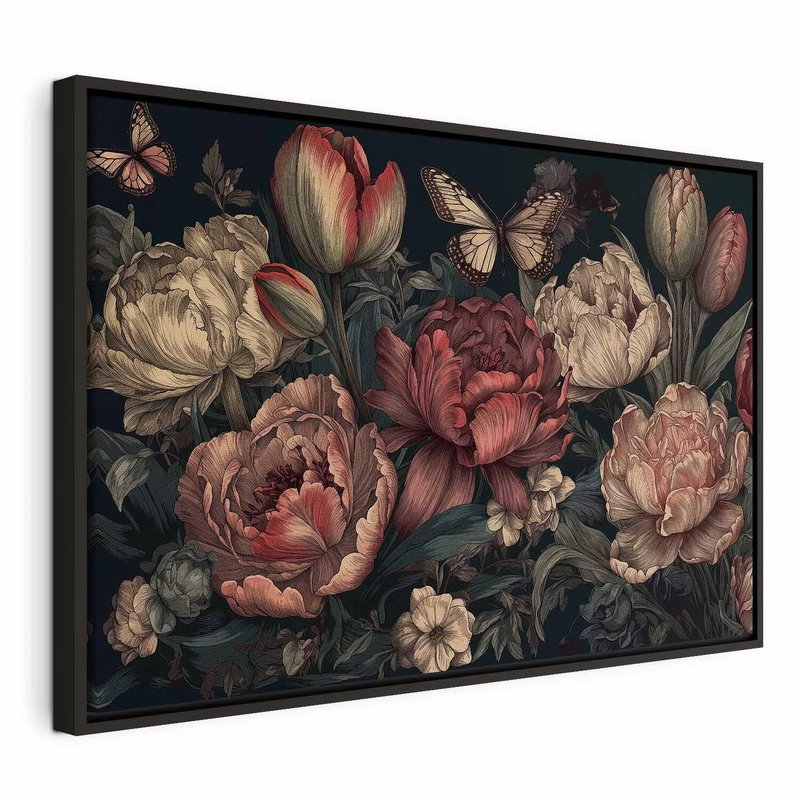
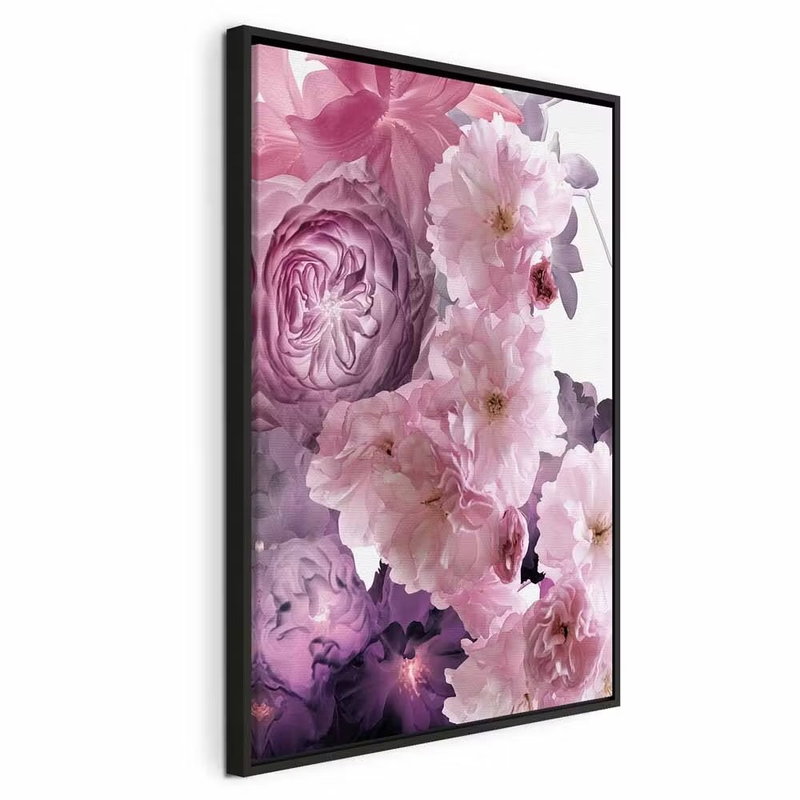
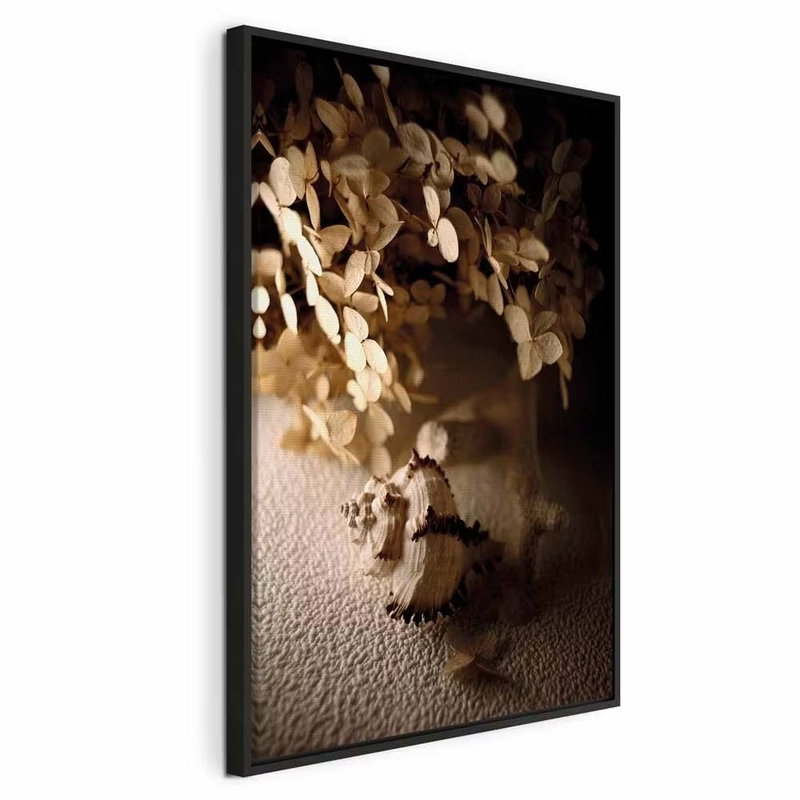
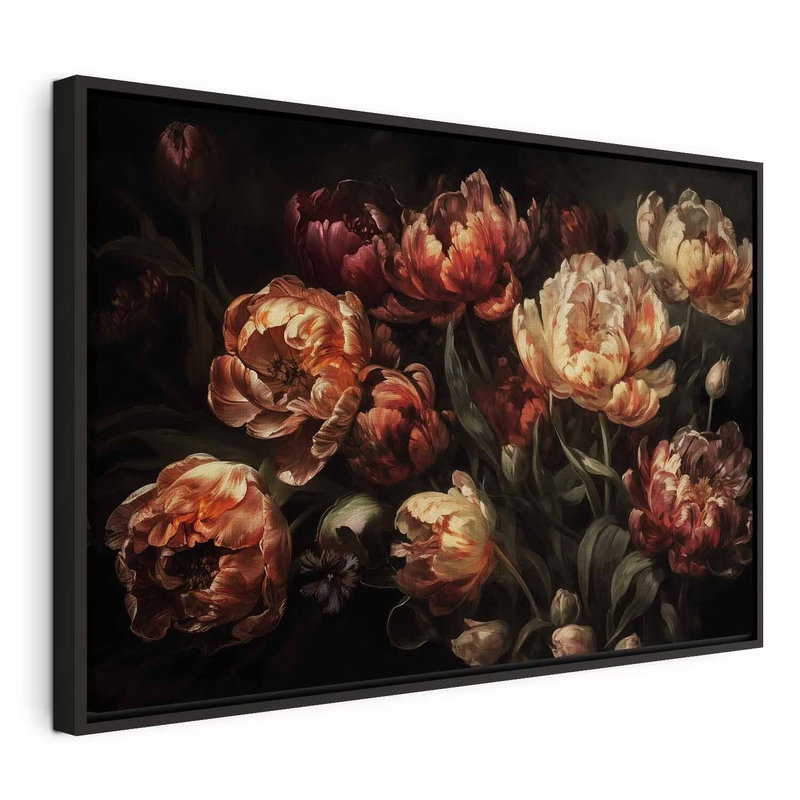
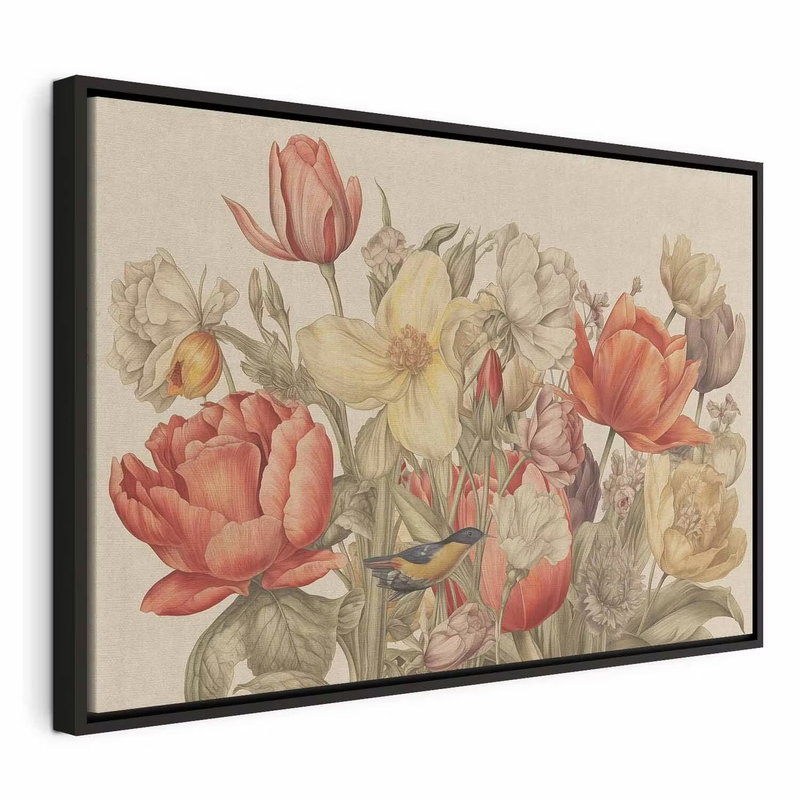
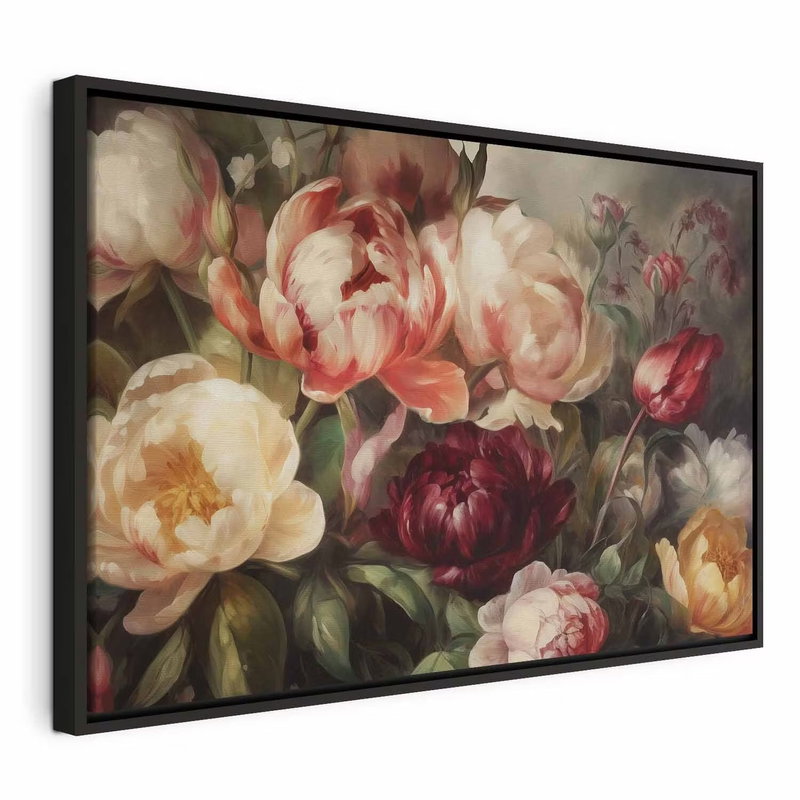
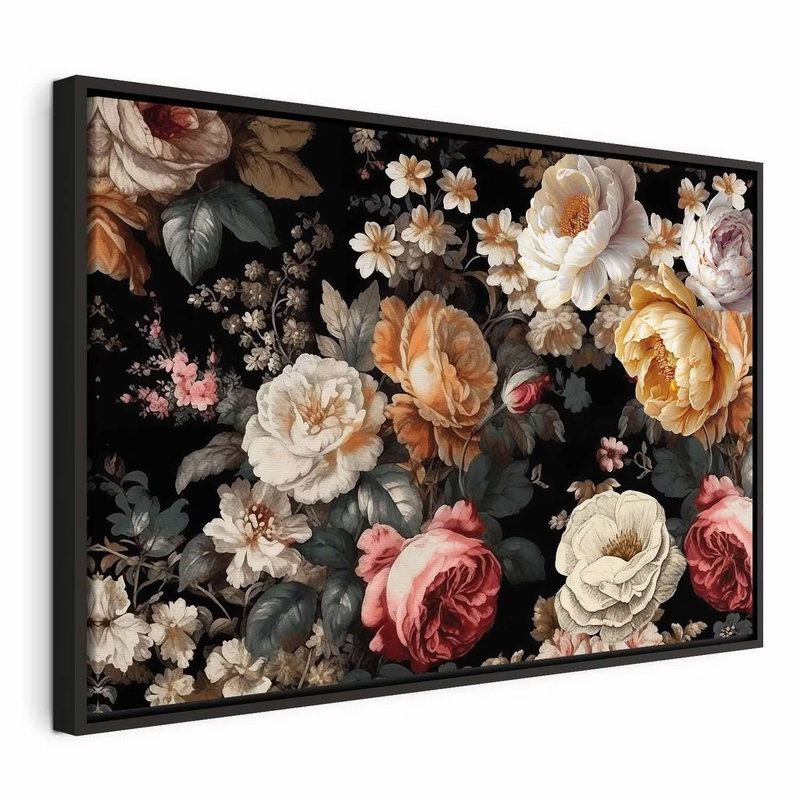
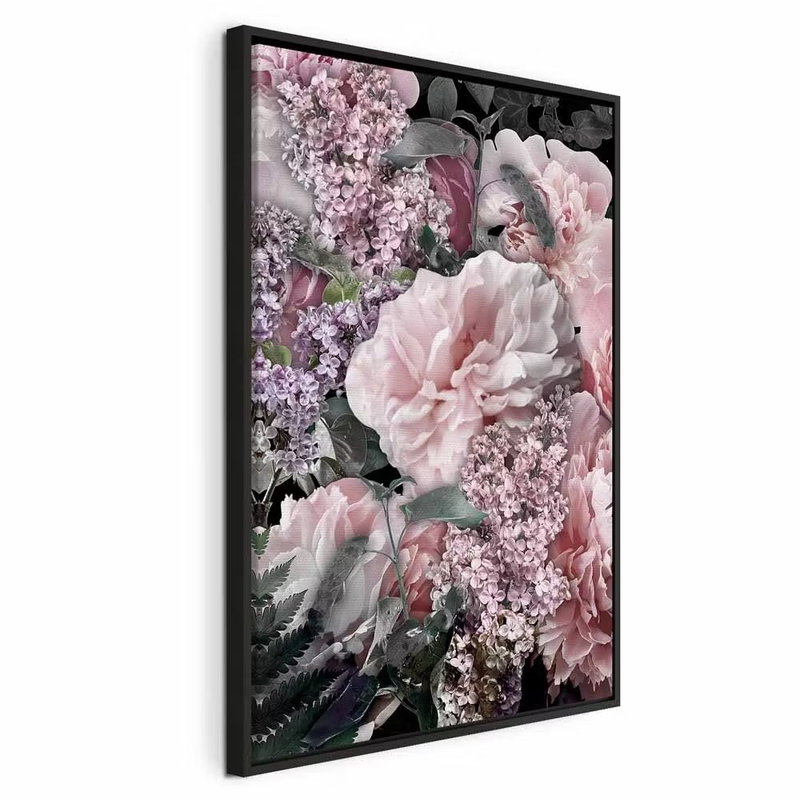
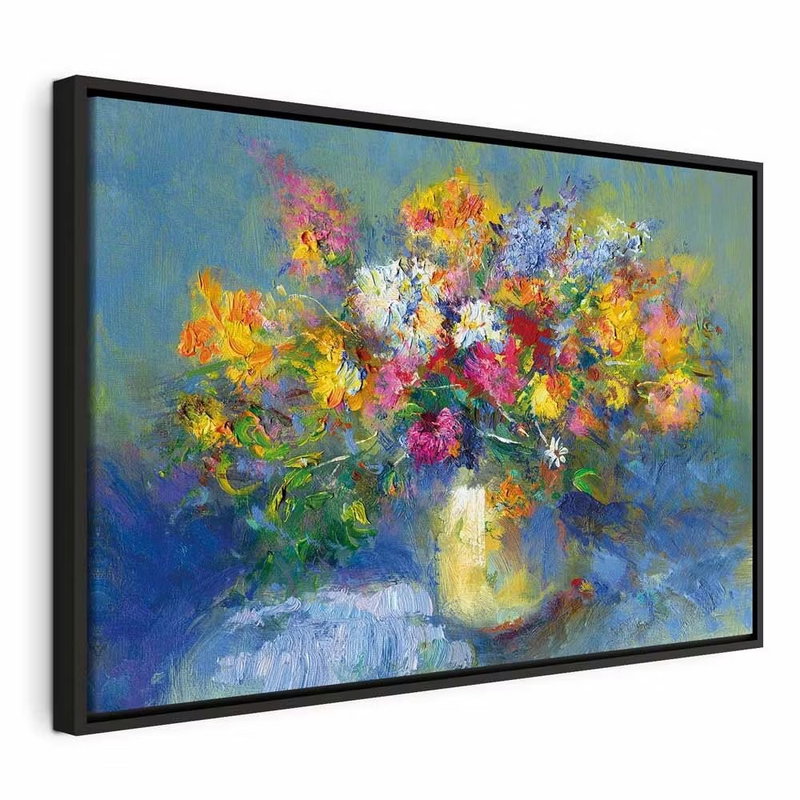
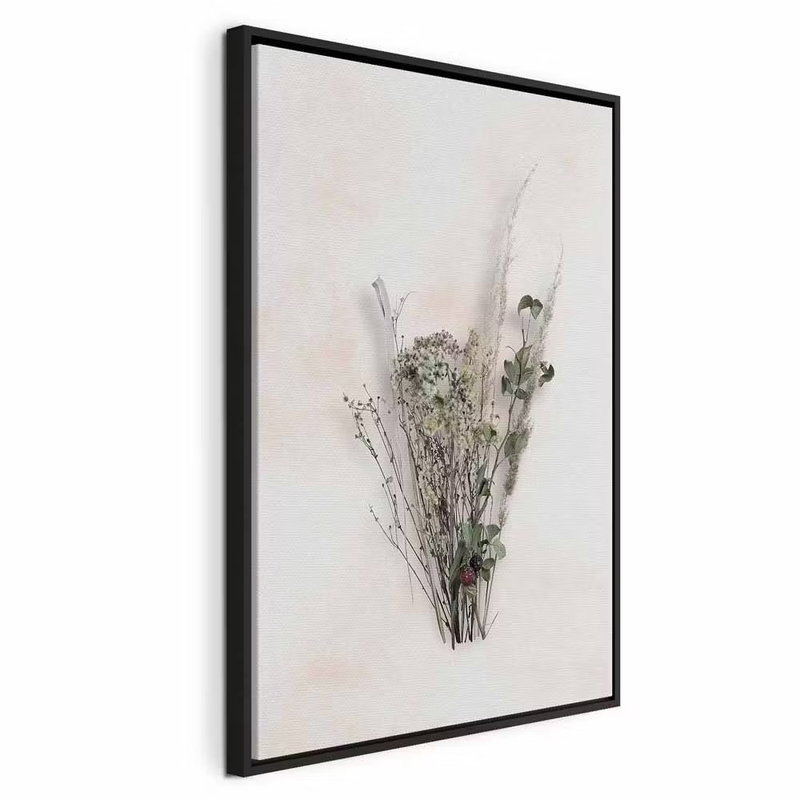
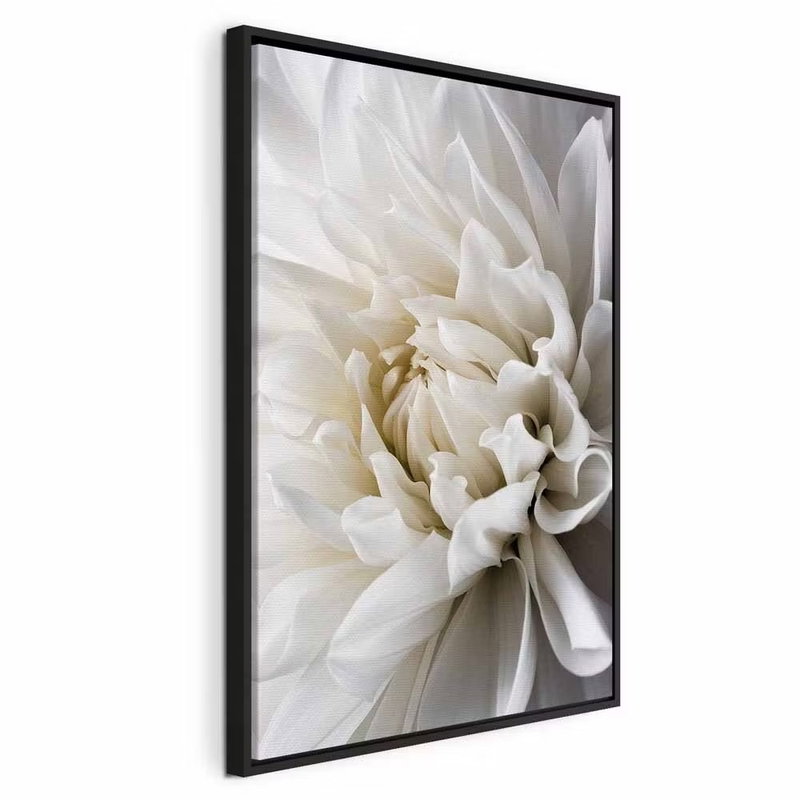
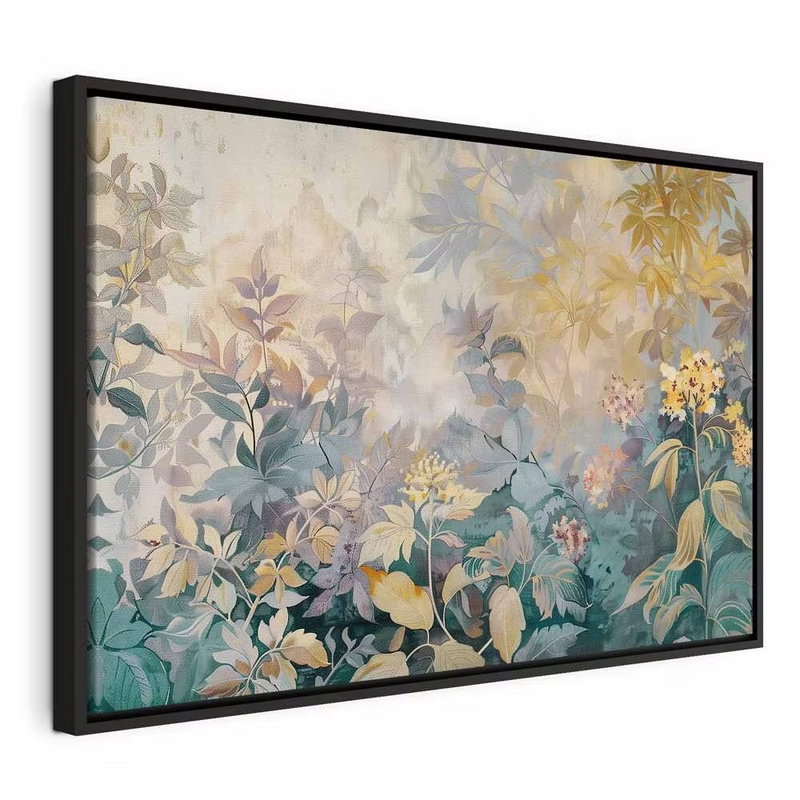
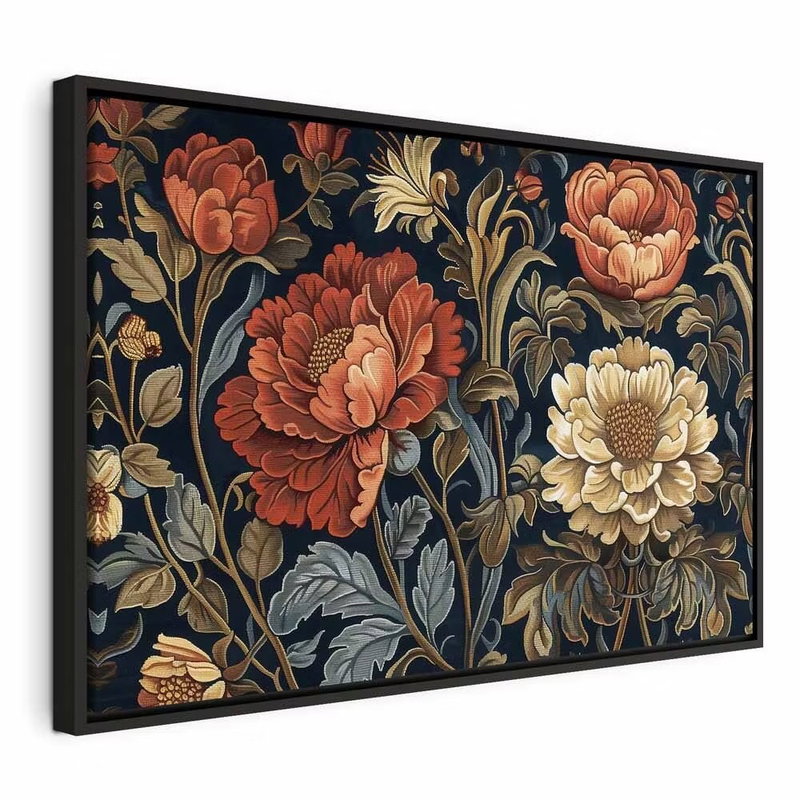
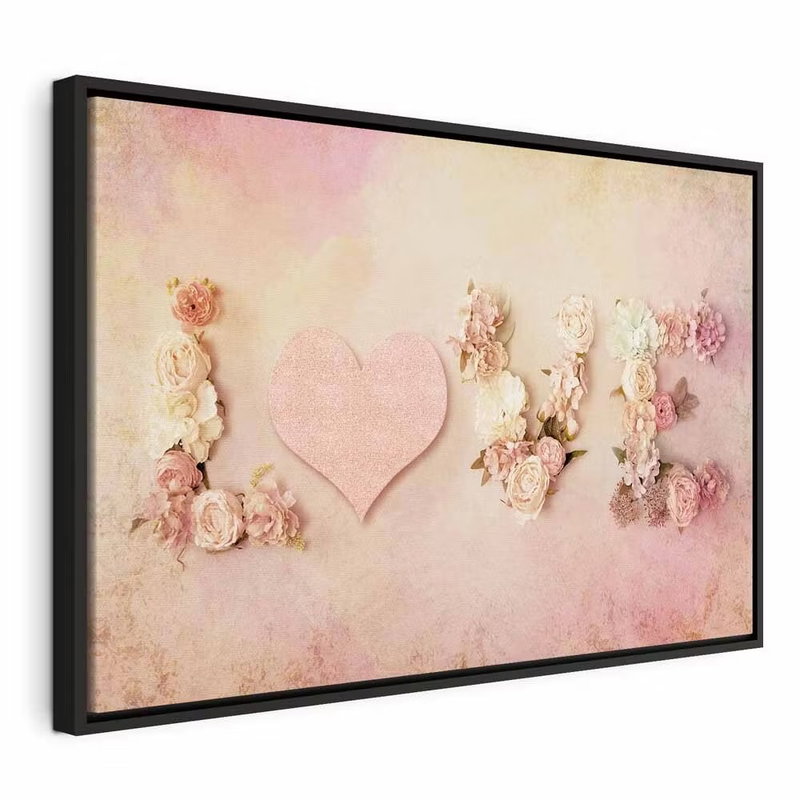
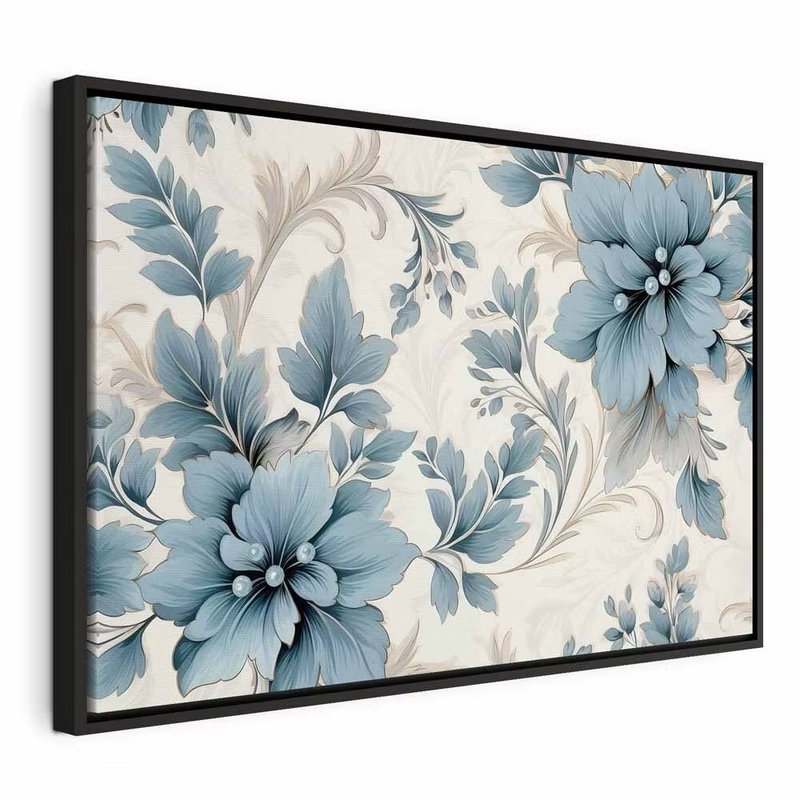
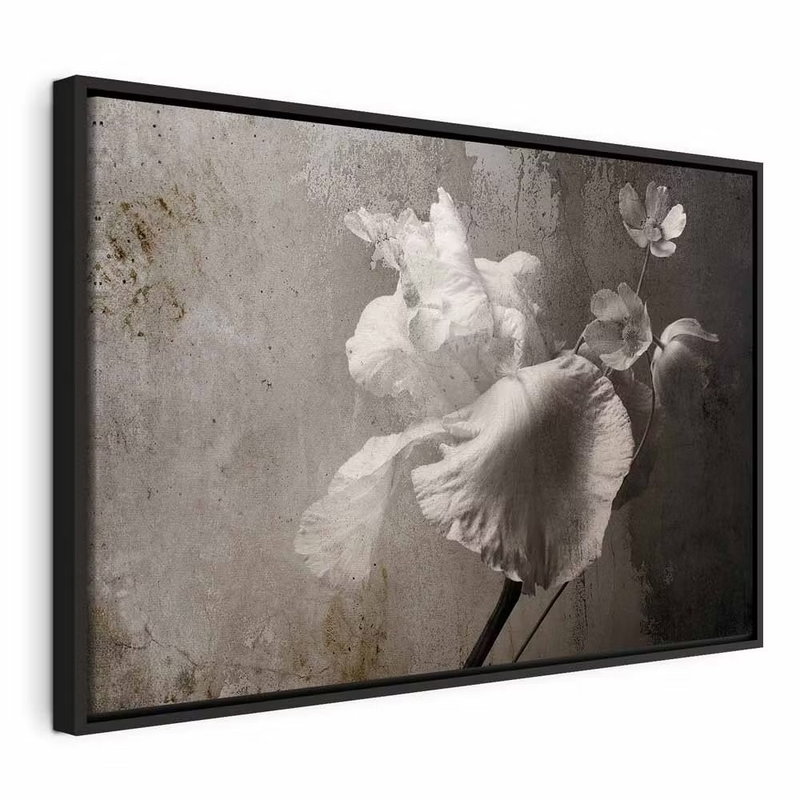
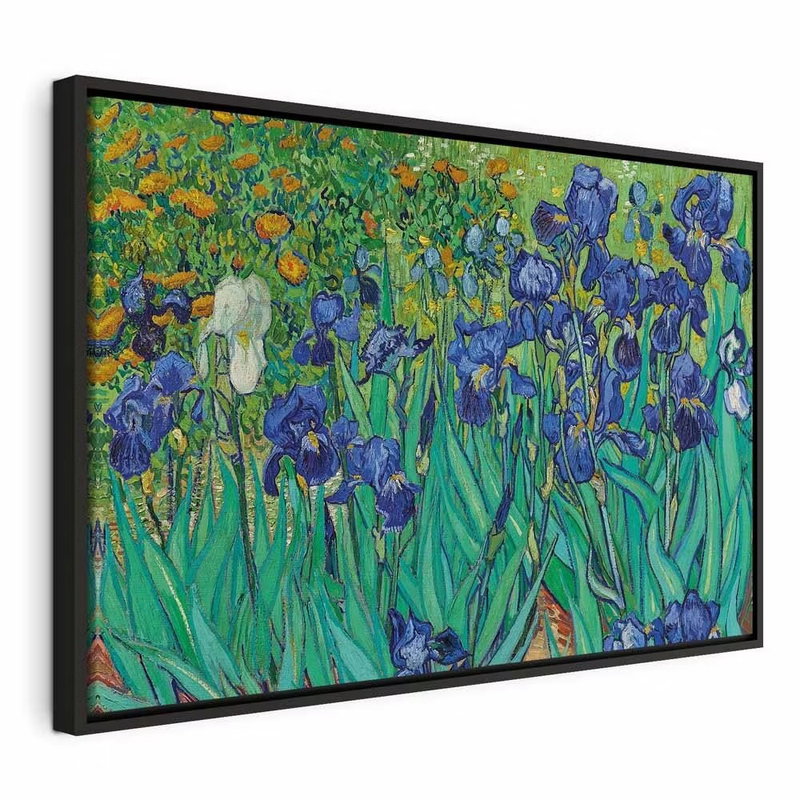
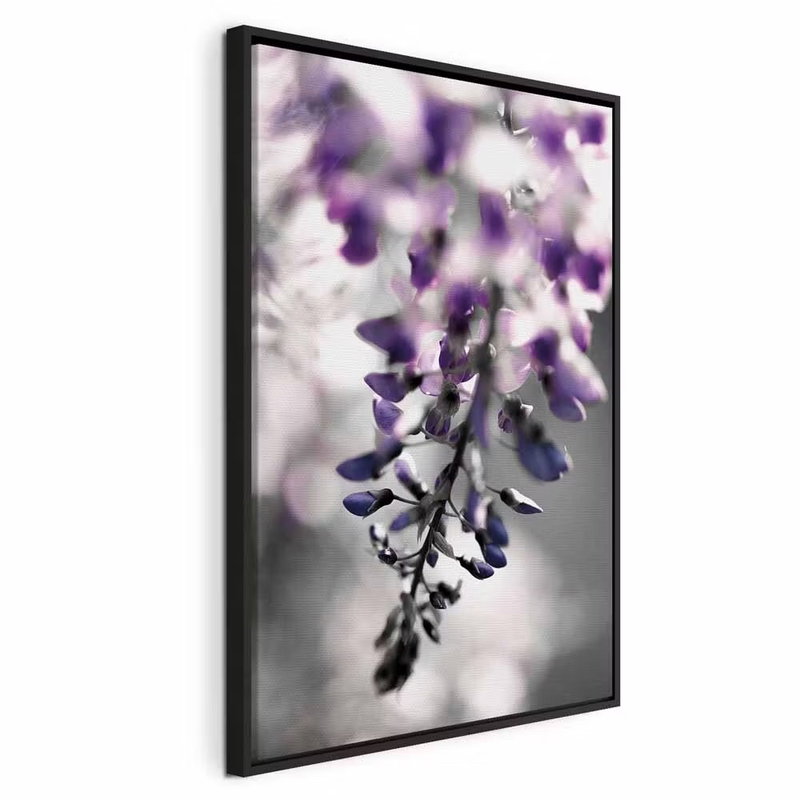
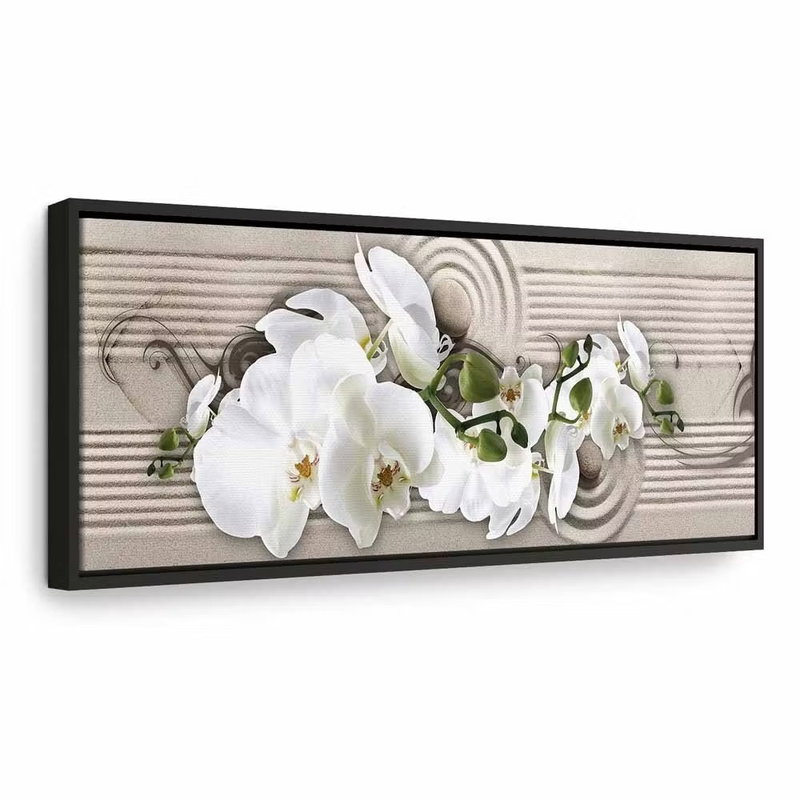

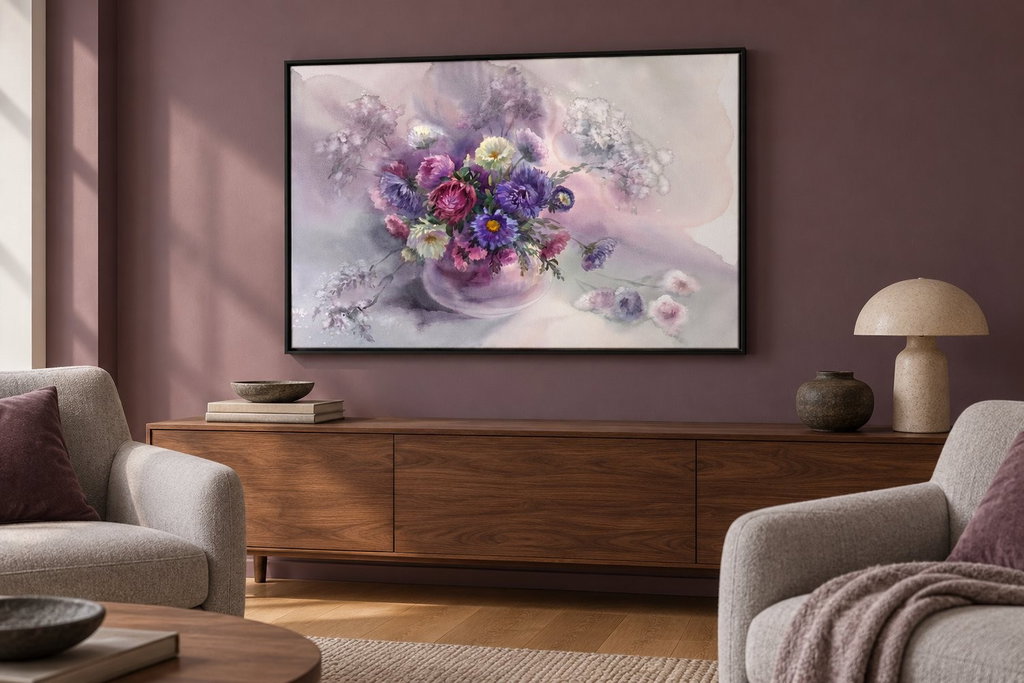
Flowers with many different expressions
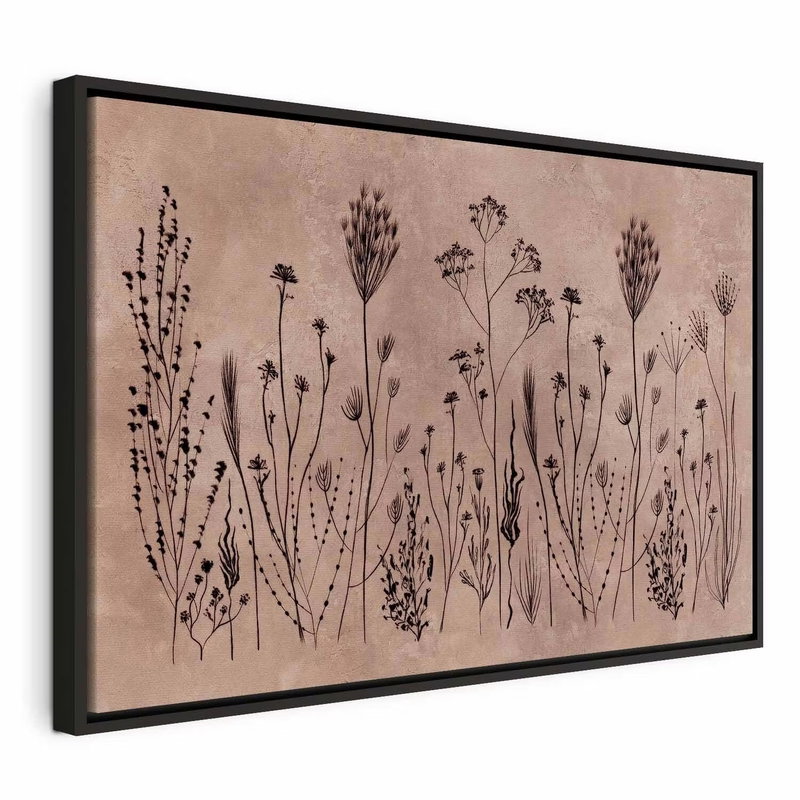
This group contains mixed bouquets, stylised or uncertain flower subjects and other plant pictures such as grasses, seed heads and trees. Uncertain species are not assigned a guessed name.
Look at the whole floral picture
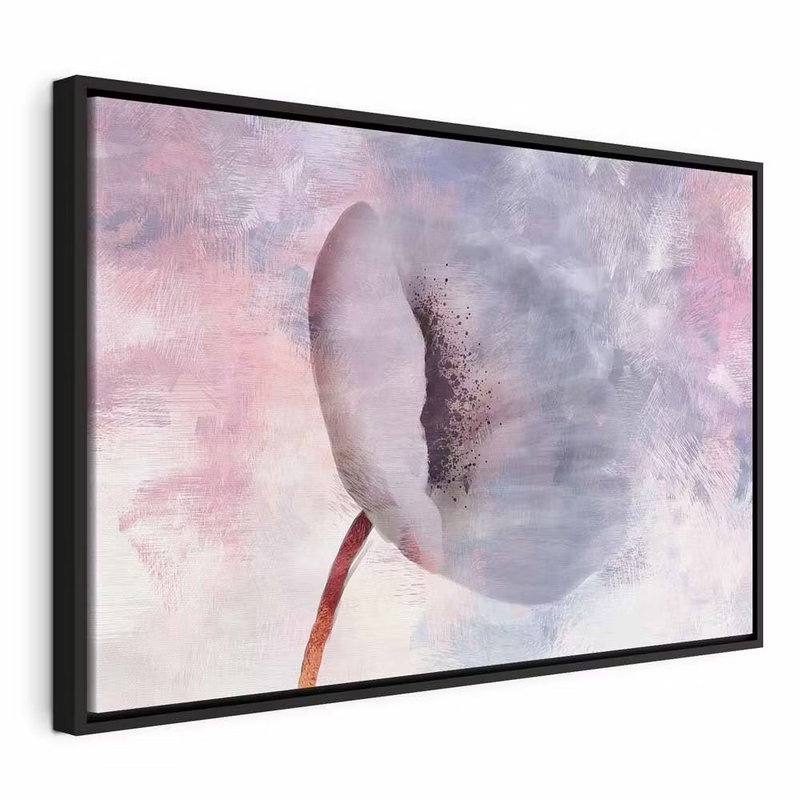
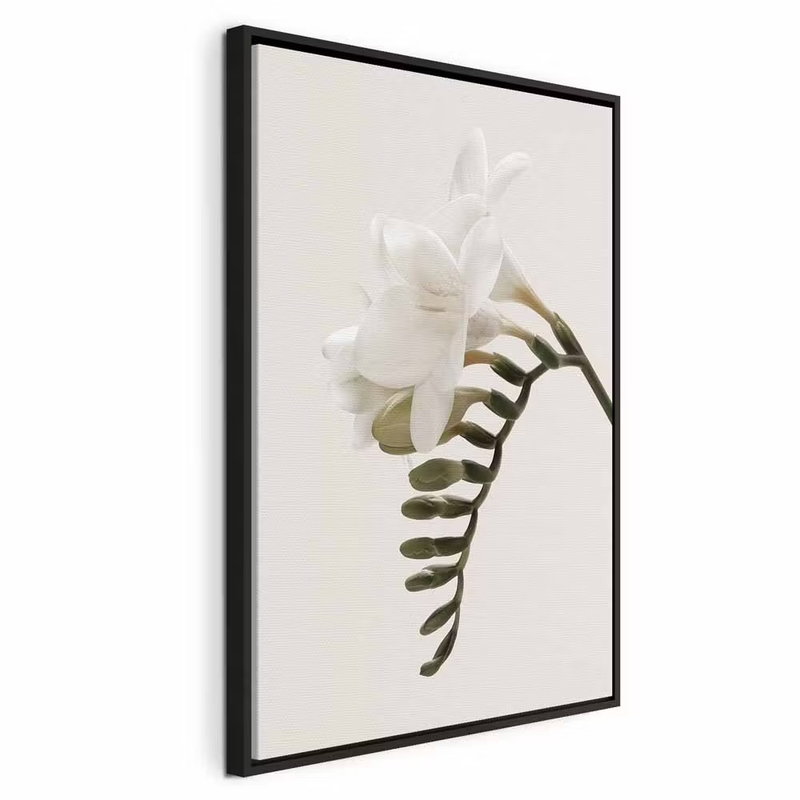
A single flower on a pale background has different proportions from a dense bouquet or a pattern filling the entire surface. Notice where the colours gather, how much background remains open and whether a vase, leaves or other details stand out. Choose from the image rather than relying on the product name alone.
A frame and size for the chosen position
Check the actual frame options and measurements on each product page. A wide floral picture may follow a sideboard, while a portrait composition needs a different wall space. The sound-absorbing construction can help reduce reverberation. Plan the area and position around the room’s needs and the product documentation. Follow the installation and care instructions.
Choose mixed plant subjects by their main forms
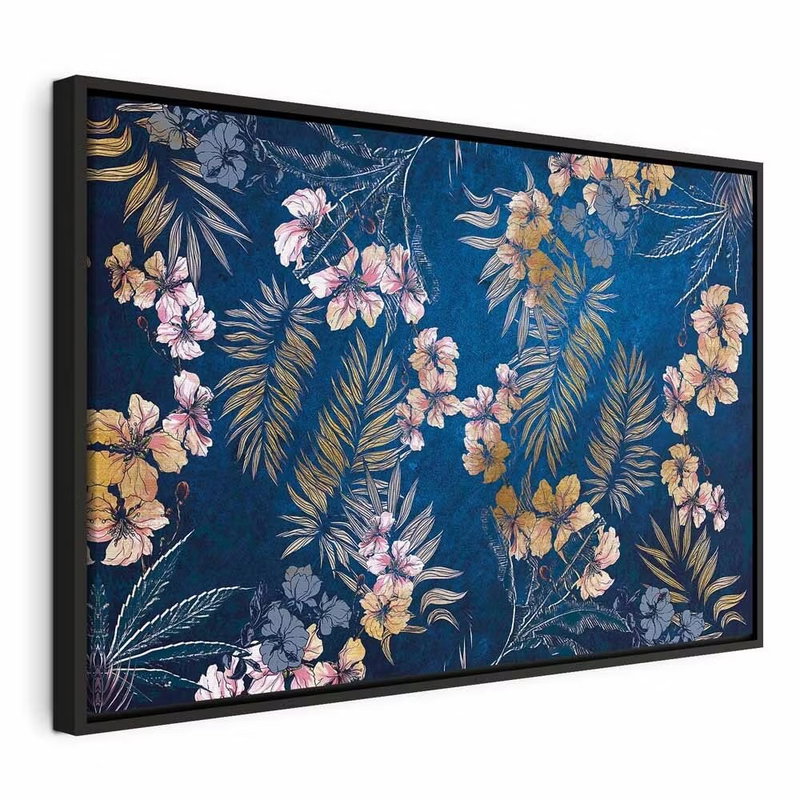
A mixed bouquet can contain many colours and forms without one flower dominating. Notice the distribution of larger flowers, fine stems and foliage. Decide whether the image should read as one floral group or as details discovered close up. This helps compare two designs with similar colours.
Grasses, seed heads and trees can provide different lines from a bouquet. Assess their direction and relationship with image edges. More visible background may feel open, while overlapping forms create a denser surface. The product name is only supporting information; the main image shows the actual choice.
Let the frame’s boundary meet the whole composition
A frame marks the outer edge, making it important to compare the image with its surroundings. Notice the space between plant forms and the image edge. A flower near the frame and a centrally placed bouquet may need different balance with furniture below even at the same outer dimensions.
Check the product’s actual frame options and how measurements are stated. Do not assume every picture offers identical choices. Compare the whole picture’s outer shape with doors, windows and other wall objects. The ordered format, not just the flower, needs room.
Assess the colour scheme from the normal viewing distance
Background brightness may matter as much as a strong flower colour. Start with large light and dark areas against walls, flooring and furniture. A small colour detail can recur in a cushion or movable object but need not govern every room colour. First choose a connection that works for the whole.
Then view the image from the usual position. Fine flower detail may be clearer close up, while bouquet silhouette or grass lines emerge farther away. If viewed from several directions, the larger forms should also work from entrances and seats. Test this before fixing the position.
Plan one floral image or a framed group
A single picture may be the wall’s main focal point. Several framed images can connect through a recurring tone, similar background or common plant lines. They need not all show the same bouquet. Compare the frames within the group too so that each image remains distinct.
Use templates with actual outer dimensions and intended gaps. Include clear space beside furniture and wall equipment. View the group seated and standing and check that storage opens. Follow each model’s instructions and match fixings to the real supporting wall.
Separate botanical imagery from sound absorption
A dense bouquet, fine grasses and a stylised flower are different visual expressions, not inherently different acoustic properties. Absorbing construction sits behind the image and is assessed through documented product information. Depicted materials or forms do not establish what the picture contains.
Plan absorbing area alongside room size, furnishings and other materials. Also choose a subject for the setting’s use and intended furnishing role. Let these choices support each other without inferring acoustic performance from flower shape. Read care guidance so that both frame and image surface receive appropriate treatment.