




Roses – premium acoustic wall art
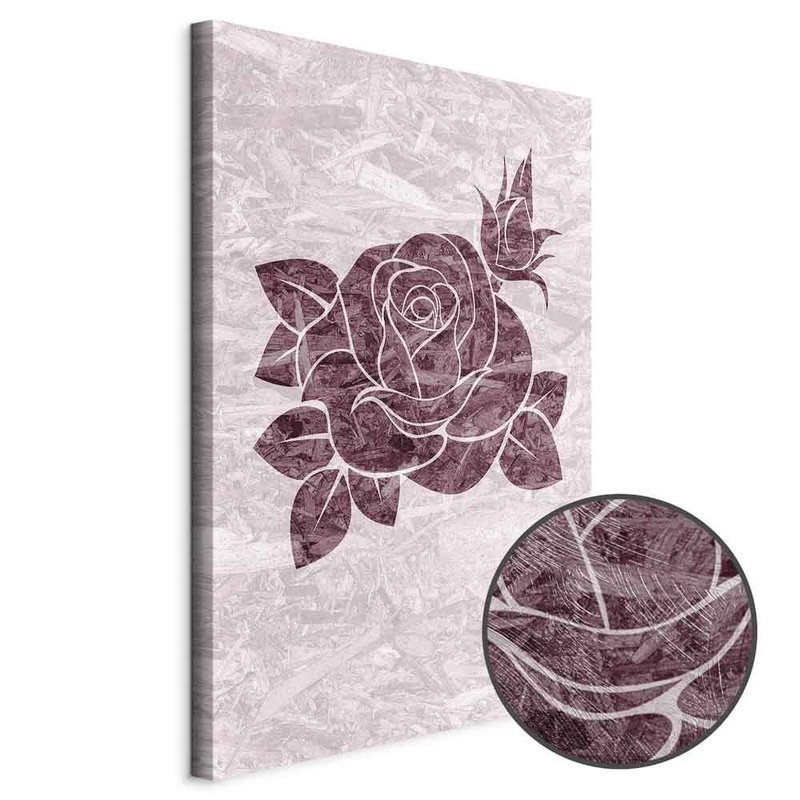
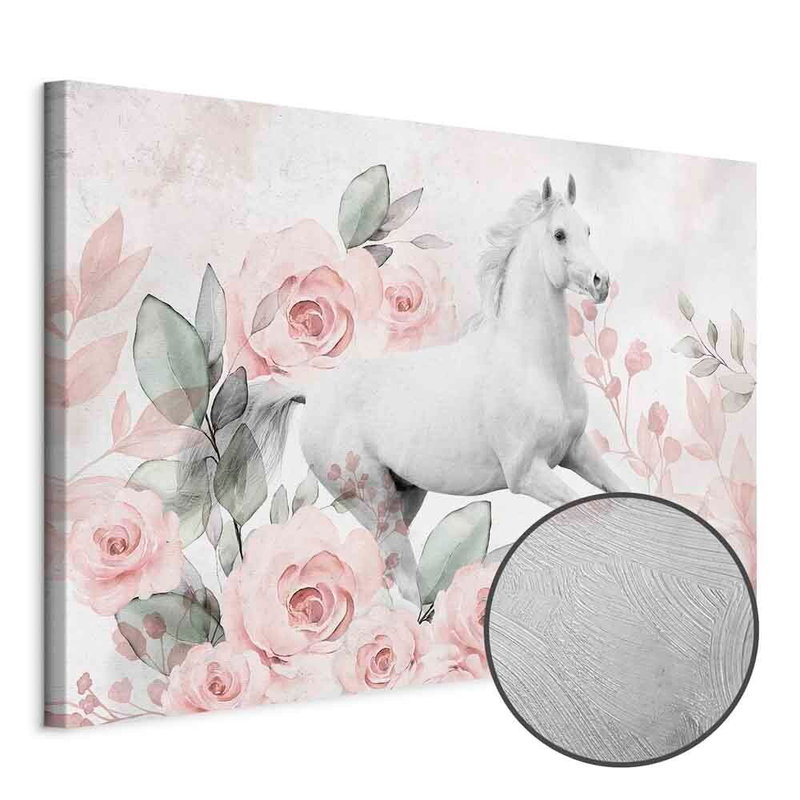
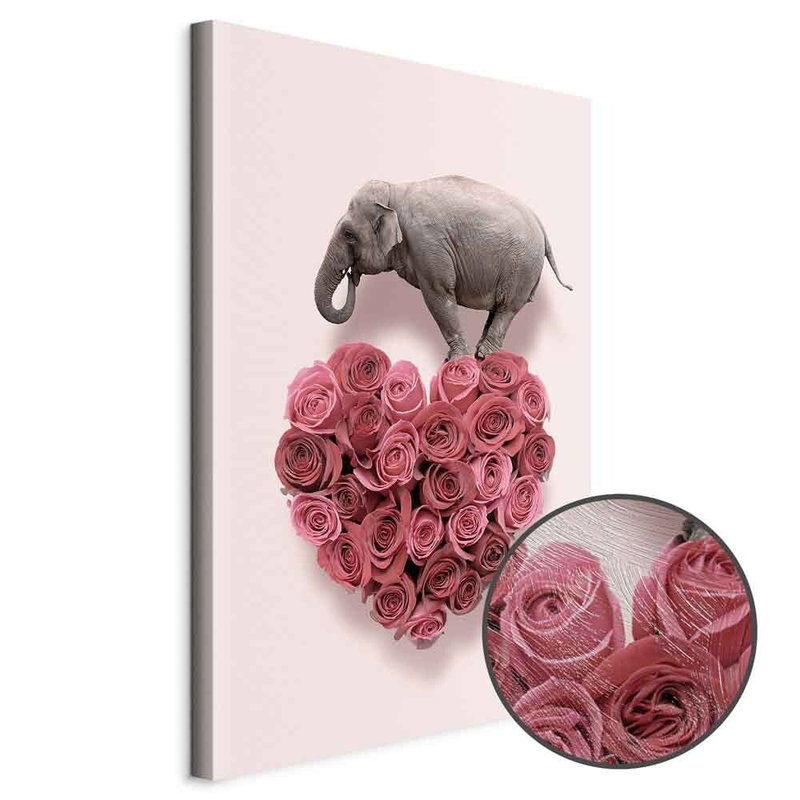
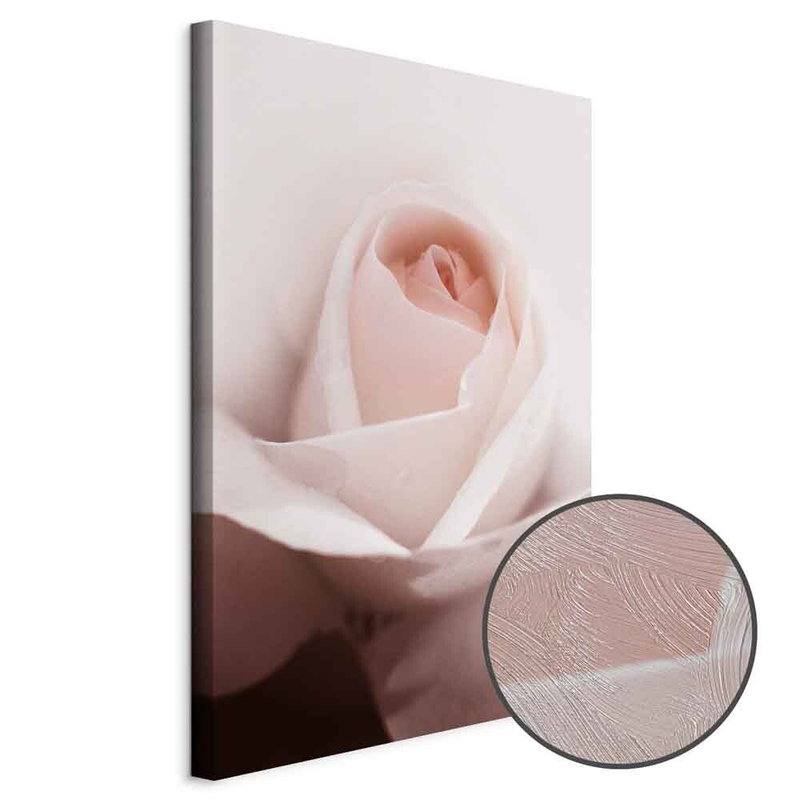
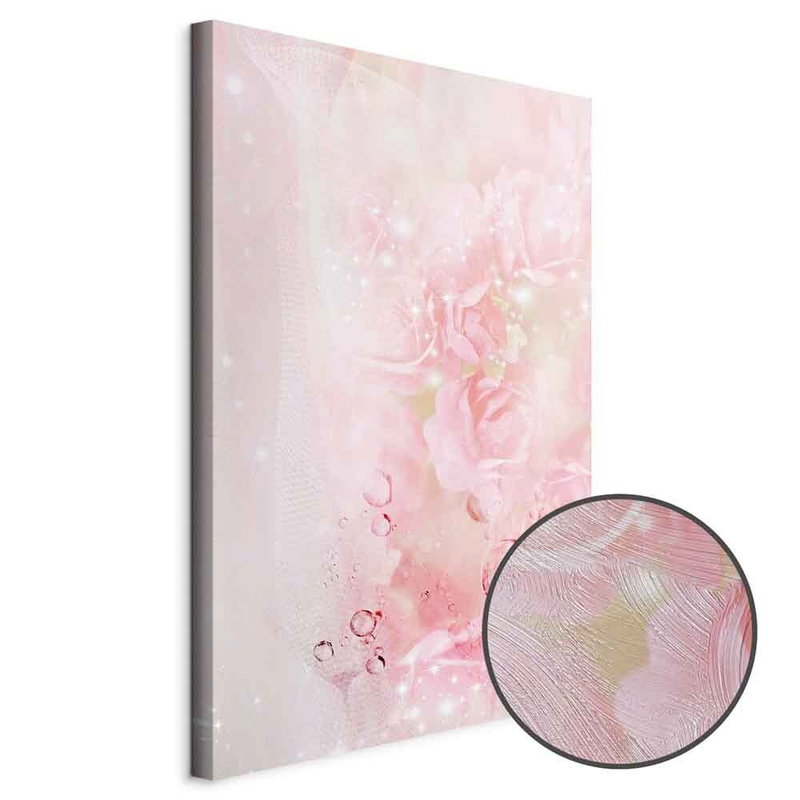
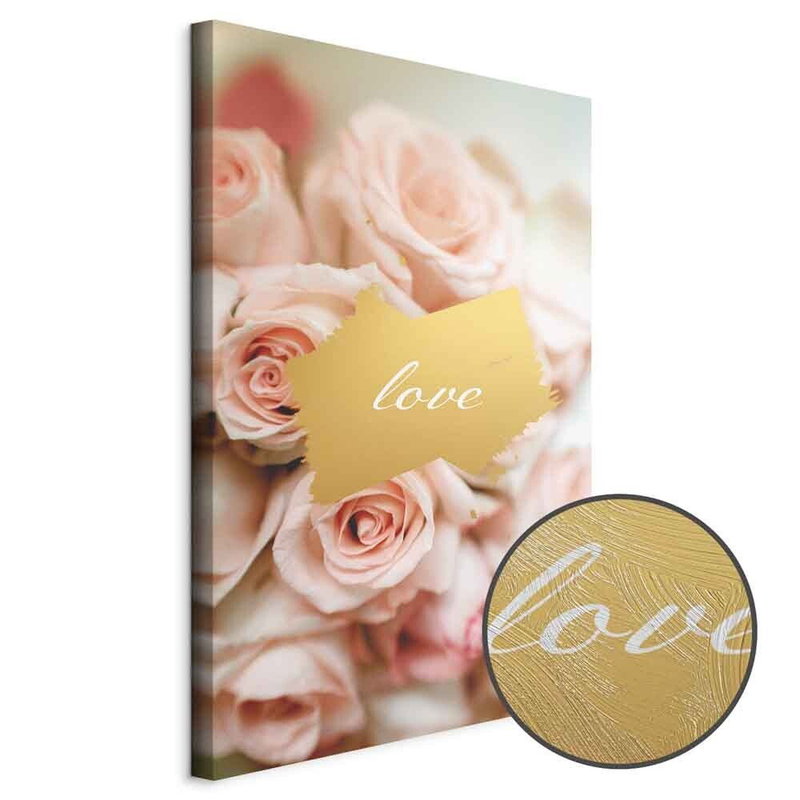
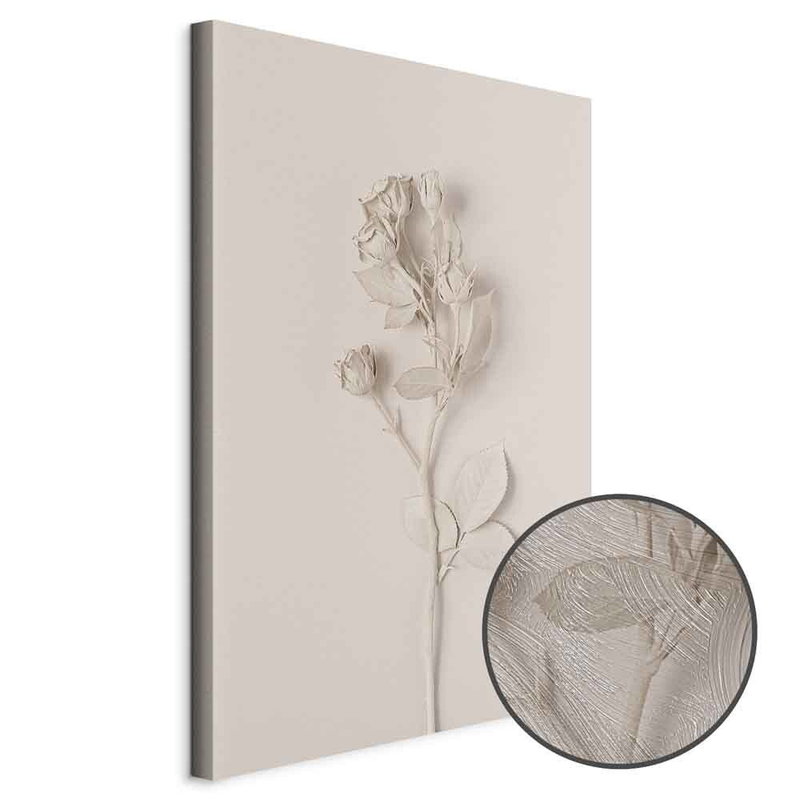
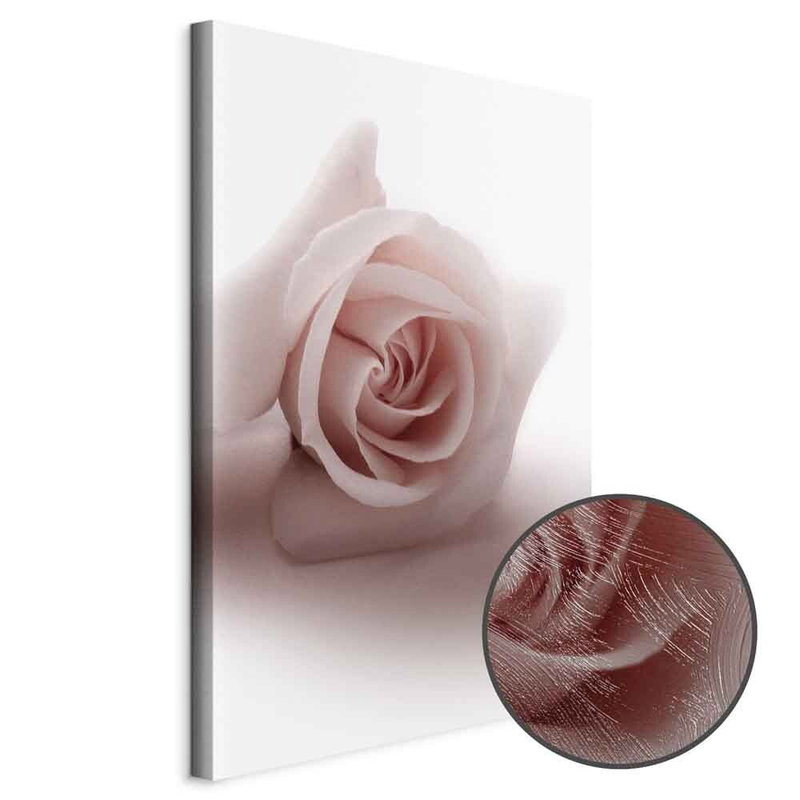
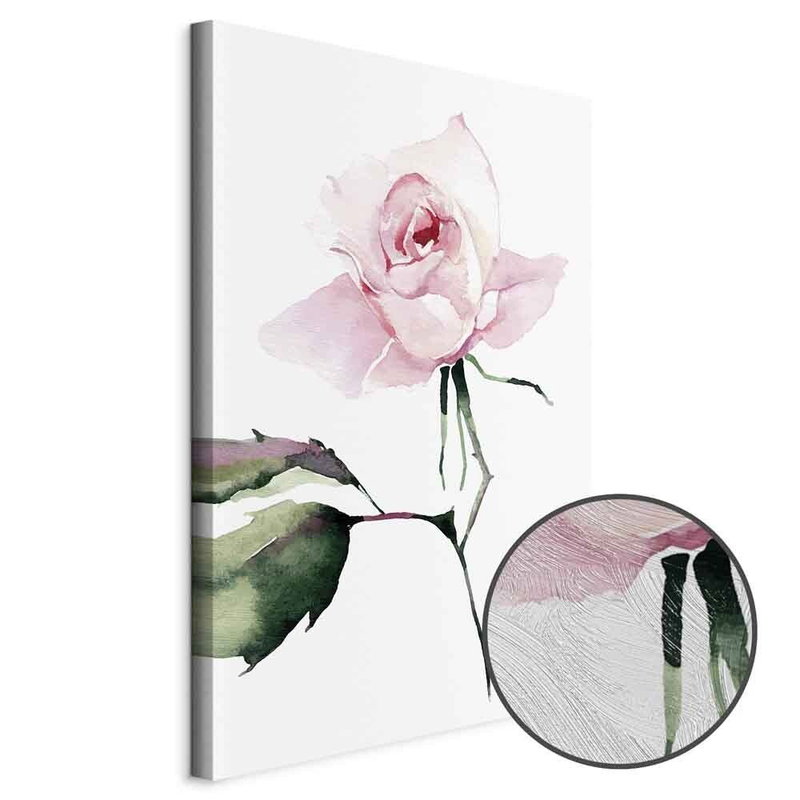
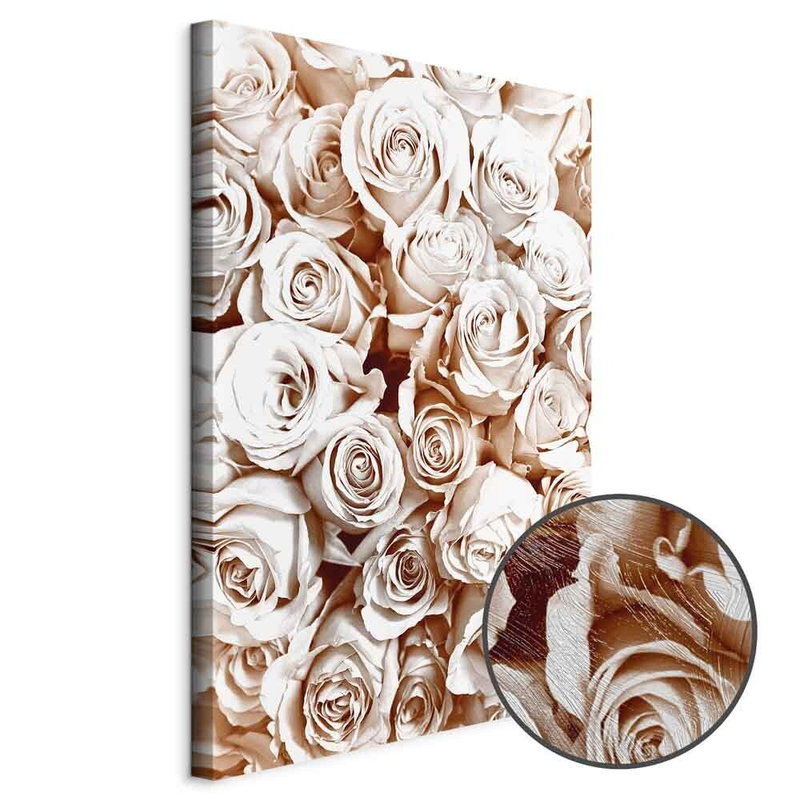
The group includes single roses and compositions in which roses are the recognisable floral theme. Pale pink tones feel different from darker colours. Some designs combine roses with other subjects, so always consider the complete product image.
Choose the design and its position
Compare the dimensions and number of panels on the product page before planning installation. Separate panels need suitable spacing, and the whole design should work from the usual viewing position. Follow the installation and care instructions for your selected model.
The premium surface and room acoustics
The printed design is combined with hand-applied clear gel that gives the surface physical texture. The sound-absorbing construction can help reduce room reverberation; the plant subject itself does not provide a particular acoustic rating. The effect depends on the absorbing area and the other materials in the room.
Free shipping refers to delivery to a collection point where offered. Existing terms apply to other delivery methods.
Assess the rose’s form before choosing colour
Rose petals may create a dense centre or open towards the image edges. Notice how the flower appears in the selected subject and how much is visible. A single rose, several blooms and roses among other elements draw attention differently. Compare the complete main image before one detail.
Also notice the space given to stems, leaves and background. They can provide direction and connect the picture even when roses are the recognisable floral theme. The whole arrangement needs to suit the wall. A large close-cropped flower need not feel like a group of smaller roses even where their colours are similar.
Choose between soft transitions and clearer contrast
Pale petals against a pale background may be defined differently from a dark rose on a lighter surface. Compare the largest colour areas with walls, flooring and textiles. Colour on one small part of the flower should not determine how a large picture will feel in the room.
If the design combines roses with other subjects, these need to work in the setting too. Notice their visibility from the usual viewing position and whether they change the character. Do not choose solely because a rose is present. Several image subjects may carry associations beyond the flower name, so assess the complete composition’s story.
Let the image’s direction meet the furniture arrangement
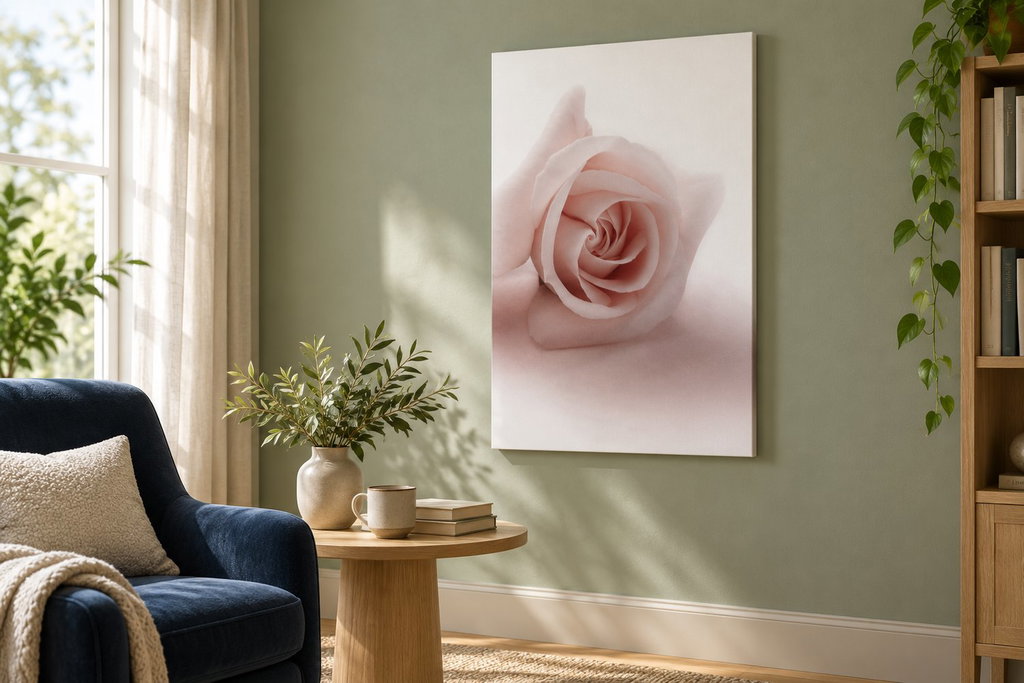
A flower group may lead the eye to the centre or along a branch. Try the direction above a sofa, side table or clearer wall. The main sightline need not be straight on. Check the image when entering and from the seat where it will usually be seen.
Use actual dimensions and panel count when making an installation template. With several panels, gaps affect how roses and their surroundings read together. Plan the whole group rather than estimating size from a preview. Follow model instructions and choose fixings suited to the supporting wall.
Understand the relationship between print and premium texture
Petal shadows and transitions belong to the image. Clear hand-applied gel adds physical texture to the premium surface. These features meet visually but are separate. A depicted flower should not be read as an attached floral decoration or information about materials not stated in the product description.
Assess the finish alongside lighting at the intended position. Petal details may interest close up, while larger colour areas and flower shapes read more clearly at a distance. Use product information for care and handling. The gel’s visible texture is not evidence for an undocumented acoustic performance promise.
Give the rose image a defined role in the room
Decide whether the picture will be a single floral accent or part of a larger group. A shared tone can connect different subjects without the same roses appearing in every image. Leave clear wall so that format and flower shapes remain distinct. Also avoid a position that makes doors or storage difficult to use.
Plan absorbing area around the room’s acoustics and other materials. Rose colour, petal count and image density do not determine sound absorption. Visual choice and practical function both need to work, but require different evidence: the subject through its product image and construction through documented information.