













Folding panels for flexible layouts
A screen can mark the boundary of a workspace or give a seating area greater visual privacy. Its design and position influence how it fits into the interior.
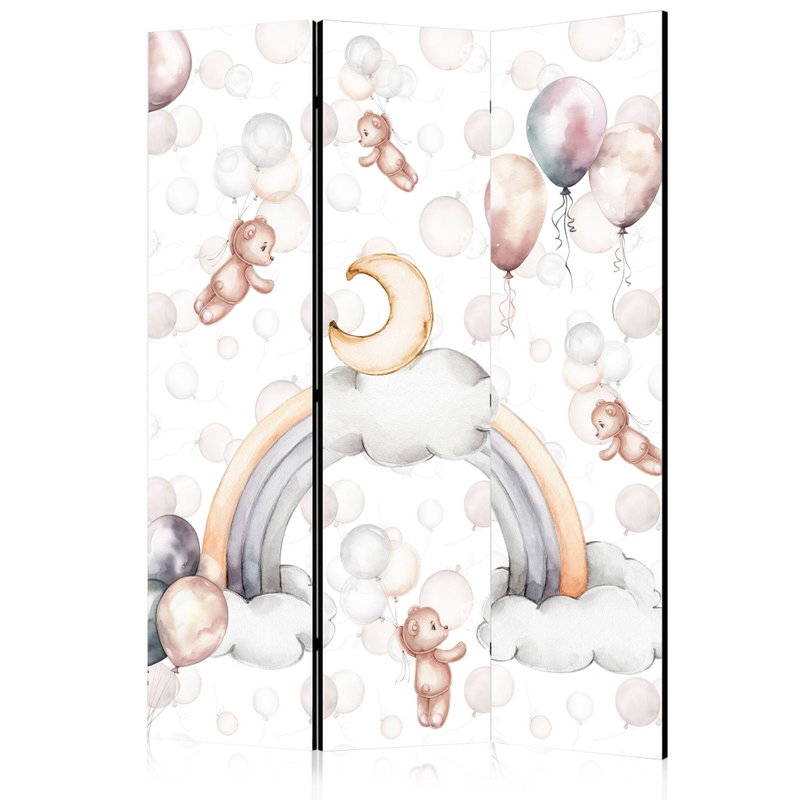
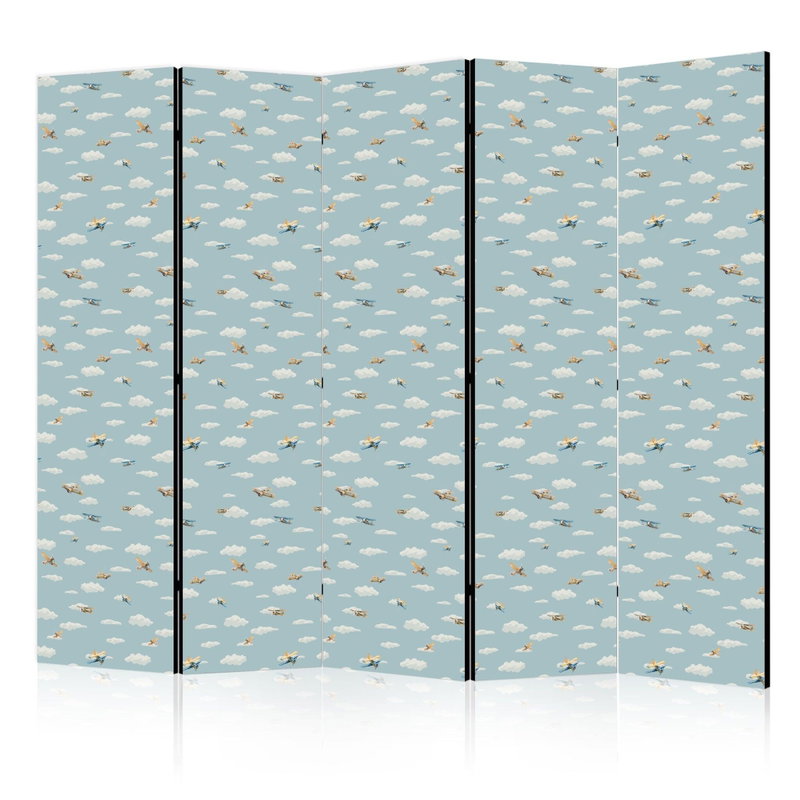
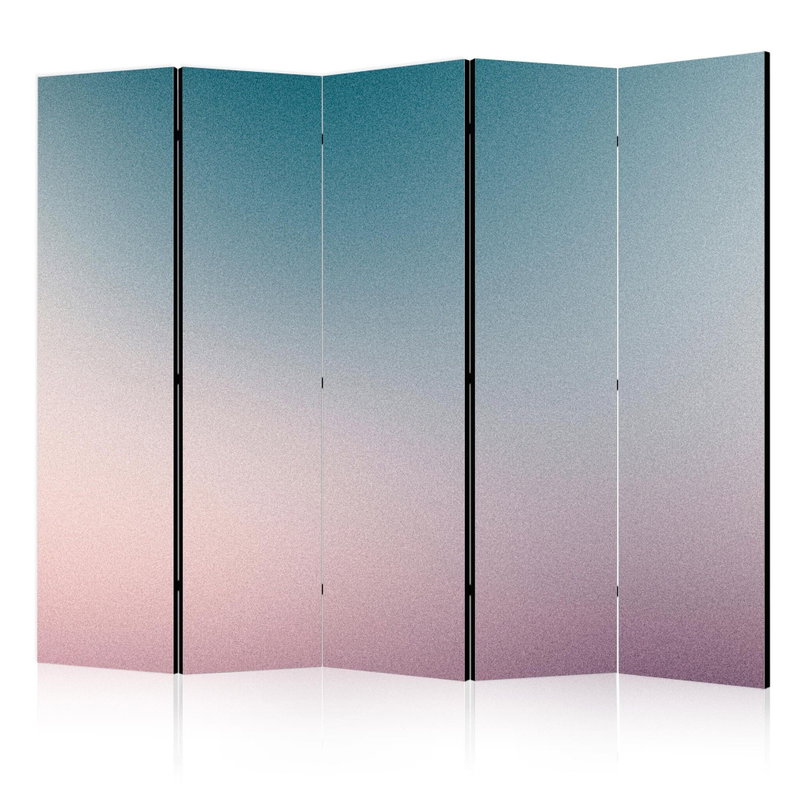
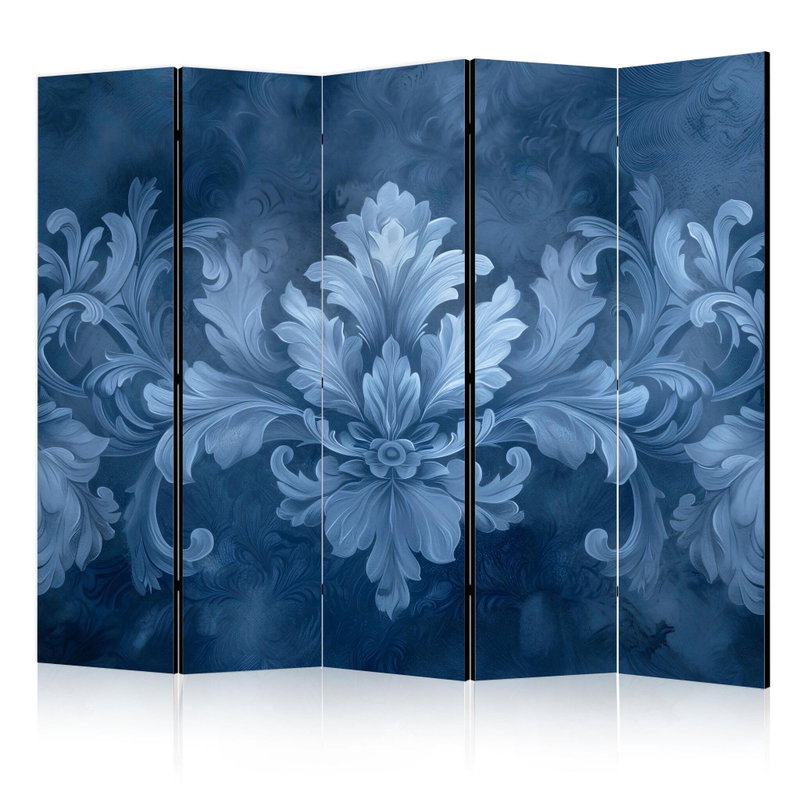
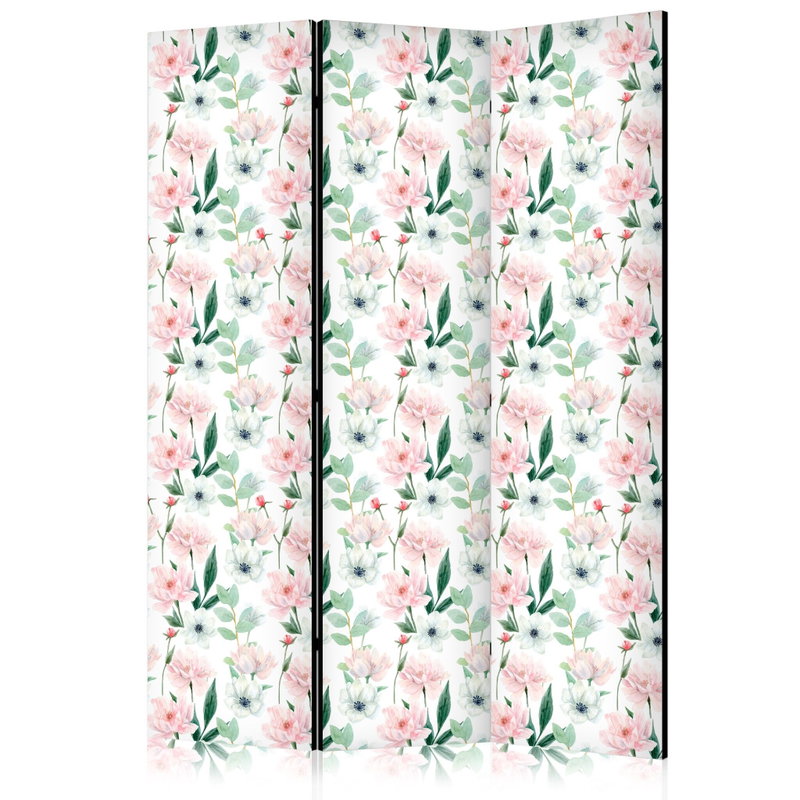
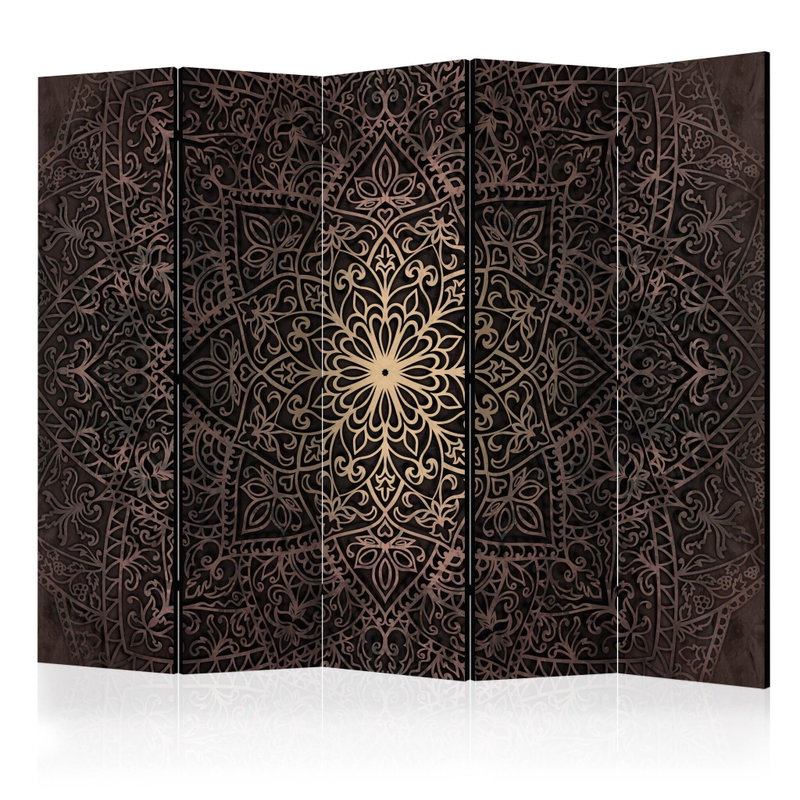
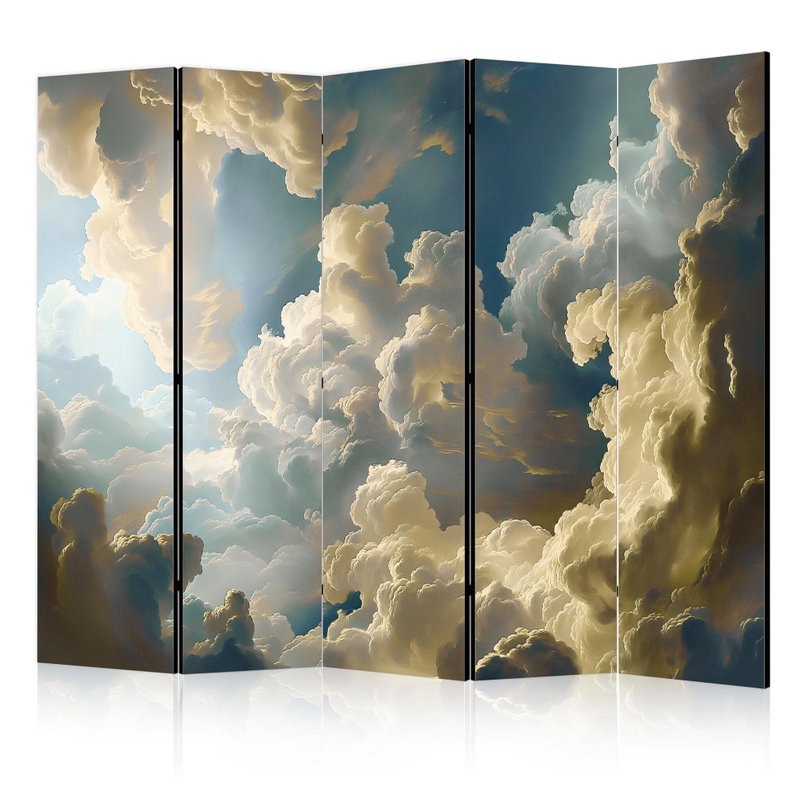
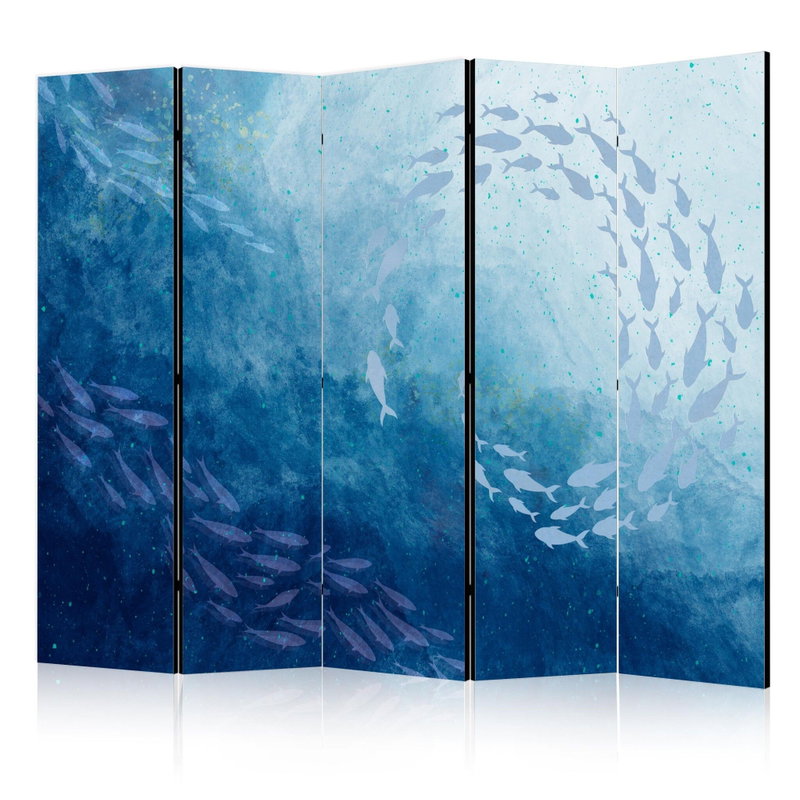
Choose three or five panels
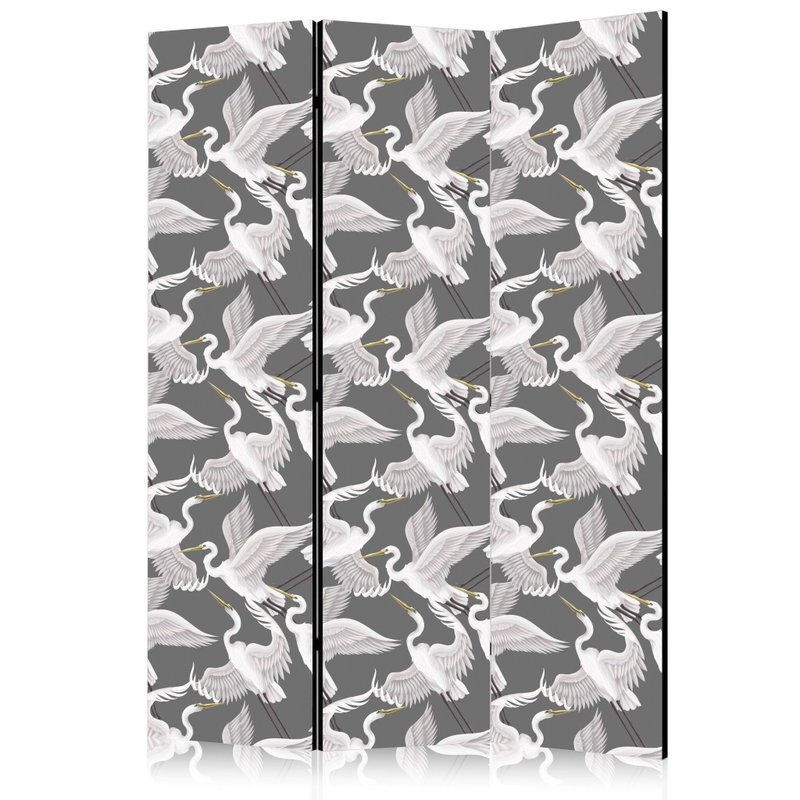
Three panels mean fewer sections to position. Five provide more sections to angle. Always compare product dimensions: panel count alone does not establish the width of the screen when in use.
Stability and acoustics
Follow the model's positioning instructions and keep walkways clear. Sound absorption concerns reflections within the same room. Air and sound can still pass around a freestanding screen.
Compare fully unfolded dimensions with the arranged shape
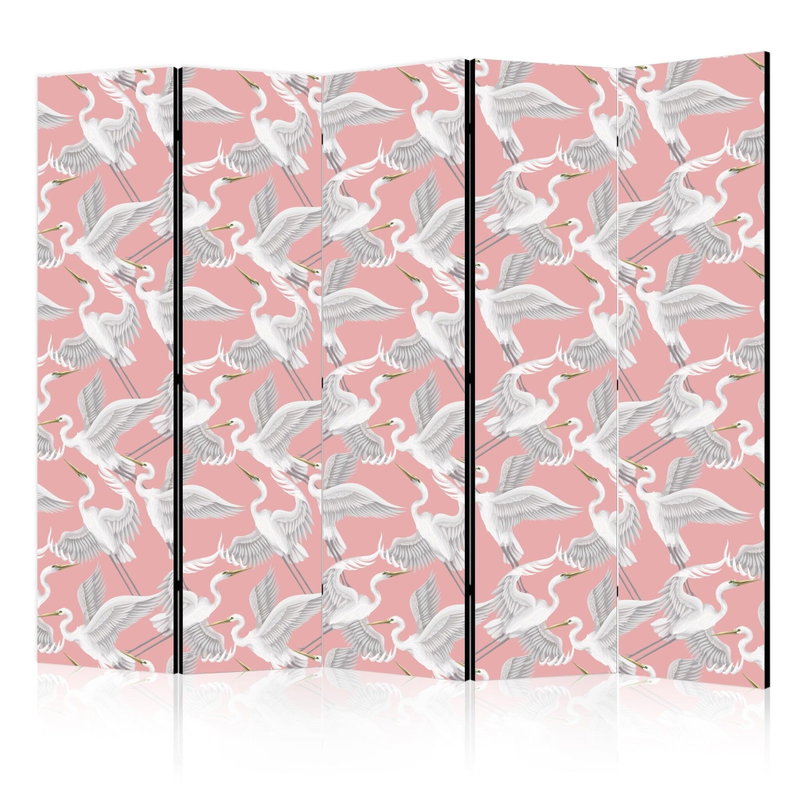
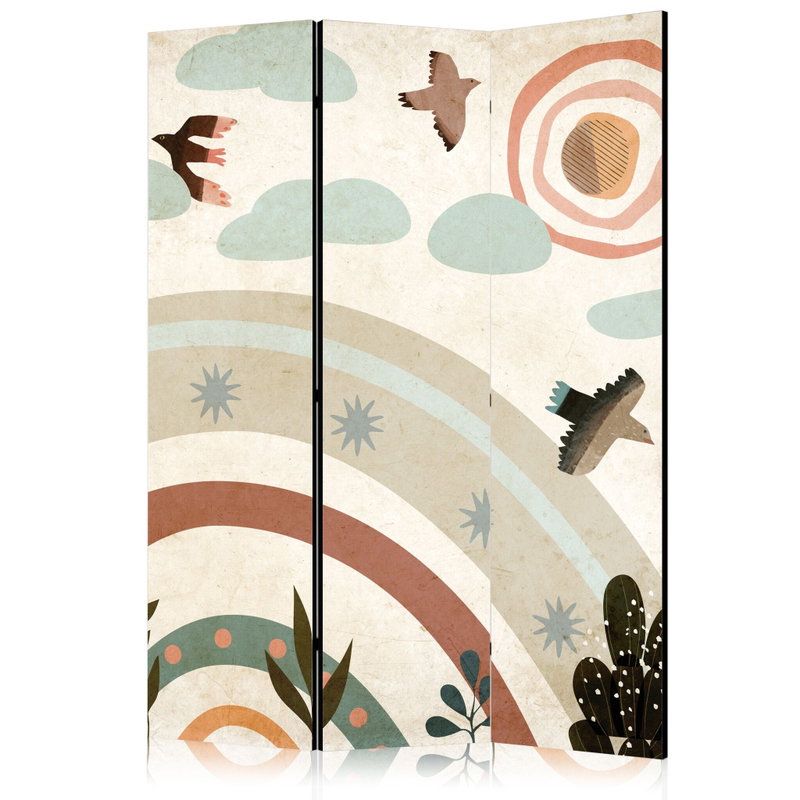
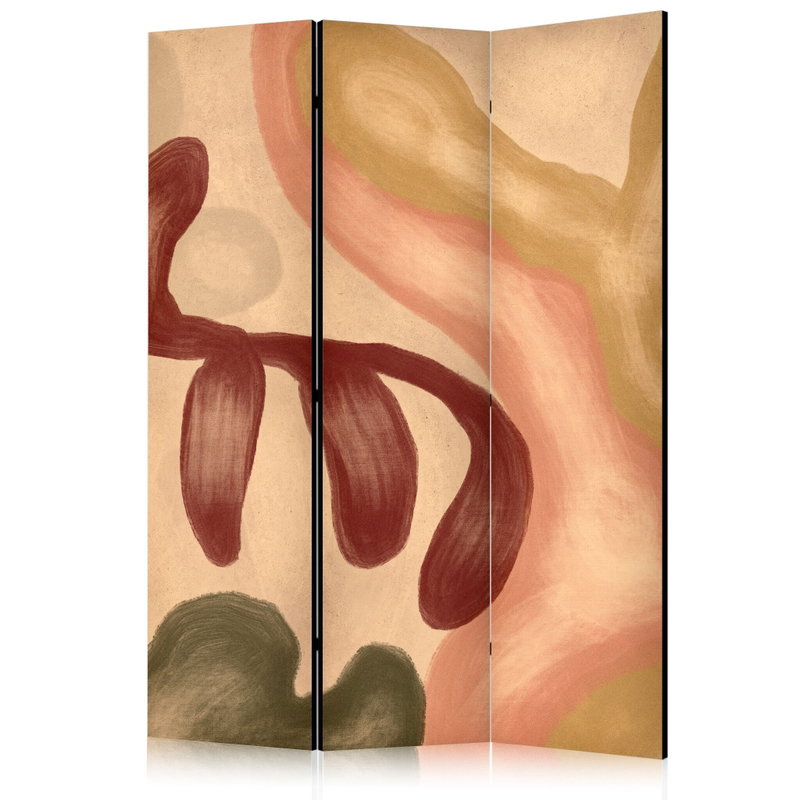
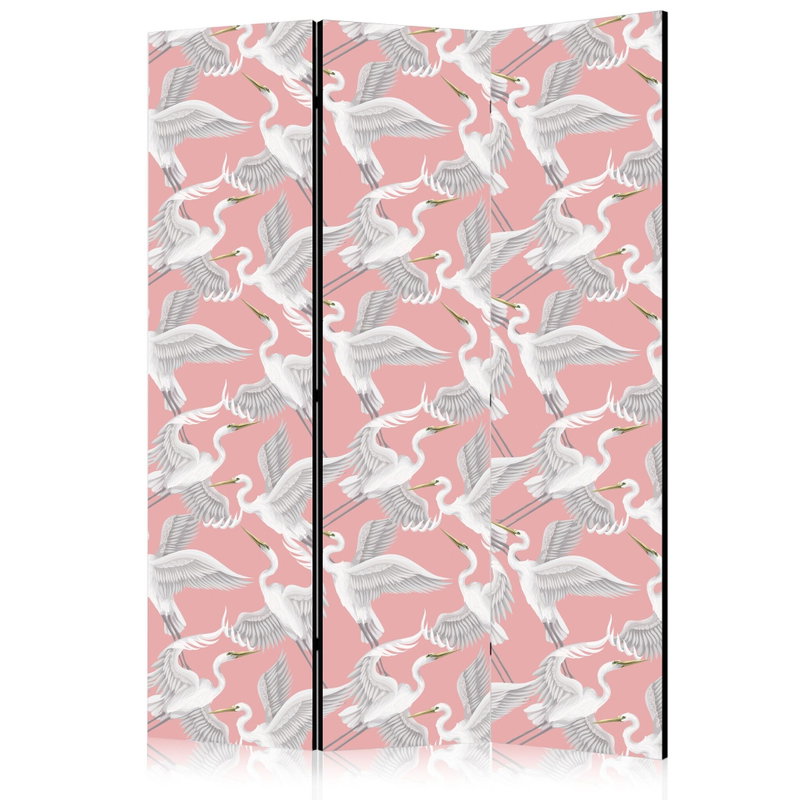
The checked three-panel models are listed as 135 × 172 centimetres and the five-panel models as 225 × 172 centimetres. Each panel is 45 centimetres wide and 172 centimetres high. These dimensions describe the products fully unfolded. Always read the selected model’s current information before comparing it with the intended position.
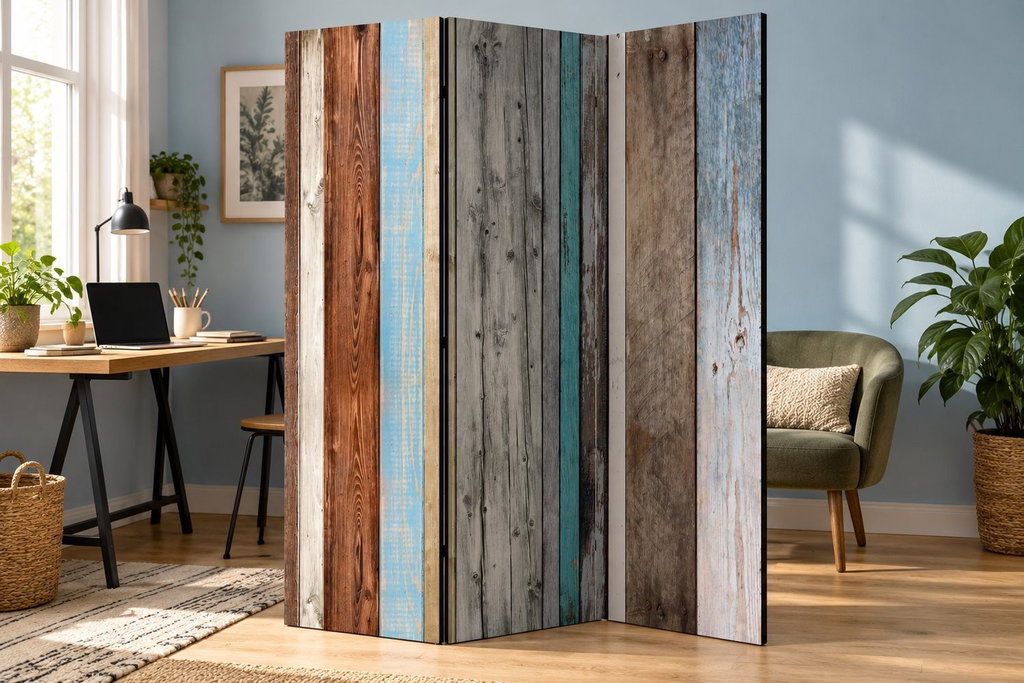
Angling the panels reduces straight-line width while the structure needs depth. Do not simply draw a line on the floor. Test the complete intended shape, including feet and space in front and behind. Include a pulled-out chair, open cupboards and door movements, so that an apparently free area also works in everyday use.
Freestanding construction with printing on both sides
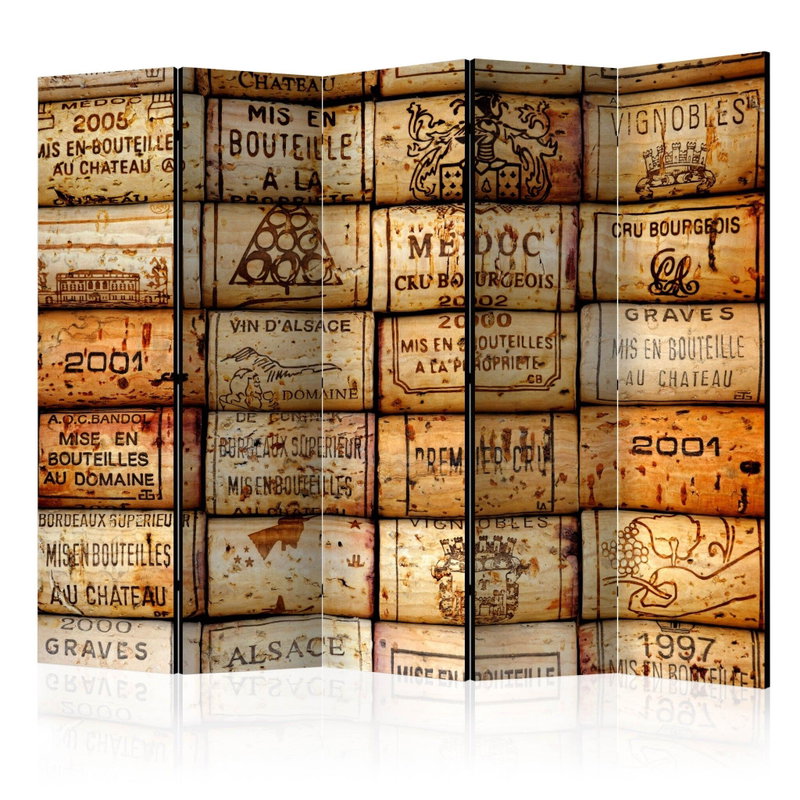
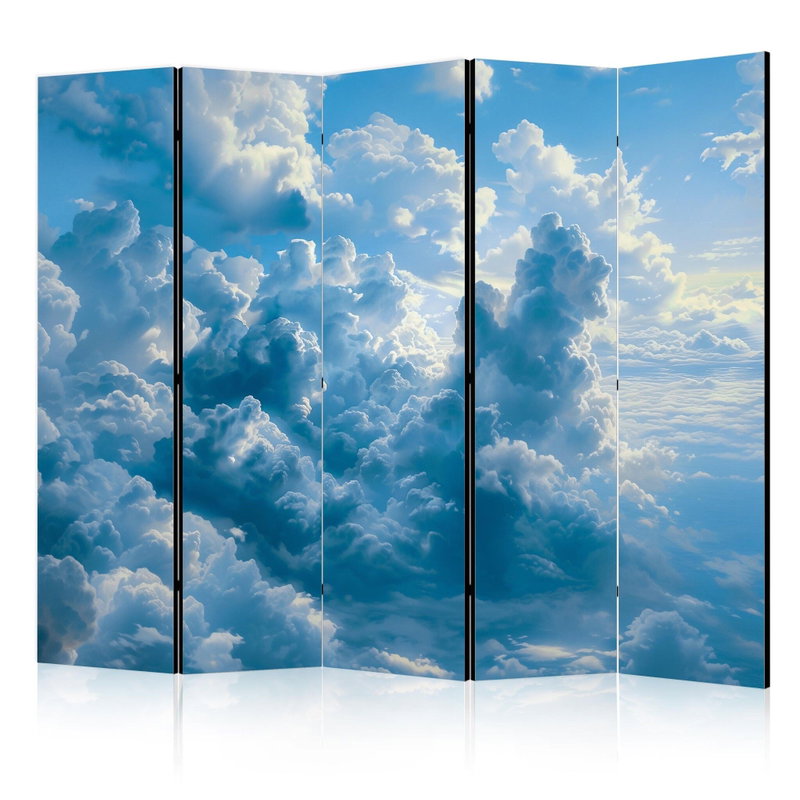
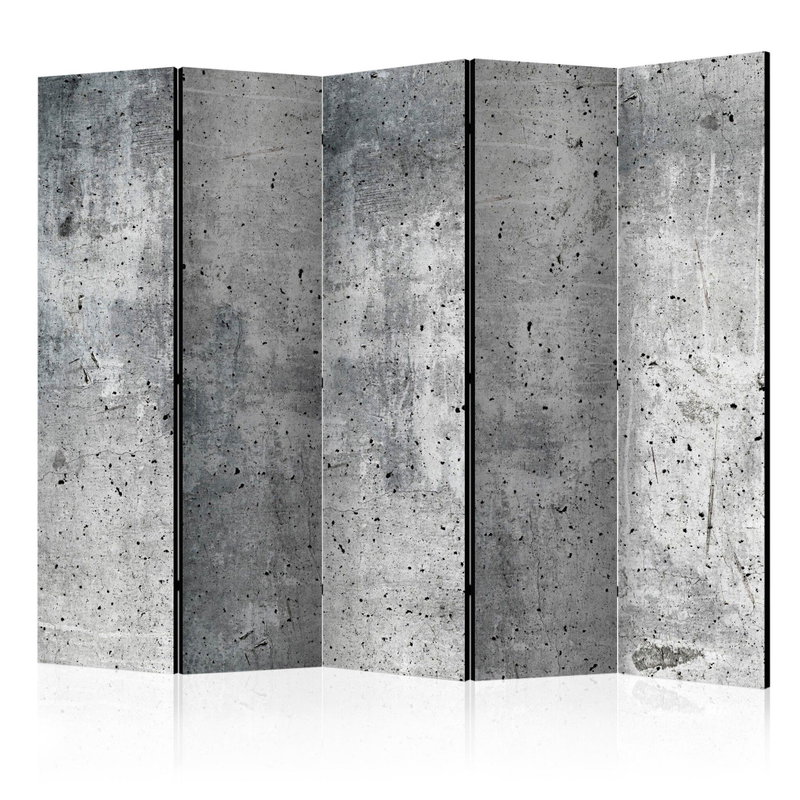
The reviewed screens have connected panels with metal hinges, a pine frame and sound-absorbing technical polyurethane foam. Double-sided printing lets the image face two parts of the same room. Distinguish actual construction from the depicted subject: an image of wood, stone or tiles does not change the screen’s materials.
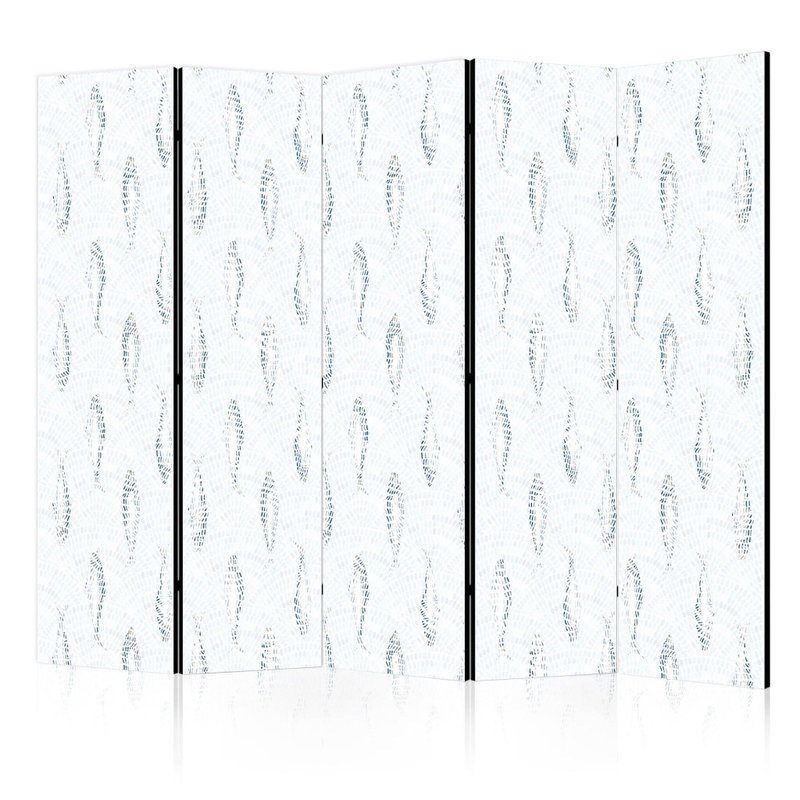
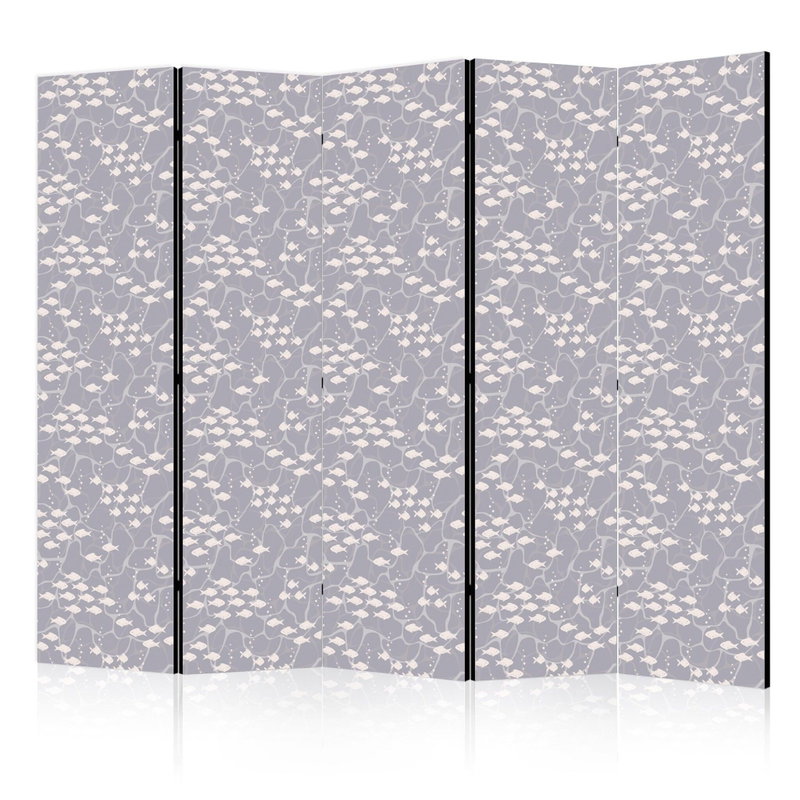
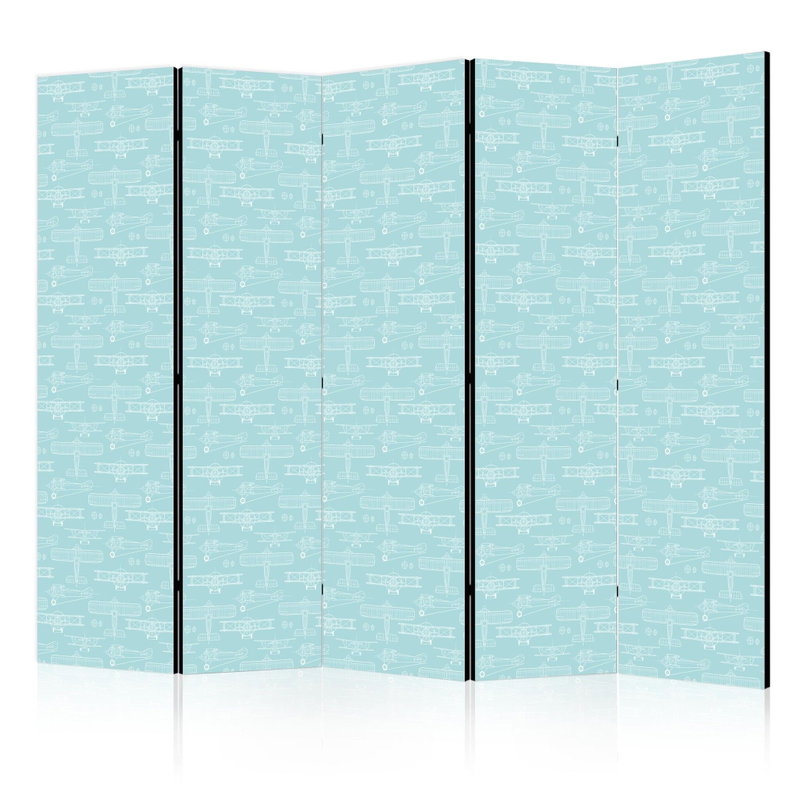
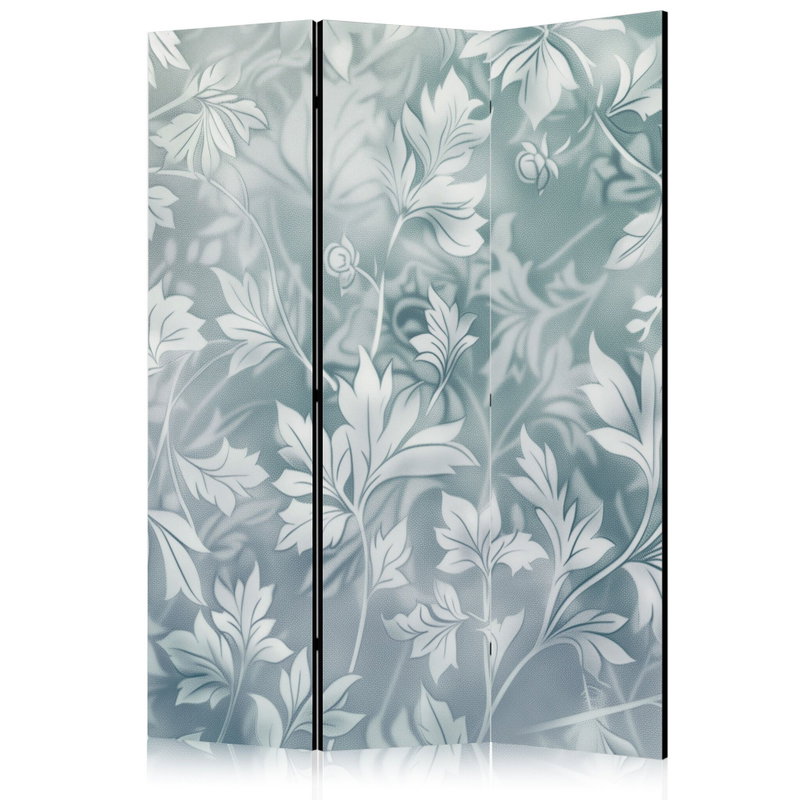
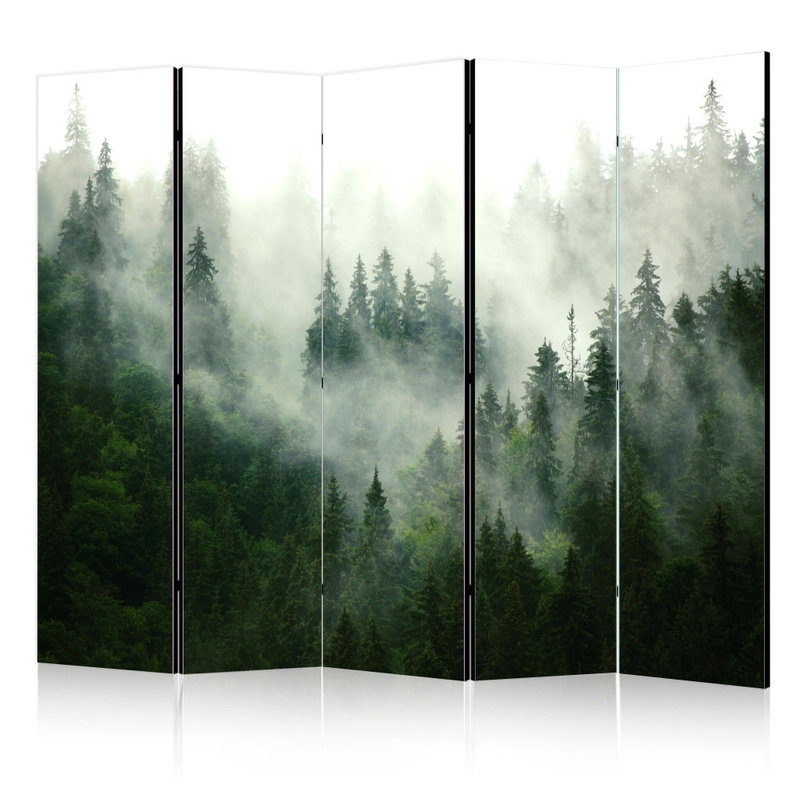
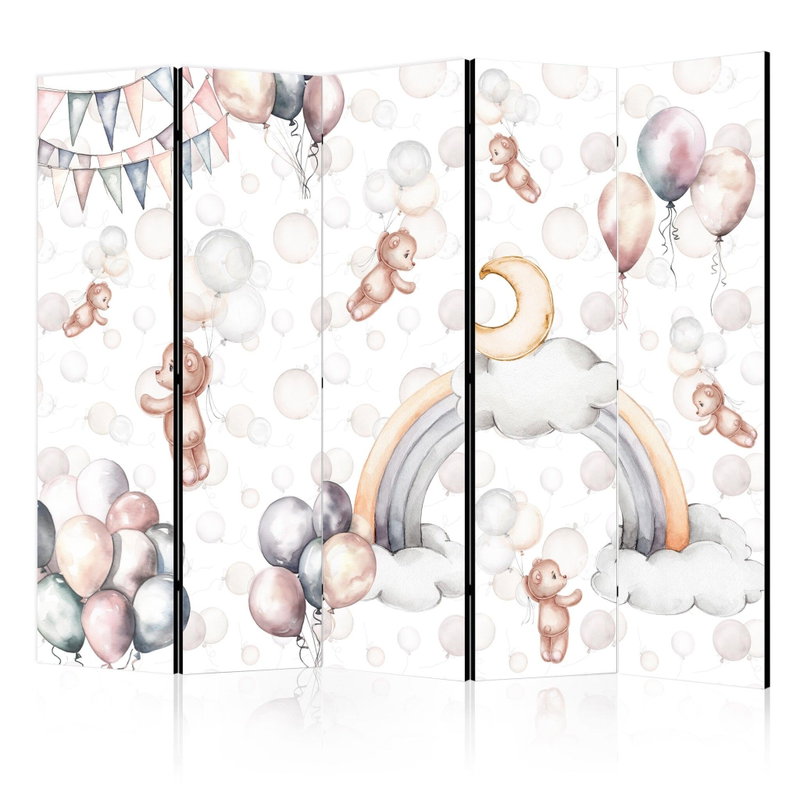
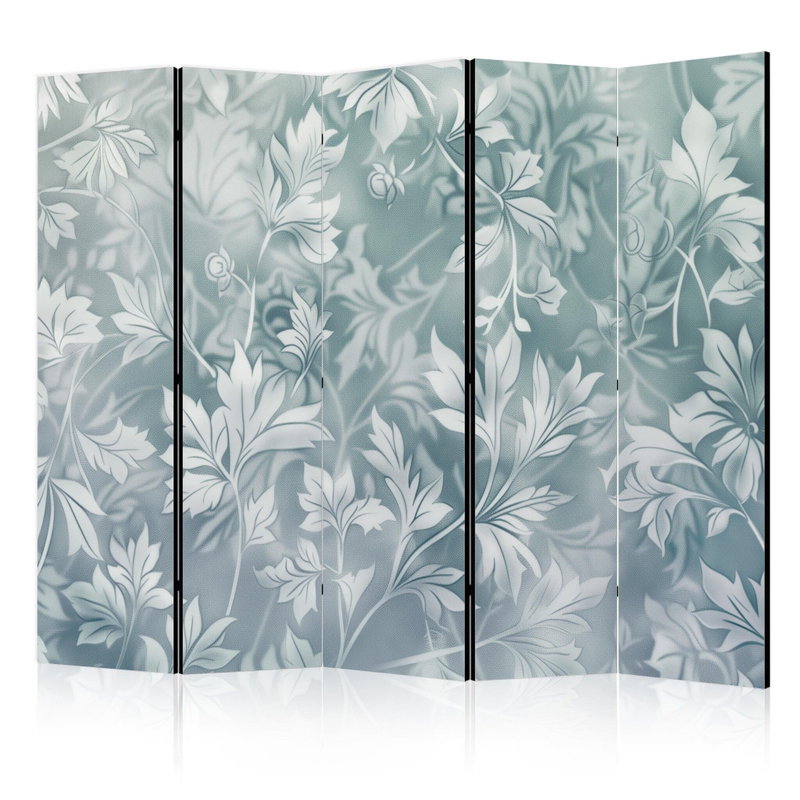
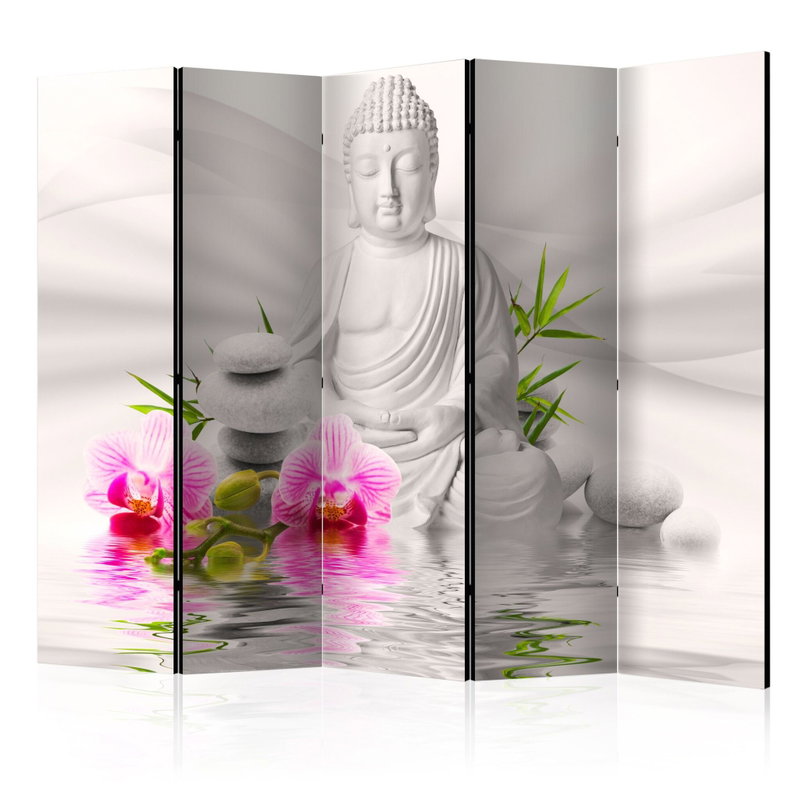
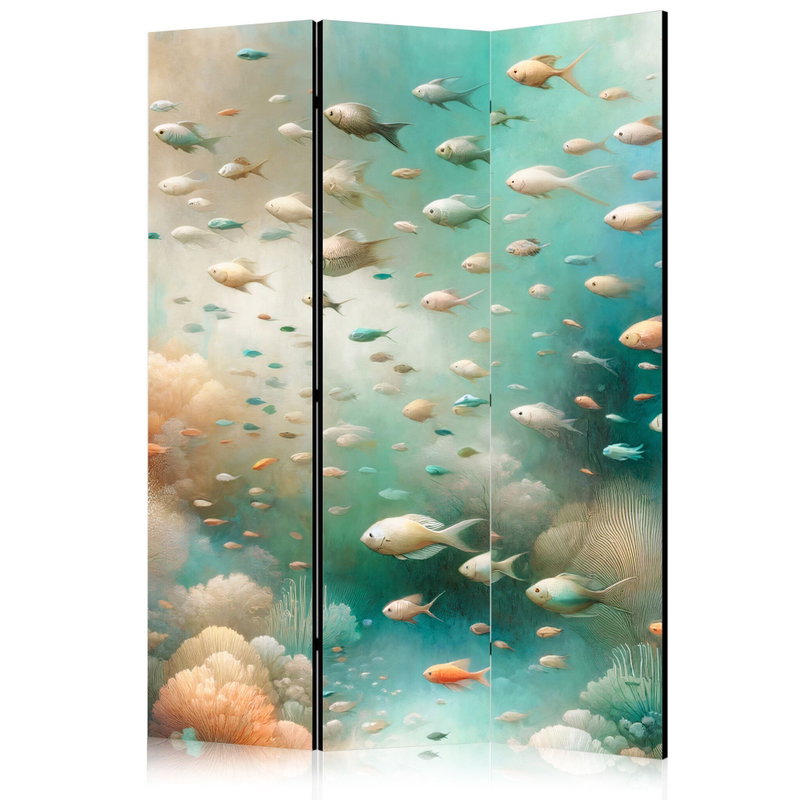
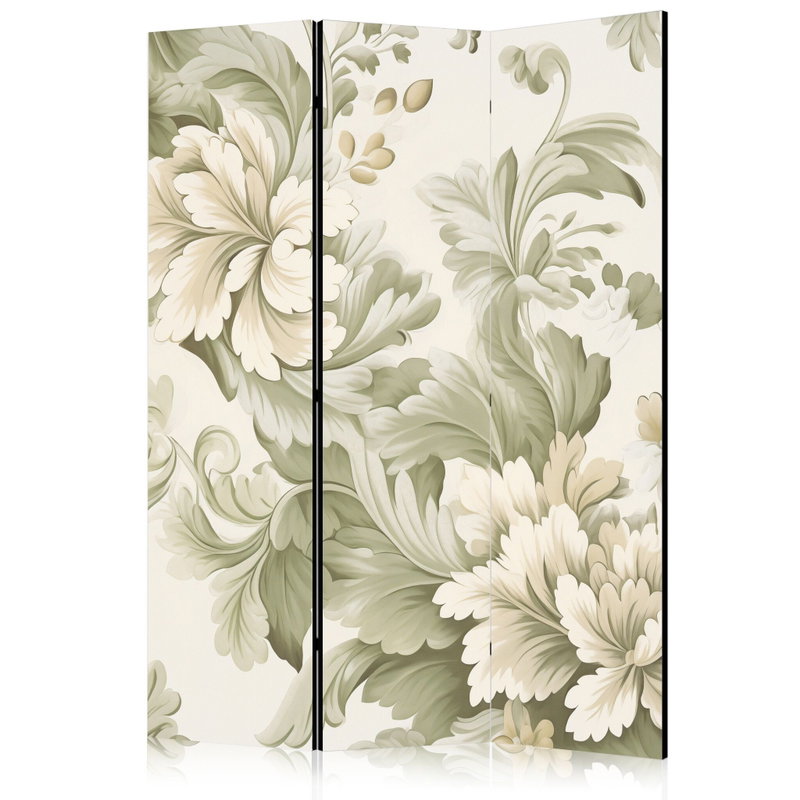
A workstation and neighbouring seating area may have different colours and furnishings. Compare the image’s large background areas with both settings. A distinct landscape, a botanical image and a repeated pattern read differently when panels fold. Check the complete main image and which parts will be visible from the key positions.
Plan sound absorption around the room
Hard walls, floors and large clear surfaces can contribute to sound reflections. A screen with absorbent filling adds a different kind of surface where it stands. The extent of change depends on room size, furnishings and the amount of absorbing material, among other factors. A particular image or more panels does not itself promise a specific improvement.
Begin with the room’s purpose and separate visual screening from acoustics. A person may be less visible behind panels while conversations remain audible around them. If a business needs speech privacy or separate conversation rooms, it needs evidence beyond an image of a freestanding divider. Choose the product for its documented function.
Choose the image and information surface thoughtfully
On the reviewed models, the surface can also hold pins, notes and pictures. This may be useful near a workspace, but attached items become part of the screen’s visual expression too. Plan which image areas to keep clear and which to use for messages. Check current product information for this use.
Consider who sees each side. Information intended for a workstation need not face a passage, while the decorative image can remain more complete on the side facing visitors. Choose the subject only after assessing the whole product image. Text and symbols already printed on it do not change when the shop page language changes.
Handle, move and care for the screen according to its model
The checked products are intended for indoor use and can fold when the room layout changes. Follow handling and stable-positioning instructions every time the location changes. Check suitable panel angles, contact between feet and floor, and clear routes within the new furniture arrangement.
The product information specifies gentle wiping with a soft, slightly damp cloth and avoiding chemical cleaners. Read the care guidance for the selected model and protect the image surfaces from unnecessary wear during storage. Planning for daily use and storage makes the folding divider easier to use as the room’s needs change.