



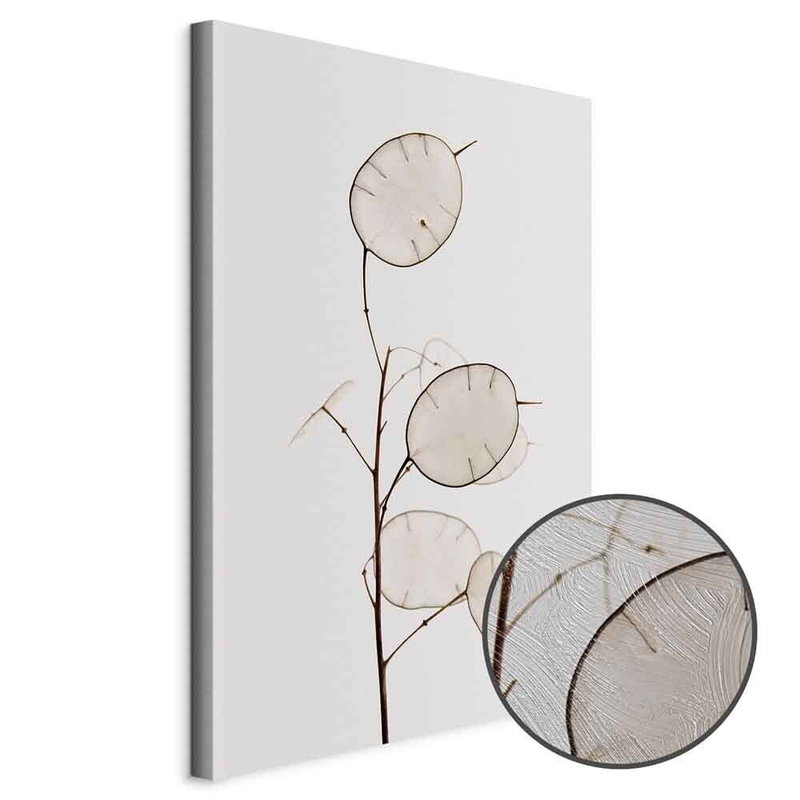
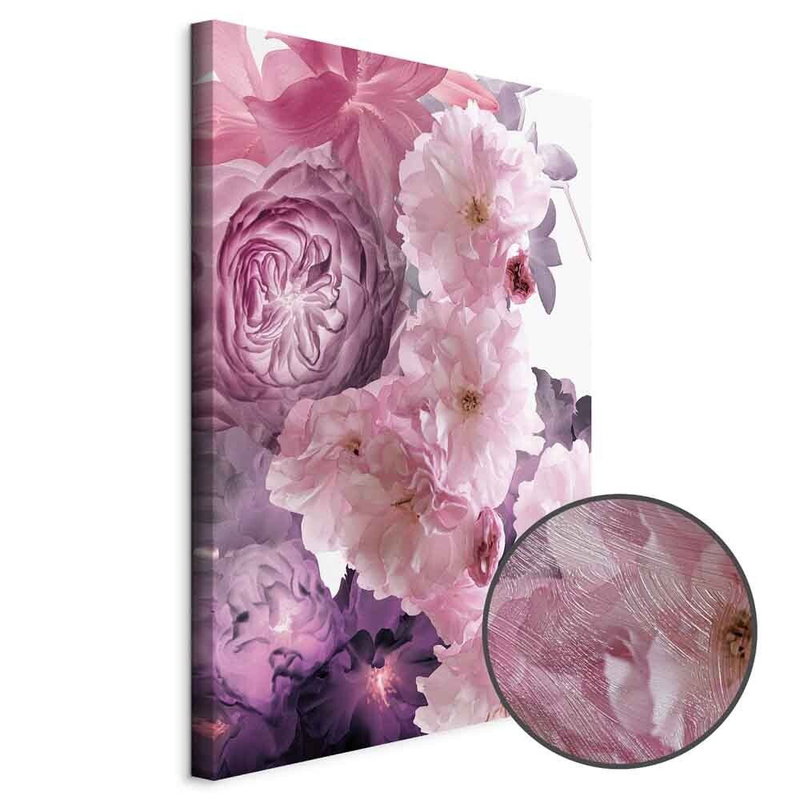
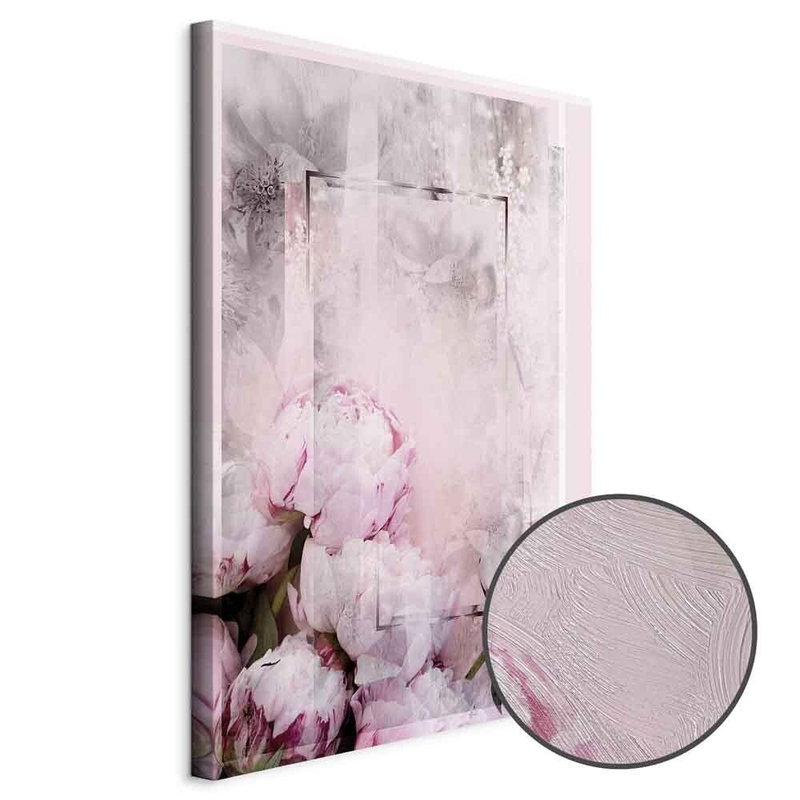
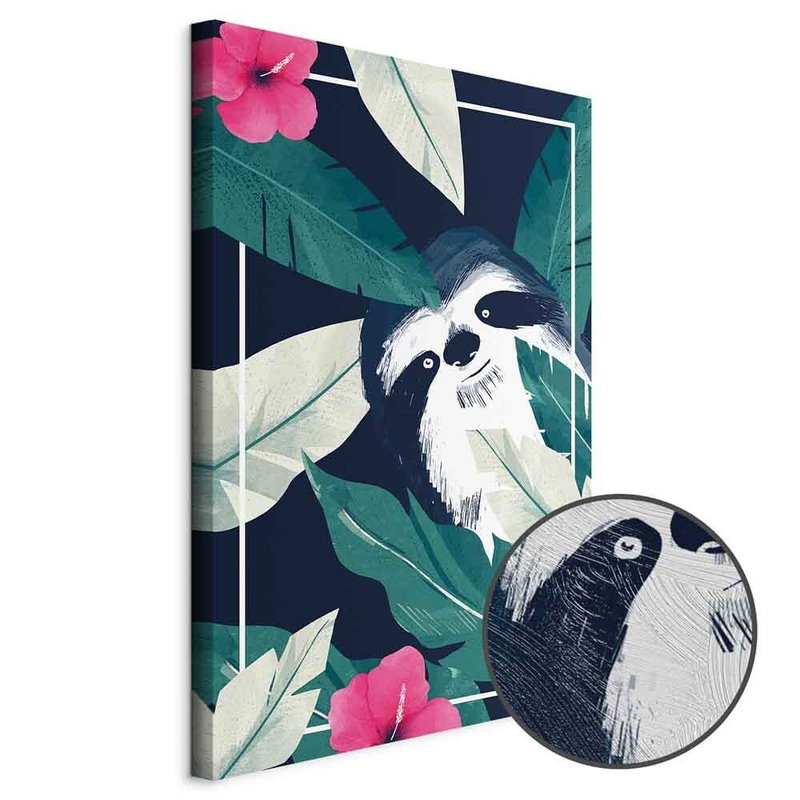

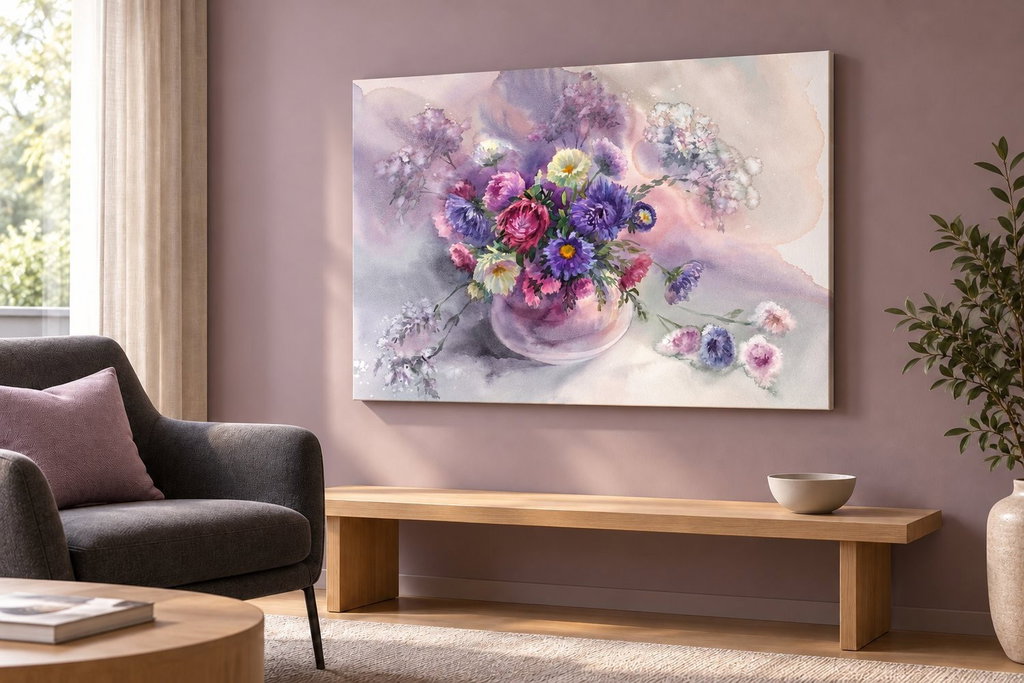
Other flowers – premium acoustic wall art
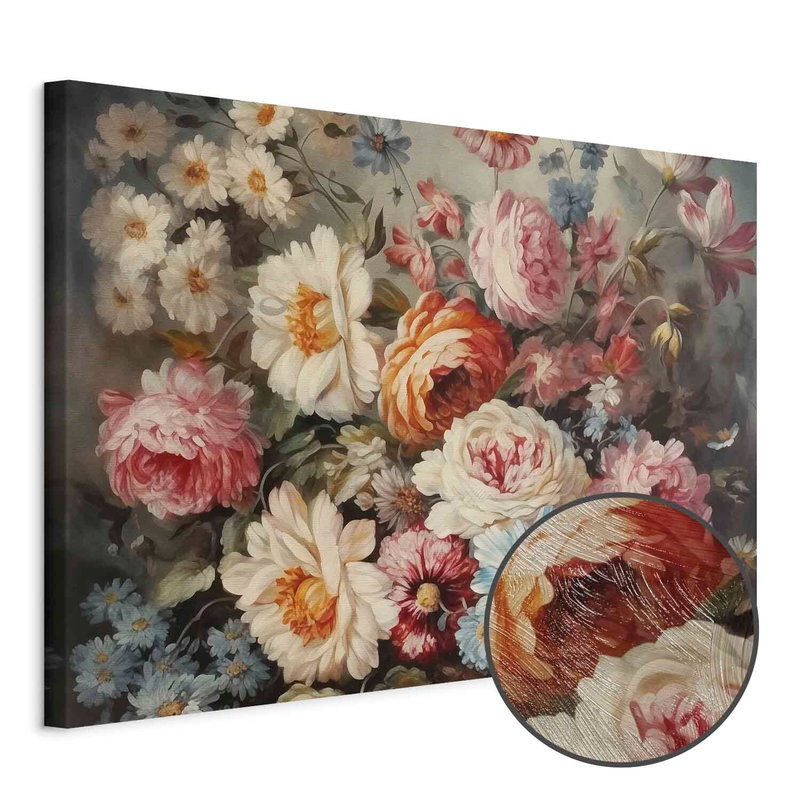
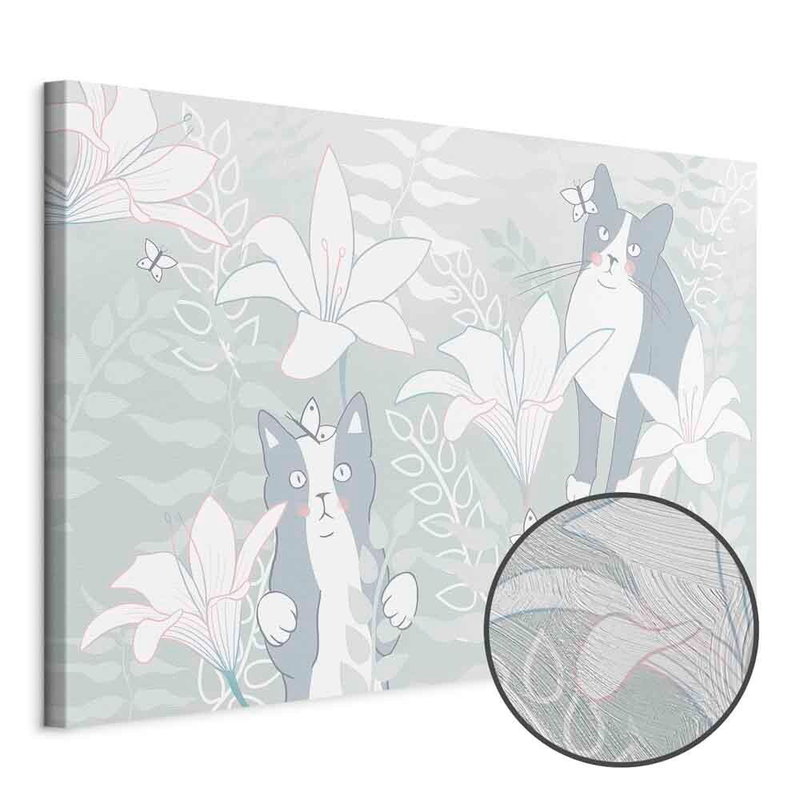
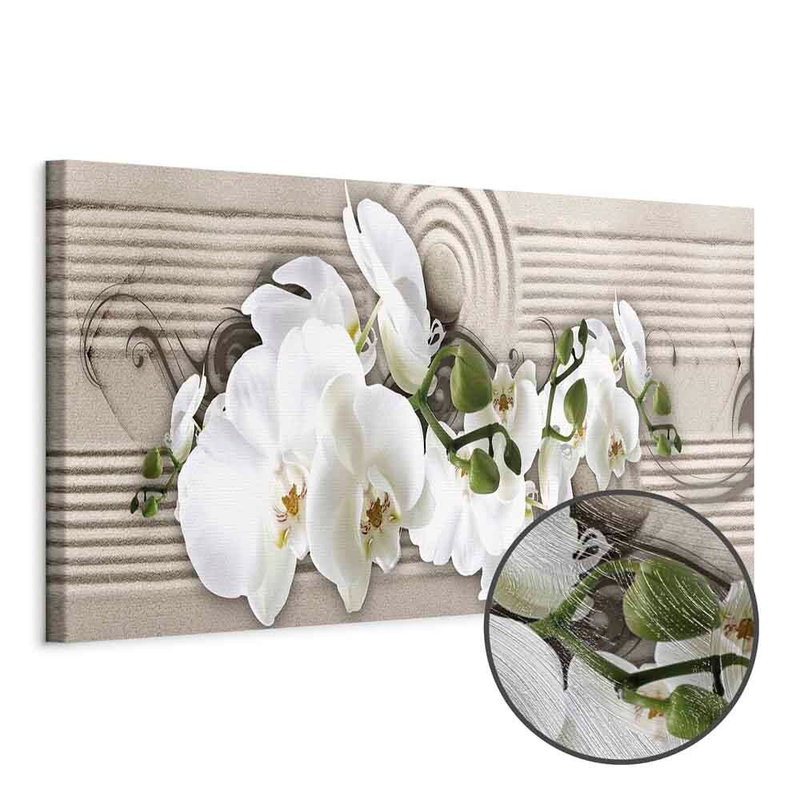
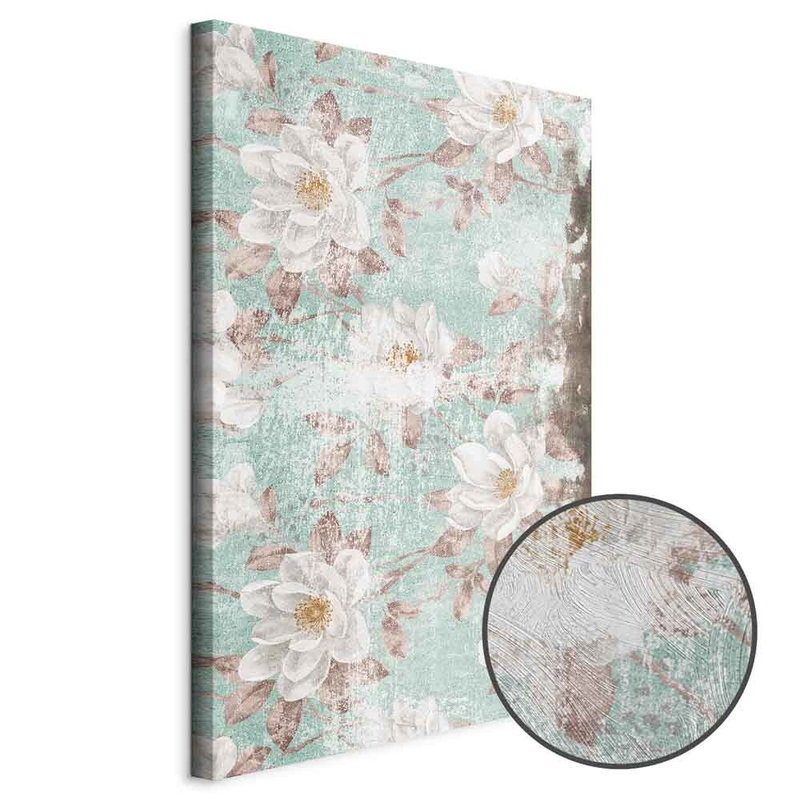
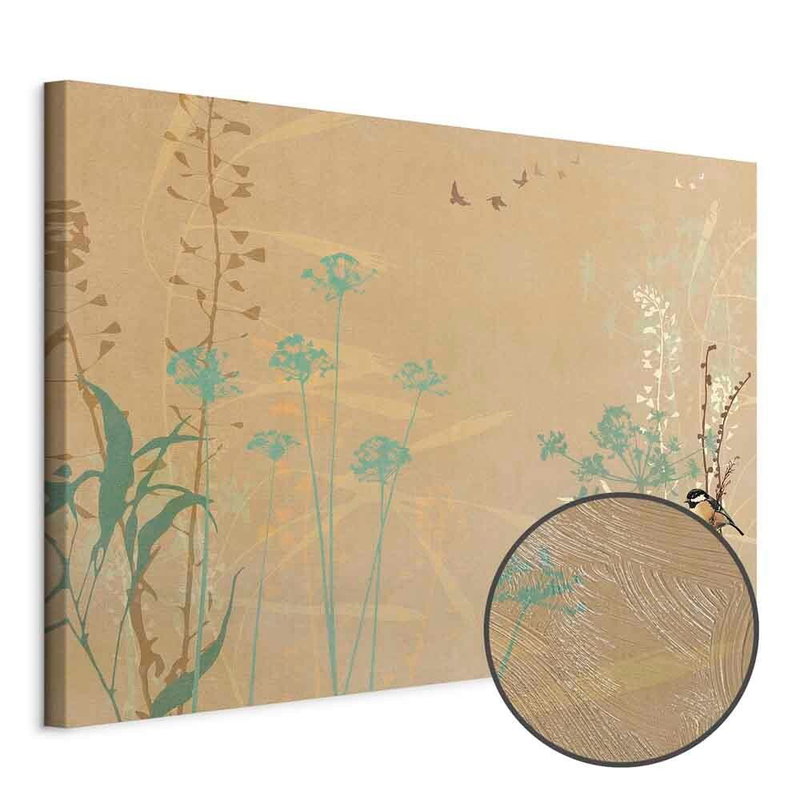
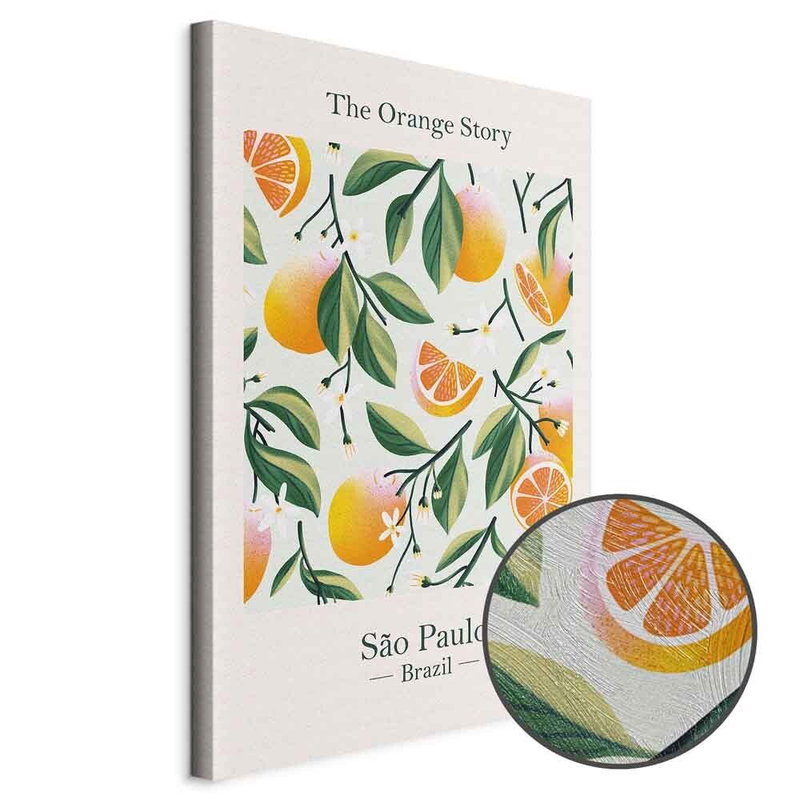
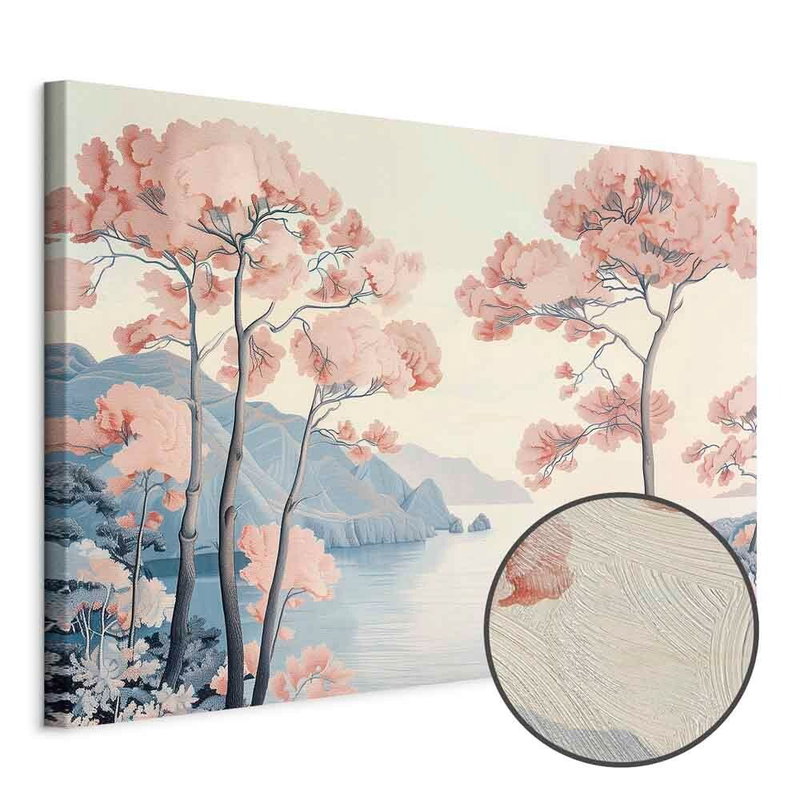
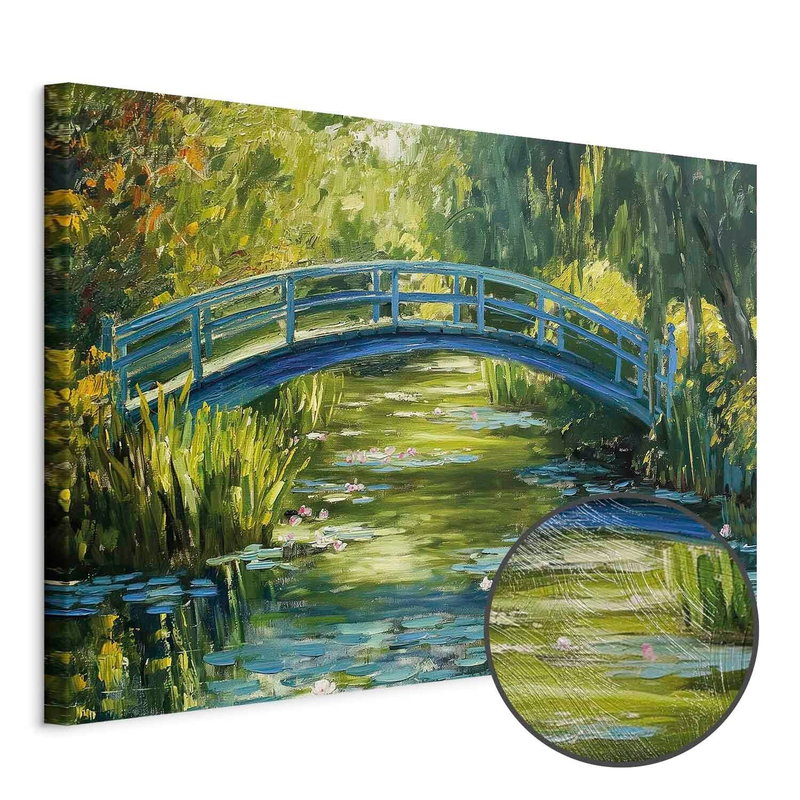
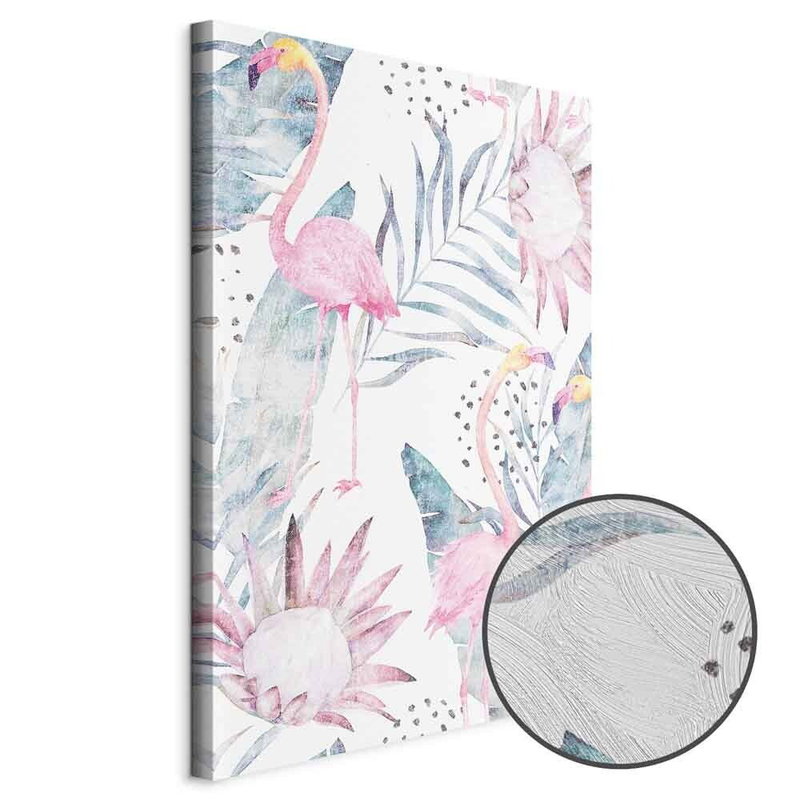
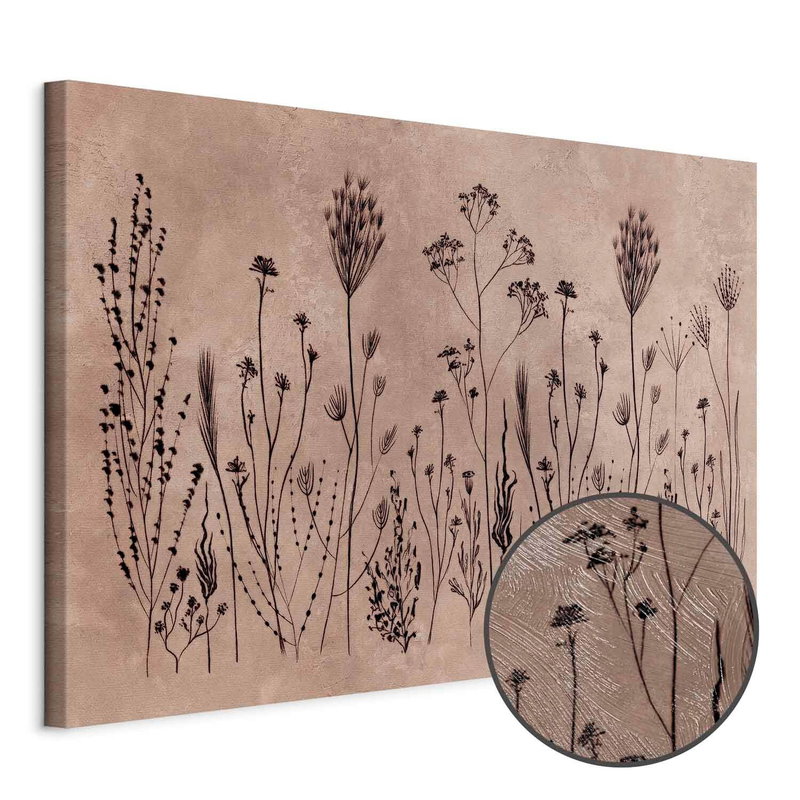
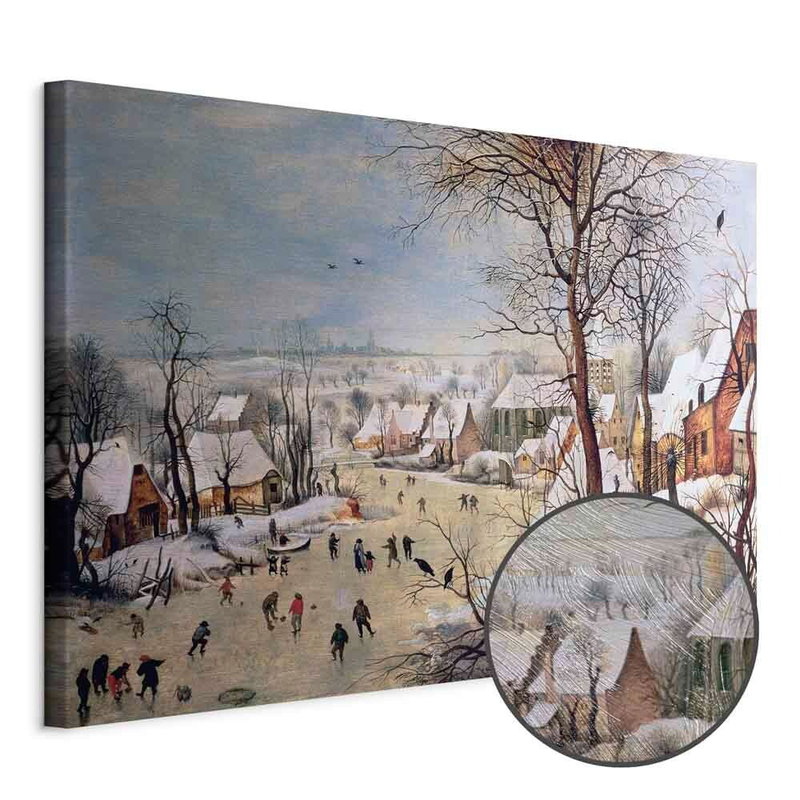
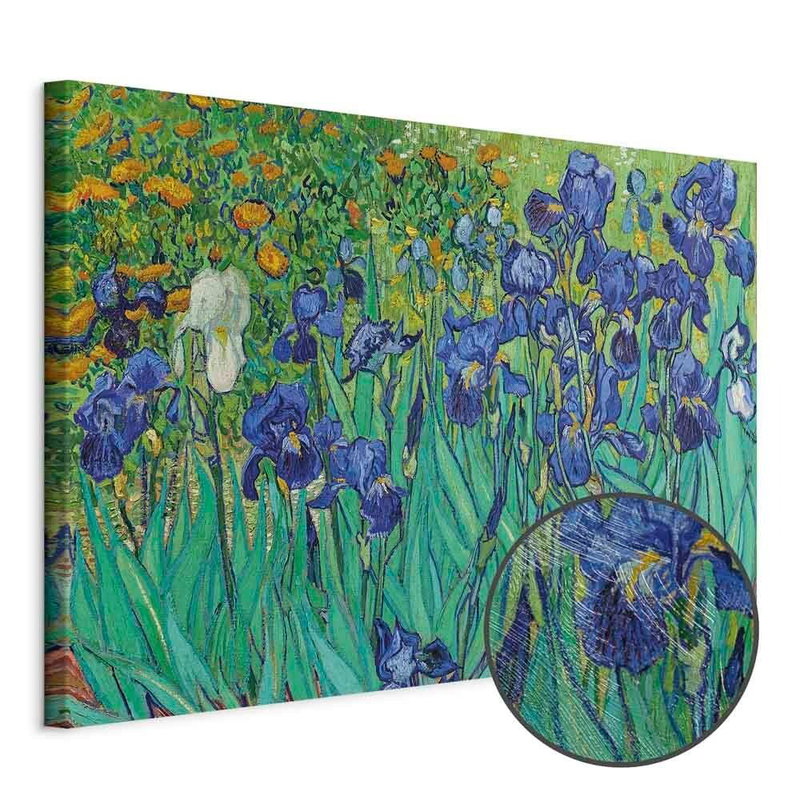
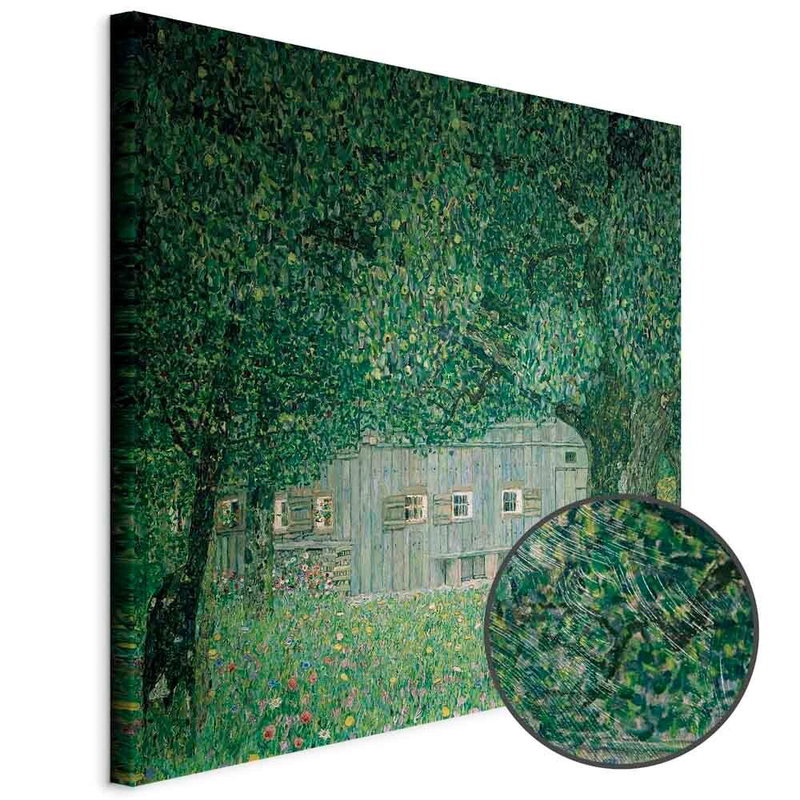
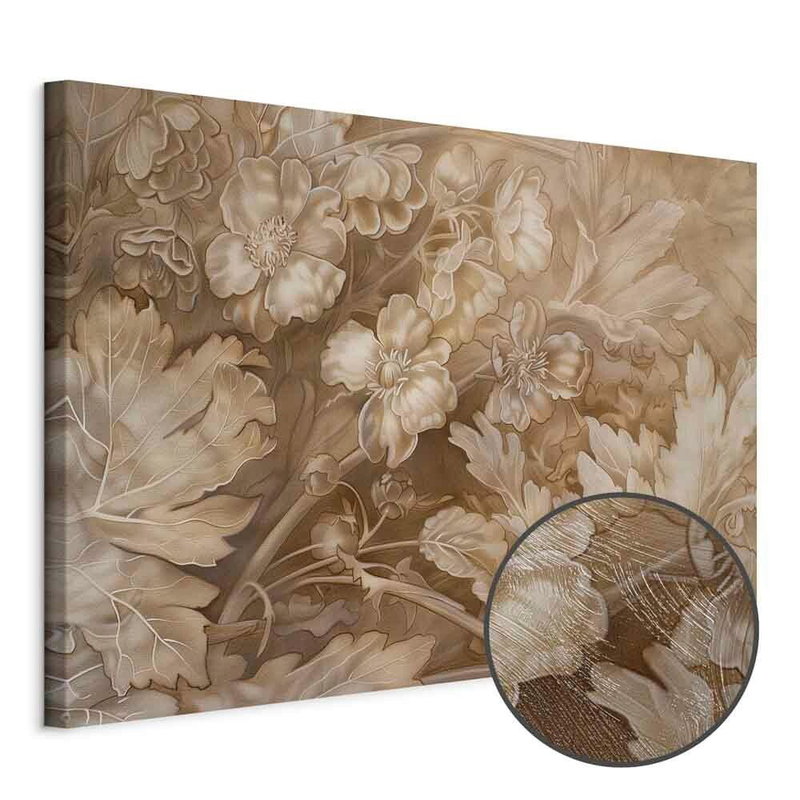
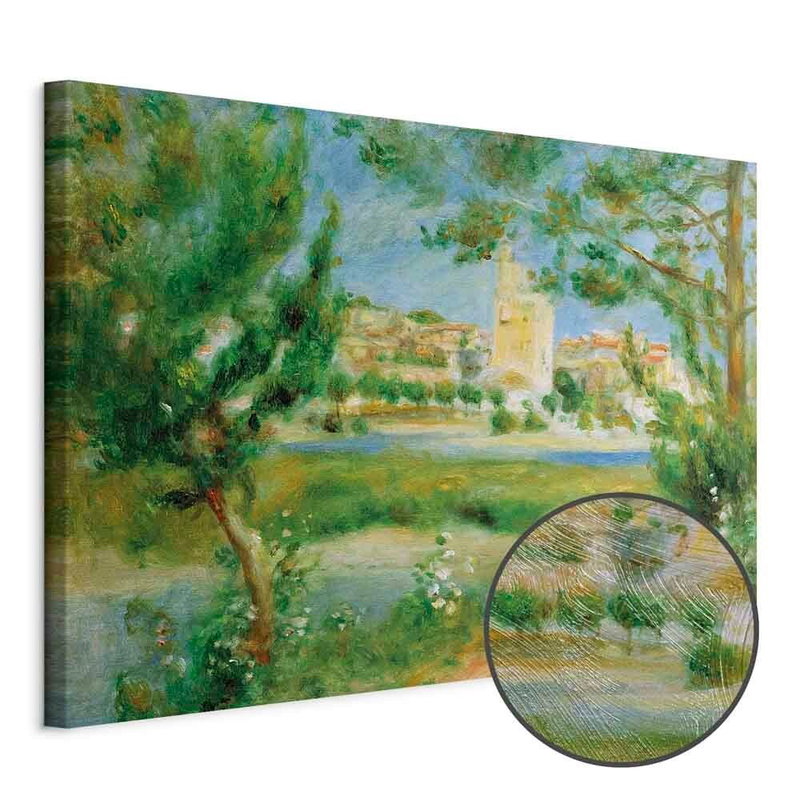
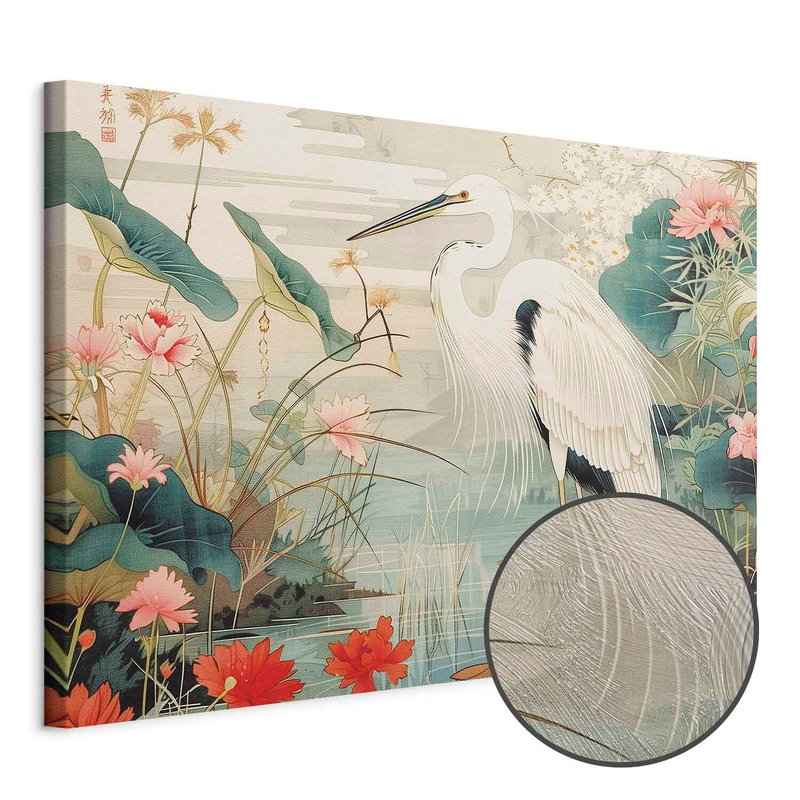
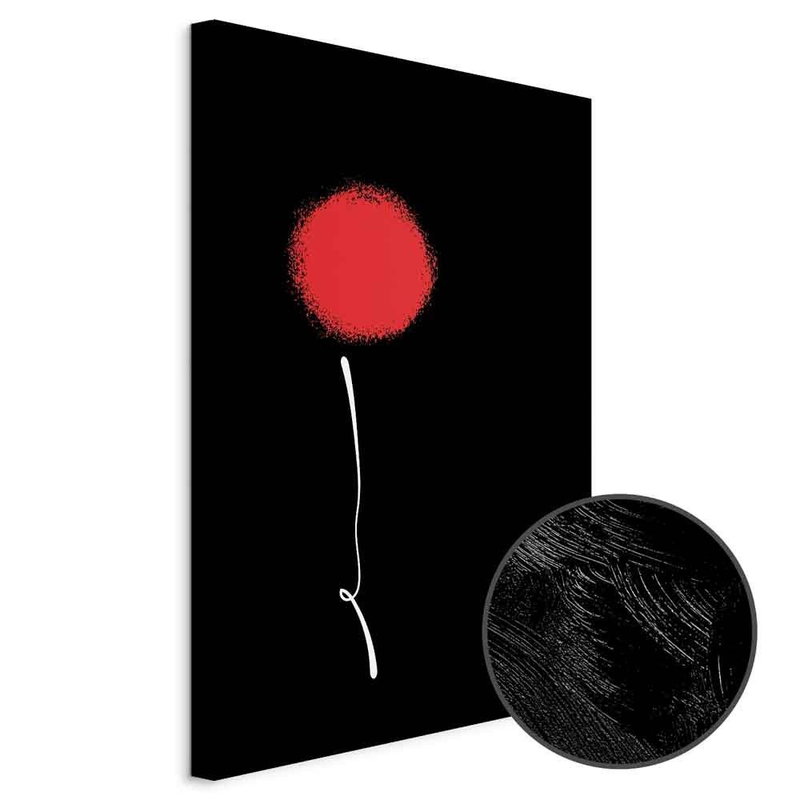
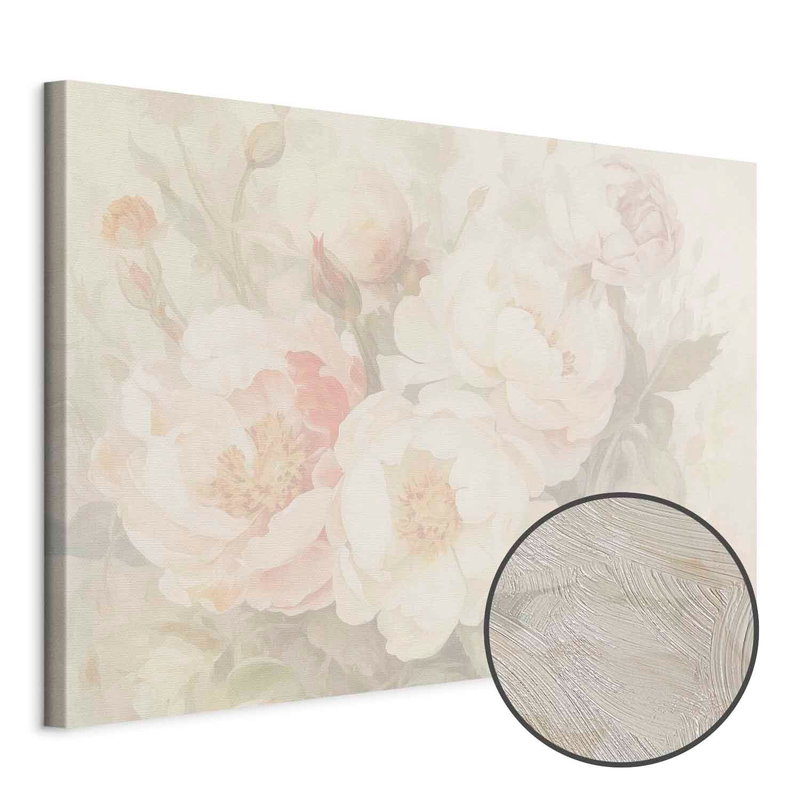
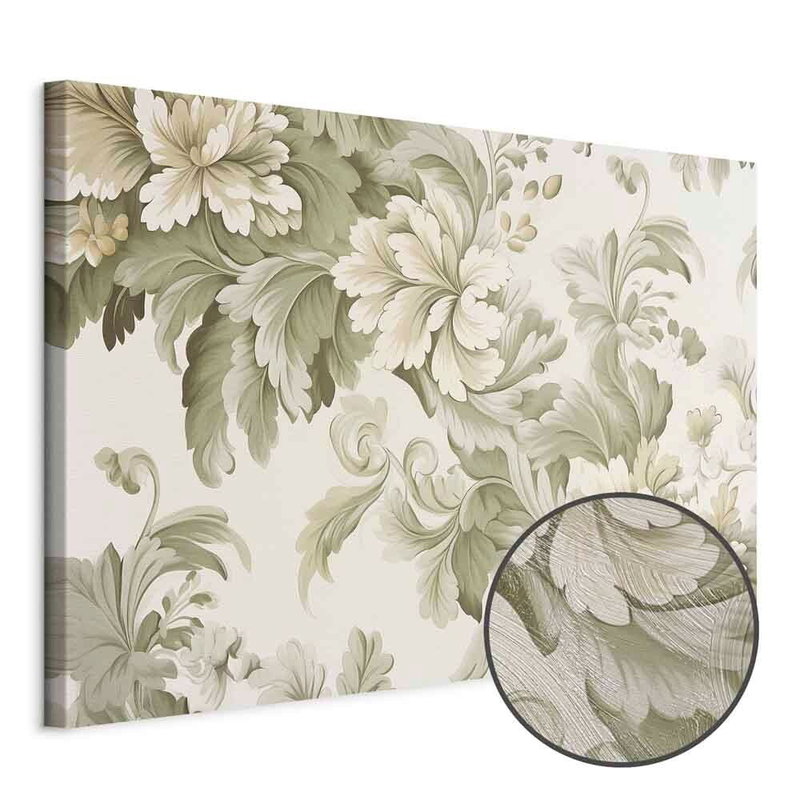
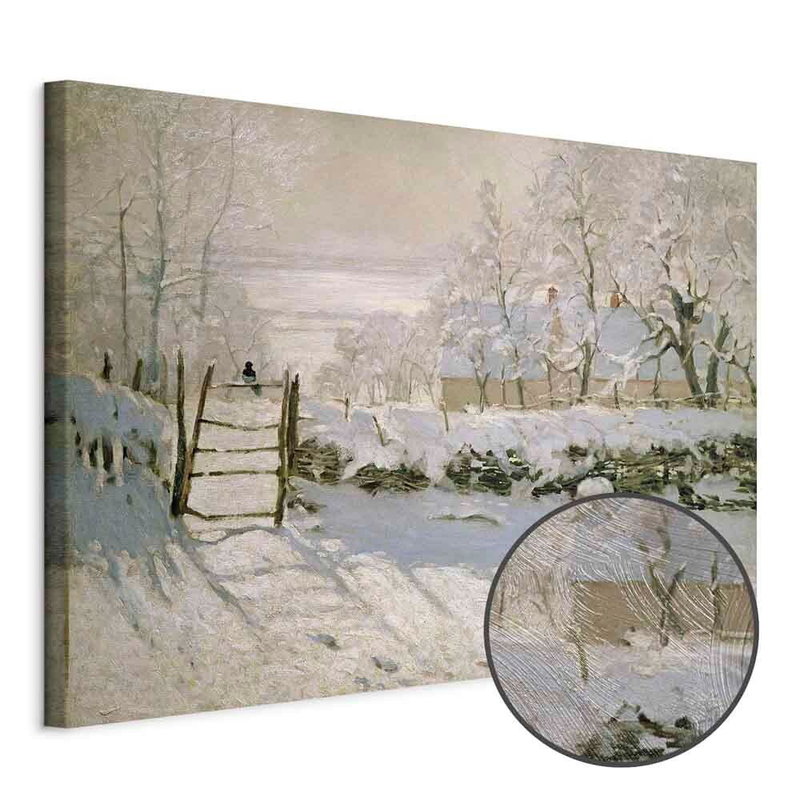
You may find orchids, tulips, cotton, grasses, flowering settings or stylised plants. Choose by the whole composition. Animals and landscapes may also be prominent subjects within the same image.
Choose the design and its position
Compare the dimensions and number of panels on the product page before planning installation. Separate panels need suitable spacing, and the whole design should work from the usual viewing position. Follow the installation and care instructions for your selected model.
The premium surface and room acoustics
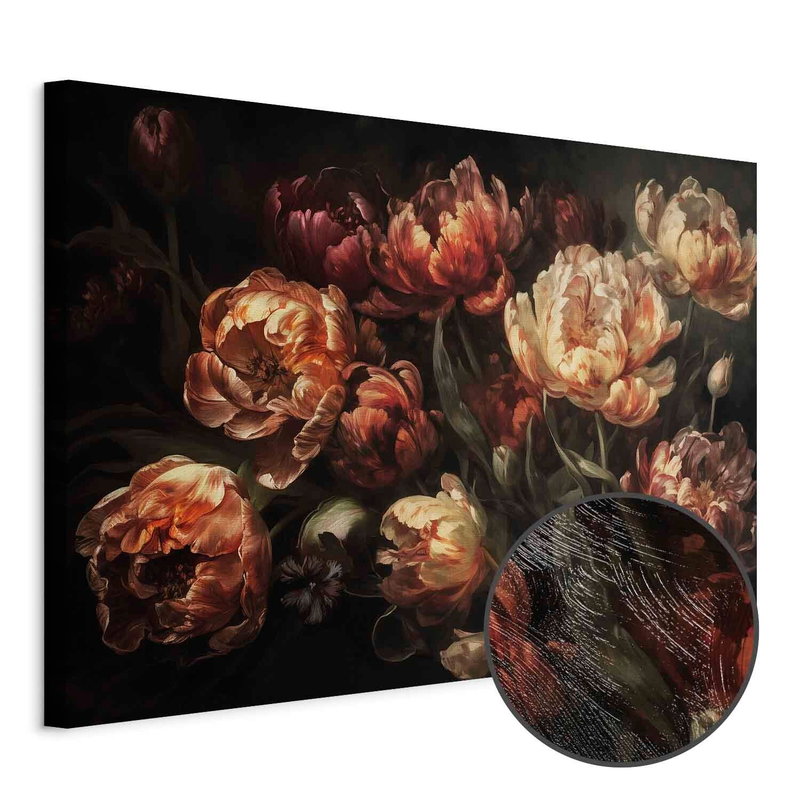
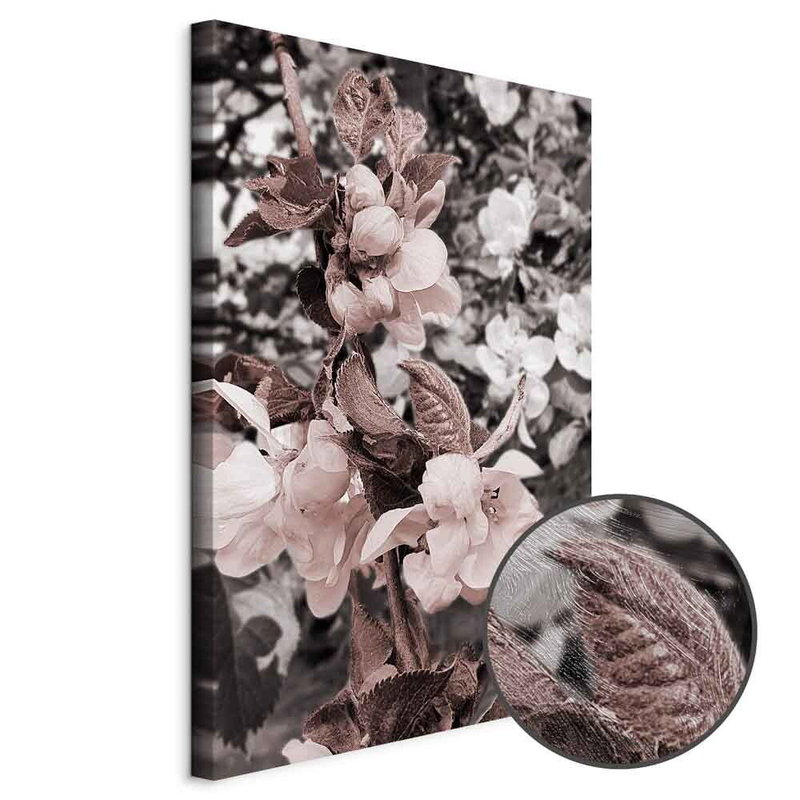
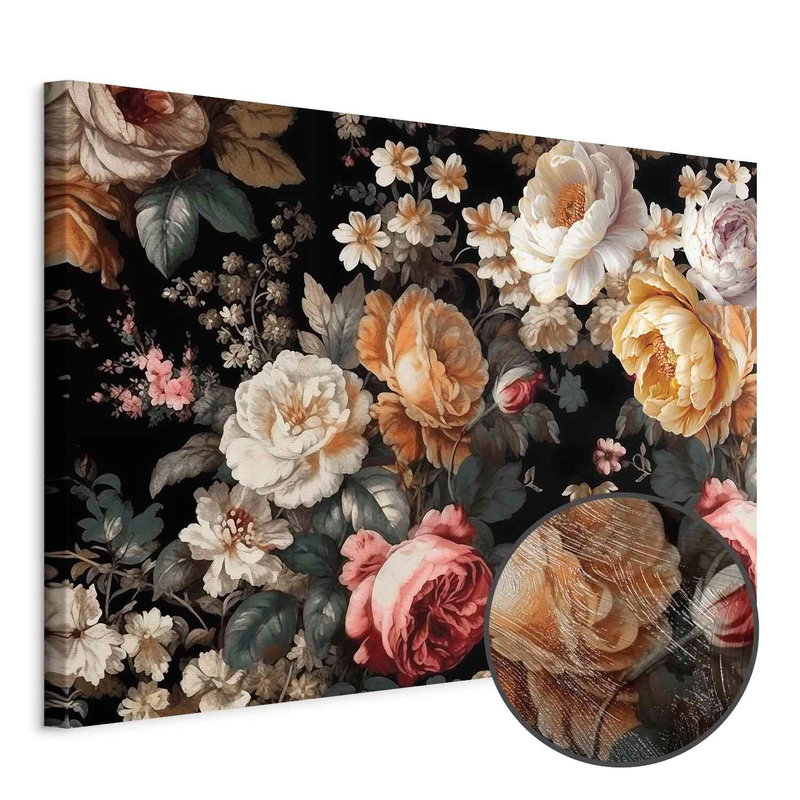
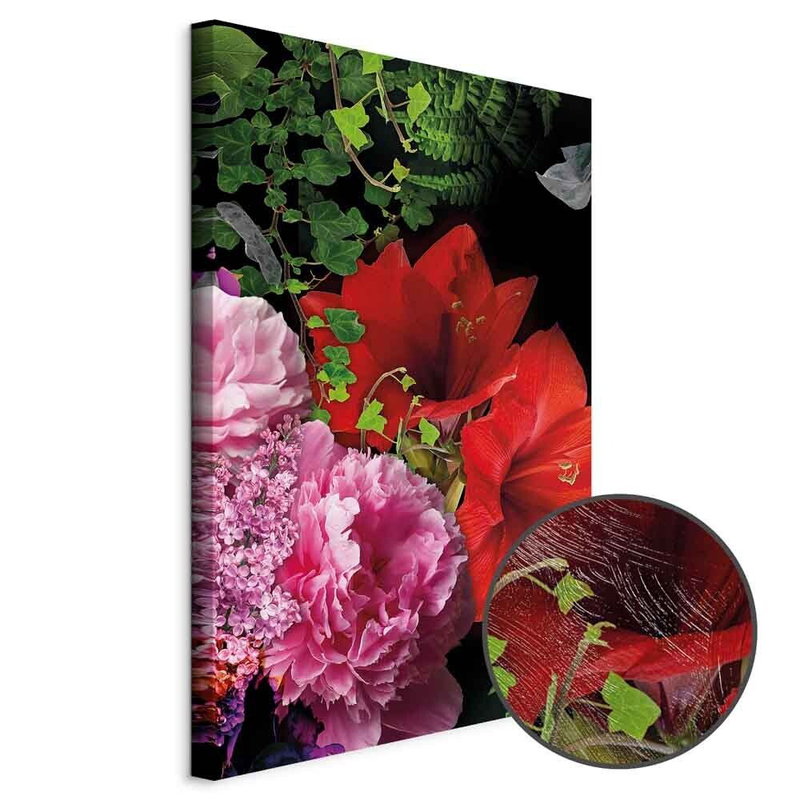
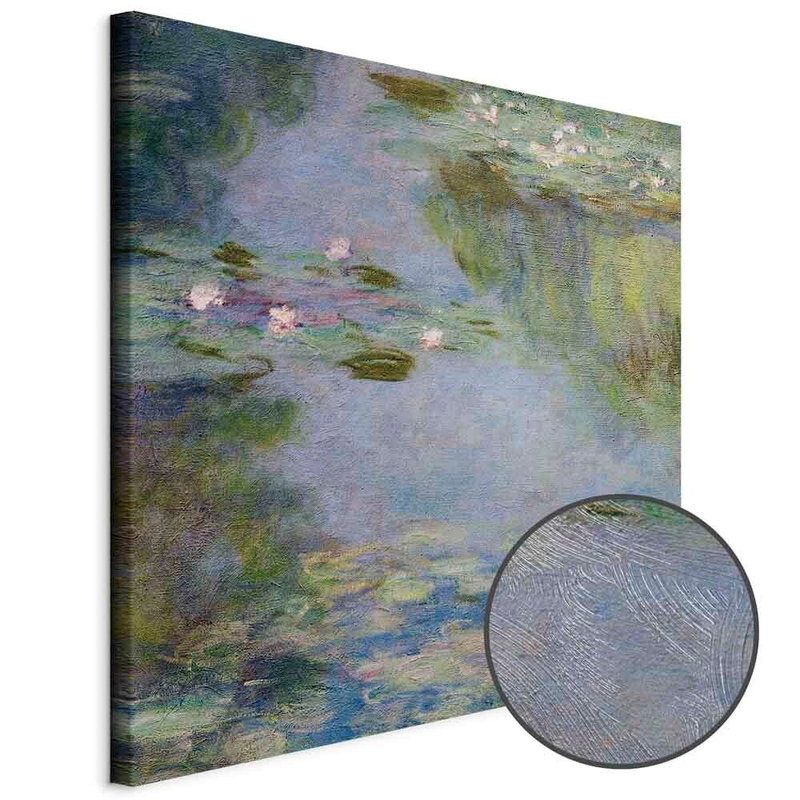
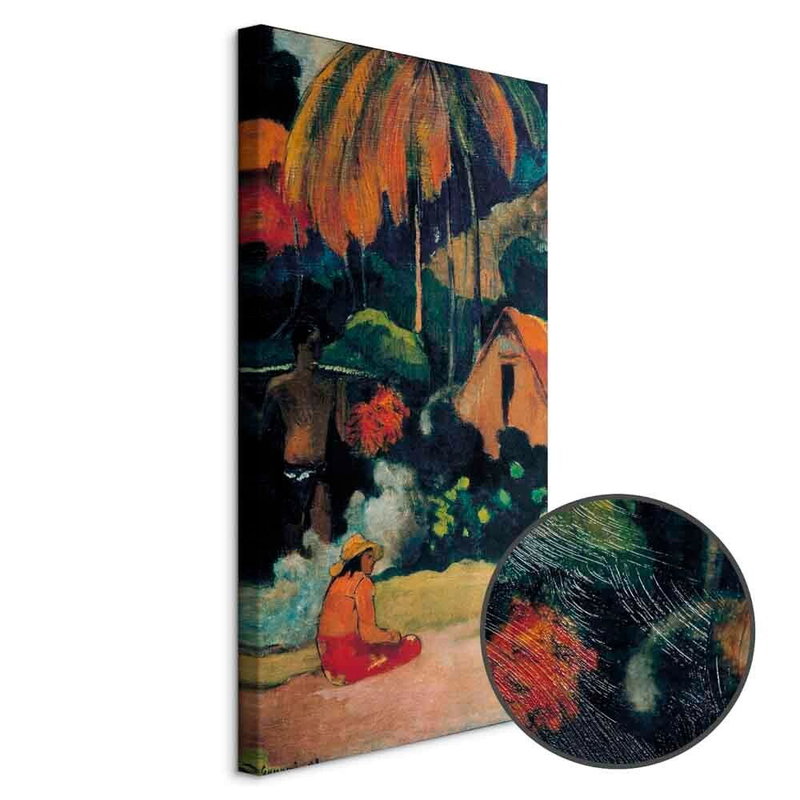
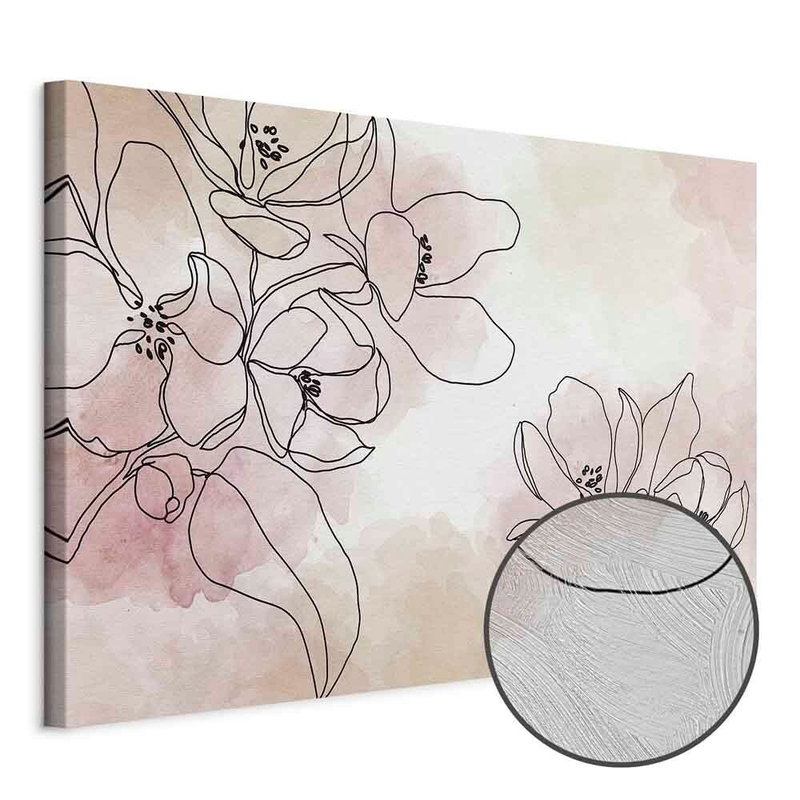
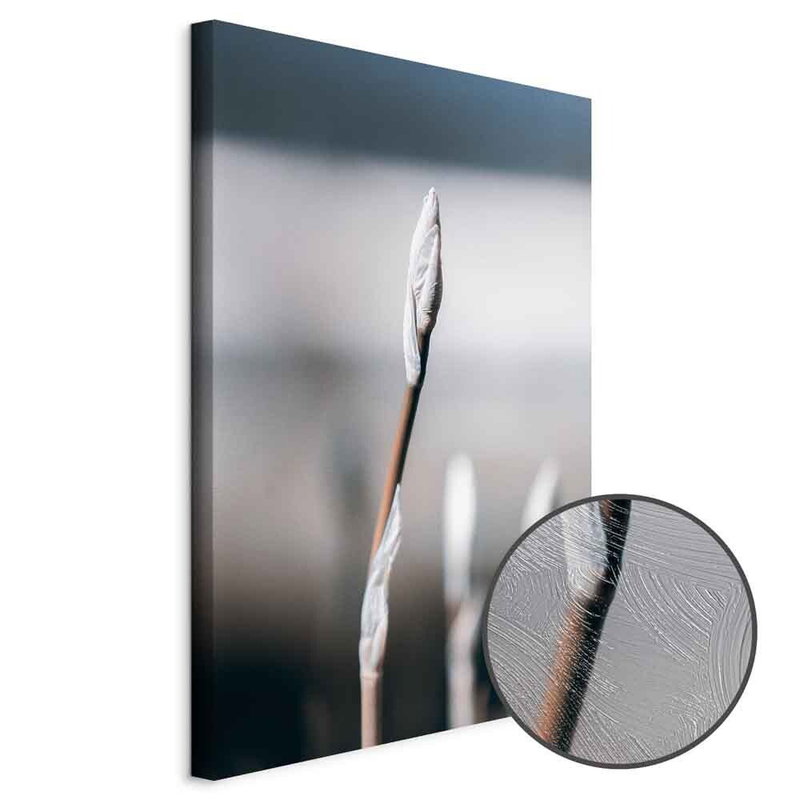
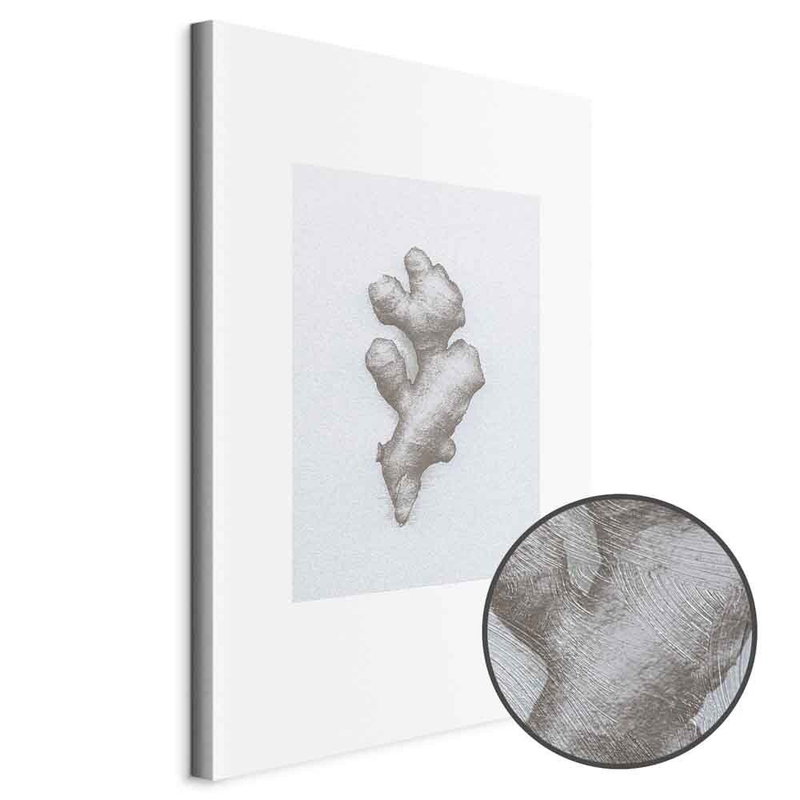
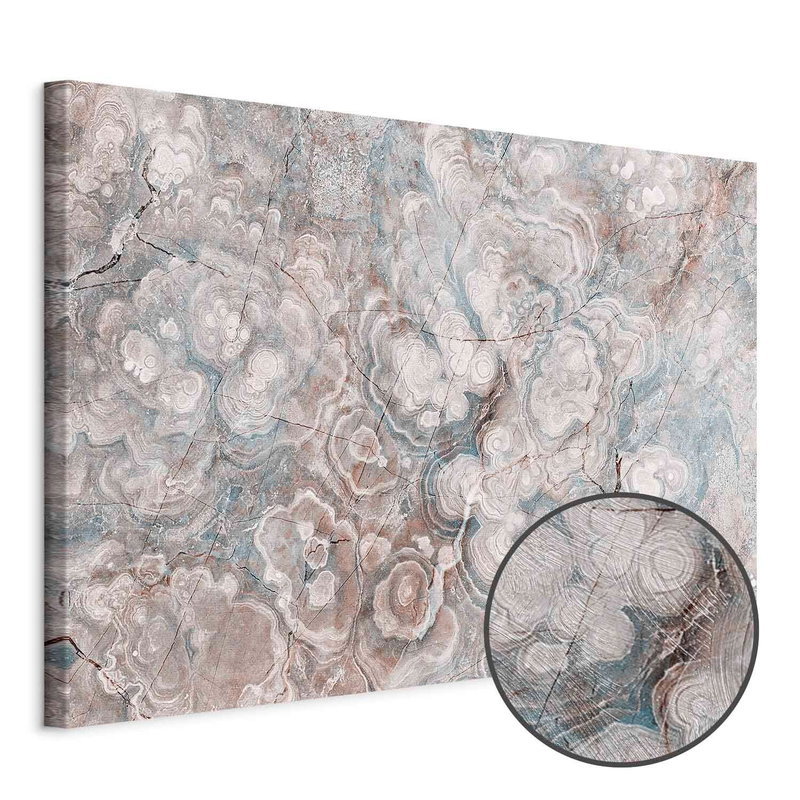
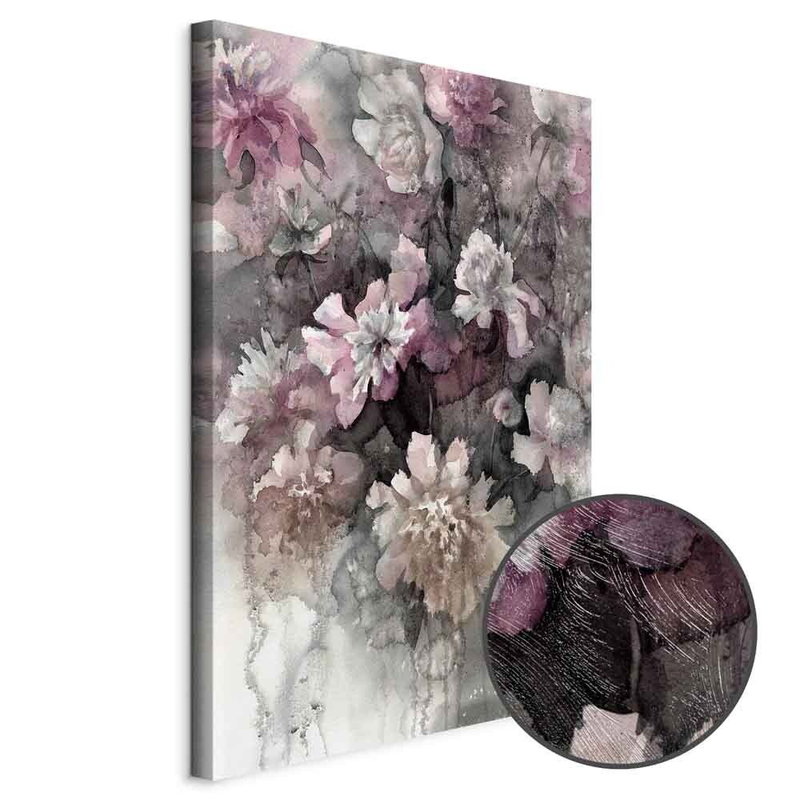
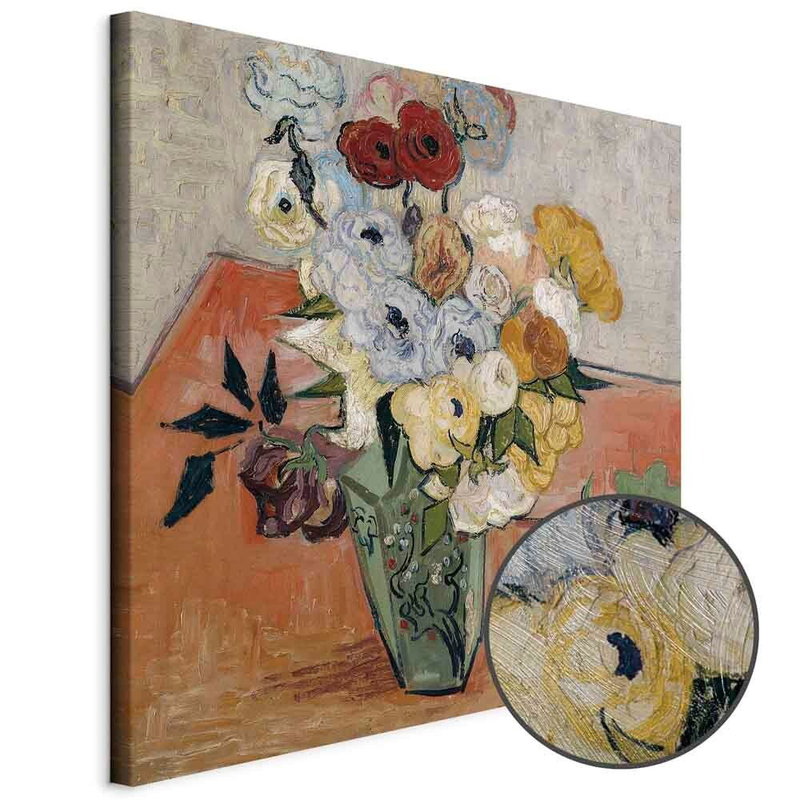
The printed design is combined with hand-applied clear gel that gives the surface physical texture. The sound-absorbing construction can help reduce room reverberation; the plant subject itself does not provide a particular acoustic rating. The effect depends on the absorbing area and the other materials in the room.
Free shipping refers to delivery to a collection point where offered. Existing terms apply to other delivery methods.
Choose from the complete plant image
Several plant forms may matter equally in a mixed floral image. Notice what first catches the eye and what mainly provides background. A flower need not be the main subject simply because it is recognisable. Assess how flowers, leaves, grasses and other elements shape the composition together.
You need not confidently identify every detail to choose a subject for the room. If a particular flower is decisive, however, the product image and subject information should support its identification. Do not choose from an assumption based on the title. Stylised plants can be decorative without representing a specific botanical model.
Compare dense growth with more open background
Many overlapping leaves and flowers may read as one pattern from a distance. More visible background gives individual forms a different place. Compare the proportion of detail with larger, quieter areas. This helps assess the image alongside the room’s other patterns.
Also notice whether plants belong to a wider setting or stand more independently. Landscapes, animals and decorative objects may affect the expression as much as flowers. A botanical connection does not give every subject the same character. Let the real content guide the colours and associations introduced into the room.
Choose the colour scheme before a small flower detail
First compare background and large colour areas with walls, flooring and furniture. A small strong colour may recur in a cushion but need not describe the whole picture’s effect. View the complete main image from the usual position rather than just a magnified flower.
A shared neutral tone or recurring line can connect the picture with other art even where plants differ. If the image contains many forms, more clear space around it may clarify the whole. Try both a single position and a group before deciding how much wall to fill.
Match format and installation to the composition
Read dimensions and panel count on the current product page. A broad plant image may develop a different rhythm across several panels than on one surface. Assess the main forms and how gaps affect image continuity. A similar subject in another format does not replace this check.
Use paper templates for the complete group, including gaps and clear wall beside other objects. Check sightlines from seats and entrances and continued use of doors and storage. Follow model instructions and match fixings to product and wall. This plans the visual expression alongside a useful position.
Separate the plant image from the premium surface and acoustics
Hand-applied clear gel gives the premium finish physical texture over the print. The plant’s depicted surface and the picture’s real surface are different. An image of soft petals, cotton or grass does not mean these materials form the construction. Product information documents actual materials and care.
Assess absorbent construction through installed area, room size and other materials. Dense floral imagery or an airy composition has no particular acoustic performance of its own. Choose the actual image and plan acoustics separately. Follow care instructions so that print and premium texture are treated as intended.