




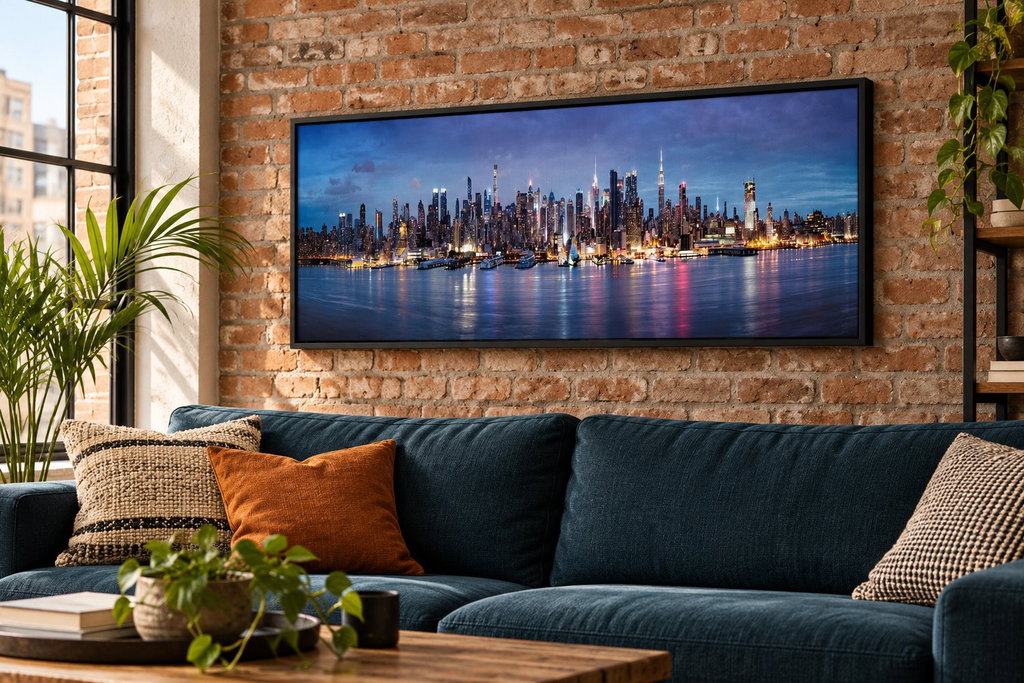
Connections with places in several ways
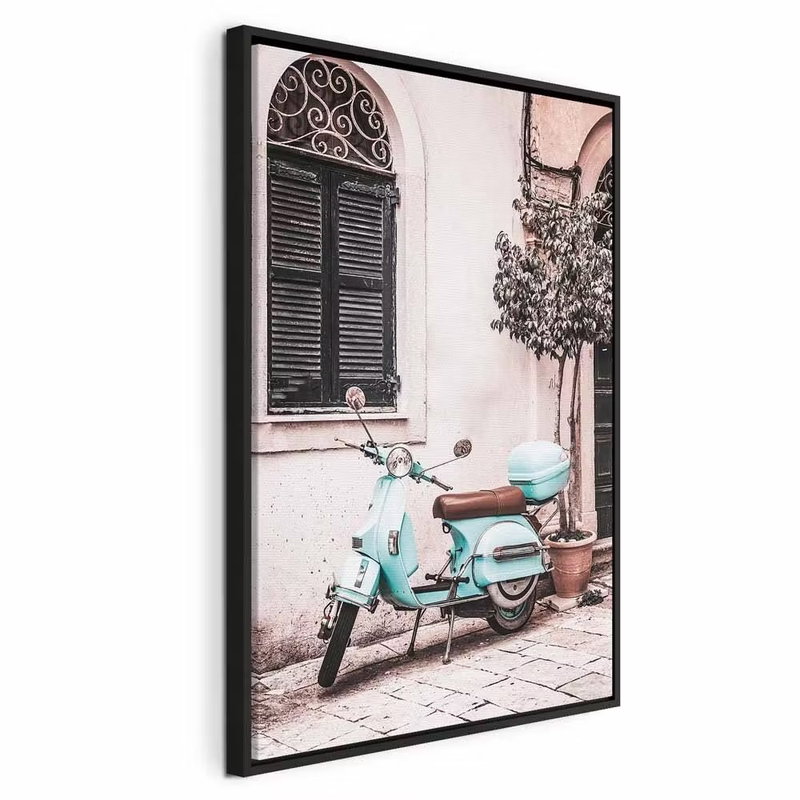
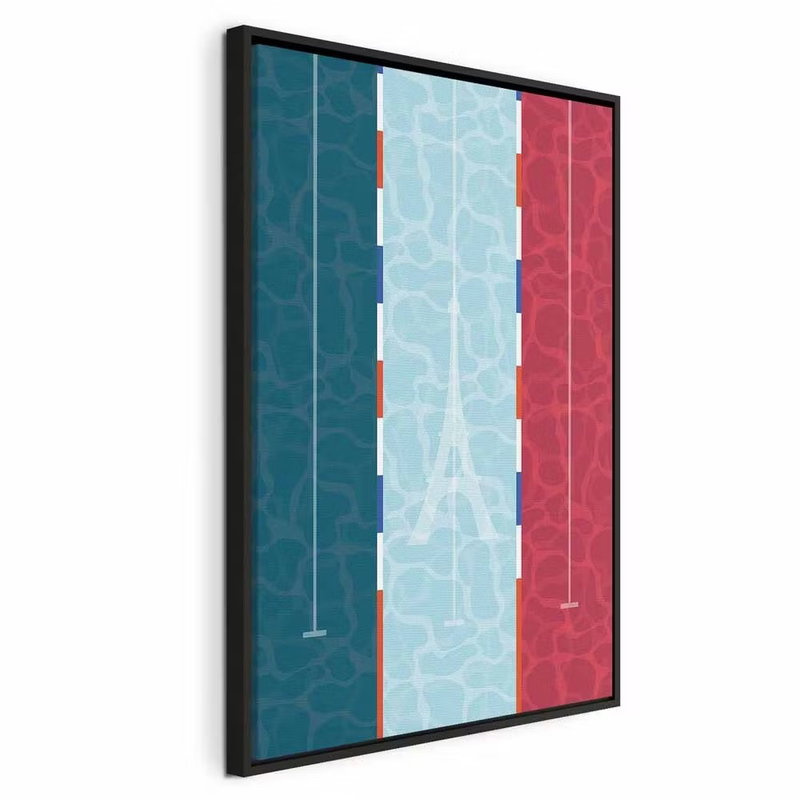
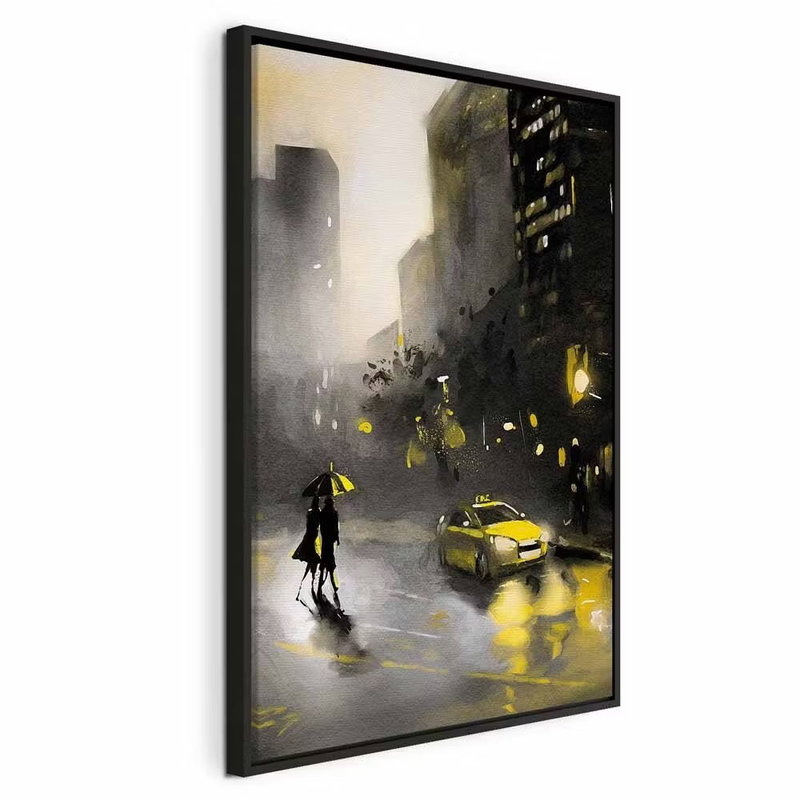
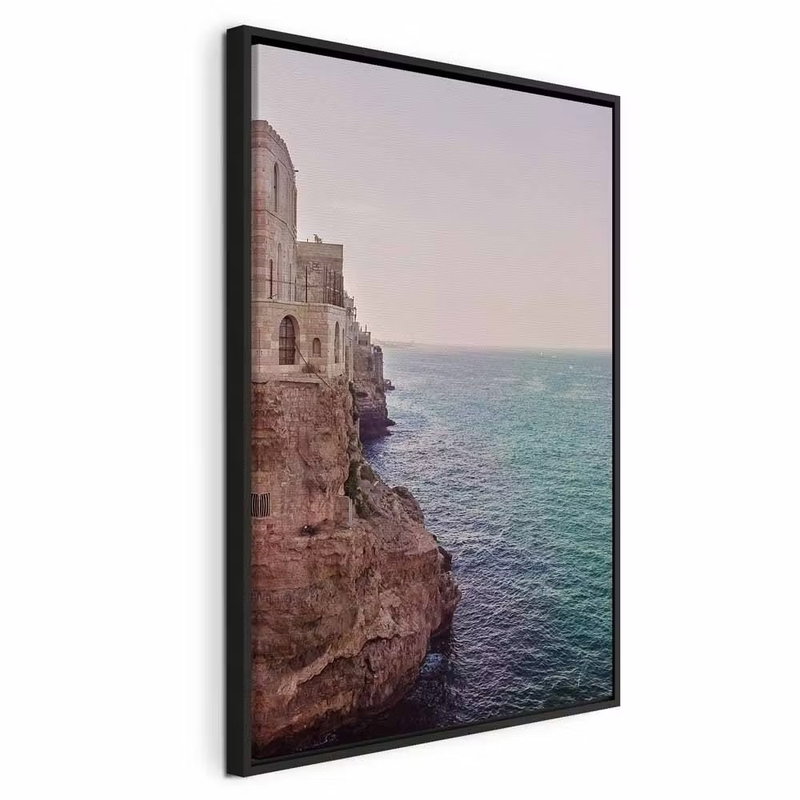
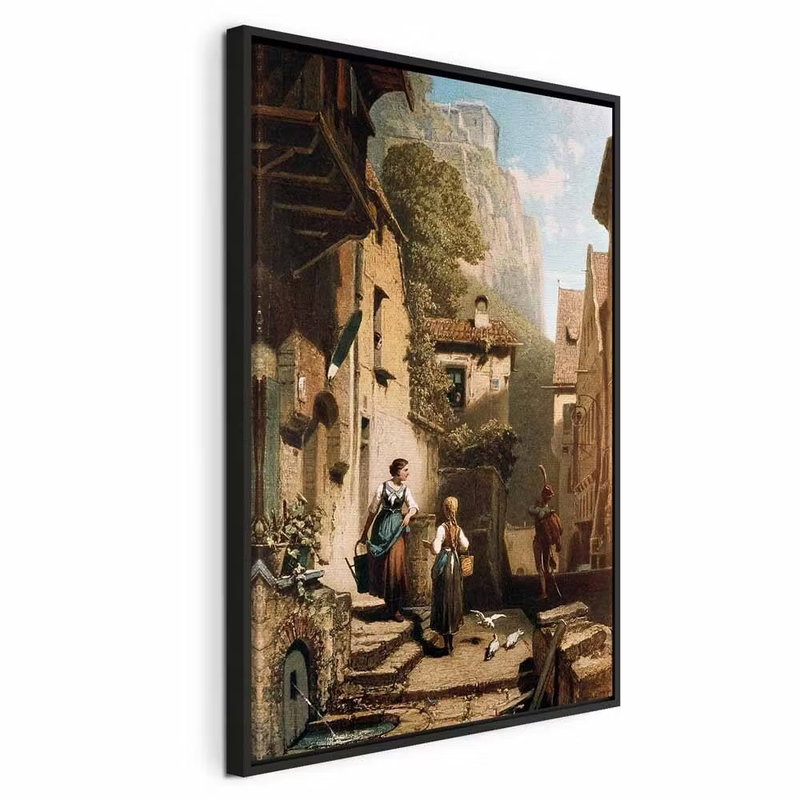
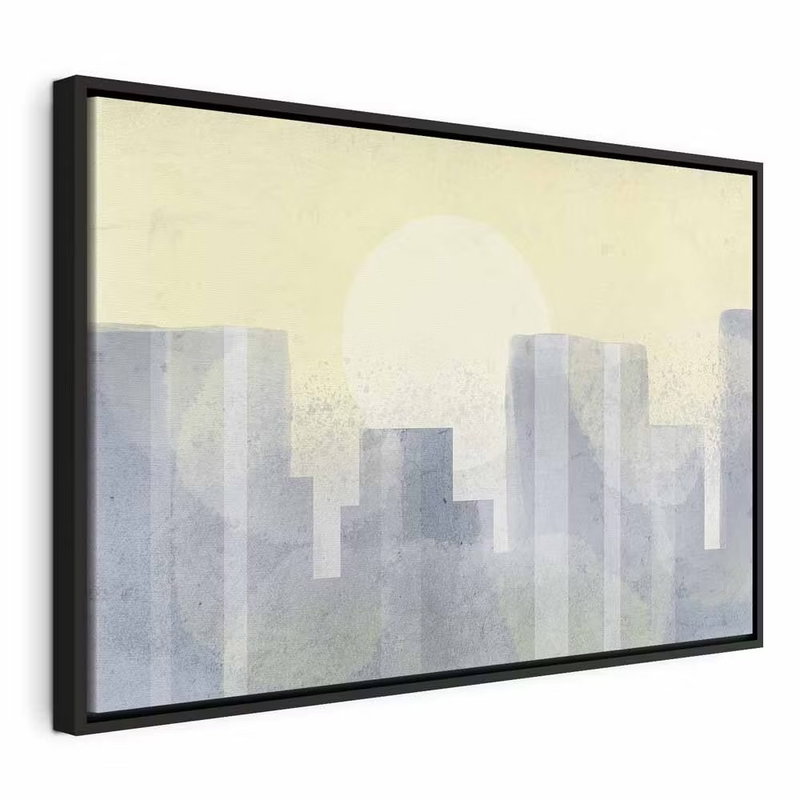
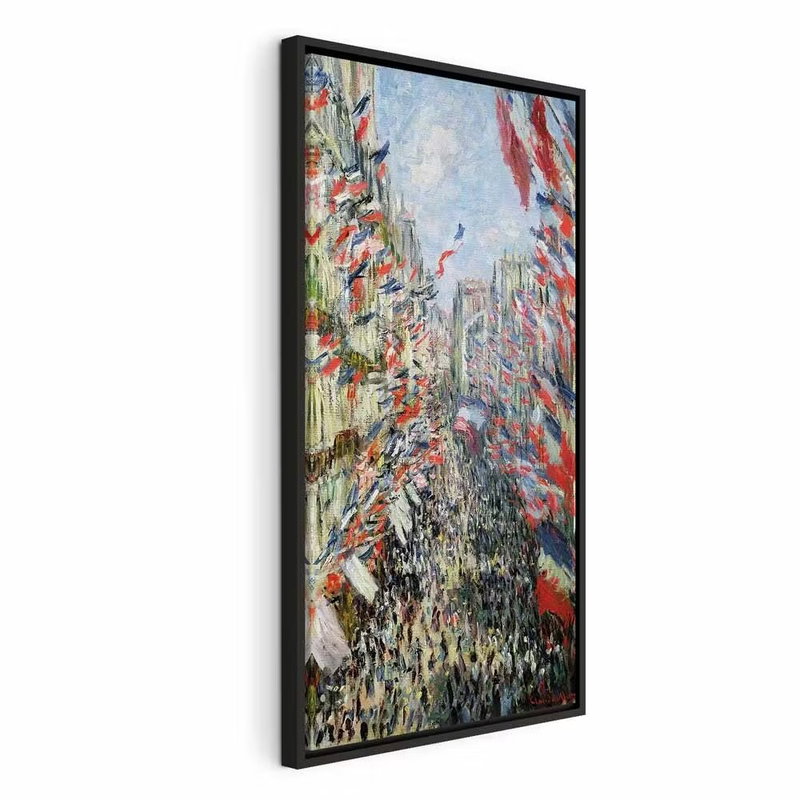
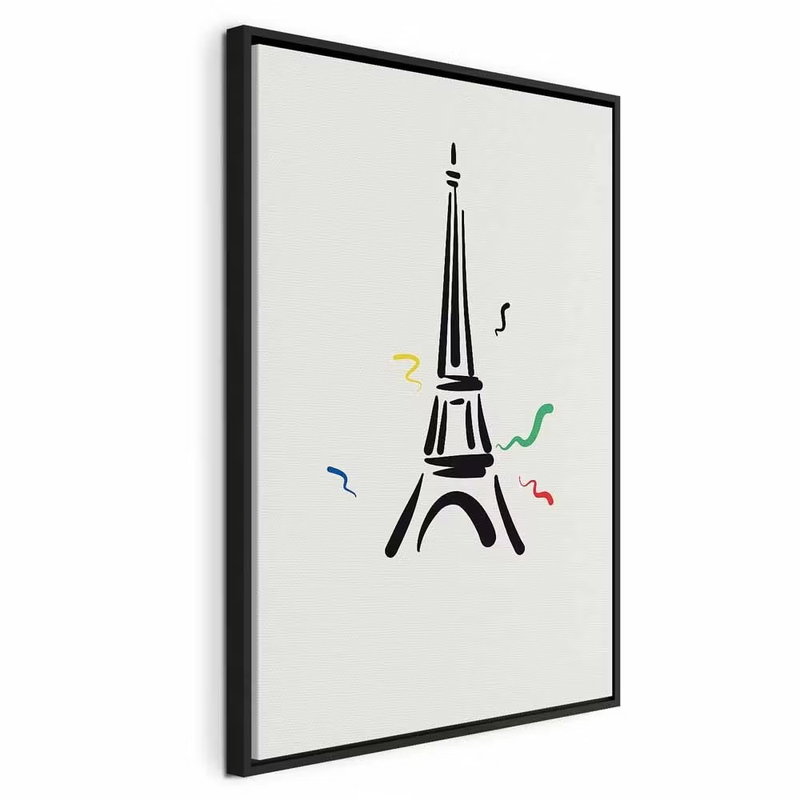
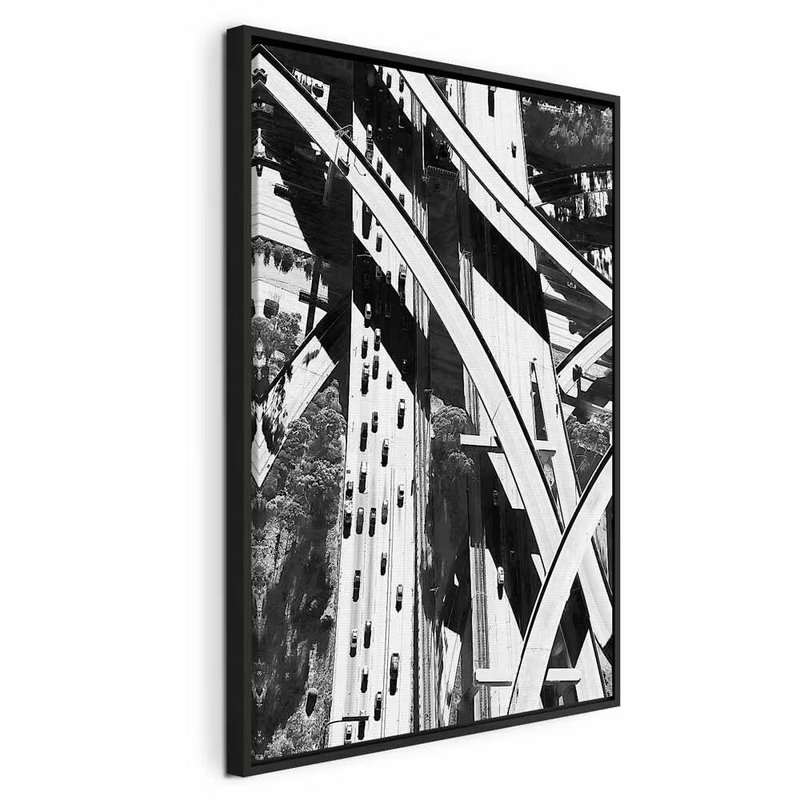
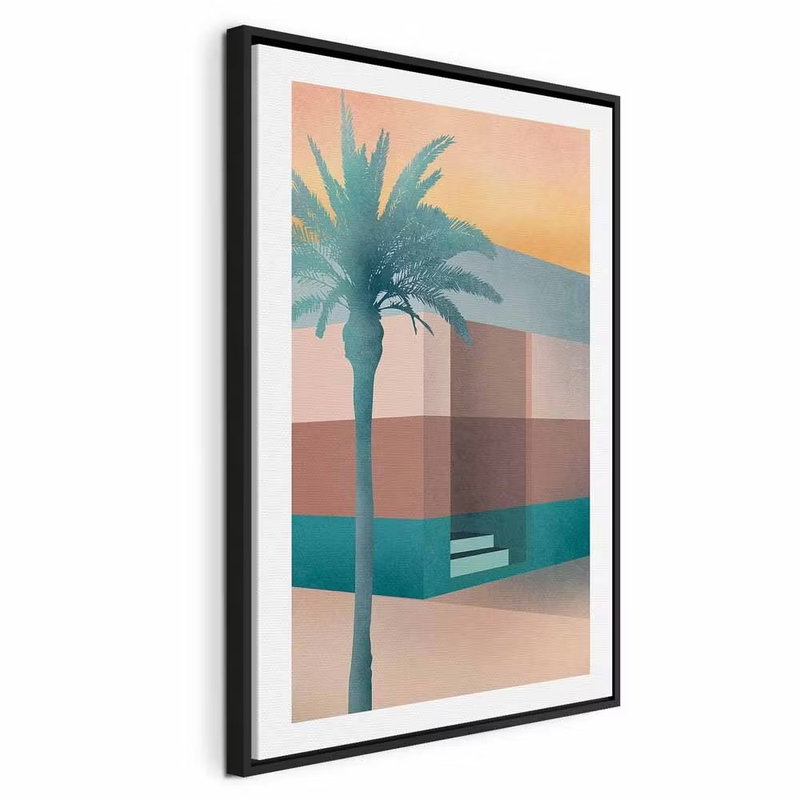
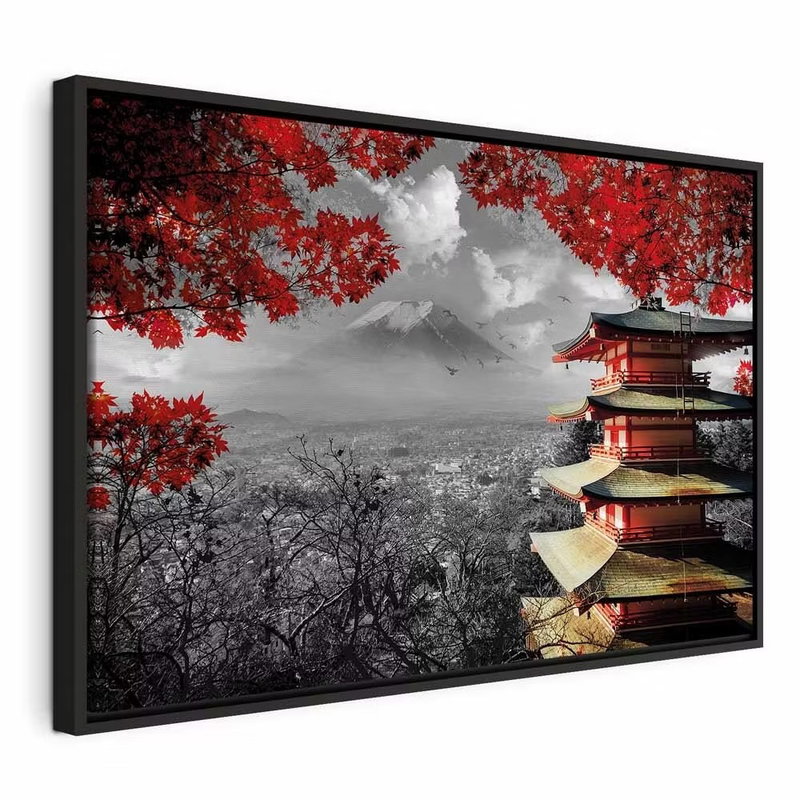
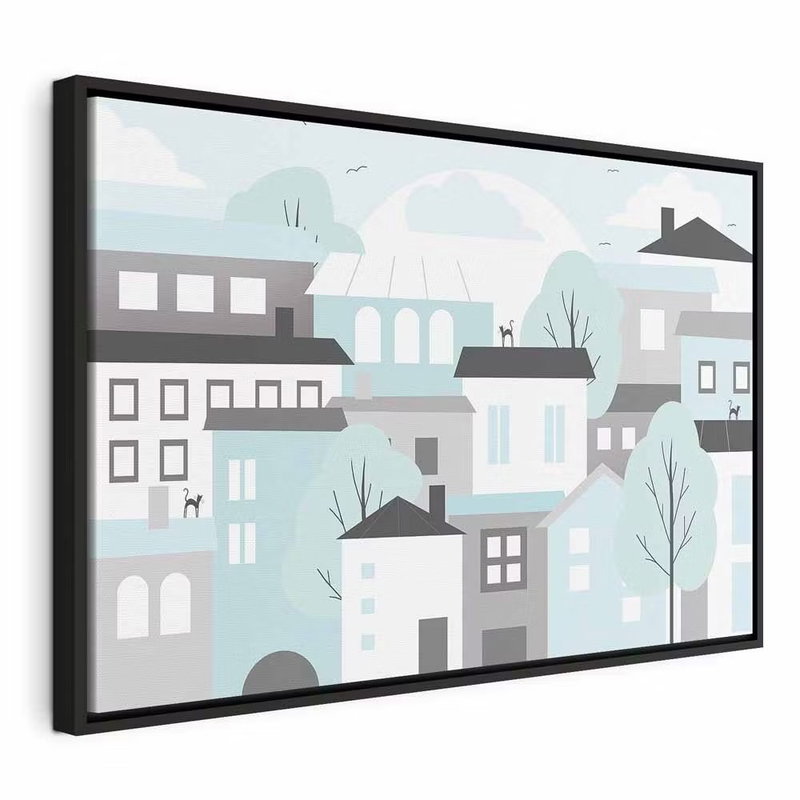
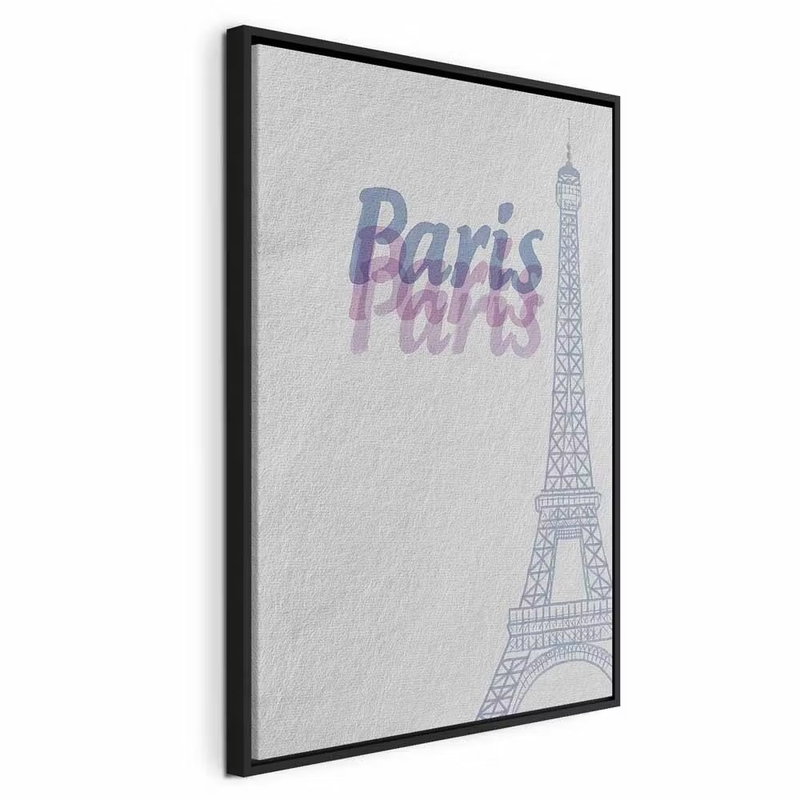
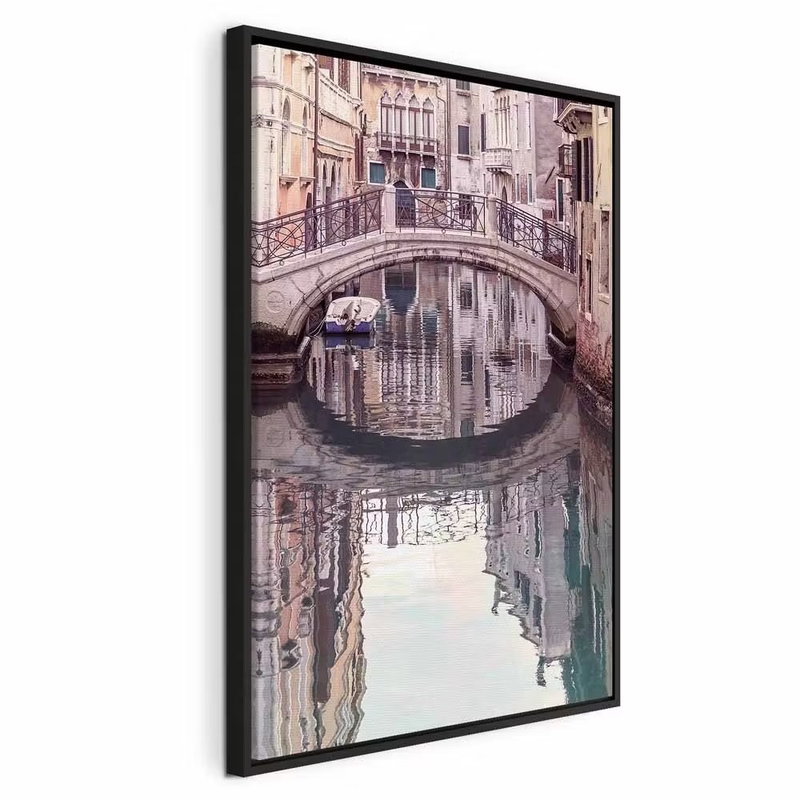
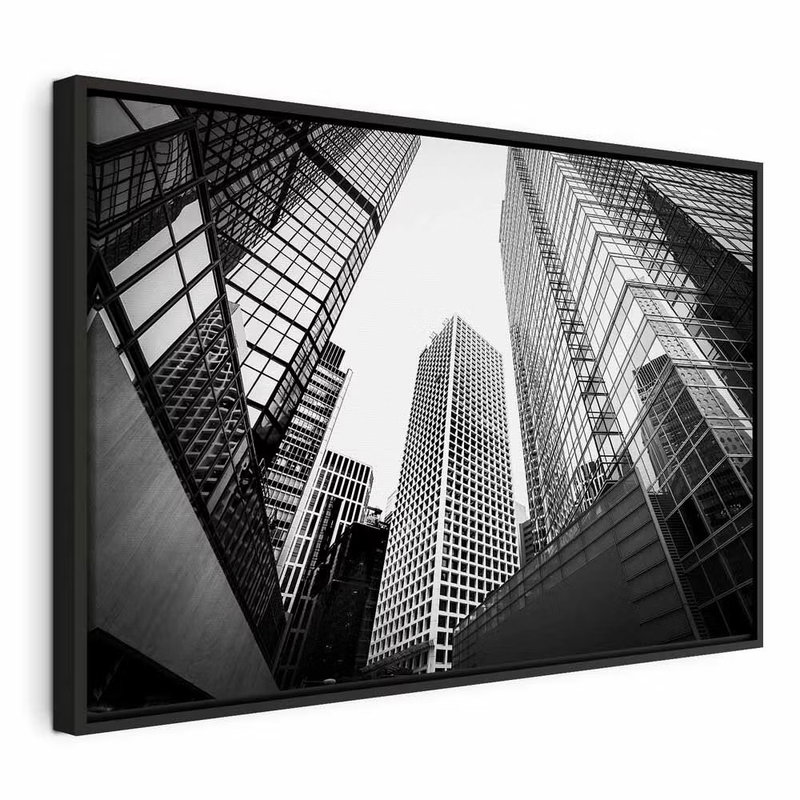
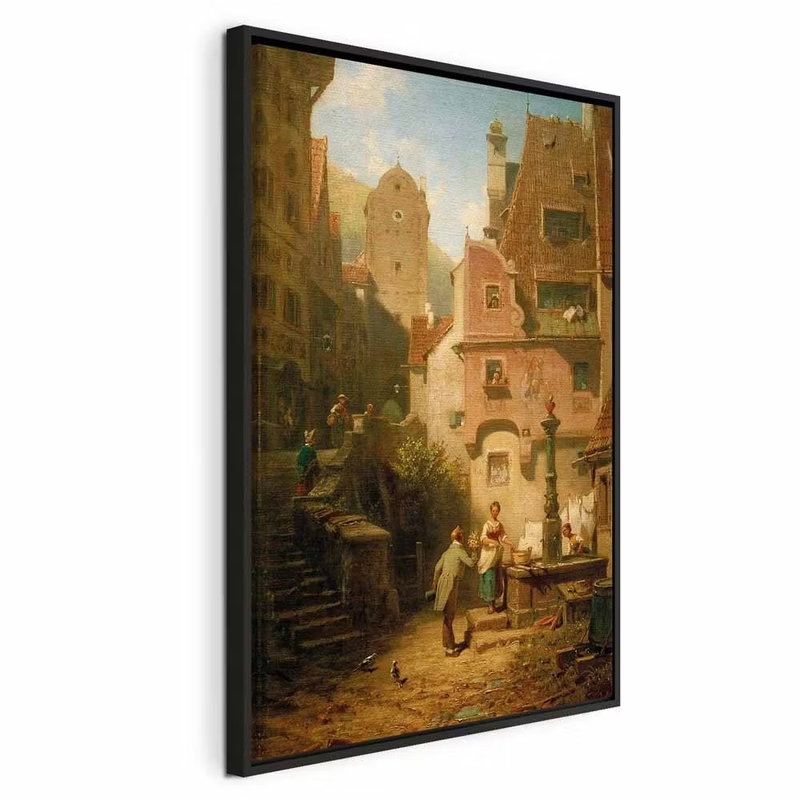
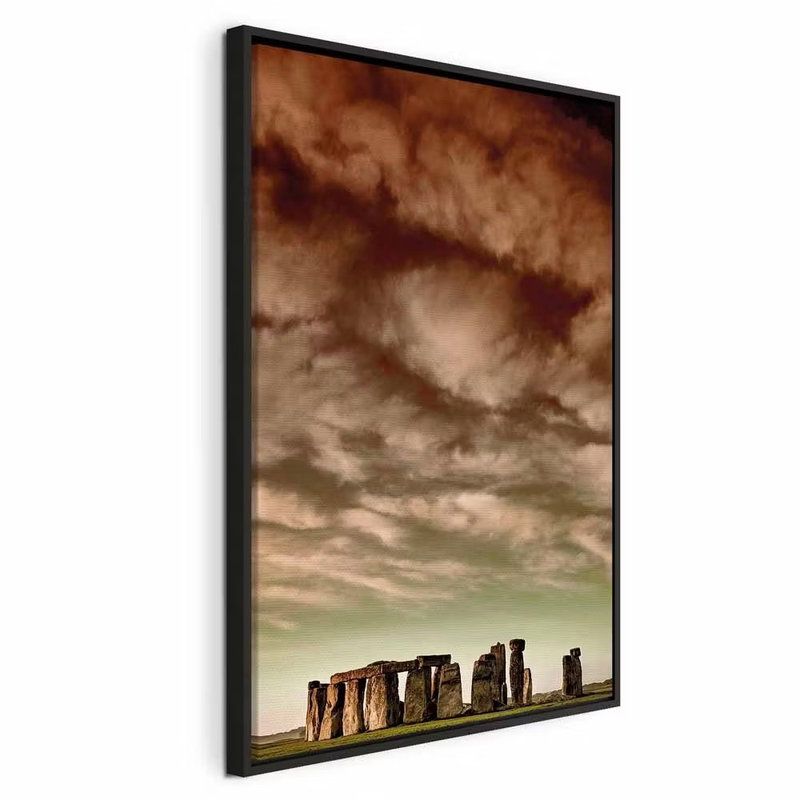
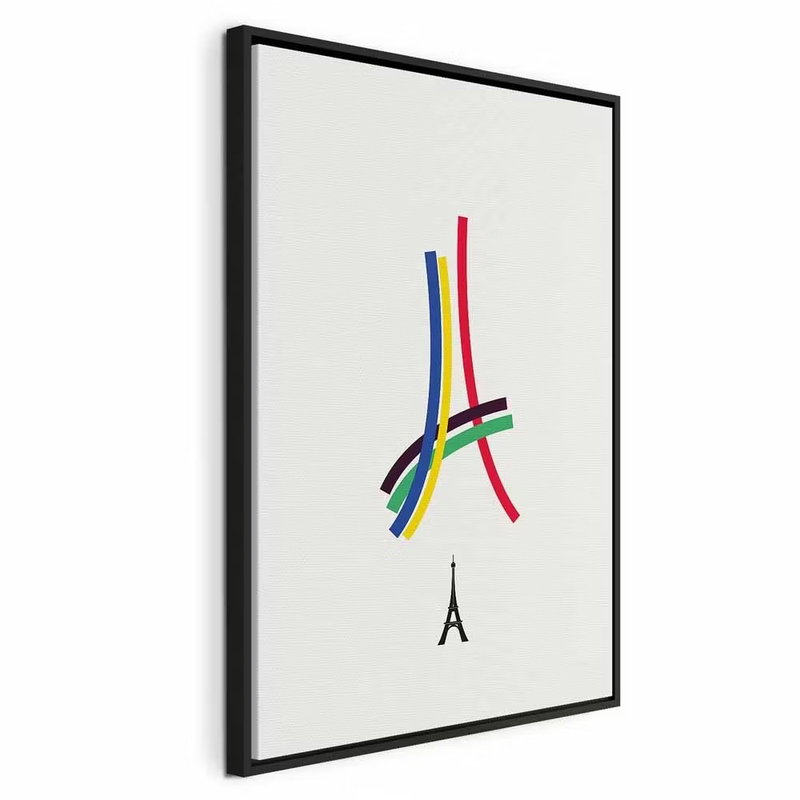
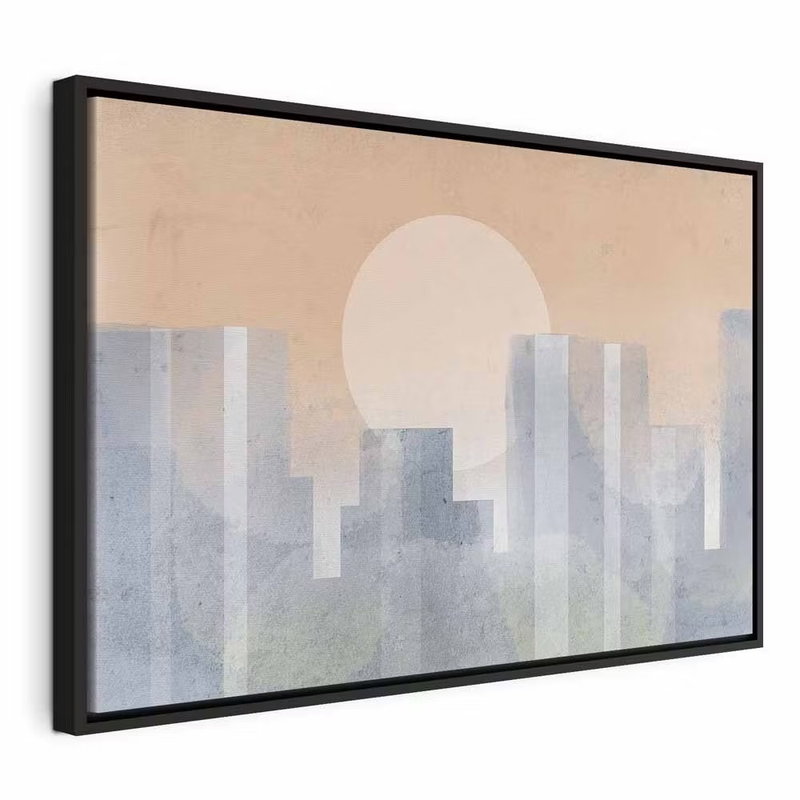
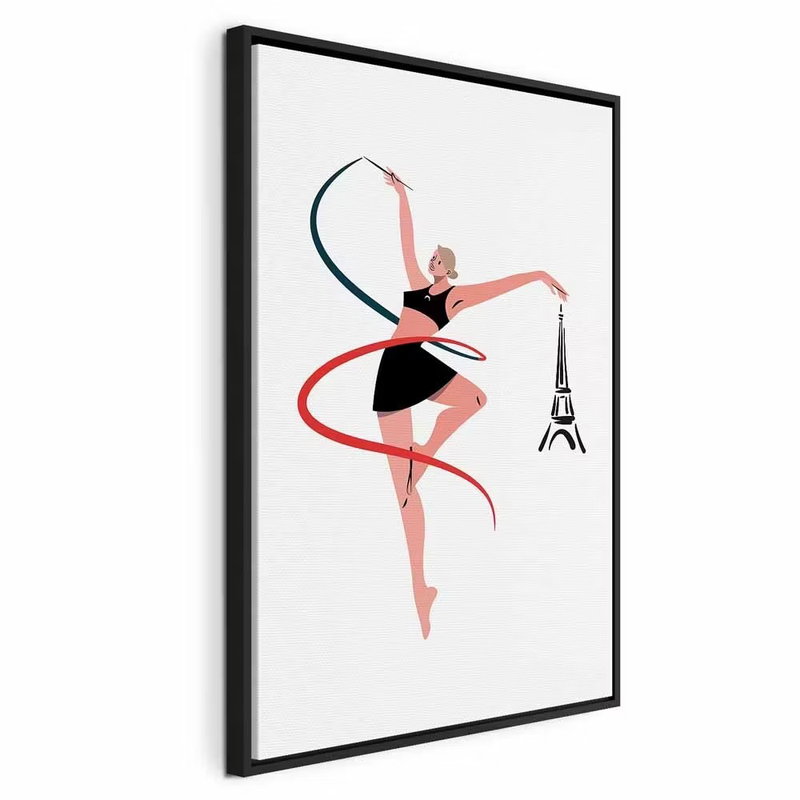
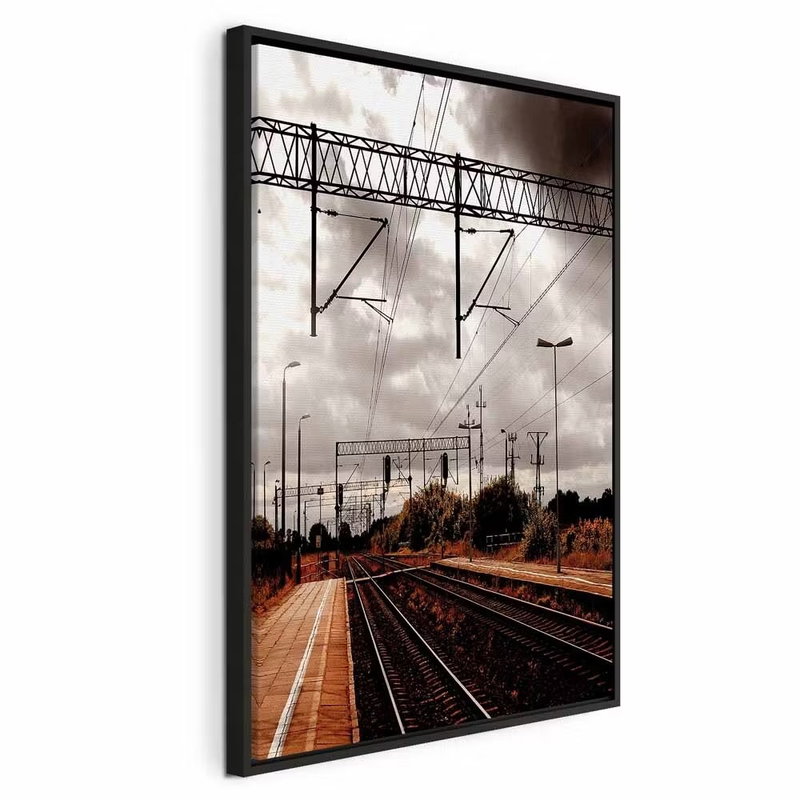
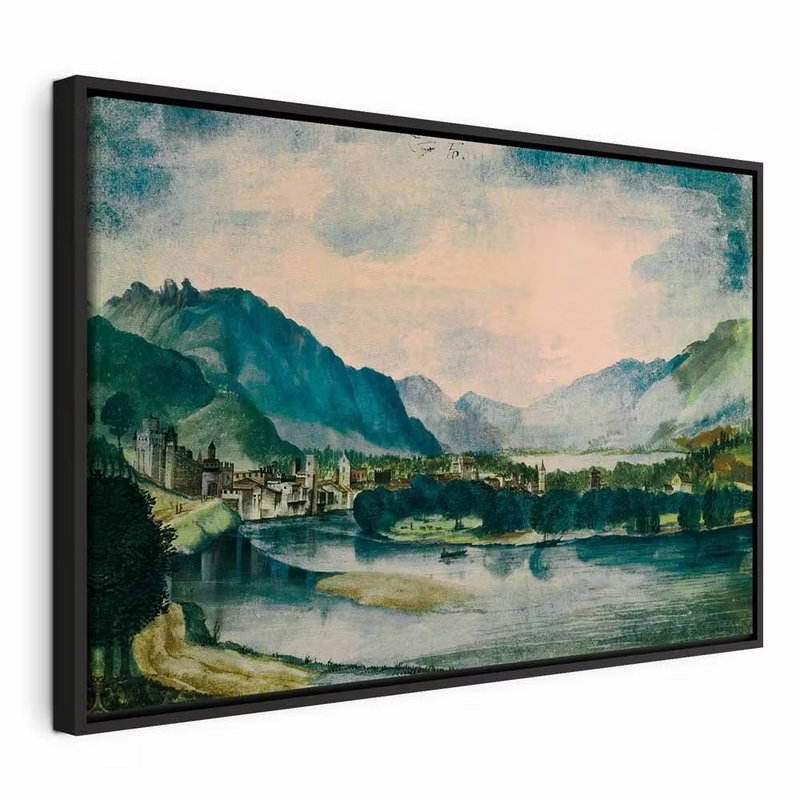
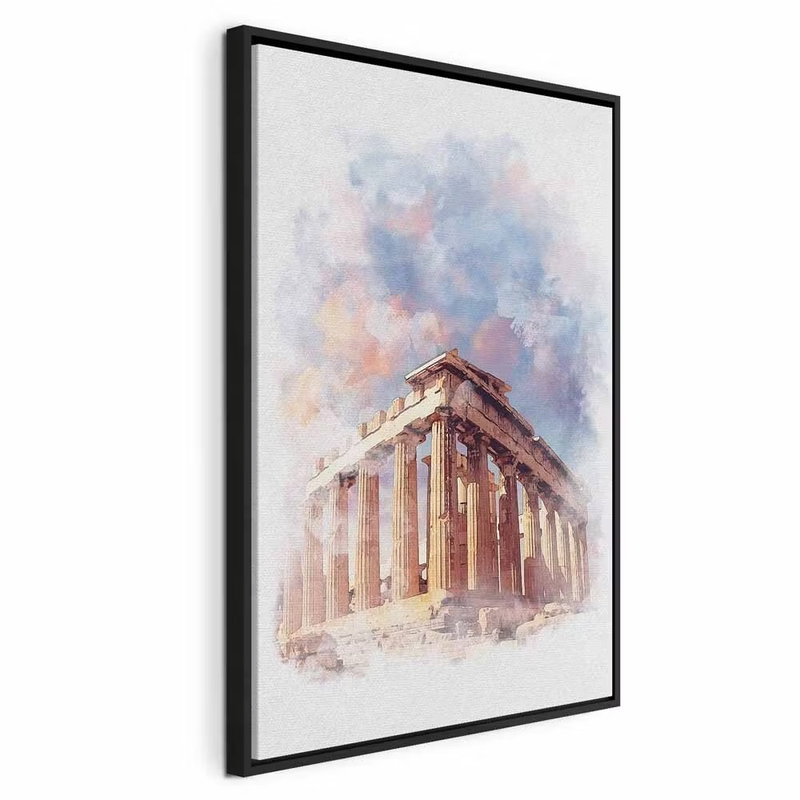
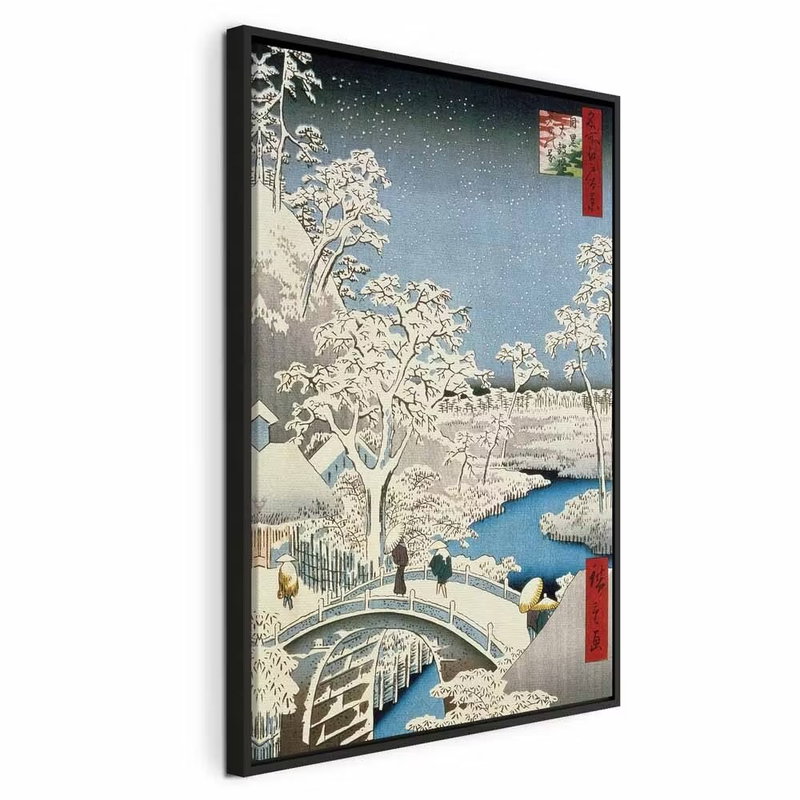
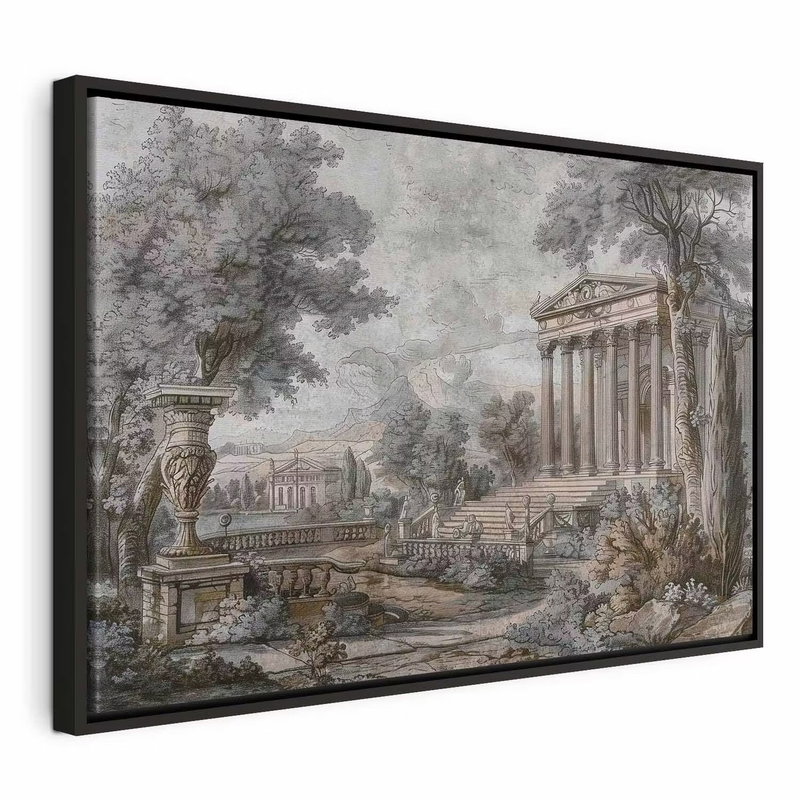
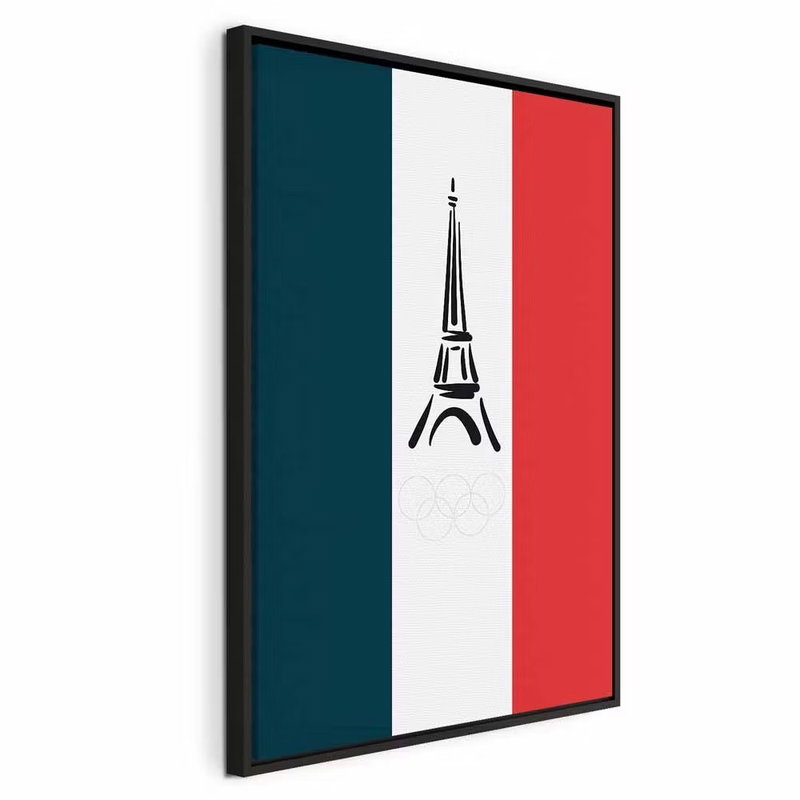
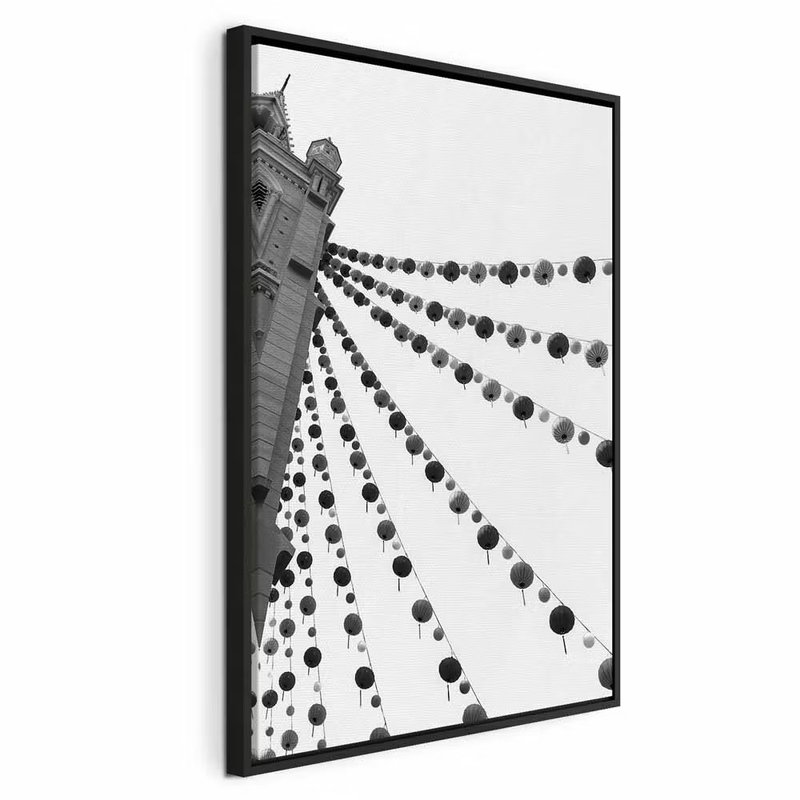
A sense of travel in this group may come from a city setting or a building. The reviewed images include an upward view of classical columns, a painterly evening street and a graphic interpretation of the Eiffel Tower. Choose according to what the connection means to you and how the image works in the room.
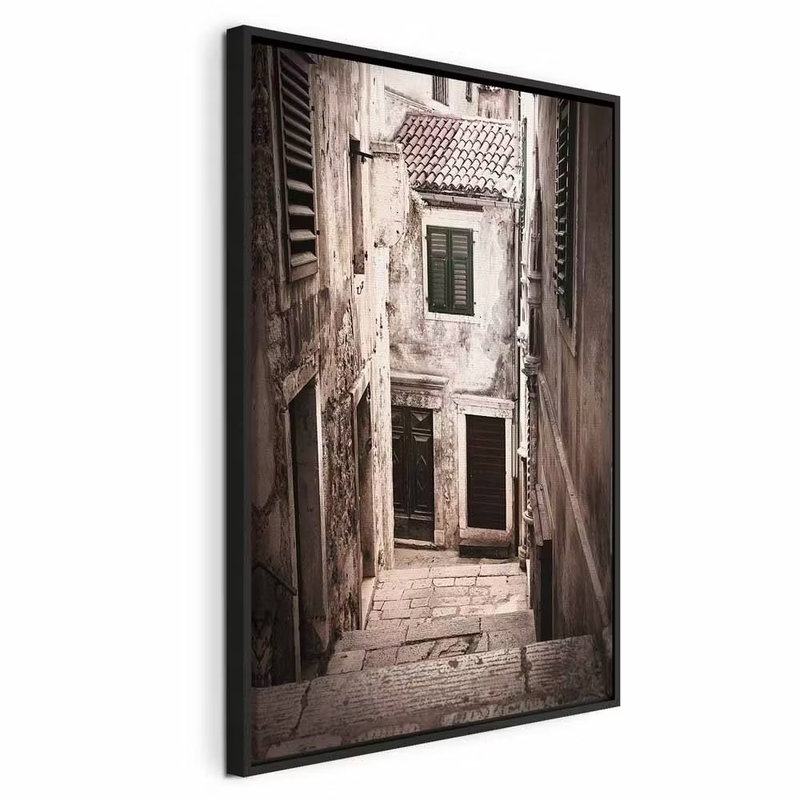
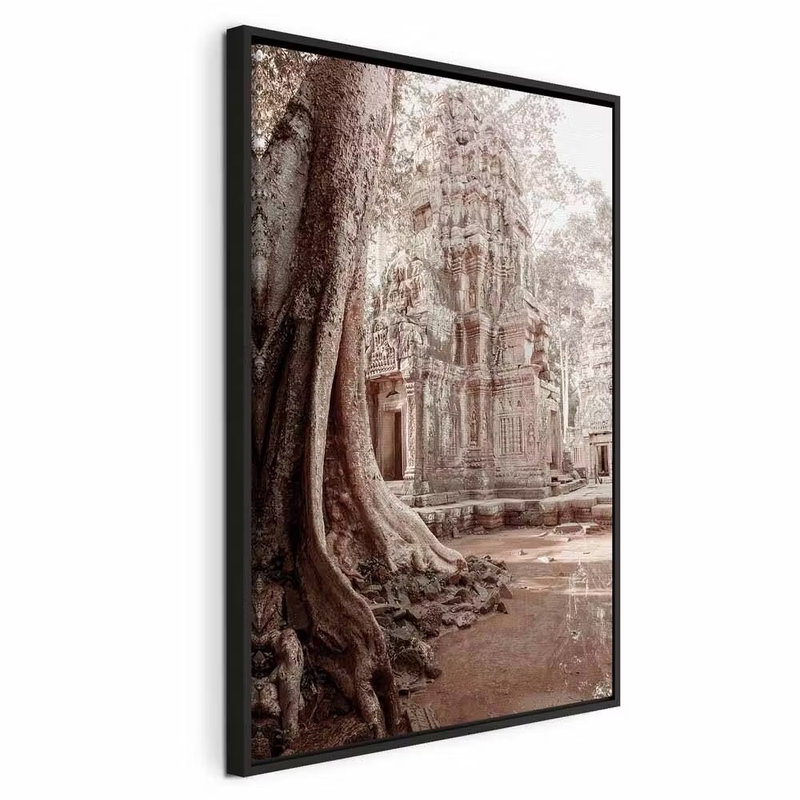
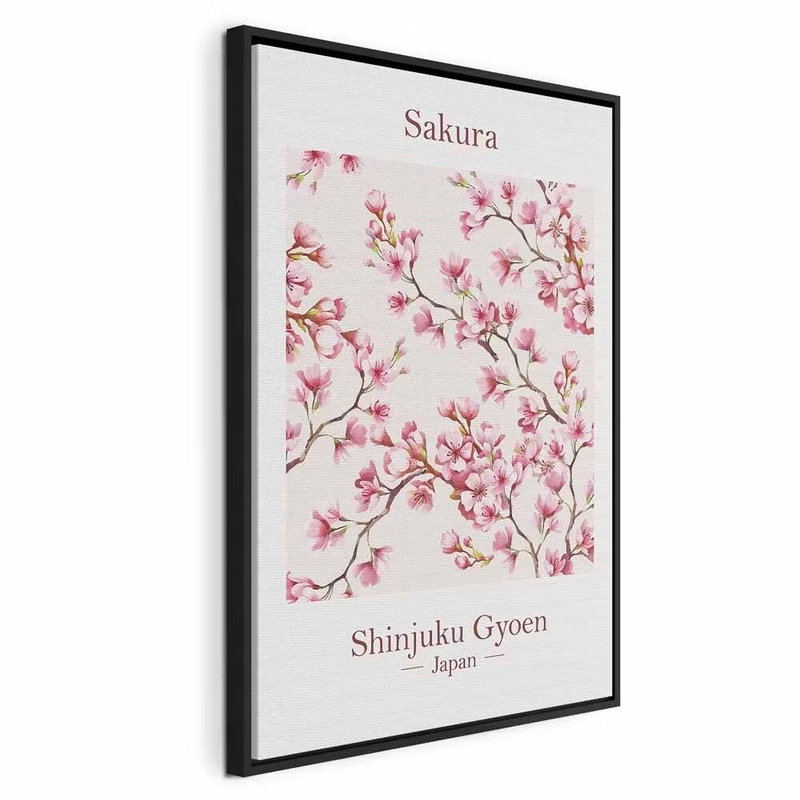
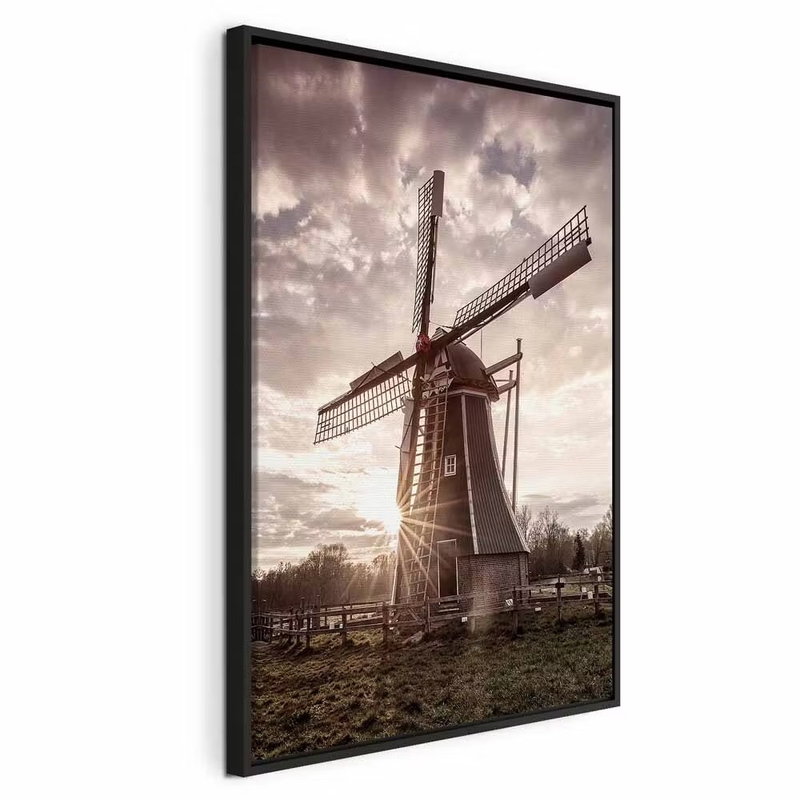
If seeking a particular city or landmark, open the main image and read the subject information. Assess the actual crop: a close architectural perspective tells a different story from a wide view, even when both relate to a journey.
Personal memories without losing sight of colour
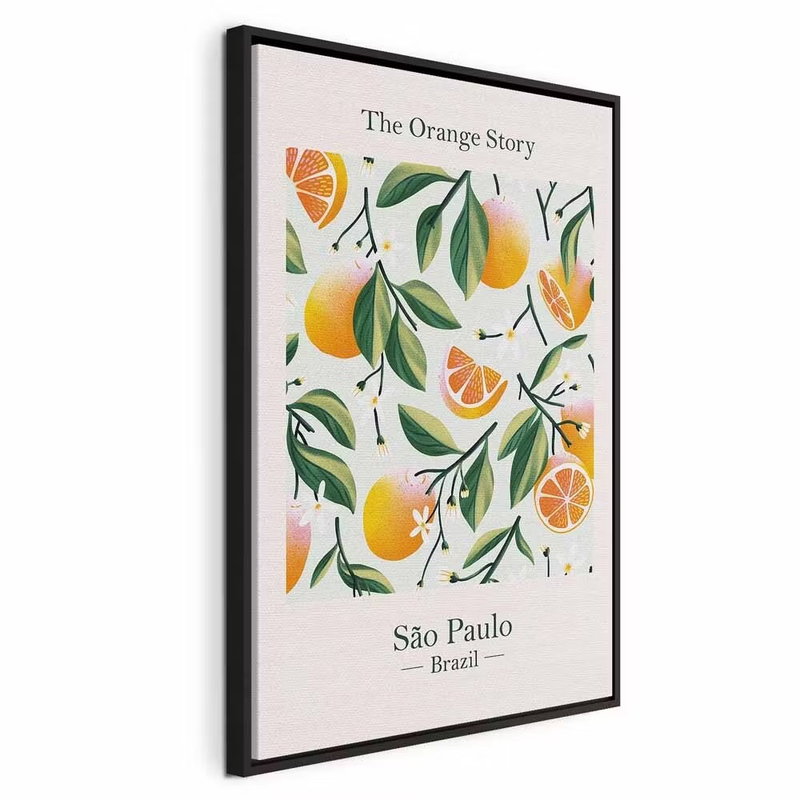
A place may have personal meaning, but the picture also needs to work with the room’s colours. Compare the subject alongside its background, light and contrasts. A restrained architectural detail can create a different impression from a colourful city scene.
Several travel images can connect through matching frames or a recurring colour. They need not all show the same place. A considered group can reflect different memories, provided detail and visual weight have enough room between pictures.
Choose an image type for the viewing distance
A detailed city setting may invite close inspection, while larger architectural forms can be read across the room. Consider whether the picture will mainly be seen from a sofa, at a desk or in a passage. This helps you choose size and subject type together.
Check the proportions offered on the product page. A long horizontal image and a vertical architectural crop cannot replace each other on every wall. Measure the position and try the outer dimensions before choosing the frame and planning hanging holes.
Sound absorption in a setting with its own identity
A travel image can give a home or workplace a personal connection while the material behind the print contributes sound absorption. Reducing reverberation depends on construction, position and the amount of absorbing area in the room.
Geographical associations do not indicate acoustic performance or make the picture sound-insulating between rooms. Read the selected model’s mounting and care information. Choose a position where both the frame outline and the details that interested you remain visible in everyday use.
From a painterly street to a graphic landmark
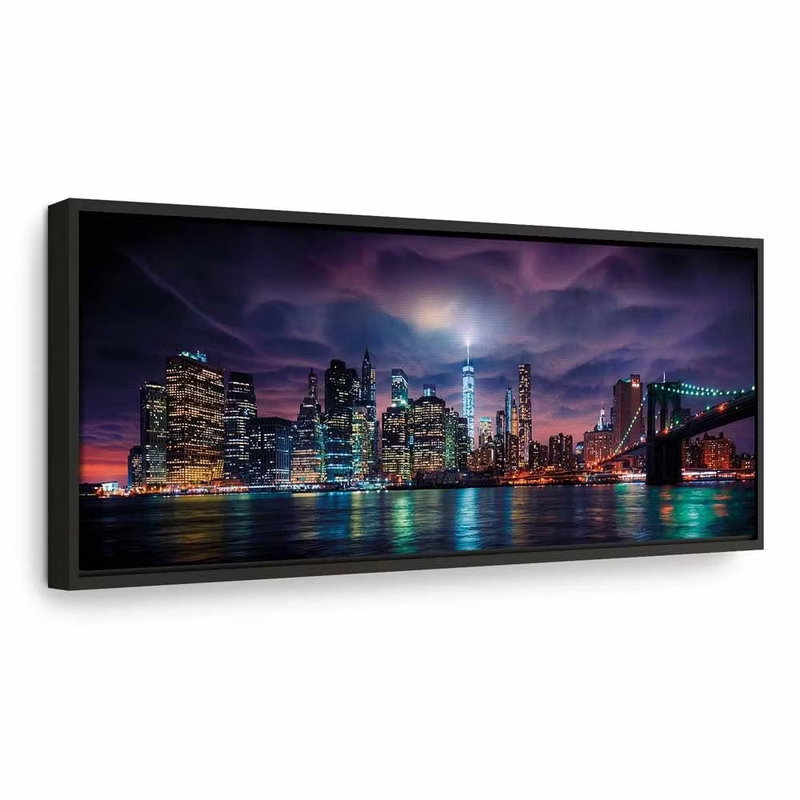
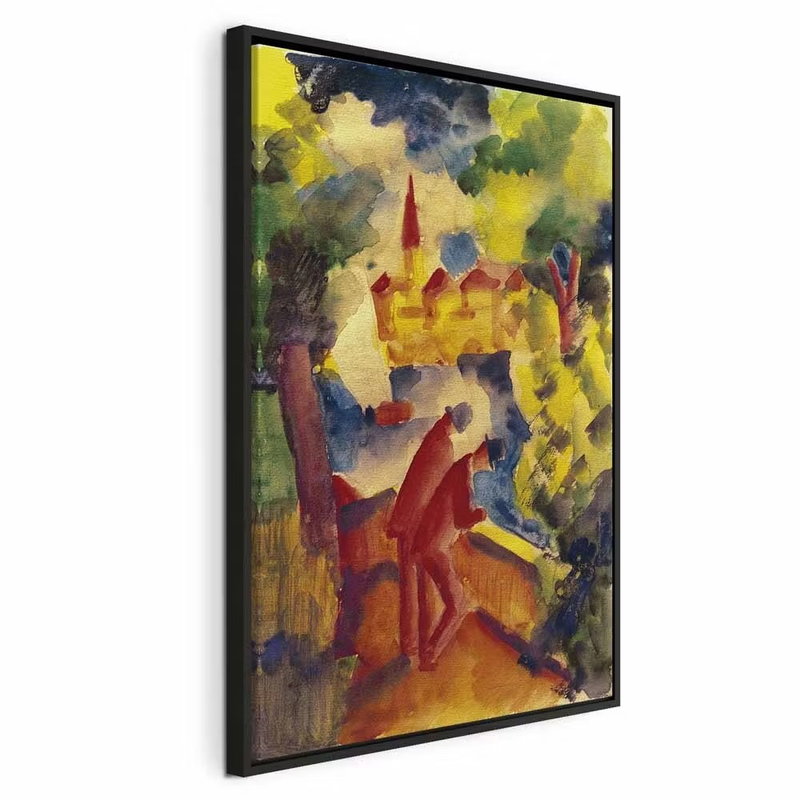
A city can be depicted through brush-like areas of colour, many small events or a clear simplified silhouette. These visual styles work differently even when they relate to the same place. In an evening scene, light in windows and street lamps may bring the image together. In a graphic interpretation, a single building shape may instead be the clearest element.
Compare how much of the print consists of detail and how much background remains open. A pared-back subject can work with a more patterned interior, while a denser scene may have more room on a simpler wall. The distribution of colour and form provides guidance, rather than just the place name.
Connect the travel memory through light and colour
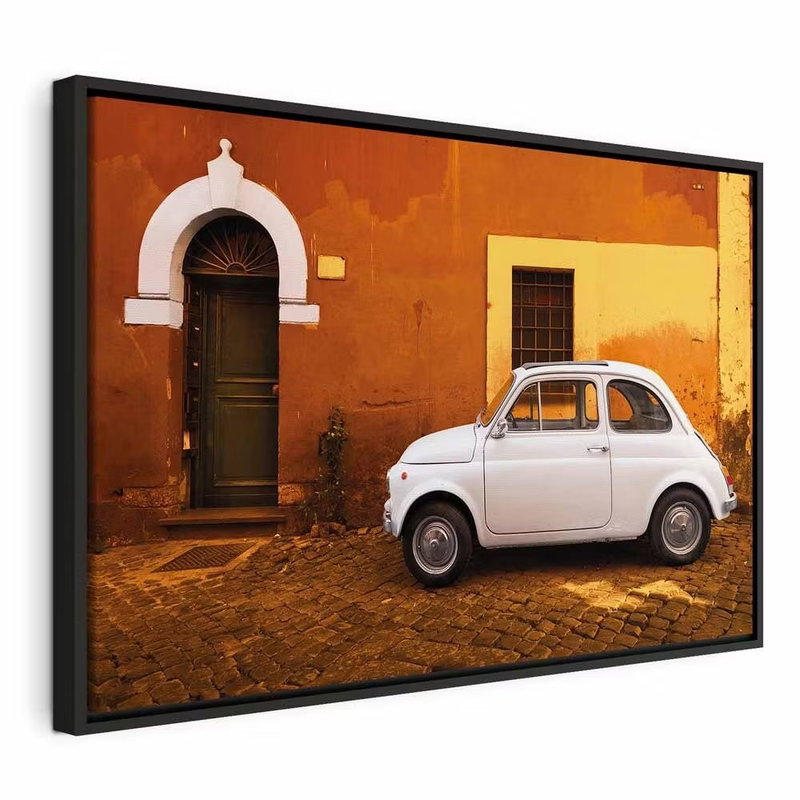
A place may be recognised through a building, but also through the image’s atmosphere. Warm lights in a dark street and a pale stone detail create different connections with textiles, wood and wall colour. Choose which tone should recur in the room and which contrasts should stand out. You need not copy the place’s interior to make the image work in your own room.
When combining subjects, a shared colour tone can create continuity between destinations. Give each image sufficient clear wall space as well. Several strong focal points close together may be harder to read than a group in which detailed and simpler images take different roles.
Plan the image for everyday use of the room
View the intended position from the doorway and from the usual seats. A close architectural crop and a wide street scene may need different scales to convey their character. Mark the picture’s stated outer dimensions on the wall before ordering and check that furniture or a screen does not hide the details that made the image interesting.
Read the chosen product’s frame, format and hanging information. A printed evening street takes its visual character from the subject; the picture’s practical requirements are determined by its actual construction. Plan the image choice, clear wall area and installation together.