



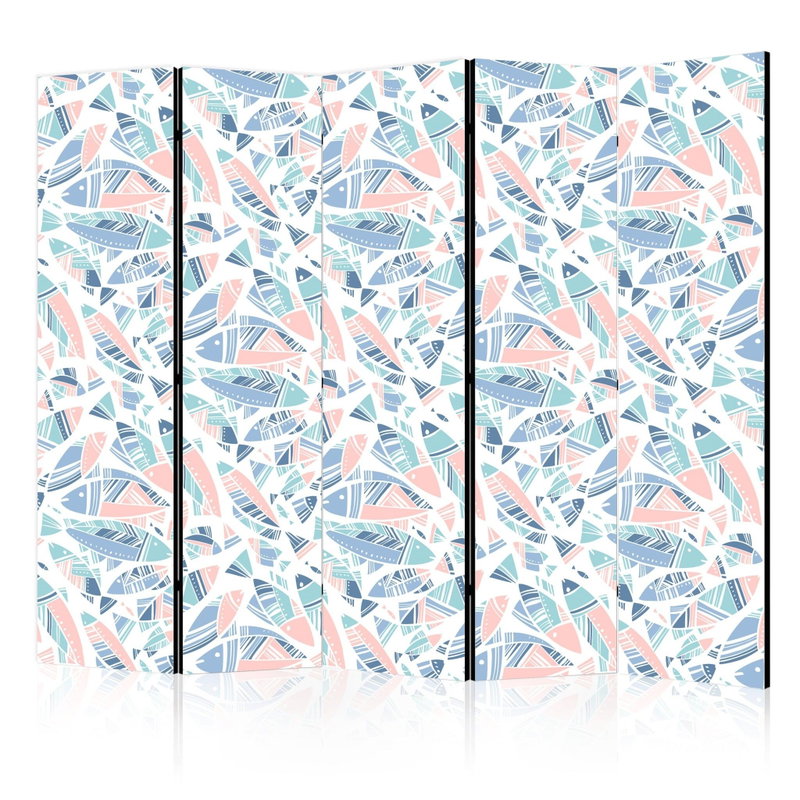
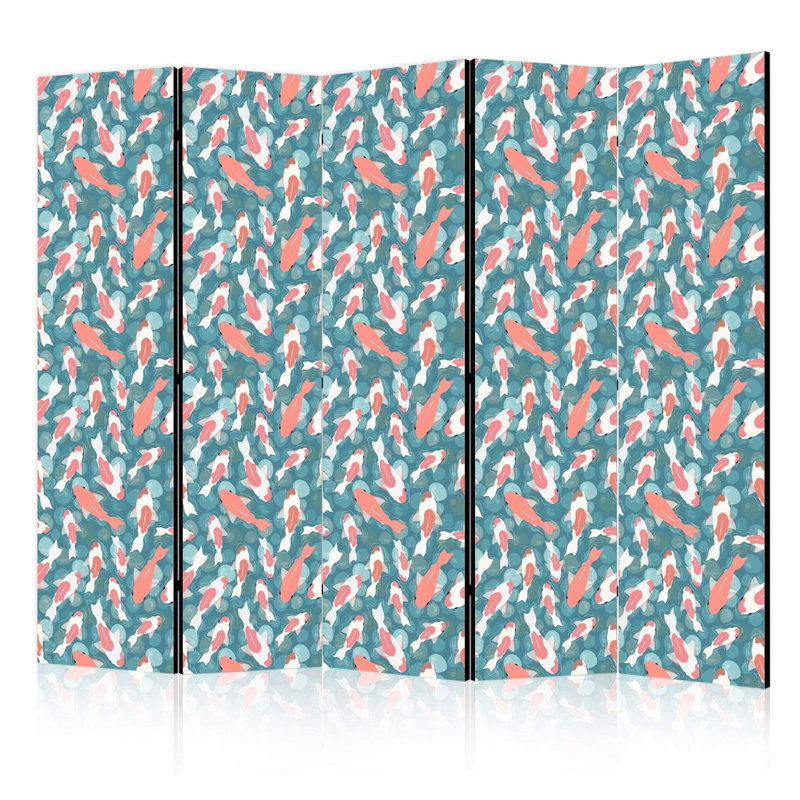
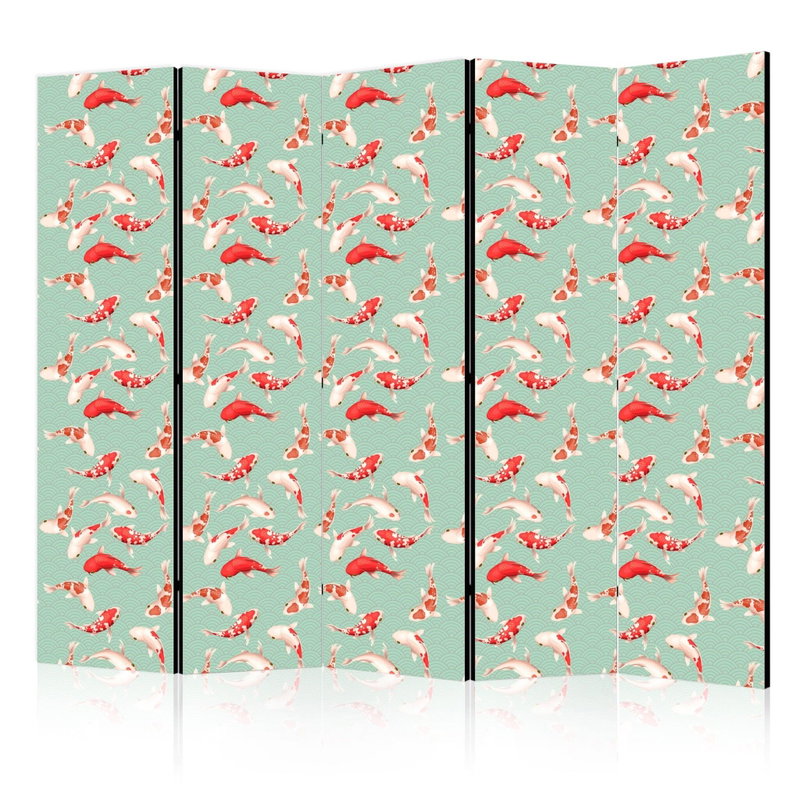
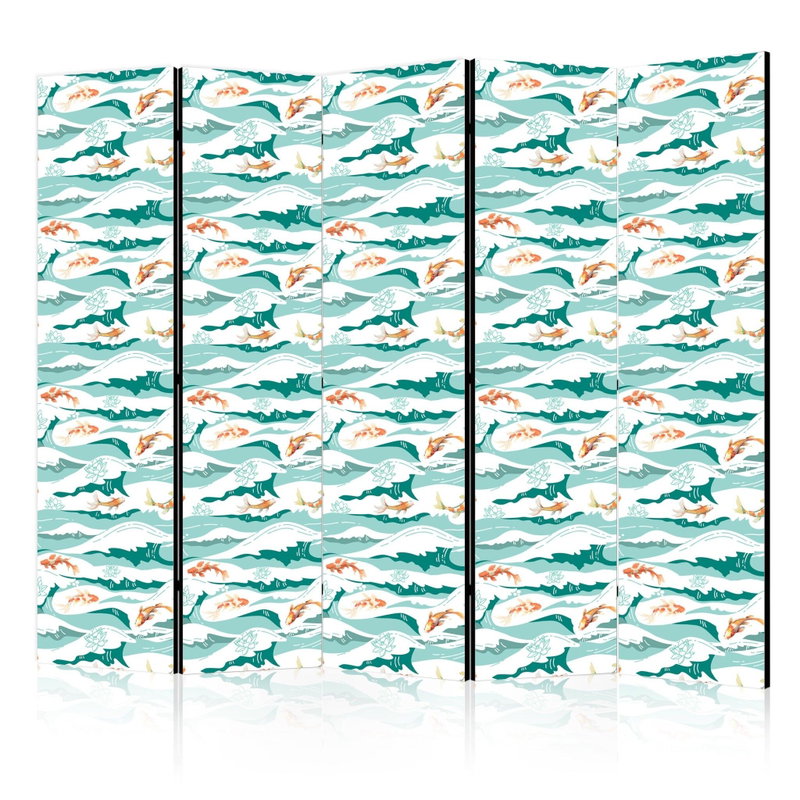
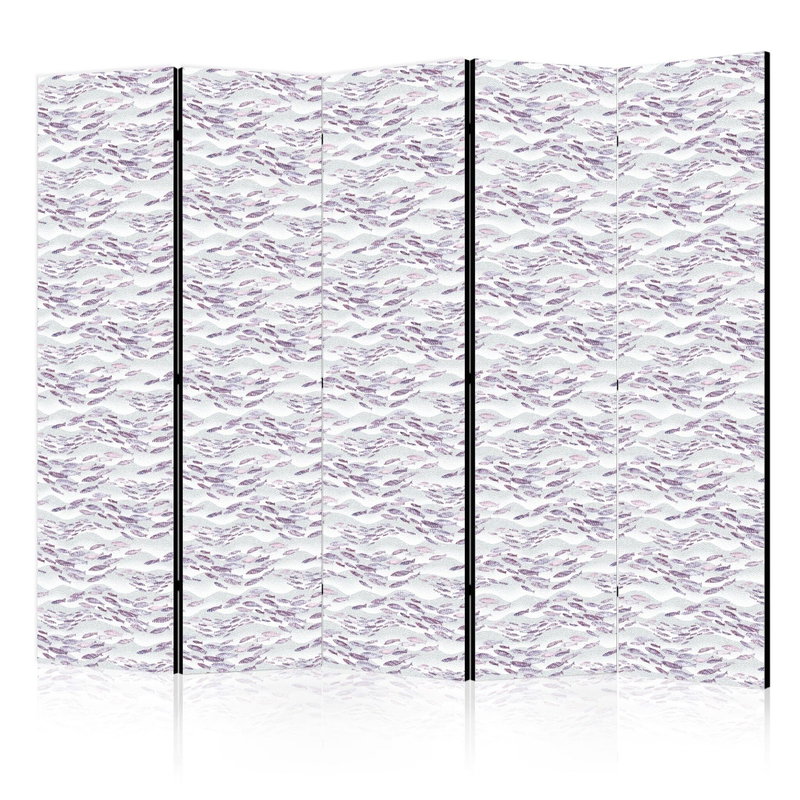
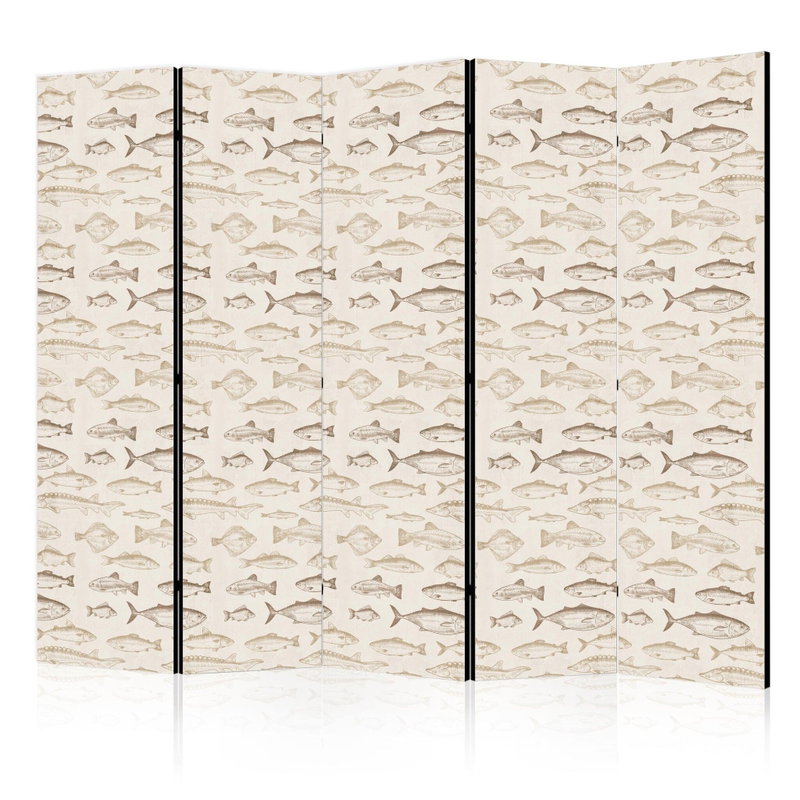
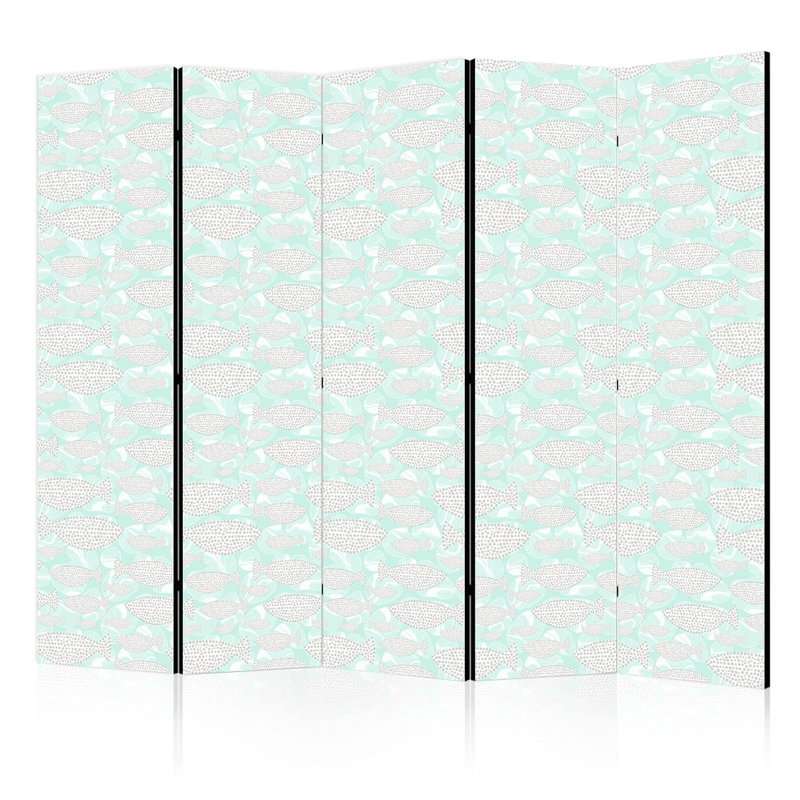
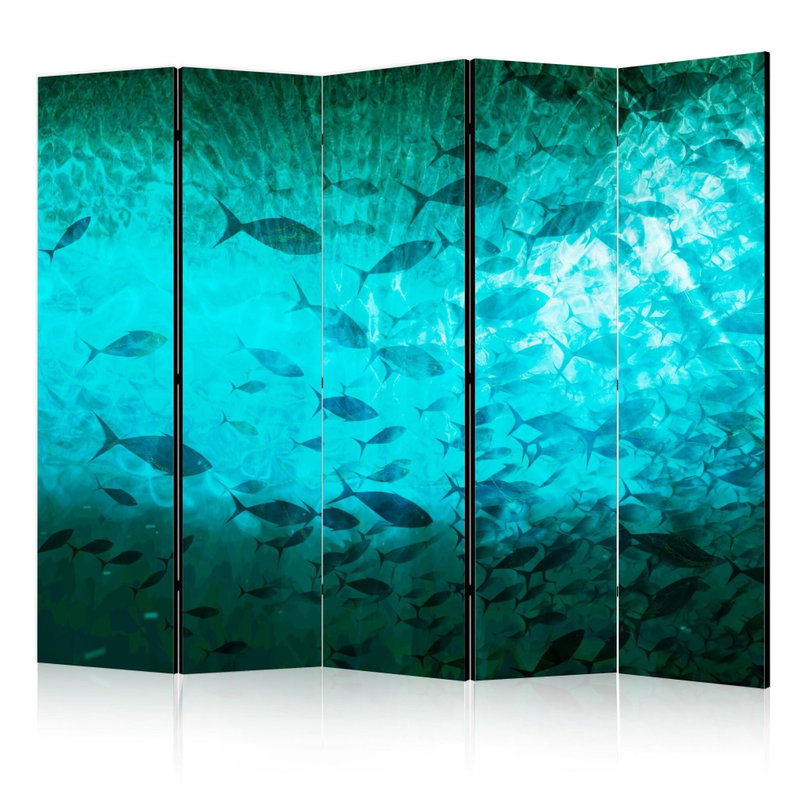
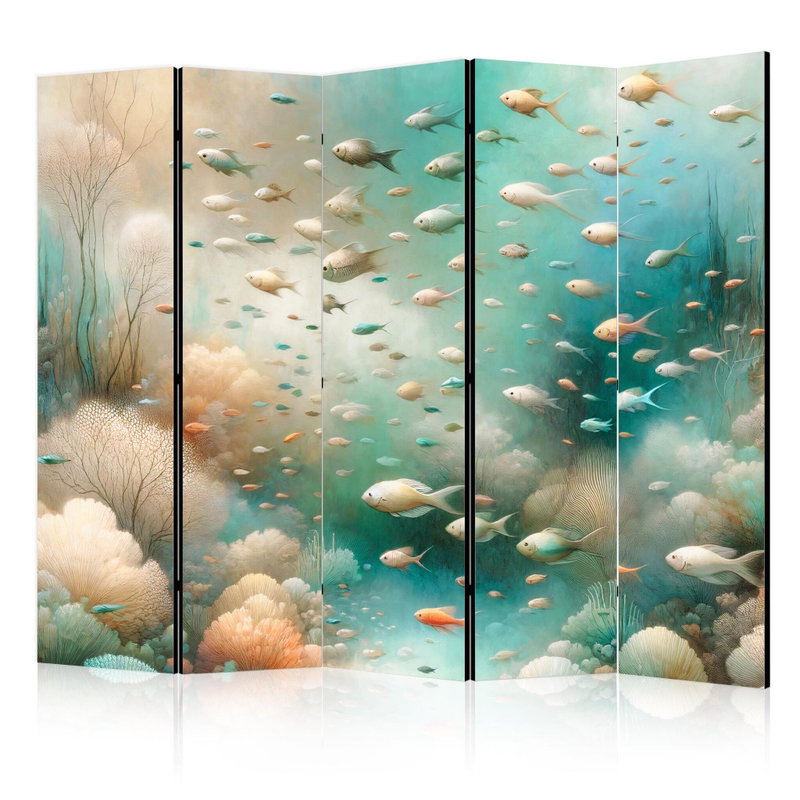
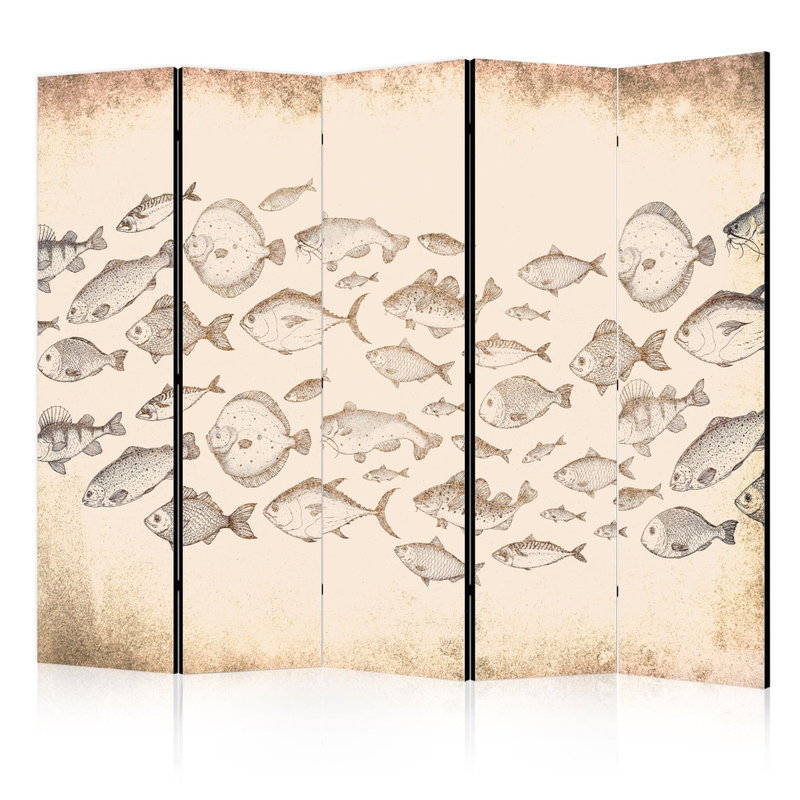
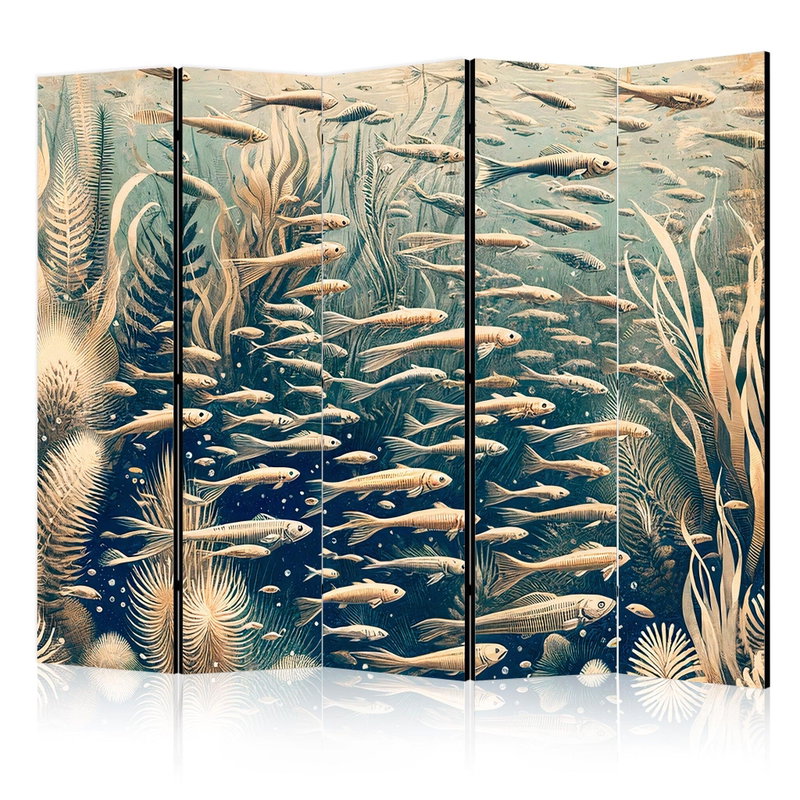
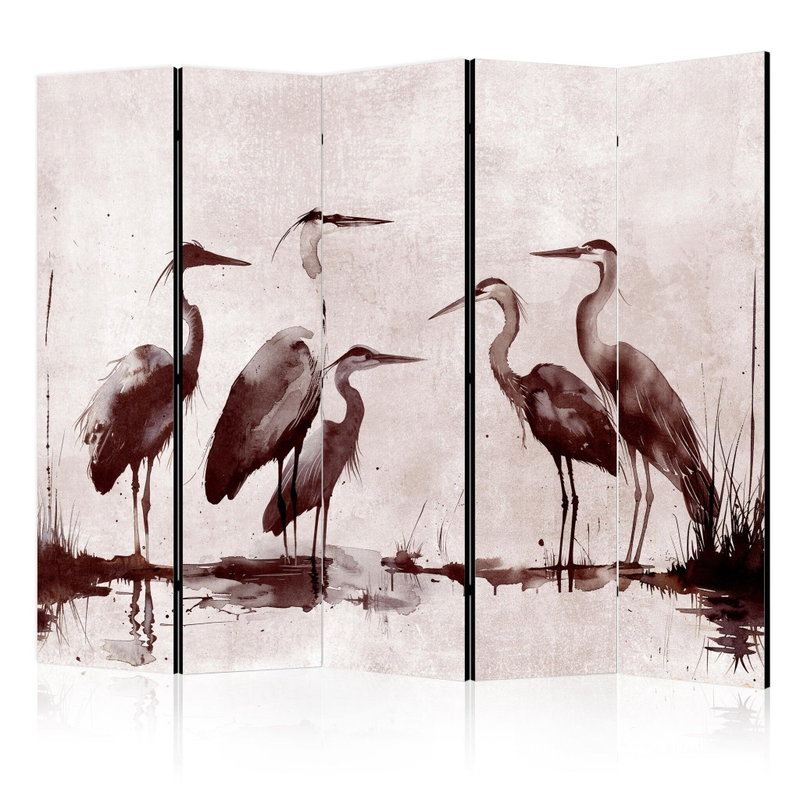
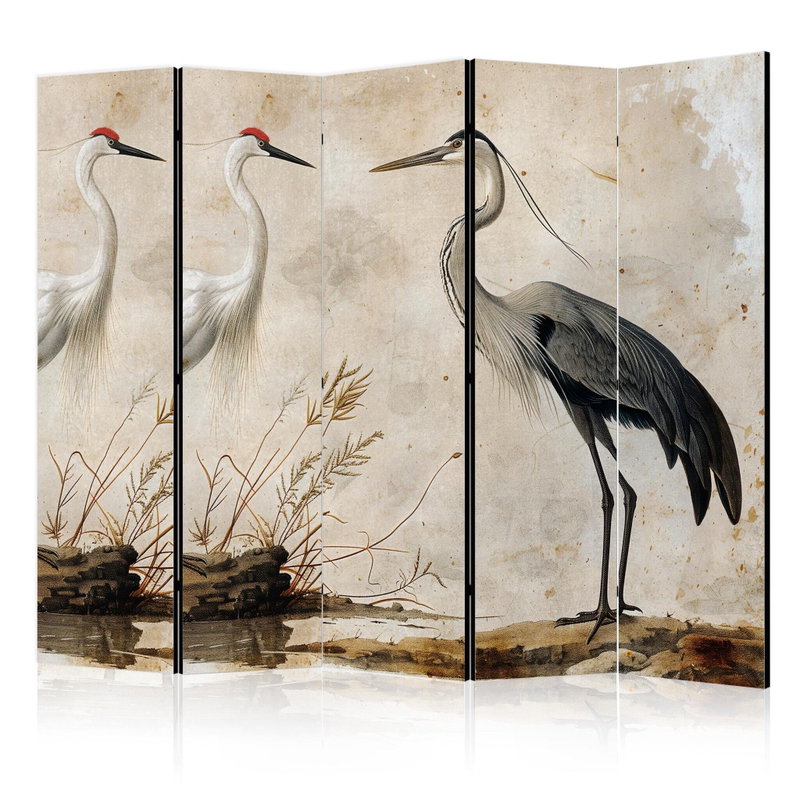
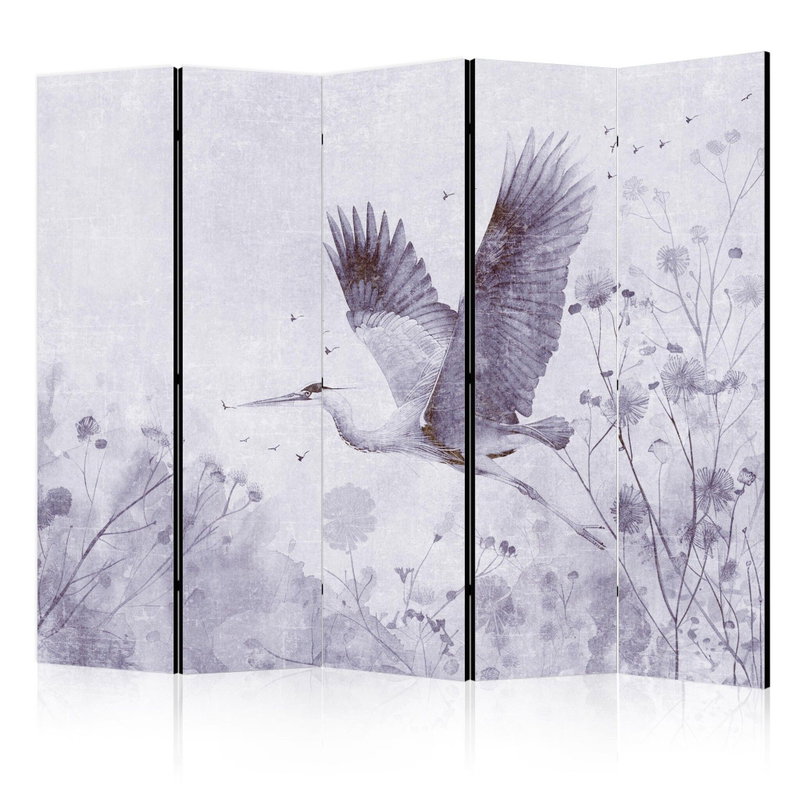
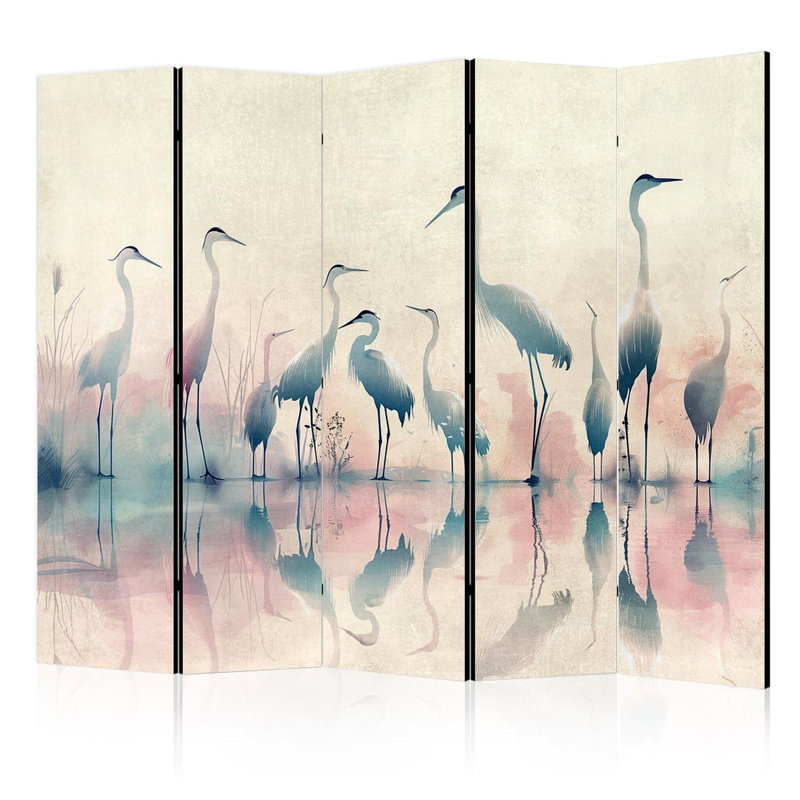

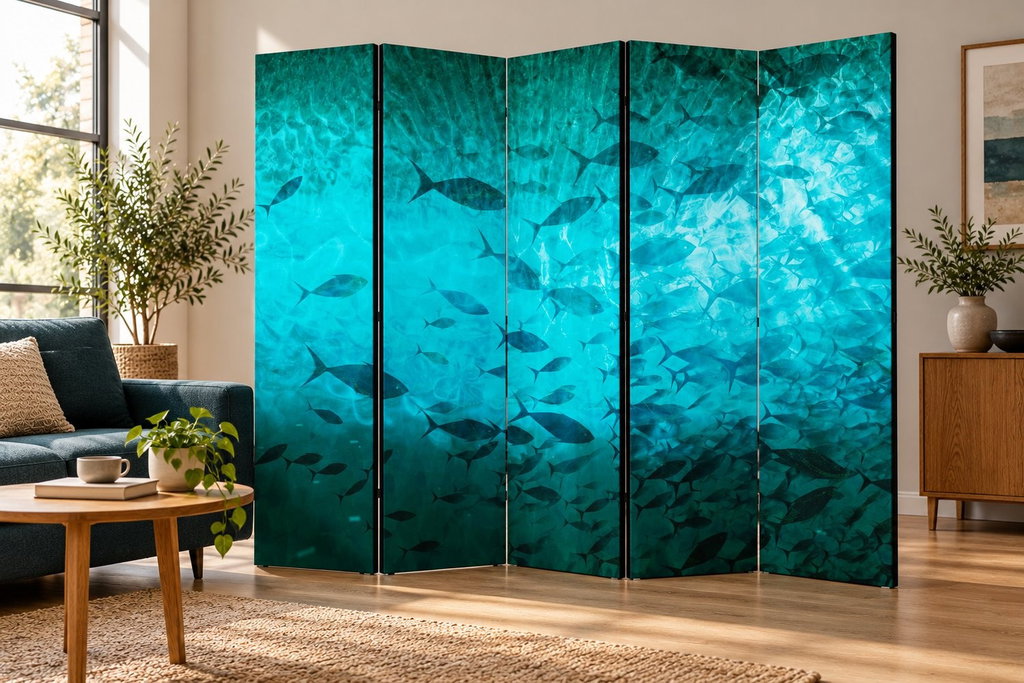
The animals’ role within a wider composition
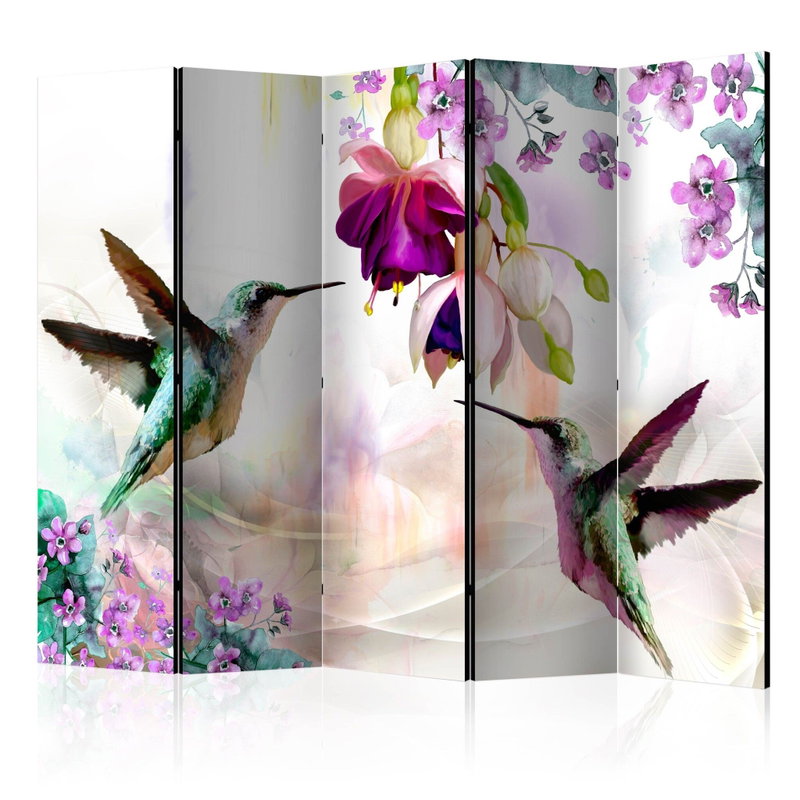
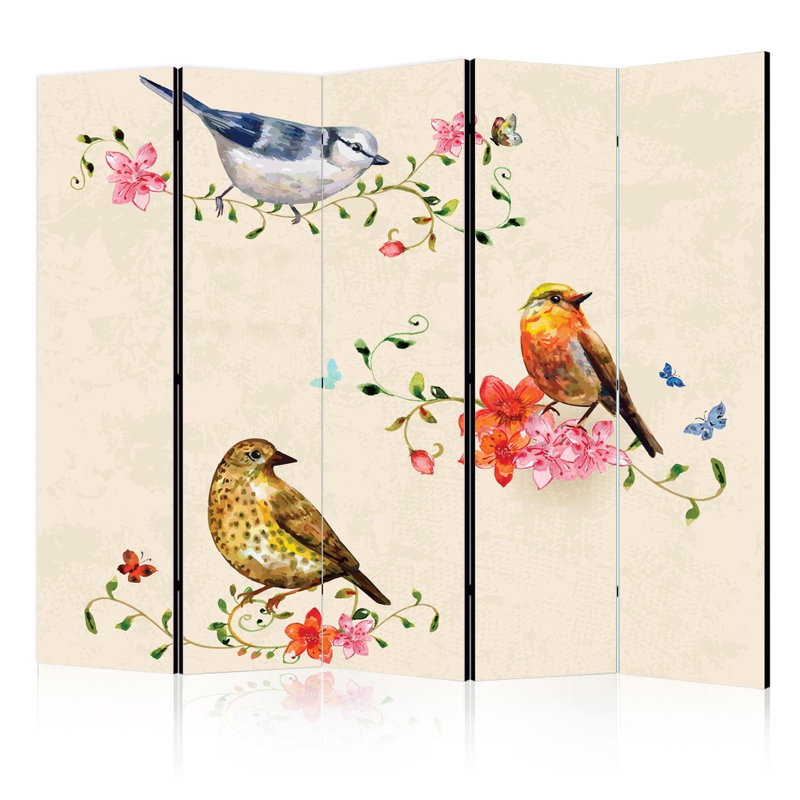
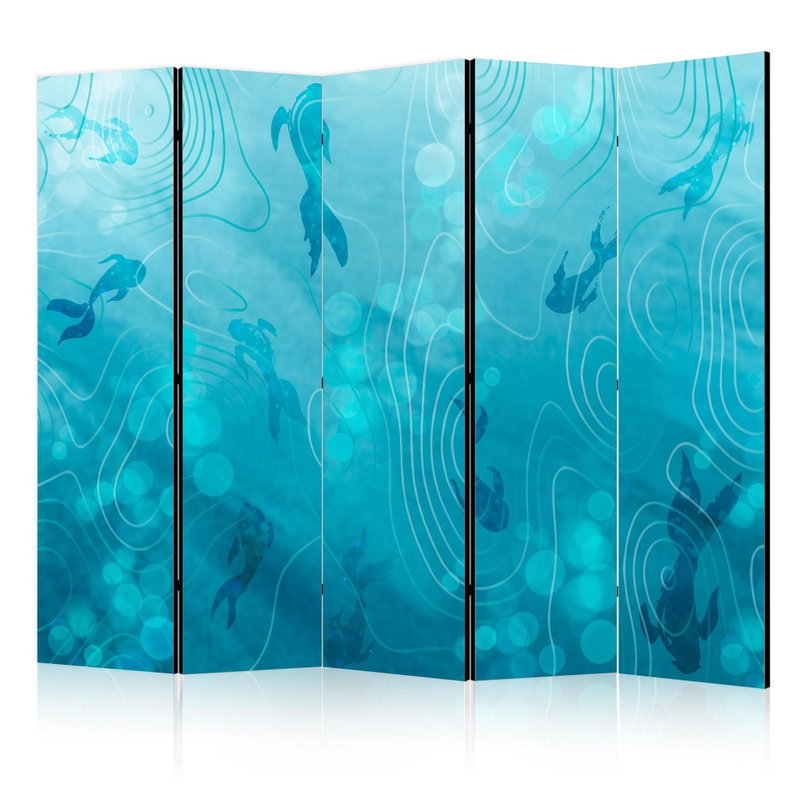
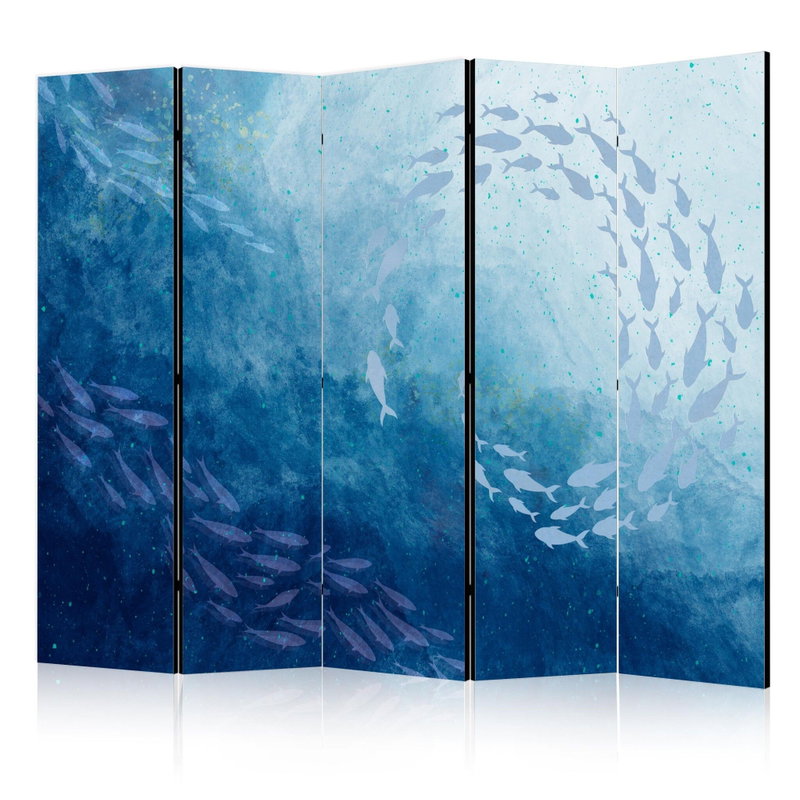
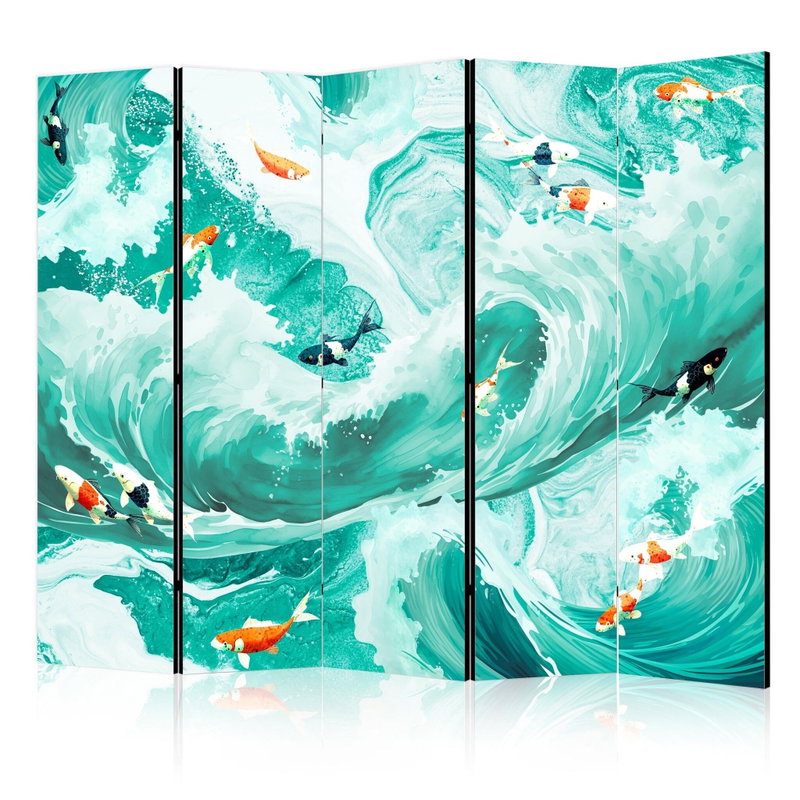
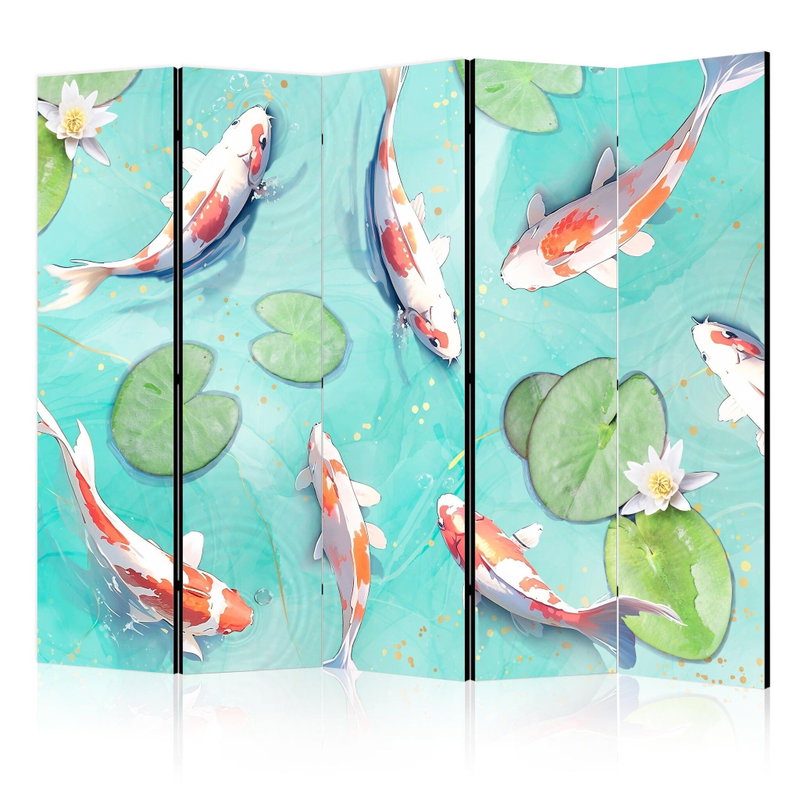
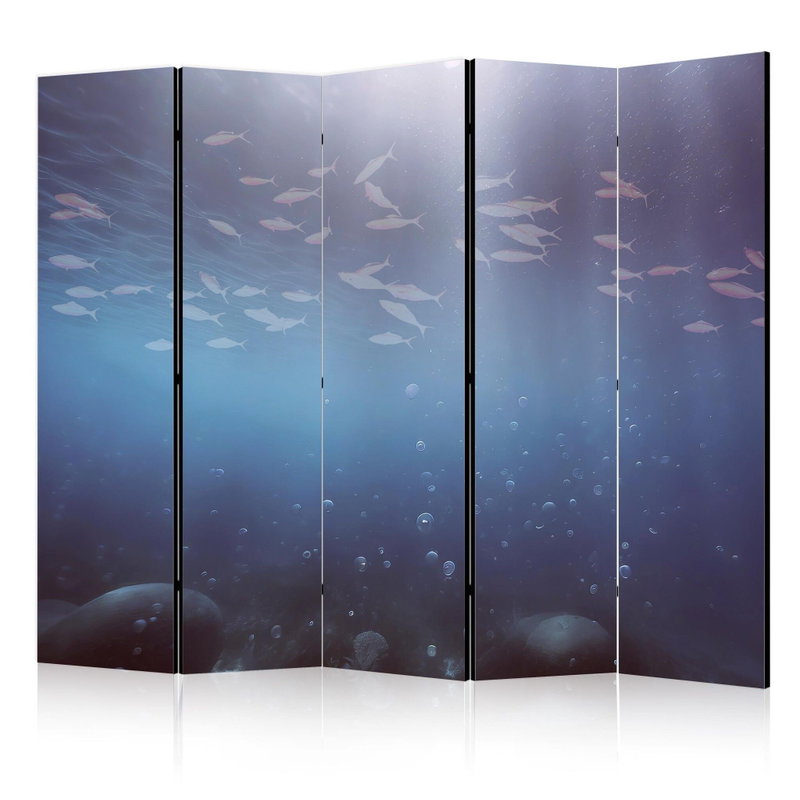
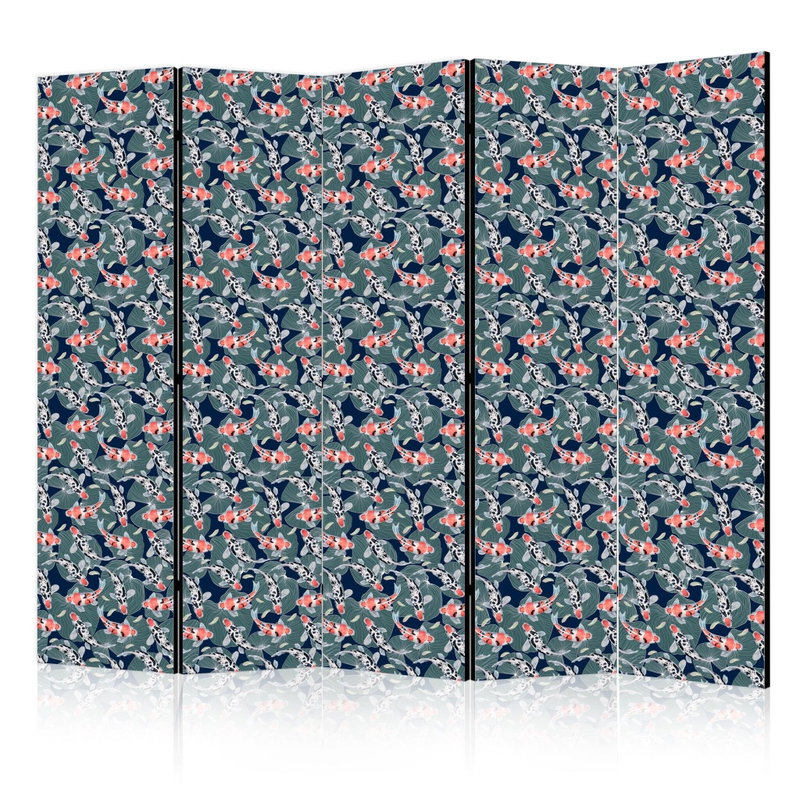
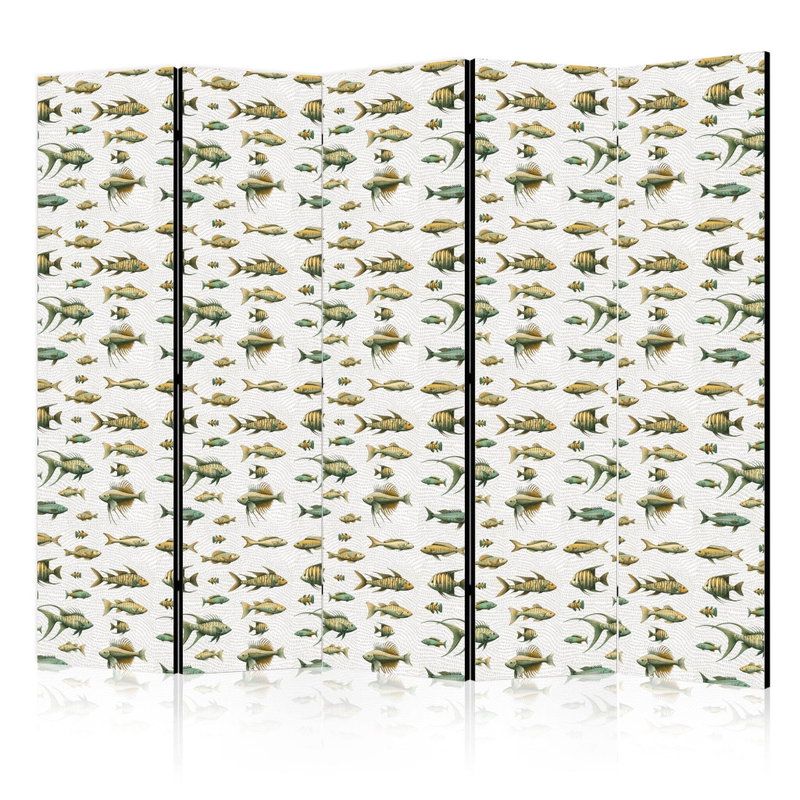
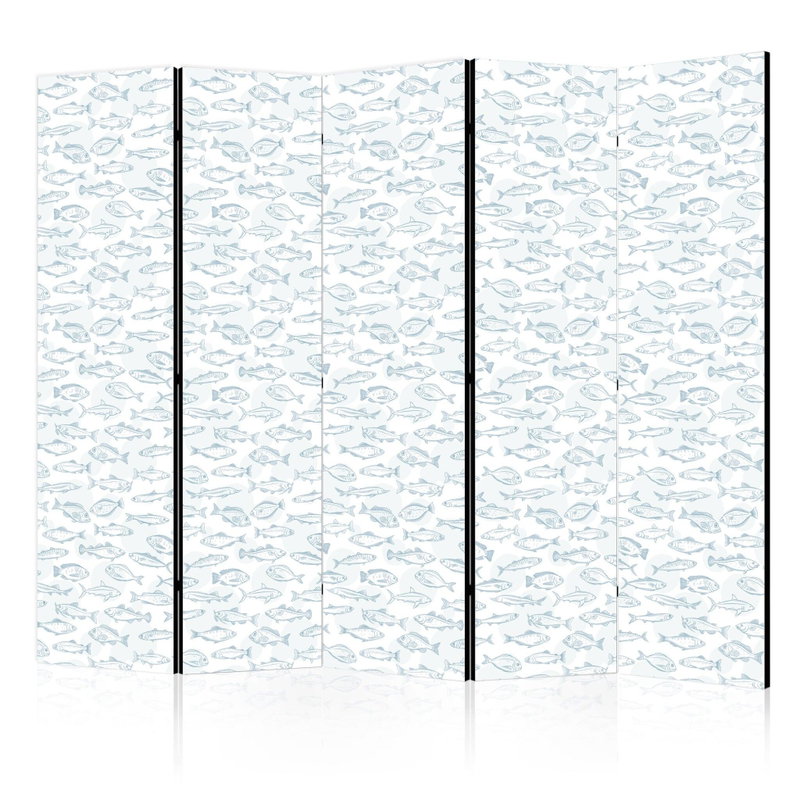
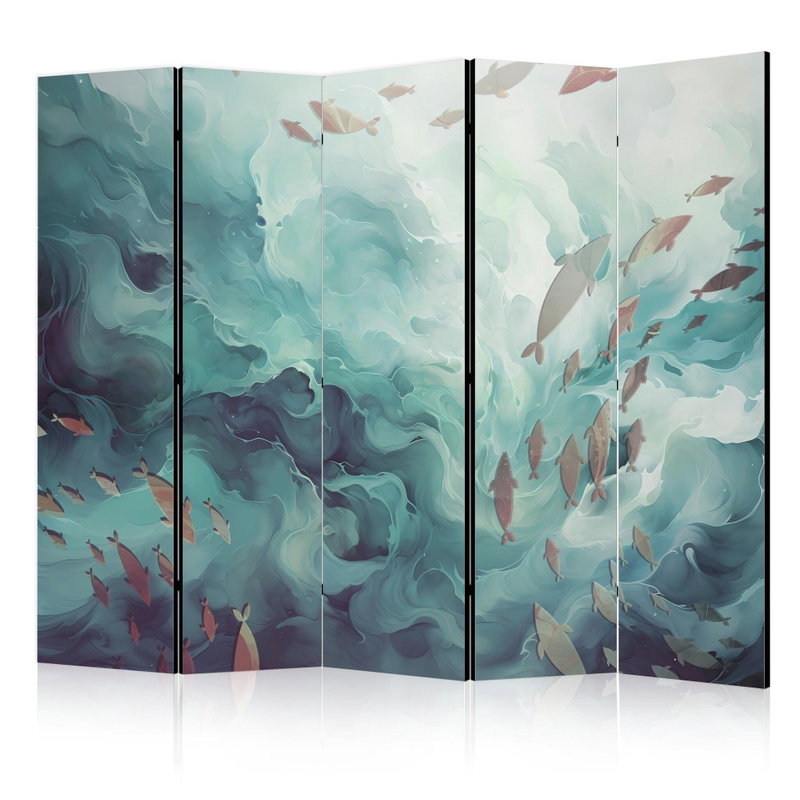
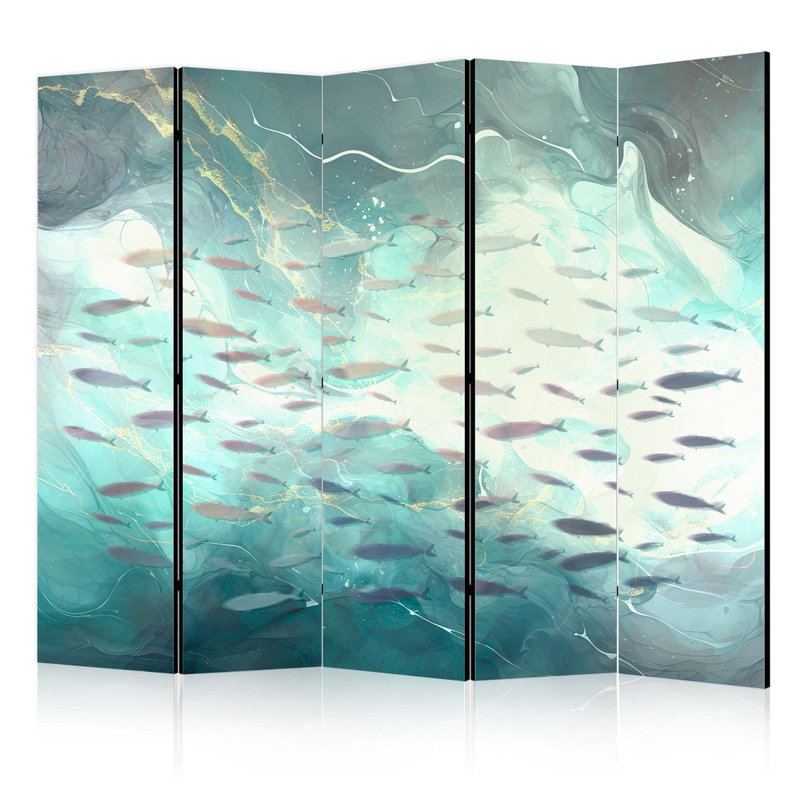
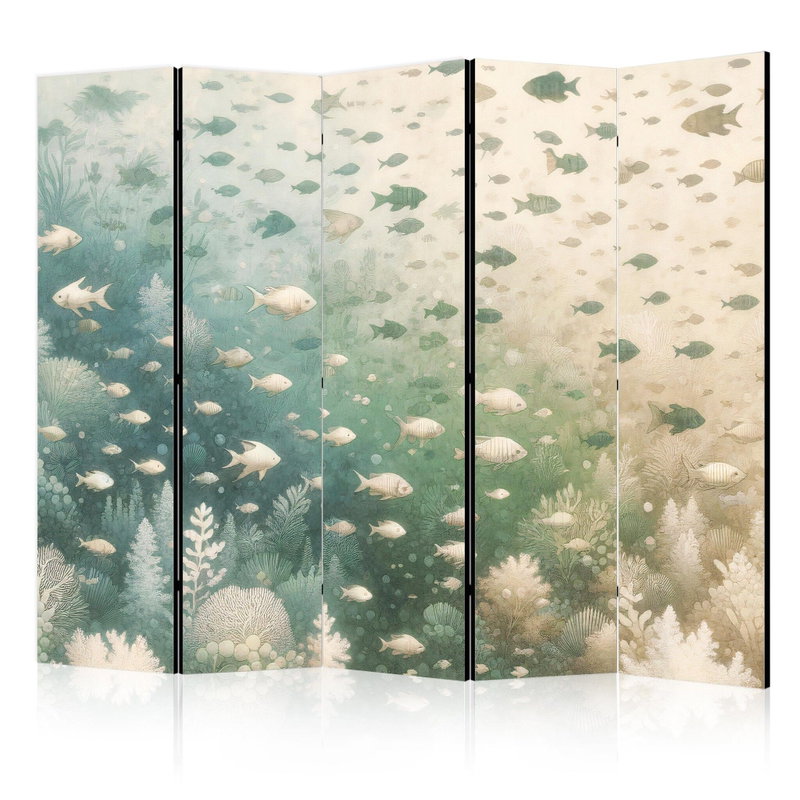
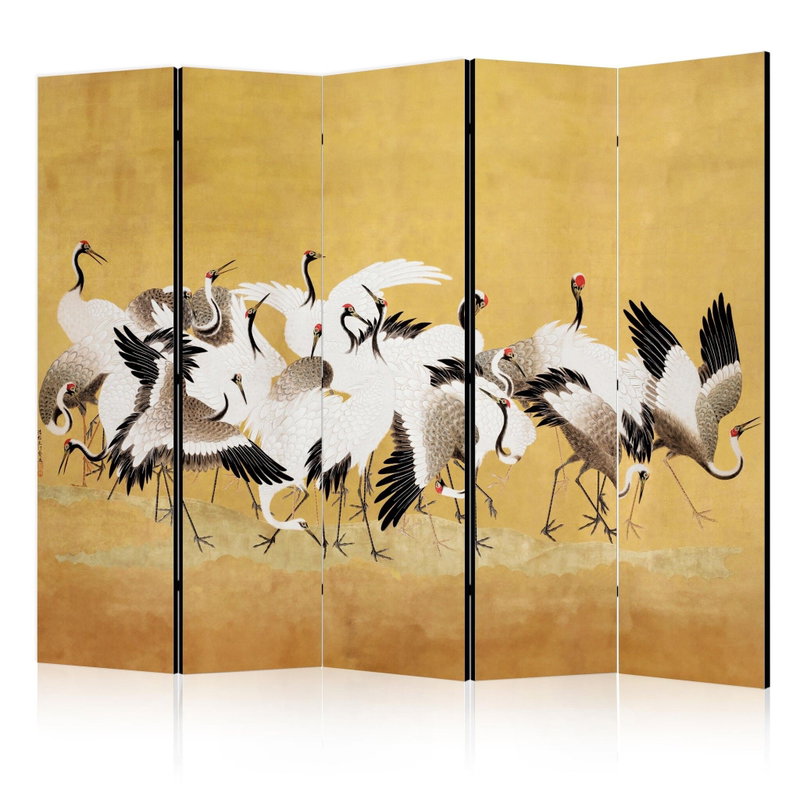
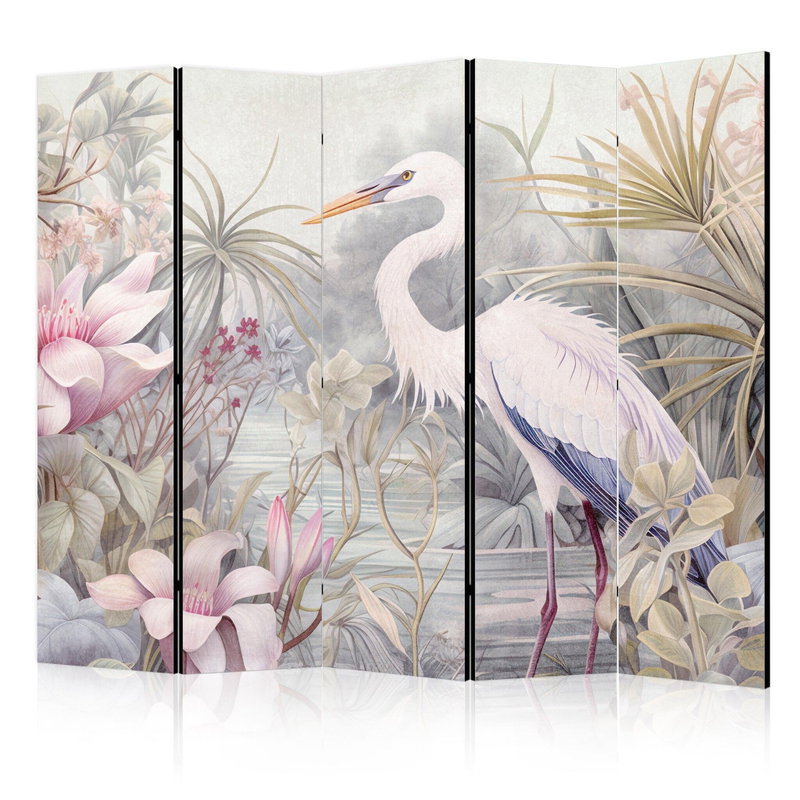
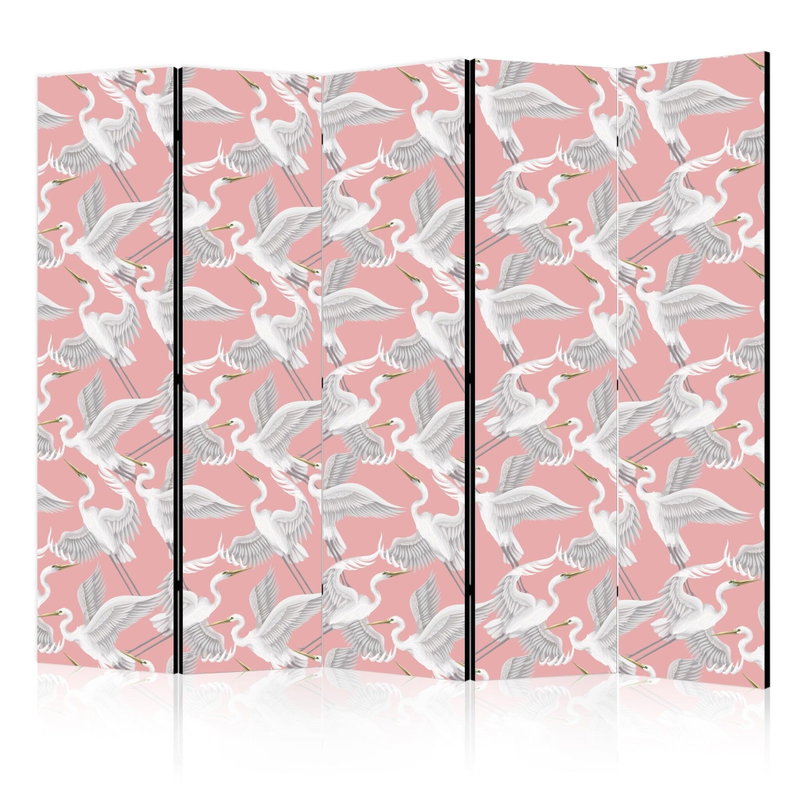
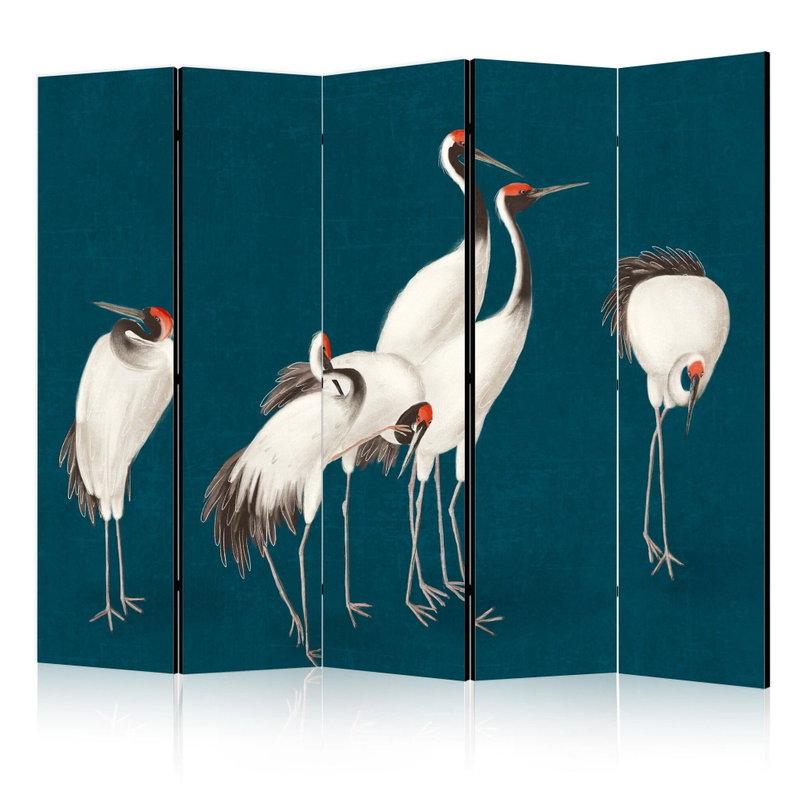
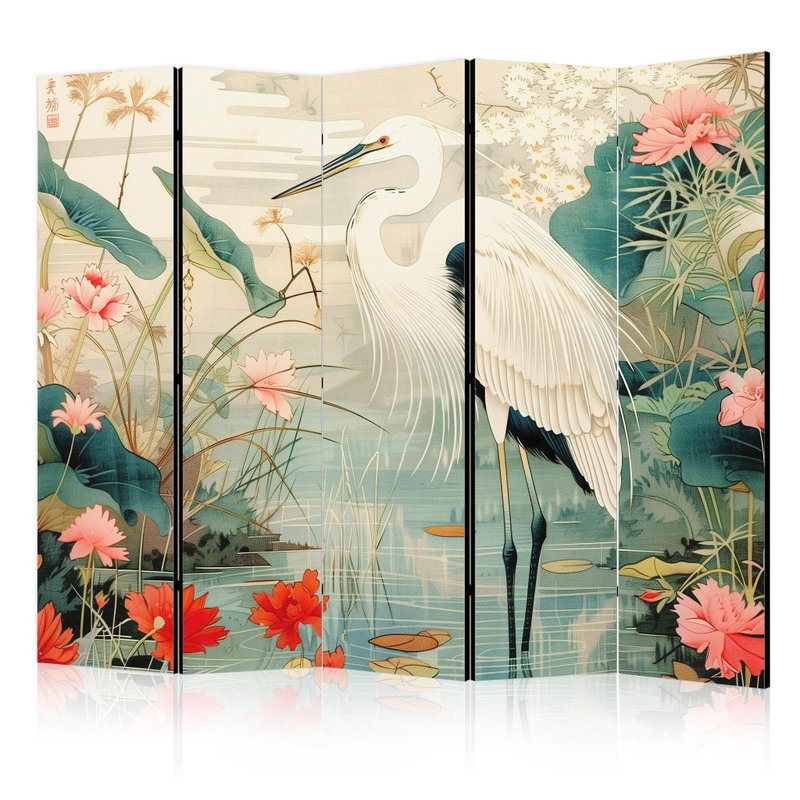
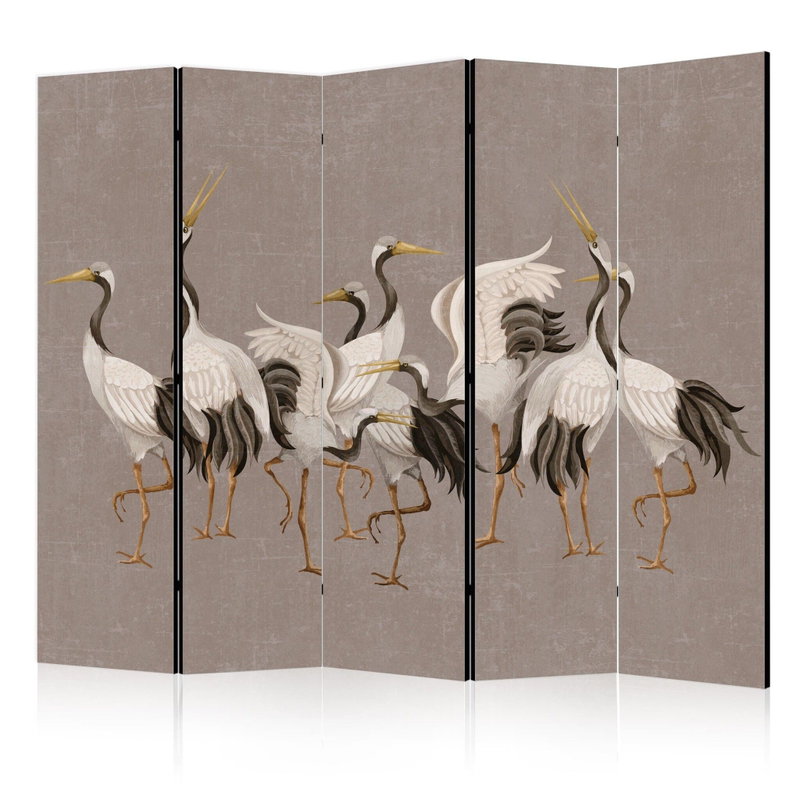
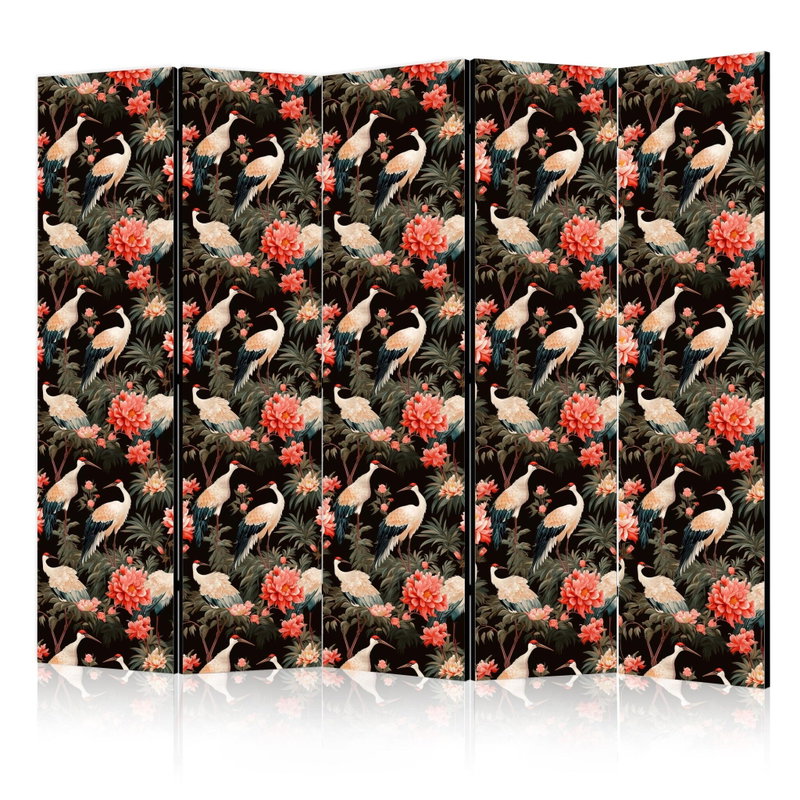
This five-panel group gathers images with clearly prominent animals or marine elements. The visually checked selection includes hummingbirds with flowers. Assess the birds and their botanical surroundings as a whole.
Decide whether you mainly want the animal’s presence or a decorative scene with several subjects. A large animal portrait and small birds in a pattern work differently from a distance. Look at what carries the image and how colours and details suit the room.
Visibility across five panels and from two sides
Five panels create several transitions where the image meets an angle. Position central animal forms along the most important sightlines. A repeated pattern may read more evenly than one figure when angled. Include smaller background colour accents in the comparison.
The screen is printed on both sides. Assess the composition from both divided areas. Flower and bird colours may recur in furniture or textiles, but the complete image needs to work with both interiors.
Turn width into stable floor placement
The reviewed five-panel products measure 225 × 172 centimetres, with five equally wide panels each 45 × 172 centimetres. Straight total width does not automatically equal the space occupied when angled. Measure depth and space around the feet too.
Follow stability, surface and handling instructions. Leave enough access to workstations and storage. The animal theme does not change practical construction requirements or intended indoor use.
An absorbent divider with personal imagery
The sound-absorbing construction can contribute to room absorption while creating a visual boundary. It does not replace a sealed wall or sound insulation between rooms. Results depend on positioning, absorbent area and surrounding materials.
Check care and moving advice. Let the animal motif add a personal connection and assess structural function separately from verified information. Both imagery and room division can then suit the actual setting.
Compare the animal image close up and across the room
Small birds among flowers can offer two ways of seeing the same subject. Close up, the birds emerge as individual parts of the image, while colours and plant shapes may dominate farther away. Decide what should be easy to see from the main positions around the divider.
Examine both the complete product image and its details. Notice how the birds’ outlines stand out from the background and whether one part needs to remain particularly visible. Choose the actual composition rather than assuming that every image in the animal group has the same character.
Connect the divider’s two sides
A double-sided image needs to relate to two different parts of the interior. A recurring flower colour or background tone may connect them even where the furniture differs. Compare the overall colour distribution so that a small detail does not determine the entire impression of the wide screen.
If one side already has many patterns, try leaving more clear space around the screen there. The other side may need a different relationship with furniture and walls. Consider these together with the model’s requirements for stable positioning so that the image works in both directions.
Fit the wide divider into everyday movement
Check how the area is used when a chair is pulled out, a table is approached and storage is opened. The five-panel structure needs room for both panel angles and feet in these situations. Use the actual model dimensions and instructions when testing the usable floor area.
Once a practical position is found, choose which part of the animal image should mainly face someone entering. The image’s direction and the practical room division do not need the same centre. Test the whole arrangement from both sides and choose a solution that shows the subject without reducing access or passage space.