



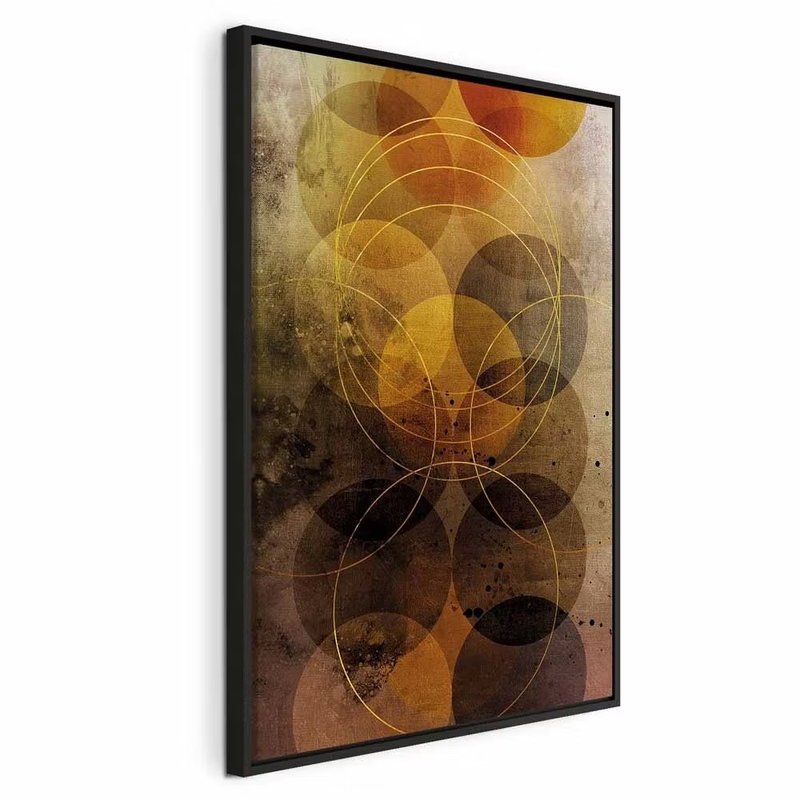
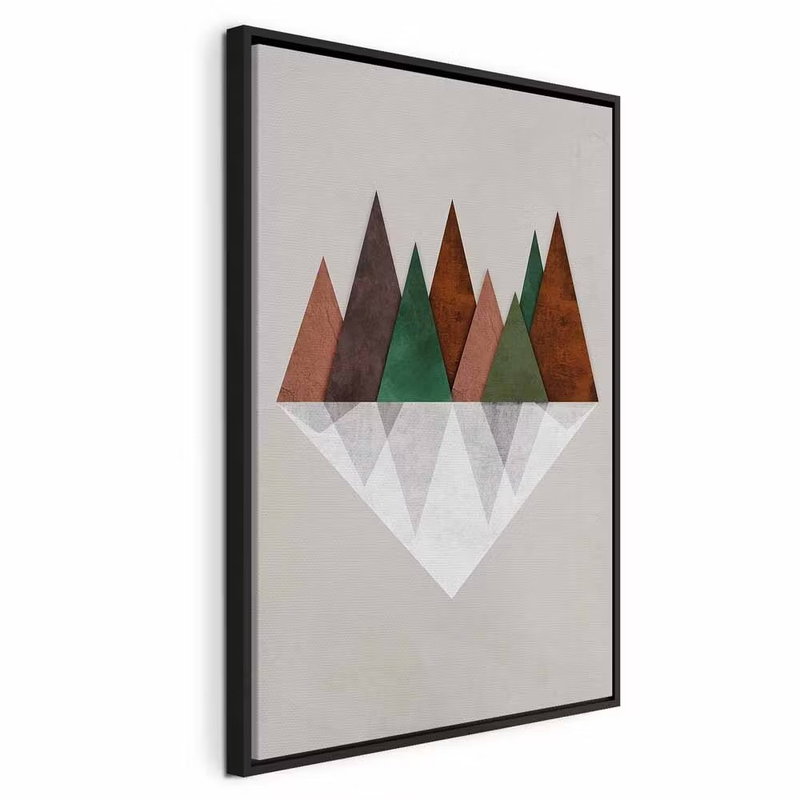
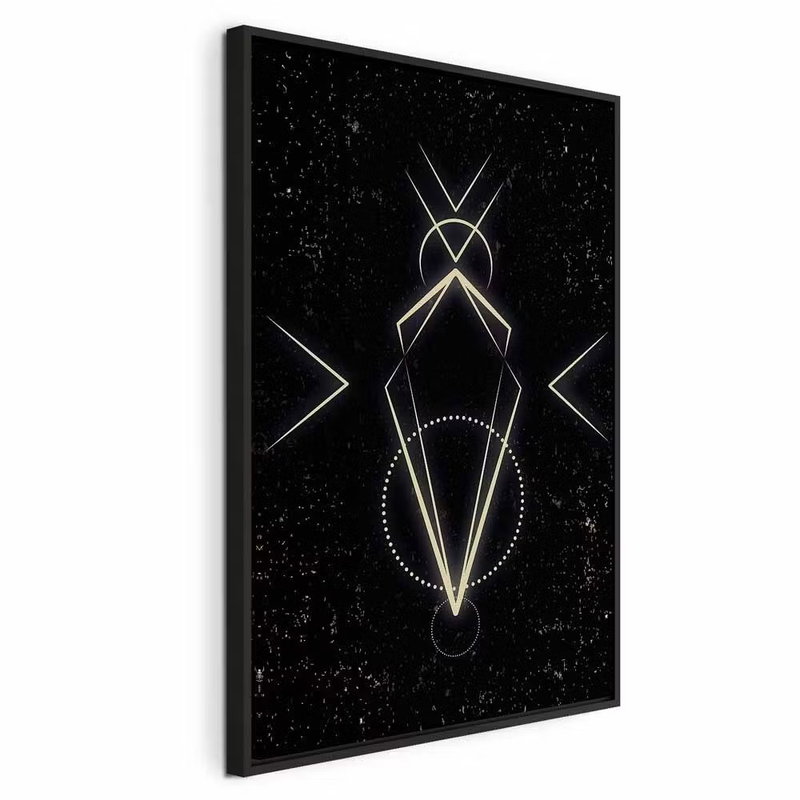
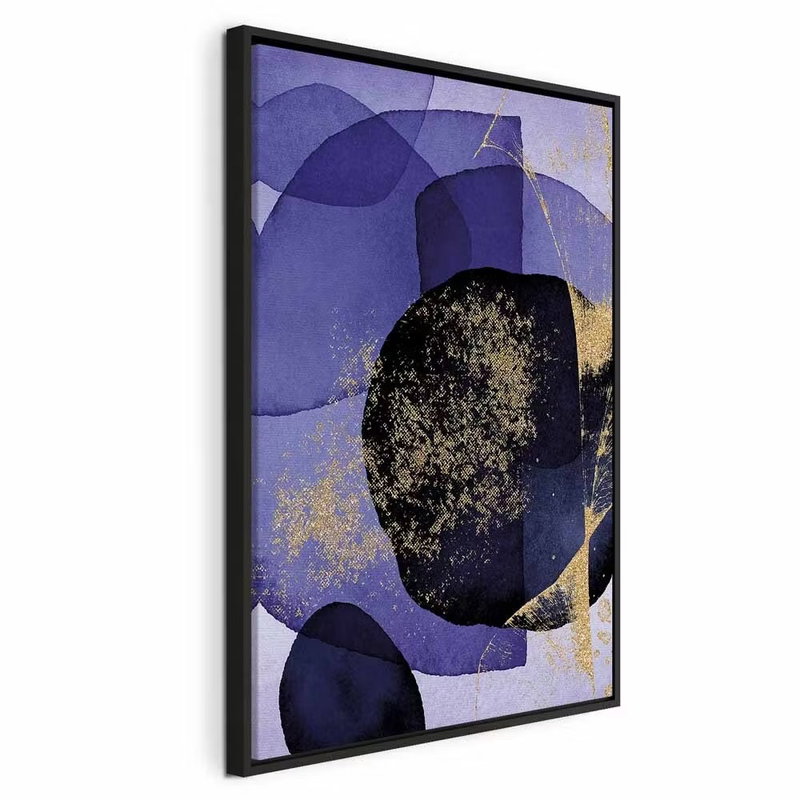

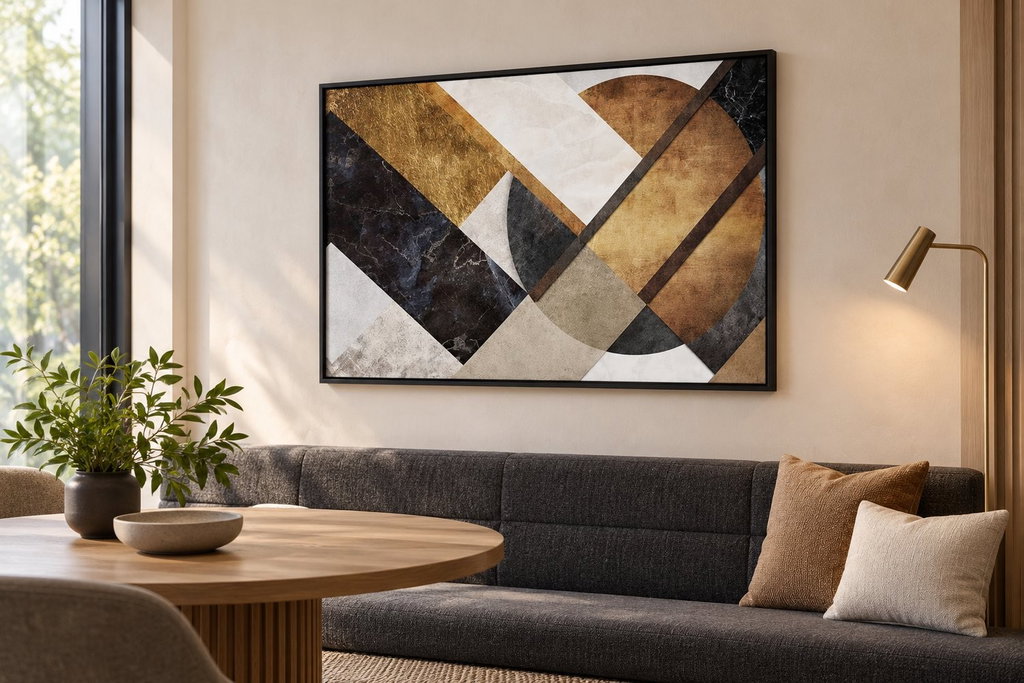
Circles, angles and grids create different rhythms
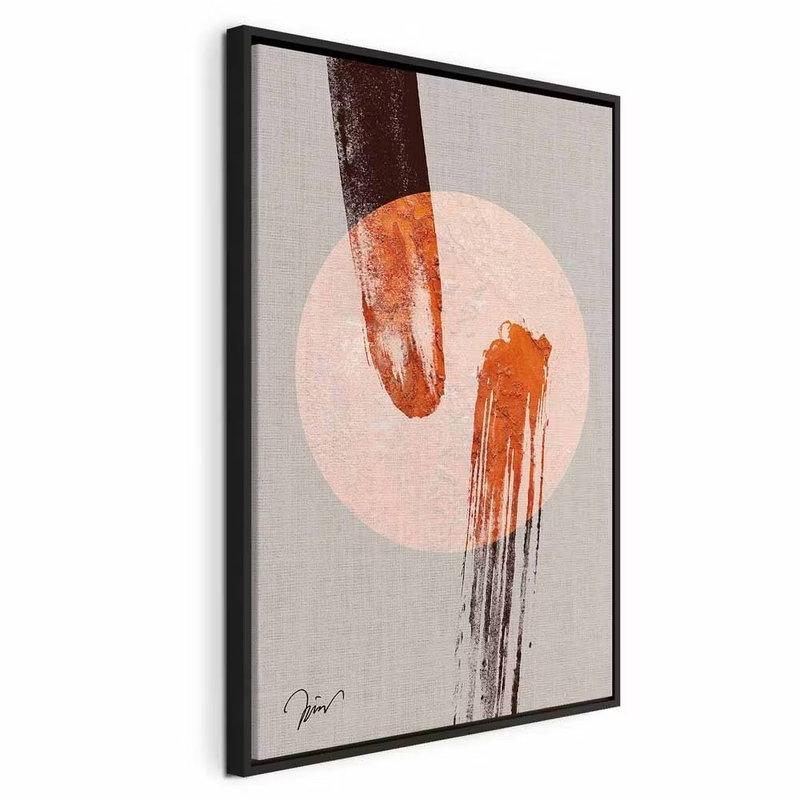
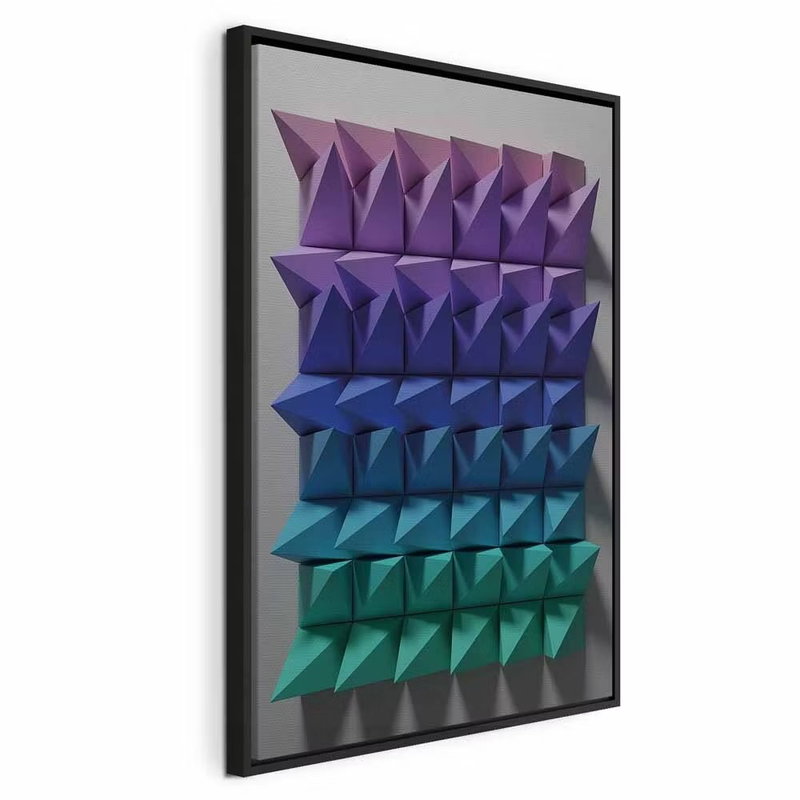
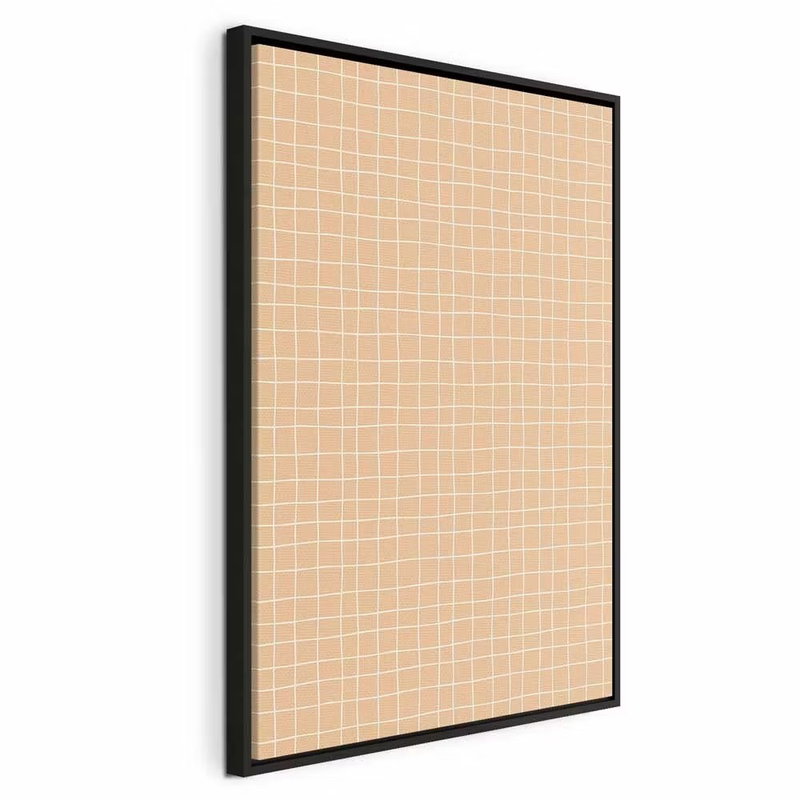
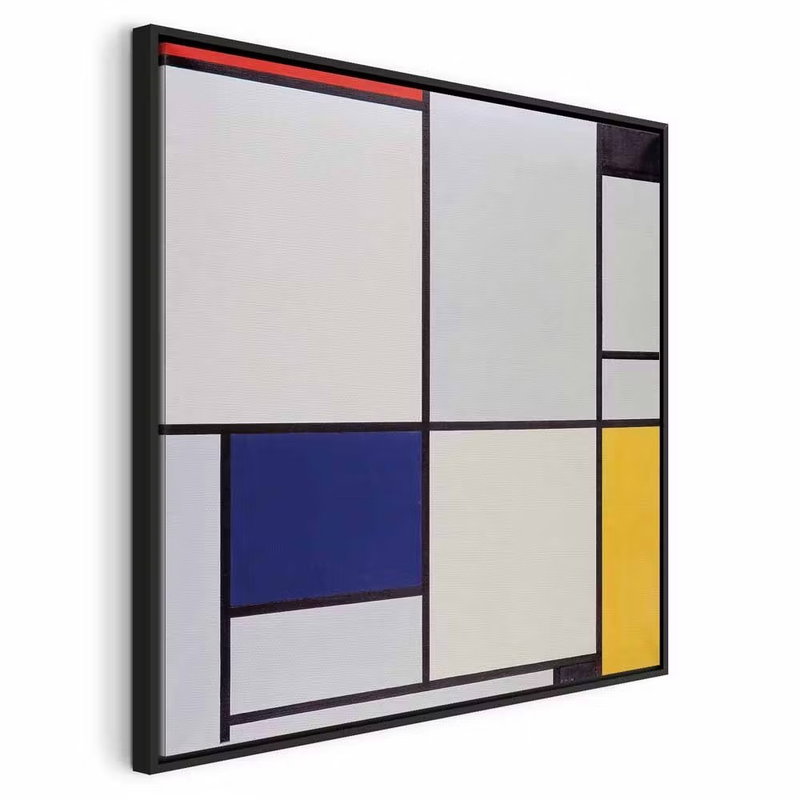
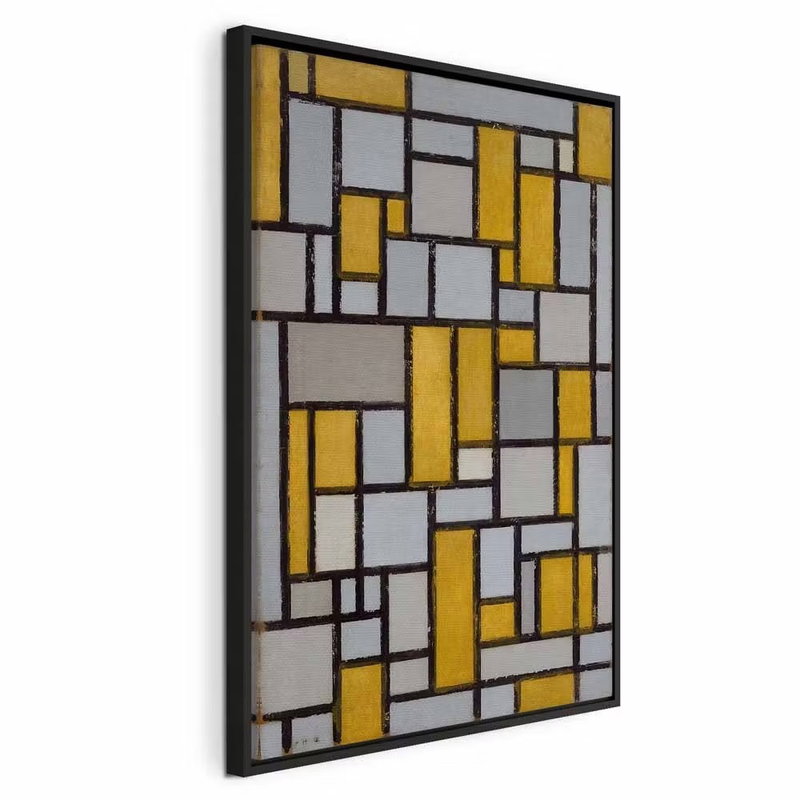
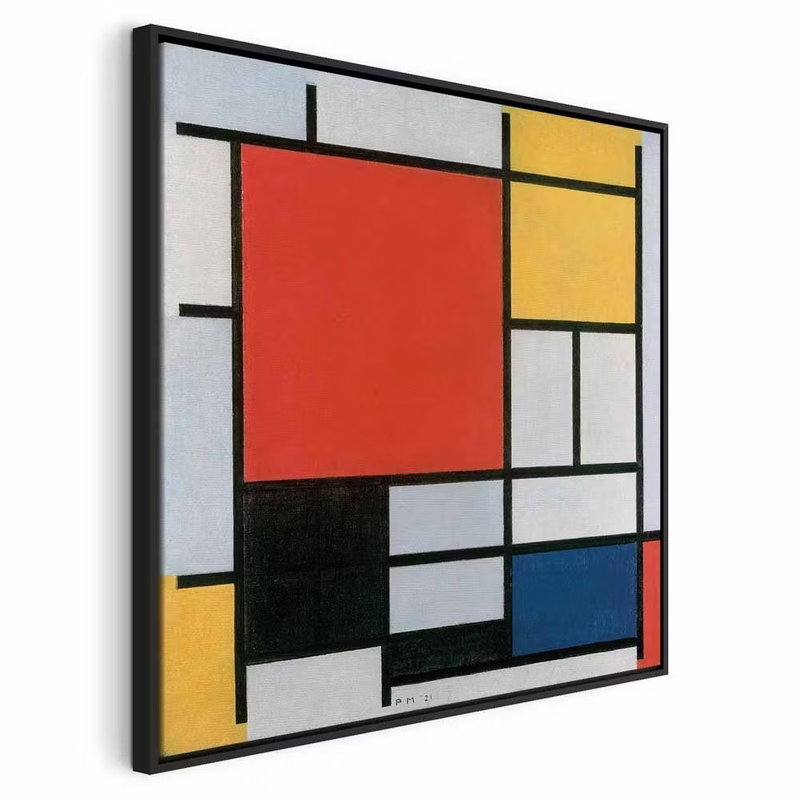
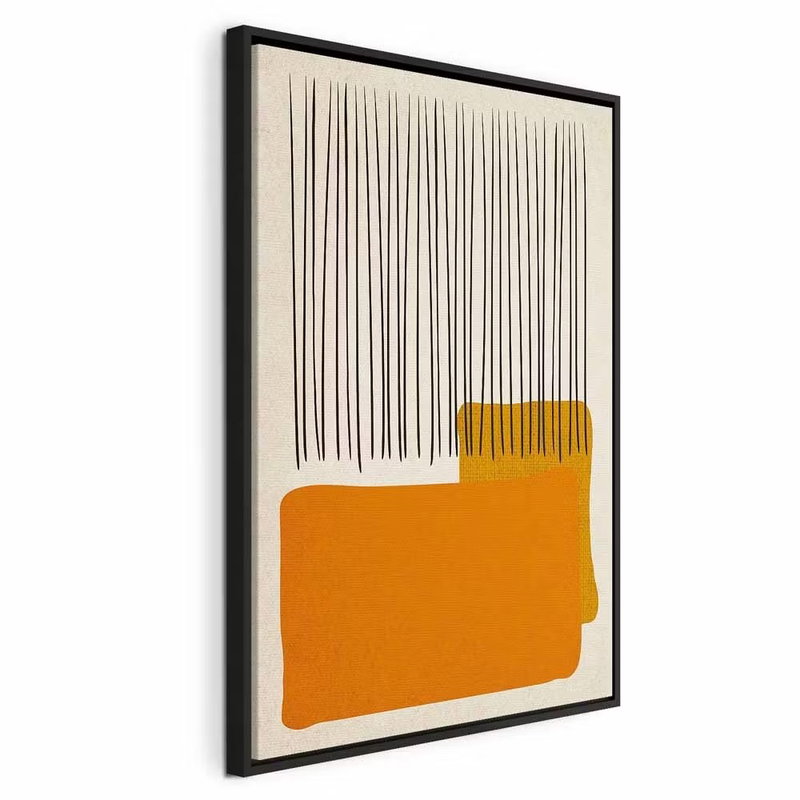
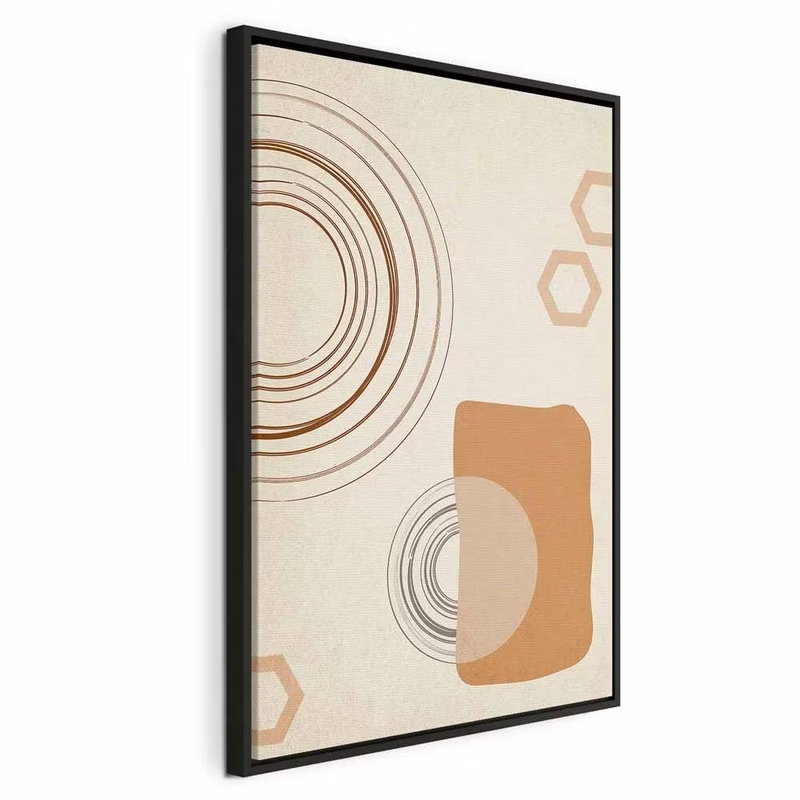
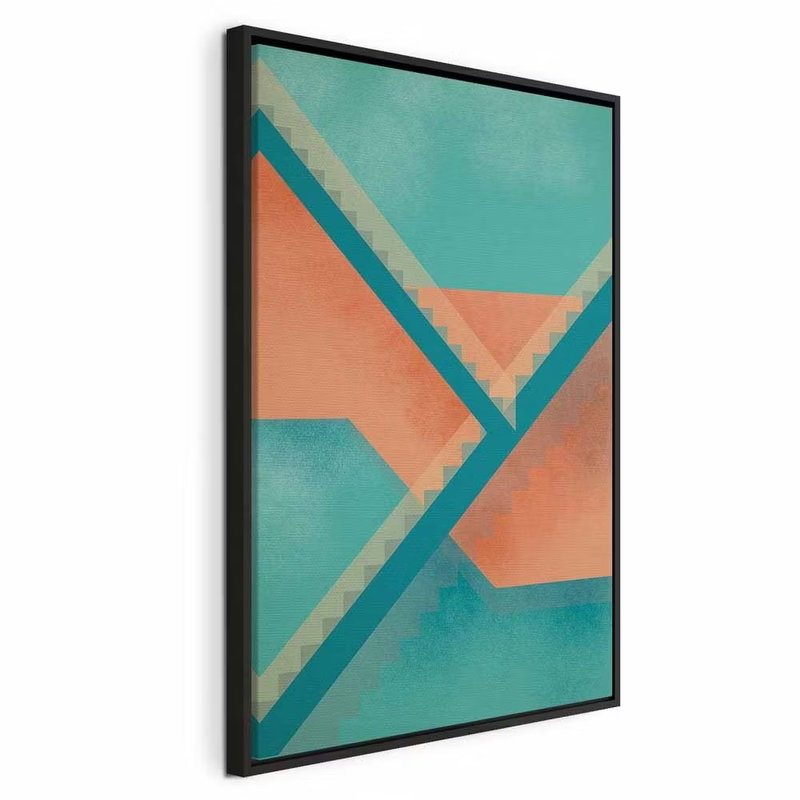
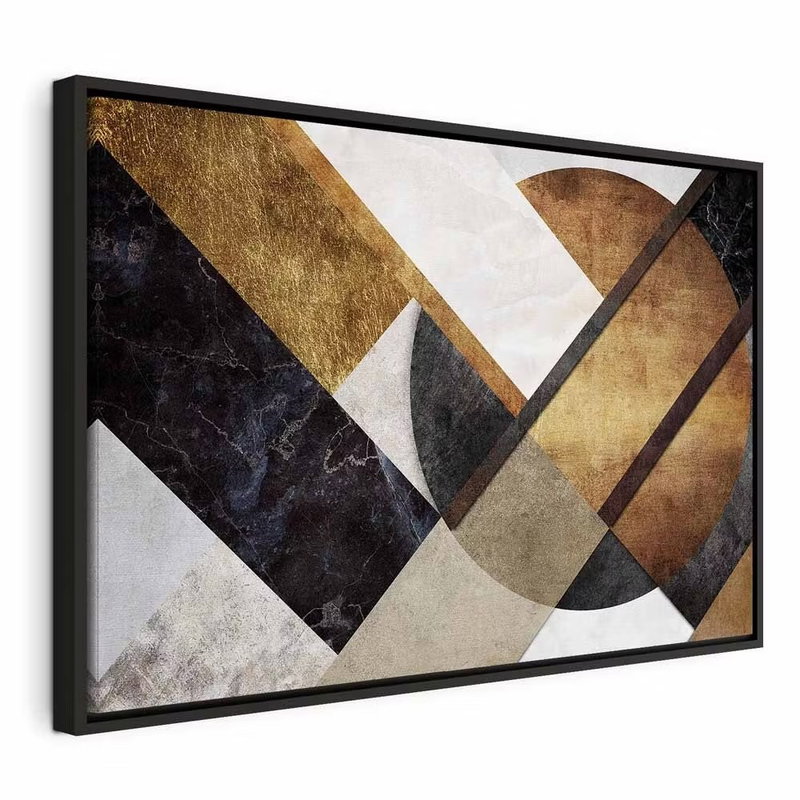
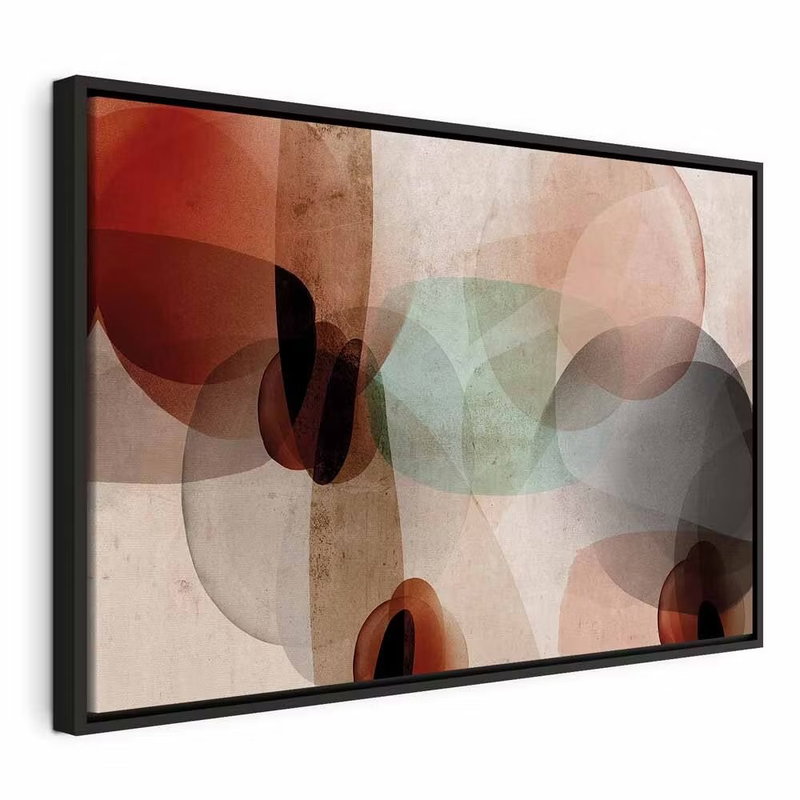
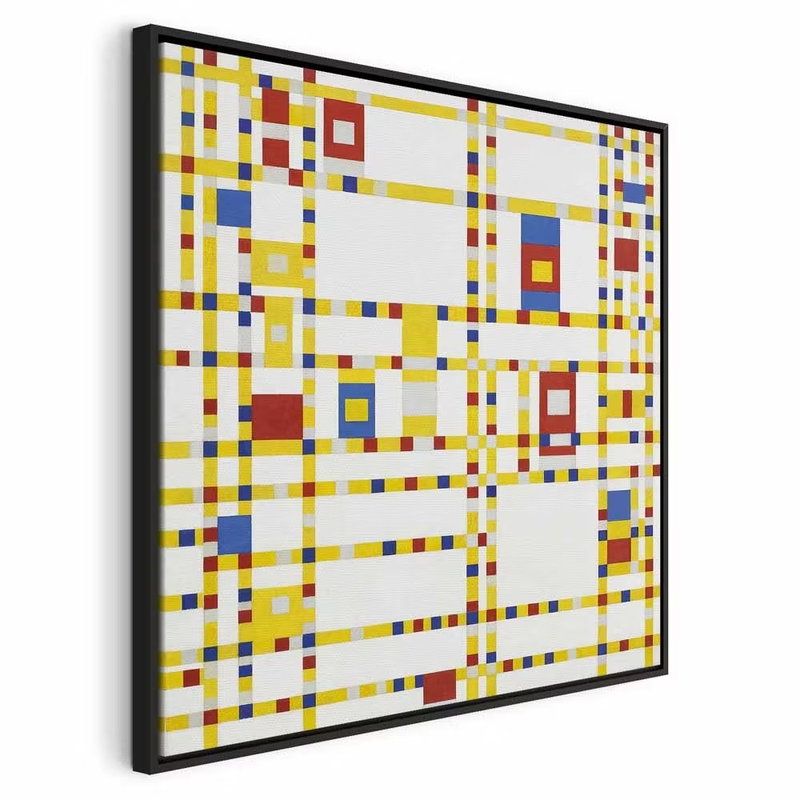
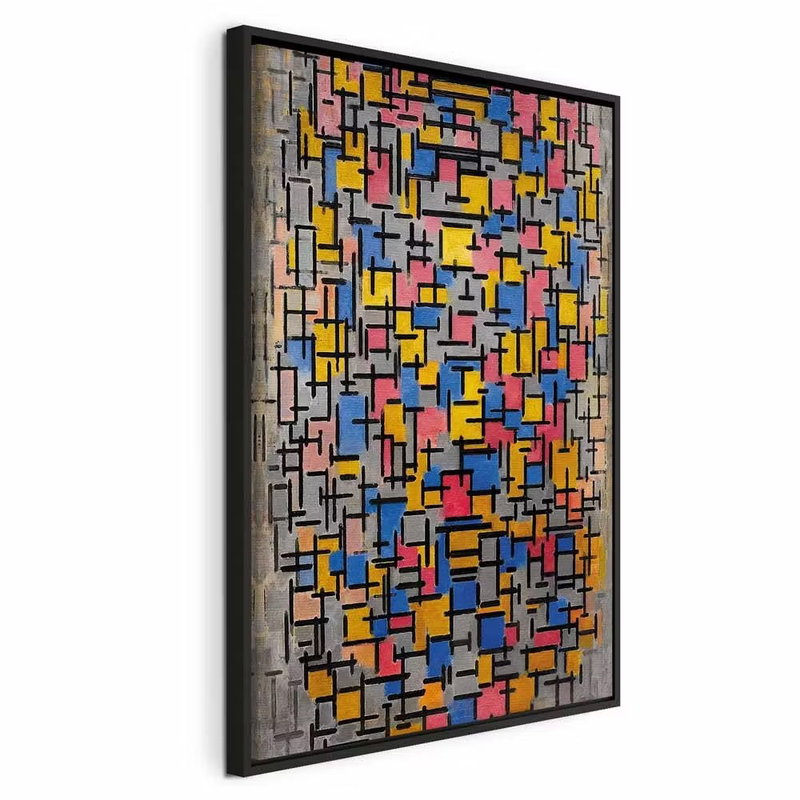
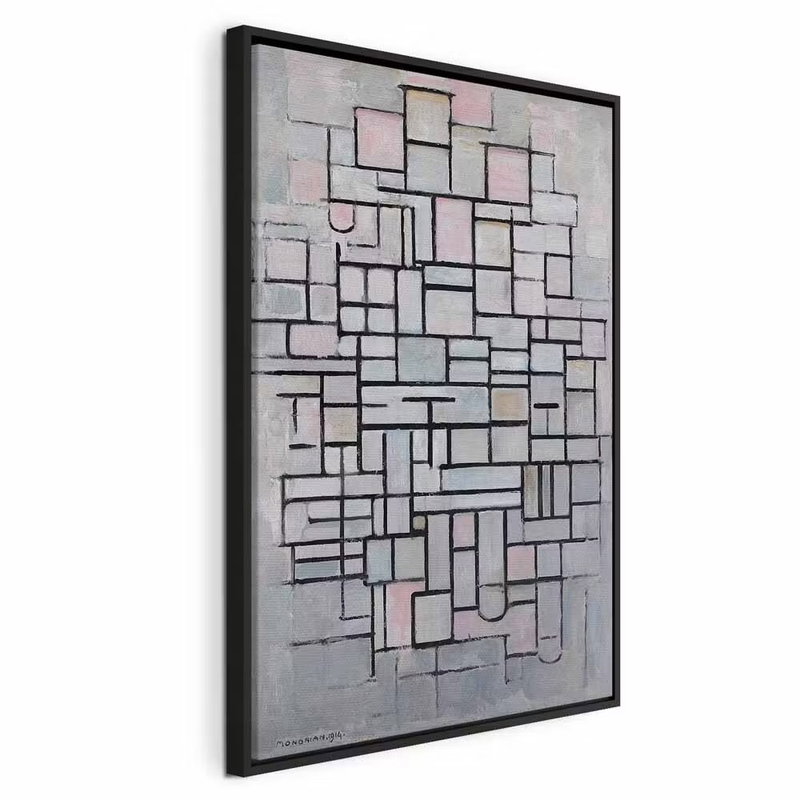
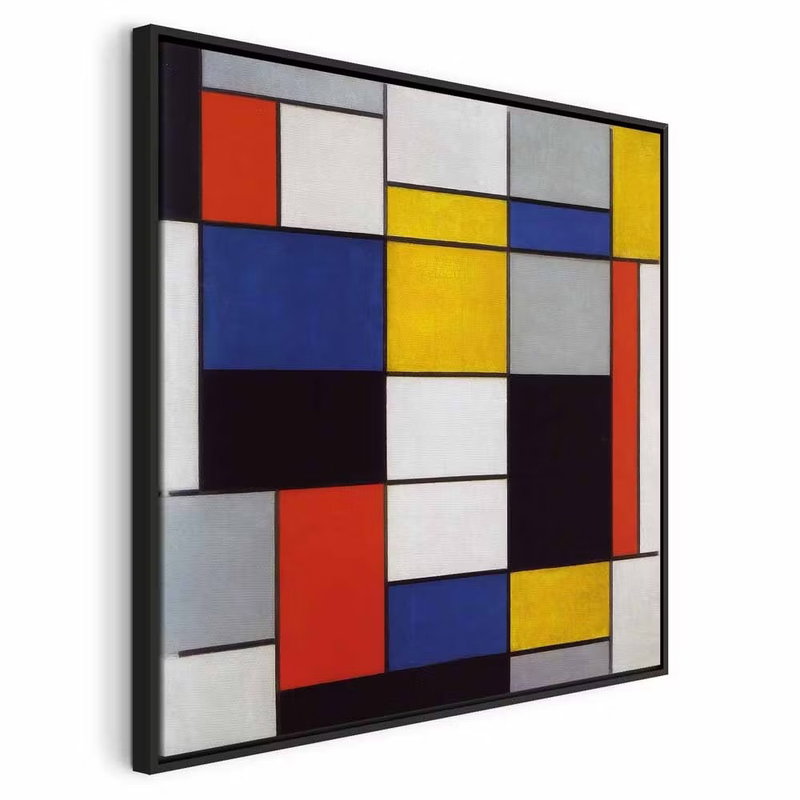
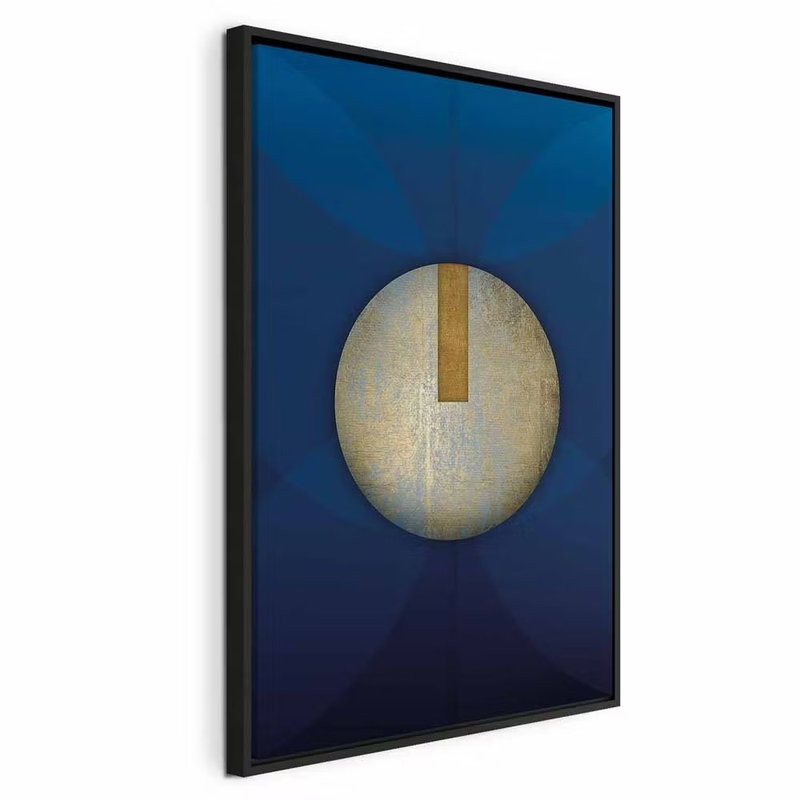
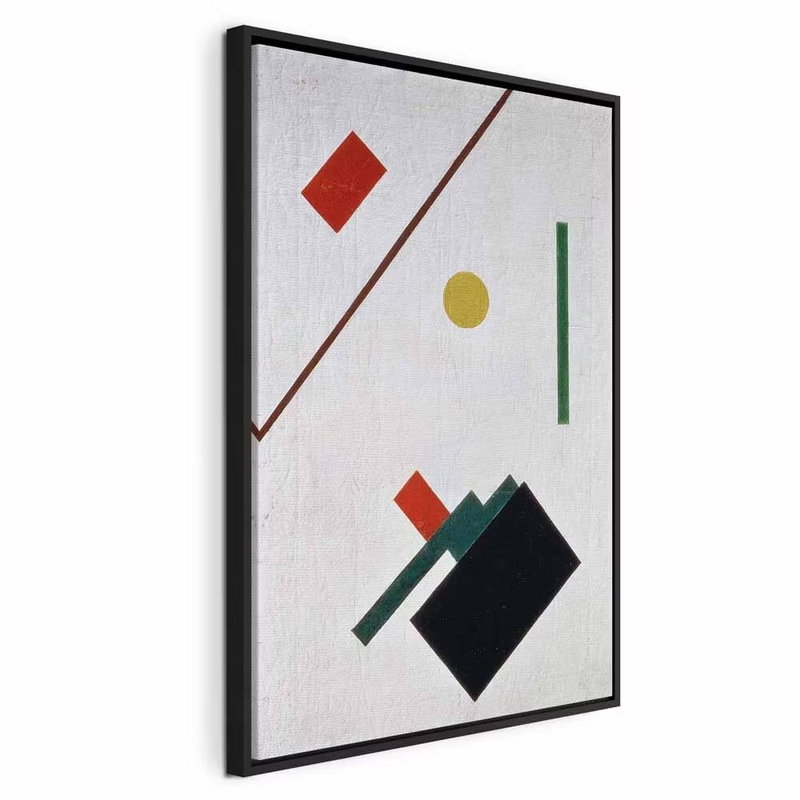
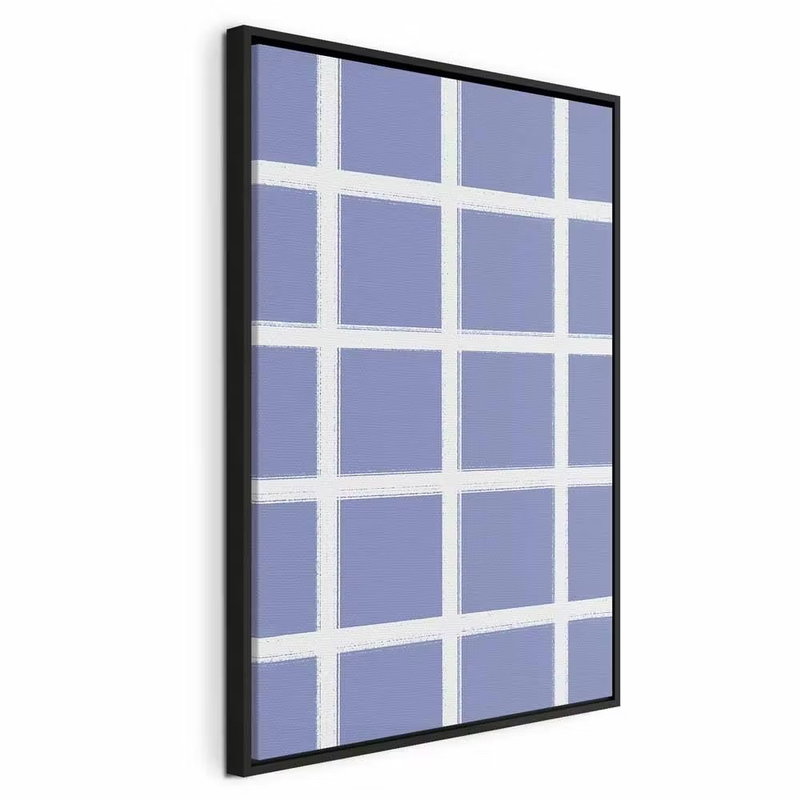
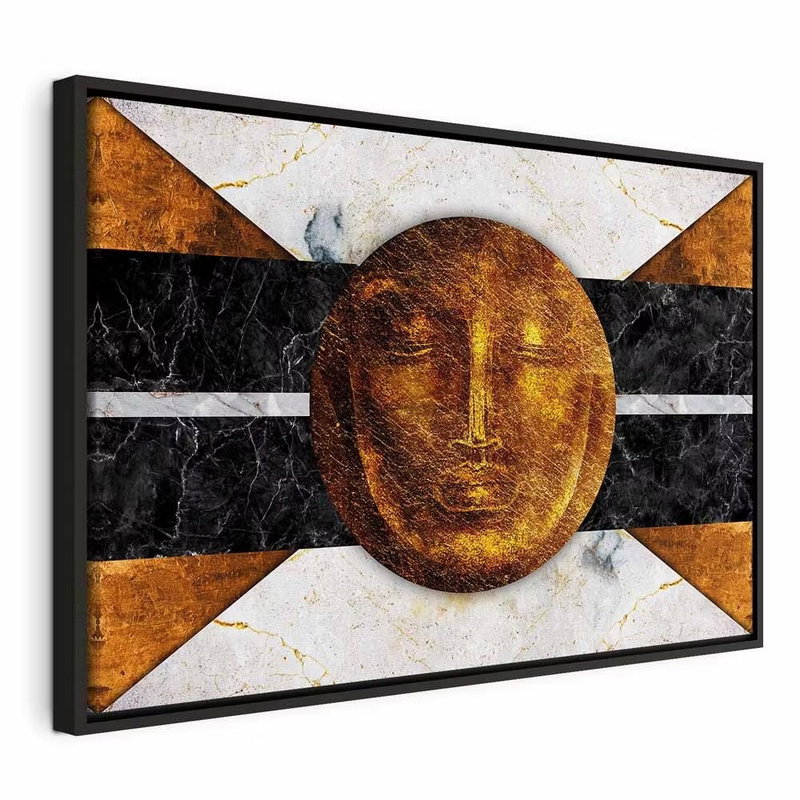
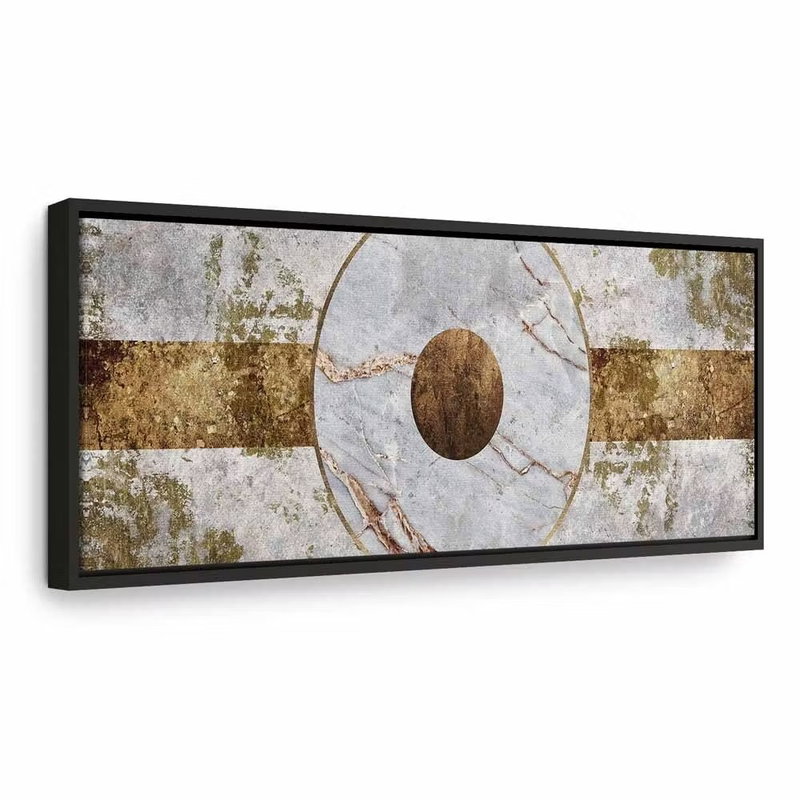
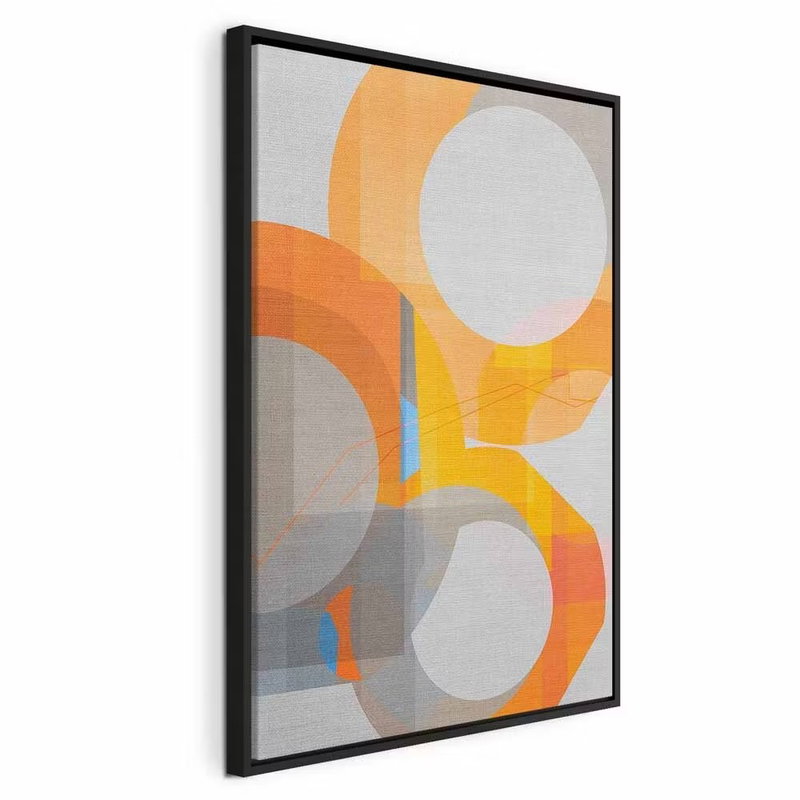
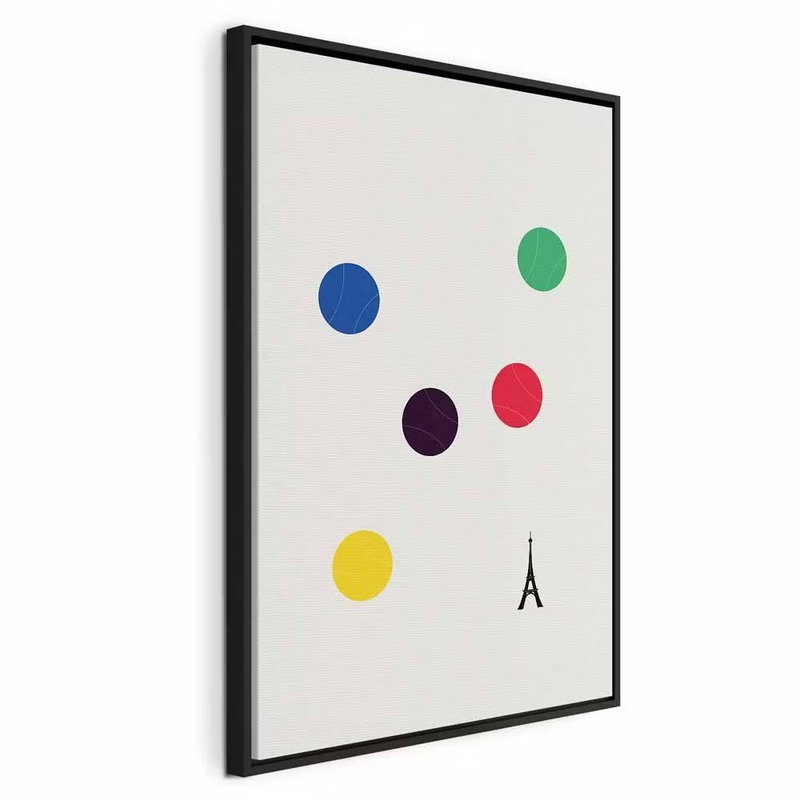
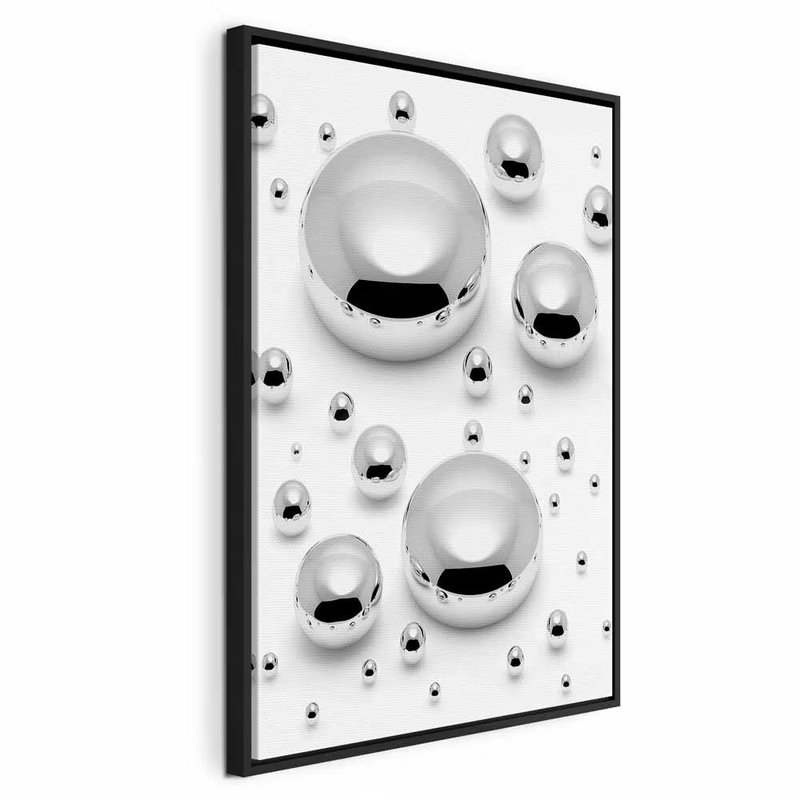
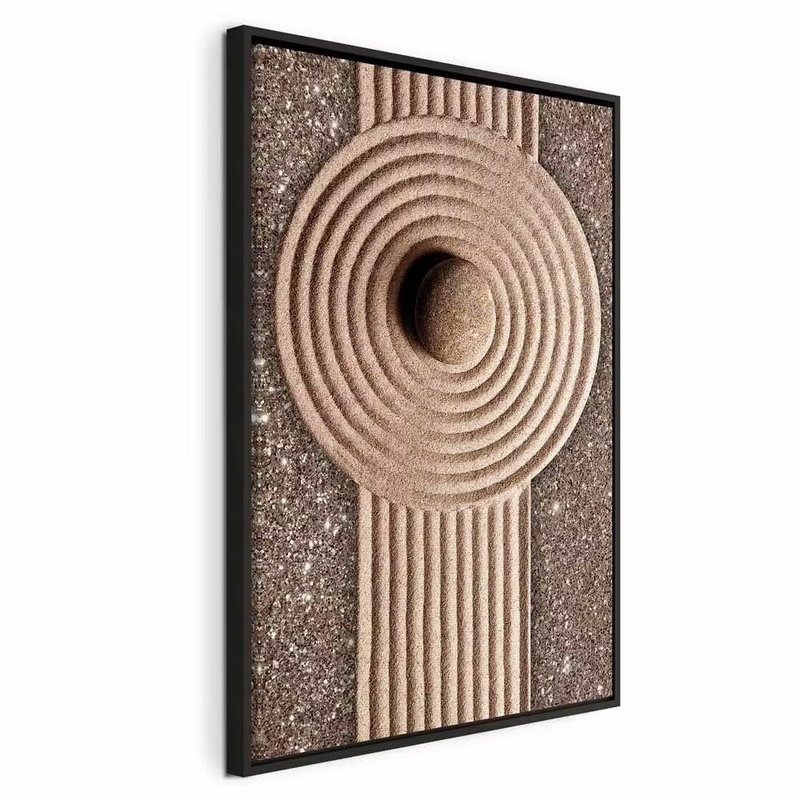
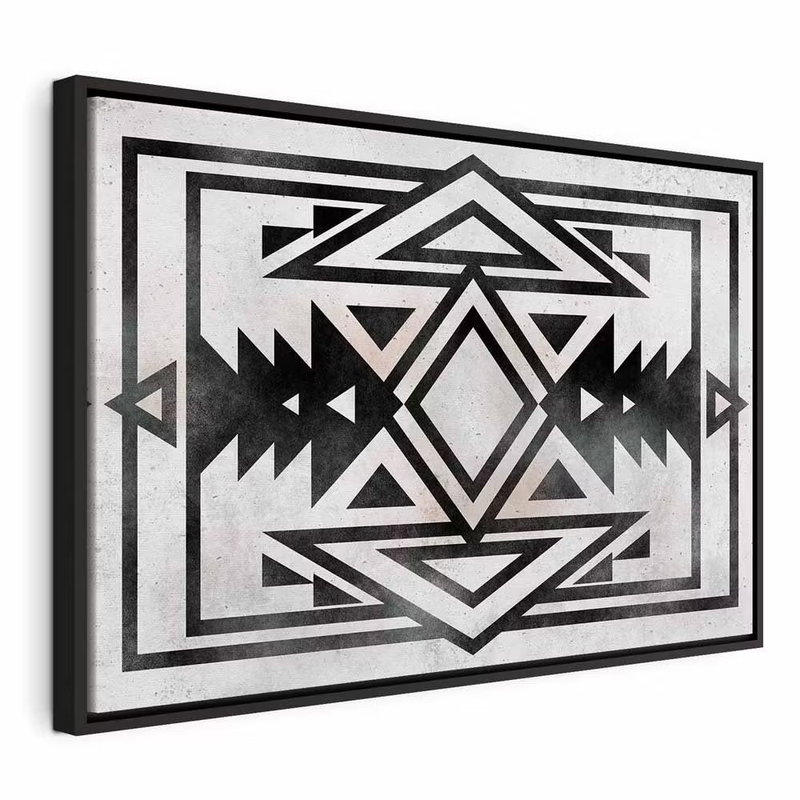
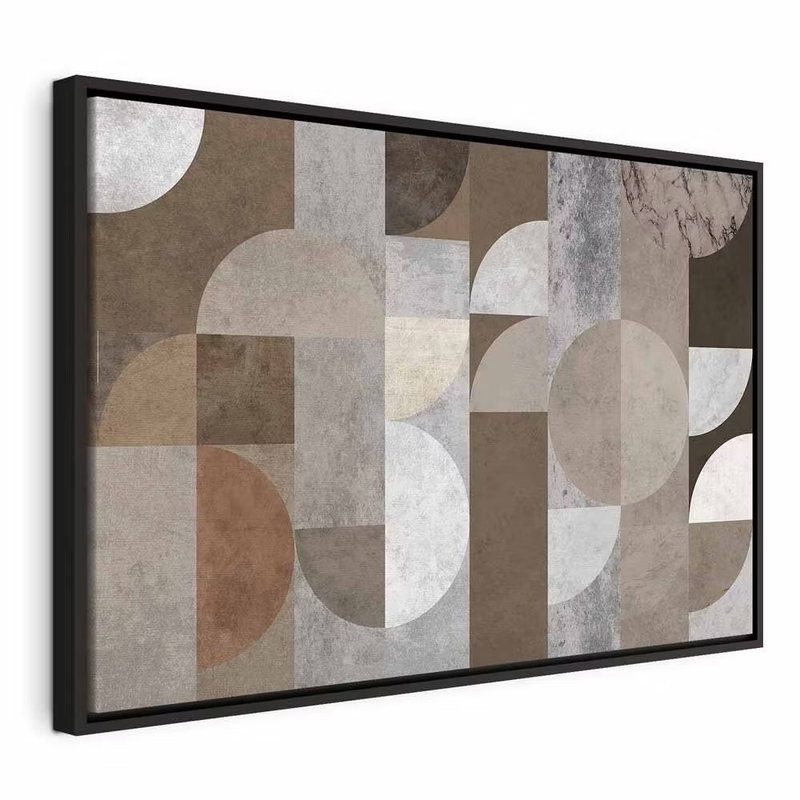
Geometric motifs here use clearly defined shapes or repeated lines. Some images have one large circle with plenty of light space around it; others let many small rectangles form a dense network. Triangles and diagonal bands can suggest more movement than a regular grid.
Consider the larger structure before comparing details. A composition with few shapes can be easy to read across the room. A dense network of lines may instead offer more to discover close up. Choose with the viewing distance from your sofa, table or usual seat in mind.
Colour contrast and printed textures
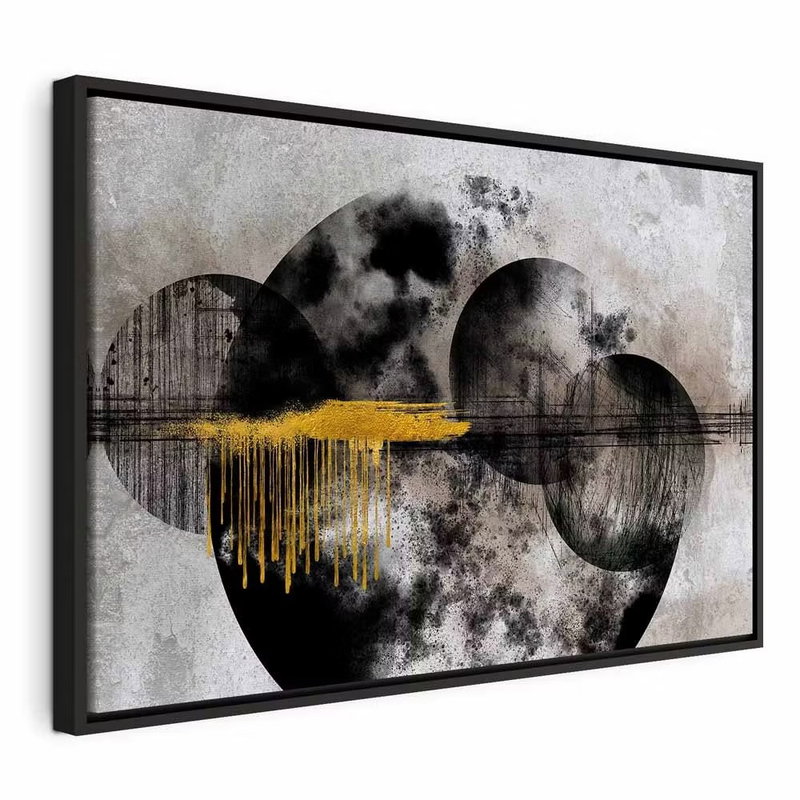
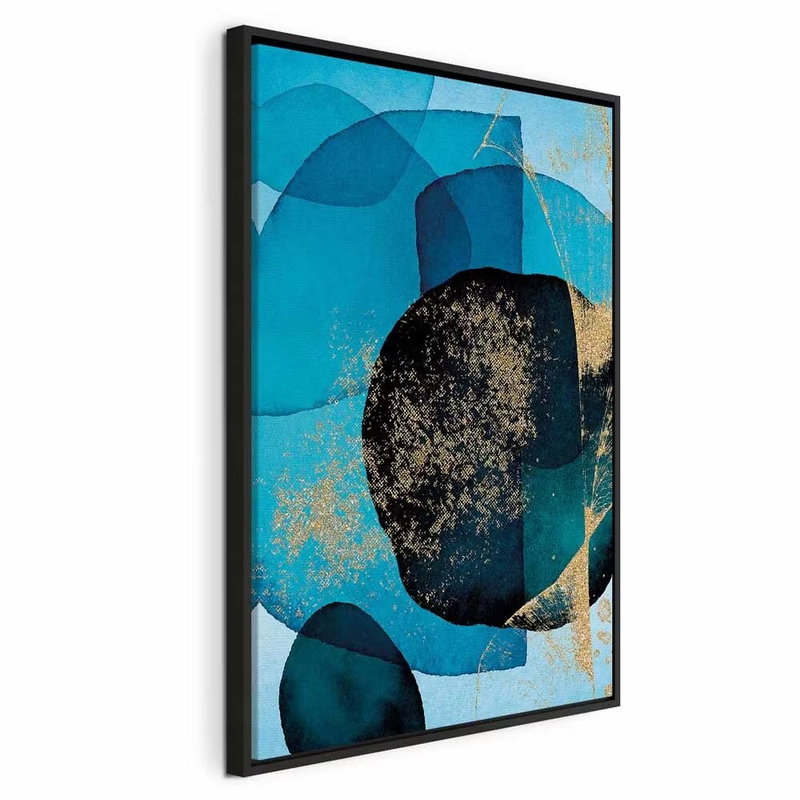
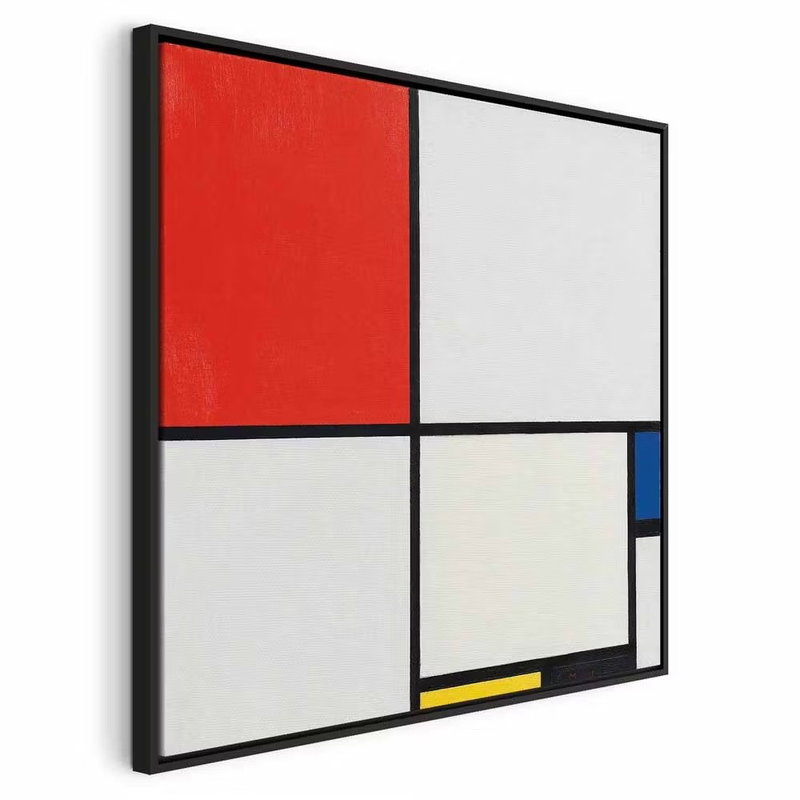
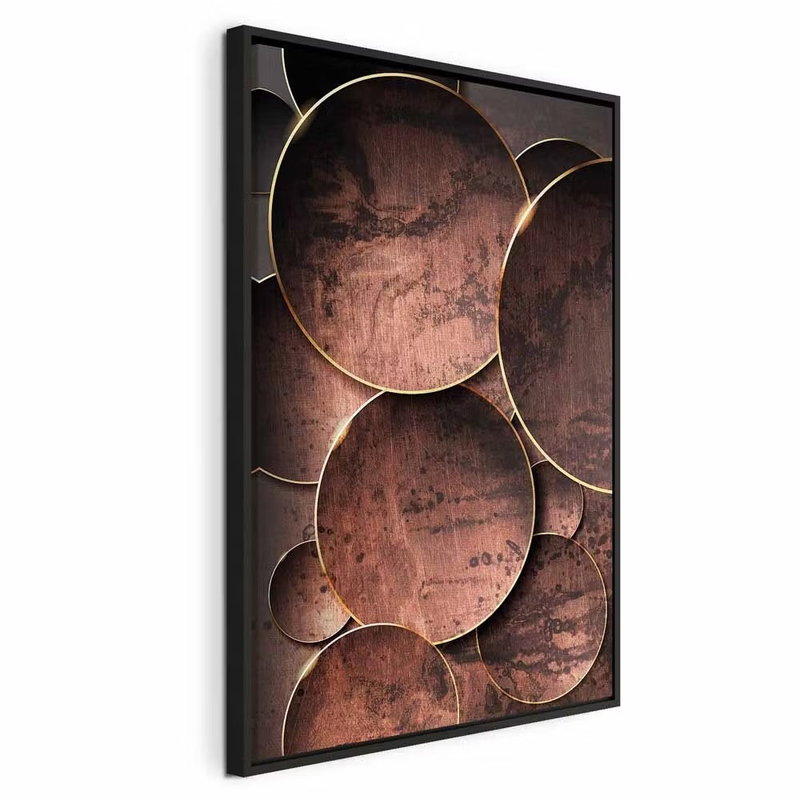
Black lines against white and clear primary colours create marked contrasts. Beige, grey and brown circles can connect with timber and neutral fabrics. There are also colourful bands, silver-like spheres and golden shapes that can provide a visual focal point.
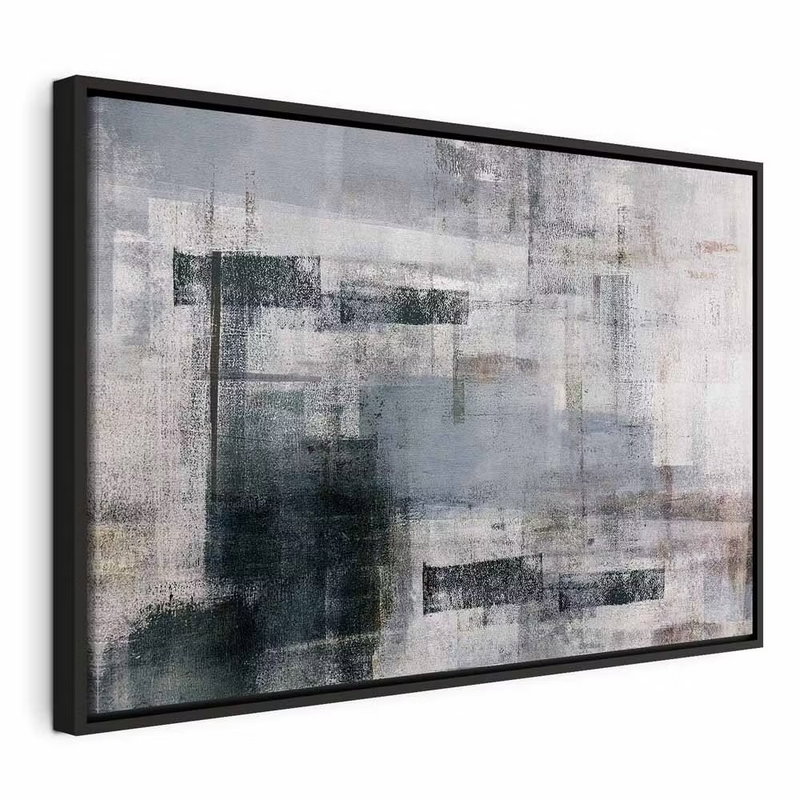
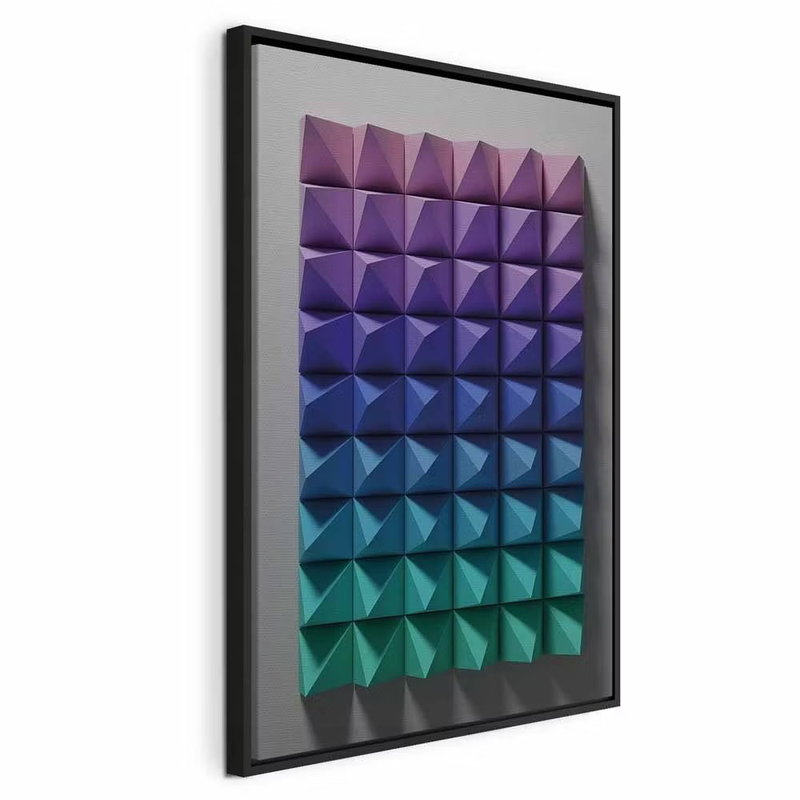
Marbling, metallic shine and facets within the motif are effects in the printed image. They should not be confused with separate metal objects, stone surfaces or sculpted relief on the picture. Compare the artwork in the product images and read the specific product details for materials and construction.
Frames and formats that follow the room’s lines
A visible outer frame can echo dark outlines or define a light image against the wall. Compare the frame options offered for the particular picture. A shared frame colour can unite several images without their shapes having to match.
Wide diagonal compositions can follow a sofa or meeting table, while upright grids can add height on a narrow wall. Measure the overall format and leave space around the image. Assess the position from both seated and standing eye levels before deciding where to hang it.
Wall art with an absorbent construction
The artwork and frame determine the visual expression, while the absorbent construction can contribute to reduced reverberation. Its contribution depends on area, placement and the room’s other materials. A geometric shape or particular colour does not itself improve sound absorption.
Compare available dimensions and product-specific construction when choosing for a home, office or shared room. Follow the model’s hanging and care instructions. The pictures contribute to the sound environment within a room; they do not replace sound insulation between rooms.
Notice how the shapes carry visual weight
A circle near an edge creates a different balance from the same circle in the centre. Light gaps also affect how dense the composition feels. When two designs use similar shapes, compare the distribution of empty and filled areas rather than simply counting circles or lines.
You can mark the proposed outside edges on the wall with a temporary paper template. Then see how the picture’s centre of gravity relates to a cabinet or doorway beside it. An asymmetric composition may work well with a larger piece of furniture on the other side without the picture itself being hung at an angle.
Combine regularity with variation
A grid in the picture can relate to windows, shelving and tile joints in the room. It does not need to follow all those lines exactly. Where many regular systems already meet on a wall, larger, freer shapes may be easier to distinguish than another fine mesh.
Within a group, you can repeat one colour while varying the size of the shapes. A broad line and a small circle then create different movements within the same palette. Compare available pictures as complete compositions; similar product names do not mean the pictures are intended as a ready-made set.
Keep the intended orientation
A geometric image may look abstract yet still have a clear top and bottom. Shading, colour weights and diagonals change when it is turned. Assess the product in its shown orientation and check any format choices on the product page rather than planning to rotate the design yourself.
Finally, consider how colours meet the room’s light. A small, strong colour may dominate more than a large grey field, and surrounding colours can change that impression. Choose contrast for the way the room is used: an entrance focal point and a picture behind a desk play different roles even when they share the same basic shapes.