




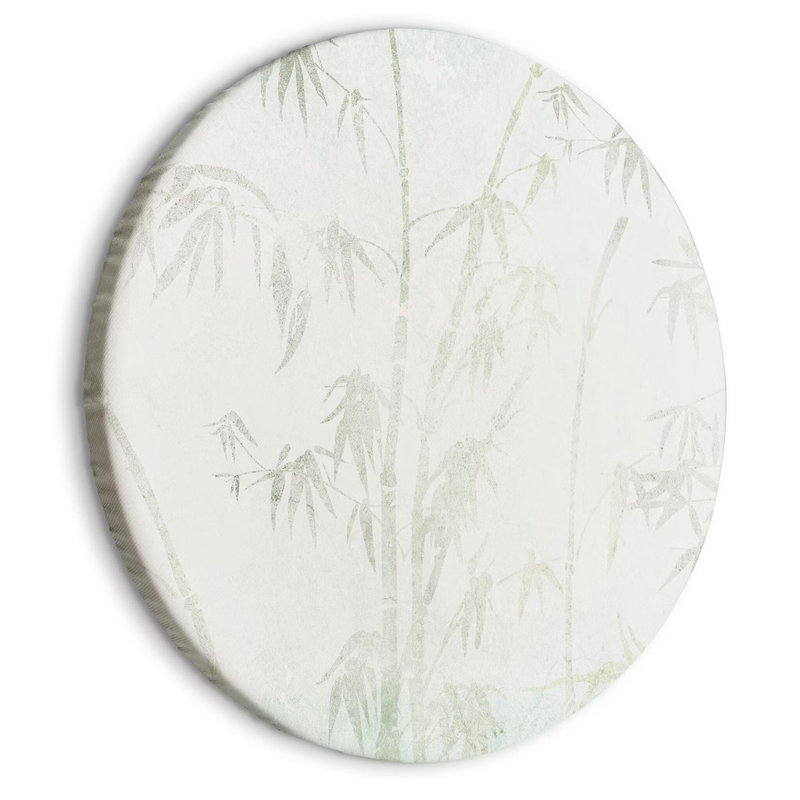
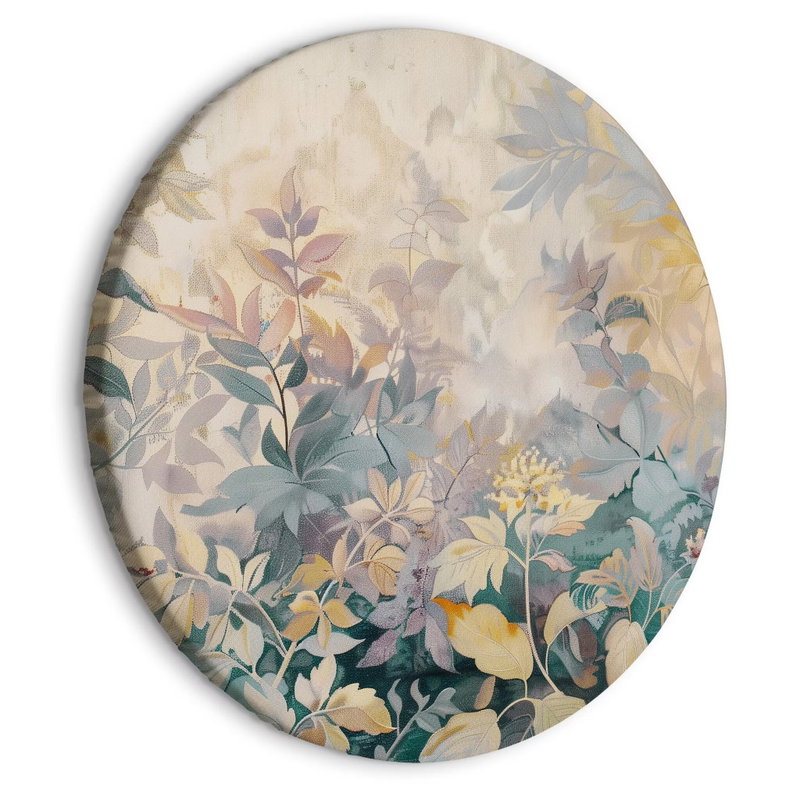
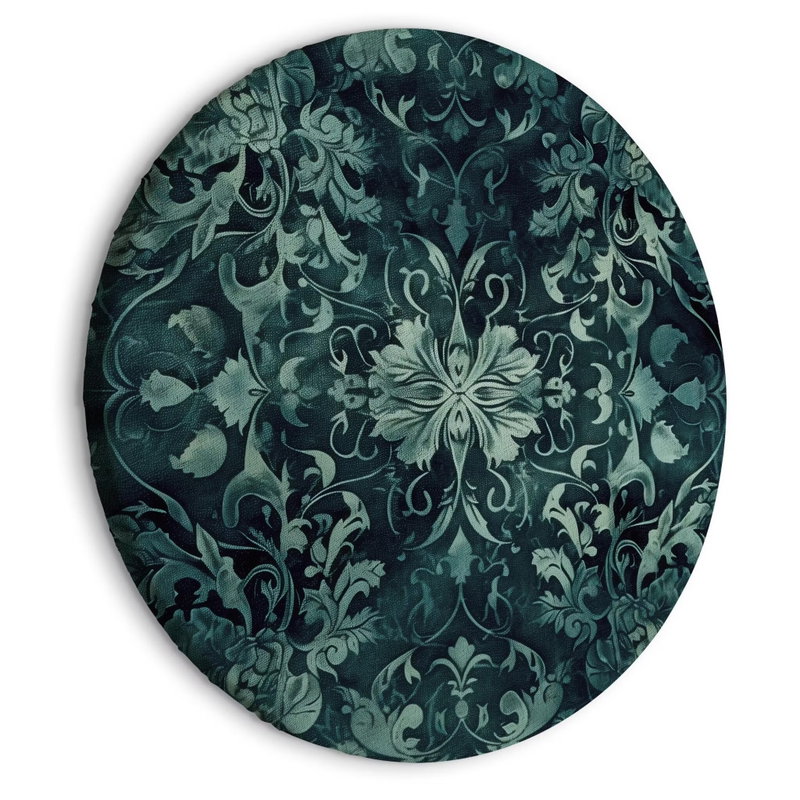
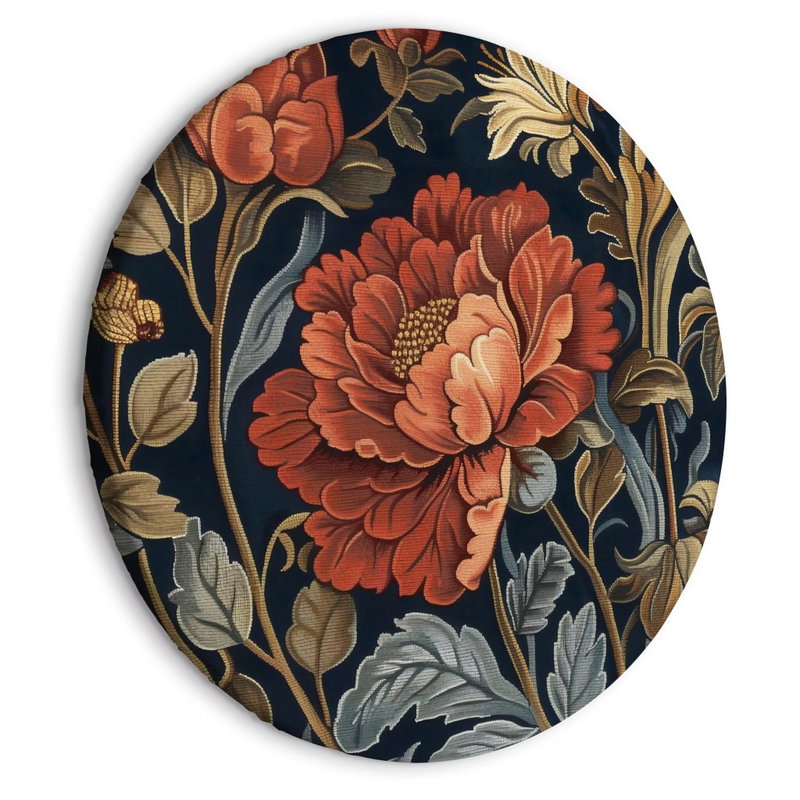
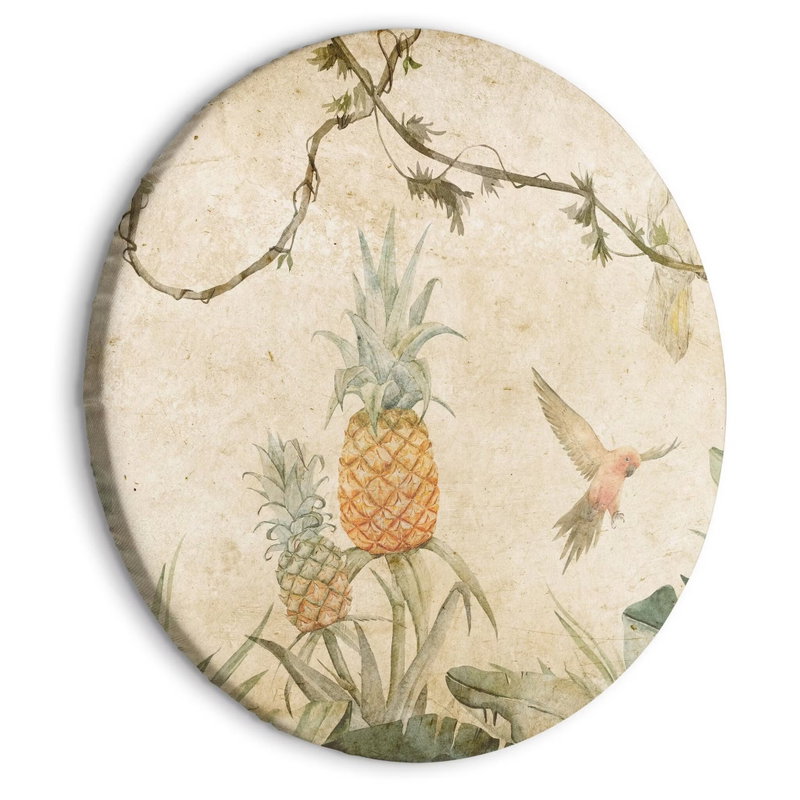
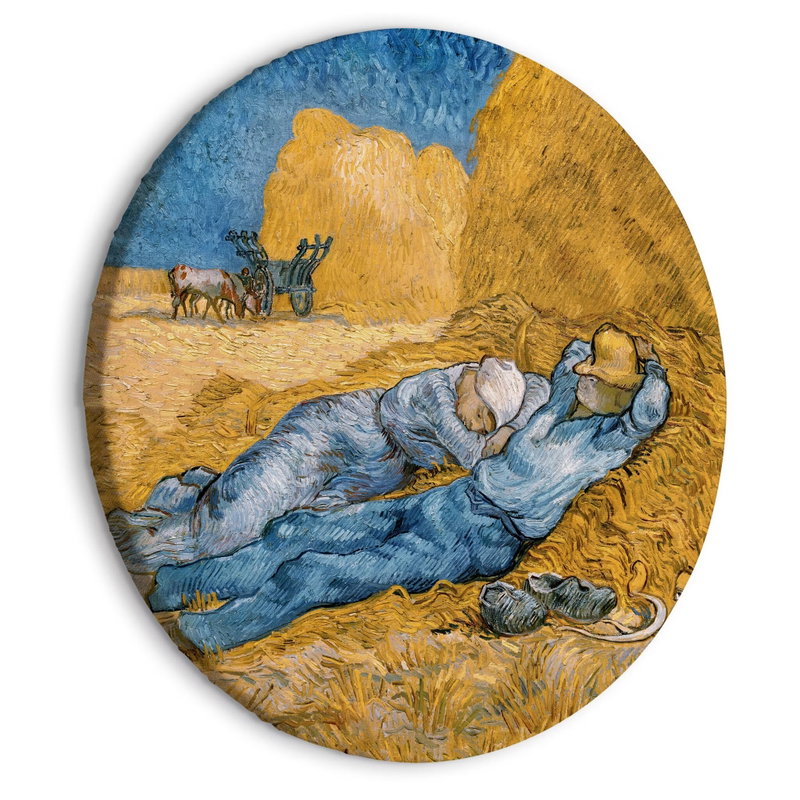
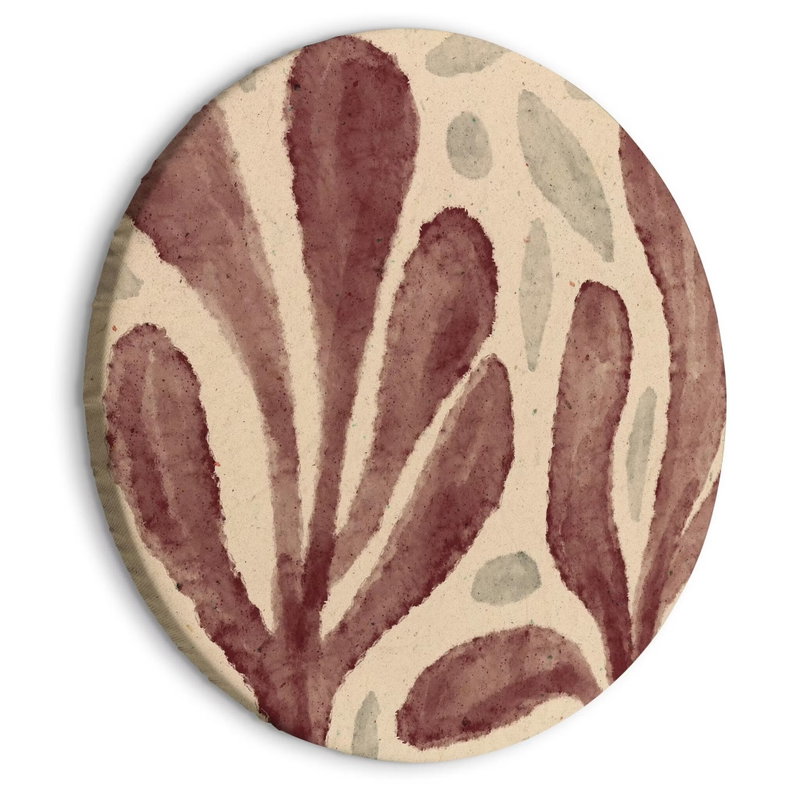
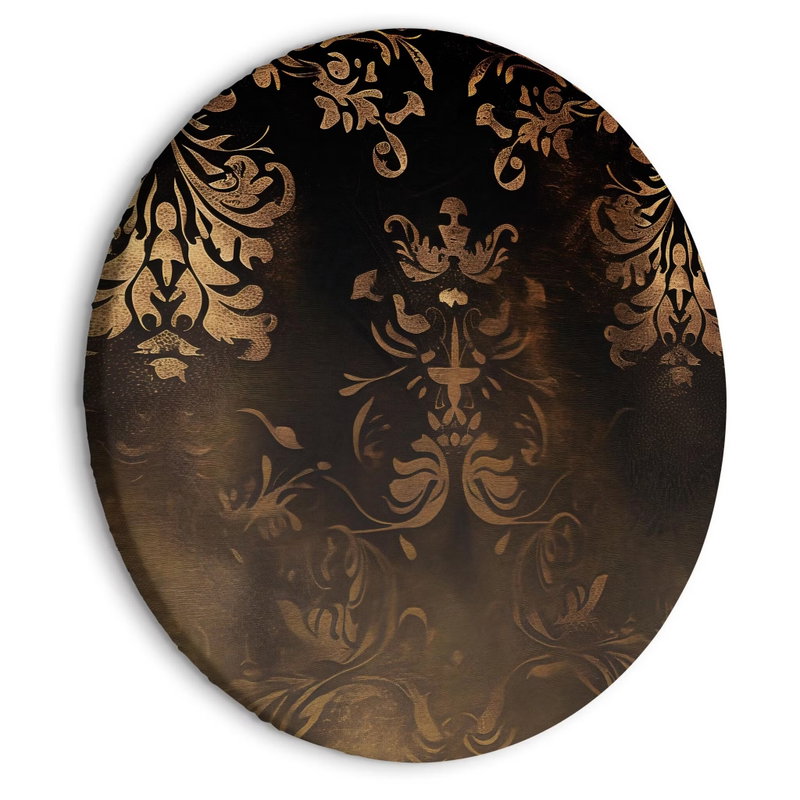

Circular wall art with sound-absorbing construction
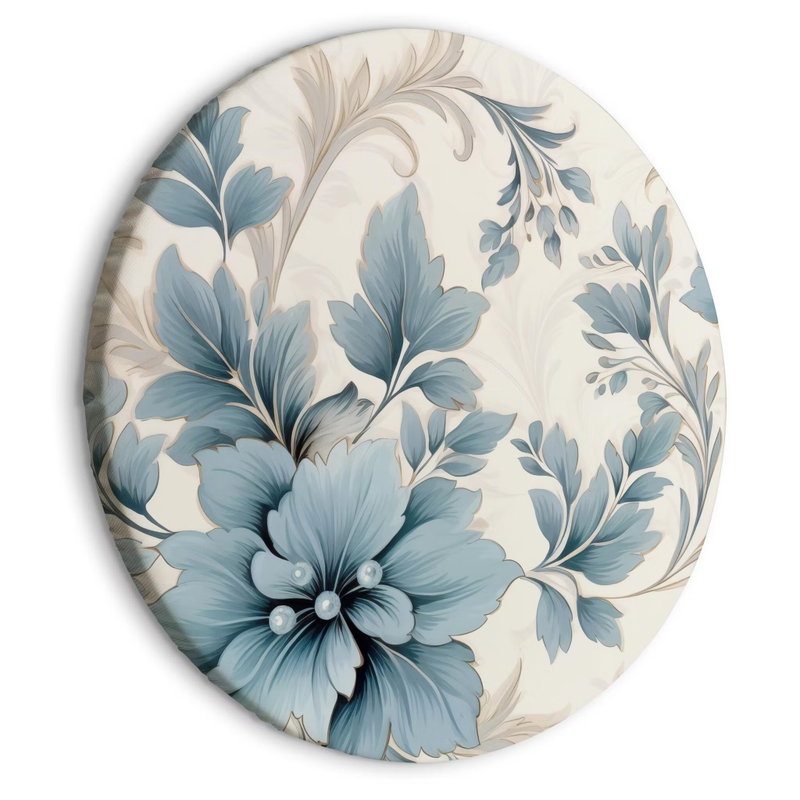
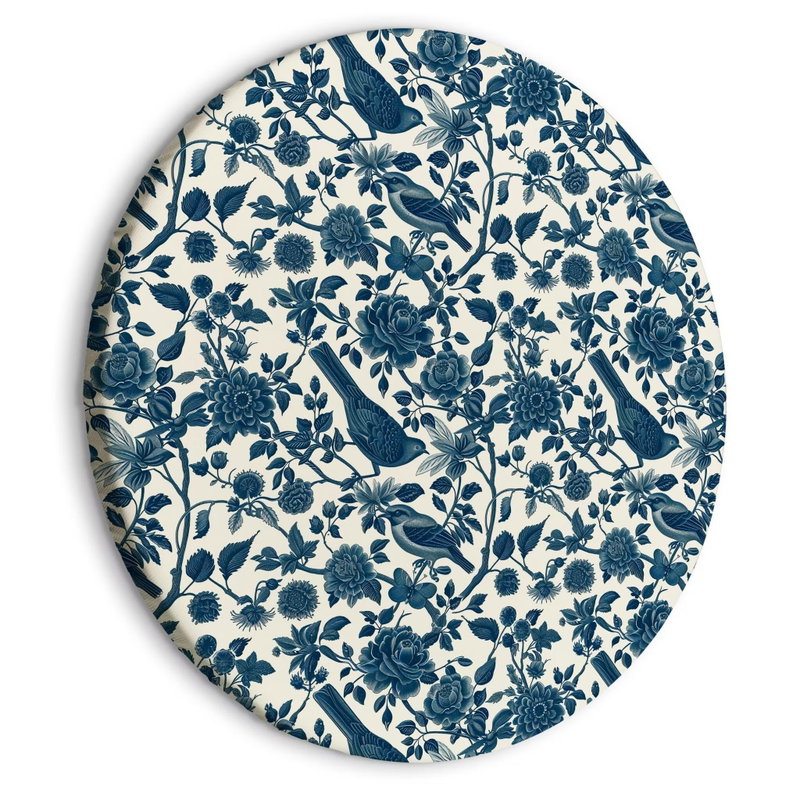
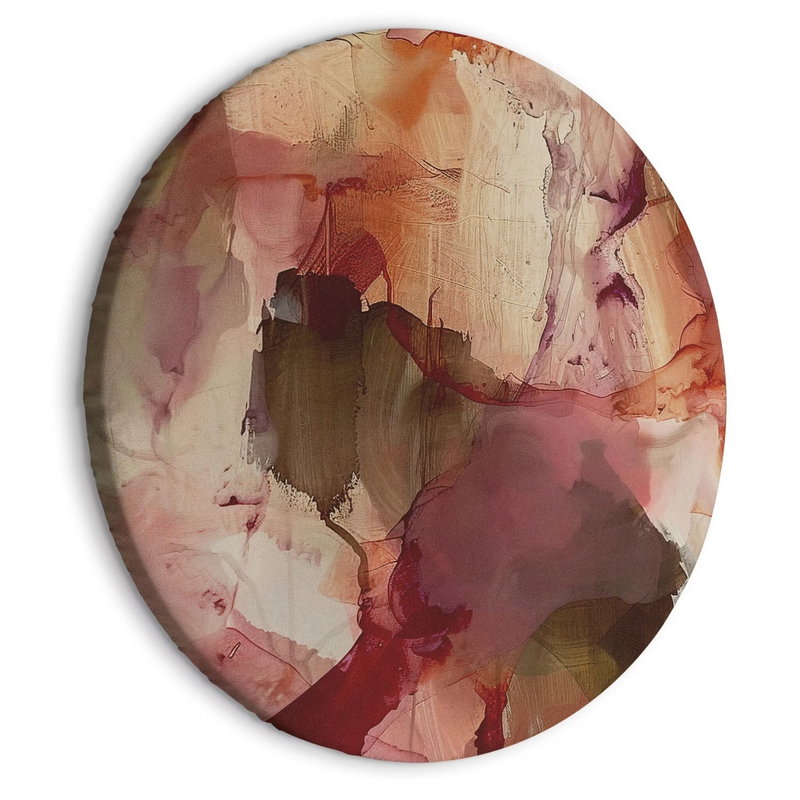
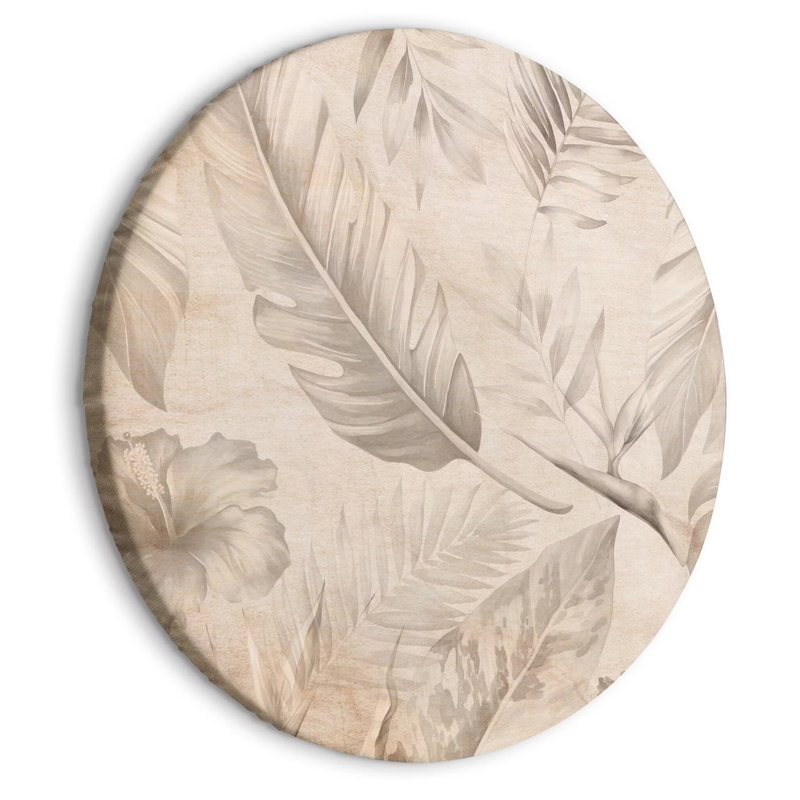
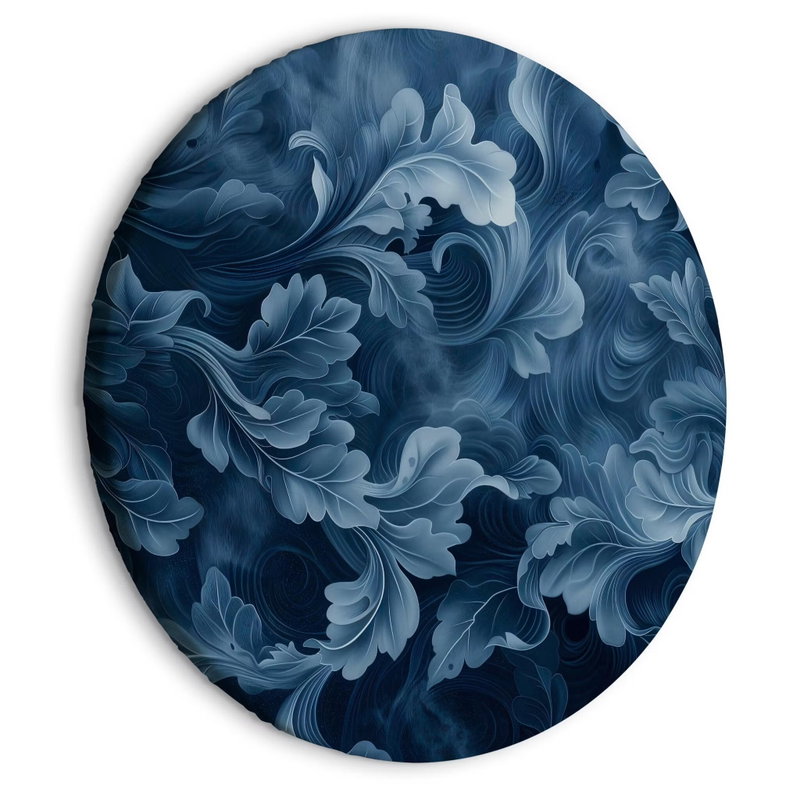
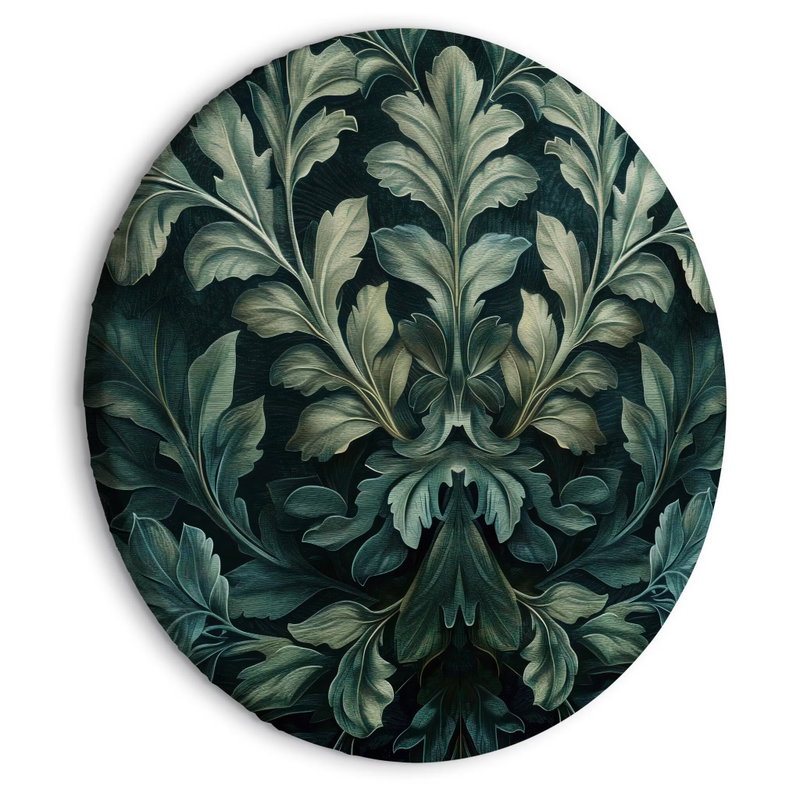
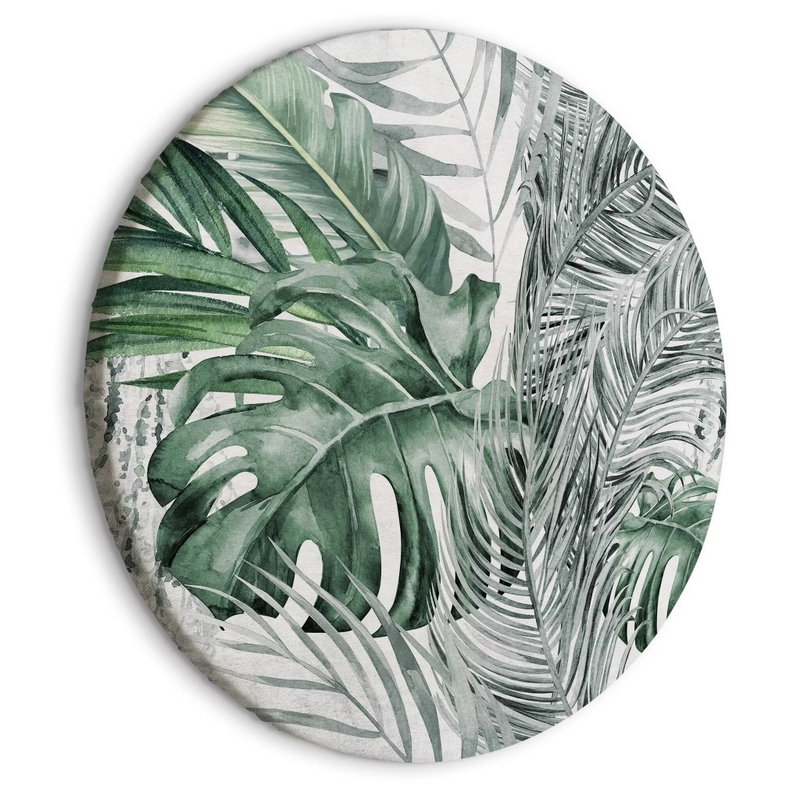
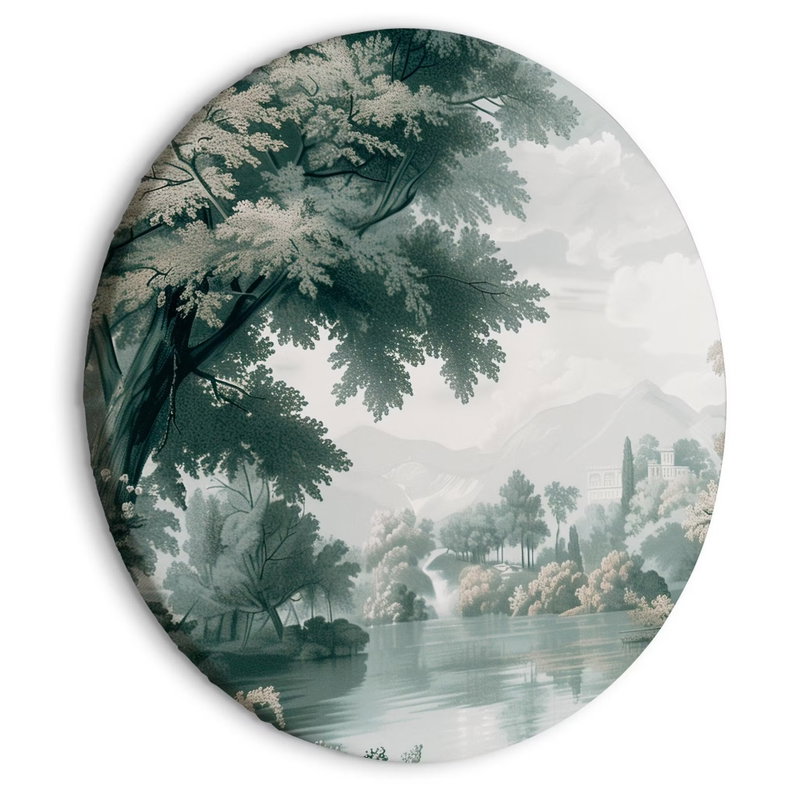
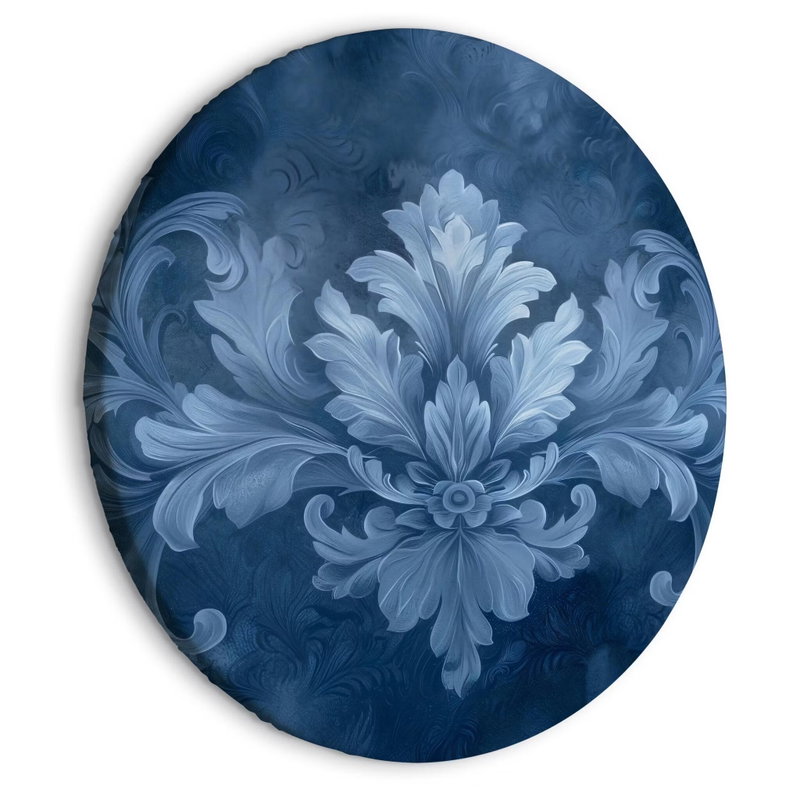
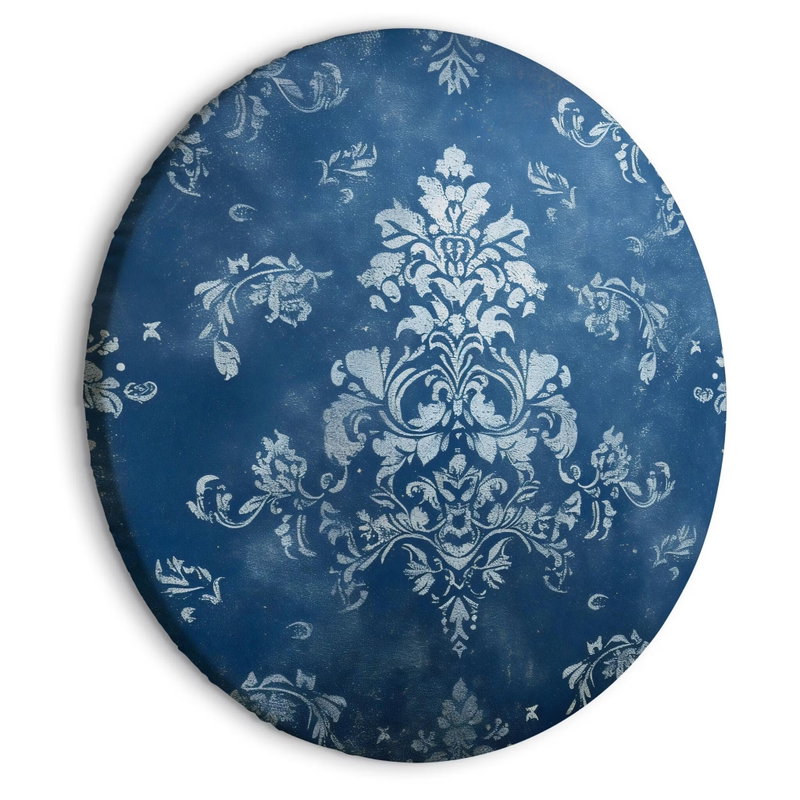
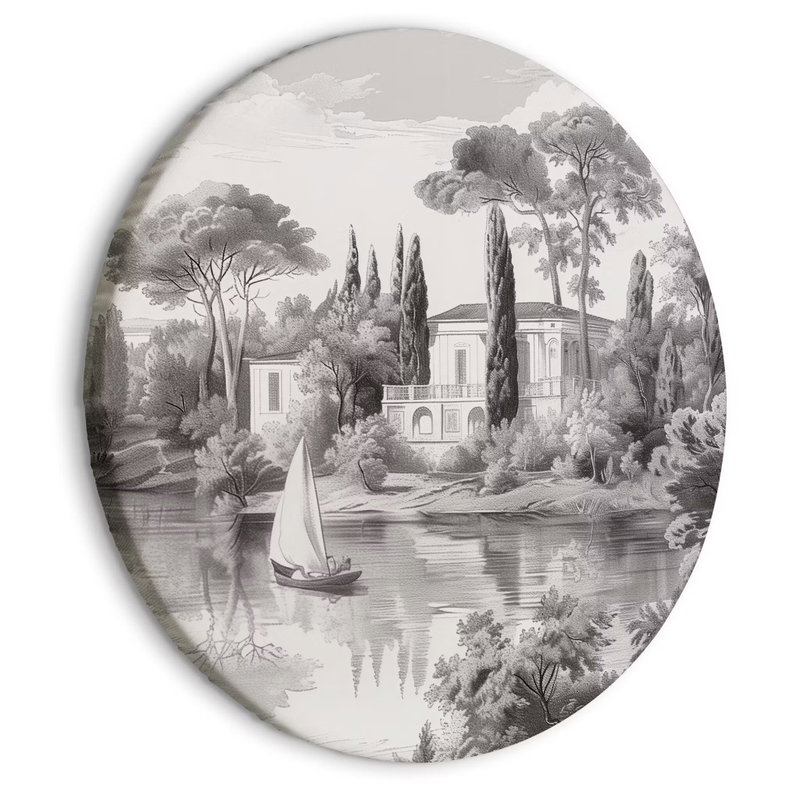
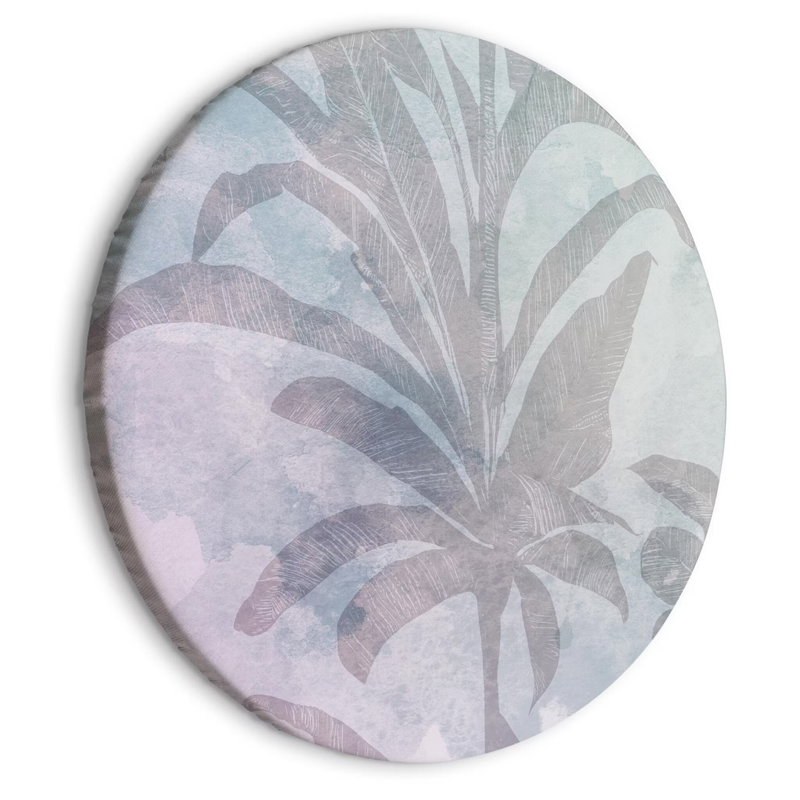
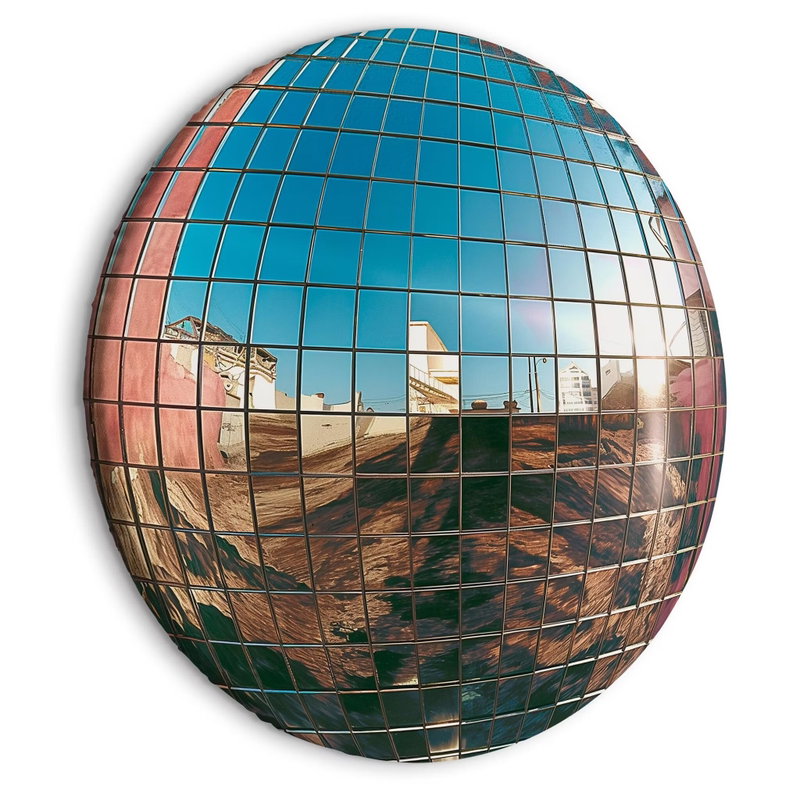
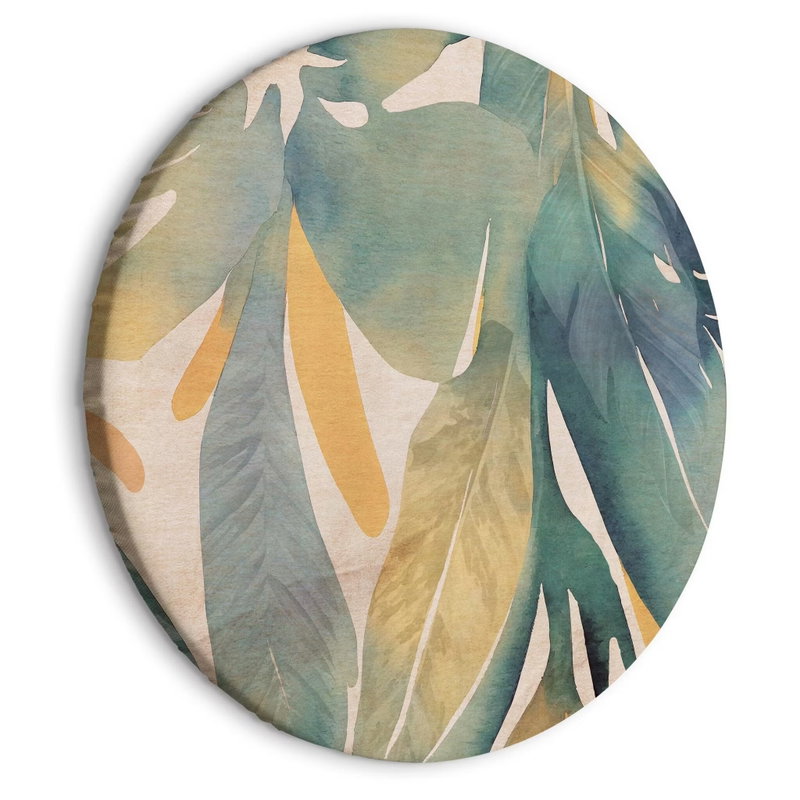
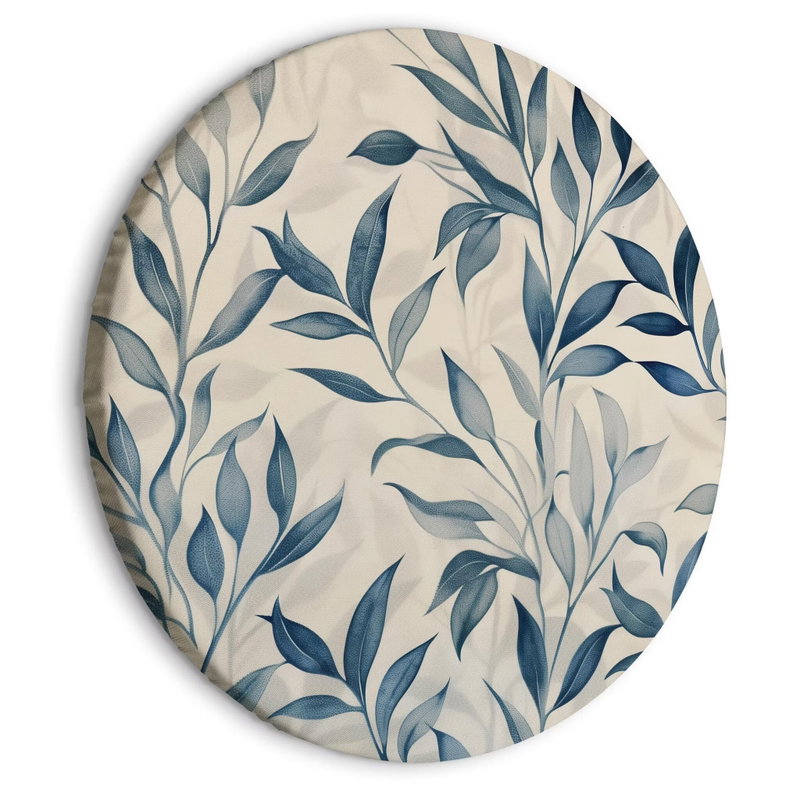
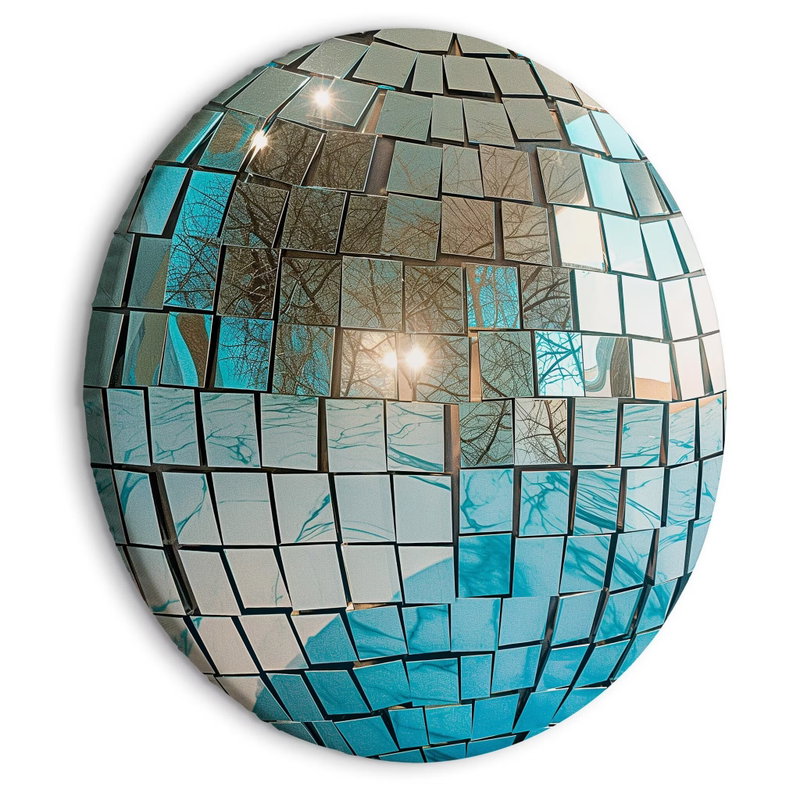
The round shape affects the entire reading of an image. A flower can gather around its centre, a landscape open into a view and an abstract pattern follow the circle’s movement. Here the image is printed on a round picture with absorbing material behind the fabric. You choose both a visual expression and a way to add wall absorption.
Unlike a rectangular format, a circle has no corners to align with its surroundings. This can help near a seat, in a reception area or on a wall with many straight lines. Still assess the context: distances from shelves, lighting and other pictures affect whether the composition feels airy or crowded.
Choose the subject by how it works within the circle
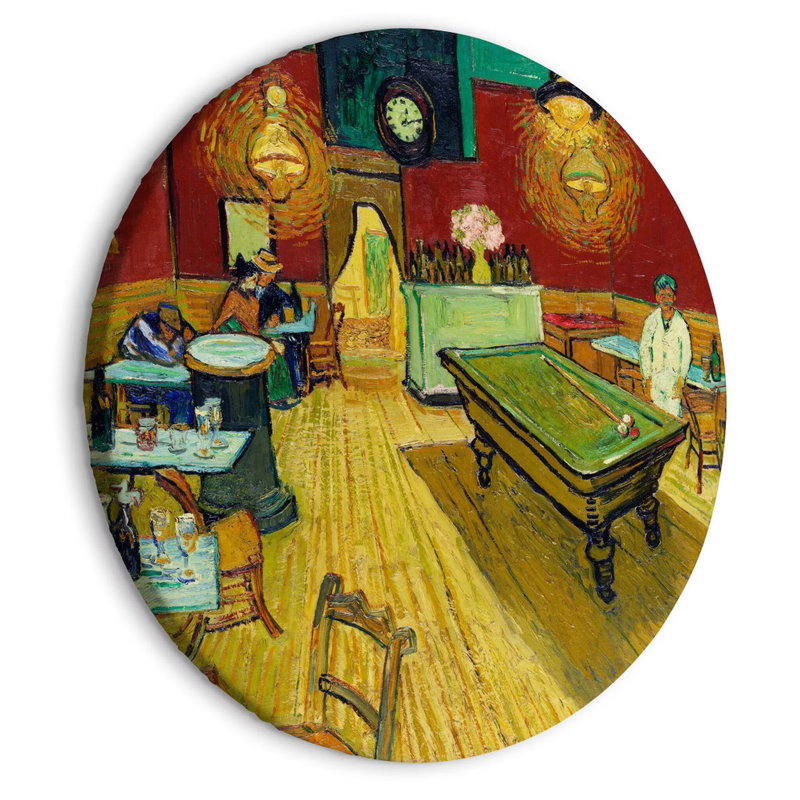
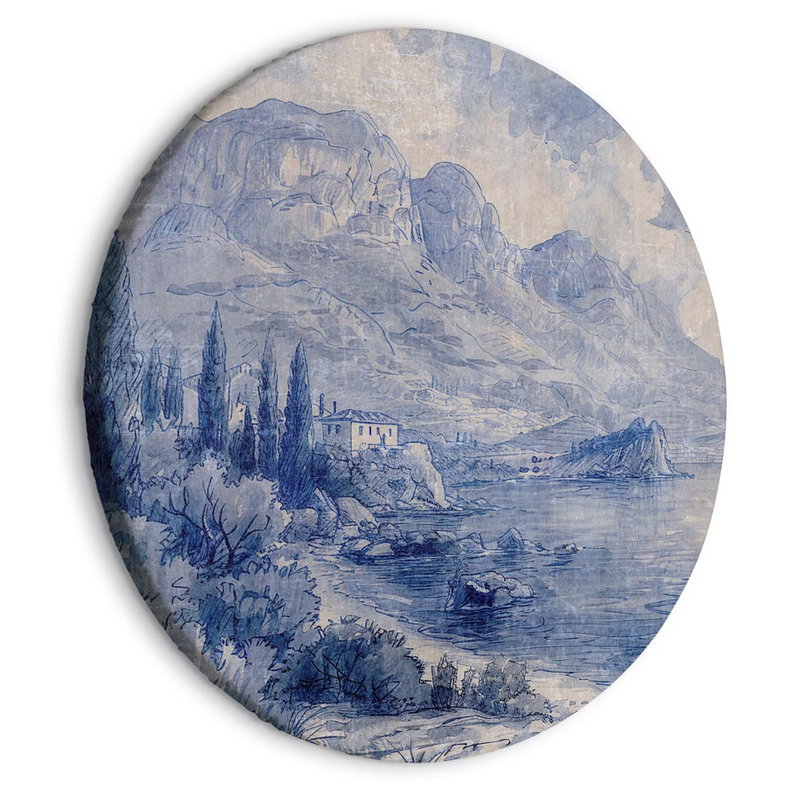
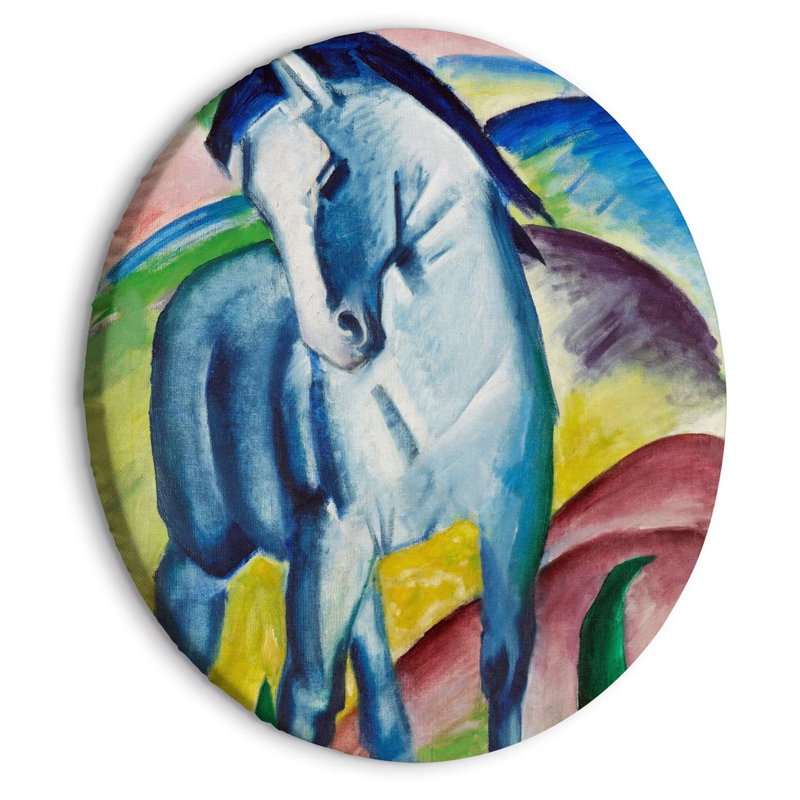
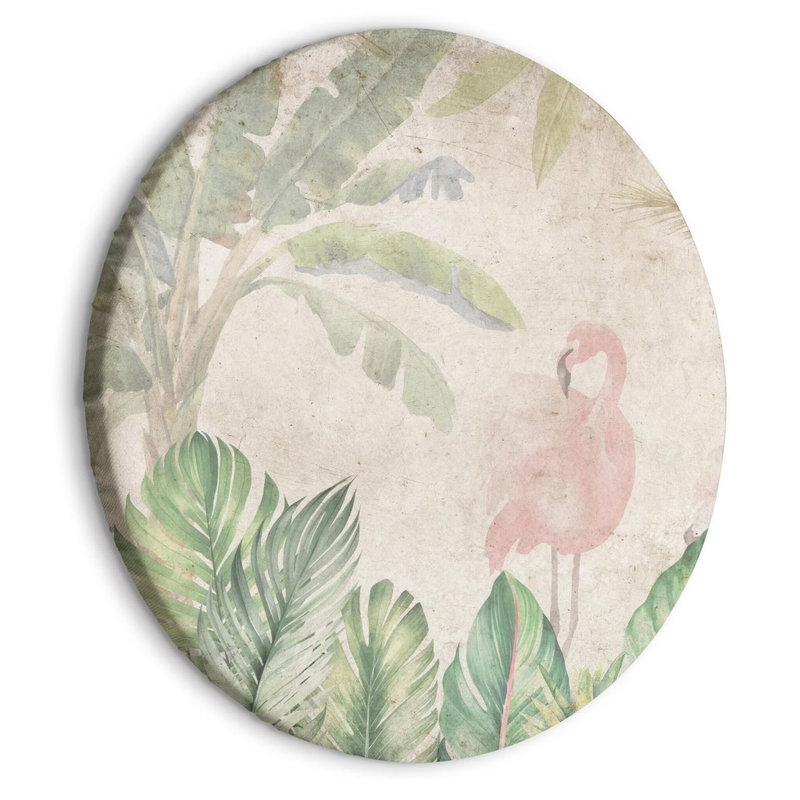
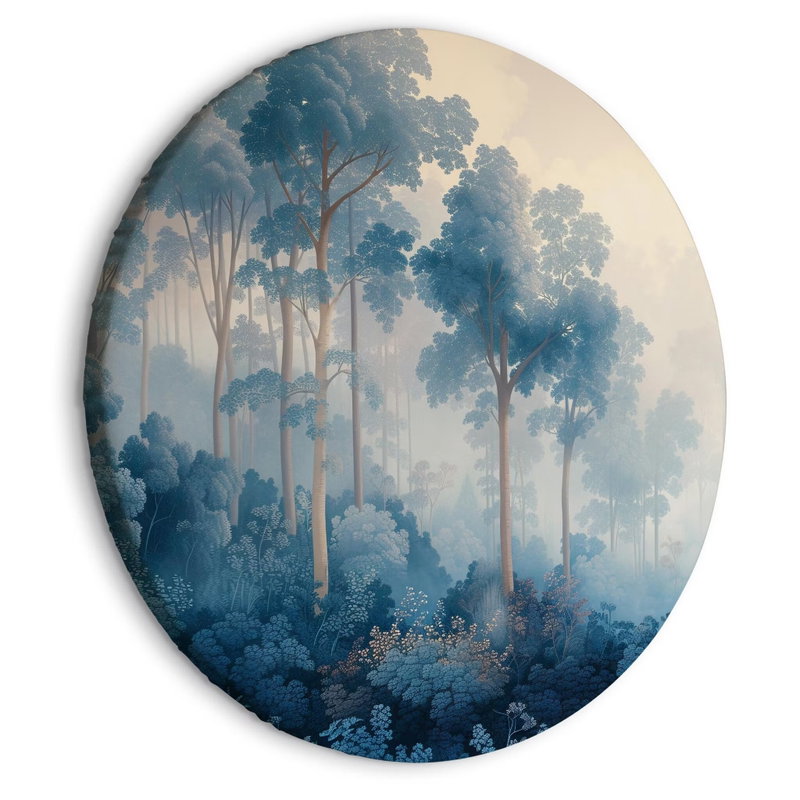
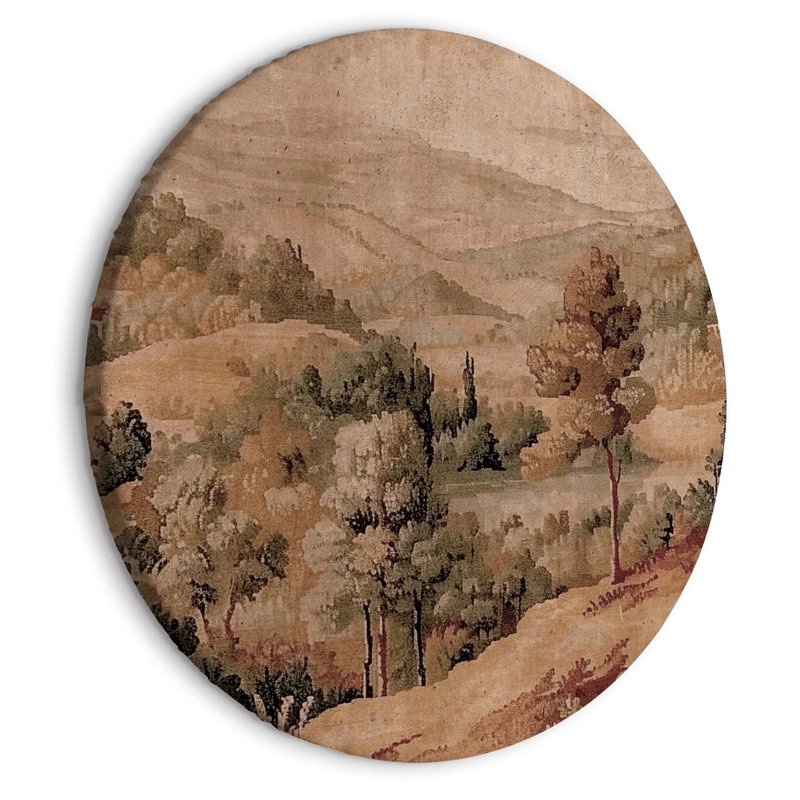
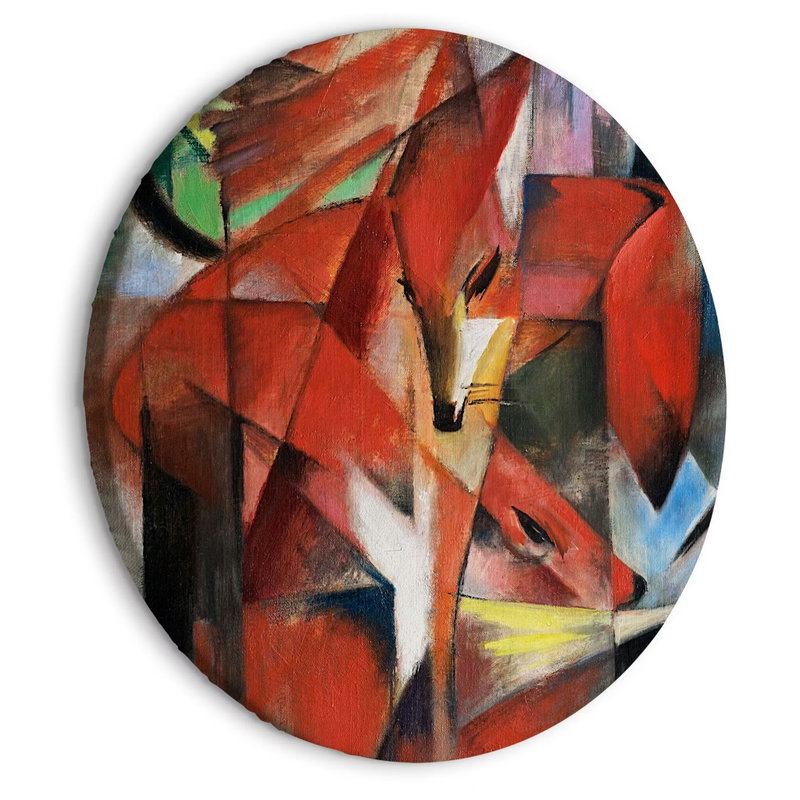
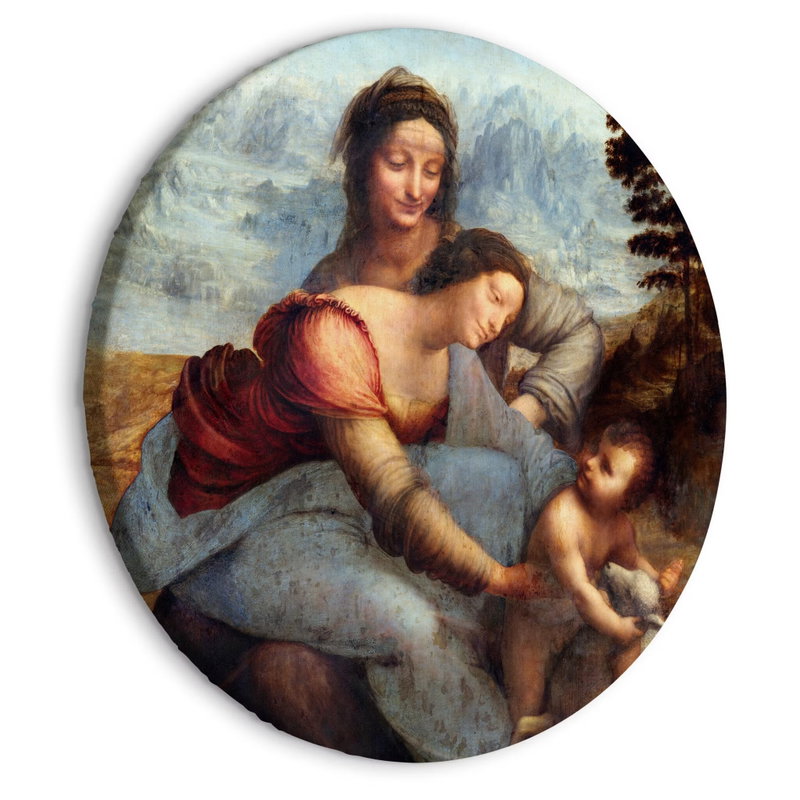
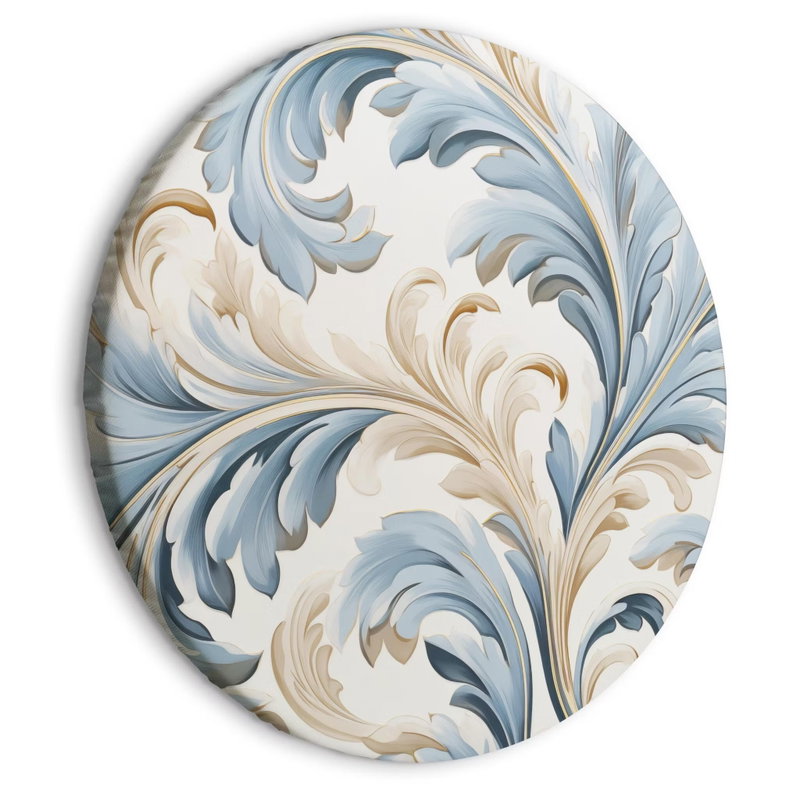
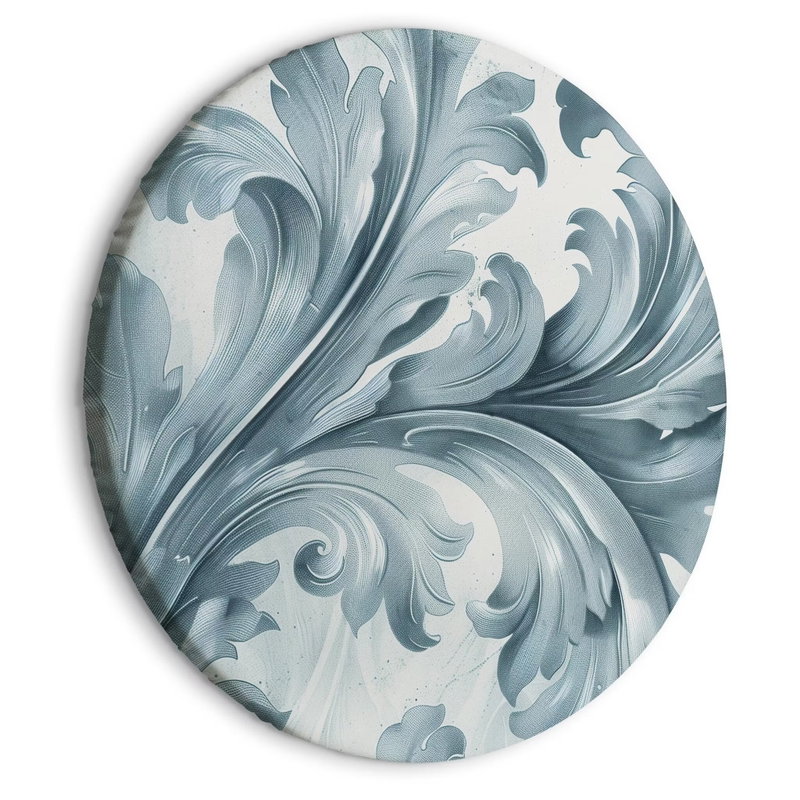
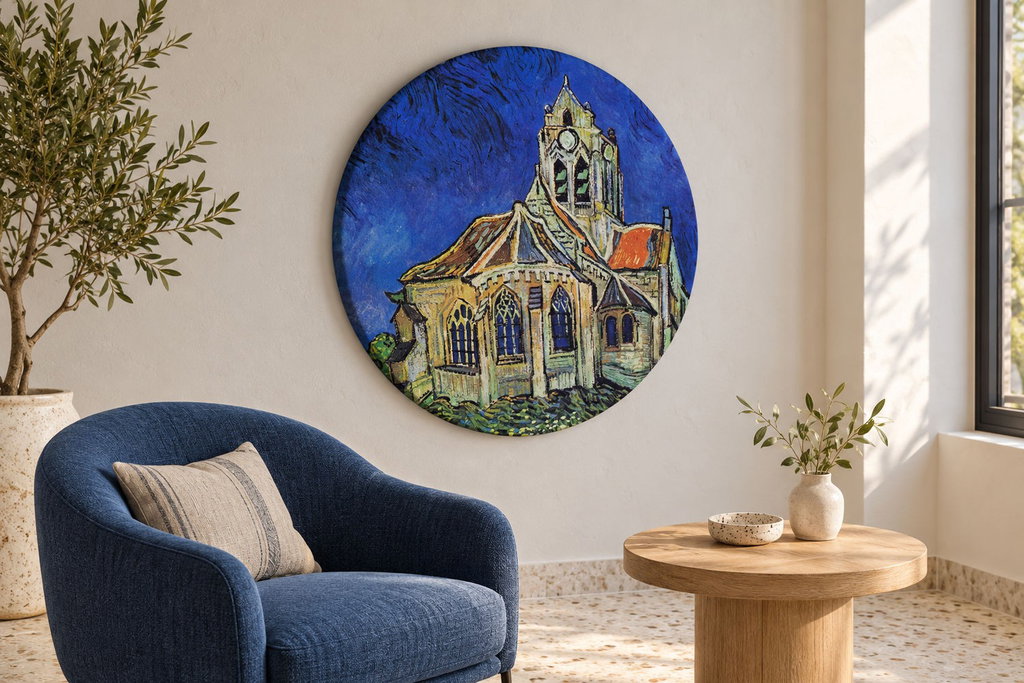
Botanical images may let branches and petals emerge against a light background or fill the surface with colour. With landscapes, pay particular attention to the horizon and main subject within the round crop. Animals and portraits can give the circle a distinct centre, while classical paintings give familiar compositions another boundary.
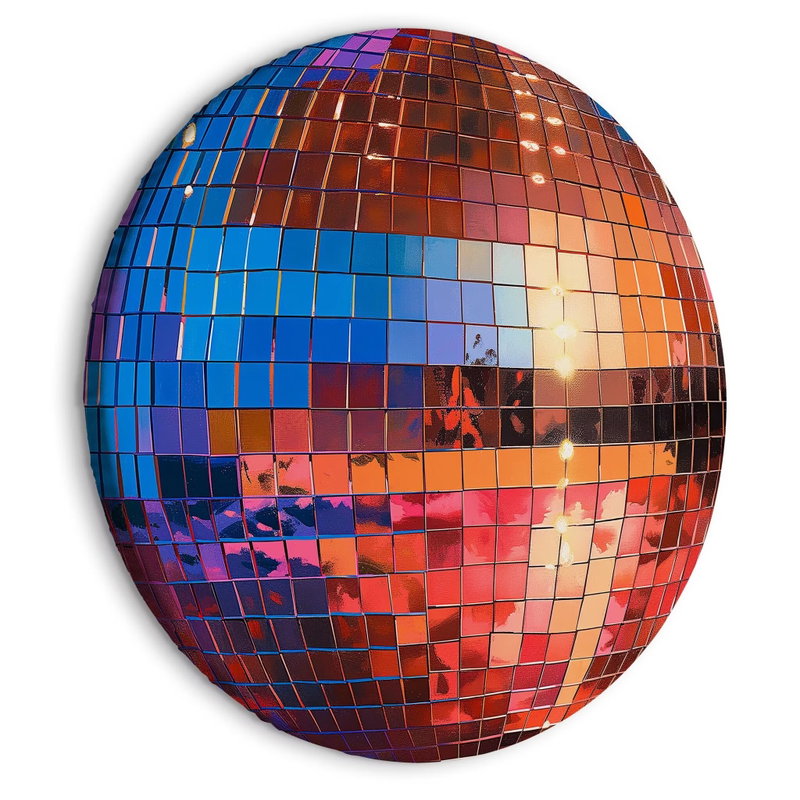
Look at the actual main image before choosing. A building, face or flower near the edge has different visual weight from a centred subject. When comparing several pictures, assess both the palette and where the key elements sit within each circle.
Diameter and clear space around the picture
The checked round products offer diameters of 40, 60 or 80 centimetres. Check available choices on the actual product page and variant selector. Choose diameter around both the wall’s proportions and the distance from the usual viewing position.
Cut a paper circle in the size you are considering and try it on the wall. A group can use equal circles with different images or different diameters sharing a tone. Leave enough clear wall for each outline to stay distinct and the image details not to compete.
Placement that works in everyday use
Near a round dining table, the outline can echo the furniture. In a study, a circle can create a defined image point between storage and desk. In waiting rooms and shared seating areas, choose subject and height from a seated position rather than only standing before the wall.
Several circles need not hang in a straight row. Try staggering them, but assess the whole arrangement from several directions before drilling. Door openings, furniture height and cleaning access matter as much as the decorative idea. Choose fixings for the surface and follow mounting instructions.
Assess reverberation through the whole room
The absorbing core can help reduce sound reflections that would otherwise continue between hard surfaces. The change depends on room size, total picture area, positioning and other furnishings. Do not choose a small round image solely expecting it to solve a large room’s acoustics.
The circle is primarily a choice of shape and visual expression. It does not itself indicate a particular sound reduction. Greater needs may require several pictures or other suitable absorbers. Absorption affects sound within the room; insulation between rooms needs other building measures.
Check the selected model before ordering
Round-picture information describes images printed on polyester fabric and an absorbing polyester core. It also gives thickness, hanging and care details. Follow these for the chosen subject and size rather than transferring instructions from another range.
Once image, diameter and position are chosen, assess whether one picture fulfils the interior idea or several circles give better balance. Keep a simple sketch of dimensions and gaps. This makes shared decisions and later installation easier, allowing the circular imagery its intended space.