




From companion dogs to woodland canids
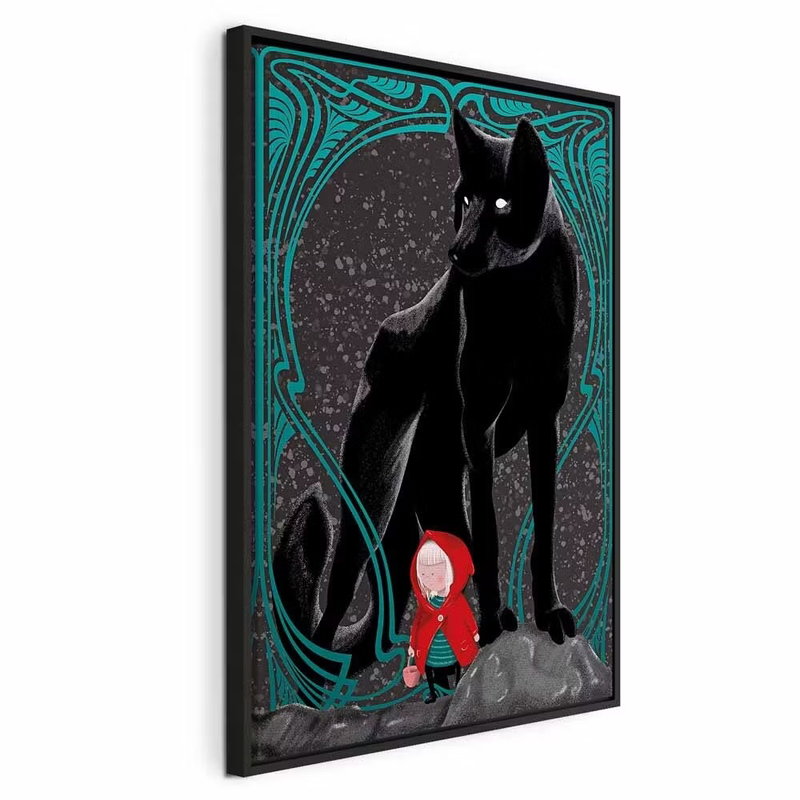
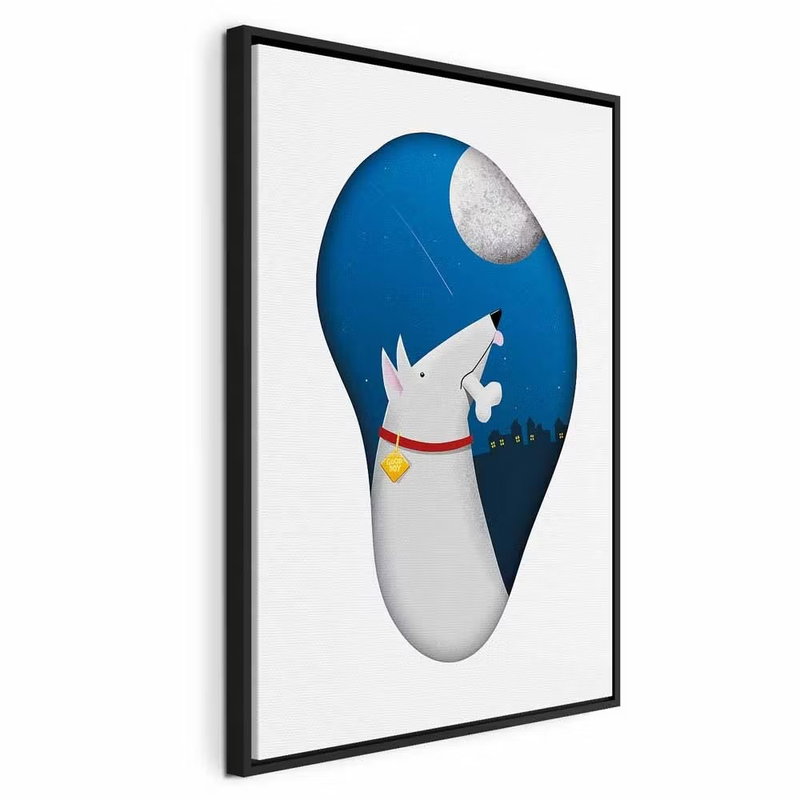
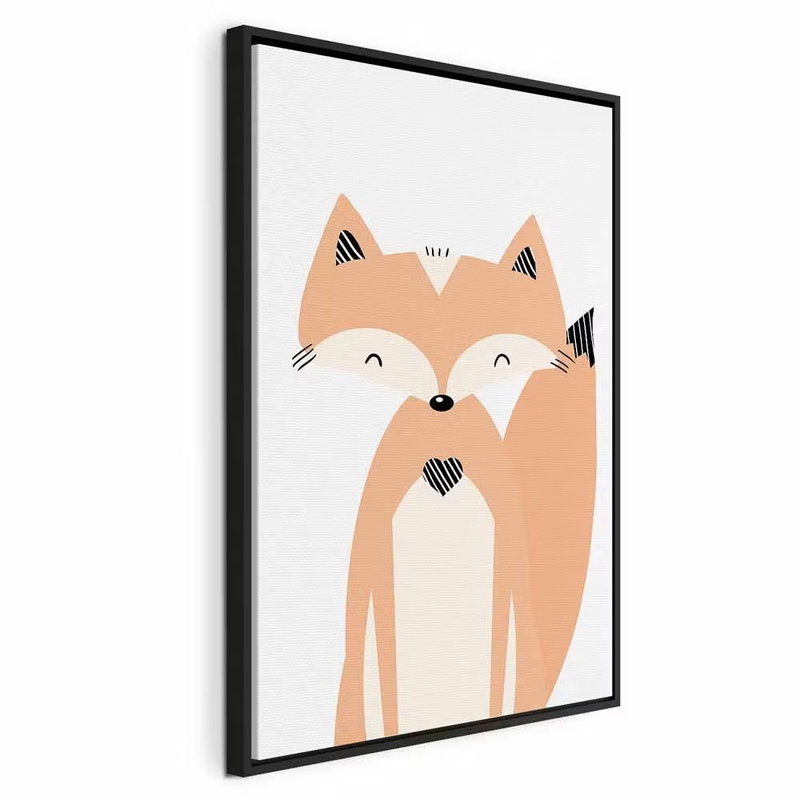
Dogs can bring a friendly, familiar feeling, while foxes and wolves often suggest forests and wildlife. The selection also includes imaginative interpretations in which an animal becomes a graphic character or part of a story. Choose according to the actual picture rather than searching only for a particular species.
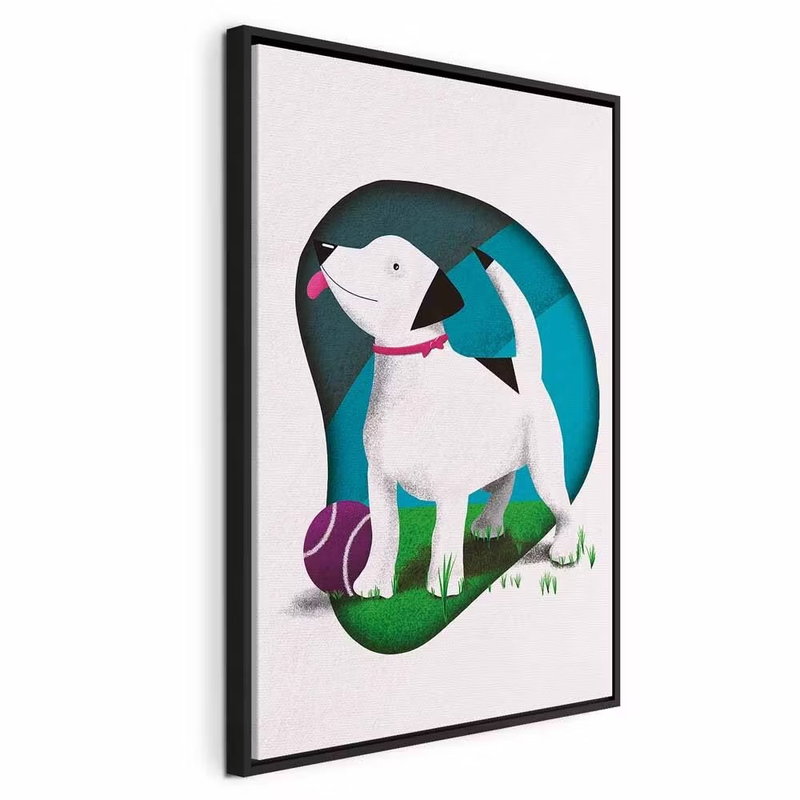
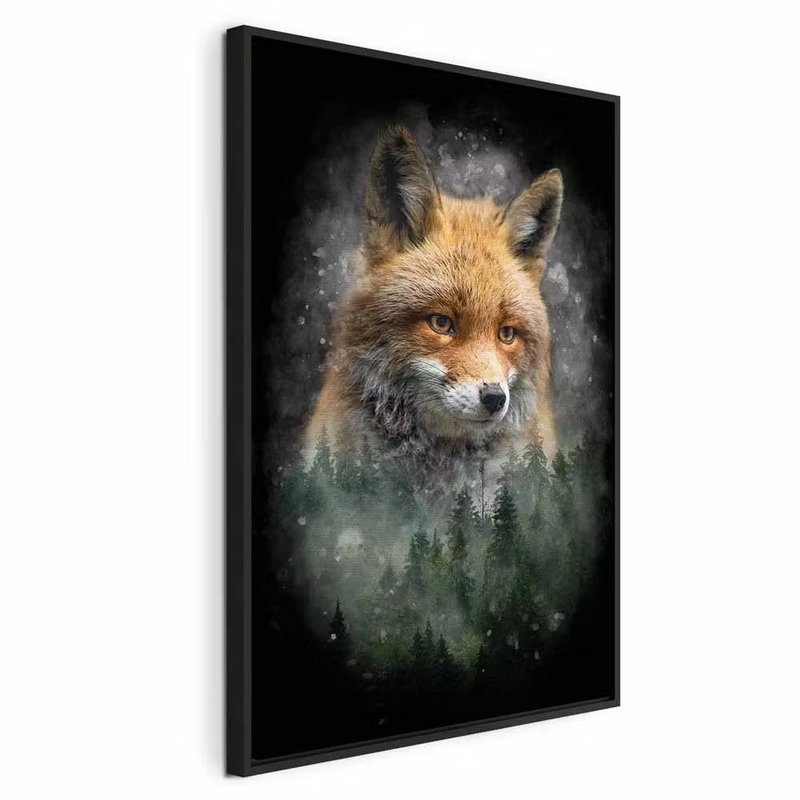
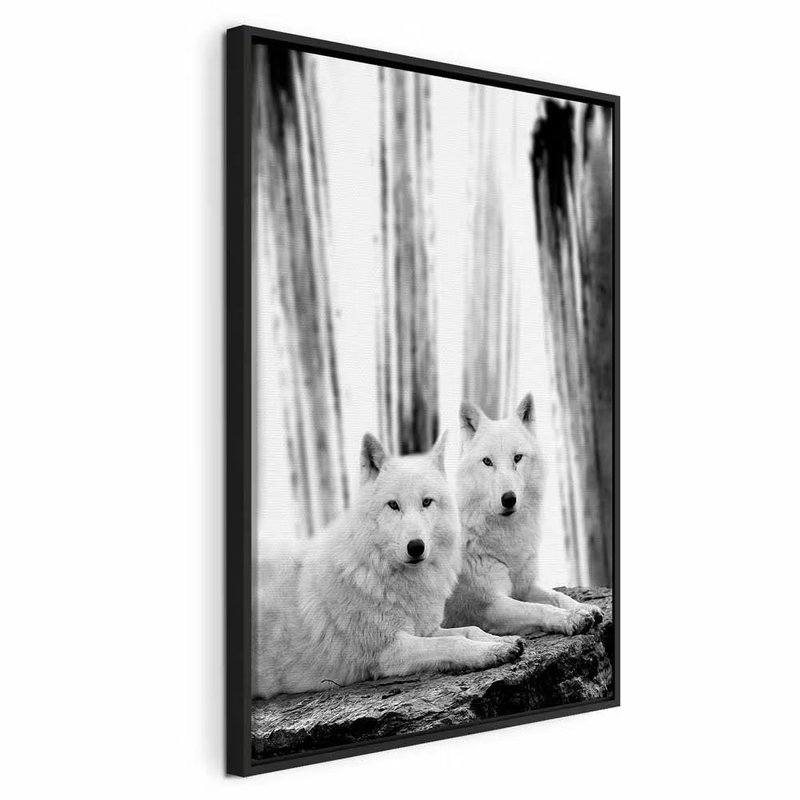
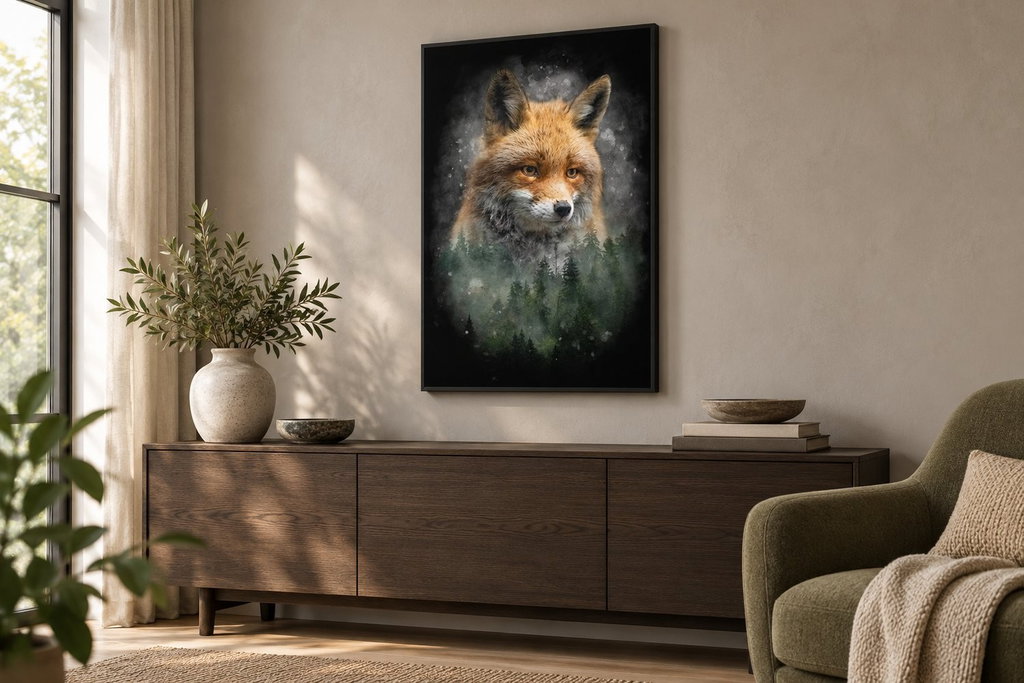
A dog with a ball, two wolves in a forest and a fox face surrounded by mist-like shapes have different focal points. Consider whether you want to emphasise the animal’s gaze, show several animals together or add a playful element to the wall.
Outlines, fur and colour shape the image
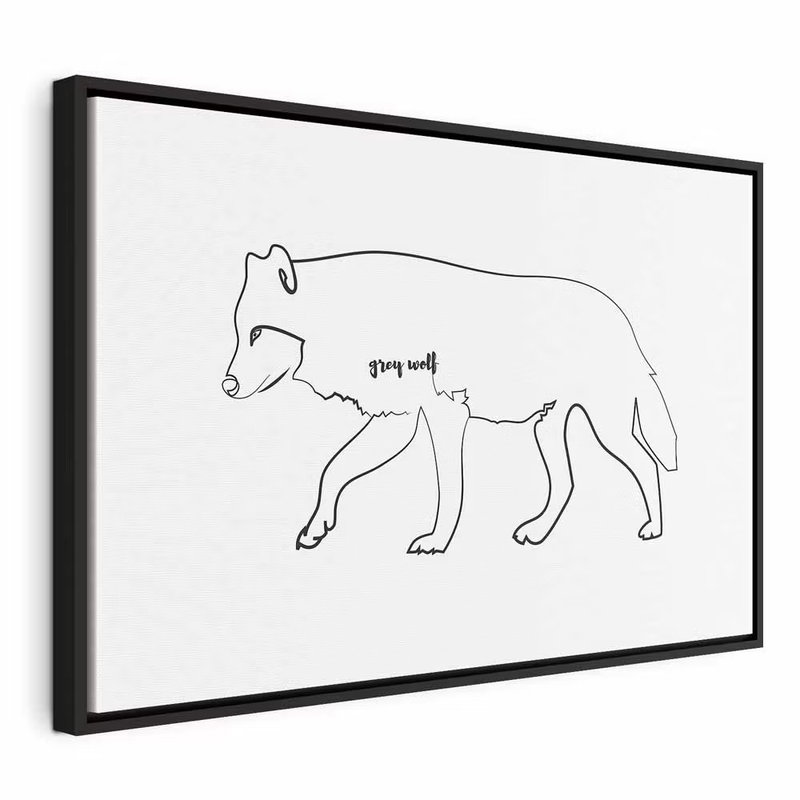
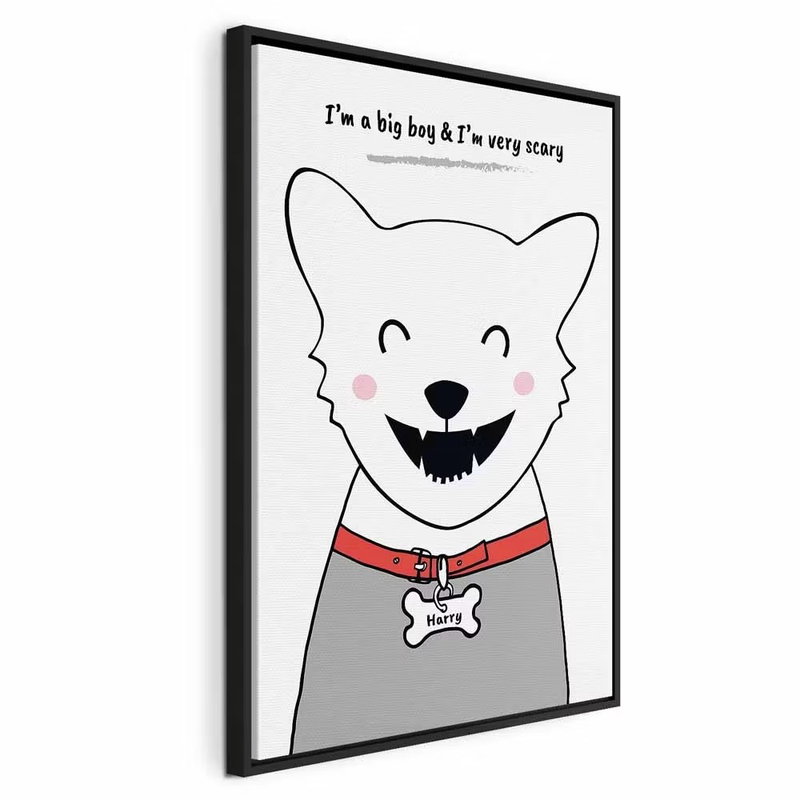
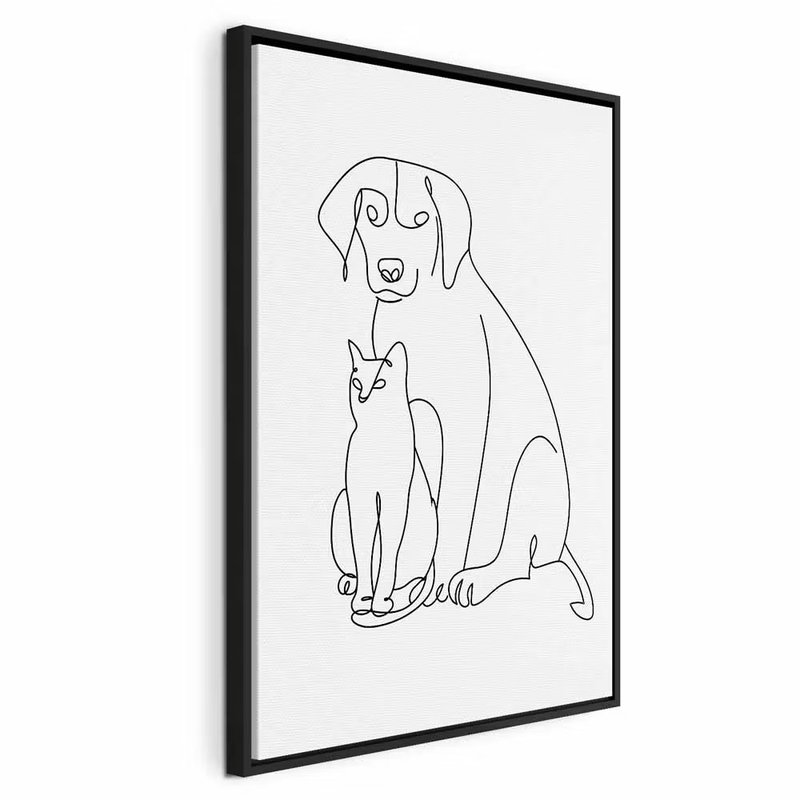
Simple line drawings leave plenty of light space around the animals. They can suit a wall that already contains several colours or help maintain an airy impression. More detailed portraits give fur, eyes and surroundings a larger part in the composition.
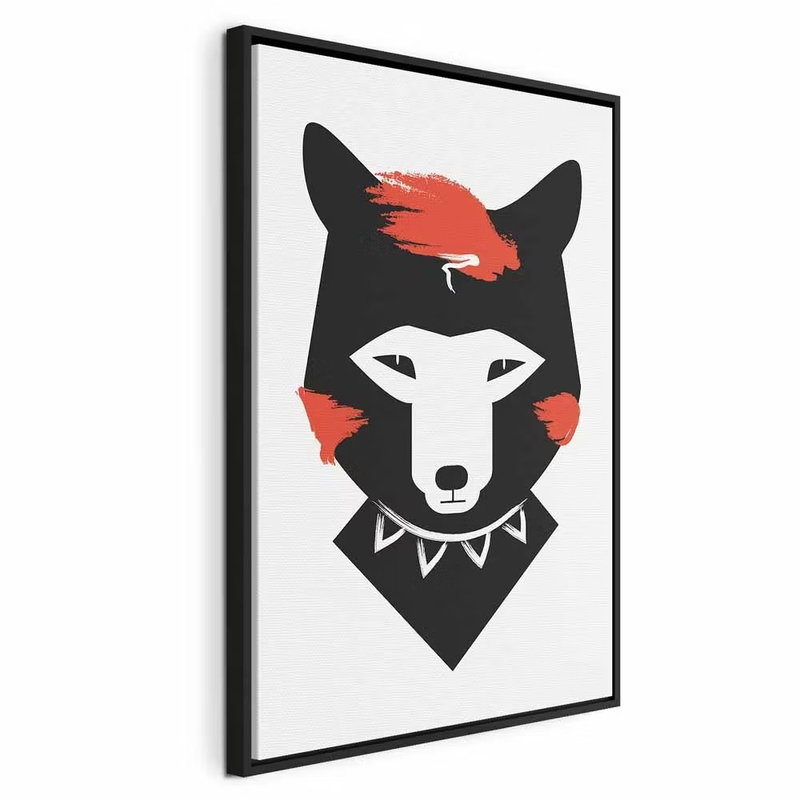
The fox portrait with dark forest shapes combines warm orange with green and grey. The black-and-white wolves work with contrast, while the illustrated dogs use simplified shapes and clear areas of colour. Compare the overall impression from a distance as well as the small details close up.
Connect the outer frame with the wall
These designs belong to the acoustic picture range with a visible outer frame. The frame defines the print and becomes part of its appearance. Each product page shows the frame colours and sizes available for that picture; the same options may not be offered for every design.
An upright animal portrait needs a different wall space from a landscape group. Measure the area above furniture and leave room around the frame. When combining pictures, a recurring background colour or similar outlines can create a connection without every image showing the same animal.
Choose the picture and placement together
The sound-absorbing construction can help reduce reverberation. Its contribution depends on factors including size, placement, the total absorbing area and the room’s other furnishings. Choose both an image you want to see and a format suited to the wall.
Read the product’s information about materials, hanging and care before choosing. Follow the installation instructions and use fixings suited to the wall material. The picture contributes to the sound environment within the room; the animal subject does not indicate any particular acoustic performance.
Choose closeness to the animal or a wider scene
A close dog face gives the gaze a different role from a wolf in woodland. Start with the share of the image the animal should occupy. Then compare head direction and surroundings so the complete content suits the intended setting.
A simplified drawing does not need many details to be a clear animal design. Broad lines can matter more than small fur variations. Choose the style you enjoy without requiring the same naturalism from an illustration and a closer portrait.
Check the meeting of print and outer frame
With a light background, the frame boundary becomes prominent. A dark background can connect contour and frame differently. Compare the entire product with the wall rather than a cropped detail without its frame.
Use the size and frame combinations actually offered for the design. Another picture in the same subject group does not prove identical options. Read the chosen version’s installation and care instructions before planning its final position.
Create a personal group with different canids
A small shared colour or quieter surroundings can connect a pale dog drawing with a darker forest image. An exactly matched pair is unnecessary. Decide which picture should carry most visual weight and see whether the others support or compete with it.
Measure frames and the group’s total width including gaps. Check from everyday positions that important faces and bodies remain visible. Then assess the absorbing area needed without associating particular sound reduction with a dog, fox or wolf as the image subject.