




Dog portraits and bodies in motion
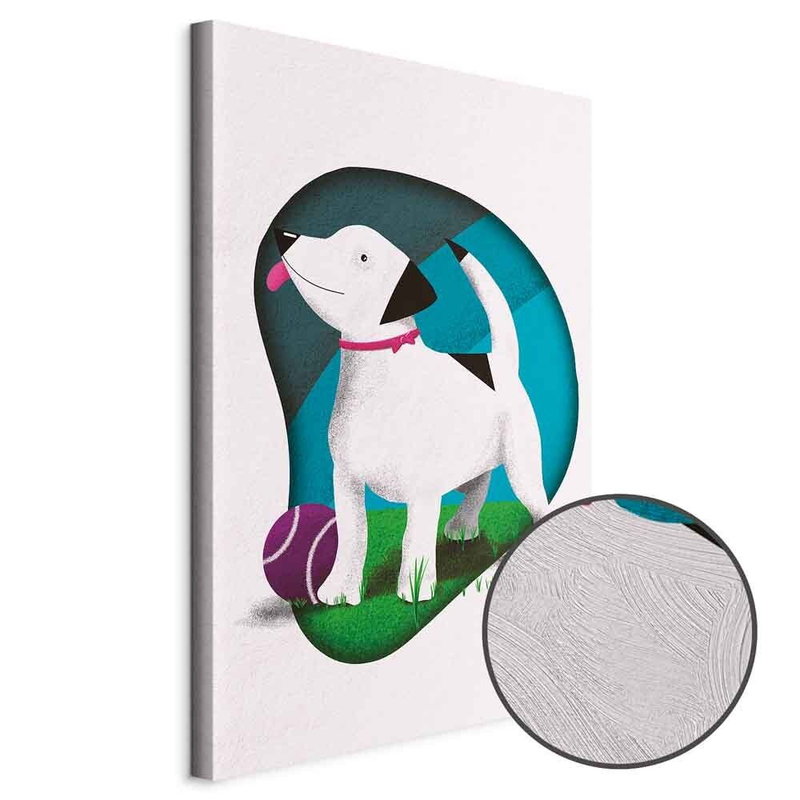
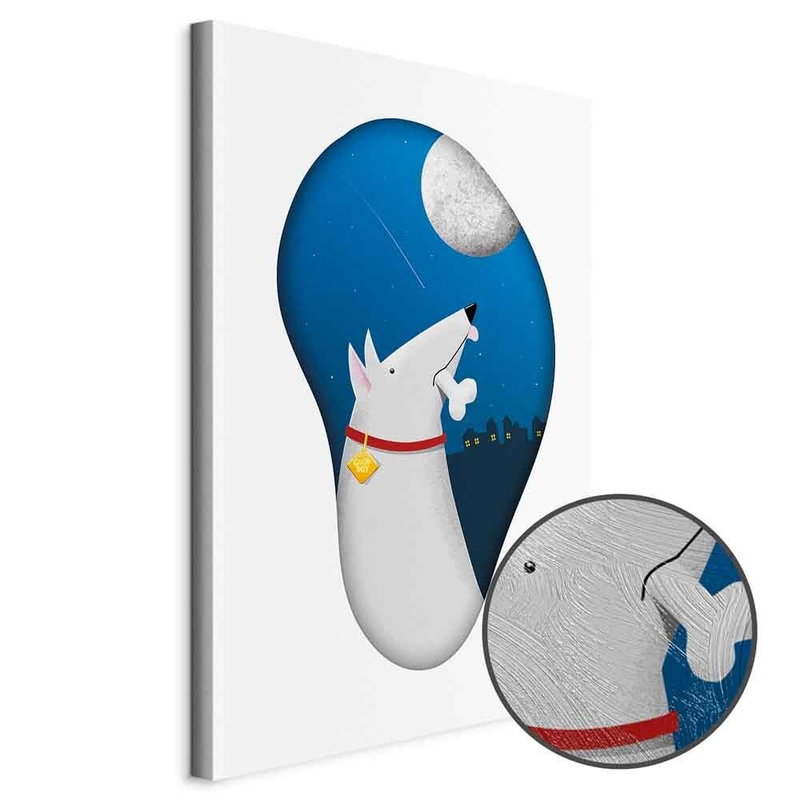
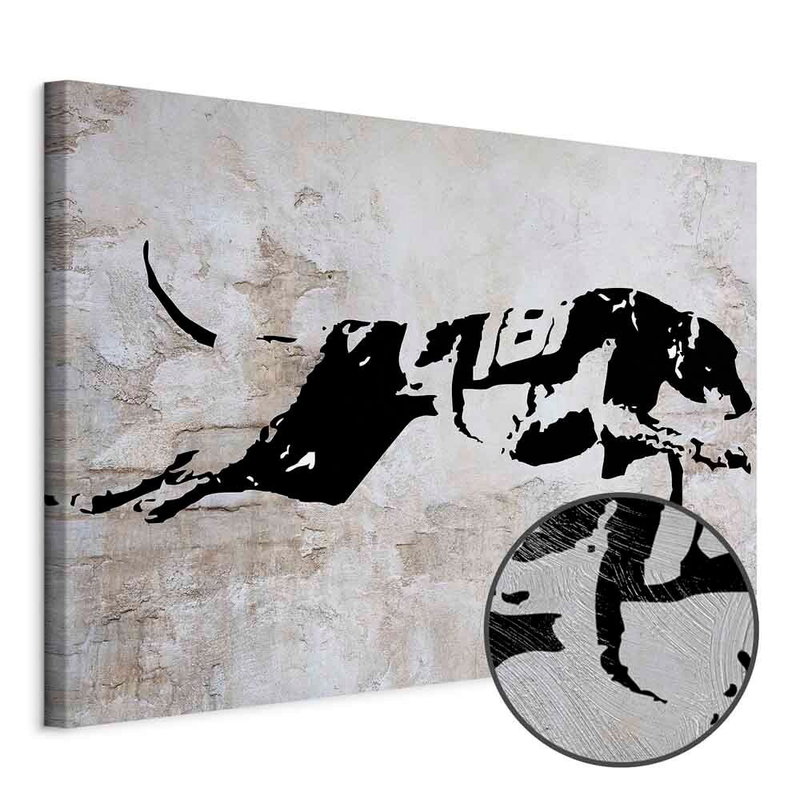
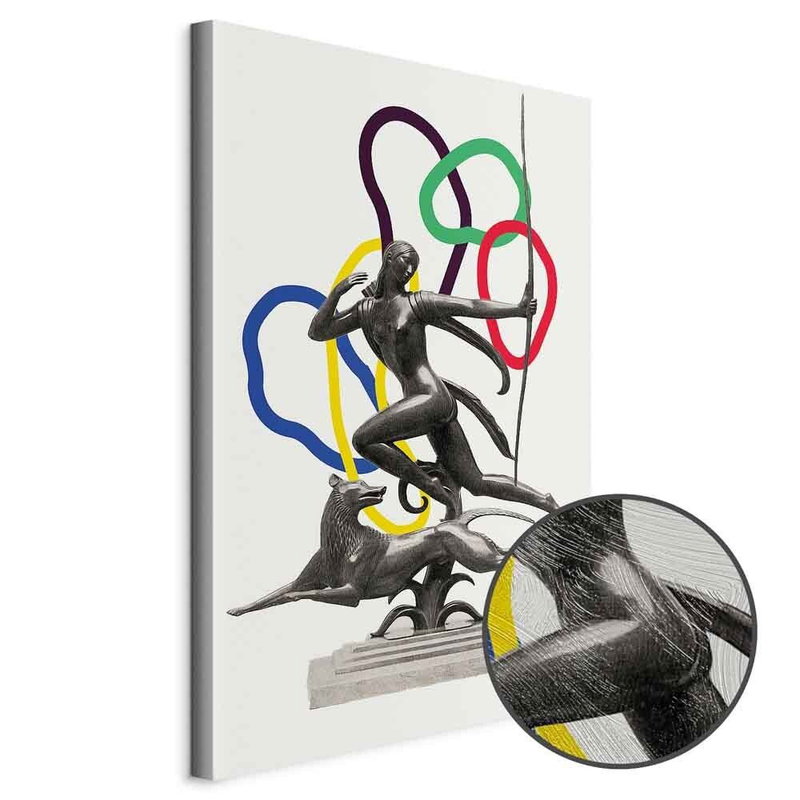
A distinct dog head with a collar creates a different focus from a running greyhound with a long, slender body. Compare how much of the animal appears and which way it faces. A muzzle pointing towards the room’s centre makes a different connection from a figure following the length of a wall. Consider the empty areas around the body when choosing a format.
Foxes and wolves between colour and forest
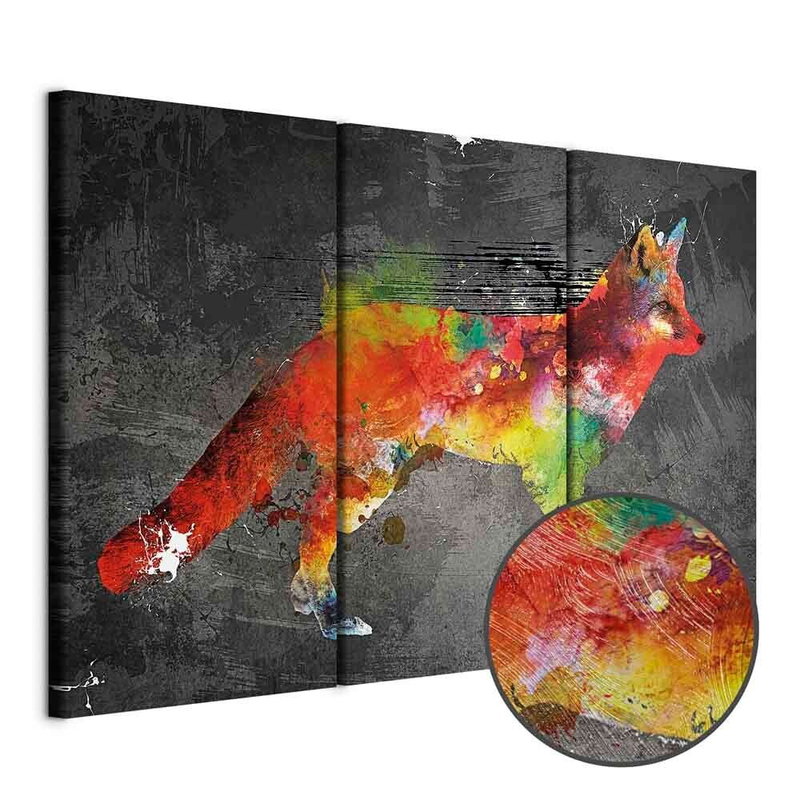
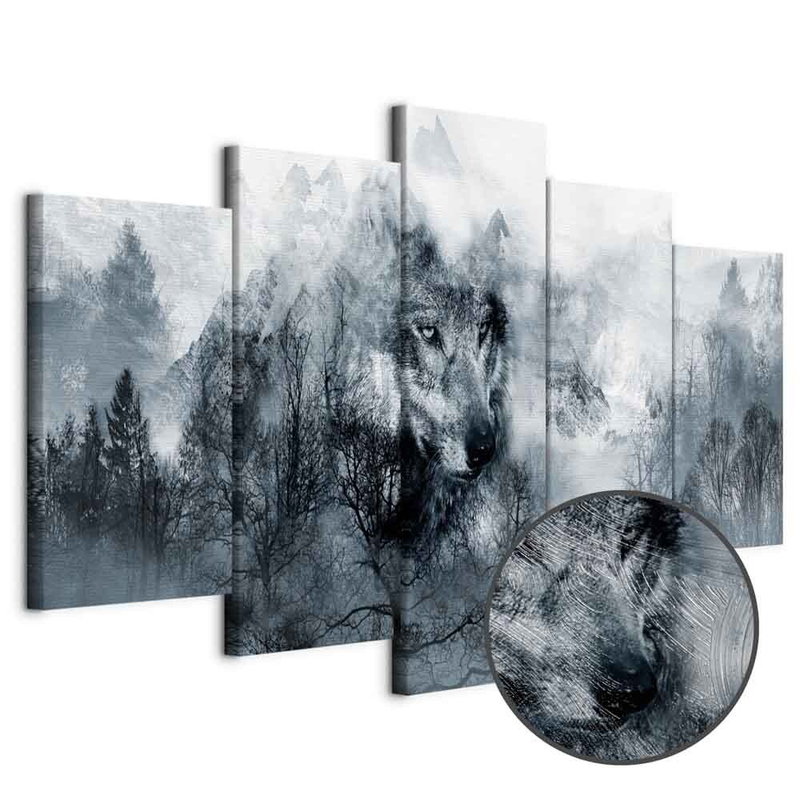
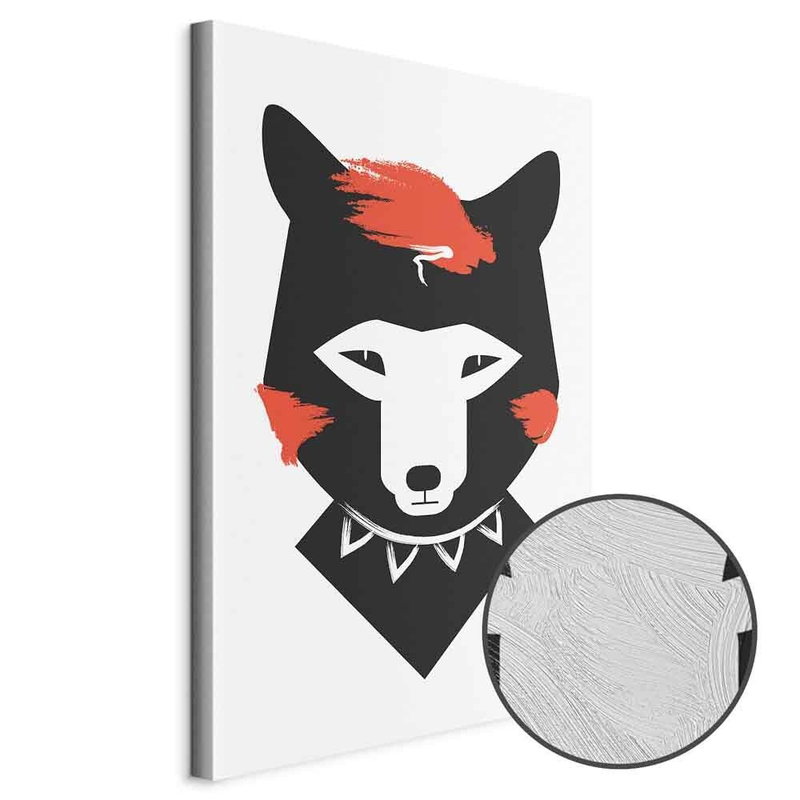
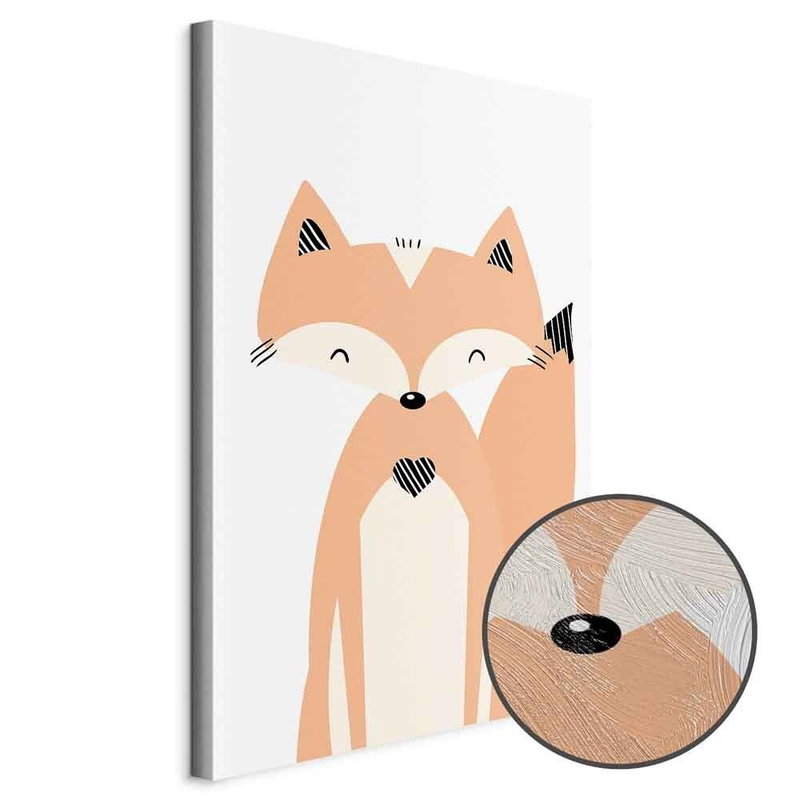
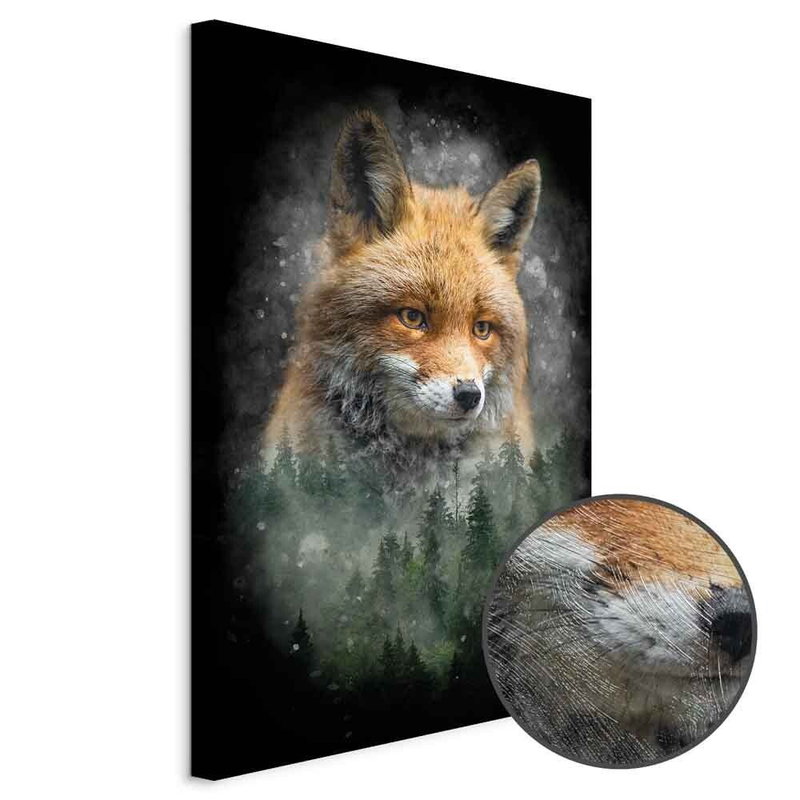
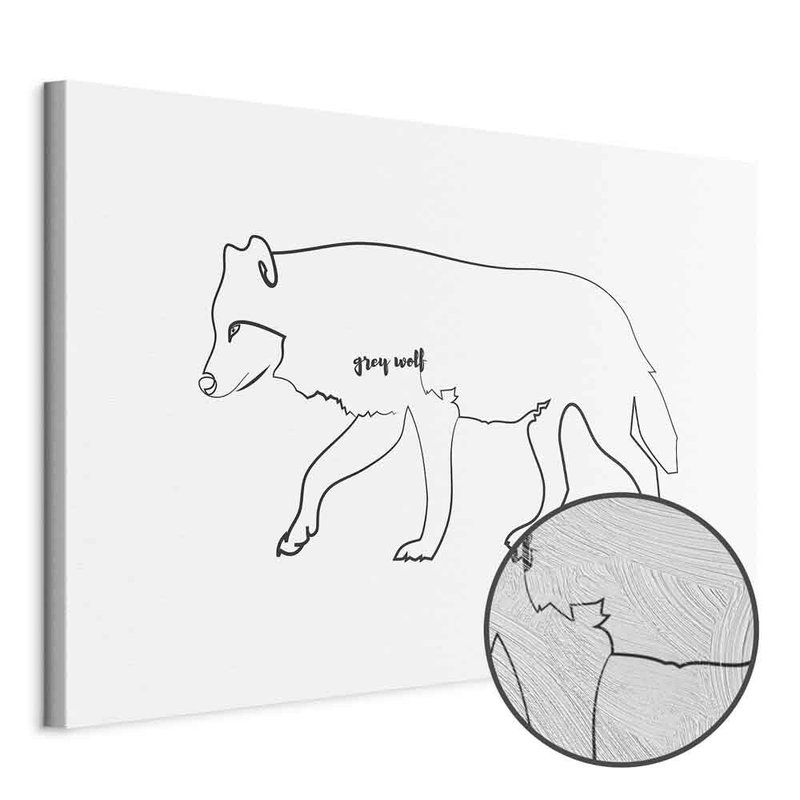
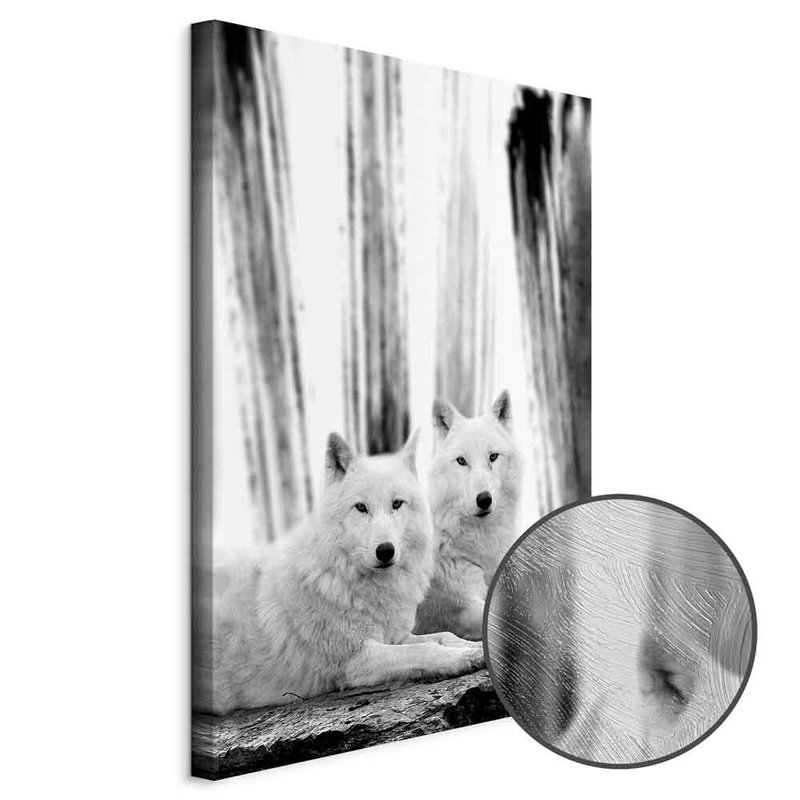
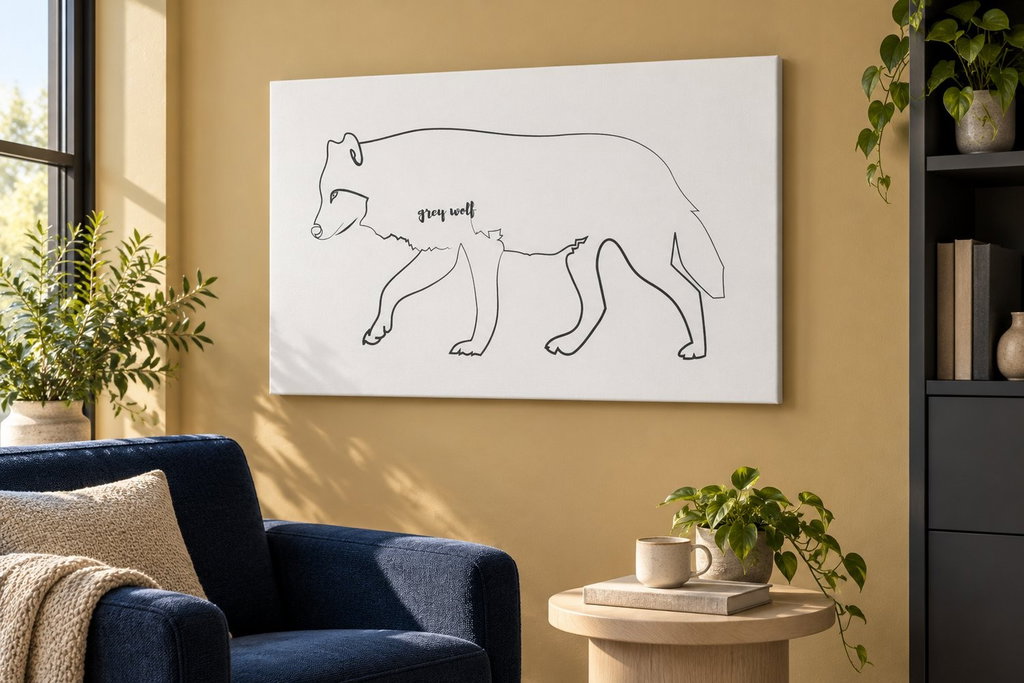
The fox pictures include clear heads and larger profiles built from strong colour fields. Wolf subjects include outlines on white, pale animals in woodland and compositions combining a large head with landscape. Let the actual visual style guide your choice. A graphic fox need not suit the same interior as a more naturalistic forest picture, even though both depict canids.
Playful figures and narrative scenes
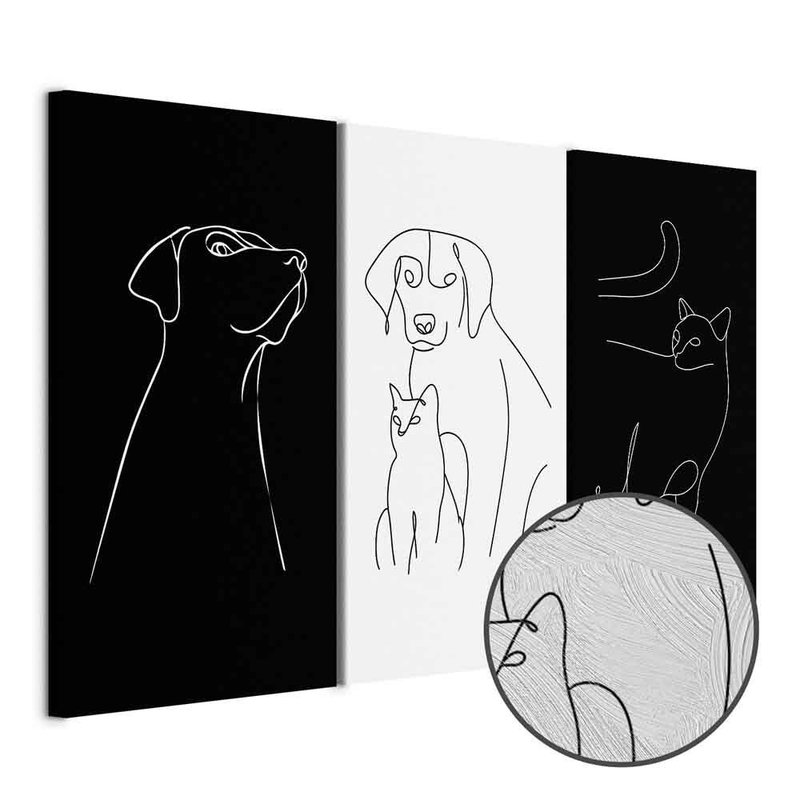
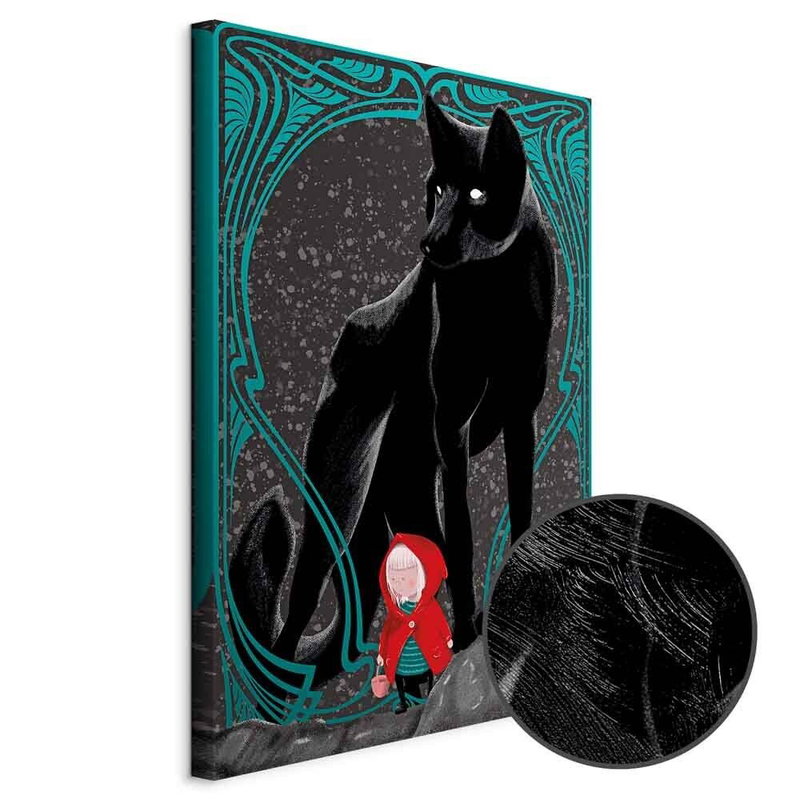
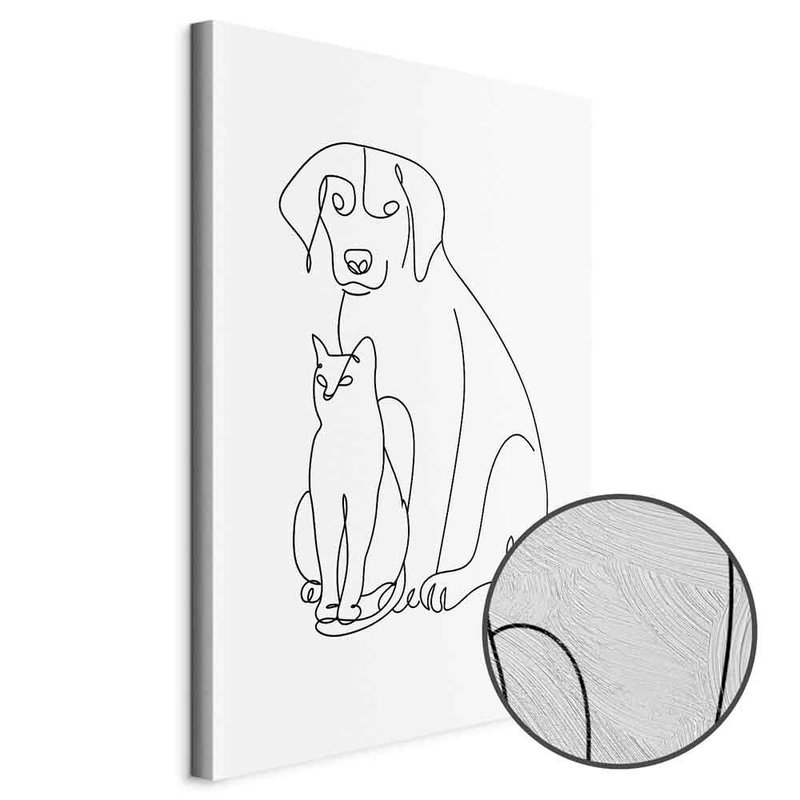
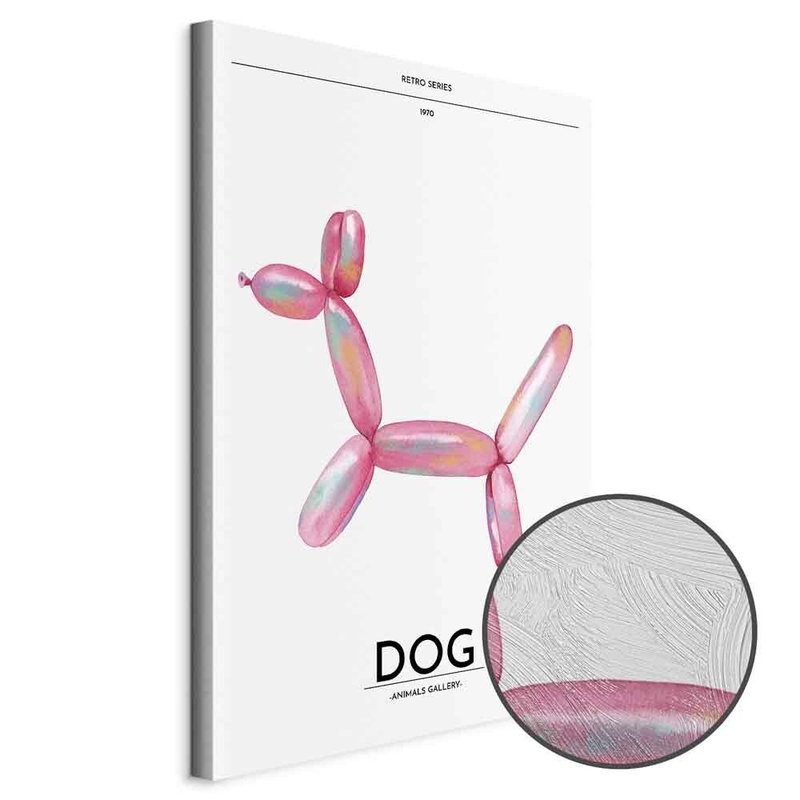
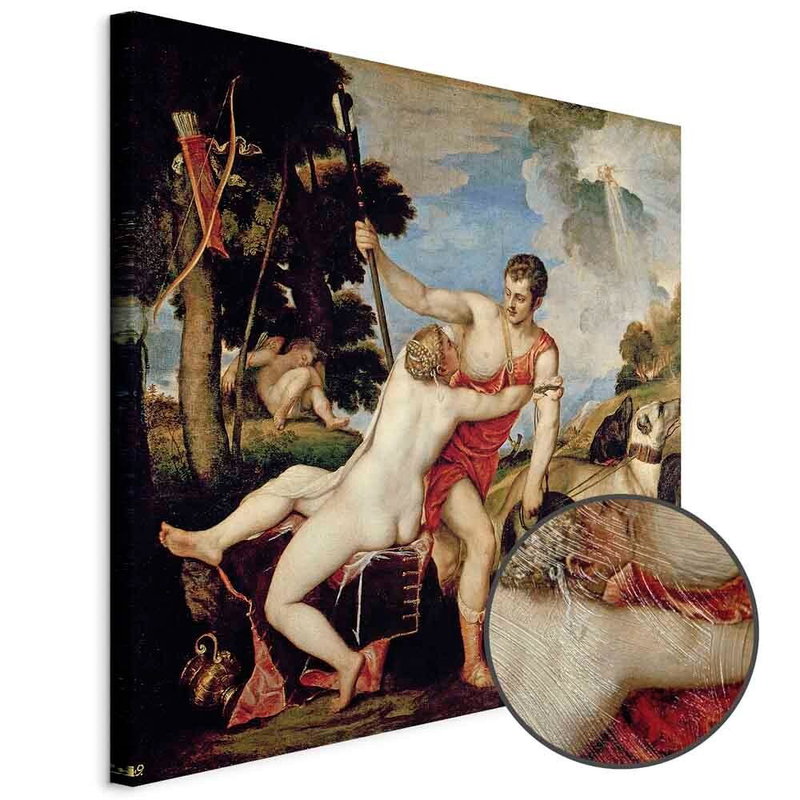
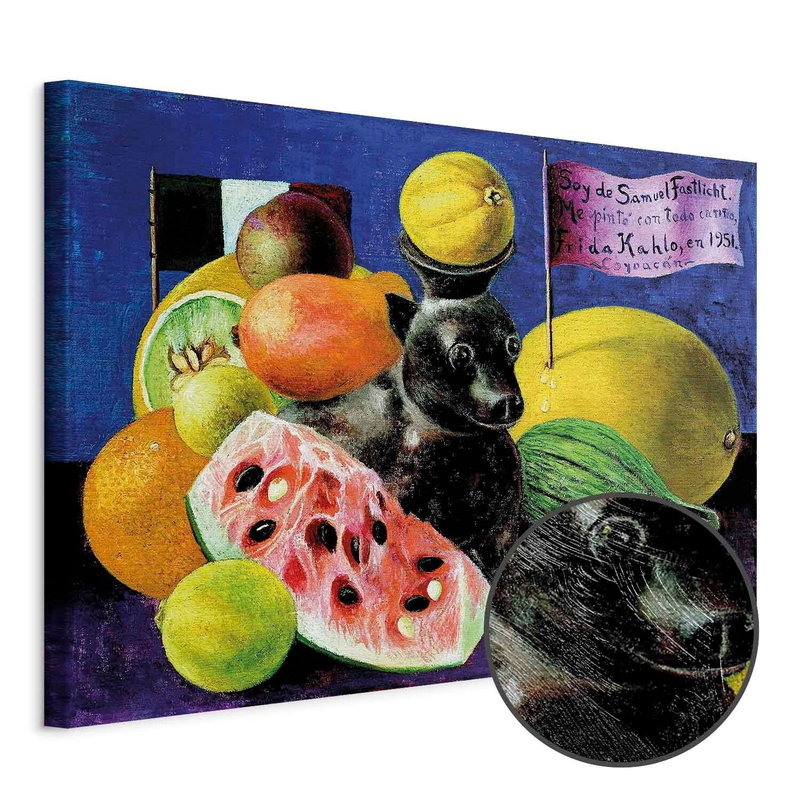
Some subjects use drawn dogs, encounters between dog and cat or a depicted balloon dog. Others include dogs in a larger painted scene with people. These details belong to the print and should be considered alongside the whole picture. Study the complete composition if the animal should be the main figure, or choose a narrative picture where several clear subjects share attention.
Plan one picture or several canvas panels
The range includes single canvas pictures and compositions spread across several panels. A wide format can follow a body or landscape, while a portrait crop can concentrate on face and gaze. Check the model’s dimensions and allow for panel gaps before installing a group. Keep important muzzles, ears and body lines clear of furniture or other objects that obscure the picture.
Premium texture and room acoustics
Clear gel is worked by hand over the canvas print to create real surface texture. Fur, drawn lines and depicted woodland are image content. Try the height from the places where the picture will usually be seen. The absorbing construction can help reduce reverberation, but other surfaces, placement and the total absorbing area affect what is needed. Read the product details and follow its installation and care instructions.
Choose the animal’s role in the picture
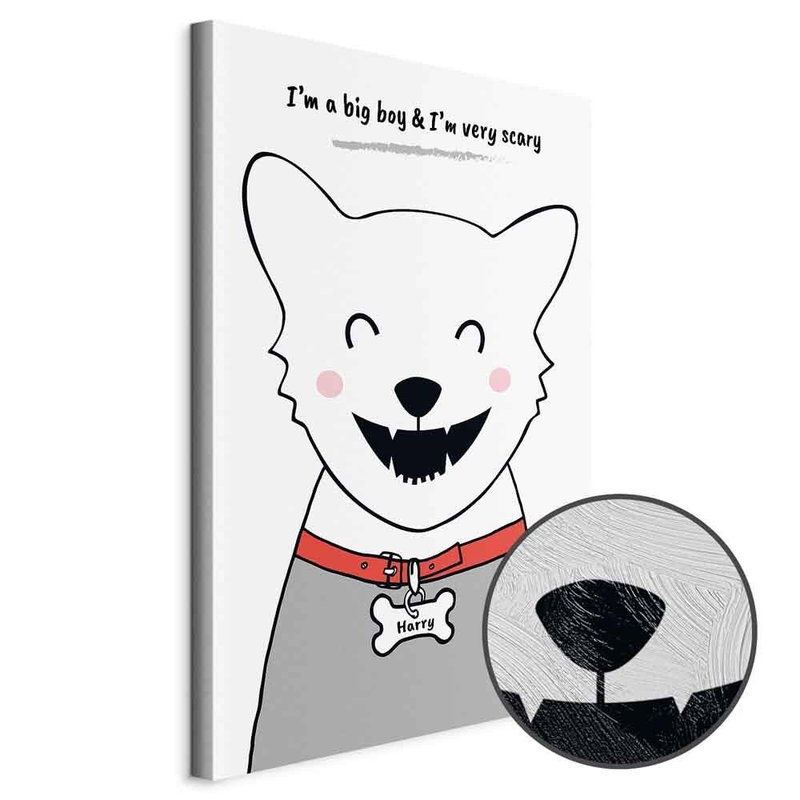
A clear portrait can focus on closeness to the animal, while a figure in a landscape shares attention with woodland and sky. A drawn expression offers another approach. Start with that difference, then compare how colours and forms suit the intended wall.
Do not identify a breed or individual solely from a familiar dog appearance. If a particular breed matters, it needs to be documented for the product. A stylised image may be chosen for lines, gaze and colour rather than a precise rendering of a particular animal.
Consider the picture’s tone in a shared setting
A playful balloon dog and a more naturalistic wolf head are both clear canid designs, but create very different impressions. In a reception or shared room, compare the complete images together. Choose an expression suited to the setting’s use without attributing a particular emotional effect to the design.
Decide whether surrounding figures, people or details should play an active part in the picture. A narrative scene can be enjoyed as a whole even when the dog occupies less space. If you want a distinct animal portrait, compare the animal’s share of the image and the surrounding area in particular.
Connect designs through direction and colour
A fox and wolf image can connect through a shared background tone despite different styles. A long body and a closer head can also introduce deliberate variation into a group. Keep something in common and check that important figures do not disappear among competing patterns.
Mark each product’s outline and assess the group from the doorway and a normal seat. Use actual dimensions and the hanging instructions for each model. The animal theme does not determine the absorbing area required; make that practical choice alongside the room’s other conditions.