



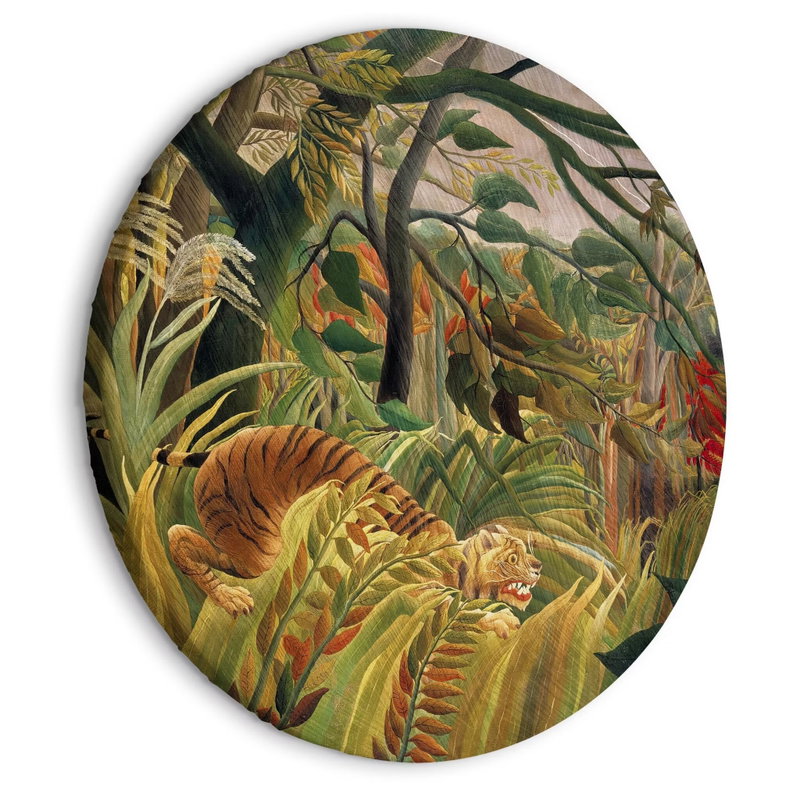
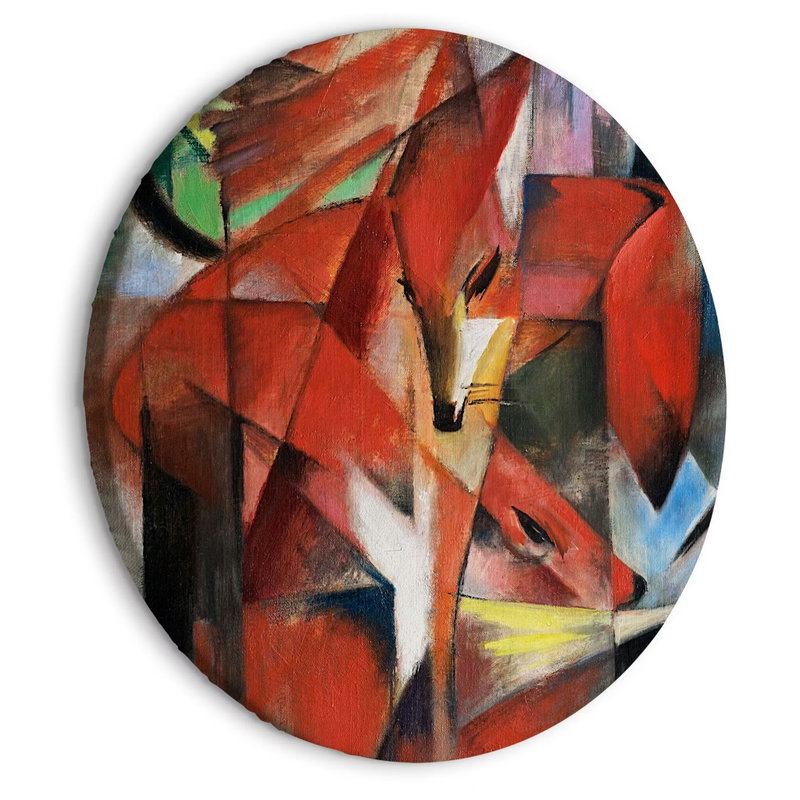

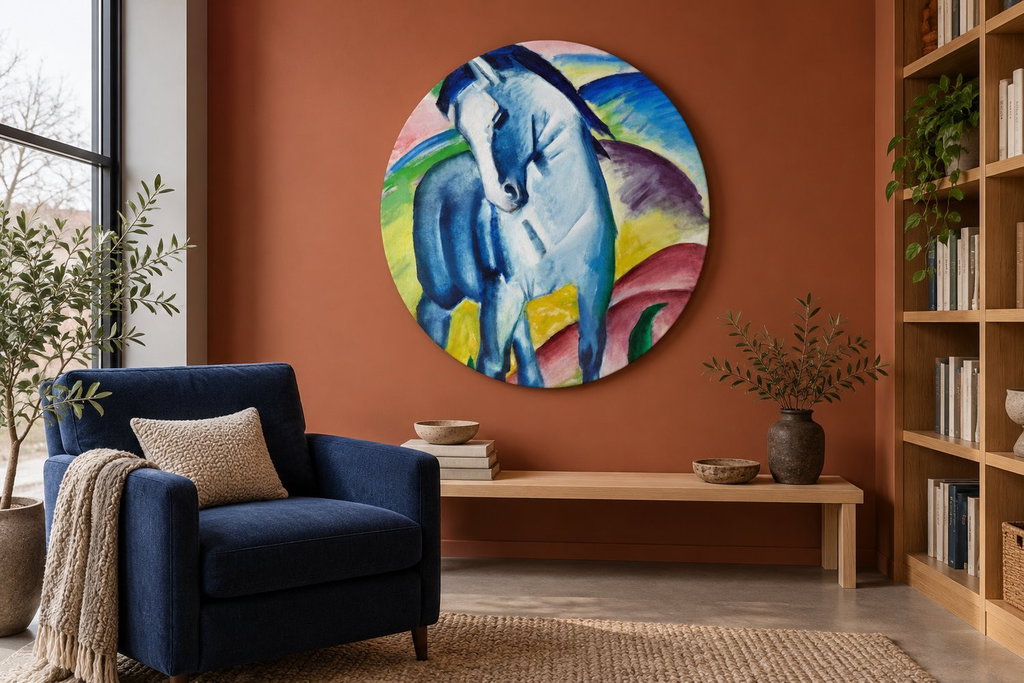
Animals alongside the rest of the image
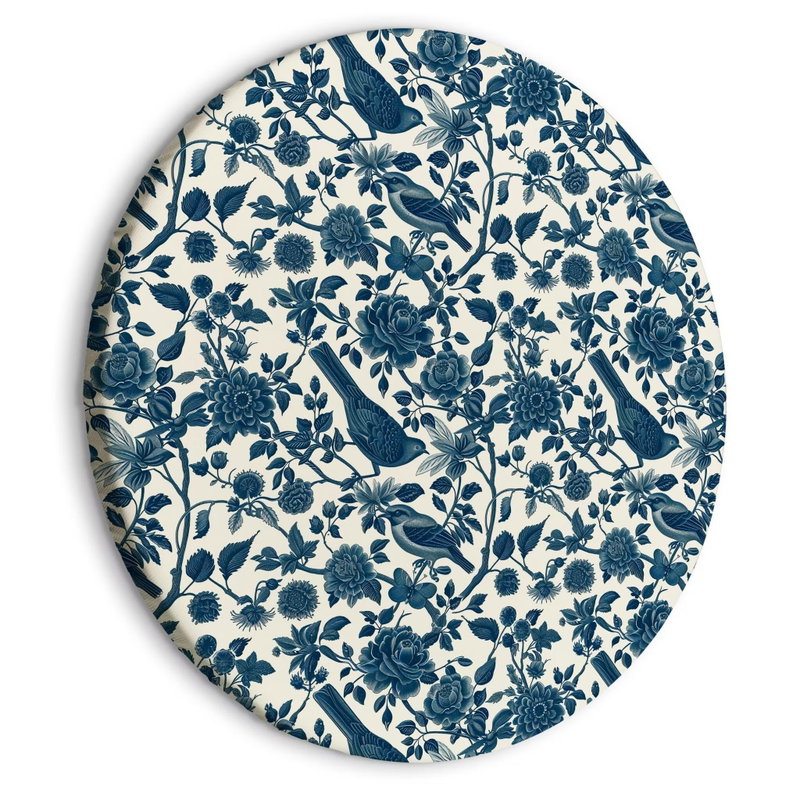
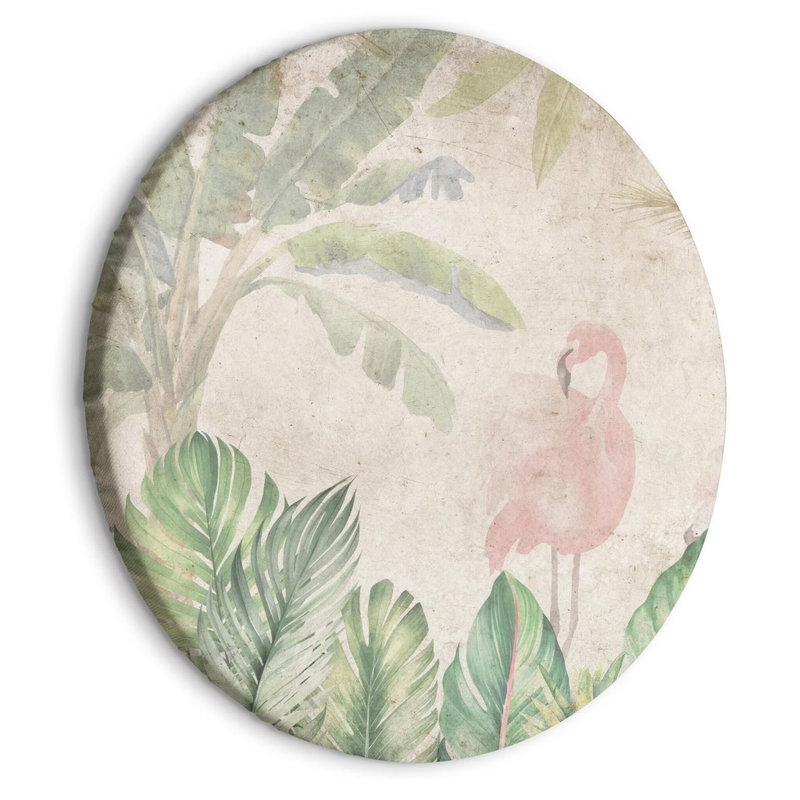
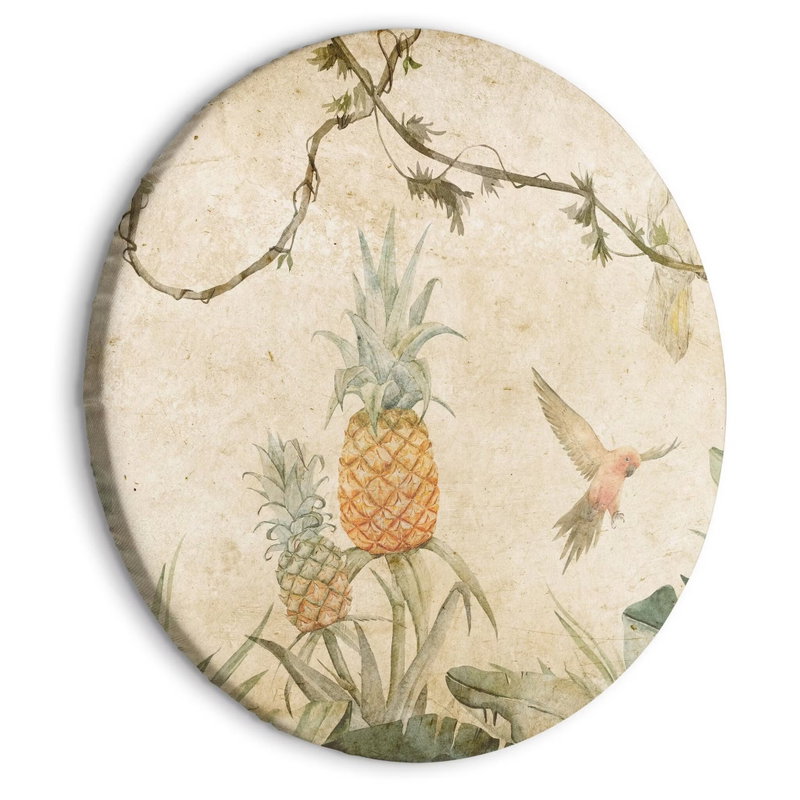
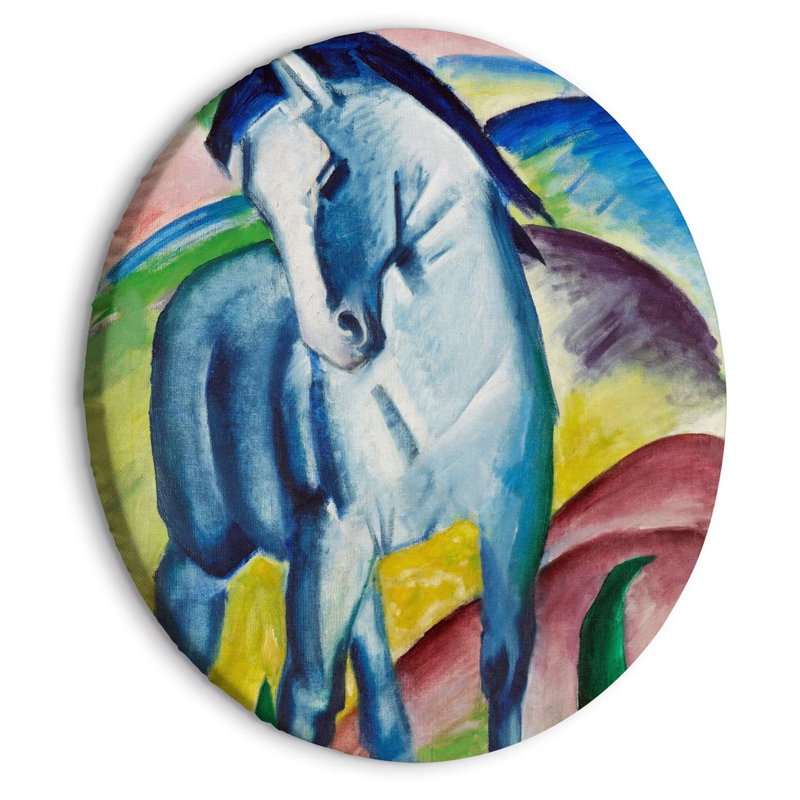
An animal can fill most of a round picture or form part of a composition with plants and patterns. The checked selection includes birds, roses and a blue decorative background in one arrangement. The bird alone does not determine its expression.
Look at how the animal actually appears. A clear portrait at a distance has a different effect from small birds in a detailed pattern. Choose the image that matches your intention, whether the animal’s presence or the whole decorative composition appeals.
Direction and crop within the round edge
The animal’s gaze, body and movement can give the image a clear direction. Notice their relationship with the circular edge and the space around them. Assess the round crop as shown in the product’s main image.
Where flowers or patterns appear too, their colours can connect with furniture and textiles. A shared blue shade or recurring flower colour can bring coherence without giving the whole room an animal theme. Let the actual image guide the colour choice.
Choose diameter by detail and wall area
A small animal detail in a dense composition needs assessment at the intended distance. From a seating area, the overall shape may be clearer than individual feathers or petals. Compare both the subject’s detail and the product’s actual size.
Check diameters for the selected picture; the checked round models offer 40, 60 and 80 centimetres. A paper circle helps test dimensions. With several round images, plan gaps too so that each animal picture has its own distinct position.
A sound-absorbing picture with an animal subject
The construction behind the print can help reduce reverberation. Animals, colours and patterns provide decorative content rather than a particular acoustic effect. Assess the area needed against room size and other materials.
Follow hanging and care guidance and choose fixings for the wall. Match the image’s character to the setting while using the product according to its documented properties. Both subject and placement can then be considered together.
Read the relationship between animal and decoration
In an image with both birds and flowers, attention may move between several elements. Start by viewing the picture as a whole, then examine each clearer detail. This reveals whether it is mainly the animal you want on the wall or whether the combination of colours and shapes matters more.
A decorative animal subject does not have to represent a natural setting in a documentary way. It may be based on stylisation, repetition or an artistic combination of elements. Choose by the composition shown and use the product’s subject description for support if a particular species is decisive.
Plan a group through gaze and movement
When several animal pictures hang together, the direction in each image can affect the group’s balance. Try whether a figure facing sideways should meet the next picture or lead the eye towards clear wall. There is no single position that is always right; compare options from the places where the group will be seen.
Also account for circles of equal size feeling different through their light and dark areas. A dense blue background may have a different visual weight from a light, open image. Move the paper templates until the group works with both the wall’s shape and the subjects you have chosen.
Combine the animal image with other subjects
An animal subject can sit alongside a landscape or botanical image when there is a considered connection. This might be a colour tone, similar use of lines or the same degree of simplification. The images do not all need to show the same animal or setting to feel connected.
Compare their styles before deciding on the group, however. A lifelike image and a decorative pattern may create a distinct contrast rather than a quiet transition. Choose the relationship deliberately and let each circle retain its clear outline, even when different subjects share the wall.