



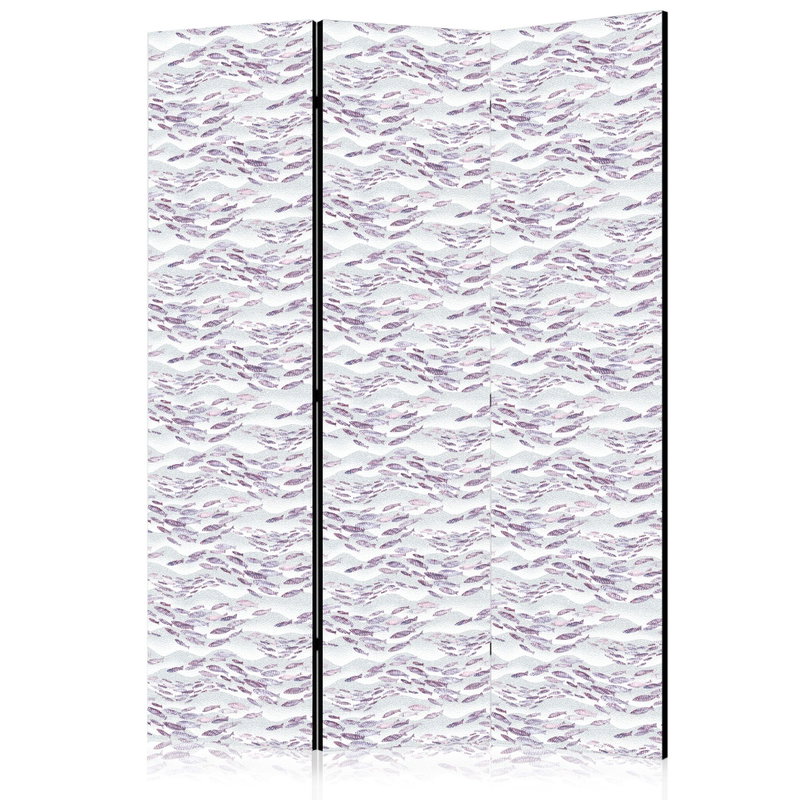
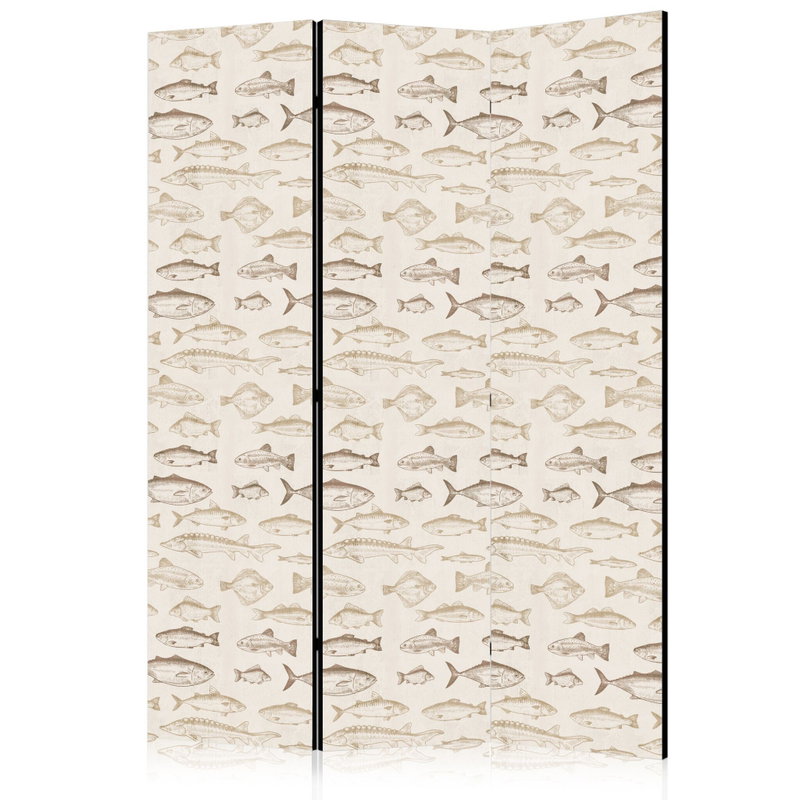
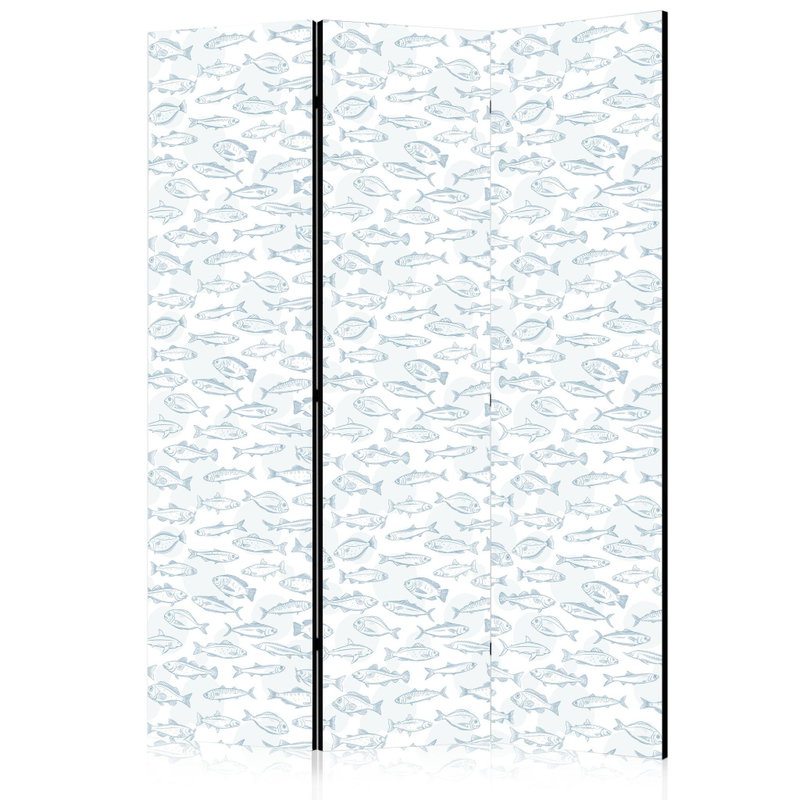
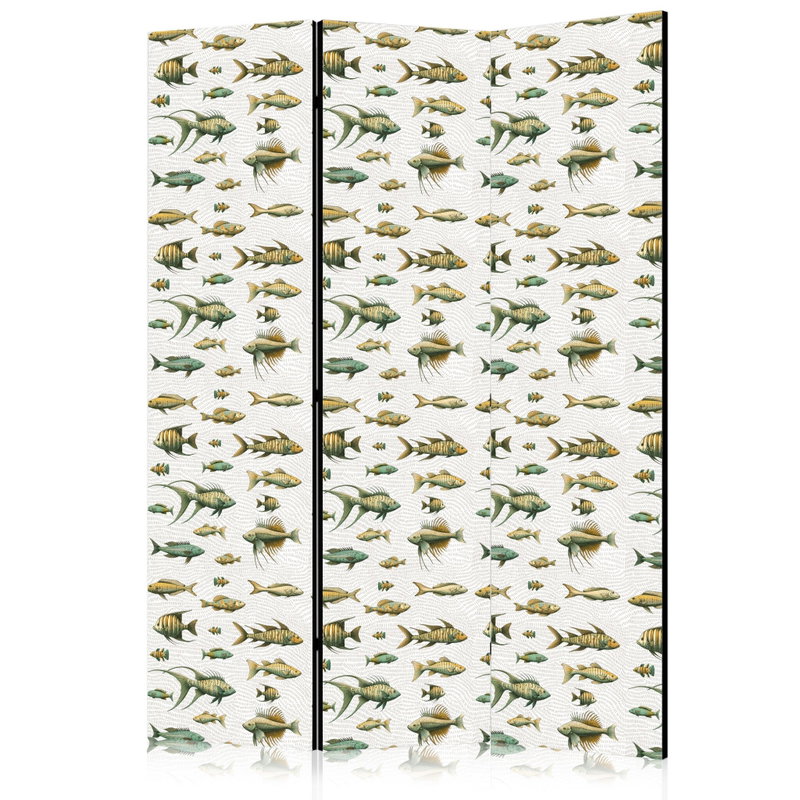
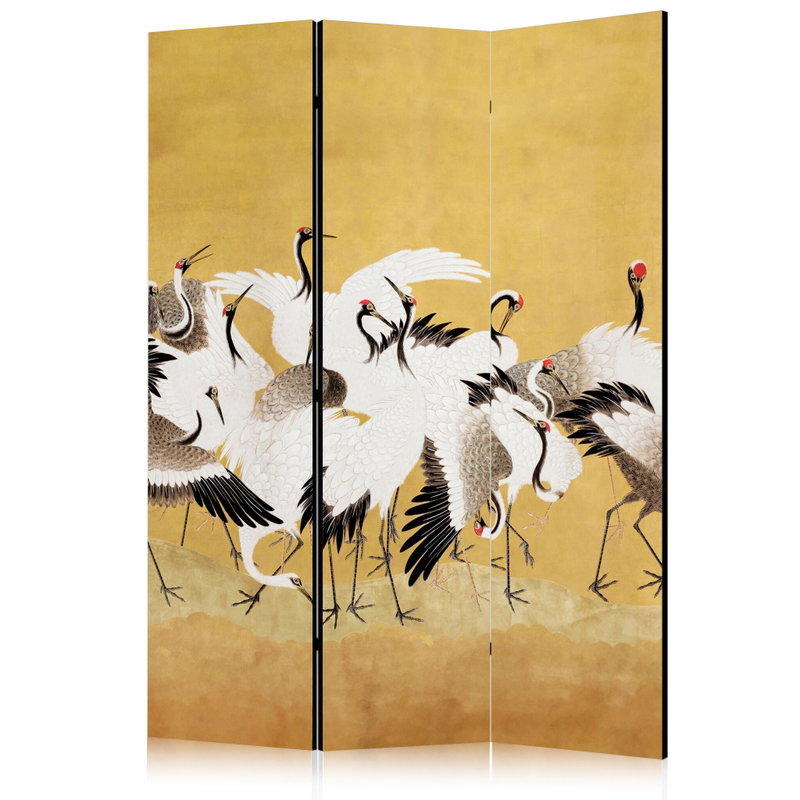
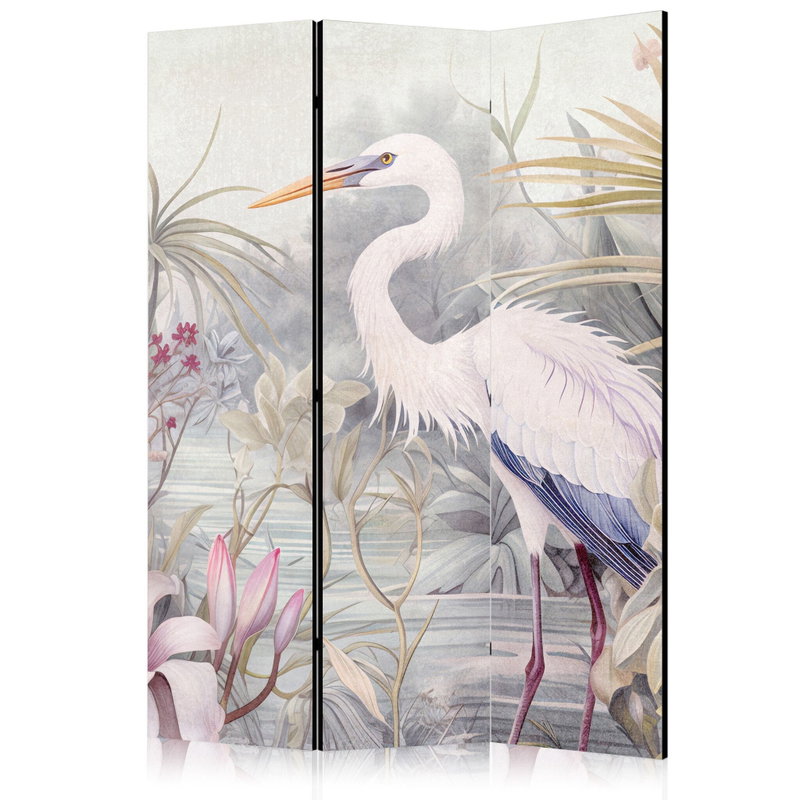
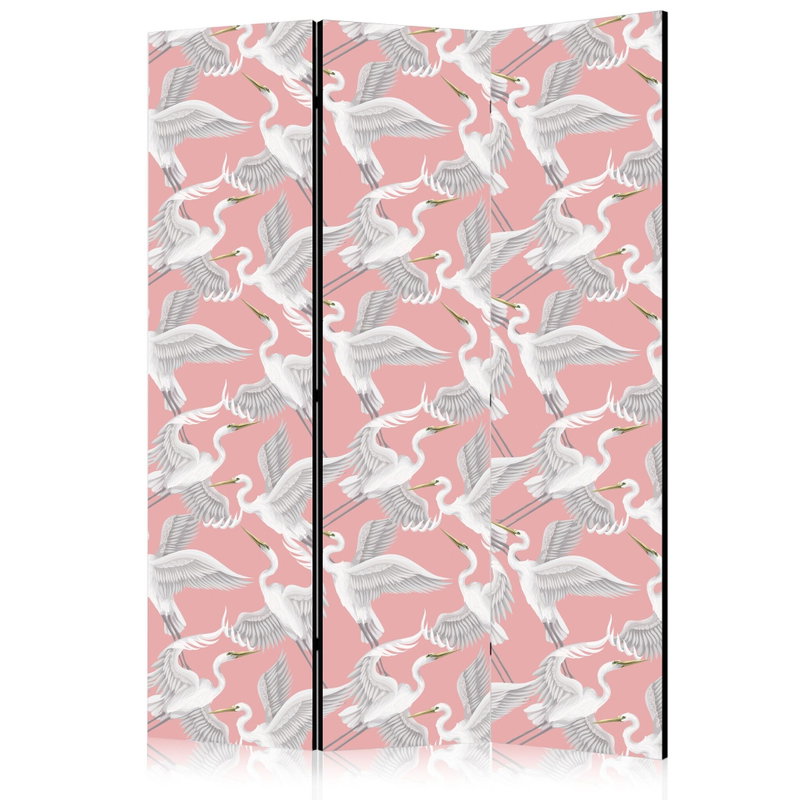
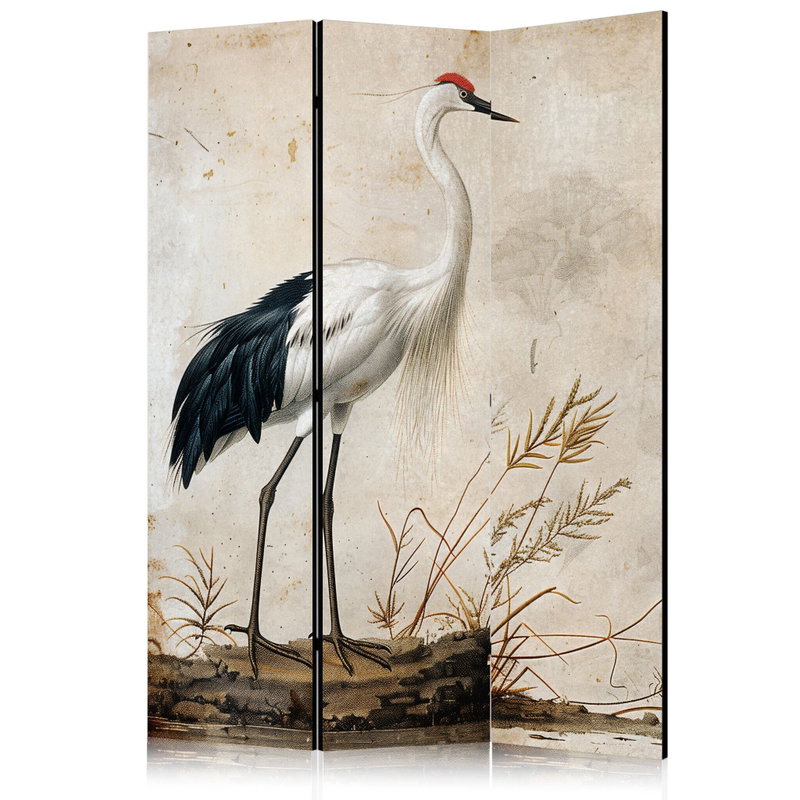
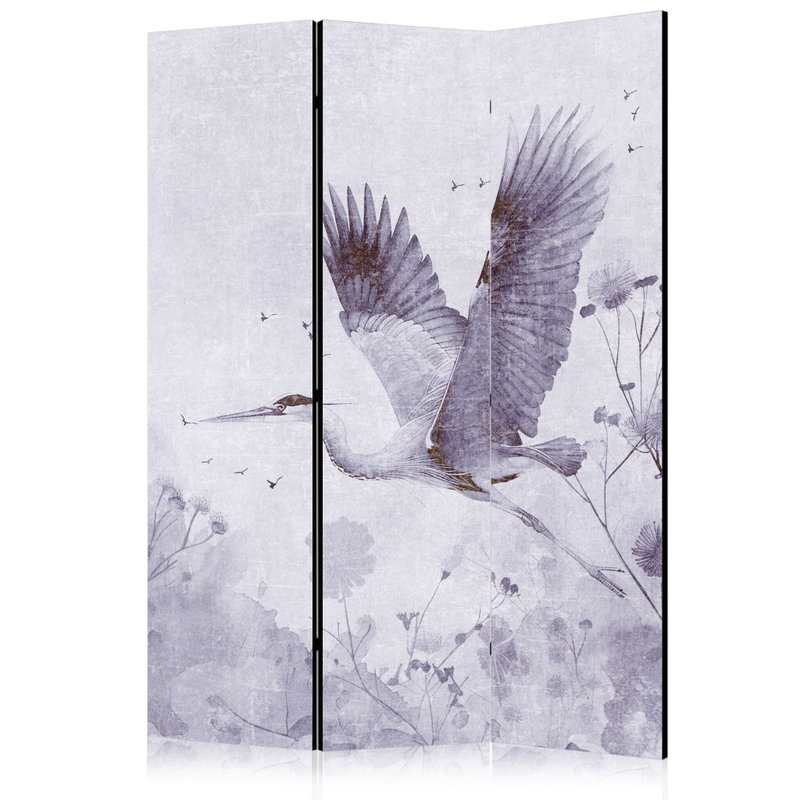
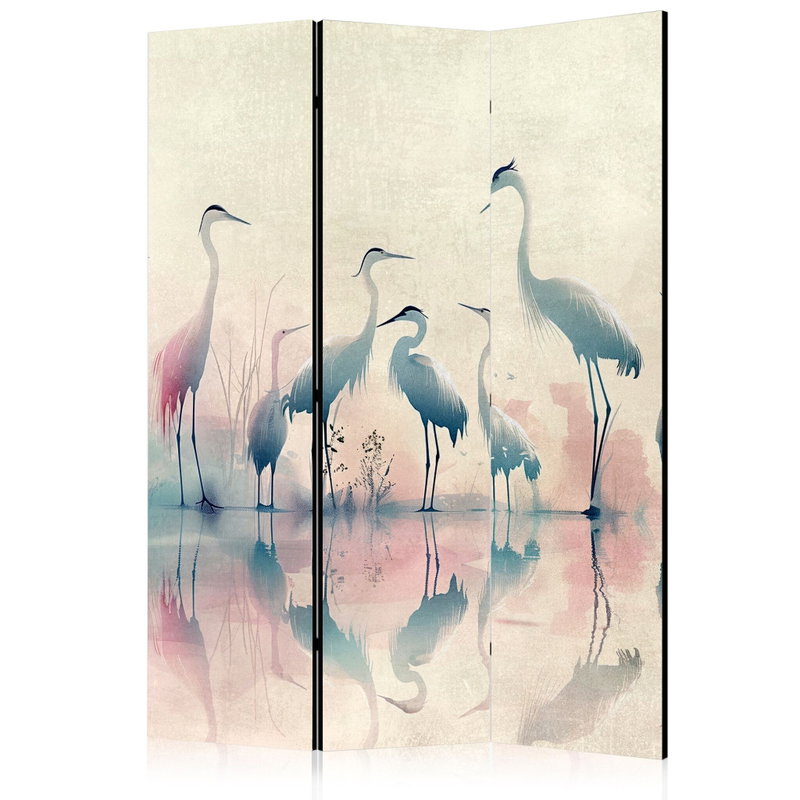
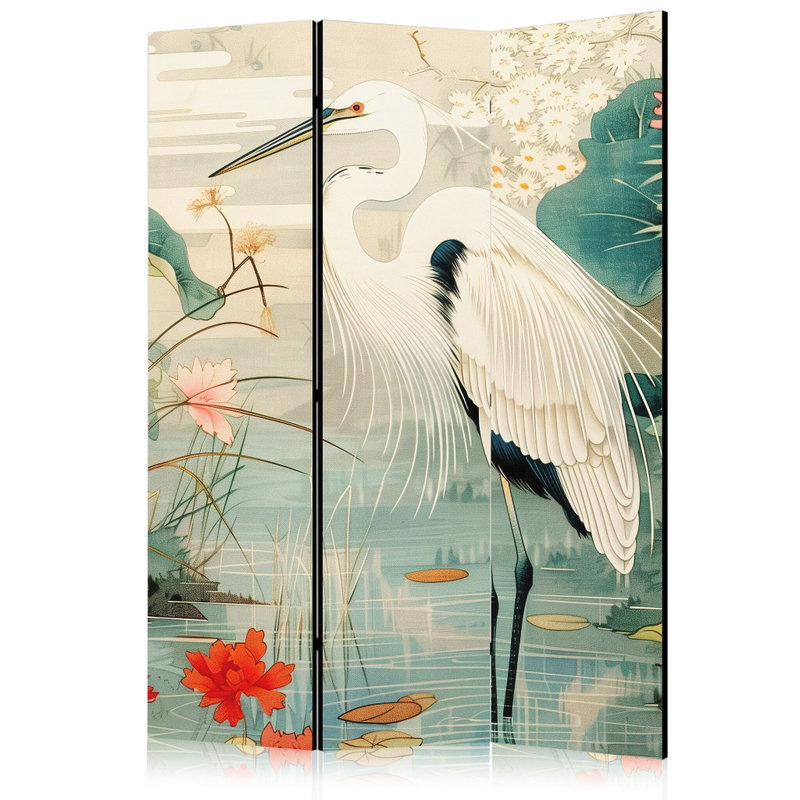
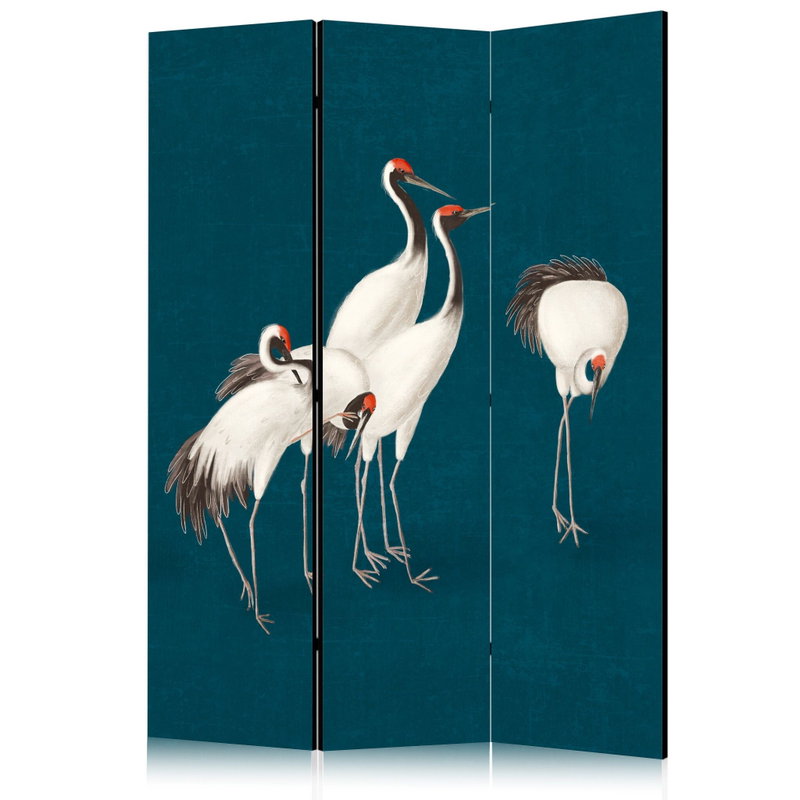

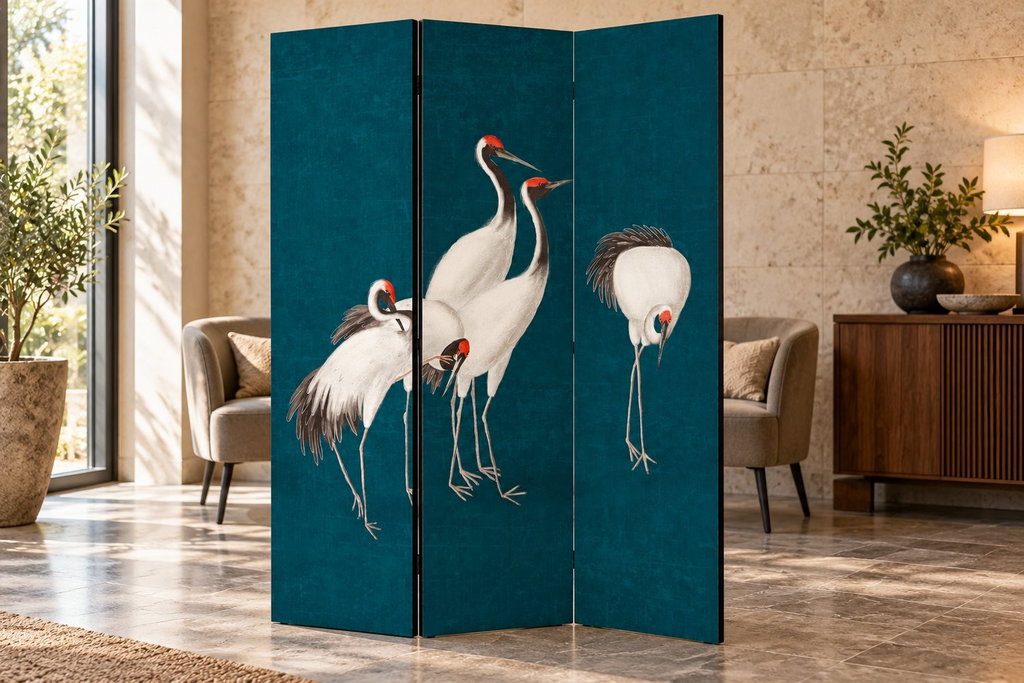
Animals and marine motifs across three panels
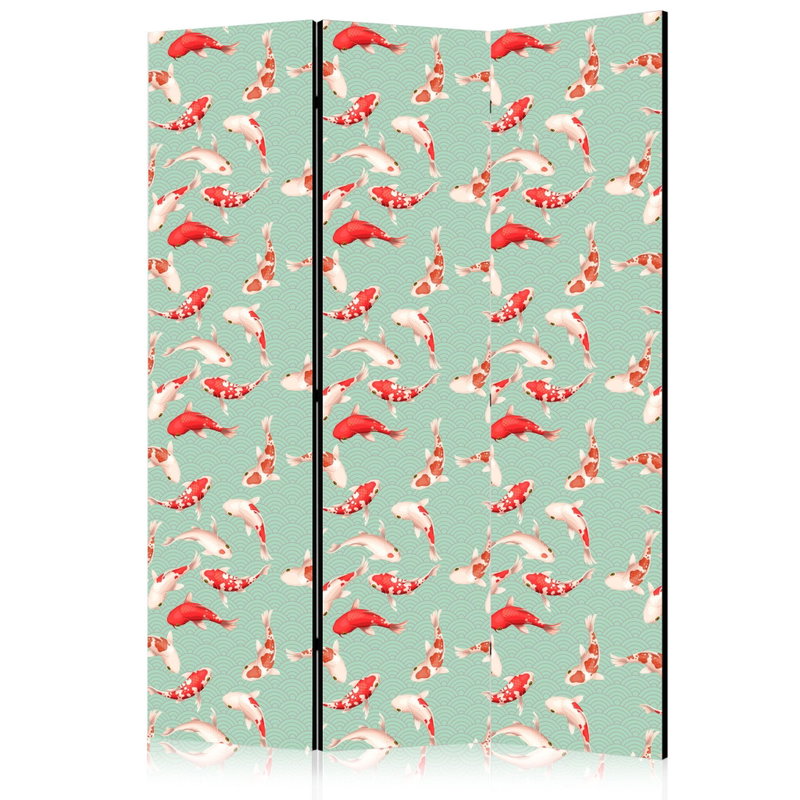
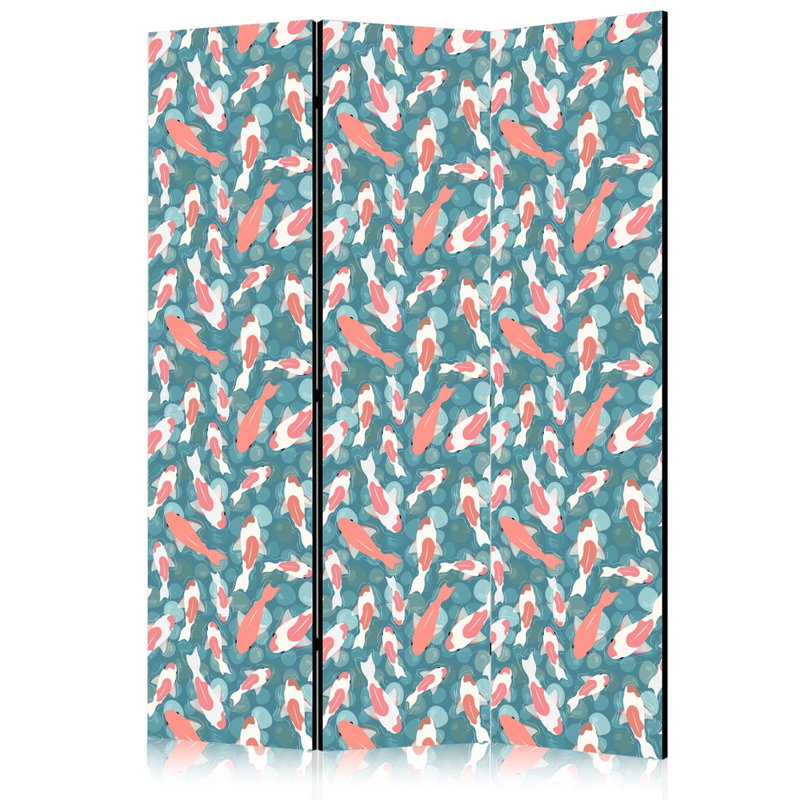
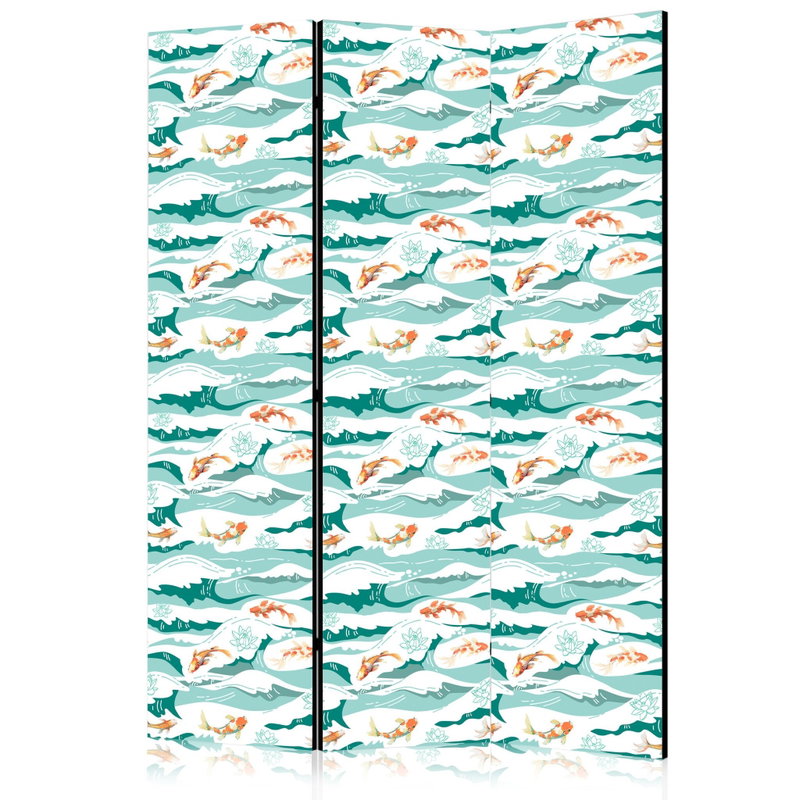
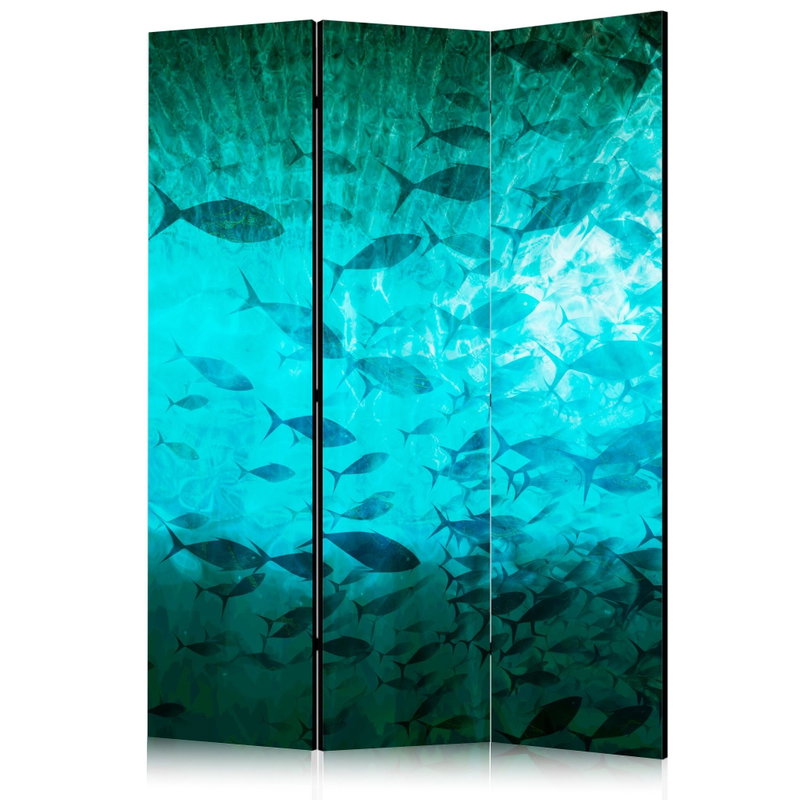
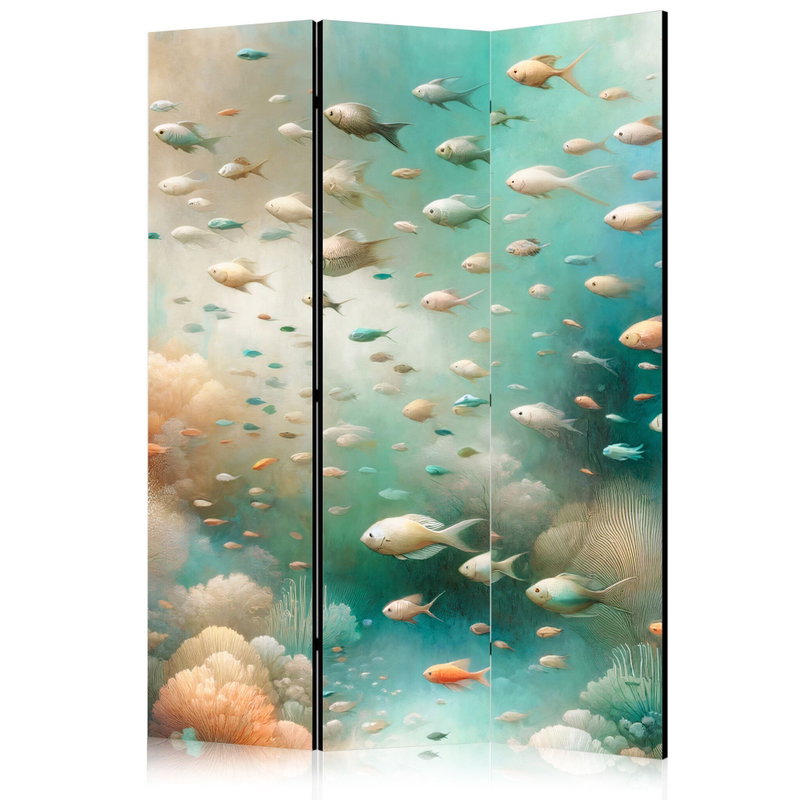
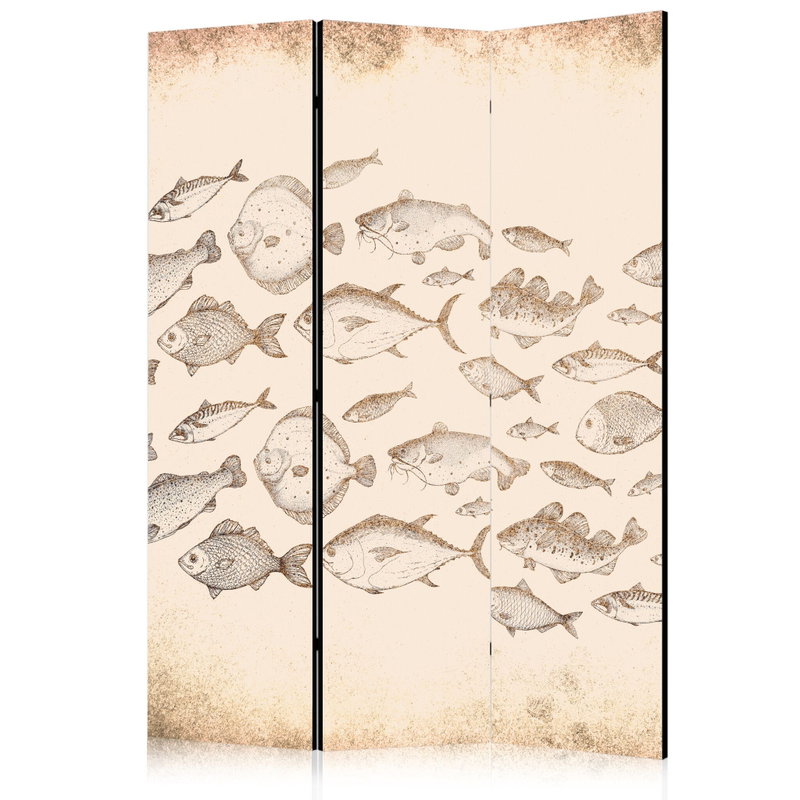
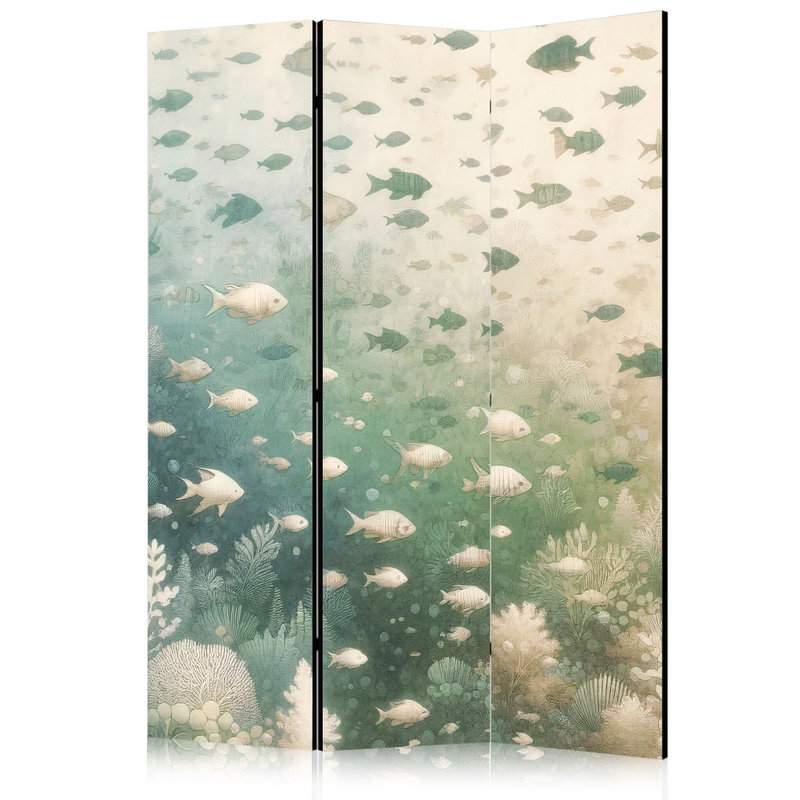
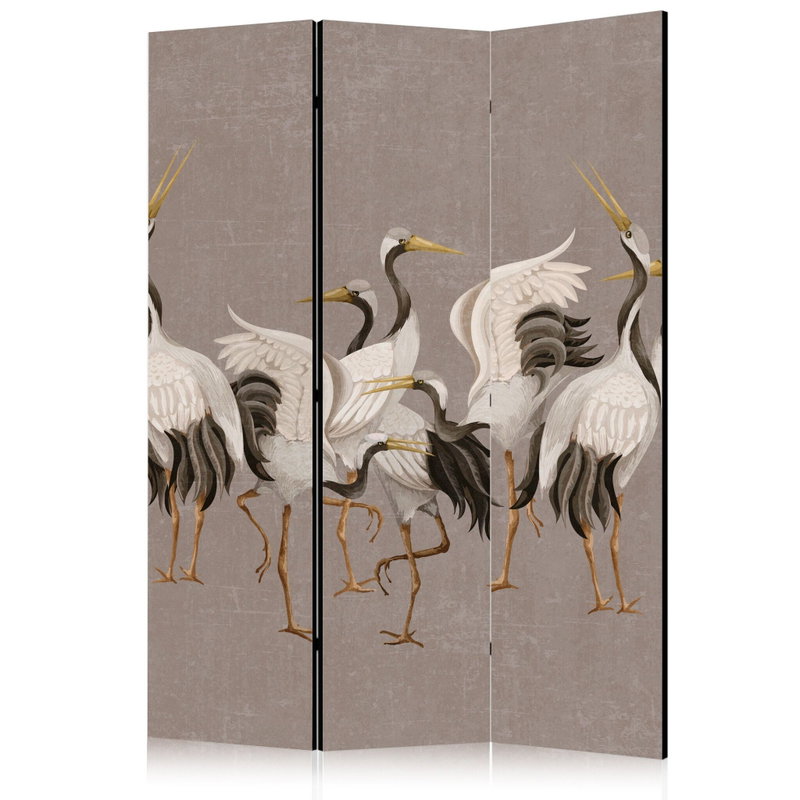
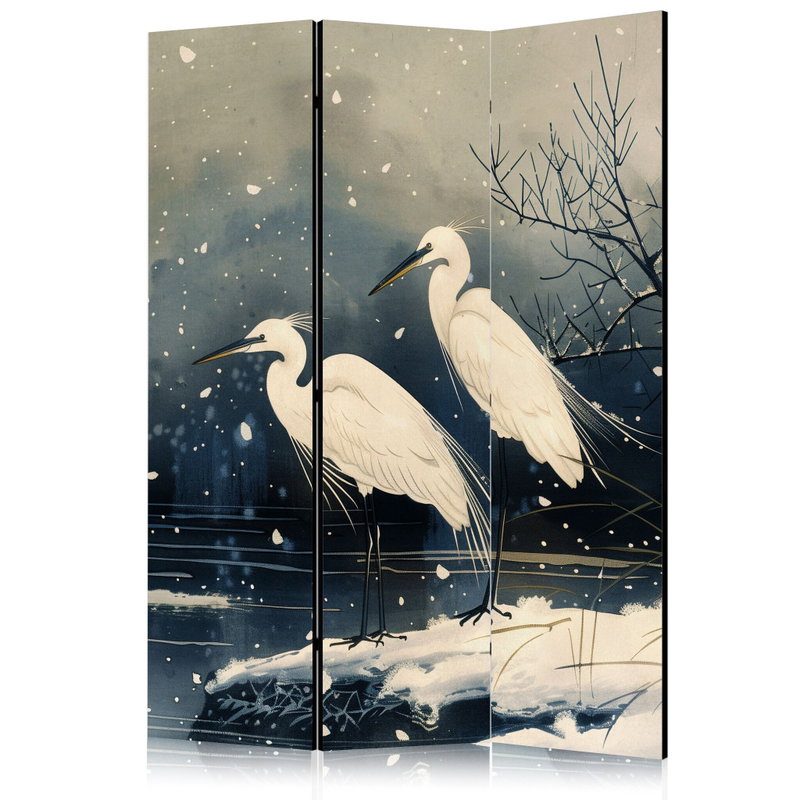
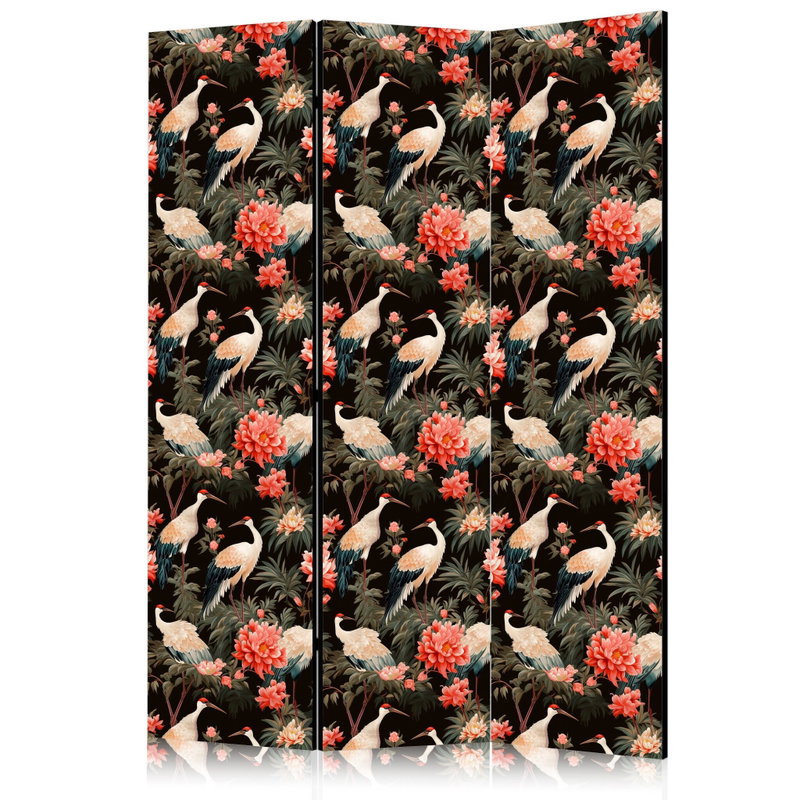
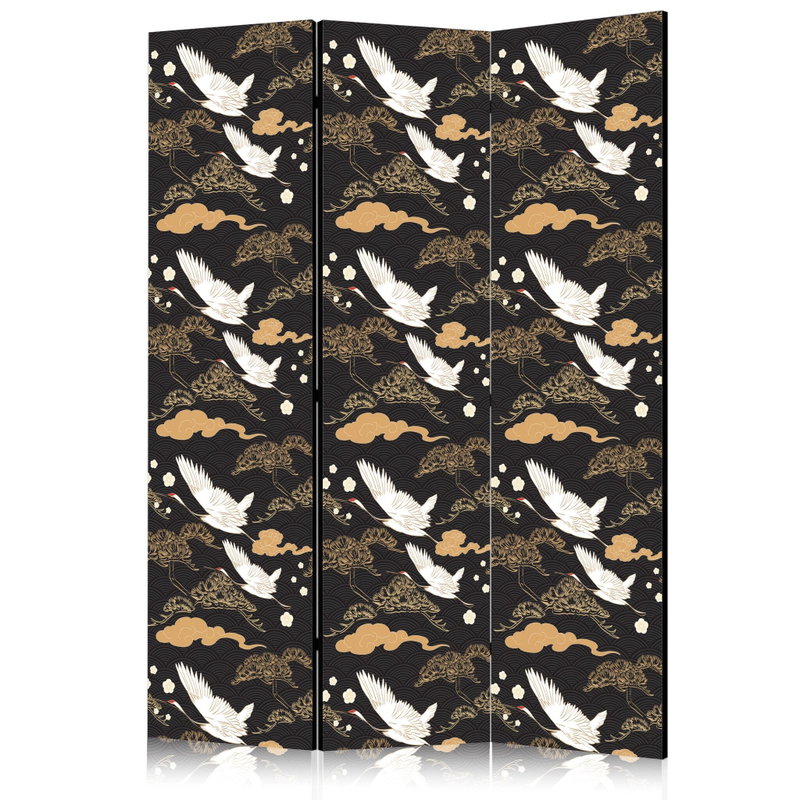
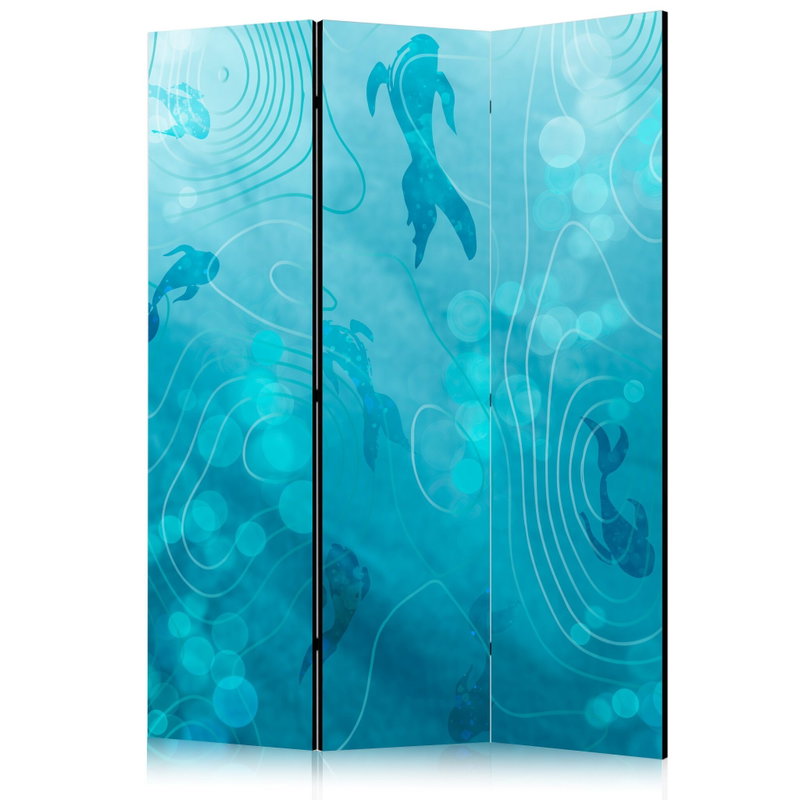
This group brings together three-panel screens with clearly prominent animals or marine imagery. The visually checked selection includes koi forming a repeated pattern on green. The fishes’ directions create movement across the complete screen.
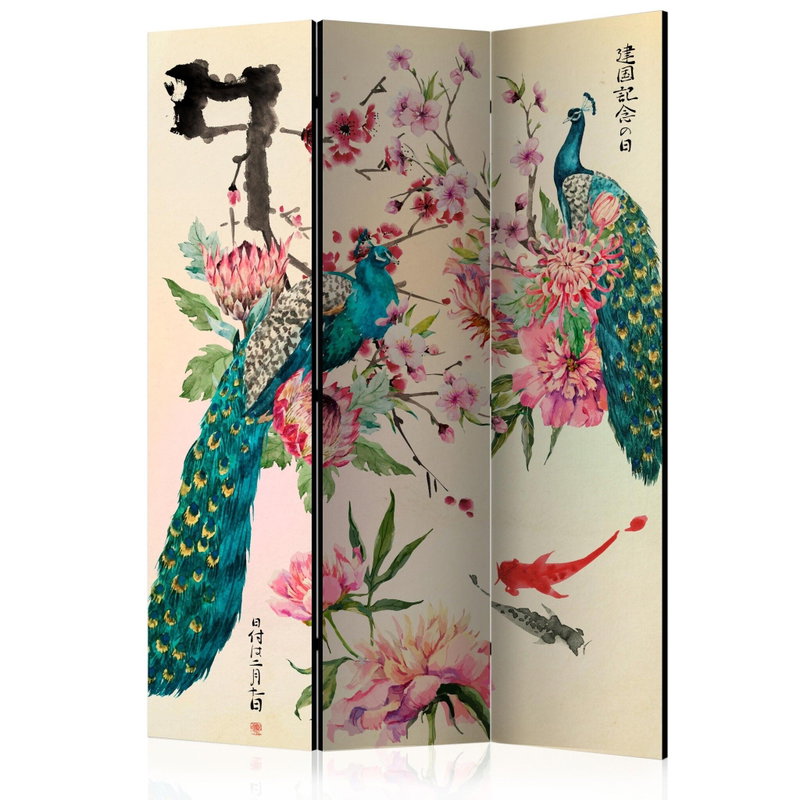
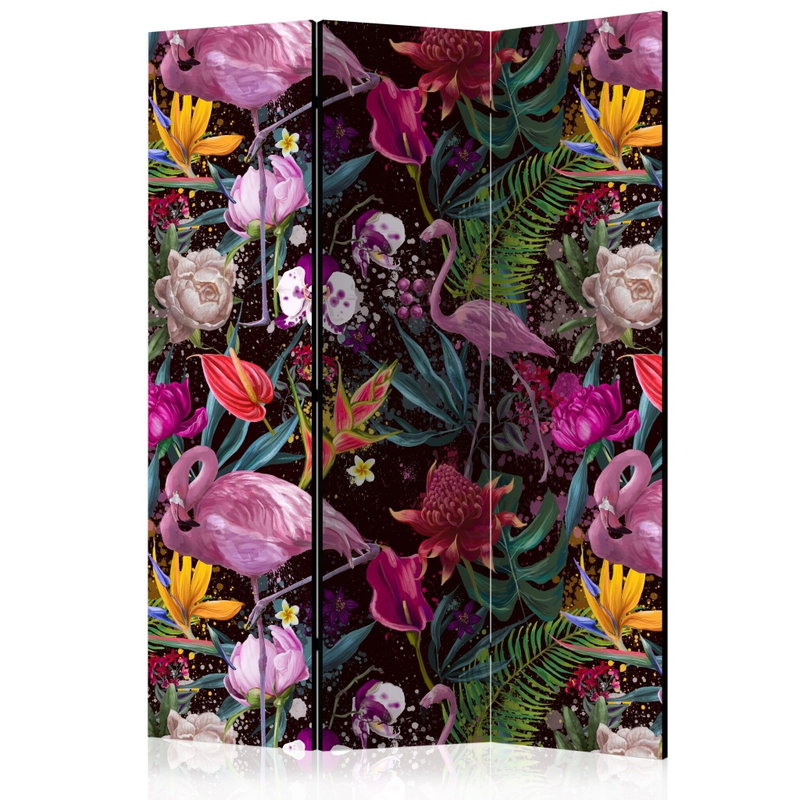
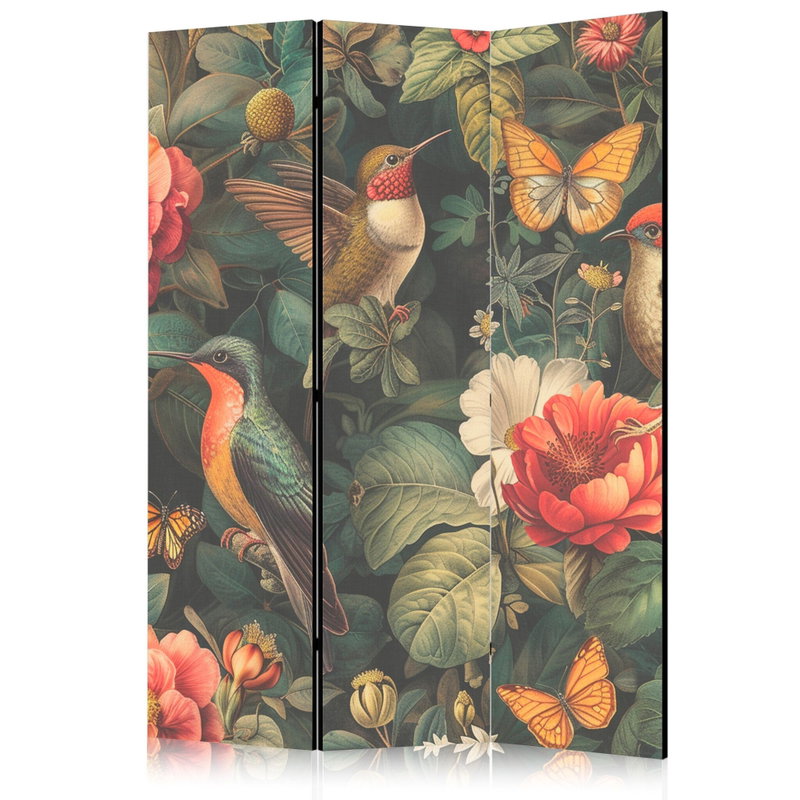
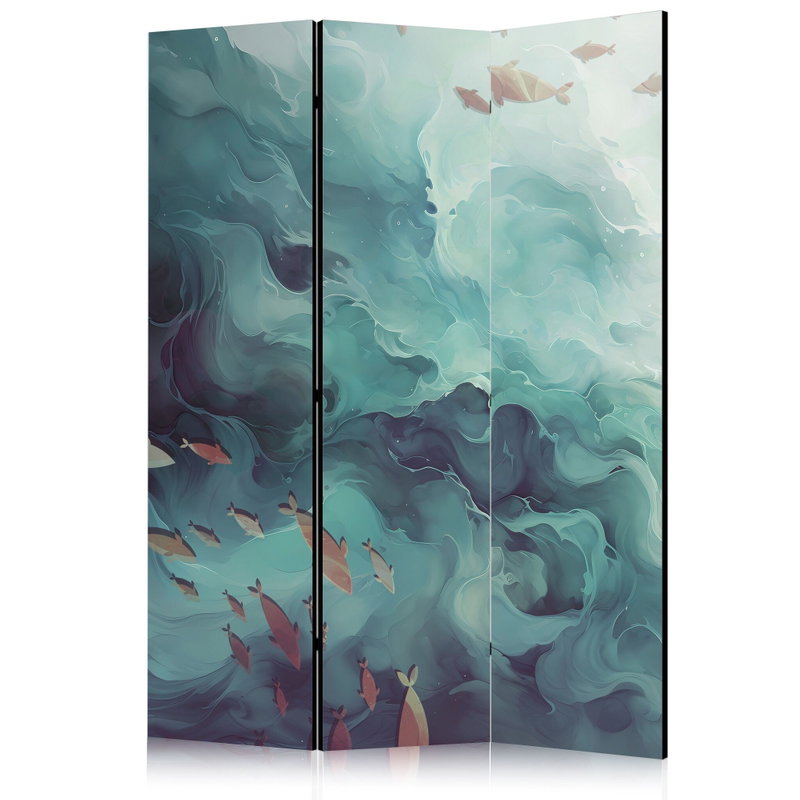
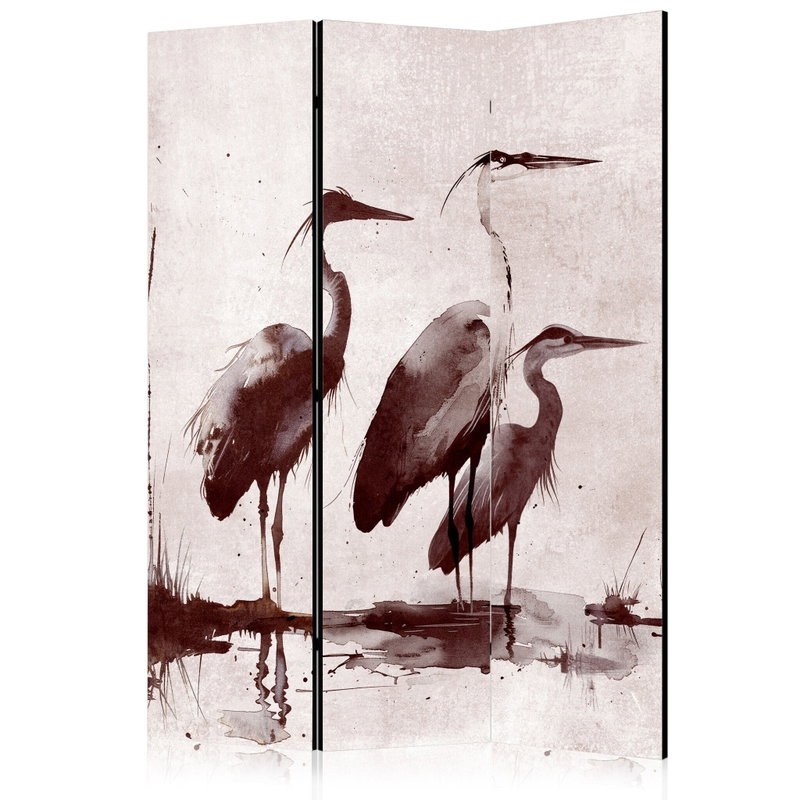
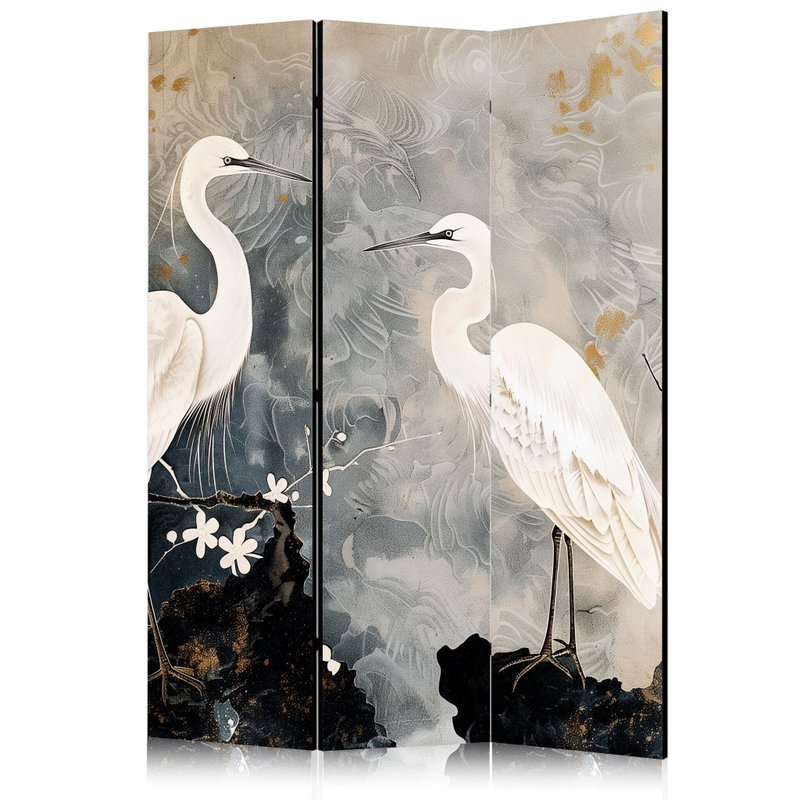
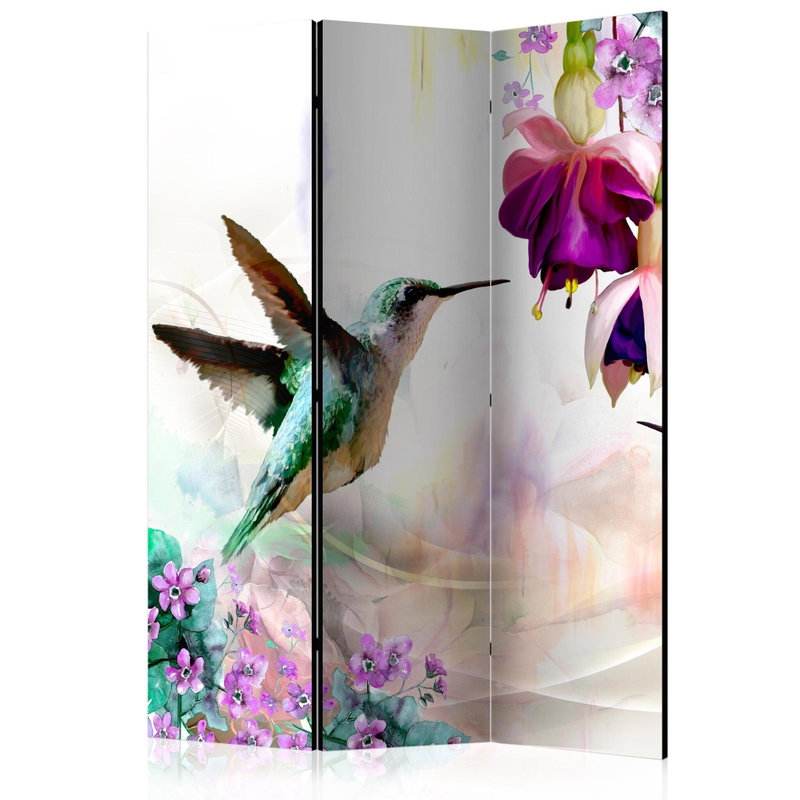
Choose between a distinct animal figure and a pattern where several animals create rhythm together. Look at important details in relation to the three panel transitions. The main image’s content and distribution need to suit your furnishing idea.
A room divider seen from several directions
Double-sided printing makes the motif part of both areas the screen separates. Consider the animal colours and background alongside the furnishings on each side. A green pattern may carry different weight beside a bright workspace and a darker seating group.
Three hinged parts allow an angled arrangement, changing how the complete motif is perceived. Test placement along the usual sightlines so important animal forms are not mainly seen in sharp folds or behind furniture.
Dimensions and stable floor placement
The checked three-panel products are specified as 135 × 172 centimetres, with three parts each measuring 45 × 172 centimetres. Practical width depends on their angles. Measure both the intended division and the space required by the arrangement.
Check the model’s feet and positioning instructions. Leave access clear and choose a level surface where the screen can stand stably as directed. A water or animal image does not change its intended use as a freestanding indoor screen.
Visual division with absorbent construction
The screen can divide a work or seating area visually and add sound-absorbing material. It does not form a sealed sound-insulating wall. Its contribution depends on positioning, absorbent area and the room’s other conditions.
Follow handling and care advice for the print and construction. Choose the animal motif for its character and assess how the divider works in daily use. This gives both the image and practical room division a considered place.
Match the pattern’s scale to both settings
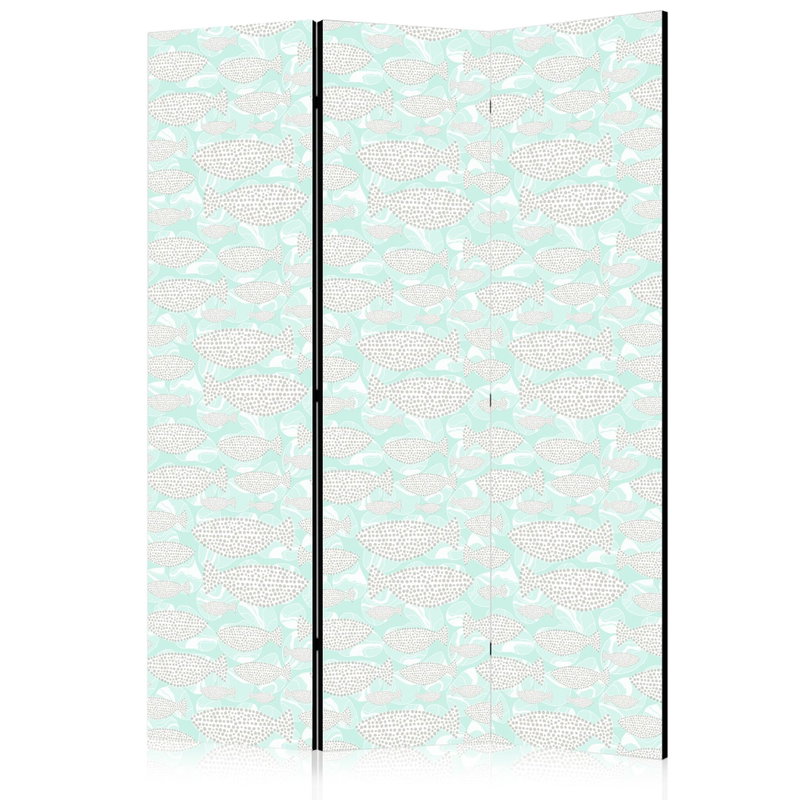
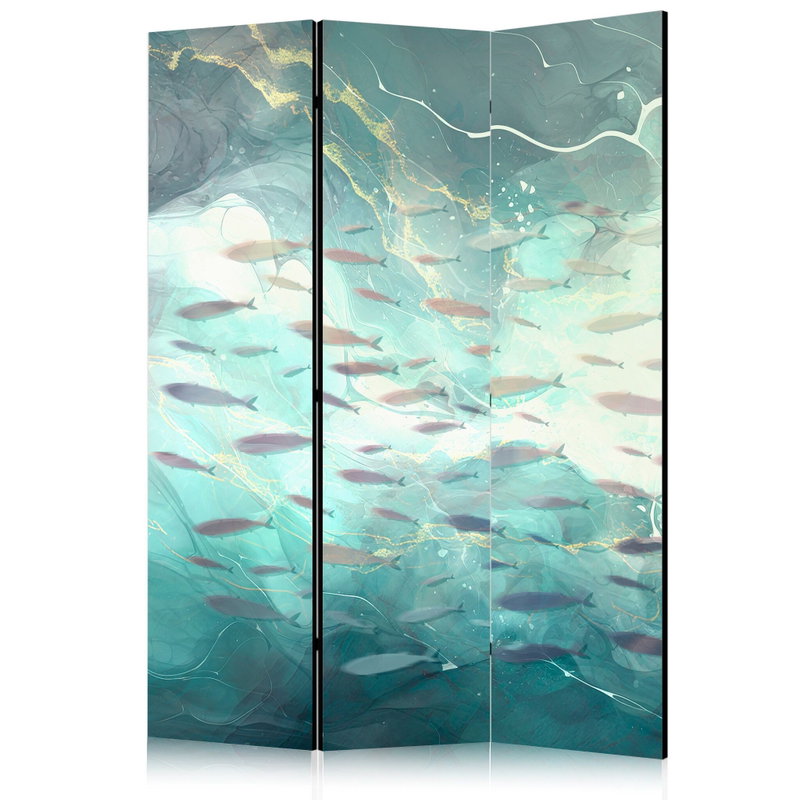
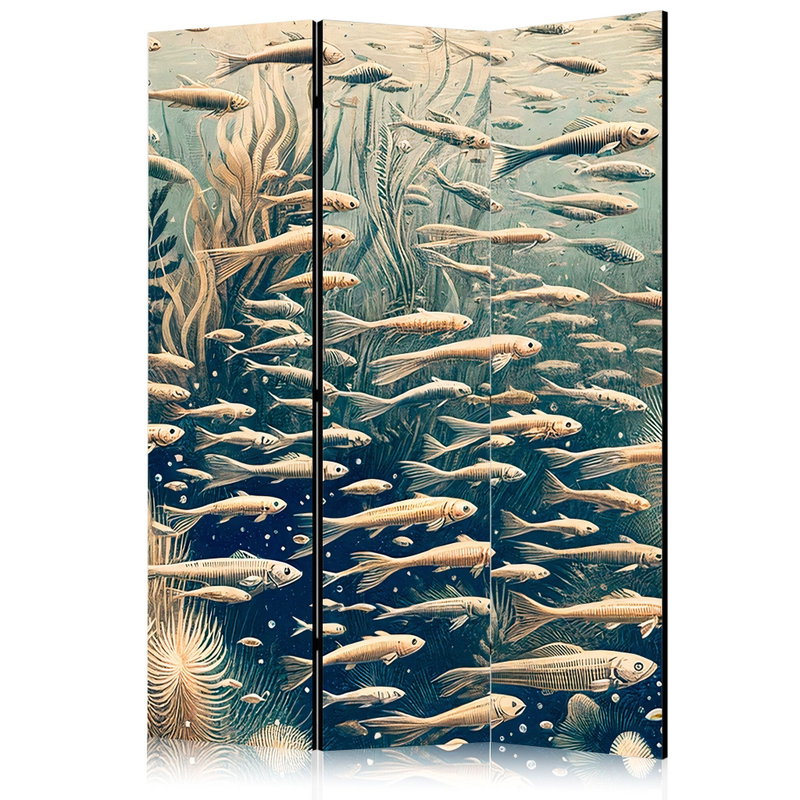
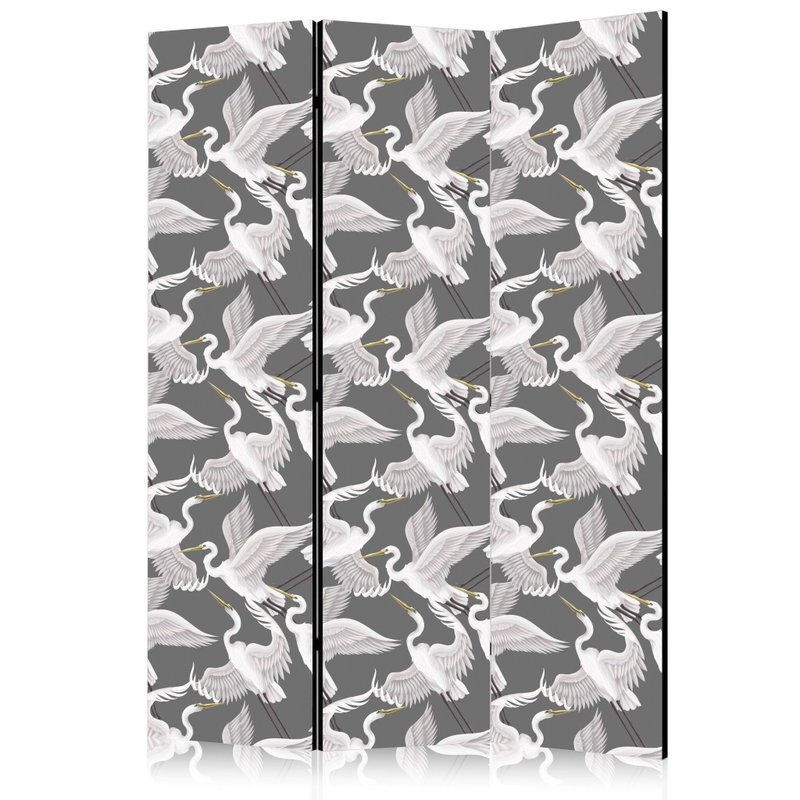
When an animal subject repeats across panels, the whole may read more clearly than each individual figure. Decide whether colour and rhythm should register first or whether fish and other details should invite a closer look. A screen between two seats may have a different viewing distance from one alongside a larger open area.
Try the chosen image from both areas being divided. Its background colour can connect them without providing the same contrast on each side. The double-sided image belongs to the room even for someone not using the space closest to the screen.
Plan how the divider is used through the day
A screen may need to work alongside chairs being pulled out, cupboards opening and people passing. Measure usable floor space in these situations, not just when furniture is still. Include the arrangement’s angles and feet in the plan and follow the positioning guidance.
If the screen will move between positions, check the later position too. Notice which sightlines change and whether the animal image’s main elements remain clear. Handle and move the product as the model’s instructions direct, without assuming all versions work alike.
Choose what the division should show and conceal
A visual division can give a workspace or seating group a clearer setting. Consider which areas should be screened and what needs to remain visible for the space to work. A screen can affect the overview without covering the room’s full height.
Assess both the image and practical visibility when trying the arrangement. The animals’ movement and colours are an interior choice, while the divider’s position needs to work with the room’s use. This helps give the image a clear role without reducing everyday access.