




Sports equipment and gaming worlds as decorative subjects
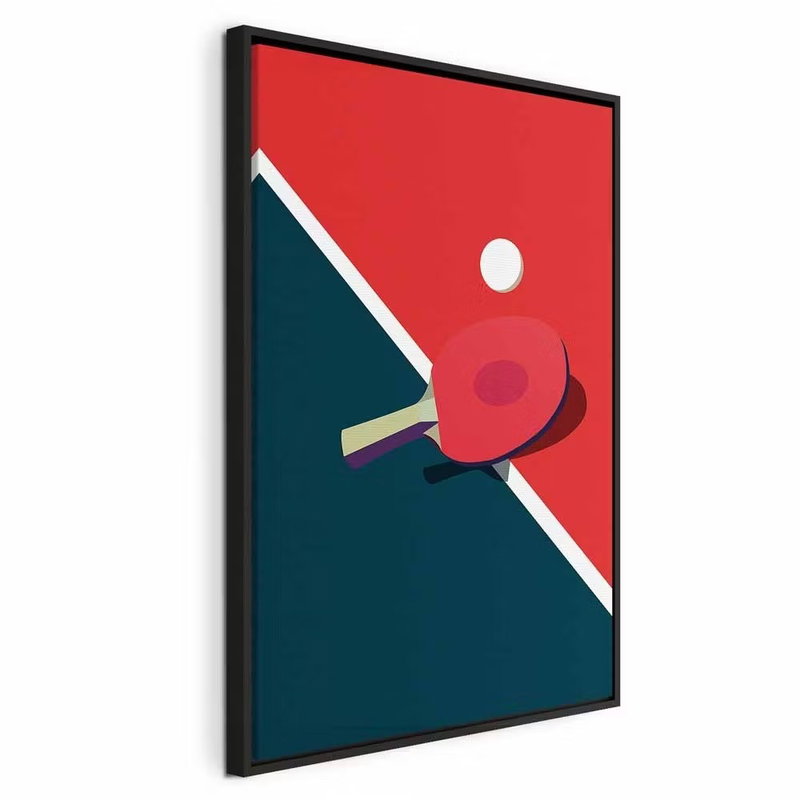
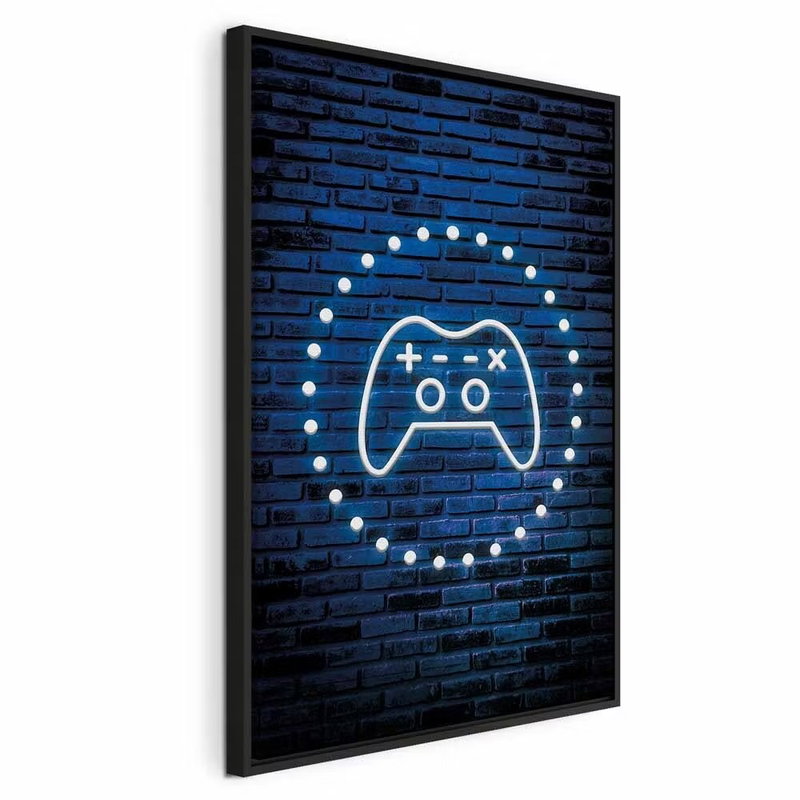
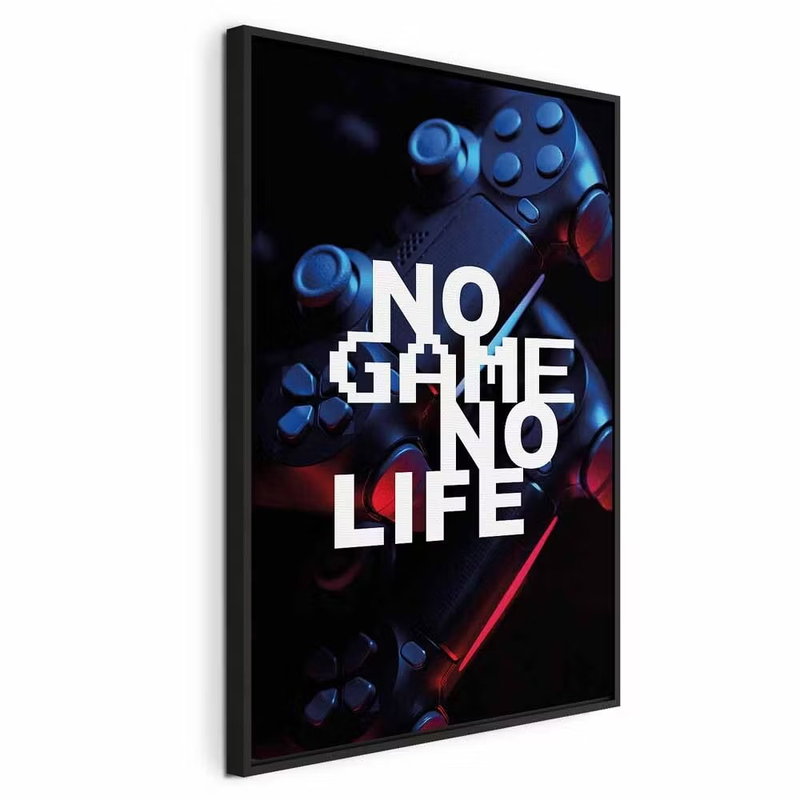
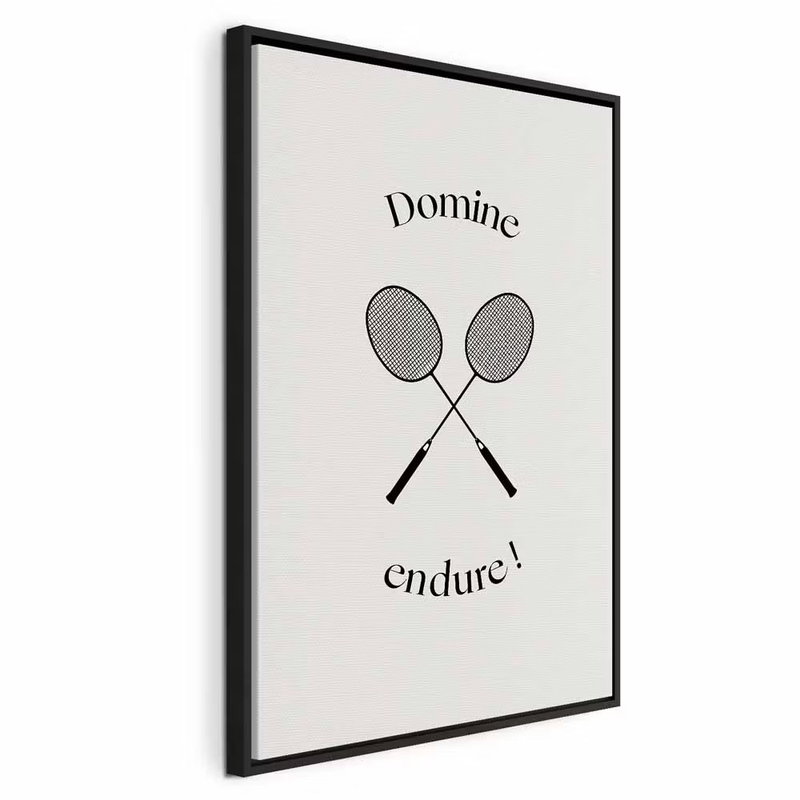
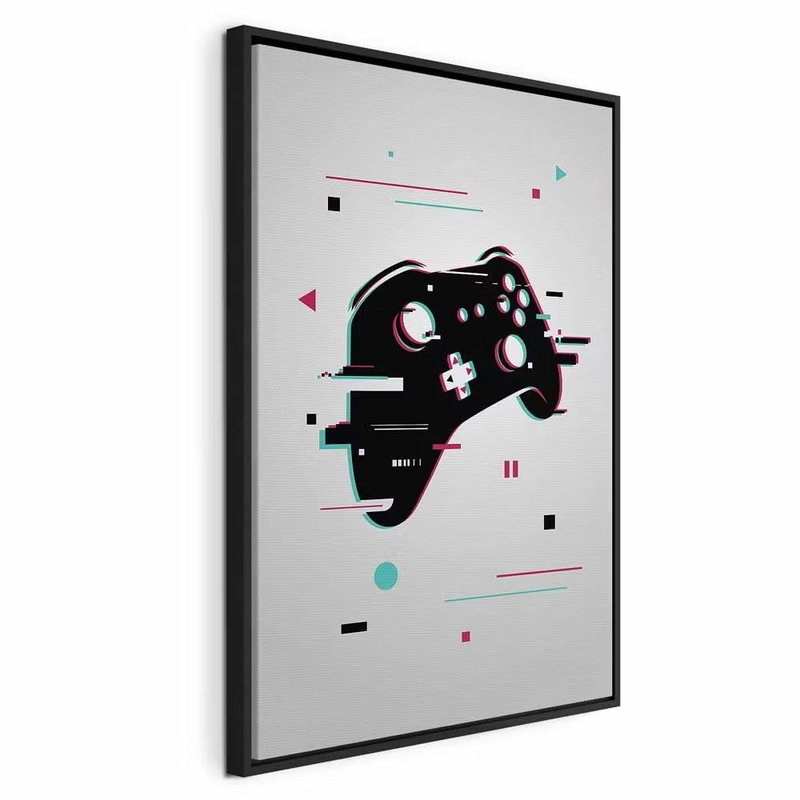
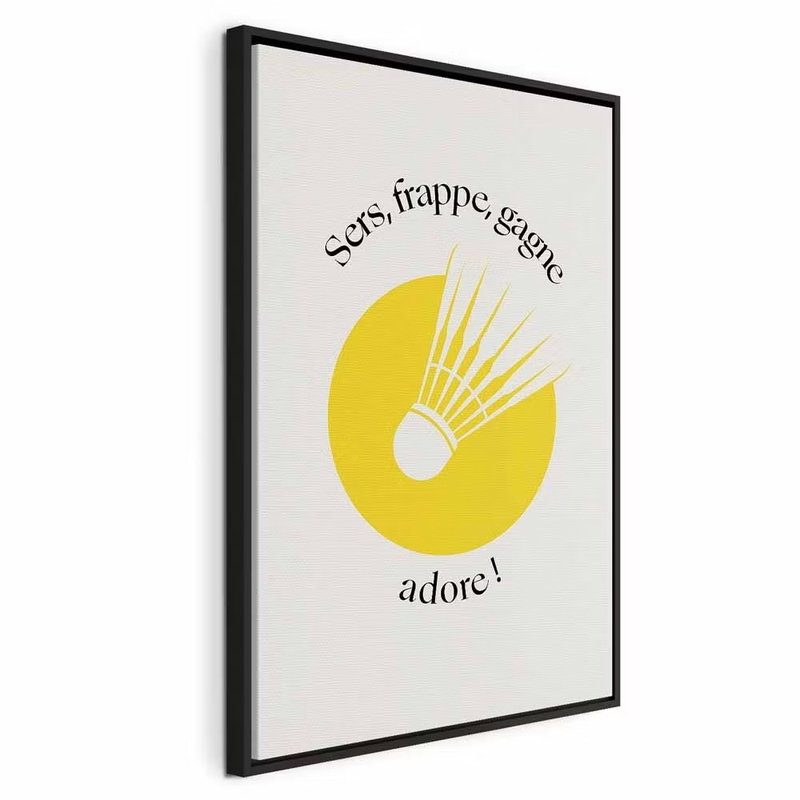
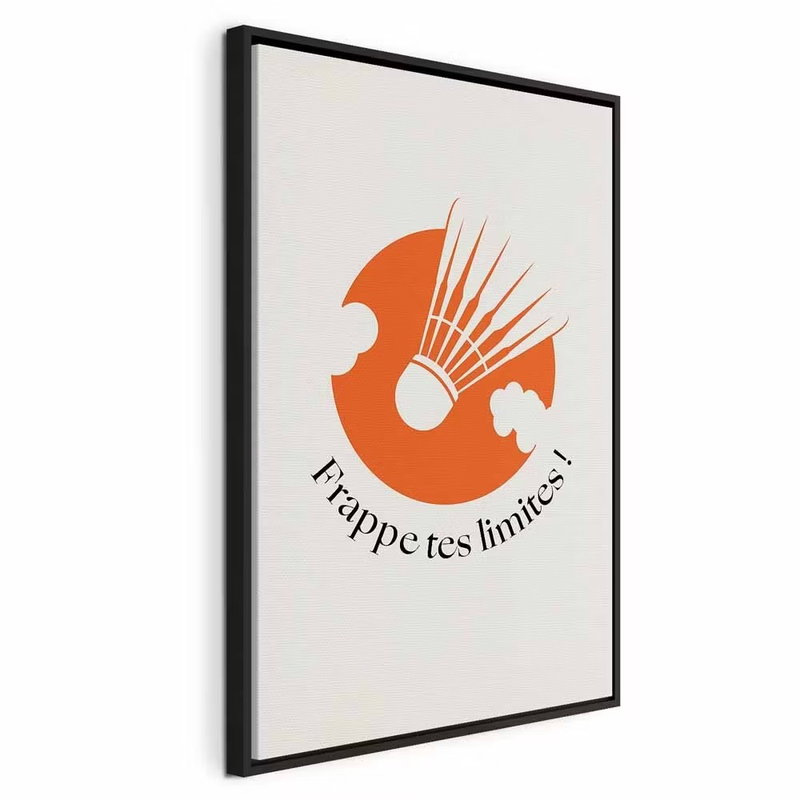
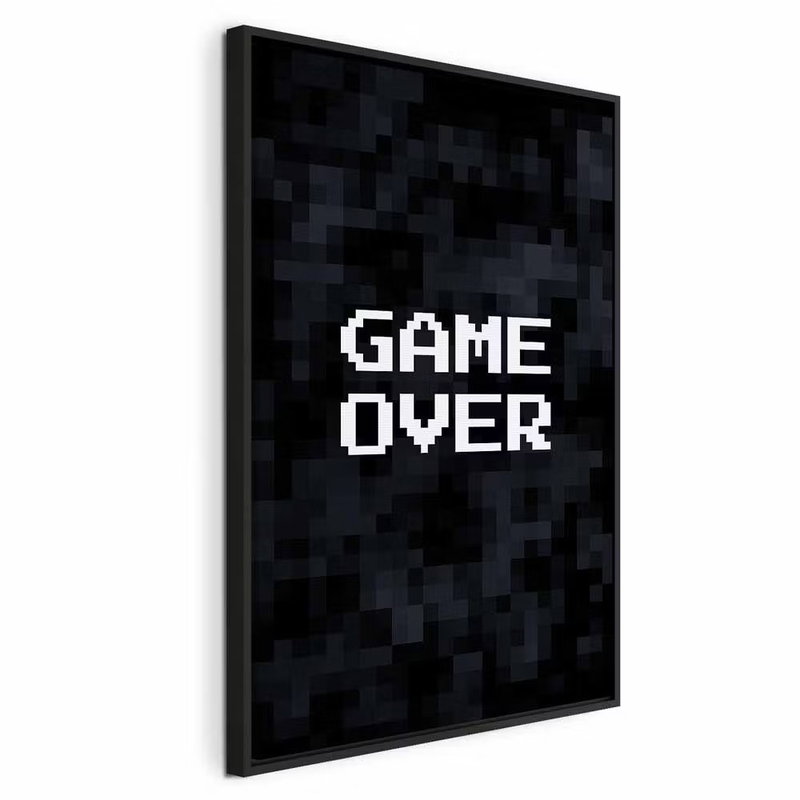
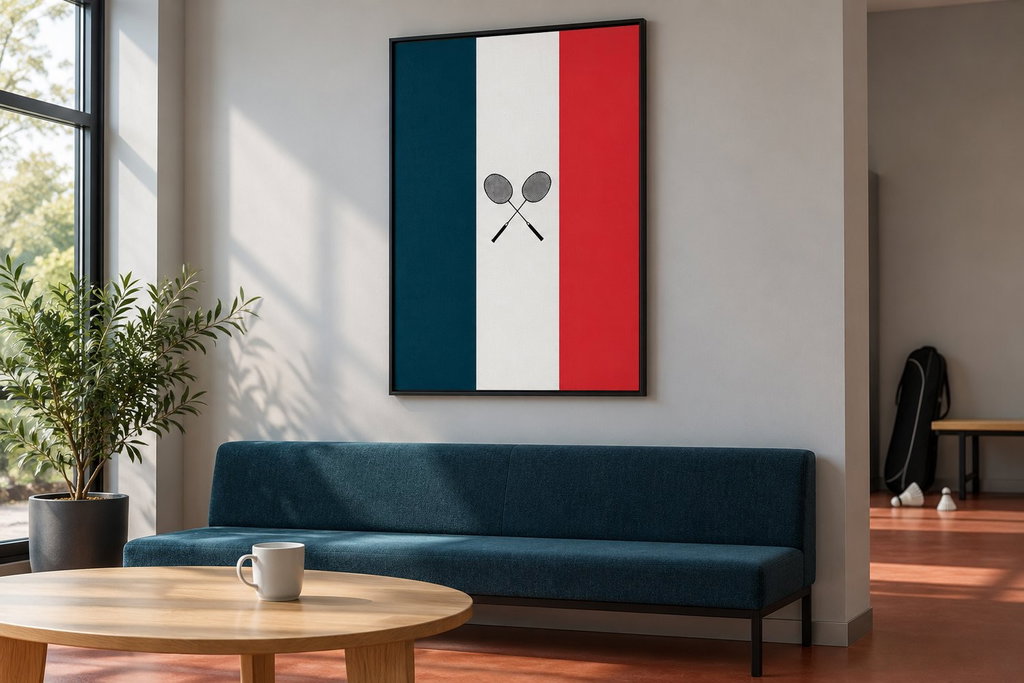
Sport and gaming images can make a personal interest part of the interior. The checked pictures include a table tennis bat with a ball and a game controller in a darker graphic setting. Their style ranges from simple shapes to more detailed scenes.
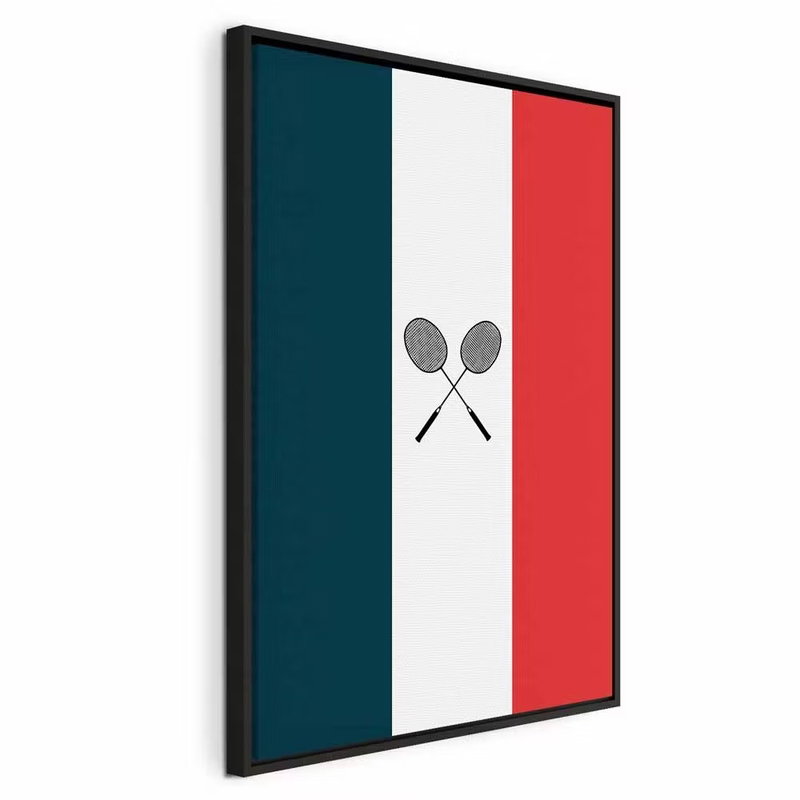
Choose what should carry the connection: the equipment, a movement or the feel of a gaming environment. A clear object against large colour fields can stand out at a distance, while smaller details may interest the viewer closer to a desk or seat.
Colour and lighting effects belong to the image
A sports subject in red and dark blue-green has different visual weight from a light controller on a dark background. Neon-like colours and printed lighting effects may be part of the composition. Assess them against screens, furniture and textiles in the actual room.
The frame can give the image a defined boundary. Compare the model’s available options and the amount of clear background around the main subject. A shared frame can connect sport and gaming images with other wall art without every subject sharing the same interest.
Size and position around a gaming or seating area
Check format and dimensions before choosing a position above a desk, storage unit or sofa. Important details should not become too small at the usual viewing distance. A vertical equipment image may need a different wall area from a wide scene with several elements.
Plan hanging with access and wall material in mind. Follow the product’s stated normal indoor use and mounting instructions. The sports connection guides the decorative choice, while the position needs to work for the picture itself.
Absorption in rooms for conversation and activity
The absorbing construction behind the print can help reduce reverberation. The area needed depends on room size, hard materials and other furnishings. Assess the picture’s place within the whole setting when acoustics also inform the purchase.
A sport or gaming image does not change the product’s documented acoustic properties or replace sound insulation towards other rooms. Read the construction, variant and care information. The subject can then have a personal role while the picture is used appropriately.
A personal subject without a fully themed room
One picture can express a sport or gaming interest. Furniture and other decoration need not repeat the subject. Let a smaller colour recur elsewhere to connect the image with the room while its object or scene keeps its personal significance. In a shared space, consider how the expression works for other users too.
Notice the main object’s position. Equipment near the centre balances differently from a diagonal crop leading the eye sideways. Graphic movement can be clear without a person in action. Compare lines, background and contrasts across the whole main image before deciding which part should gain most attention on the wall.
Give printed lighting effects clear surroundings
A bright outline or colourful area may be the focal point. It belongs to the print and does not indicate built-in lighting. Assess the visual light beside a screen, lamp or window. If several objects compete for attention, more clear wall around the picture can make its subject easier to read.
In a group, a shared frame or background tone can connect different interests. Every picture need not show the same sport or type of game. Let actual proportions and detail determine each role. Check the formats offered rather than assuming all subjects can be ordered with identical dimensions.
Plan around everyday use of the space
Keep screens, chair backs and tall objects from hiding the key part of the subject. Try the stated size on the wall from the usual viewing position. Then follow the product’s mounting and care instructions. The image provides the personal connection, while the actual construction determines appropriate use.