




A street that draws the eye into the picture
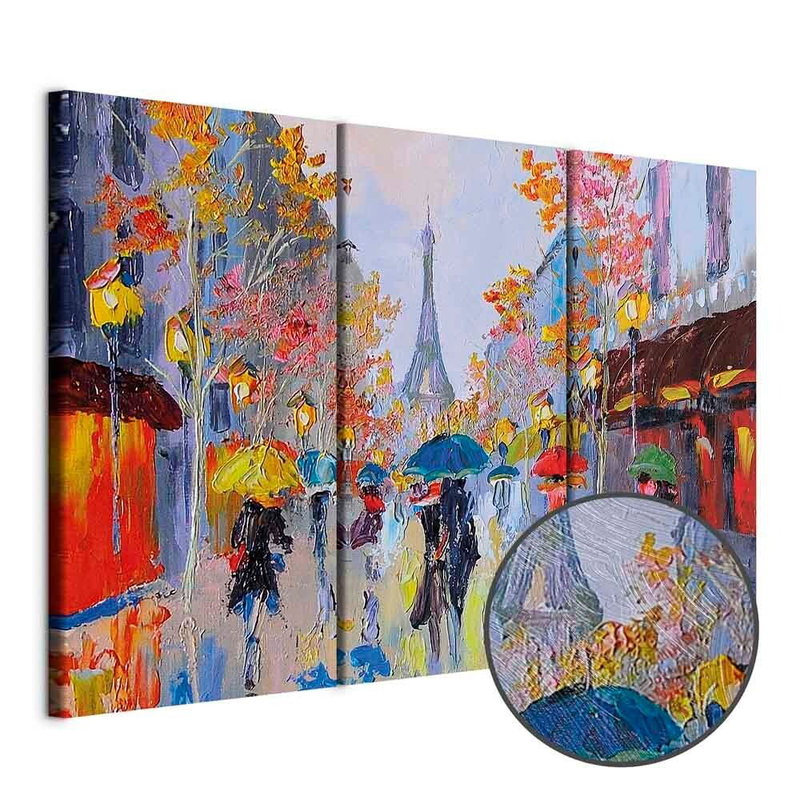
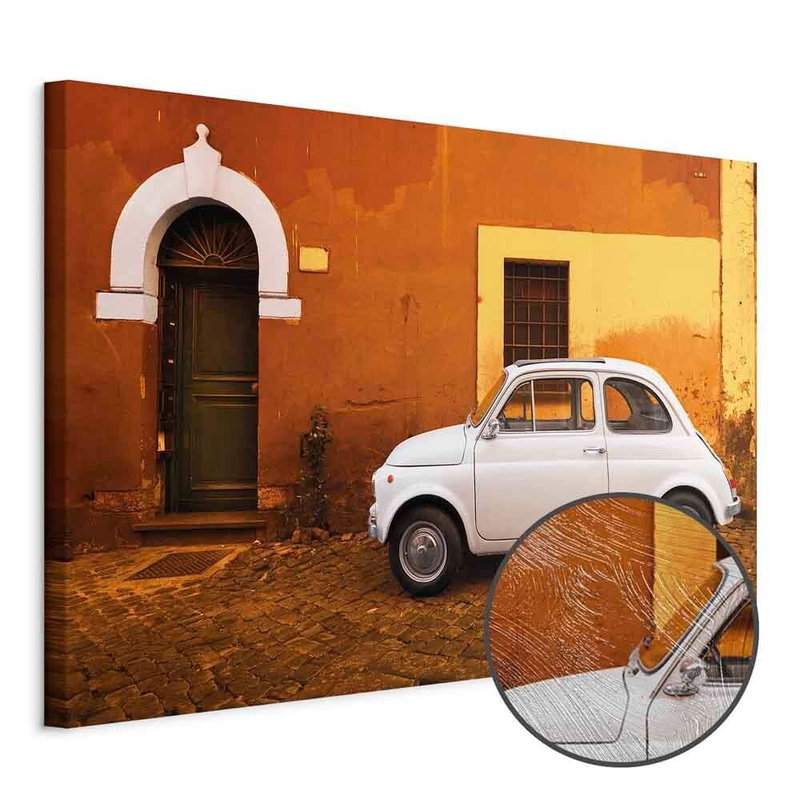
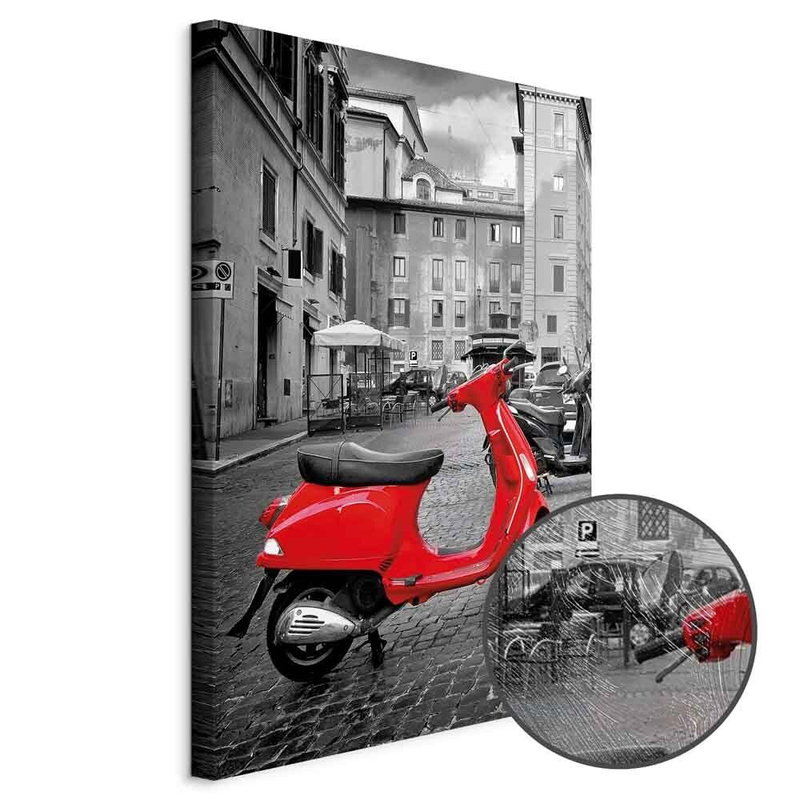
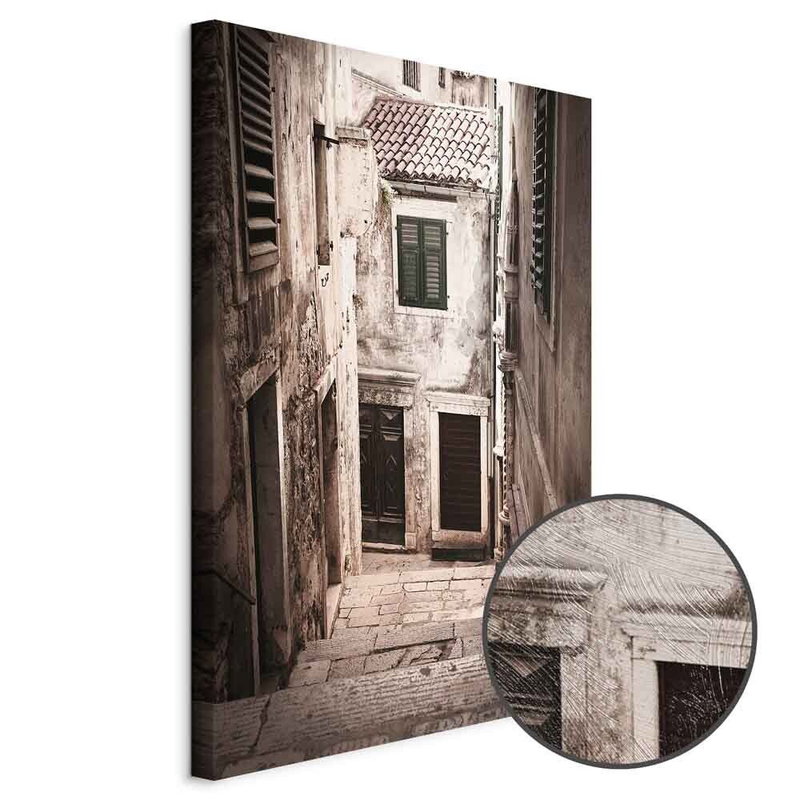
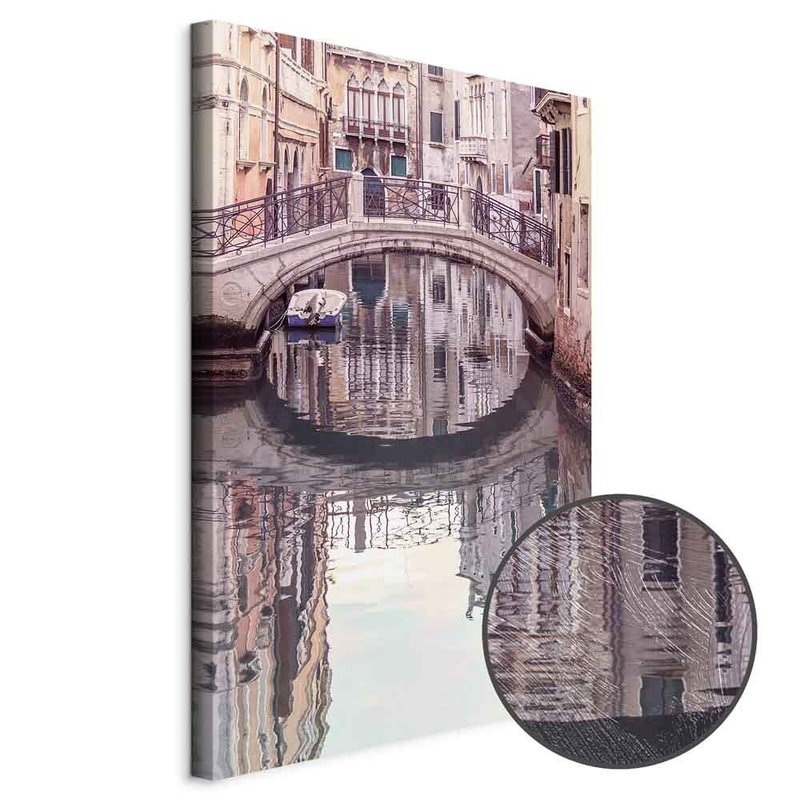
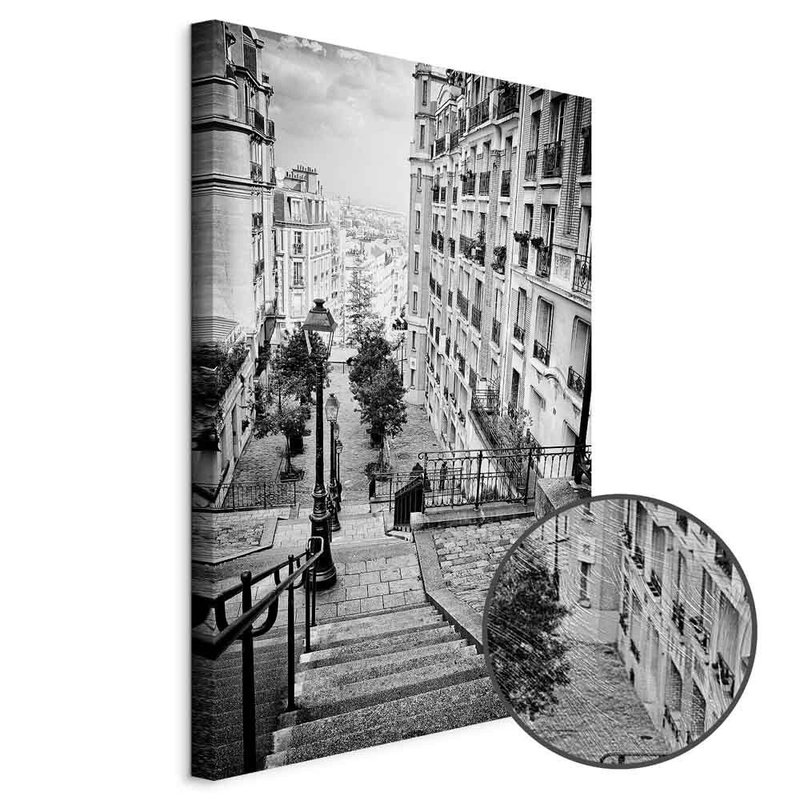
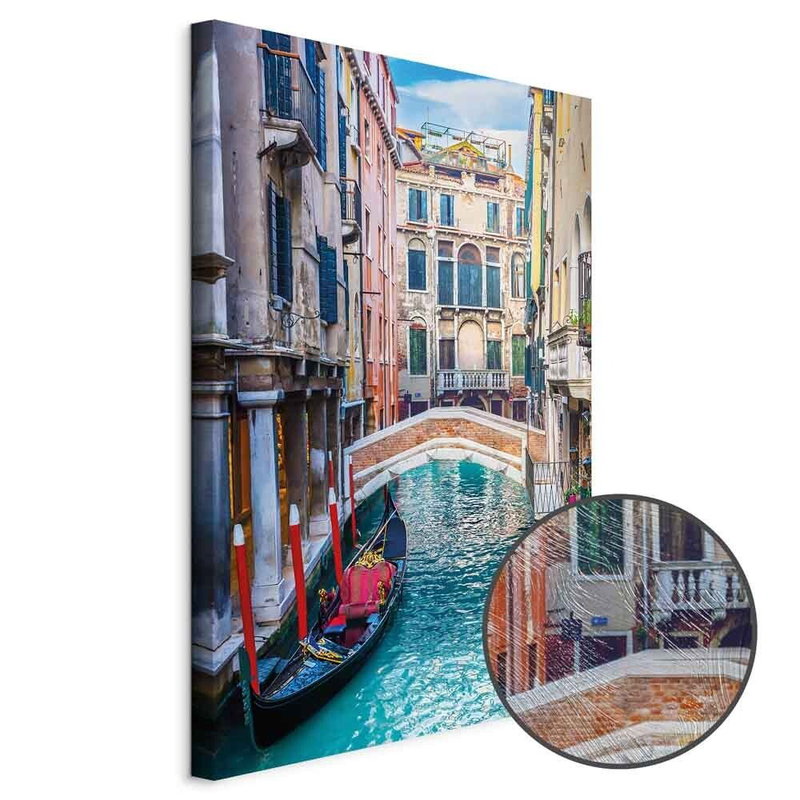
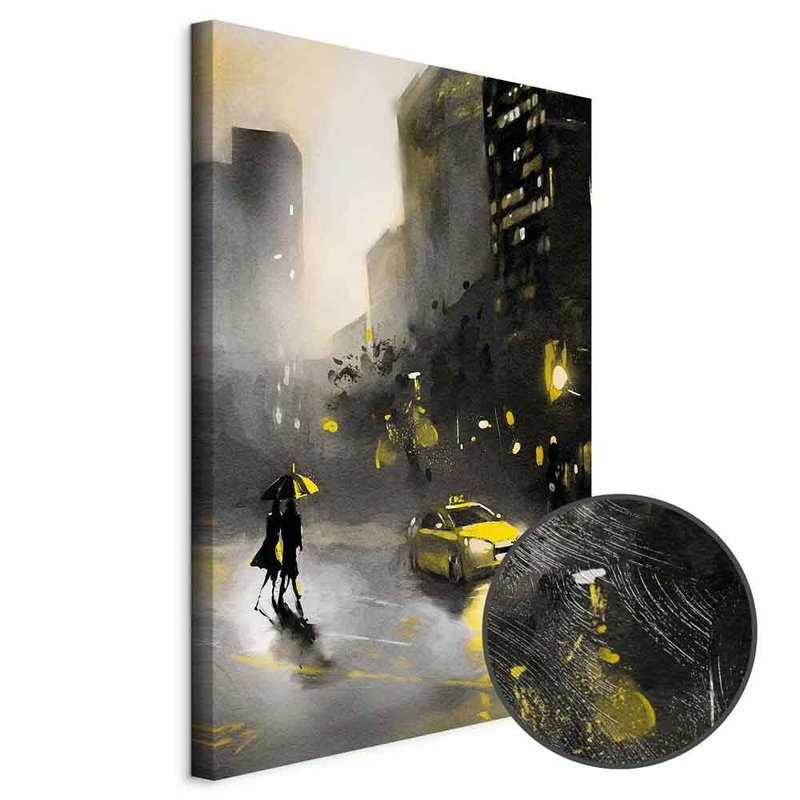
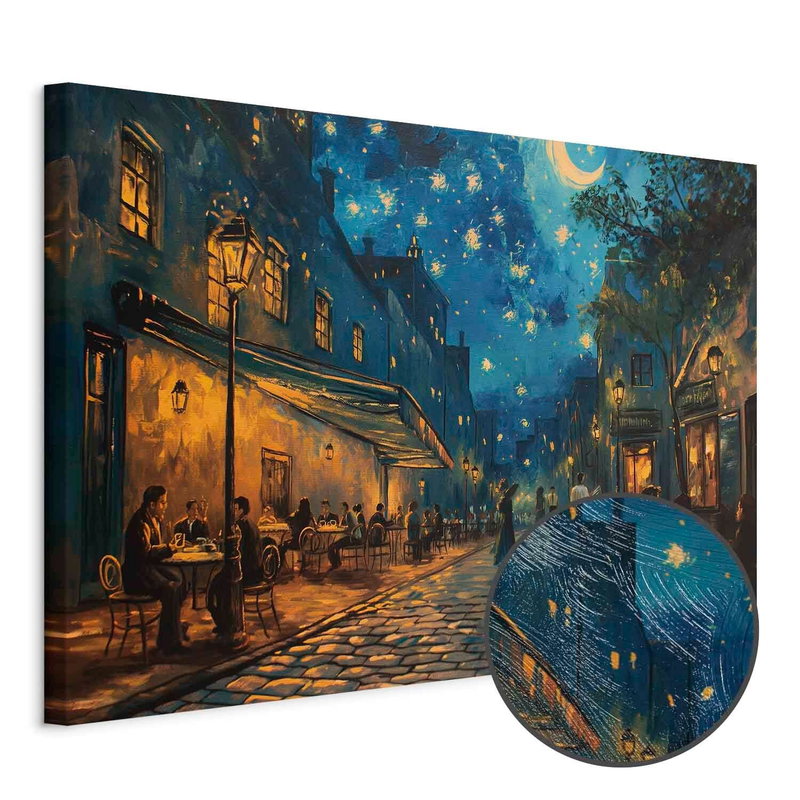
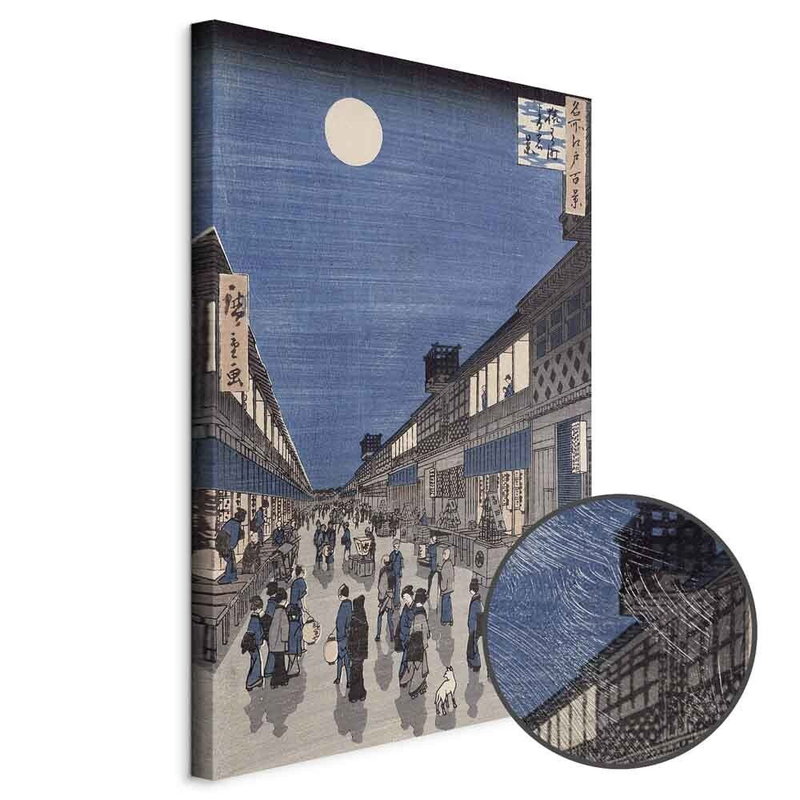
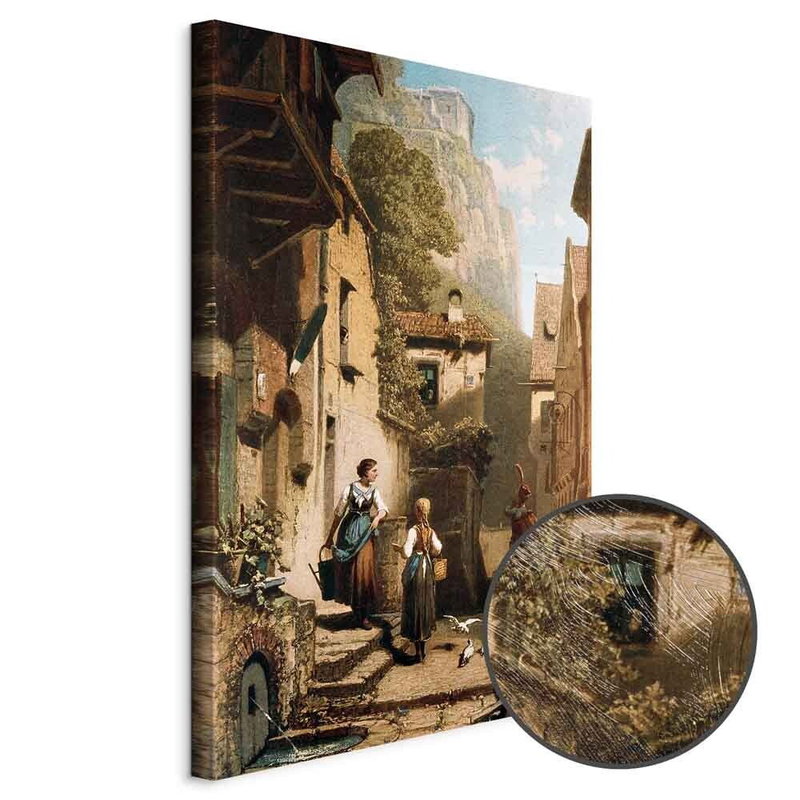
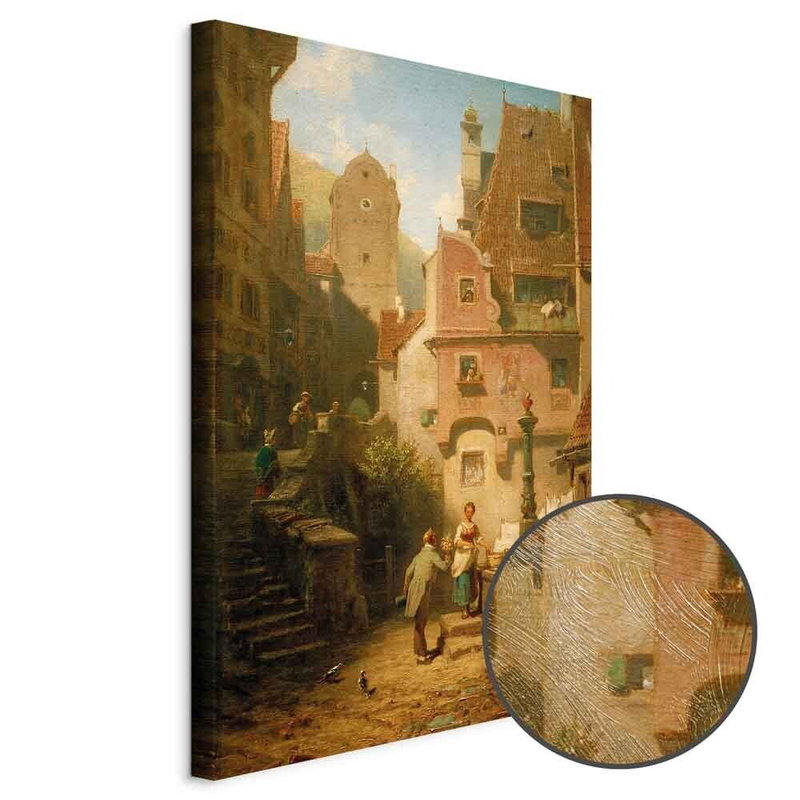
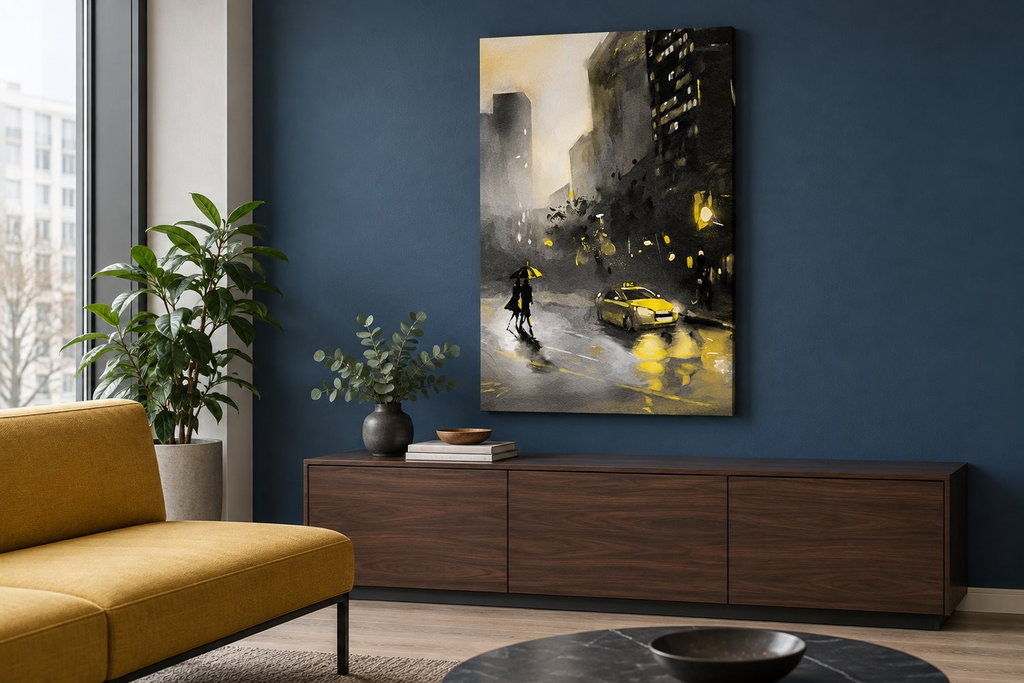
An alley, stairway or canal creates depth as buildings meet further into the image. This can give a narrow wall area a clear direction. In rainy city scenes, street reflections become streaks of colour between dark buildings. Compare whether you want the eye to follow a street, pause at a façade or reach a more open stretch of water. The chosen angle affects the image’s presence as much as the destination itself.
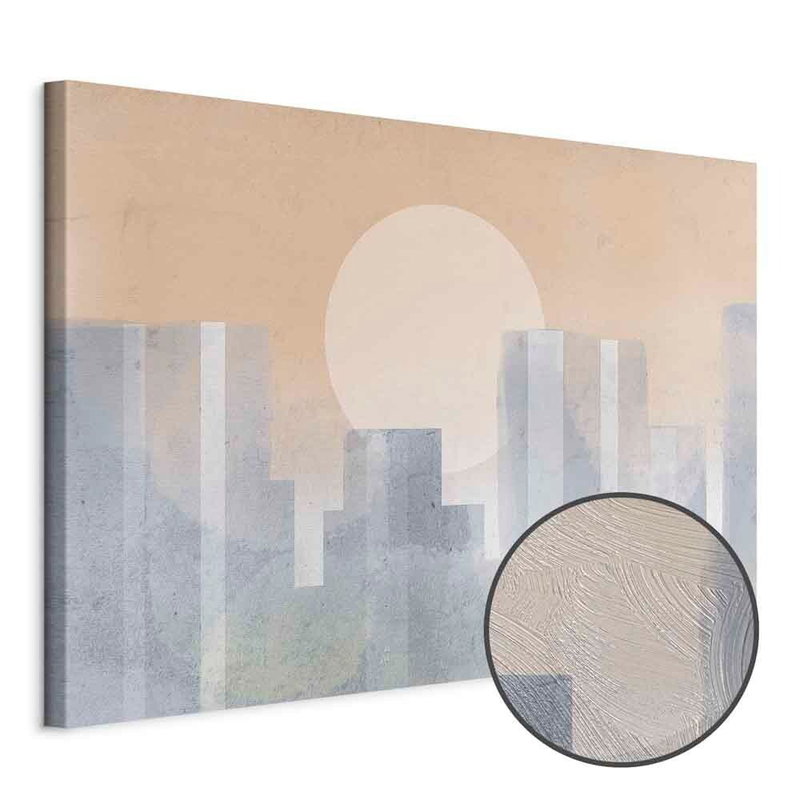
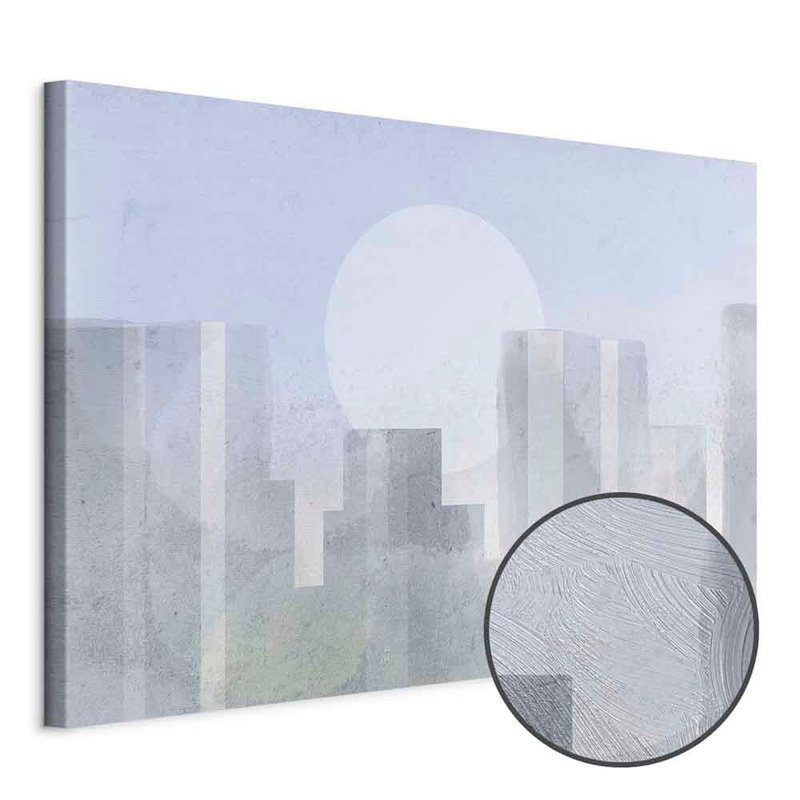
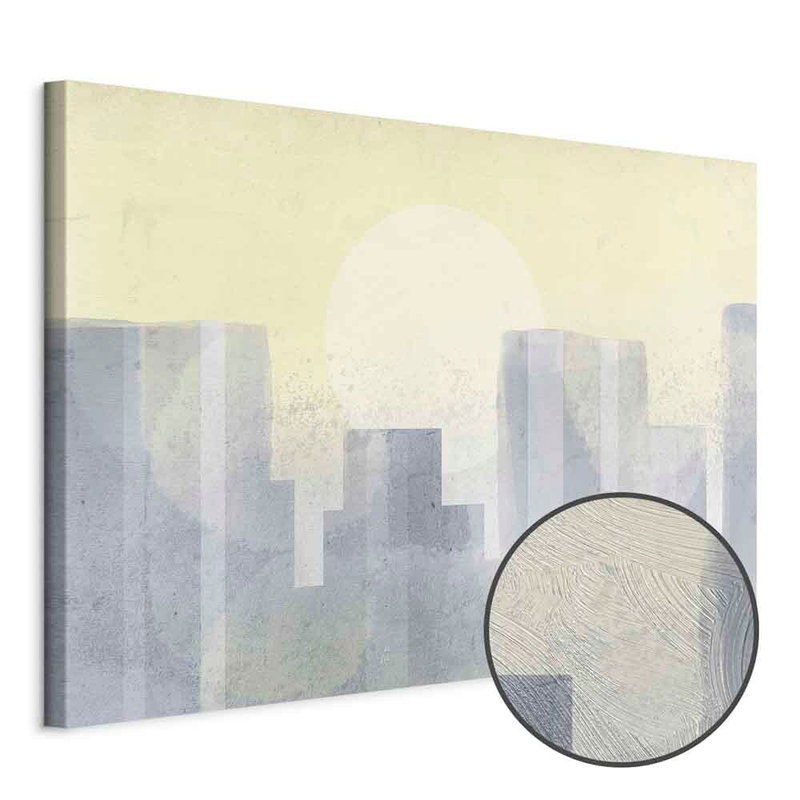
Night lights, skylines and graphic houses
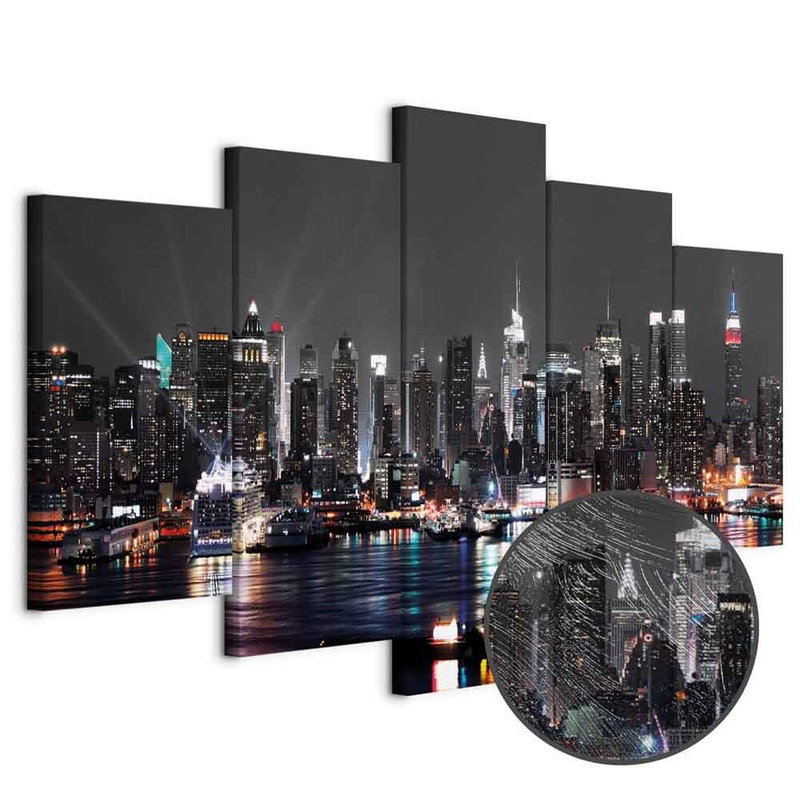
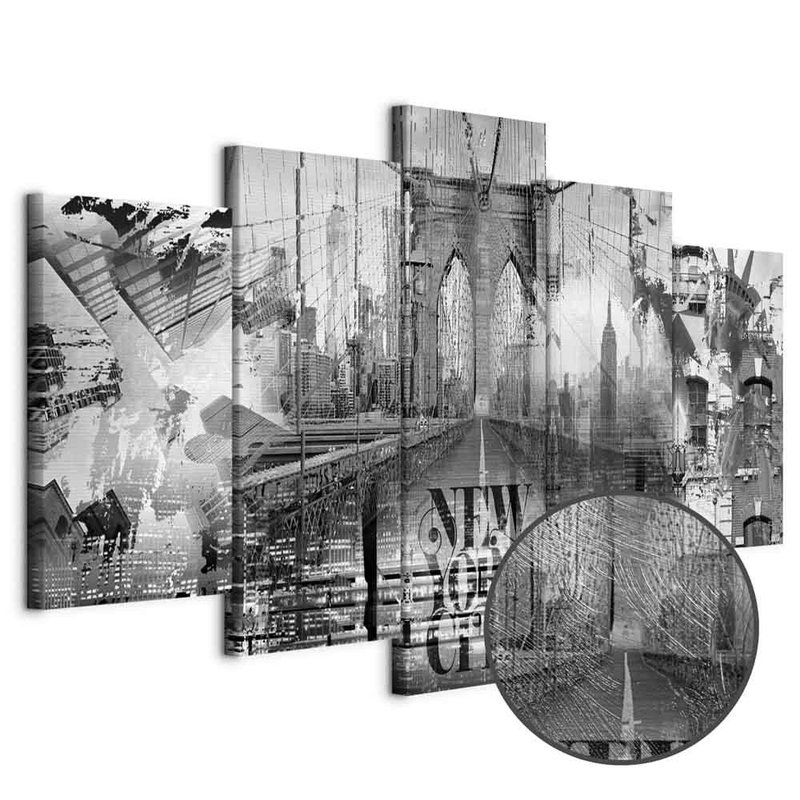
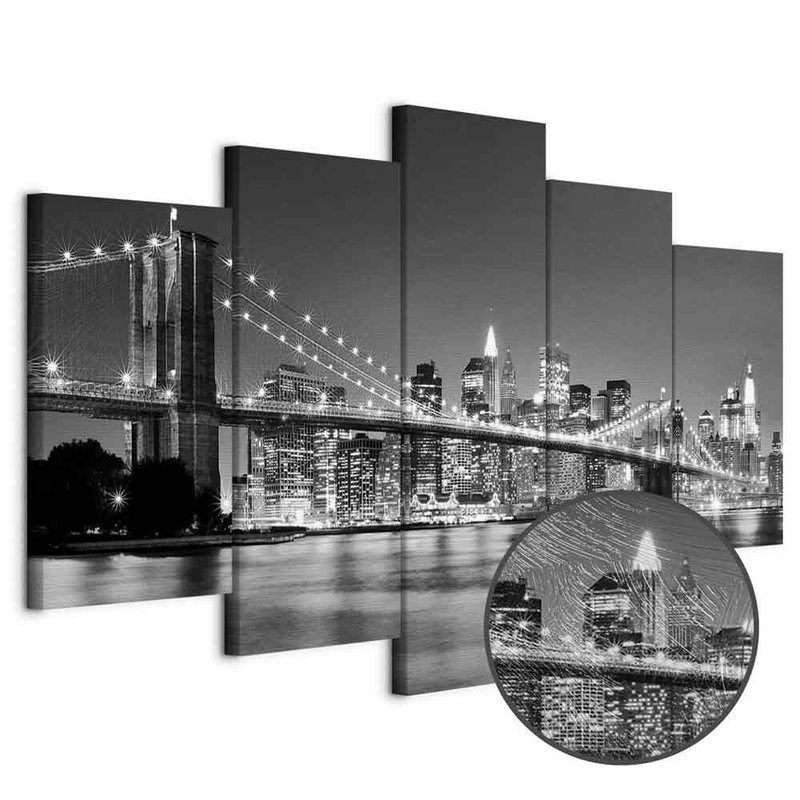
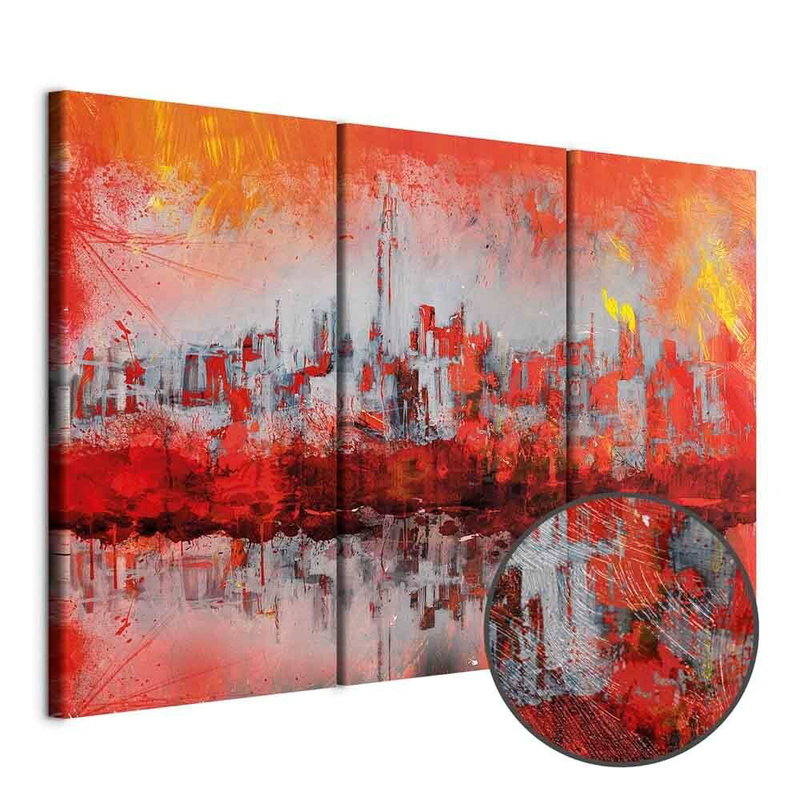
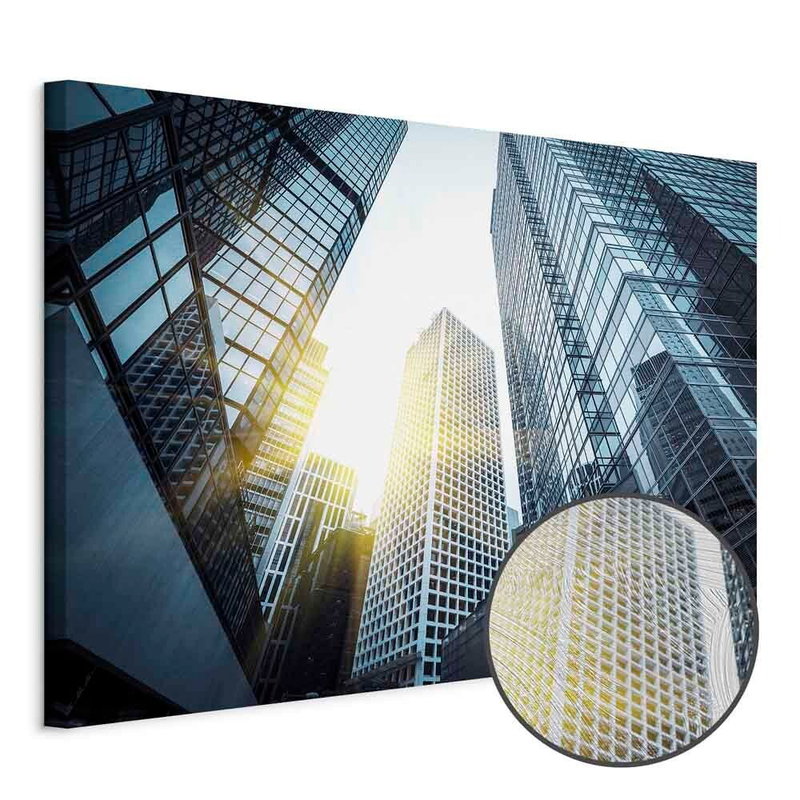
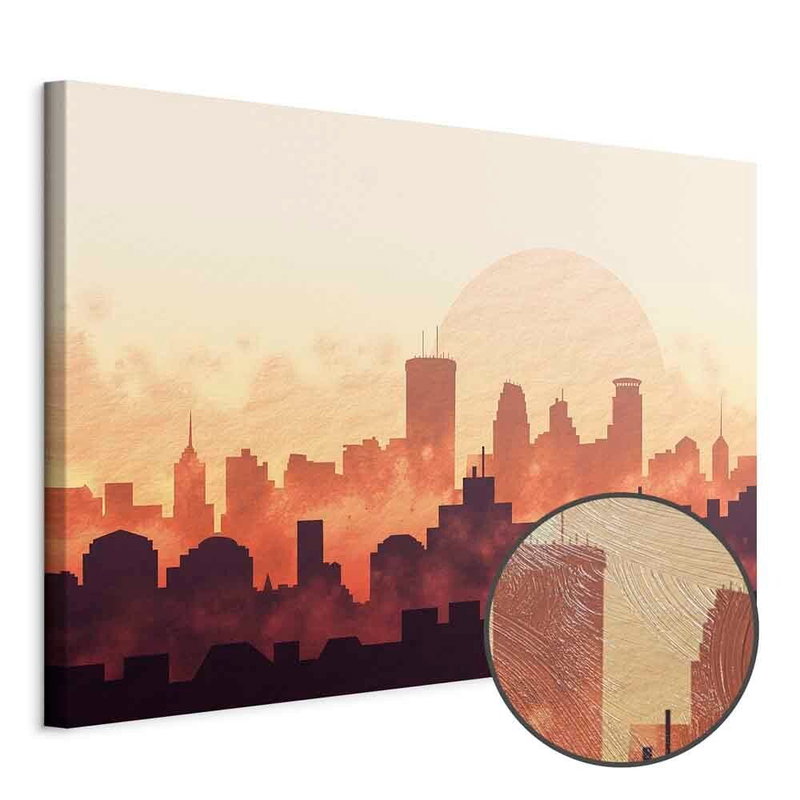
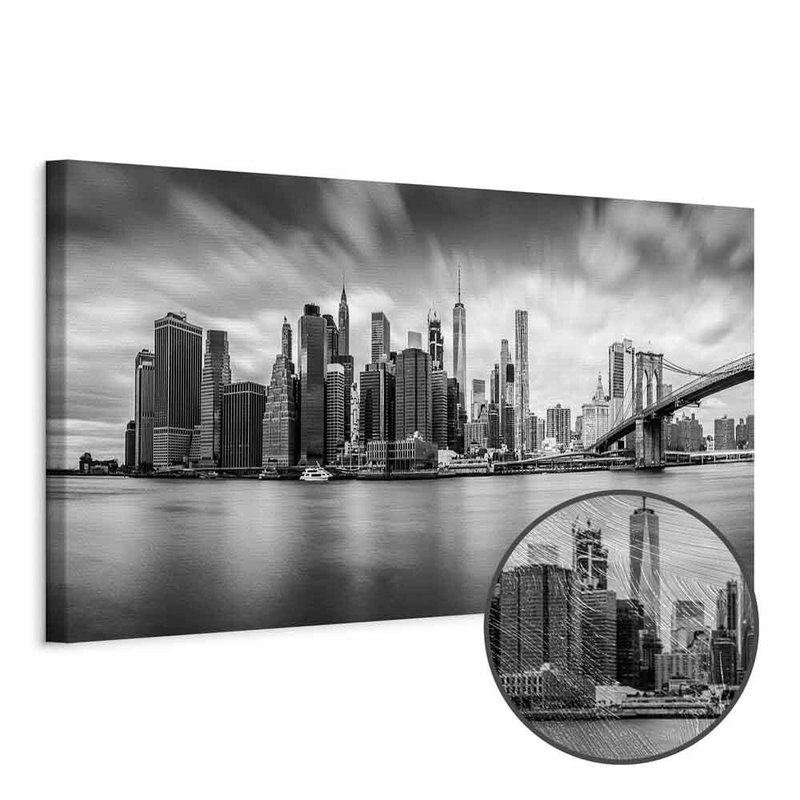
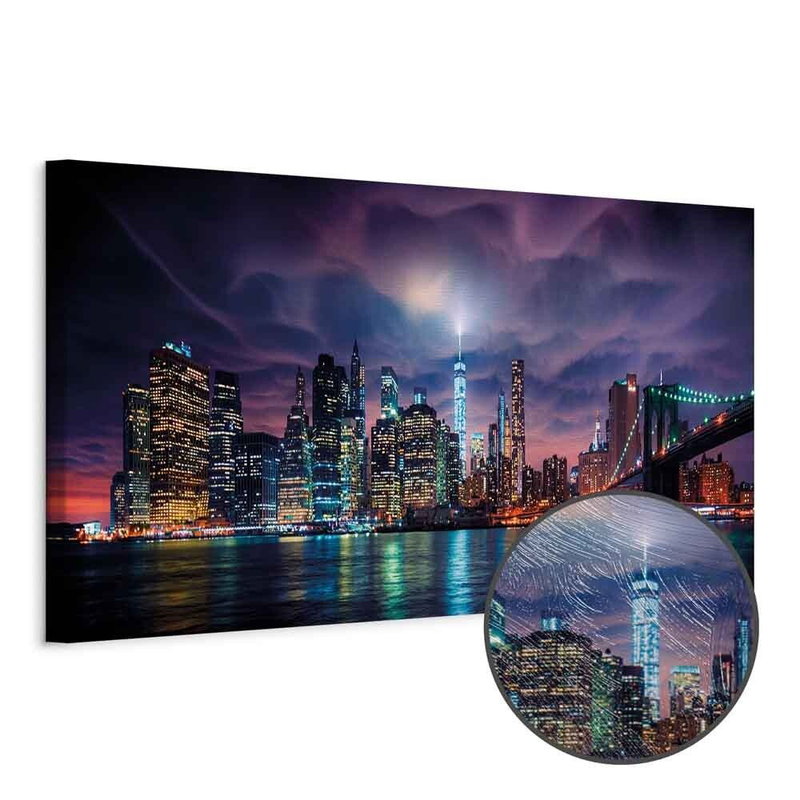
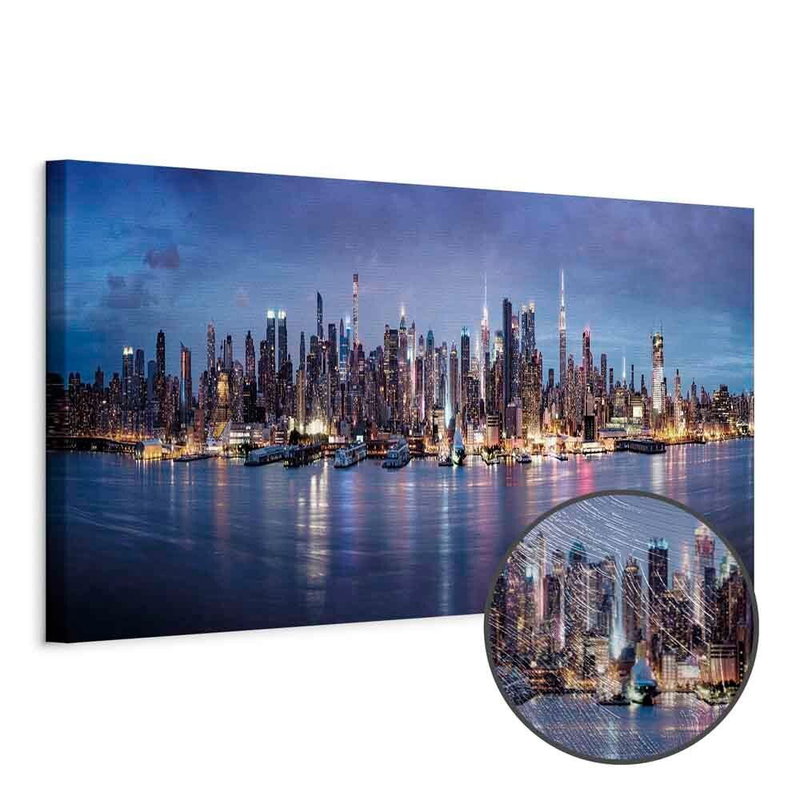
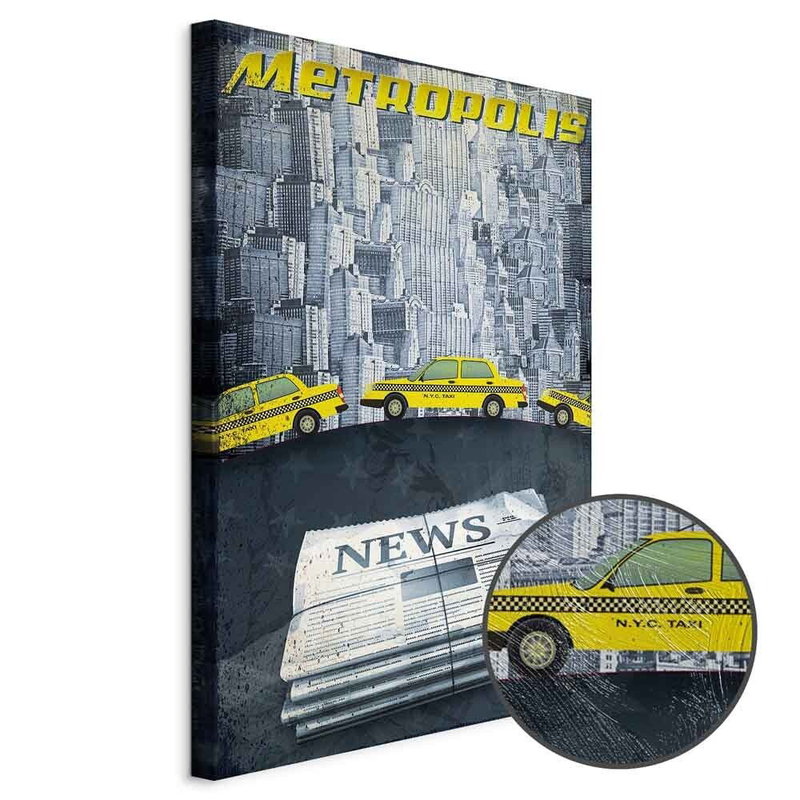
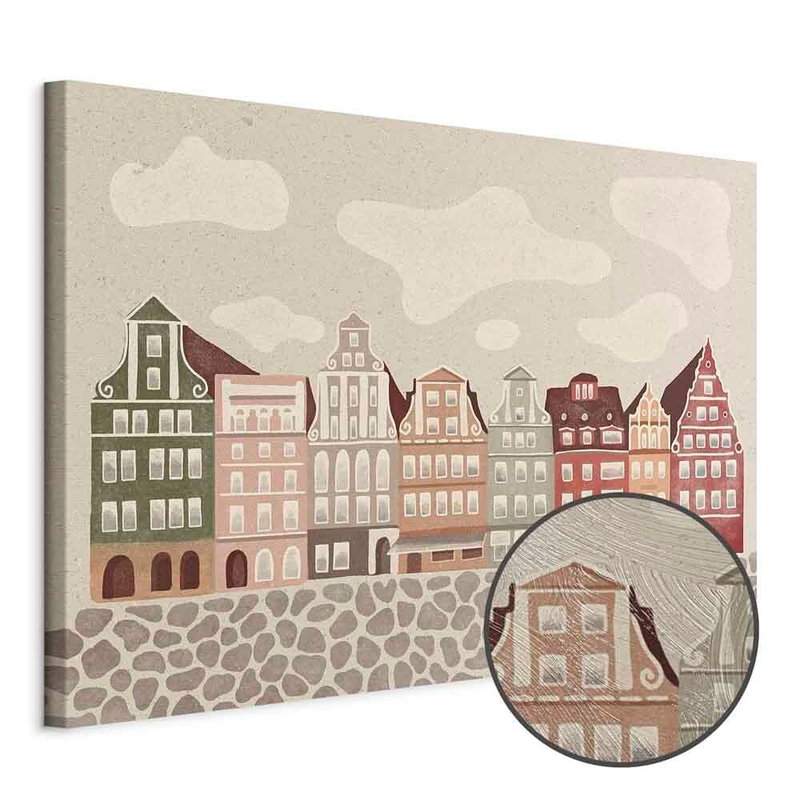
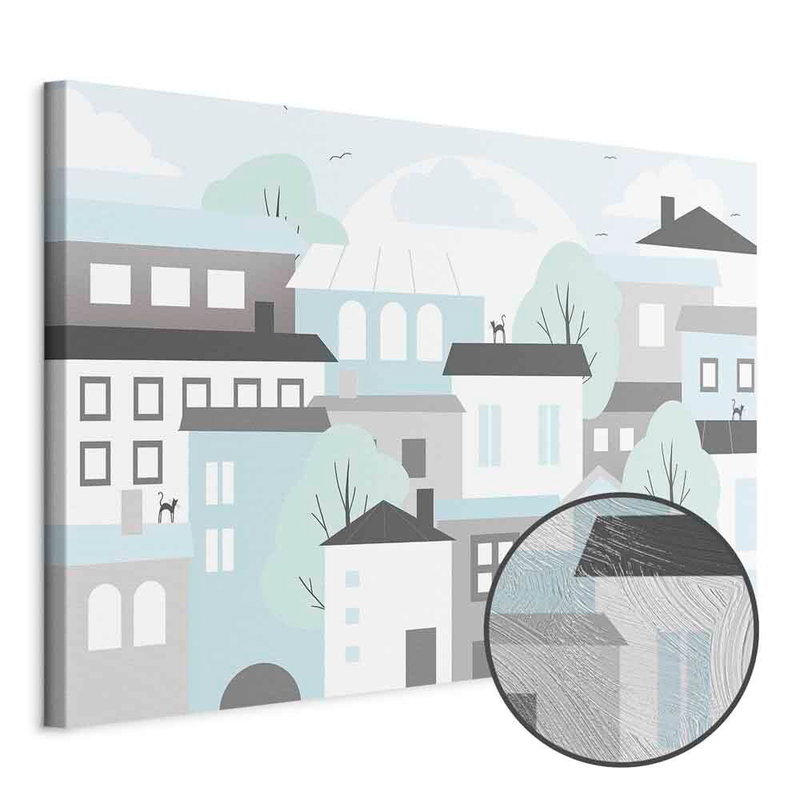
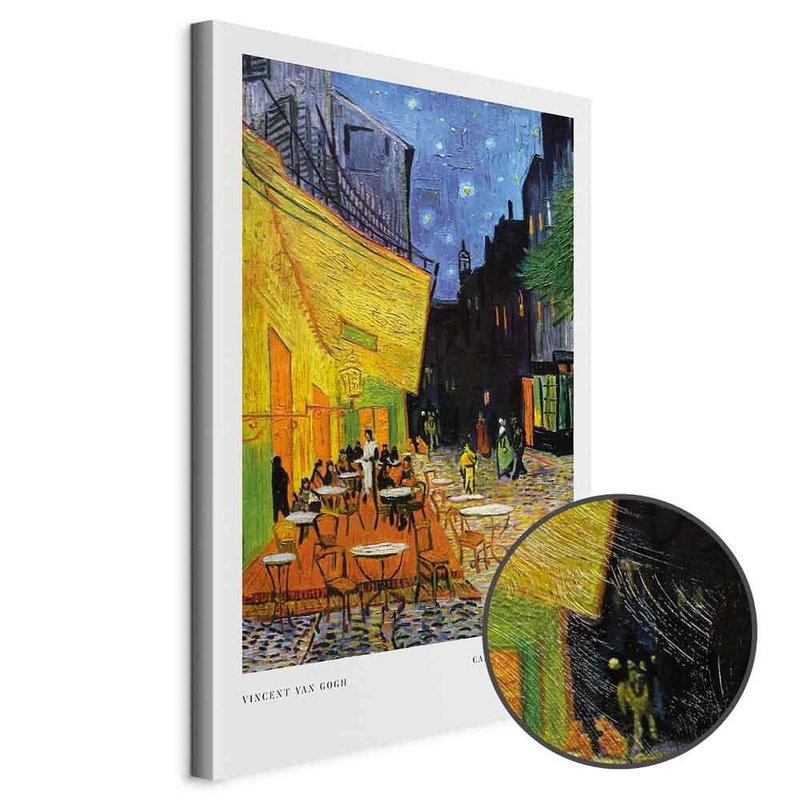
A photographic panorama can show many illuminated buildings and clear reflections. A simplified skyline instead works with larger shapes and calmer colour fields. Other subjects build entire neighbourhoods from drawn façades. Compare them up close and from where you usually sit. A detailed panorama may need more wall space and viewing distance than an image with only a few large house forms.
People and vehicles as part of urban life
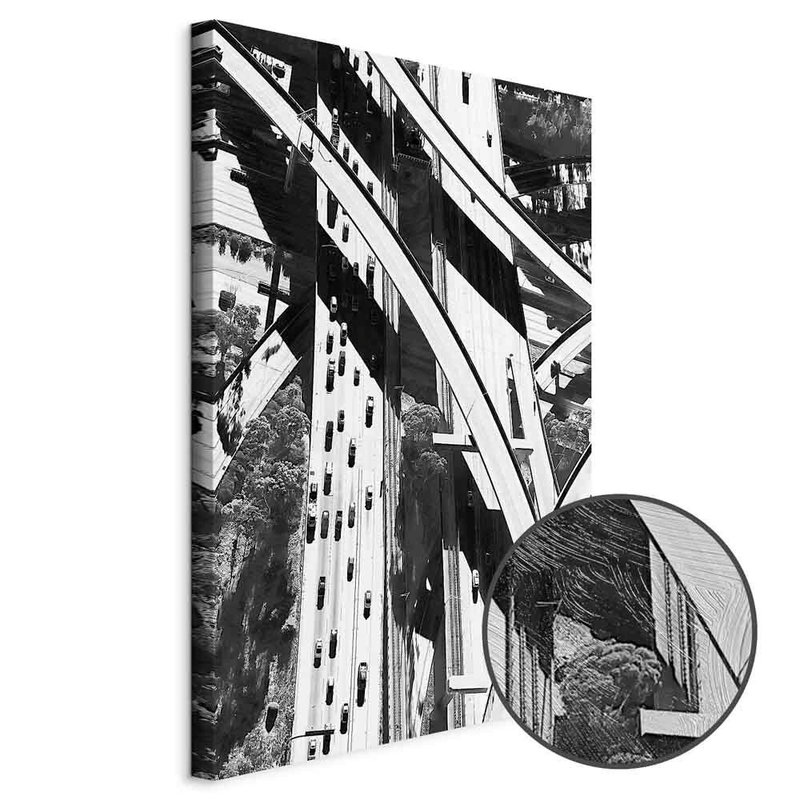
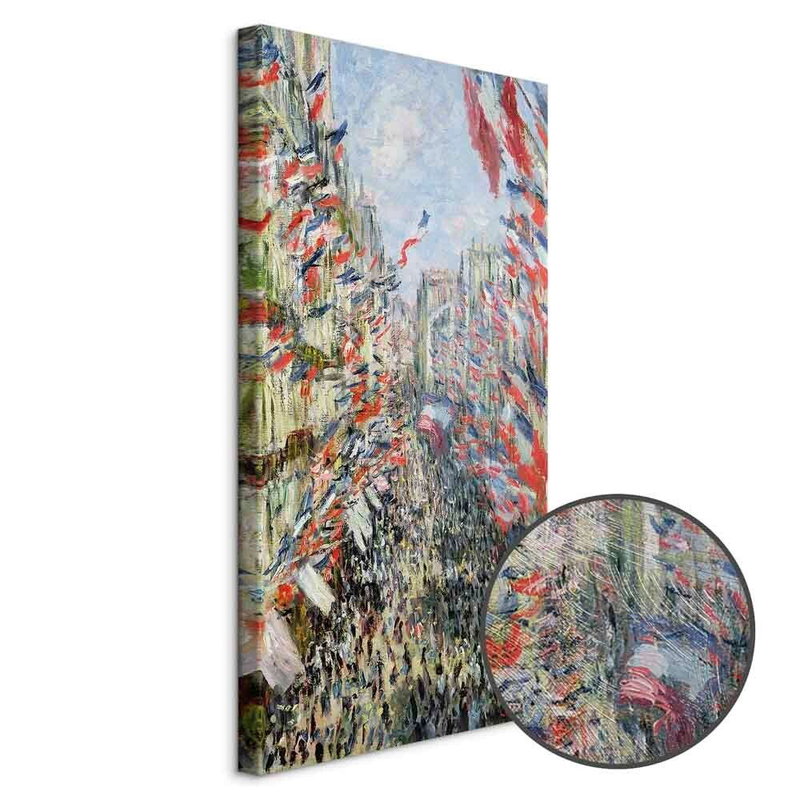
A taxi, umbrella or small figures in a street can give the city subject a particular situation. In other pictures, movement comes from brushwork, lights and the rhythm of buildings. Decide whether you want everyday street life or prefer to use the city’s lines as decorative shapes. Consider the whole composition so that its prominent details also work in the space where the picture will hang.
The premium surface and the print’s format
In the premium series, hand-applied clear gel sits over the print and creates physical texture. This does not change the depicted place or the subject’s meaning, but the surface can look different with the light and viewing angle. Check the specific product’s construction, available sizes and any division into multiple panels. A long city view and a portrait alley image need different wall areas; plan the gaps too when the subject spans several panels.
Positioning for both the image and room acoustics
Let the image’s colours work with the room’s furniture and light, and leave space around its outer edges. Sound-absorbing material behind the canvas can also help reduce reverberation. Its contribution depends on placement, total absorbing area and the room’s other materials. Read the product’s installation and care instructions, and choose the amount according to the room’s use. The pictures do not replace sound insulation between rooms.
Choose the crop before the destination’s name
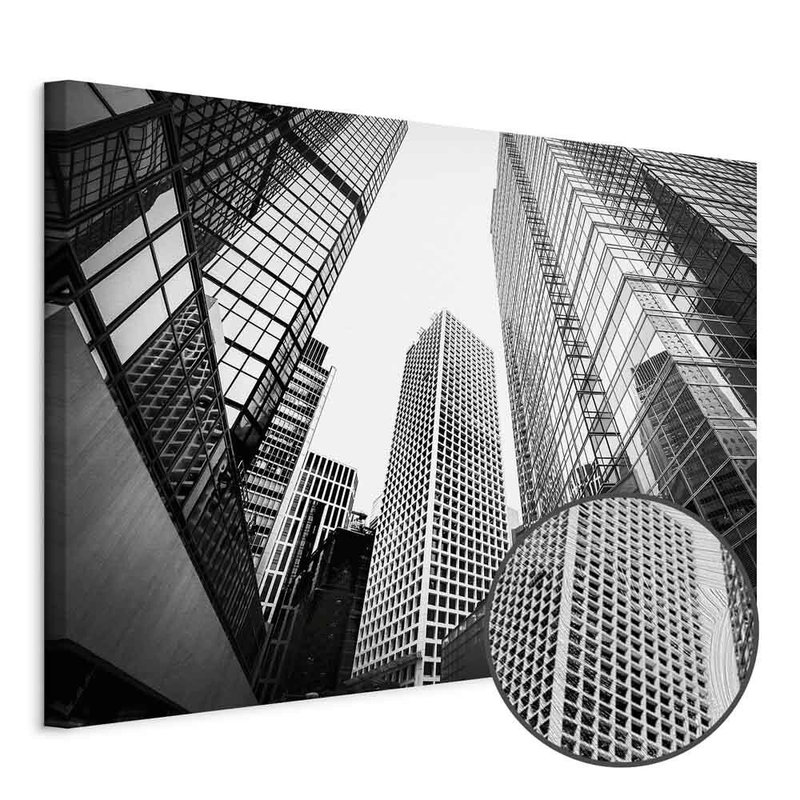
Two pictures of a city can feel quite different if one shows an open view and the other a narrow passage. Compare where street lines begin, how much sky is visible and whether people or buildings dominate. Let the main image determine your choice even when the product name recalls a particular place.
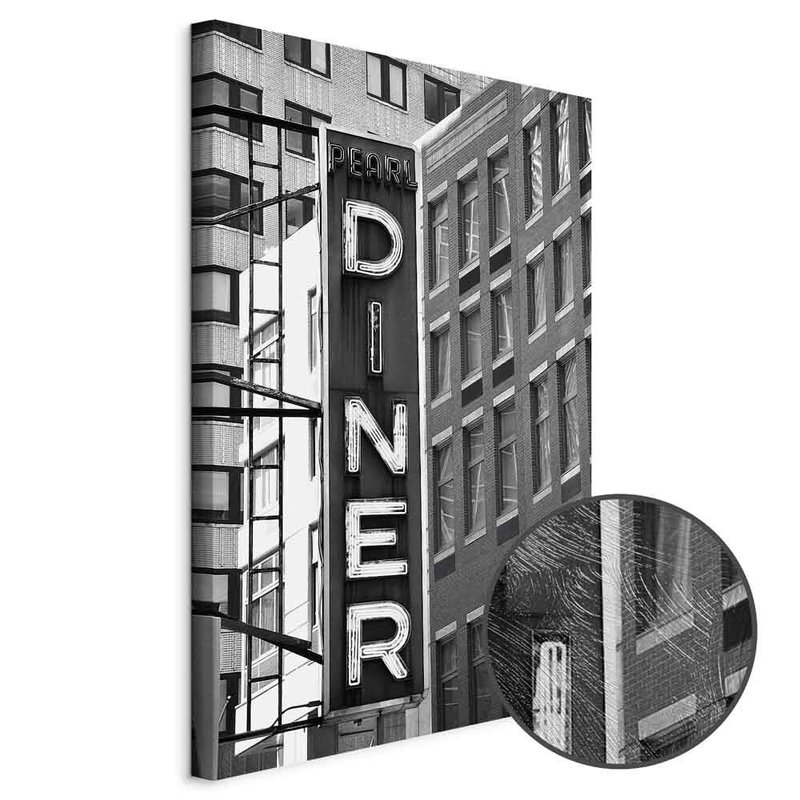
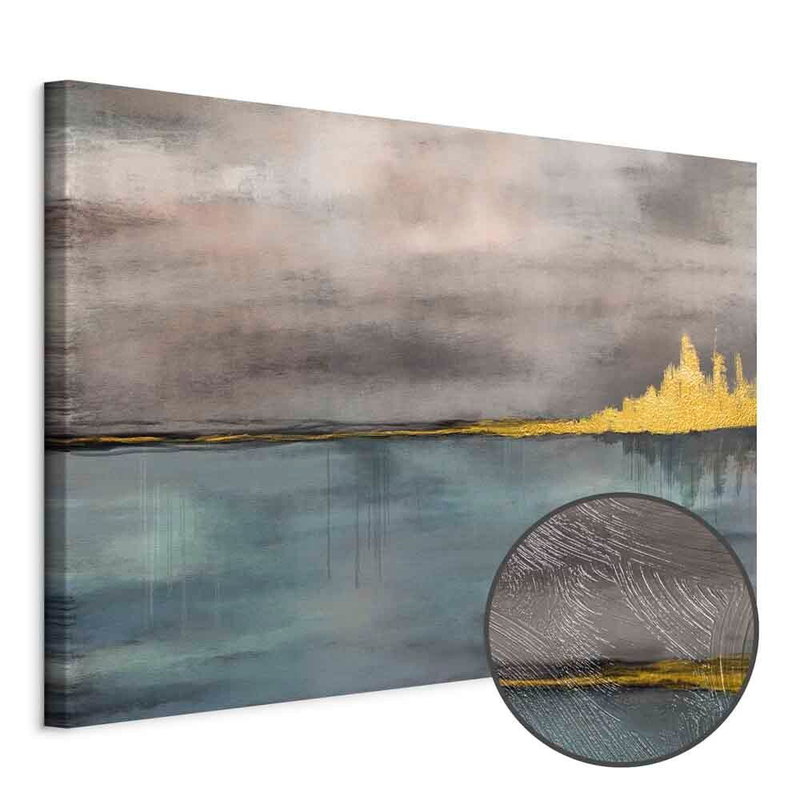
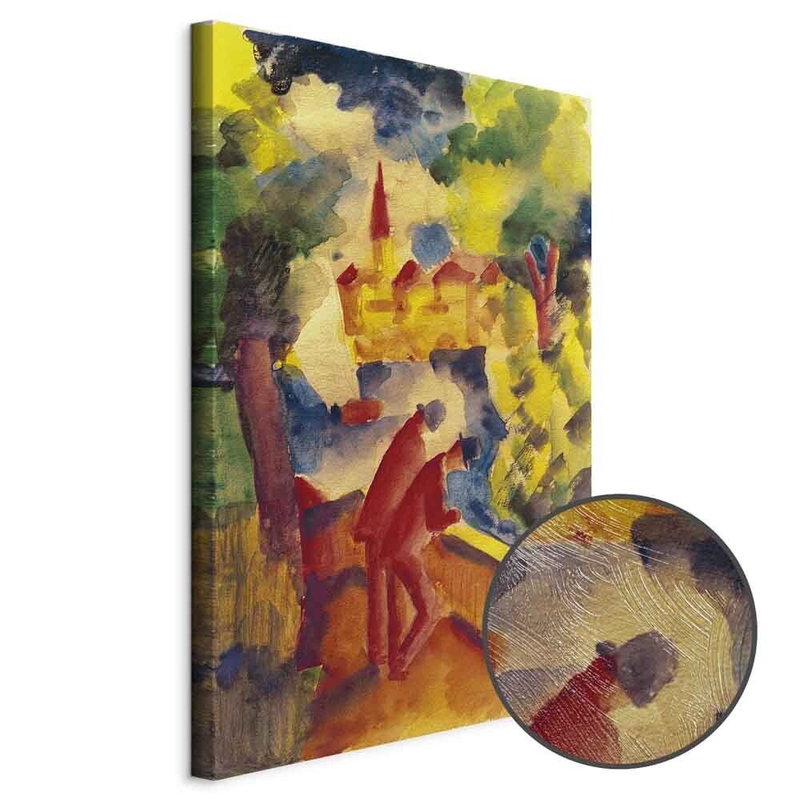
A painted city can also be a freer interpretation. Do not assume that each façade, illuminated sign or street corner represents an exact address. If a particular location matters, it should match the product information and image. A design can work as a cityscape without a more precise place name.
Assess the pictured light alongside the room’s lighting
Lit windows and reflective streets can create small intense points of colour on a dark background. The depicted lights do not illuminate the canvas themselves. Consider the entire print’s colour distribution alongside the actual lighting and wall, especially when it will be seen during the working day and in the evening.
Compare its darkest areas with other broad colour fields in the room. A night view can connect visually with furniture without repeating every small light point in the interior. Detail photographs help assess the surface, while the full image shows the relationship between street, buildings and sky.
Connect different city views
Several city images need not show the same place to work together. A shared tone, similar horizon or recurring building rhythm can create a connection. Decide which design should attract most attention and check that smaller pictures remain readable as individual compositions.
Plan the group using actual product dimensions and any panel division. A wide view should not inadvertently look like a continuation of another product. Leave clear gaps according to the chosen models’ instructions and assess the whole from both the doorway and a normal seat.