




Buildings and interiors as pictorial space
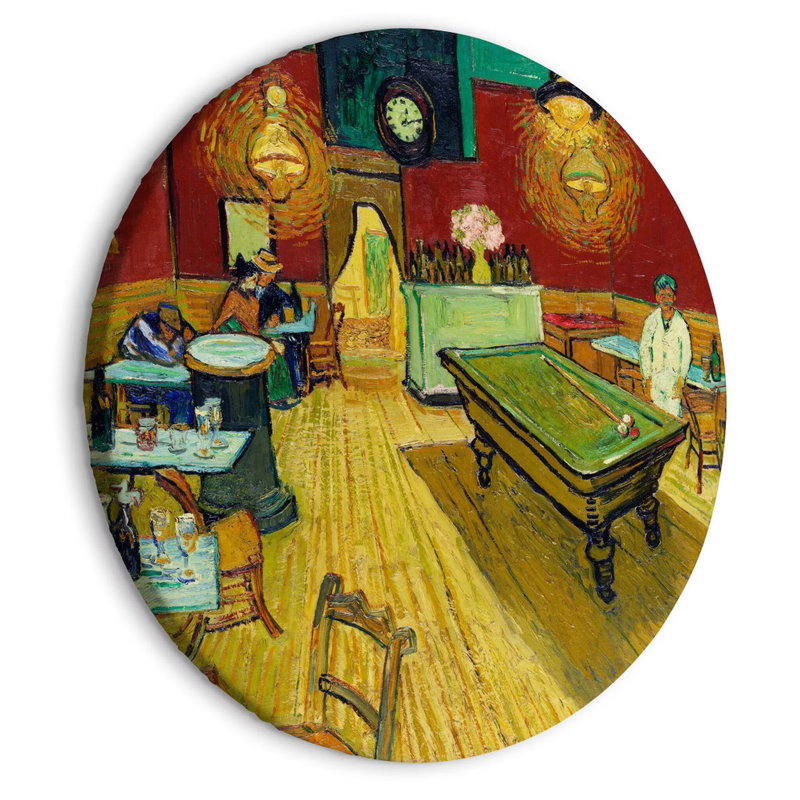
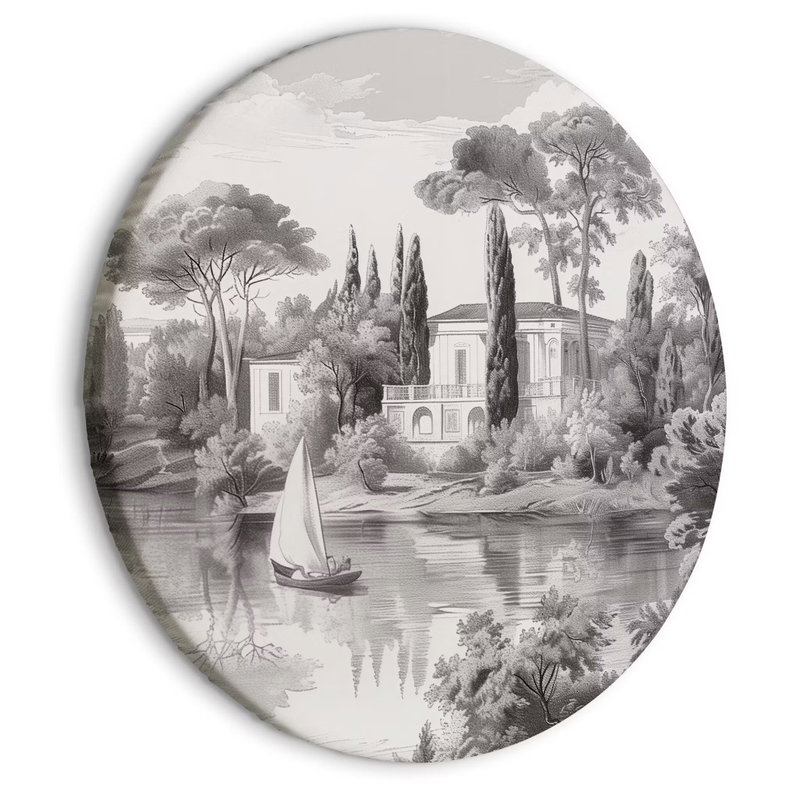
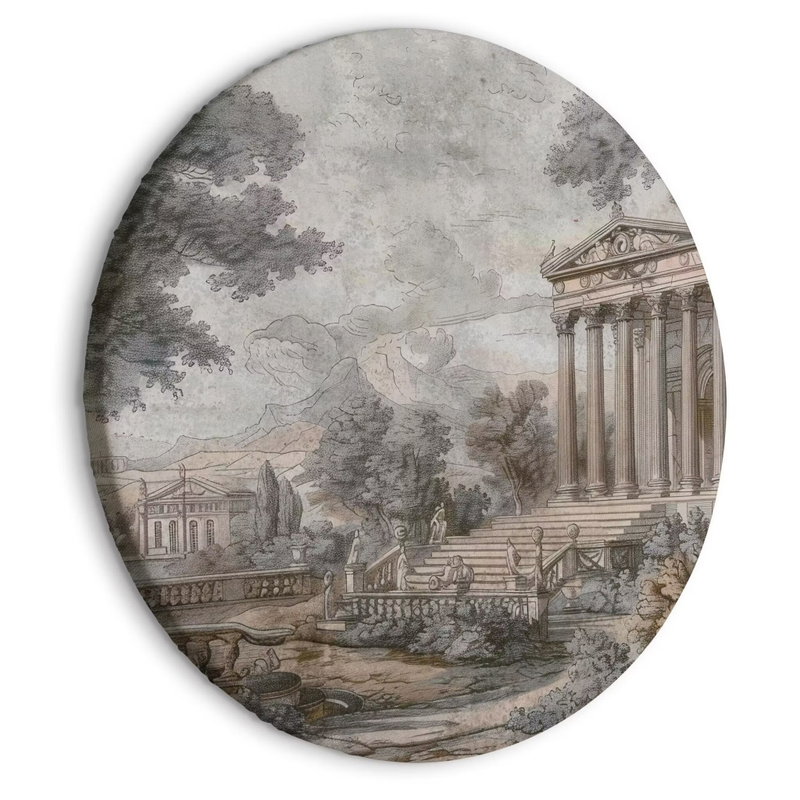
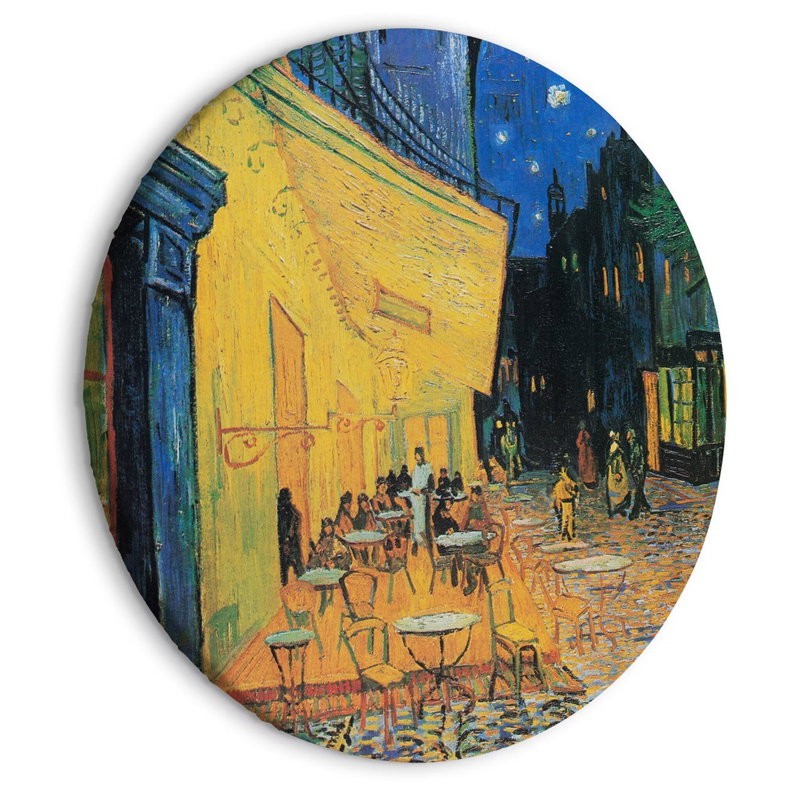
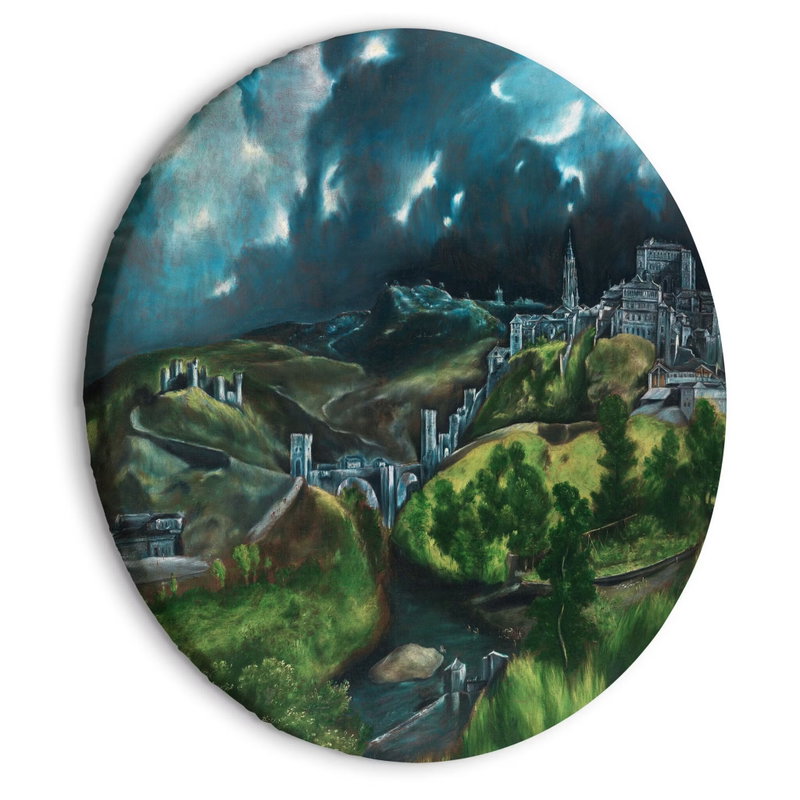
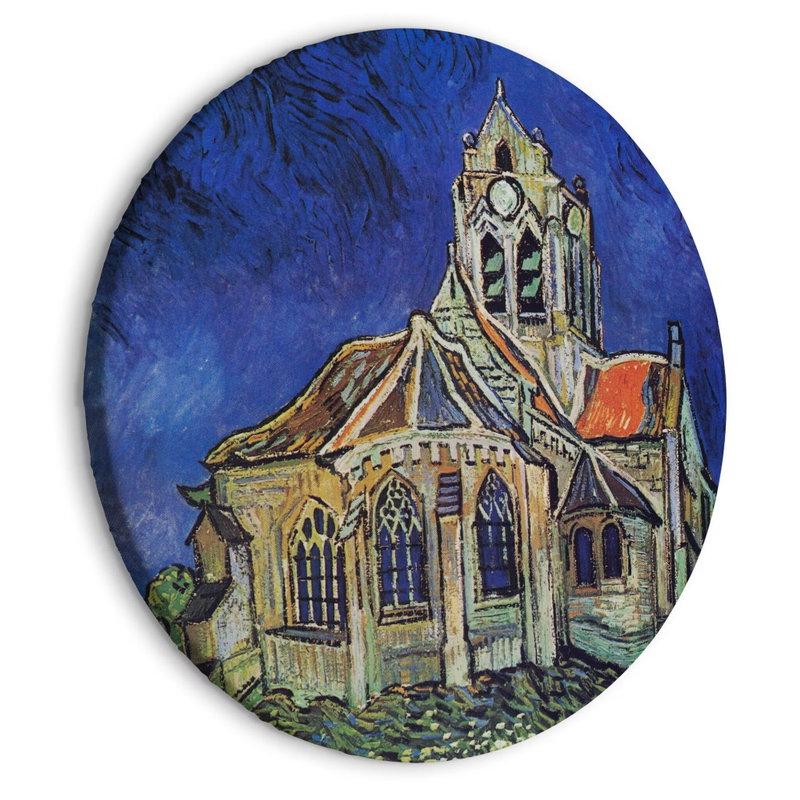
Architectural subjects can show a building from outside or let the viewer look into an interior. The checked round range includes a café scene where walls, floor, lamps and a billiard table create a clear perspective. The building’s interior is part of its architectural expression.
Choose by what you actually want on the wall. A façade outline and a furnished room tell different stories. Consider whether building lines, colours or the artistic reproduction make it interesting for your position.
Perspective within the circular edge
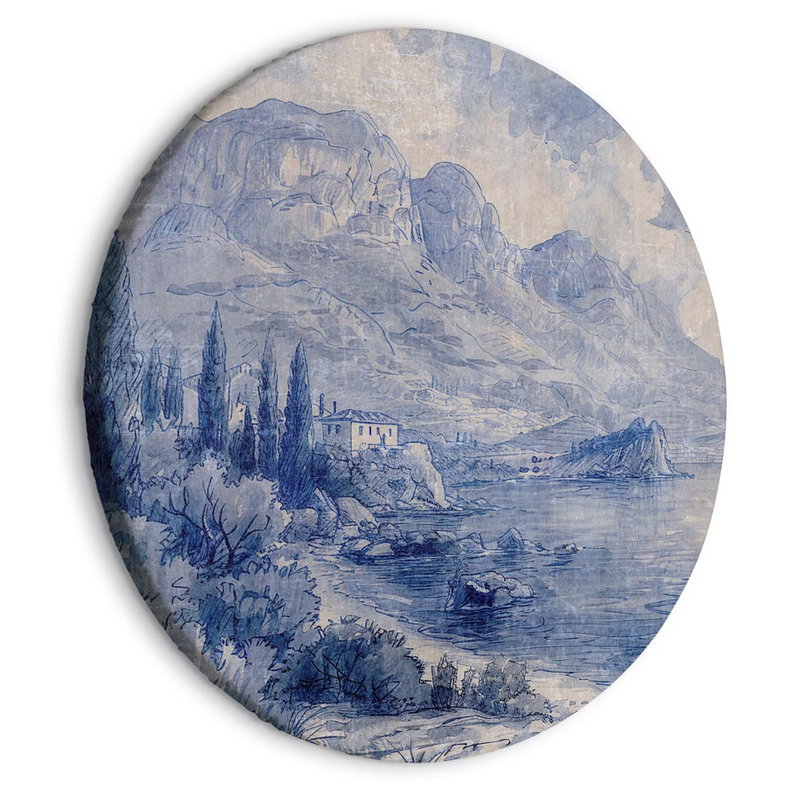
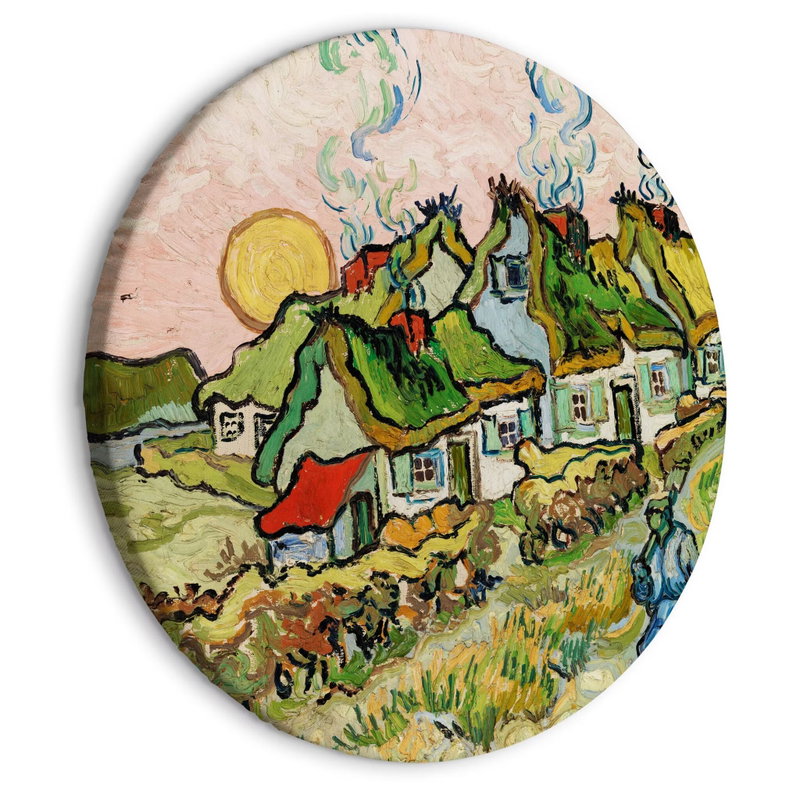
Straight lines and pictorial depth meet a curved edge on the round picture. This can create a clear relationship between subject and product shape. Notice how the main directions run through the circle and which details sit near its sides.
A central table, arch or building silhouette can anchor the eye, while smaller details need a closer view. Compare the actual crop with your normal viewing distance. Choose by the round product rather than another rendering of a similar subject.
Diameter and existing lines on the wall
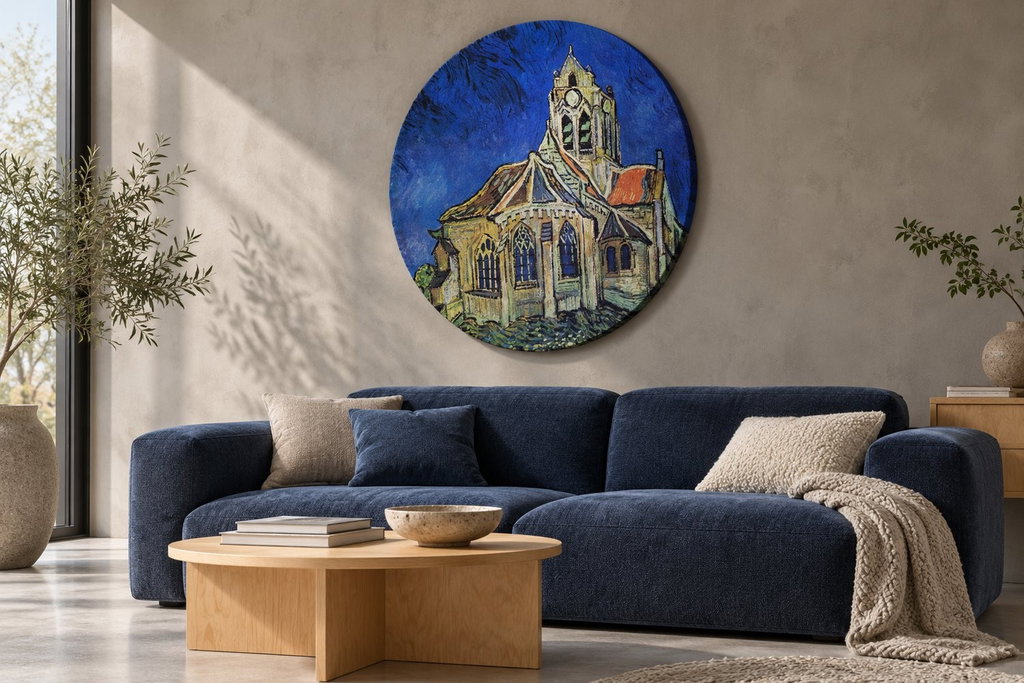
The round outline can bring variety beside straight furniture, doors and windows. The image’s own perspective also needs room. Try the circle’s centre against the furniture and assess it both when passing and seated.
Check diameter options on the product page; the checked round pictures come in 40, 60 and 80 centimetres. A paper circle helps compare sizes. With several pictures, test gaps too so that the architectural images stay clearly defined.
An architectural image with absorbing construction
The print is the decorative surface, with sound-absorbing construction behind it. This can help reduce reverberation indoors. The area needed depends on room size, materials and other furnishings.
Follow mounting instructions and choose fixings for the actual wall. Care guidance applies to the picture’s materials whether it depicts a stone façade or furnished room. Let the position work for both the architecture subject and practical use.
A depicted room within a real room
An interior image has its own walls, openings and light sources. Consider how the depicted room’s directions meet the actual room. Perspective may lead the eye into the picture, while a prominent side wall in the image may feel more enclosed. You are assessing the image’s visual effect, not a change in the room’s physical size.
View the subject from the places where it will be seen in everyday use. An interior that reads clearly straight on may have a different focus from a seat to one side. Compare the whole and avoid choosing solely for a small architectural detail that appears only in an enlargement.
The depicted materials are part of the print
Stone, wood, plaster or painted walls can appear with distinct textures in an architectural image. They belong to the subject and must be distinguished from the picture’s actual materials. A rough wall in the image does not mean the product surface has the same relief or should be maintained like the depicted material.
Use the product information for practical assessment and the main image for choosing the subject. This lets you appreciate an architectural surface or artistically interpreted interior without assigning unverified building properties to the printed picture.
Relate the image to the nearest surfaces
Look at what sits directly around the planned circle. A dark cupboard, light wall or window can affect which part of the subject stands out most. A colour in the depicted building may provide the connection even when the furniture’s shapes are completely different.
If combining architectural pictures, compare their perspectives and density of detail. Circles of equal size do not need to contain equal amounts of visual information. Try them as a group and choose whether they should create a shared style or a clear alternation between different rooms and building forms.