




Dandelions – premium acoustic wall art
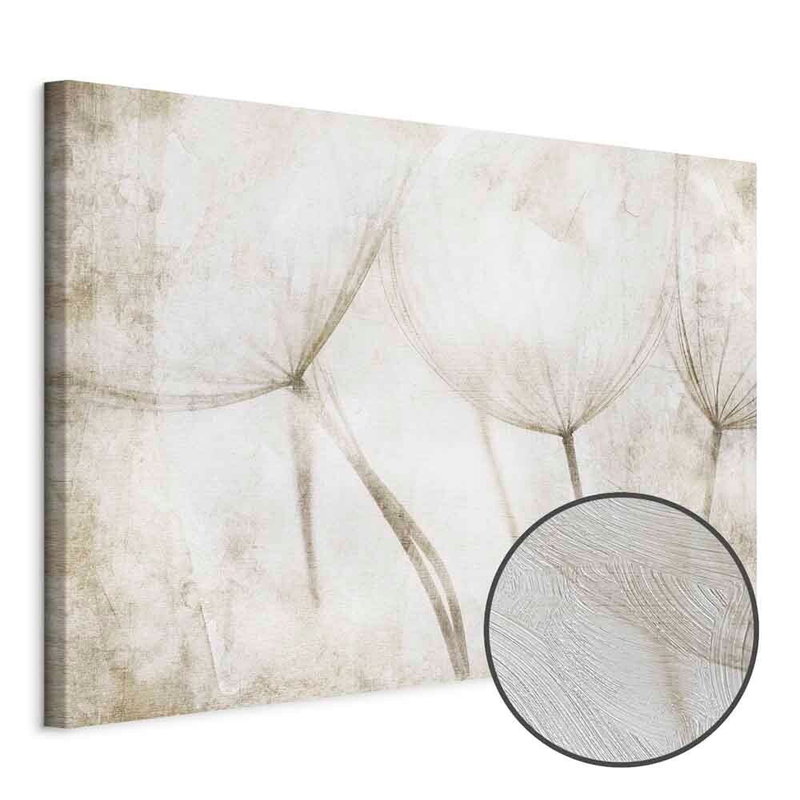
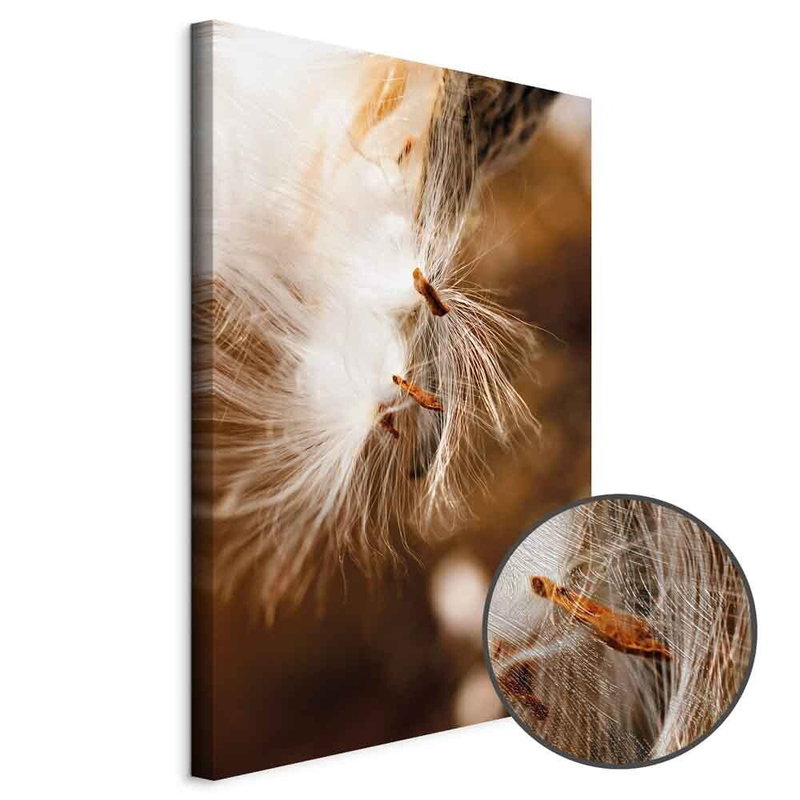
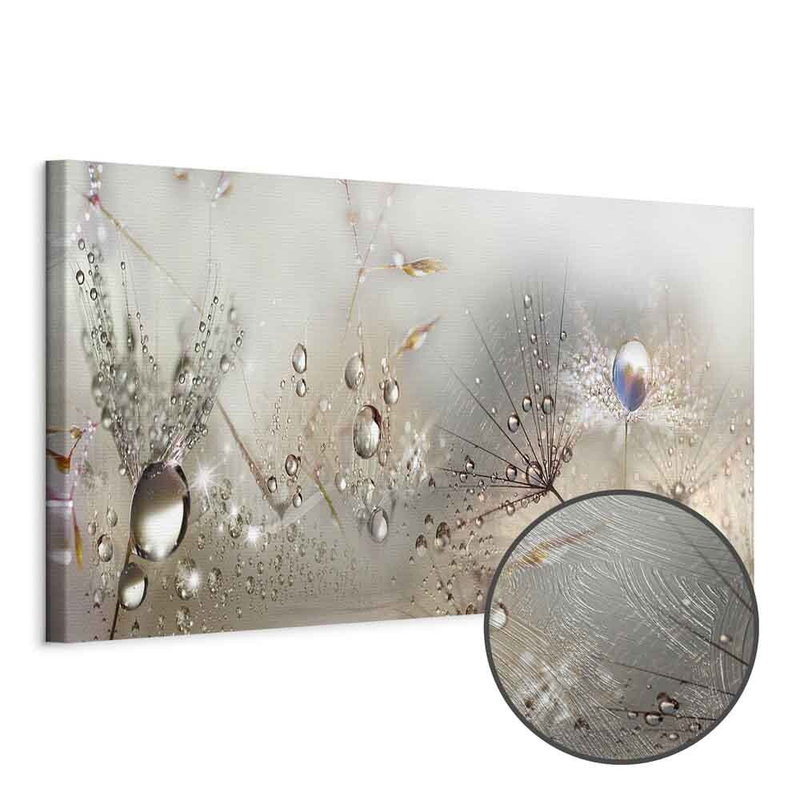
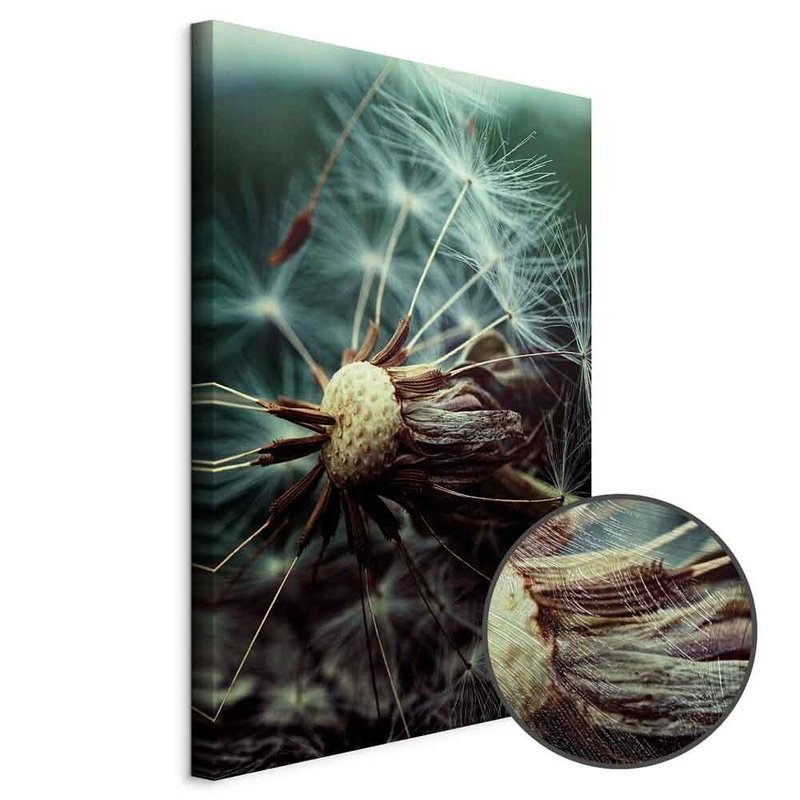
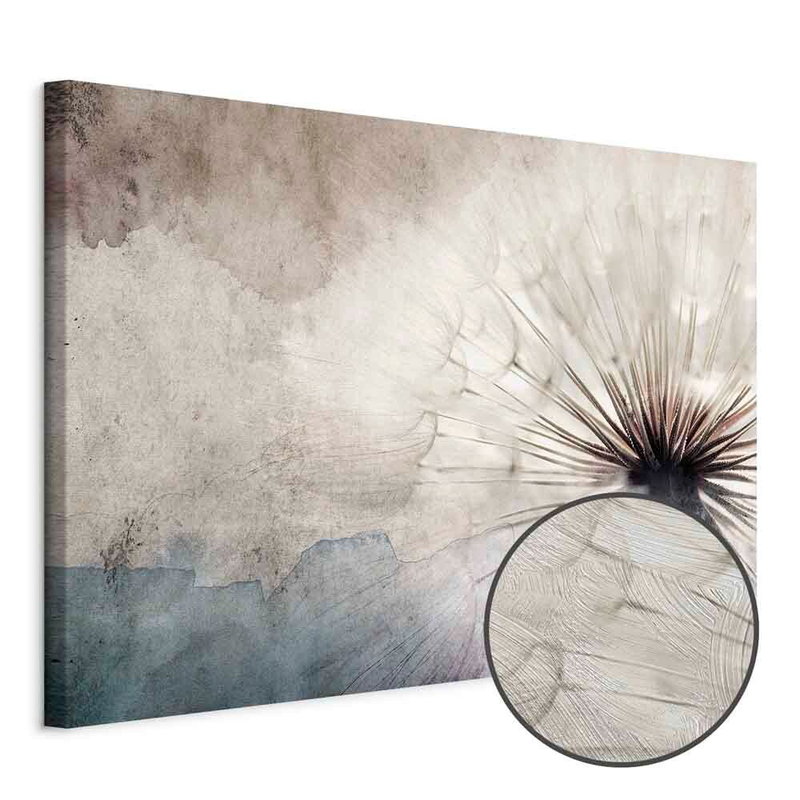
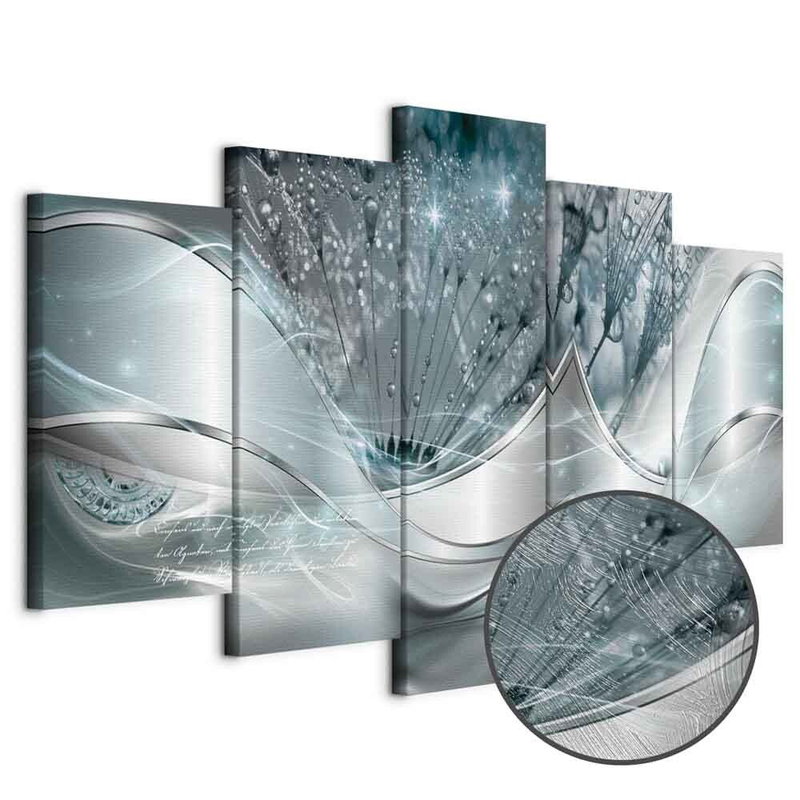
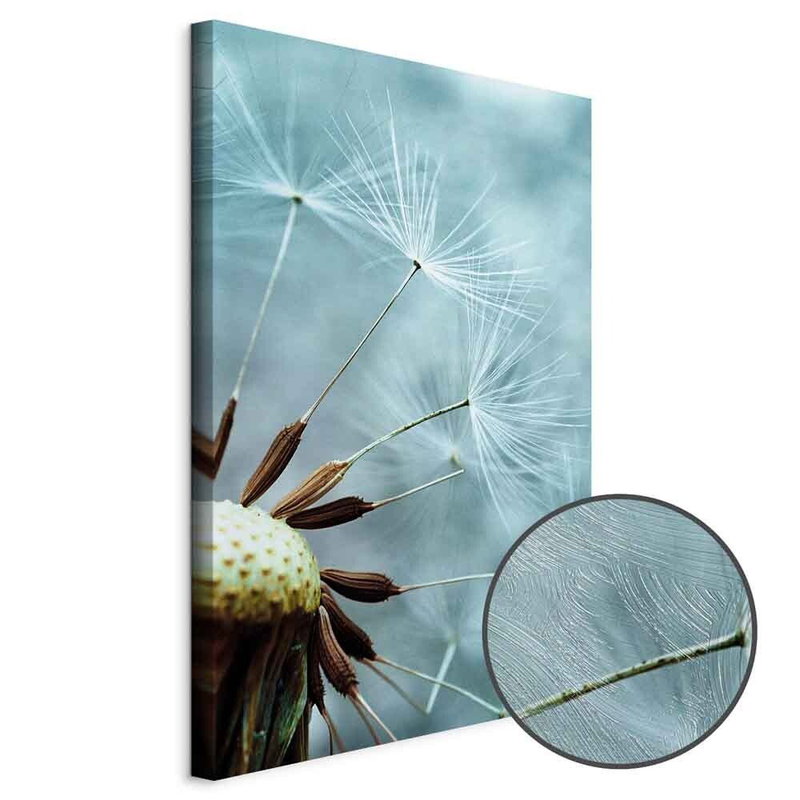
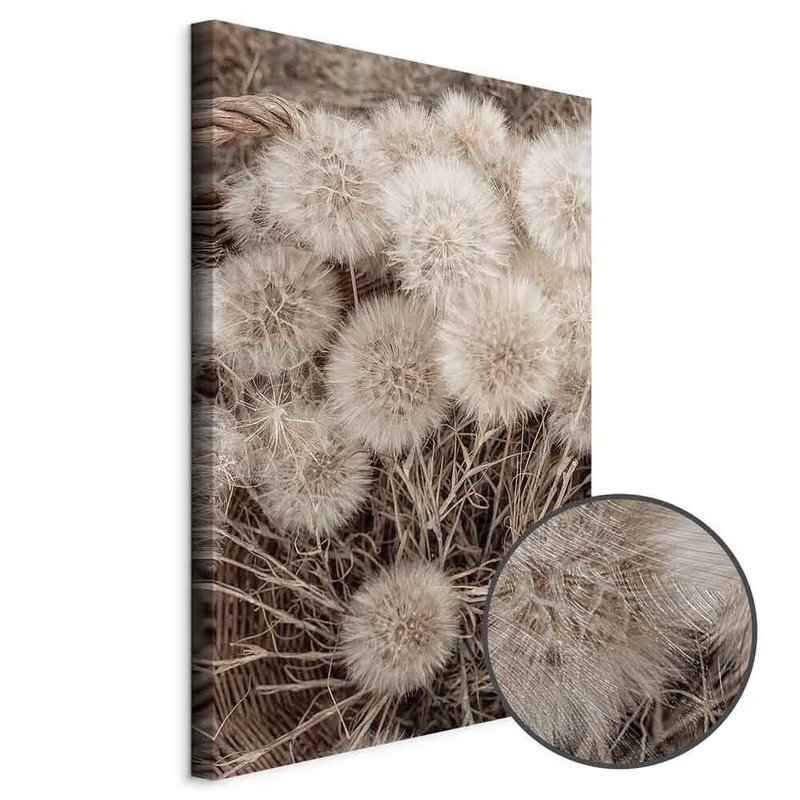
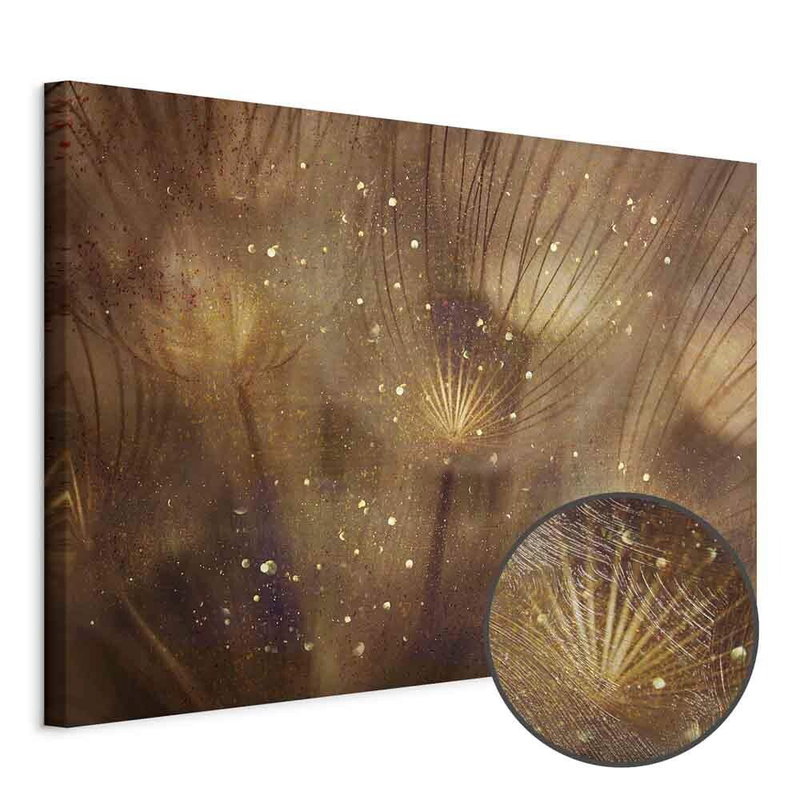
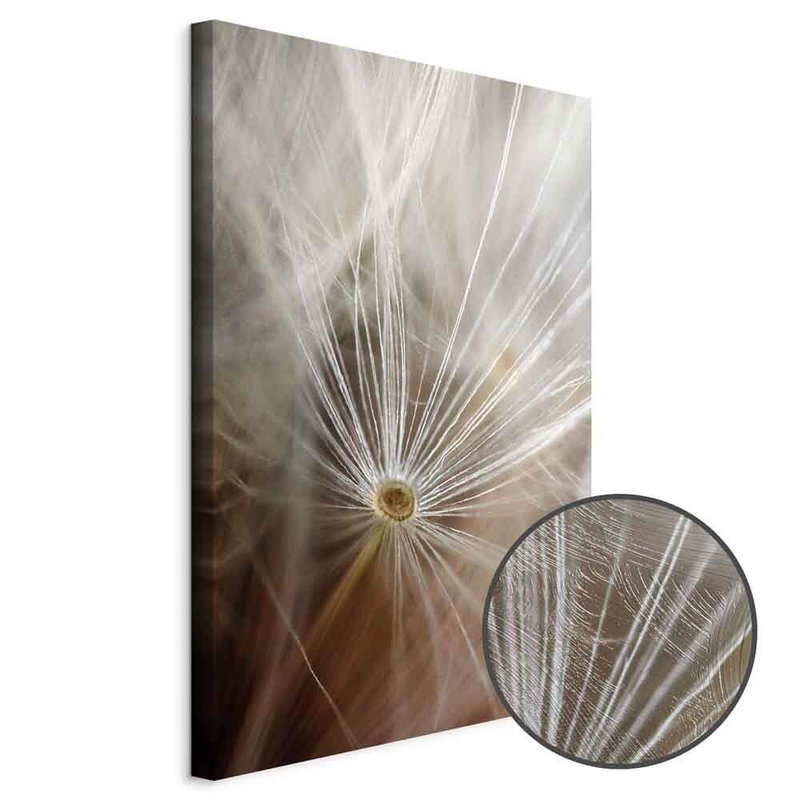
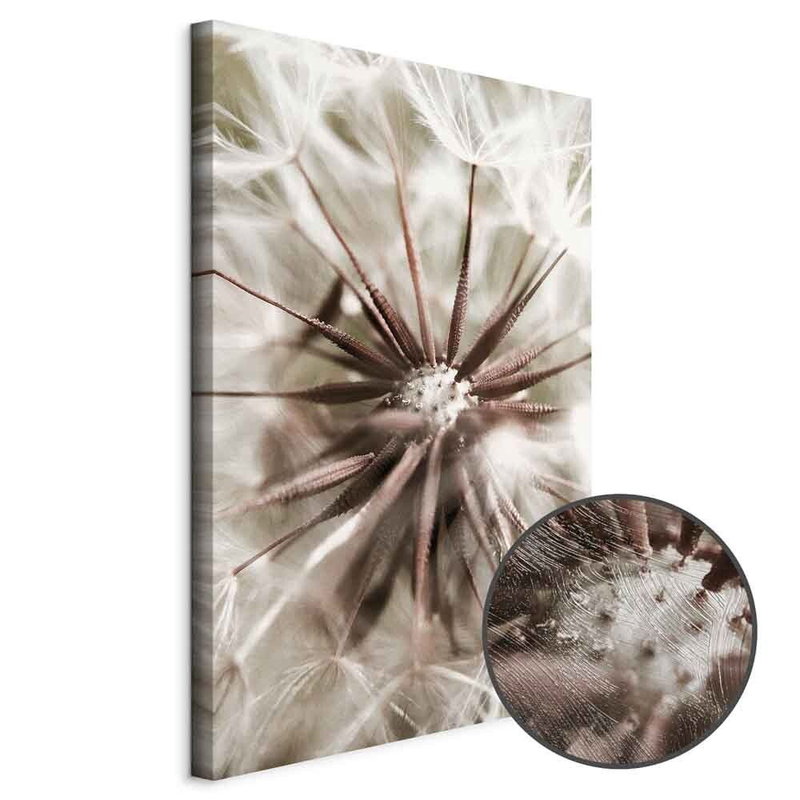
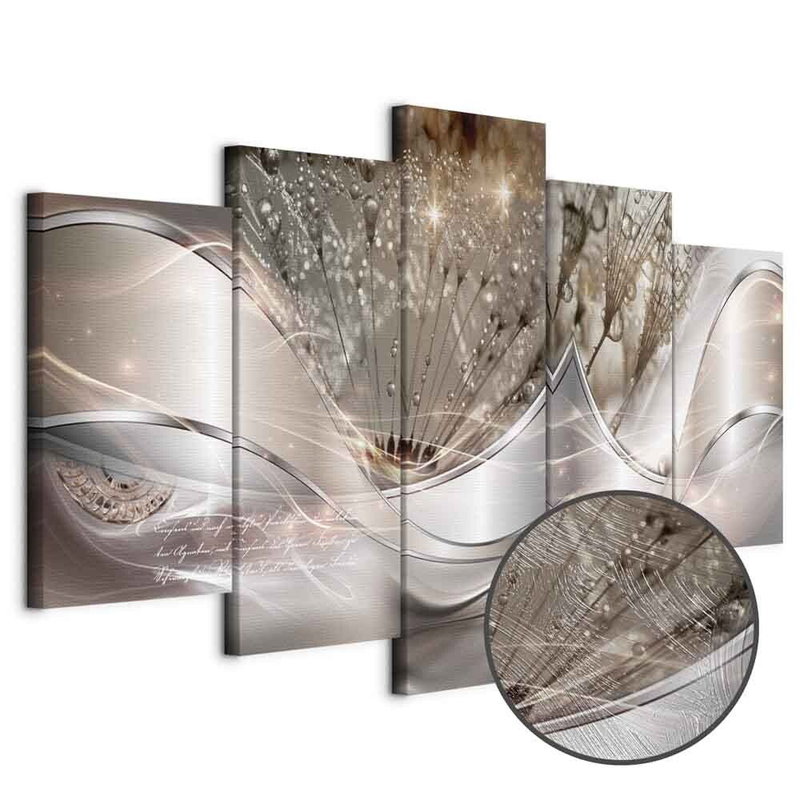
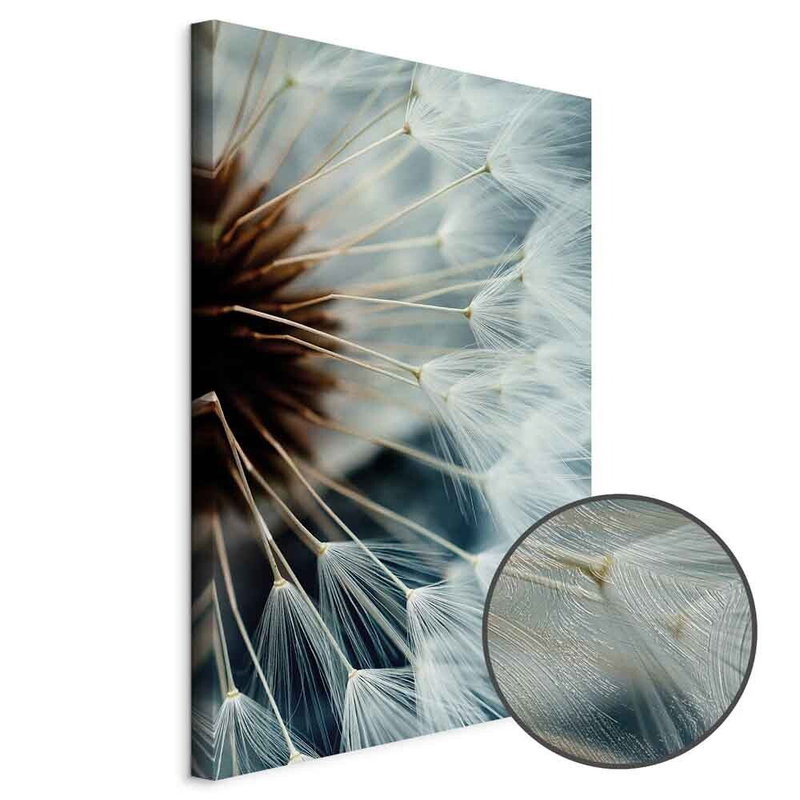
This group includes close seed details and freer interpretations of the seed head. Fine white strands can feel airy, while a dark or blue background emphasises contrast. Consider the whole image and your viewing distance.
Choose the design and its position
Compare the dimensions and number of panels on the product page before planning installation. Separate panels need suitable spacing, and the whole design should work from the usual viewing position. Follow the installation and care instructions for your selected model.
The premium surface and room acoustics
The printed design is combined with hand-applied clear gel that gives the surface physical texture. The sound-absorbing construction can help reduce room reverberation; the plant subject itself does not provide a particular acoustic rating. The effect depends on the absorbing area and the other materials in the room.
Free shipping refers to delivery to a collection point where offered. Existing terms apply to other delivery methods.
See how seed-head lines build the image
Dandelion subjects may gather many fine lines into a round form or scatter individual seeds across the image. Notice where the lines meet and how much clear background lies between them. This determines whether you mainly see a distinct ball, a direction of movement or a more distributed pattern from the room’s usual position.
Compare the complete crop before its smallest details. A large close-up may make seed shapes the main subject, while a smaller head leaves more room for stem and background. Different compositions can share a dandelion theme without the same palette or apparent level of detail on the wall.
Choose contrast with the wall in mind
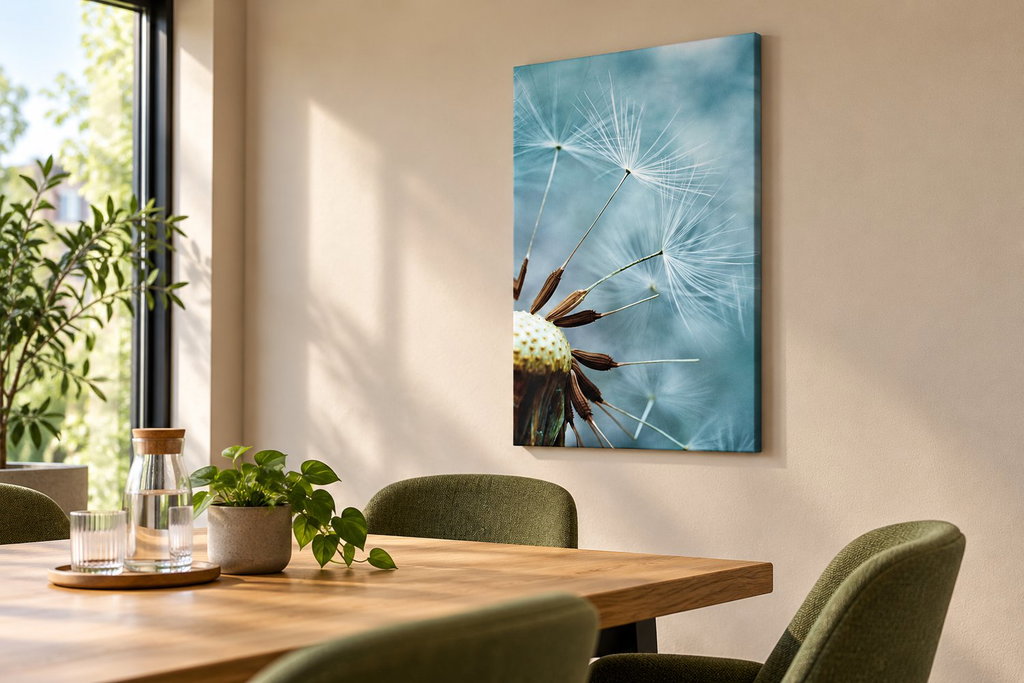
Pale strands need to be seen with their background within the image. A dark ground can clarify outlines, while close tones create a softer transition. Assess both the image background and the intended wall. They are separate surfaces but together affect how distinctly the whole arrangement is defined.
A blue tone may recur in textiles or movable objects without matching every shade. If furniture already has strong patterns, an image with more clear background may combine more easily. Use the actual product image; the category does not guarantee that every dandelion design is pale or restrained.
Plan the format around the seed head’s position
Check where the main forms sit in the chosen product. A central seed head may need a different balance above furniture from seeds drifting sideways. Read format, dimensions and panel count on the product page before drawing the arrangement and deciding on surrounding clear wall.
For several panels, assess both gaps and image continuity. Test the complete format with paper templates from seated and standing height. A similar image in another finish does not replace checking the actual parts supplied. Follow the model’s installation instructions and match fixings to the wall.
Separate the image’s lightness from the picture’s construction
Airy seed forms are a visual quality in the print. They do not mean the picture is lighter, thinner or more sound-absorbing than another model. Hand-applied clear gel adds physical texture to the premium surface, while depicted shadows and strands remain parts of the image itself.
Consider the direction of light and usual viewing distance. Fine lines may reward close viewing, while larger light and dark fields carry the composition farther away. Assess finish and care through product information rather than inferring properties from the delicate seed image.
Combine the dandelion image with practical acoustic planning
Decide whether the picture will be a single focal point or part of a group. A shared background tone can connect different subjects. Leave enough spacing to distinguish each picture’s shape and check continued access to doors, storage and other wall equipment.
Then plan absorbing area alongside other materials and sound reflections. The seed image is a furnishing choice with no performance level of its own. Follow hanging and cleaning advice so that print and premium texture receive appropriate care when the picture contributes to both interior and acoustics.