




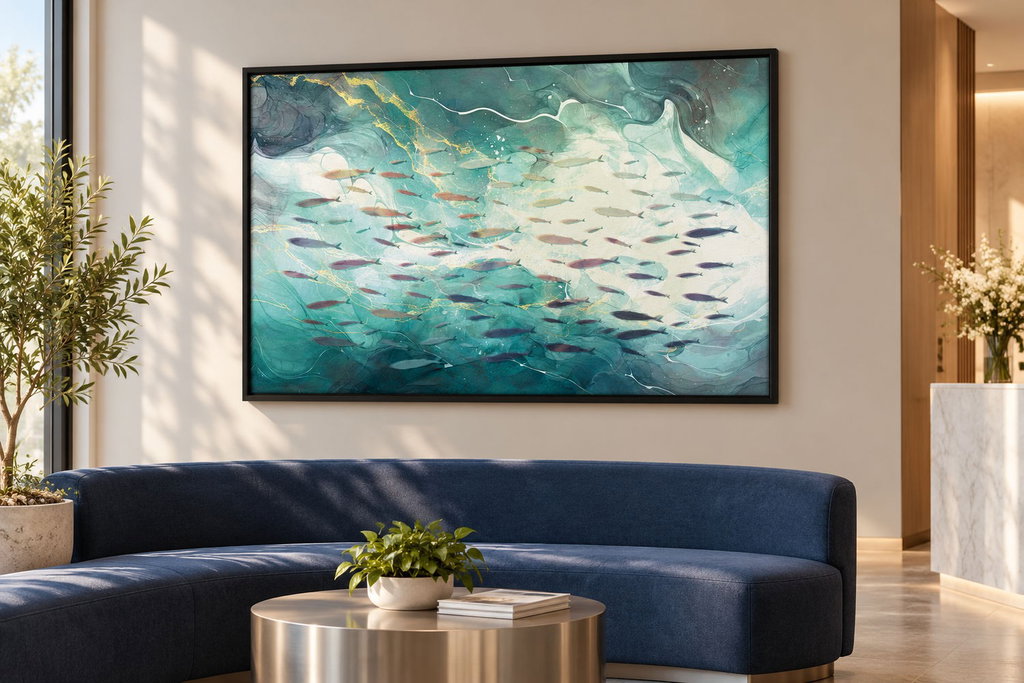
Animals as the main figure or part of a narrative image
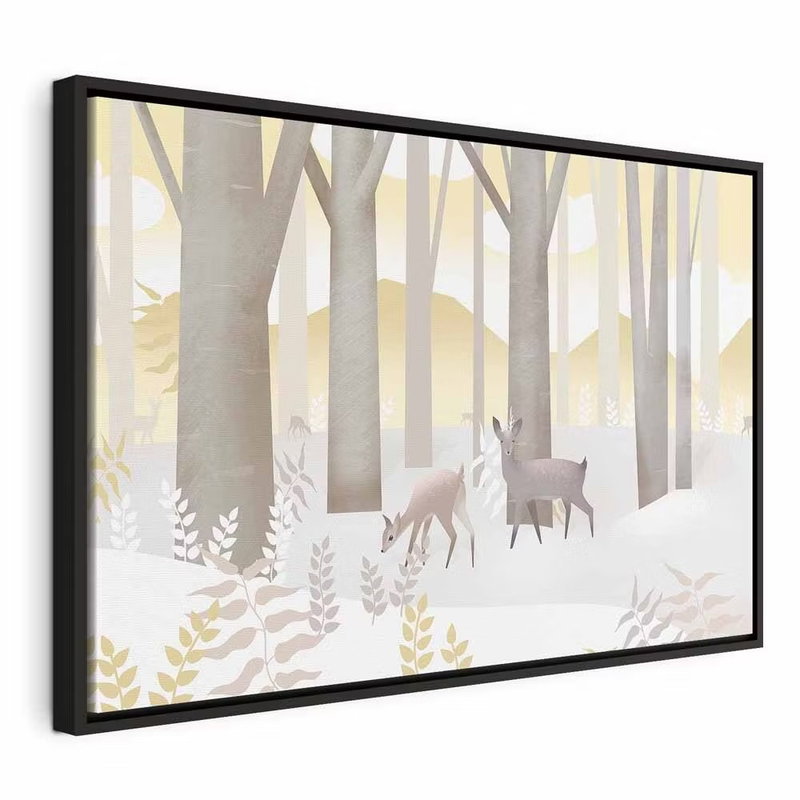
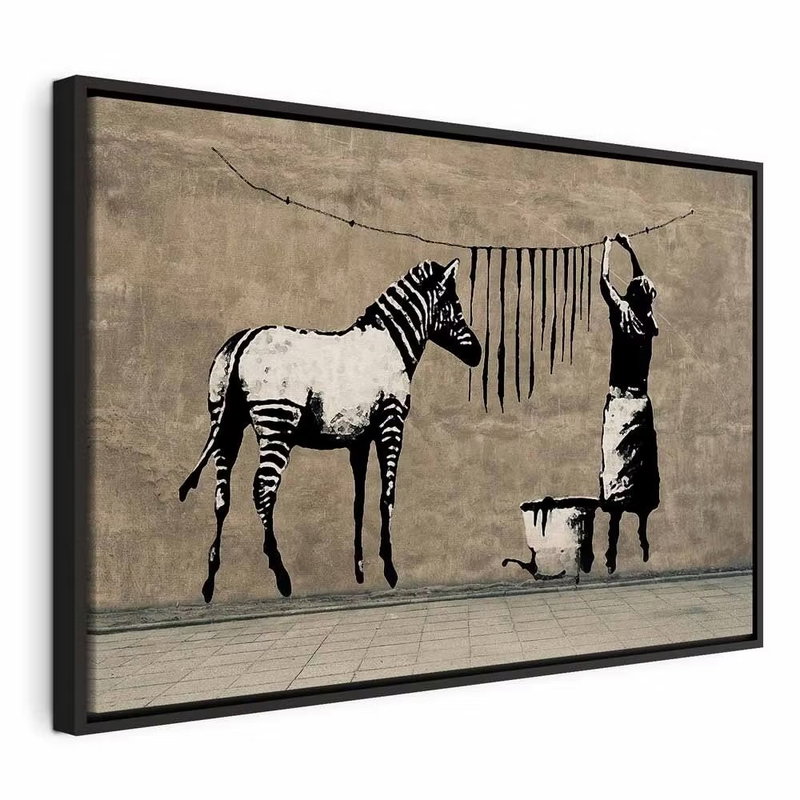
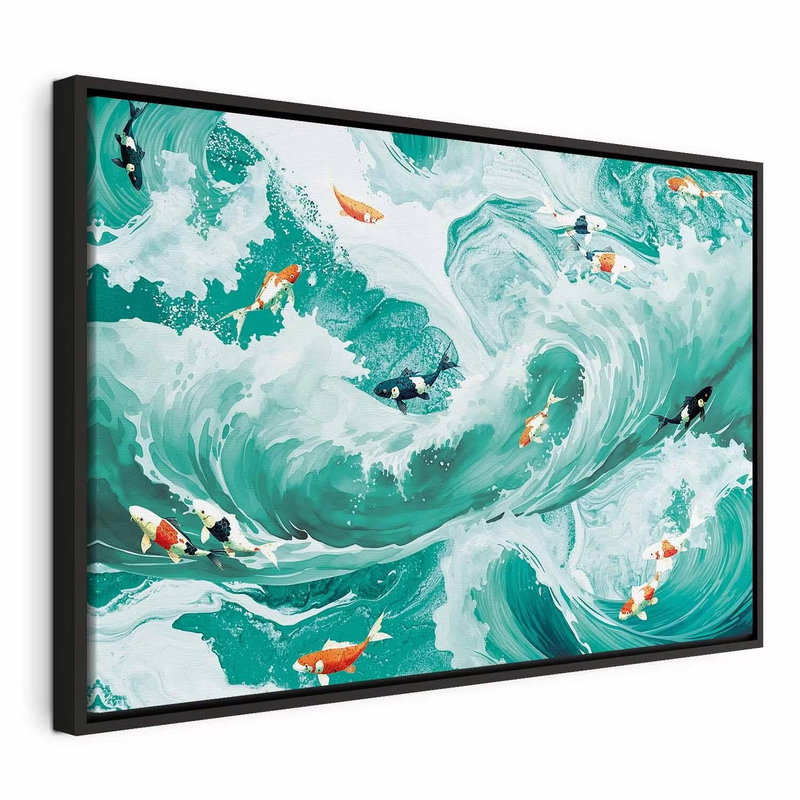
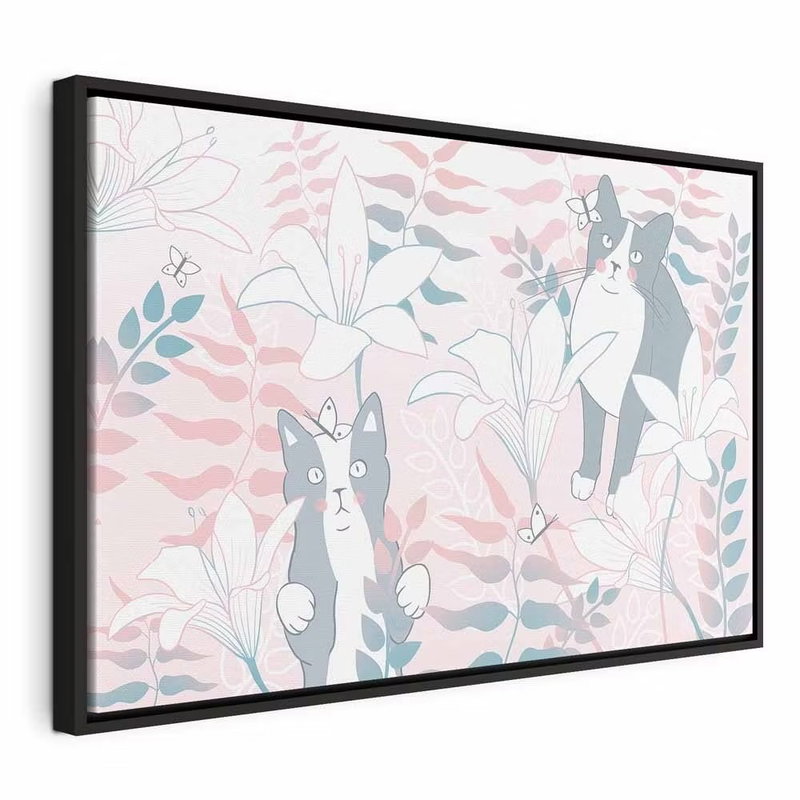
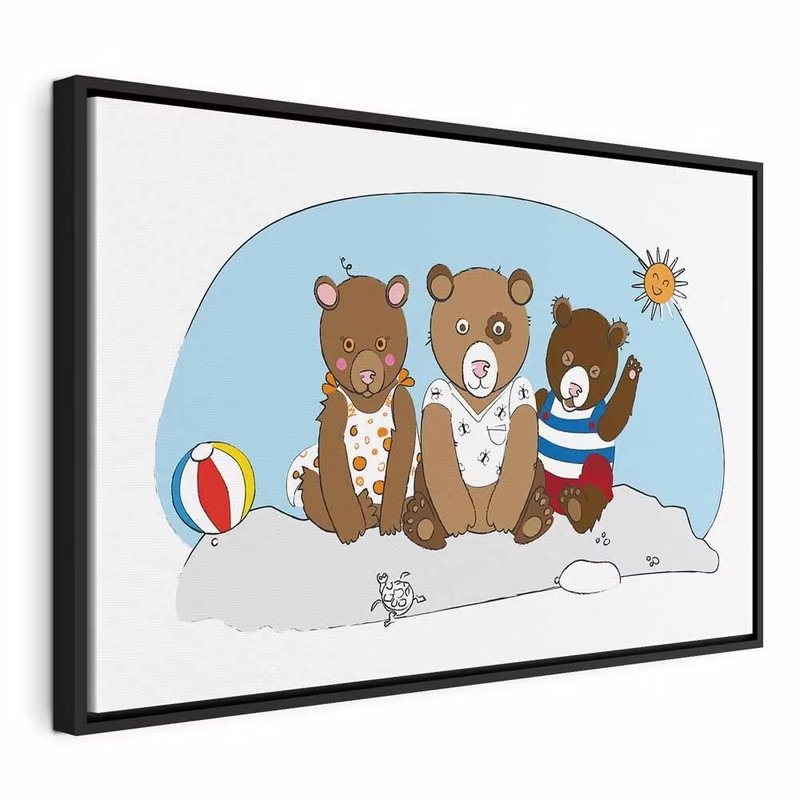
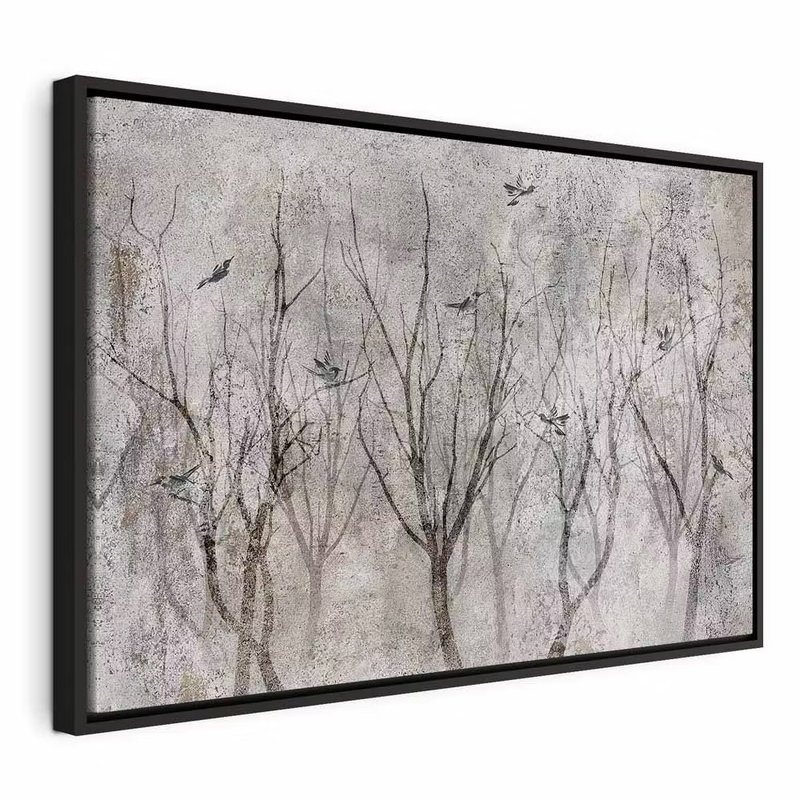
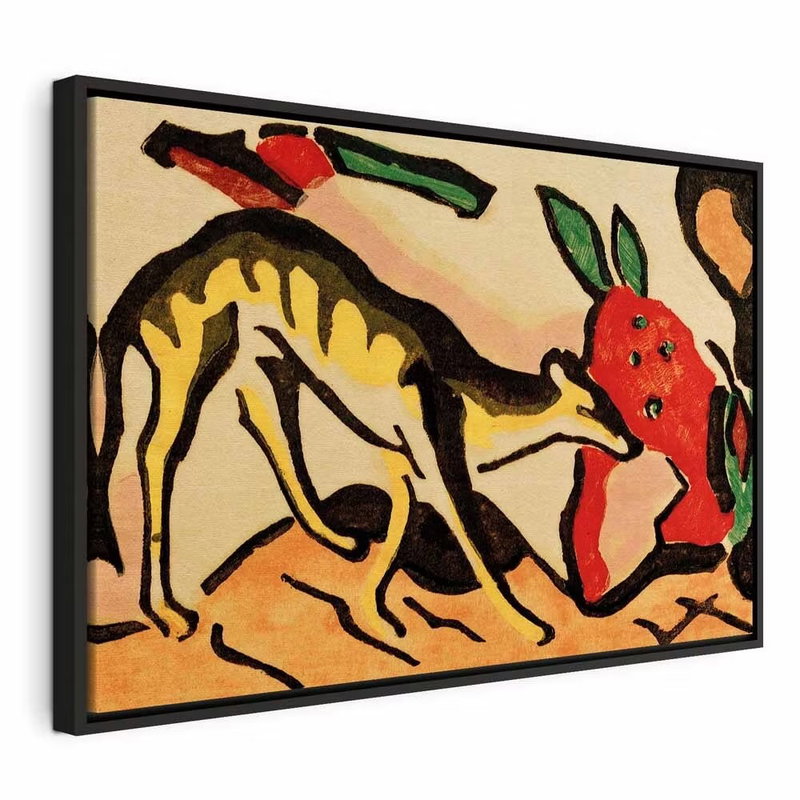
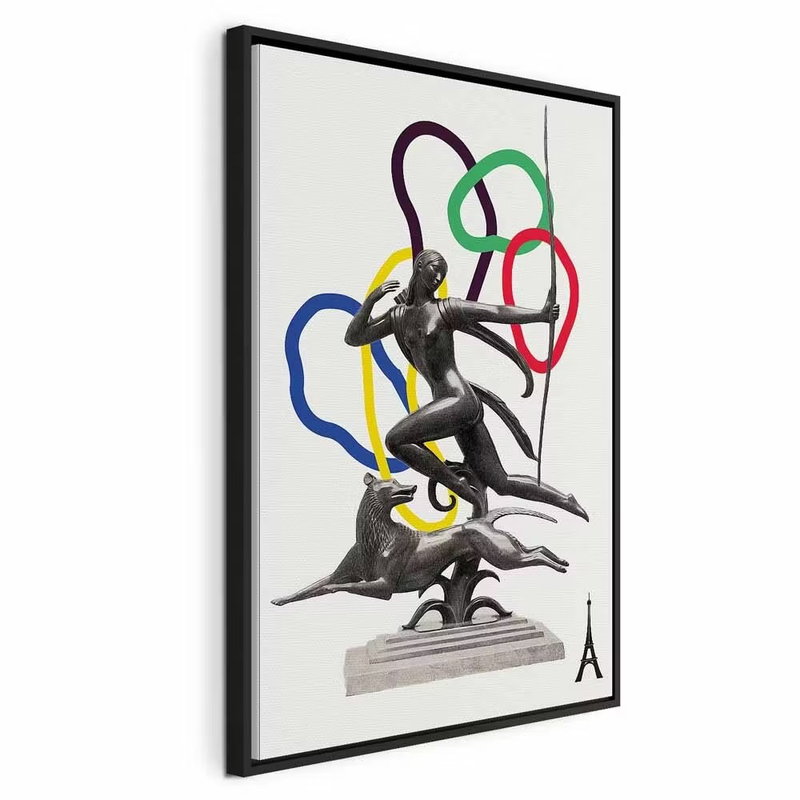
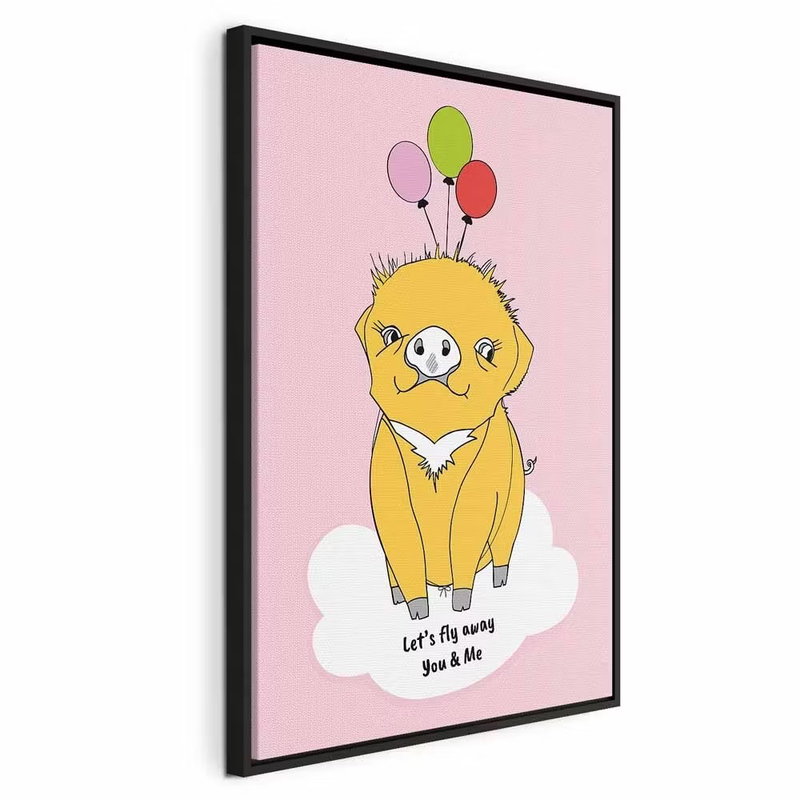
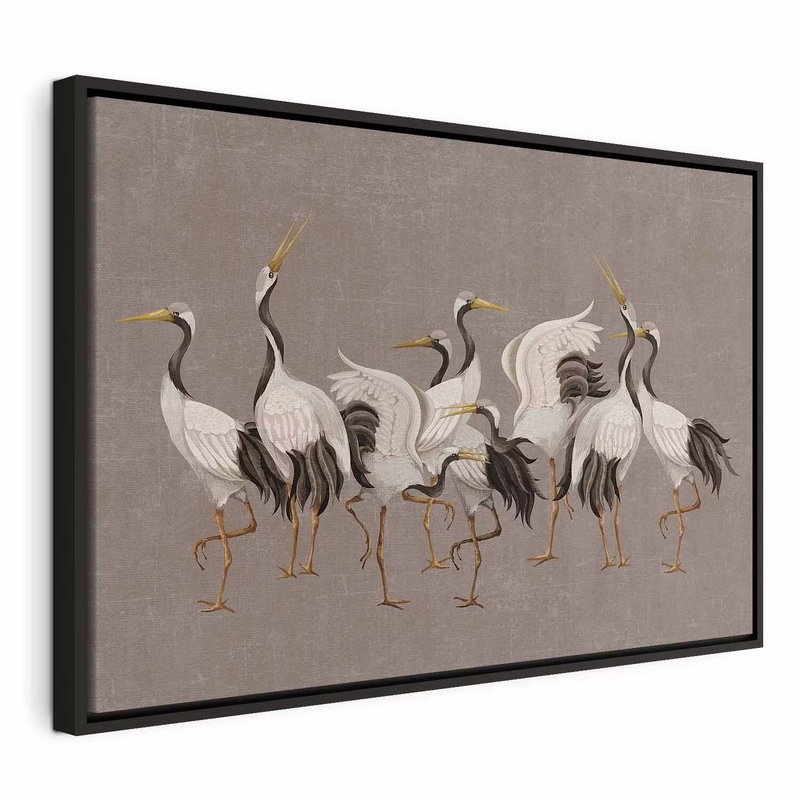
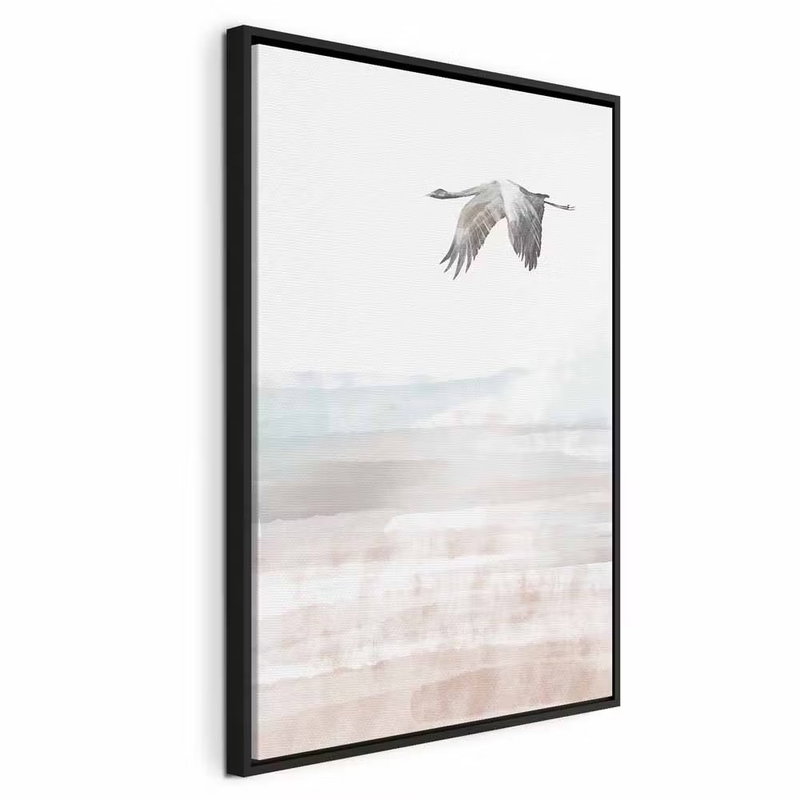
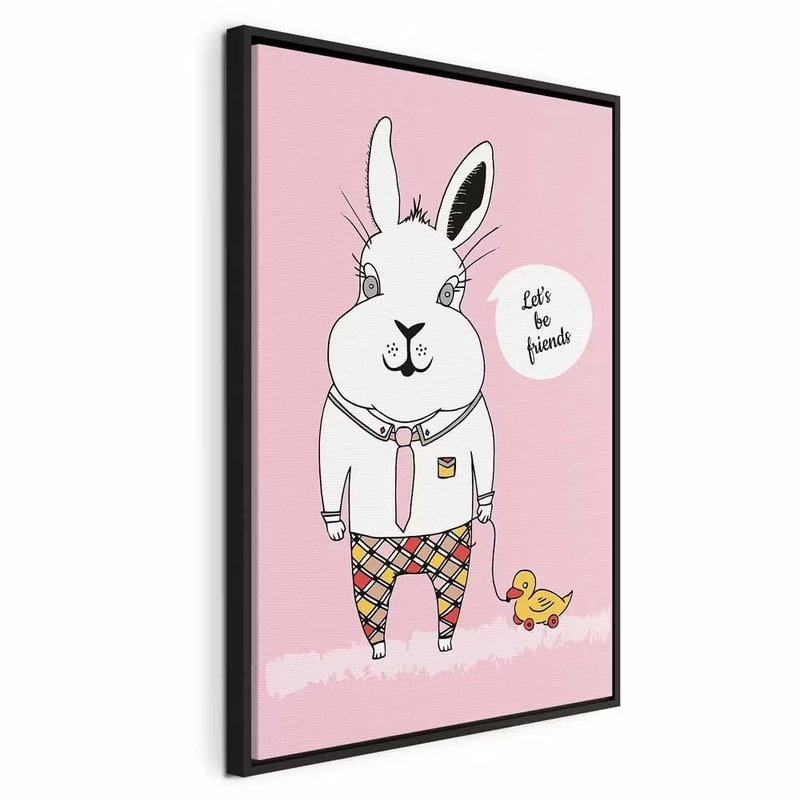
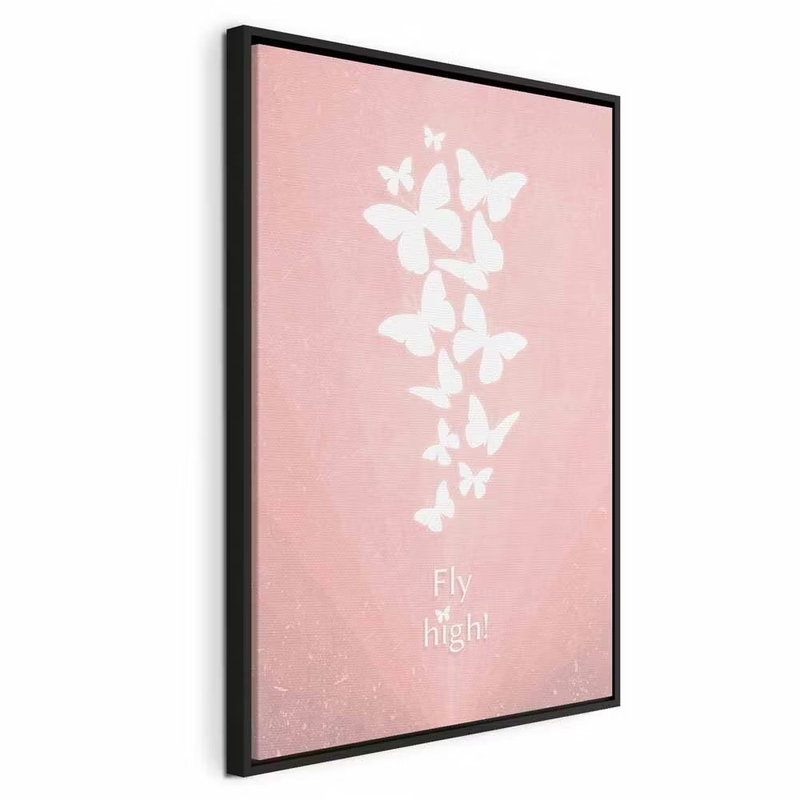
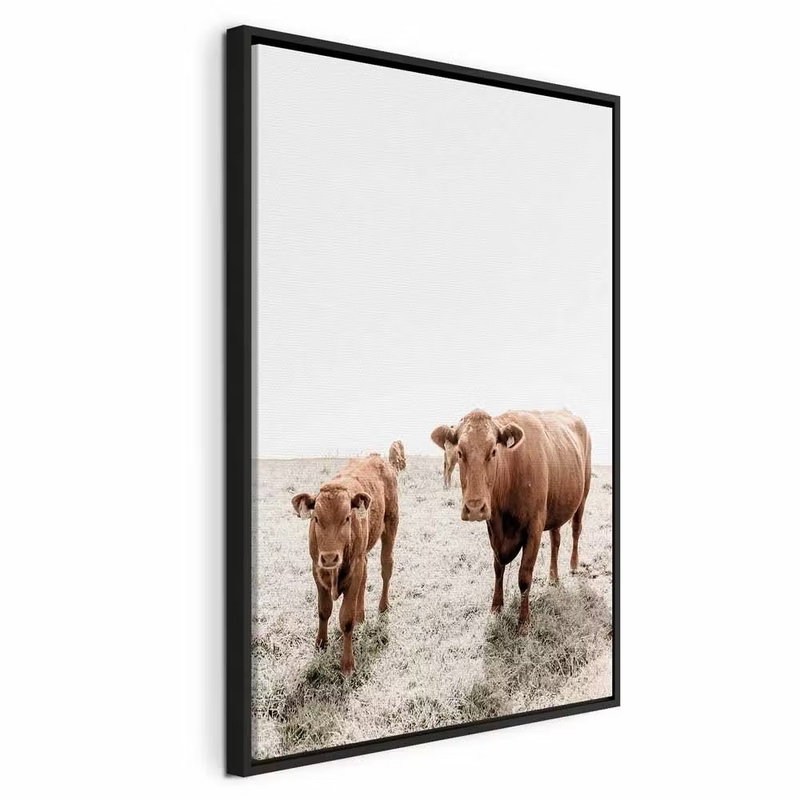
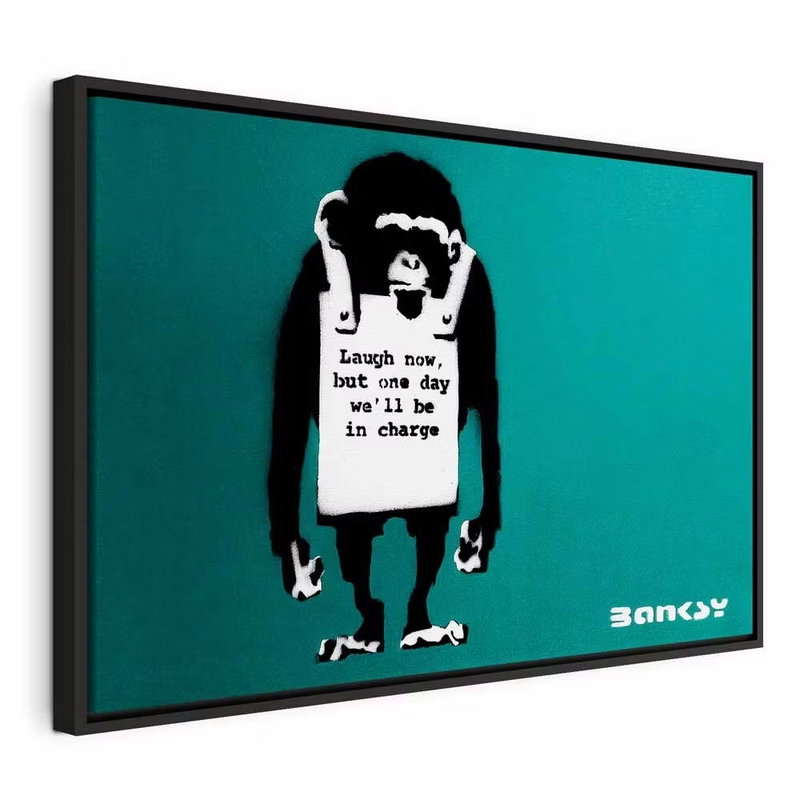
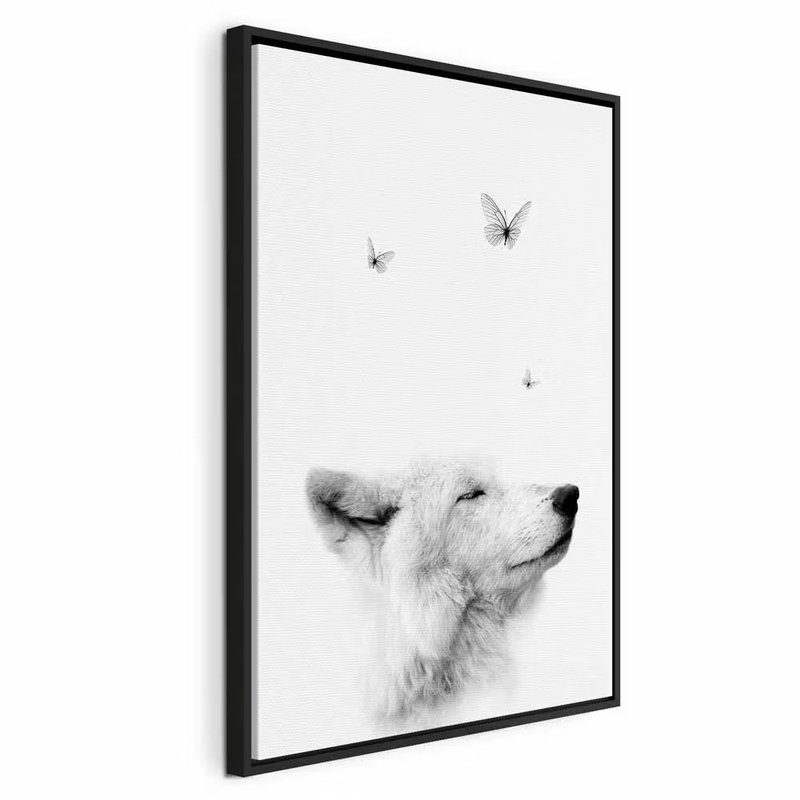
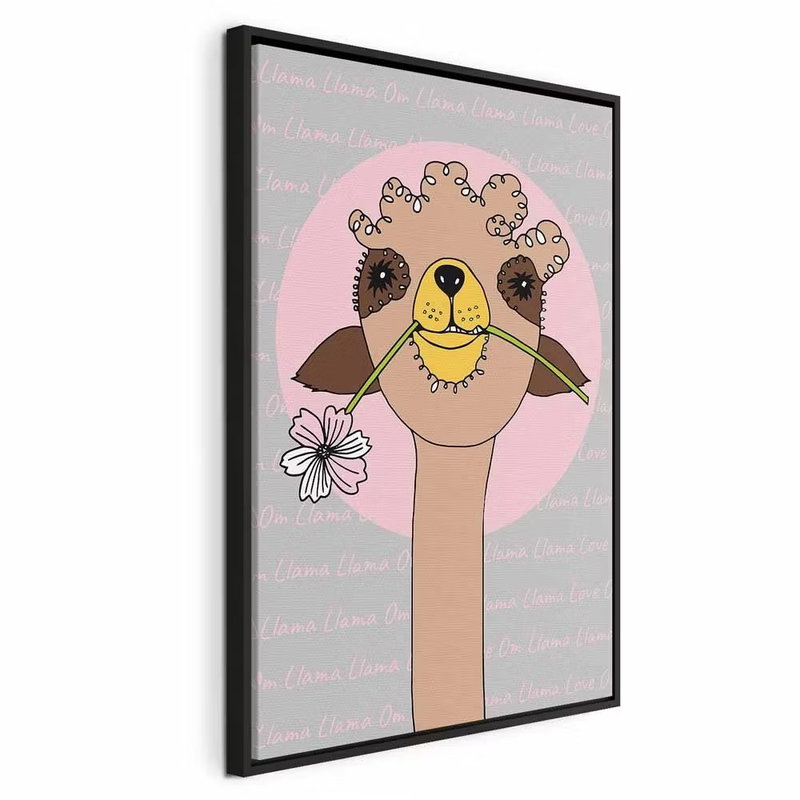
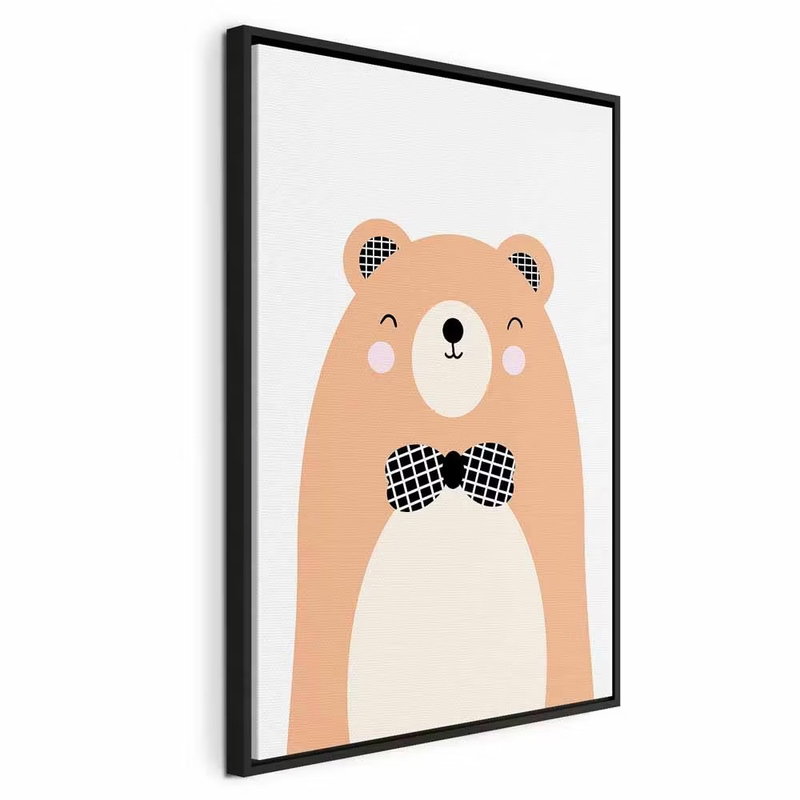
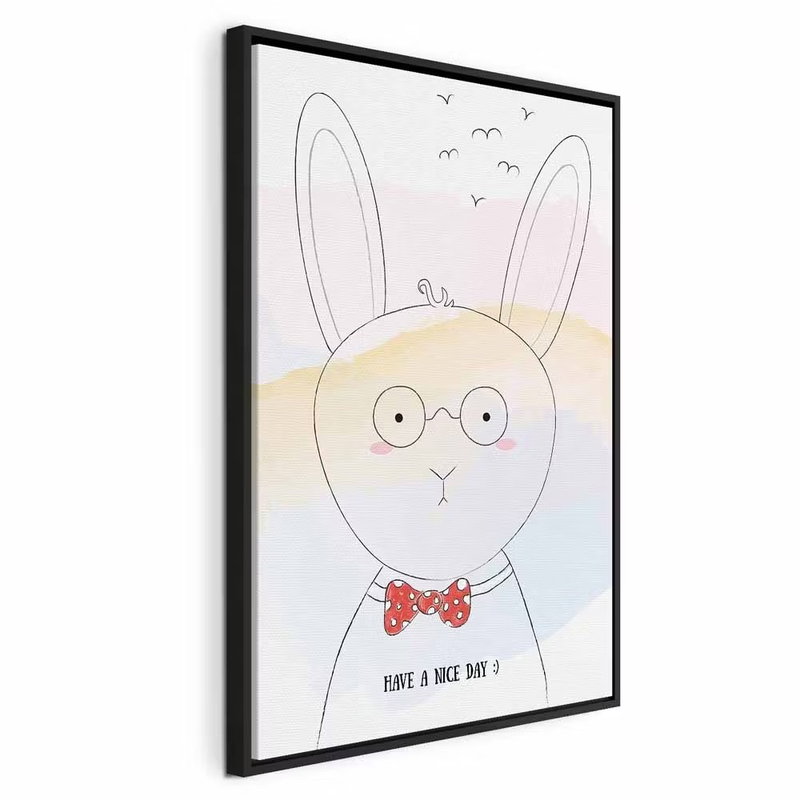
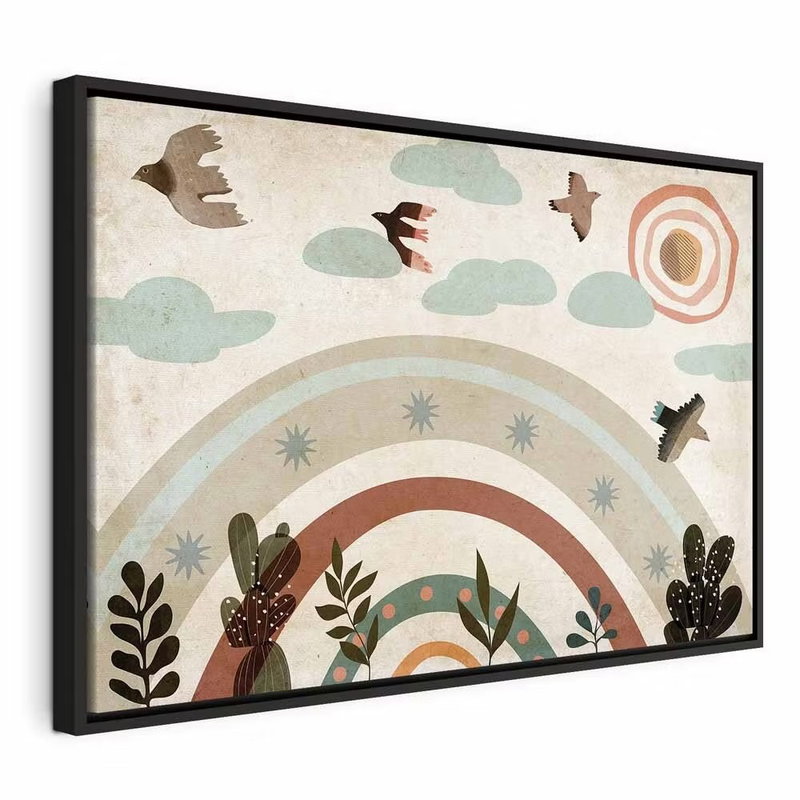
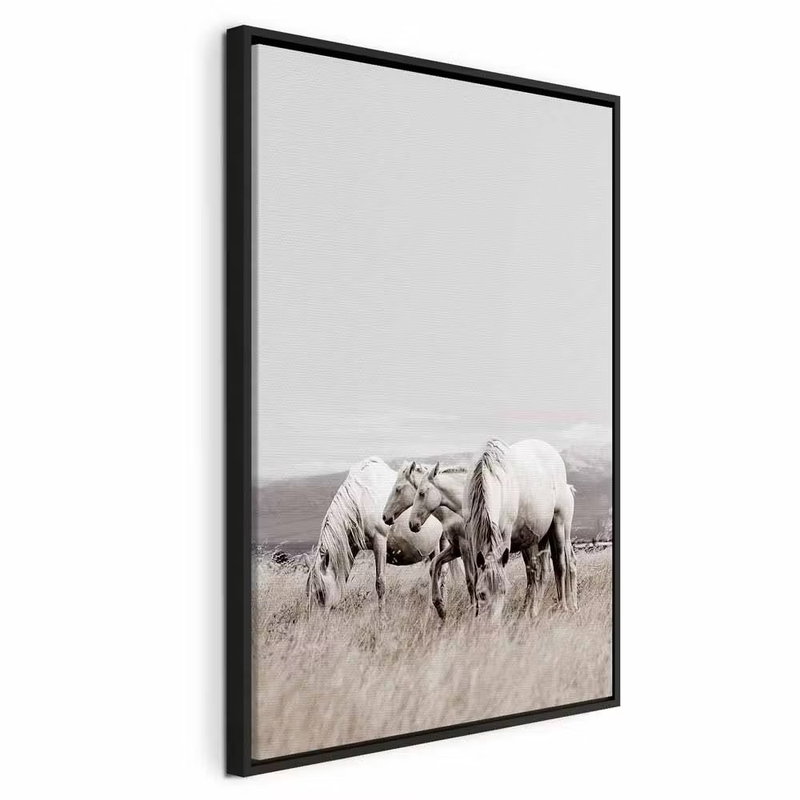
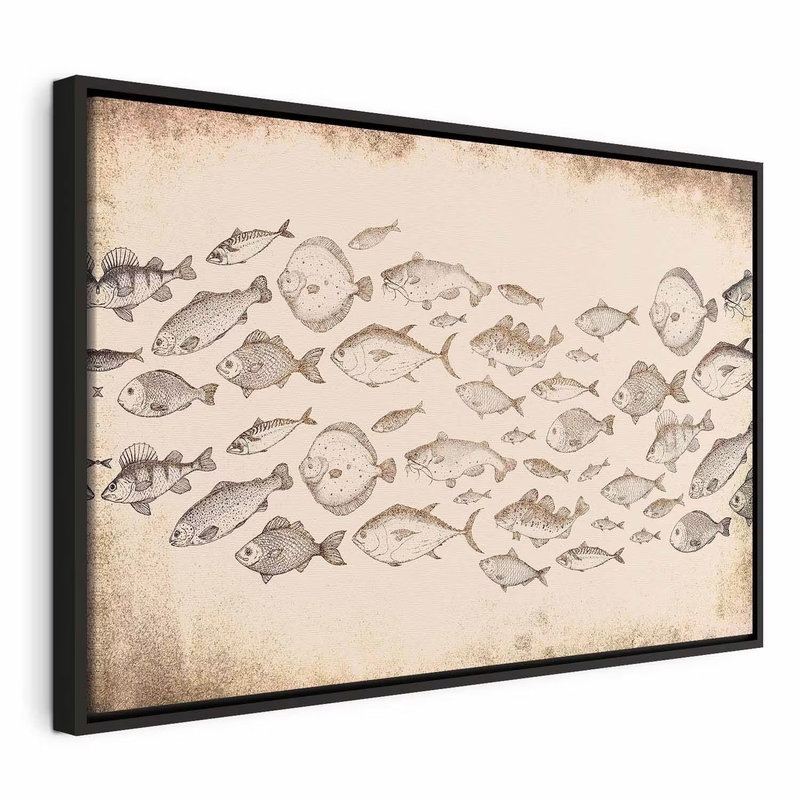
The range includes different ways of depicting animals. Illustrated teddy bears can create a playful image with a clear narrative, while birds and butterflies among flowers take a more decorative role. A painting of several animals in a landscape needs to be read as a whole scene rather than an individual animal portrait.
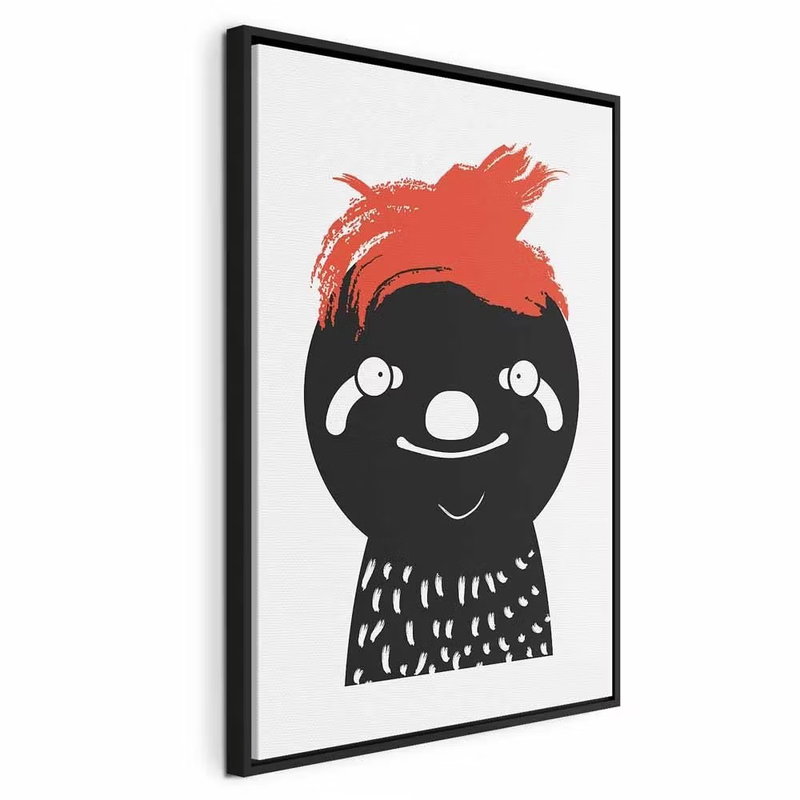
Consider what should be noticed first on entering the room. A single figure against a light background creates a different focus from a dense pattern of animals and vegetation. Choose the image type that suits the room’s use and the personal connection you want.
Give the background and colours as much weight as the animal
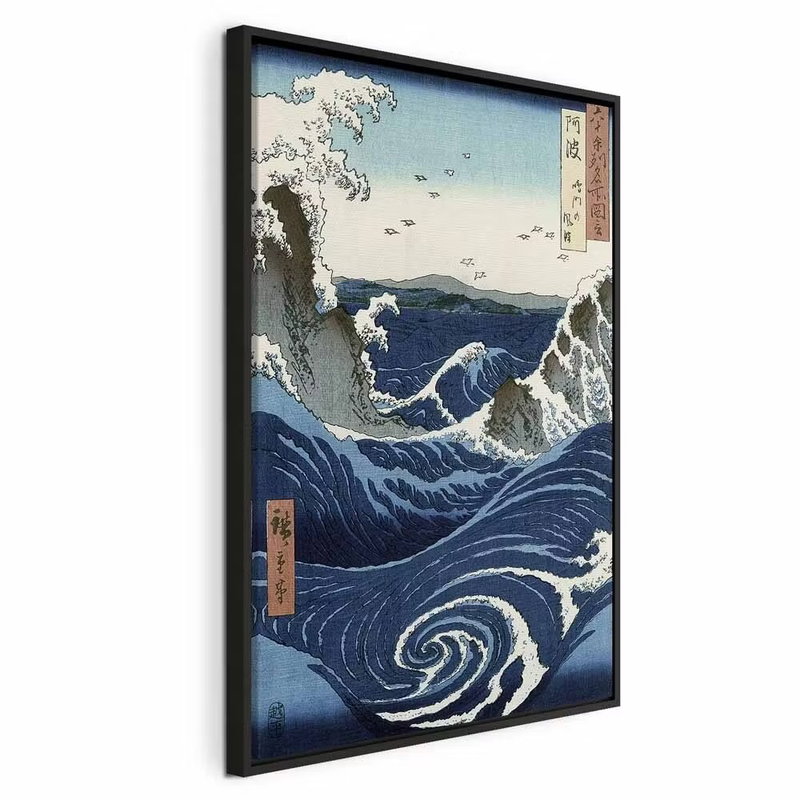
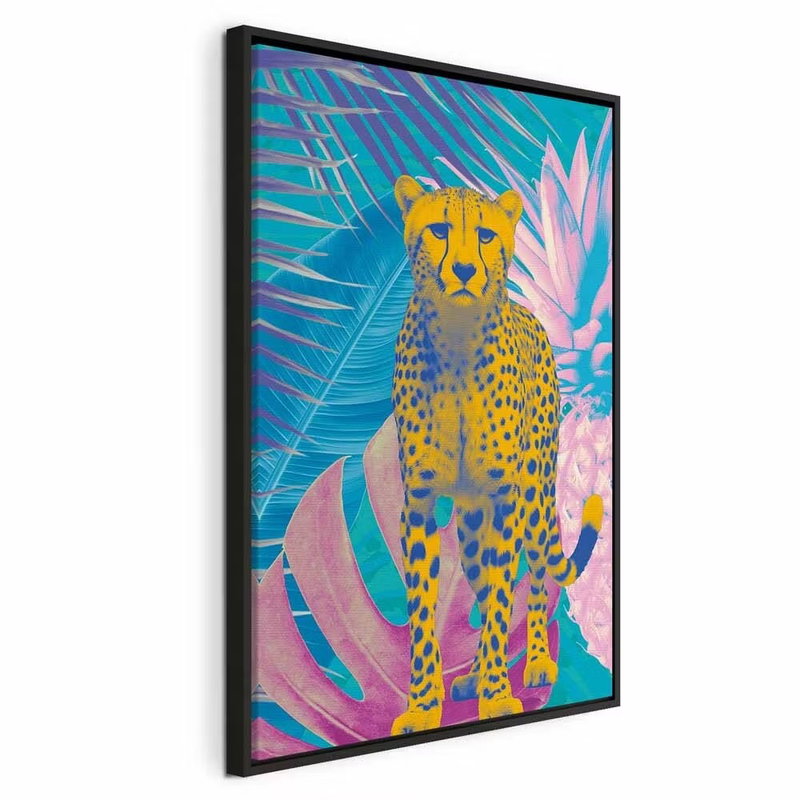
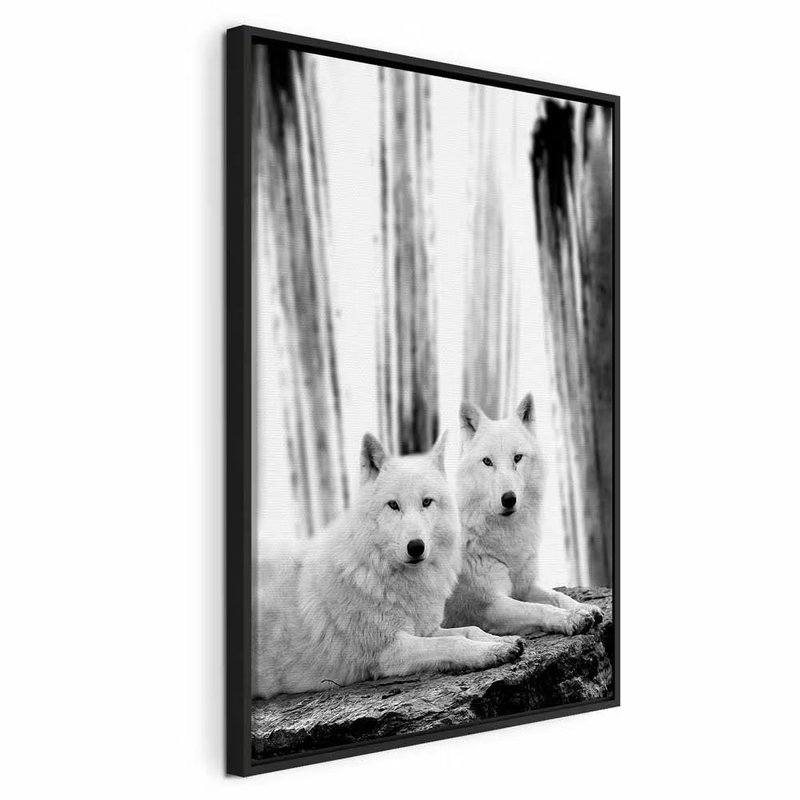
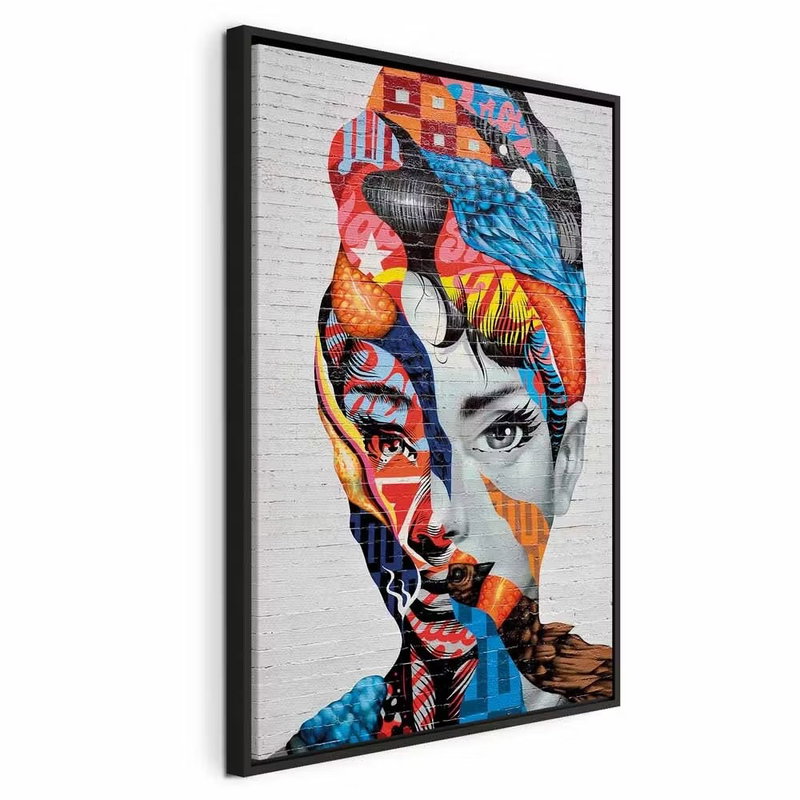
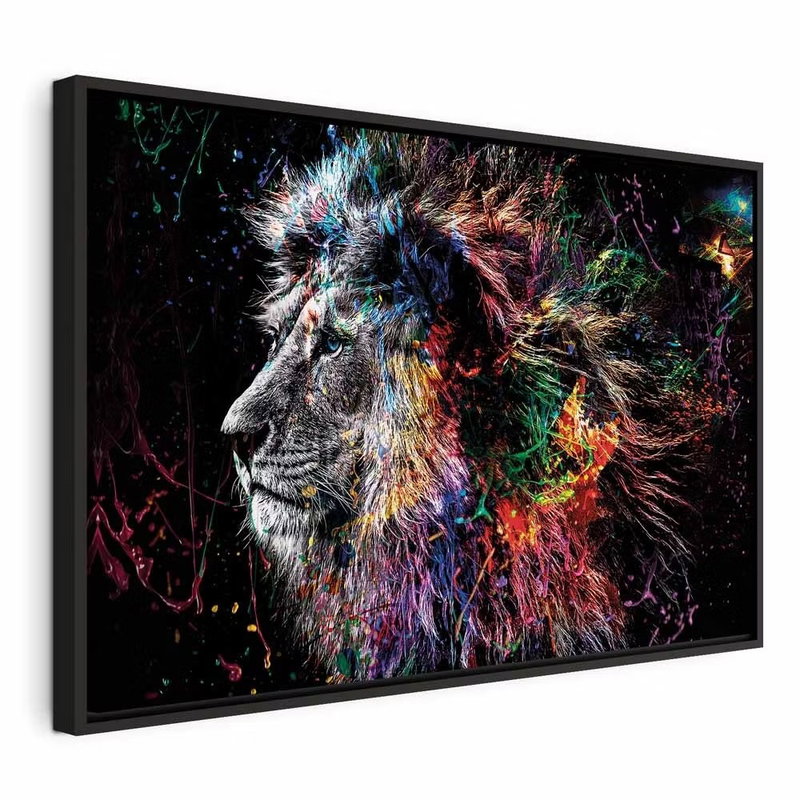
Two images of the same kind of animal can differ greatly in contrast, detail and colour. A defined frame can support a light illustration, while a darker or more patterned image needs to be assessed against the wall colour and nearby textiles. Look at the whole product image before comparing frame choices.
For a picture group, a recurring background tone can connect different animal subjects. Still leave space between images so that each figure and frame remains distinct. It is often easier to choose the group’s main picture first and then find companions than to start with many equally strong focal points.
Match the expression to the place where it will be seen
A playful teddy bear image may suit a personal reading or play corner, while a quieter bird subject can form part of a shared seating area. Start with the actual image: the Animals category does not mean every picture has the same age focus or visual tone.
Choose the format around the figures and available wall area. Check that important details will have the size you want at a normal distance. Follow the selected model’s hanging instructions and plan its position around furniture, access and wall material.
Combine the subject choice with a realistic acoustic need
The picture’s sound-absorbing construction sits behind the printed animal image. It can form part of a solution for reducing reverberation, but the subject itself does not determine absorption. Assess the picture’s size and position alongside the other surfaces.
A framed animal picture is not a sound-insulating partition between rooms. More extensive improvement may require several absorbing surfaces. Check materials, variant choices and care instructions so that your chosen picture suits both the visual idea and the practical setting.
Look at how the figure meets the image edges
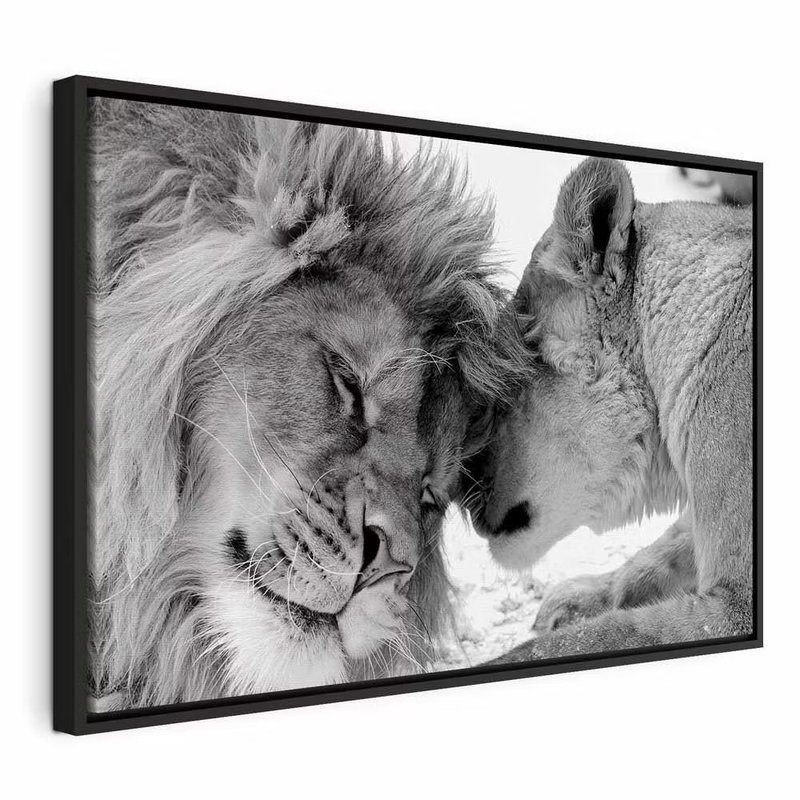
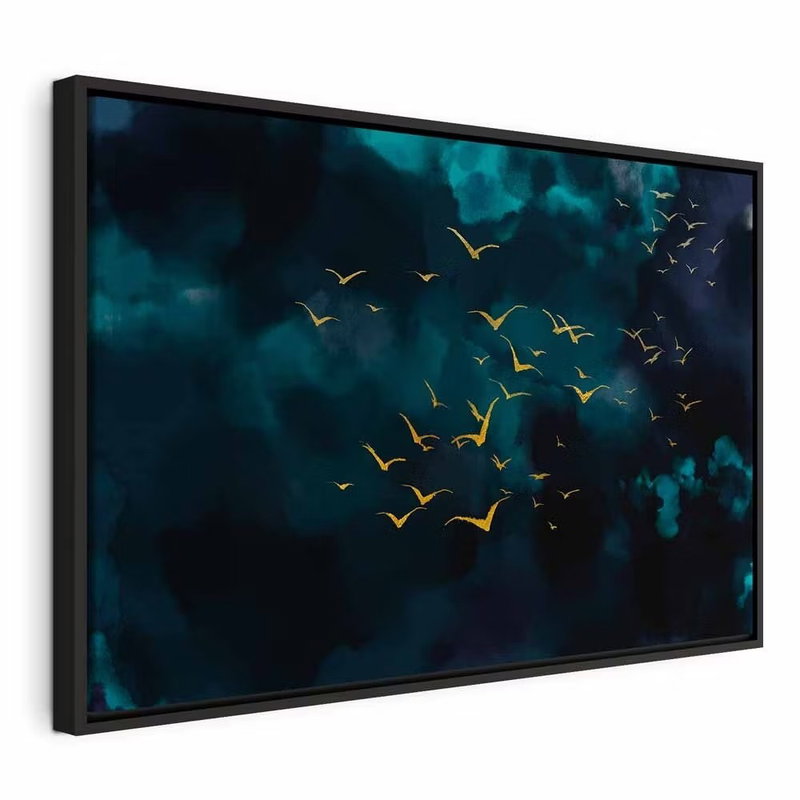
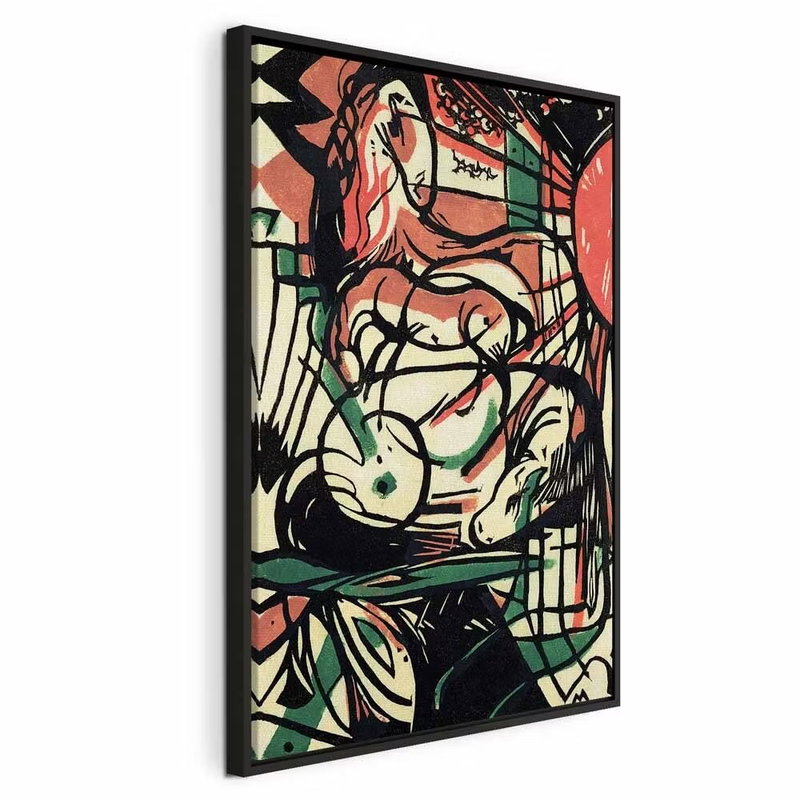
An animal may sit in the middle of the image or gain meaning from its surroundings. Check whether the body, wings or other important parts are shown in full and how much background the composition leaves. A close-up may create a stronger connection with the figure, while a wider scene can give the setting a clearer role. Choose by what you actually want to see on the wall, rather than only the animal's name.
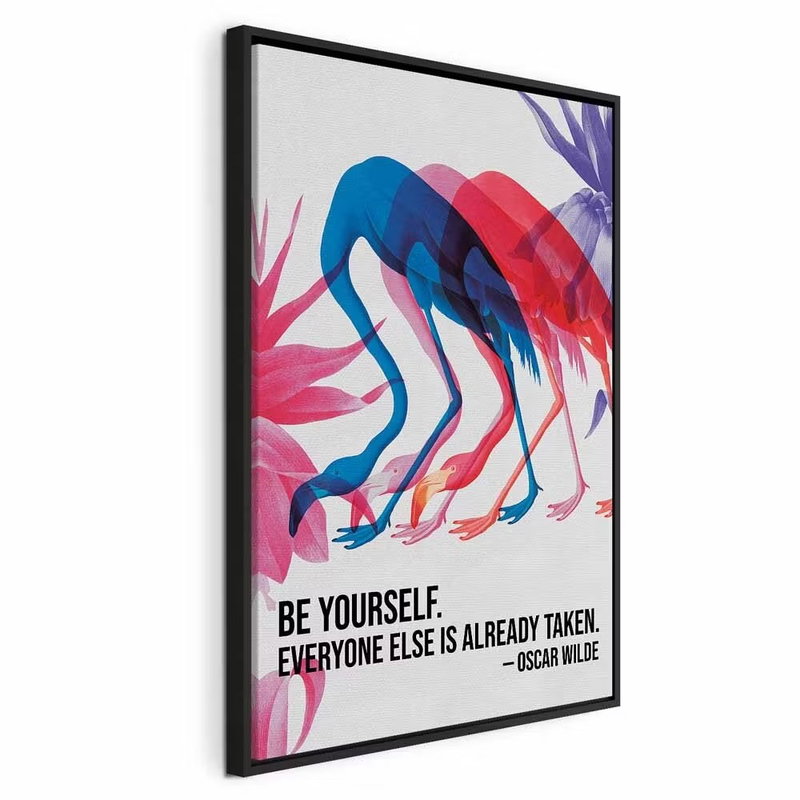
The illustration's character may also matter more than the species. Soft lines and calm colours give a different expression from strong contrasts and many small forms. Compare the actual images even when their subjects are related. A bird in a plant pattern and a single bird figure need not work in the same way within a picture group.
Plan the image's place in everyday life
Consider how the picture meets the people using the room. A picture seen from an armchair can be judged from seated height, while one in a passage needs to work as people walk past. The smallest details are not always what makes the greatest difference in that position. Check that the figure's main shape and the colours you chose the image for remain visible from the usual distance.
Create connections without identical animals
A shared tone, similar backgrounds or the same calm rhythm in the compositions can unite a group. You need not choose several images of the same animal to achieve a considered whole. Decide how much attention each motif should receive and leave enough space between the frames. Compare the group with the clear wall area and furnishings before choosing final formats and positions.