






Insect designs that combine a sense of nature with better room acoustics
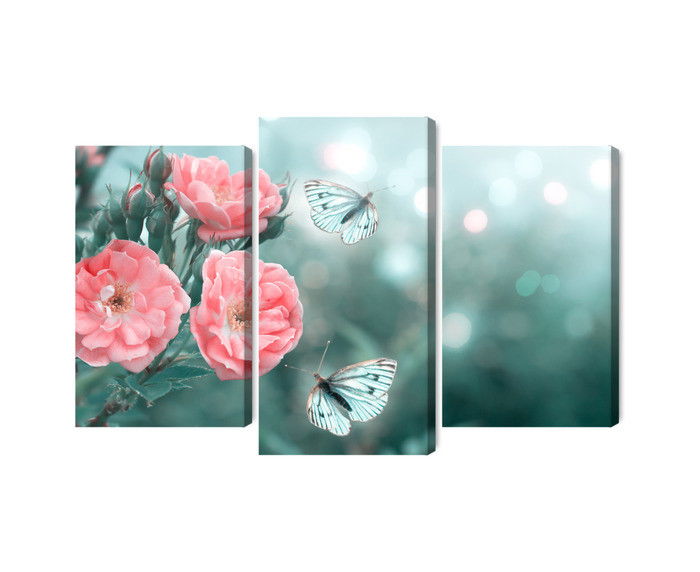
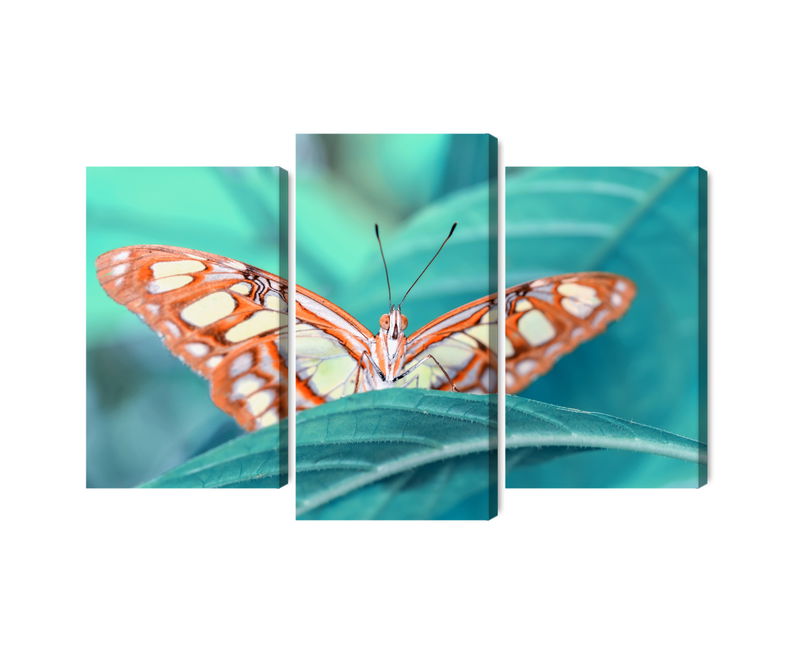
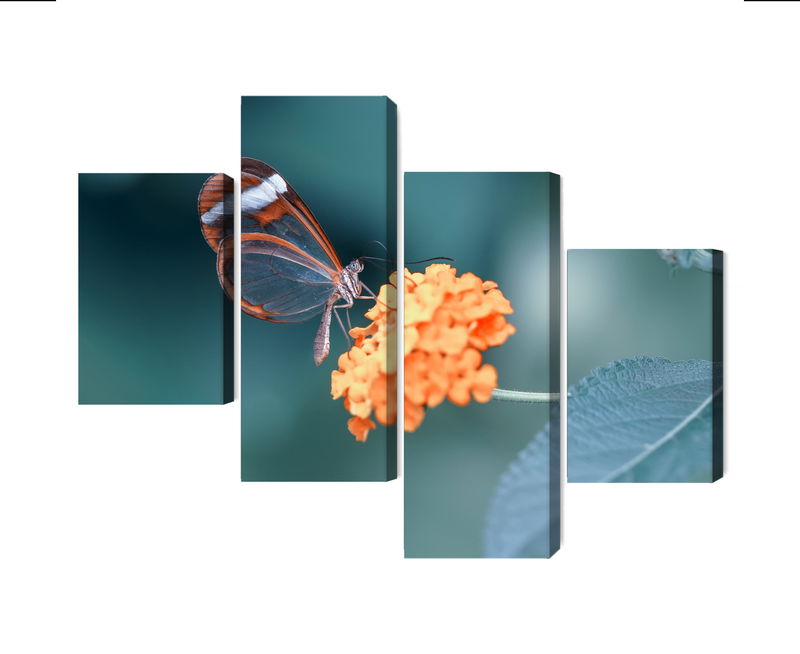
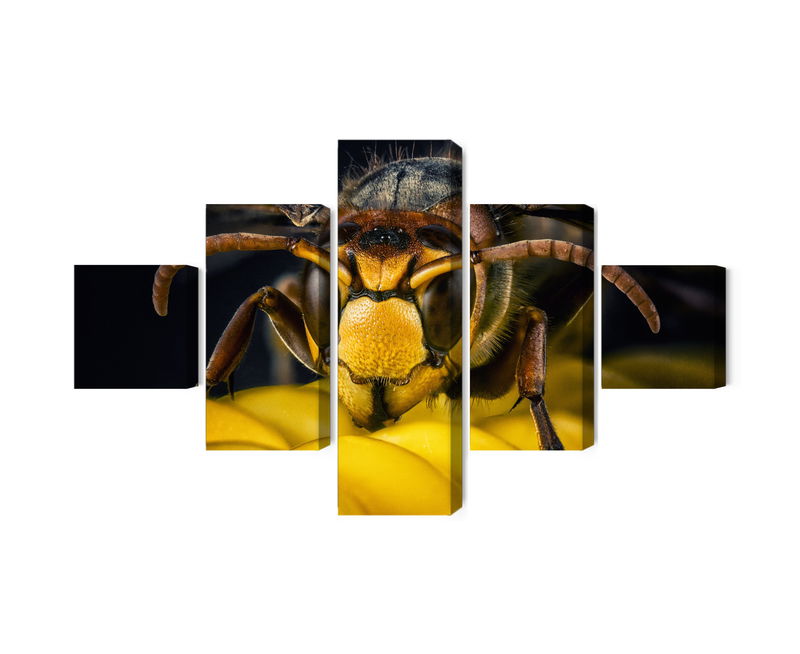
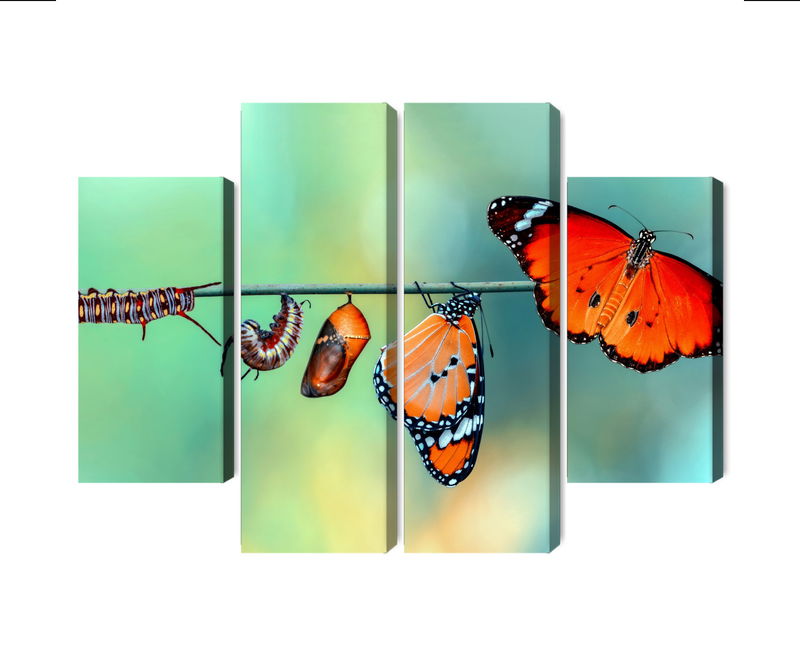
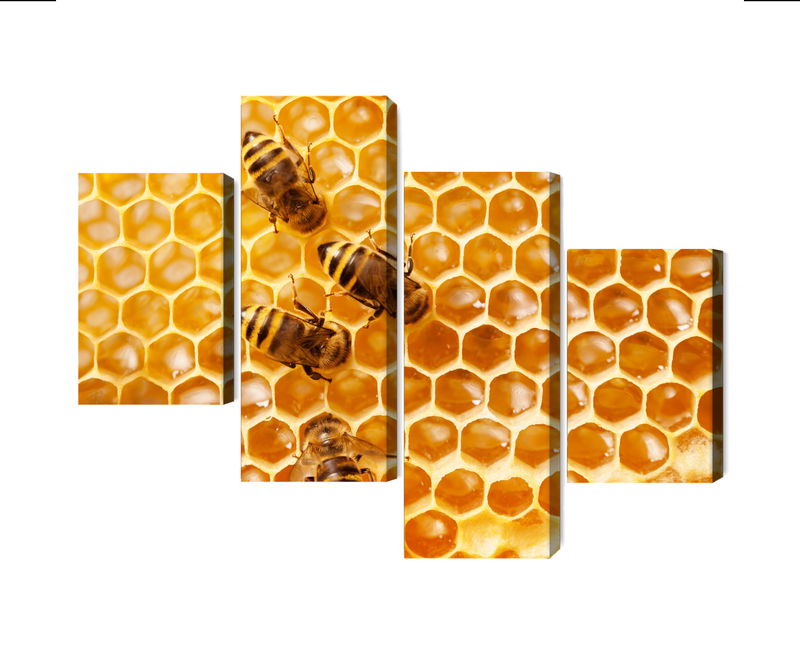
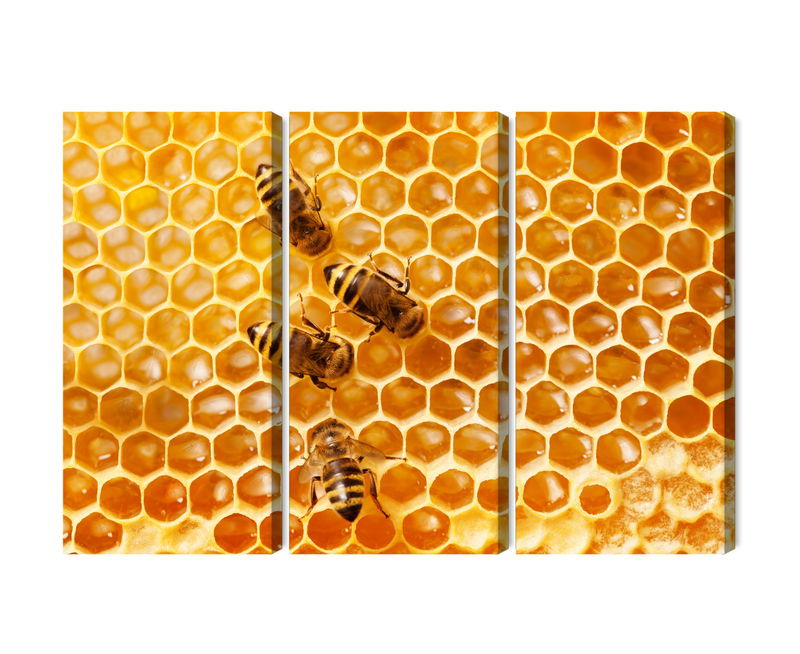
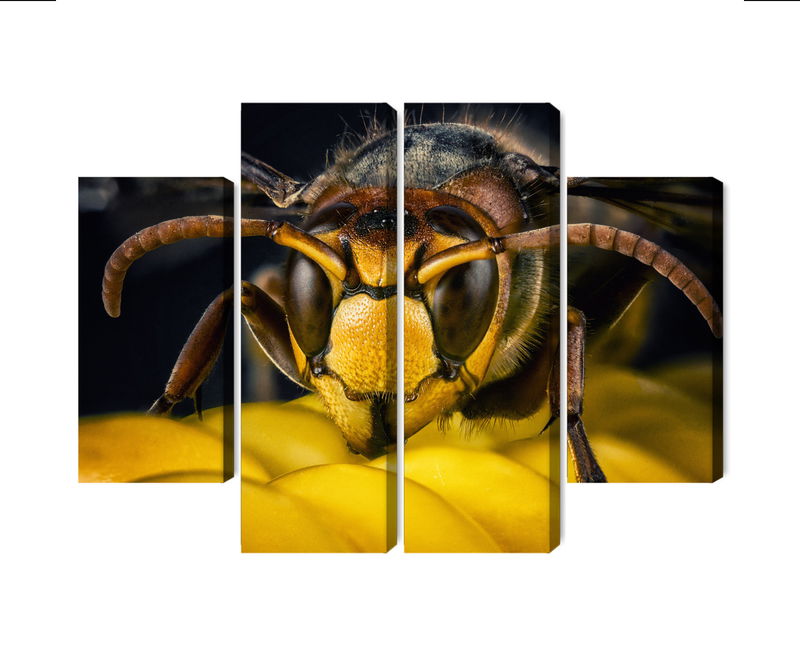
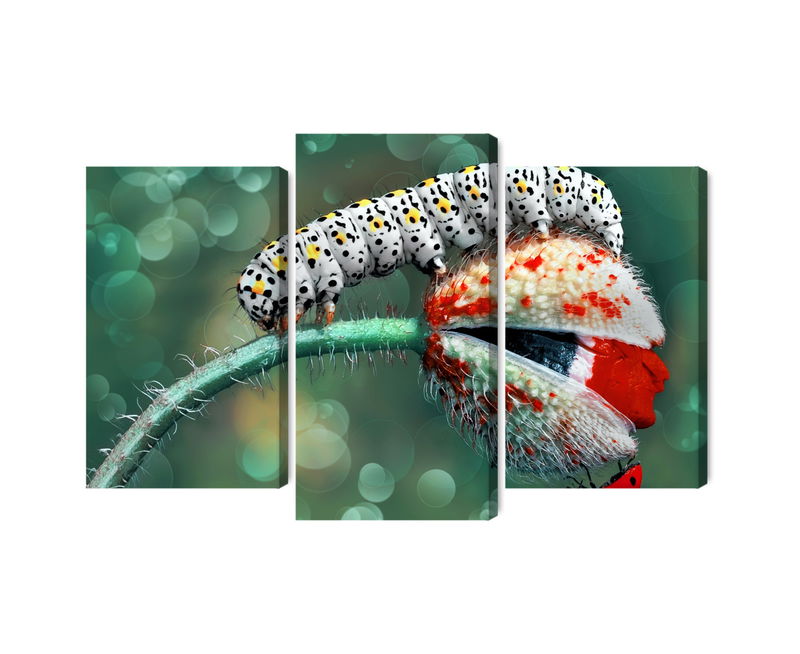
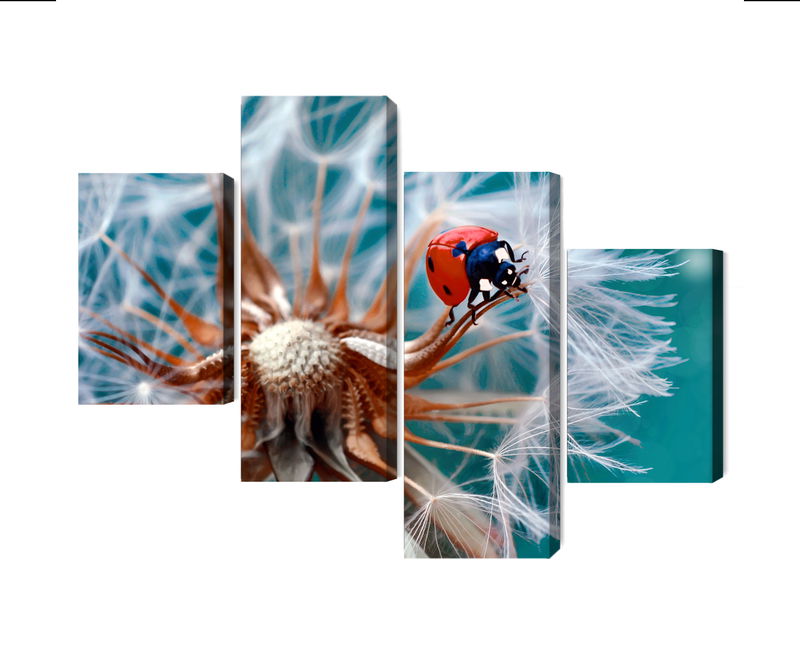
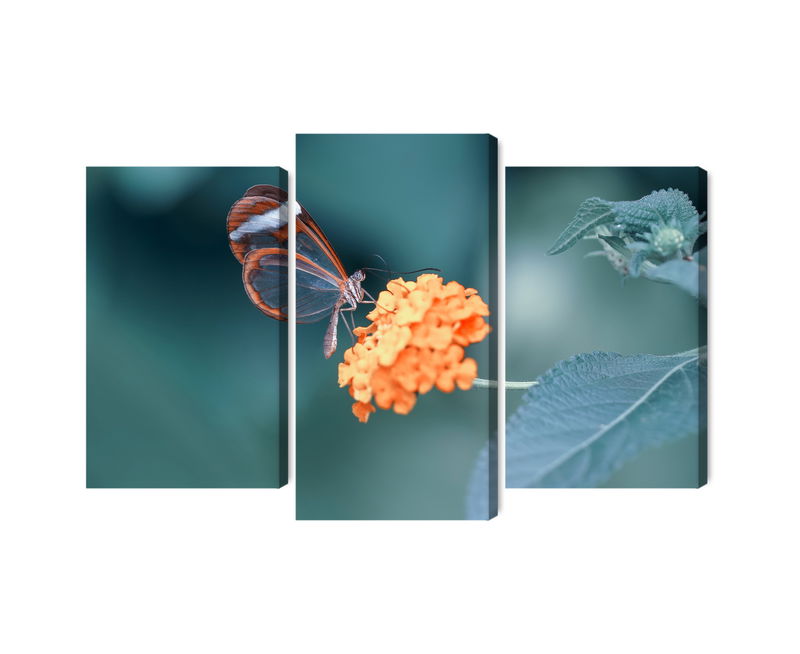
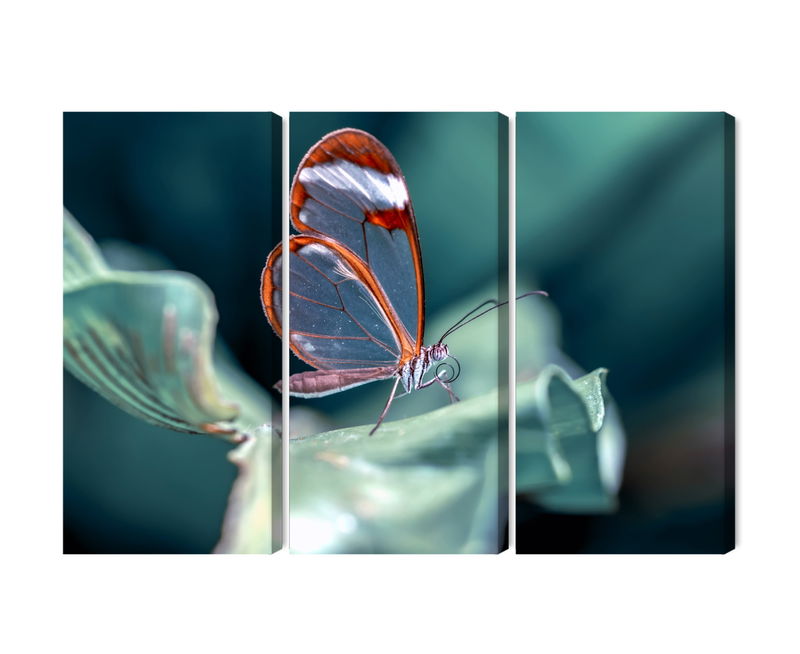
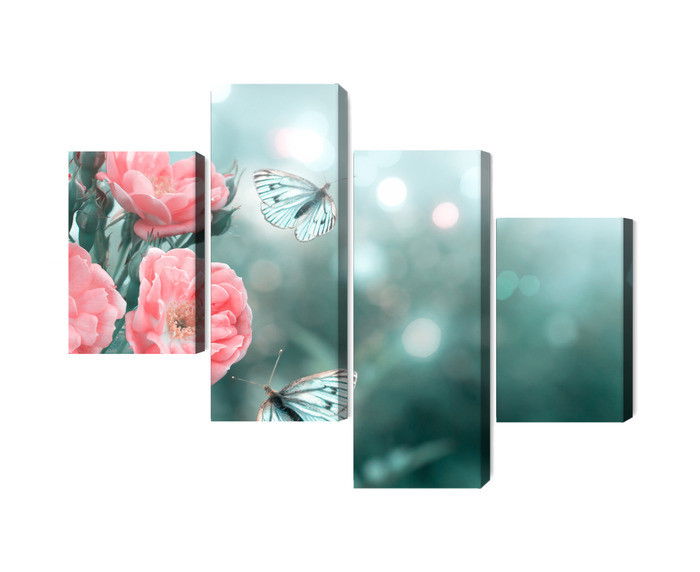
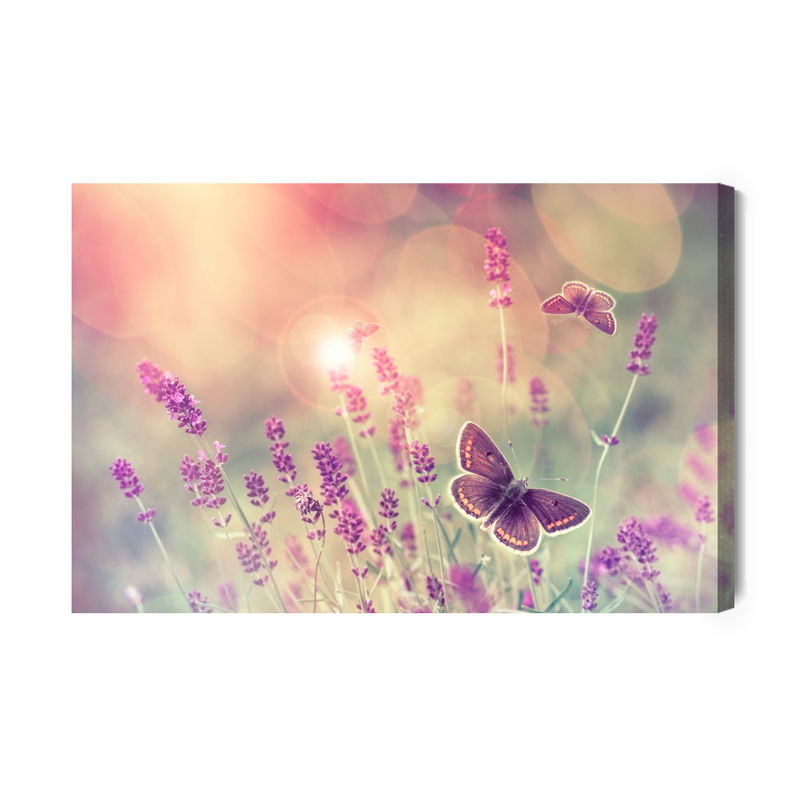
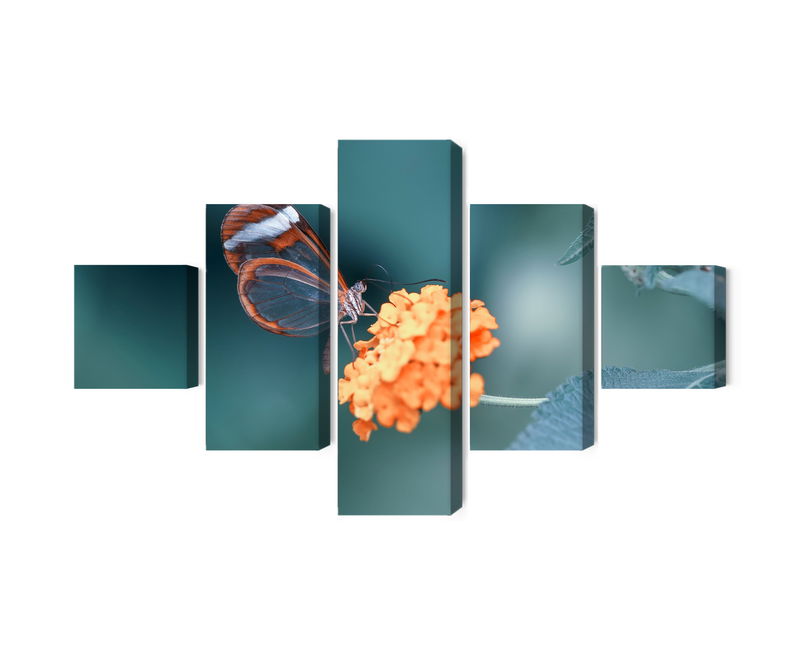
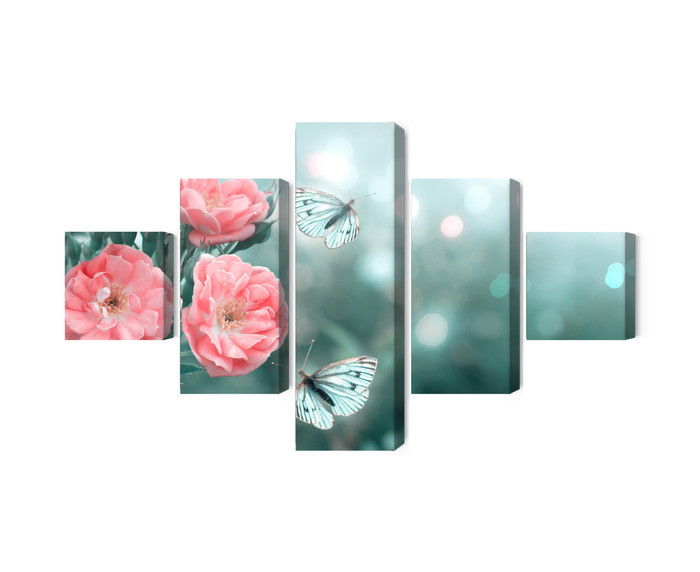
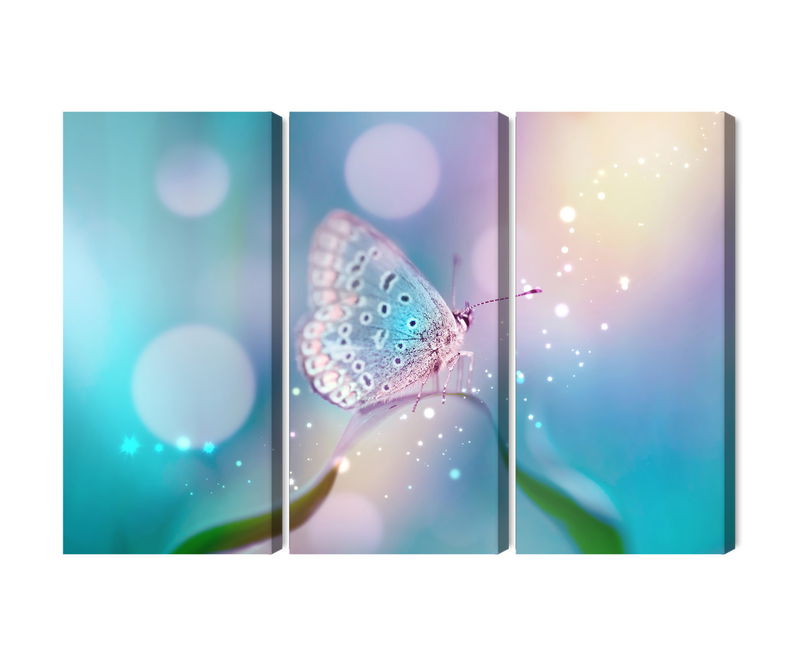
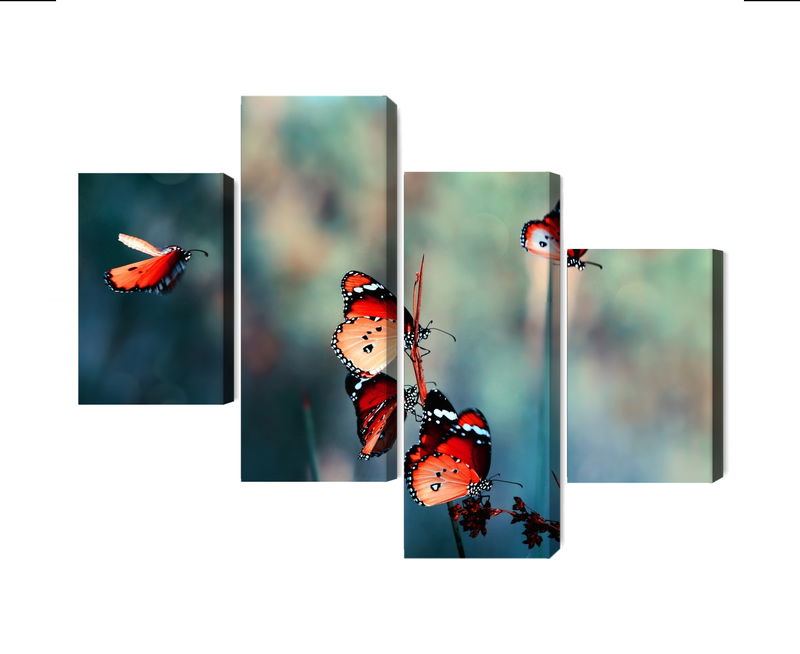
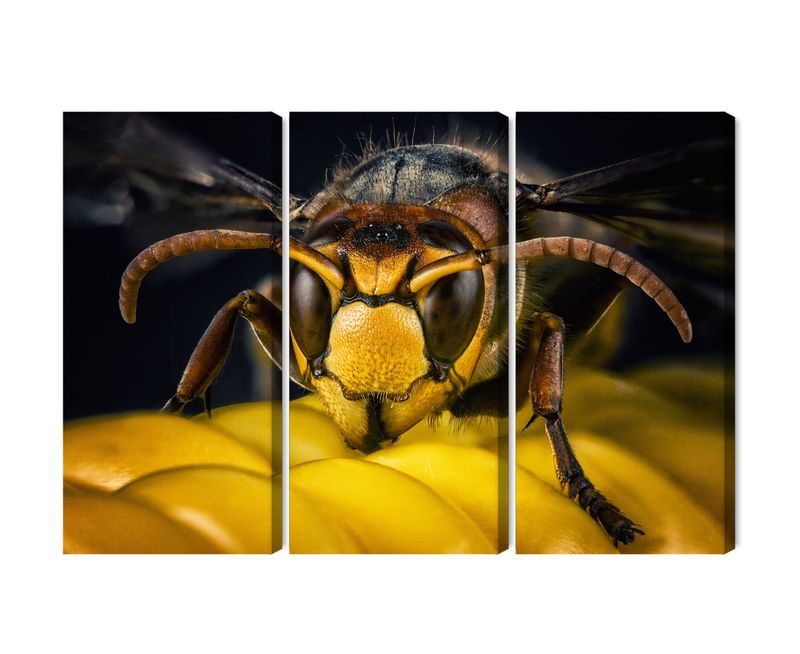
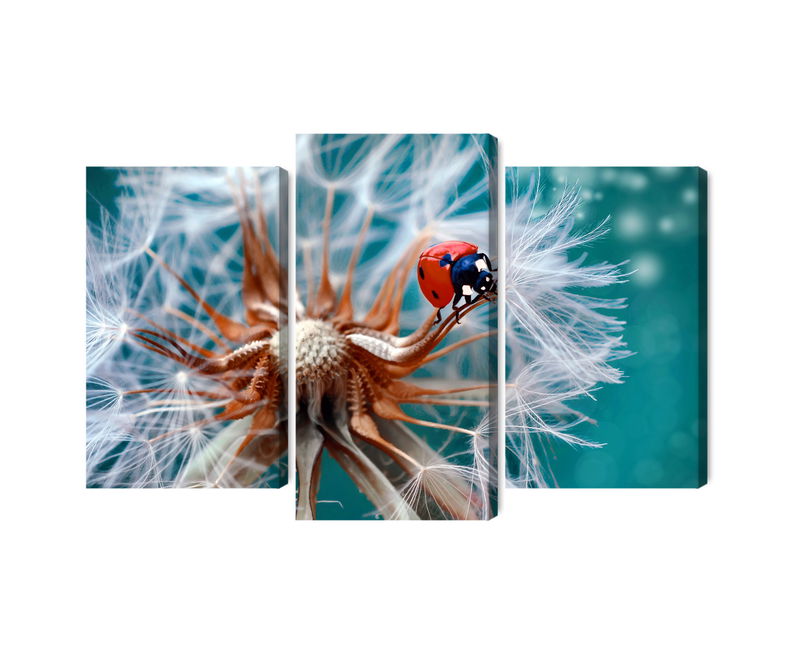
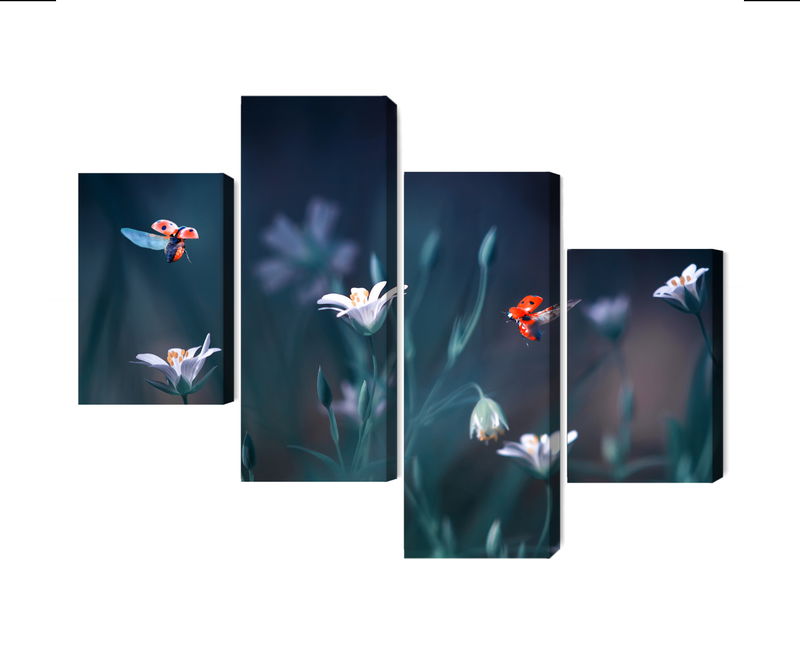
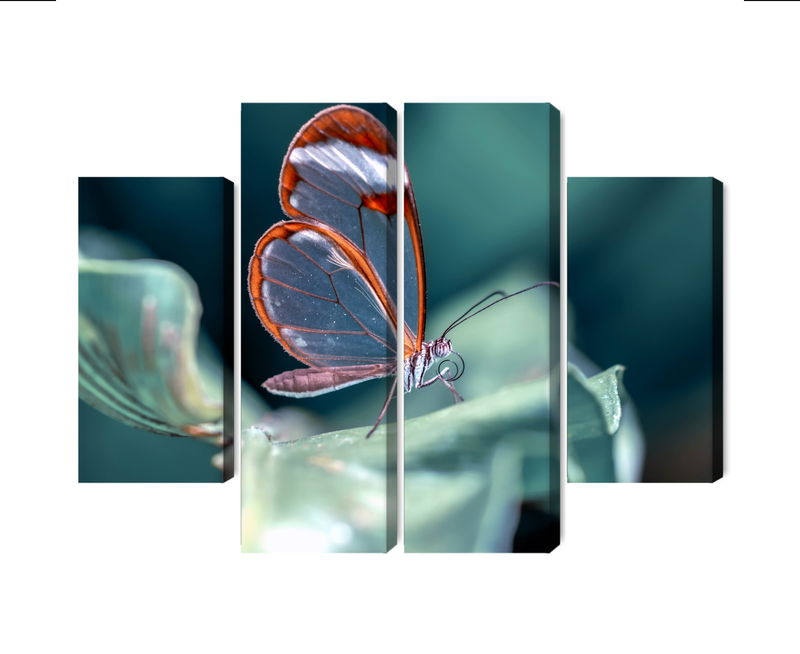
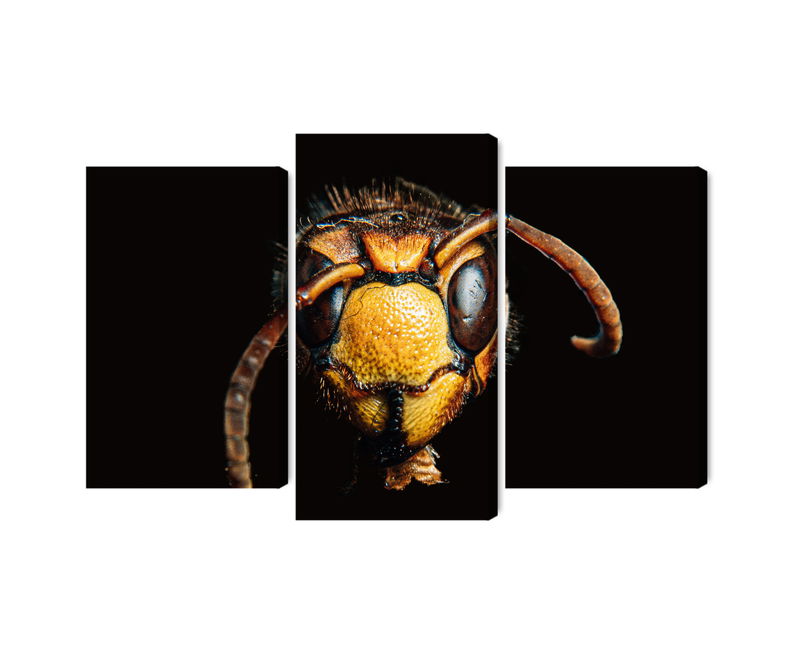
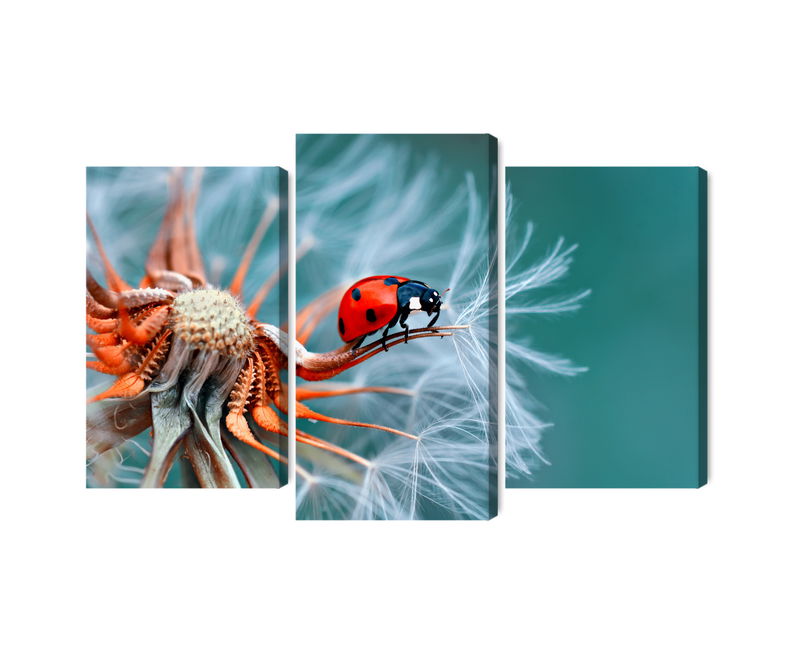
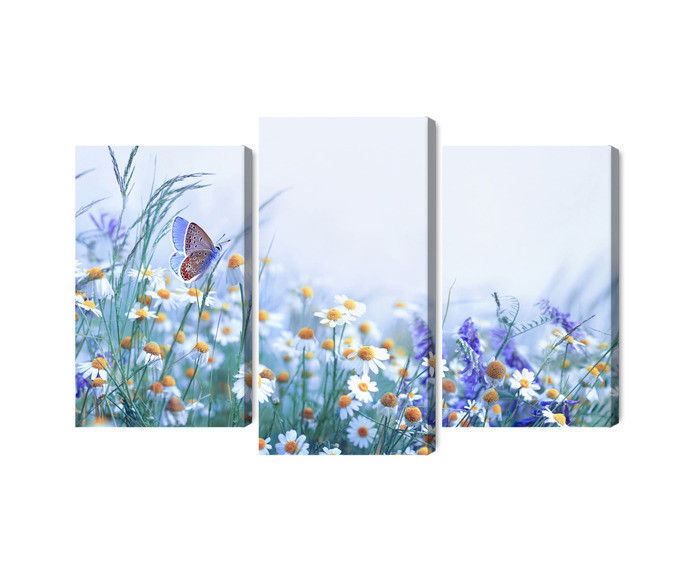
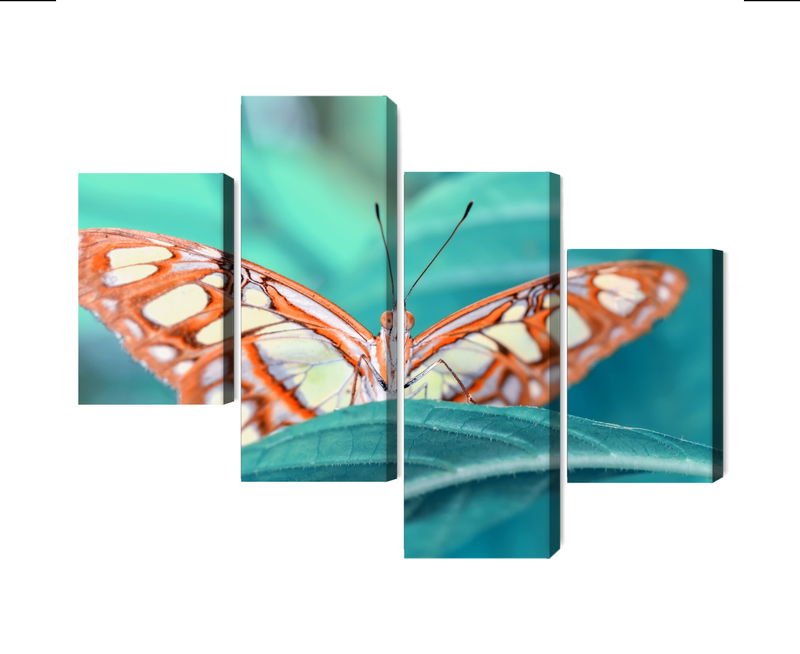
Insects offer a world of images full of colour, form and unexpected details. A butterfly's wing pattern, a dragonfly's delicate structure or a beetle's metallic surface can create a clear focal point without making the room feel overdecorated. At SilentDirect, insect designs belong under Animals & Wildlife and Insects. Nature photography and decorative art meet a practical function: the image can be chosen for acoustic wall art that helps reduce disturbing sound reflections in the room.
From understated close-ups to colourful nature images
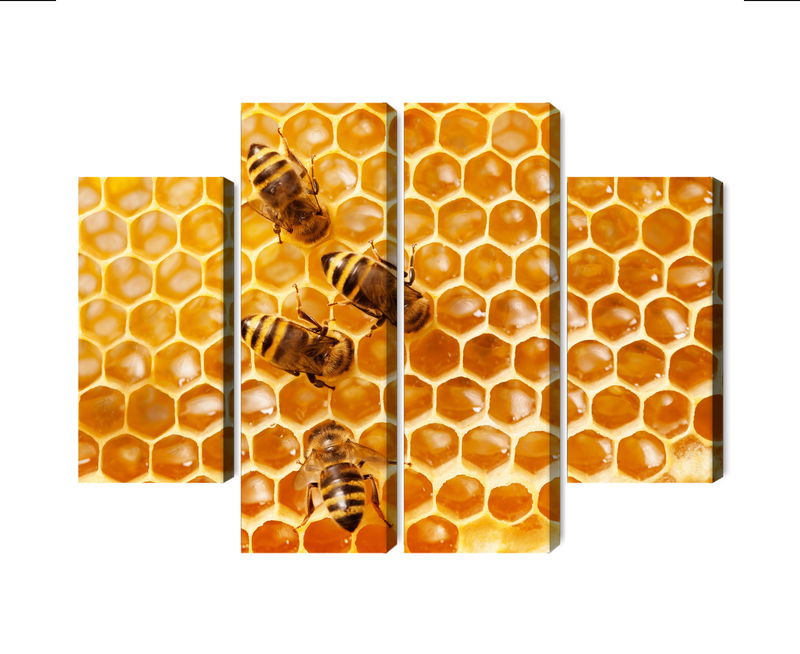
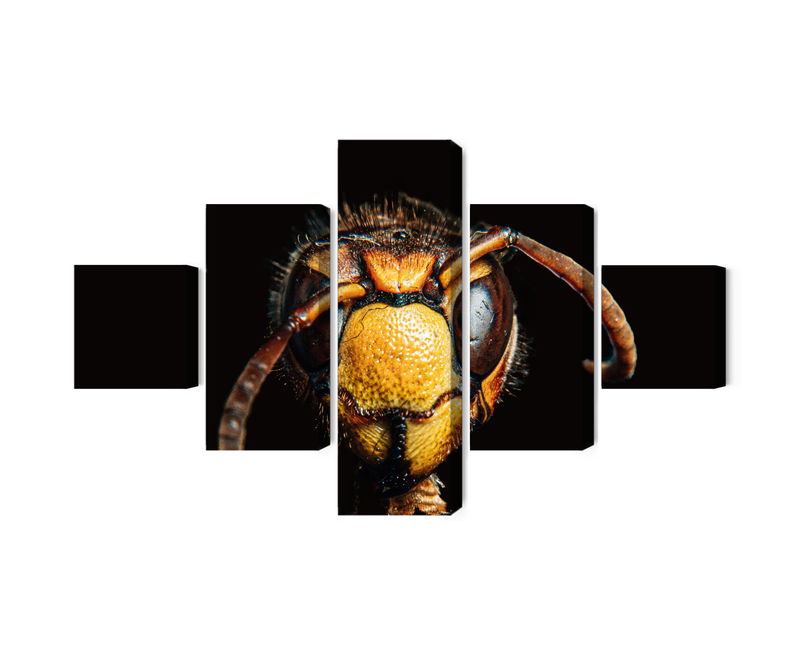
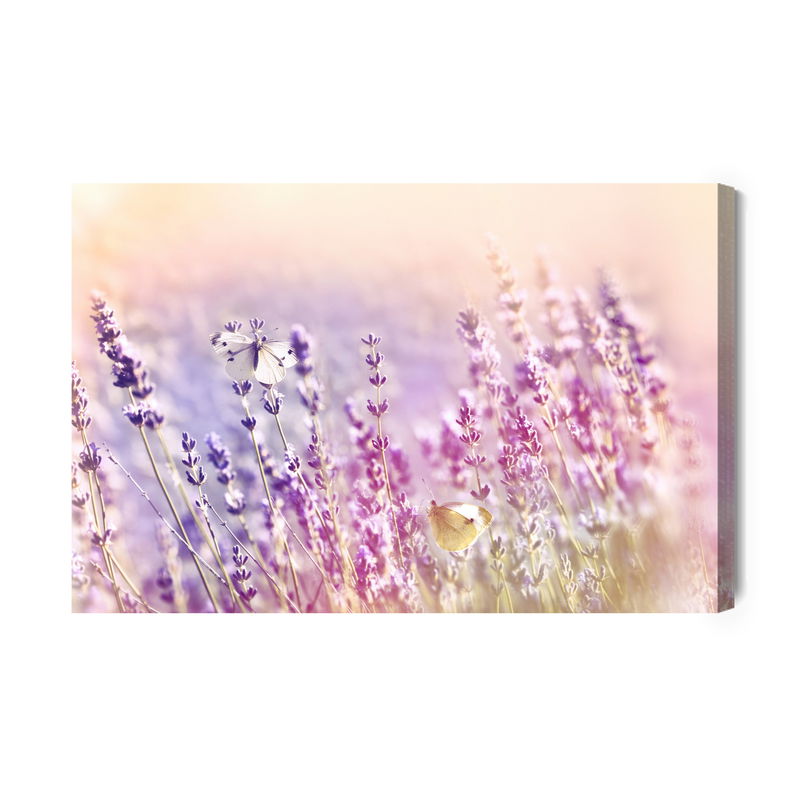
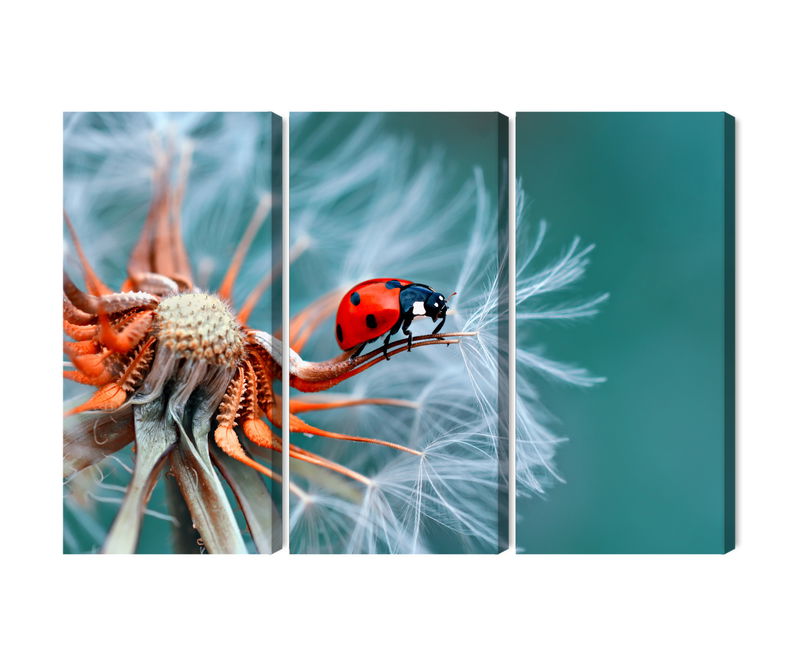
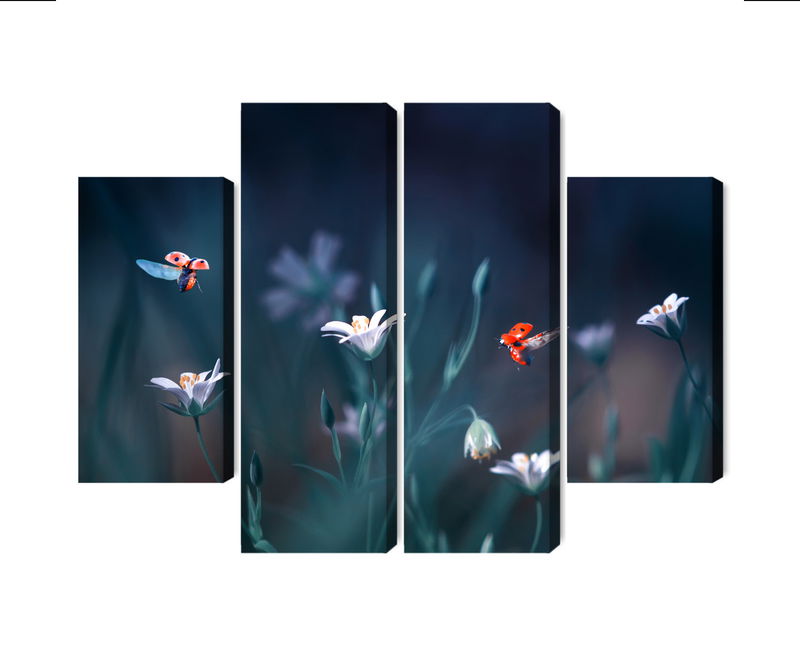
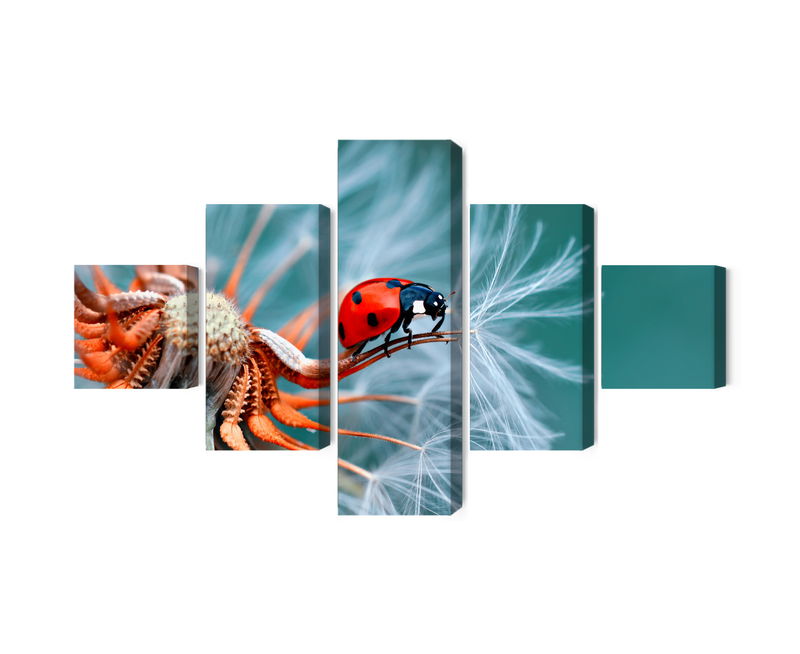
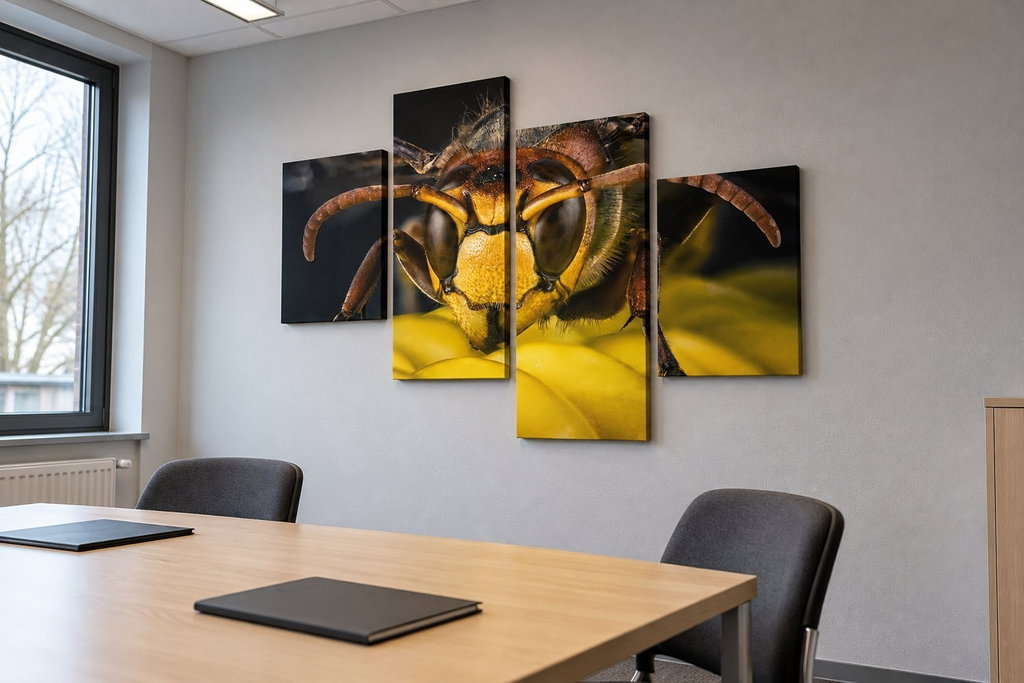
Insect images can feel very different depending on their visual style, palette and crop. Macro photography highlights wings, antennae and surface textures, while flowers, leaves or a meadow setting create a softer impression. Butterflies often suit bright interiors, bumblebees and bees offer a warm connection to nature in bloom, and dragonflies can create calm through water and airy backgrounds. A single beetle or ladybird can provide a distinct colour accent for a more graphic expression.
Acoustic wall art for rooms with hard surfaces
An acoustic picture is a wall absorber that takes up some of the sound energy that would otherwise reflect between walls, floors, ceilings and glass. It can help reduce echo, shorten reverberation and create a more comfortable setting for conversation. The picture does not provide sound insulation between rooms or replace building work when the problem is neighbours, traffic noise or sound passing through a wall. The insect image determines the visual expression; the picture's position, size, thickness and absorbing construction determine its acoustic function.
Choose an image to suit the room's colours and character
Start by considering the picture's role. A large, detailed motif can become the room's main image, while several smaller designs can form a nature series. Consider picking up a colour already present in textiles, furniture or plants. Green and neutral tones create a calm expression, while orange, red and blue provide clearer contrasts. Quiet images often suit bedrooms and reading corners. In offices, schools and shared spaces, recognisable species and close-ups can give the room identity and details to discover.
Place the picture where sound reflections are noticeable
For the best overall result, choose the image alongside the room's acoustic needs. A picture on a clear wall near conversations, workstations or seating areas can absorb more early reflections than a small picture far from the sound activity. In rooms with extensive echo, SilentDirect normally recommends treating the ceiling with sound absorption first, then using wall absorbers as a visual and functional complement. Several pictures may be needed in large rooms, rooms with high ceilings or those dominated by hard materials.
A motif category for many settings
Insect images suit anyone wanting to bring nature's smaller forms into living rooms, bedrooms, studies, corridors, schools or reception areas. Choose an image that works at the right viewing distance and check the format against the wall area. Explore Animals & Wildlife for related expressions or the full acoustic wall art category to compare different worlds of imagery. This can help you find a solution that suits the interior and contributes to a calmer room.
Distinguish the image's details from the picture's surface
Wing patterns and the insects' small forms may be the image's most distinctive features. Look at both the motif as a whole and the crop shown in the product image. A close-up can appear almost abstract from a distance, while a clear silhouette stands out differently. Choose according to the effect you want on the wall, rather than assuming that every small detail will be equally clear from every part of the room.
When combining several nature images, the same background tone or similar crops can unite the group. Give the most detailed motif a little space around it and compare image sizes before deciding on the arrangement. A depicted leaf or flower describes the setting within the image; it does not change the picture's function as sound-absorbing wall art.