



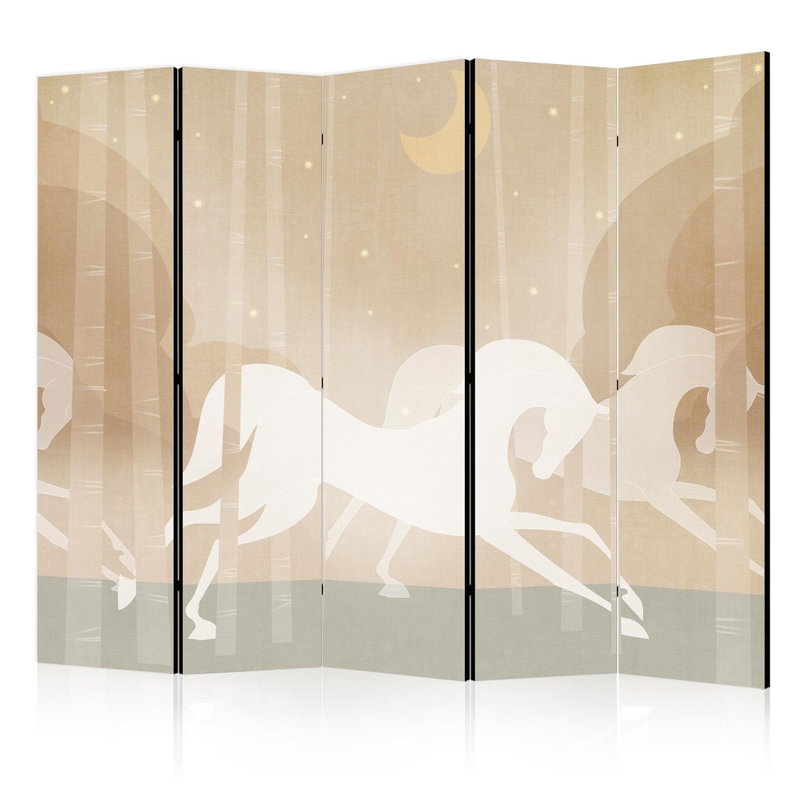
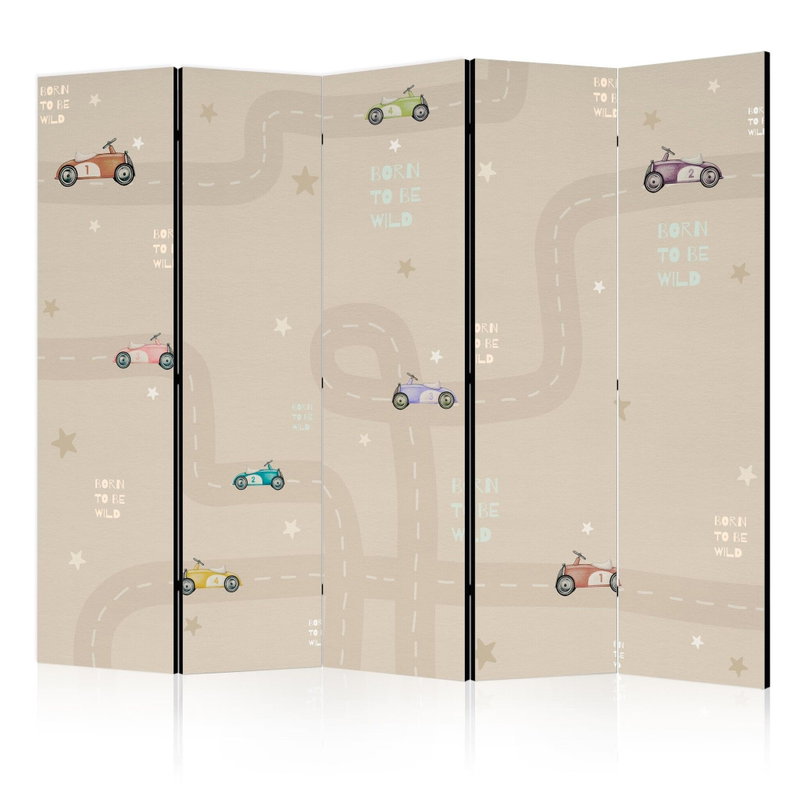
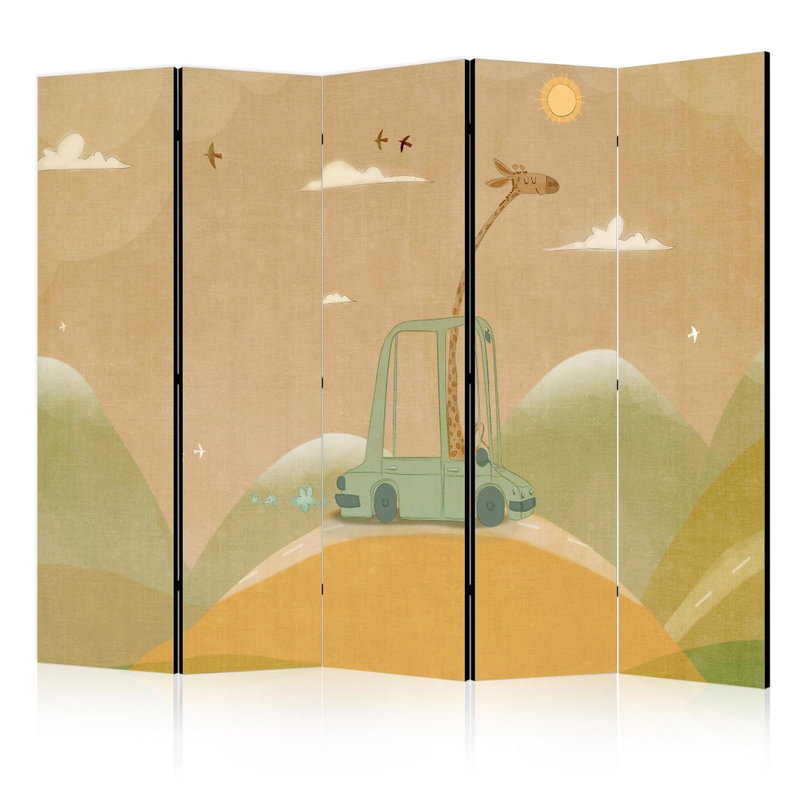
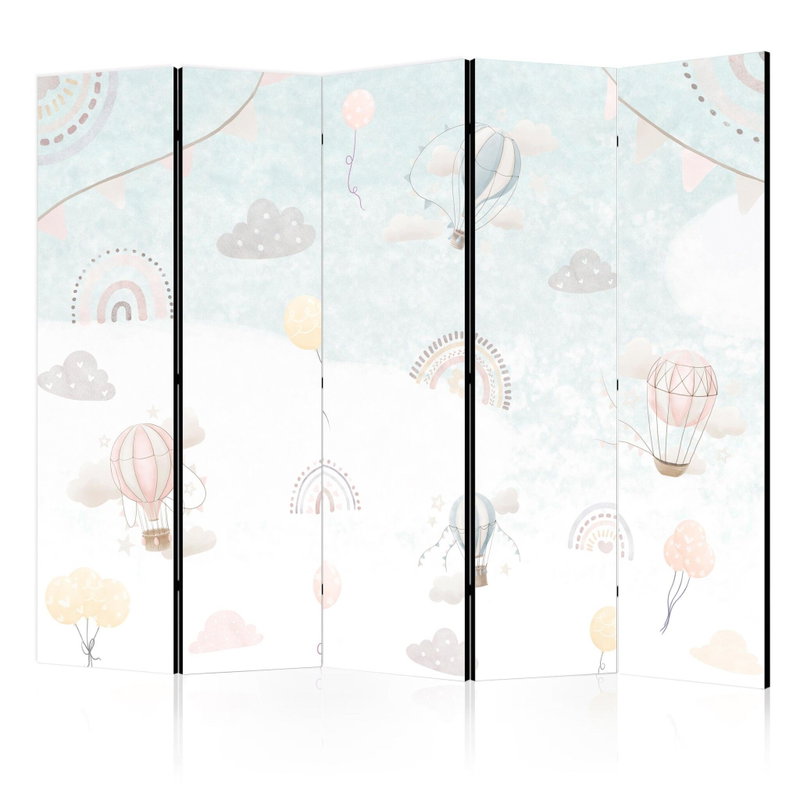

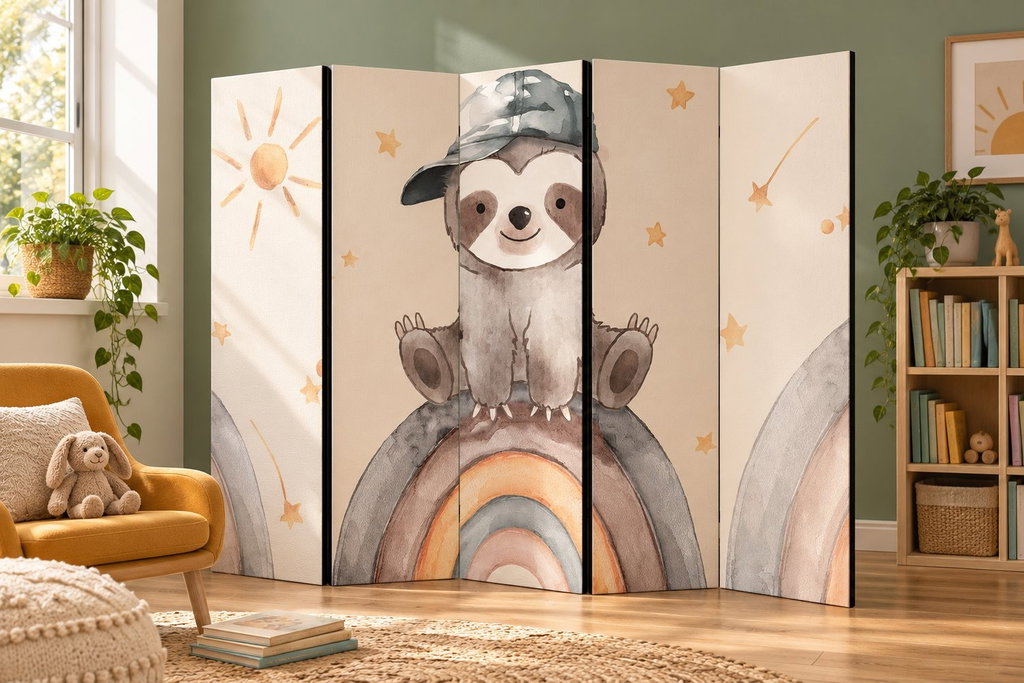
Narrative images across five panels
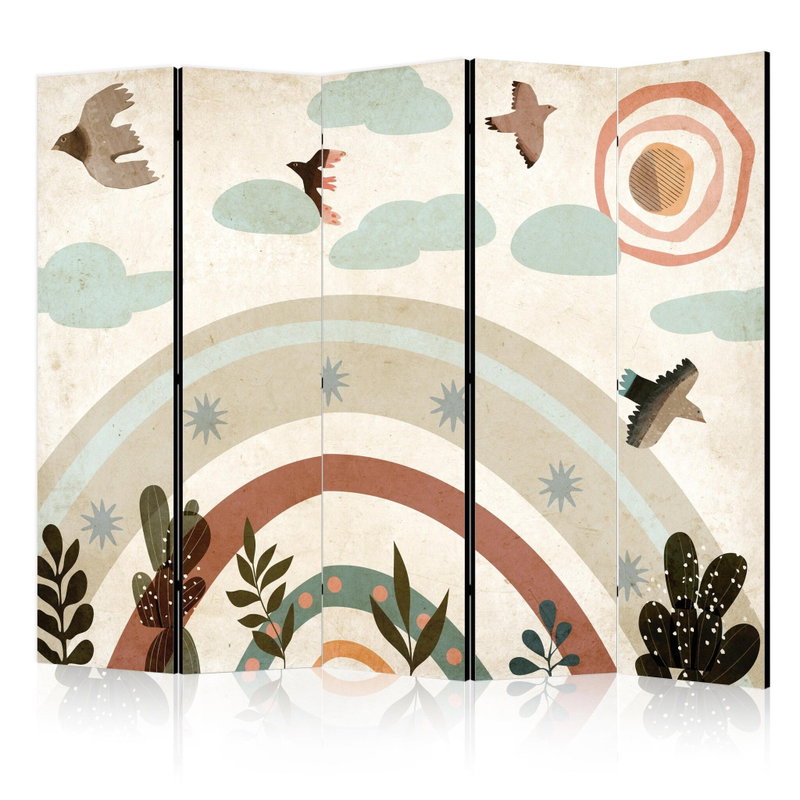
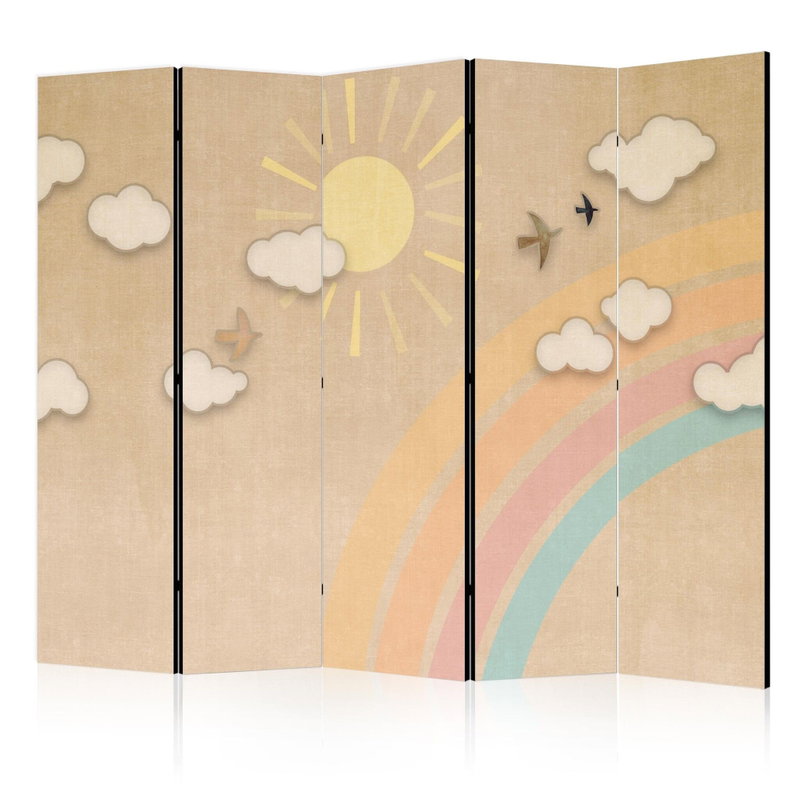
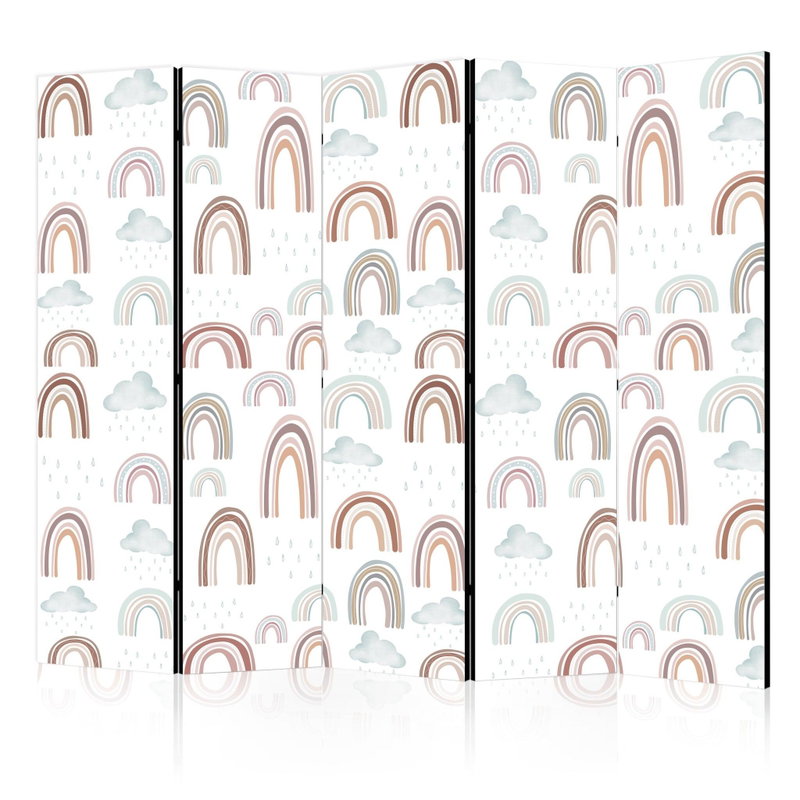
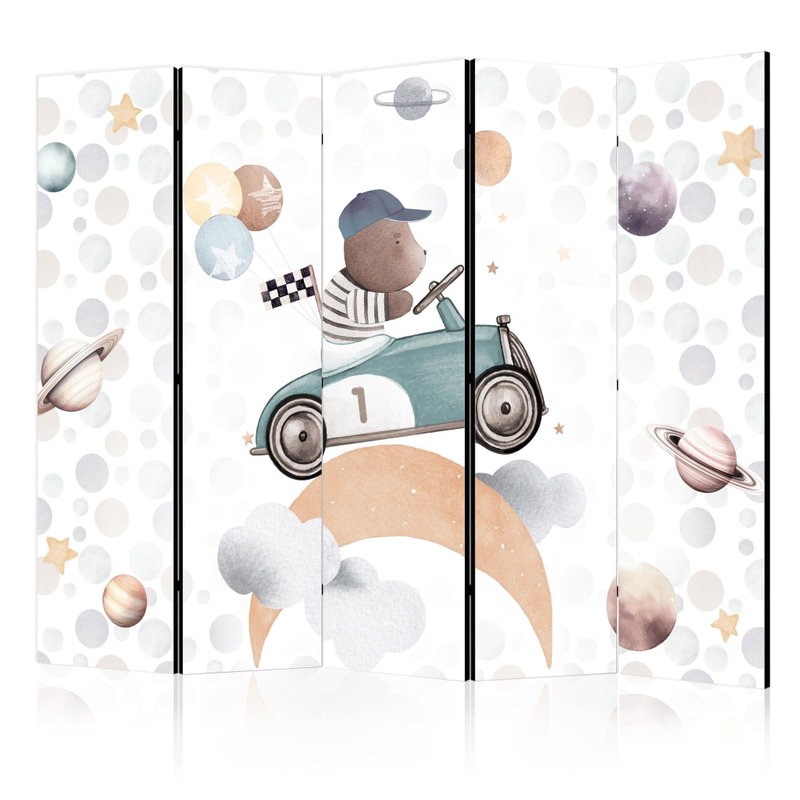
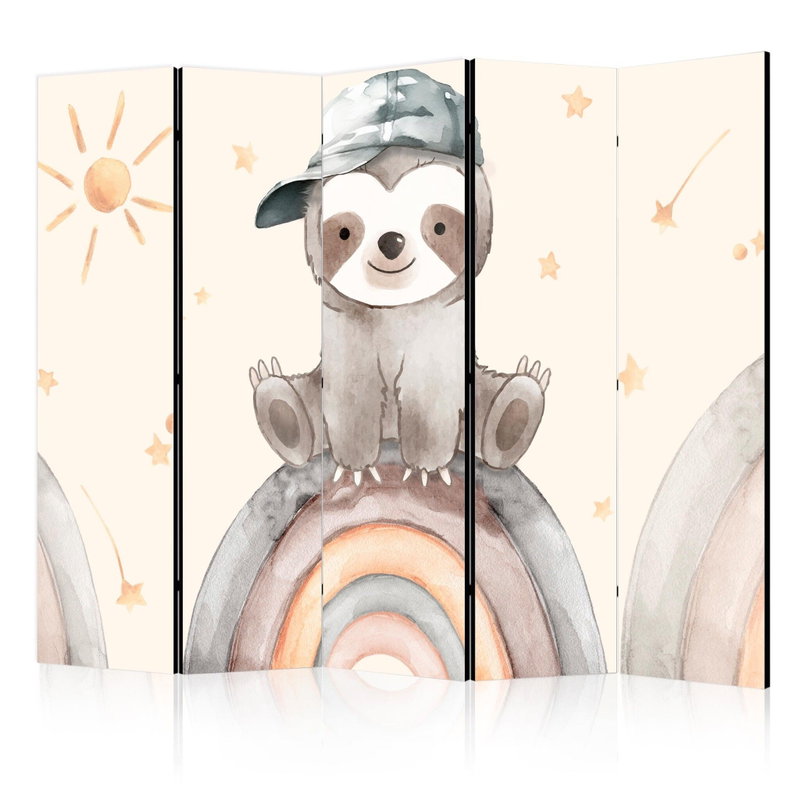
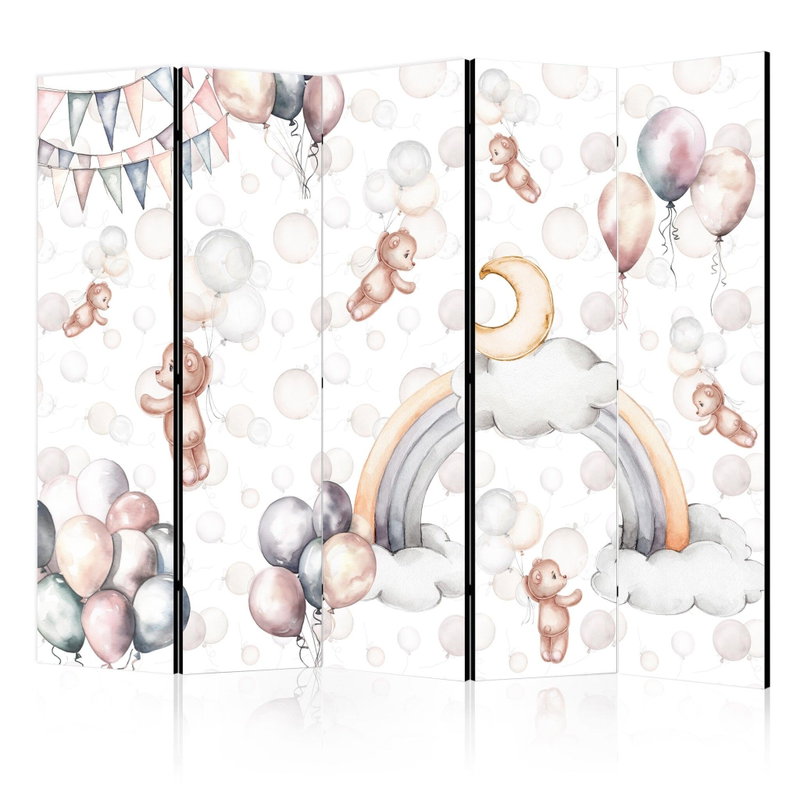
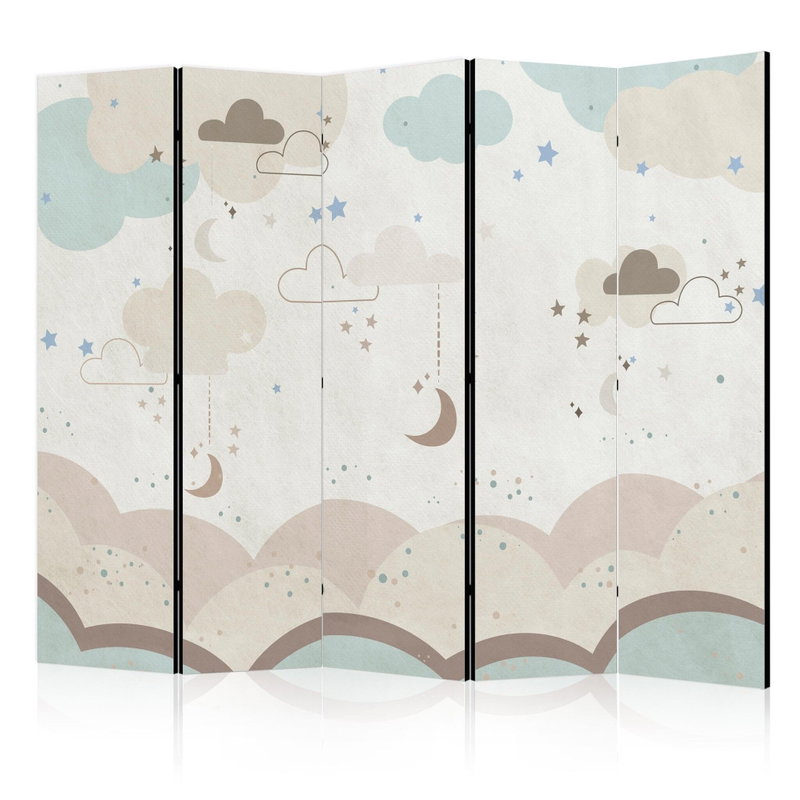
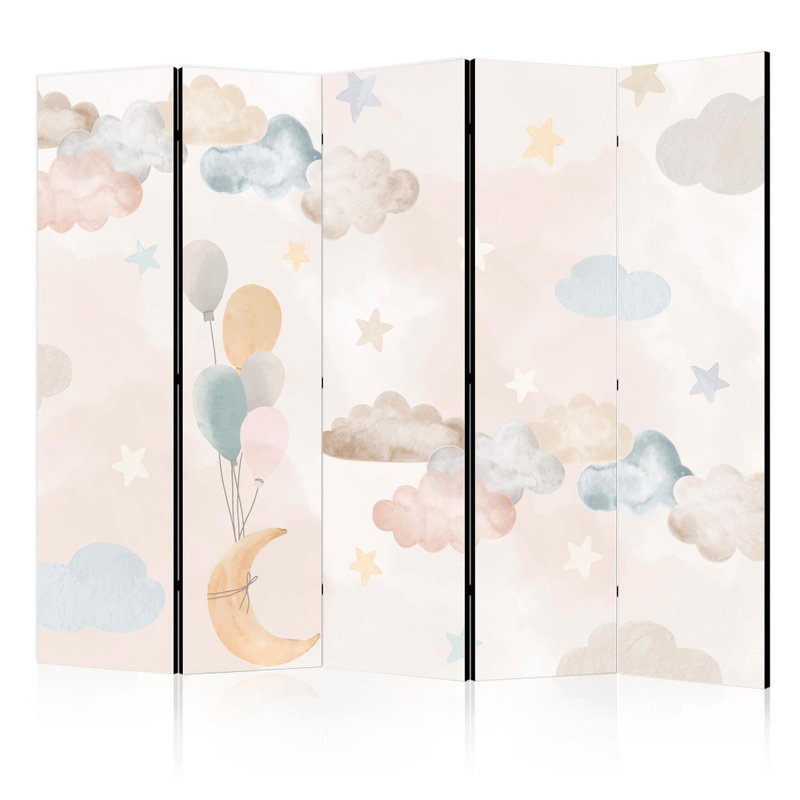
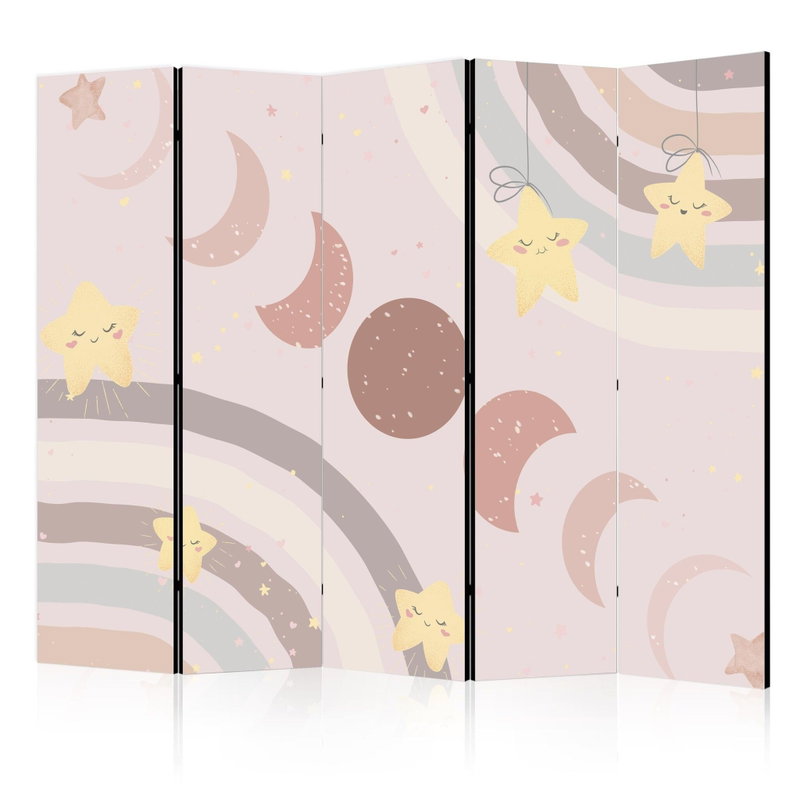
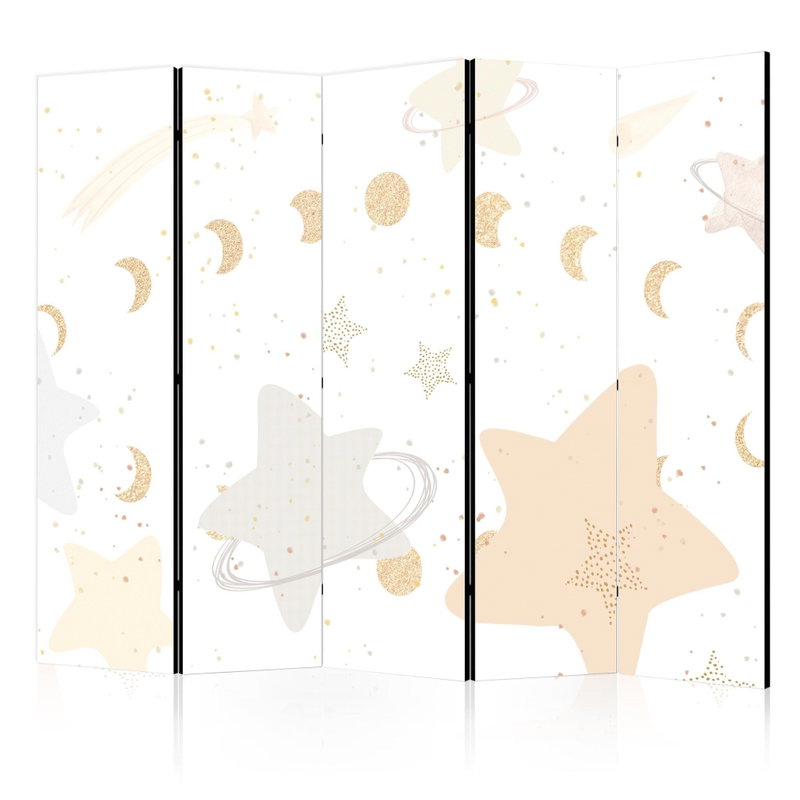
The children’s motifs category leads to illustrated and playful compositions within the five-panel branch. The visually checked selection includes birds with clouds and a rainbow. Several simple forms create a shared scene seen as a whole and through its details.
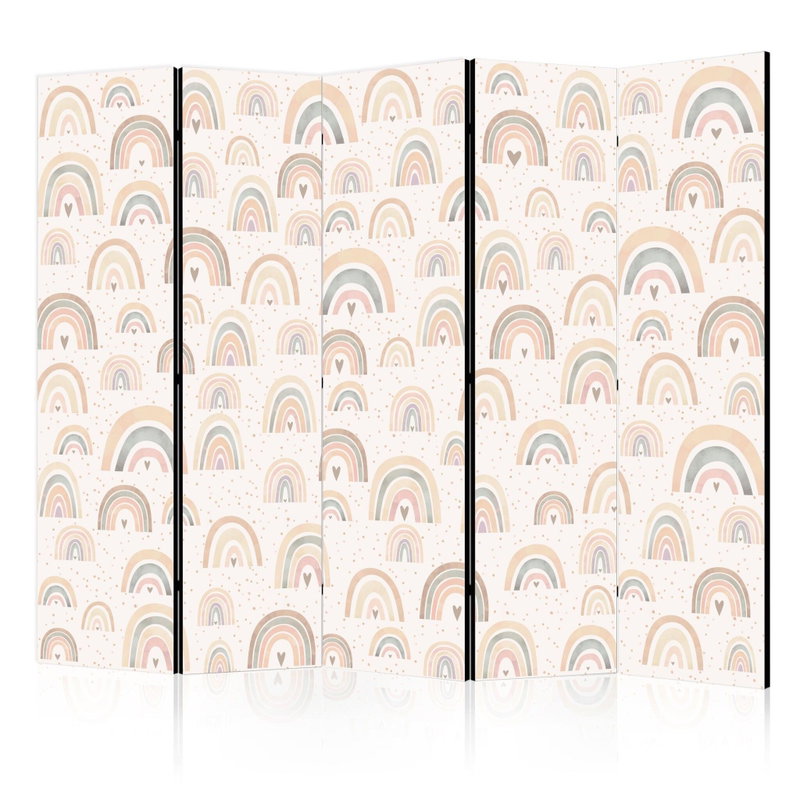
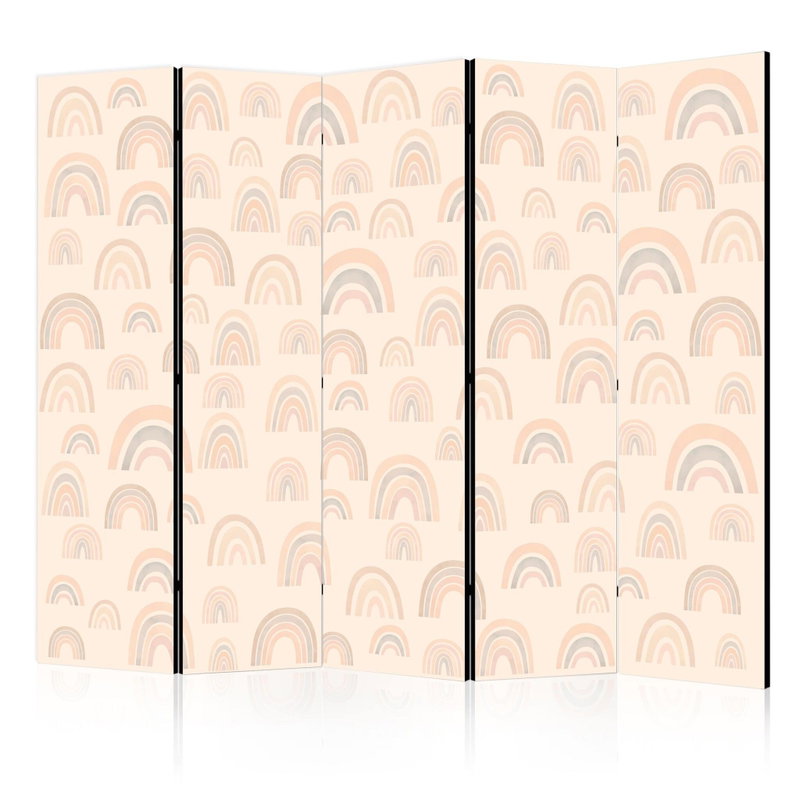
Choose how much narrative and colour to add. An image with several figures needs different assessment from an evenly repeated pattern. Look at important elements across the panels and what remains visible from the room’s usual positions.
Imagery and use requirements are separate questions
The category name describes the designs and does not itself mean the screen is a toy or has particularly verified properties for children. Check the actual product’s intended use and the requirements applying in the planned setting.
Plan division for everyday use. Routes, furniture access and stable placement need to guide the arrangement. Choose the playful image for its expression while handling and using the construction according to documented instructions.
A broad double-sided surface with several angles
Printing on both sides makes the image part of the furnishings from several directions. Compare background and colours with each side’s setting. Angles change how the scene and figures appear from different positions.
Reviewed five-panel models measure 225 × 172 centimetres, with five panels each 45 × 172 centimetres. Angles affect actual floor width and depth. Measure the complete arrangement including feet and follow stable placement guidance for a suitable surface.
Absorbent material behind the illustration
The construction can provide sound absorption while creating visual division. Its contribution depends on size, other materials and position. Rainbows, figures and pastel tones have no acoustic performance of their own.
Read care and moving instructions. The freestanding construction does not replace a sealed sound-insulating wall. Match the motif to the room’s expression and plan practical function separately so both suit actual use.
See how the story reads from several positions
A rainbow, clouds and birds can connect different parts of the image. Notice which shapes first catch the eye and which need closer viewing. When five panels form an angled surface, not every part is equally clear from every direction. Choose an image whose whole composition works from the room’s main viewing positions.
A detail near a panel edge may become less visible in the planned arrangement. Compare the main image with how the screen can actually stand. Put a practical, stable position first, then assess which parts of the illustration receive most emphasis.
Match the amount of colour to the surroundings
A light illustrated subject may include both broad background areas and small stronger colours. Compare the larger surface with walls and flooring rather than just one figure. If the furnishings already contain many colours, more clear space around the screen can make the visual story easier to follow.
Every object need not match colours exactly. A recurring background tone may be enough to connect a work area and seating on opposite sides. Also consider how the double-sided image meets someone approaching from a passage, so that the screen works as part of the whole room.
Separate the image choice from practical planning
First decide which activity to divide off and which furniture must remain accessible. Test the space with chairs pulled out and storage open. The five-panel screen needs room as a structure, with the angles and supports required by its instructions, even during normal room use.
Then choose an illustration that suits the setting’s character. Children’s designs are an image group, not information about age, supervision or special protective properties. If the environment imposes such requirements, assess them against documented product information. Let the visual story and real product use complement one another without confusing their properties.