







Graphic sign designs on acoustic canvas
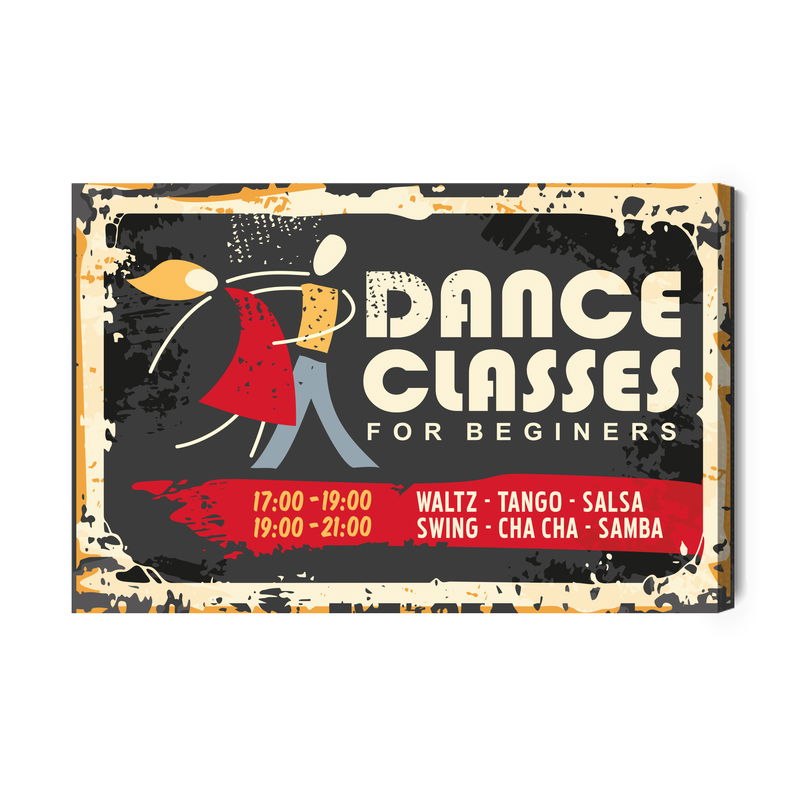
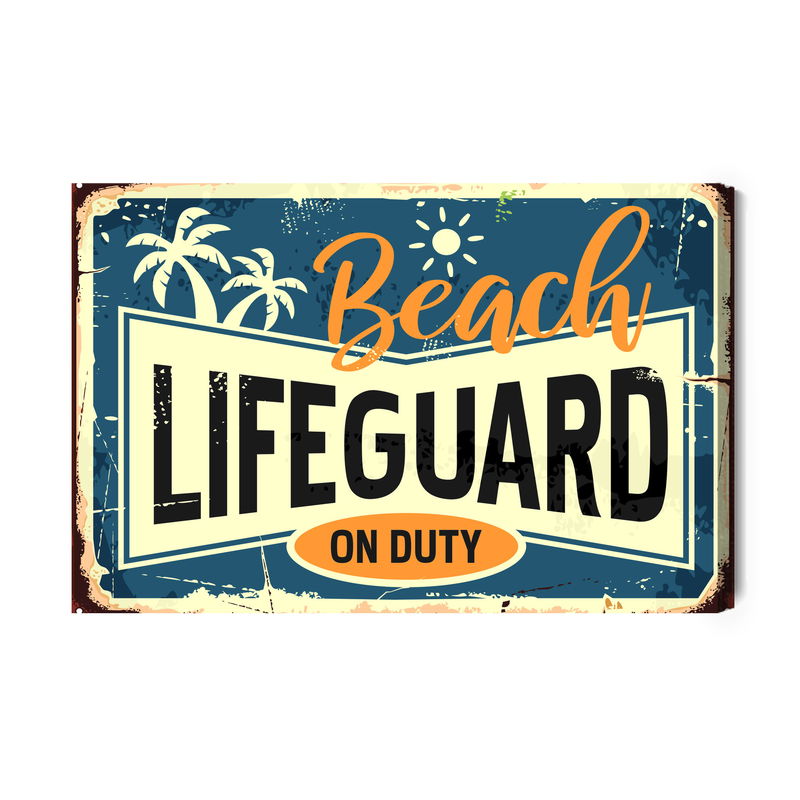
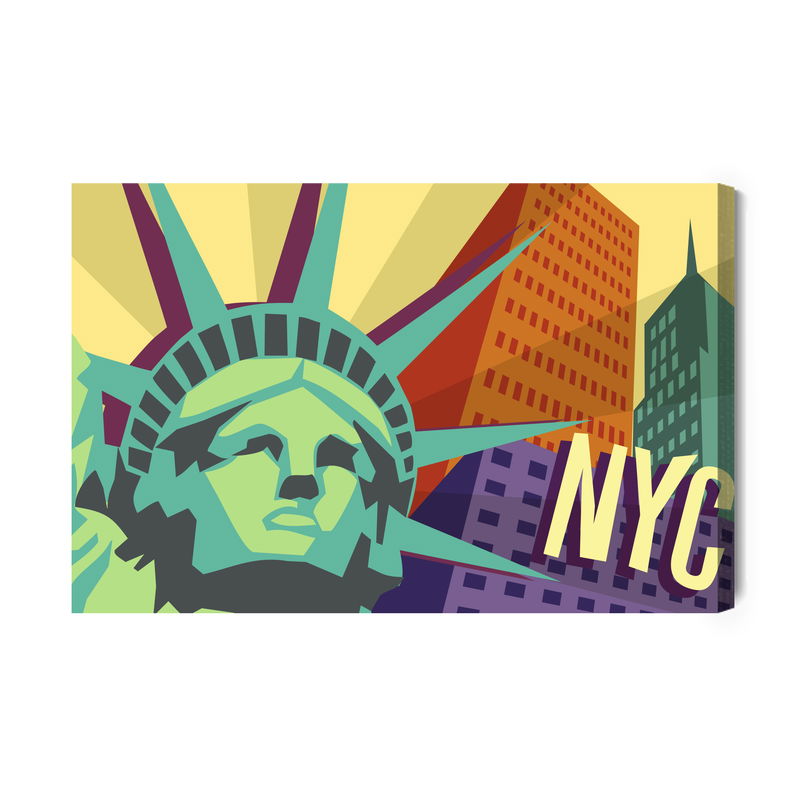
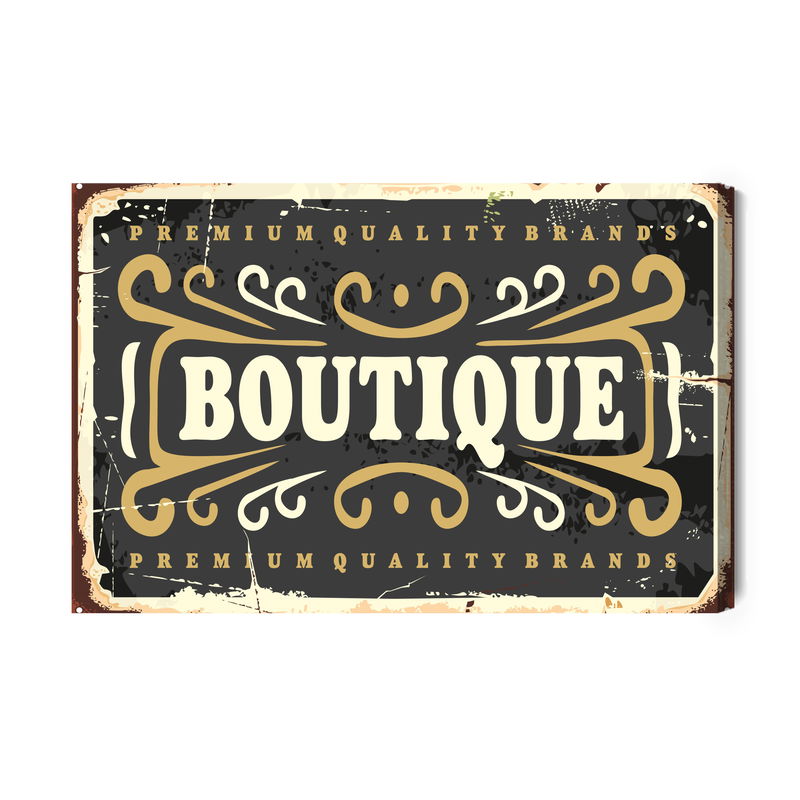
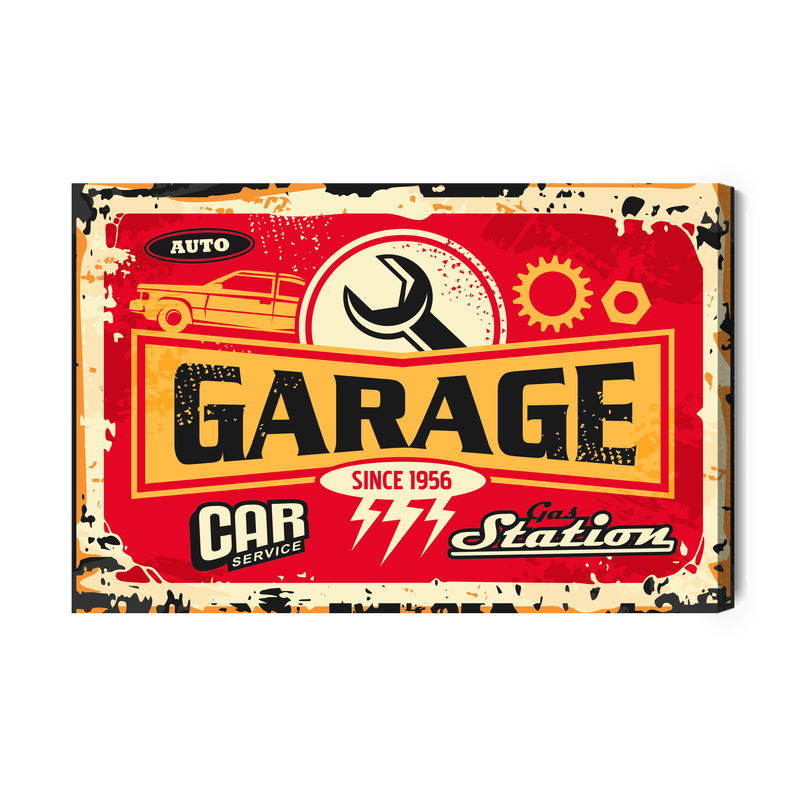
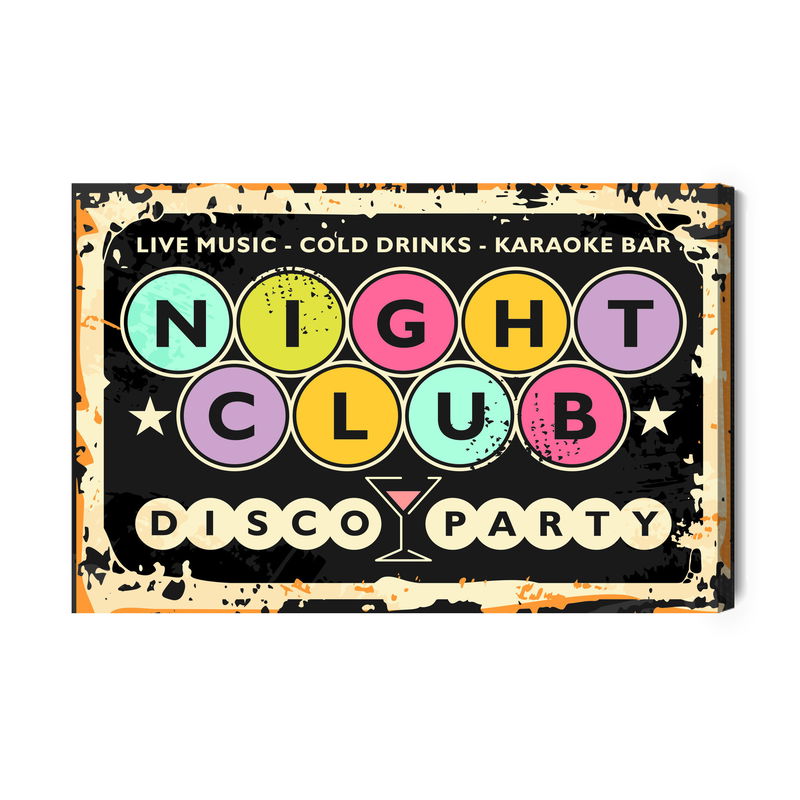
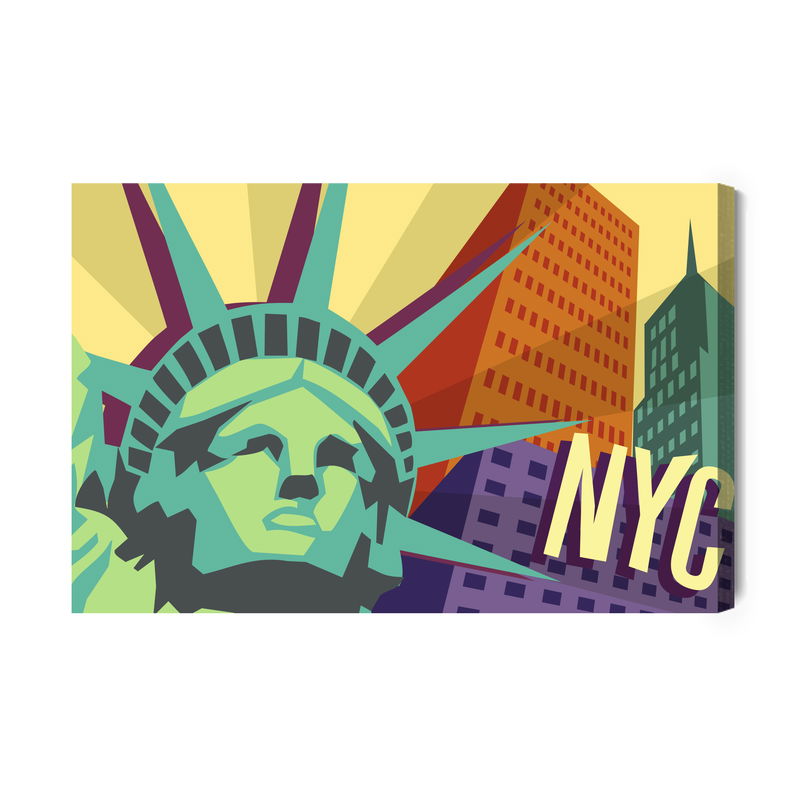
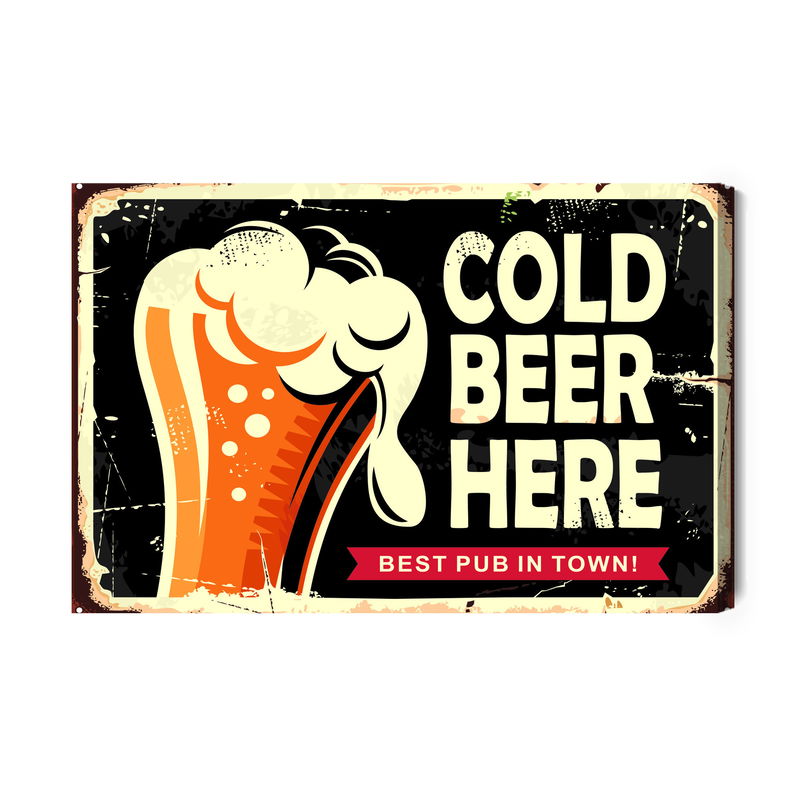
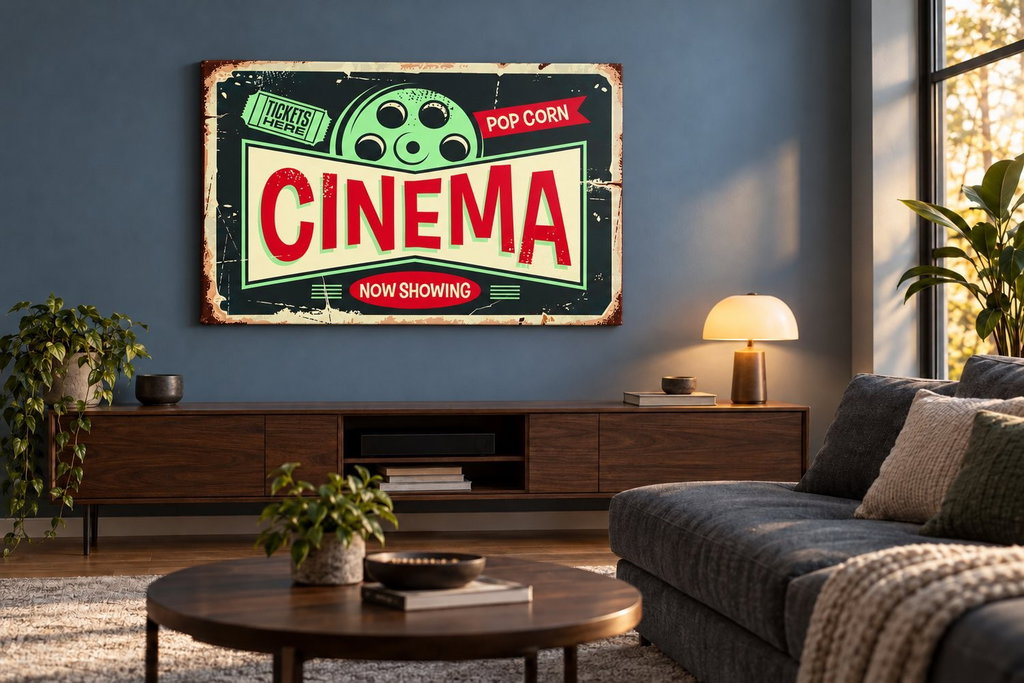
These pictures share the way a poster or sign constructs an image: a large word, a clear illustration and colours that read from a distance. The cinema design uses a film reel and prominent CINEMA lettering. Other pictures refer to barbershops, nightclubs, boutiques or travel. Printed wear and marks give several designs an aged character.
These are canvas products with sign-like prints. Depicted patina, rivets or metal edges within the design do not mean the product is an old advertising sign. Always compare the actual product image and verified information about its construction.
Cafés, kitchens and food as picture themes
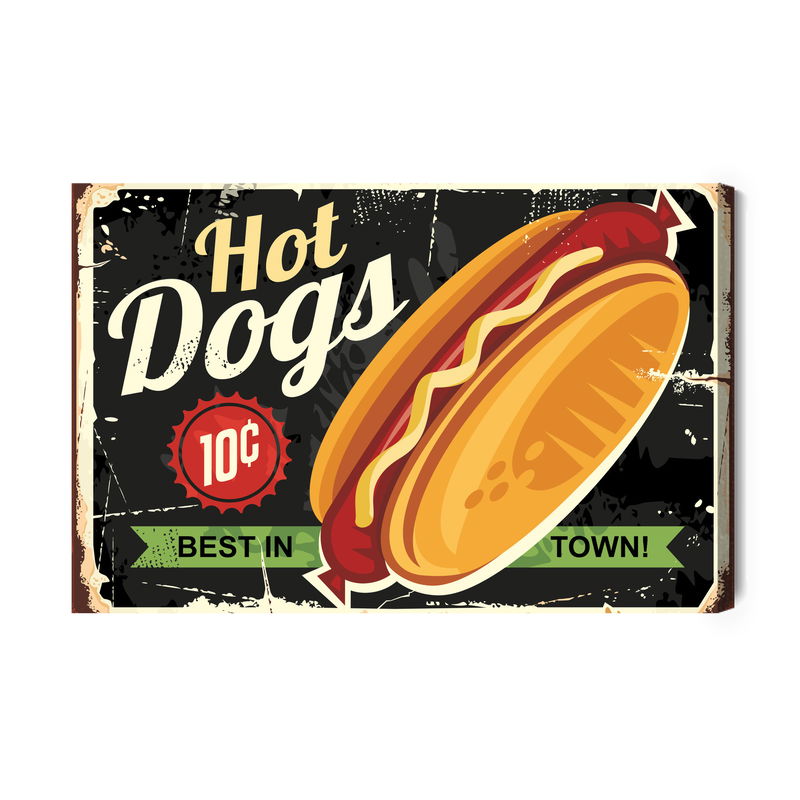
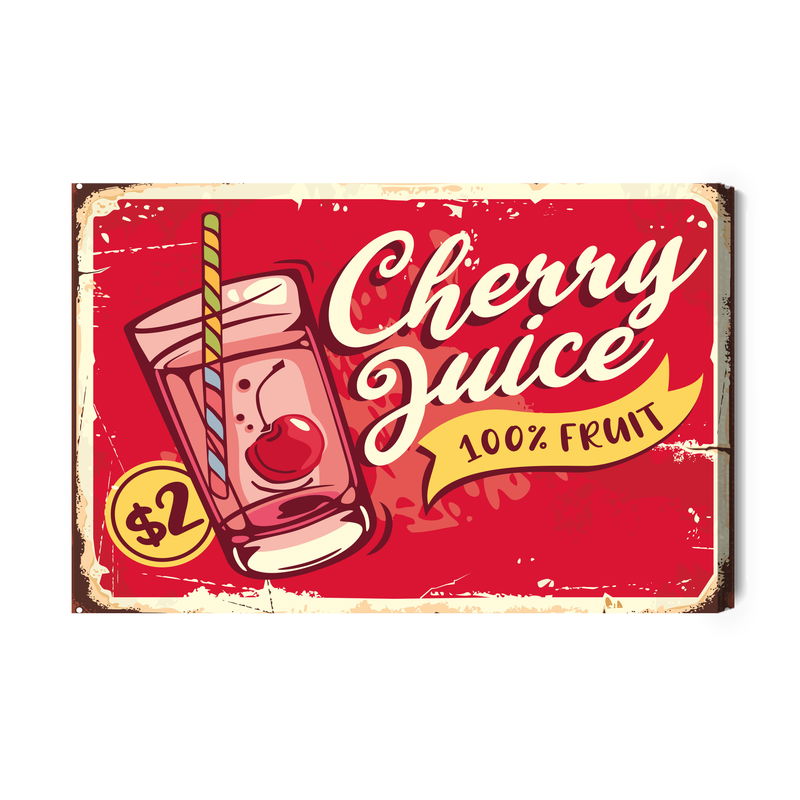
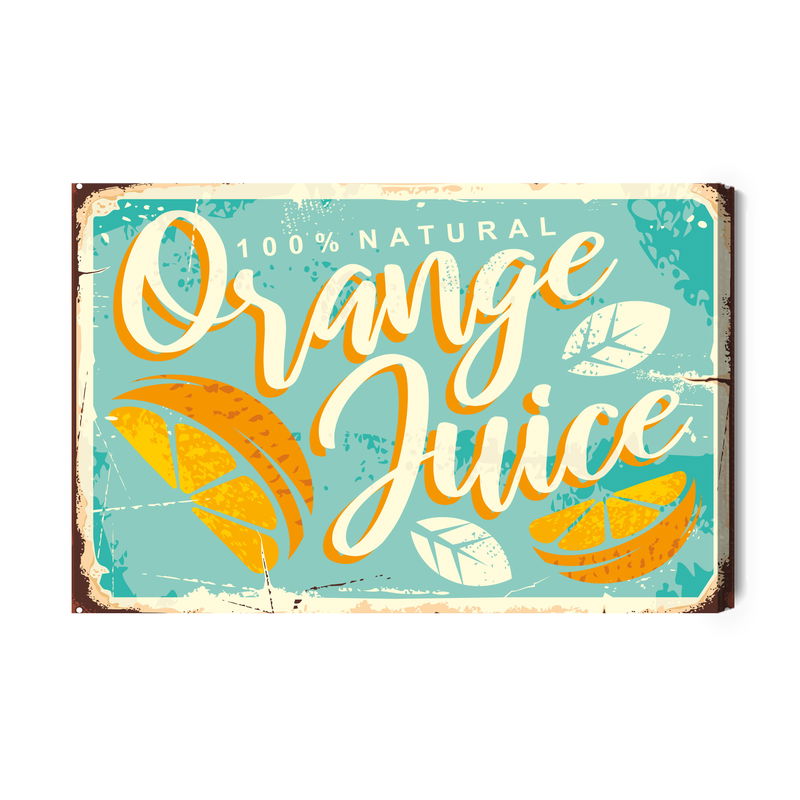
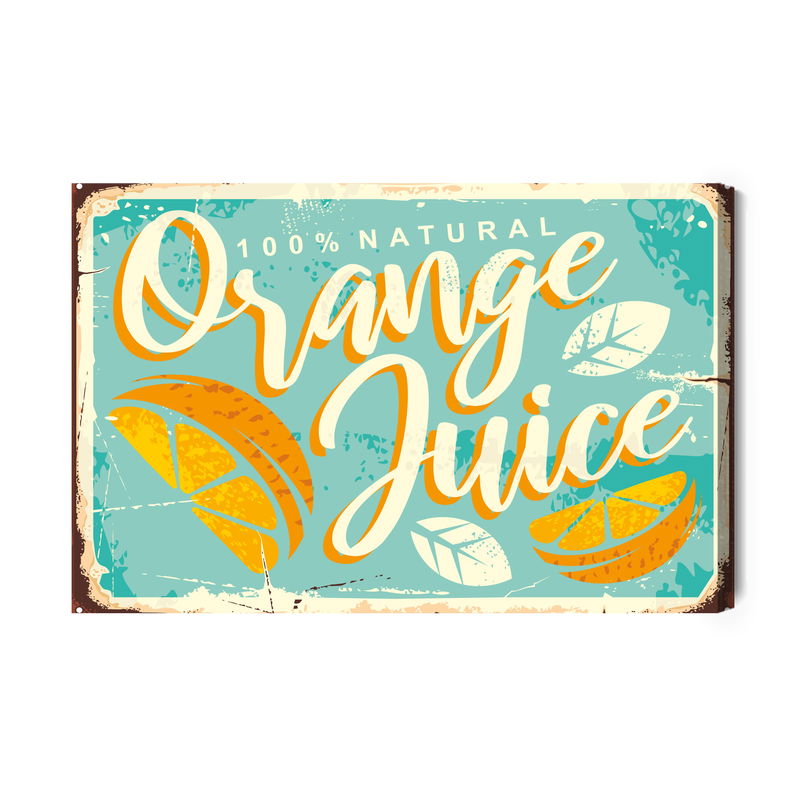
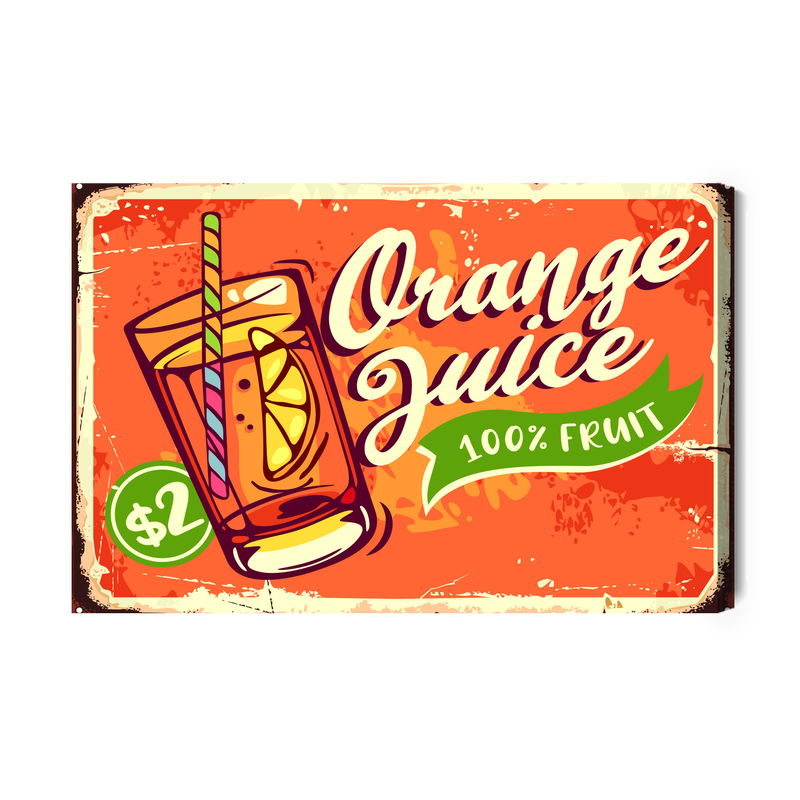
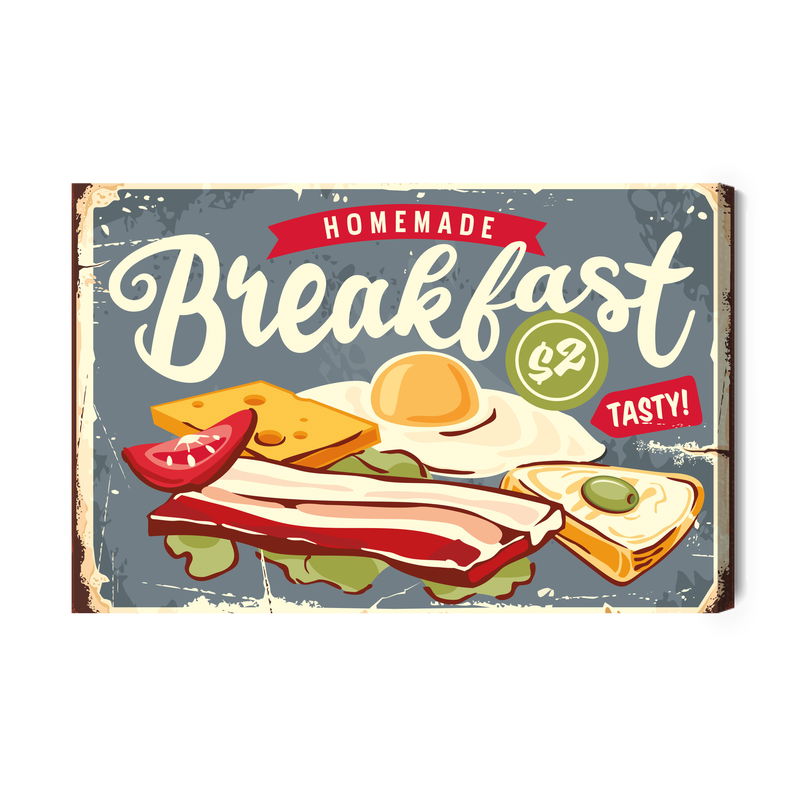
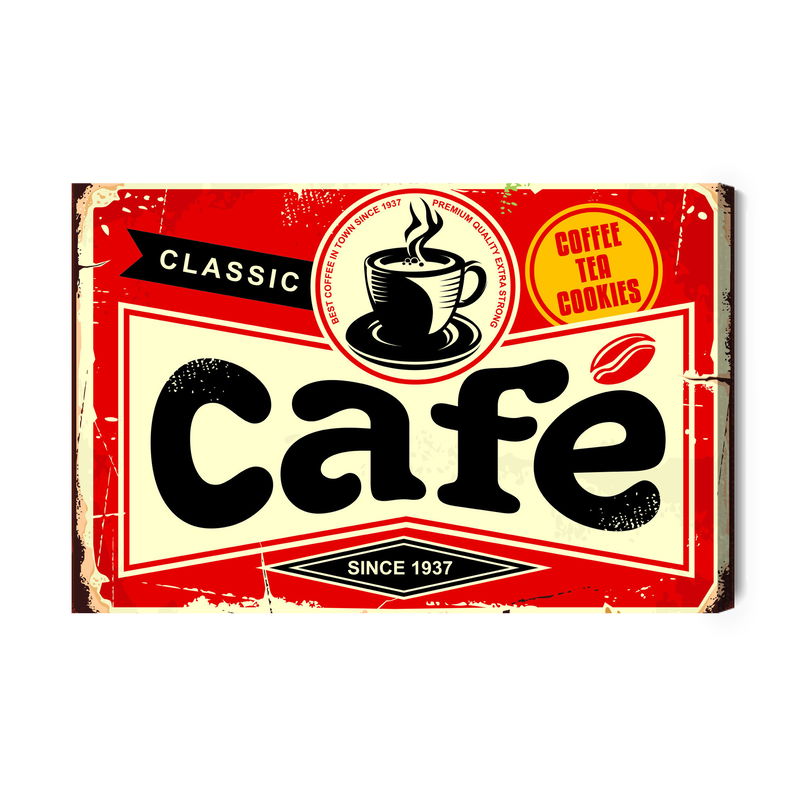
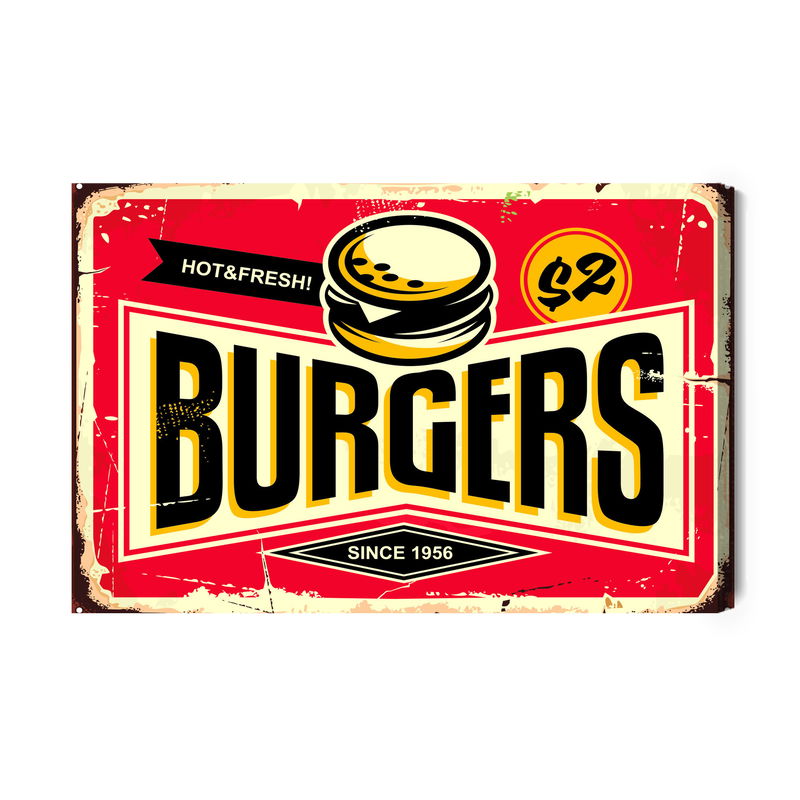
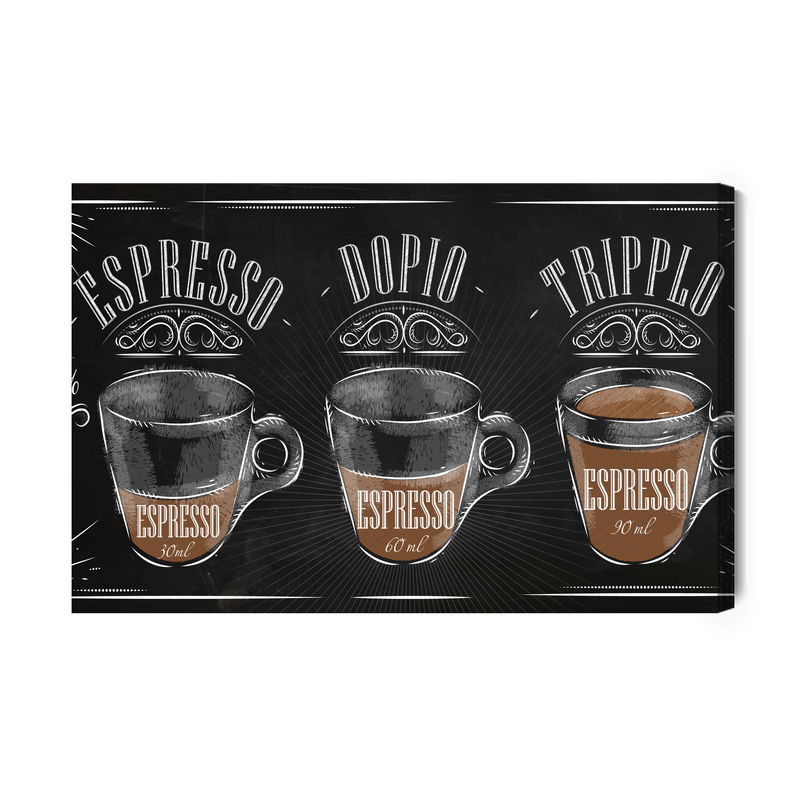
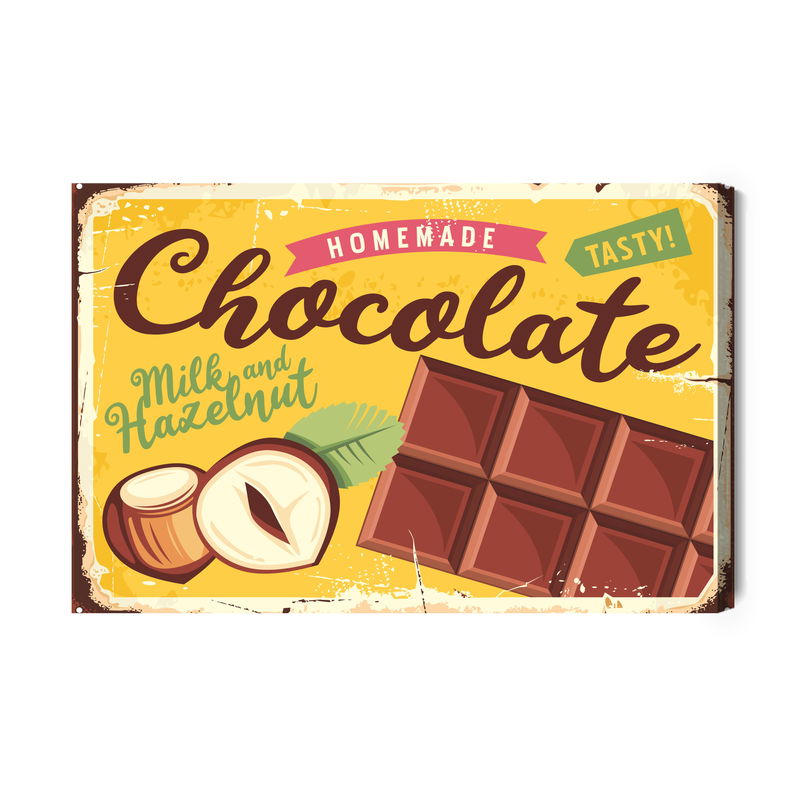
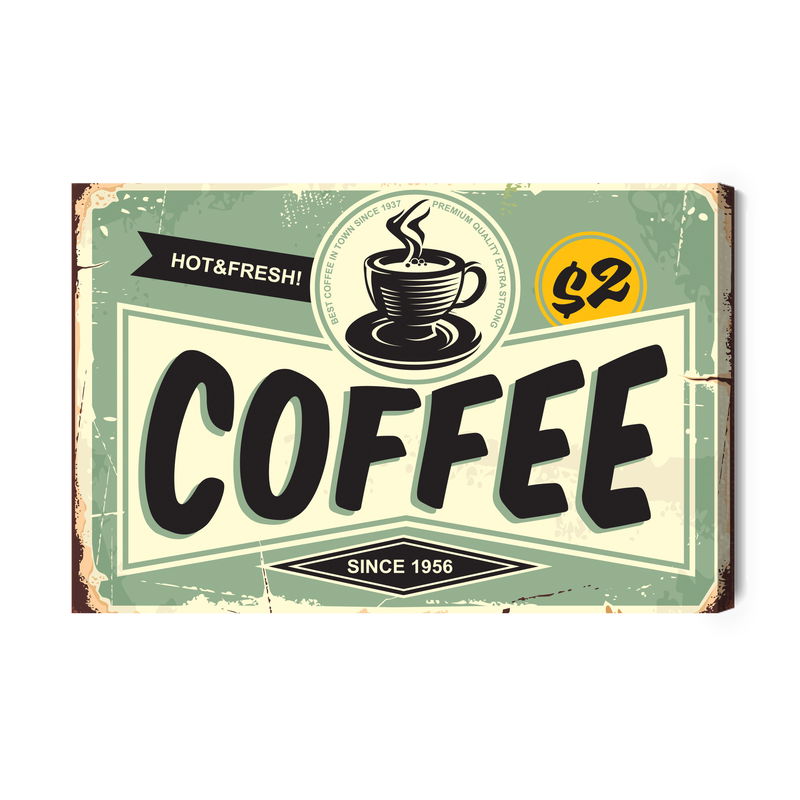
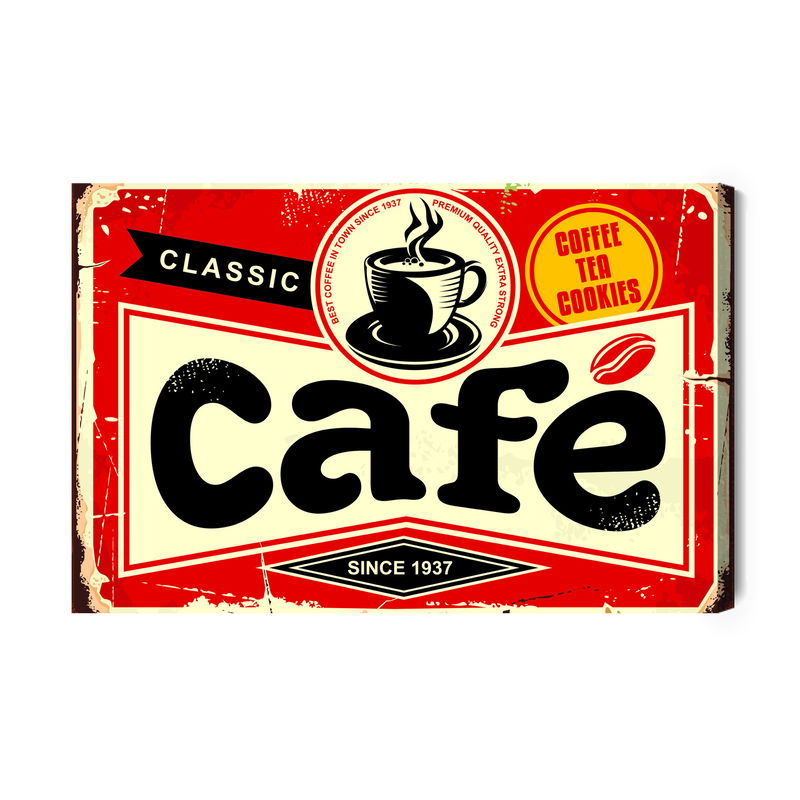
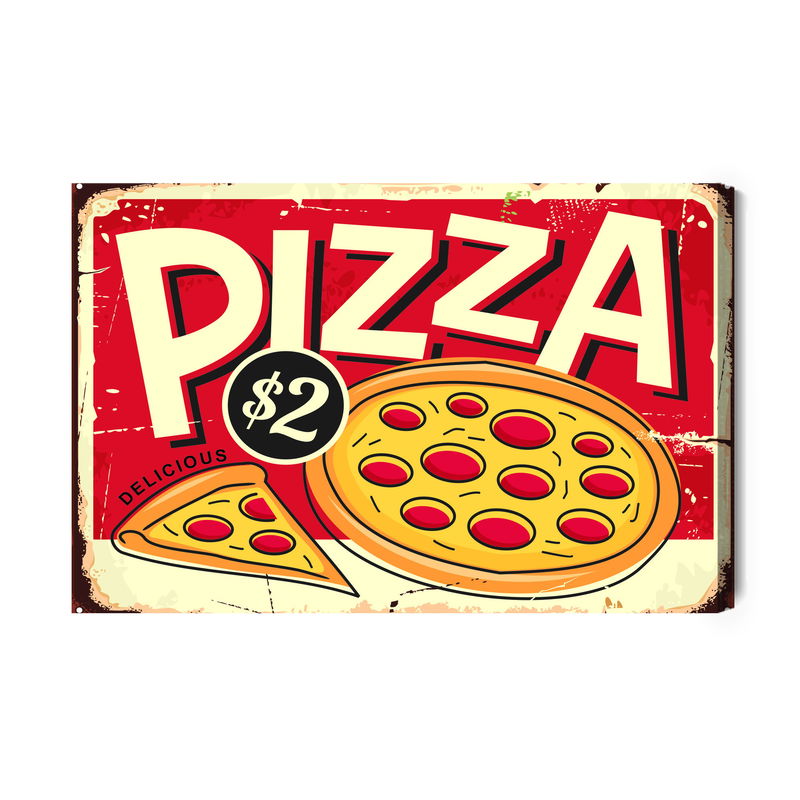
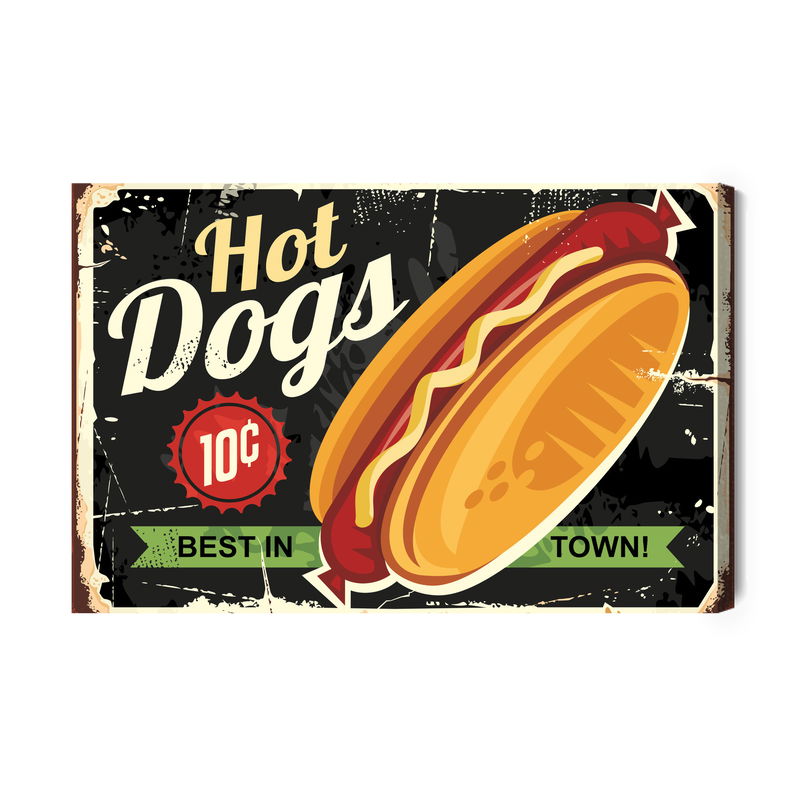
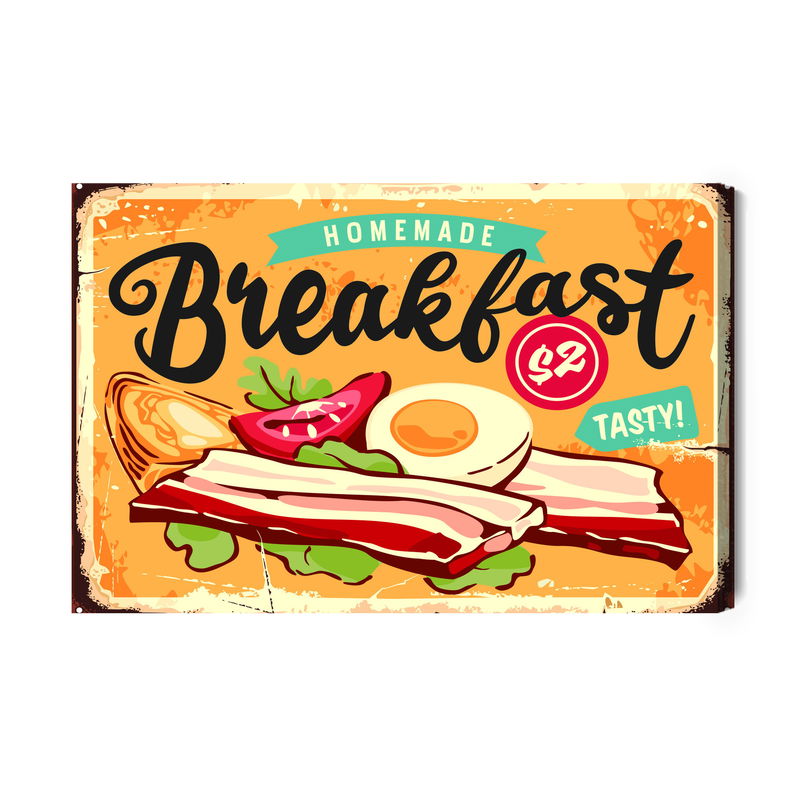
Coffee, pizza, burgers, breakfast and fruit juices provide different starting points for a dining or seating area. A dark coffee image can relate to dark furniture, while yellow and red food illustrations provide stronger colour accents. Several designs give lettering as much space as the food or drink itself.
Choose according to both the subject and the room’s palette. Check the actual words in the print; their language may differ from the shop page. The product name does not replace looking at the words and symbols that will appear on the wall.
Interests, entertainment and clear messages
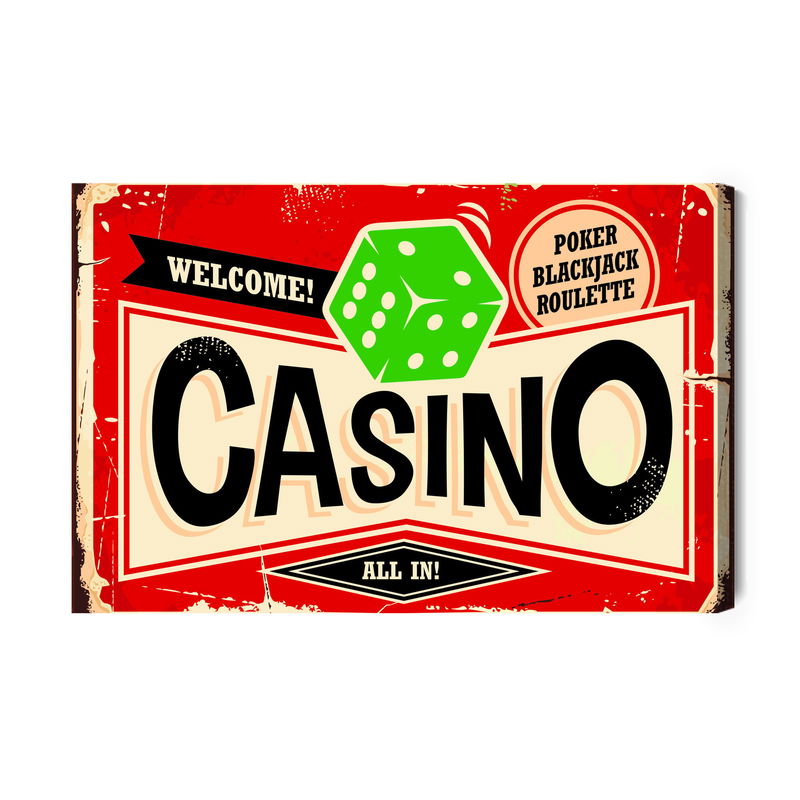
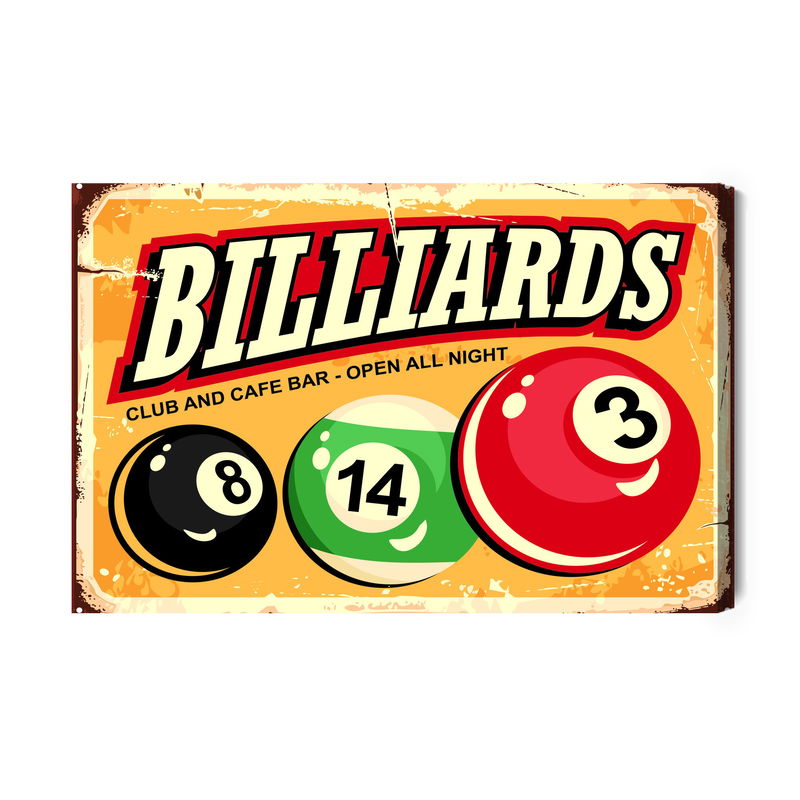
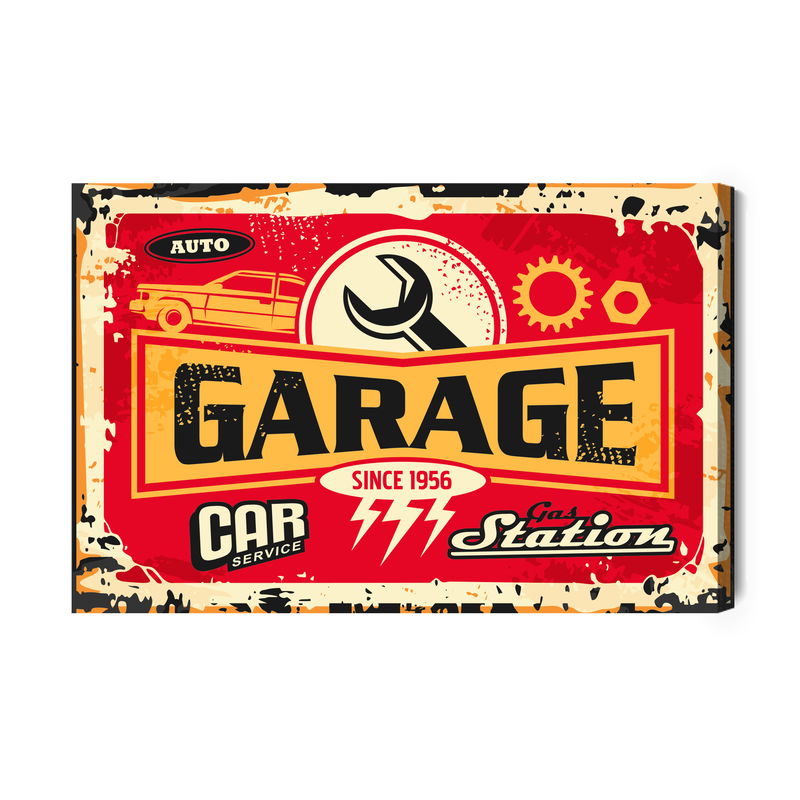
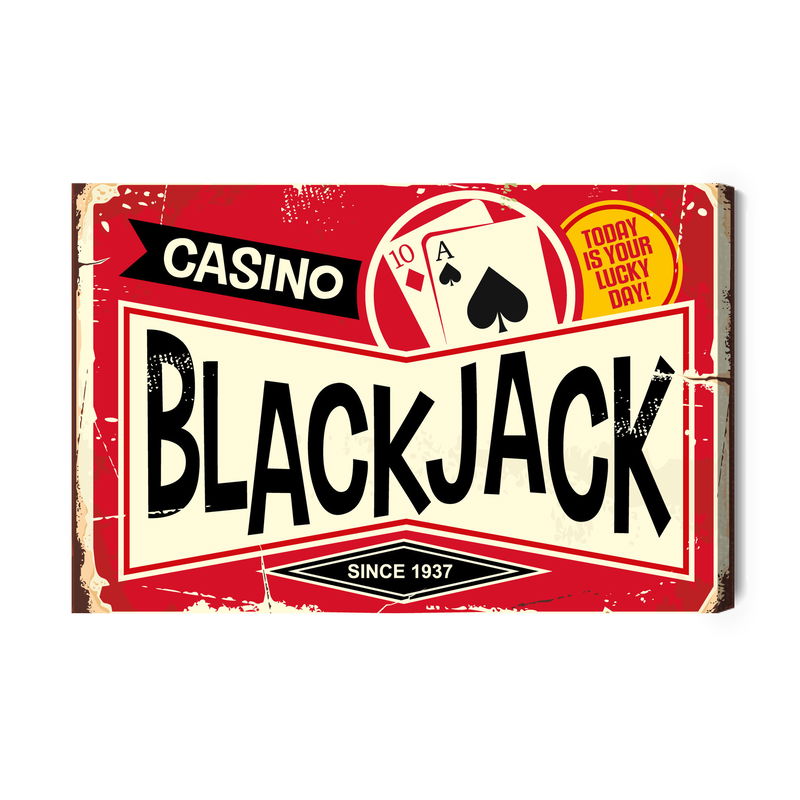
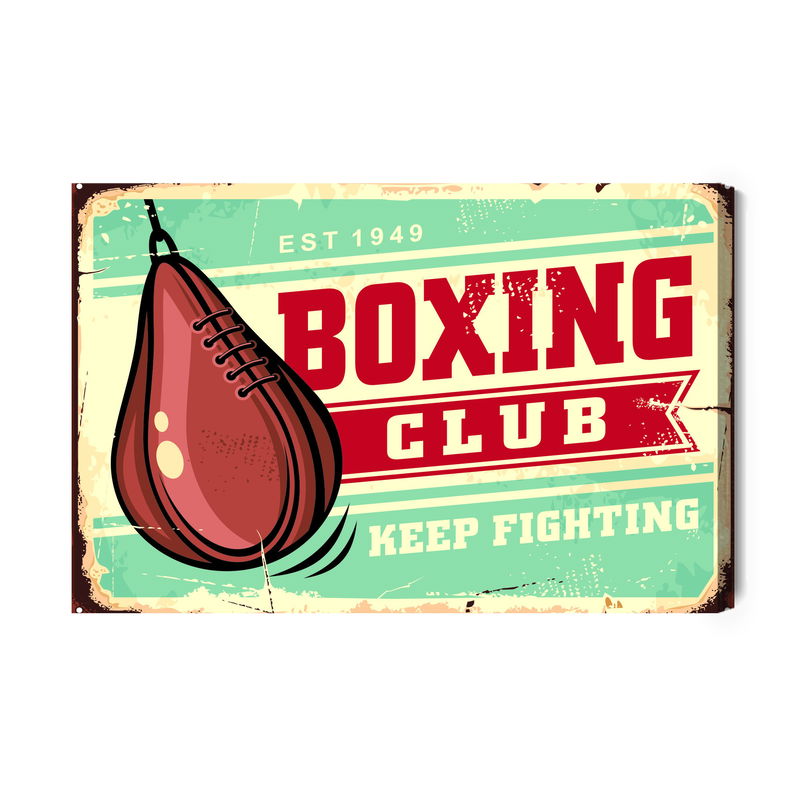
Workshop themes can use tools and graphic signs without a vehicle as the main subject. This group also includes billiards, blackjack and boxing pictures. Some combine several small signs into a larger composition, while others focus on one message. Pictures with a car, motorcycle or another vehicle as the main subject belong in the vehicle branch.
Let the main subject guide your choice. Gaming images may also appear in the existing games category; their visible poster treatment brings them together here. A small detail within another image does not necessarily make the entire design an advertising poster.
Choose a format and position for the whole image
Designs in this category appear on one continuous canvas. A smaller format can bring the image close to a seating area, while a larger picture gives lettering and illustrations more space. Measure the clear wall area and choose a format in which both the words and image edges remain legible from your usual viewing position.
The pictures have no visible outer frame. Read the individual product information on materials, installation and care before ordering. The absorbing construction can help reduce reverberation; the result depends on furnishings, placement and the total absorbing area.
Read the lettering as part of the composition
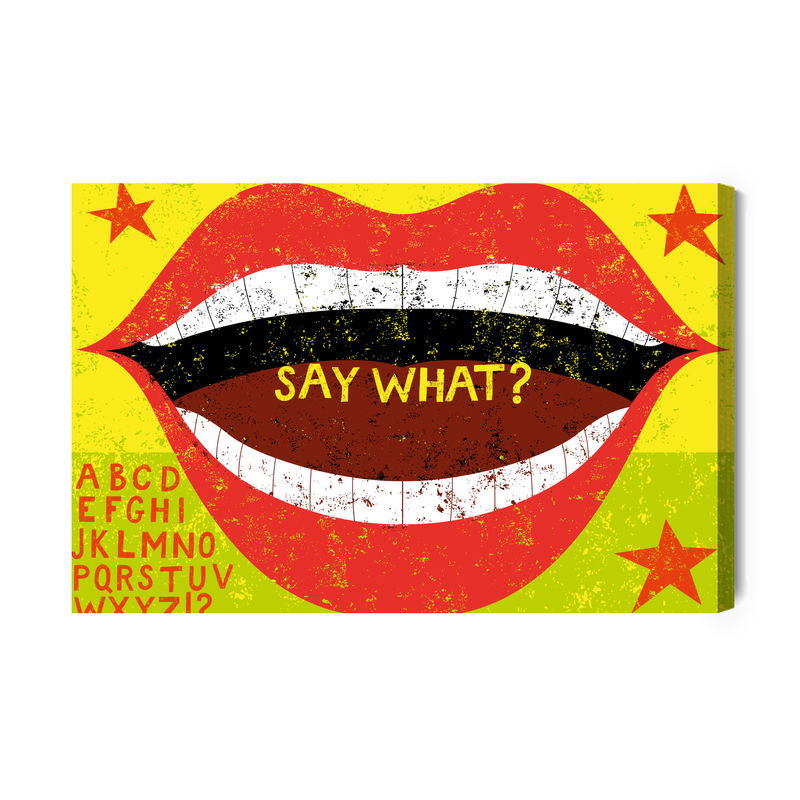
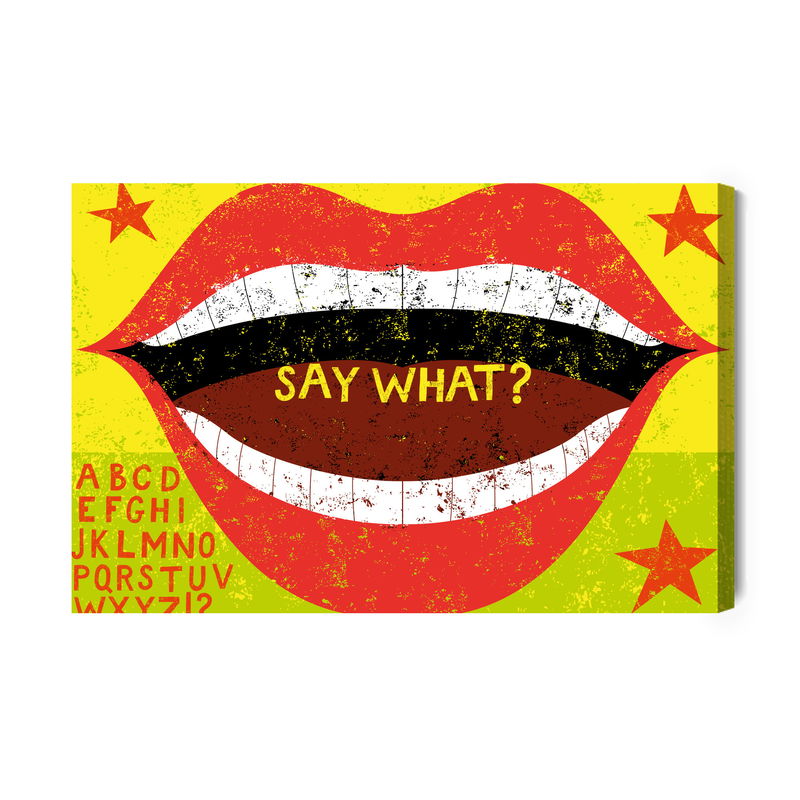
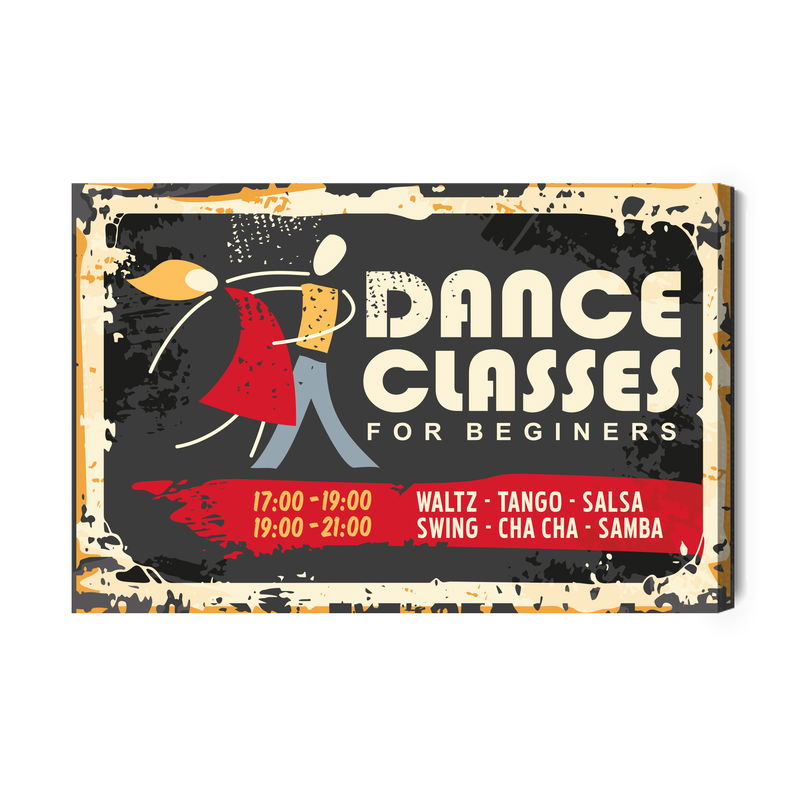
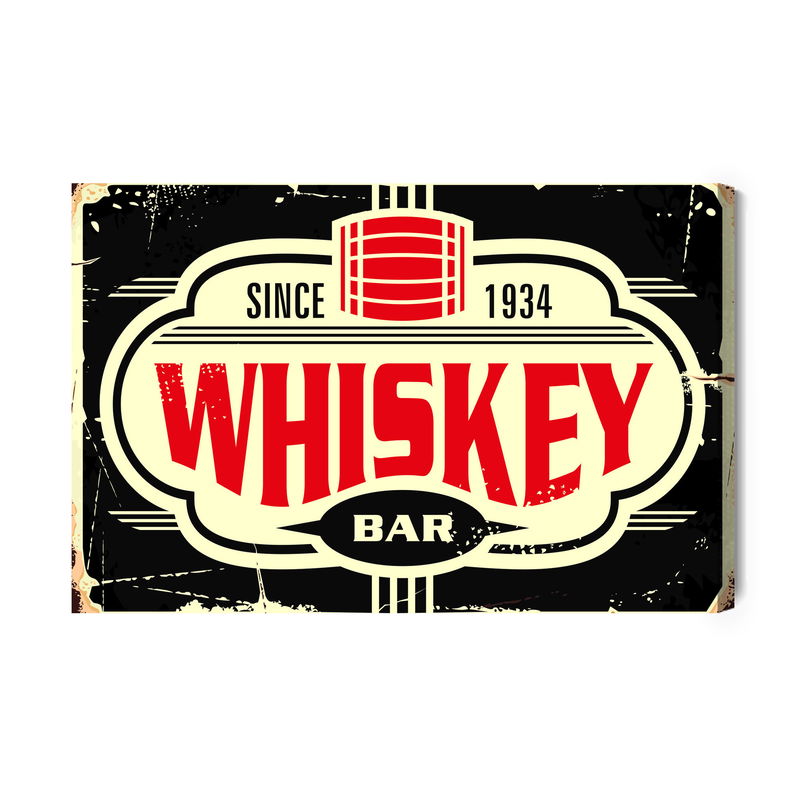
In a sign motif, text is both a message and a shape. Large letters can establish a clear rhythm even before the words are read, while smaller lines and illustrations offer details to discover closer to the picture. Check both the words' meaning and their distribution across the image. A motif with many lines of text can play a different role in the room from a picture built around one large word.
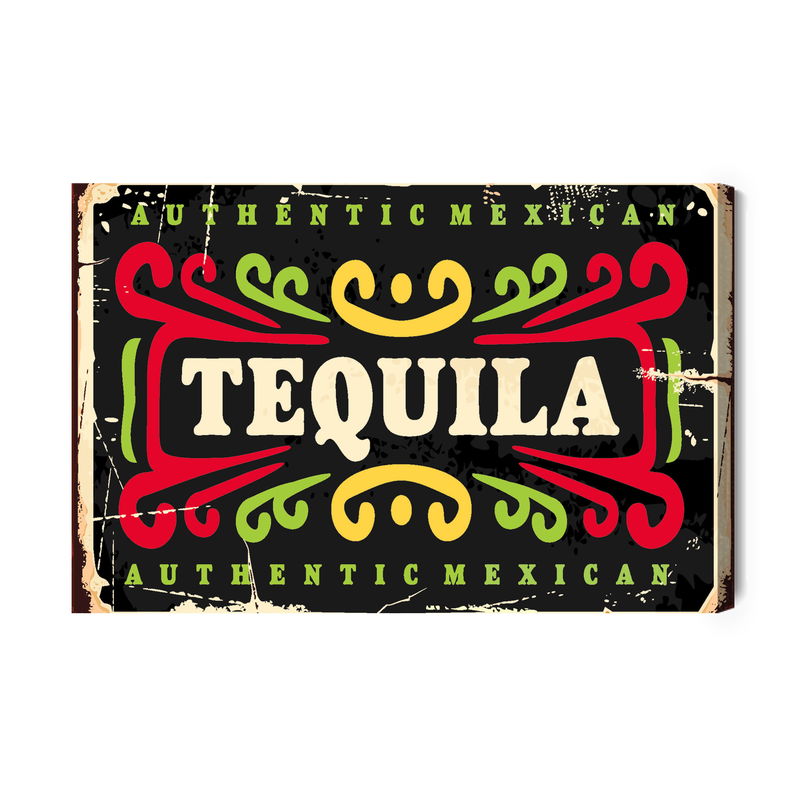
The language in the print follows the depicted sign and does not change simply because the shop page is displayed in another language. Look carefully at the visible words and choose a message you want in your setting. A letter may also sit close to the image edge, so judge the whole product image rather than just a small preview.
Colour contrasts that work with the furnishings
Compare light and dark areas in the motif with the wall colour and the room's larger pieces of furniture. A dark background can unite a colourful illustration, while a lighter picture can create a more open expression. Consider echoing a small colour from textiles or other details in the image. You do not need to recreate an entire retro interior for a sign motif to feel considered on the wall.
One clear image or a group with several messages
A single motif can have its own space where the words and illustration can be read without competition. If choosing several pictures, compare their letter sizes, contrasts and visual weight before deciding on the order. Shared colours can unite a group with different themes. Leave enough space between the motifs for each image to remain legible as a whole from the usual viewing position.