



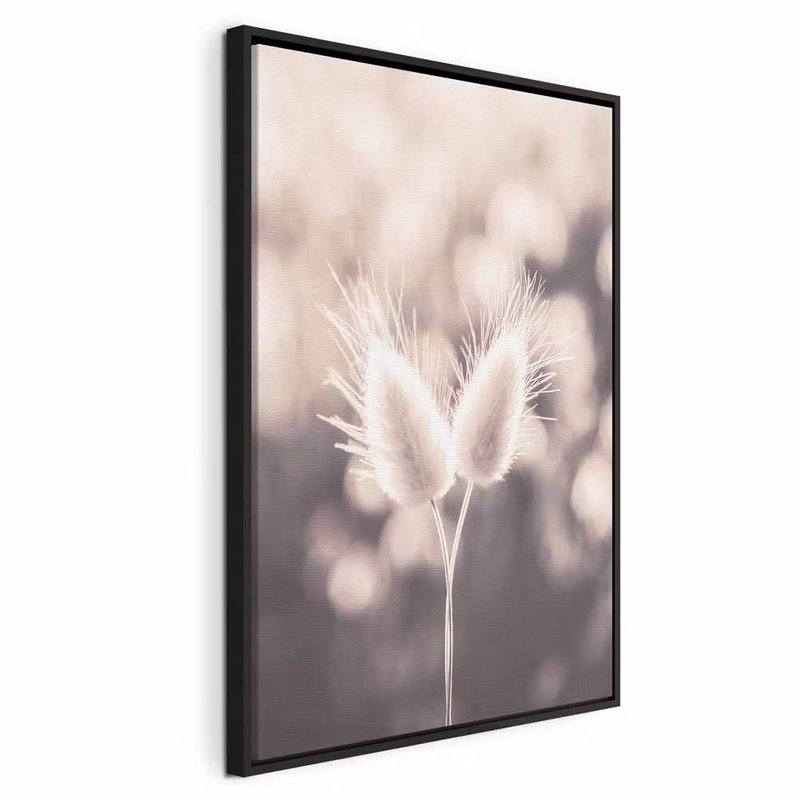
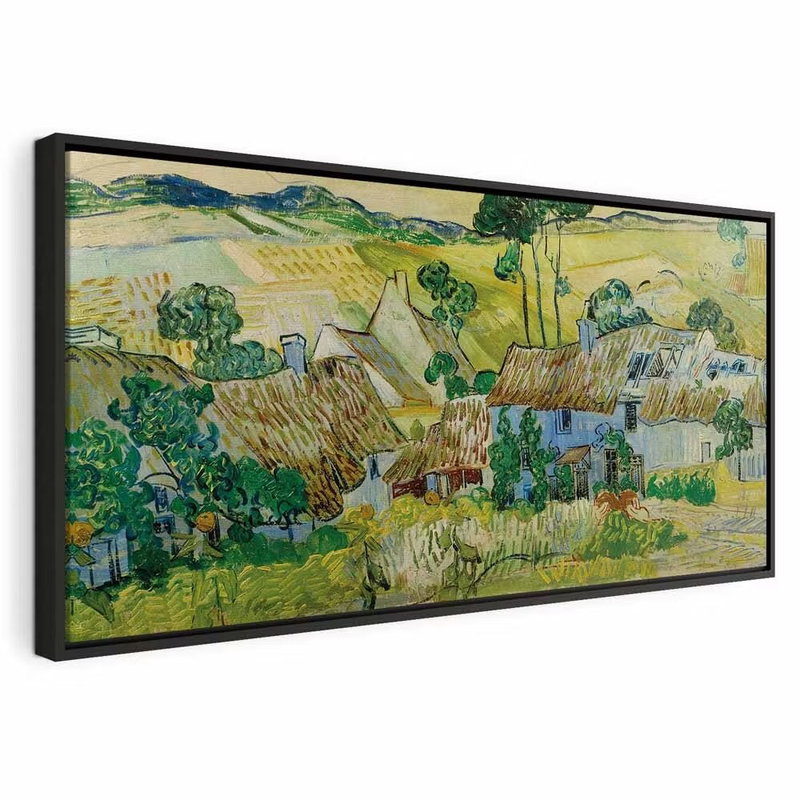
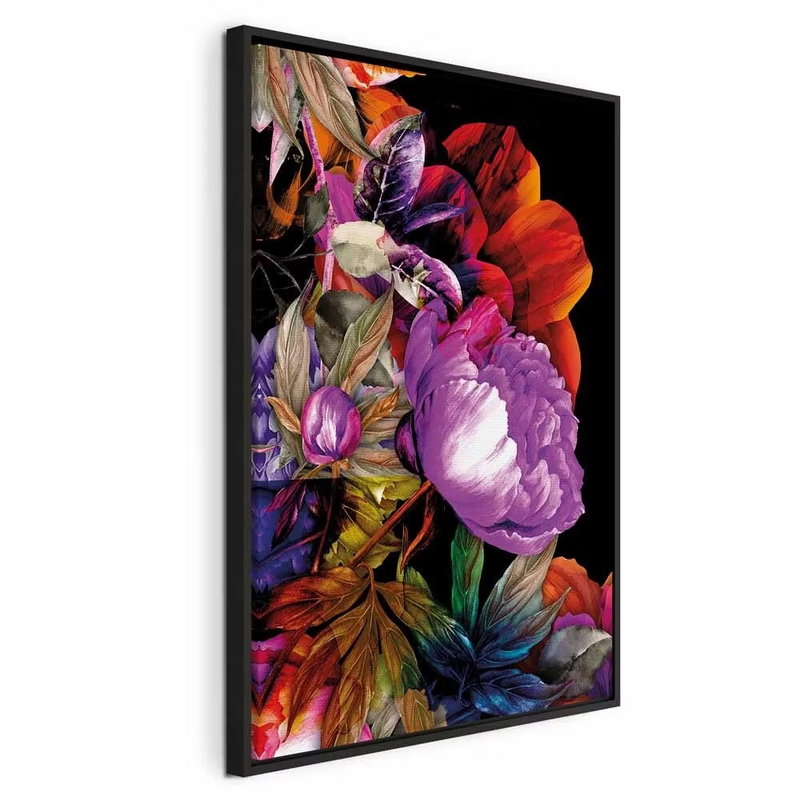
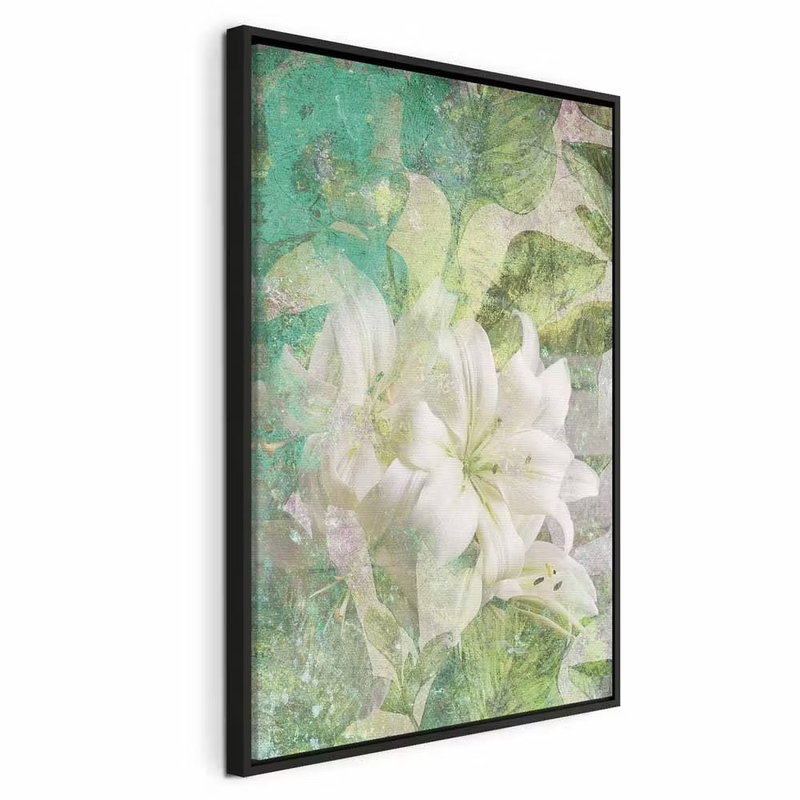
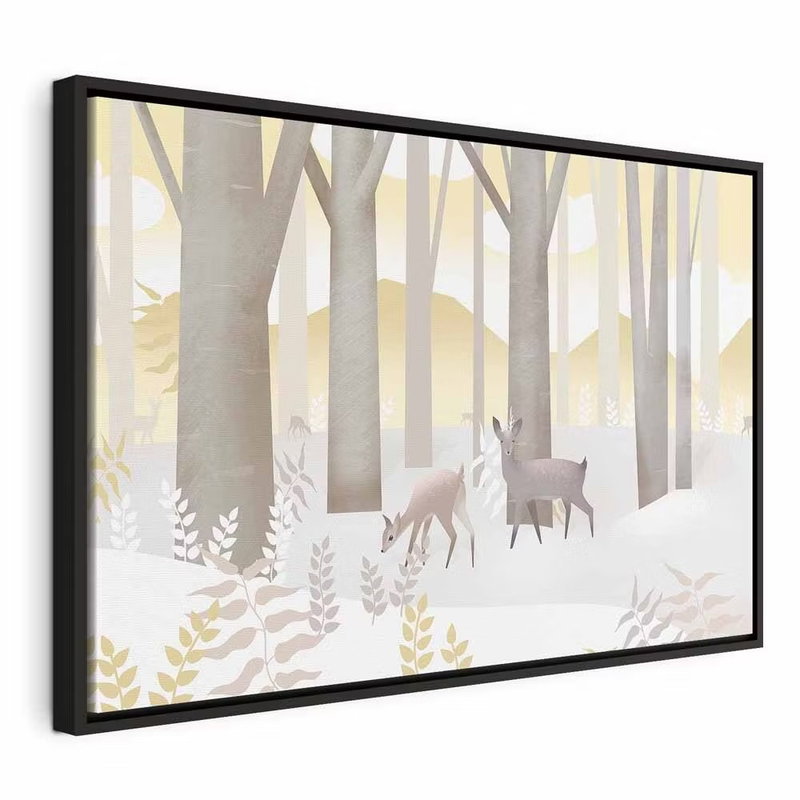
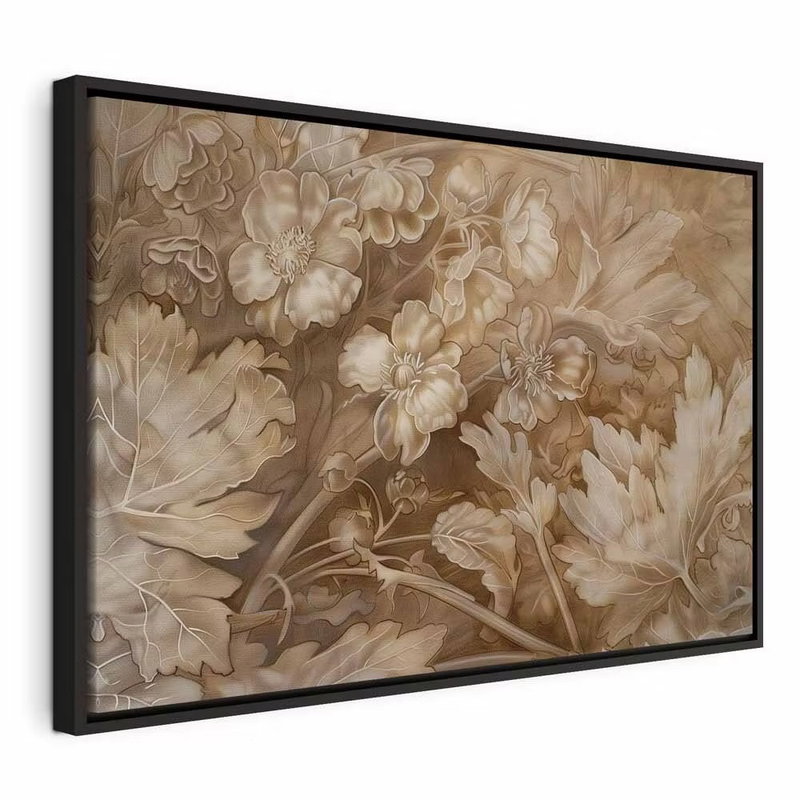
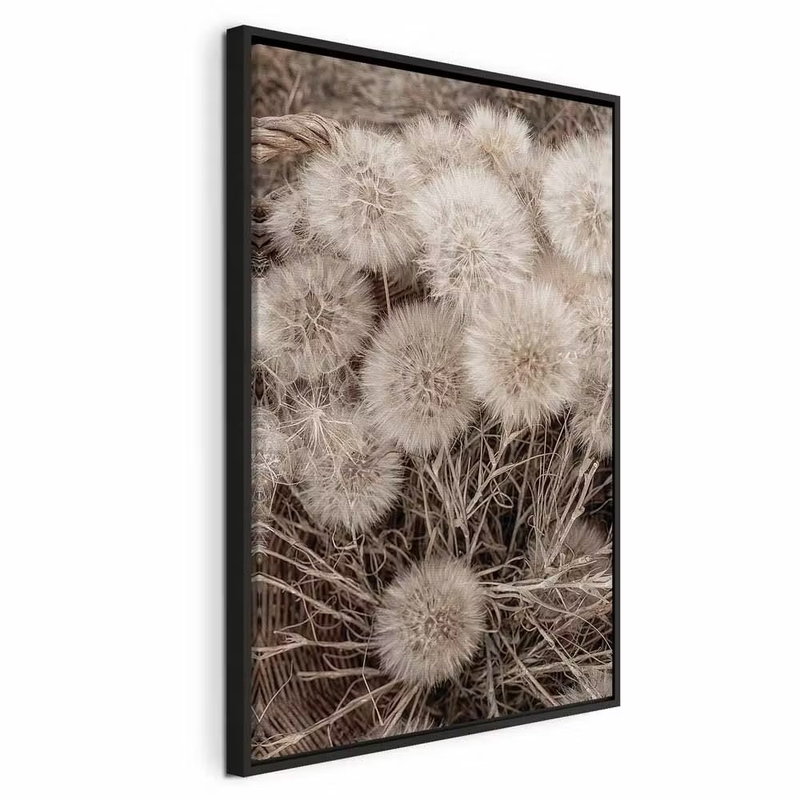
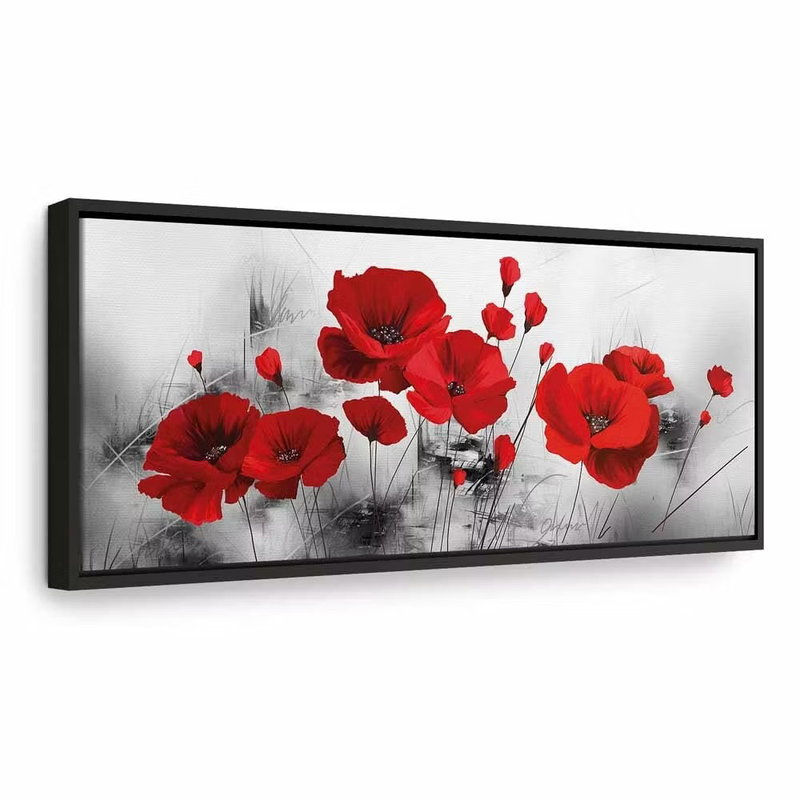
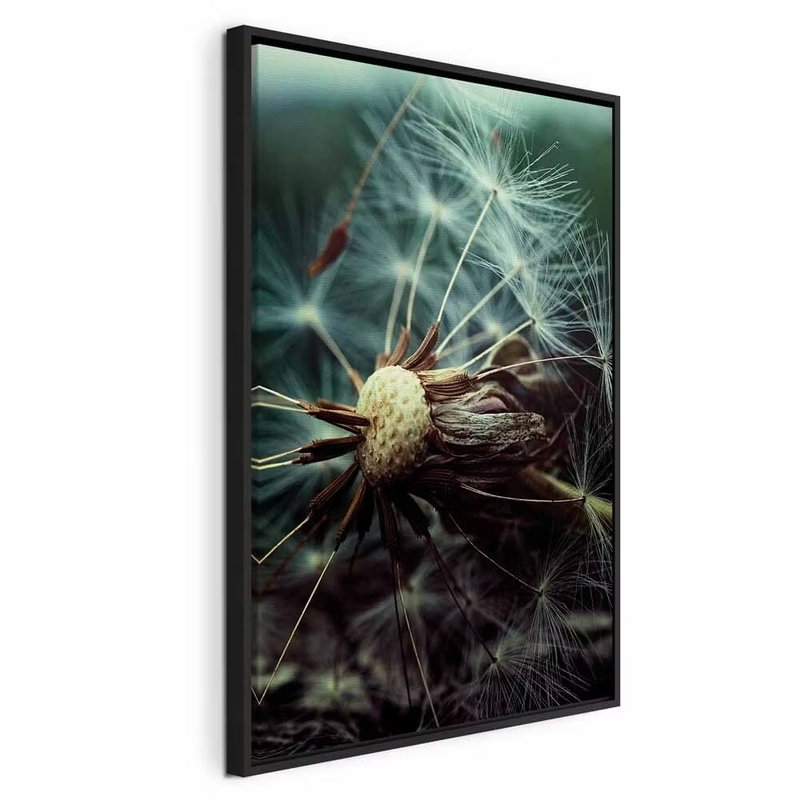
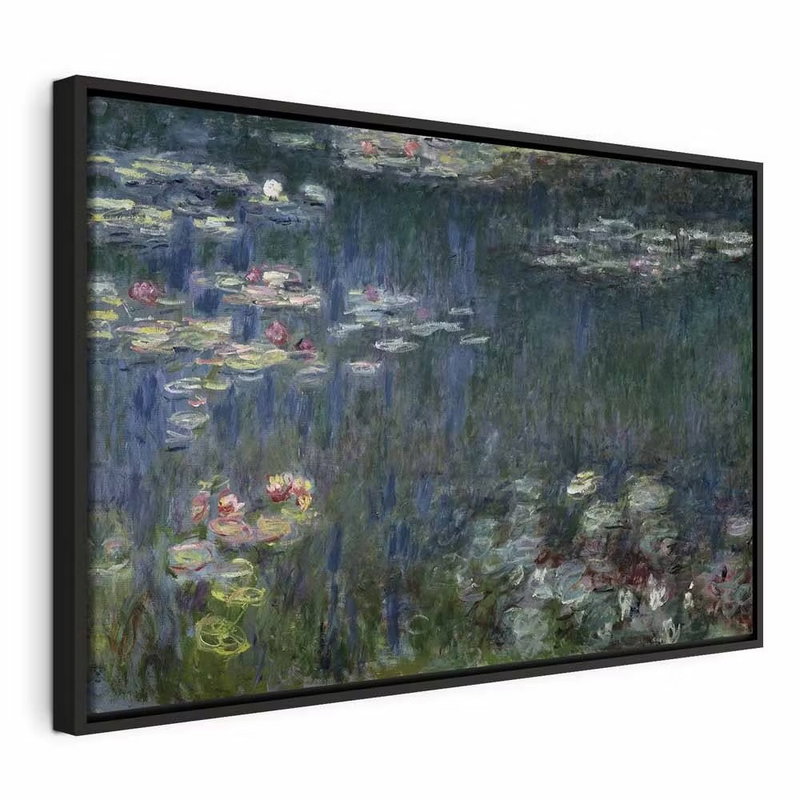
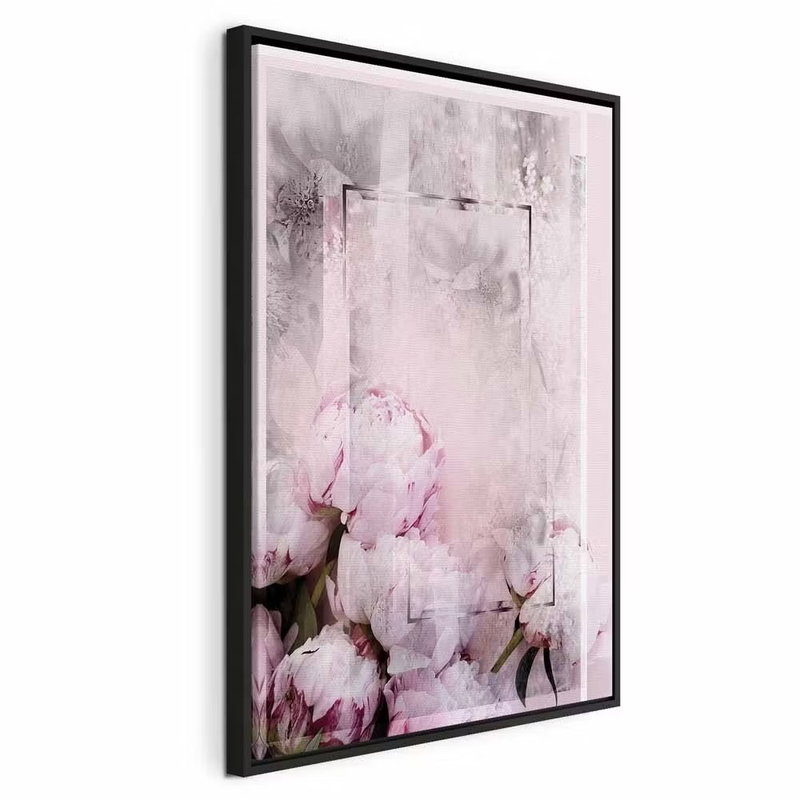

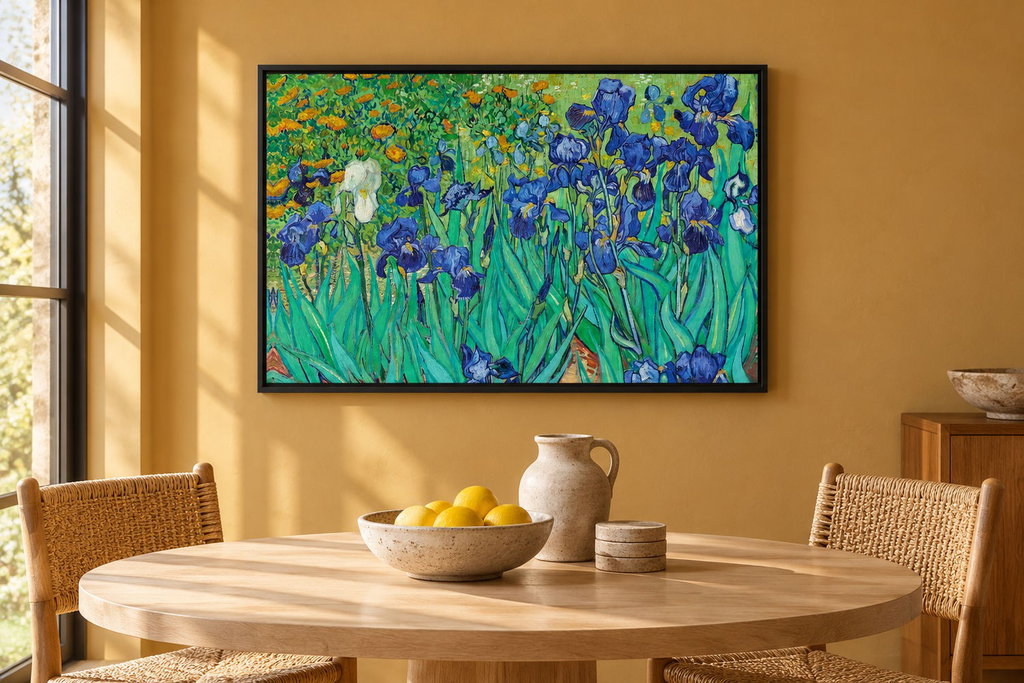
From individual flowers to botanical patterns
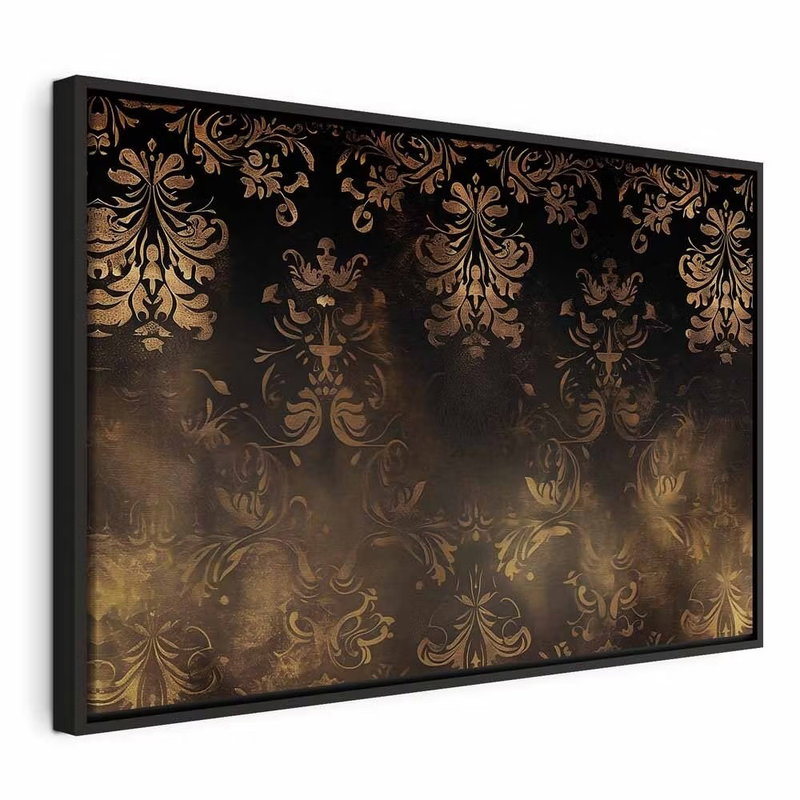
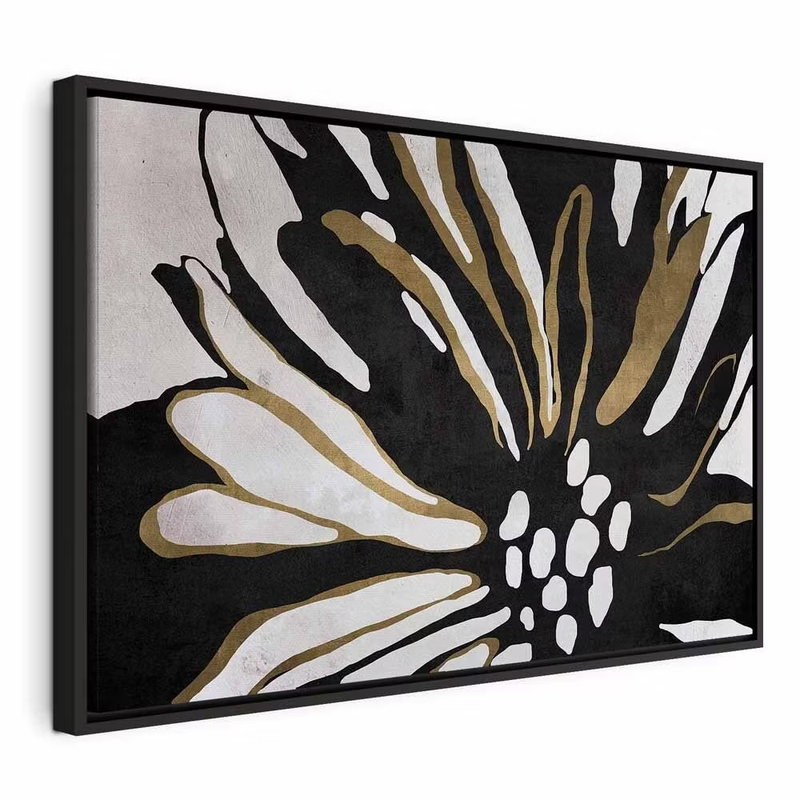
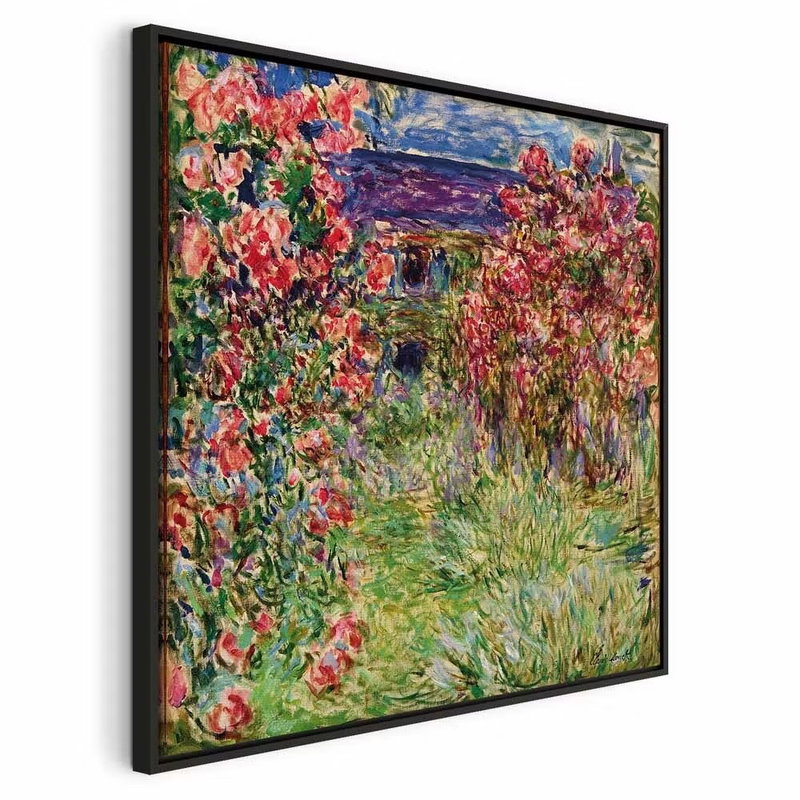
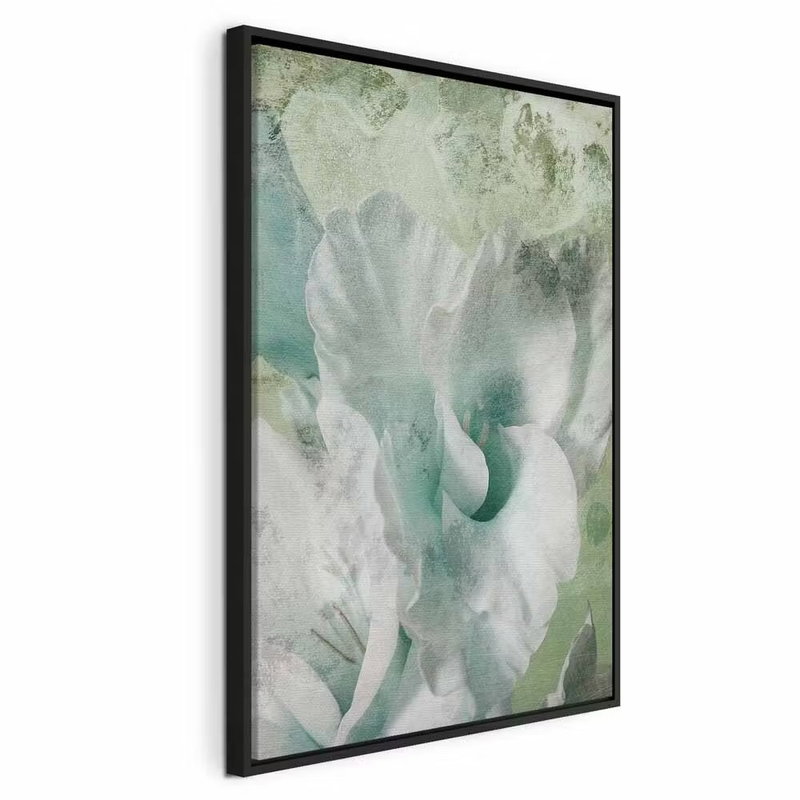
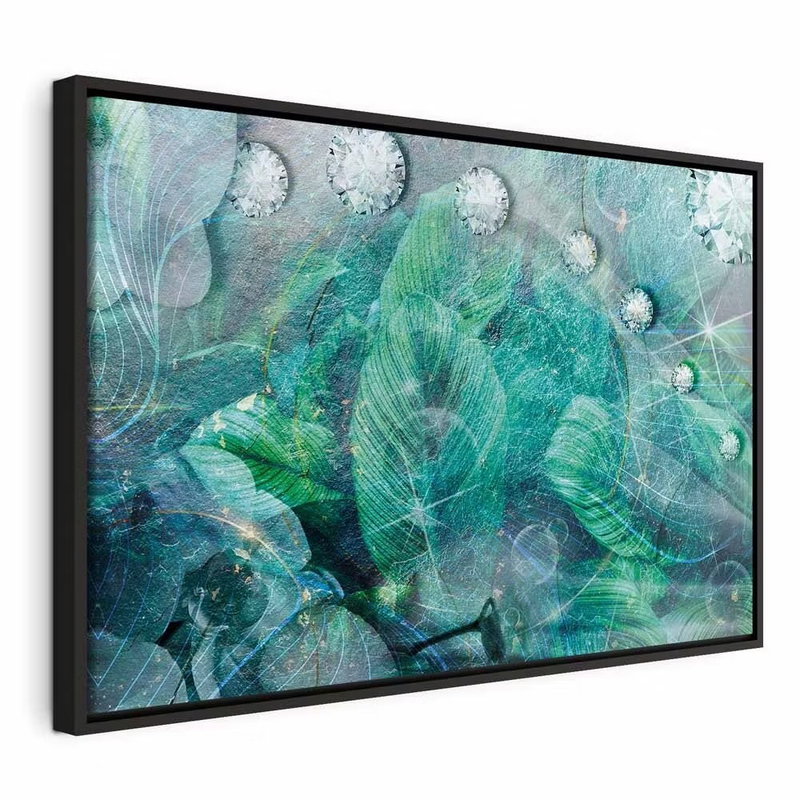
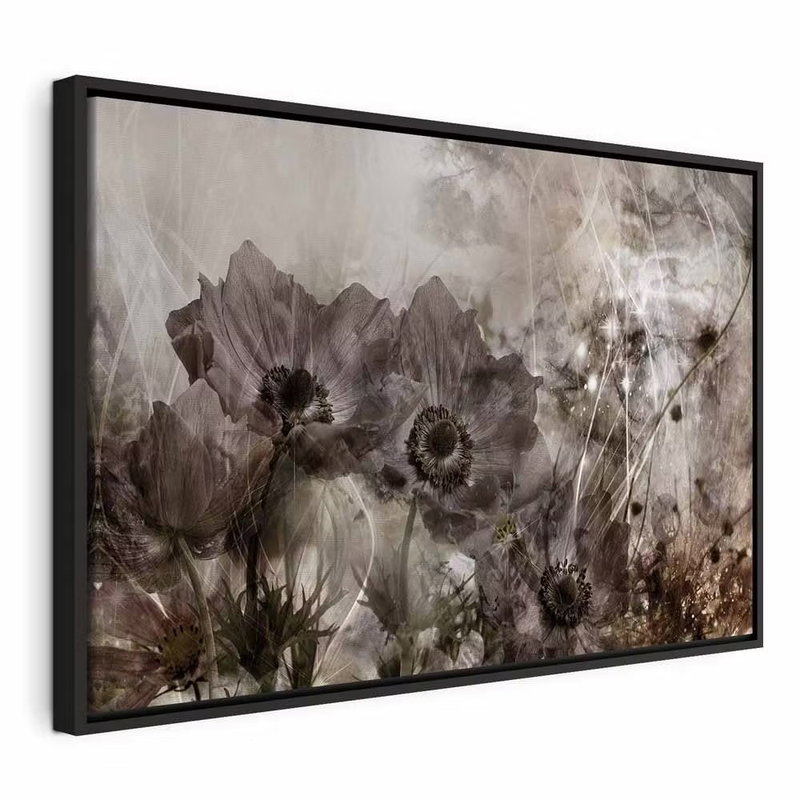
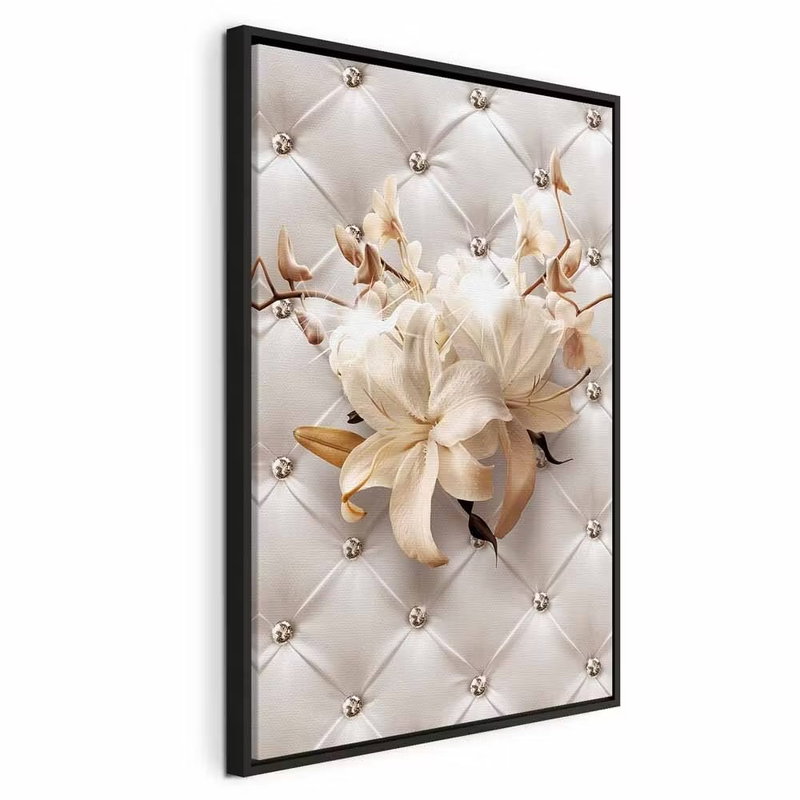
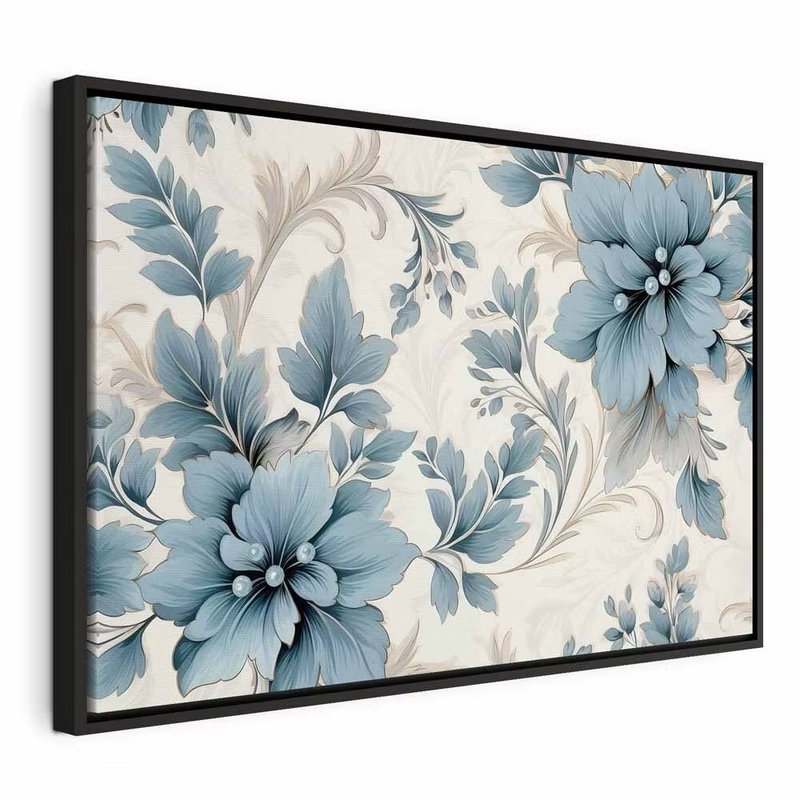
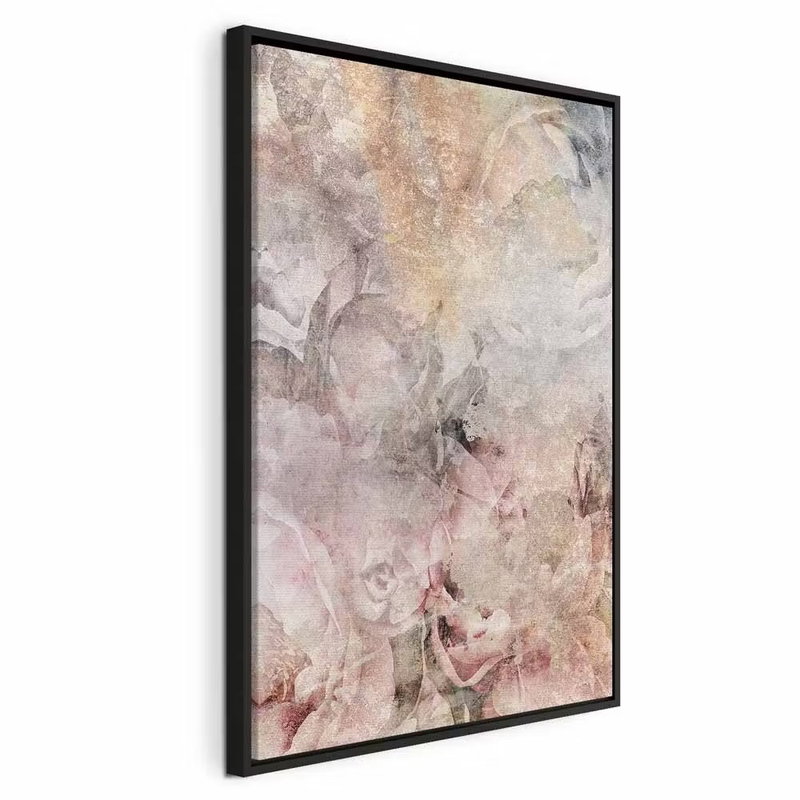
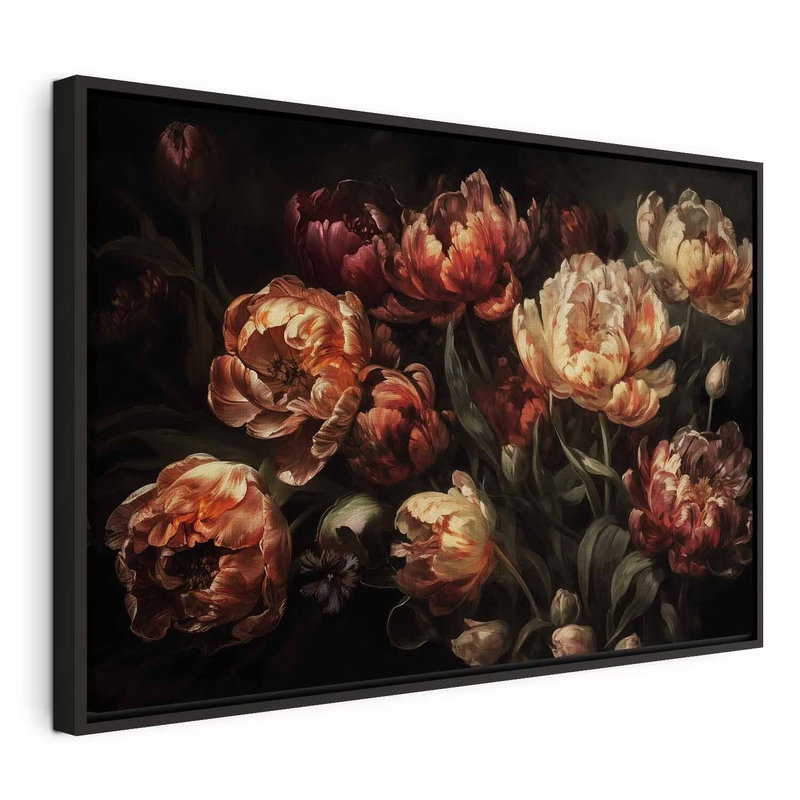
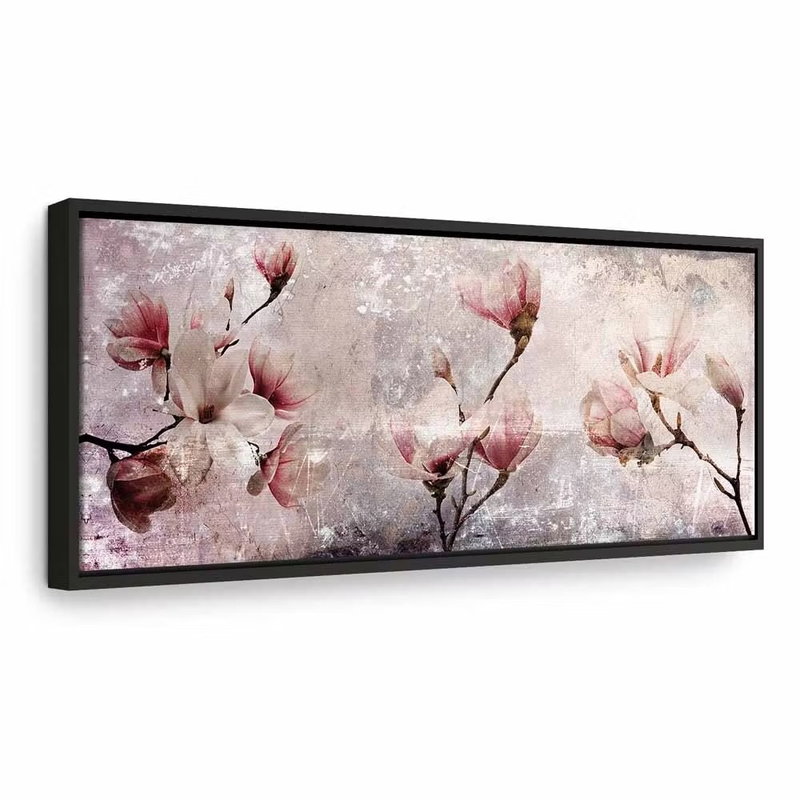
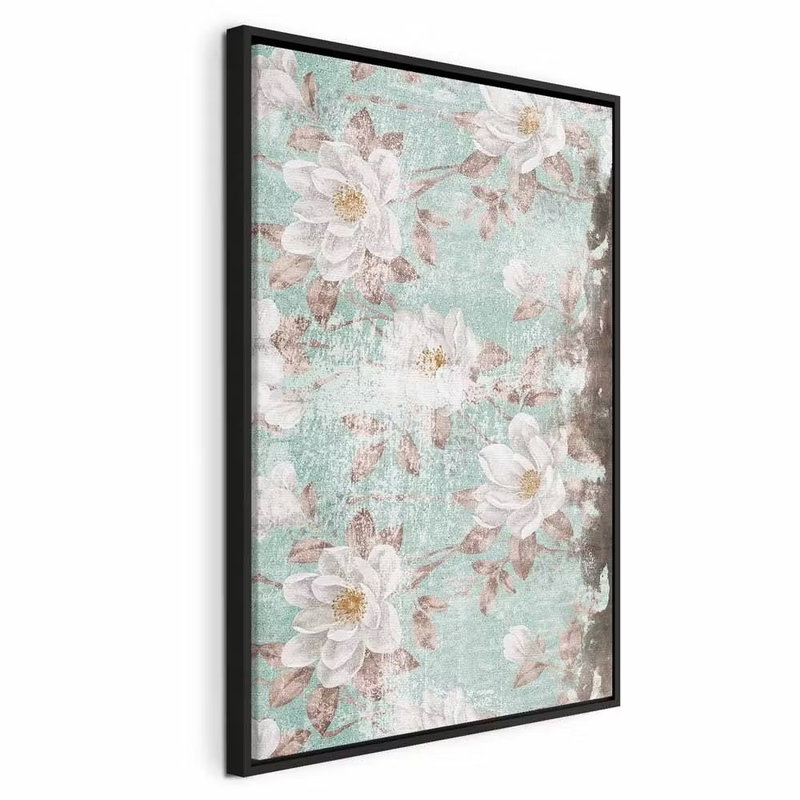
A large flower can give the wall a clear centre. In a subject such as White dahlia, pale petals and soft shadows build the image, while a more open leaf and flower pattern leaves more background visible. These offer different choices for drawing the eye to one point or making wall art a lighter part of the overall interior.
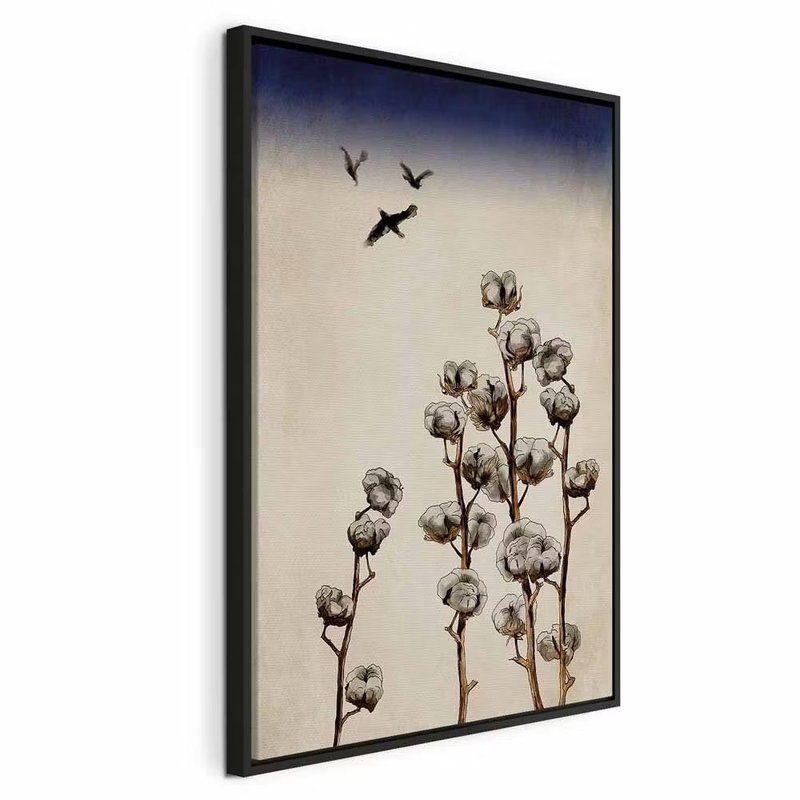
Botanical images can also include birds or other prominent elements. Look at which parts first attract attention. This helps you choose a picture that suits your interior idea even when the composition combines several subjects.
Balance flower colours against the background and frame
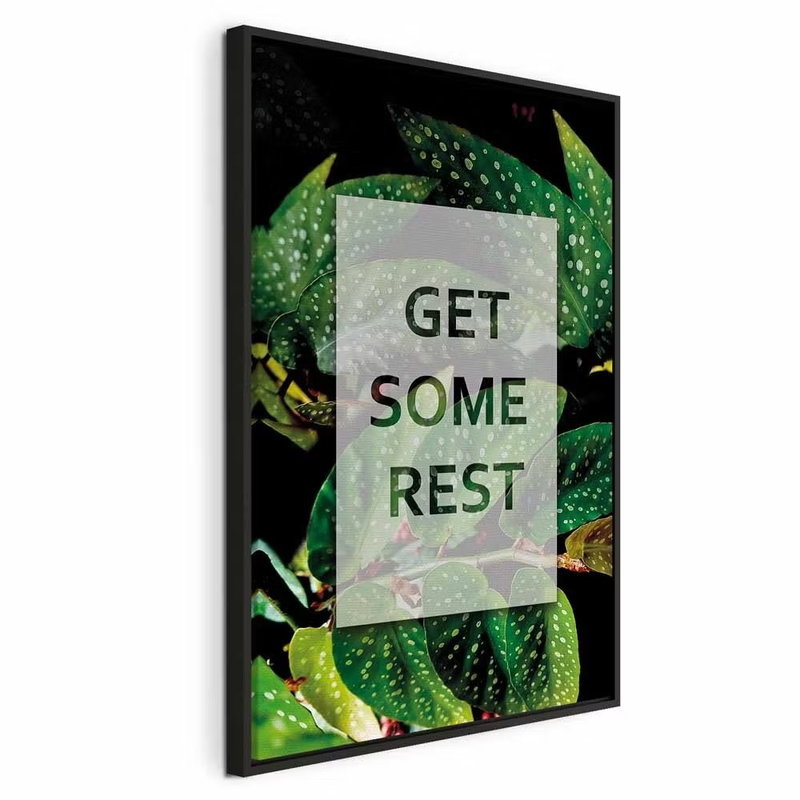
The flower colour is not the only influence on how the picture feels. A dark background can make a pale flower stand out, while a light ground allows thin stems and leaves to create a quieter image. Compare the background with the wall colour and textiles near the intended position.
The frame colour needs to work with the complete image. Check the available options on the product page and consider whether the outer edge should stand out or relate to the room’s wood tones. With several botanical pictures, similar background tones can connect them even when the plants and crops differ.
Match the size to the level of detail
A dense floral pattern may need a little viewing distance for the whole composition to emerge, while an individual flower’s petals can be interesting close up. Consider where you will actually view the picture: from the sofa, at the dining table or while passing a hallway wall.
Check the orientation and size options for your chosen subject. An upright plant shape and a broad floral composition need different amounts of space. Measure the wall area and leave room beside windows, shelves and other pictures so that the frame has a clear place in the interior.
Botanical wall art with absorbing material
The printed plant image is the decorative surface; behind it sits the picture’s sound-absorbing construction. It can help reduce reverberation around a dining area, study or seating space, for example. The result depends on the amount of absorbing surface used and the room’s other conditions.
The plant subject does not mean the product functions as living vegetation or as sound insulation between rooms. Choose the image for its expression while assessing the product’s documented construction, hanging method and care. Follow the selected model’s instructions when installing and cleaning the picture.
Look at the plant's lines and the image's movement
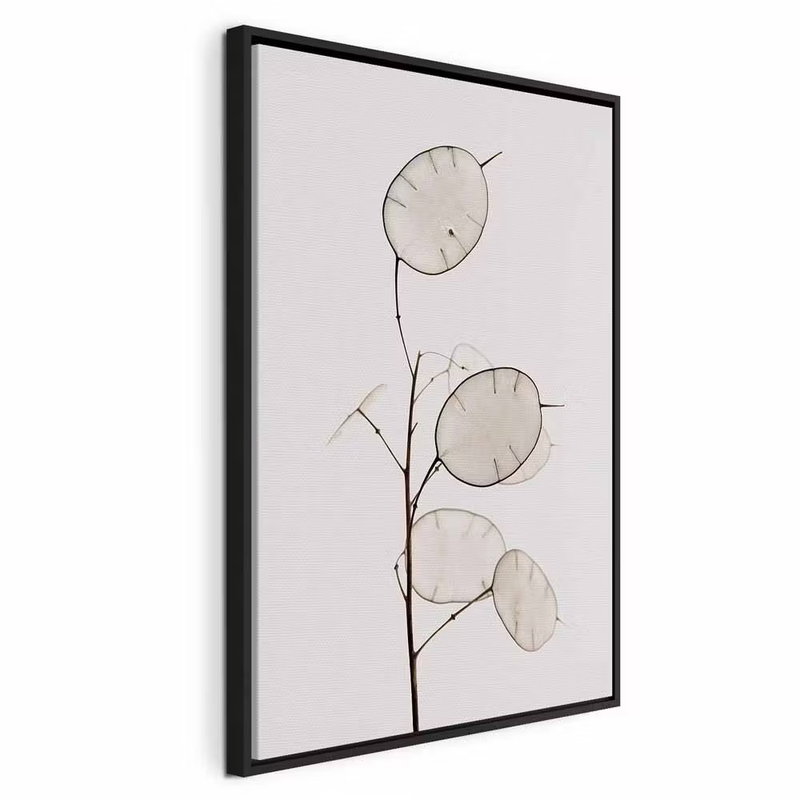
Leaves, stems and petals guide the eye in different ways. An upright stem can give a clear direction, while softly curved leaves or a round flower bring the shapes together. Look at how the lines meet the image edges and which areas are left open. This balance affects how botanical wall art fits among the furniture's straight lines and the room's other patterns.
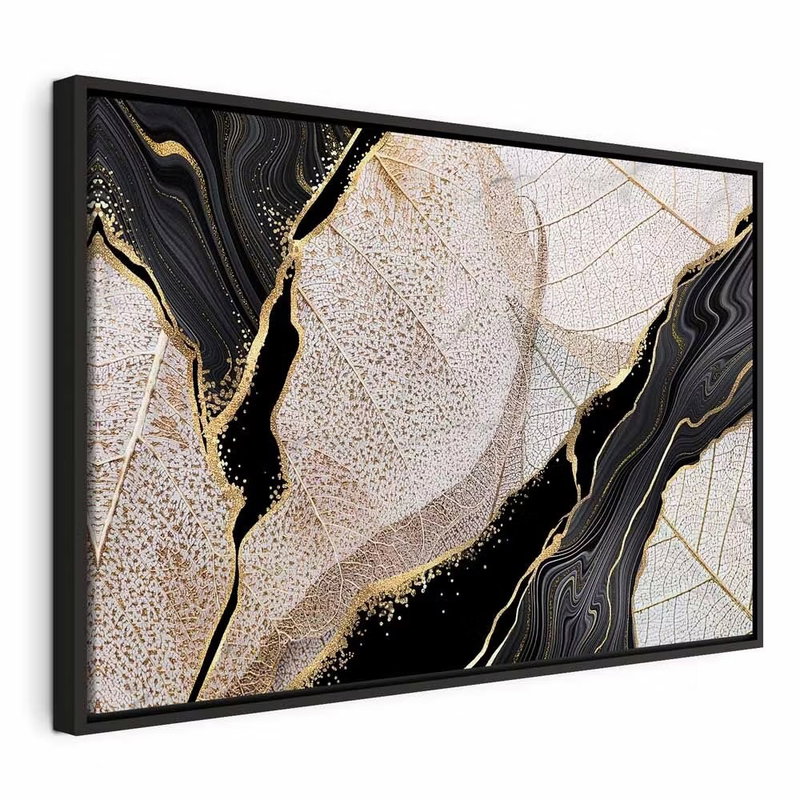
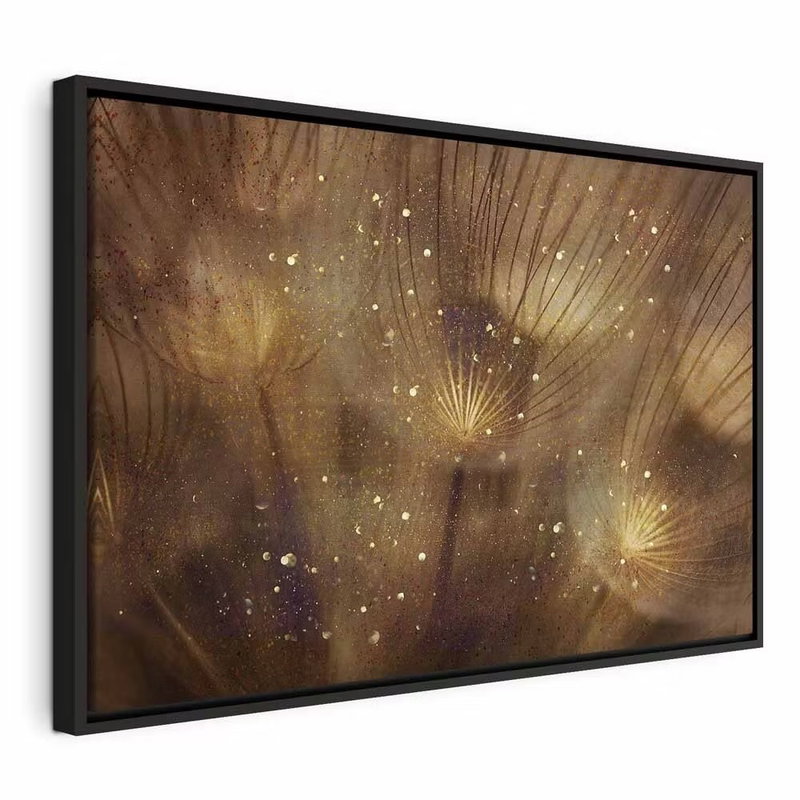
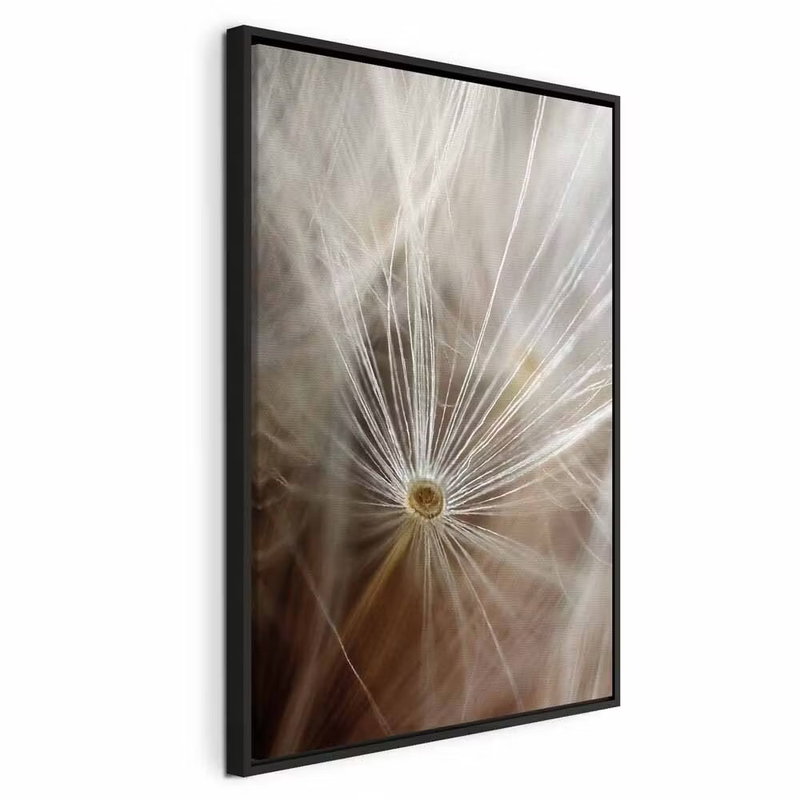
A close-up need not show the entire plant to be an interesting subject. Instead, it can highlight repeated shapes, shadows and colour transitions. Start with what you can actually see in the picture and choose by its expression. An uncertain species name or a broad product label should not replace judging the image itself.
Choose one concentrated focal point or several quieter pictures
One large flower can take a distinct leading role on the wall. Several botanical pictures can instead create a rhythm where backgrounds, frames and plant forms work together. Consider choosing the group's starting image first and then comparing complementary pictures. Include the gaps in your planning so that each frame and motif remains distinct.
Follow the palette through different parts of the room
Assess the floral picture against more than just the wall where it will hang. A colour can connect to a rug, an armchair or another picture without being copied exactly. If the room already contains many patterns, an image with larger quiet areas can give a different impression from a dense floral composition. View the motif from where you usually sit or pass through, and choose an overall scheme that works in everyday life. Judge the whole in the room’s usual light.