



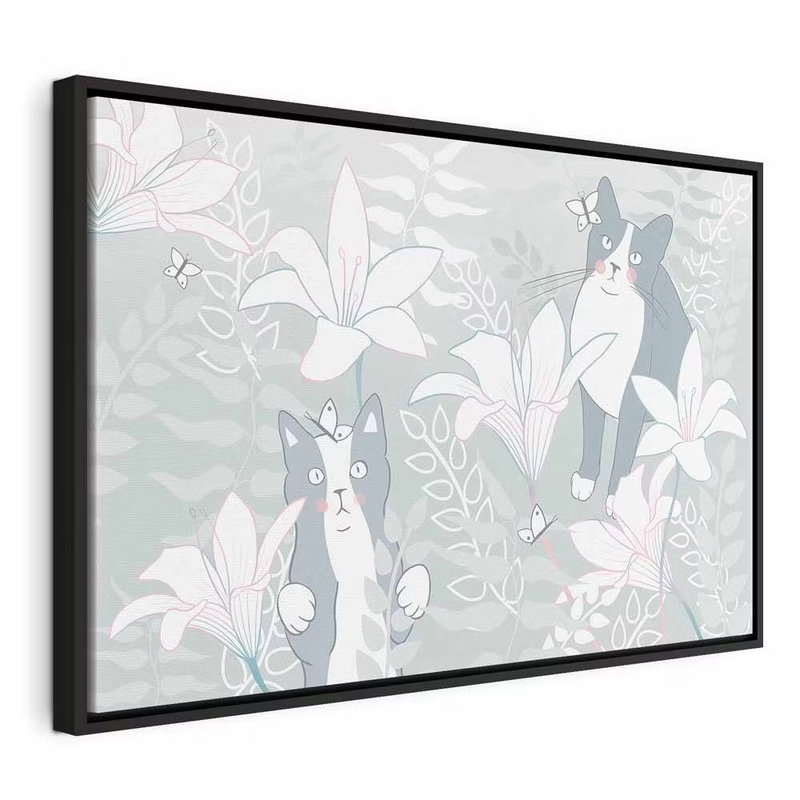
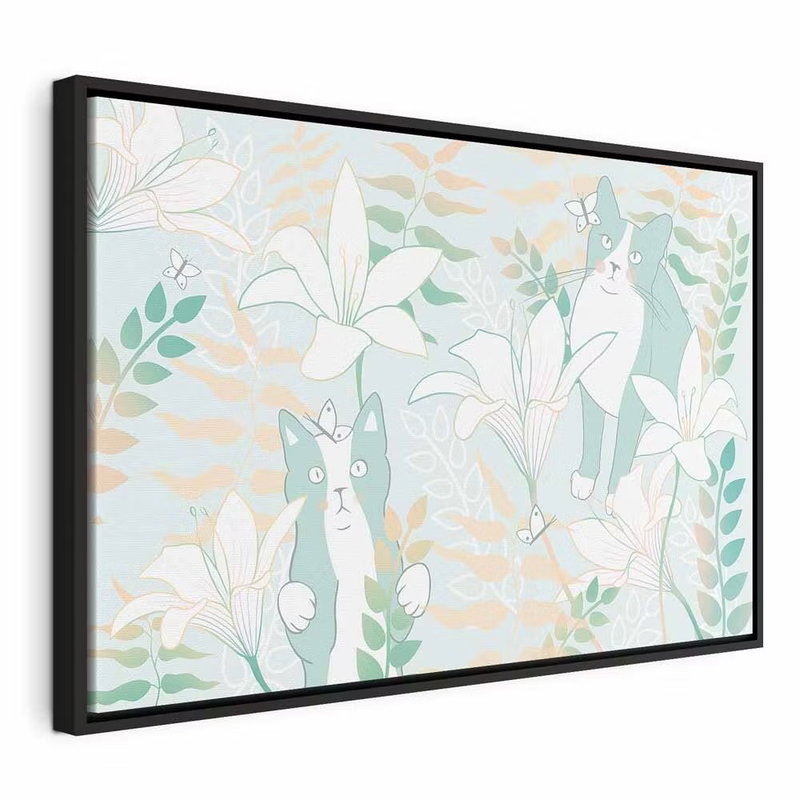
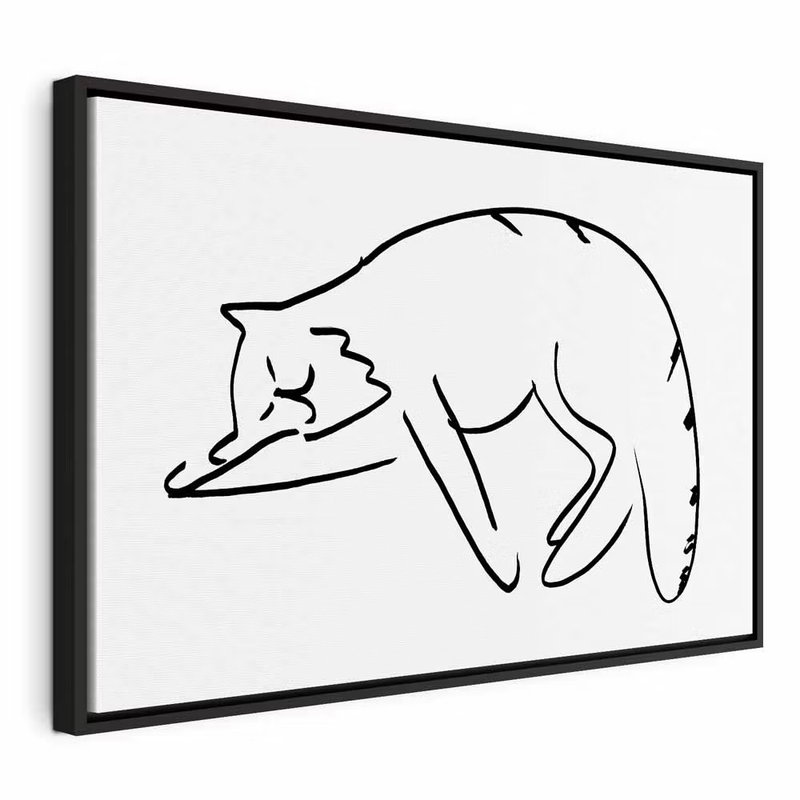
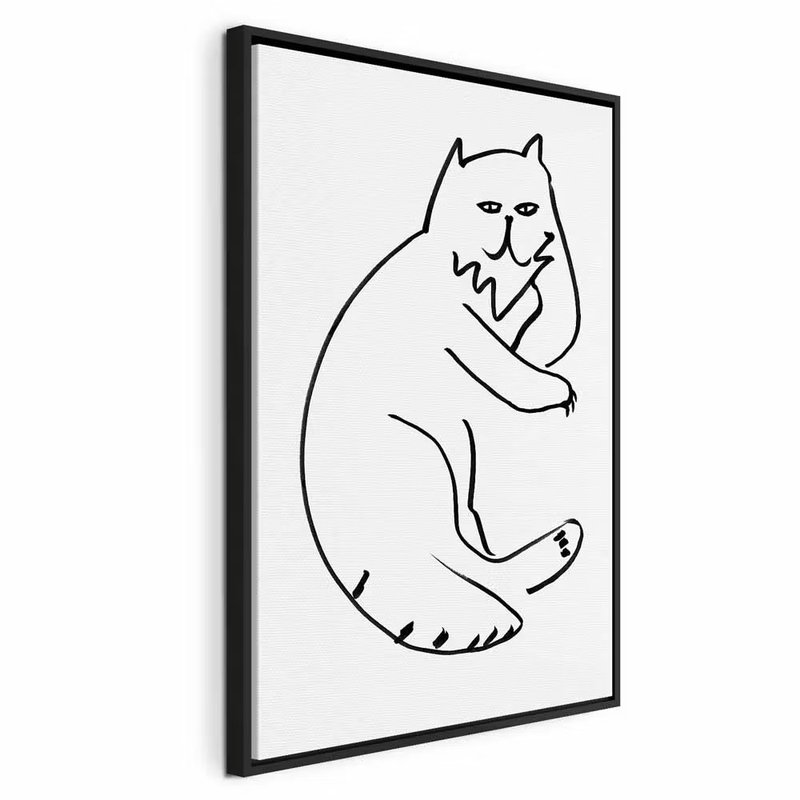


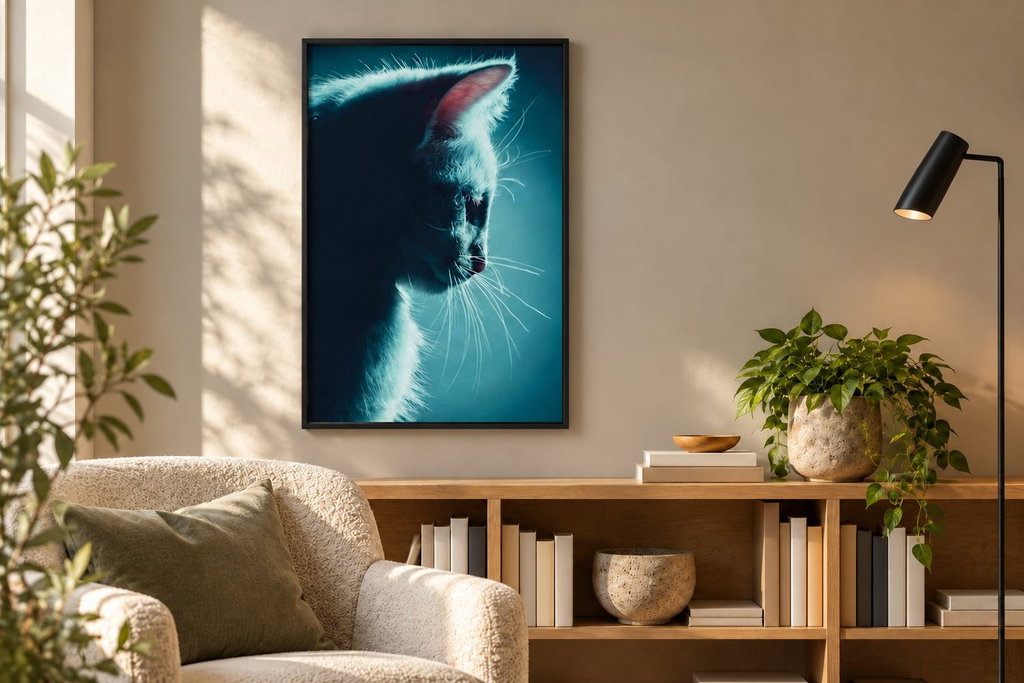
Cats and big cats with different characters
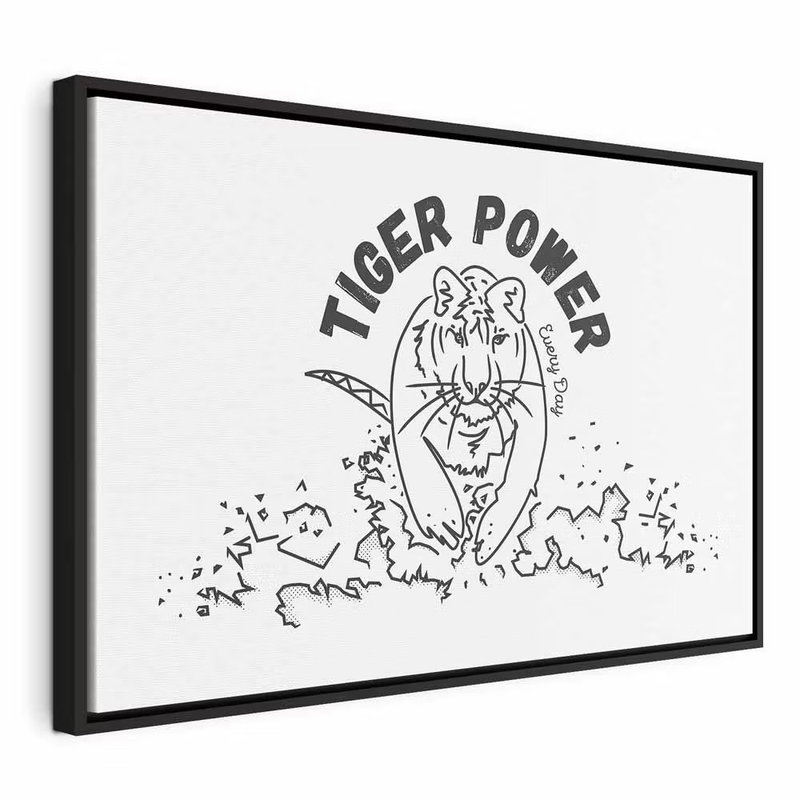
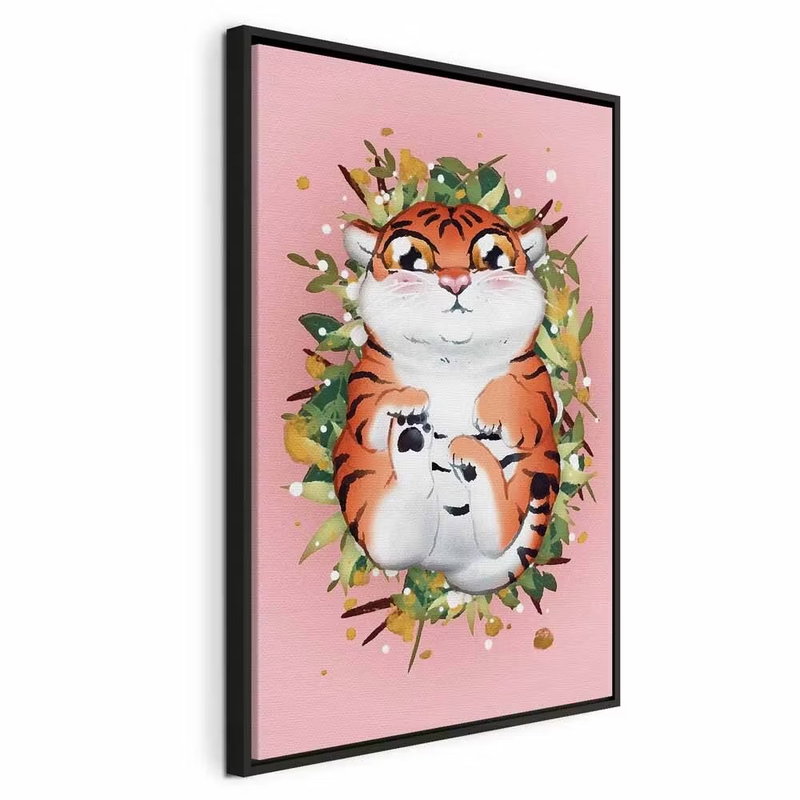
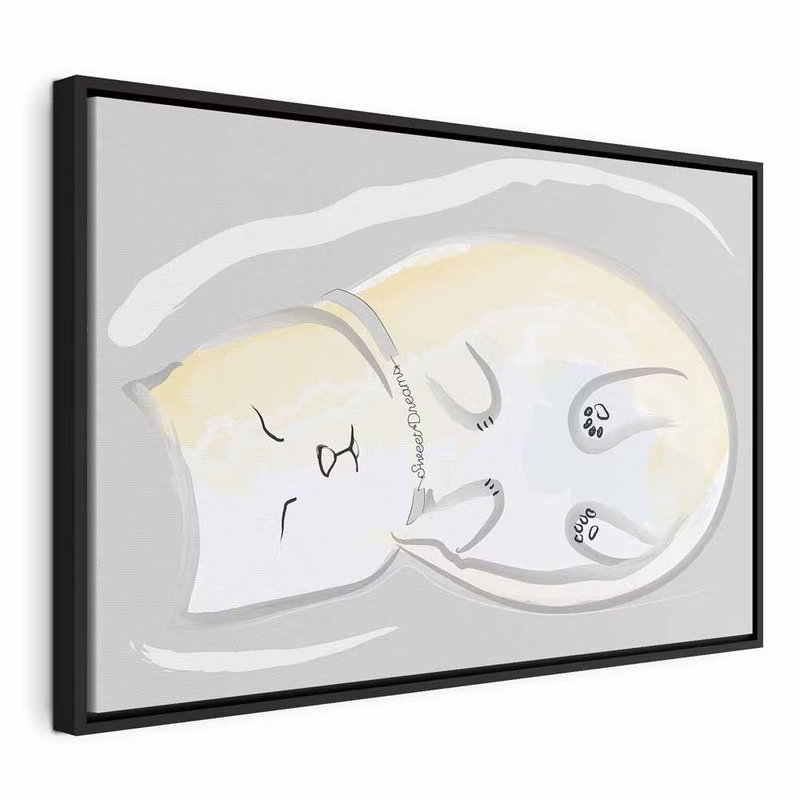
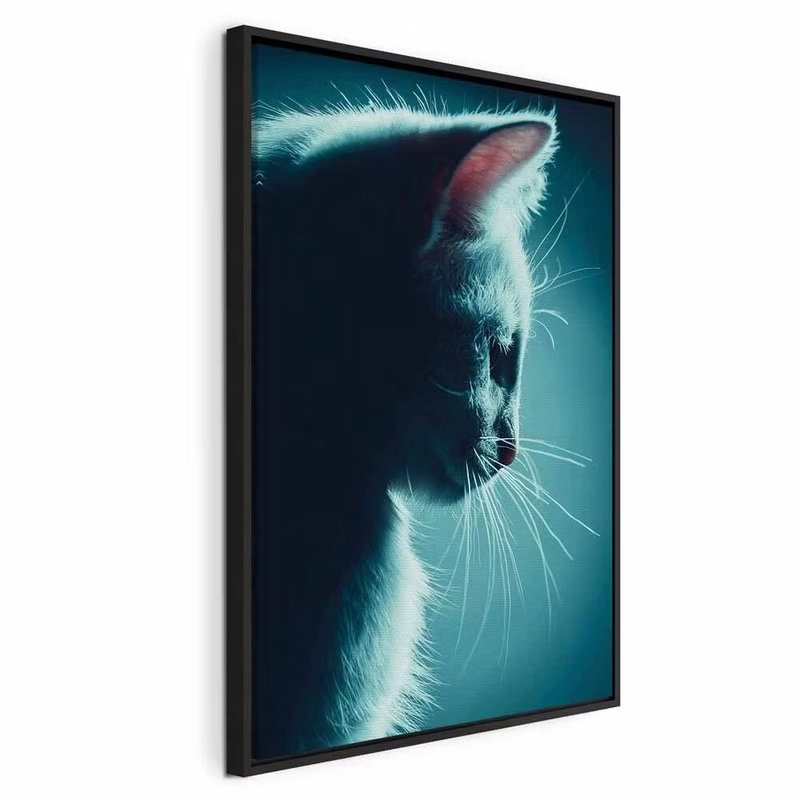
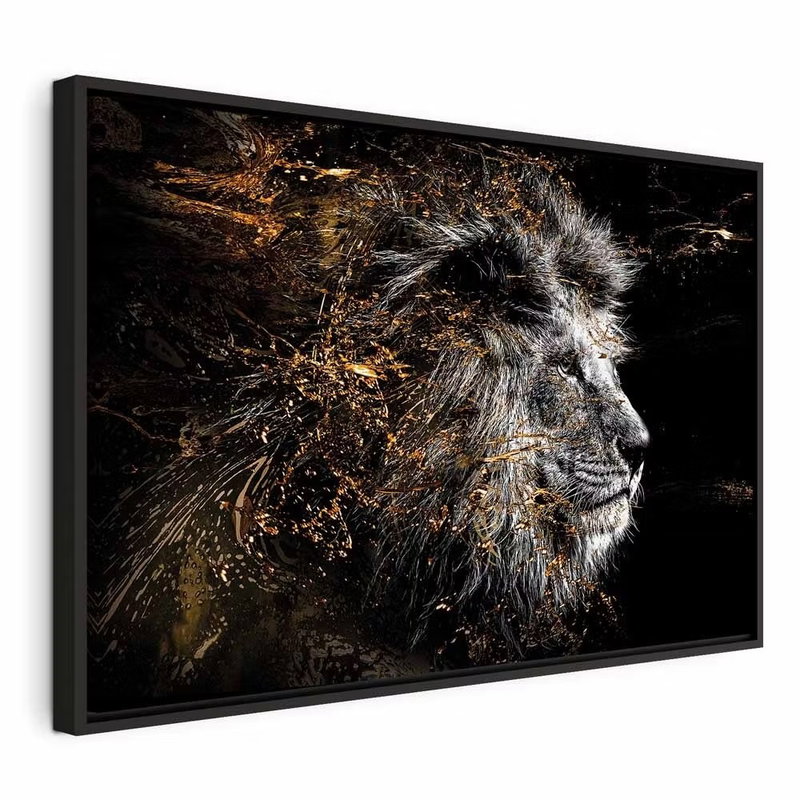
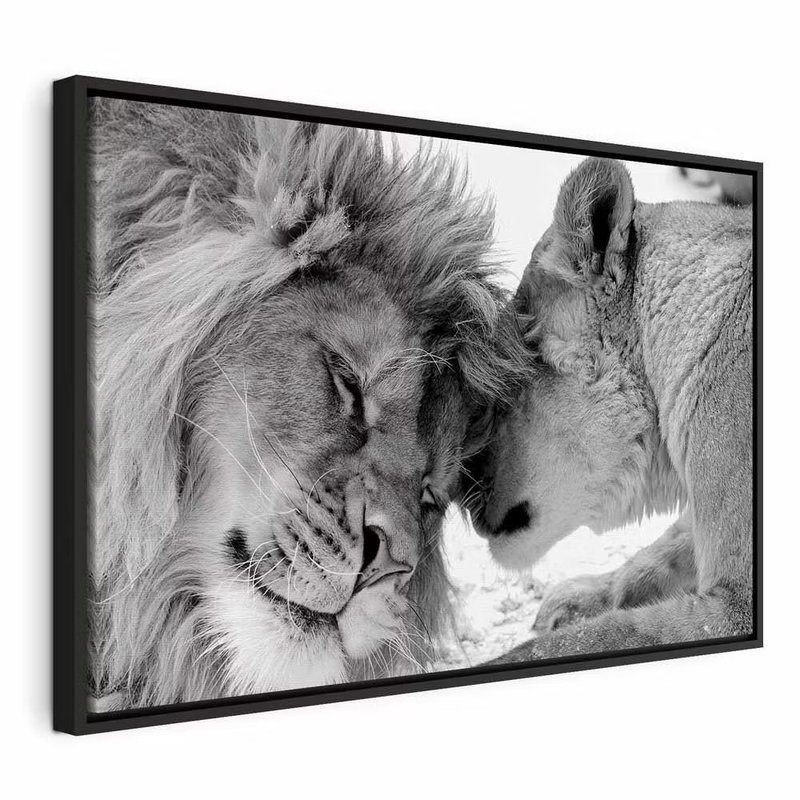
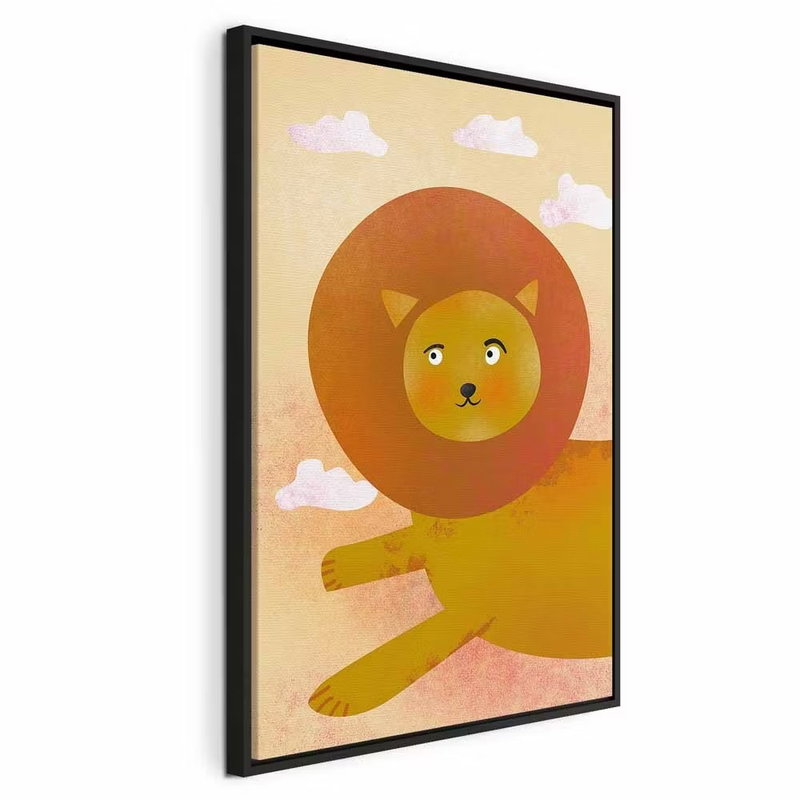
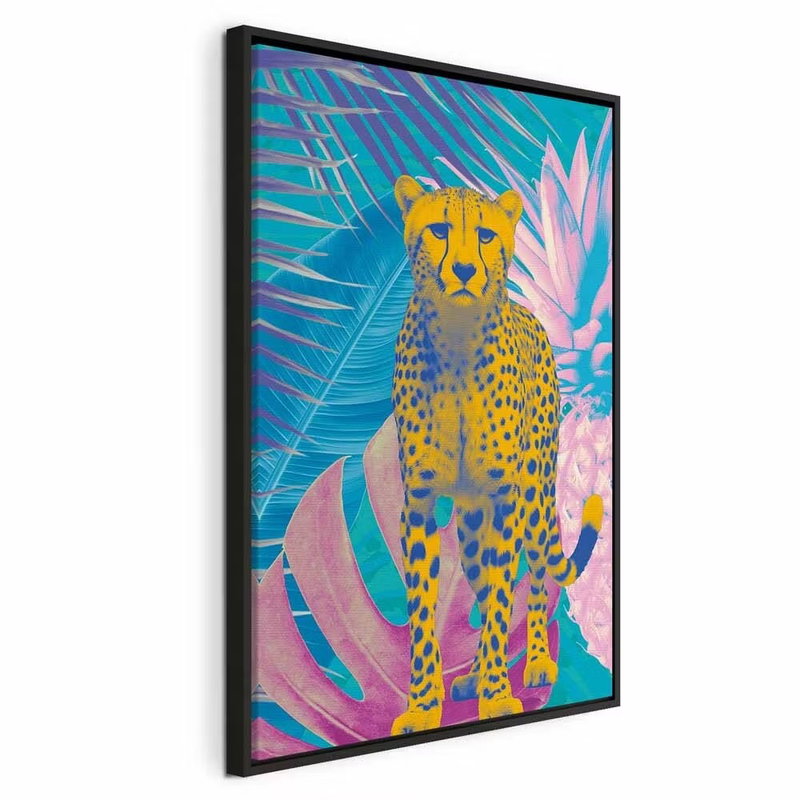
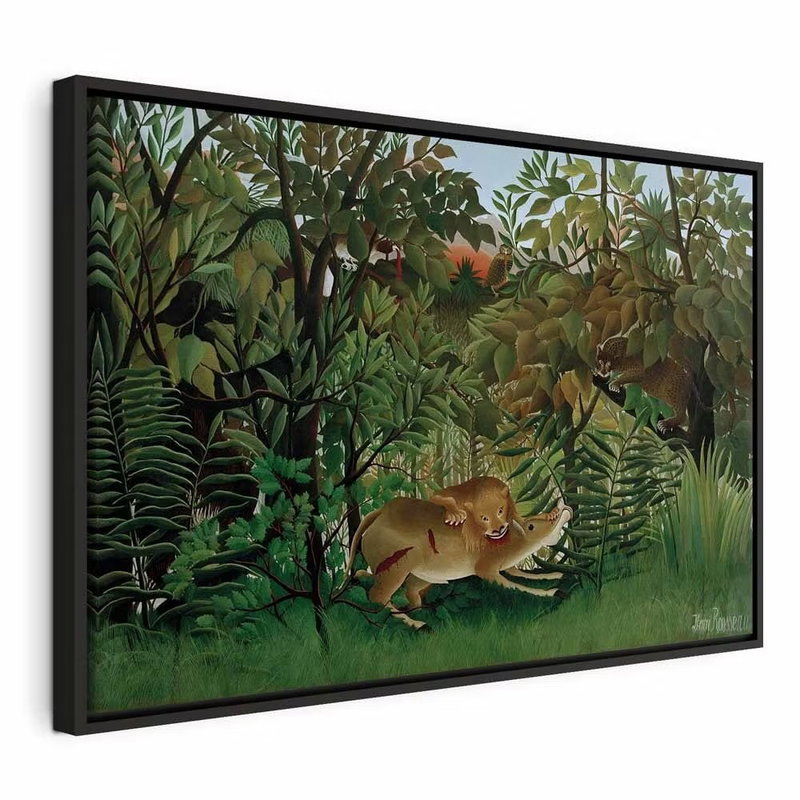
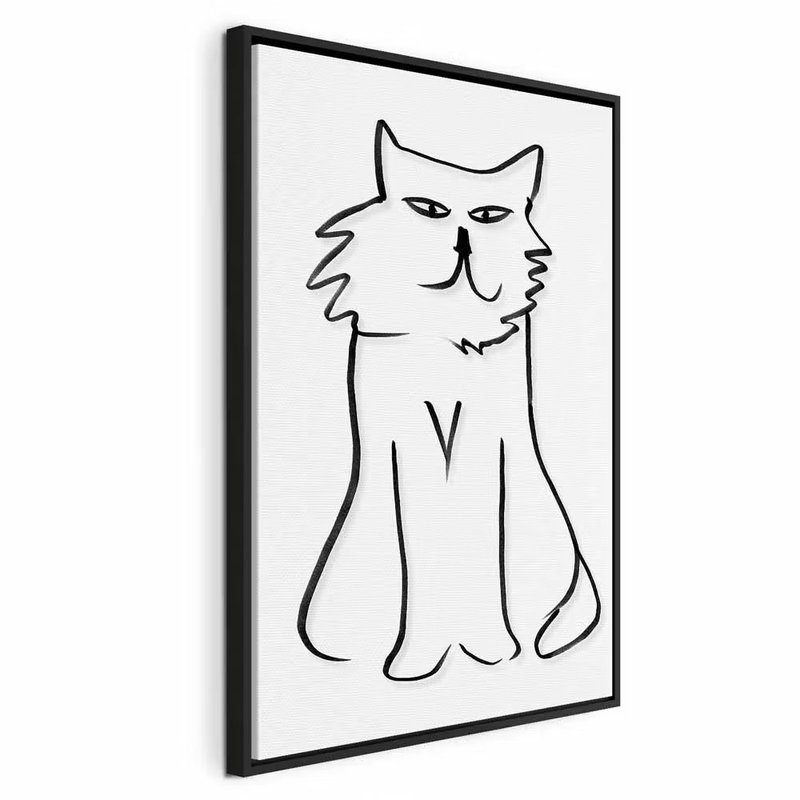
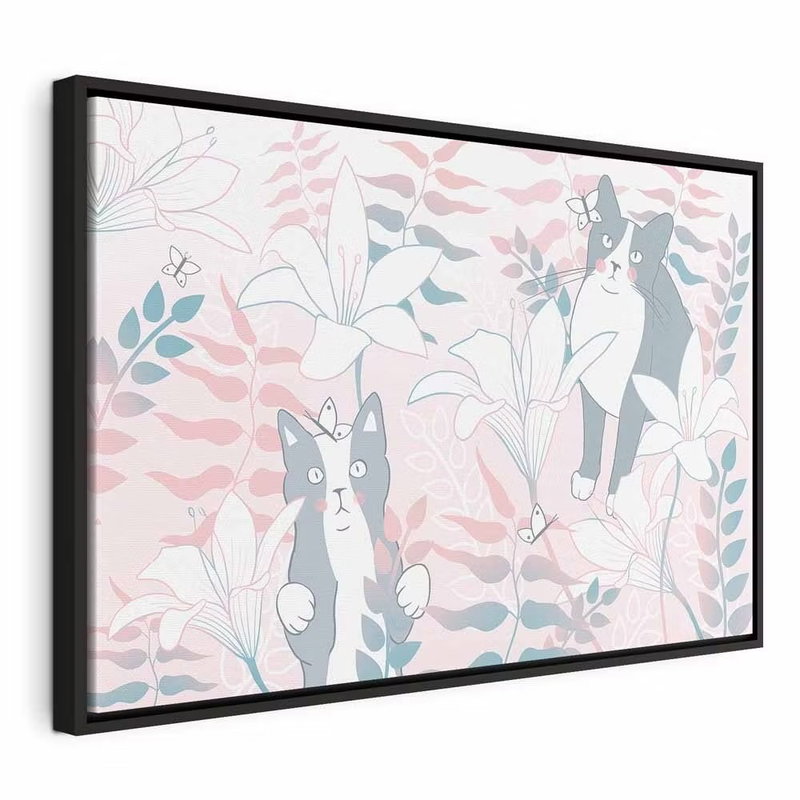
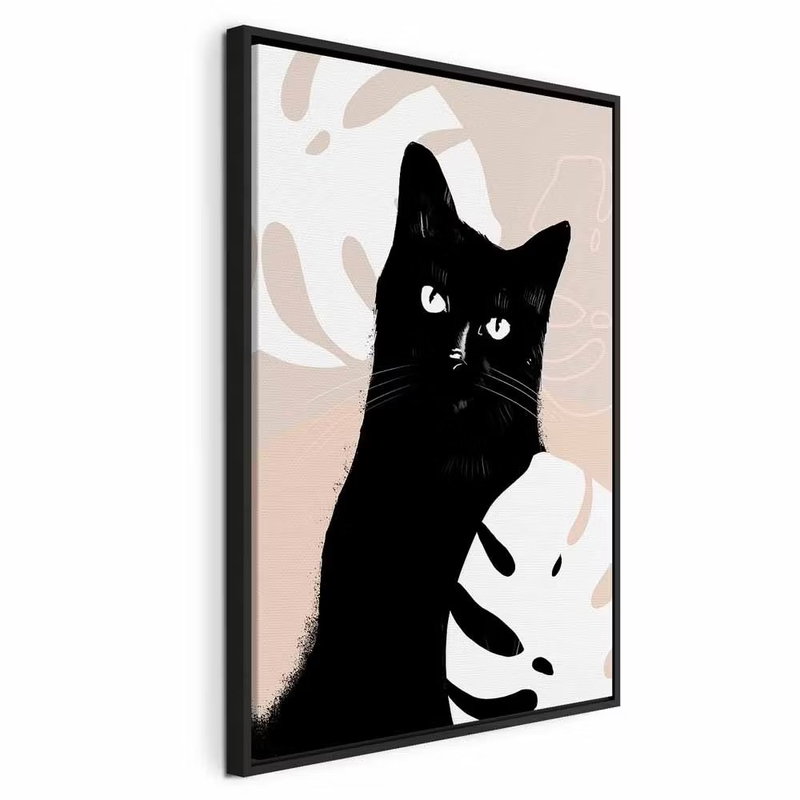
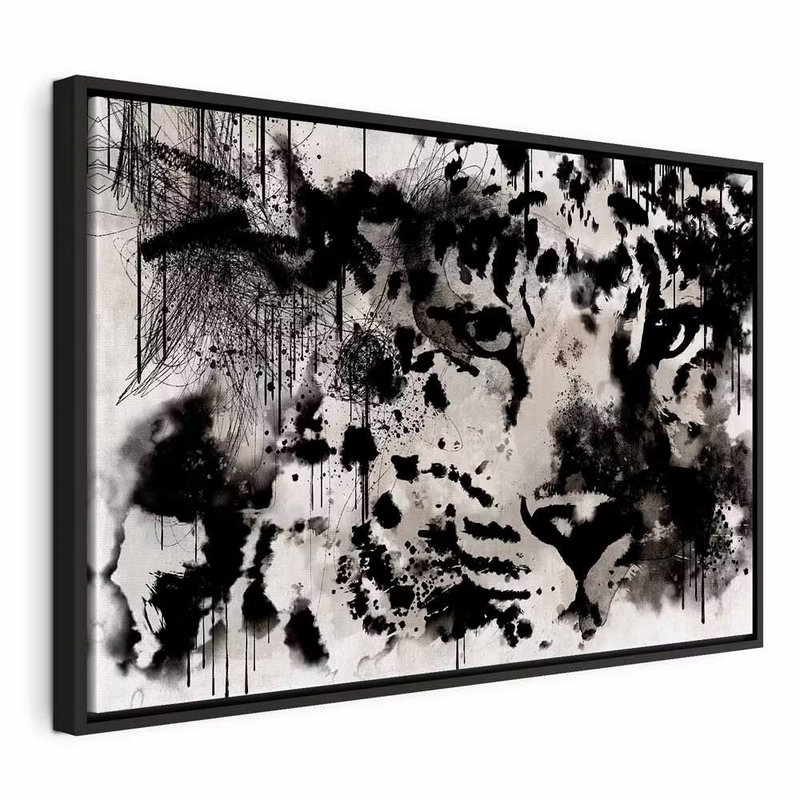
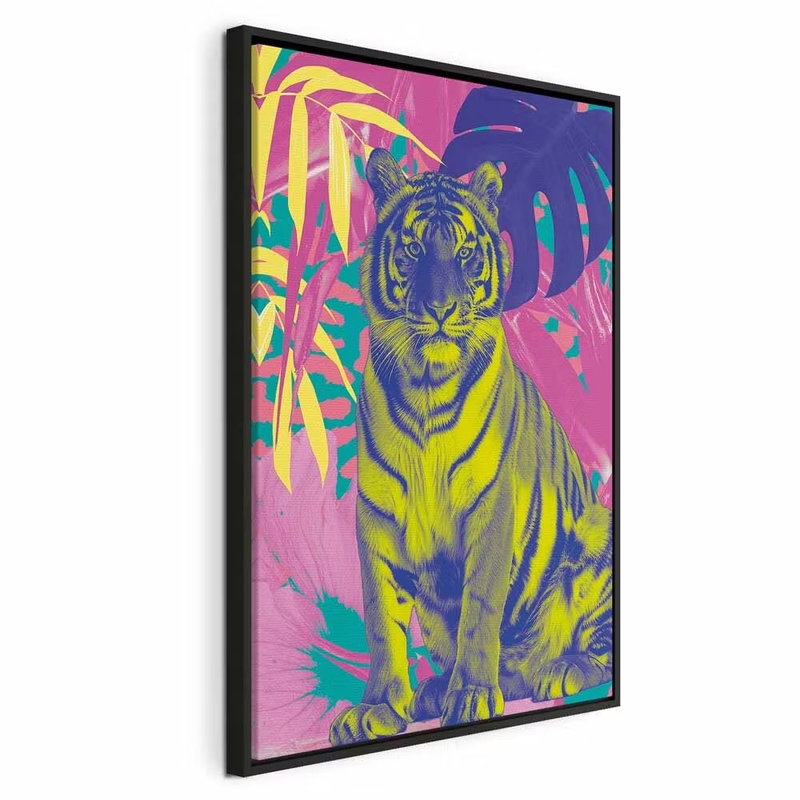
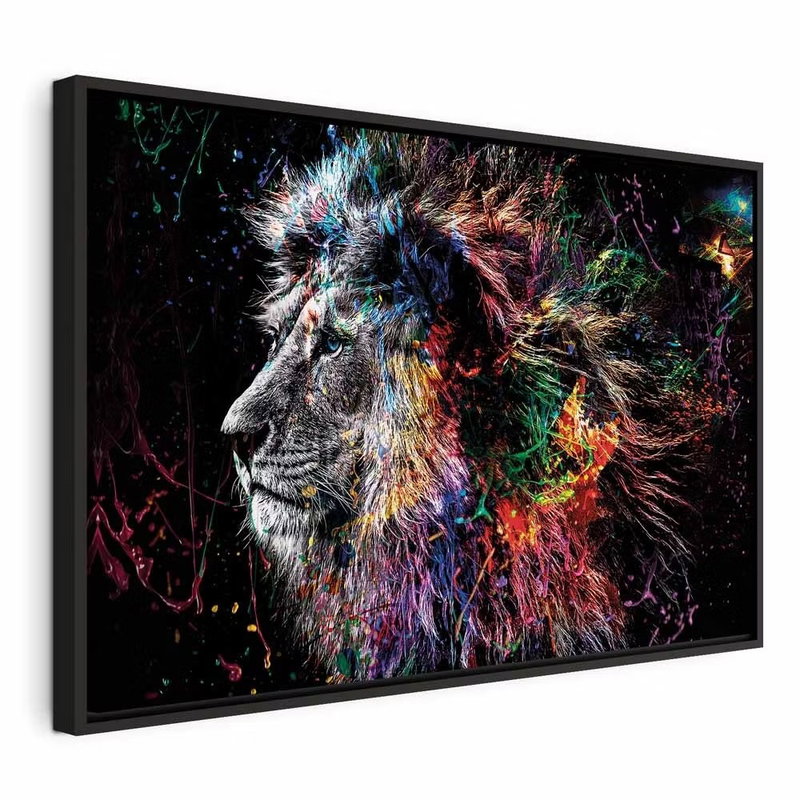
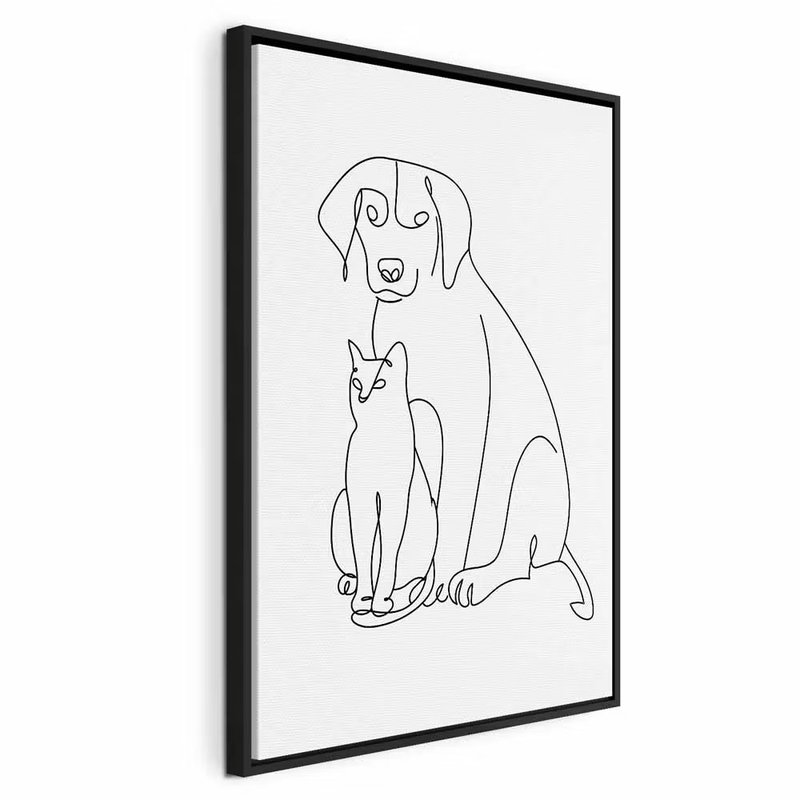
The selection includes familiar cats as well as larger felines such as lions and tigers. Some pictures show the animal close up, with eyes, nose and fur as clear details. Others use simplified lines, flowers or strong colours to create a more illustrative expression. There are also playful figures for those seeking a picture that tells a story.
Choose the subject's tone as carefully as the animal. A black-and-white lion pair can feel different from a colourful tiger or a sleeping cartoon cat. They share an animal connection but suit different visual ideas. Look at the whole picture before comparing frames and sizes.
Gaze, profile and viewing distance
An animal looking straight ahead meets the viewer differently from a cat in profile. Dark backgrounds and defined light can bring out the silhouette, while a pale line drawing leaves more room for the wall's colour. Consider where in the room the subject should first catch the eye.
Small details such as whiskers and eyes are best appreciated closer up. A larger silhouette or clear colour shape may be easier to read from across the room. Let the usual viewing position influence the format, and check the dimensions offered on each product page.
The frame as part of the animal portrait
Pictures in this group have a visible outer frame. It can pick up black lines, dark fur or other recurring details in the subject. A frame also needs to work with furniture, lighting and neighbouring pictures. Compare the actual frame choices for the product you select.
If several feline pictures will form a group, shared background tones can connect them without identical subjects. Leave space between frames and measure the wall together with the furniture's width. Combine picture types thoughtfully so a tightly cropped portrait does not overwhelm an airy illustration.
Cat subjects and sound absorption on one wall
The animal is the printed subject; the sound-absorbing construction behind it can help reduce reverberation within the room. The amount of absorbing area needed varies with room size, other materials and use. Choose placement with both the interior and the actual sound environment in mind.
Read the product's construction, hanging and care information before installation. Use fixings suitable for the wall material and picture weight. A framed feline picture can form part of the room's acoustic treatment, but it does not replace sound insulation between rooms.
Choose the encounter with the animal without guessing its story
A feline image may feel familiar through a pose or gaze without showing a particular individual, breed or documented situation. Choose its actual visual expression and use the product information when a more specific identity matters.
An illustration may use freer proportions and colours than a naturalistic rendering. This can suit someone seeking a graphic animal design. Still compare the complete composition, including the main figure and surrounding details.
Dark and light fur give different visual weights
A broad dark body may remain clear even when small details are invisible at a distance. A pale figure may instead need background contrast. Consider each area’s share of the image and the outer frame’s contribution to the overall impression.
Fur colour does not need repeating in many objects. A smaller background tone can connect with fabrics or furniture instead. Give the animal’s face space as the main focal point if that is the expression you want.
Plan a cat picture for a real wall
Consider what stands in front of and beside the position. A tall chair back or lamp may obscure image areas from some angles. Check seated and standing sightlines before choosing height, rather than only following the room photograph’s proportions.
Measure the product’s outer dimensions and leave space for its frame to remain distinct. Choose wall-appropriate fixings according to the model’s instructions. A personal cat image is the decorative part of the decision; assess the quantity and placement of absorbing material for the room’s sound environment.