



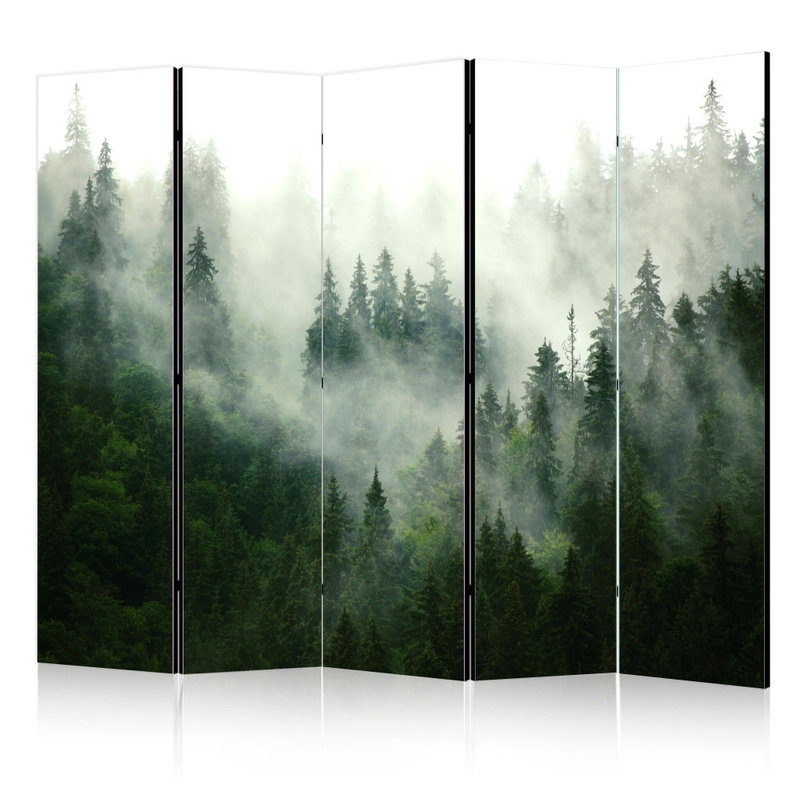
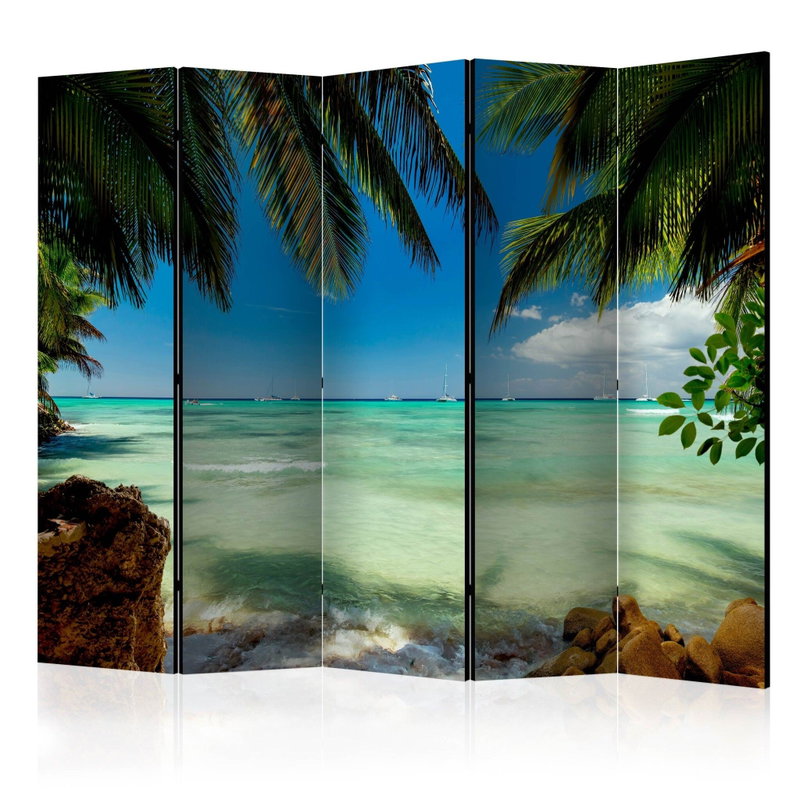
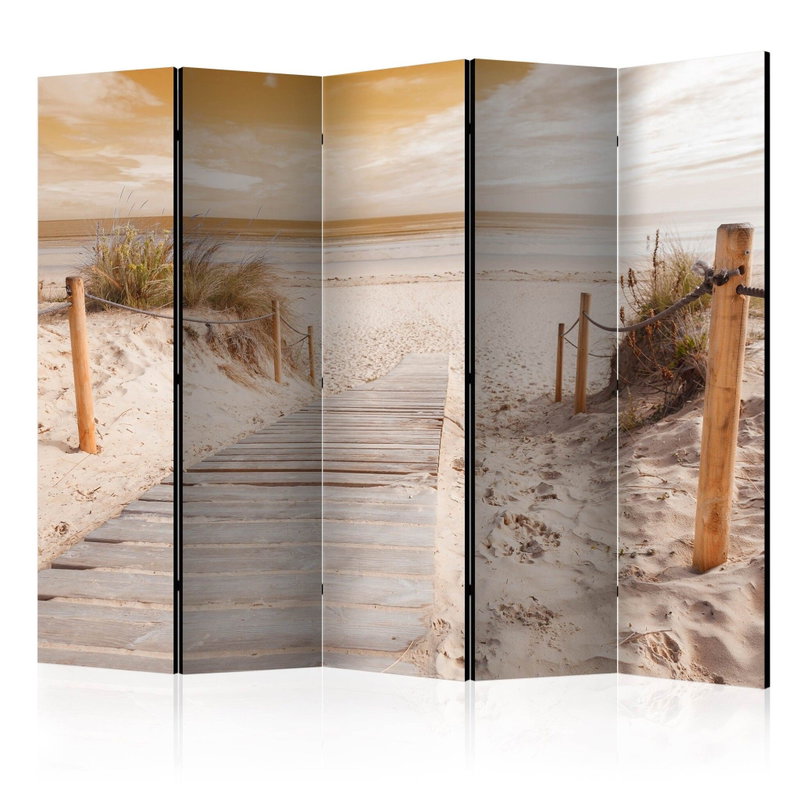
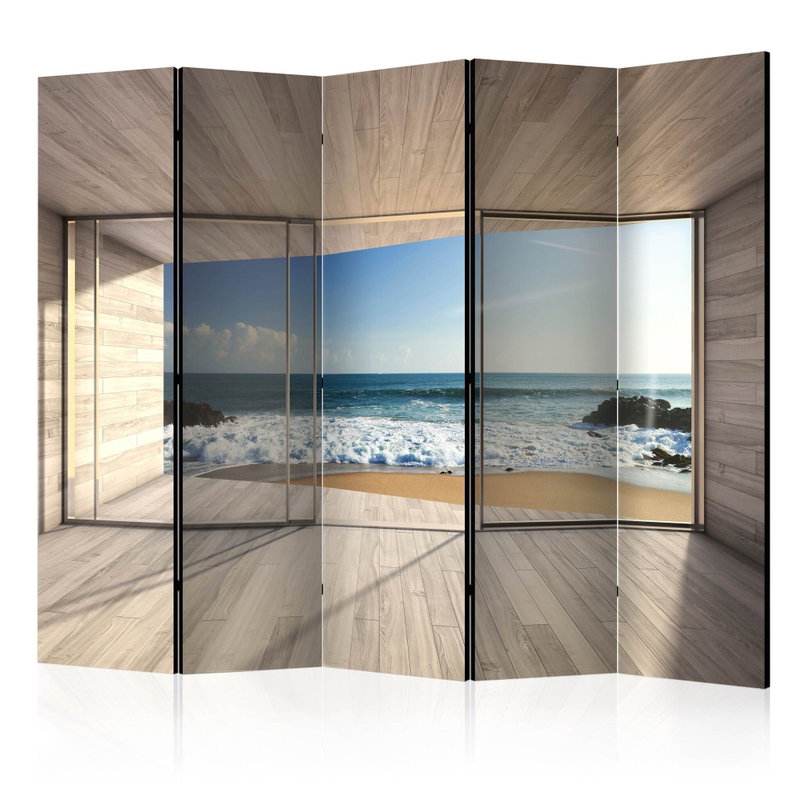
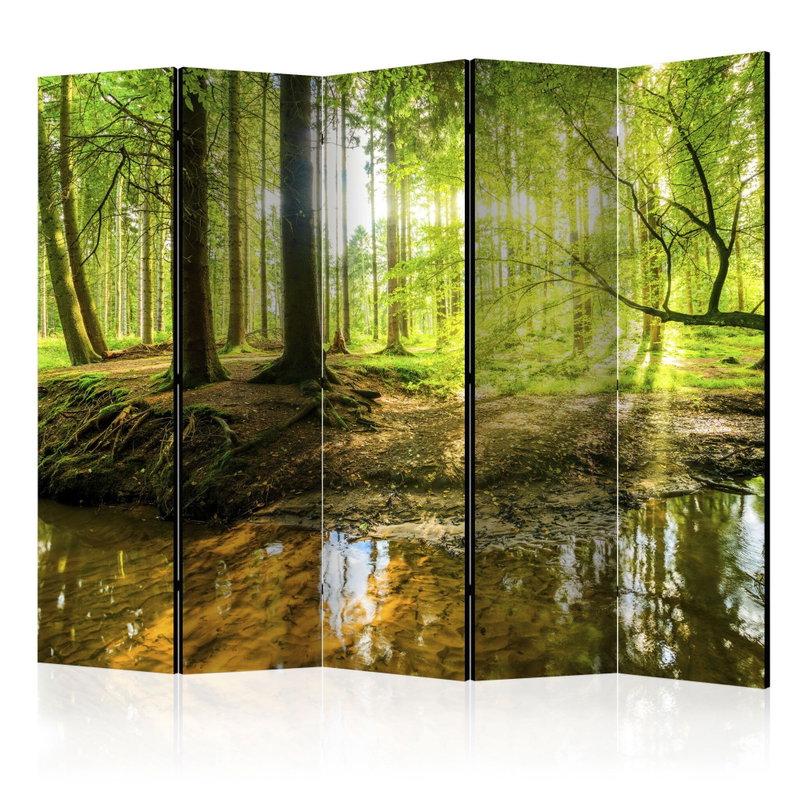
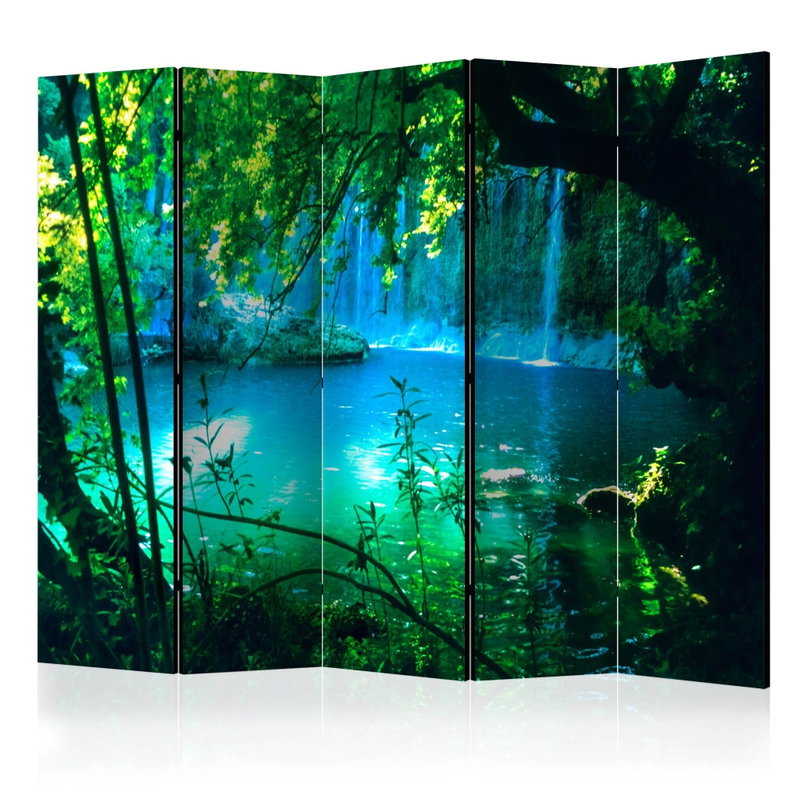
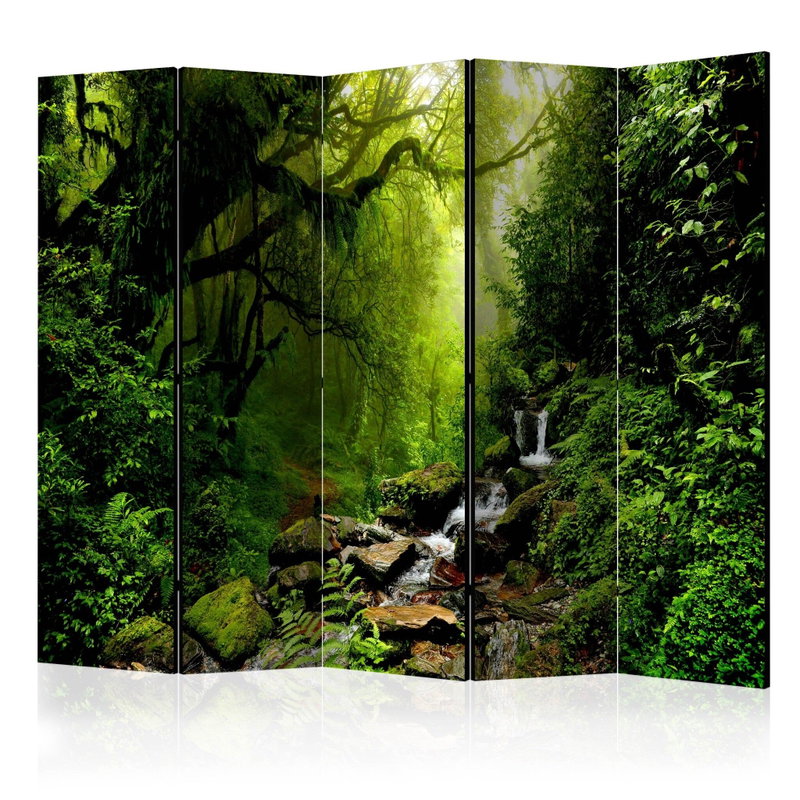
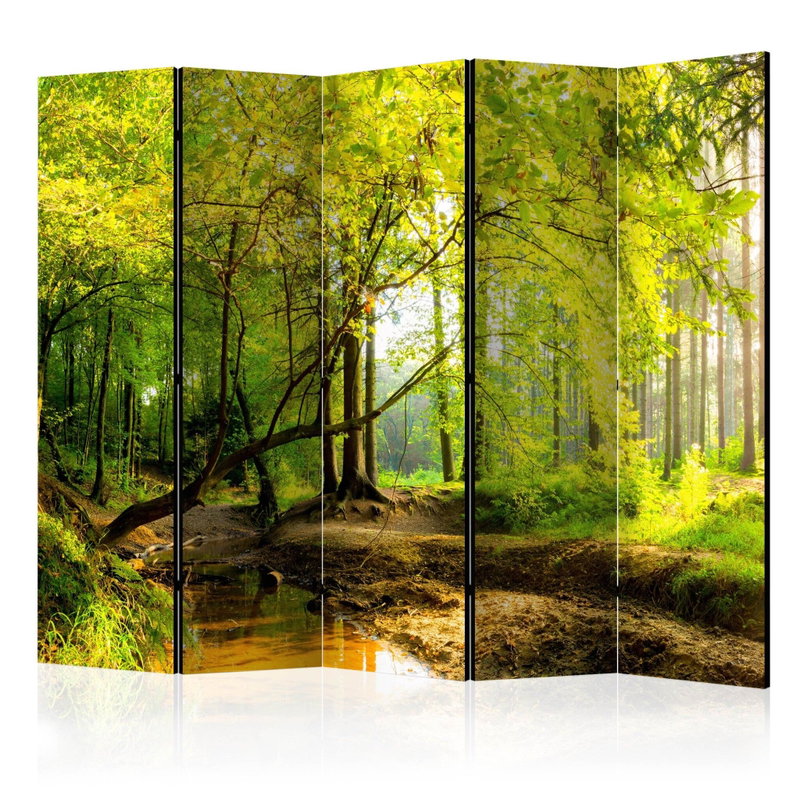
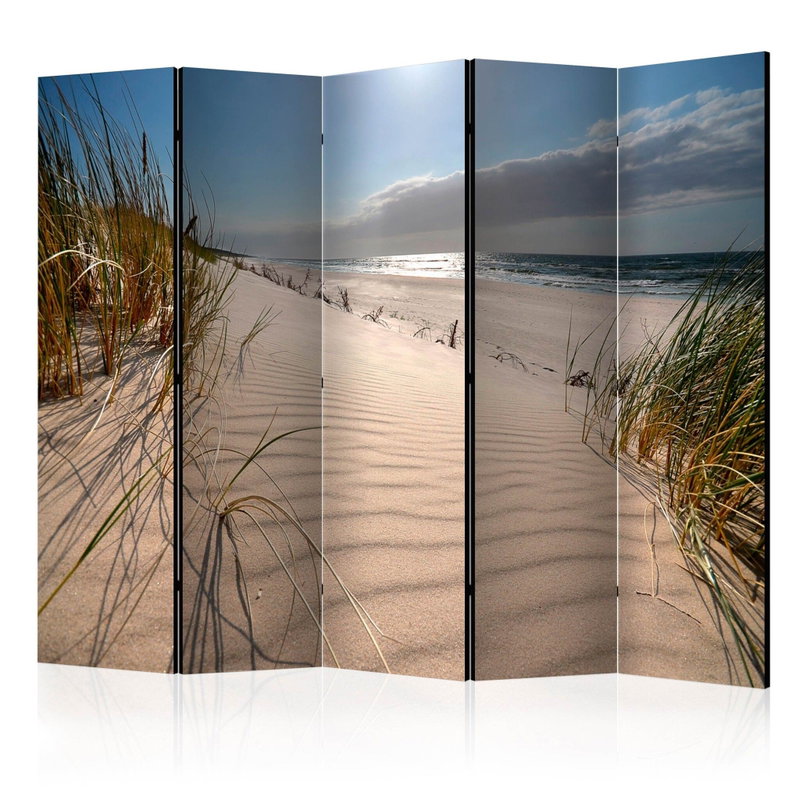
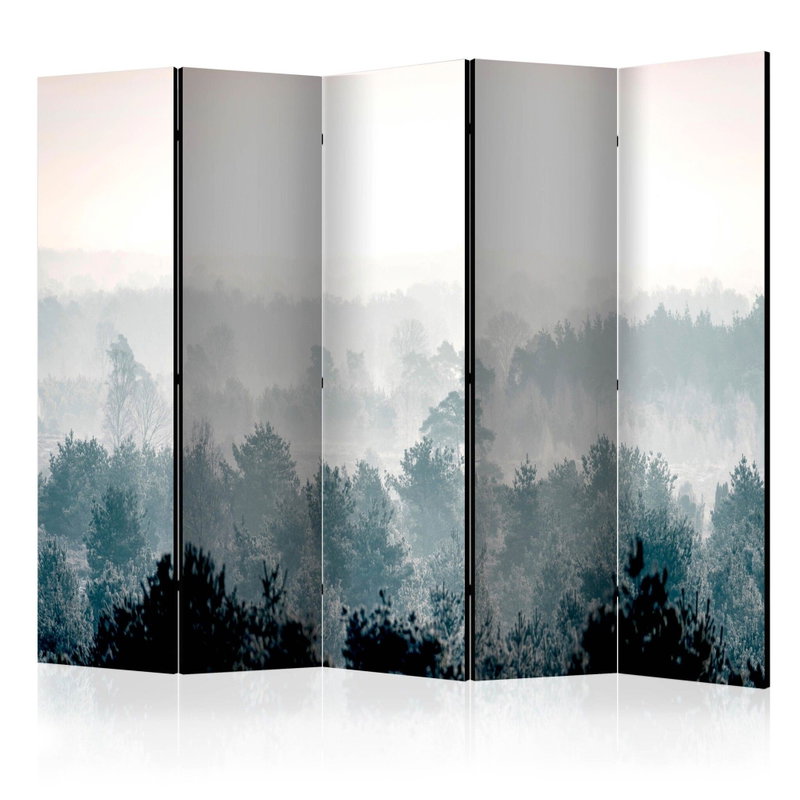
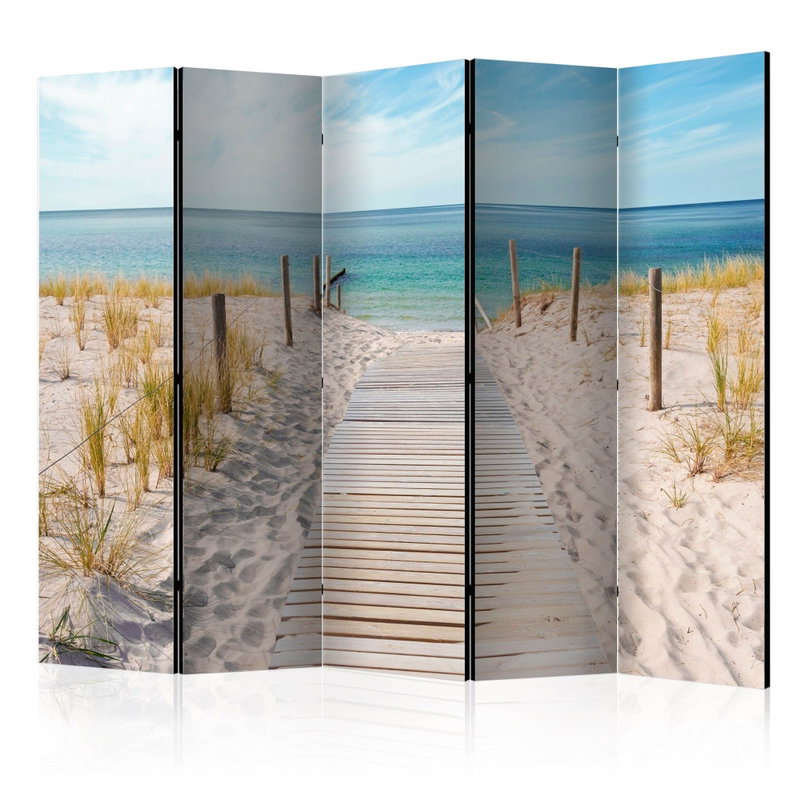
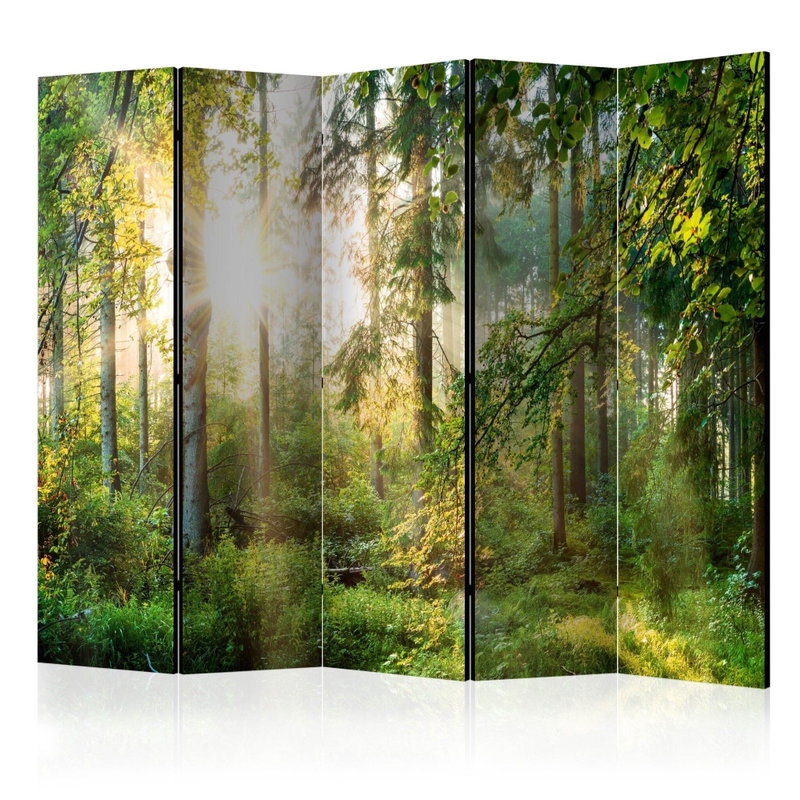
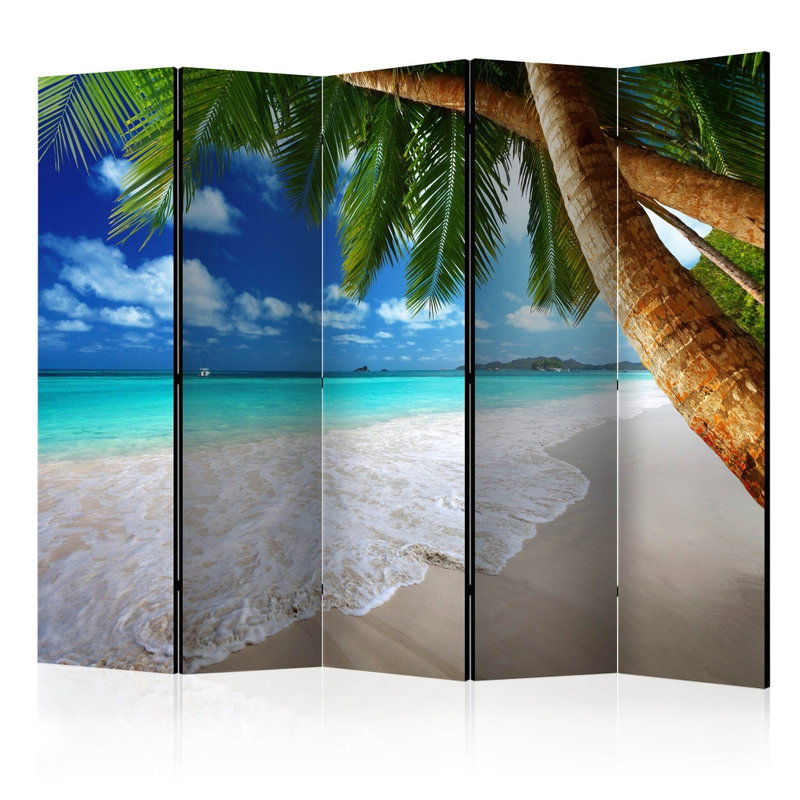
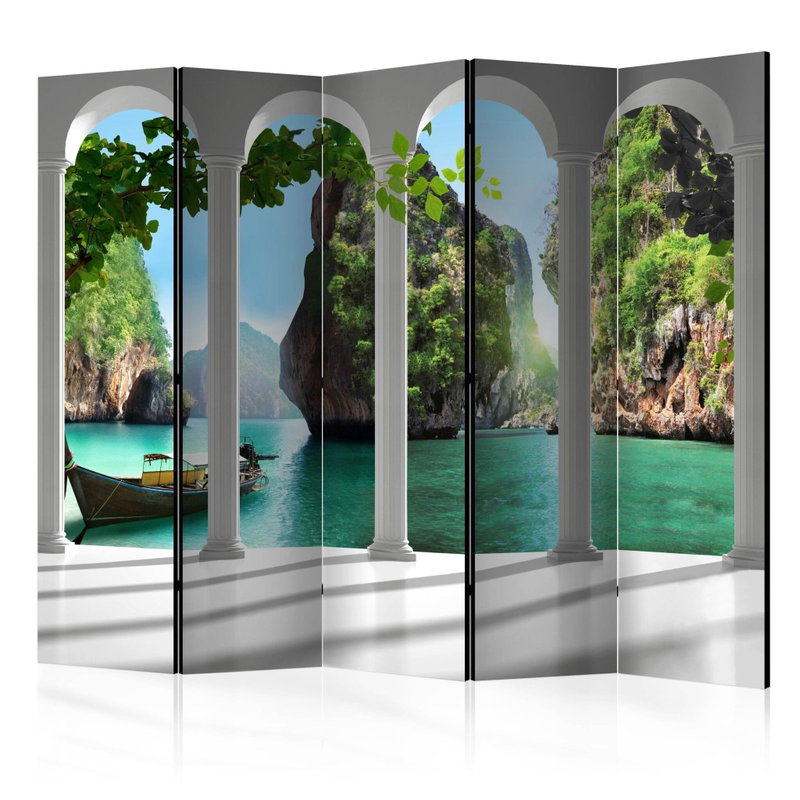
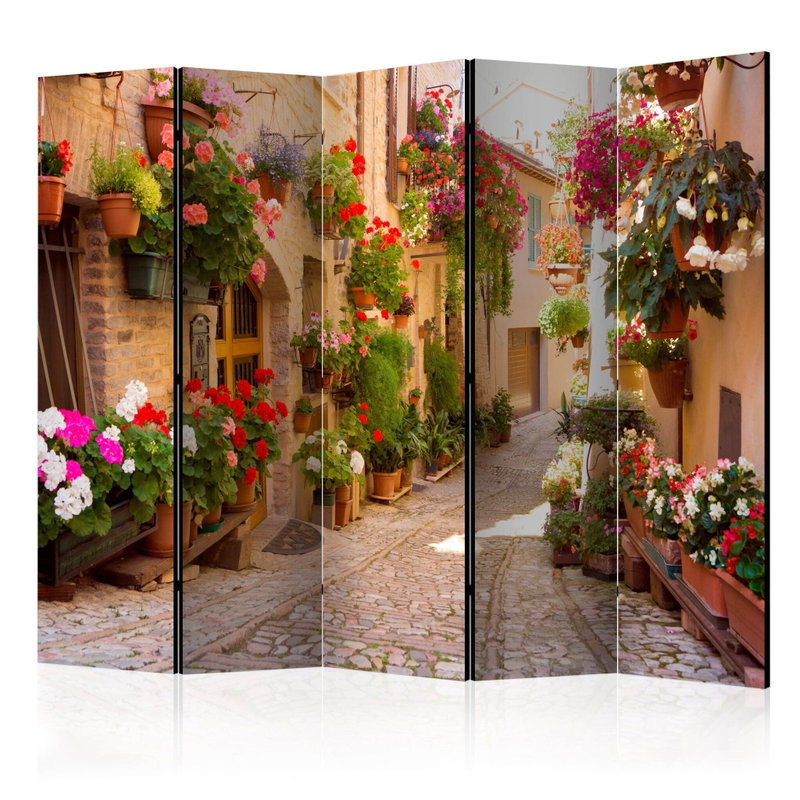
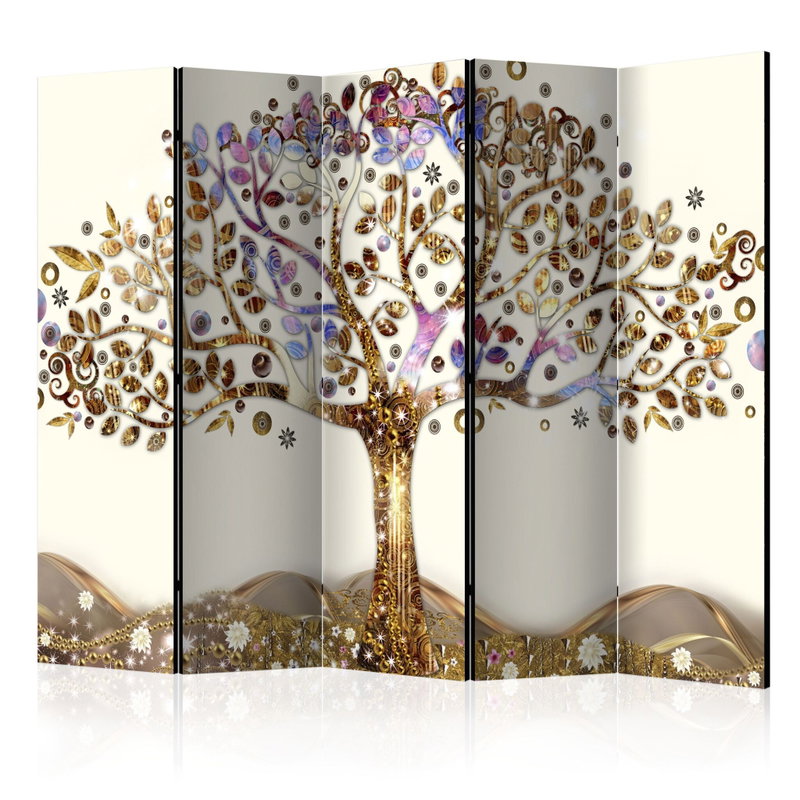
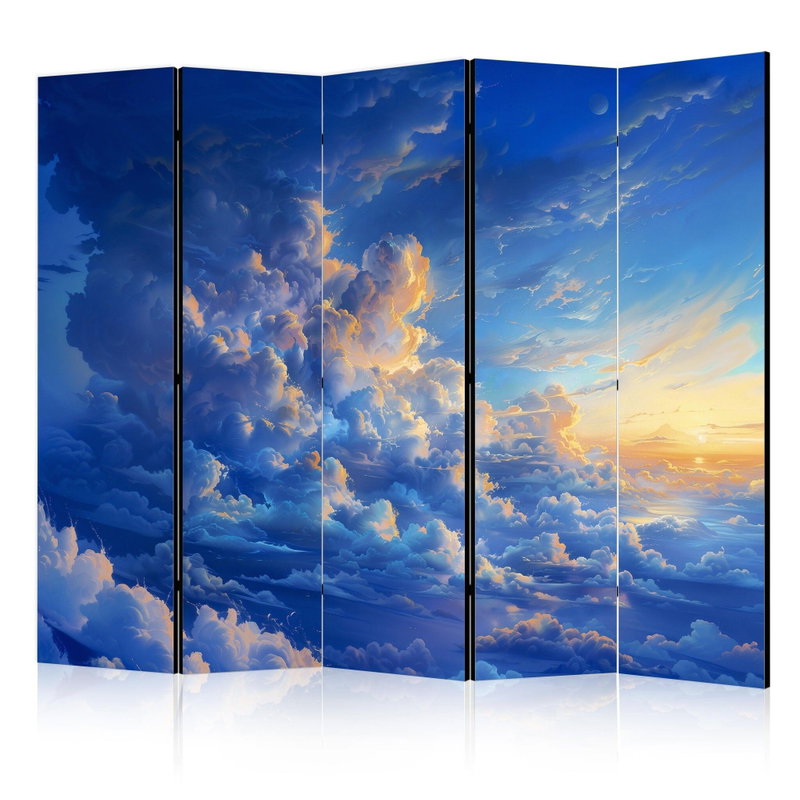
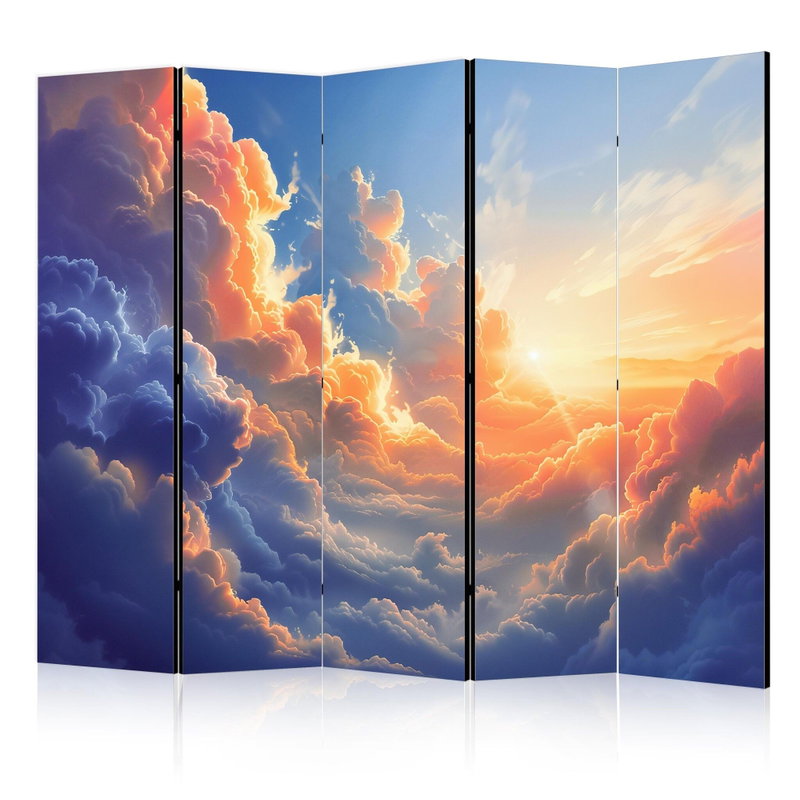
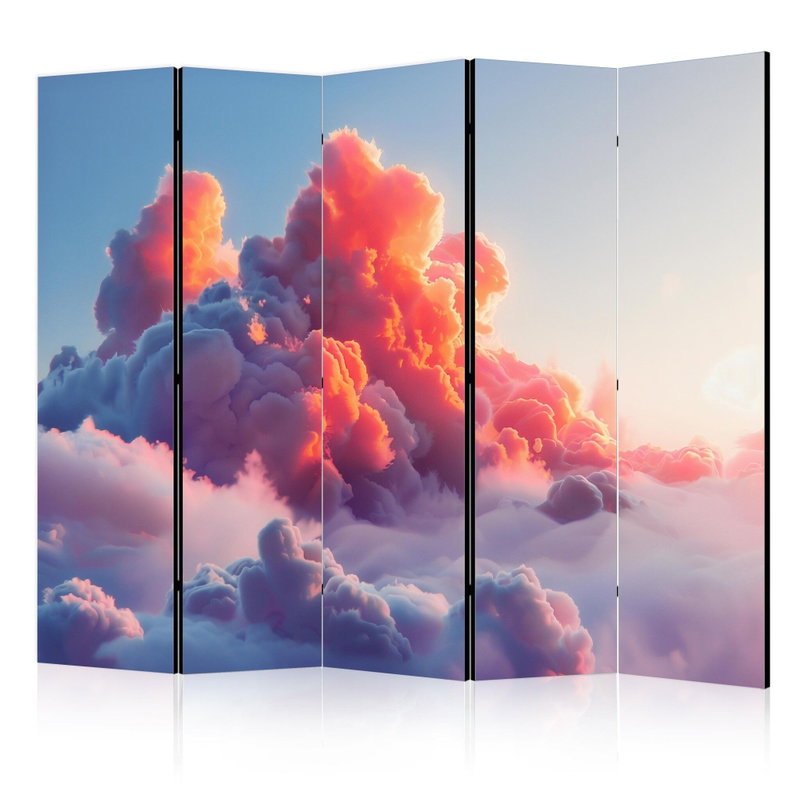
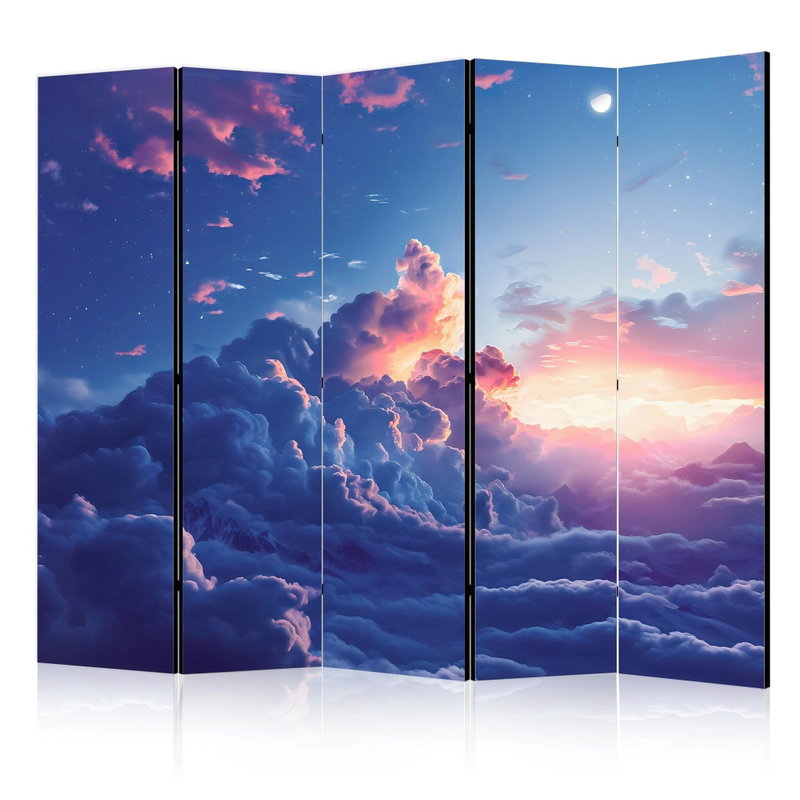
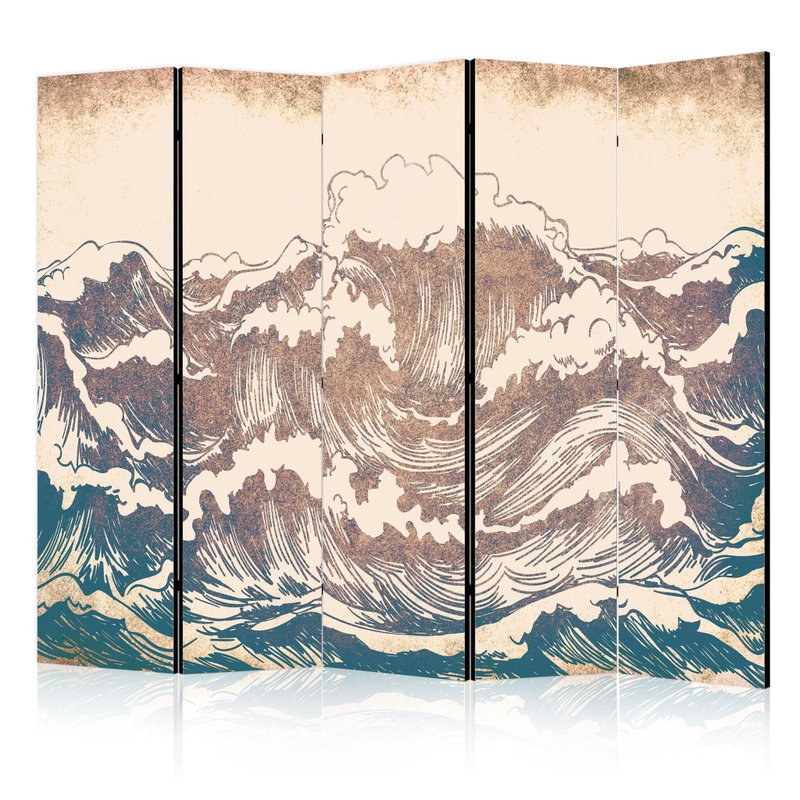
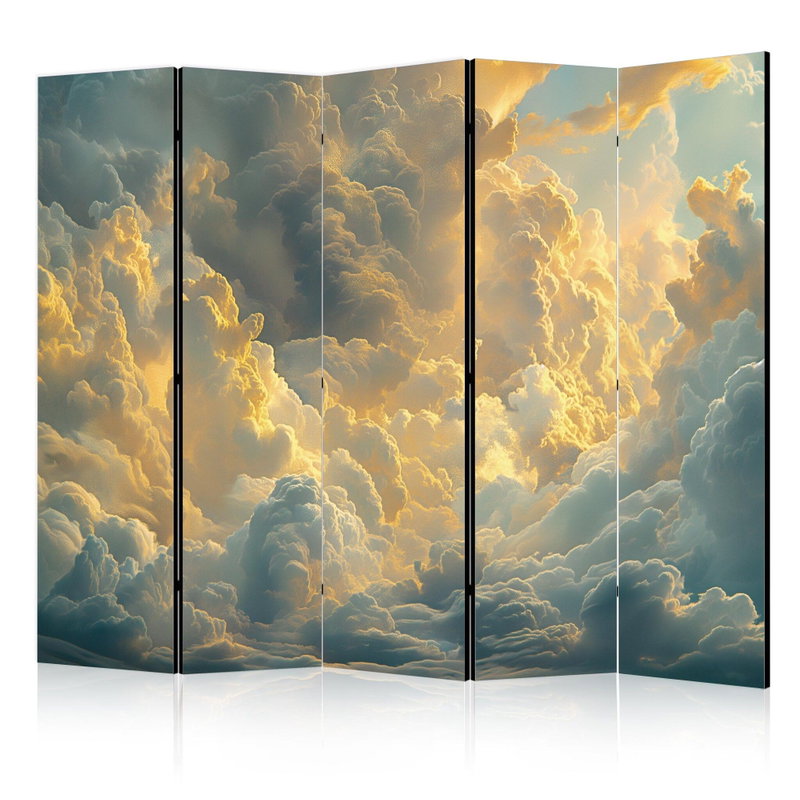
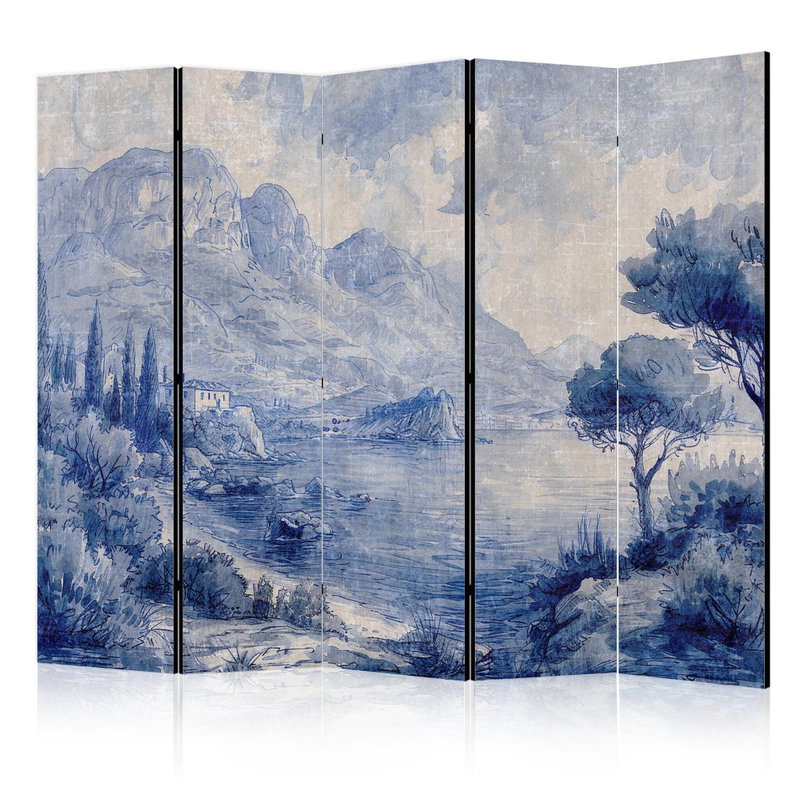
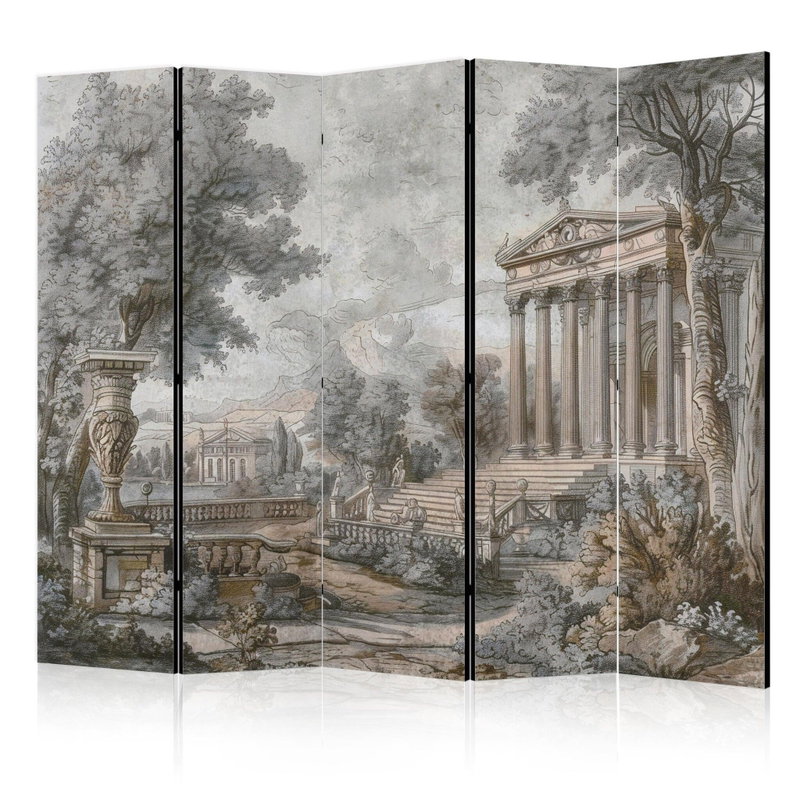
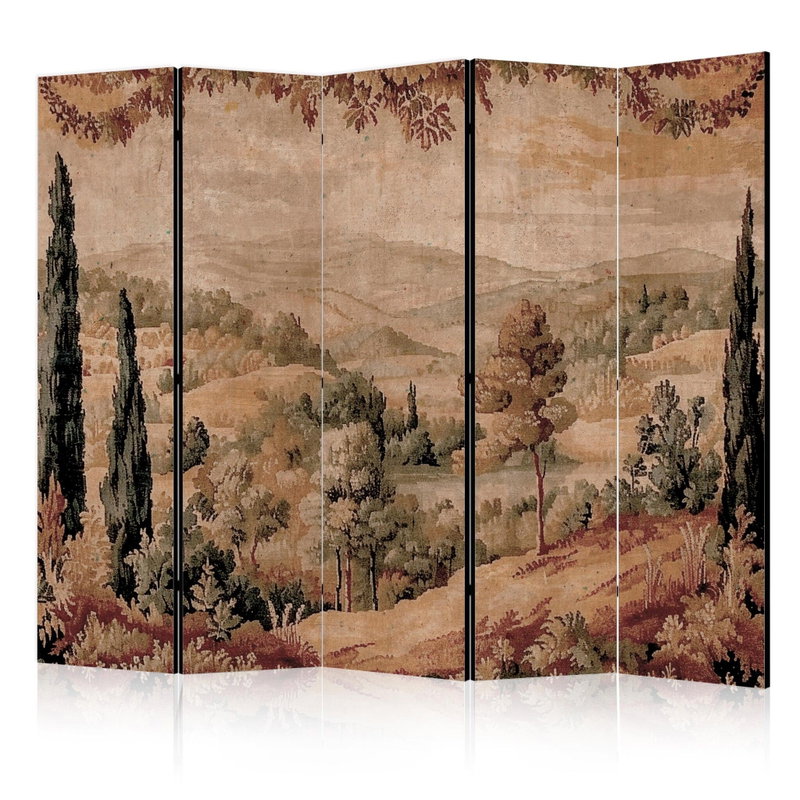
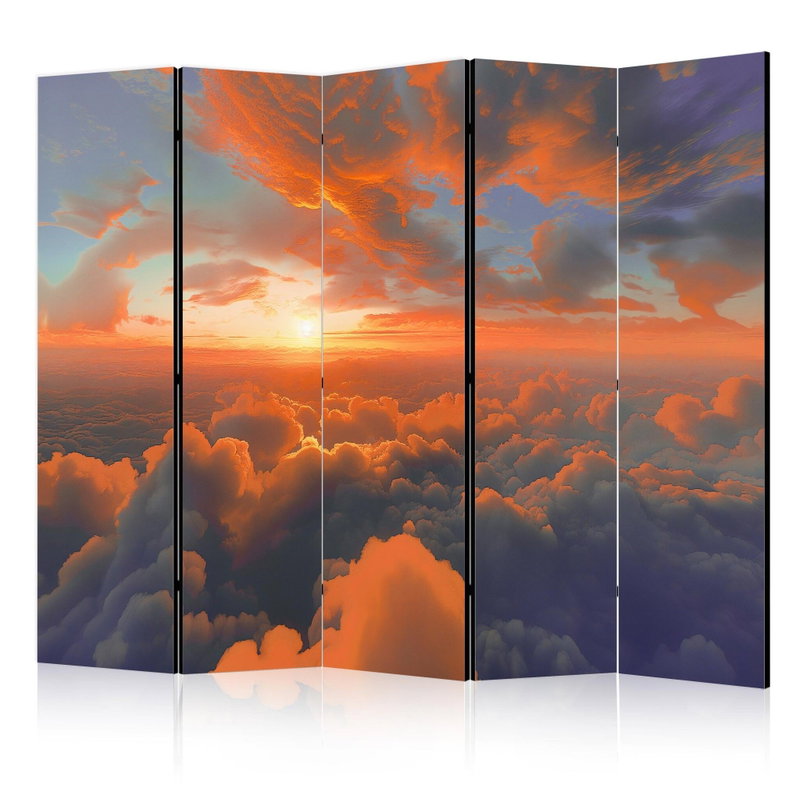
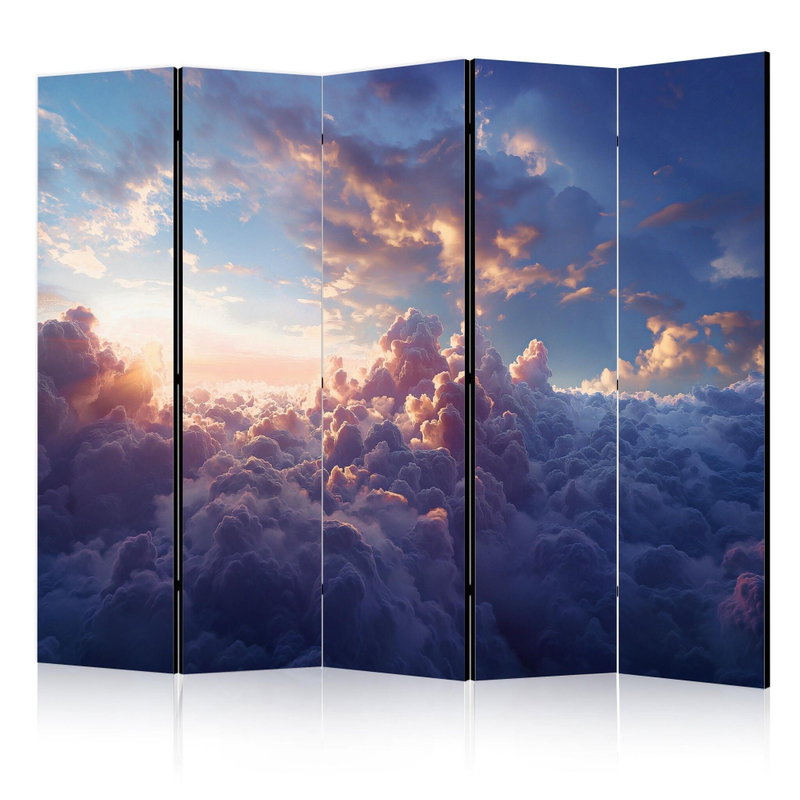
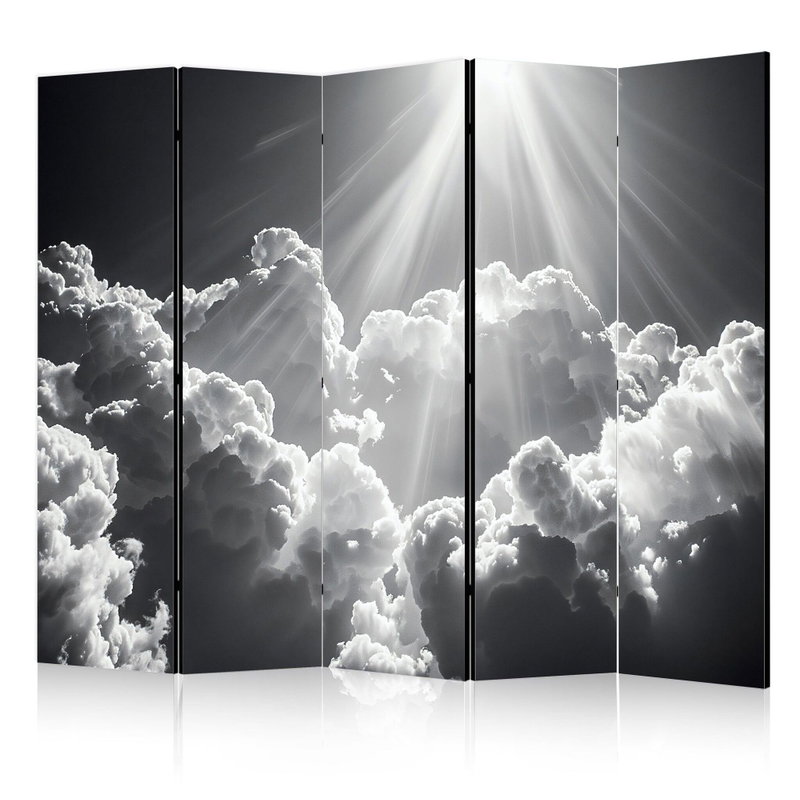

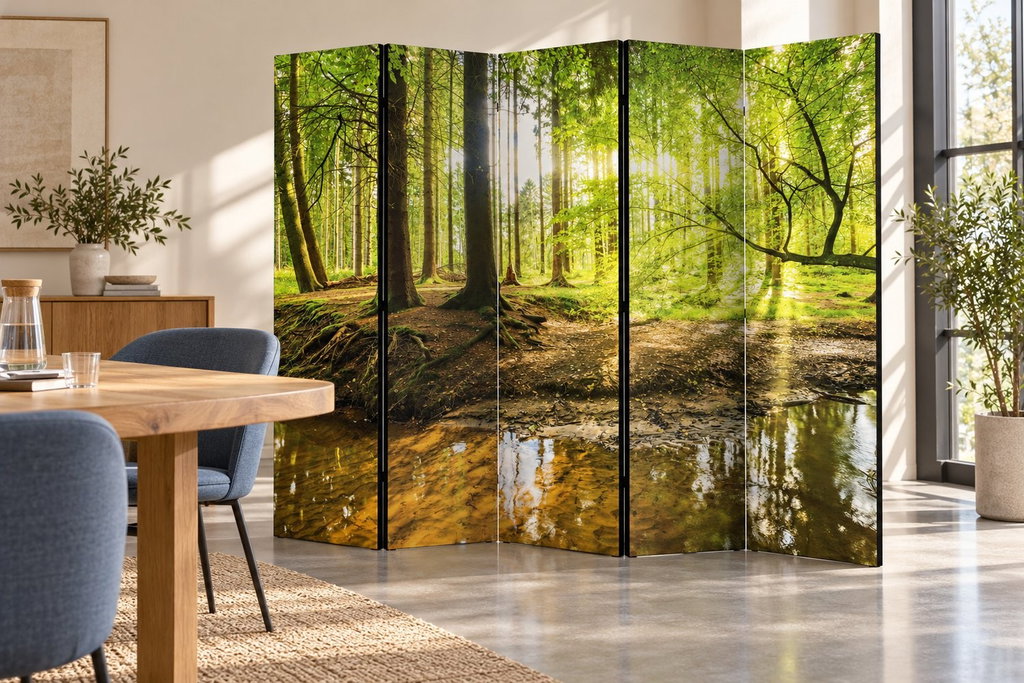
A broad nature image with different expressions
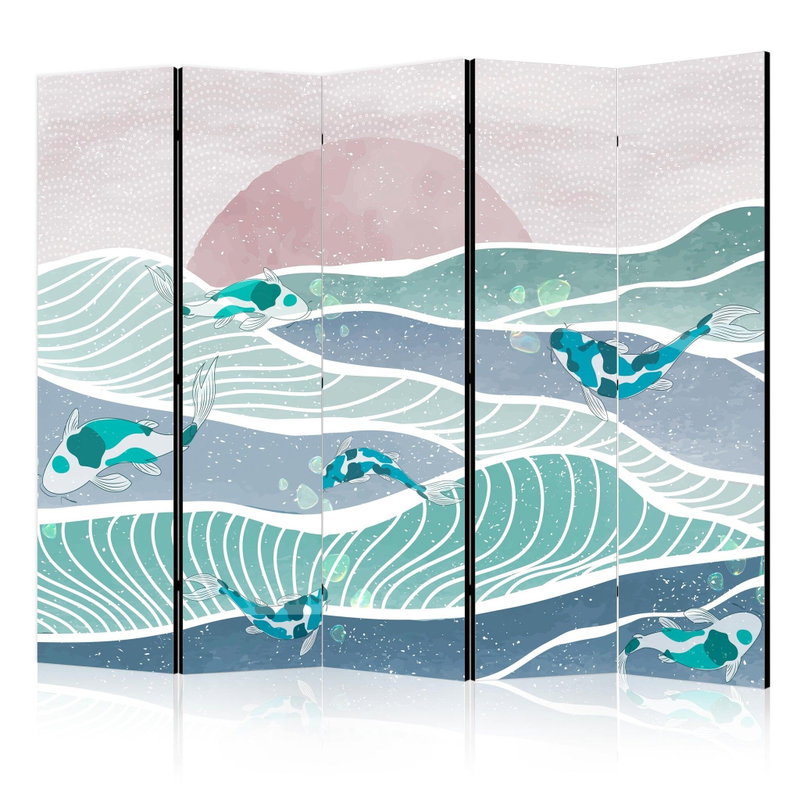
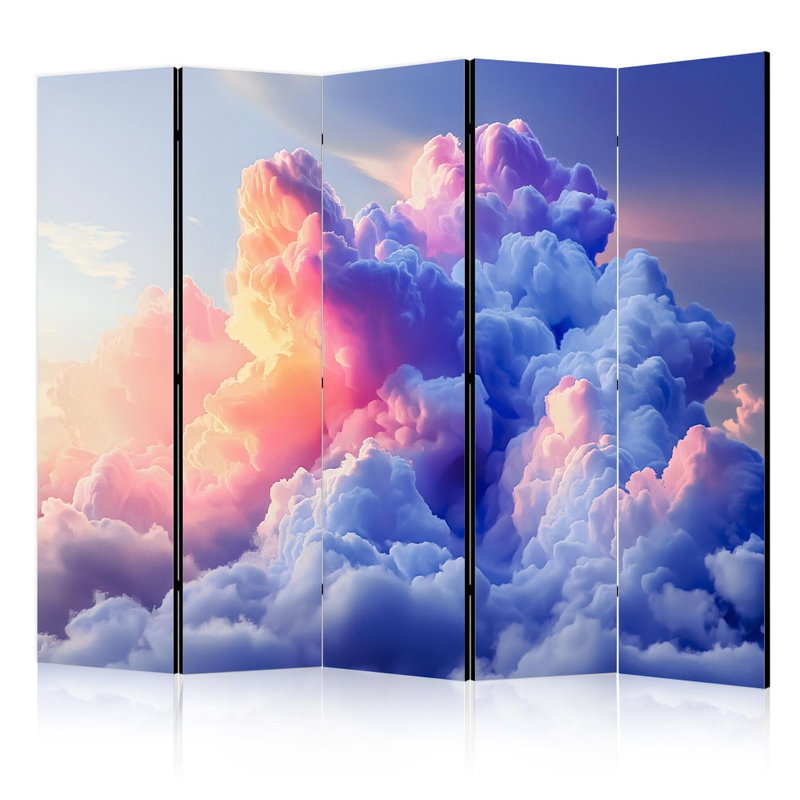
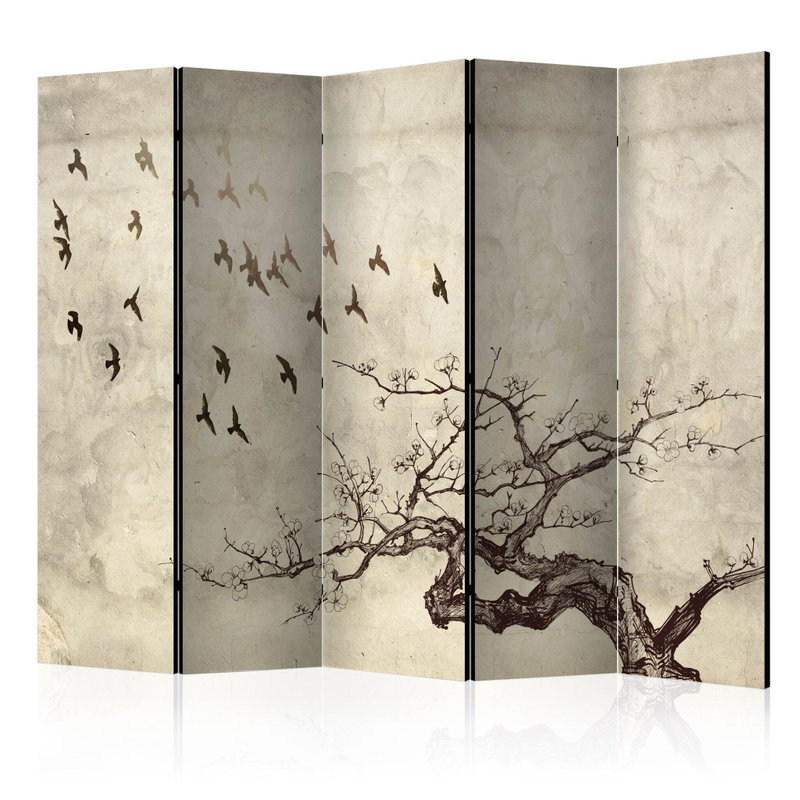
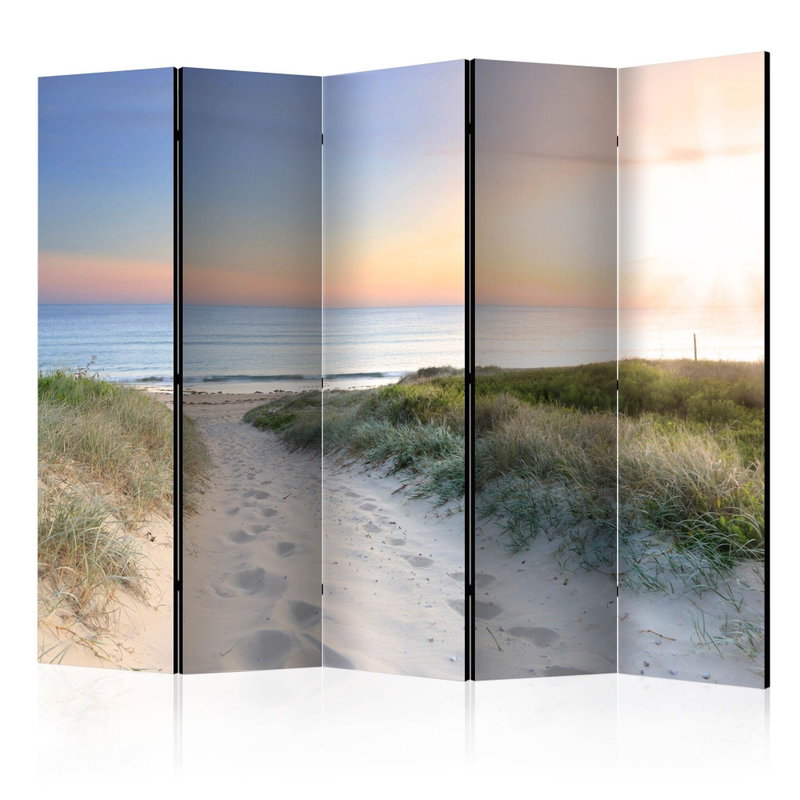
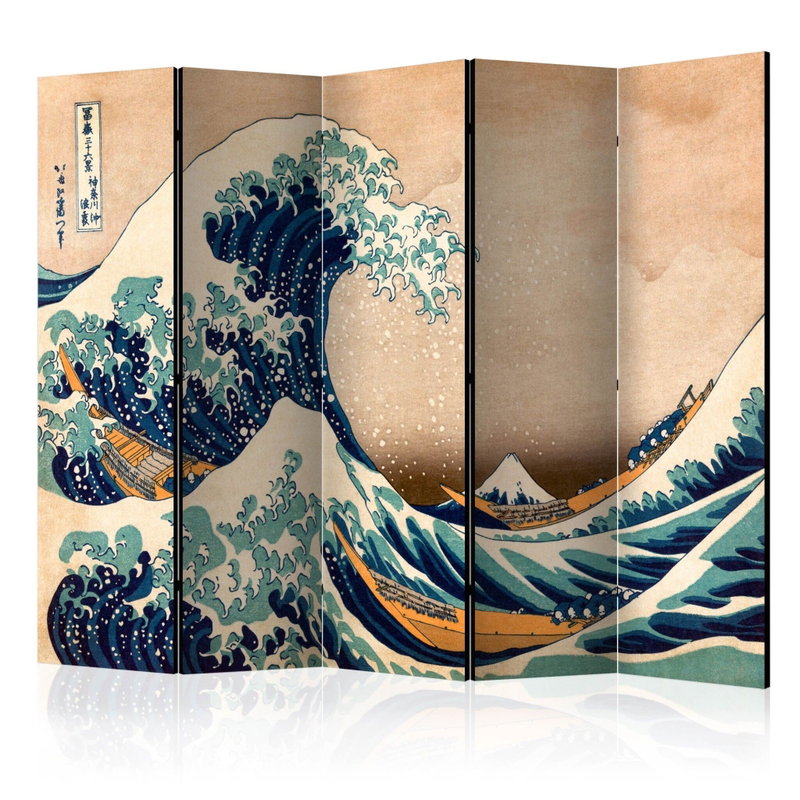
Nature and landscapes in the five-panel branch includes descriptive settings and freer interpretations. Reviewed motifs include stylised waves with whales, combining water forms with prominent animals. Try the image’s bright areas against the intended lighting.
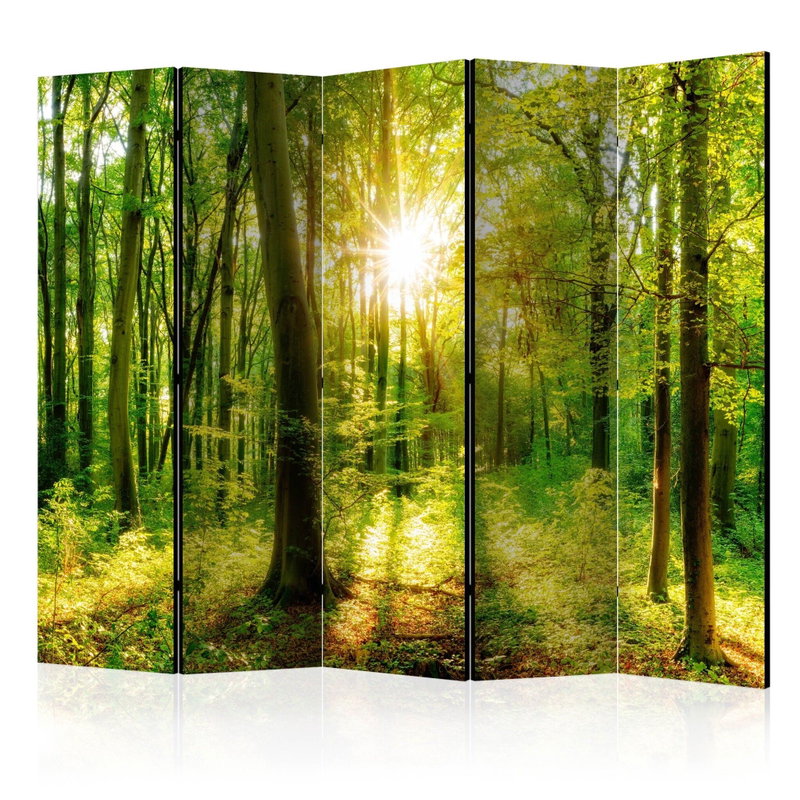
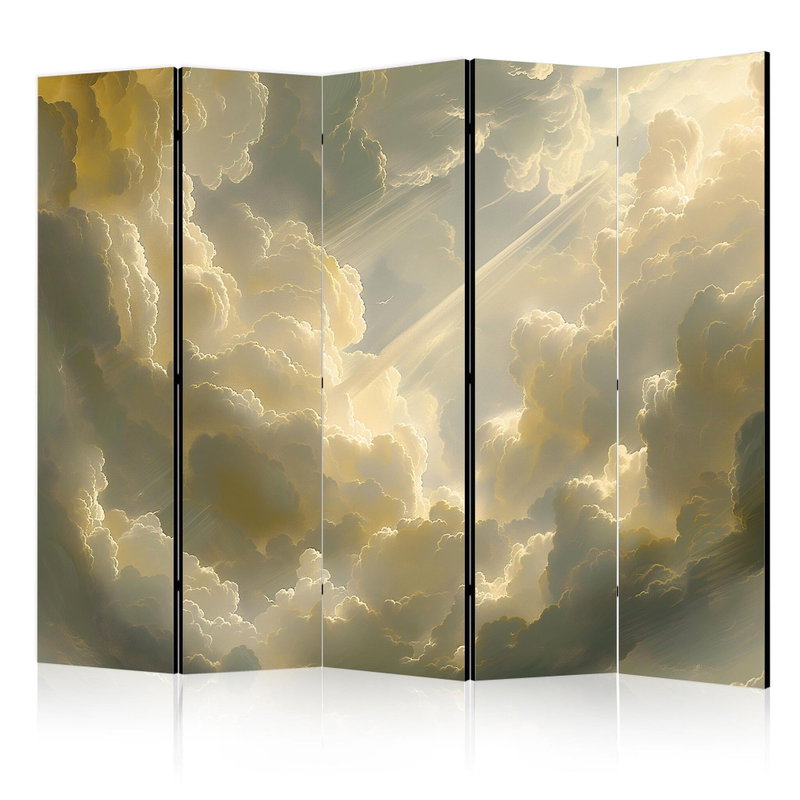
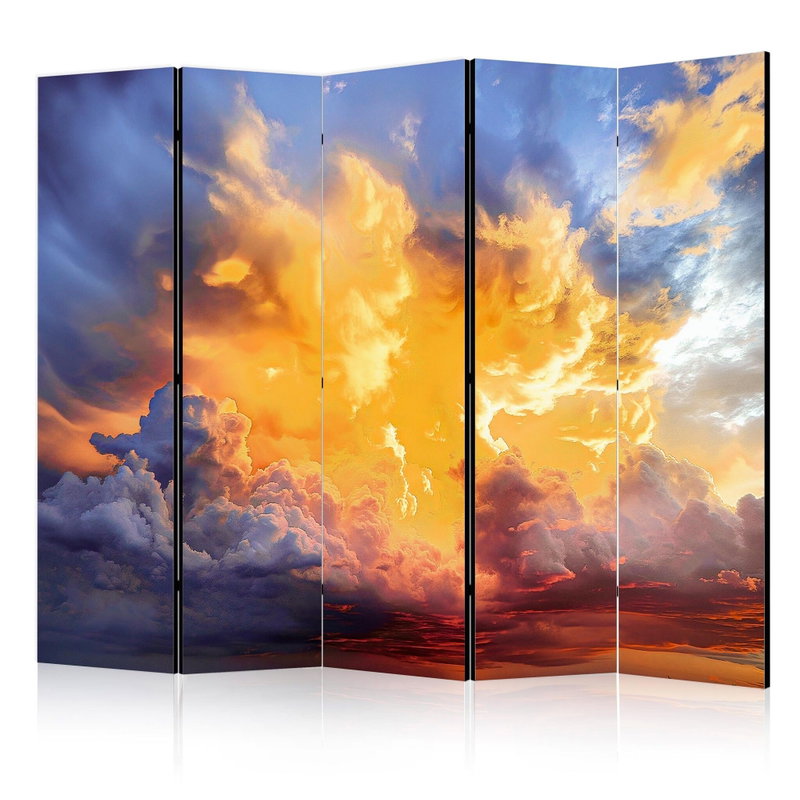
Look for what gives the image its identity: horizon, vegetation, water rhythm or several elements. Choose the complete main image rather than the name. A natural connection does not mean all designs share one palette or level of detail.
Five panels create more image transitions
Across five parts, assess the principal forms alongside panel transitions. A large figure and a repeated wave pattern respond differently to angles. Test which elements should be most visible from the workspace or seating area.
The print appears on both sides and needs to work with furnishings in both areas. Compare colours, furniture and sightlines from several directions before deciding how to use the broad image surface.
Plan width, depth and access
The checked five-panel models measure 225 × 172 centimetres, with five panels each 45 × 172 centimetres. This is the combined straight width. Angled placement changes both occupied width and depth.
Measure the complete floor area, including feet. Follow stable placement instructions and keep routes and furniture access clear. A wide nature image can be striking but must also work as a practical freestanding construction.
Nature imagery and absorption within room division
The screen adds absorbent material and can create a visual boundary between activities. It is not a sealed sound-insulating wall. Its contribution depends on area, position and other room materials.
Read handling and cleaning instructions and follow documented indoor use. Choose the landscape for its expression and plan the construction with real dimensions. Motif and room division can then form a considered whole.
Read the relationship between water forms and other elements
In a stylised nature image, waves and animals can create the rhythm together. Notice what you see first across the whole surface: water movement, a larger figure or the balance of light and dark. This helps you choose between a clear nature theme and a more unified colour area.
Then examine details in the version offered. An artistic interpretation of water need not look like a photographic coast or lake. Choose by the actual composition and read the subject description if a particular location or animal is decisive.
Consider the elements on the outermost panels too. They may meet the room’s furnishings differently from the central image. Assess them as carefully as the middle, particularly when the arrangement will be seen from the side.
Plan the broad nature image for changing daily use
A five-panel divider needs room even during active use. Try the area with chairs pulled out, storage open and the usual routes between room areas. Include feet and specified panel angles, not just the straight overall dimension.
If the screen will stand in several places, plan each separately. Its colours may contrast differently against each background, and the visual boundary may change the overview. Check where the main subject is most visible from usual seats and workspaces.
Then choose an image that works within a practical, stable solution. Nature imagery can connect different furnishings, but movement and documented product use should still guide the arrangement. Follow the model’s moving and care instructions.