




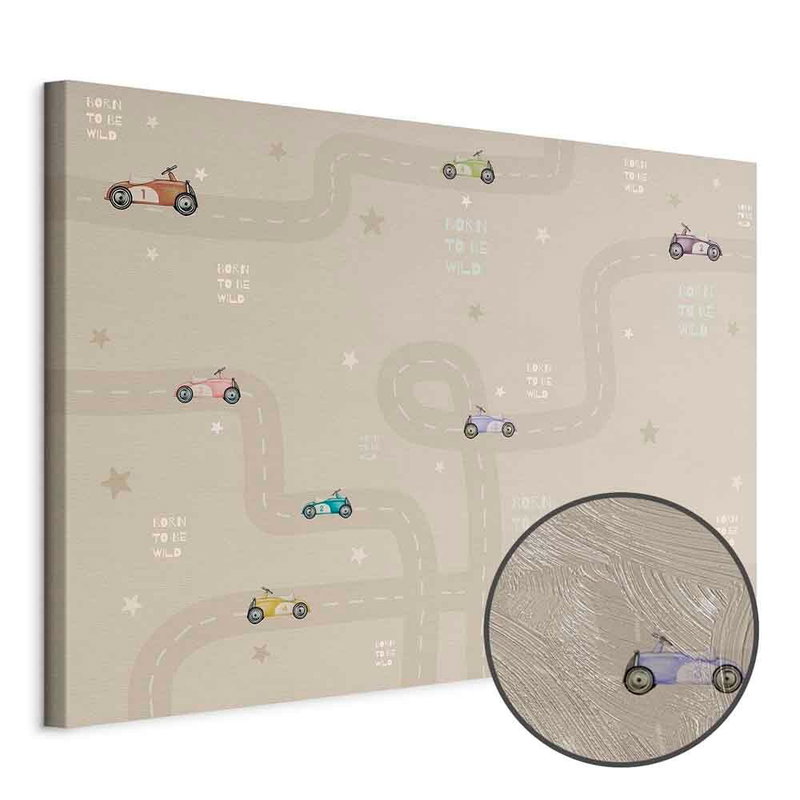
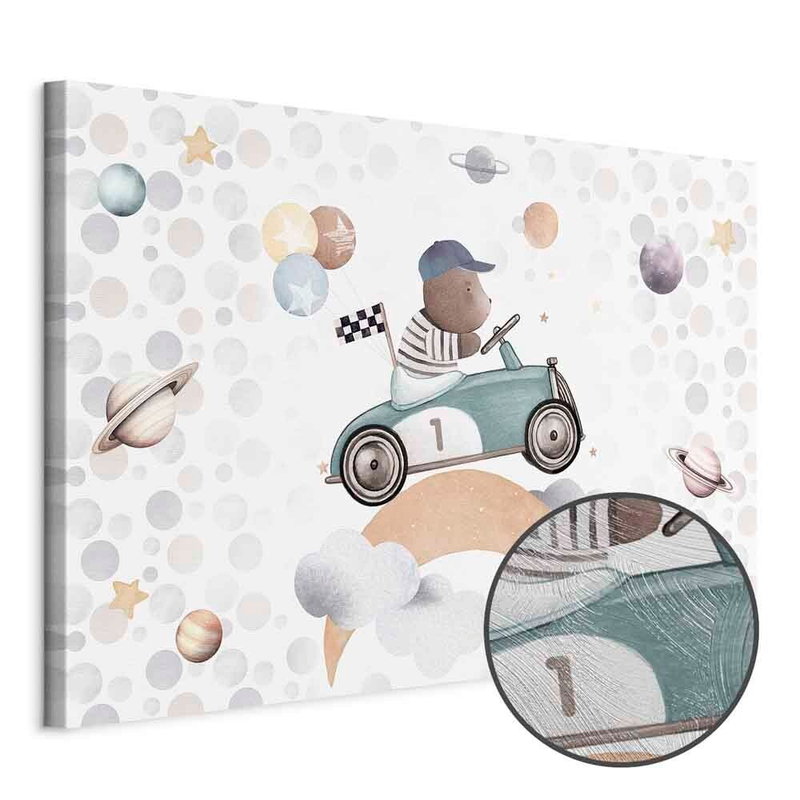
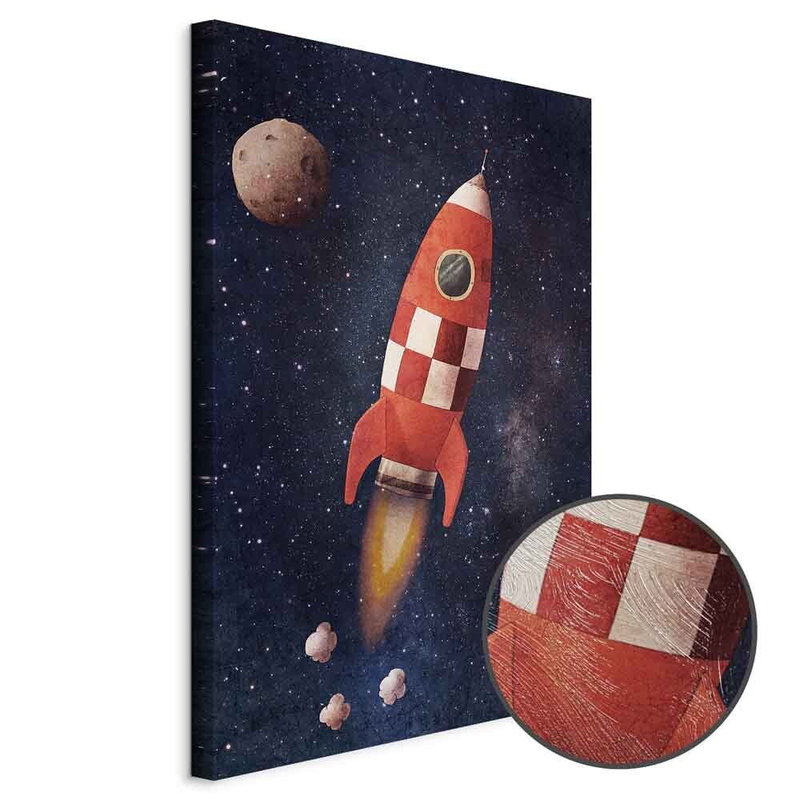
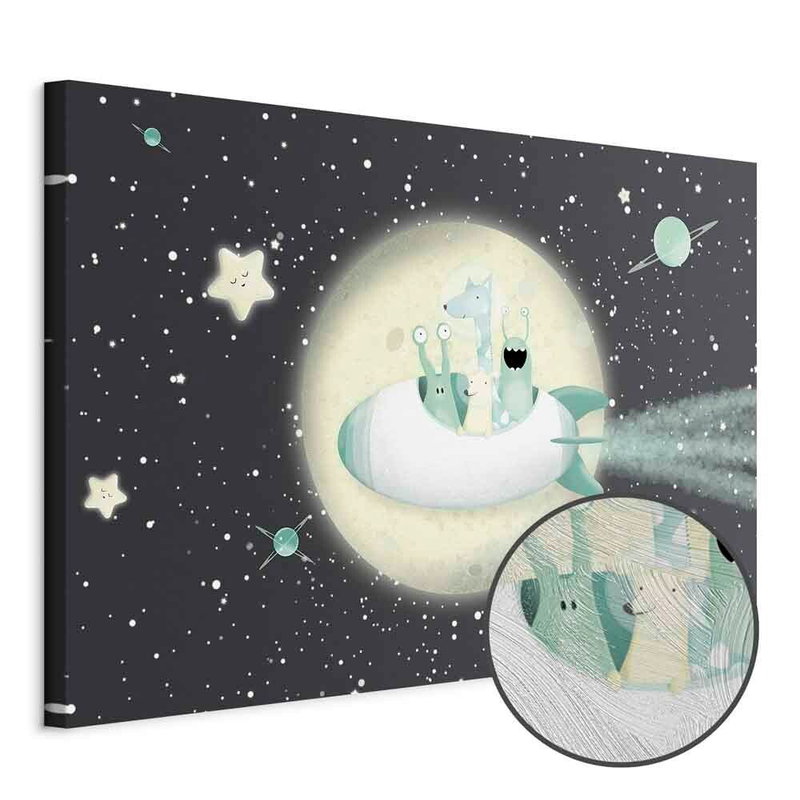
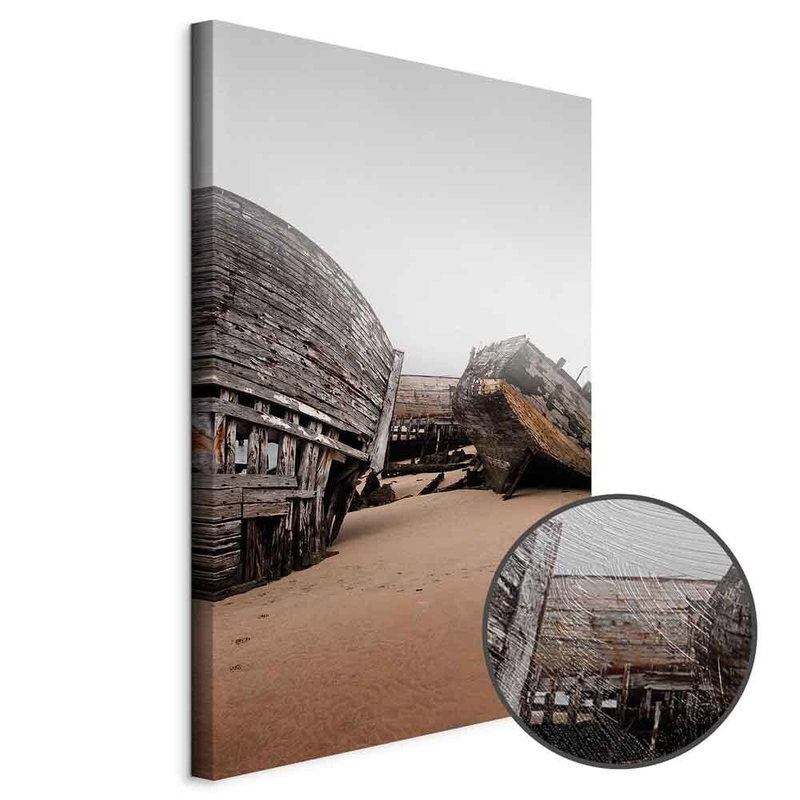

The vehicle and its setting tell the story together
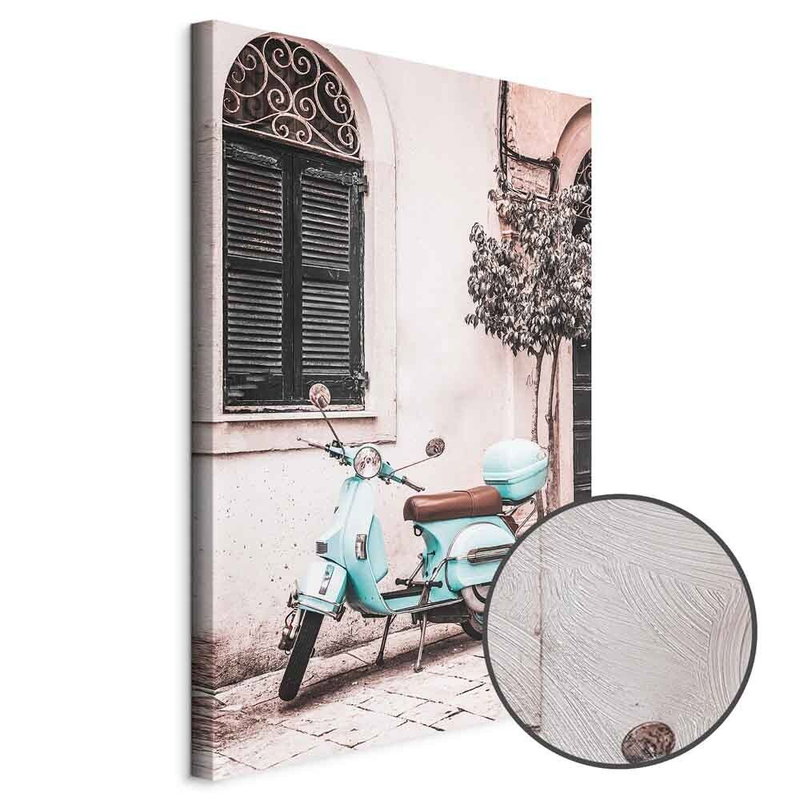
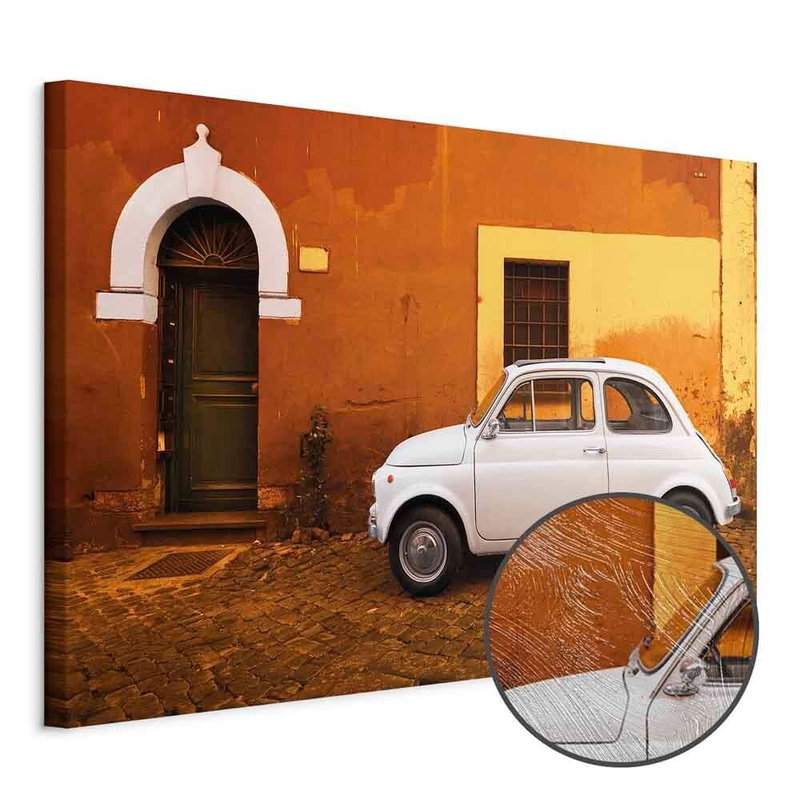
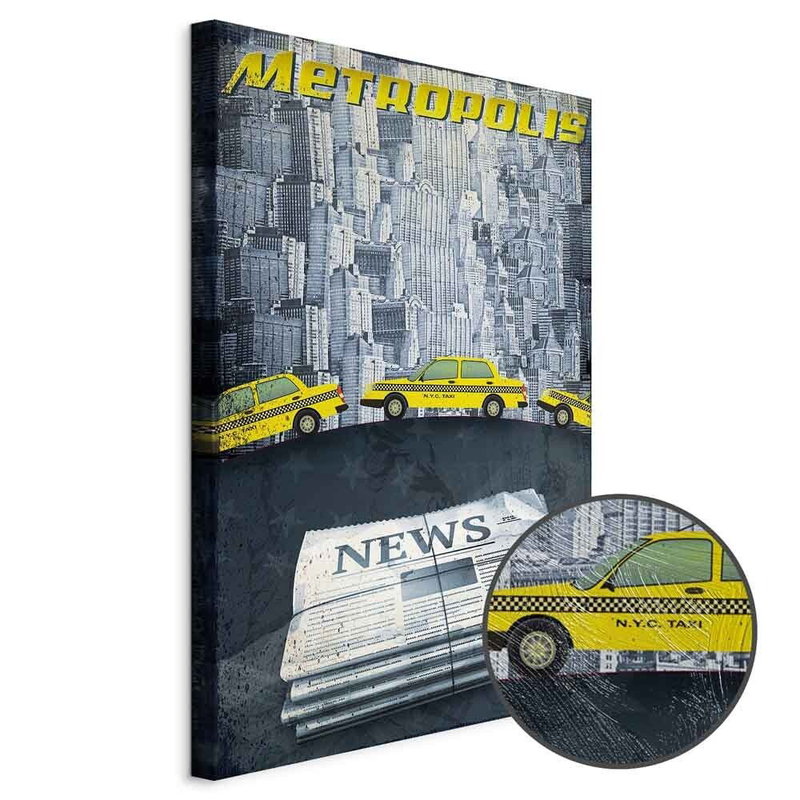
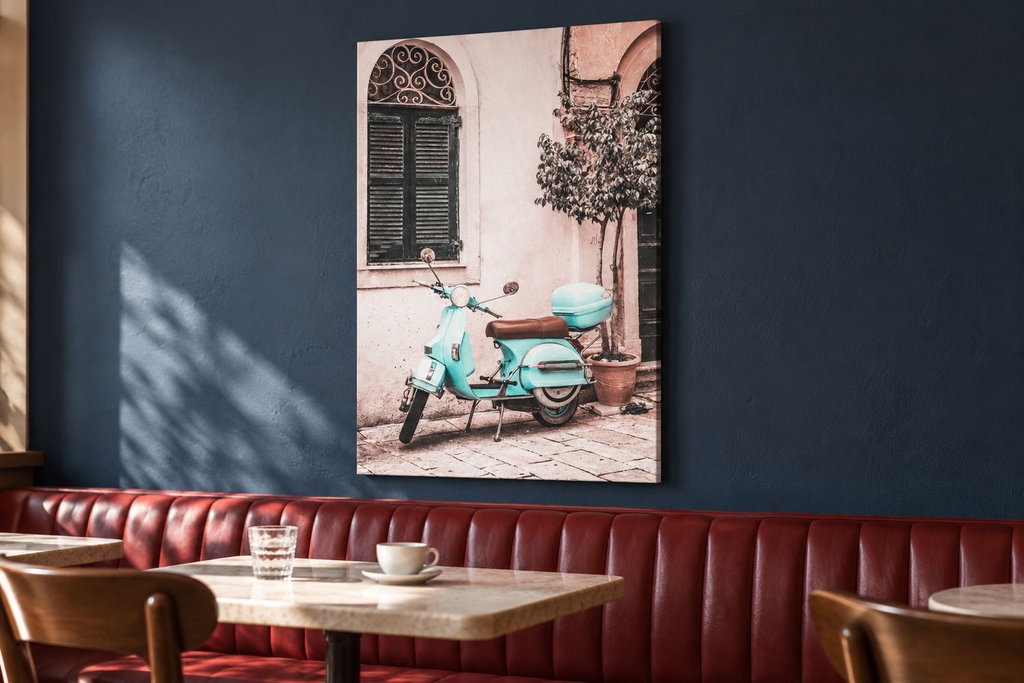
A car can be the clear centre of an image or part of a wider street scene. Among the checked premium products is a white car against a warm orange façade. The contrast between vehicle and building creates a context as relevant to your choice as the car itself.
Look at the main image and decide what makes it interesting to you. This might be the shape of the bodywork, a colour combination or a connection with travel and city life. If you want a particular vehicle model, that detail must be verified for the product; the image name alone is not reliable evidence.
Movement, direction and colour on the wall
A vehicle often has a clear direction even when stationary in the image. Consider how it relates to openings, furniture and other pictures in the room. The composition may feel more coherent when the vehicle’s position and the image’s open areas have room around them.
Compare the surrounding colours with the intended wall too. A pale car against a bold façade creates a different effect from a dark vehicle in a muted setting. Let the complete palette guide your choice rather than relying solely on an interest in the depicted vehicle.
A printed vehicle motif with a treated surface
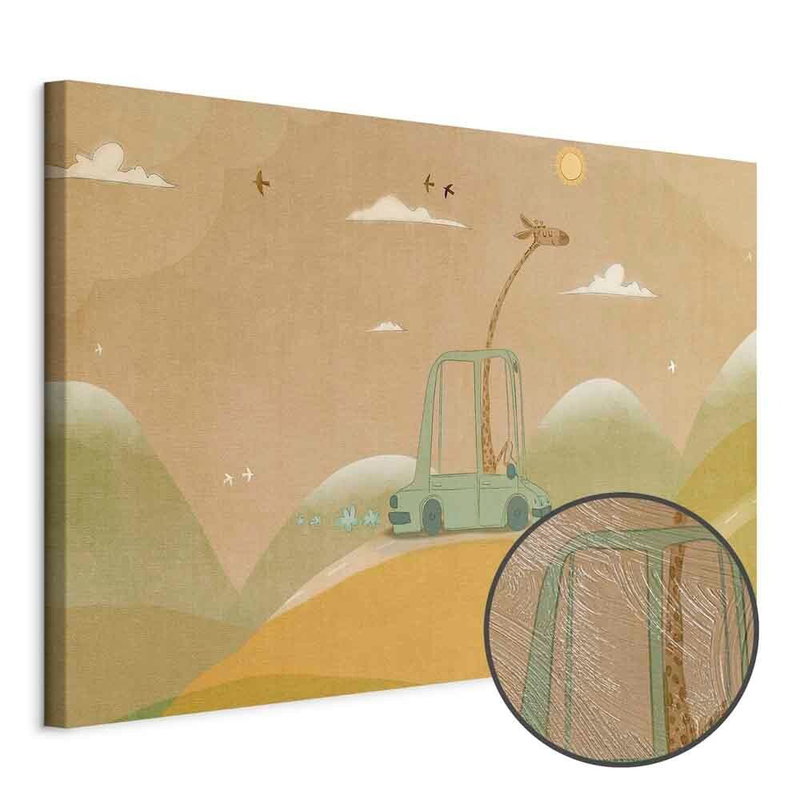
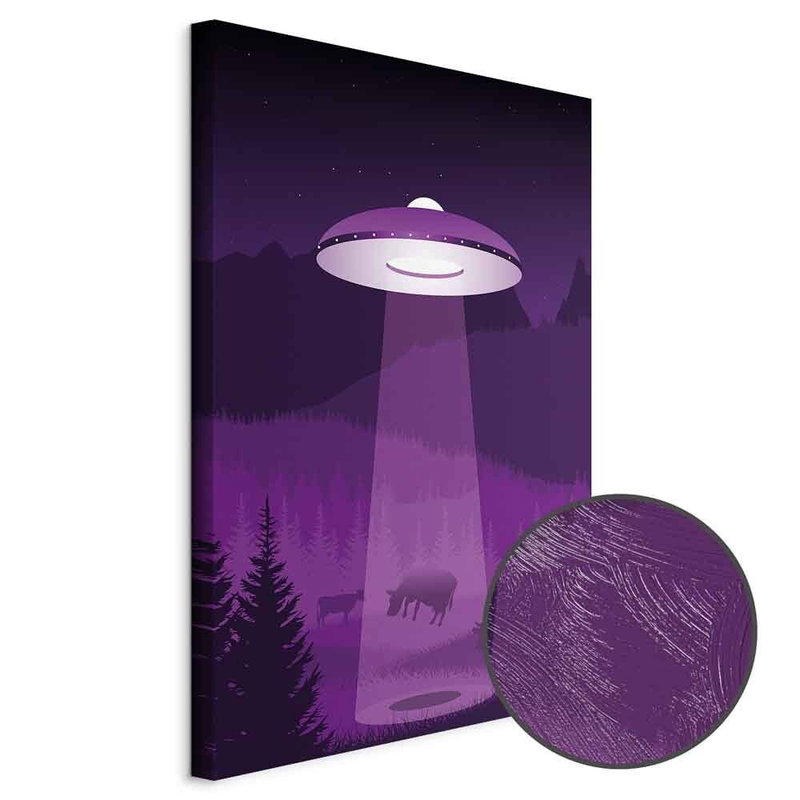
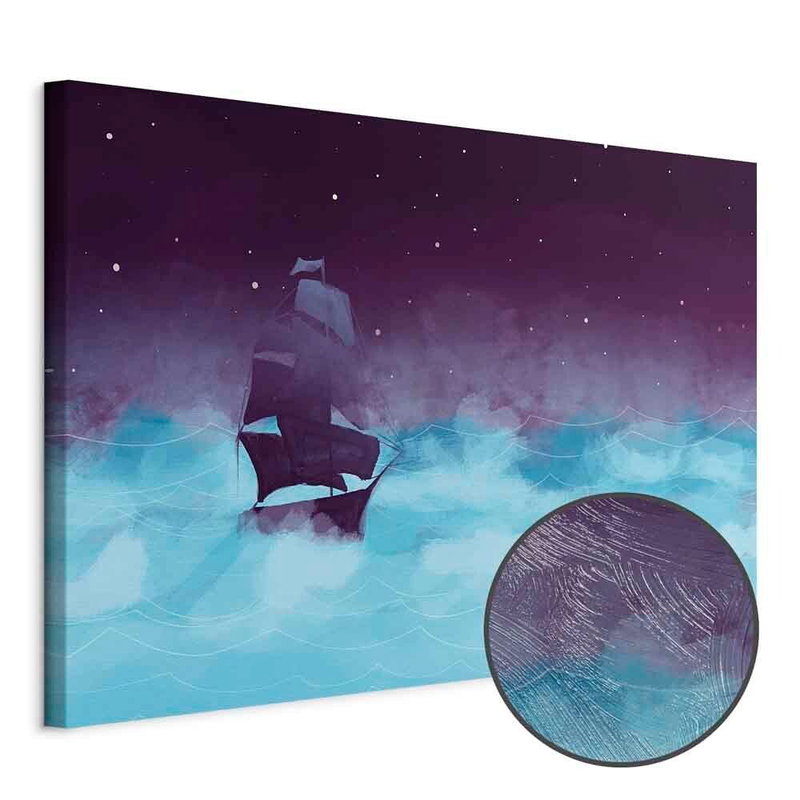
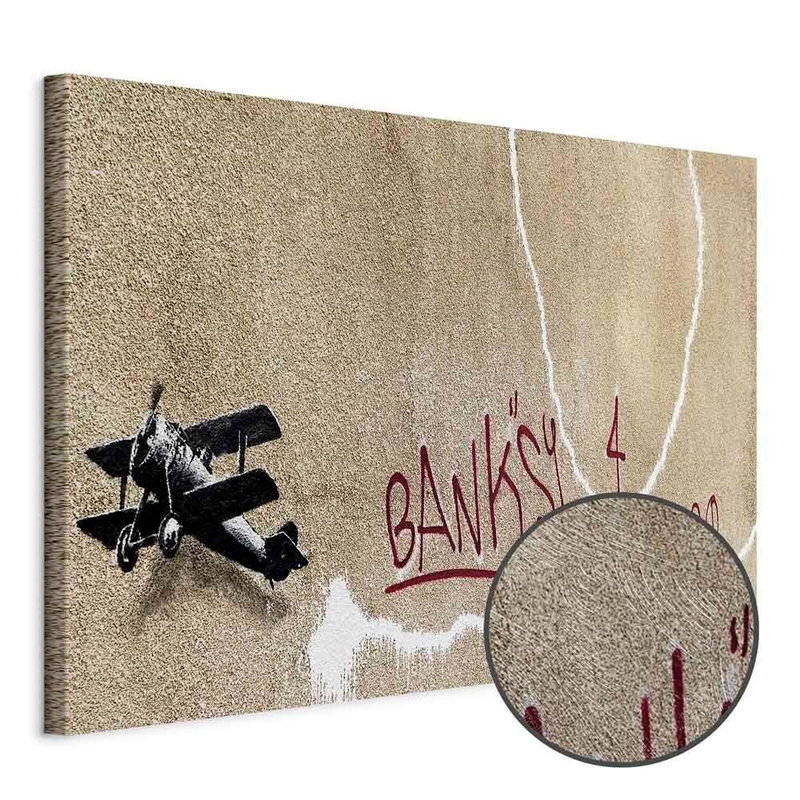
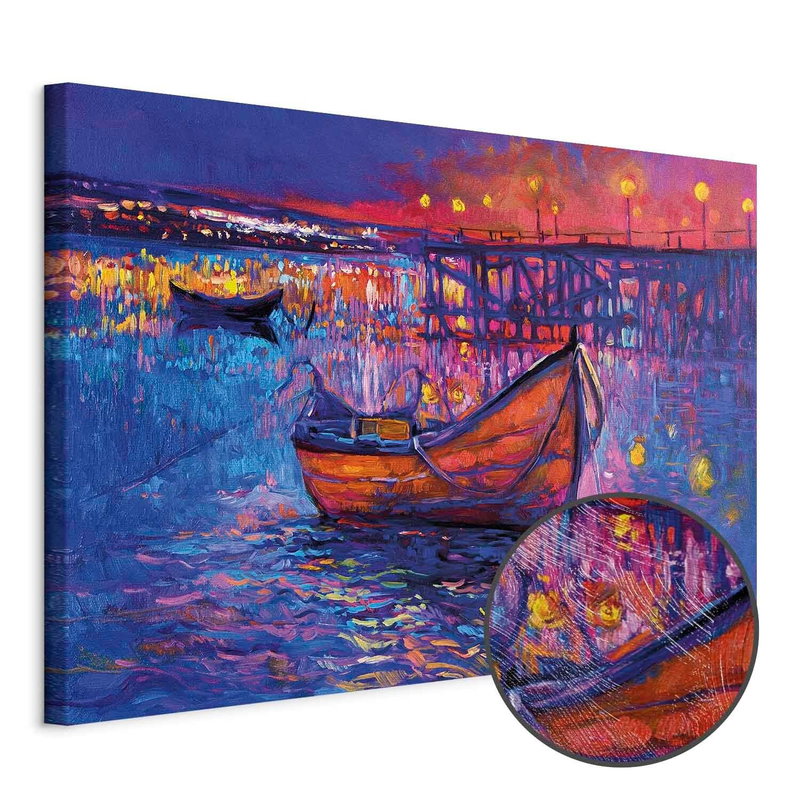
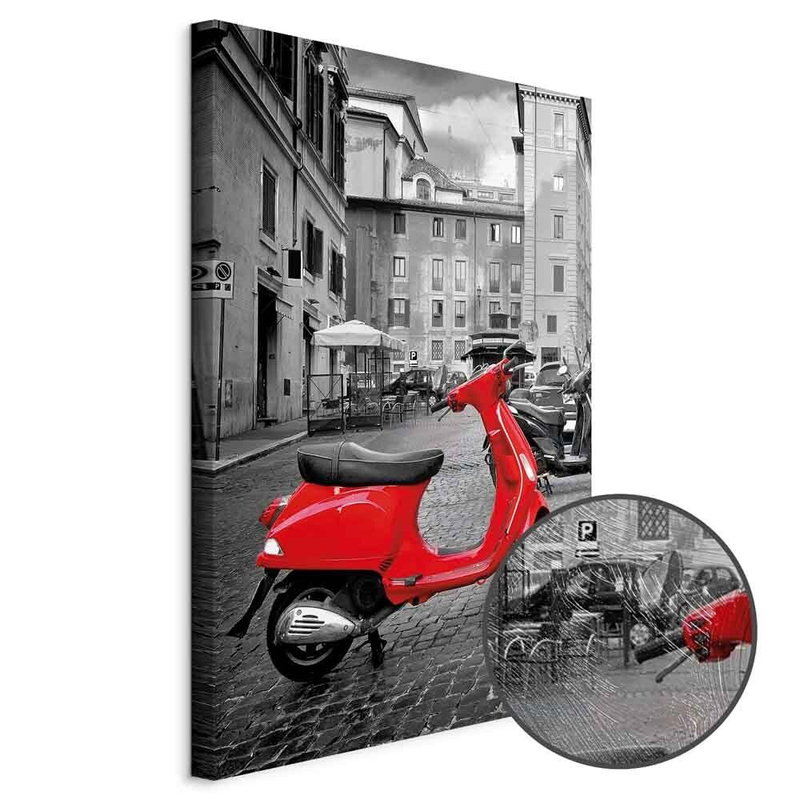
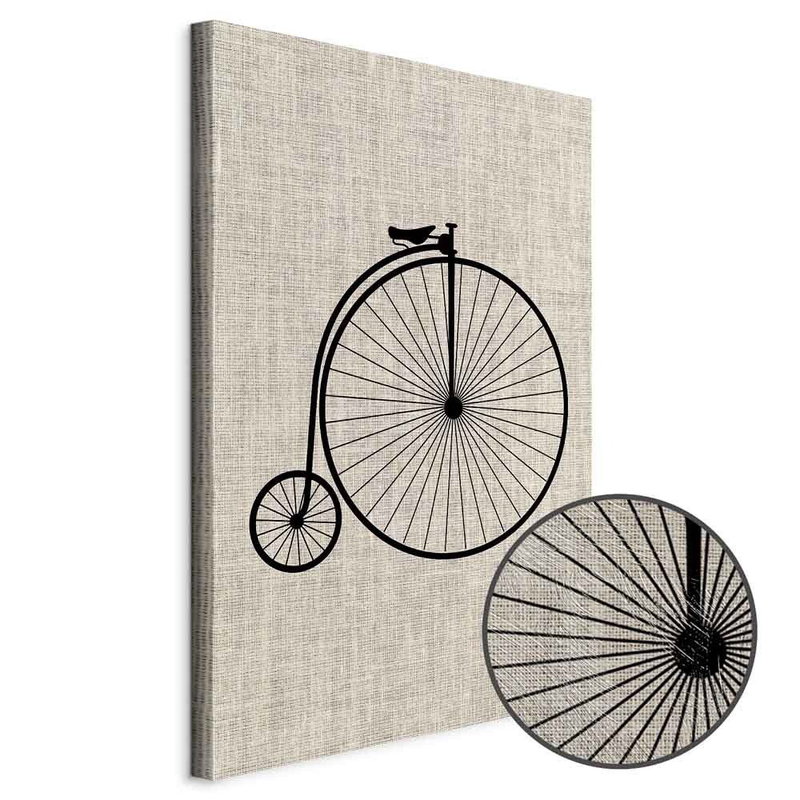
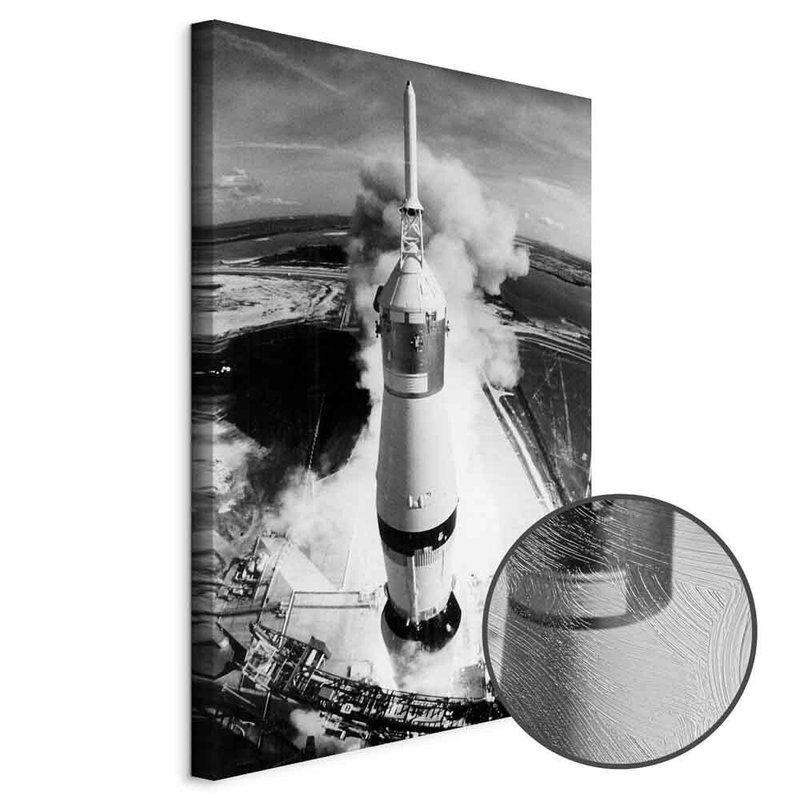
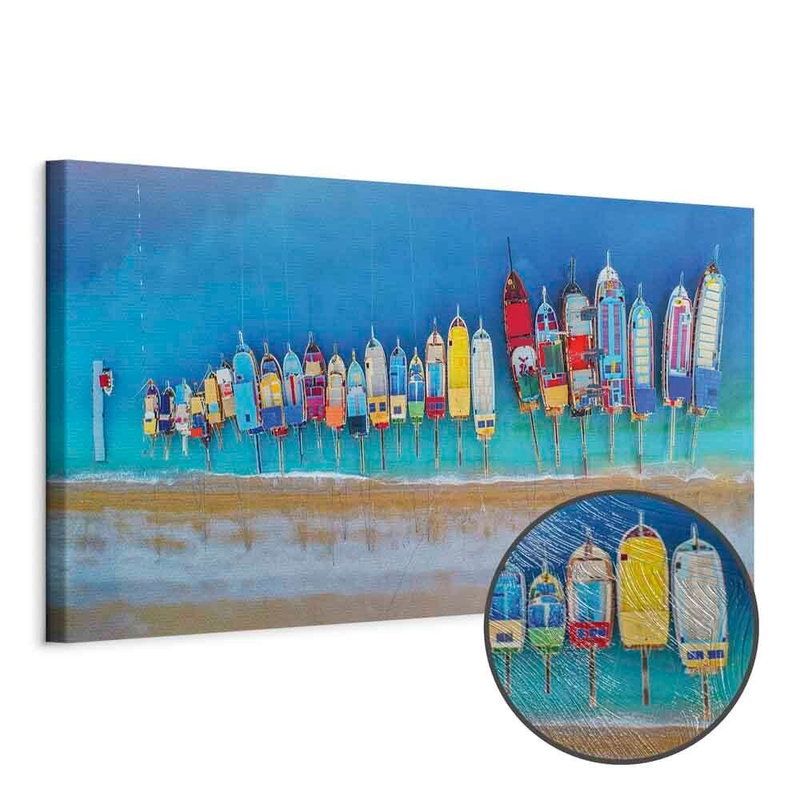
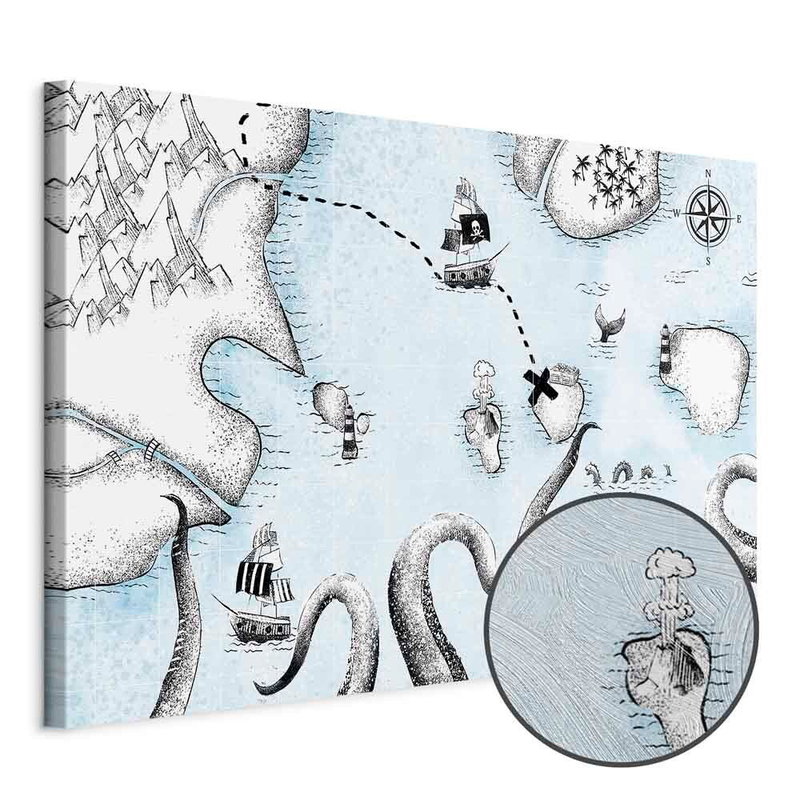
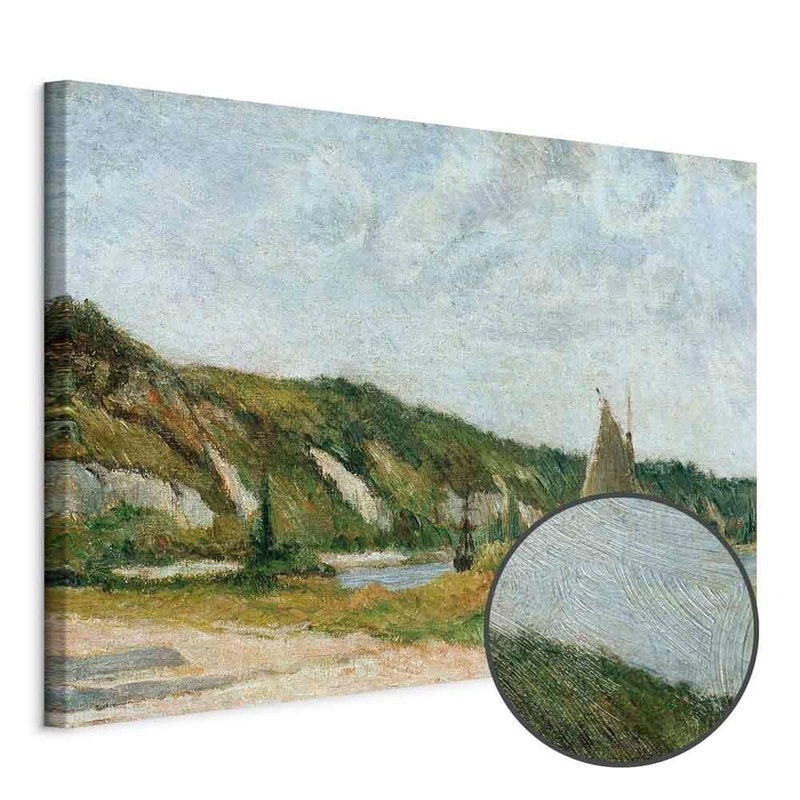
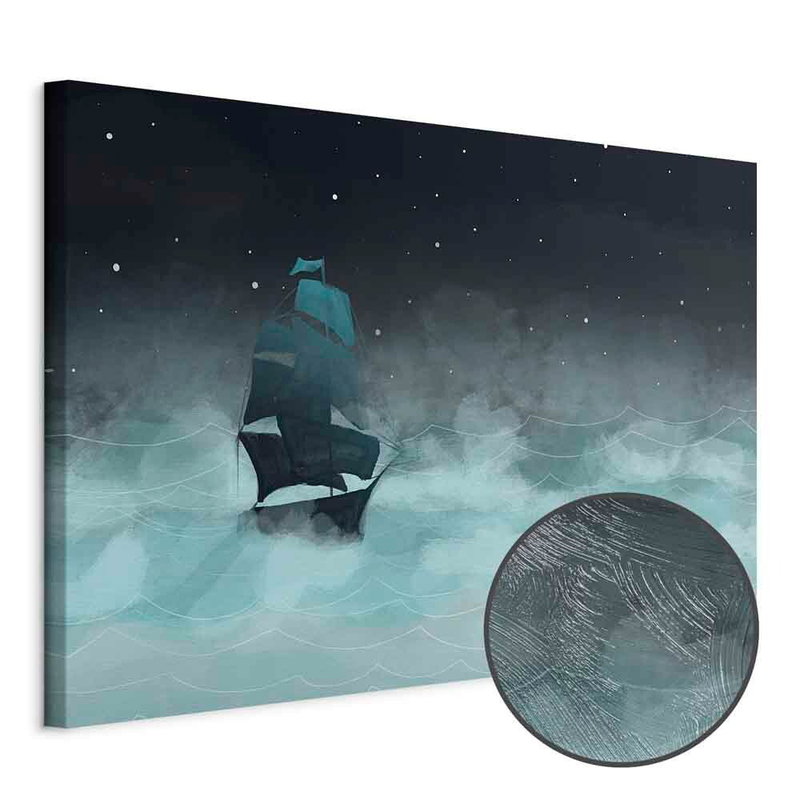
The premium finish has hand-applied clear gel over the printed motif, adding physical texture. Reflections depicted in paintwork, glass and metal belong to the image. They do not mean those materials are present on the picture’s surface or that the product will have a particular sheen in your room.
Check the product’s actual dimensions and panel arrangement. A wide street scene may suit a long wall, while a closer vehicle detail requires a different balance. If the picture spans several panels, include both the panels and their gaps when measuring the space.
Positioning for the furnishings and acoustic environment
The sound-absorbing construction behind the image can help reduce reverberation. For a seating group, workspace or shared area, assess the amount of absorption alongside room size and other materials. The vehicle motif is a decorative choice, not a particular acoustic property.
Follow the selected model’s hanging and care instructions. Match the fixings to the wall material and clean the treated surface as advised. This allows a personal connection with the motif to work alongside positioning suited to the actual picture.
Details need to work at the right distance
A vehicle image may appeal through small details, but a wall is rarely viewed at the same distance as an enlarged screen image. Notice what still carries the whole: pale bodywork, a dark outline or the relationship with the façade. This helps you choose which part of the story should remain clear in the room.
If a particular detail matters to your choice, examine the product image carefully and check the available dimensions. A larger picture does not automatically add image information or provide a different crop. Use the version actually shown and described.
Let the setting give the vehicle image context
Street colours and building lines can connect the image with the room even when other furnishings have no vehicle connection. A warm background may relate to wood or fabric, while the car’s paler surface provides contrast. Compare the image with both the wall and nearby objects.
In a seating area, trying the image from several positions can help. See whether the vehicle’s direction opens towards clear wall or another focal point. This concerns visual balance, not a requirement for the vehicle to face a fixed direction in every room.
Combine a personal interest with a considered image choice
A vehicle motif may connect with an interest in technology, travel or design. Choose the association relevant to the setting and compare it with the composition’s colour and style. In a shared room, the depicted environment may be as important a starting point as the vehicle.
If several separate pictures will hang together, a related colour field can connect them without all showing the same vehicle. Include gaps and assess the group as a whole. Separate images should not be confused with a coordinated multi-panel product where the continuation of the image is specified.