



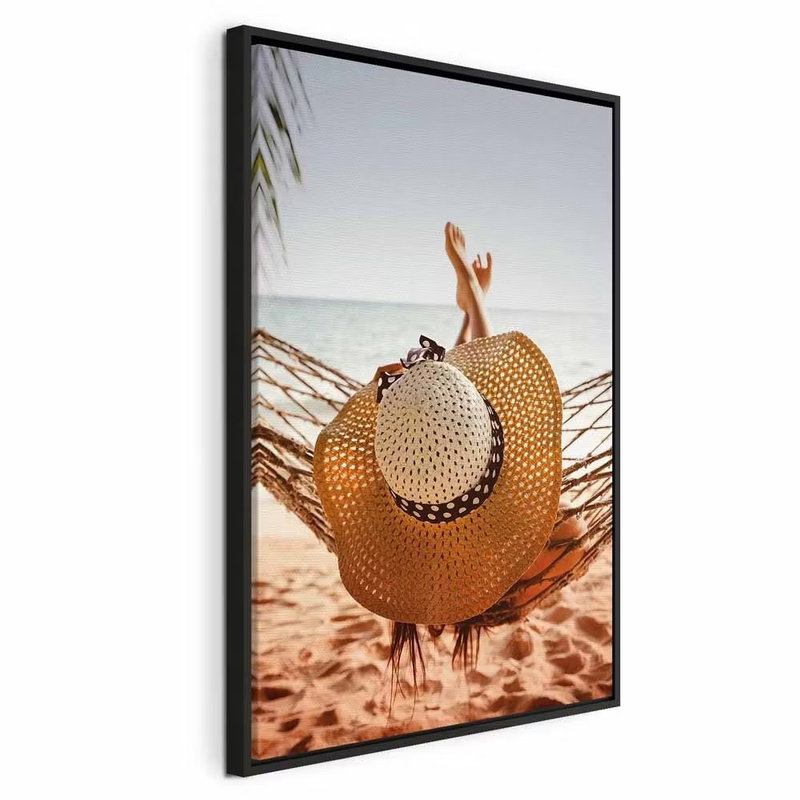
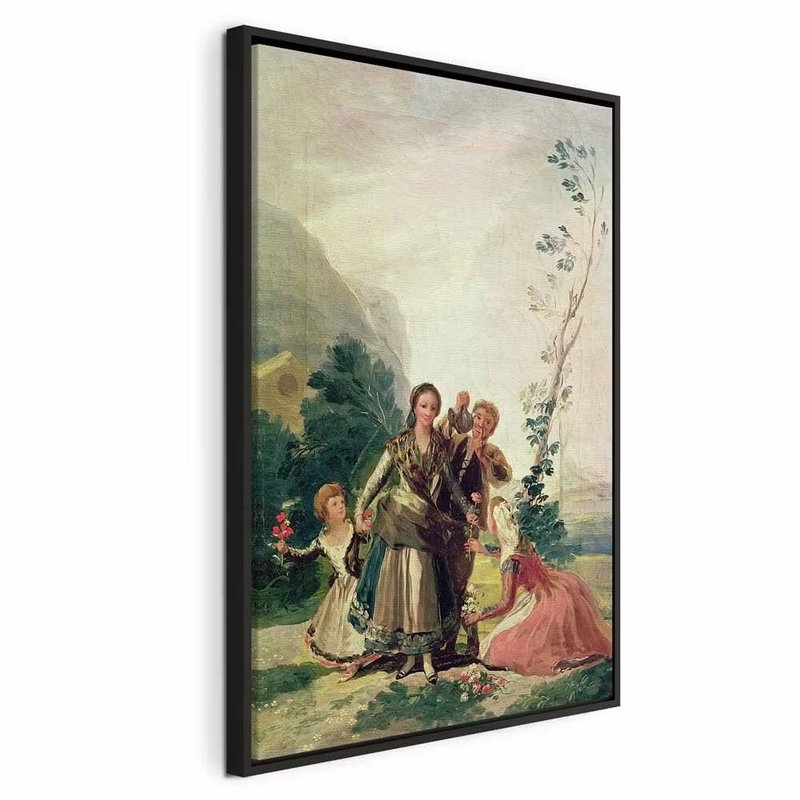
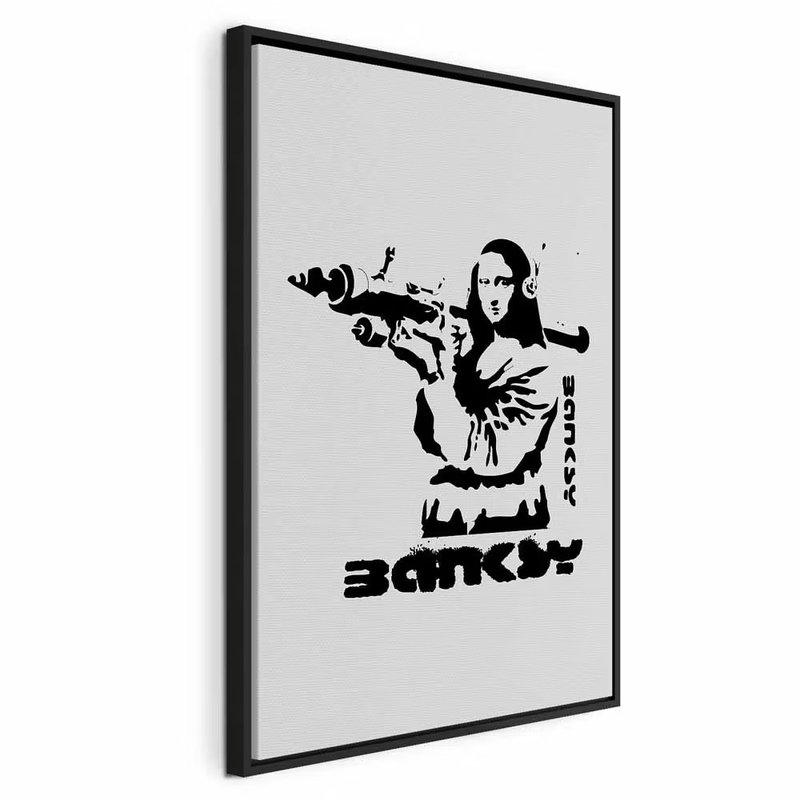
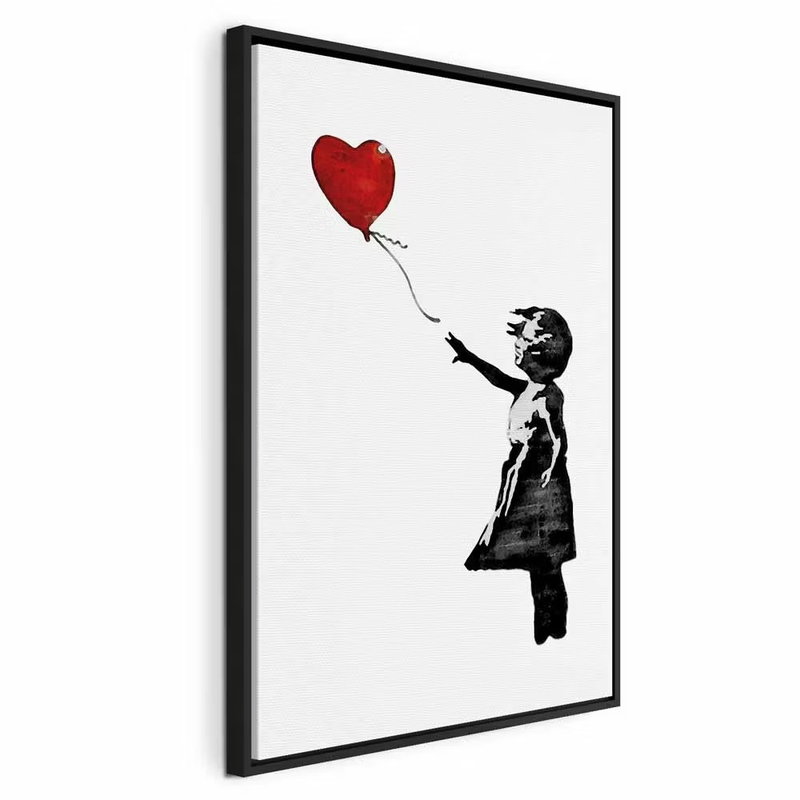


People through figures, faces and movement
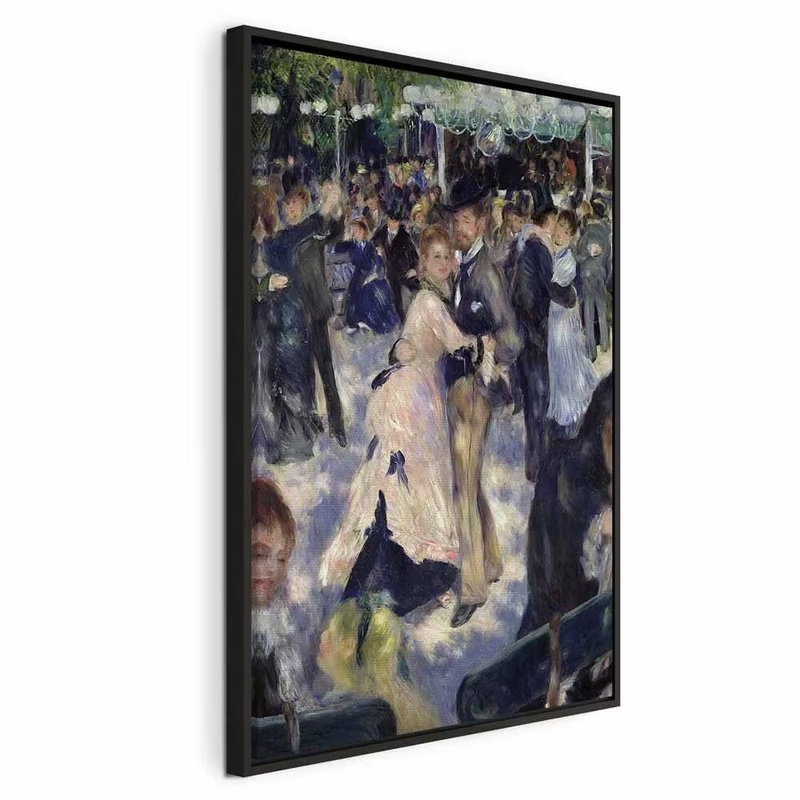
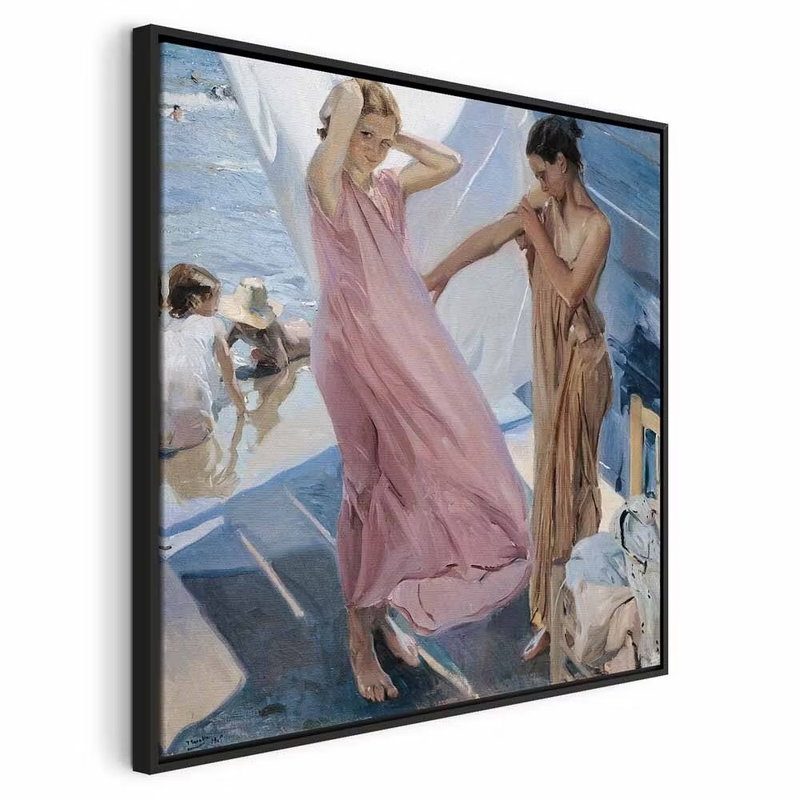
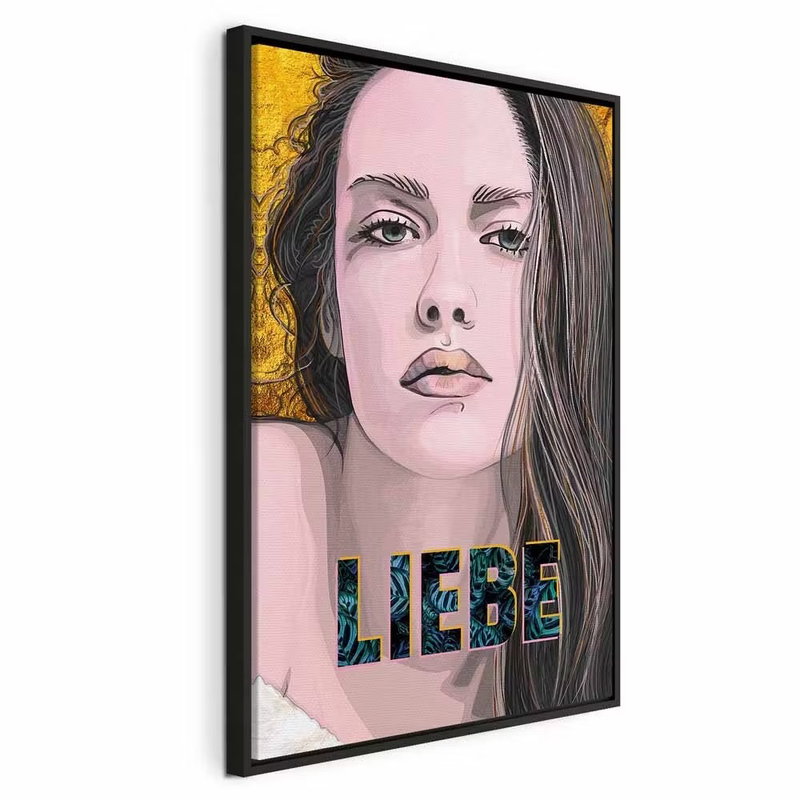
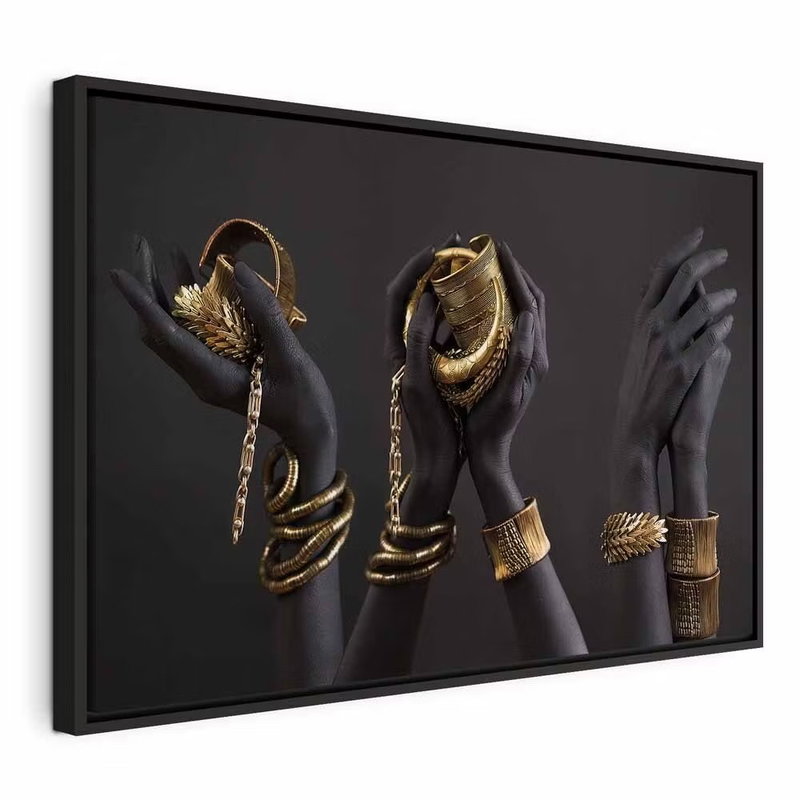
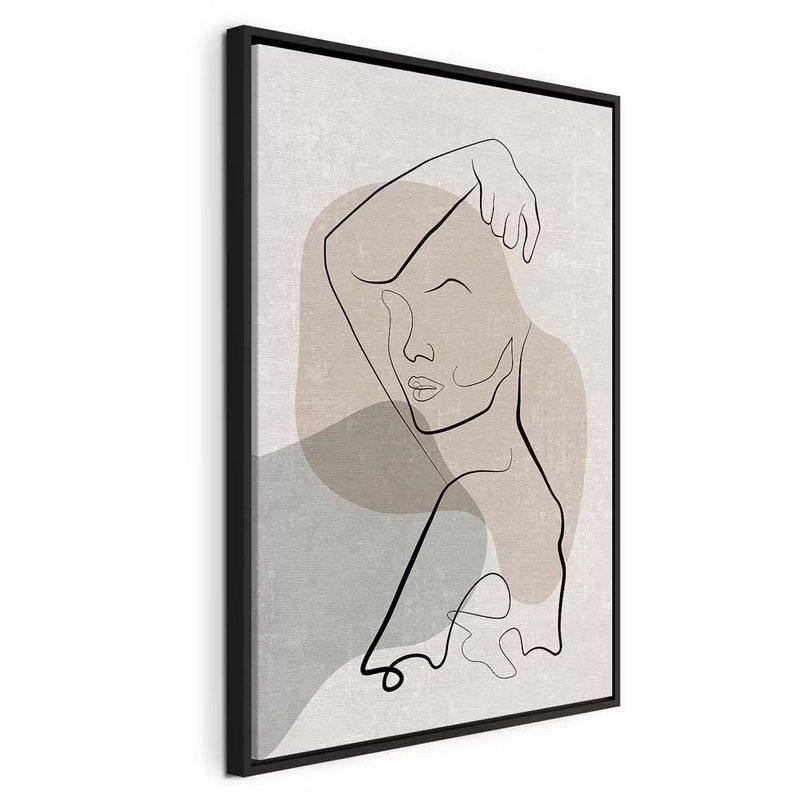
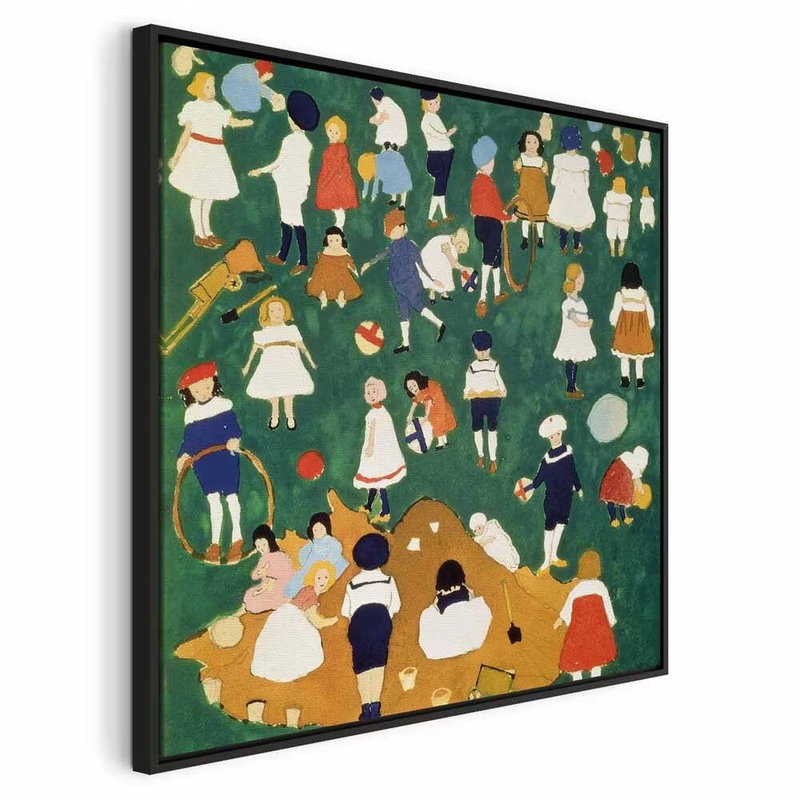
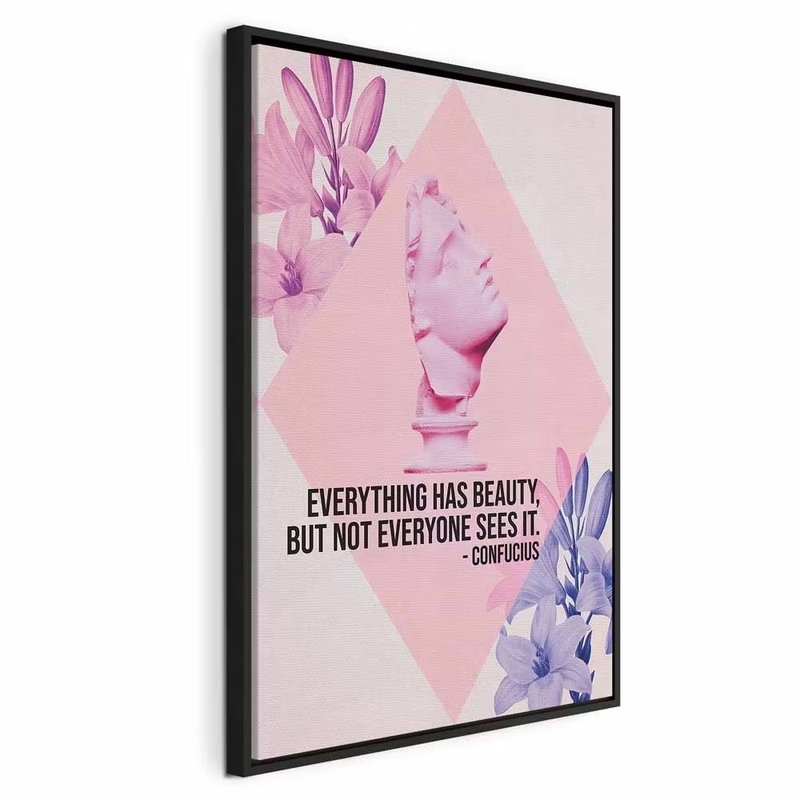
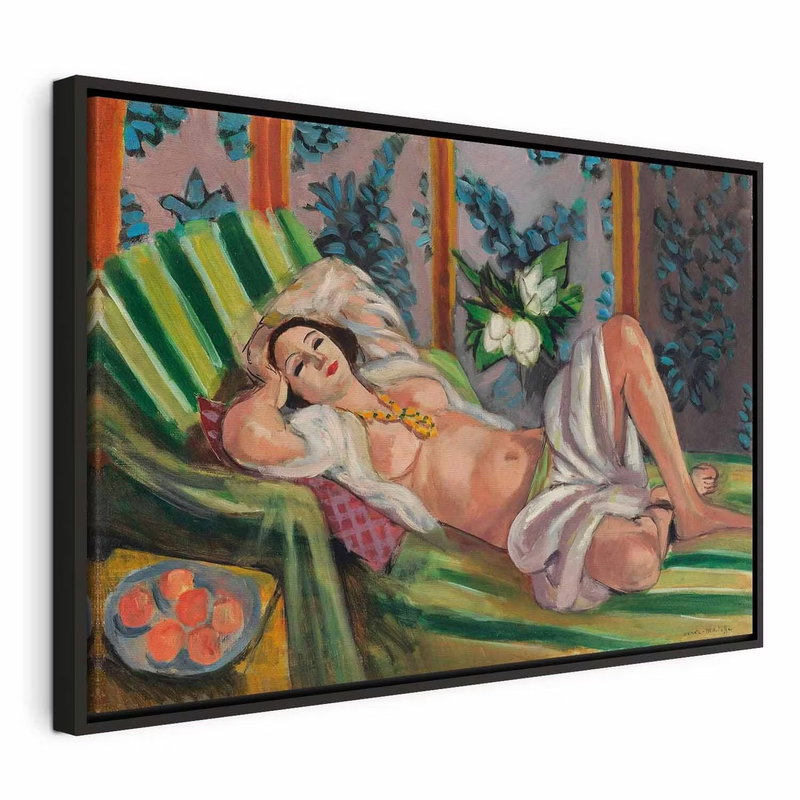
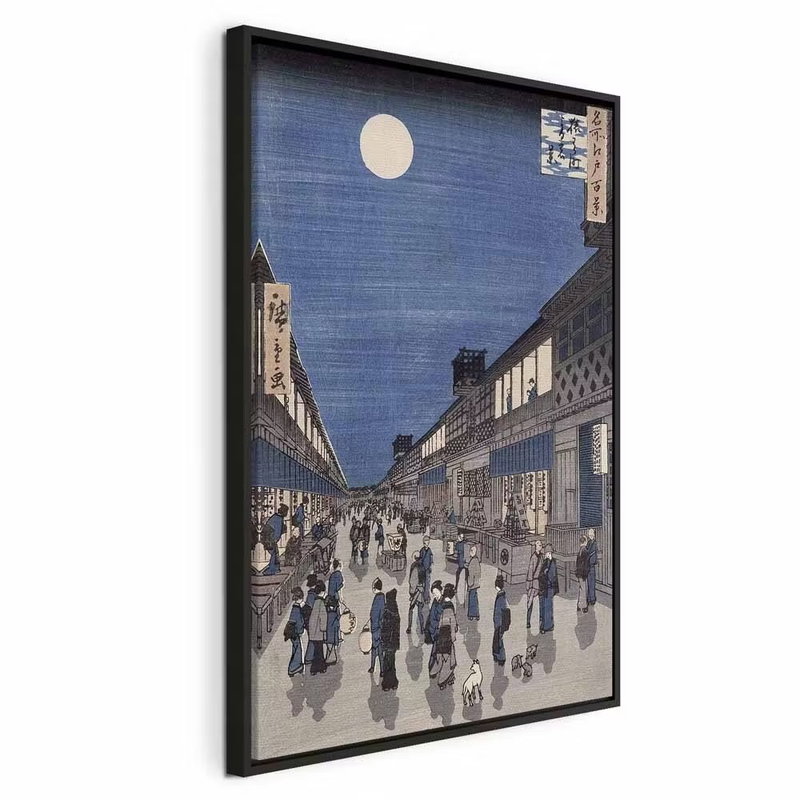
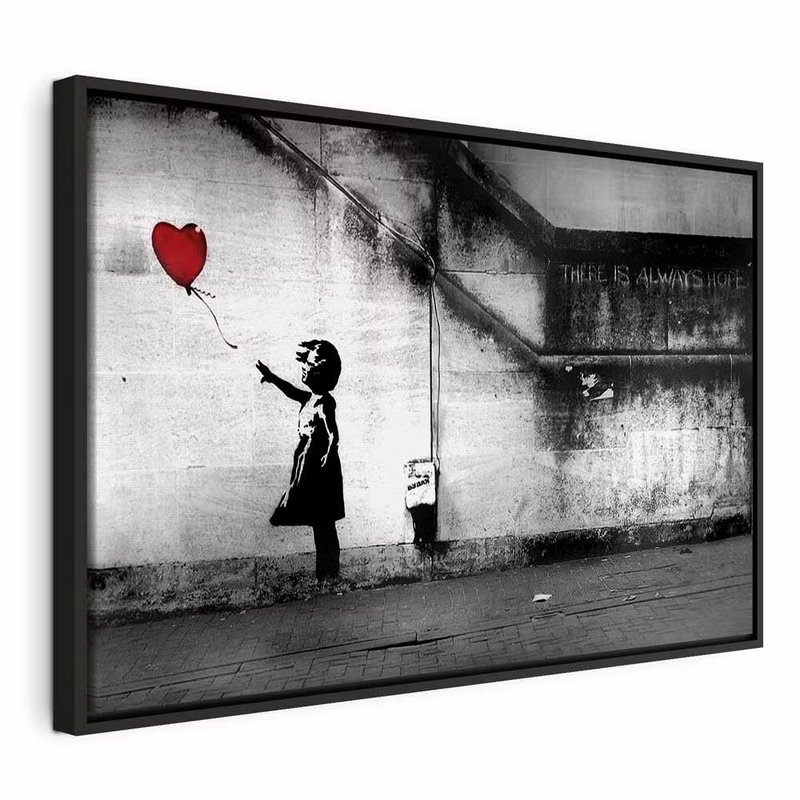
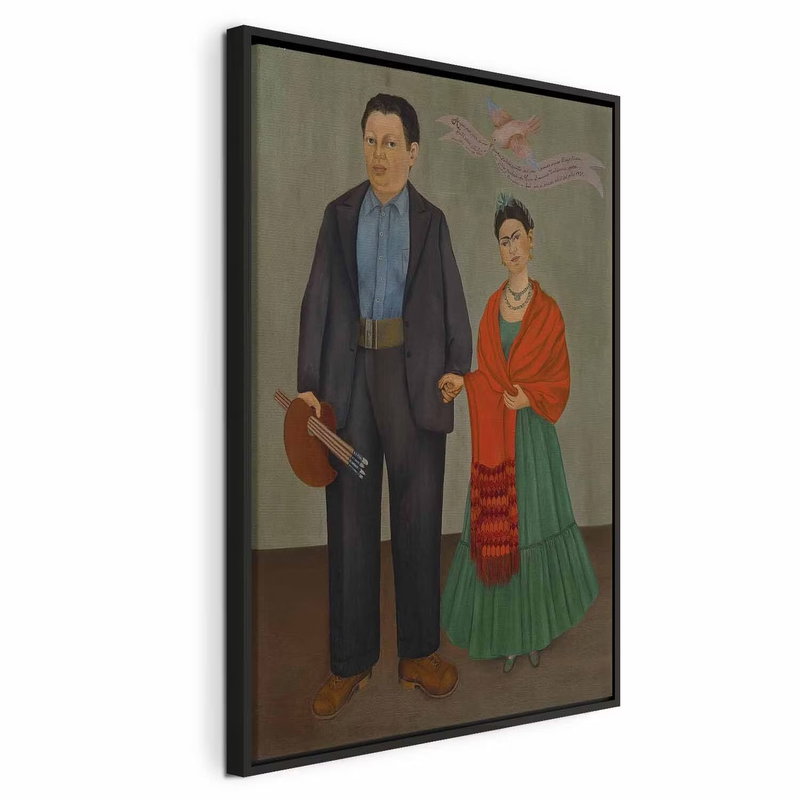
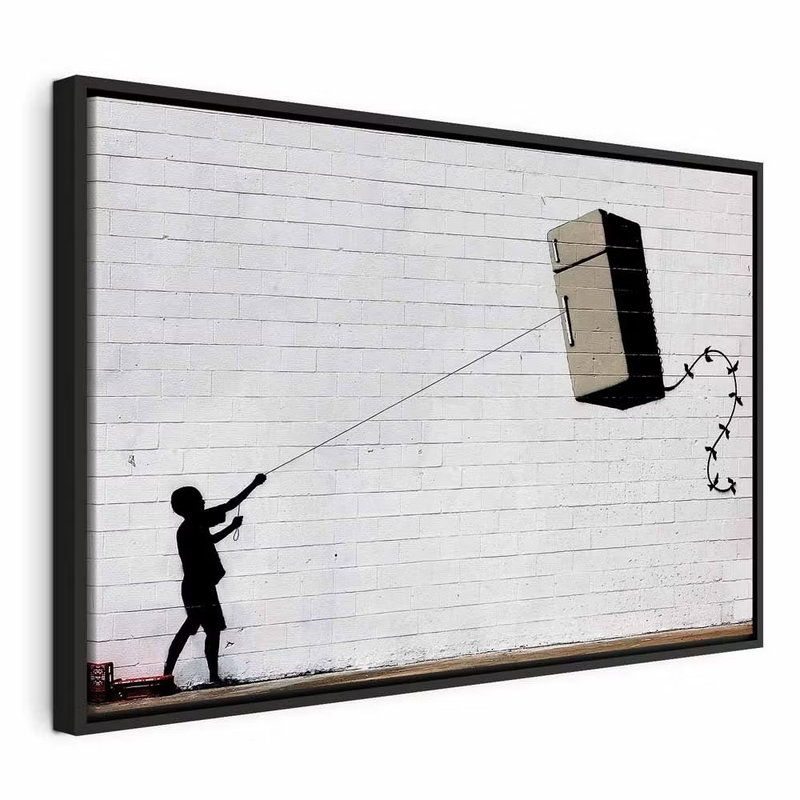
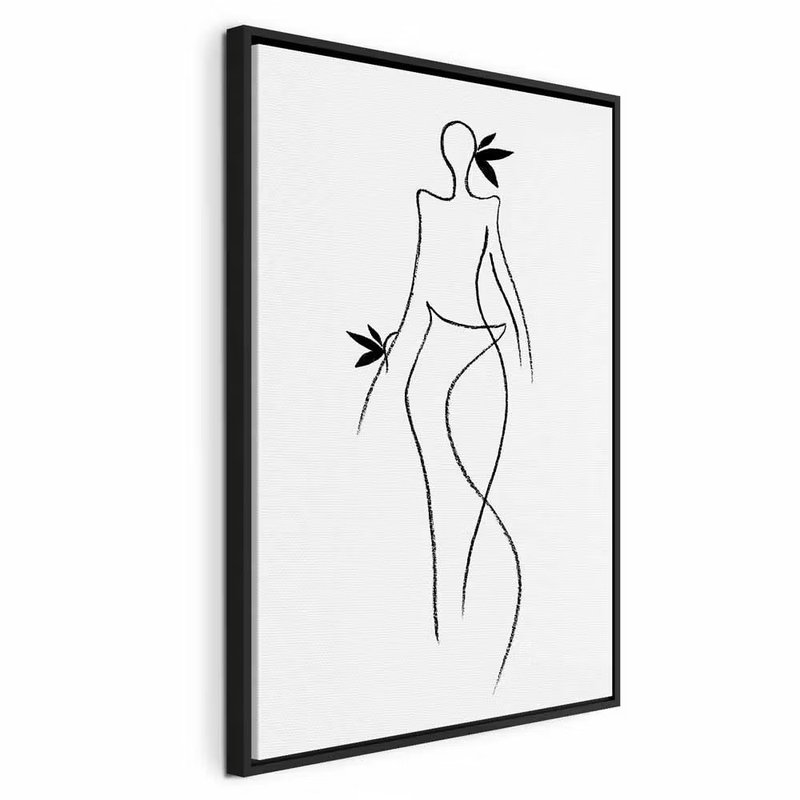
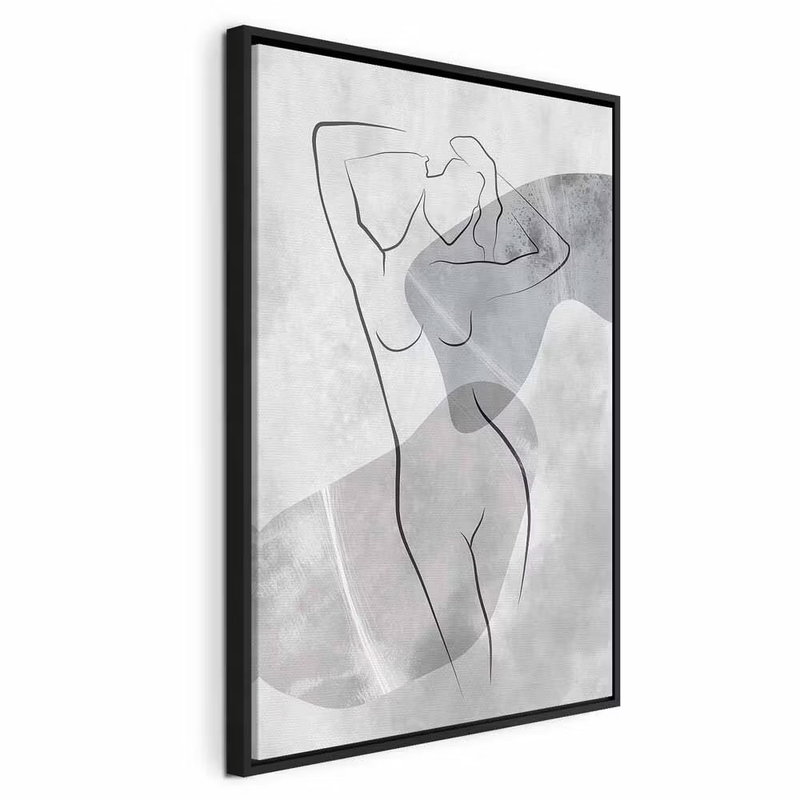
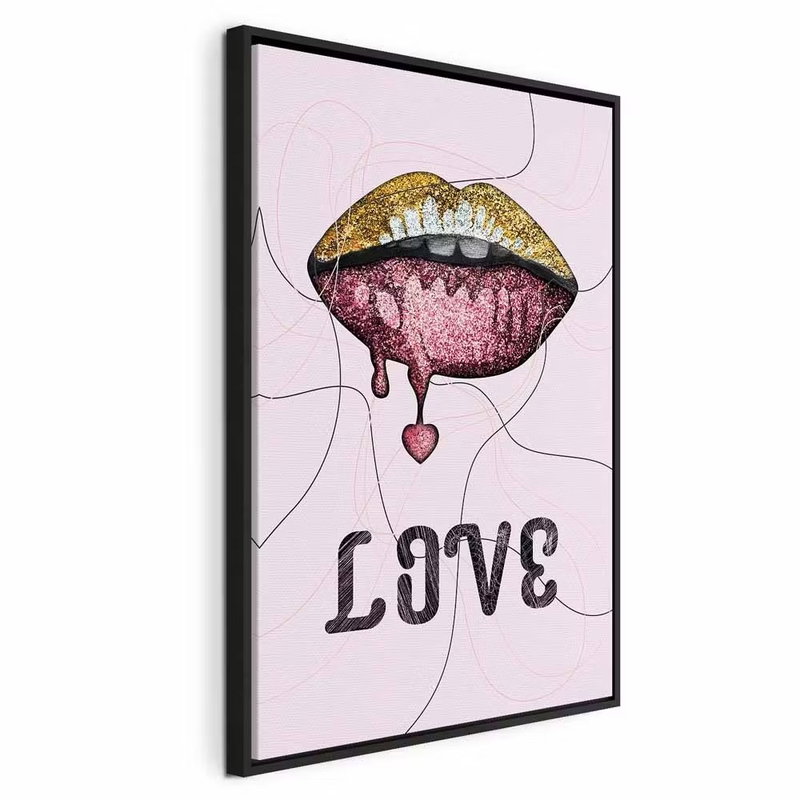
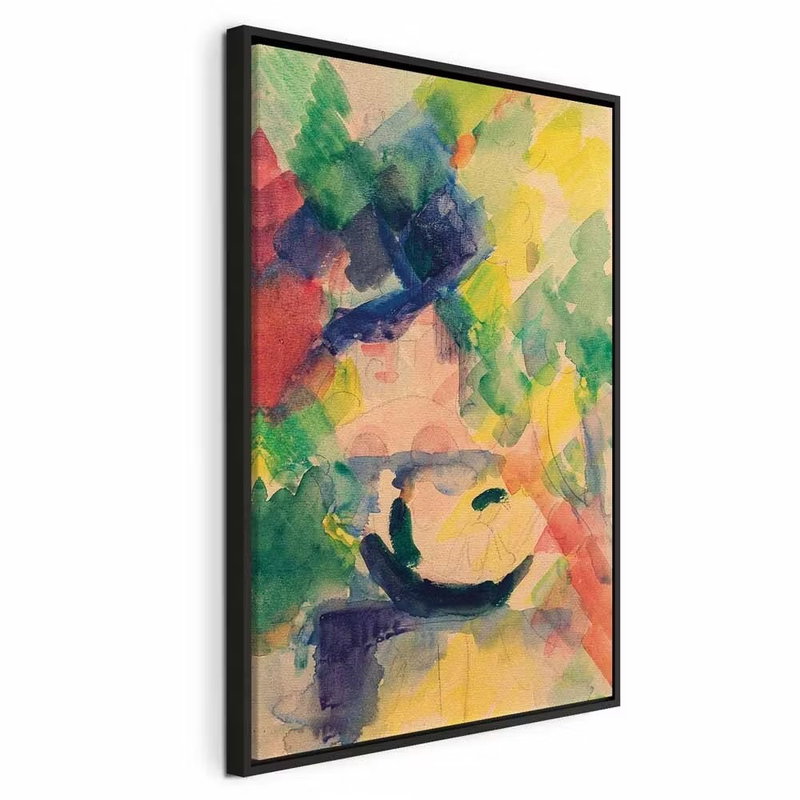
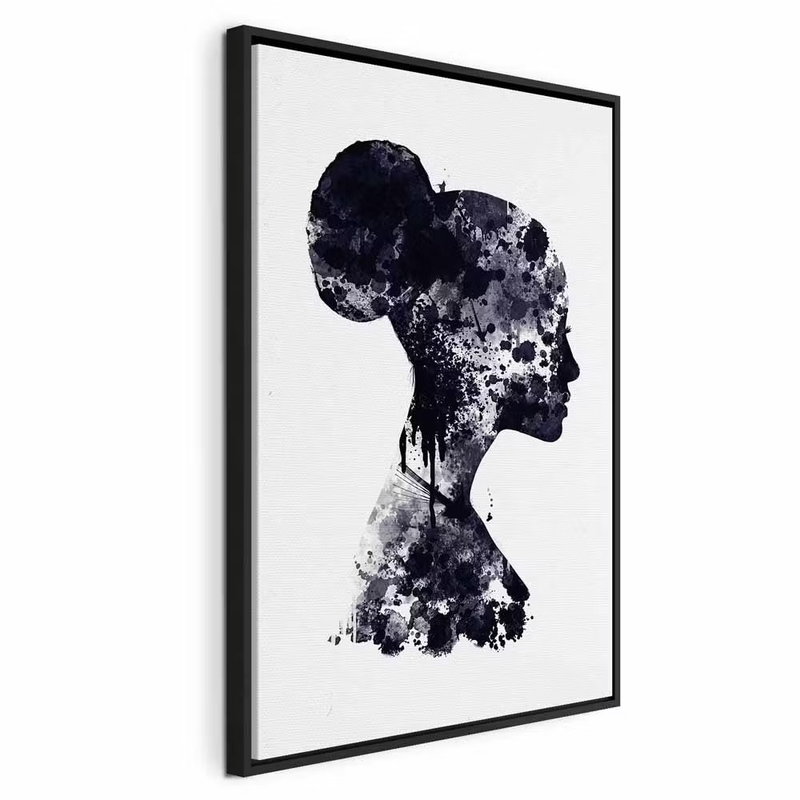
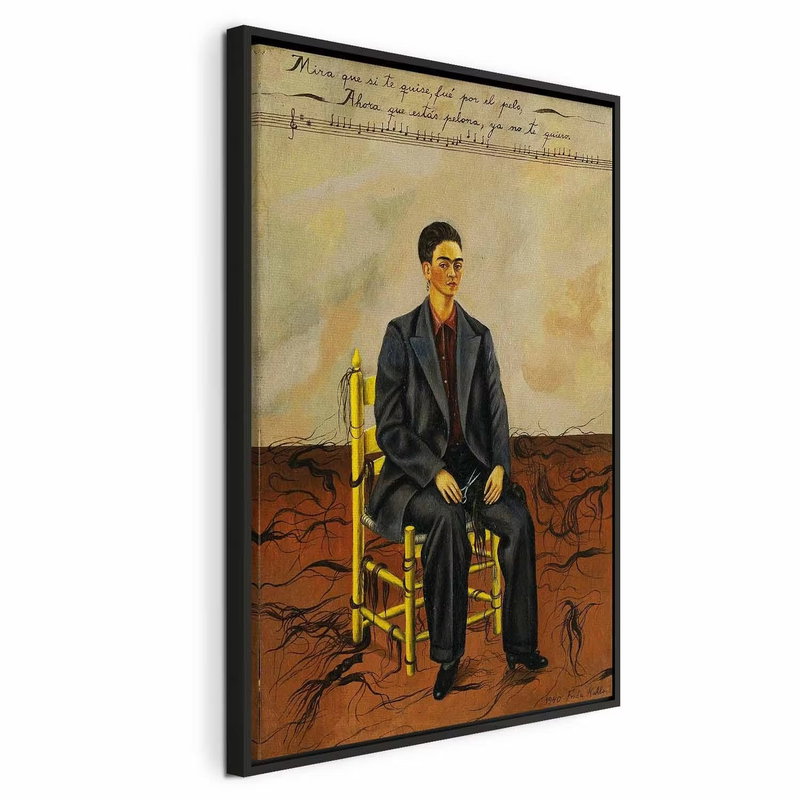
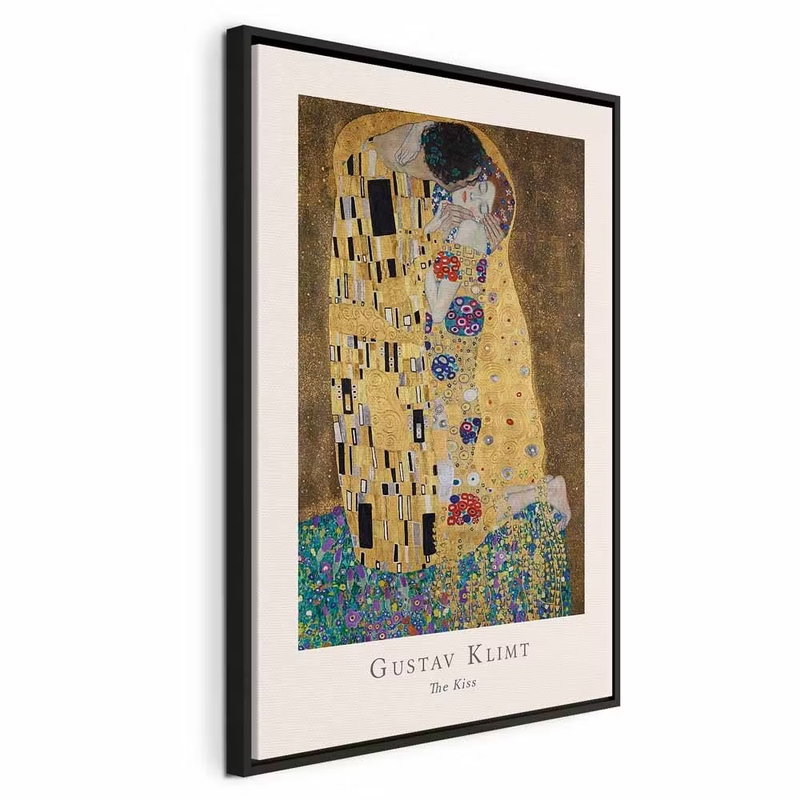
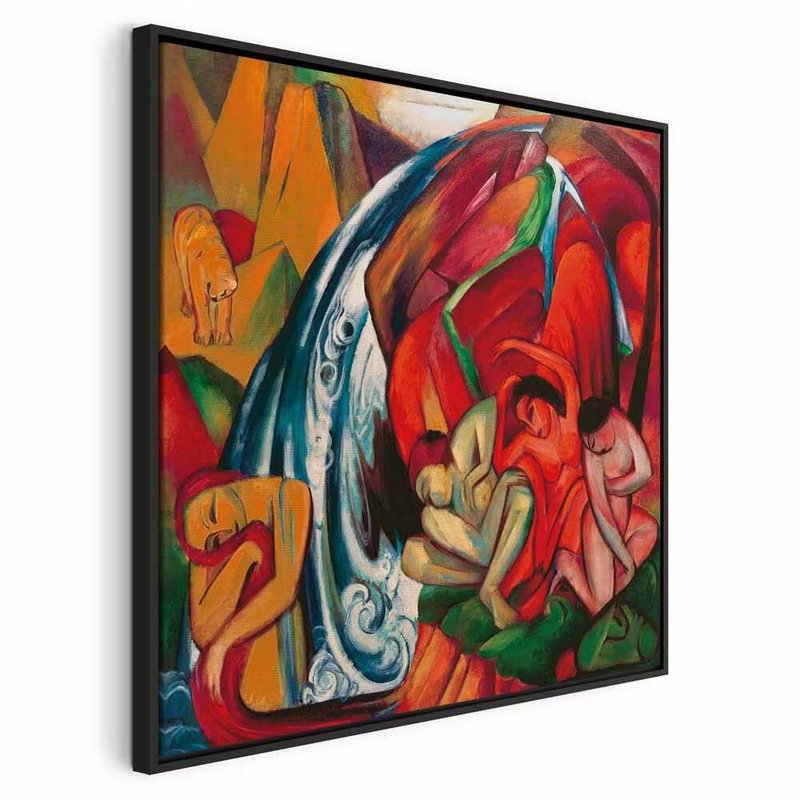
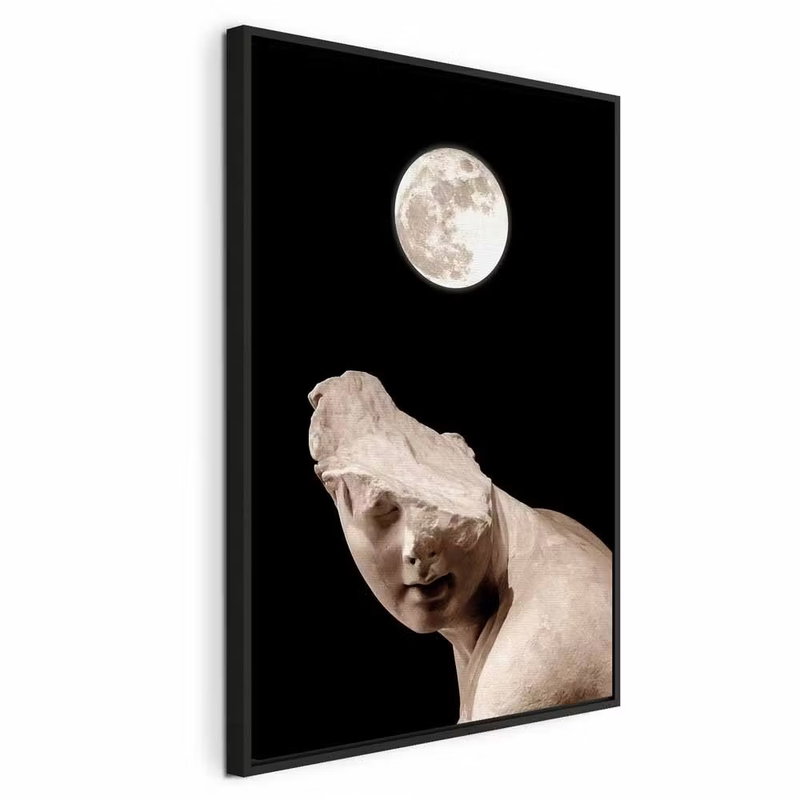
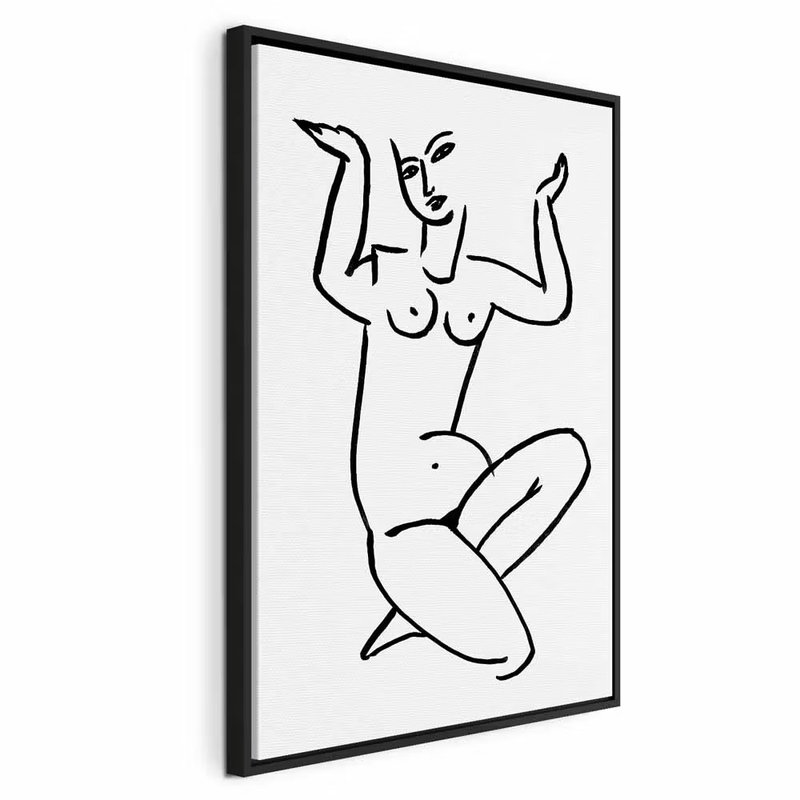
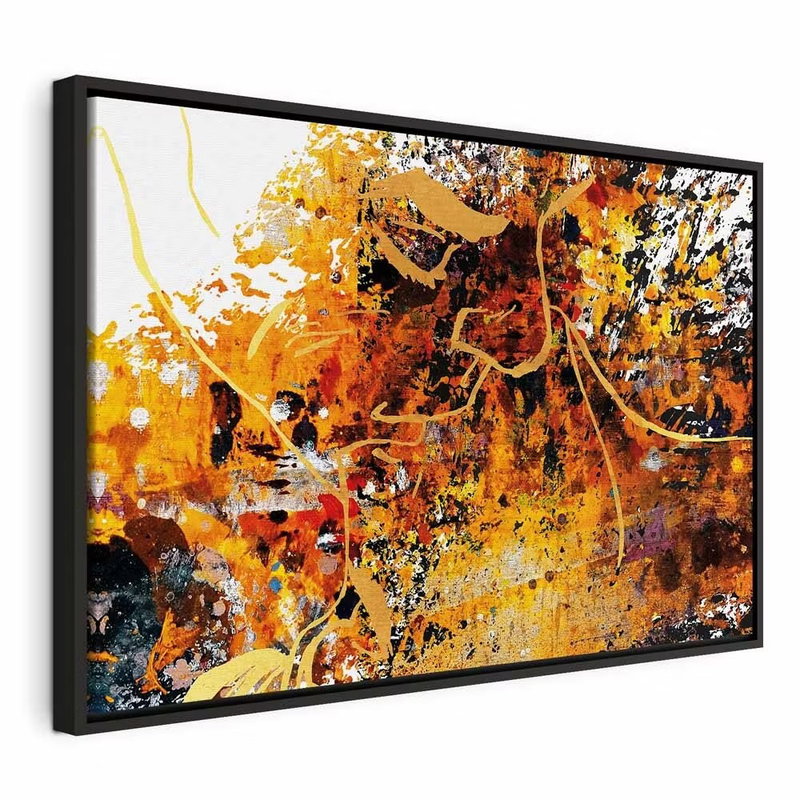
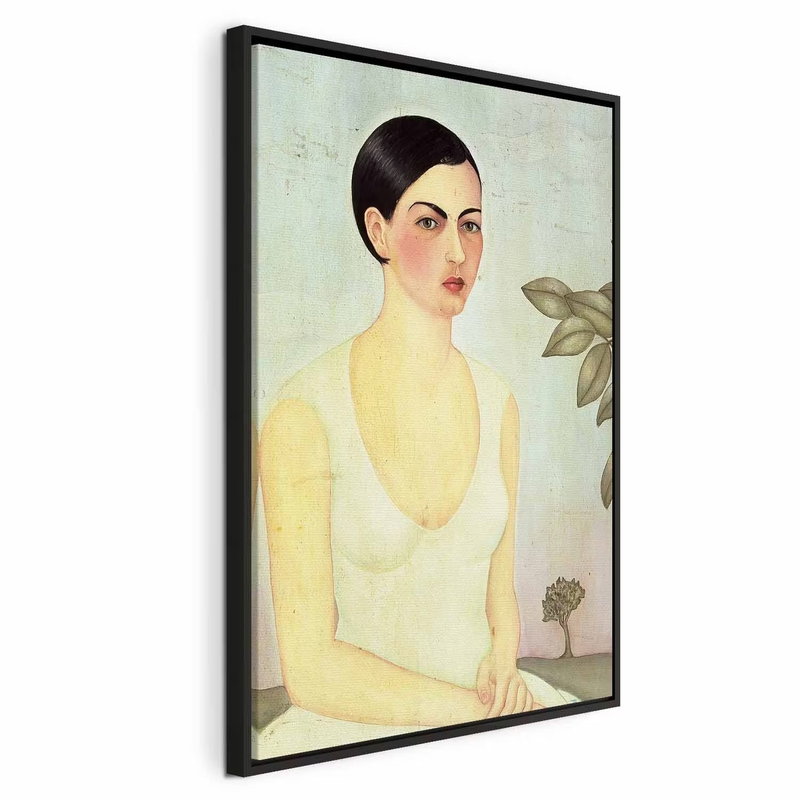
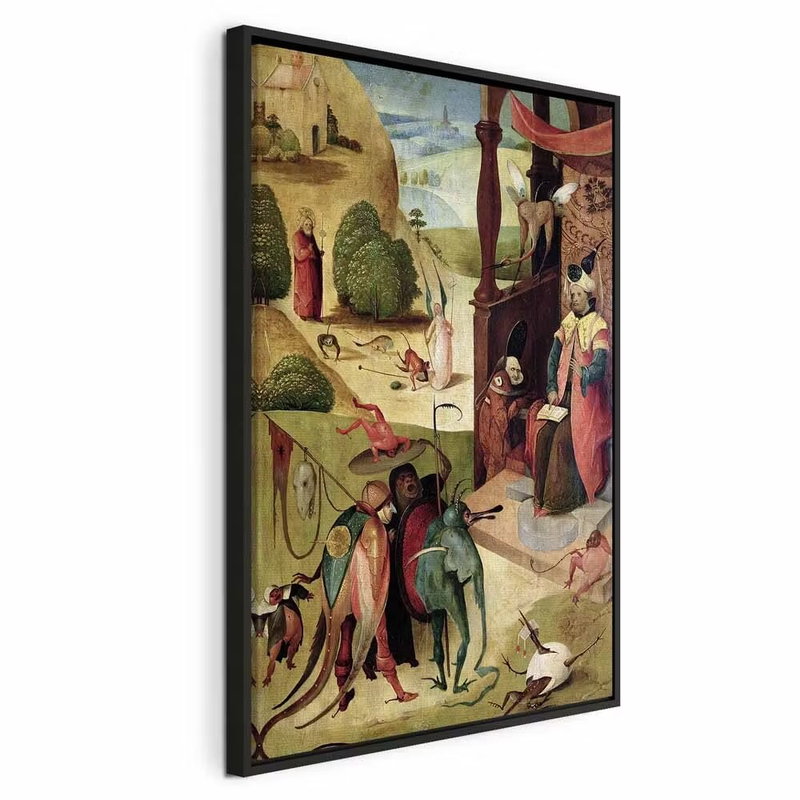
Images of people need not be traditional portraits. The checked subjects include loose lines suggesting a figure and a stylised tennis player in motion. You can choose recognisable figures or a simplified visual language carried by posture, colour and outlines.
Decide whether the picture should create a direct encounter with a face or make the person part of a wider composition. In shared seating spaces, assess it from several seats, as the figure’s direction and centre of gravity affect how it is perceived.
Gaze and movement in relation to the room
A figure turning sideways leads the eye differently from a centrally placed face. Look at open areas and how movement meets the edges. On the wall, these parts can relate to a doorway, furniture or the next picture.
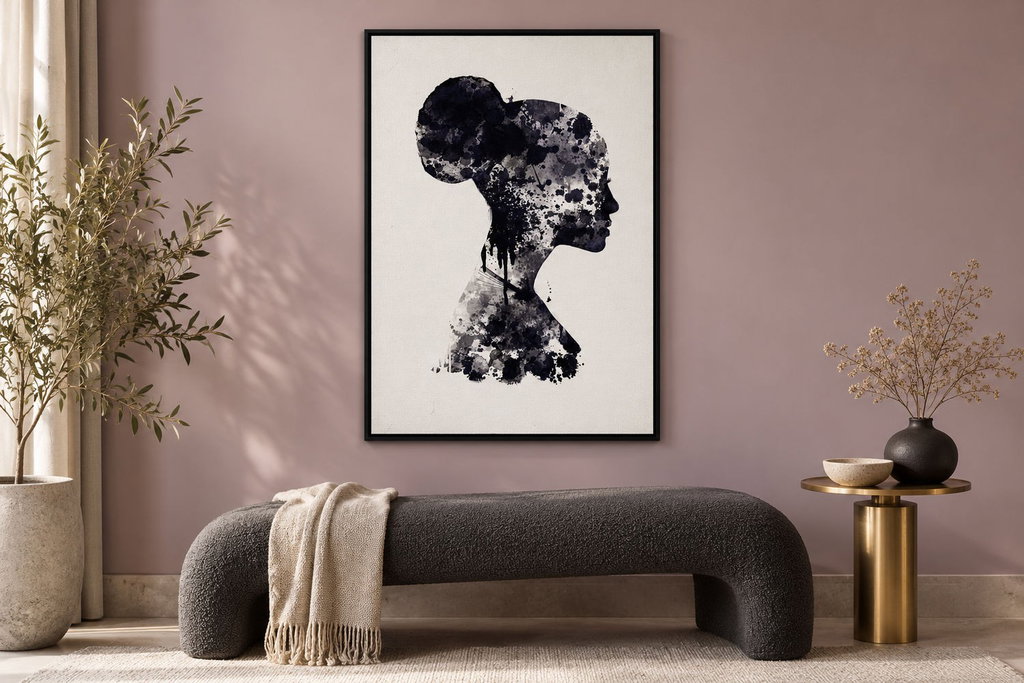
The visible frame gives the figure a boundary. Choose among the product’s options and compare them with its outlines. A defined edge can contain an airy drawing, while the frame colour also needs to suit the wall and the rest of the interior.
Scale and detail in a personal choice of image
A face feels different depending on how large it is reproduced. Try the intended dimensions to scale on the wall and view the position from your usual seat. Fine lines visible in a close-up may not have the same significance farther away.
If combining figure images, a shared palette or similar frames can connect the group. Still give each composition room so that different gazes and movements do not compete unnecessarily. Check formats, sizes and hanging details on each product page before deciding the final arrangement.
Decorative presence and absorbing construction
The image’s personality is a visual choice; the sound-absorbing material sits behind the print. The construction can help reduce reverberation. Assess the overall change against the room’s other surfaces, furnishings and amount of absorption.
The picture does not provide sound insulation between rooms. Follow the model’s mounting and care information, considering both the subject’s presence and the practical position. A human figure can then have a clear interior role without overstating its acoustic contribution.
Compare line drawings with larger areas of colour
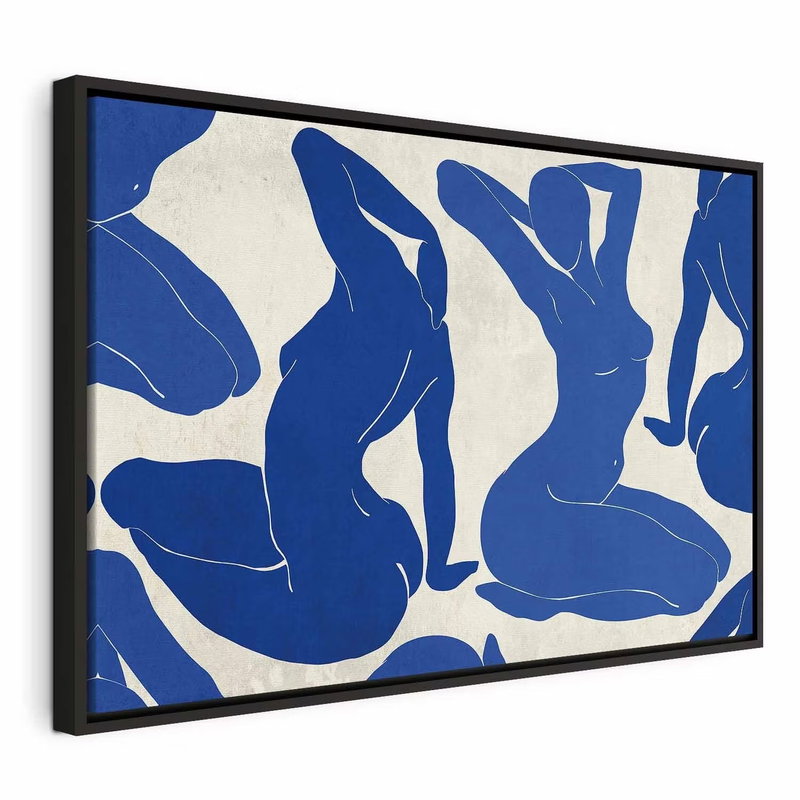
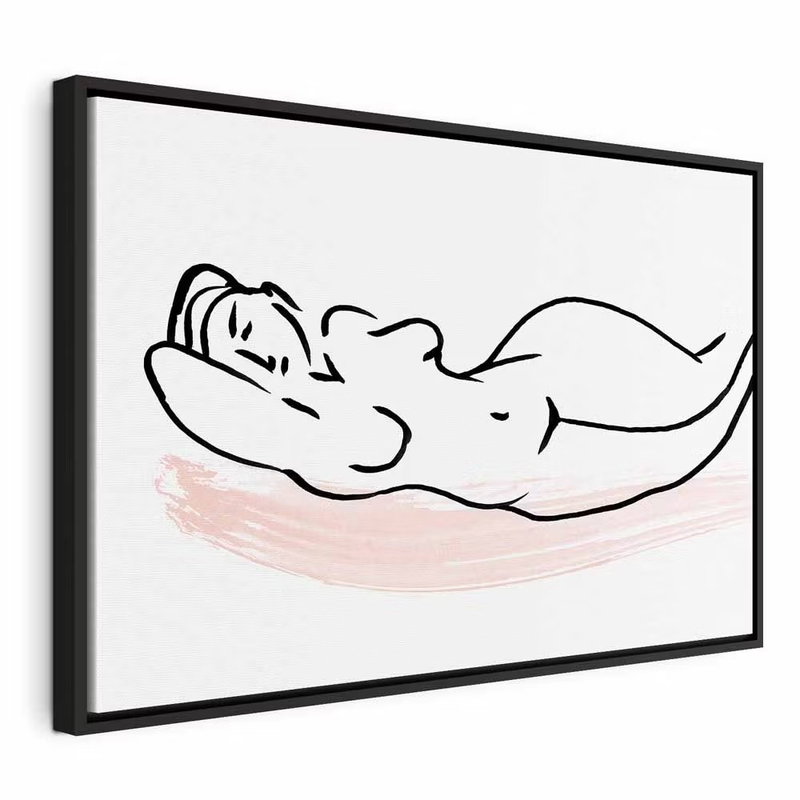
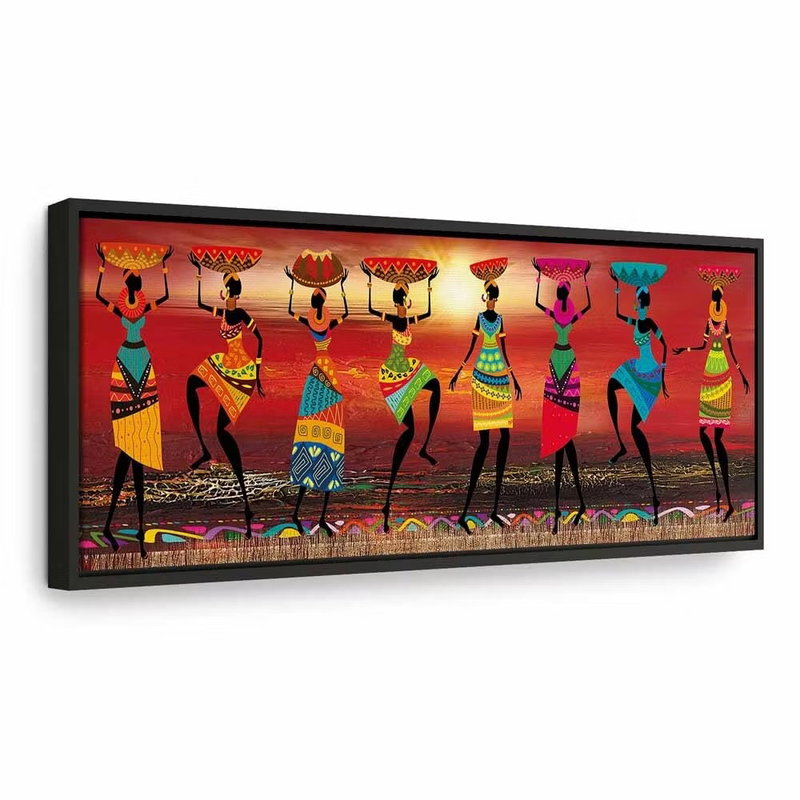
A figure suggested by just a few lines leaves much to the viewer, while larger areas of colour can make posture and movement clearer. Look at how the selected images work with these differences. A small line may be crucial to the gesture without being equally visible throughout the room. A simplified coloured shape may instead read as a whole from farther away.
Also compare what happens around the figure. An almost empty background offers different visual space from a denser scene. Refer to the actual product image so that the real composition, rather than an imagined portrait style, guides the choice.
Give the background a role in the interior
The picture’s background may occupy more space than the human figure itself, so it matters to the room’s colour choices. See whether its tone recurs in the wall, a fabric or a piece of furniture. A distinct contrast can be intentional, but should be assessed alongside the frame’s outer edge and the clear wall around the picture.
Large open areas in an image do not need to be filled with more pictures or small decorations alongside it. Clear space can help the figure stand out. Try the group as a whole before deciding on the number of images, especially when different outlines or movements will share the same wall.
Choose the figure’s presence for a shared space
An image of a person can feel personal without depicting a particular individual. A gesture, activity or simplified posture may be what makes the image interesting. In a setting shared by several people, comparing both distinct figures and more suggested forms can help before choosing.
Consider whether the picture should be a talking point or a quieter part of the whole. This choice concerns the subject’s visual presence and should not be used as a promise about visitors’ feelings. Assess the picture’s size and acoustic contribution in practical terms through the product and the room.