



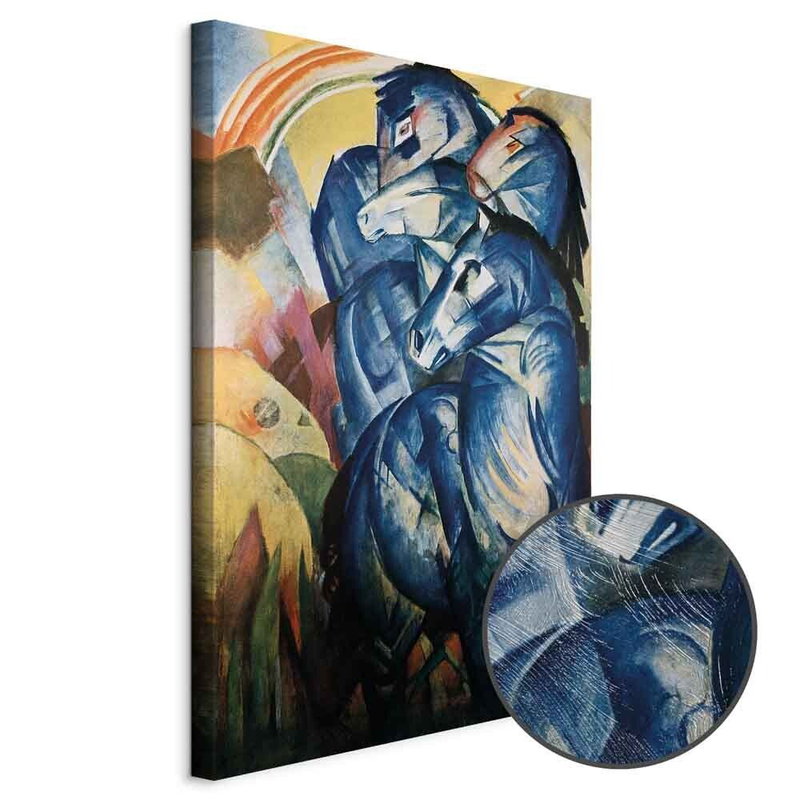
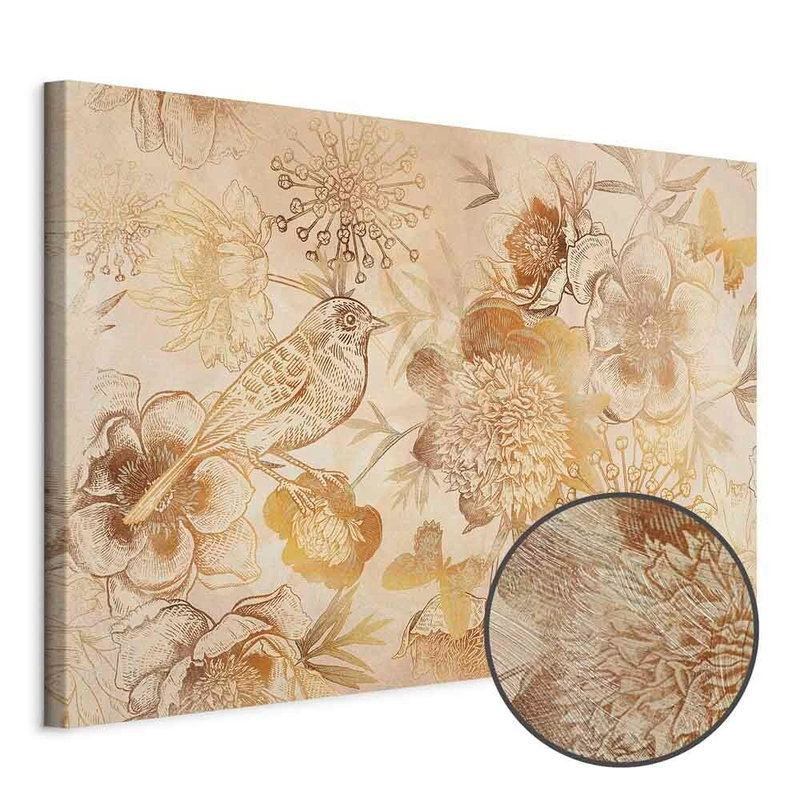
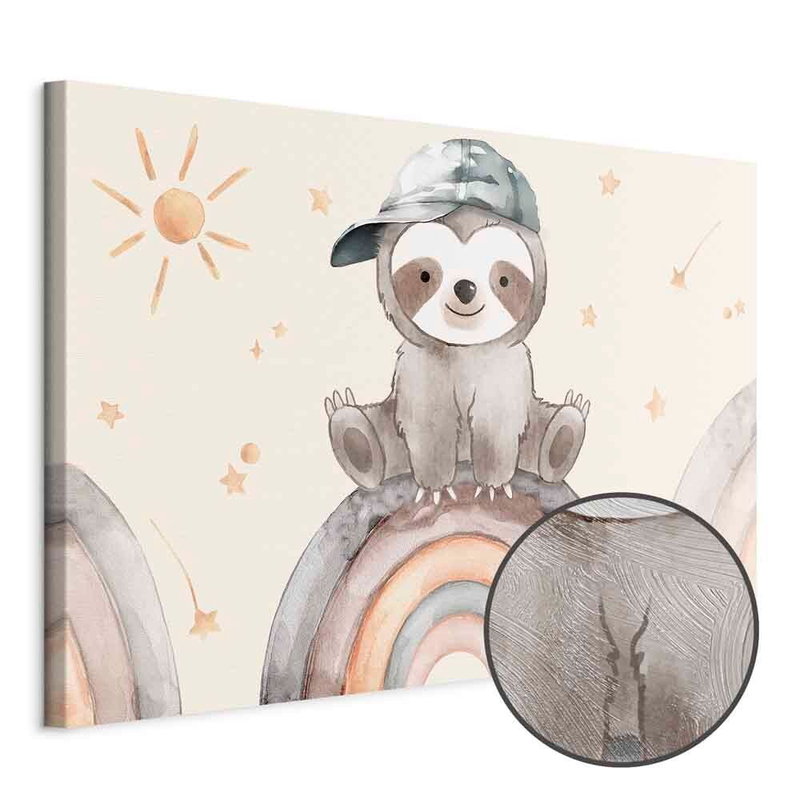
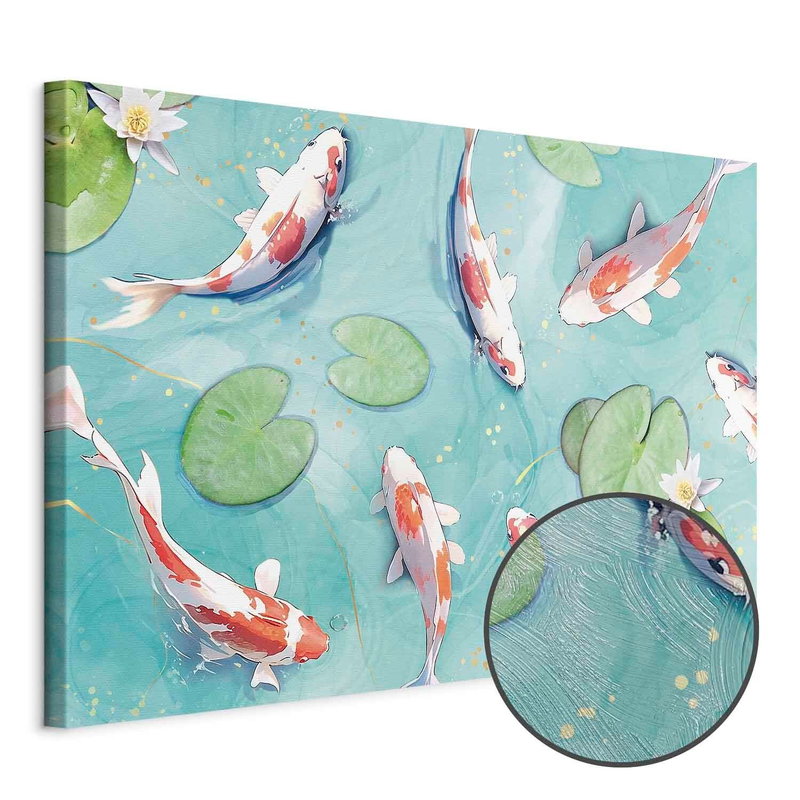
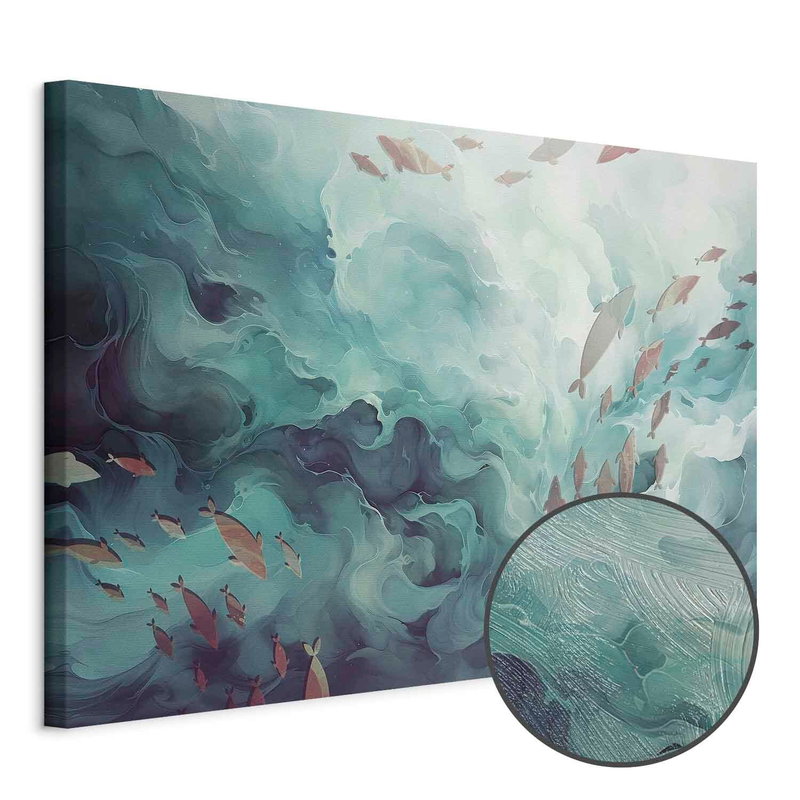
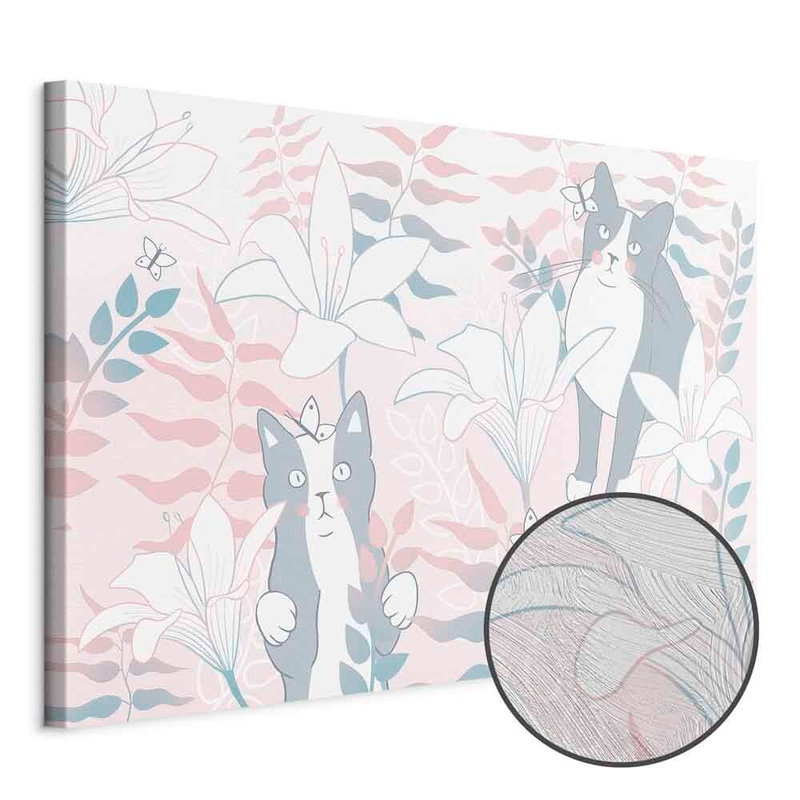
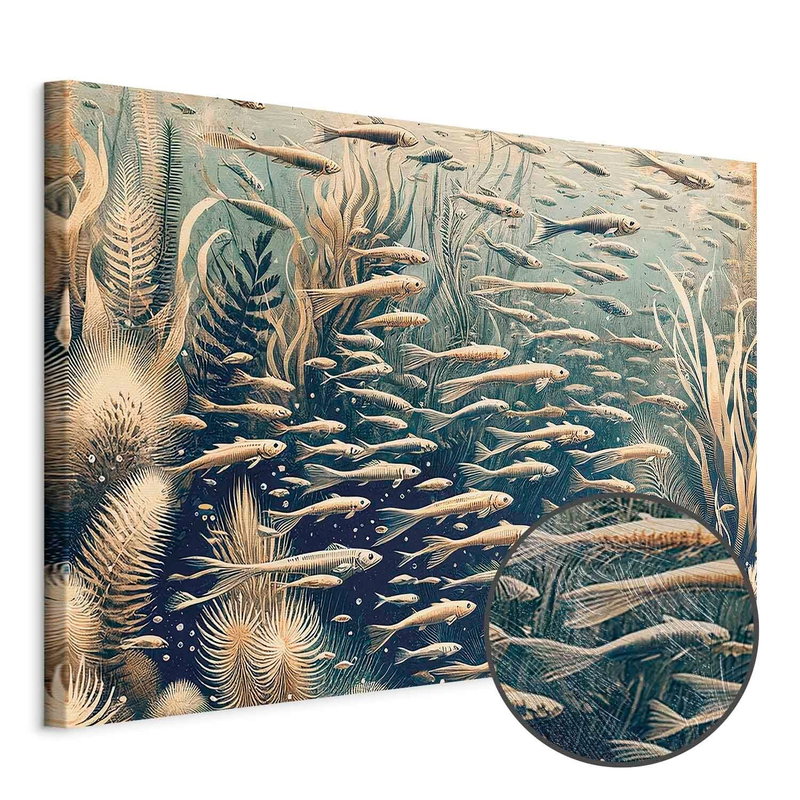
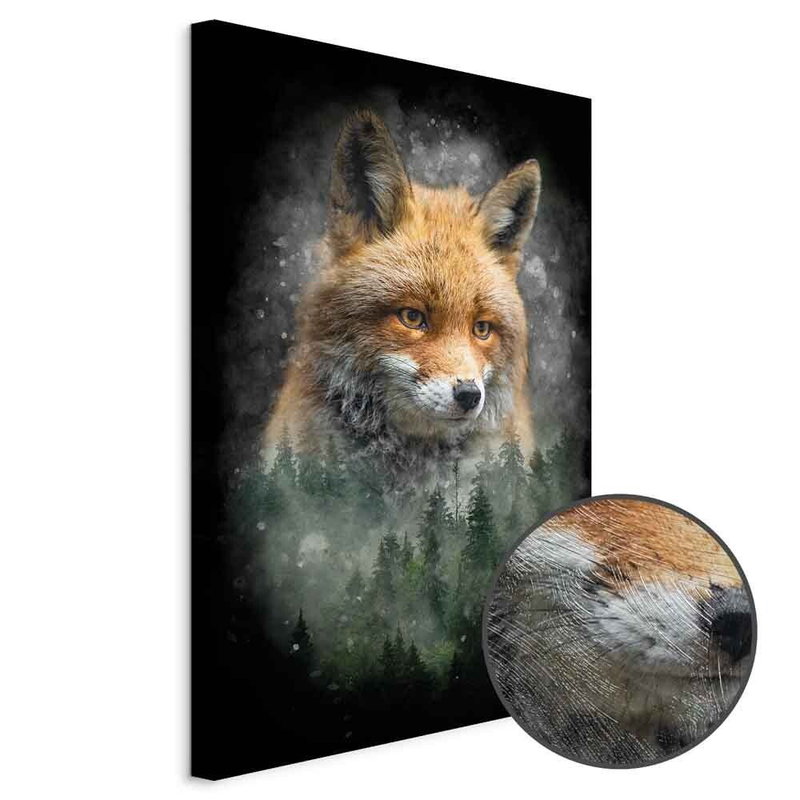
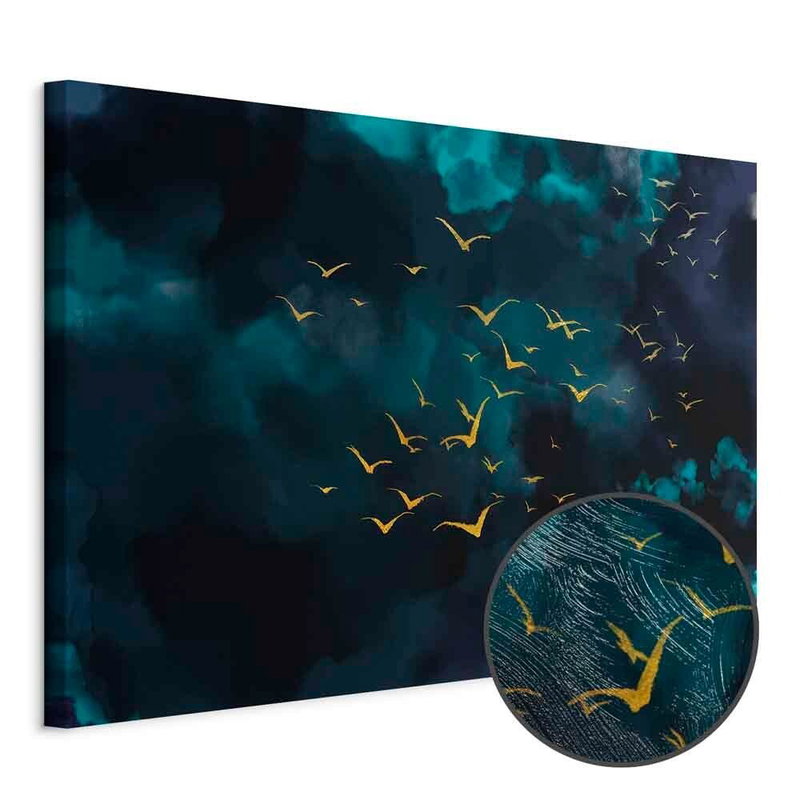
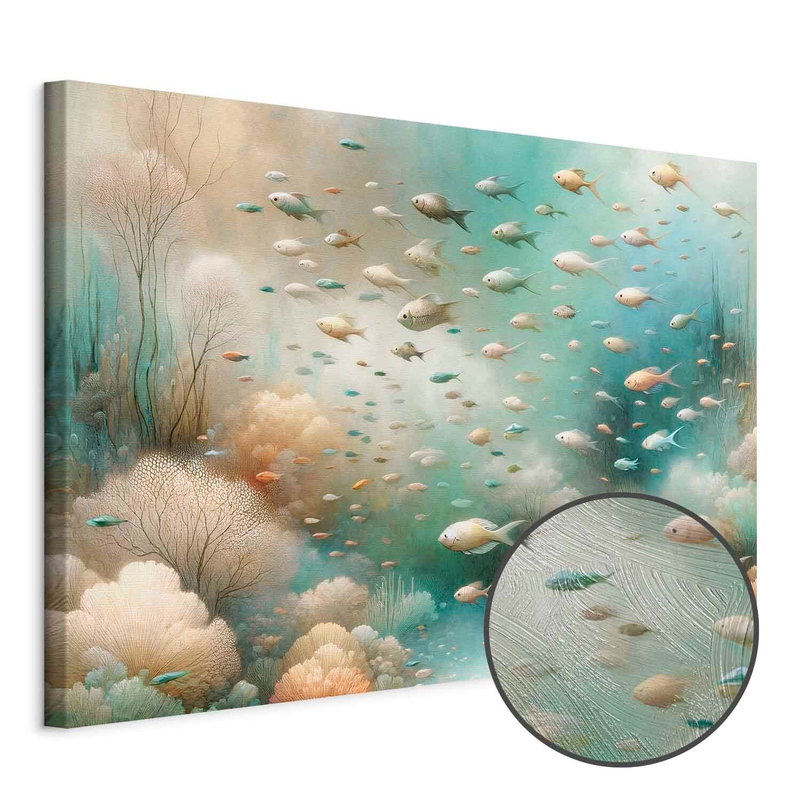
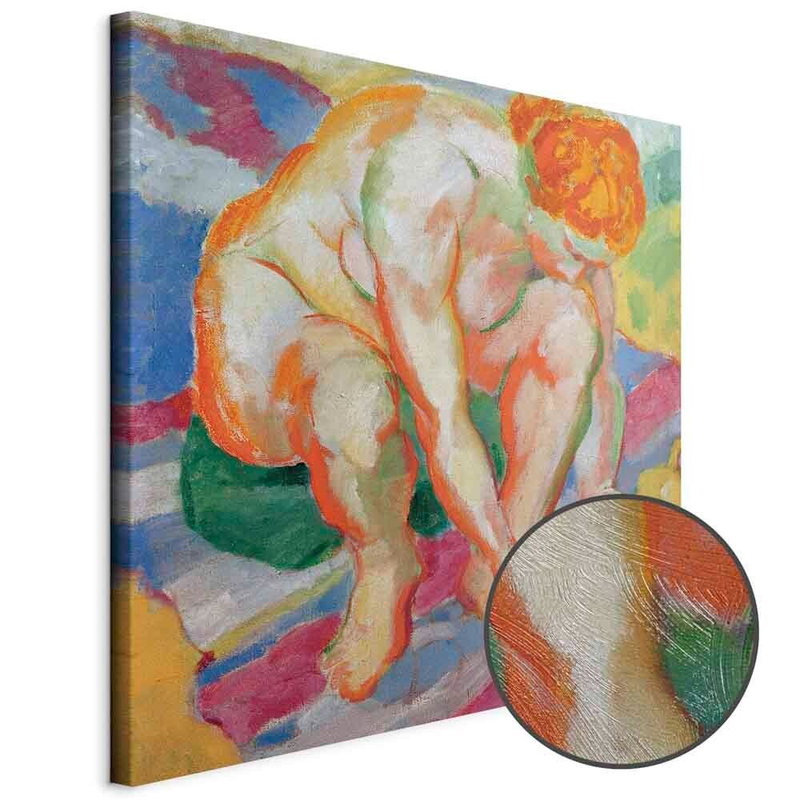
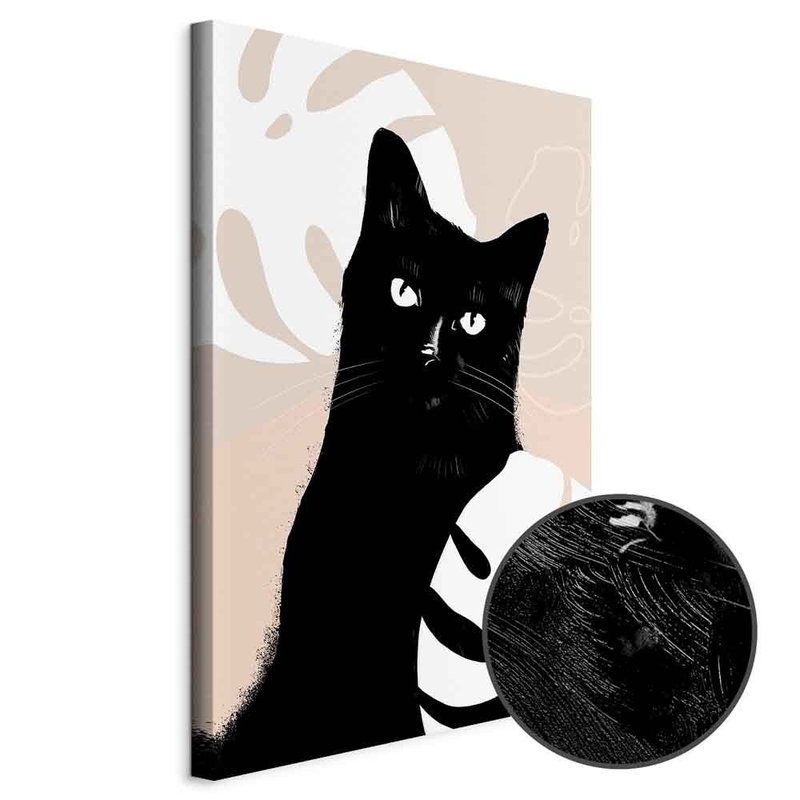
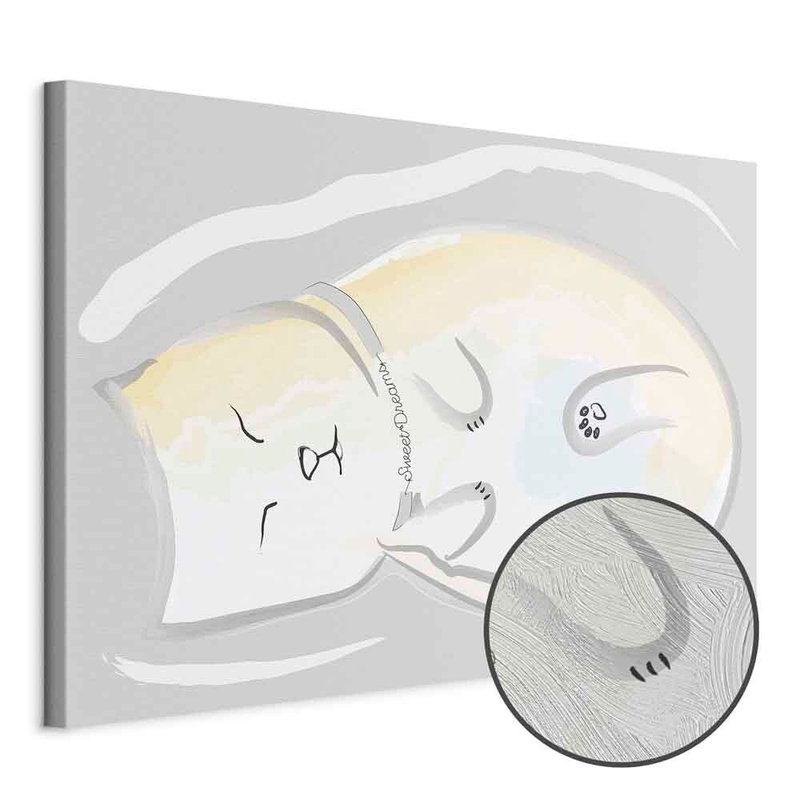
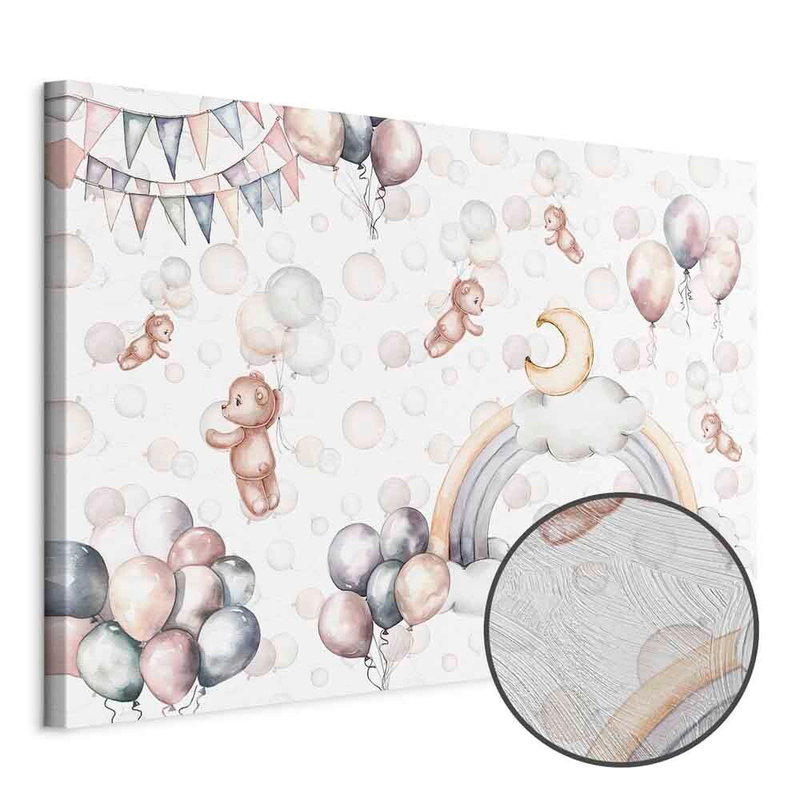
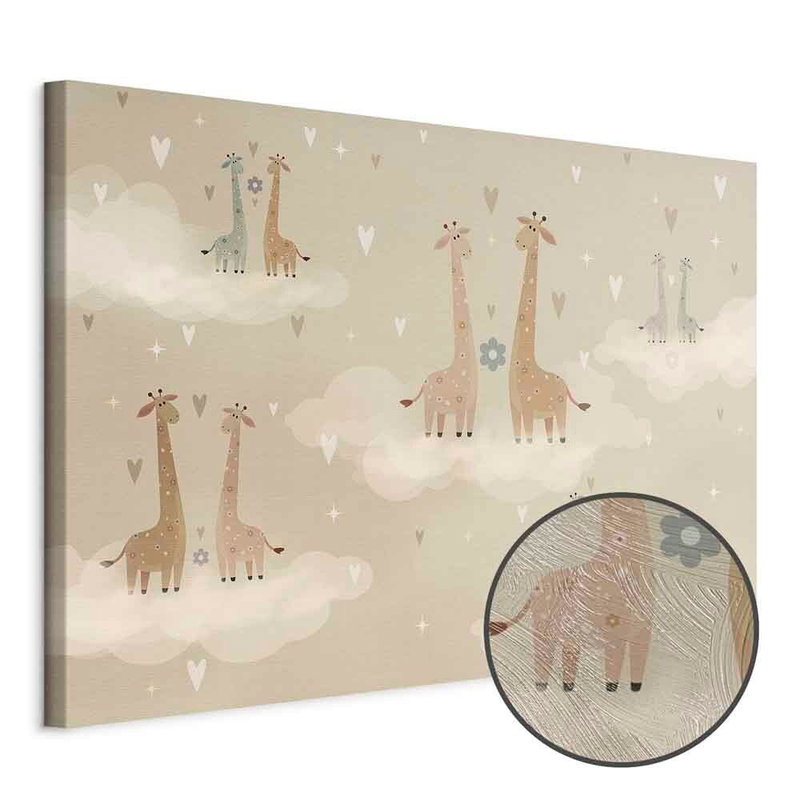
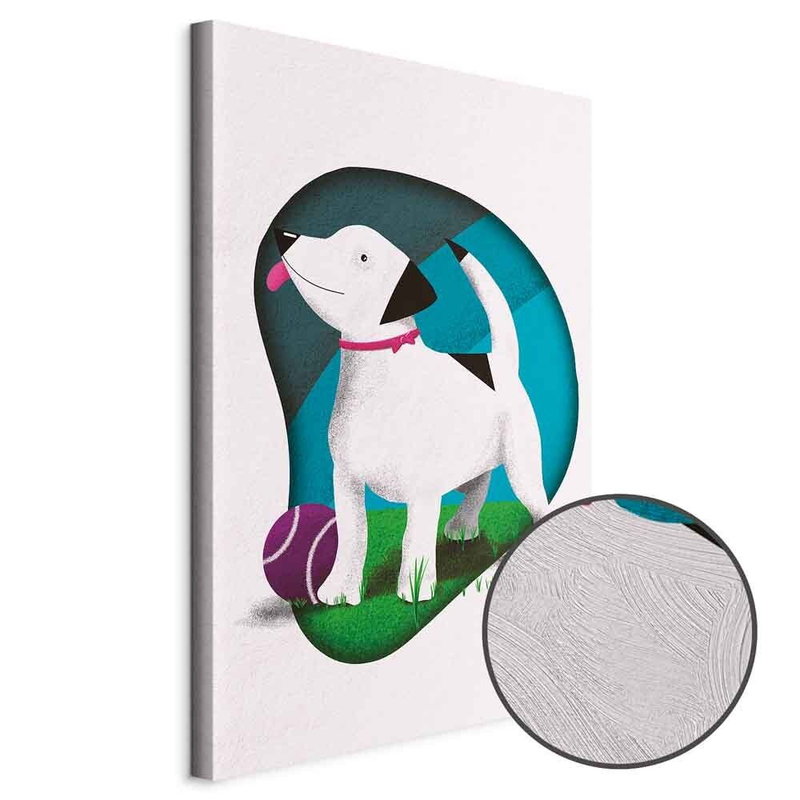

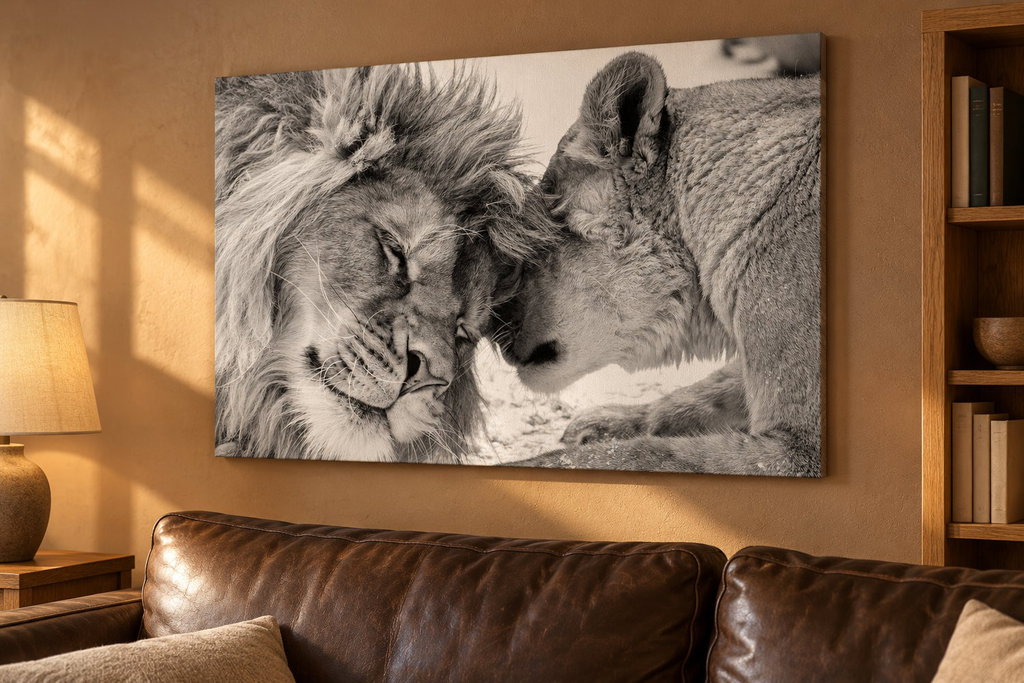
Animals as the main subject and part of a scene
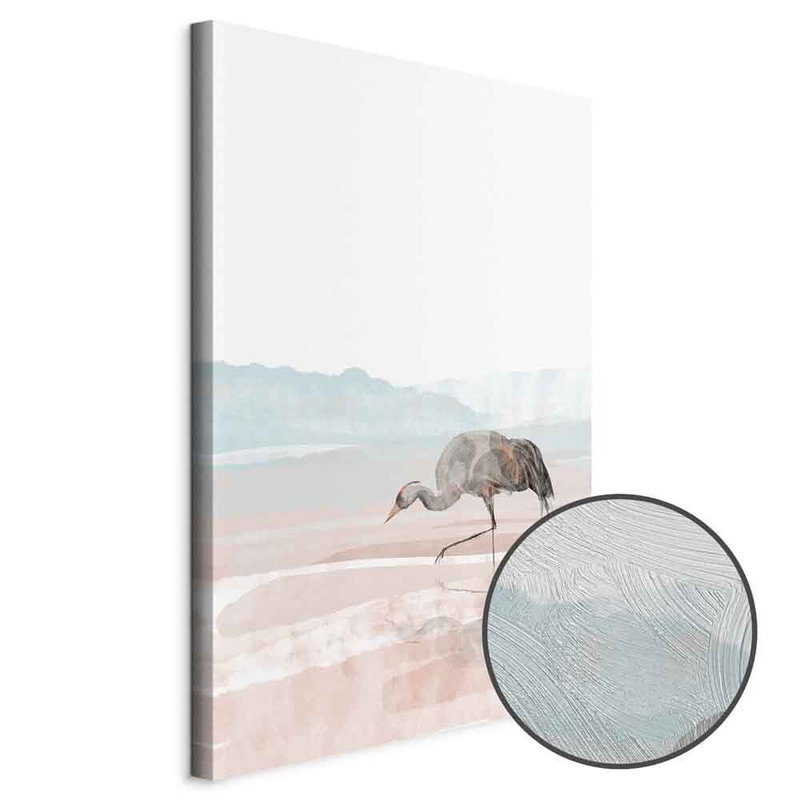
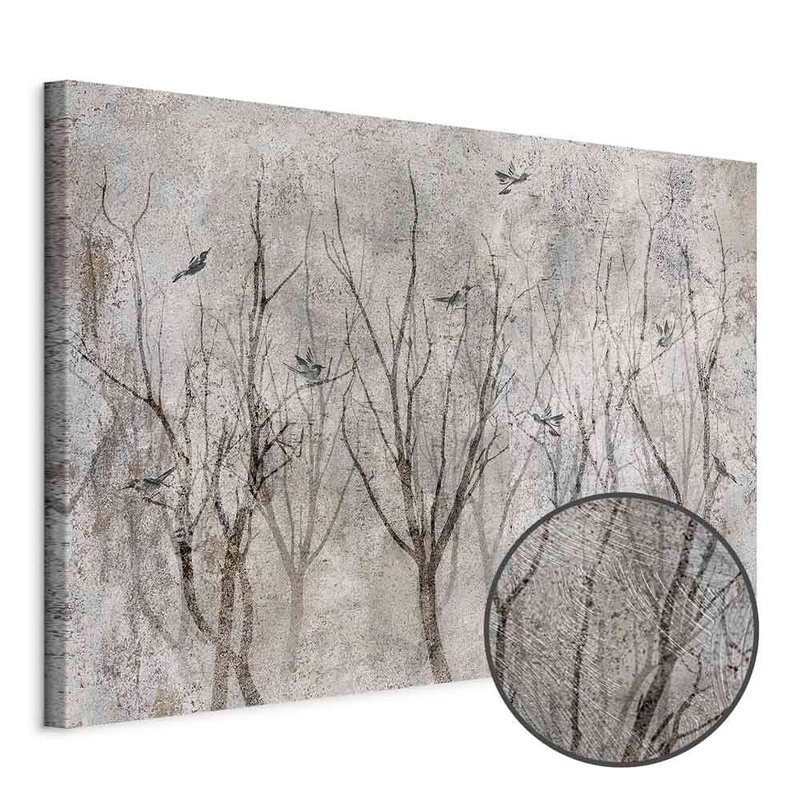
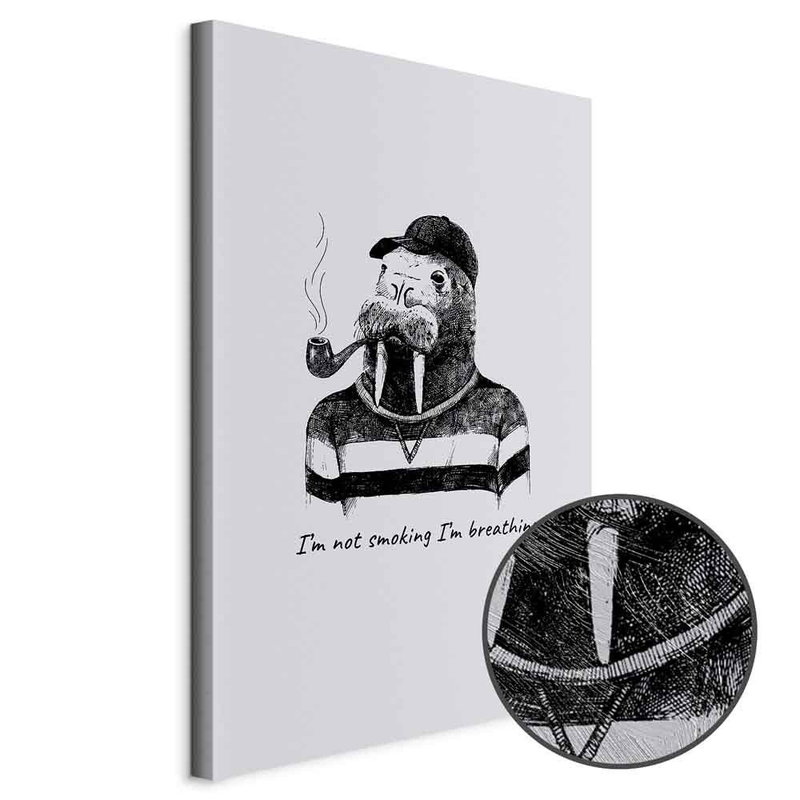
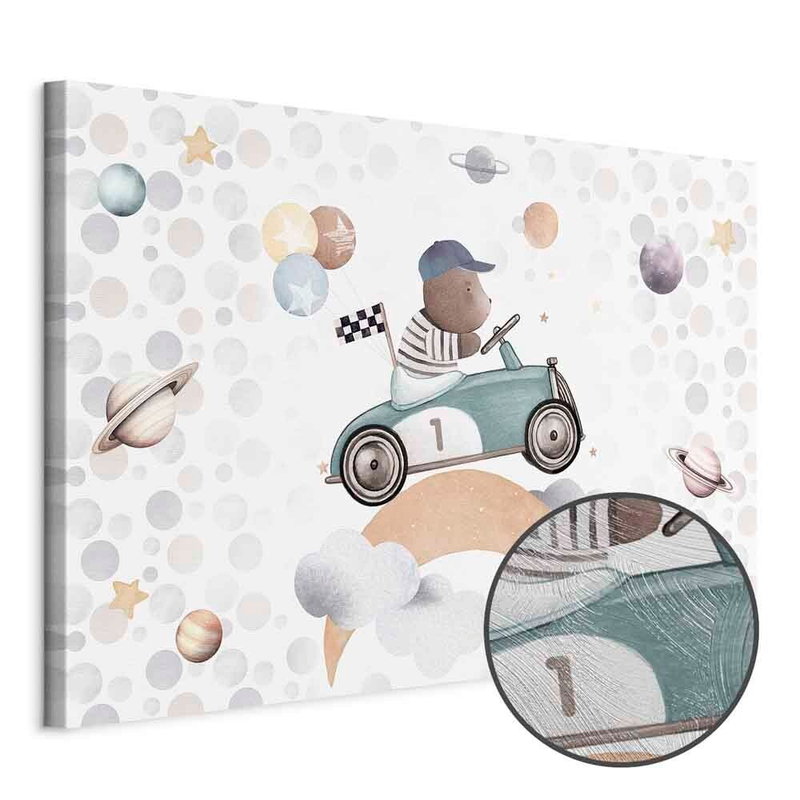
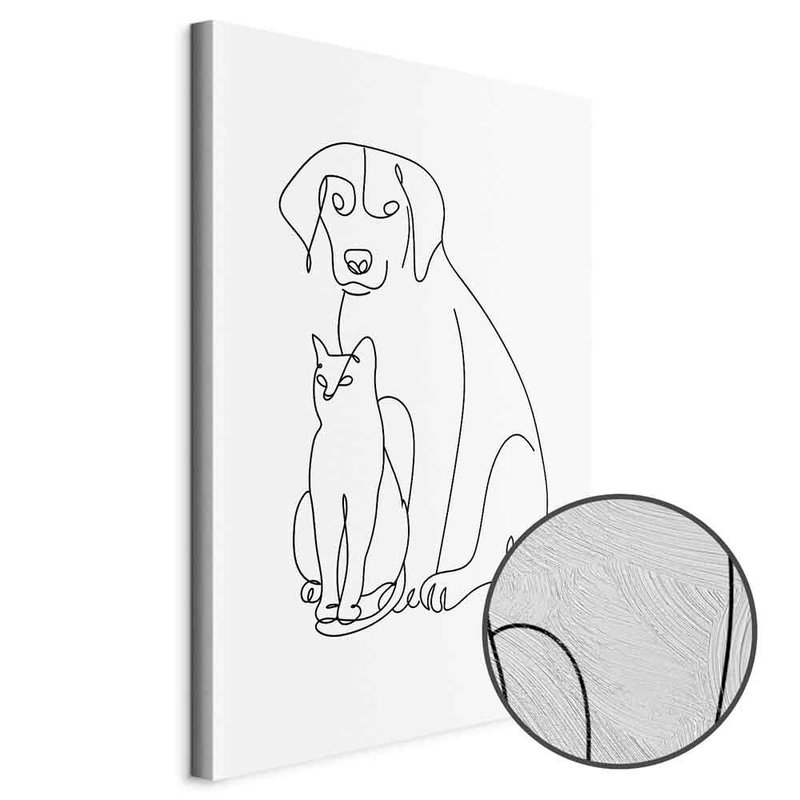
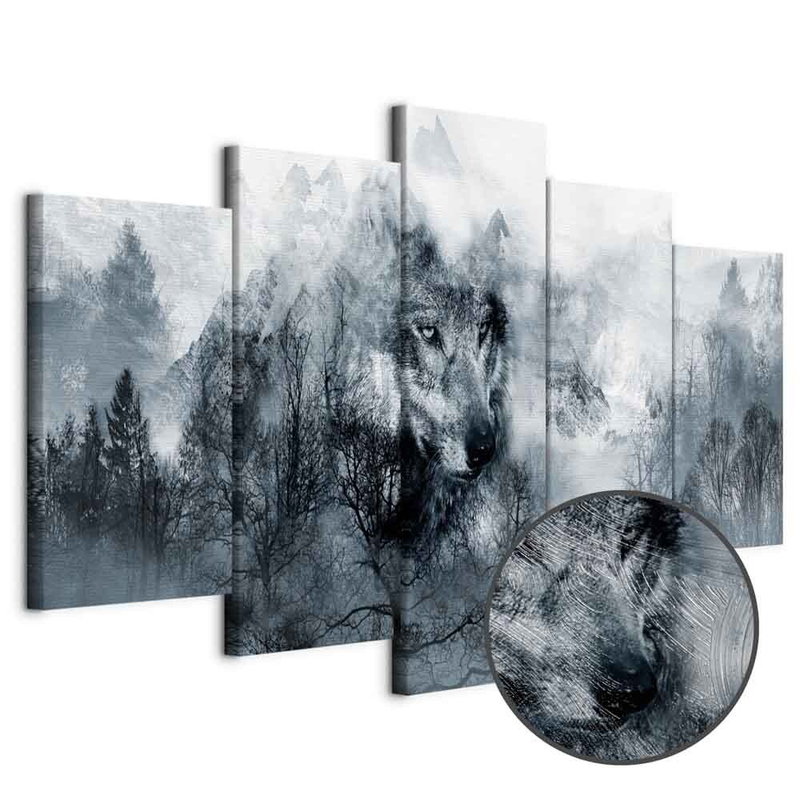
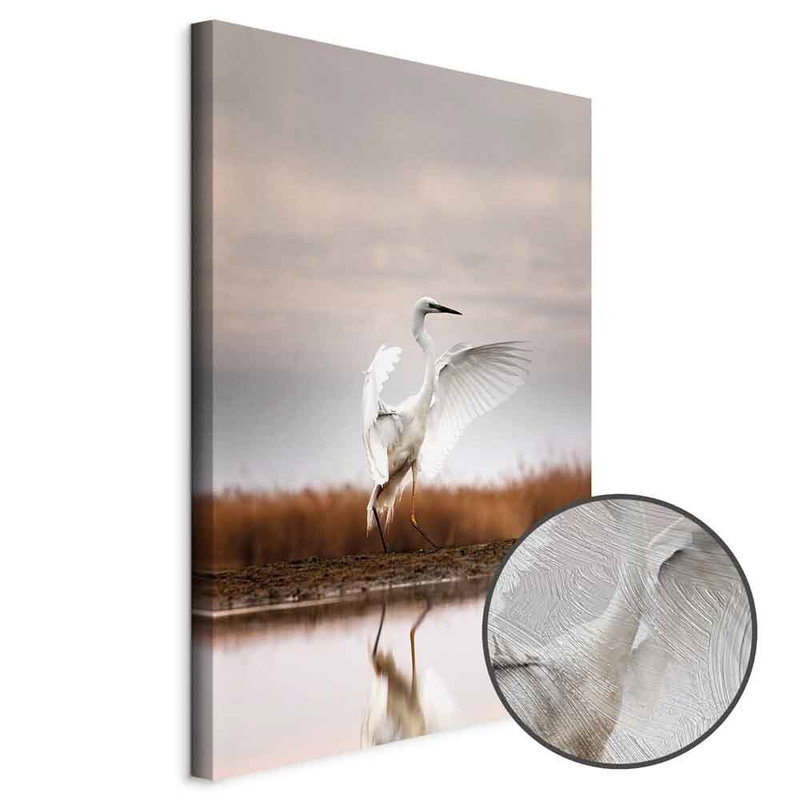
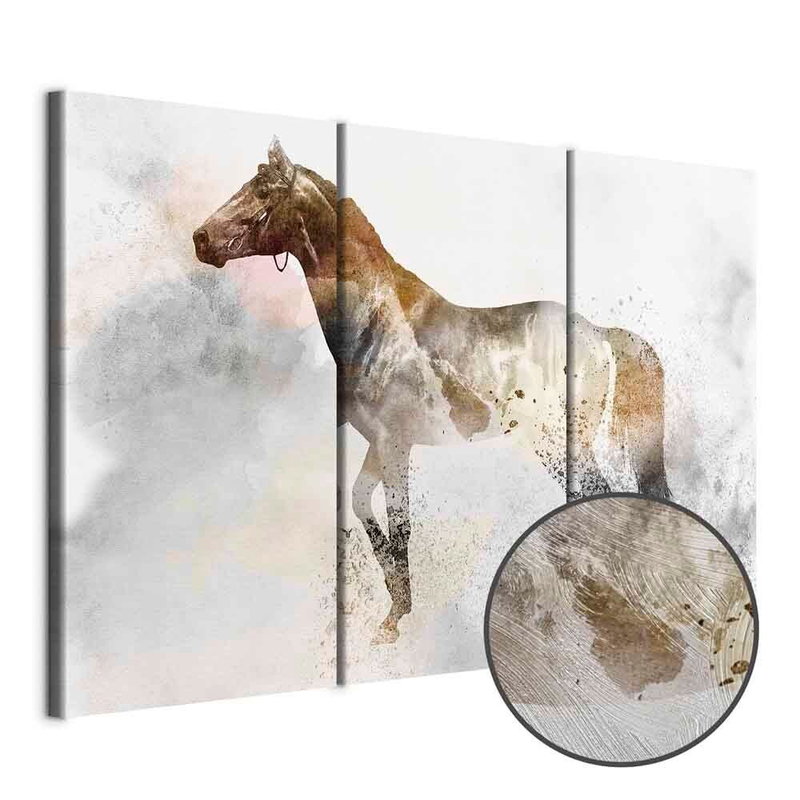
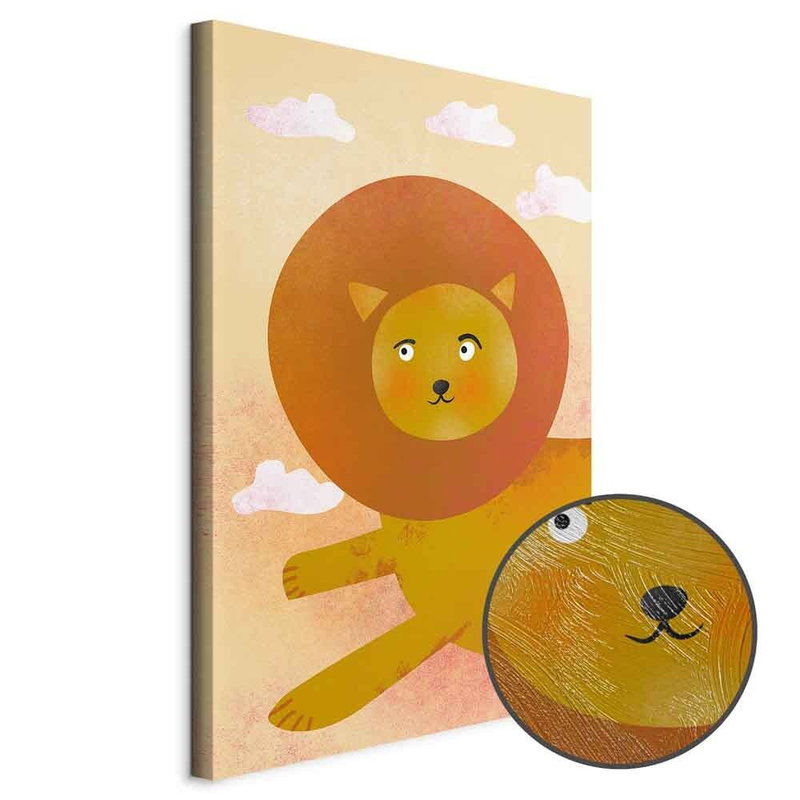
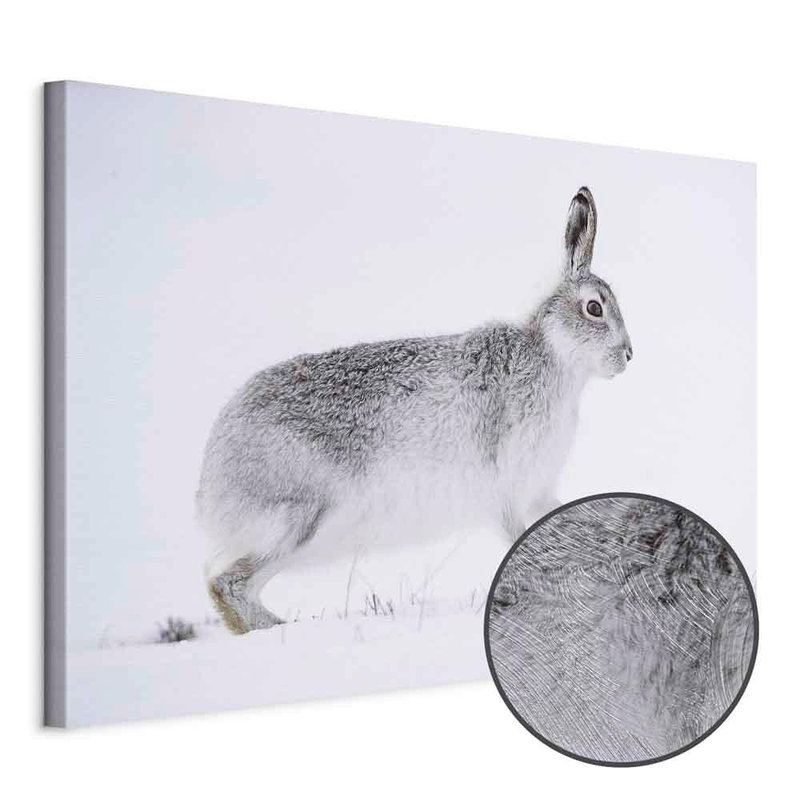
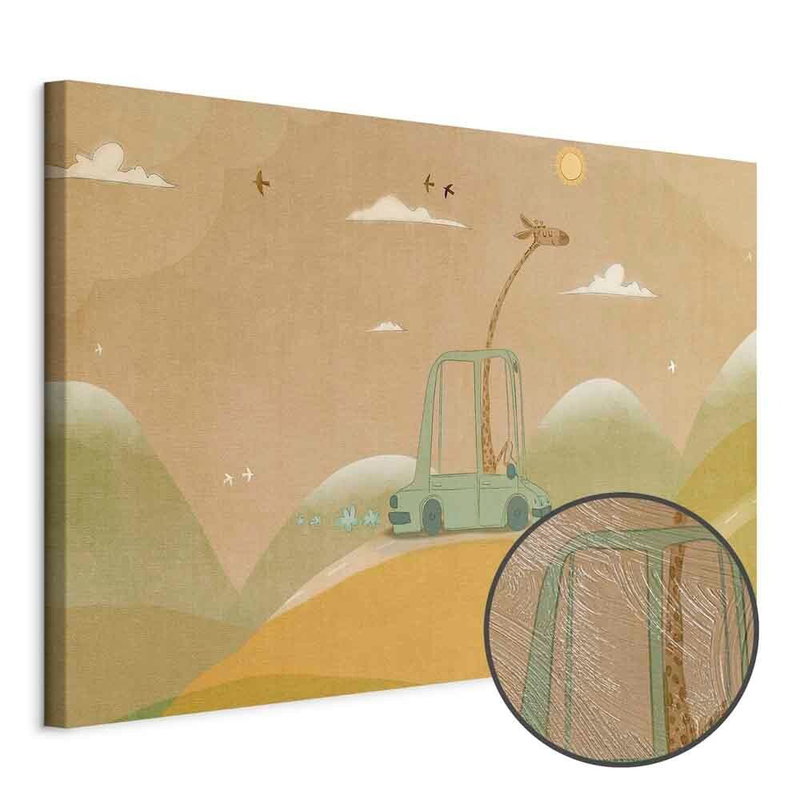
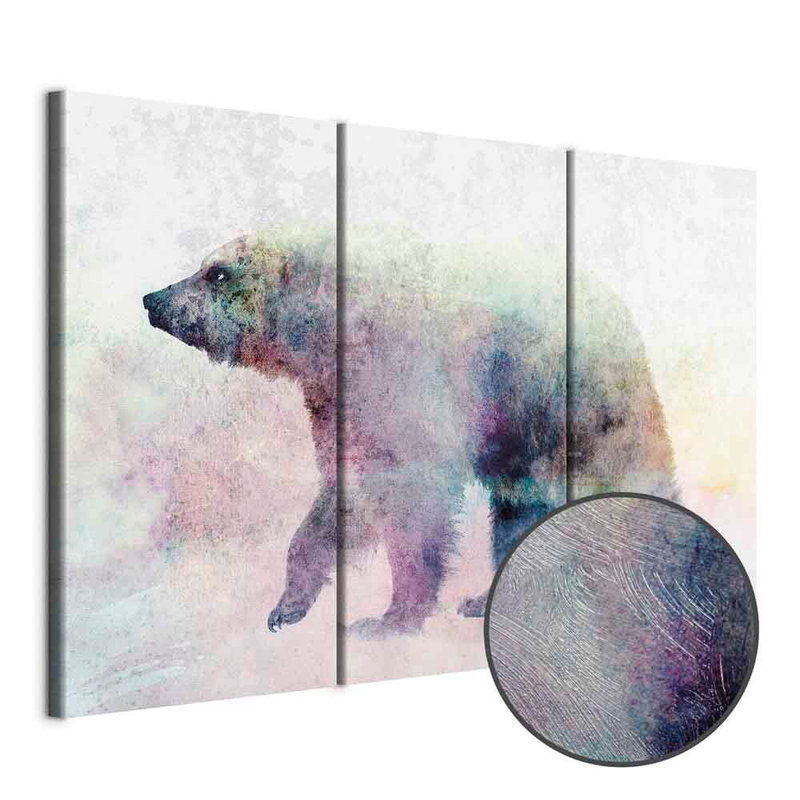
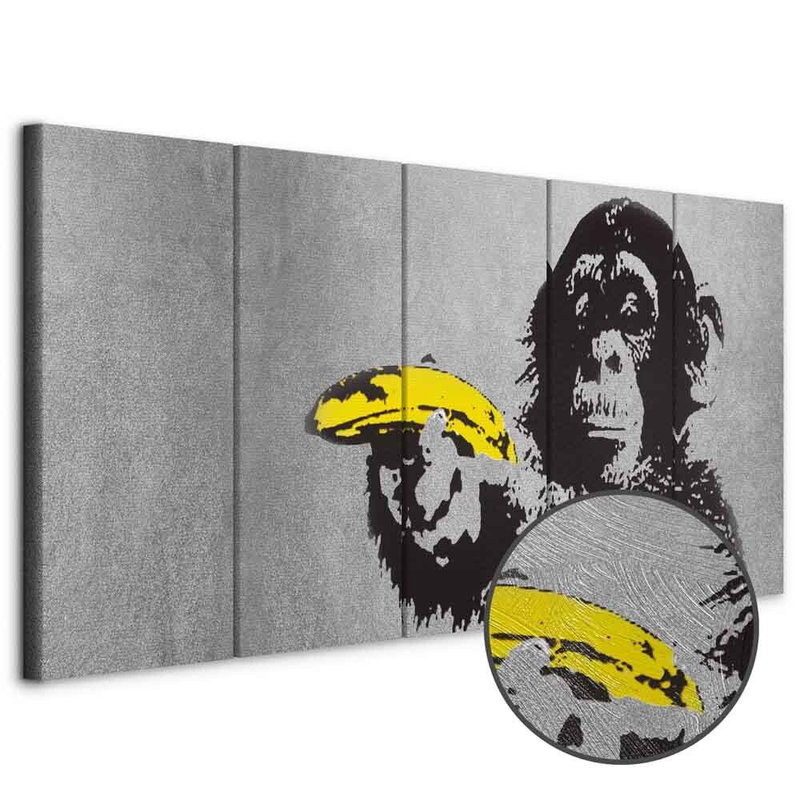
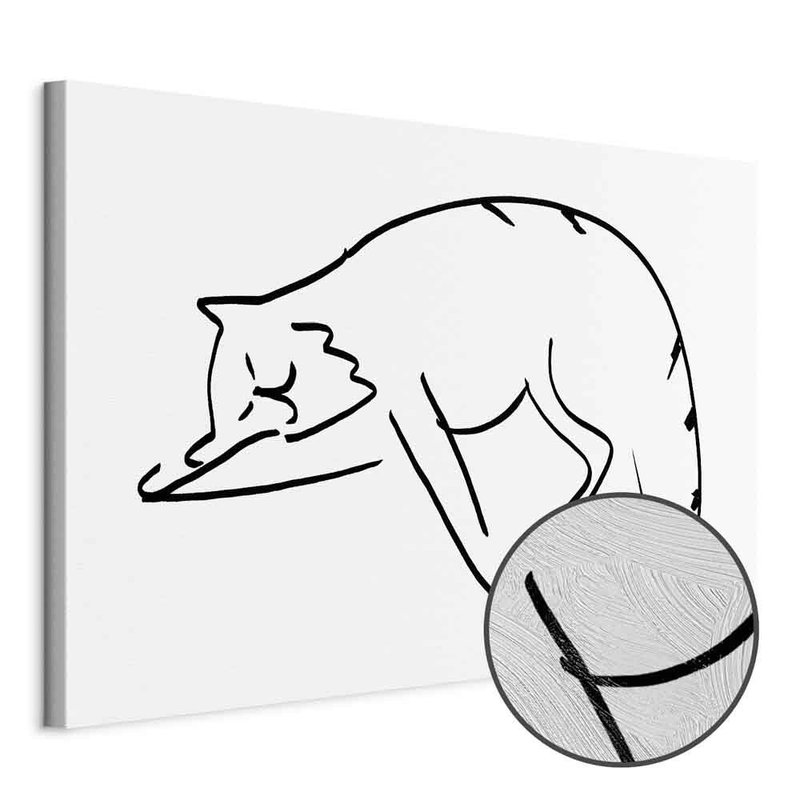
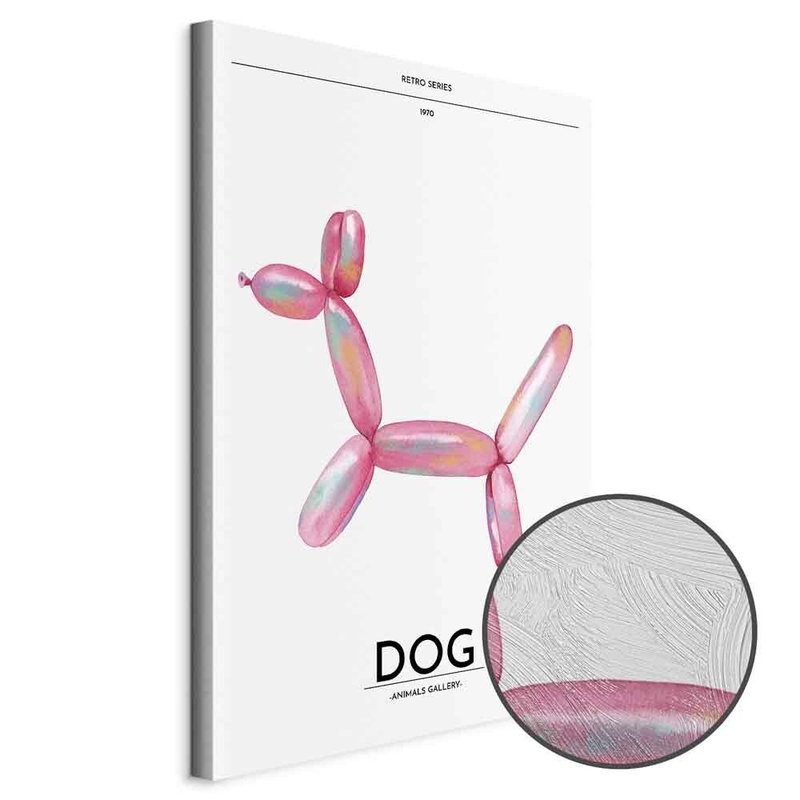
An animal portrait and a botanical composition with birds offer different ways to bring animals onto the wall. The reviewed premium selection also includes illustrated animals in a multi-panel picture group. Some motifs are playful, while others use more naturalistic forms or decorative silhouettes.
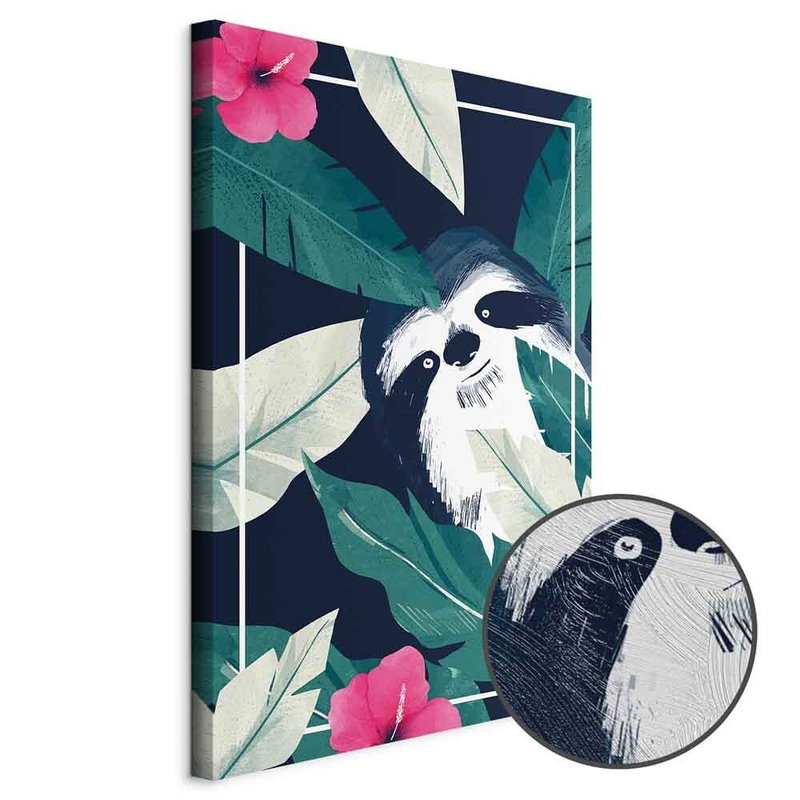
Notice which elements first catch your attention. A small bird in a dense floral pattern plays a different role from a face filling most of the surface. Choose a combination you appreciate so both the animal and its surroundings suit the intended position.
Illustration, colour and direction of gaze
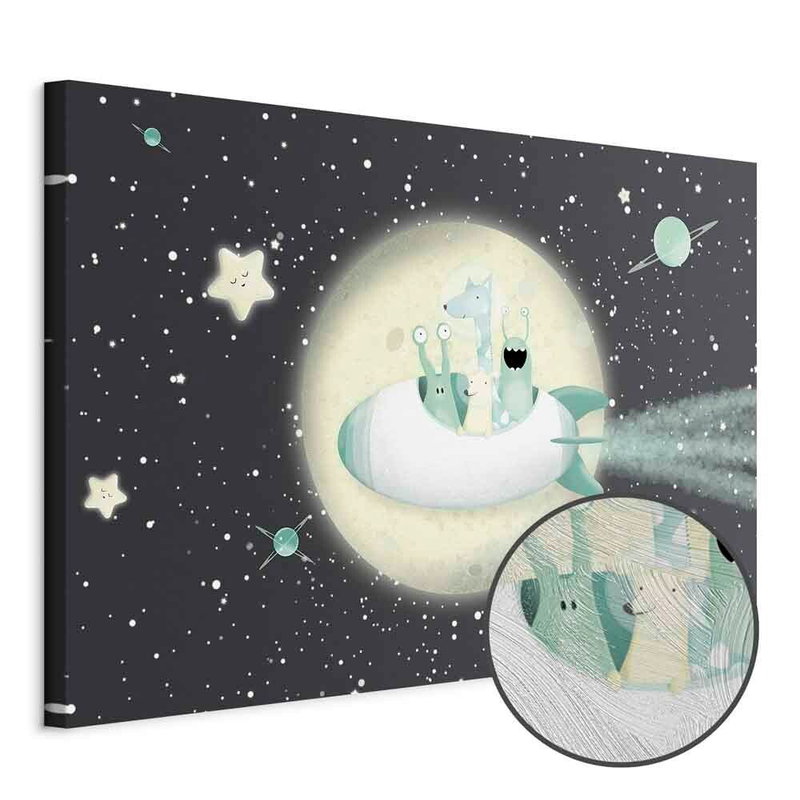
A drawn character can suit a lighter or more narrative expression. A close-up animal image can instead create a clear point of contact in the room. Eyes, the direction of the body and surrounding forms affect how the picture sits beside doors, furniture and other artwork.
Compare the background colour with the room as carefully as the animal itself. A pale illustration and a dark jungle scene may need quite different space to stand out. Within a group, a recurring colour can hold different motifs together without all of them showing the same animal.
The premium finish and multi-panel designs
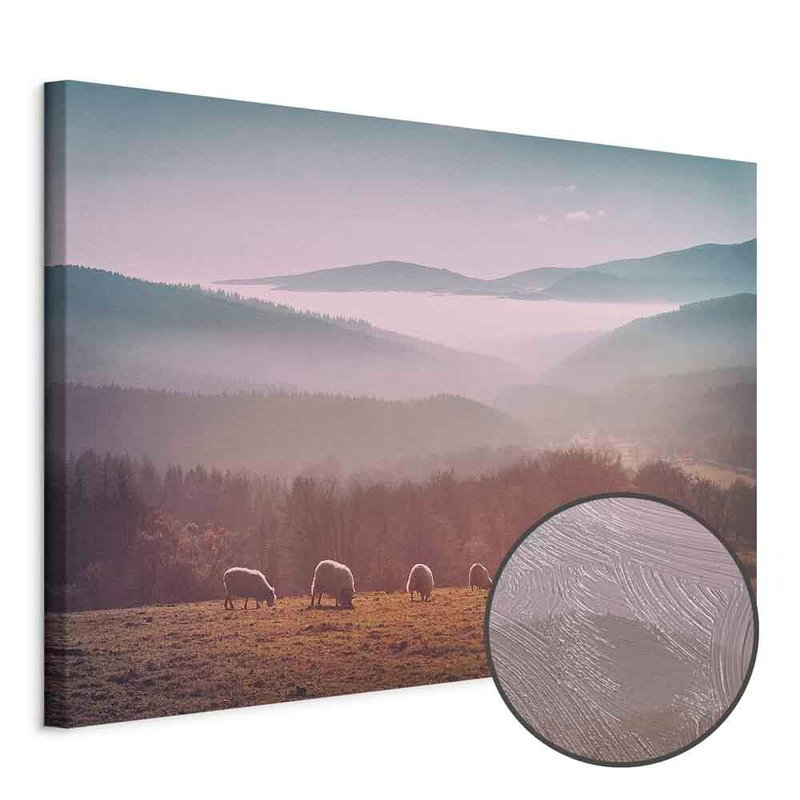
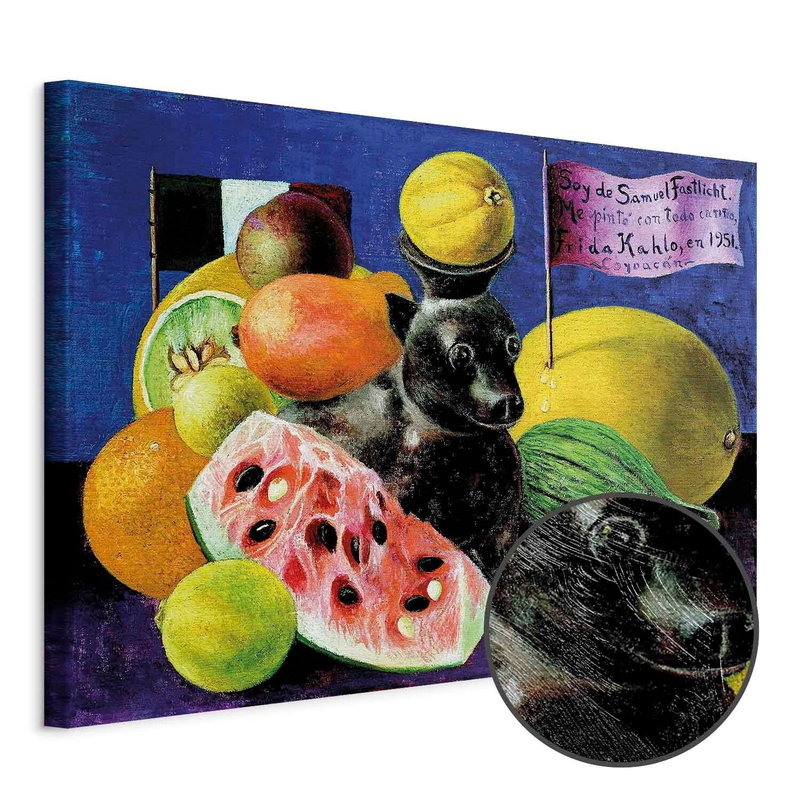
The motif is printed and gains physical surface texture through hand-applied clear gel. Depicted fur, feathers and other details belong to the image and should not be confused with the product’s materials. Examine surface details in the product photographs when assessing the finish.
Also read how many panels the product contains. A series of illustrated animals needs to be considered as a combined wall composition with planned gaps. Check each panel’s dimensions and the group’s space requirements so important figures sit at an appropriate height without competing with nearby objects.
Choose for both the motif and practical use
The absorbent construction behind the print can help reduce reverberation. Requirements depend on room size, hard surfaces and other furnishings. A playful animal image does not change the product’s technical properties or any requirements applying to use in a particular setting.
Check the model’s hanging and care instructions before installation. Clean the treated surface gently as specified in the product information. When character, format and practical use work together, an animal picture can become a personal part of the room’s wall art.
The animal’s setting is part of the choice
When the animal shares the image with leaves, flowers or a wider landscape, the background has a role of its own. Compare how much space the animal actually occupies and what surrounds it. A dense decorative setting may carry the palette, while a more open background can emphasise the body’s outline. Choose the balance that suits the wall rather than relying solely on the species.
Naturalistic and imaginative are different visual languages
An illustration may simplify proportions, give an animal unexpected colours or include its forms in a decorative pattern. This is part of the artistic expression. Compare the whole with a more naturalistic image if choosing between recognition and freer interpretation. Judge the style from the main image; a product name does not always show how the animal is actually represented.
Choose an expression for those sharing the room
At home, an animal image may connect with a personal interest. In a shared room, comparing different expressions together can be valuable. Consider whether a playful illustration, distinct portrait or more decorative scene works best with the other wall art. The choice concerns the image’s presence and does not promise how people will react to it.
Assess the picture group and clear wall together
A multi-panel product needs a defined place as a whole. Compare the largest figures and the position of the strongest colour contrast before planning the height. Mark the panels’ outer dimensions and gaps on the wall. This reveals whether a smaller panel falls behind furniture or the focal point shifts away from the usual viewing position.
Leave room around the group so nearby shelves or decorations do not obscure its outlines. Follow the product’s specified division and installation once its position is chosen. Combining animal themes from different products is a separate visual choice and does not mean their images continue exactly across one another’s edges.