




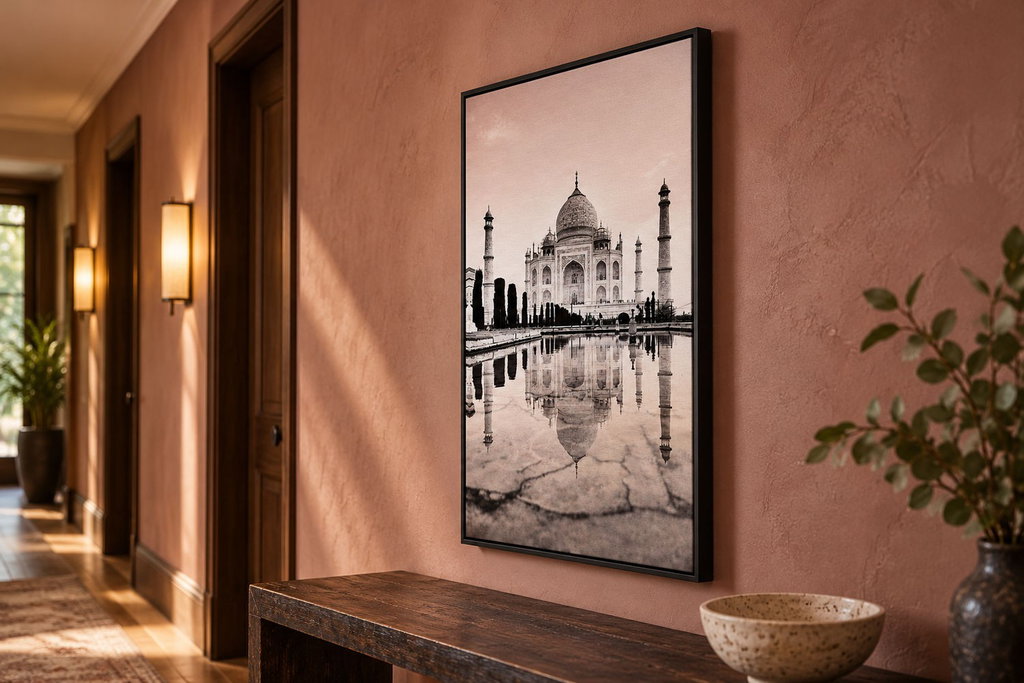
Architecture through lines, materials and perspective
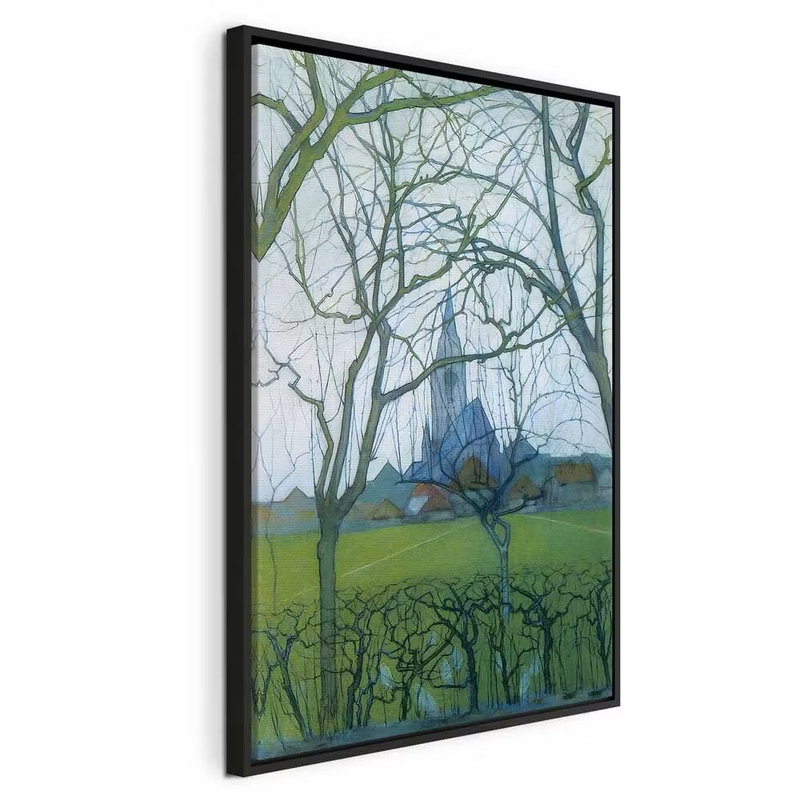
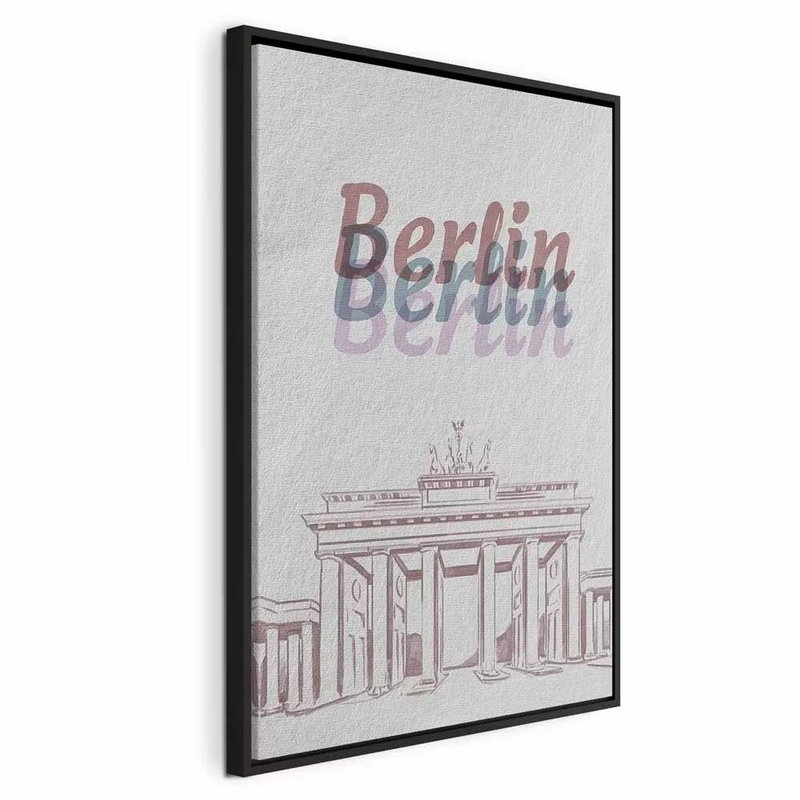
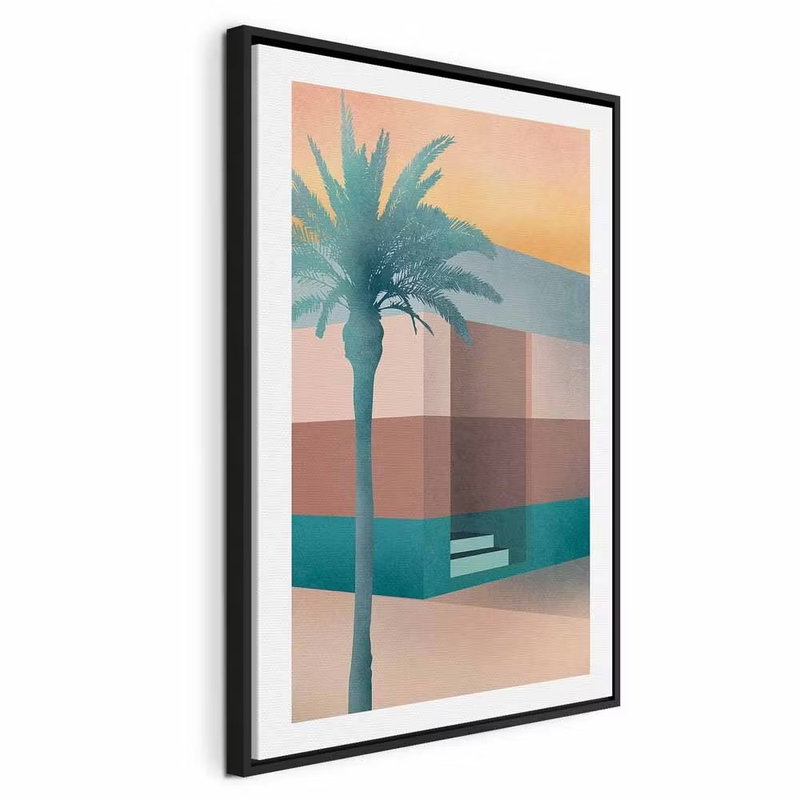
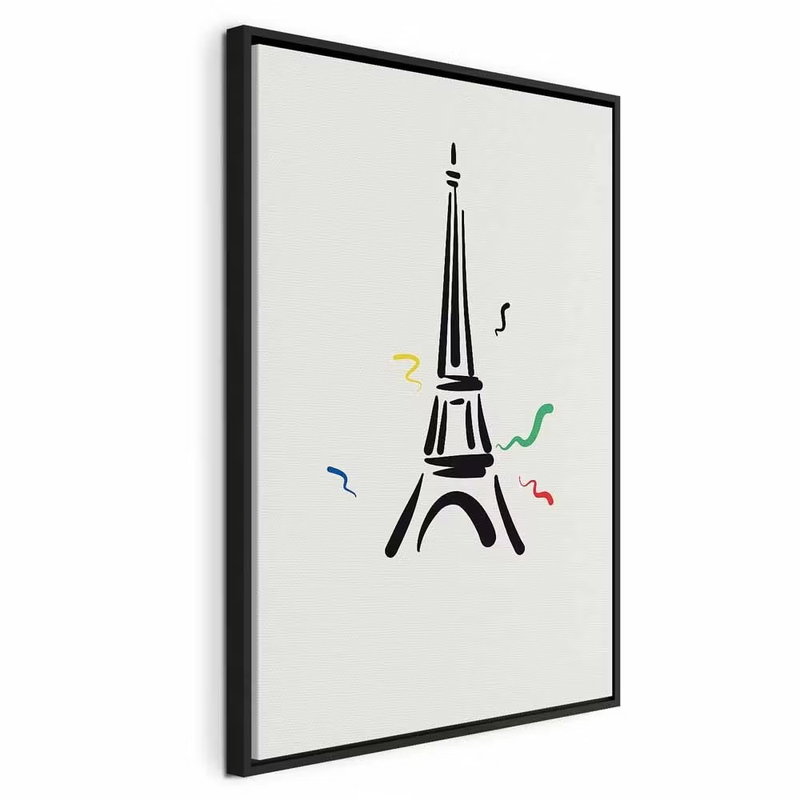
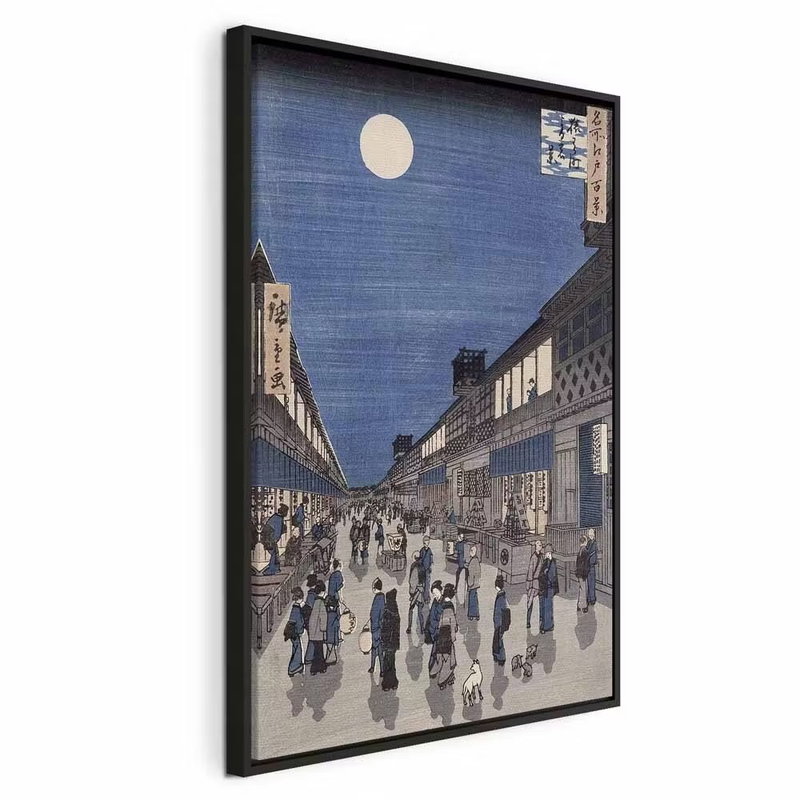
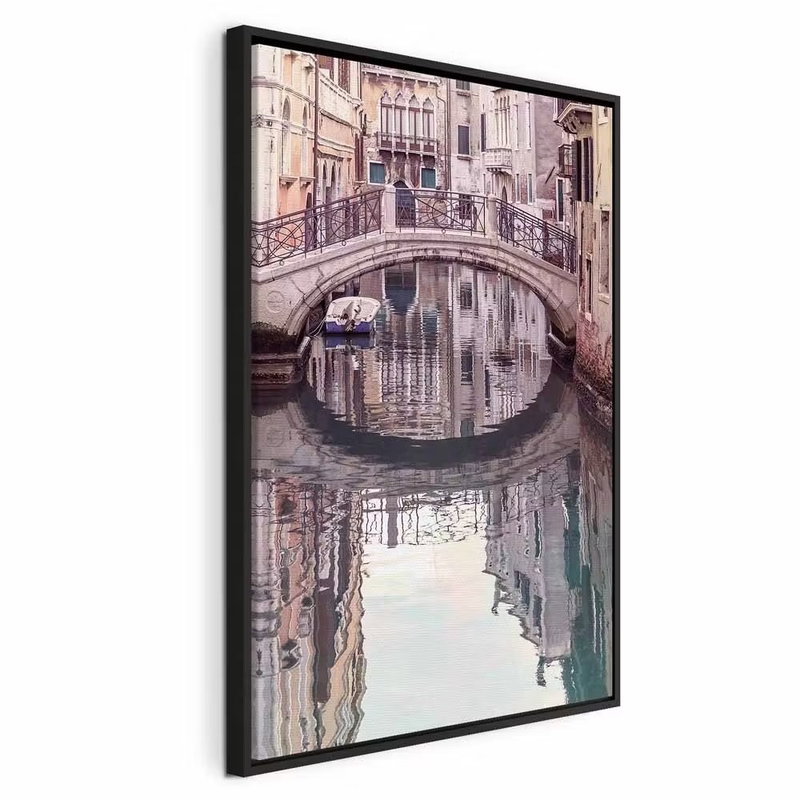
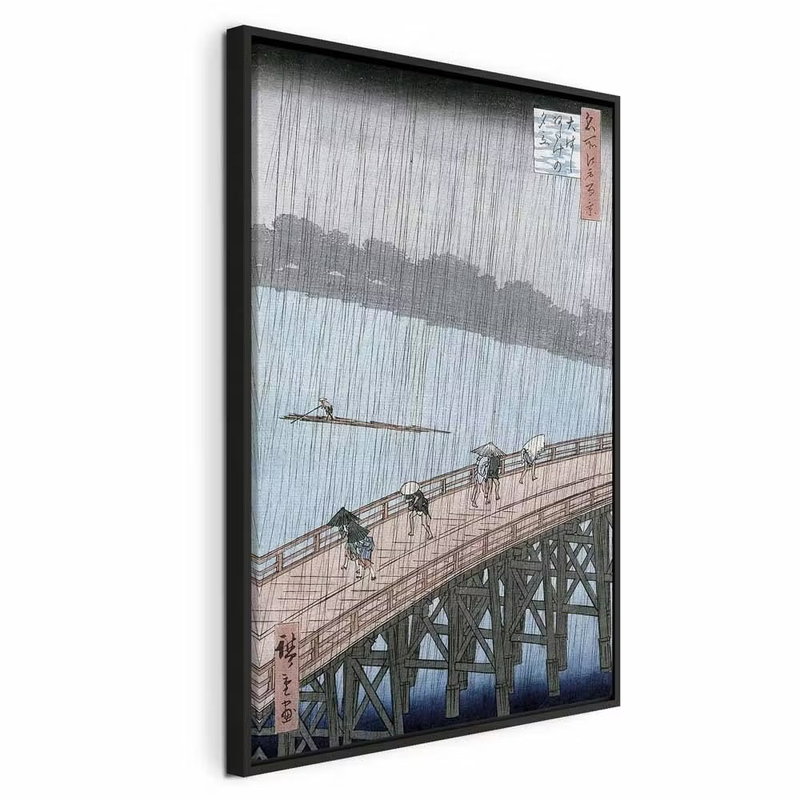
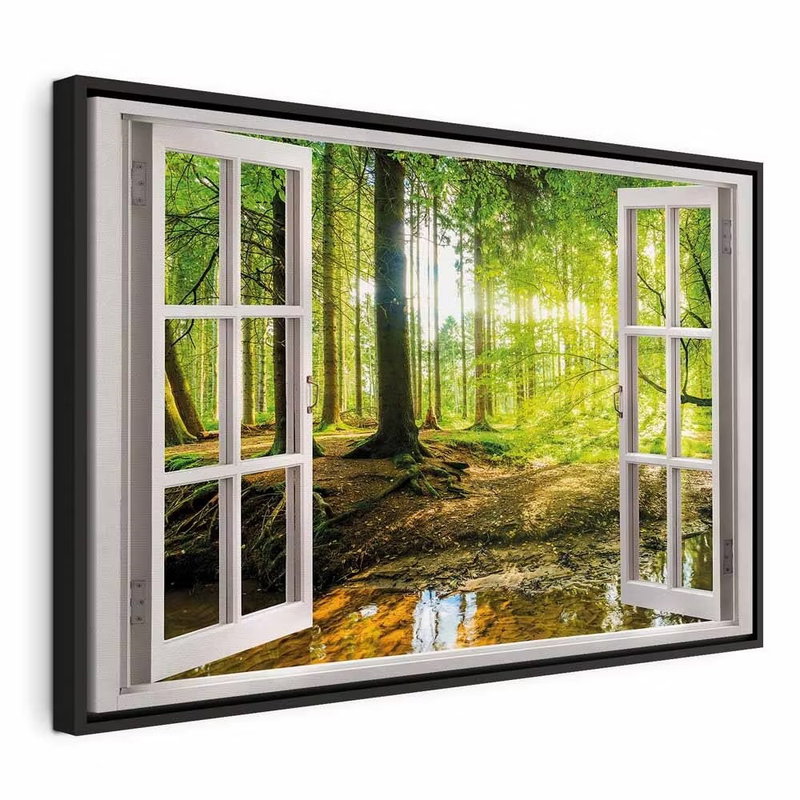
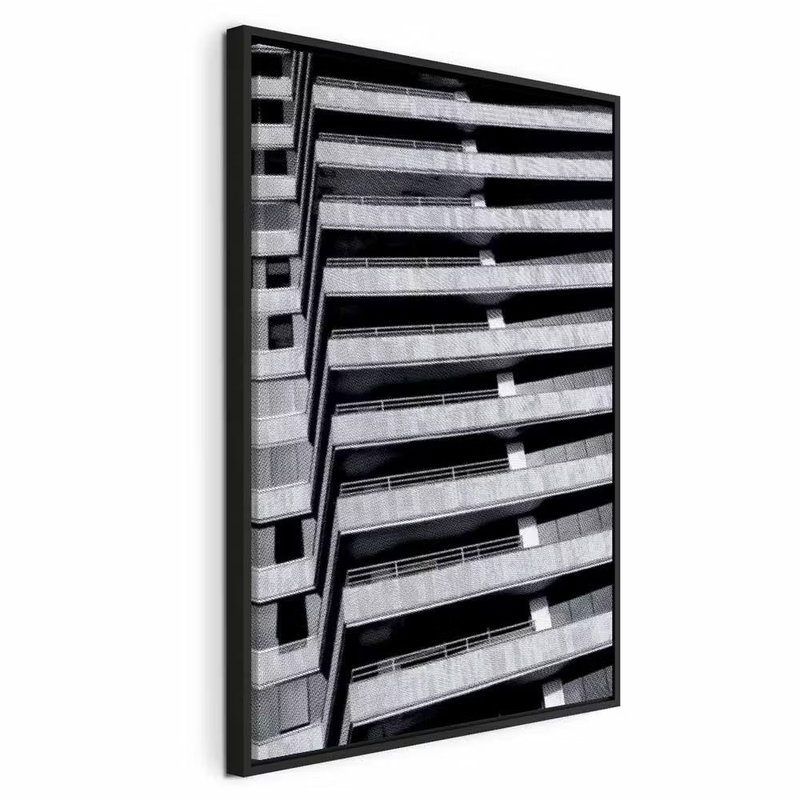
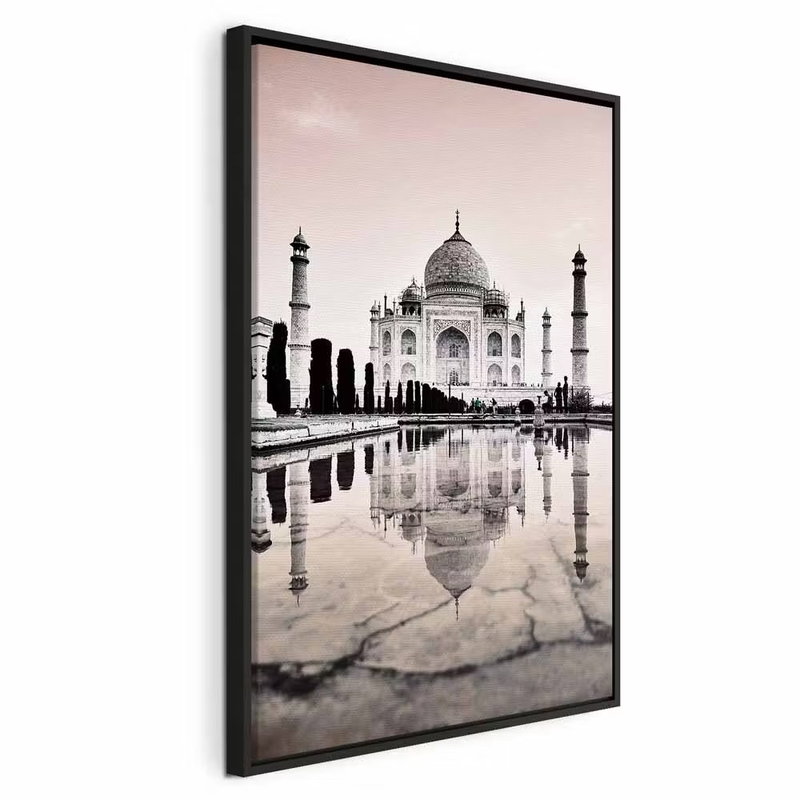
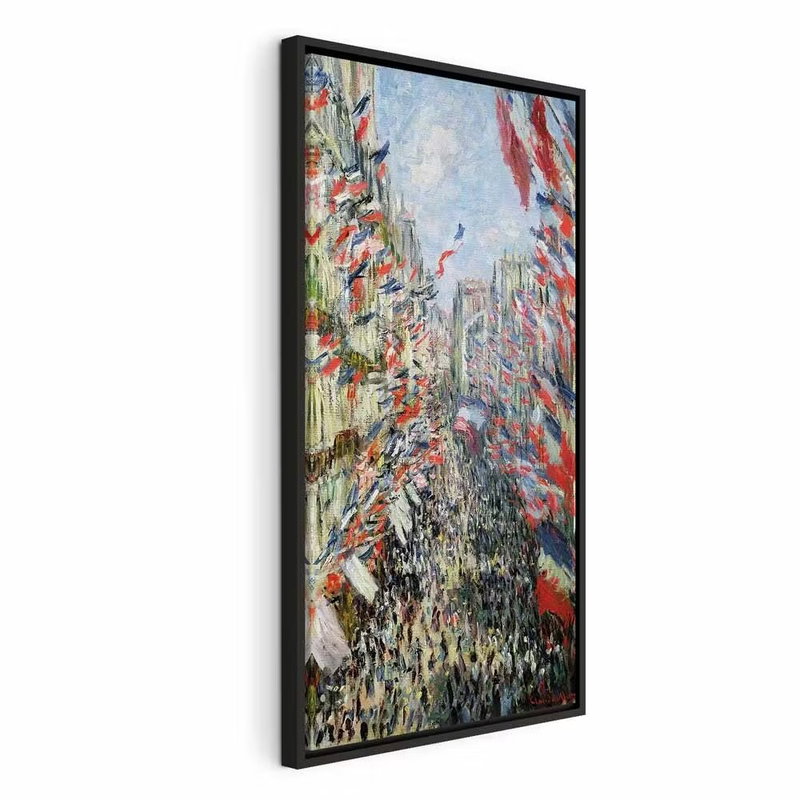
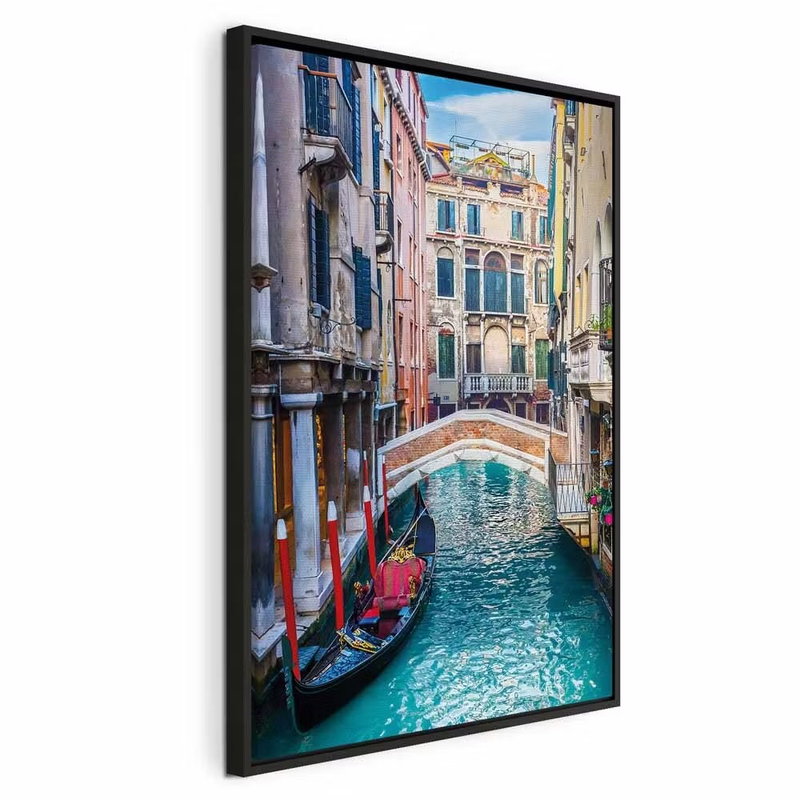
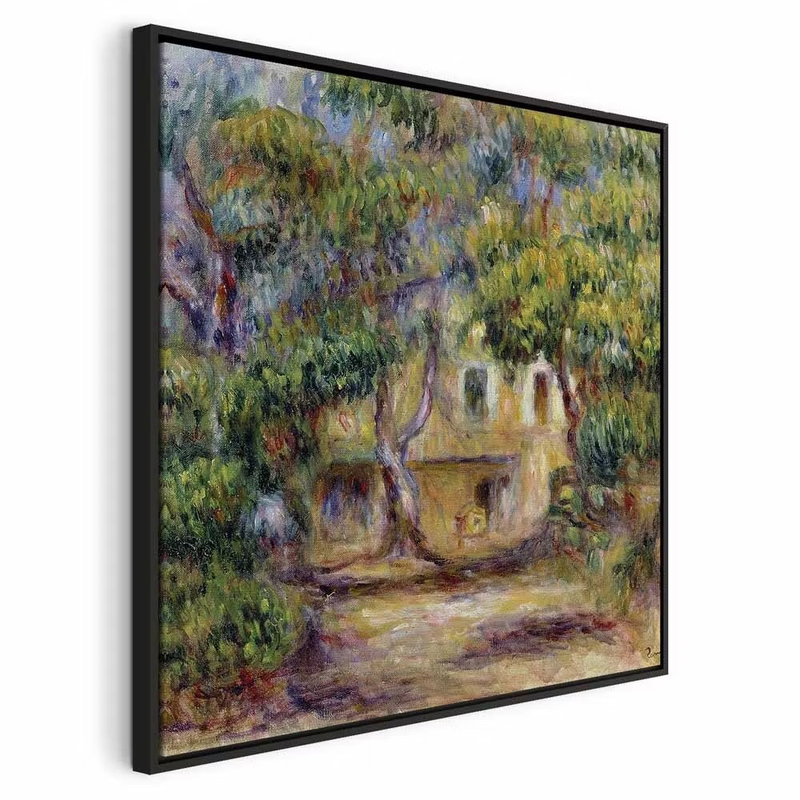
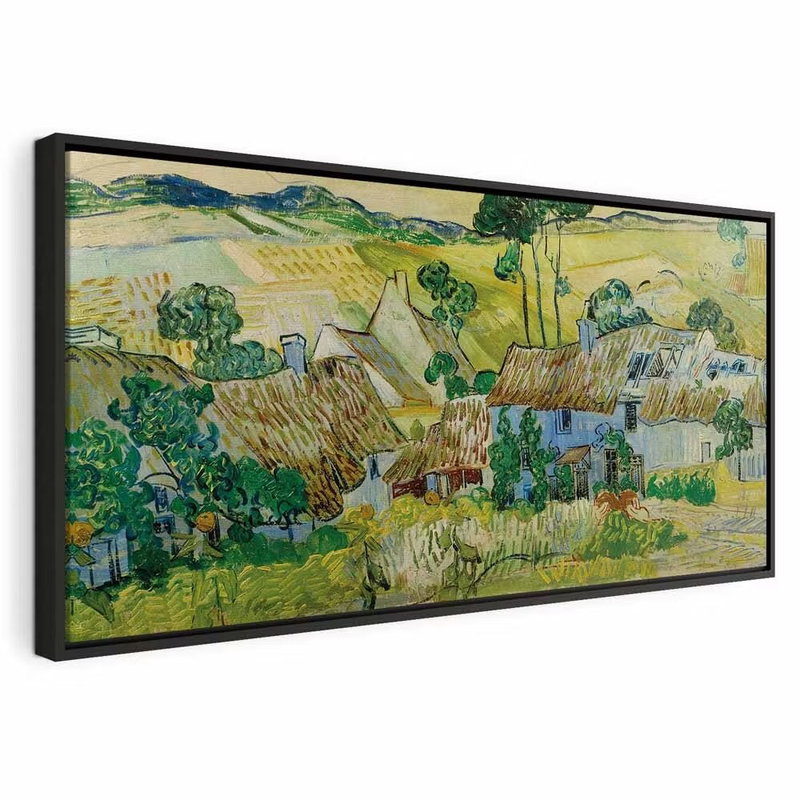
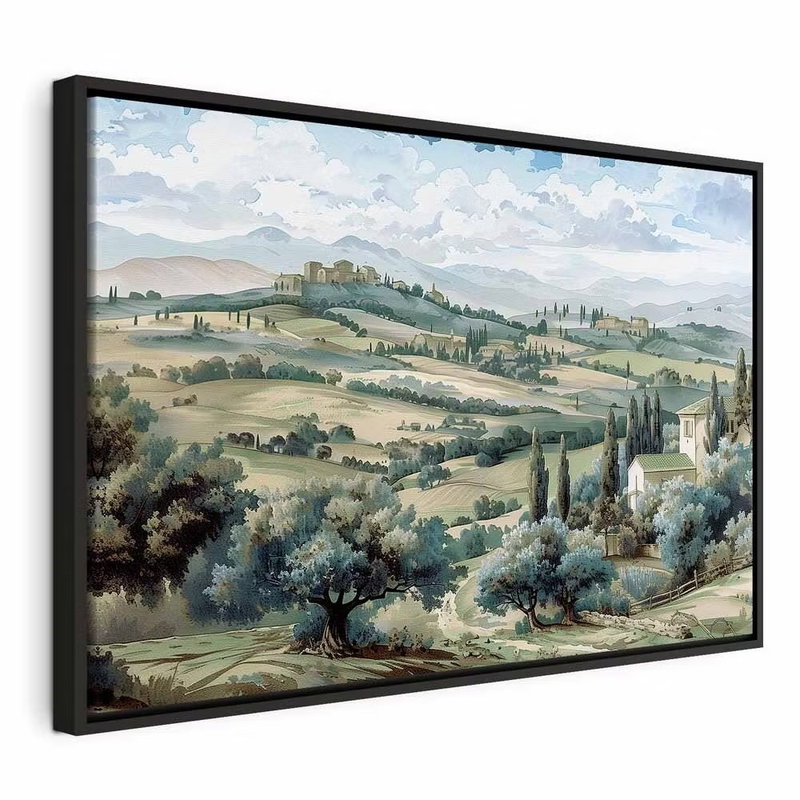
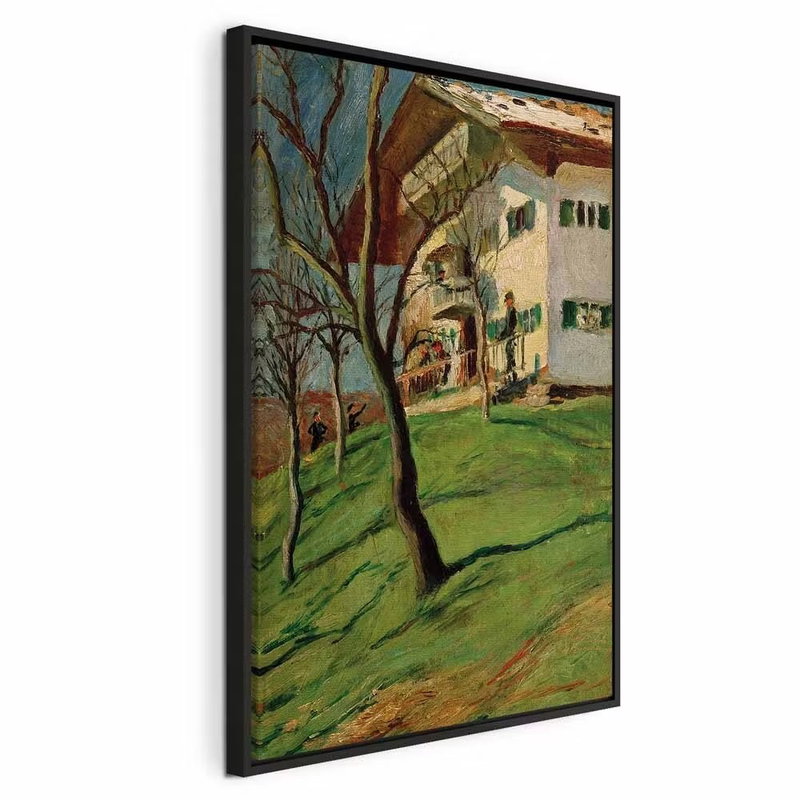
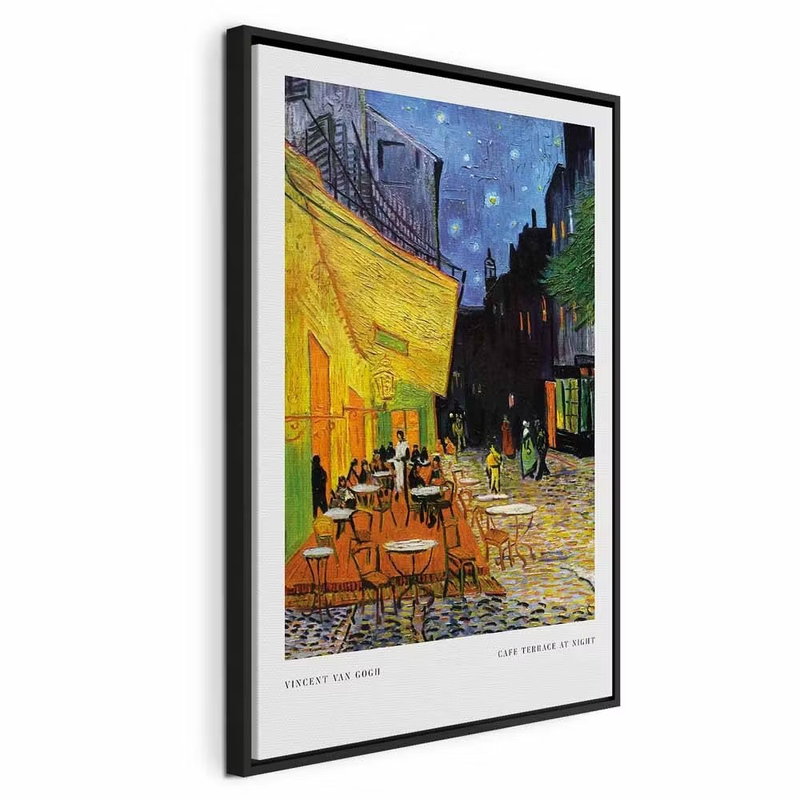
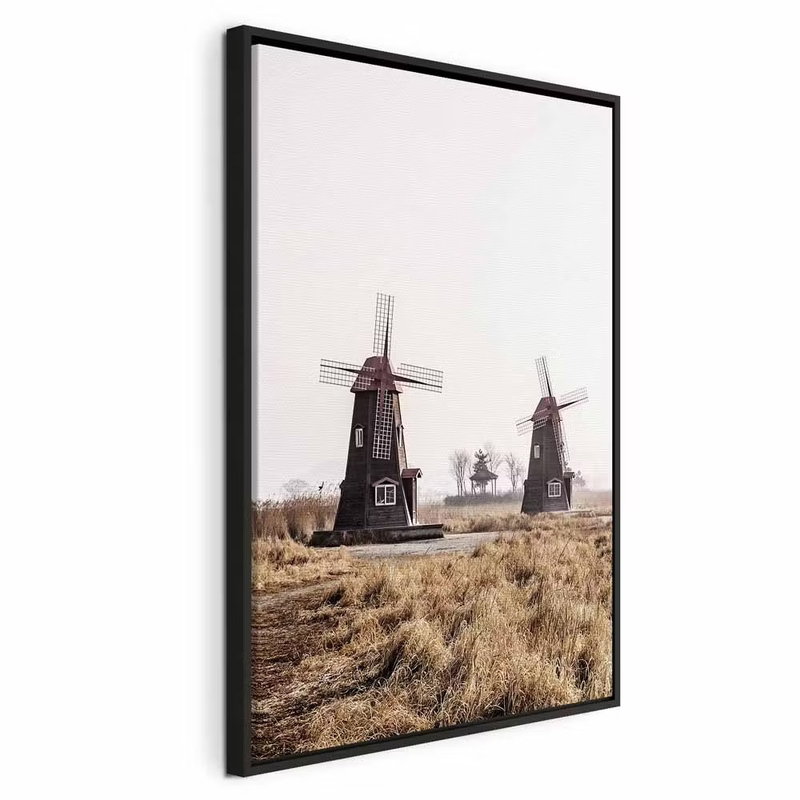
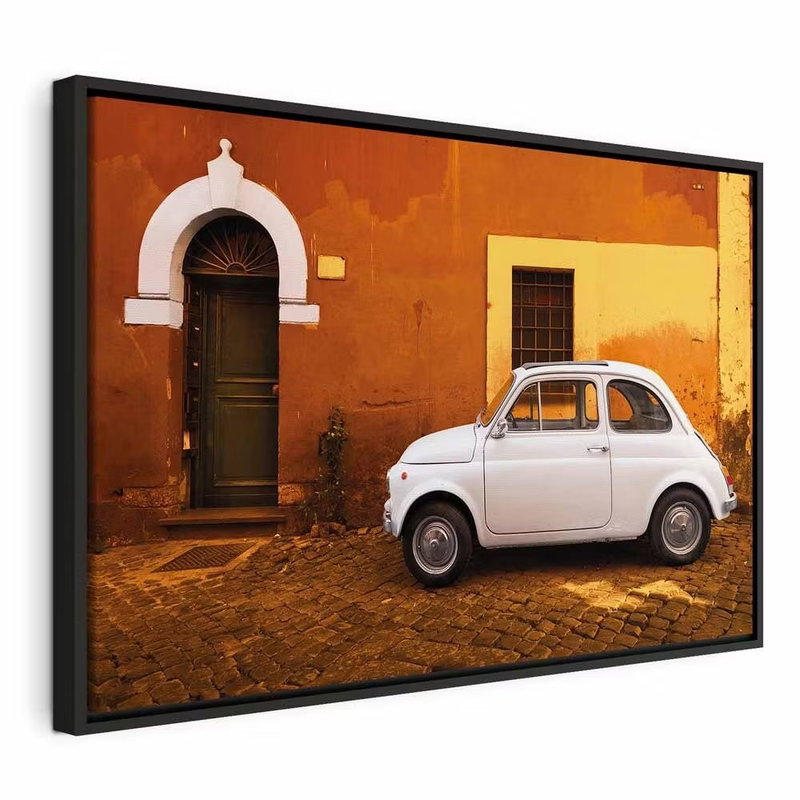
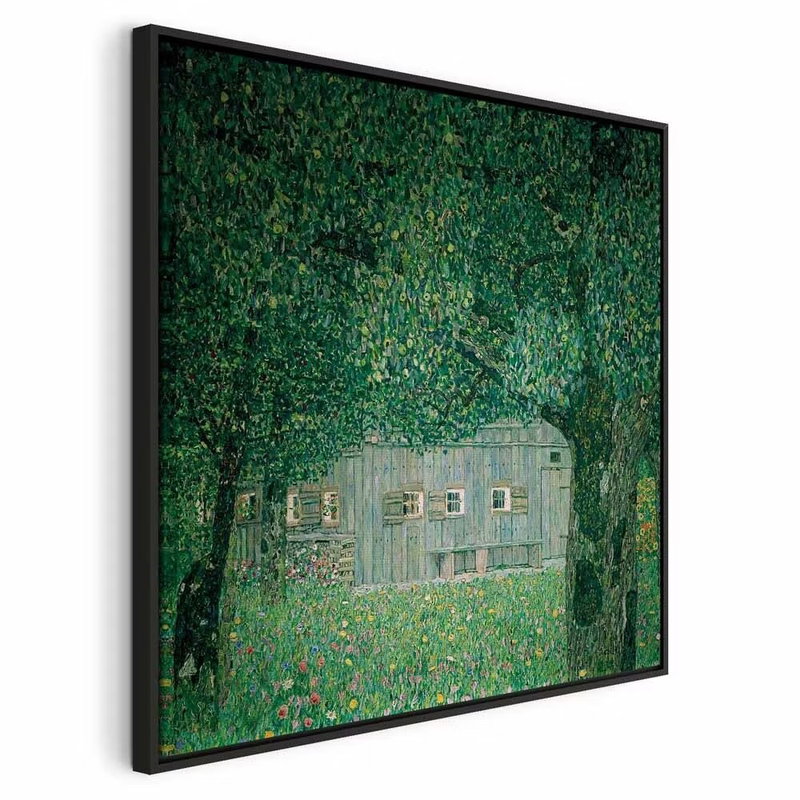
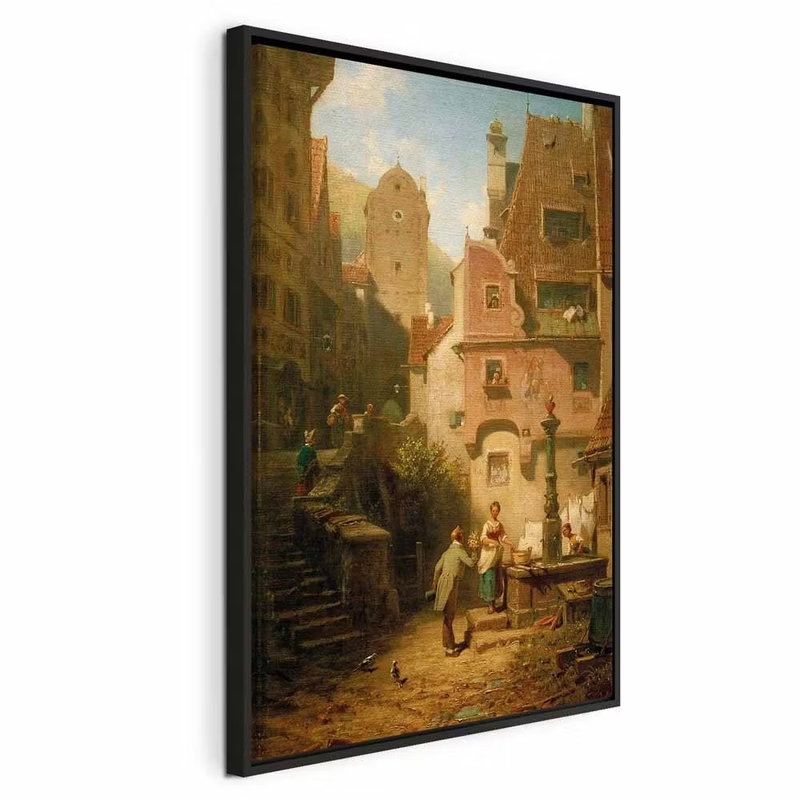
An architectural image can focus on a whole building or on how a column, doorway or façade is depicted. The checked subjects include decorated stone surfaces, temples with classical columns and a colourful street façade. Choose which aspect of the architecture you want to draw attention to.
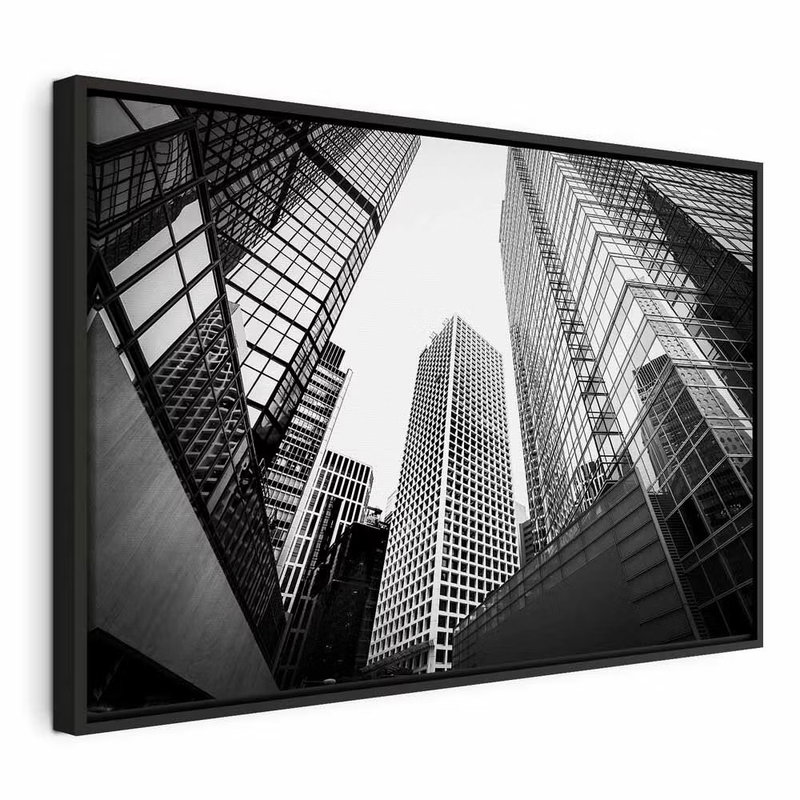
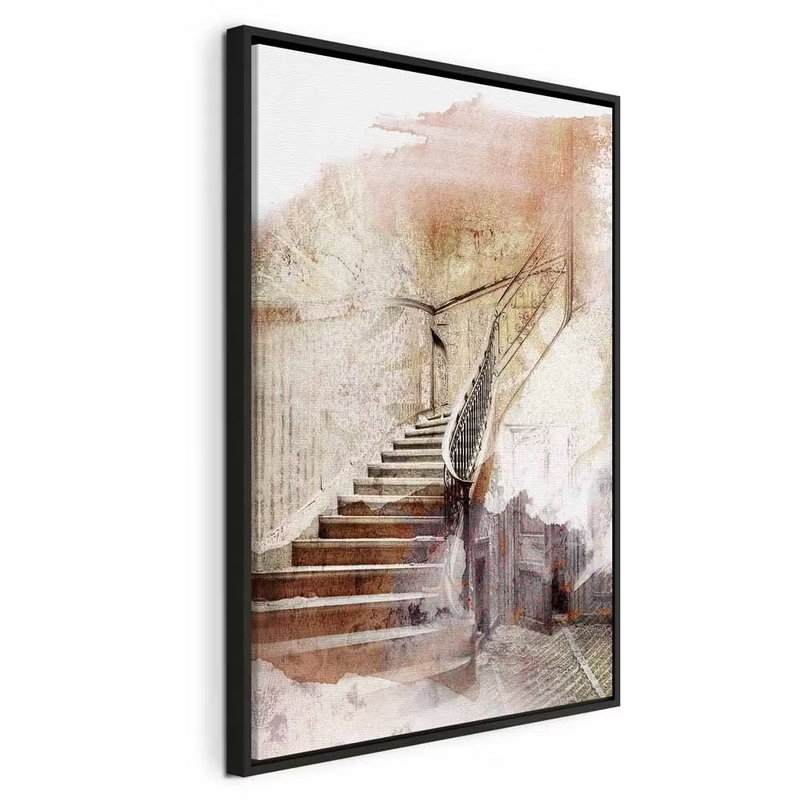
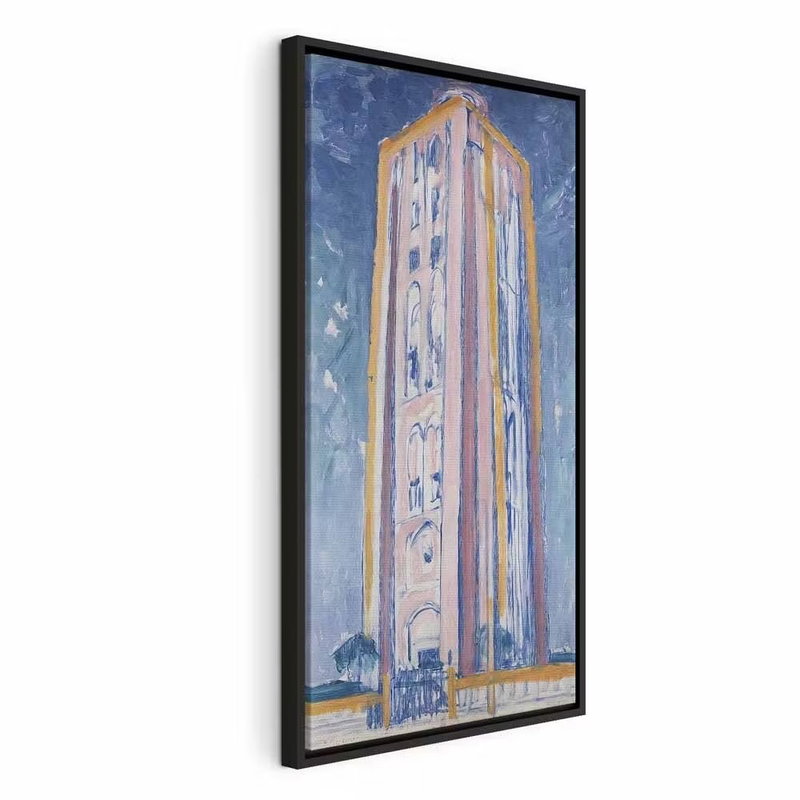
An upward perspective reinforces height, while a more frontal façade creates a different order. This affects how the picture relates to the room. Assess its main lines alongside table edges, doors and storage so that it takes a deliberate place in the overall interior.
The difference between a detail study and a view of a place
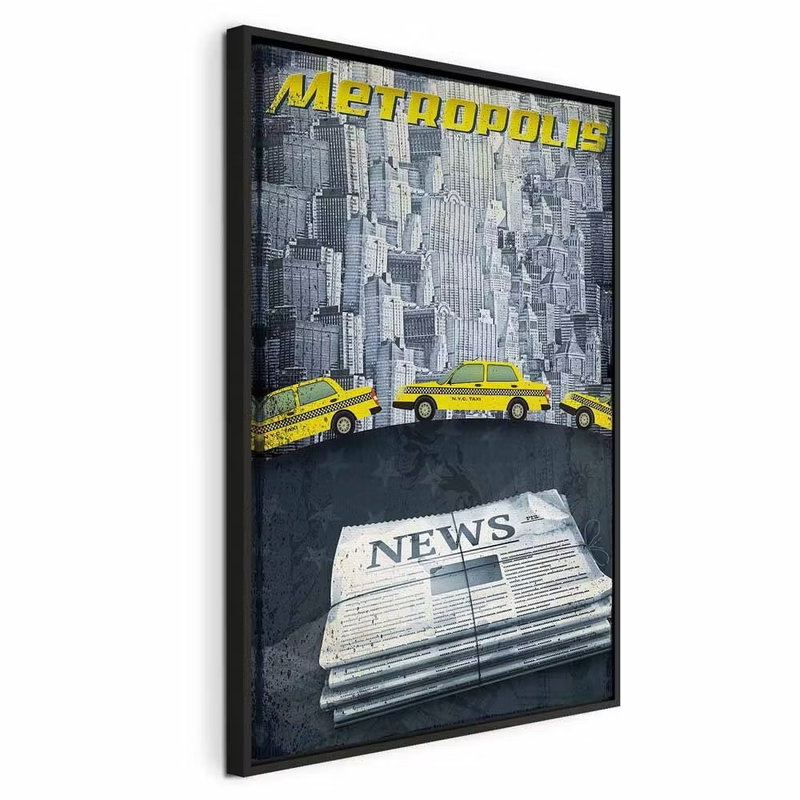
A close building detail can be interesting in a passage where you approach the picture. A view with a street and its surroundings often needs greater distance for the perspective to emerge. If city life and a sense of travel matter more than the building itself, Cities & travel may also be useful to compare.
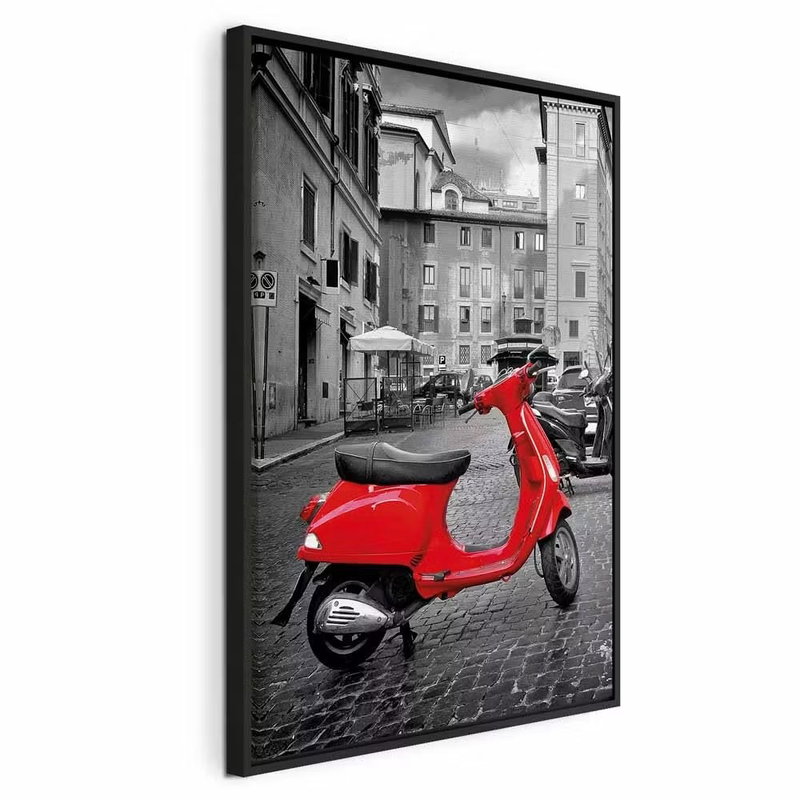
One image can combine several subjects, such as a car in front of a prominent façade. Look at the complete image and decide what carries its expression for you. A subject category helps narrow the choice but does not replace assessing the individual composition.
Choose the frame and proportions around the building’s forms
A dark frame can relate to shadows, window openings or outlines in the image. A natural-coloured option may instead connect with warm stone and earth tones. Start with the frame choices shown for the product and compare them with both wall and furniture.
Check the format, too. A vertical crop of columns and a broad street perspective need different wall areas. Mark the intended outer dimensions before choosing a size, particularly between windows or above furniture with defined proportions.
Sound-absorbing wall art for spaces where people meet
An architectural picture can suit studies, reception areas and seating spaces where its structure relates to the interior. The absorbing material behind the print can also help reduce reverberation. The amount of absorption needed depends on the room and the total quantity of suitable material, not on the building depicted.
This concerns sound within the room rather than sound insulation through a wall. Read the model’s product details and hanging instructions once you have chosen the subject and format. Match fixings to the wall material and leave space around the frame so that the architectural lines remain clear.
Light and contrast in architectural designs
Do not compare only the building's recognisable shape. Pale wall surfaces, dark windows and the direction of shadows also influence the overall image. A design with large light areas creates a different balance against the wall from a dense façade with many small details. Consider the design alongside the room's existing wall colour and the lighting you use every day. If the artwork will be viewed both during the day and in the evening, it is worth thinking through both situations before choosing its position.
Plan a group of architectural pictures
If you want to combine several pictures, start by deciding which area the group should occupy rather than choosing each image entirely on its own. Include both the pictures' external dimensions and the gaps when comparing the whole arrangement with the furniture or wall beneath it. Check how the dimensions are specified for the relevant products. The group's combined width and height need to work in the room, rather than just the proportions of each individual image.
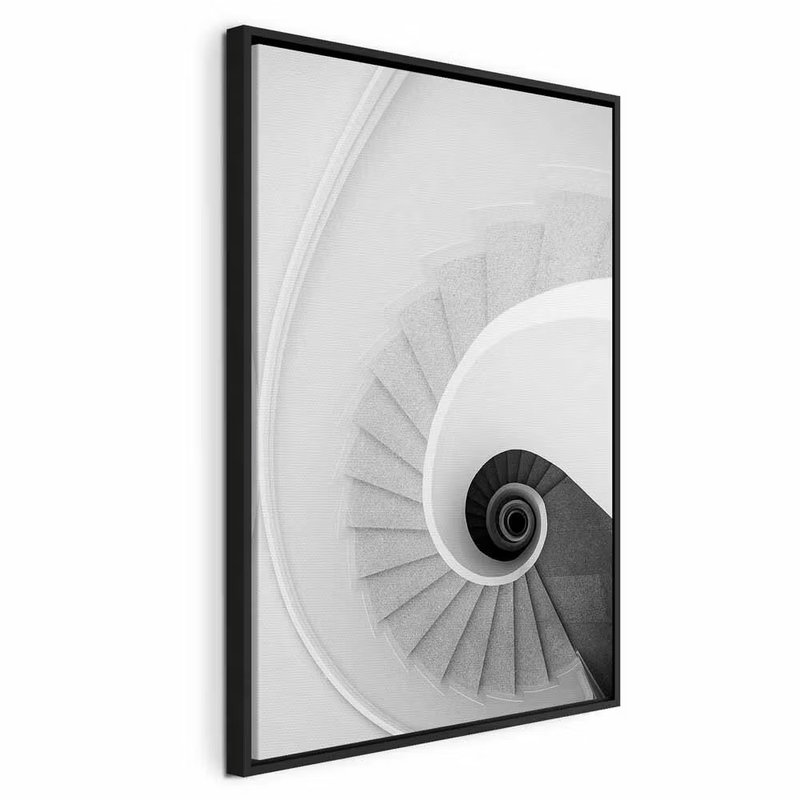
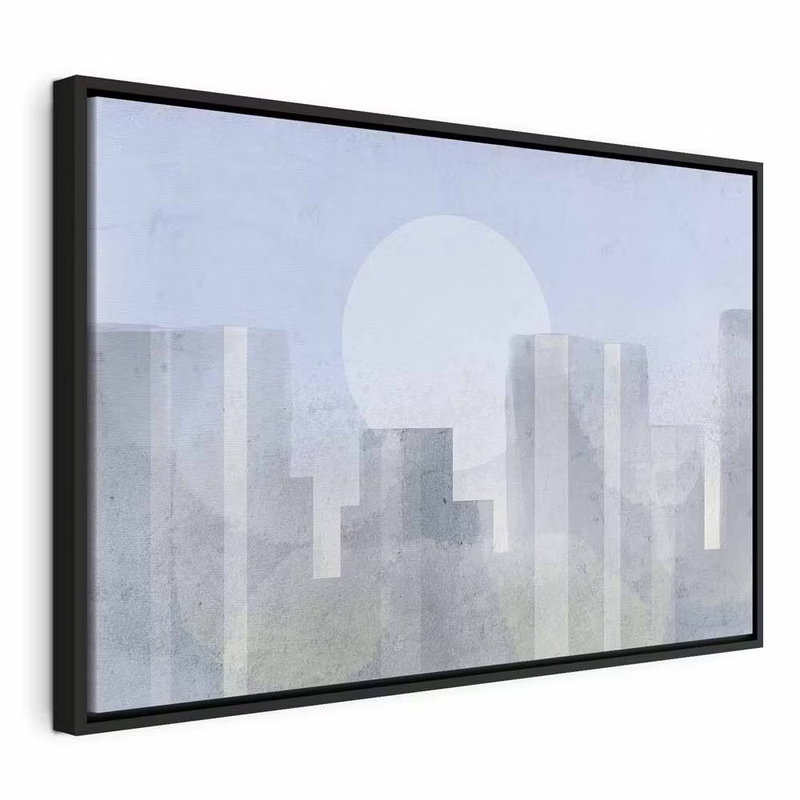
Then compare how the lines move between the pictures. An upward-looking façade, a horizontal row of buildings and a close-up of a detail create different centres of gravity. The images do not need to depict the same place or have identical colours to belong together. A recurring direction, similar contrast or a frame that unifies the appearance can provide a starting point. At the same time, leave room for each design to be seen so that the buildings' small details do not compete for attention.
Distinguish depicted materials from the artwork's surface
A picture of stone, glass or metal describes the subject of the image and does not mean that the artwork is made from those materials. Read the product information when comparing canvas, frame, construction and surface. Assess both the overall image and the available detail photographs of your chosen model. When you view the artwork at an angle from the side, the actual frame also meets the perspective depicted in the image. It therefore helps to choose according to both the picture's content and the product that will actually be installed.